main

Blog

Crown Liquor Saloon – the pearl of Belfast

26/03/2015 — by Magdalena Kuźma0

Crown-Liquor-Saloon2-960x640.jpg

It seemed that pubs became the keynote of our trip to the Irish island, so being in Belfast we had to check the offer of local public houses, because this is what the word “pub” comes from. In the very center of Belfast, right accross the street from famous Europa Hotel, we found a real treasure. Nothing like that we have seen during our pub crawl in Dublin. Crown Liquor Saloon is an unusual place. Seeing it only from the outside one can expect entering some kind of a special place. The tradition of pub in this place reaches the beginings of 19th century but the name Crown Liquor Saloon appeared only in 1885. Facade of the building is richly decorated with ceramic tiles and the most important element made of them is the crown on the floor right at the entrance. History of the crown is connected with pub’s first owner, who was an Irish nationalist  and put the crown in this position so that everyone who comes in could trample it.

[photosetgrid layout=”3″]Crown Liquor SaloonCrown Liquor SaloonCrown Liquor Saloon[/photosetgrid]

The saloon is like a time machine. It is owned by National Trust which invested huge amounts of money in restoration. Thanks to that we can admire inside all the finest elements perfectly maintained.  Pub was hurt many times during The Troubles, because it is located exactly opposite of main IRA’s target –  Europa Hotel. The institution had to spend huge amounts of money since the place was bombed many times. The whole concept of the interior is very interesting – it is consists of separate little rooms, kind of compartments, which provide total intimacy to their guests. When the doors of smaller and larger wooden boxes are closed it is totaly not visible from the outside who is inside. Pretty good solution for visiting with the baby. We just close the door and the little one can freely play under the table. Another thing is that it’s pretty dark there, one would rather say – romantic. Windows are dcorated with colorful stained glass, so there is no chance to see from the outside what is going on inside and the amount of light which enters the room is very small. And inside it’s usually full. We stepped in there in the early afternoon and were lucky to find one box available. Right after that the place got full of tourists and locals. All the seats at the bar were occupied and the main room got crowdy. At the same tme Ola was familiarizing herself with all the cards of menus behind closed  wooden doors.

[photosetgrid layout=”23″]Crown Liquor SaloonCrown Liquor SaloonCrown Liquor SaloonCrown Liquor SaloonCrown Liquor Saloon[/photosetgrid]

Some say that inside saloon more looks more like a church, with its marvelous stained glass windows and wooden boxes resembling confessional booths. This comparison is not so senceless as the pub was decorated by Itaian architects who came to Belfast to build Catholic churches. Whole floor is covered with mosaic. Long bar with marble top is lit by gas lamps. Below the marble it is tiled with colorful ceramic plates and interesting solution we find at the bottom – there is a heated foot rest. Eye-catching wooden constructions, nicely ornated, with built-in mirrors separate people sitting at the bar. It seems that none of interior’s elements has been overlooked by decorators, wooden panels with floral motifes are just above the heads of pub visitors and each of columns looks like covered with scales.

[photosetgrid layout=”3″]Crown Liquor SaloonCrown Liquor SaloonCrown Liquor Saloon[/photosetgrid]

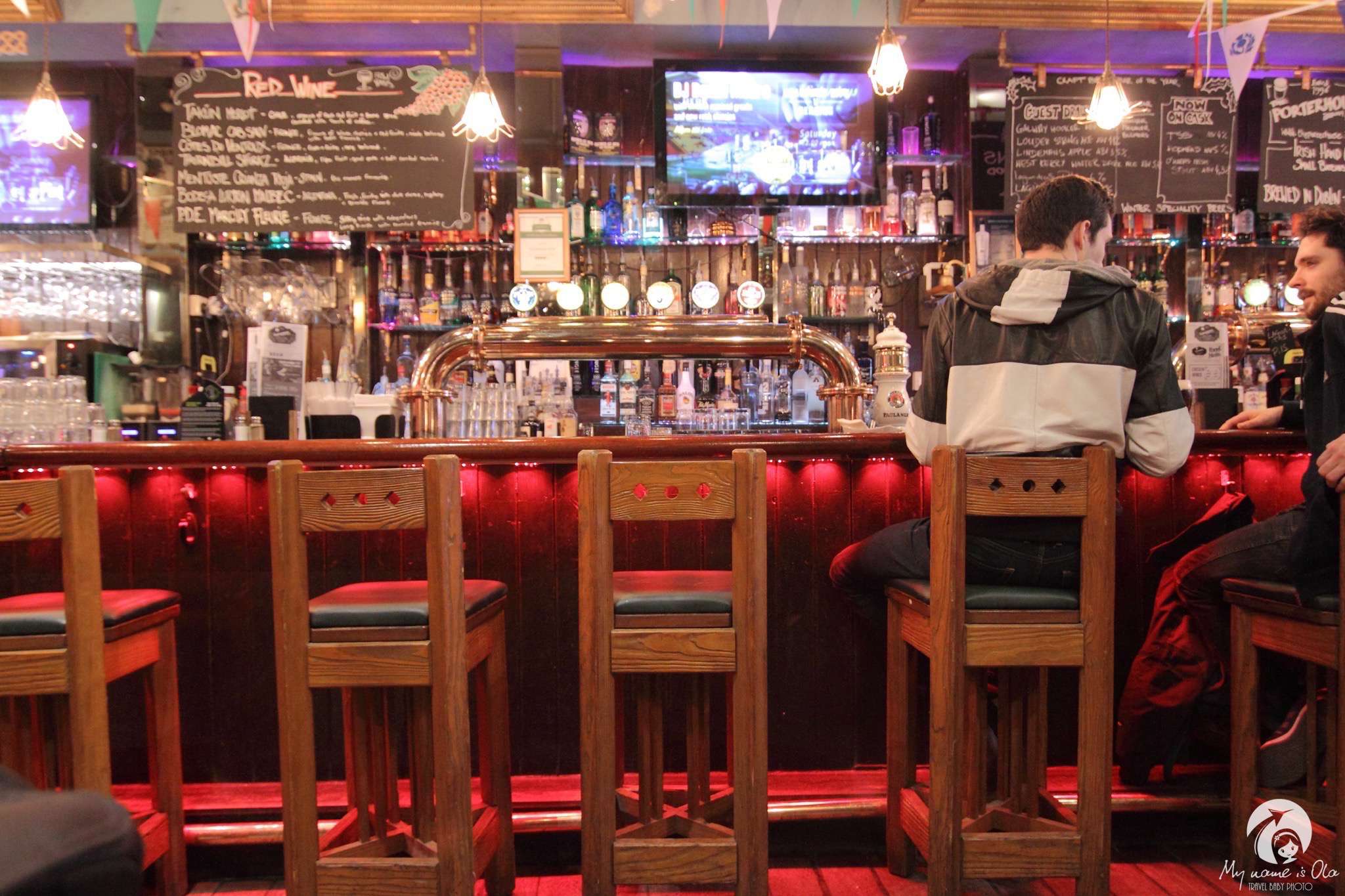
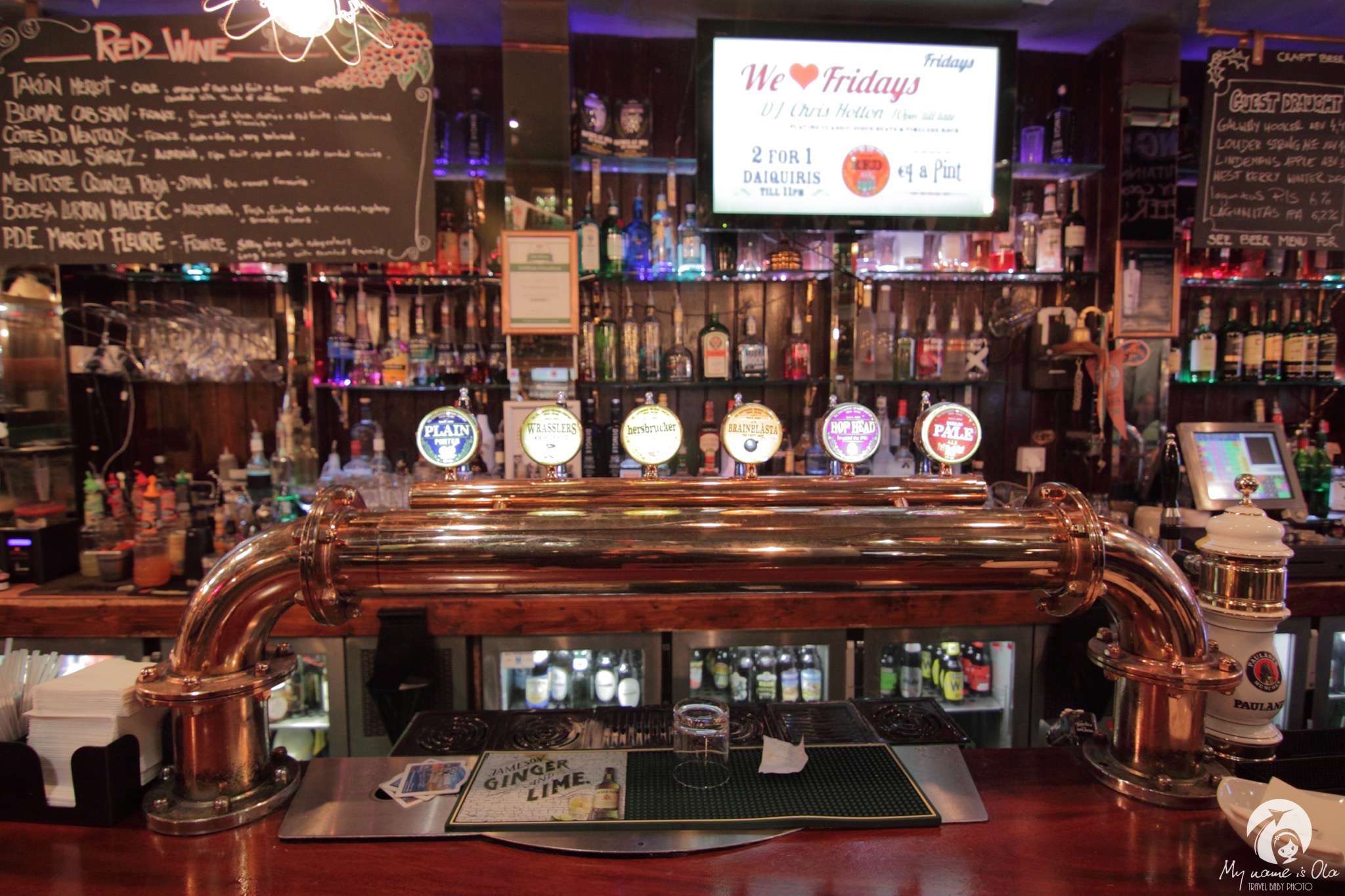
Behind the bar guests will find rich offer of all liquors, from Guiness, through craft beers, on different kinds of whisky finishing. They have craft beers from casks served under their own name of Nicolson’s with different kinds for different seasons. As every decent Irish pub Crown Liquor Saloon offers food as well. We were positively surprised by non-meat burgers. Besides that they offer of course fish and chips, different kinds of burgers, sandwiches and the choice of differently cooked meats. The atmosphere is relaxed, cheerful and of course loud and happy and the little one immediately gains the interest of stuff and other guests causing wide smiles on their faces.

[photosetgrid layout=”3″]Crown Liquor SaloonCrown Liquor SaloonCrown Liquor Saloon[/photosetgrid]
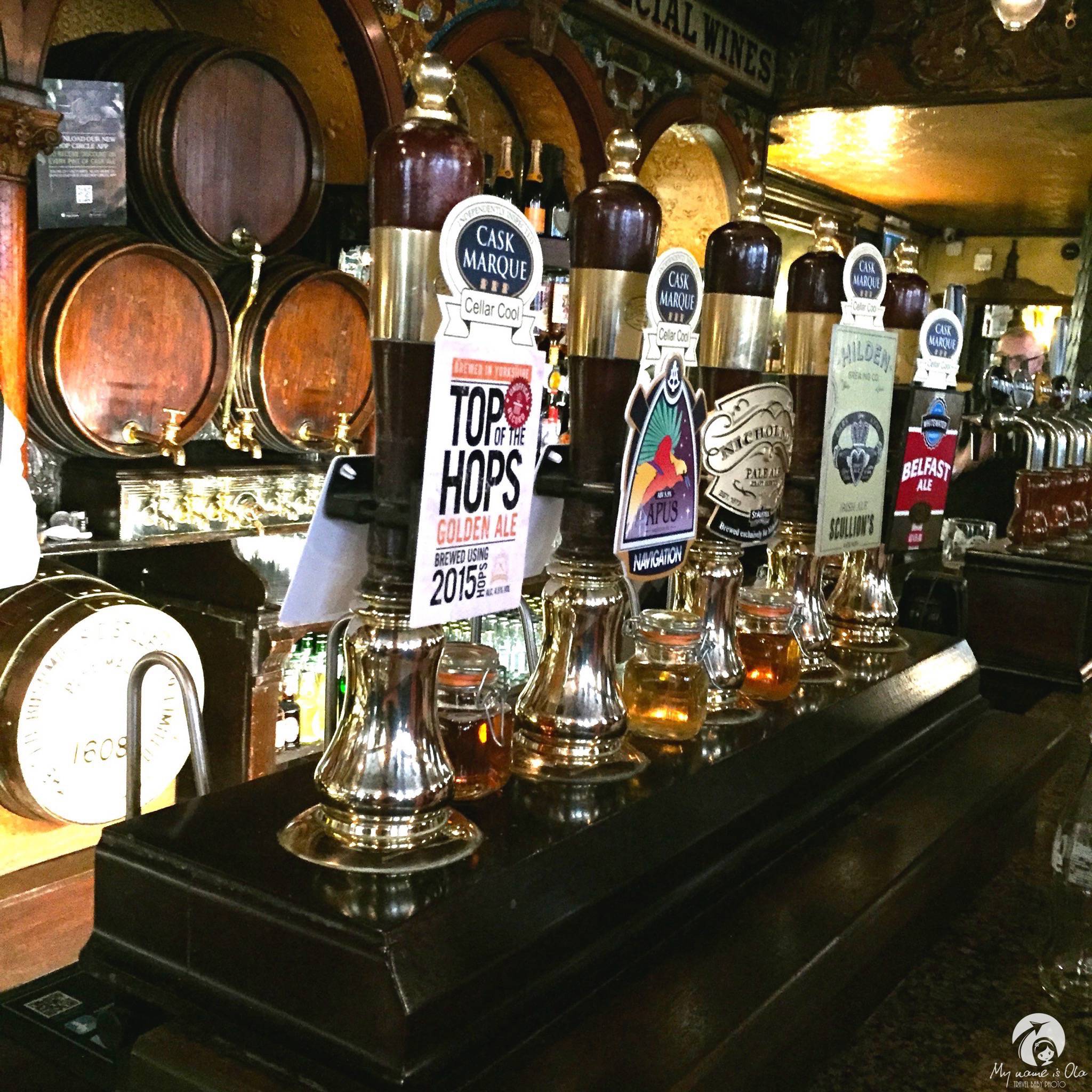
Being in Belfast one has to necessarily visit Crown Liquor Saloon and grab at least one beer. And finding it  won’t be difficult as it is located in the heart of Belfast, in the area called Golden Mile which gathers most of city attractions: Europa Hotel, Grand Opera House or City Hall.

[photosetgrid layout=”3″]Belfast, Town HallBelfast, Hotel EuropaBelfast, Grand Opera House[/photosetgrid]

BlogNa stole

5 best craft pubs in Dublin

17/03/2015 — by Magdalena Kuźma0

pubs18-960x640.jpg

Ireland is not only Guinness although it might seems so after a short walk around Dublin. All the pubs in the city proudly announce having it in their offer. It turns out that its probably only the lure for turists. Once they get inside they can discover another world of different kinds and types of beer. In Dublin there is a pub at every corner but before choosing one it’s worth to check which are the best of them and not to waste time for others. Hope that knowledge will be particularily useful now as St. Patrick’s Day is just around the corner.

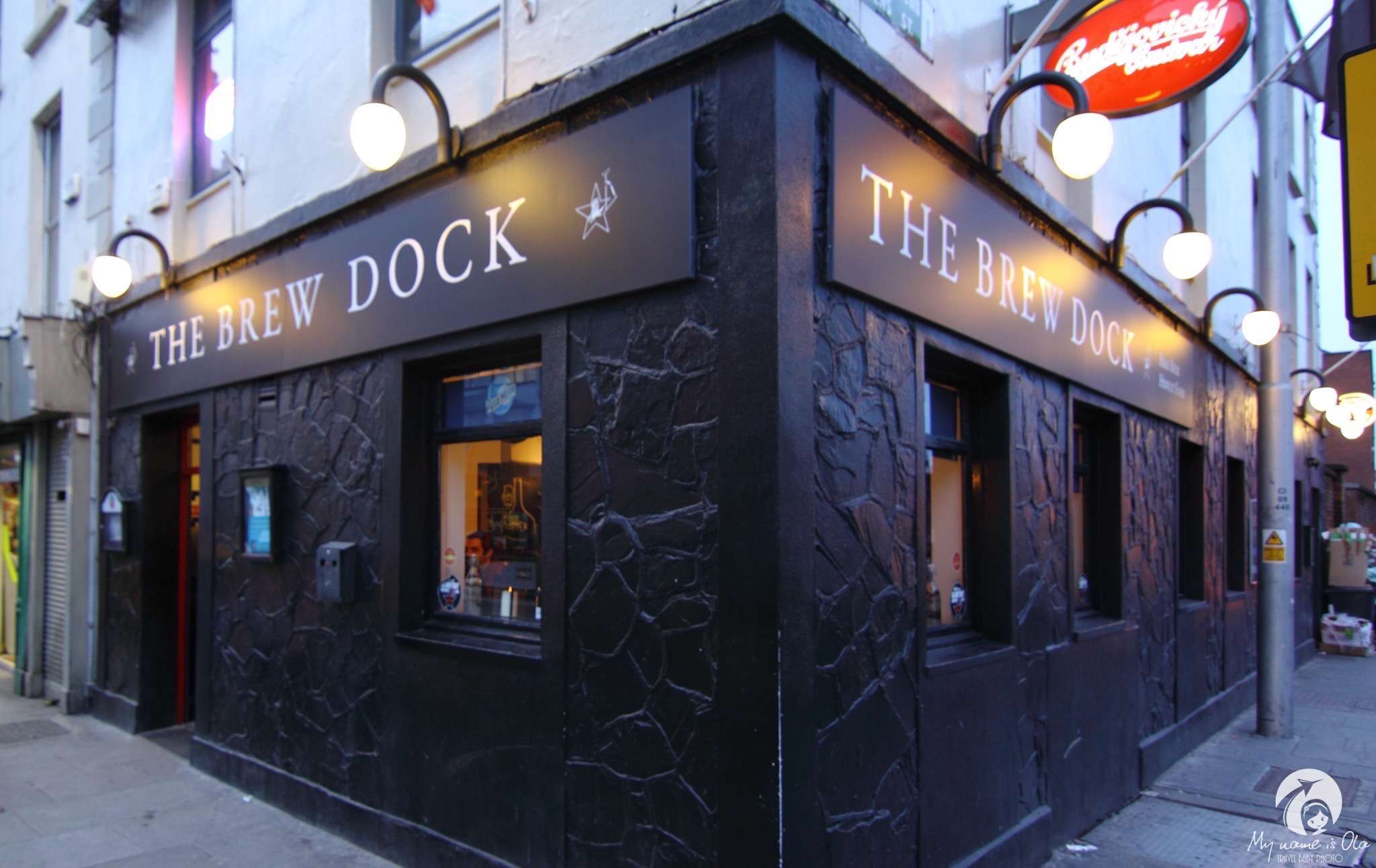
1. The Brew Dock is considered by beer drinkers to be the best pub in Dublin. And indeed the amount of people on Saturday afternoon seems to confirm this opinion. The small place barely fits all the people interested in getting in. Although it’s not located in the very heart of the city, it was really crowded. The place has over 20 taps and 100 beers in bottles. They offer their own craft beers, brewed in Galway Bay Brewery as well as some bottled beers of other producers from Ireland and outside. Galway Bay Brewery is a small craft brewery, where the beers are produced in traditional manner. Their popularity in Dublin is growing and they already have couple of pubs in the capital city. All of them are the top rated Dublin pubs. No wonder since the brewery became no 1 in Ireland in 2014.
If you get dizzy of the great choice of beers there are beer experts behind the bar ready to help you make the right choice. Friendly stuff will find something right for you, either of your favourite tastes or something that will surprise you. For a visit with a little on we recommend some early hours when all the beer enthusiasts are not there yet. All others – do exactly opposite.
The place is located near Connolly Train Station at 1 Amiens Street in Dublin.

[photosetgrid layout=”42″]Brew DockThe Brew DockThe Brew DockThe Brew DockThe Brew DockThe Brew Dock[/photosetgrid]

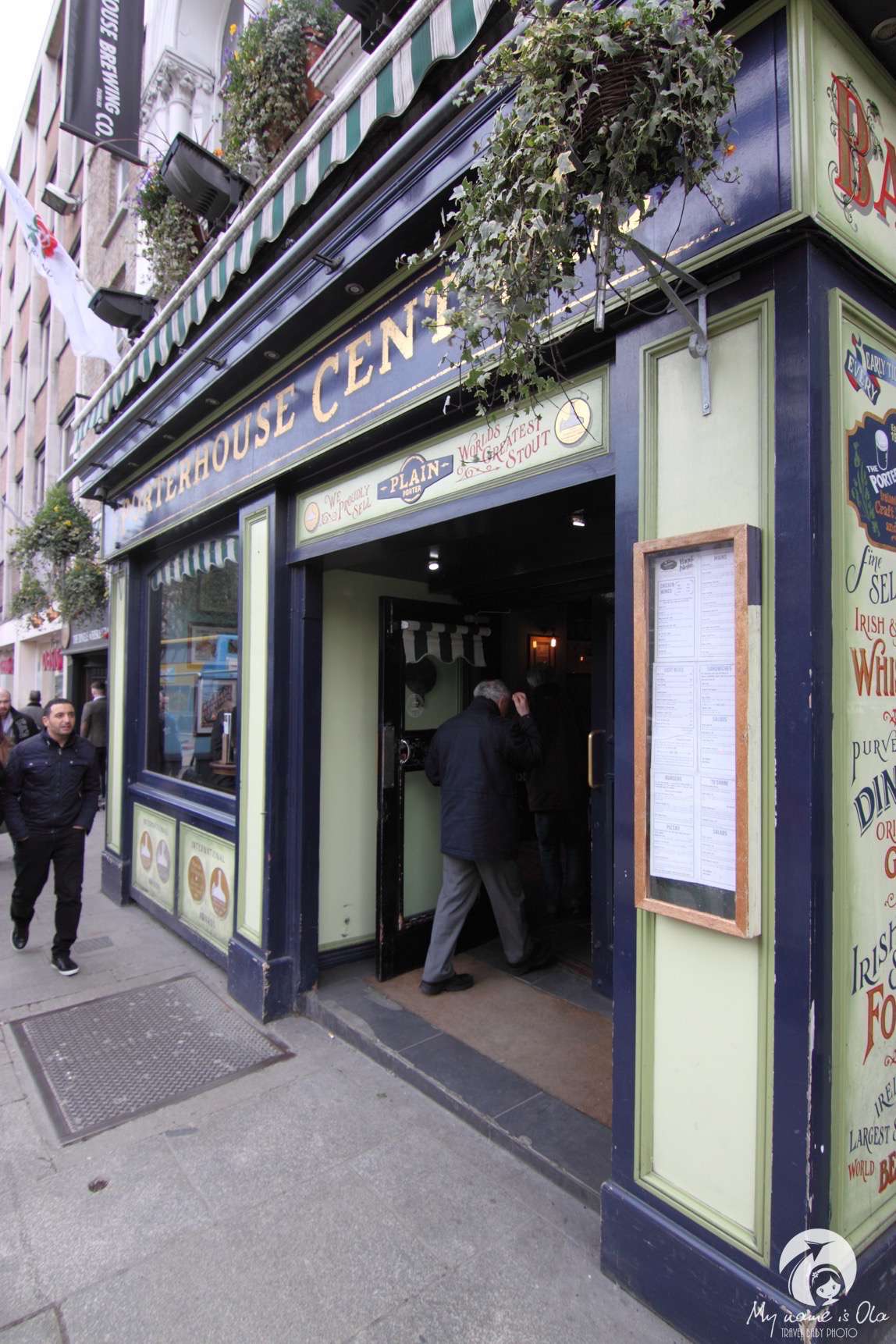
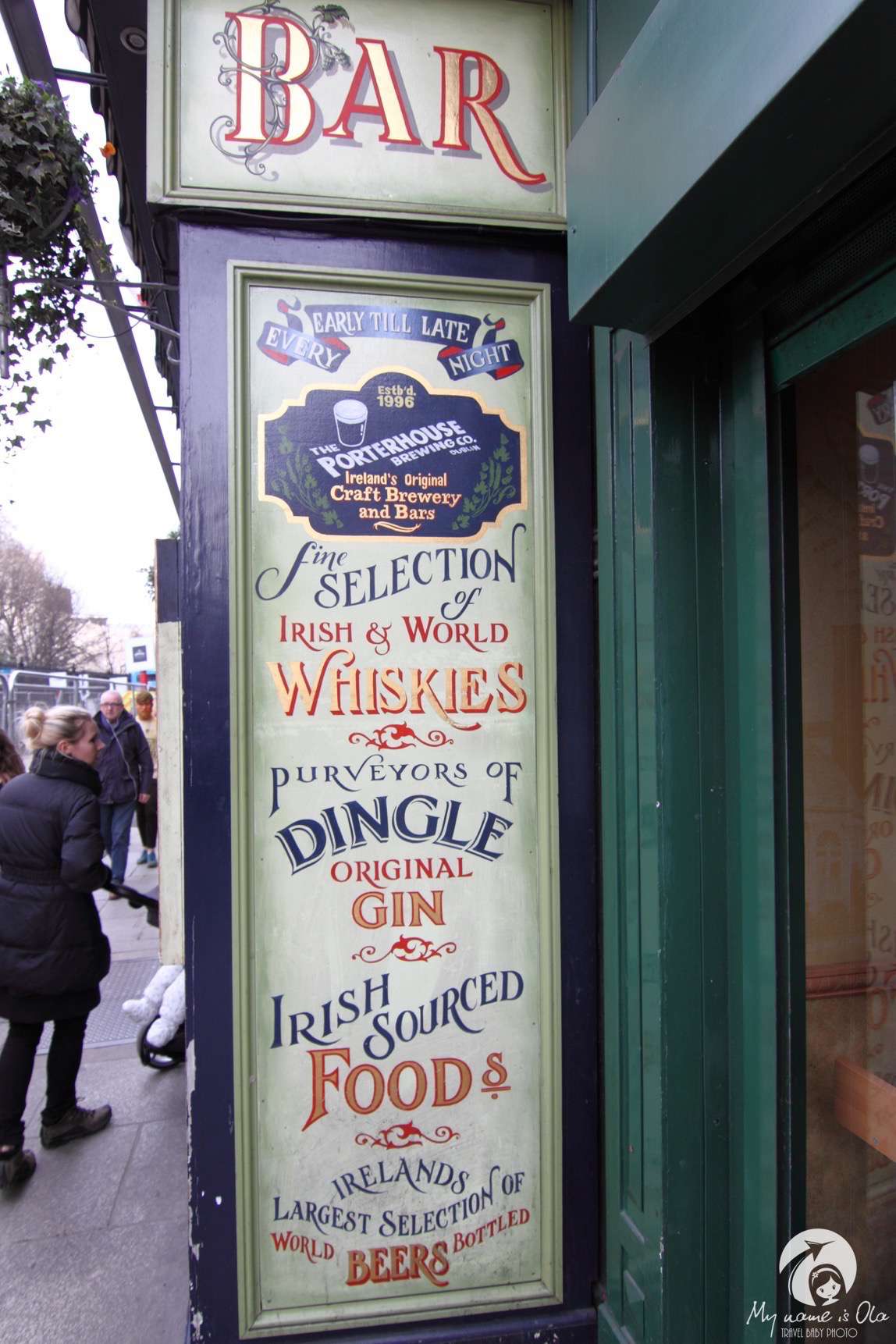
2. The Porterhouse Central – the pub with the longest bar in Dublin but also with rich selection of beers. Run by Porterhouse, a craft brewery. They have couple of pubs around the world and Central is one of their latest. It was opened in 2004. The pub is very big; small entrance doesn’t indicate that but the bar goes deep into the building. The decoration resembles traditional Irish pub and it’s full of people even during the day. The view of the outside made us think that the place is hundred years old. Atmosphere we would describe as cheerful and fun. Besides beer produced in their own brewery they offer wide range of beers from outside Ireland. Apart from many of taps they also serve some beers from casks. As every decent pub, they have serve some food and live music in the evenings. Draught beer prices start from 5 euro and 5,50 after 11 pm.
It’s located near the important Dublin landmark – the Trinity College, at 45-47 Nassau Street.

[photosetgrid layout=”42″]Porterhouse CentralPorterhouse CentralPorterhouse CentralPorterhouse CentralPorterhouse CentralPorterhouse Central[/photosetgrid]

3. Against The Grain – another pub run by Galway Bay Brewery with an incredible range of beers and friendly, humorous staff. Decoration of the pub is not rather simple, nothing impressive, although it became our favourite one. Walls are hung with different beer-connected posters. Bar is filled with taps; hard to say how many of them are there. Chalk board above lists 30 different tempting beers but we advise checking their degustative sets. Fantastic stuff will choose something interesting for you if only you tell them what you like. The set is three kinds of beers 150 ml each. That gives the possiblity to try some new tastes and either choose what pint to order or encourages to continue looking for new flavors. It’s a very good idea especialy that prices are fair – for that sample amount they charge appropriate part of the regular beer price. So you are not paying anything more and get to try different variations. Look for such offer in other multitap bars! It’s really a good way to experience the most. Prices start from around 5 euro for pint, the upper limit doesn’t probably exist. We visited the place early afternoon and beside couple drinkers at the bar the whole space was for us. Ola of course had to inspect every corner and luckily she didn’t disturb anybody. She was happy to run around the place. She even tried to get behind the bar but we held her up in the last second.
Location: 11 Wexford Street, Dublin.
[photosetgrid layout=”34″]Against The GrainAgainst The GrainAgainst The GrainAgainst The GrainAgainst The GrainAgainst The GrainAgainst The Grain[/photosetgrid]

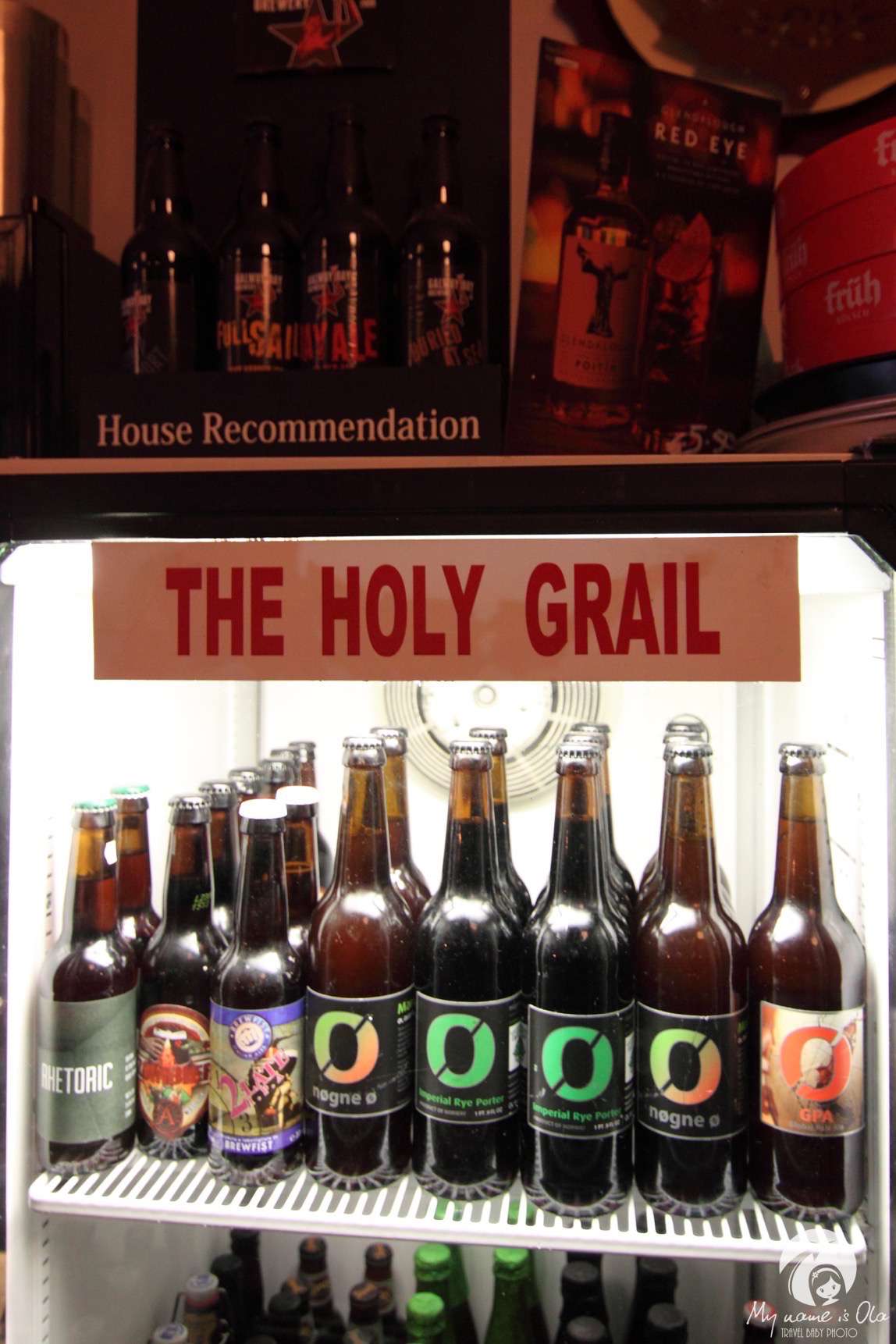
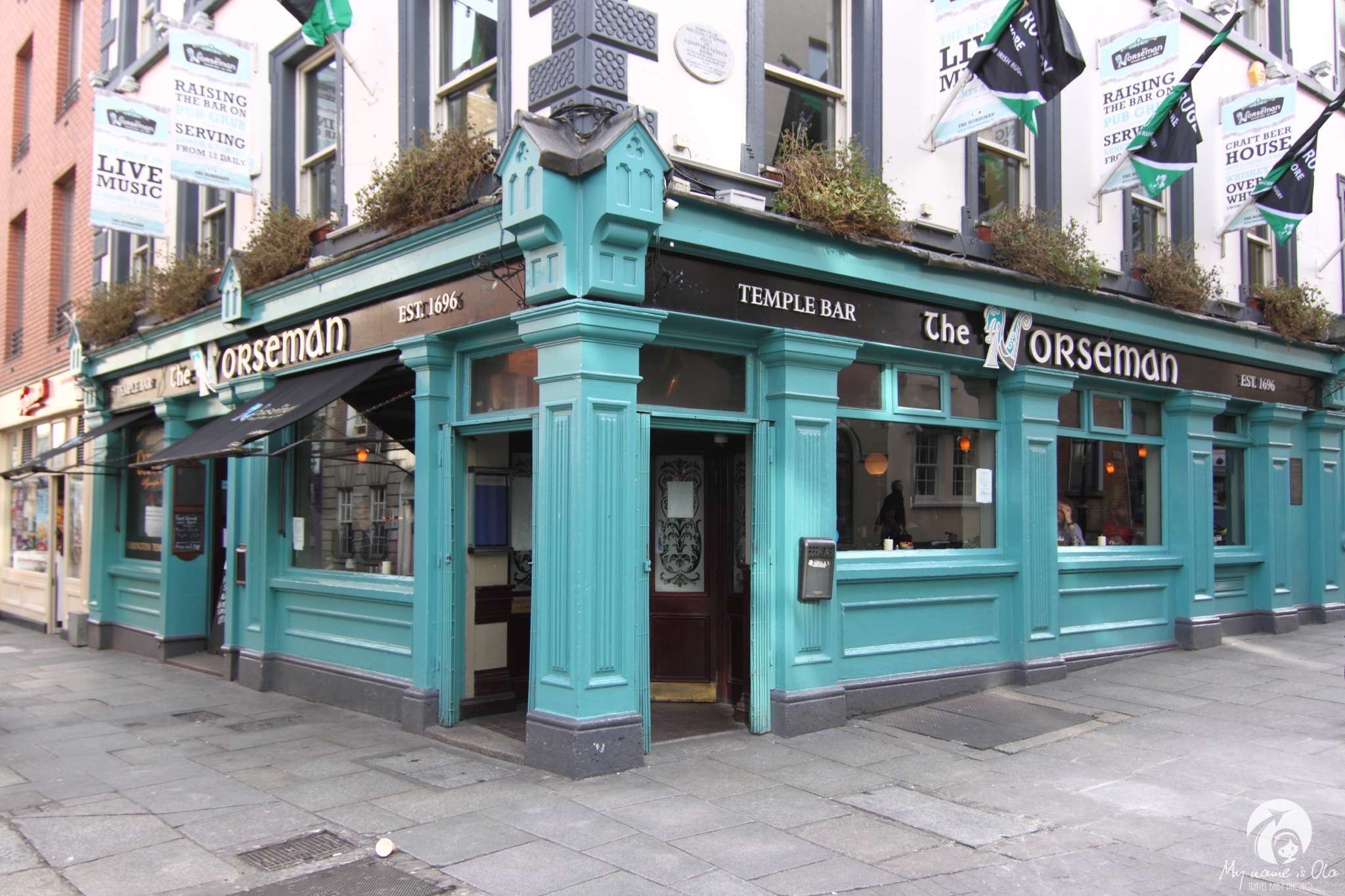
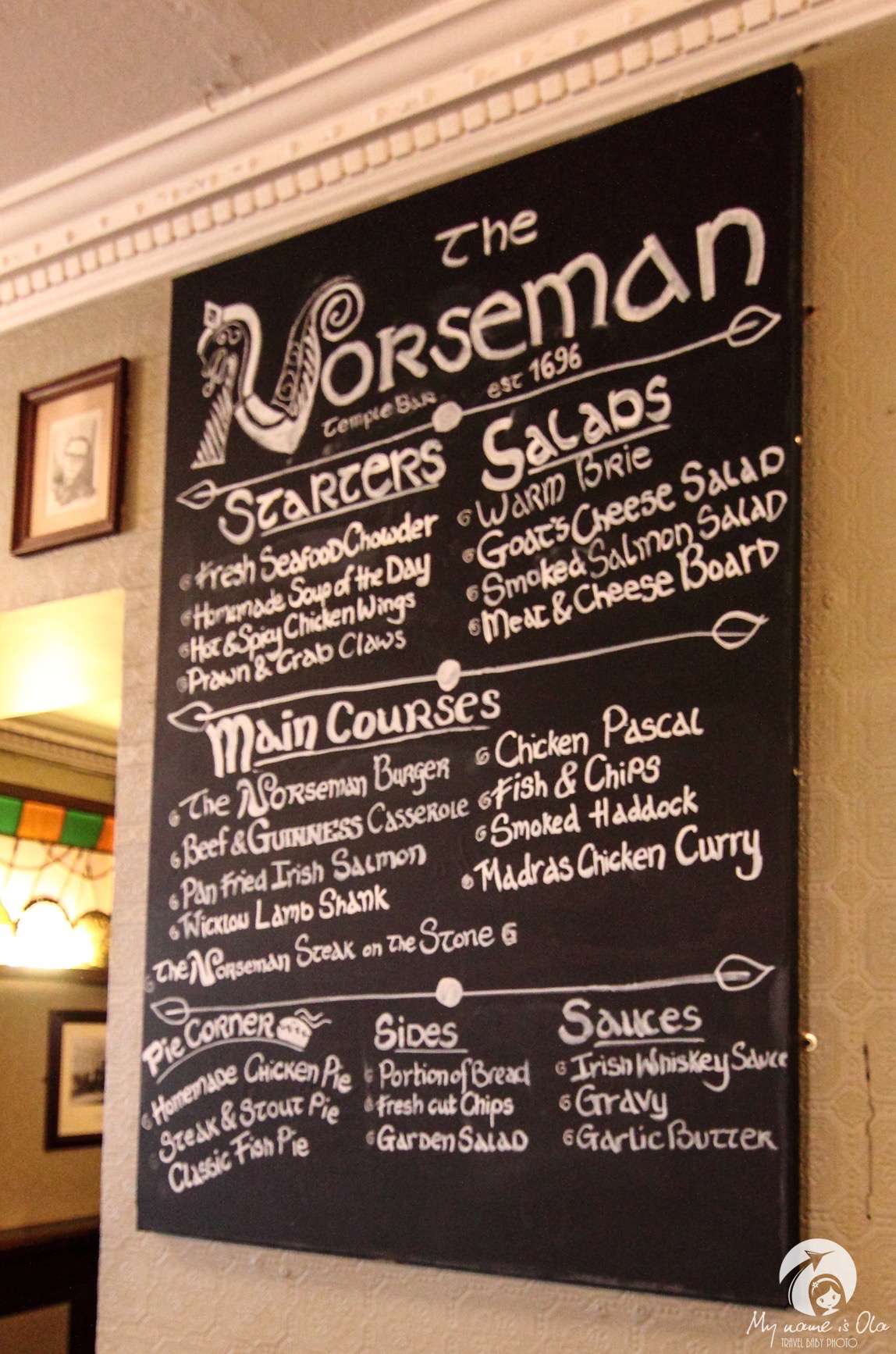
4. The Noorseman – they claim to be the oldest place in the Temple Bar quarter. Besides the bar they offer hotel rooms upstair. A good solution for those who like to party a lot – you are staying in the heart of entertainment district of Dublin and to start the party you just have to go downstairs! We made beer leitmotif  of our pub crawl in Dublin but of course Ireland besides of beer is the home of whiskey. Of course all the pubs we have been to offer both whiskey and beer but on this trip we decided to stick to beer. To describe the bar it’s necessary to mention that they had a wide range of whiskey, not only Irish but also Japanese, American, Lowland, Highland, Speyside. For whiskey tasting they have even developed the special routine but again we decided to choose something from rich offer of craft beers. In Norseman we also tried some of their cuisine and the thing that we really liked was a seafood chowder. It’s a thick soup made of milk and seafood. It was invented by Irish people and is a really popular option for lunch in Dublin. It is served with some homemade porter bread.
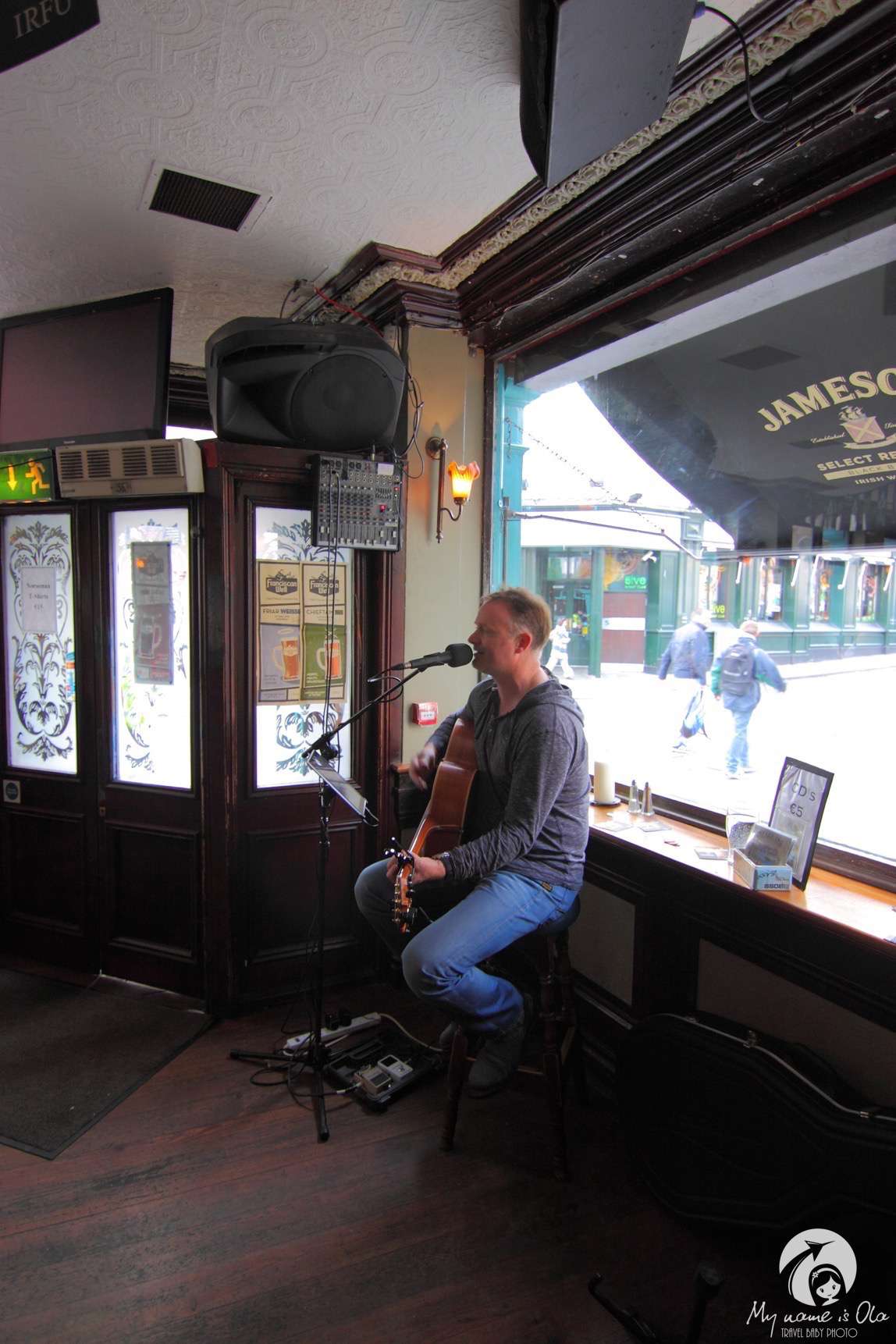
The place has classic, traditional Irish design and kitchen open all day long. Live music on weekends starts from early hours.
[photosetgrid layout=”34″]The NorsemanThe NorsemanThe NorsemanThe NorsemanThe NorsemanThe NorsemanThe Norseman[/photosetgrid]

5. The Black Sheep – another place run by the Galaway Brewery that is in the top rated Dublin pubs. Again, place full of craft brews. Outside decorated with traditional Irish wooden cover but inside the place is, we would say, rather in hipster style. Different chairs at the tables, people playing some table games, chalk board with their seasonal and rare beers. For undecided there is an interesting proposal to spin the wheel and let the fortune start their evening. Multitap offers plenty of beer types starting from 4.00 euro for pint; in addition, just around the corner, at the opposite end of the bar they have a cask corner. There is a choice of 3 or 4 beers from the casks. The difference between tap and cask is that from the cask the beer is pumped out mannualy, using just air without carbon dioxide. Beer experts say that only some kinds of beer are to be poured that way because beers of higher bitterness do not taste as the should when pumped from cask. Place offers some simple food to beer.
The bar located on the other side of the river Liffey than Temple Bar area, 10 minute walk from O’Connel Street. Address:  61 Capel St. Dublin.
[photosetgrid layout=”34″]The Blask SheepThe Blask SheepThe Blask SheepThe Blask SheepThe Blask SheepThe Blask SheepThe Blask Sheep[/photosetgrid]

Enjoy St. Patrick’s Days! Cheers!

Blog

In Bruges

12/02/2015 — by Magdalena Kuźma0

Bruges133-960x640.jpg

– “Get to Bruges.” I didn’t even know where Bruges fucking was.
– It’s in Belgium.
– Bruges is a shithole.
– Bruges is not a shithole.
– Bruges is a shithole.

Bruges

– Do you think this is good?
– Do I think what’s good?
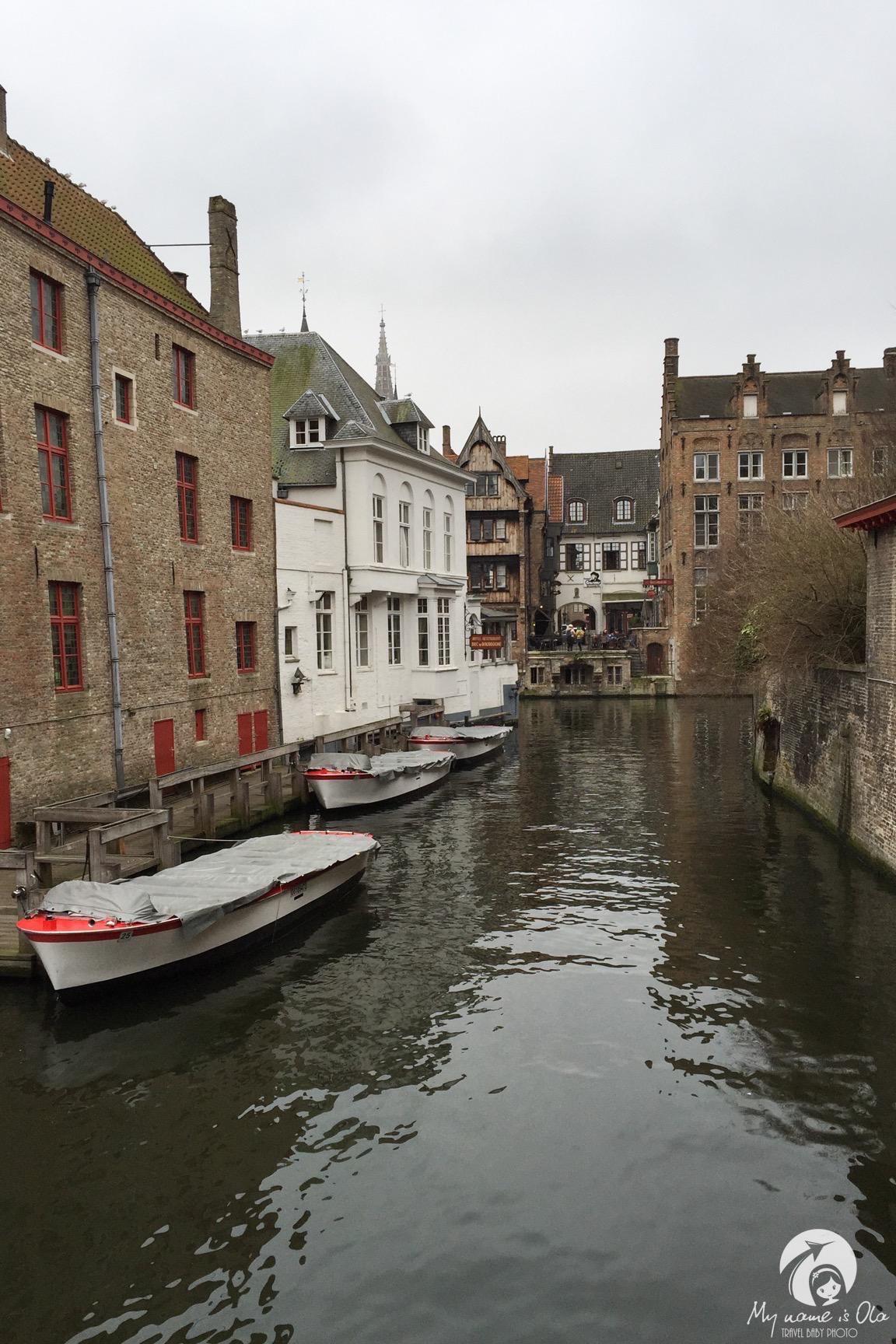
– You know, going round in a boat, looking at stuff.
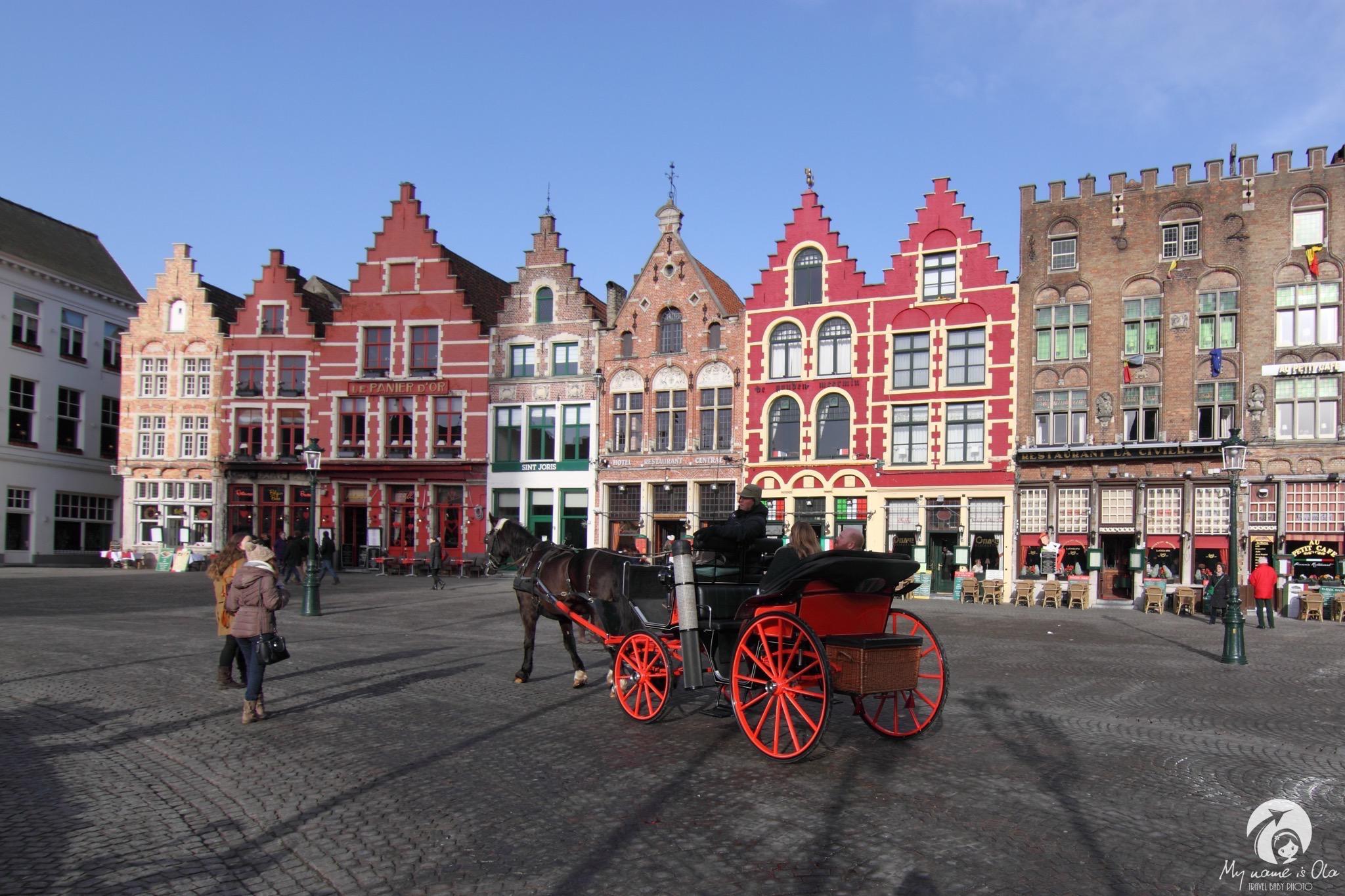
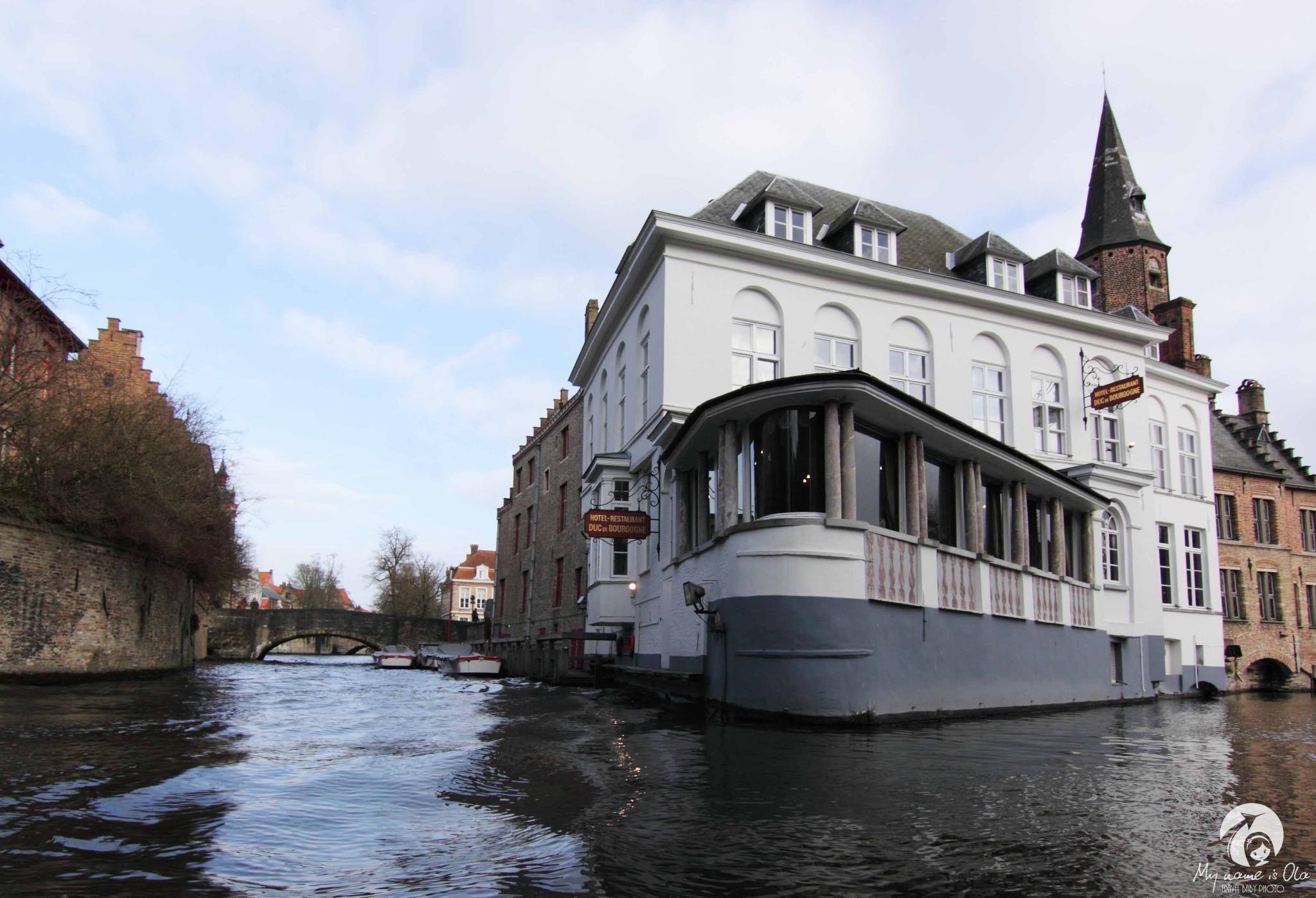
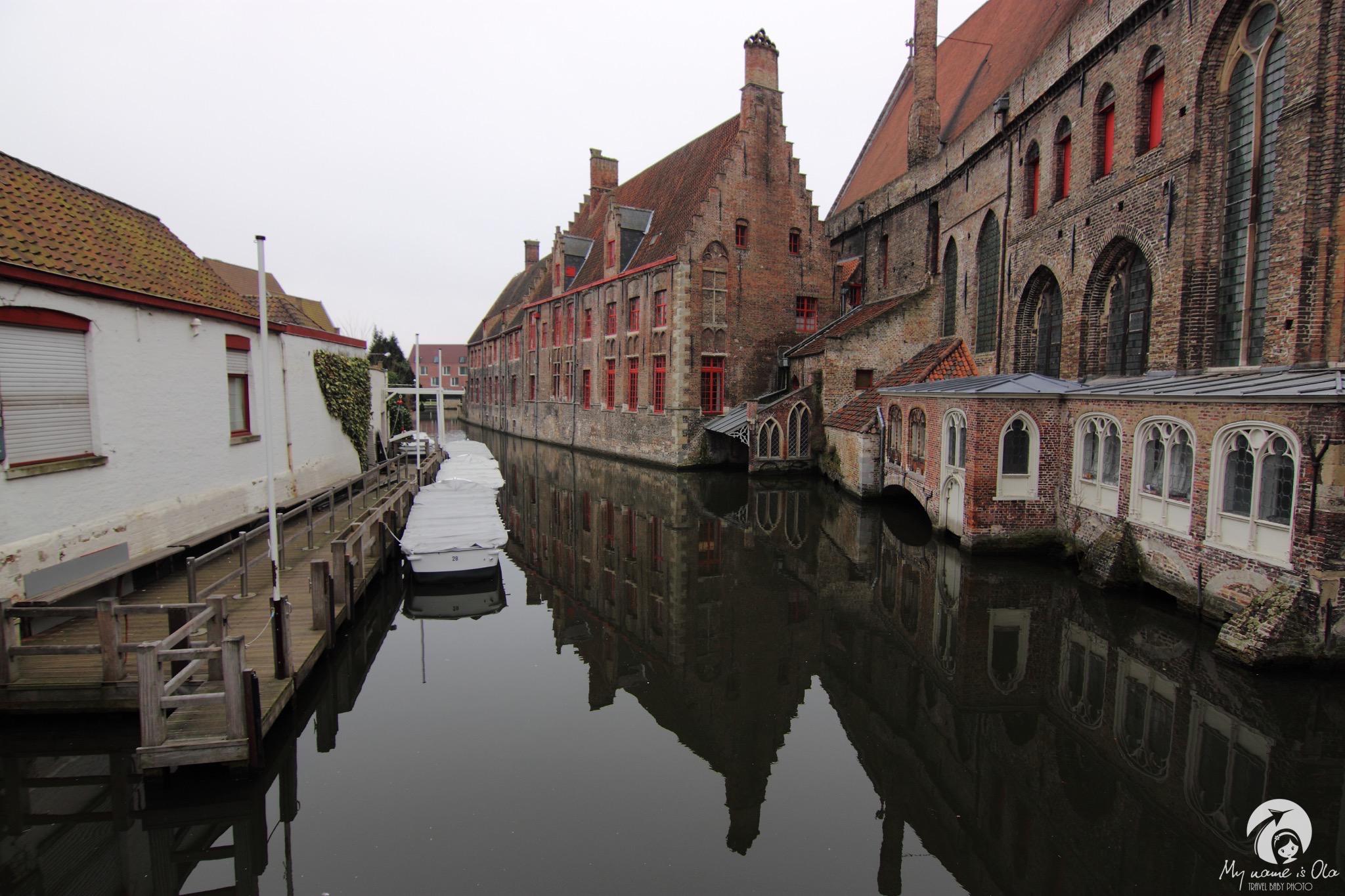
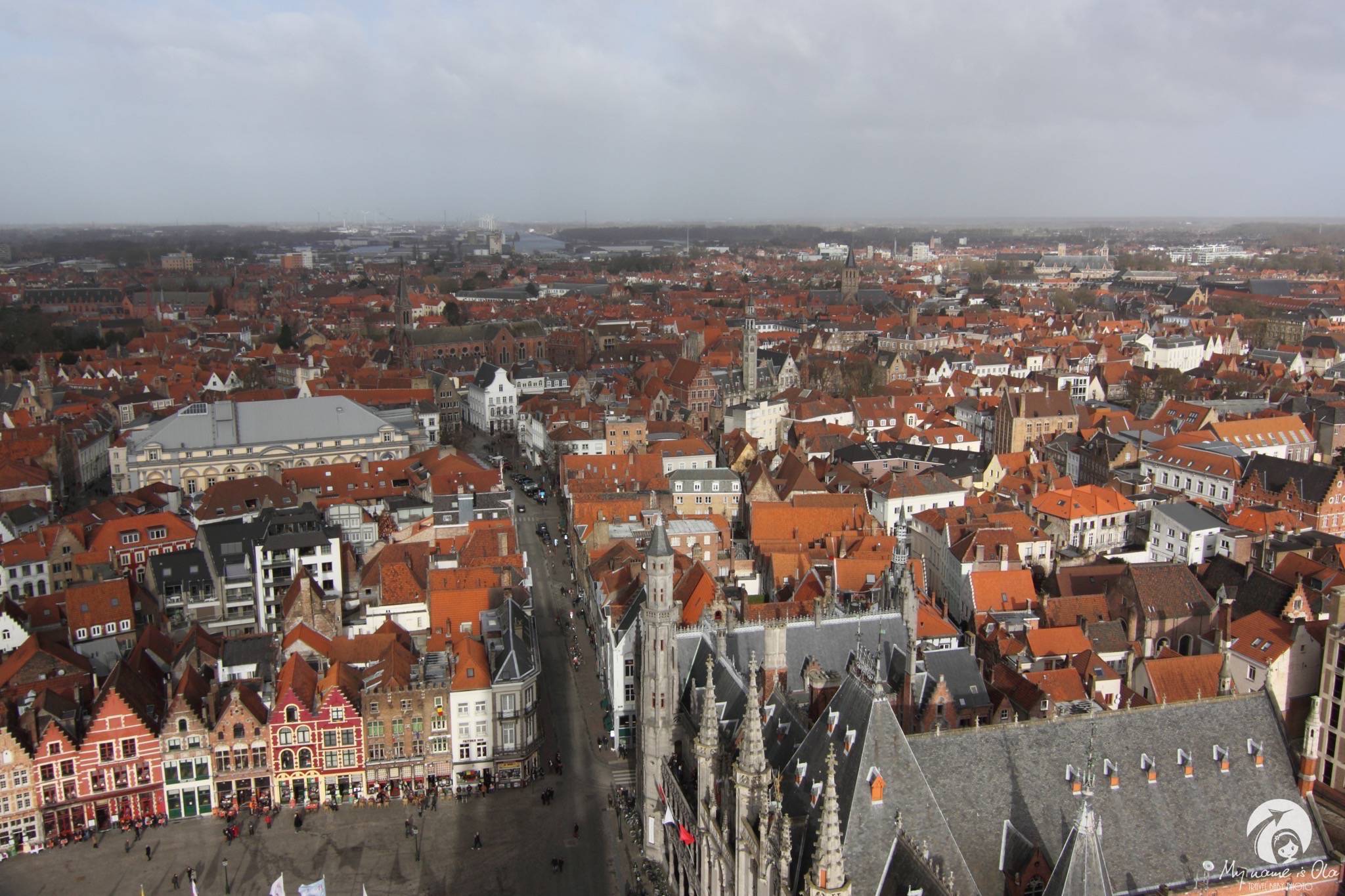
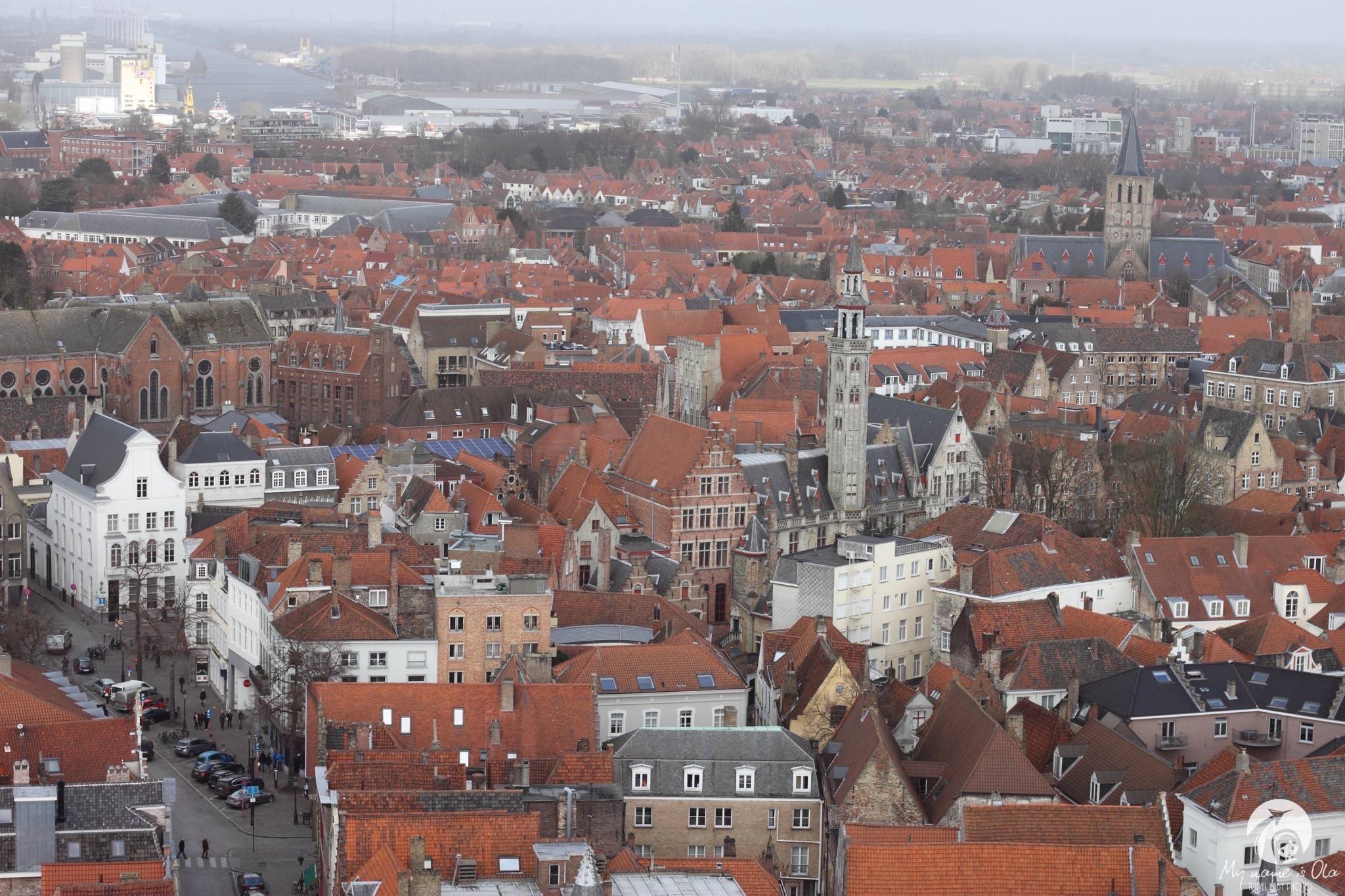
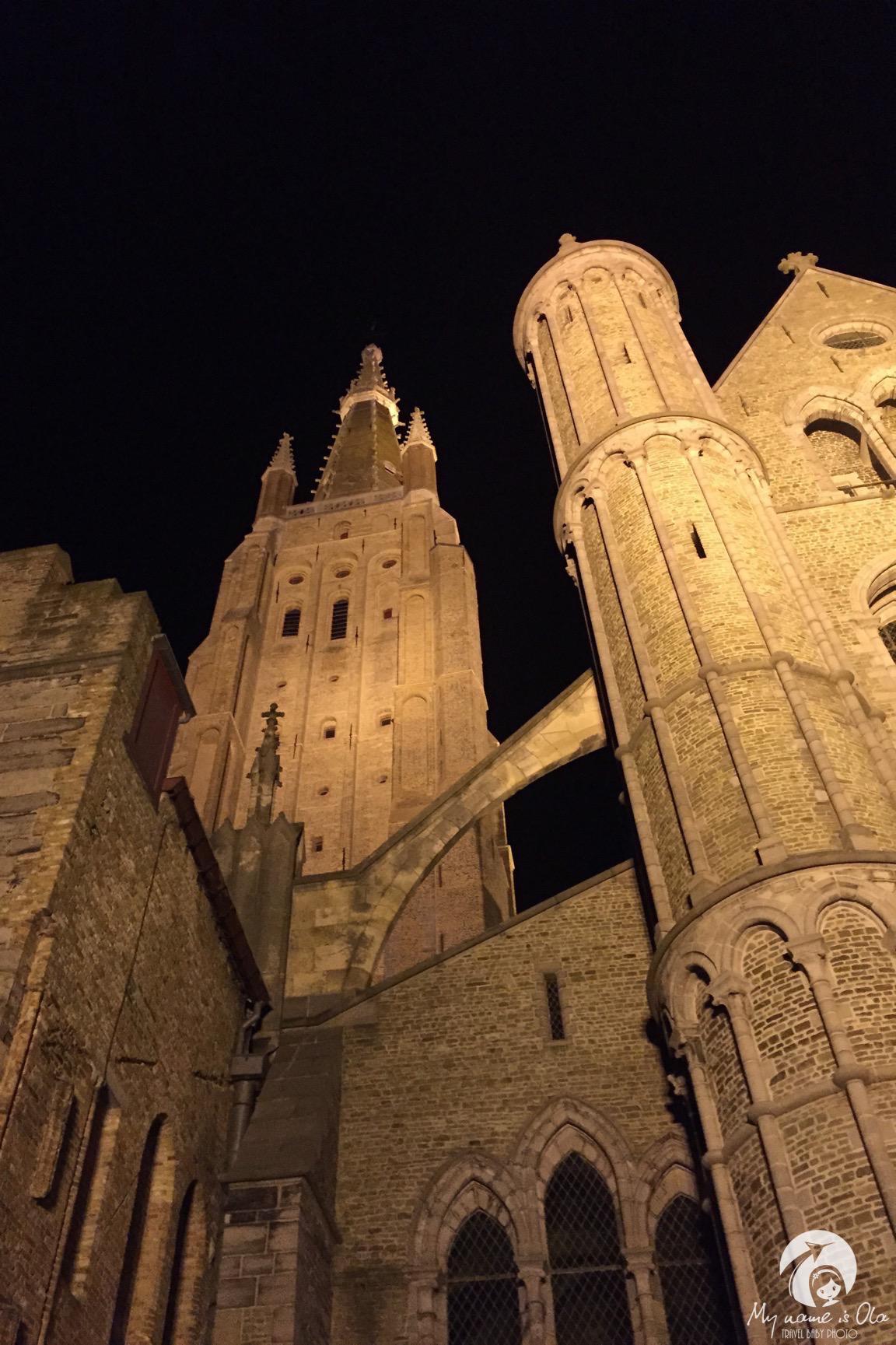
– Yes, I do. It’s called “sightseeing”. Oh, look at that. It’s a former hospital. From the 1100s. Bruges is the most well-preserved medieval town in the whole of Belgium, apparently.

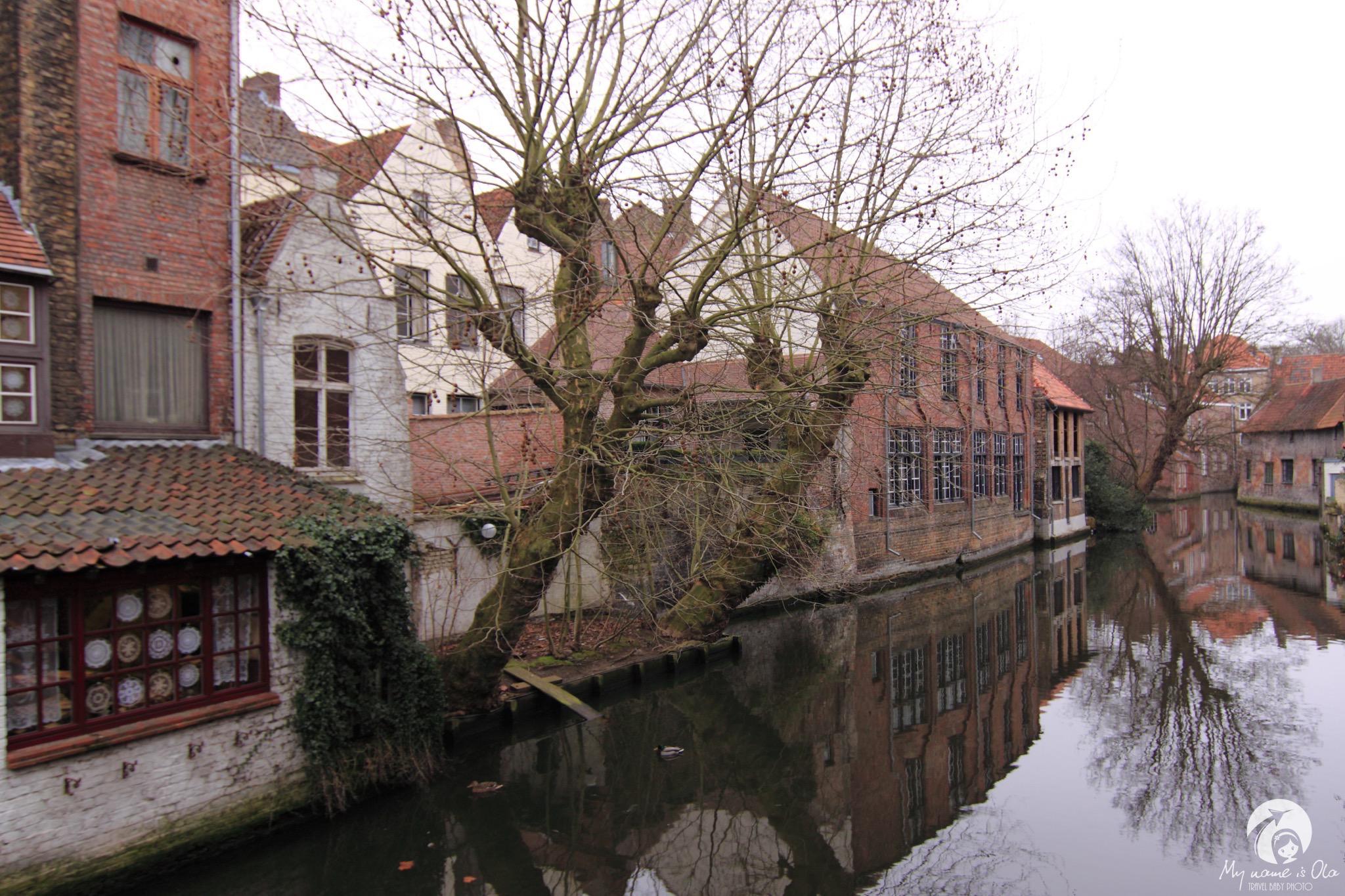
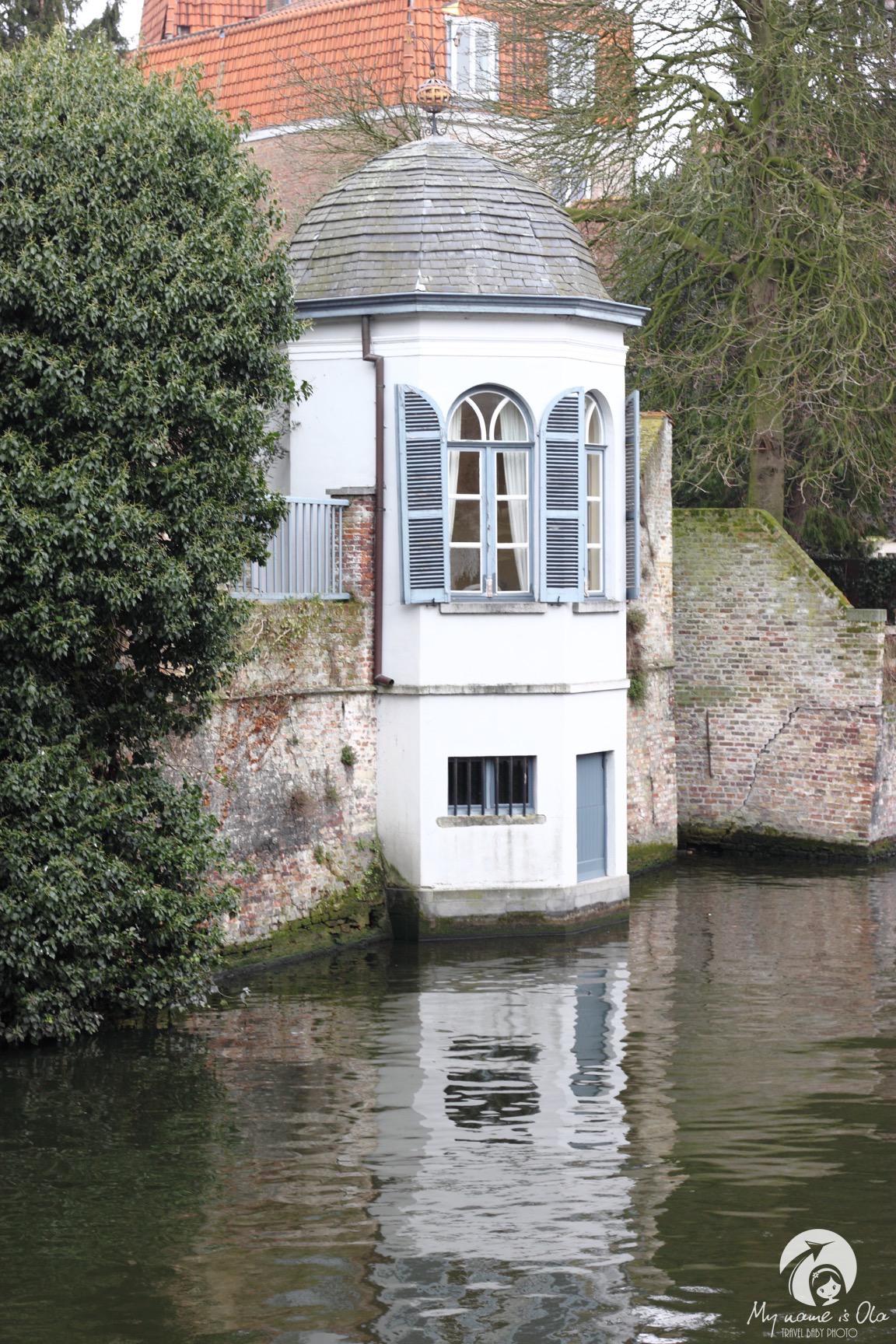
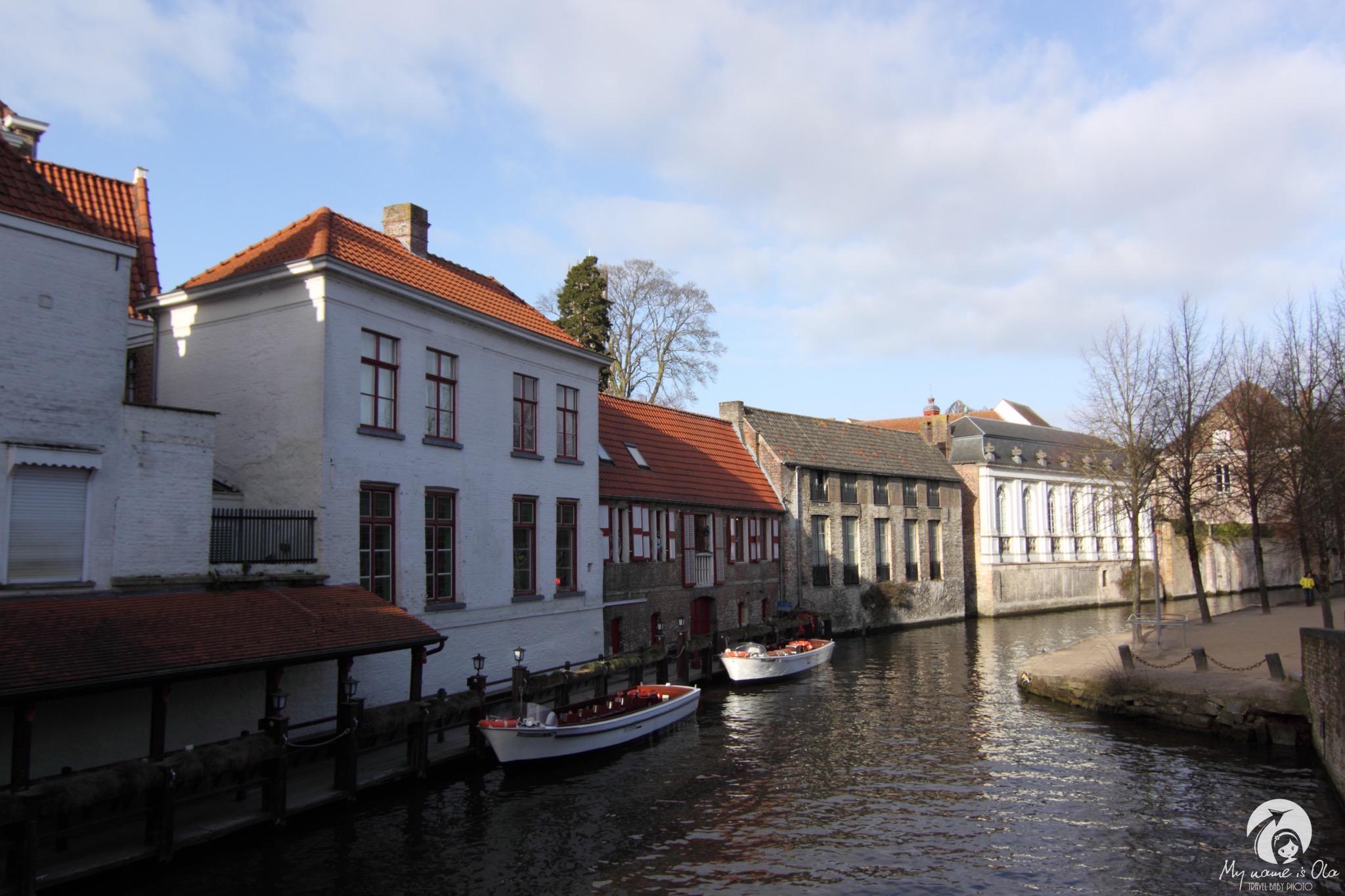
[photosetgrid layout=”44″]BrugesBrugesBrugesBrugesBrugesBrugesBrugesBruges[/photosetgrid]

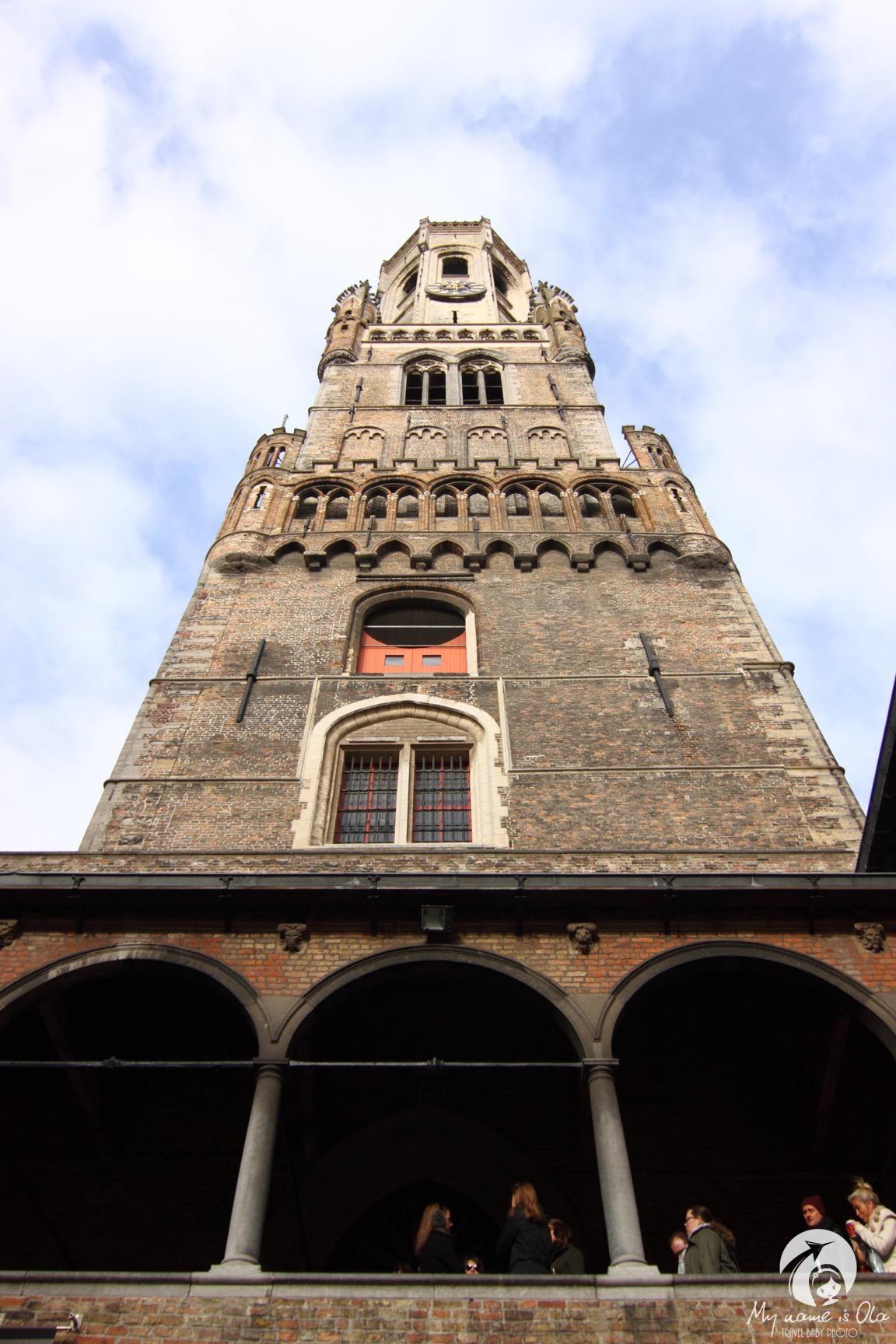
– Coming up?
– What’s up there?
– The view.
– The view of what? The view of down here? I can see that from down here.

[photosetgrid layout=”33″]BrugesBrugesBrugesBrugesBrugesBruges[/photosetgrid]

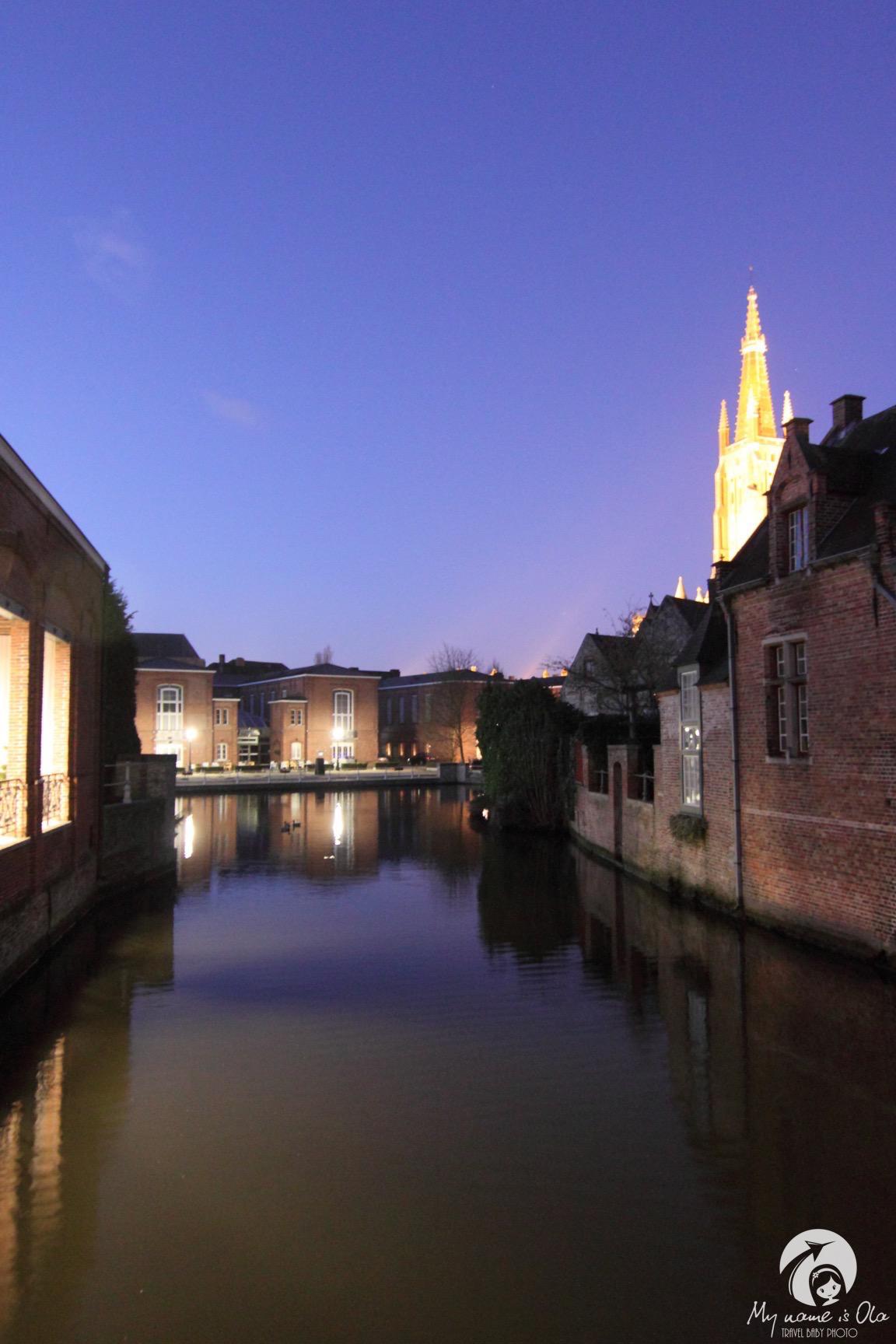
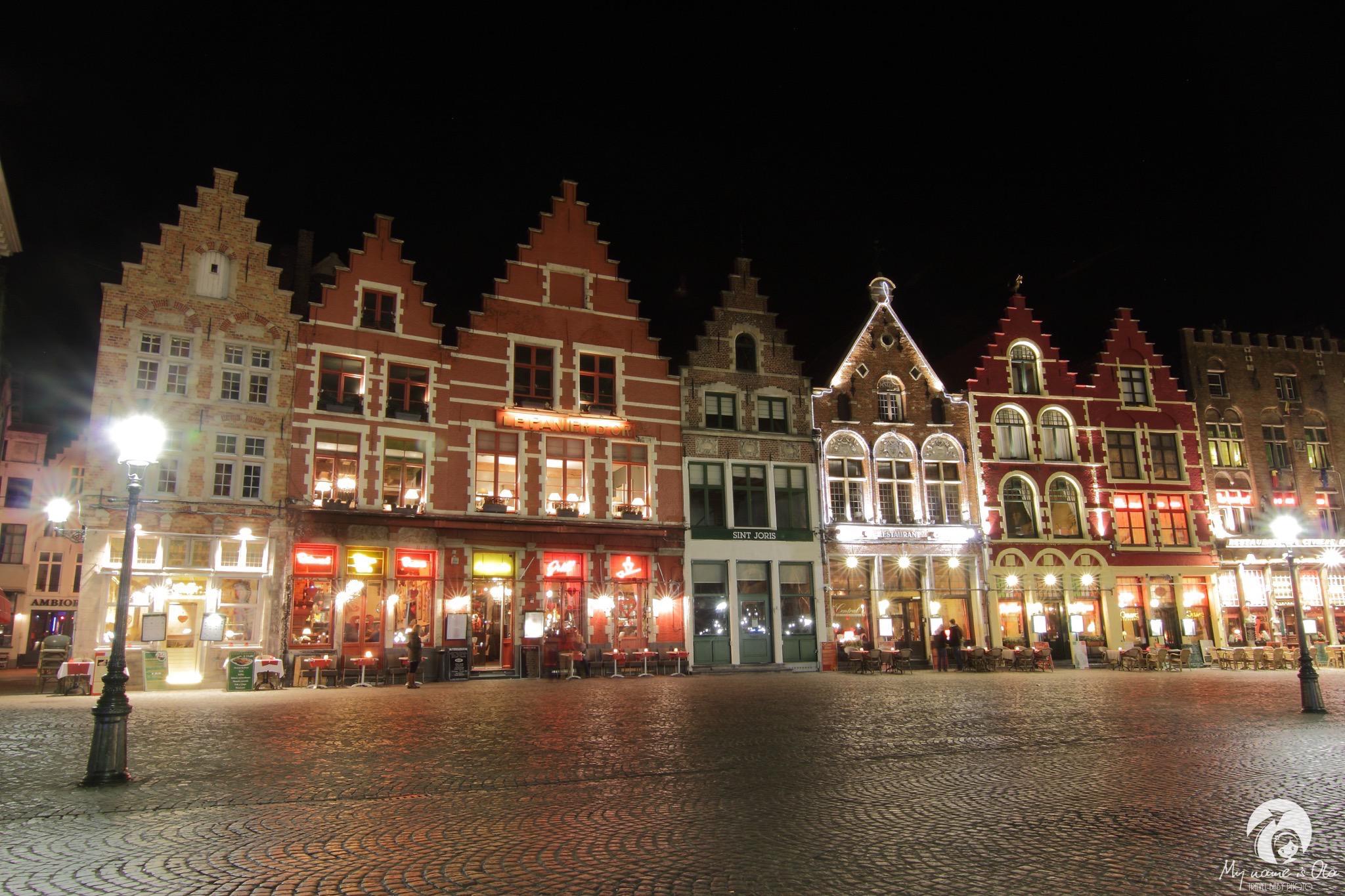
– Let’s go out and have a look at some of the… All the old medieval buildings and that. Because I bet they look even better at night, all lit up.
– Yes!

[photosetgrid layout=”34″]BrugesBrugesBruges Bruges Bruges Bruges Bruges[/photosetgrid]

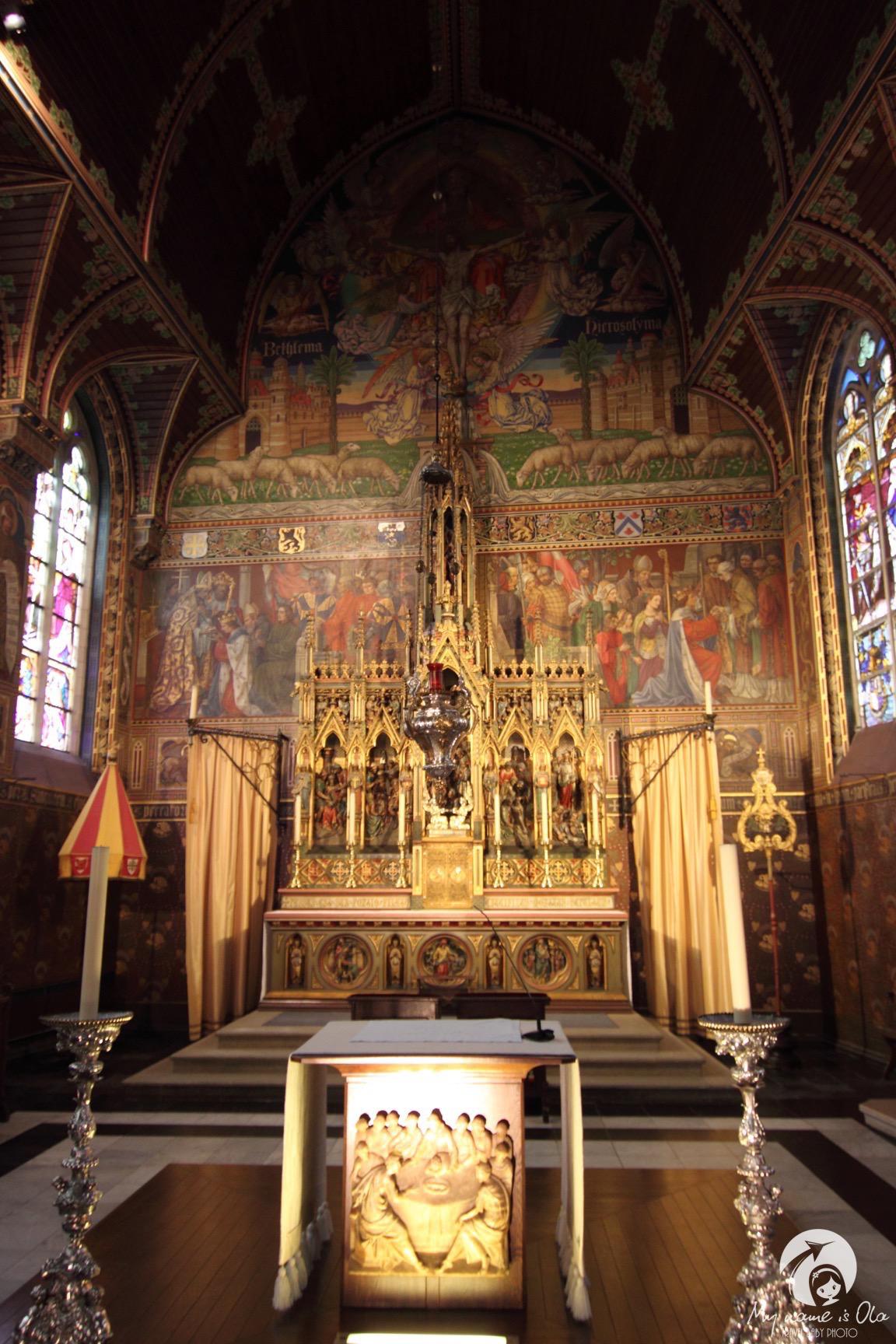
– Up there, the top altar, is a phial brought back by a Flemish knight from the Crusades in the Holy Land. And that phial, do you know what it’s said to contain?
– No, what’s it said to contain?
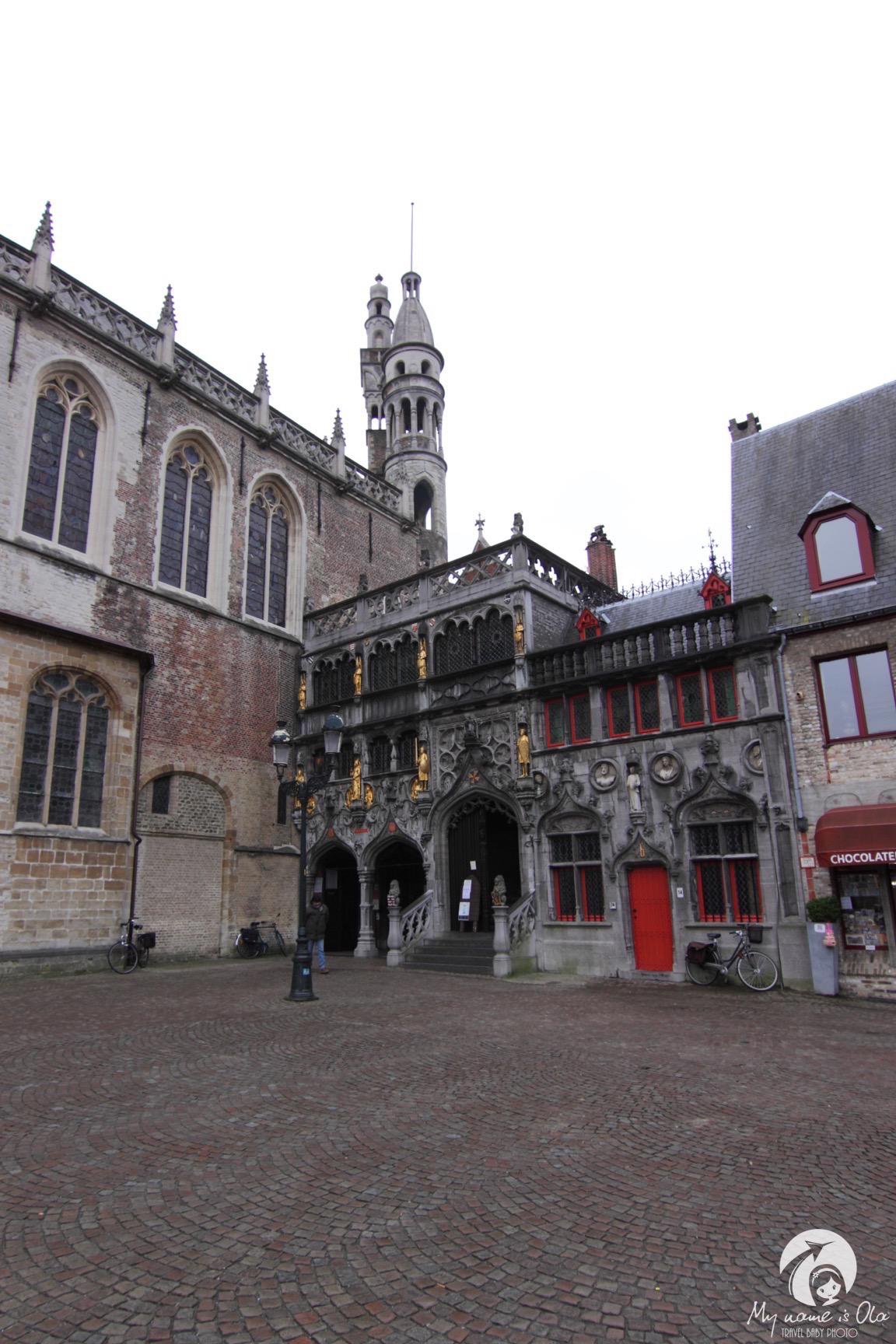
– It’s said to contain some drops of Jesus Christ’s blood. Yeah, that’s how this church got its name. Basilica of the Holy Blood.
– Yeah. Yeah.
– And this blood, right, though it’s dried blood, at different times over many years, they say it turned back into liquid. Turned back into liquid from dried blood. At various times of great stress.
– Yeah?
– Yeah. So, yeah, I’m gonna go up in the queue and touch it, which is what you do.
– Yeah?
– Yeah. You coming?
– Do I have to?

[photosetgrid layout=”4″]BrugesBrugesBruges Bruges[/photosetgrid]

– So, is he having a nice time, seeing all the canals and that? I had a lovelytime when I was there. All the canals and the old buildings and that. When were you here?
– When I was seven. Last happyholiday I fucking had. Have you been on a canal trip, yet?
– Yeah.
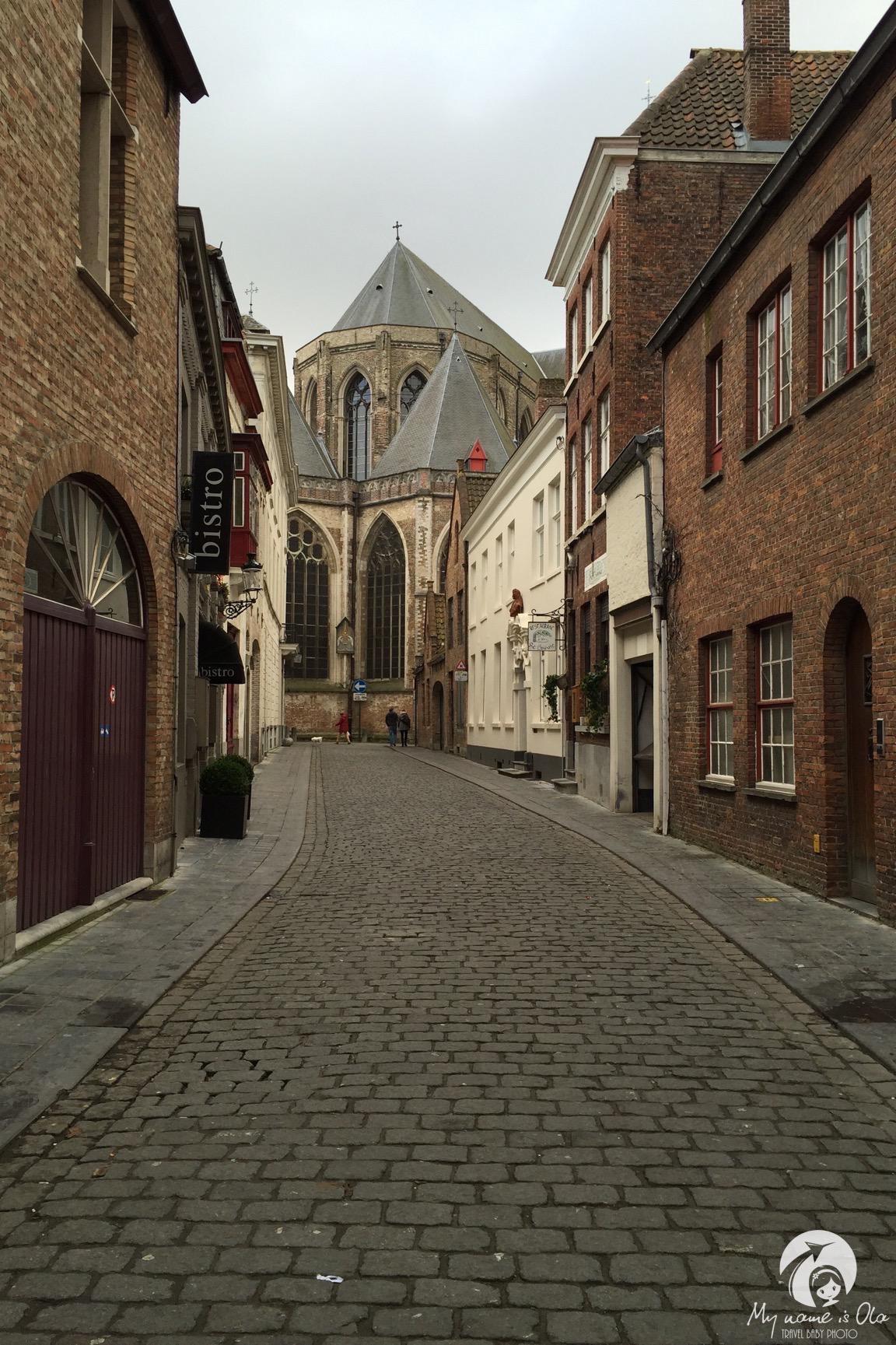
– Have you been down, like, all the old cobbled streets and that?
– Yeah.
– It’s like a fairytale, isn’t it, that place?
– Yeah
– With the churches and that. They’re Gothic.
– Yeah
– Is it Gothic?
– Yeah.

[photosetgrid layout=”5″]BrugesBrugesBrugesBrugesBruges[/photosetgrid]

– It’s a bit crowded round here, you know?
– Well, I’m not gonna have a shootout in the middle of a thousand fucking Belgians, am I? Not to mention the other nationalities, just on their holidays.
– To see the swans and the Gothic and all the fairytale stuff, eh?

Bruges

– It is a nice town, Harry. I’m glad I got to see it. I didn’t mean to be taking the piss out of it being a fairytale place. It is a fairytale place. It really is. It’s just a shame it’s in Belgium, really. But then you figure if it wasn’t in Belgium, if it was somewhere good, there’d be too many people coming to see it. It would spoil the whole thing. Well, I’m glad I got to see it before I died.

BrugesBruges

– Because at least in prison and at least in death, you know, I wouldn’t be in fucking Bruges. But then, like a flash, it came to me, and I realised, “Fuck, man, maybe that’s what Hell is. The entire rest of eternity spent in fucking Bruges!”

BrugesBruges

All the dialogues are frome “In Bruges” movie of Martin McDonagh.

BlogNa stole

Bruges’ most famous – beer

12/02/2015 — by Magdalena Kuźma0

Beer-fest2-960x640.jpg

Bruges attracts some people by its charm, canals network and the spell of its narrow streets and neat apartment houses. Others are drawn to Bruges by the perfection of Belgian chocolate or cuisine. We were lured by another typical Belgian product – beer. It has been well-known for us since ever. Today more and more often we reach for wine but beer is still something that we like. Especially since beer sector has undergone a serious revolution. New hopes, new types of beers appeared bringing to the beer craft new flavours to be discovered.

Going to Bruges we planned to take part in Bruges Beer Festival. It was its 8th edition we had a chance to visit. Maybe because we are not connoisseur or experts, we just simply like beer, we were impressed by over 300 beers from 80 breweries.

Our first impression was that it was some kind of beer geek convention but in fact the atmosphere reminded  a family gathering. We expected Ola to be the only child there and were even wondering if it will be appropriate to take her there. It was. Not only we met other kids there but some of them were way smaller than Ola. Not to mention dogs which visited the show as well. We noticed many international participants. People from all over te world invaded Bruges to follow up the novelties in beer sector, discover new tastes and enjoy well known ones. We were surrouned by enthusiasts with their noses in teku glasses smelling for new aromas and discussing about beer and its advantages.

[photosetgrid layout=”23″]Bruges Beer FestivalBruges Beer FestivalBruges Beer FestivalBruges Beer FestivalBruges Beer Festival[/photosetgrid]

We started with a kit for 20 euro with two tasting glasses and 8 tokens, each for 150 ml of liquor.

Bruges Beer Festival

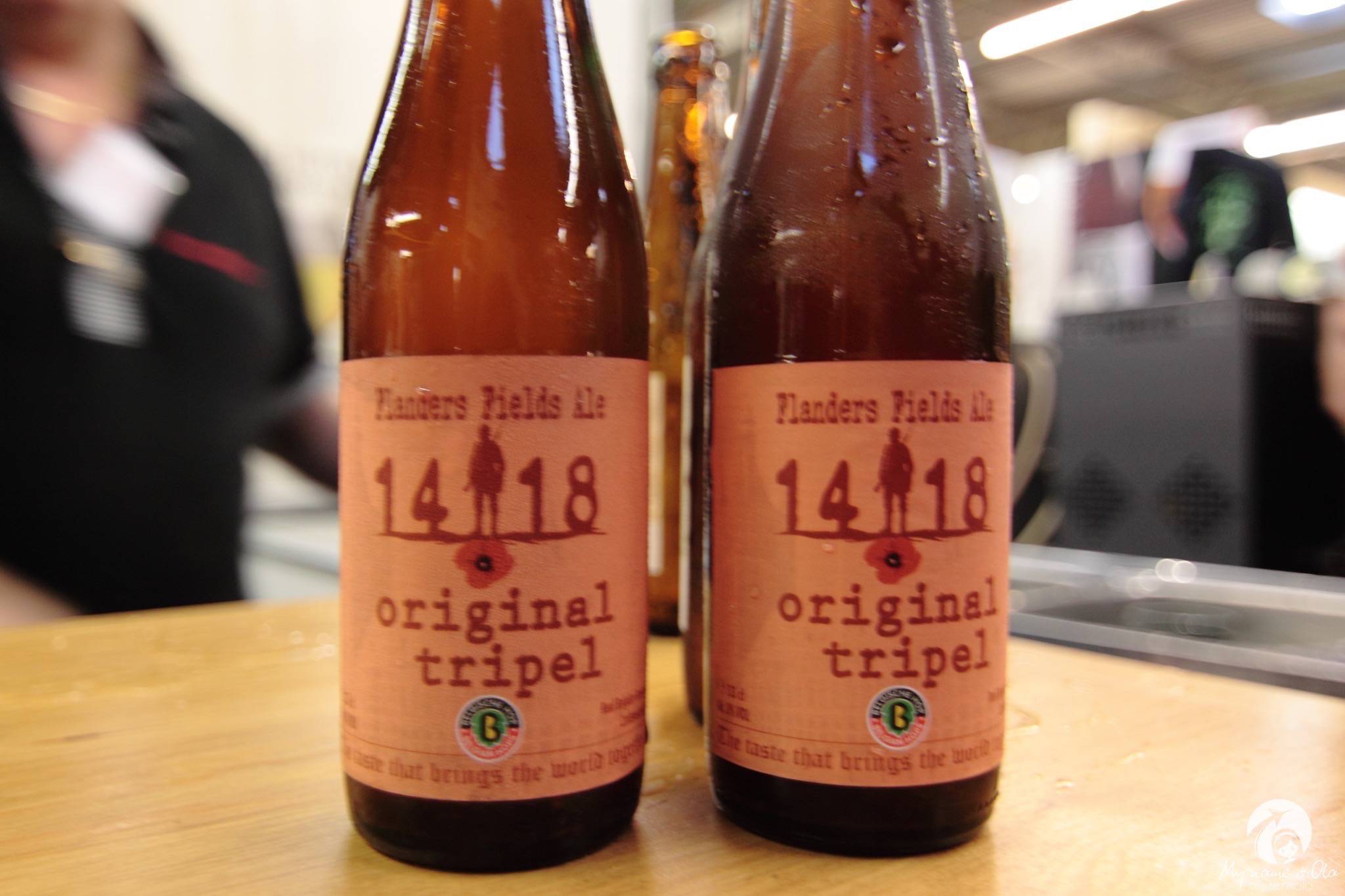
At the begining we tried some belgian style beers, we spent a lot of time at the stand of Delirium Tremens with their characteristic pink elephant. We couldn’t have passed by Kwak – a type of Belgian beer served in specialy designed glasses and typical Belgian tripel beer. From the wide range of dark beers dad espacially liked Muurken. And of course we had to try some barley wine and russian imperial stout from White Pony Brewery. Those were good things!

[photosetgrid layout=”232″]Bruges Beer FestivalBruges Beer FestivalBruges Beer FestivalBruges Beer FestivalBruges Beer FestivalBruges Beer FestivalBruges Beer Festival[/photosetgrid]

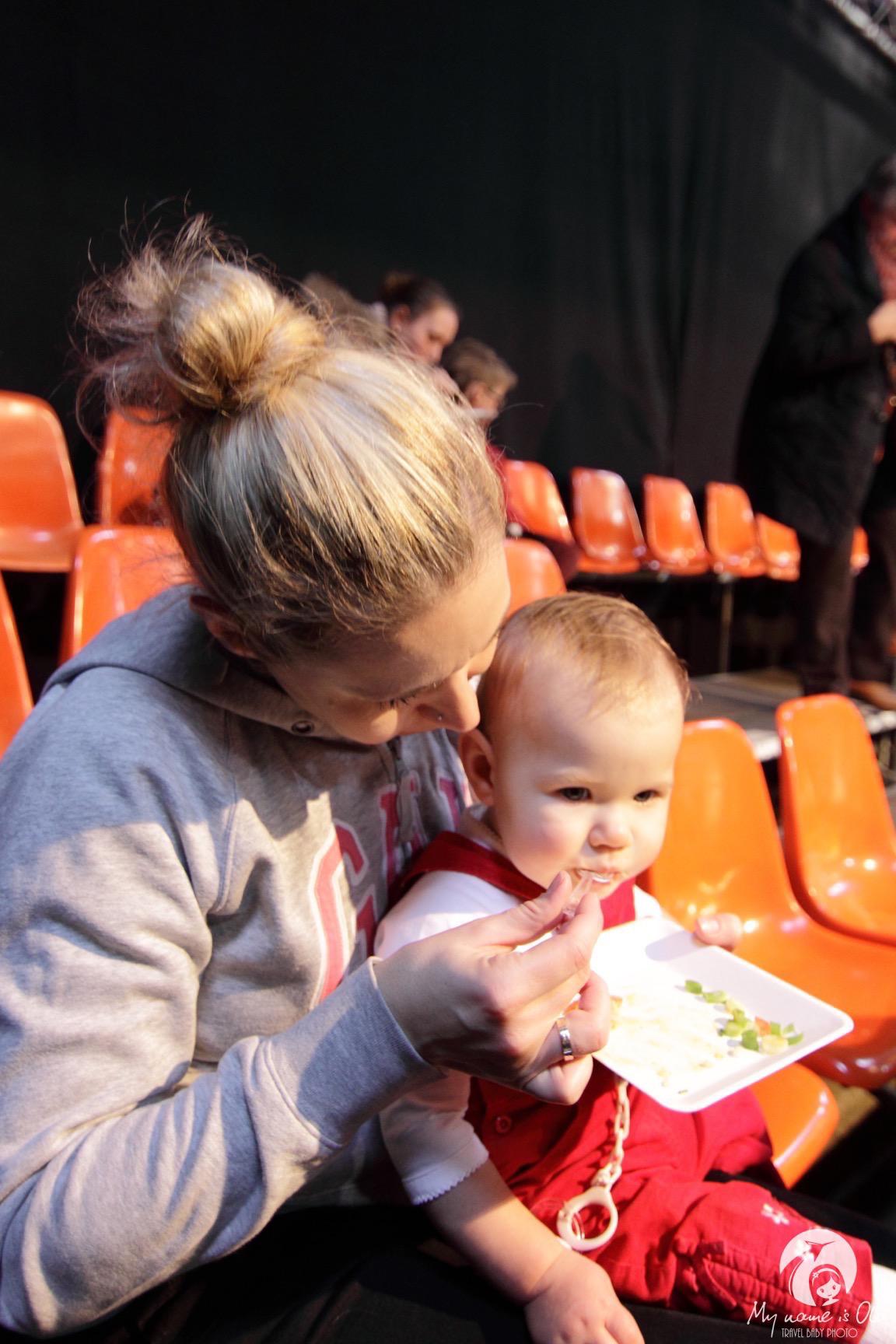
Besides beer there was some food at the fairground. Nothing special but some snacks for all those who got hungry after having couple of glasses of the liquor. There was also an arena for presentation of cooking by some Belgian chefs. And it was the place where mom and Ola spent most of time. After having her own dinner Ola enjoyed some samples of food cooked on the stage. She seemed to appreciate chefs’ skills as was looking for more!

[photosetgrid layout=”2″]Bruges Beer FestivalBruges Beer Festival[/photosetgrid]

We took teku glasses home as souvenirs, maybe next year we will visit the show too and get another ones.

In the afternoon when some serious quantities of beer have been consumed the atmosphere became more cheerful. It even spreaded to the city. Suprisingly even in our hotel we found some people from the fairs continuing the fest in a really well equipped bar.

[photosetgrid layout=”23″]Bruges Beer Festival Bruges Beer Festival Bruges Beer Festival Bruges Beer Festival Bruges Beer Festival[/photosetgrid]

We can reccomend hotel Cordoeanier as it is located in the very center of the city and has good range of beers.

BlogNa stole

Bruges’ most famous – chocolate

20/02/2015 — by Magdalena Kuźma0

Bruges11-960x640.jpg

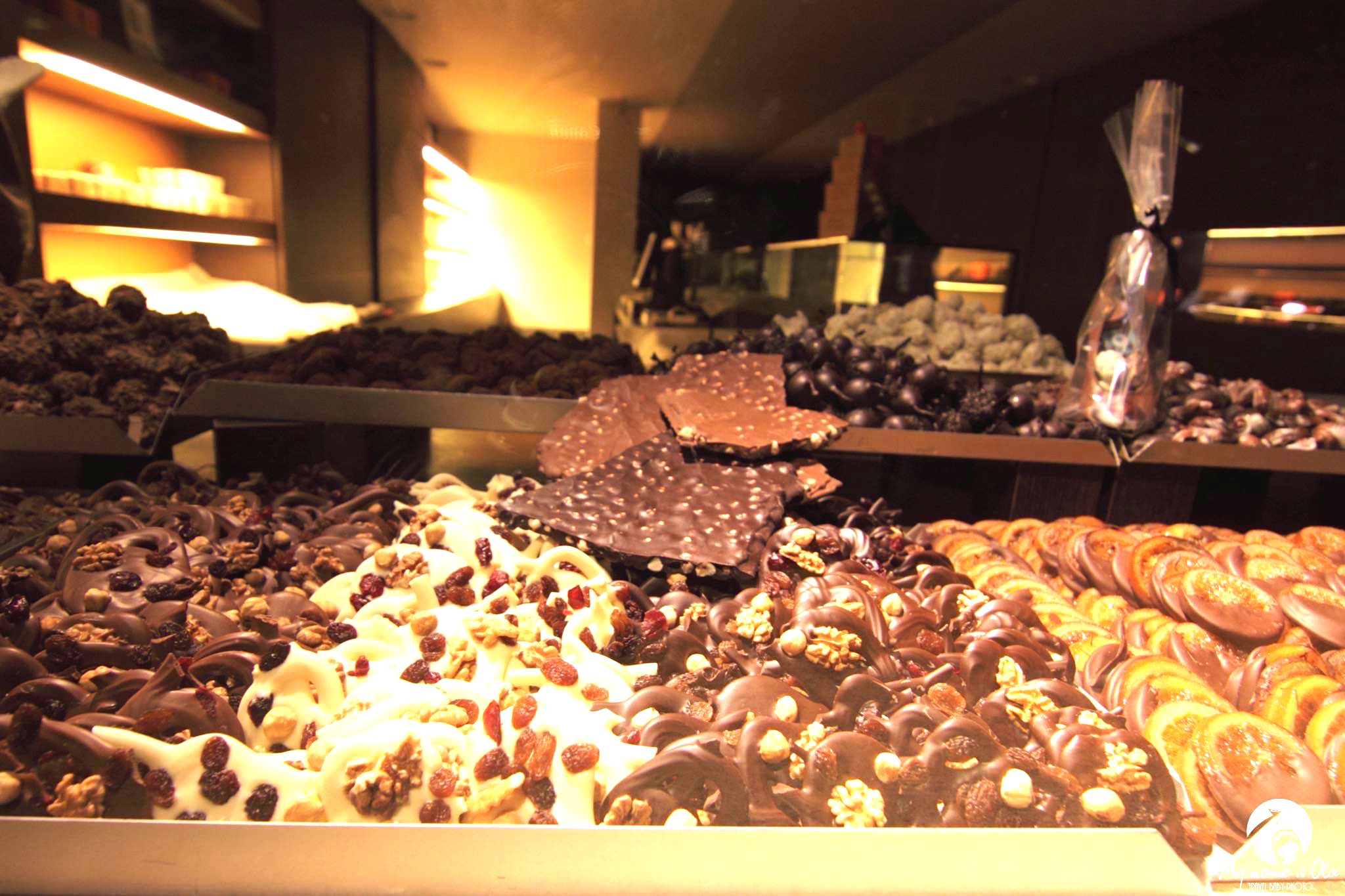
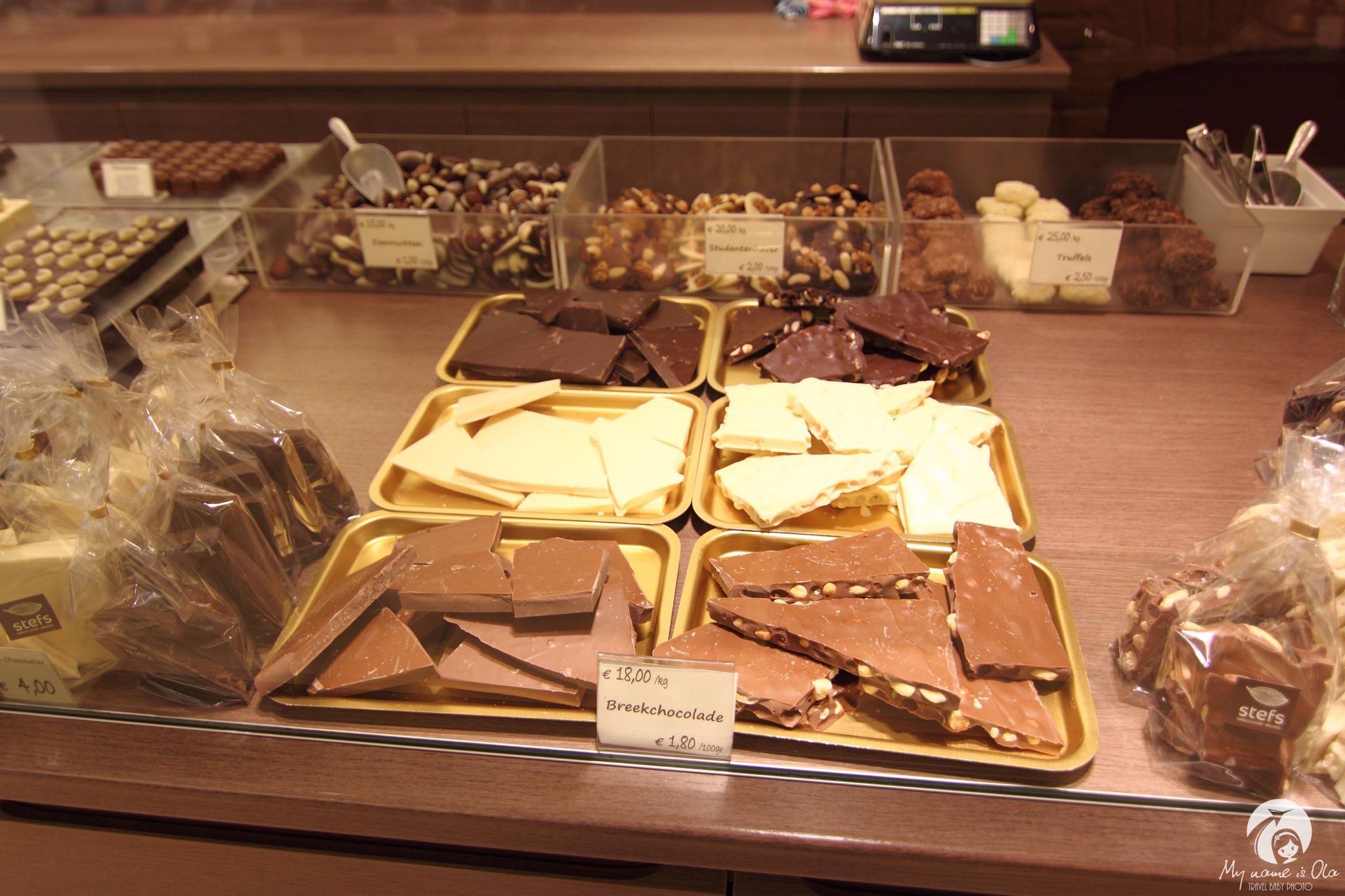
Now comes the time to talk about something really good – chocolate. Poor Ola has no idea yet, how delicious tastes she is missing. Belgium somehow became a spectialist in matters of chocoate since when the coca came first to Europe in 16th century and its chocolatiers became masters in this art of producing sweet pralines. It’s a paradise for those – like Ola’s mom – ready to give up everything for chocolate.
Passing on and on the Bruges’ shop windows full of chocolate from white to dark, with nuts or without, plain or decorative pralines we decided to visit local musem of chocolate to find out what is the story of this delicious sweetmeat.
[photosetgrid layout=”3″]Bruges, Belgium Bruges131Bruges, Belgium[/photosetgrid]Museum is called Choco-Story and is located 2 minutes away from the main square in Bruges – Grote Markt. It is run by the owners of Belcolade chocolate factory. We were expecting a lot visiting this museum. We imagined a modern institution with chocolate figures, participation in production process, with hovering in the air the smell of chocolate, with tempting chocolate products around us. Buying the tickets (8 euro/ person, kinds under 6 free) we have not yet figured out what kind of place we are entering. Together with the ticket we got a chocolate bar and were directed to the lift. We passed the huge chocolate egg and went up.
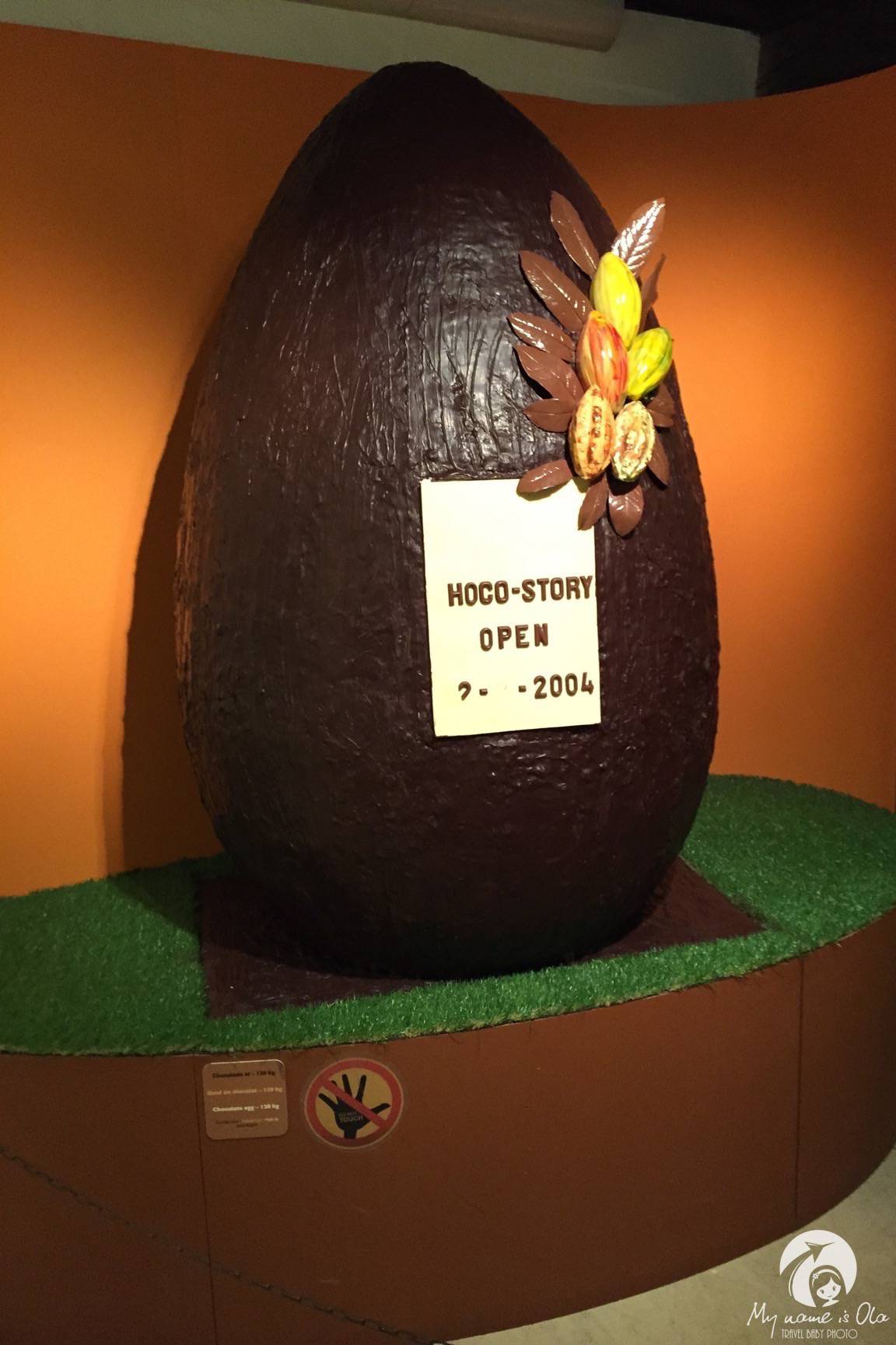
Choco-Story, Bruges, Belgium

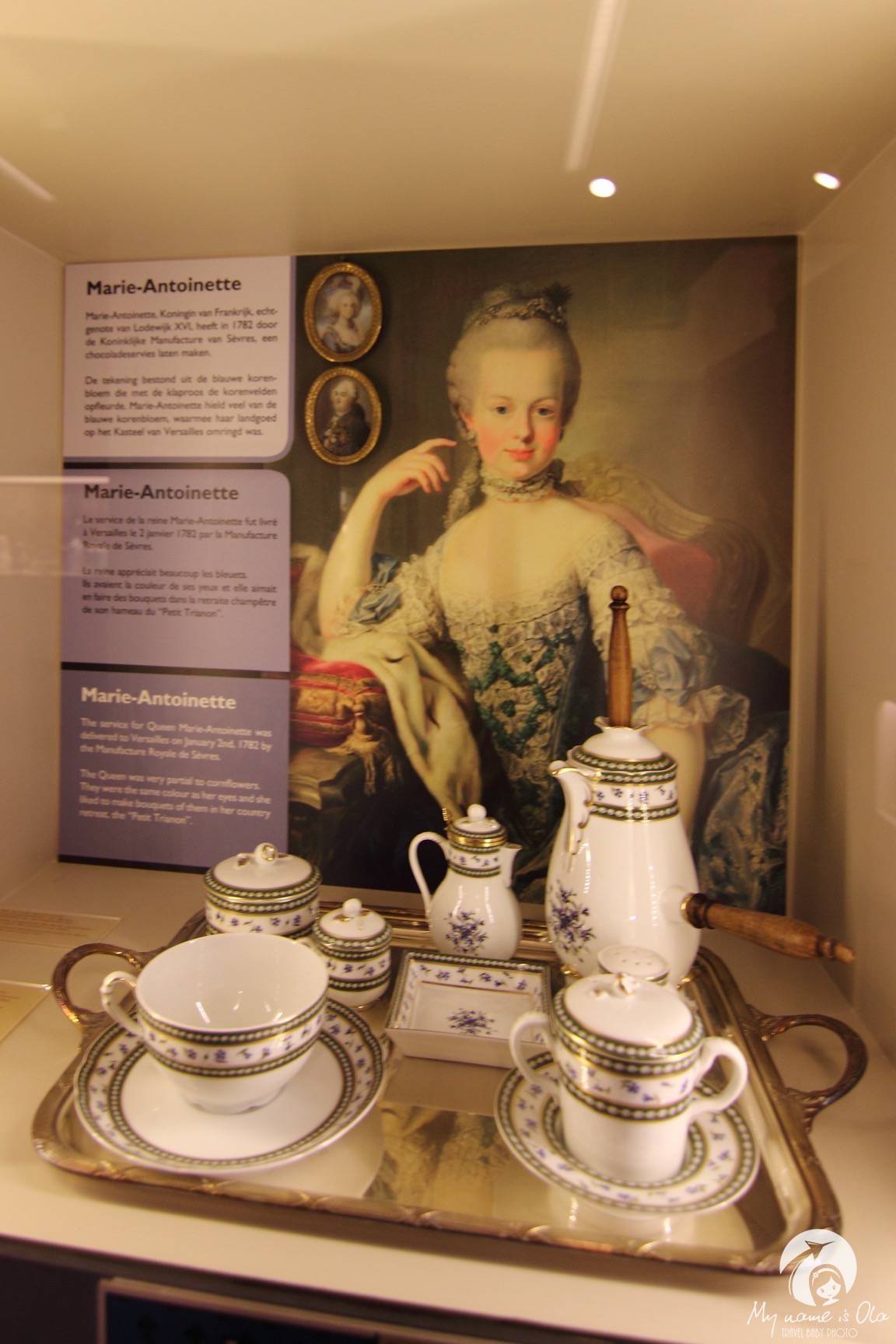
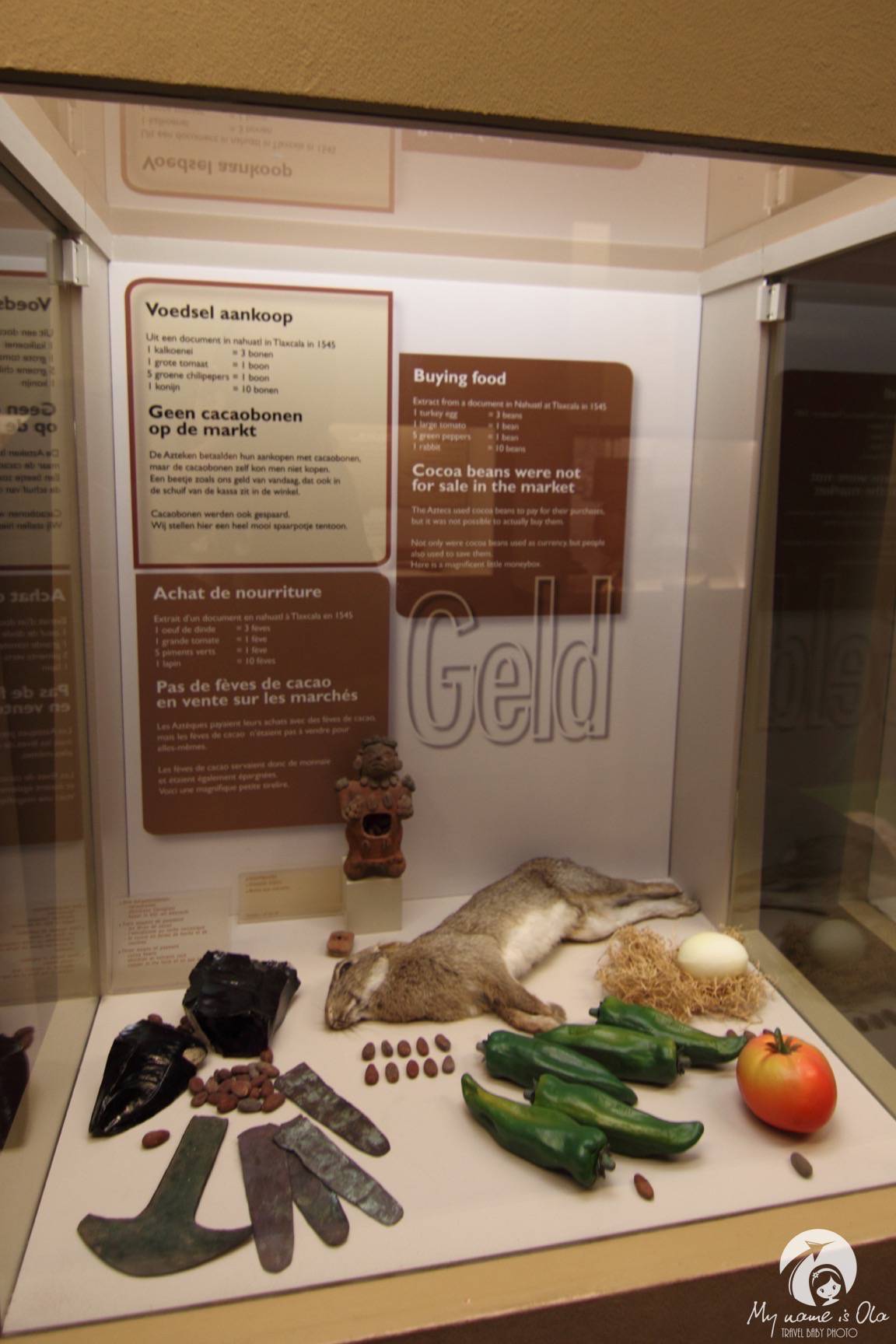
When we got on the first floor we saw small glass cases filled with some stuffed animals and archeological finds. So it’s this kind of place… Further it was even worse, there were some dishes and more archeological items displayed. All that accompanied by white and brown boards in three languages: Dutch, Frech and Englich. Yawning of boredom we decided to focus on the story. Maybe we will find out something interesting…

[photosetgrid layout=”5″]Choco-Sotry, Bruges, Belgium Choco-Sotry, Bruges, Belgium Choco-Sotry, Bruges, Belgium Choco-Sotry, Bruges, Belgium Choco-Sotry, Bruges, Belgium[/photosetgrid]

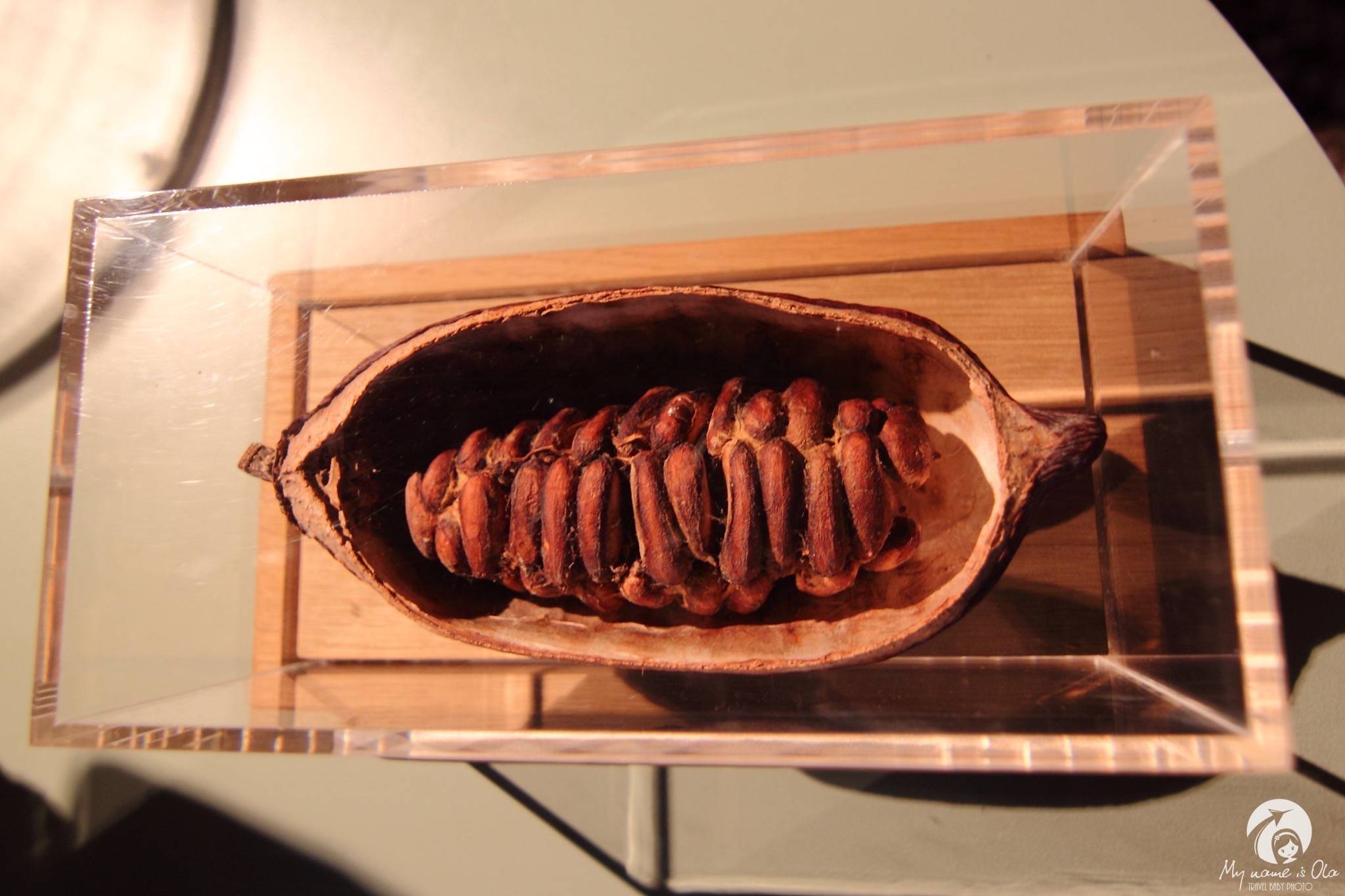
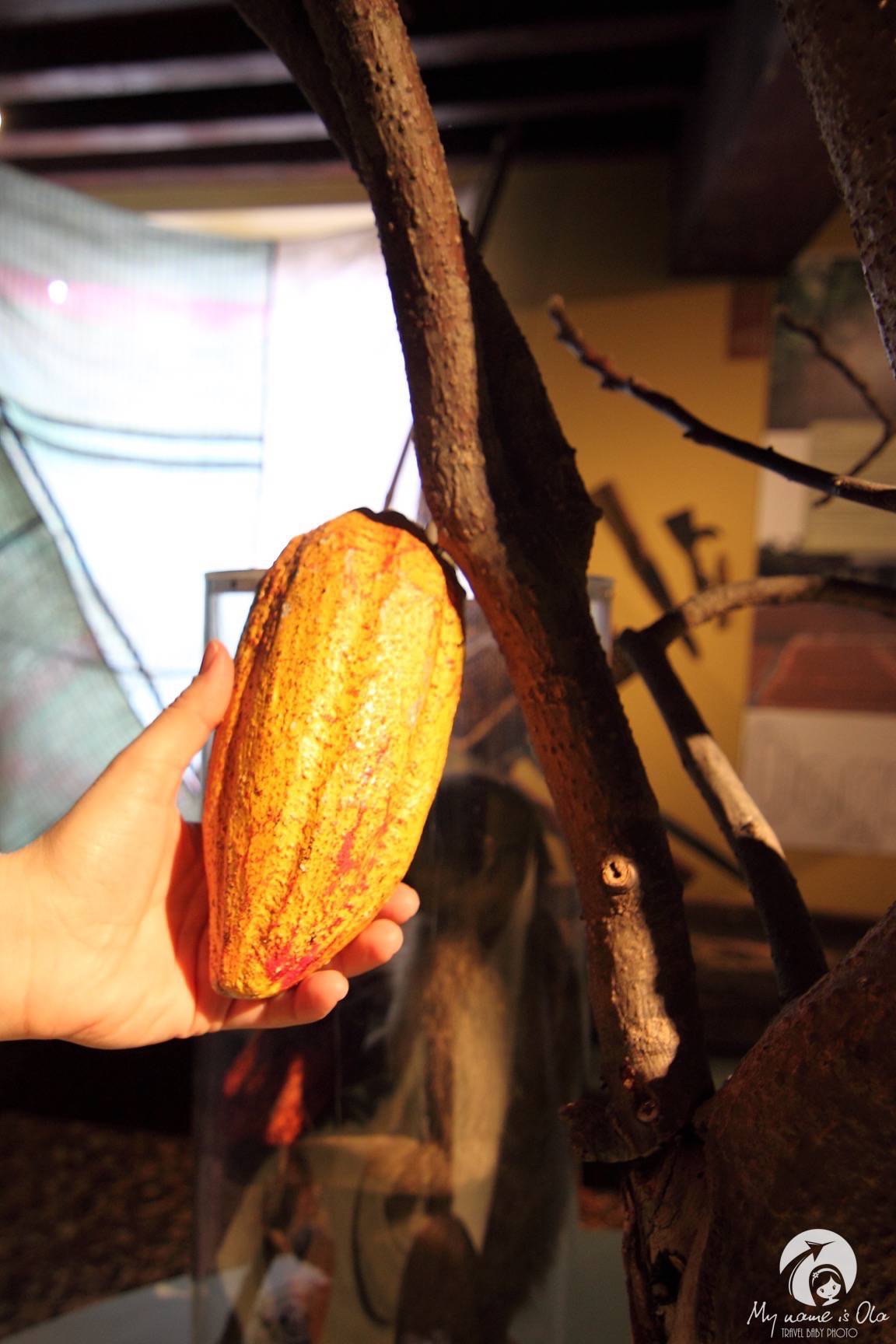
So the origin of cocoa is Central and South America. We have always associated cacao with some little beans, only here we realised how it grows. So those little beans are hidden in an oval-shaped orange pods growing on the trees. The shells are quite big because they are upi to 30 cm long nad can weigh even 0,5 kg.[photosetgrid layout=”12″]Choco-Story, BrugesBruges27 Choco-Story, Bruges[/photosetgrid] Cocoa beans were firstly used by Aztecs as a currency (15 green peppers = 1 bean) and Mayans as an offer to gods. Both of them used them also to prepare bitter and spicy drink. It was something special, reserved for elite of the society, often for important events. 16th century brought the seeds to Europe and here the drink changed into a sweet beverage. Spanish were first who added sugar and honey to the drink. Thanks to this move it got popular accross Europe. How did it get the name “chcolate”? It came from Central American Indian’s language: kakawa (cocoa) + atl (water).
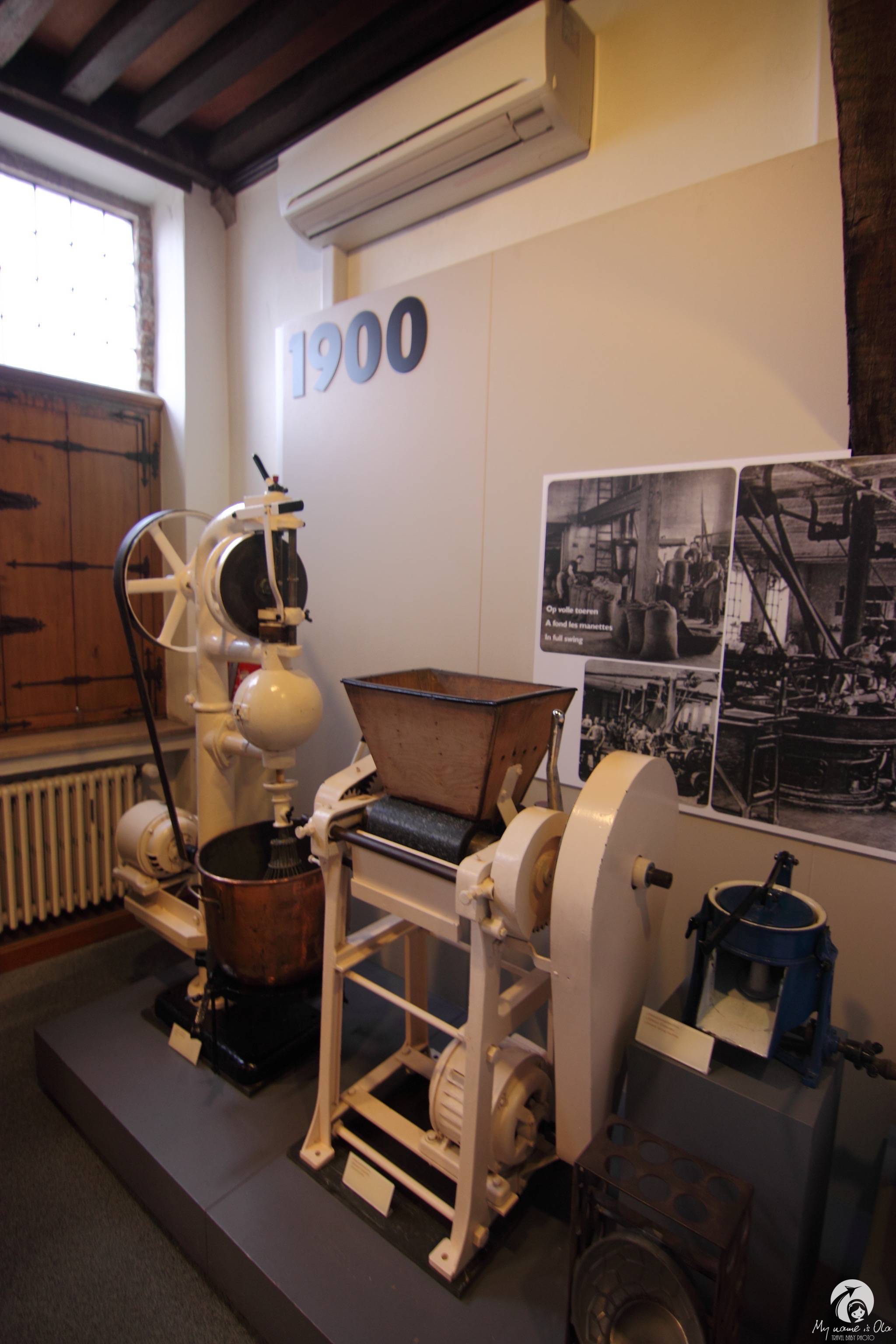
The process of chocolate production is in fact way more complicated than this name would suggest. Before  being used for chocolate making, cocoa beans have to be fermented. This necessary step brings up their flavour. Leter on they are dried, roasted and cleaned. Such prepared beans are ground into a paste which is supplemented with sugar, powdered milk and cocoa butter. That’s still not the end of the procedure. Next steps involve refining (proces of cleaning from unwanted color or smell) and conching which means heatig and blending to elliminate any wrong aromas still left. The requested texture is obtained by adding different amounts of cocoa butter or lecithin.[photosetgrid layout=”3″]Choco-Story, Bruges, Belgium Choco-Story, Bruges, Belgium Choco-Story, Bruges, Belgium[/photosetgrid]

Visiting the museum we got some practical information too. We have always known that dark chocolate is the most healthy and beneficial for people but have never wondered why. Now we know: ingridients of each type of choloate are different. White chocolate for example contains: 29,5% of cocoa butter, 25% of powdered milk and 45% of sugar! While dark consists of: 67,5% of cocoa paste, 7% of cocoa butter and only 25% of sugar. The difference of sugar content is significant. To compare, milk chocolate is made of: in 10% of coca paste, in 20% of powdered milk, in 24,5% of cocoa powder and again in 45% of sugar. So now you know – having to choose any type chocolate always reach for the dark one.

Today the biggets producers of cocoa are African countries like Ivory Coast and Ghana.

Choco-Story, Bruges, Belgium

These are all basic information about cocoa and chocolate you need to know. So if you thought about taking your little one to the museum to find out something about chocolate make sure to have a stroller or something because surely he or she will fall asleep. If you were worried that your baby after visiting museum will want nothing but chocolate for dinner, don’t. There is nothing, maybe beside the giftshop, that will make him or her think only about this best sweet ever.Choco-Story, Bruges, Belgium

Blog

How to cross the border of Cyprus and Northern Cyprus

23/04/2015 — by Magdalena Kuźma0

gr1-960x640.jpg

How to cross the border of Republic of Cyprus and Northern Cyprus? In general – very easy, in details – it depends on your means of transportation. We assume that you are interested in going from Republic of Cyprus to Northern Cyprus, because most of visitors stay in southern part and go to the north just for a trip.

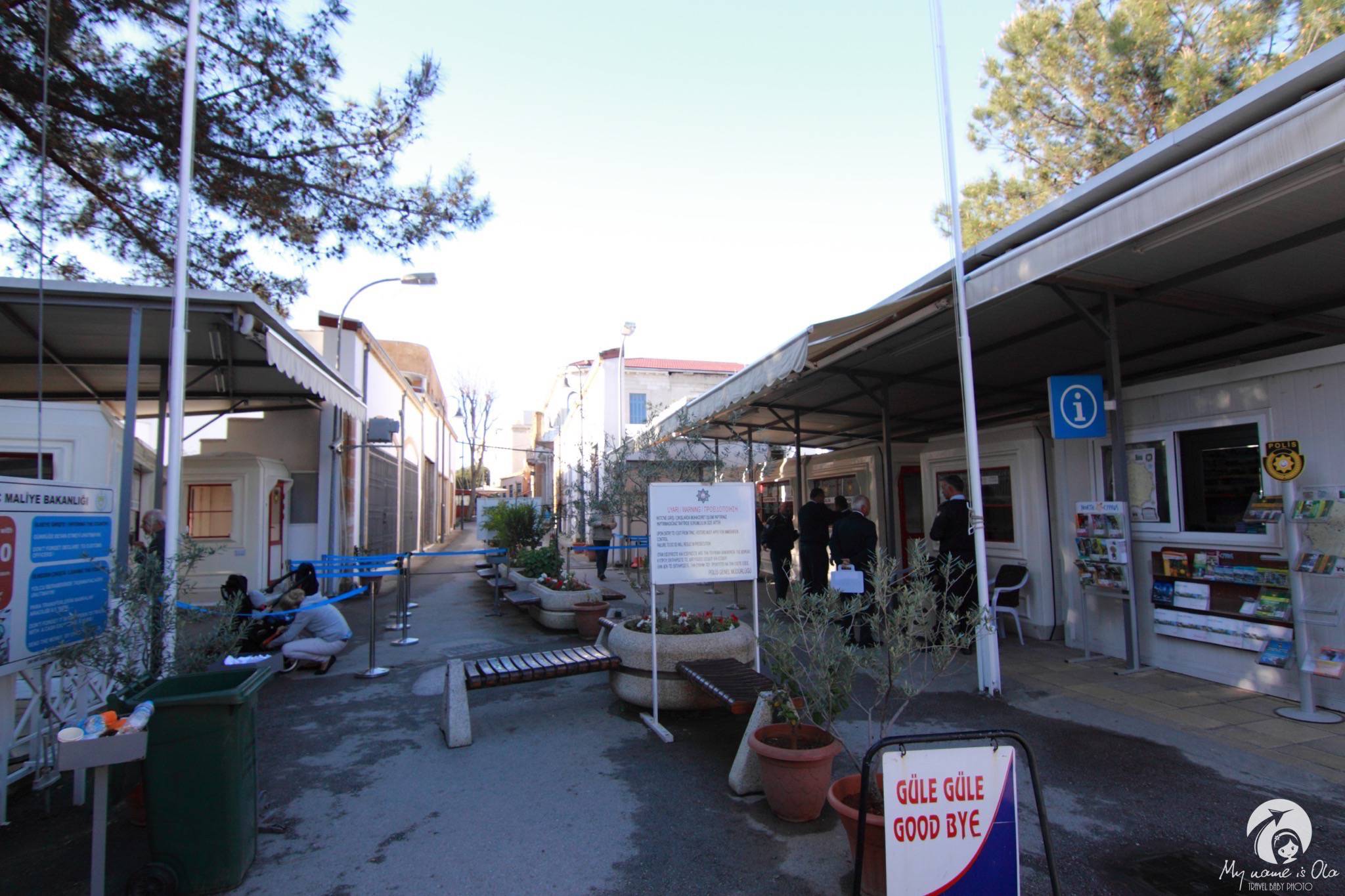
If you want to visit Northern Cyprus on foot, you will probably be using the border crossing in Nicosia. The border goes through the city and crossing is located at Ledra street. This crossing is used by both turists and locals but it seems there is a separate window for Cypriots so that masses of tourists did not interrupt their life. Routine is more or less the same as at every other border crossing.

1. Approaching from the Republic of Cyprus we will first encounter their border officers. Here we have to present our passports and after checking it by the officers we can move on.

2. After a few meters we are standing in front of North Cyrpus officers. Here we will need an additional piece of paper – a visa. It’s a form which we have to fill in with our name, nationality and passport number. This visa, when stamped by the officer, has to be kept in our passport until we leave North. It is possible to get the stamp to your passport but it’s not obligatory.

Cyprus, border

Everything looks similar when crossing the border by rented car. Because many turists go on trips to Northern Cyprus, officers are well prepared and everything goes rather fast.

1. At the booth of Republic of Cyprus we do not even leave the car. Officer picks up and brings the documents to the car. Hand him car papers and passports of all travellers.

2. Moving on to the North Cyprus zone, our first steps we need to direct to the insurance agent. It’s the first window on right hand side. The insurance we got at rental is valid only for the teritory of Republic of Cyprus. This is why we have to buy one for Northern Cyprus – minimum 3 days for 20 euro. To do so we will have to present car documents and passport.

3. For each person in the car we have to fill in the visa form. If we already have one because for example we have crossed the border on foot the other day, we can use it, we just need to fill in plates number of the car. Again – when stamped it will have to be kept in passport until coming back.

4. With filled form, insurance and passports of all people in the car, the driver can go to customs officials. They put an entry stamp on the visa and we are free to go.

[photosetgrid layout=”2″]North Cyprus visaNicosia border[/photosetgrid]

Return procedures are almost the same. It is good to know that it is not necessary to use the same crossing to come back as the one we left through. We can use any border crossing either traveing on foot or by car. It’s also important to know that if you rent a car on northern side, you will have to use it there. Taking such car south is not possible.

Cyprus, border

Blog

“Ulysses” – second attempt. James Joyce’s Dublin

22/03/2015 — by Magdalena Kuźma1

Dublin203-960x655.jpg

Probably everybody has some day tried or at least planned to read James Joyce’s “Ulysses”. So did we. But we have to admitt that none of us finally managed to read the book. Maybe some day Ola will try and will be the one in our family who makes it. We believe in her. Until then she will be the witness of our second attempt to Joyce because we decided that “Ulysses” and his other works will lead us through the streets of Dublin.

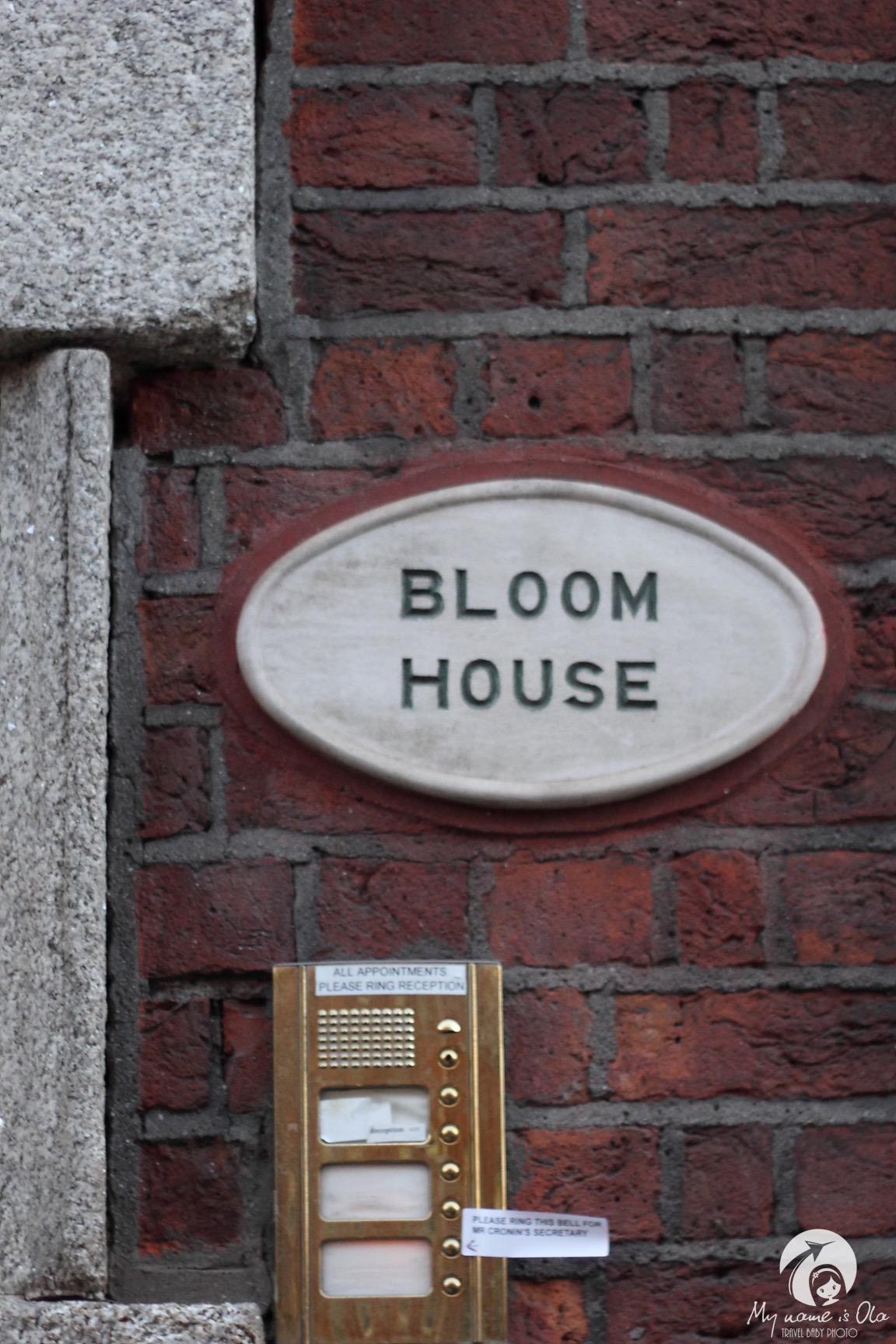
1. Our first point is located outside the city center at Eccles Street. House number 7, where Leopold Bloom, main character of “Ulysses” started his famous day, doesn’t exist any more. Under number 7 today there is a hospital. Main entrance to Bloom’s house was exactly where the sign Mater Private Hospital is today. Fans of the novel will probably be happy to hear that the doors were saved from demolishion and today they are exhibited at James Joyce Center at North Great George’s Street. Accross the street from the hospital, private clinic at 78 Eccless Street has decorated their building with details from “Ulysses”. Don’t let that trick you – this is NOT a real Bloom’s house.

[photosetgrid layout=”2″]Not Bloom's HouseNot Bloom's House[/photosetgrid]

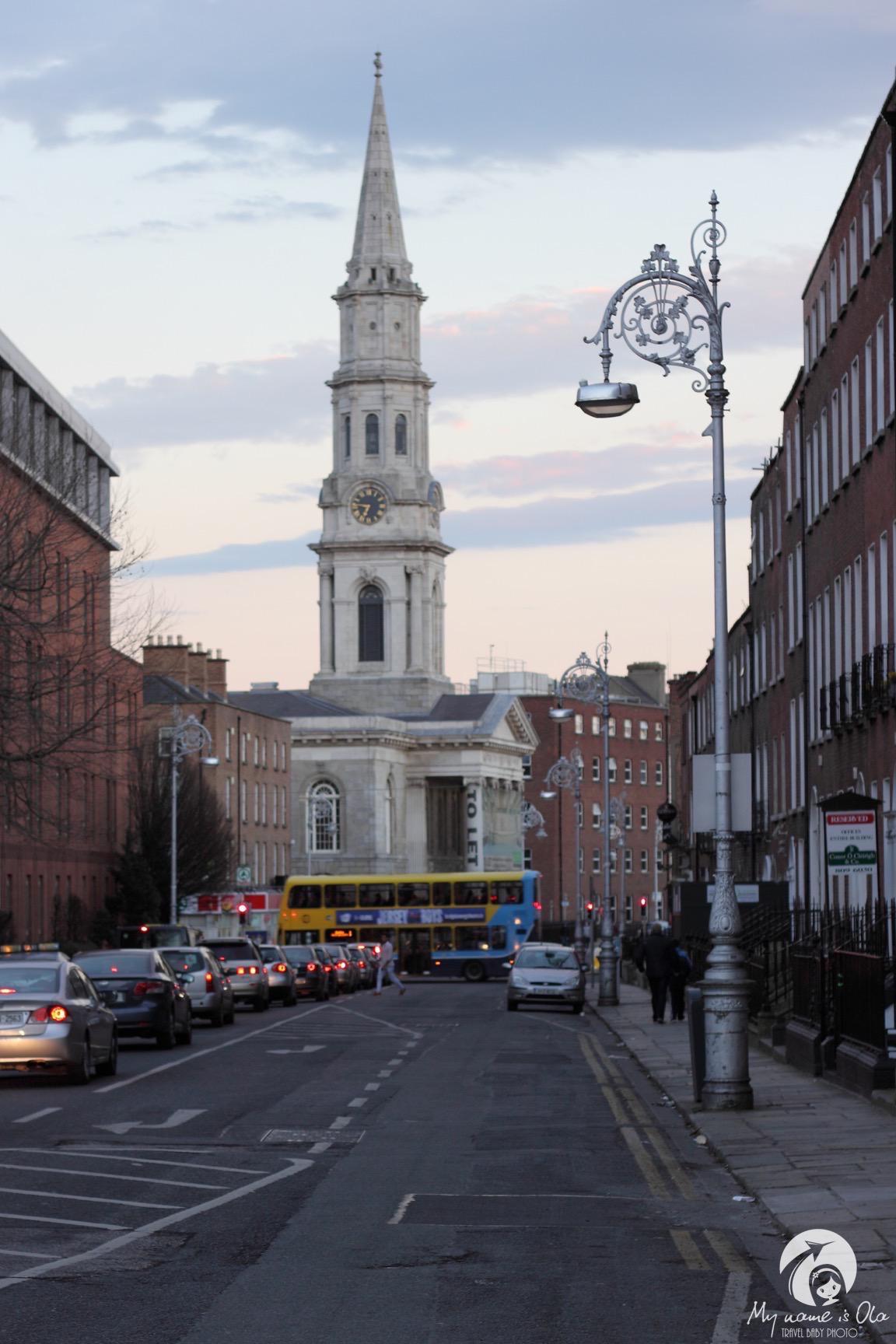
2. Located nerby, St. George’s Church has also appeared in Ulysses. The bells that Bloom heard being  in his home at 7 Eccles Street, were those of St. George’s Church. The church was built at the begining of 19th century.  60-meter high spire and four-column portico are the most important features of the building. In 1991 the church was deconsecrated and since then it has had many different functions. It used to be for example a theatre. Today it’s being renovated and the bells, that Bloom has heard ringing, were moved to Taney Church w Dundrum.

St. George Church, Dublin

3. We moved quickly to O’Connel Street where we found another object, this time refering to the person that appers in Joyce’s works. Writer was influenced by ideas of Charles Stewart Parnell, a 19th century politician, leader of the movement for Irland’s autonomy. His monument closes Dubin main artety – O’Connel Street from the North. It shows the figure of Parnell with a 17-meter high obelisk of solid marble behind. Parnell in  his efforts almost succeeded in the 80. of 19th century, 30 years before Ireland in fact declared its independence. In Joyce’s works we find Parnell in “A Portrait of the Artist as a Young Man” – during Christmas dinner at Stephen Dedalus’ house the discussion about Charles Parnell becomes a family quarrel.

Parnell Monument, Dublin

4. Going down the street we arrived at General Post Office – the headquarter of Irish Post. This is a very important place in Irish history – during the Easter Rising in 1916 it was a headquarter of the rebel’s leadres and it’s here, on the steps of GPO, where the independence of Ireland was declared. This is a monumnetal granite building constructed in 1818. It is characterised by six-column portico and what is interesting originally tympanum was decorated with the royal arms, removed during renovation in 1920.
In Joyce’s works GPO did’t play any significant role. For example in “Ulysses” it was mentioned as a place where bootblacks provided their services.

General Post Office, Dublin

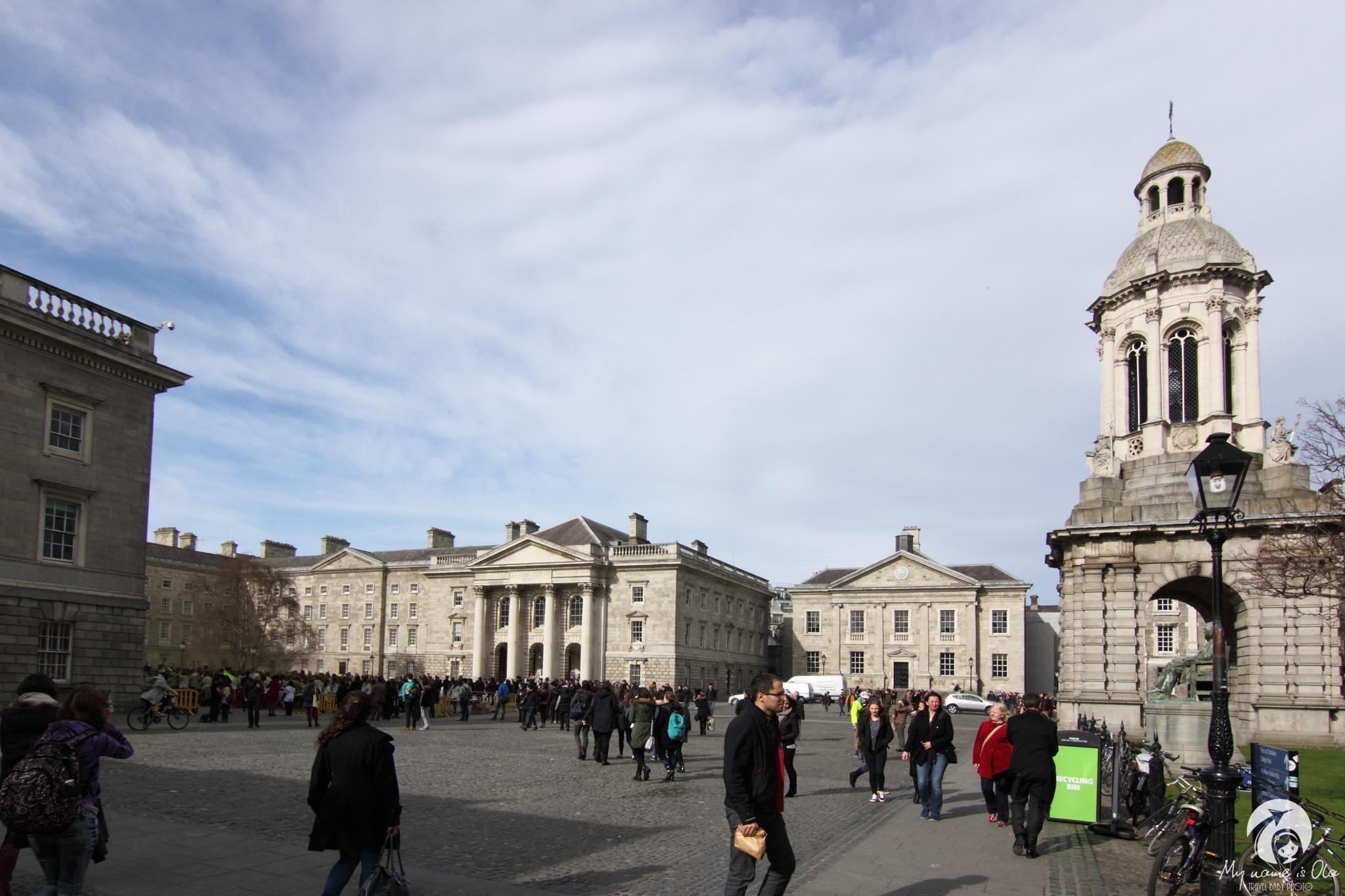
5. On the other side of the Liffey we find Trinity College – 16th century protestant University of Dublin. Catholics were not accepted there until 1793 and only until 1873 some restrictions in their functioning on the University remained. That refferes for example to scholarships and professorships which were not achievable for catholics. If there were some catholics, who despite that, wanted to study at the Univeristy, first thing they had to do was to ask their bishop for permission. Until 1970 catholics were forbidden to attend the University without such permit. One object of Trinity College definitely worth attention is the Library. It has around 5 million books and some important manuscripts like Book of Kells dated back to 800. The Book and other manuscripts they exhibit in the Library museum, part of which is the famous Long Room. It’s an impressive room where part of collection is kept. It’s definitely worth visiting.
James Joyce was a catholic and that might explain why Leopold Bloom passing the Provost house says that he wouldn’t lived there even if he was paid.

[photosetgrid layout=”52″]Trinity College, DublinTrinity College, DublinTrinity College, DublinTrinity College, DublinDublinLong Room, DublinLong Room, Dublin[/photosetgrid]

6. Following Dames Street to the West looking for Dolphin house, another place connected with Joyce, we passed among others the Town Hall, Dublin Castle, and not knowing how and when we arrived at Christ Church Cathedral. Admiring the medieval cathedral we realised that the point that we were looking for we have surely already passed.

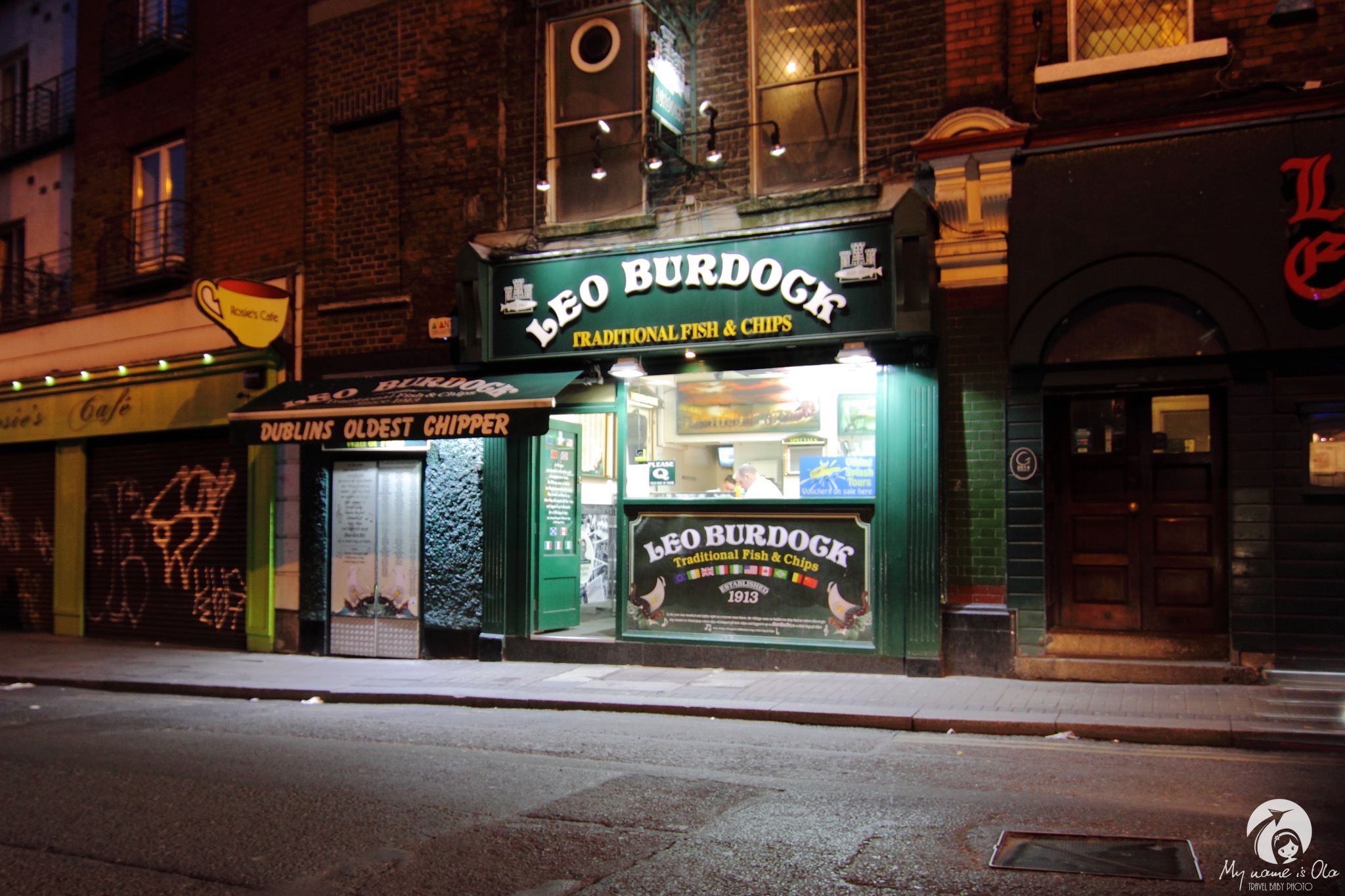
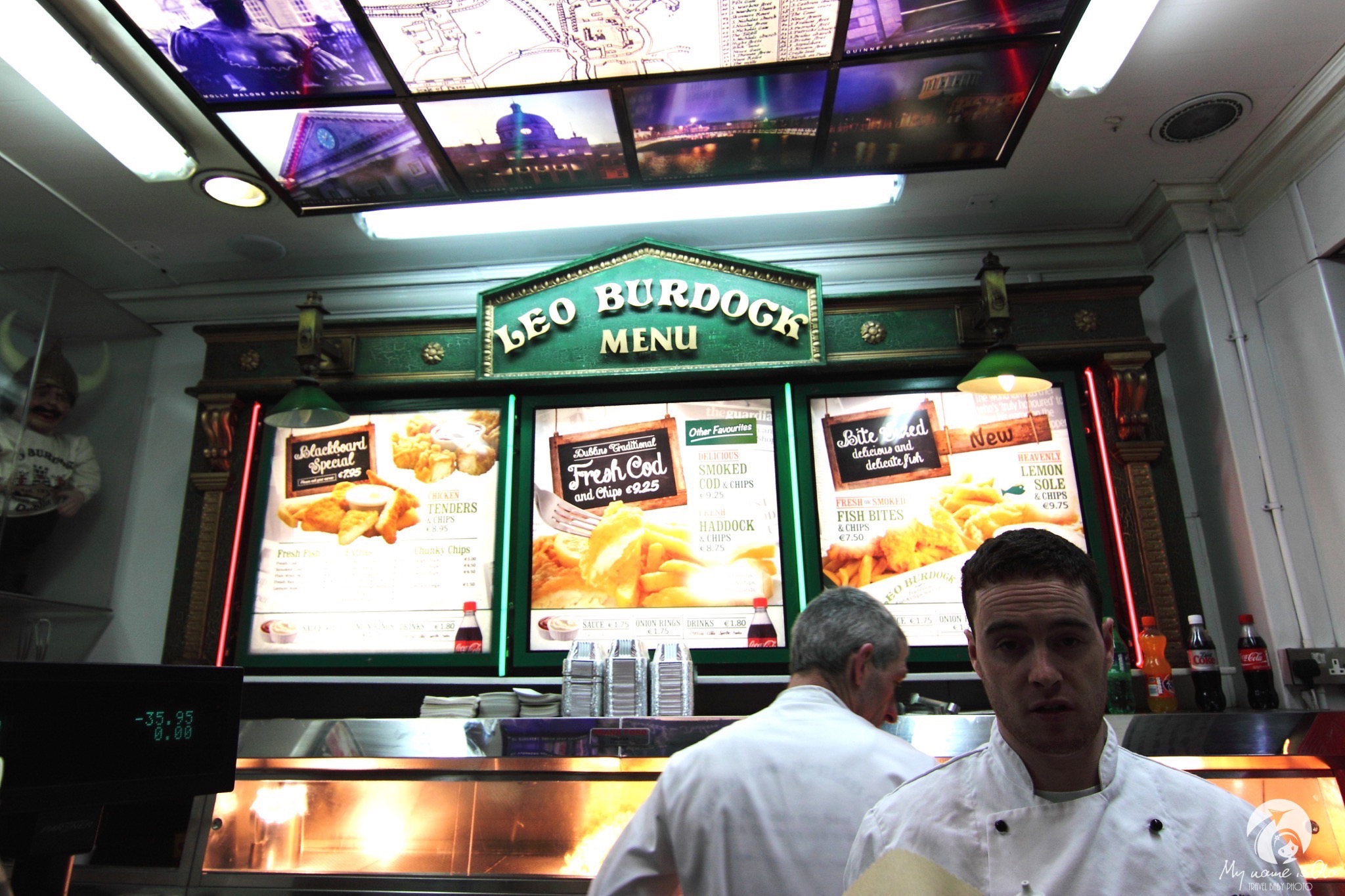
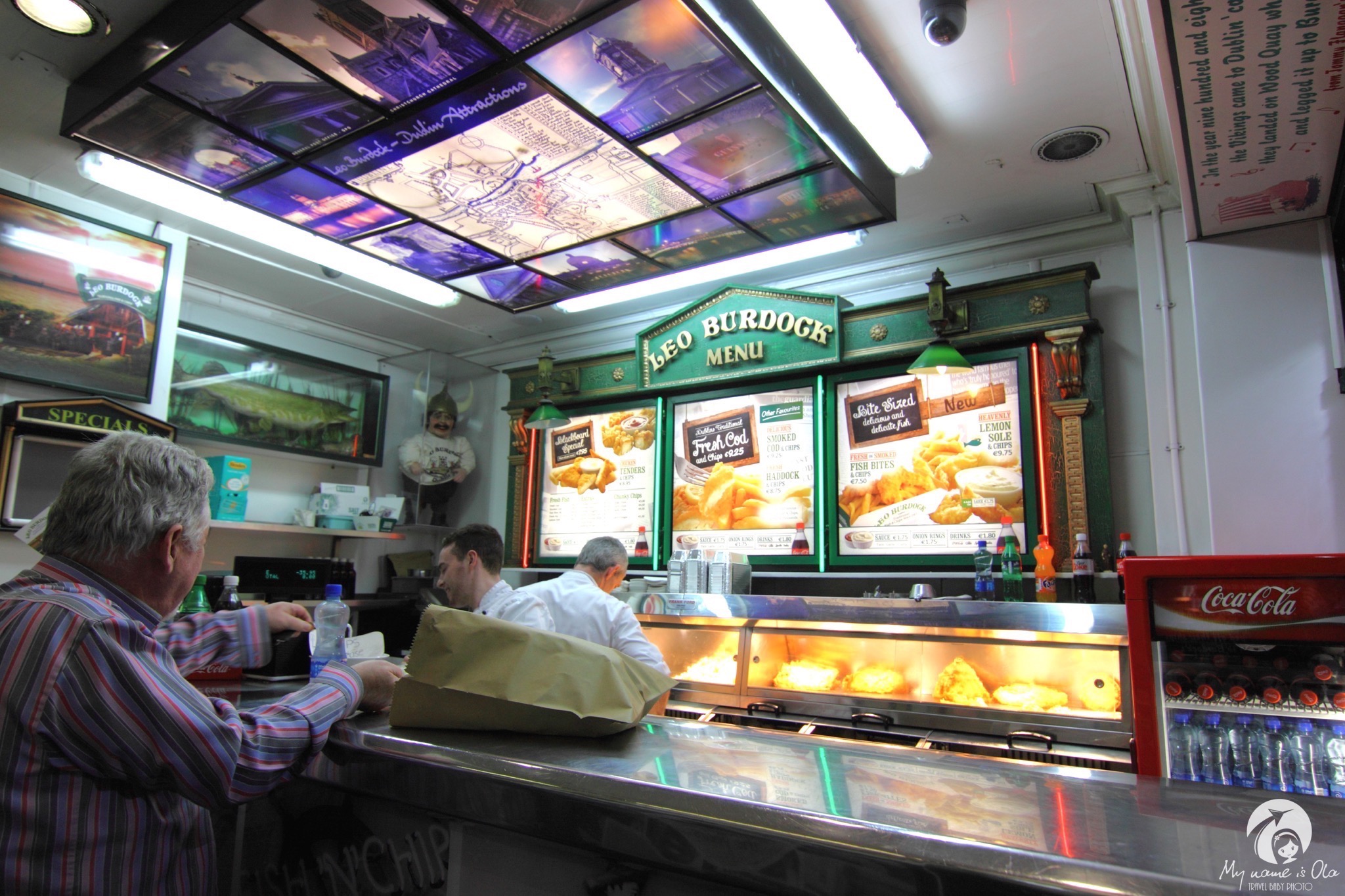
Dublin CastleDublin  Christ Church Cathedral, DublinChrist Church Cathedral, DublinWe had to admitt we were lost, we found ourselves somewhere else than we expected. But the situation wasn’t that bad. Right next to the Cathedral there is a place we have planned to visit anyway – Leo Burdock, a bar that has served traditional fish&chips since 1913! That is probably the most popular such bar in Dublin. They used to wrap fish&chips to go in one day old newspaper, today it’s just a plain grey paper.

Leo Burdock, Dublin Leo Burdock, DublinLeo Burdock, Dublin

Although at Leo Burdock it went really fast, within few minutes it got dark outside and Ola lost her patience for runing around the city so we had to give up the idea of continuing our walk. We pushed the stroller towards the hotel. So just like with the book – we didn’t manage to finish our walk through Dublin with “Ulysses”. The novel on the shelf will be reminding us that it might be a good idea to come back to Dublin some time and try to explore the story of Leopold Bloom and the city as well. Maybe some day Ola will do better than us, with the book and with the city.

Blog

Rhombicuboctahedron – main viewpoint in Minsk

20/01/2015 — by Magdalena Kuźma0

Library31-960x1440.jpg

Rhombicuboctahedron seems even impossible to pronounce. Rhomb cube octeahedron… What exactly is it?

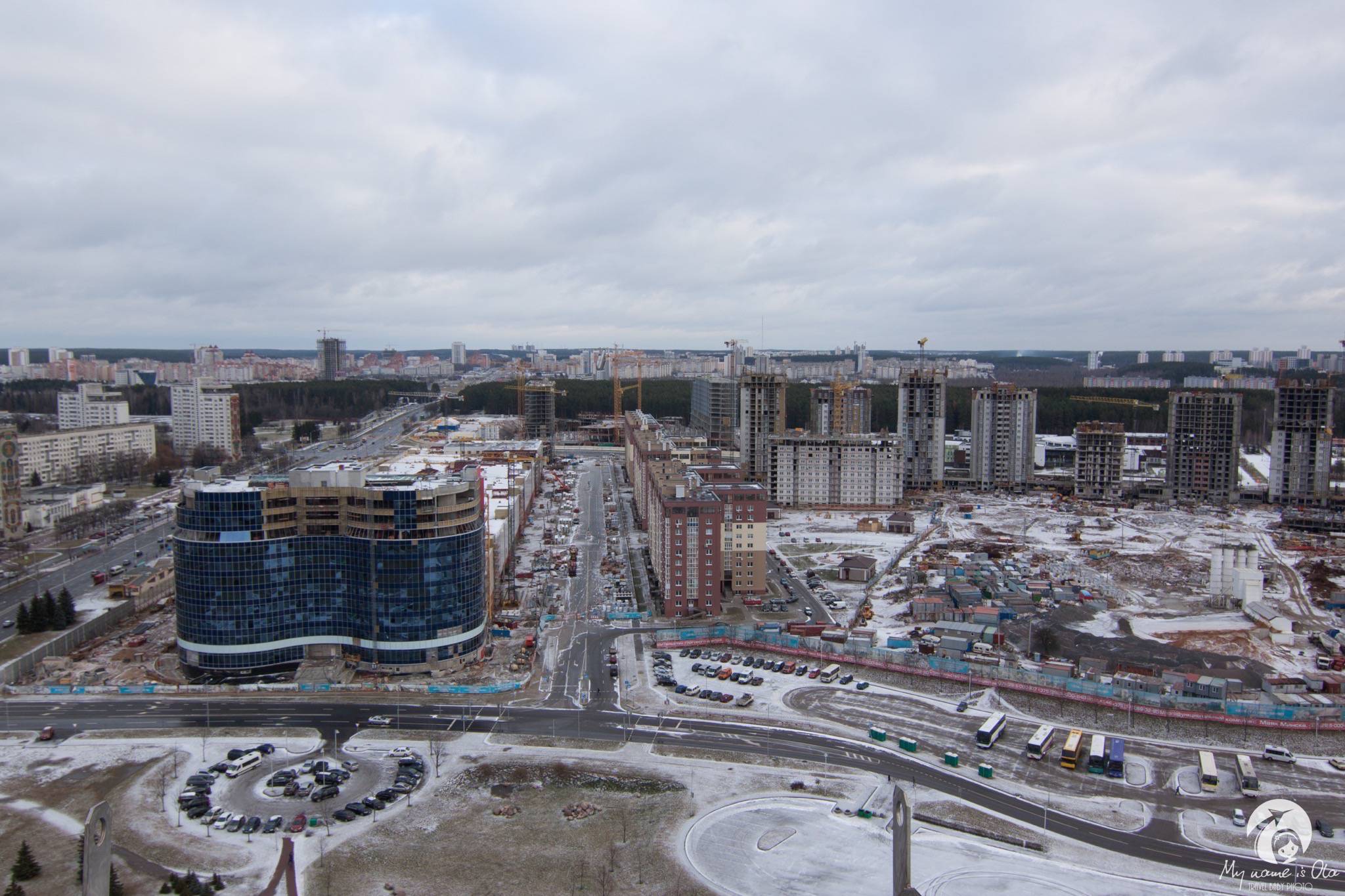
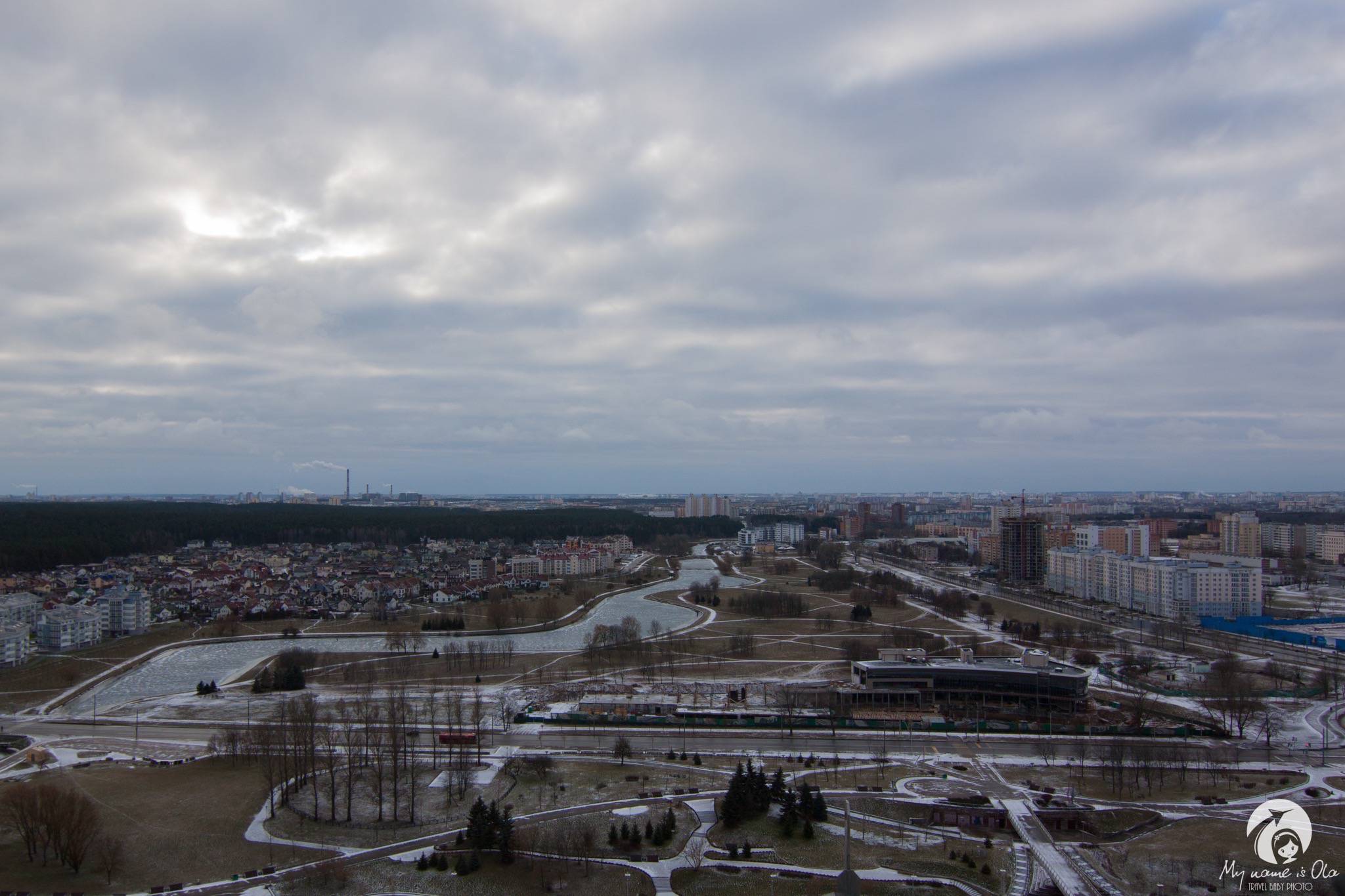
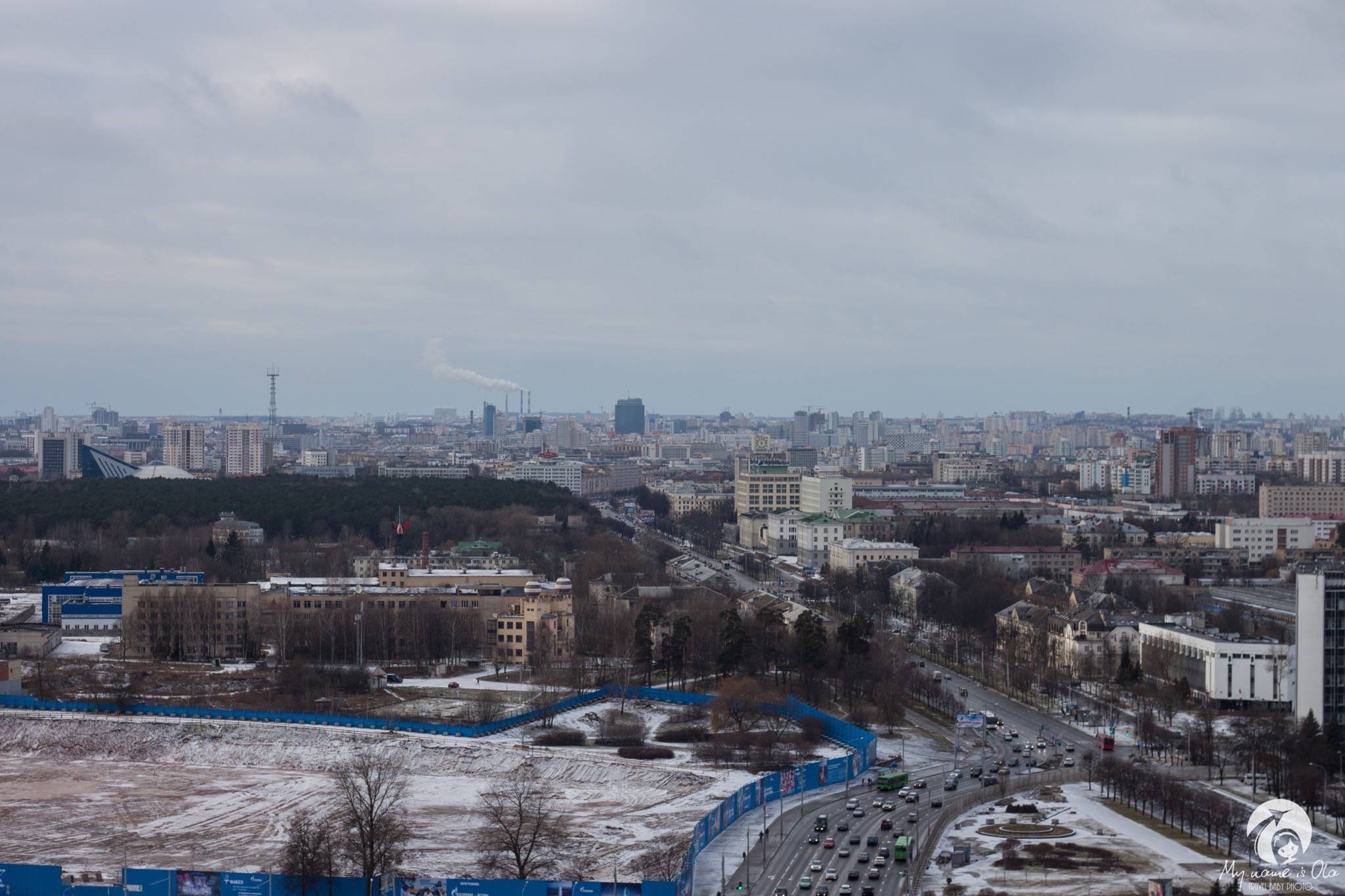
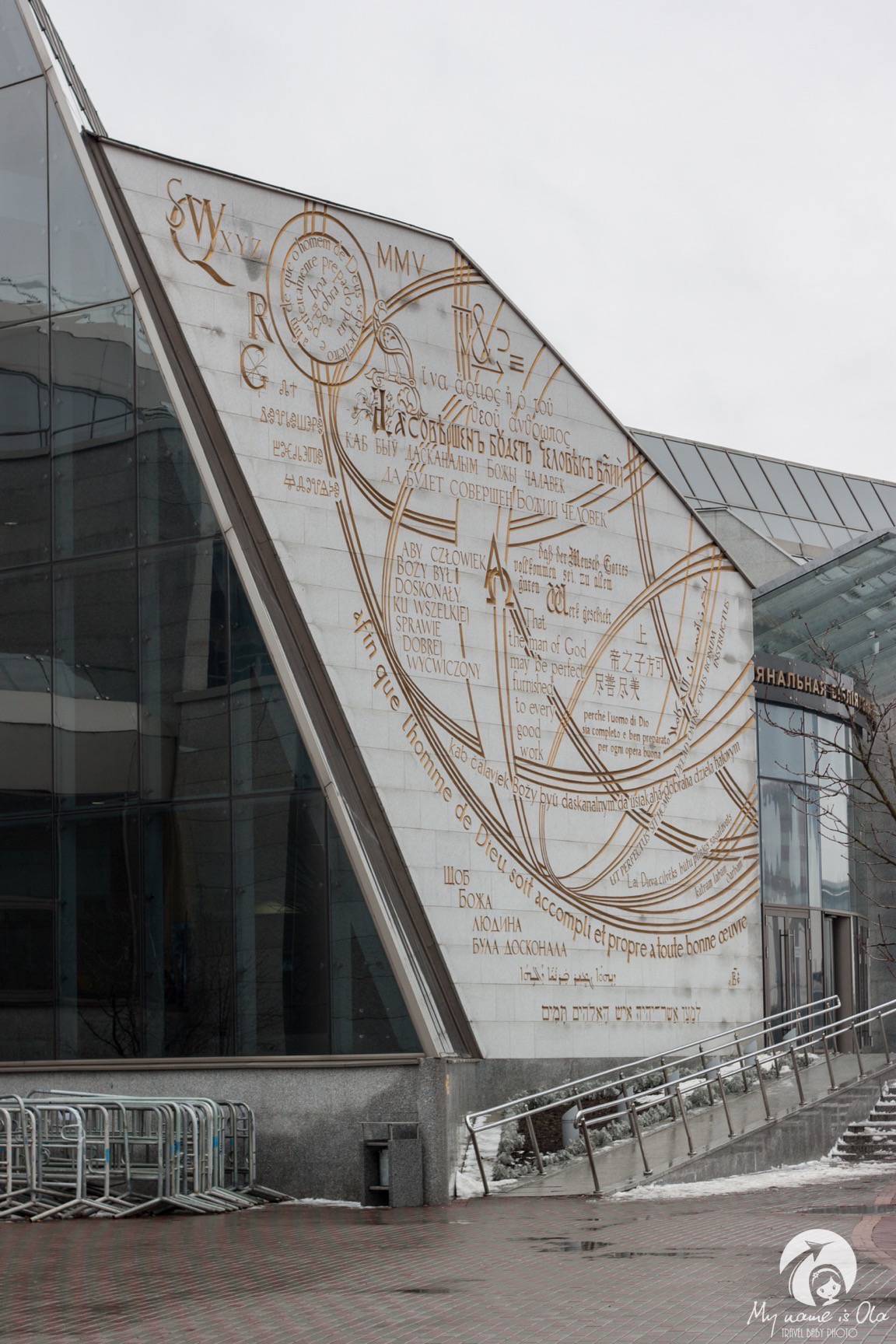
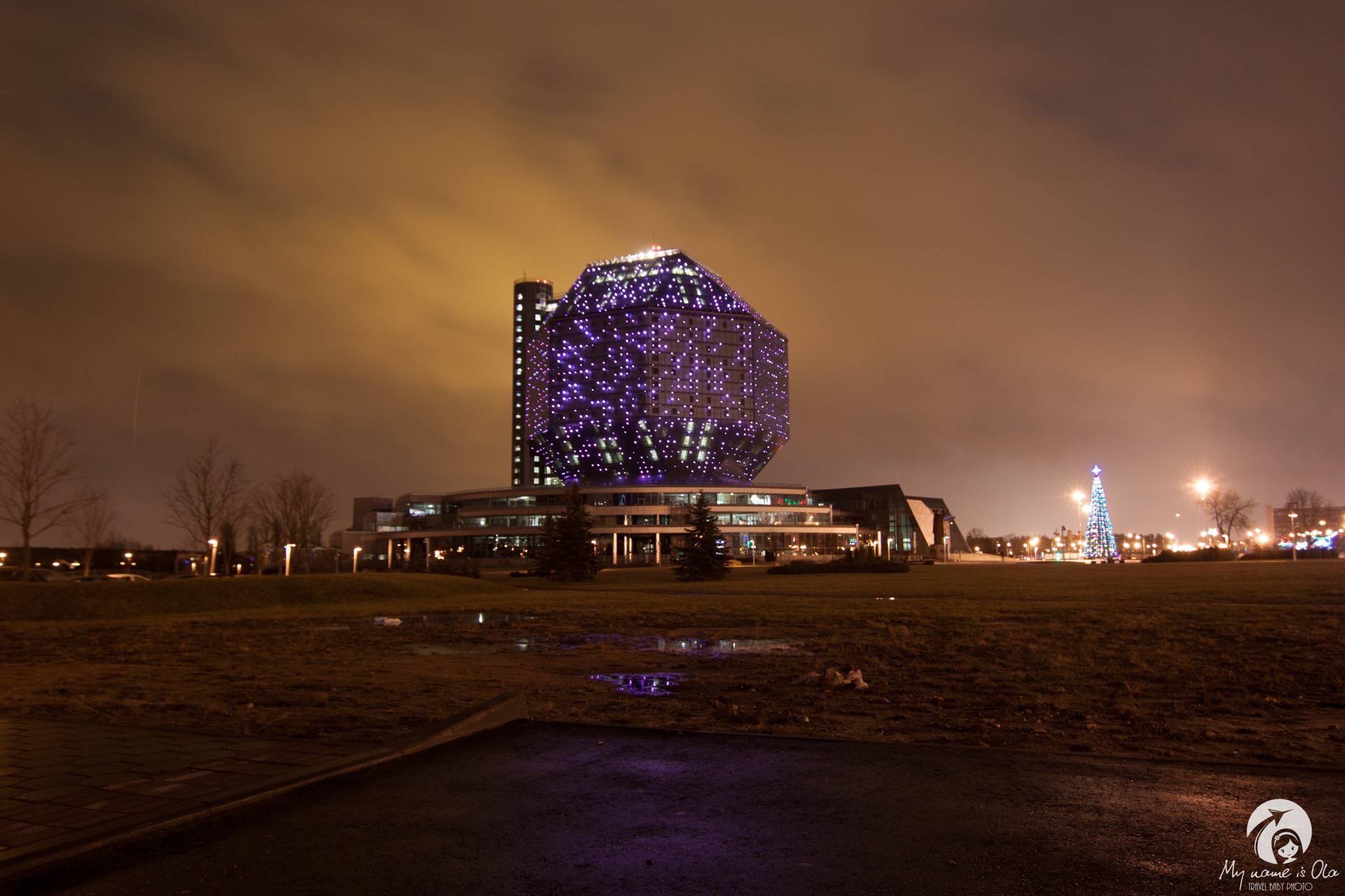
It’s a shape of eight triangular and eighteen square faces – an expanded cube. Don’t have to torture your imagination trying to shape it in your mind, we will show you how it looks. On grand scale. Two Belarusian architects used this shape in their project of National Library in Minsk. Imagine only that it’s 72-meter high consturuction.National Library in MinskIt’s located outside the city center but still on the main Minsk street – Independence Avenue. This cosmic structure, opened in 2006, is situated in the park, among new housing apartments still in constrution. We are sure that no matter what will be built around, this unique construction will stand out.
On the roof of the constructon there is an observation deck from which we can look over the city. Since the library is away from the city center the view is not really breathtaking, just the suburbs construction sites. Important tip – the entrance to the terrace is at the back of the building. Below the open deck there is an indoor platform with Panorama art gallery.

[photosetgrid layout=”4″]National Library in Minsk, BelarusNational Library in Minsk, BelarusNational Library in Minsk, BelarusNational Library in Minsk, Belarus[/photosetgrid]

The constrution of main door is supposed to bring to mind an oped book. It leads to an interior offering reading rooms for 2000 people. Library’s mission is to satisfy cultural and social needs of Belarusians so besides the largest collecton of Belarusian prints it houses also a conference hall for almost 500 people, fitness center, bar, art galleries and children’s room. 

[photosetgrid layout=”2″]National Library in Minsk, BelarusNational Library in Minsk, Belarus[/photosetgrid]

But it’s during the night when the library gives its spectacle. Ths expanded cube displays different images. Today those are mostly advertisements that probably provide them extra funds. Couple years back we recall some Belarusian national patterns displayed. Maybe that was some kind commercial too?
[photosetgrid layout=”2″]National Library in Minsk, BelarusNational Library in Minsk, Belarus[/photosetgrid]

The building is definitely extraordinary. It looks a little like a spaceship or UFO to us but definitely the most characteristic Minsk building.

Blog

Minsk – Independence Avenue

20/01/2015 — by Magdalena Kuźma0

front-960x535.png

At the begining of new 2015, wanting to extend a little the holiday time, we decided to visit Minsk. Belarus is an orthodox country and celebrates Christmas according to Julian calendar. The difference between it and Georgian one is 13 days. So when the western countries already said goodbye to good old Santa Claus, Christmas is still to come in Belarus and this special mood is still in the air. Minsk streets were beautifuly decorated with lights and Father Frost was waiting for kids.

Minsk is the capital city of Belarus. It has the population of almost 2 milion people, which is 20% of the whole country. Belarus itself is not big (it covers around 200 000 square km) and rather flat – the highest point of the country is only 324 meters high Dzayrzhynsk Hill. So one thing is pretty clear – we will not rather go climbing to Belarus.
Belarus used to be a part of Polish-Lithuanian Commonwealth; its modern history started in 1991 when the country was established. Belarussian sovereignty was not so obvious: in national referendum in 1990 83% of Belarusians voted for remaining in USSR. Regardless the result Belarus became an independent country maintaining however close relationship with Russia. Until today Belarusian identity has been a problematic issue. Russian language is next to Belarusian an official one. Vast majority of people use Russian in their everyday life. National Belarusian music, language and art are not well perceived. Some say they are prohibited reminding that Belarus is has not became a democratic country. What is interesting it’s mostly youth who emphasize their nationality and oppose totalitarian rule of president. But it’s a topic for a whole other story.
Minsk is a developing city. When we approached it from the west side we saw nothing but construction sites, huge apartment buildings growing to the sky. It must be some general Belarusian way of building because the city is full of such huge structures of countless apartments. They are characteristic for the city lanscape.

Minsk, Belarus
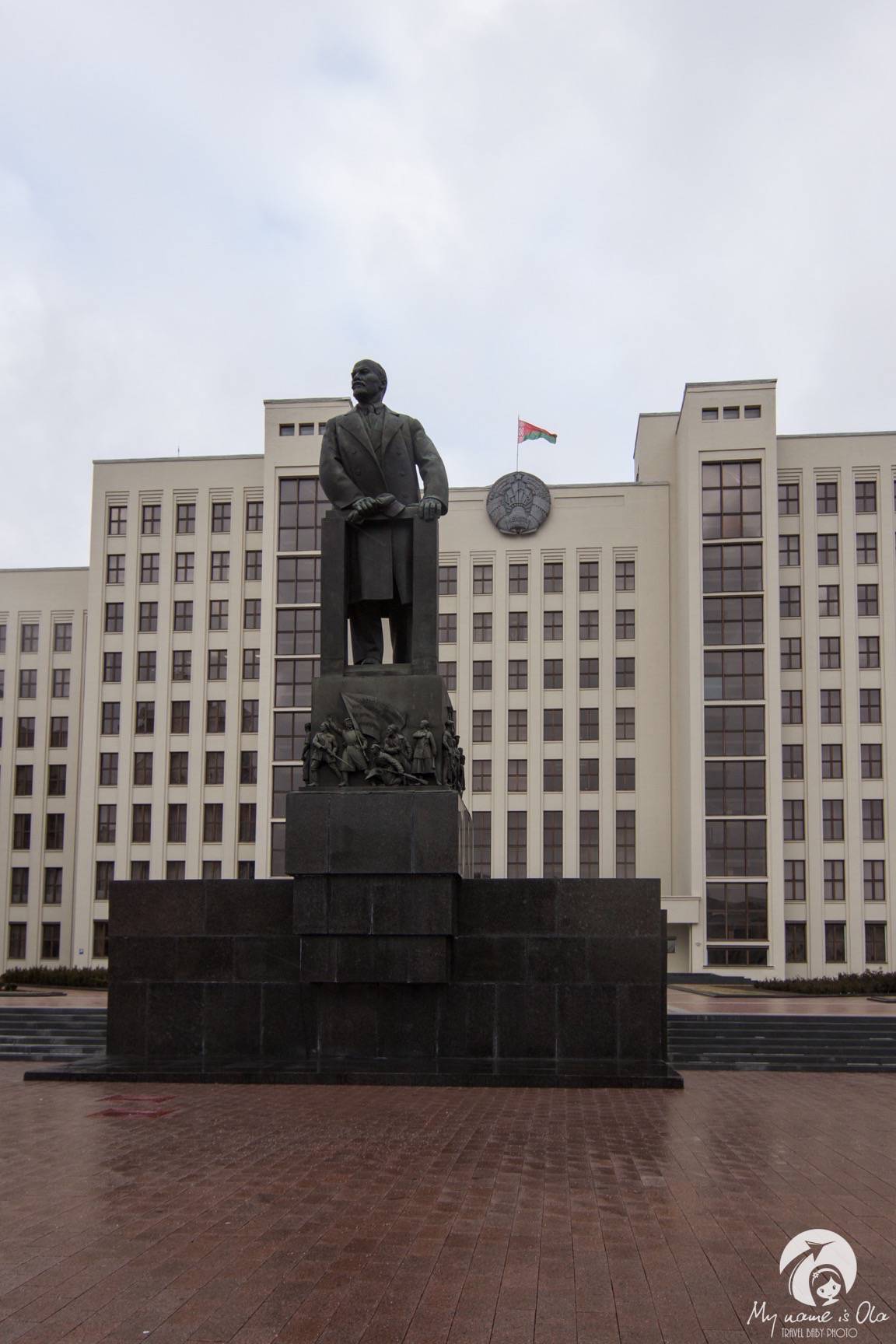
Main artery of the city is Independence Avenue which is an excelent example of soviet style architecture. It starts with Independence Square with its main decoration – standing a little to the side a statue of Vladimir Ilyich Ulyanov – Lenin, revolutionary leader, head of Council of People’s Commissars of the Soviet Union.

[photosetgrid layout=”2″]Government House, Minsk, BelarusStatue of Lenin, Minsk, Belarus[/photosetgrid]

Behind his back, making kind of a background to his figure, there is a monumental Government House (Dom Urada) from the 30. of 19th century. Today this structure built in constructivism style is the house of Belarusian Parliament.
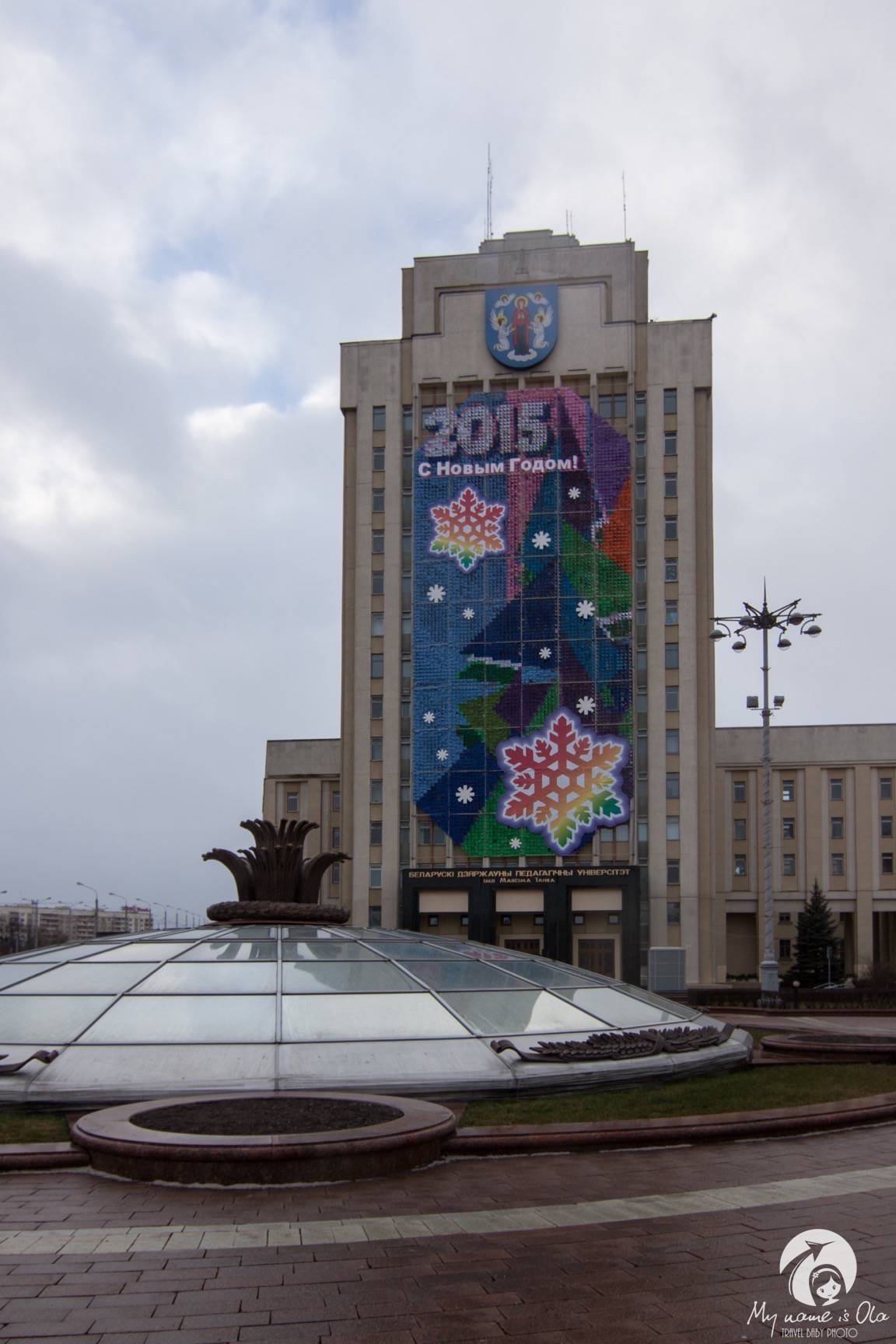
On the same square there is Belarusian State Pedagogical University, which facade is usually used for hanging banners celebrating different occasions like New Year now or Victory Day on 9th oh May.

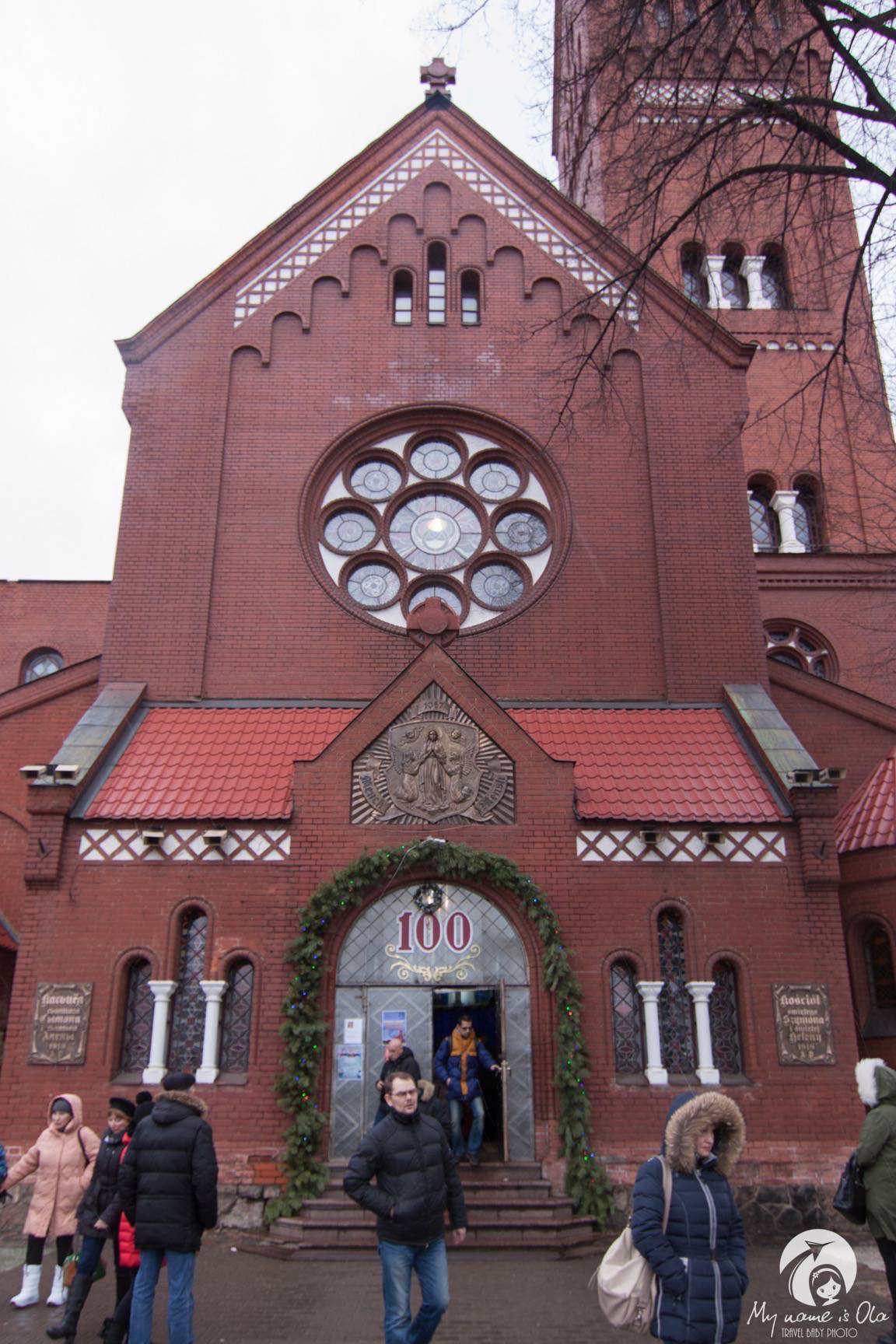
Belarusian State Pedagogical University, Minsk, BelarusIn the square we will also find another distinctive building – Neo-Romanesque church of Saint Simon and Helena. This is a catholic church built at the begining of 19th century withe the participation of Polish designers and suppliers. Through its history besides its natural sacral function, the church has been a theater and cinema. Since 1990 it’s been again a catholic temple.

[photosetgrid layout=”5″]Church of Saint Simon and Helena, Minsk, BelarusChurch of Saint Simon and Helena, Minsk, BelarusChurch of Saint Simon and Helena, Minsk, BelarusChurch of Saint Simon and Helena, Minsk, BelarusChurch of Saint Simon and Helena, Minsk, Belarus[/photosetgrid]
Accross the street in the same architectural style there are Belarussian State University and City Executive Committee.Belarussian State University , Minsk, BelarusCity Executive Committee, Minsk, Belarus

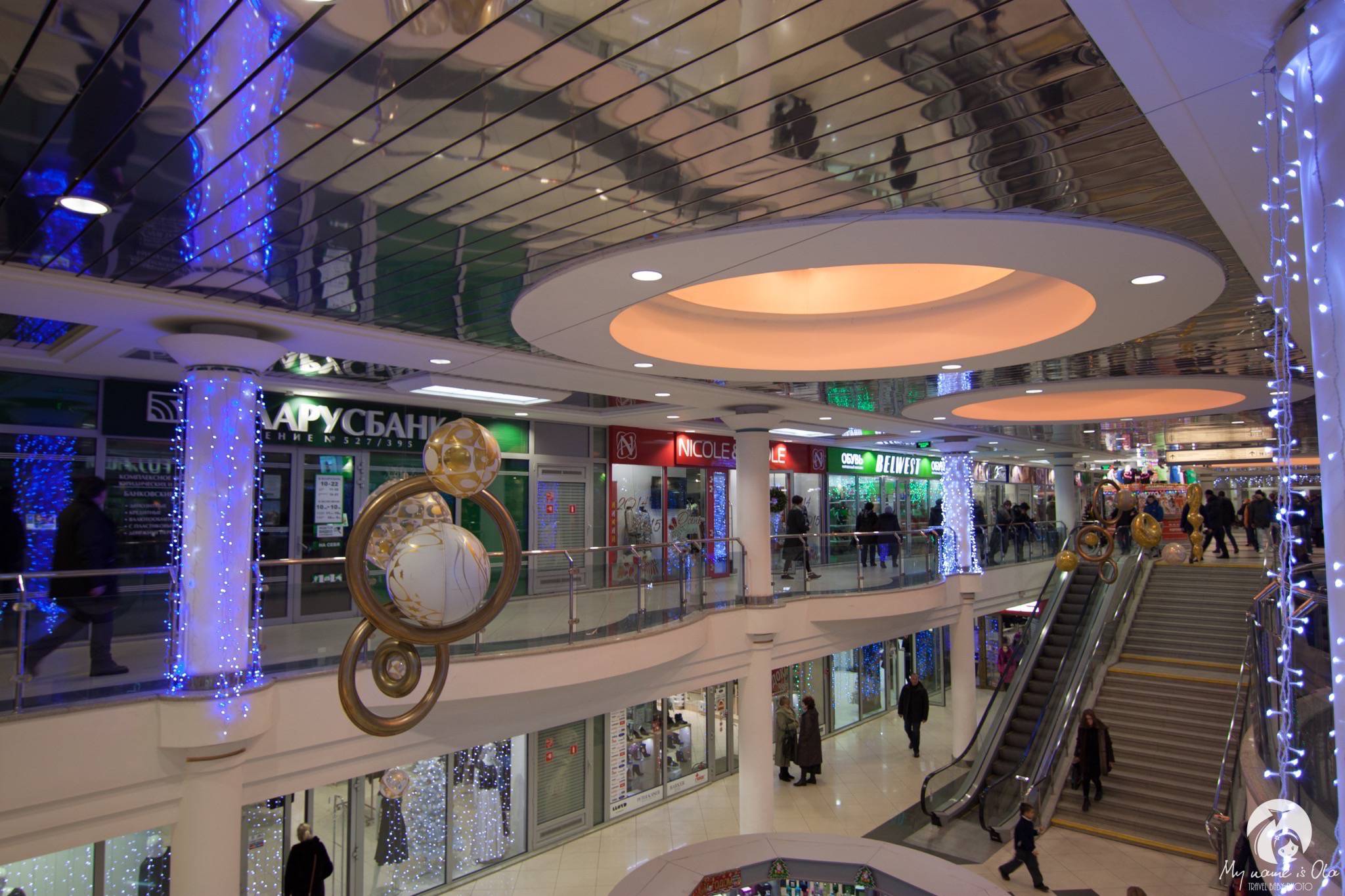
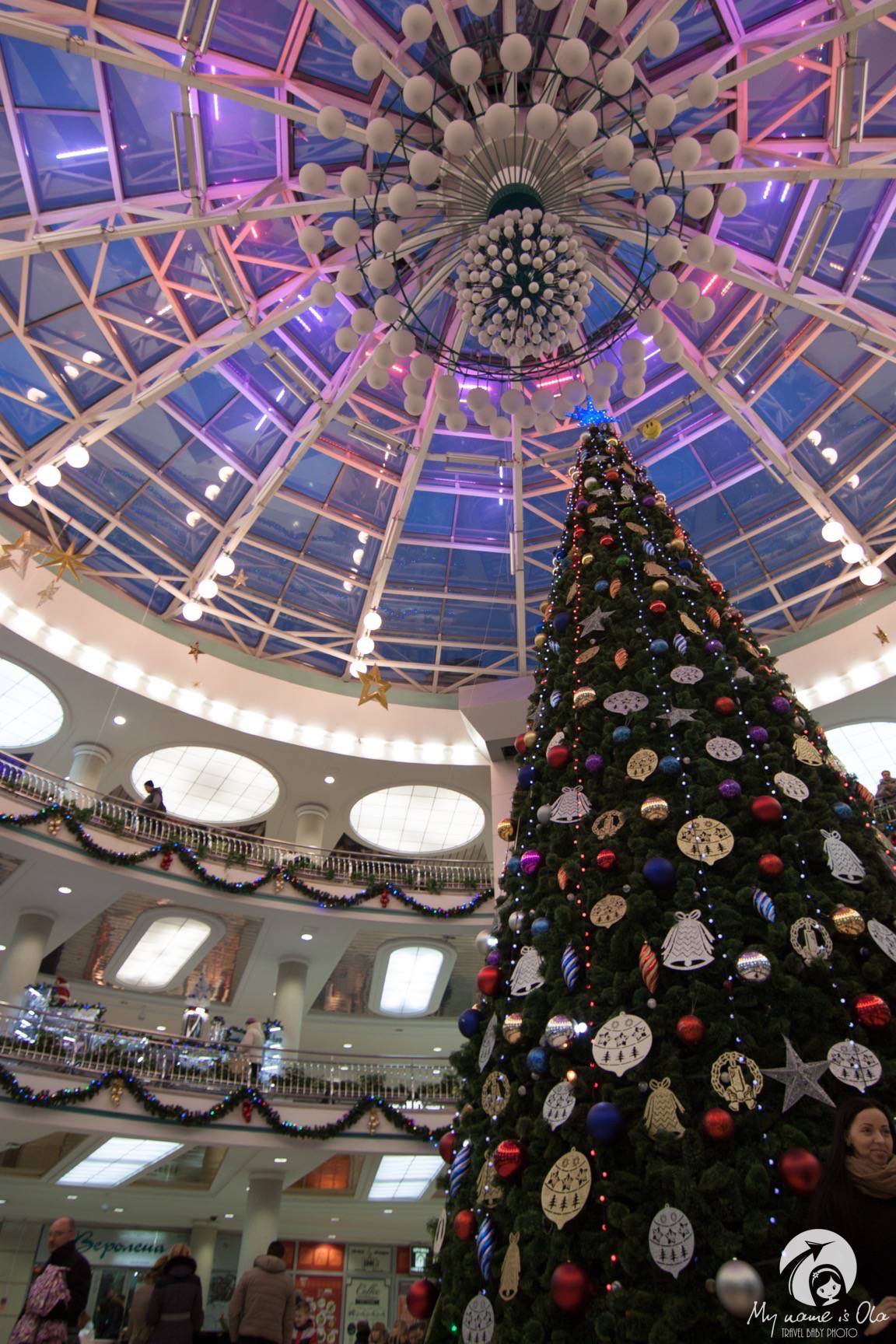
Square hides another interesting object. Literally hides because underneath the plaza there is a 3 storey shopping mall with multi level parkings as well. A solution known also for example from Kiev – very sensible and practical. Walking through the square, not knowing what is below, one will not even suspect walking on the roof of shopping center.
[photosetgrid layout=”4″]Stalitsa Shoping Center, Minsk, BelarusStalitsa Shoping Center, Minsk, BelarusStalitsa Shoping Center, Minsk, BelarusStalitsa Shoping Center, Minsk, Belarus[/photosetgrid]

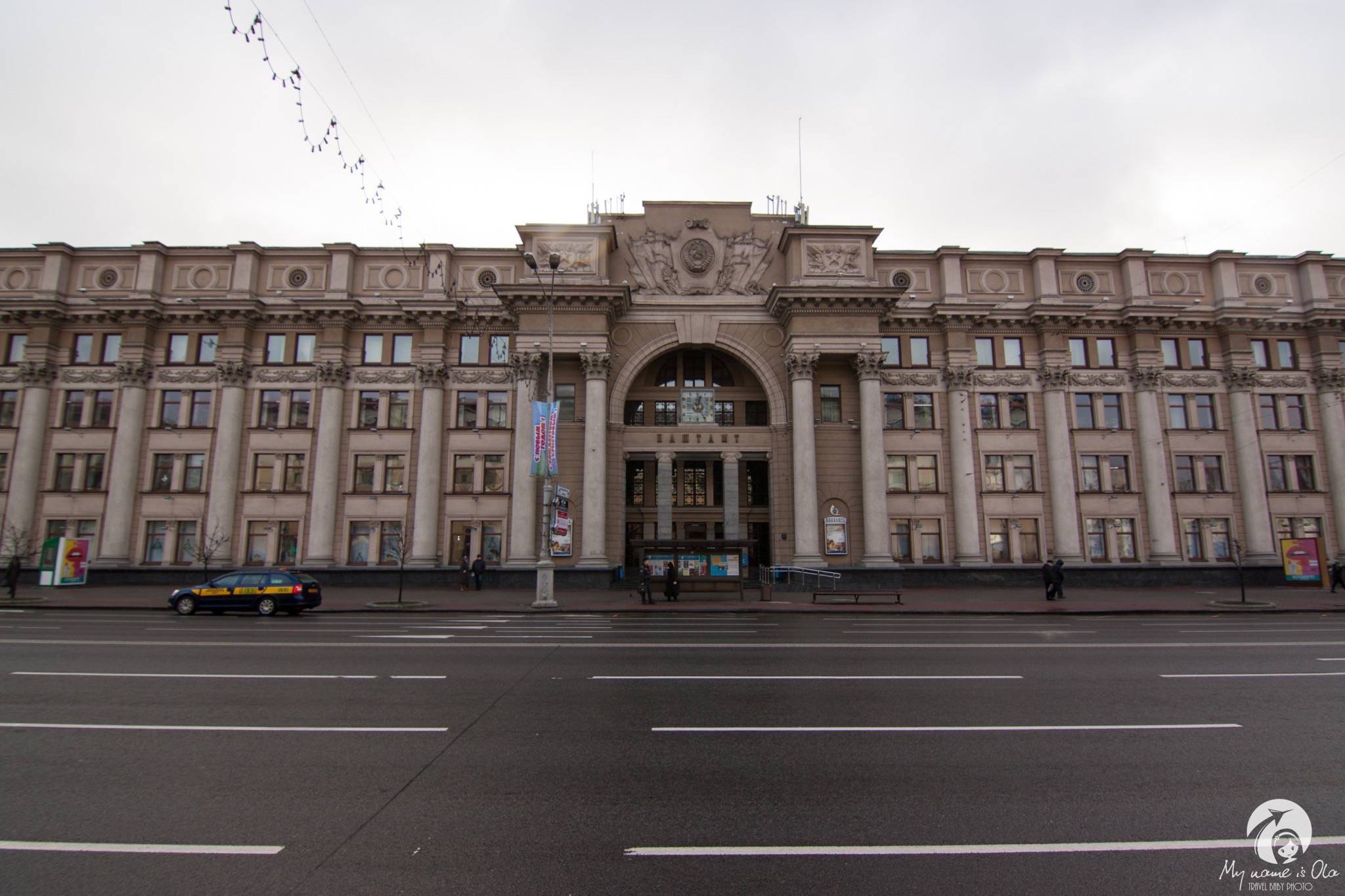
Going down Independence Avenue we can admire iconic buildings from the 50 of 19th century. Central post office is decorated above the entrance with hammer and sicle. They are guarged on both sides by the communist symbols of red star.Central Post Office, Minsk, Belarus Central Post Office, Minsk, Belarus

Number 17 is the Belarusian KGB headquaters, previously the State Security Comitee, today national intelligence agency still keeping this infamous name. A symetrical building with four Coryntian column portico has one specific element – an additionl booth on top of right hand side of the building. It was probably built especialy on request of chief of KGB.
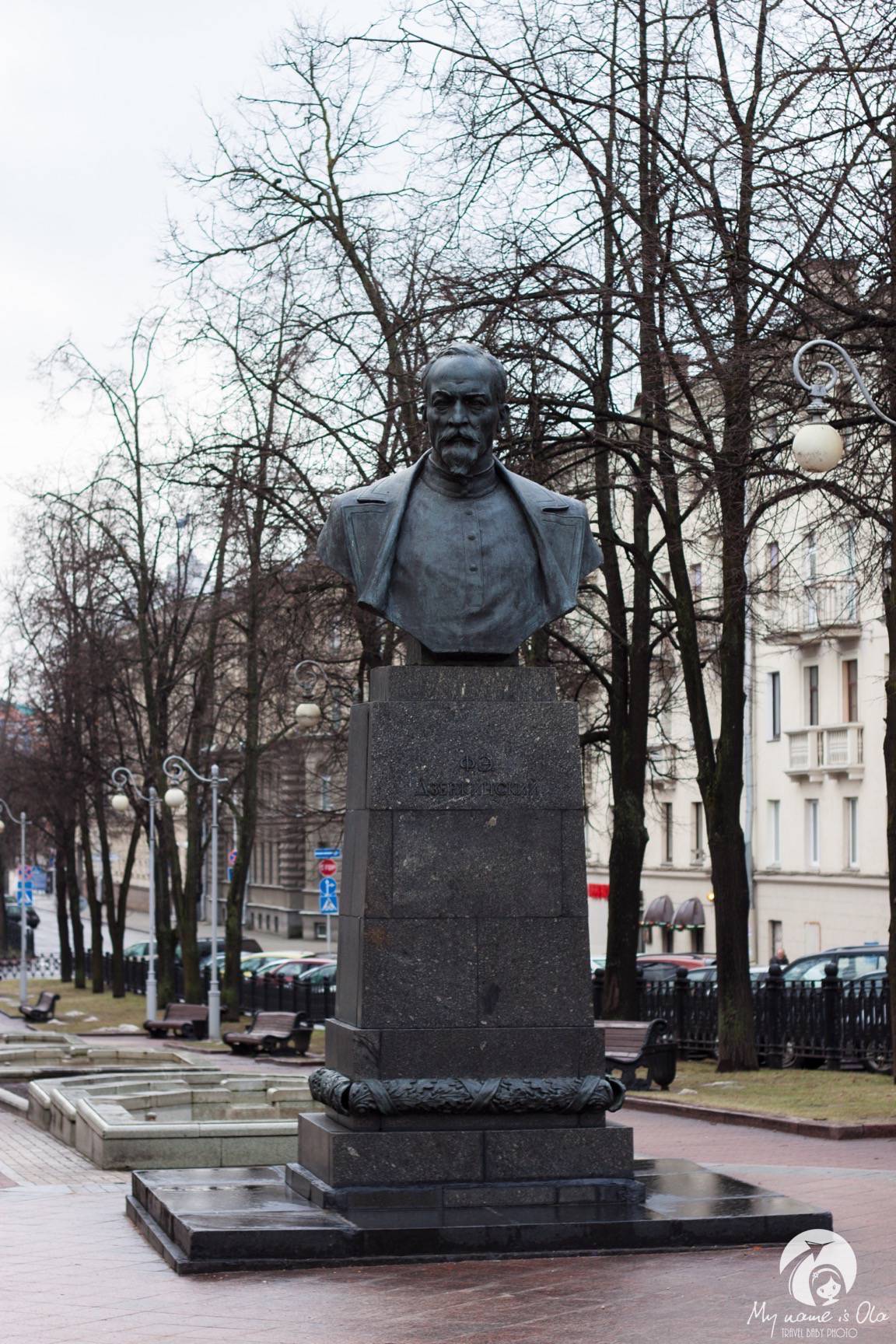
KGB headquaters, Minsk, Belarus KGB headquaters, Minsk, BelarusOn the other side of the street we come accross the bust of Felix Dzerzhinsky, founder of KGB’s predecessor – Cheka, famous for its cruelty and ruthlessness.
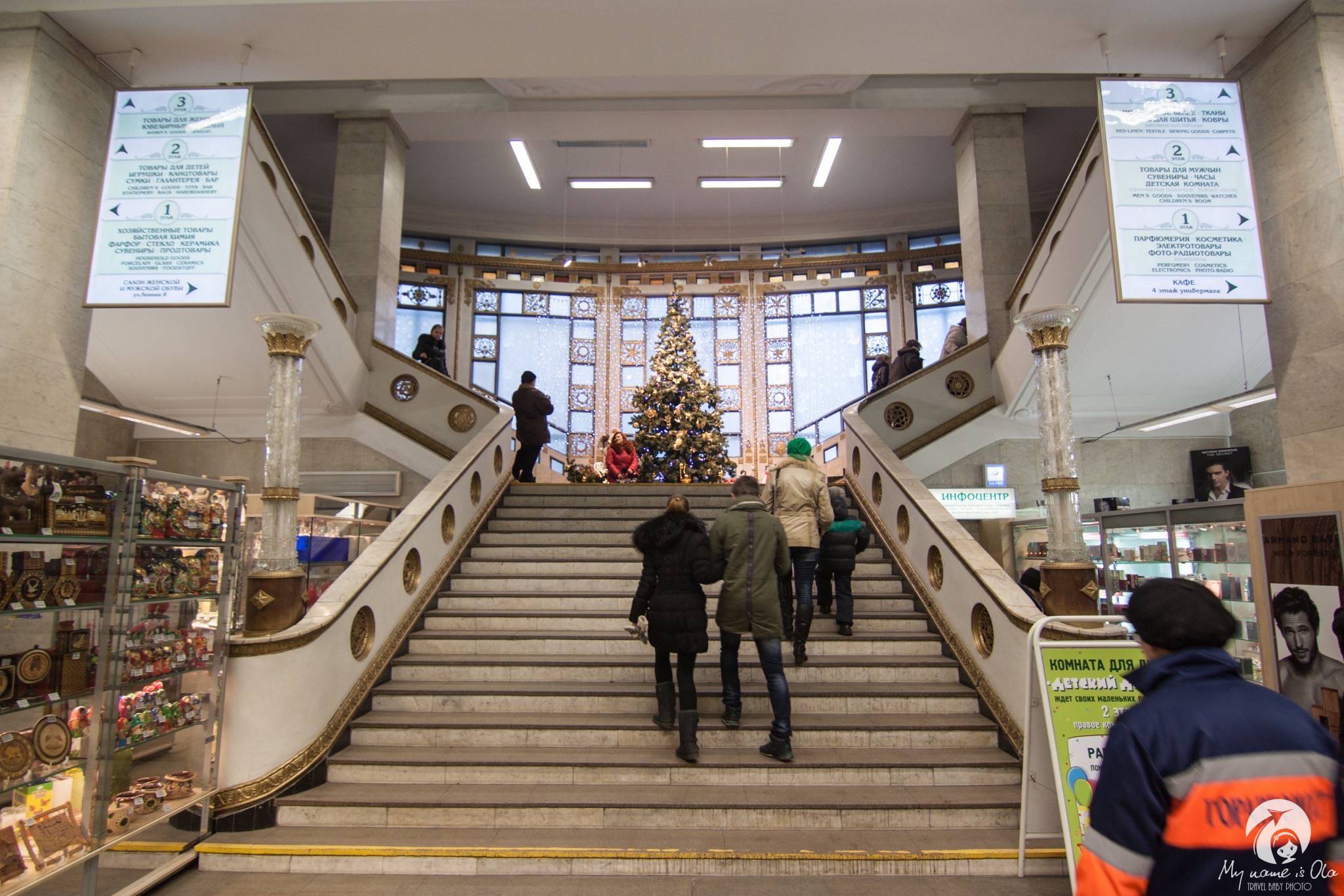
Felix Dzerzhinsky, Minsk, BelarusHeading down the avenue, we pass still functioning the symbol of past times GUM – the central department store. Open in 1951, is still functioning in the same decor contrasting with other shopping malls of Minsk. Worth visiting to get back in time and imagine crowds of Belarusians in fur caps queing  for different hardly available commodities. By the way – furs are still much in vouge in Belarus.
GUM, Minsk, Belarus GUM, Minsk, BelarusA little further on the corner of Independence Avenue and Lenin Street we find a symbol of alleged opening country to the west – Mc Donald’s restaurant. Passing this sanctuary of western lifestyle we reach October Square. Main object on the square is monumnetal Palace of the Republic. It offers space for concerts, political events, meetings , congresses,  exhibitions and so on. This huge building finished in 2001 is a pride of Minsk. Although it declares to provide excursions to visitorsthey wanted us buy a ticket for some event to get inside.Palace of the Republic, Minsk, Belarus

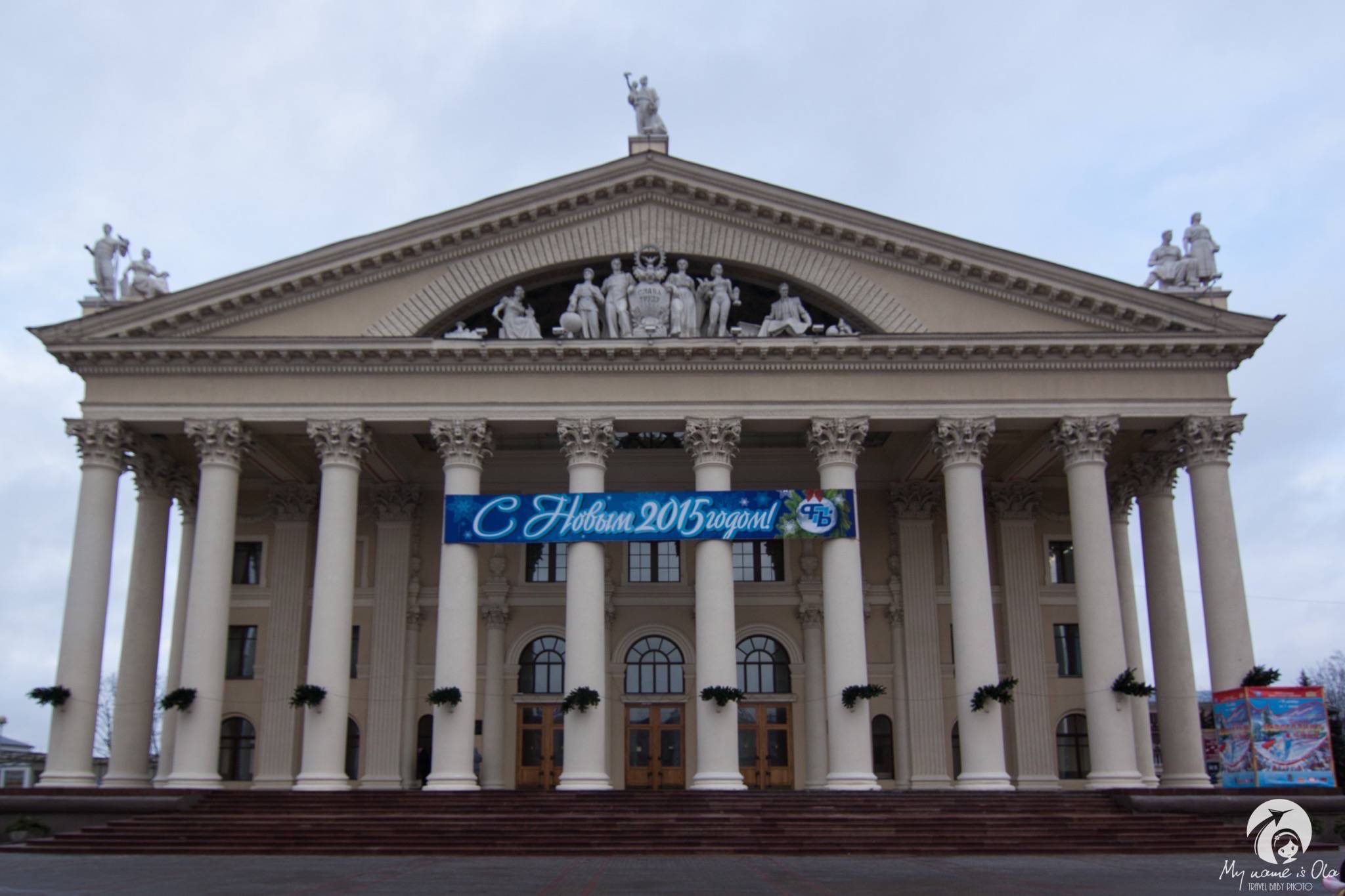
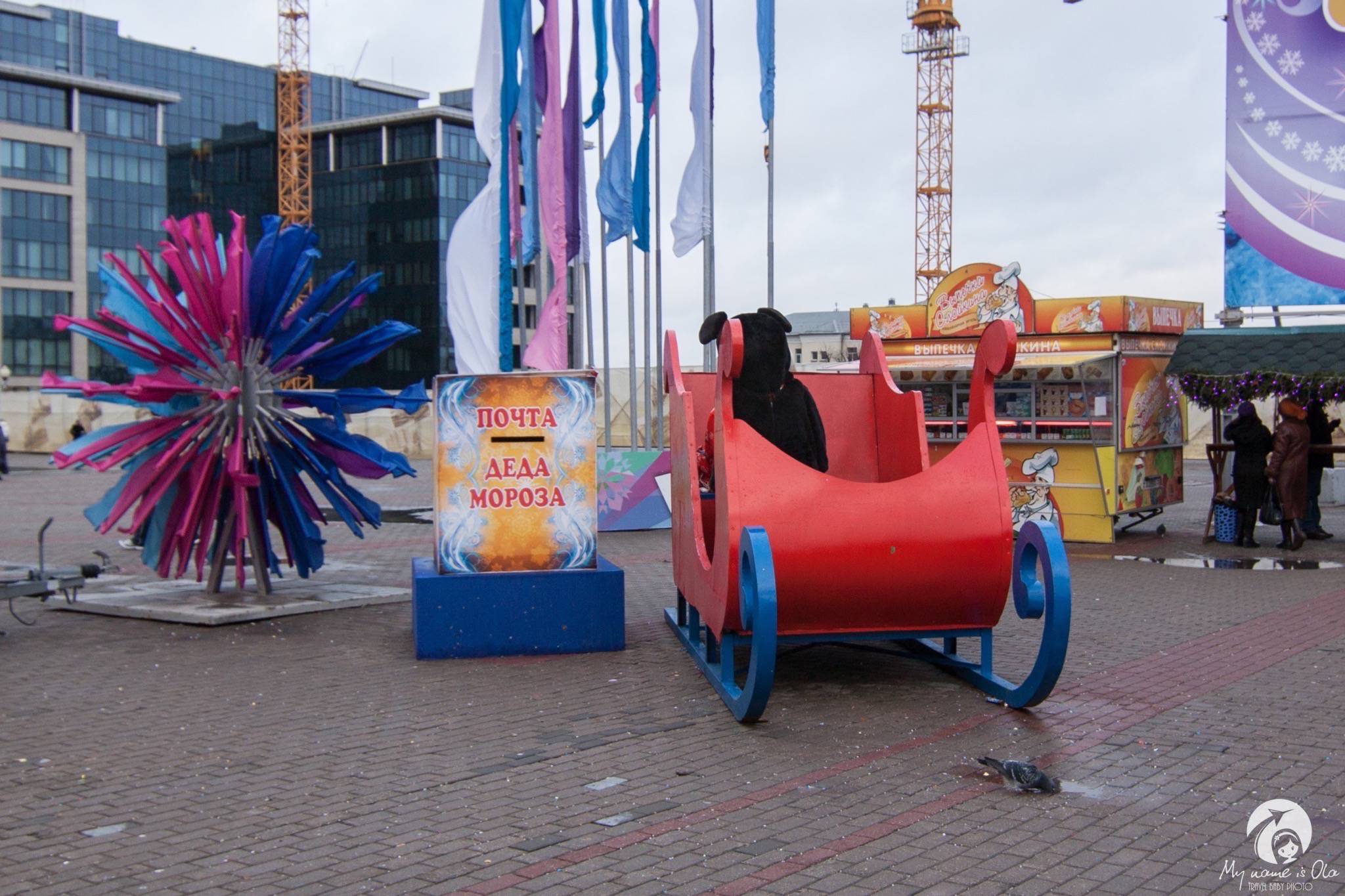
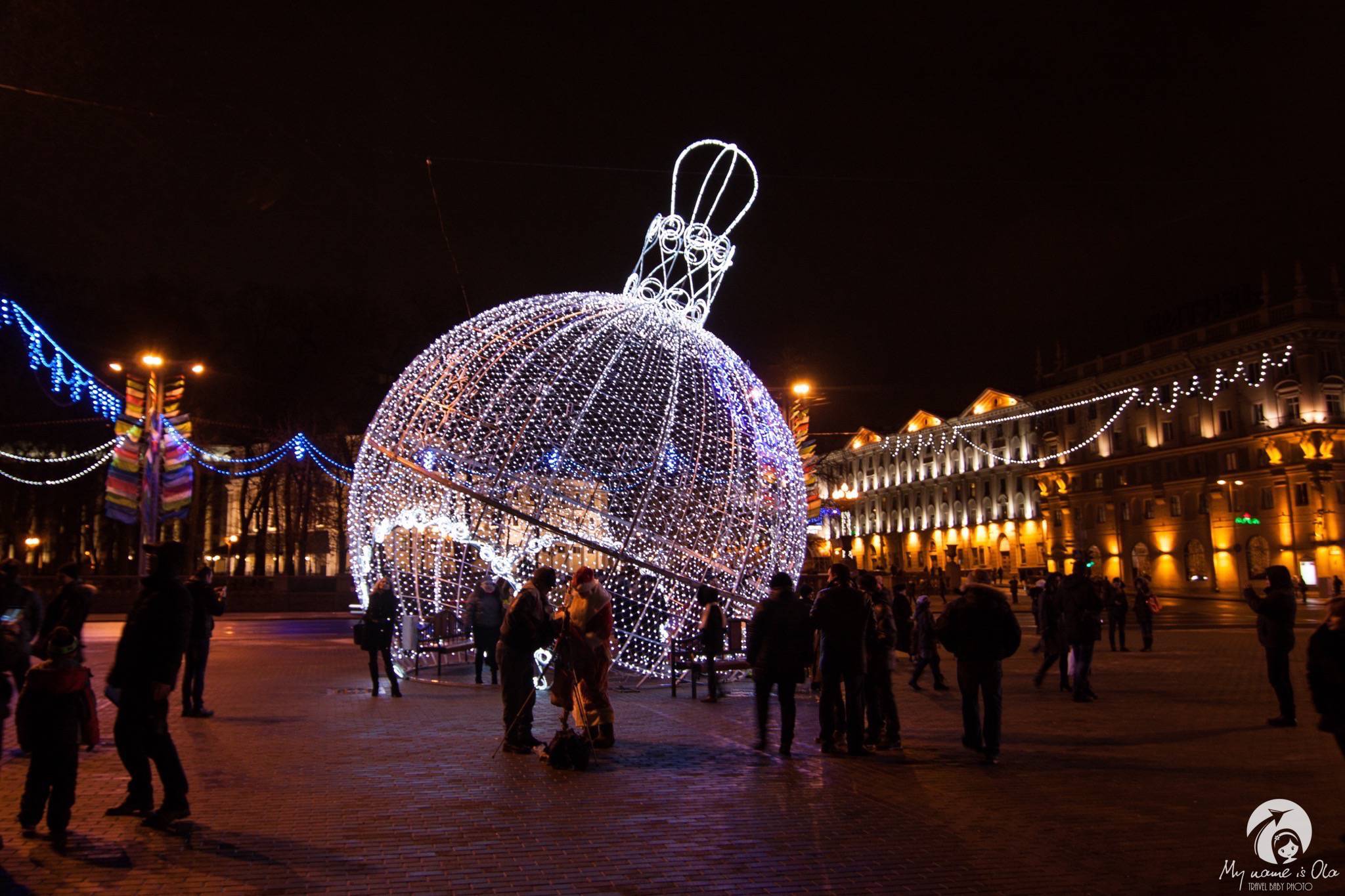
On the same square there is Palace of Culture of Trade Unions at this time of the year wishing citizens happy New Year. Palace of Culture of Trade Unions, Minsk, BelarusSince it’s the time just before Orthodox Christmas right at the Palace there is a small Christmas market with the most important point – Father Frost, here with his helper Mickey Mouse?!?

[photosetgrid layout=”2″]October Square, Minsk, BelarusOctober Square, Minsk, Belarus[/photosetgrid]

Later at night same day in this place we found out an important thing – it’s forbidden to take pictures in the city using the tripod! In the evening Square is nicely lit up with Christmas decorations but police officers patrolling the city (there is full of them there) kindly informed us that tripod is something that should not be used. By the way – beautiful Christmas lights and buildings’ illumination are turned off right after 23:00.

October Square, Minsk, Belarus

Just before the river Svislach on the opposite side of the street there is a building of the city circus. It was aslo built in the 50. and opened for the 40th anniversary of Belarusian Soviet Socialist Republic and the Communist Party of Belarus. It can seat 1667 people.

Circus, Minsk, Belarus

See the nicely lit facades of Independence Avenue buildings:

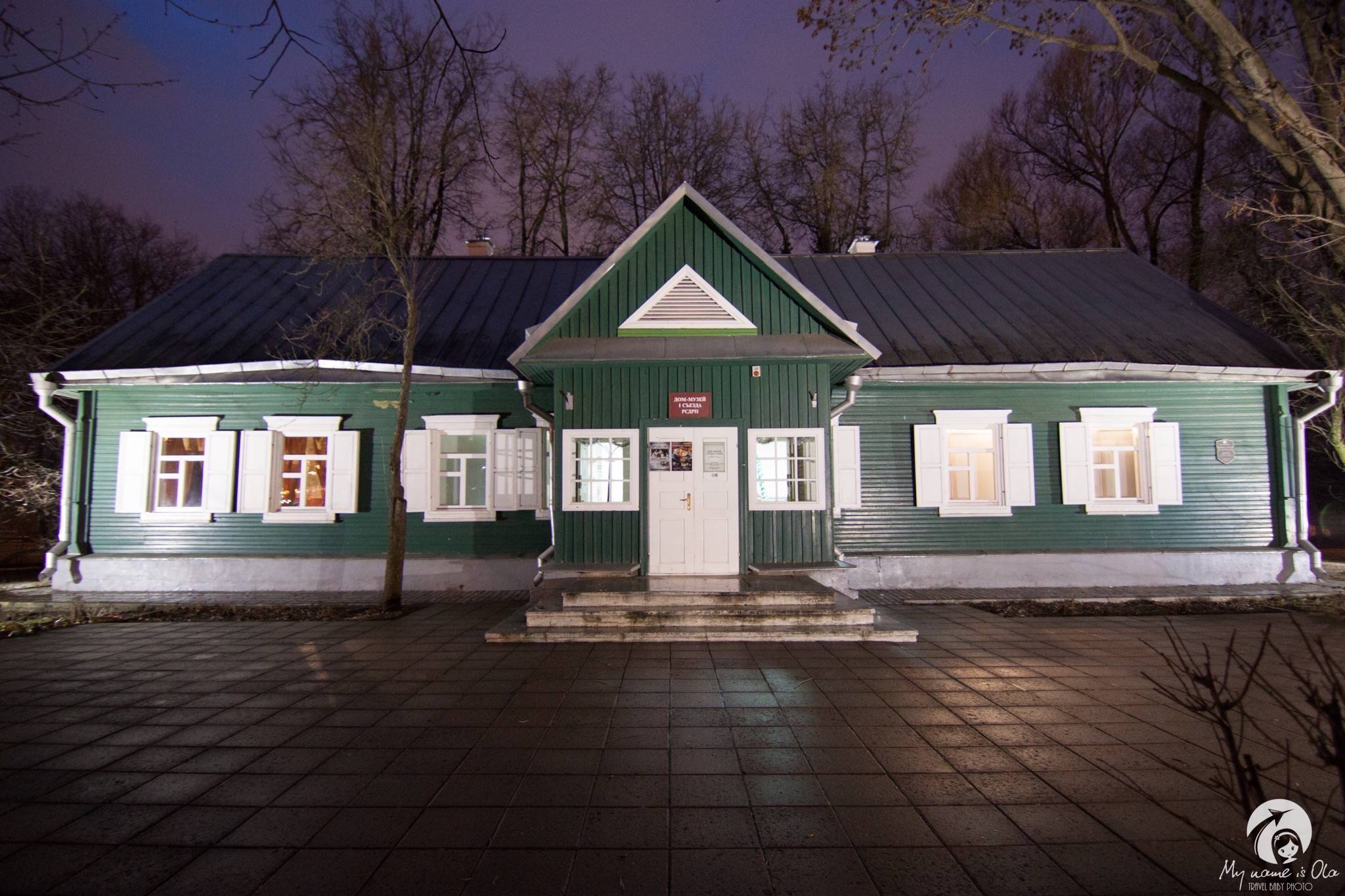
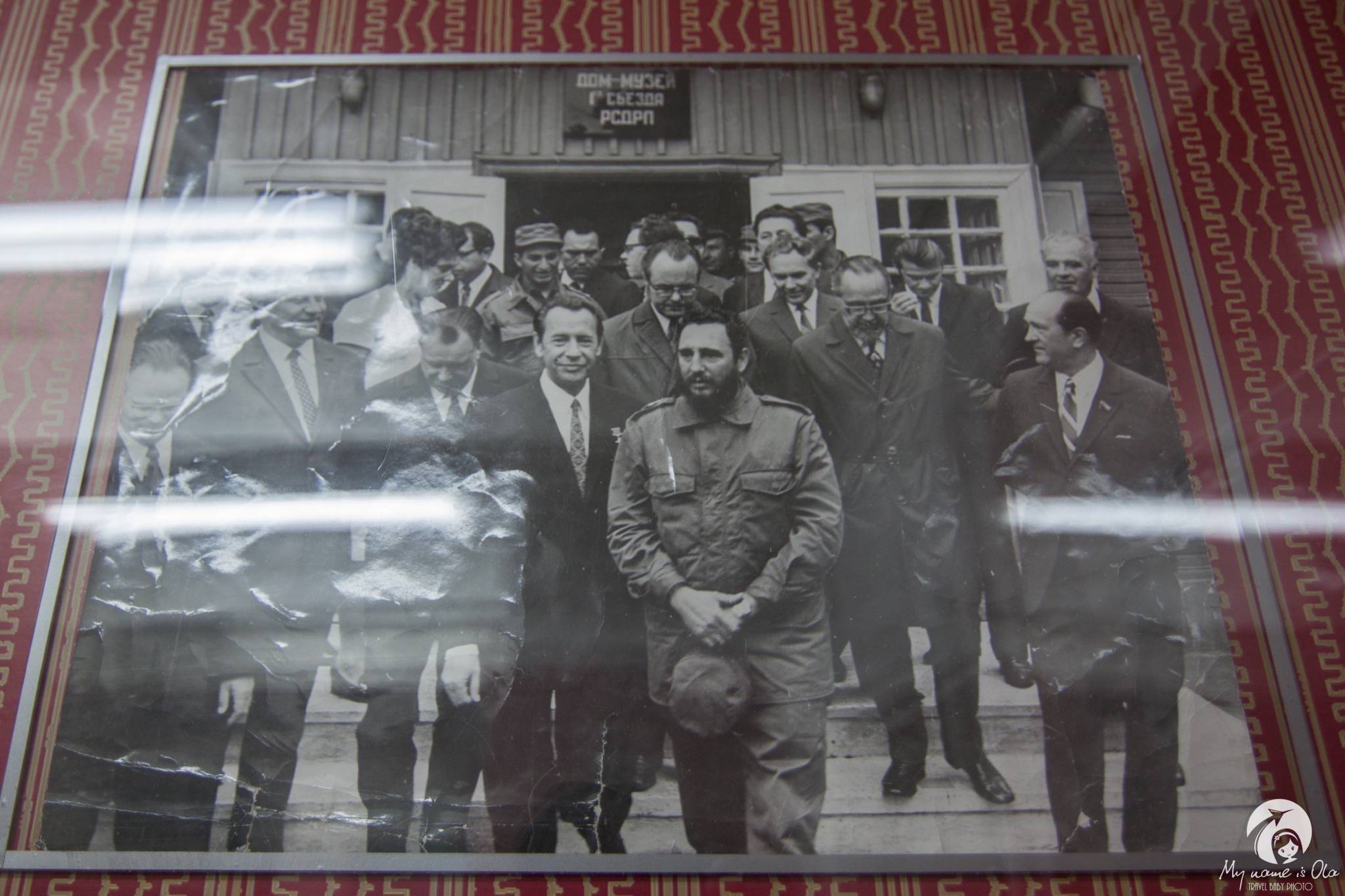
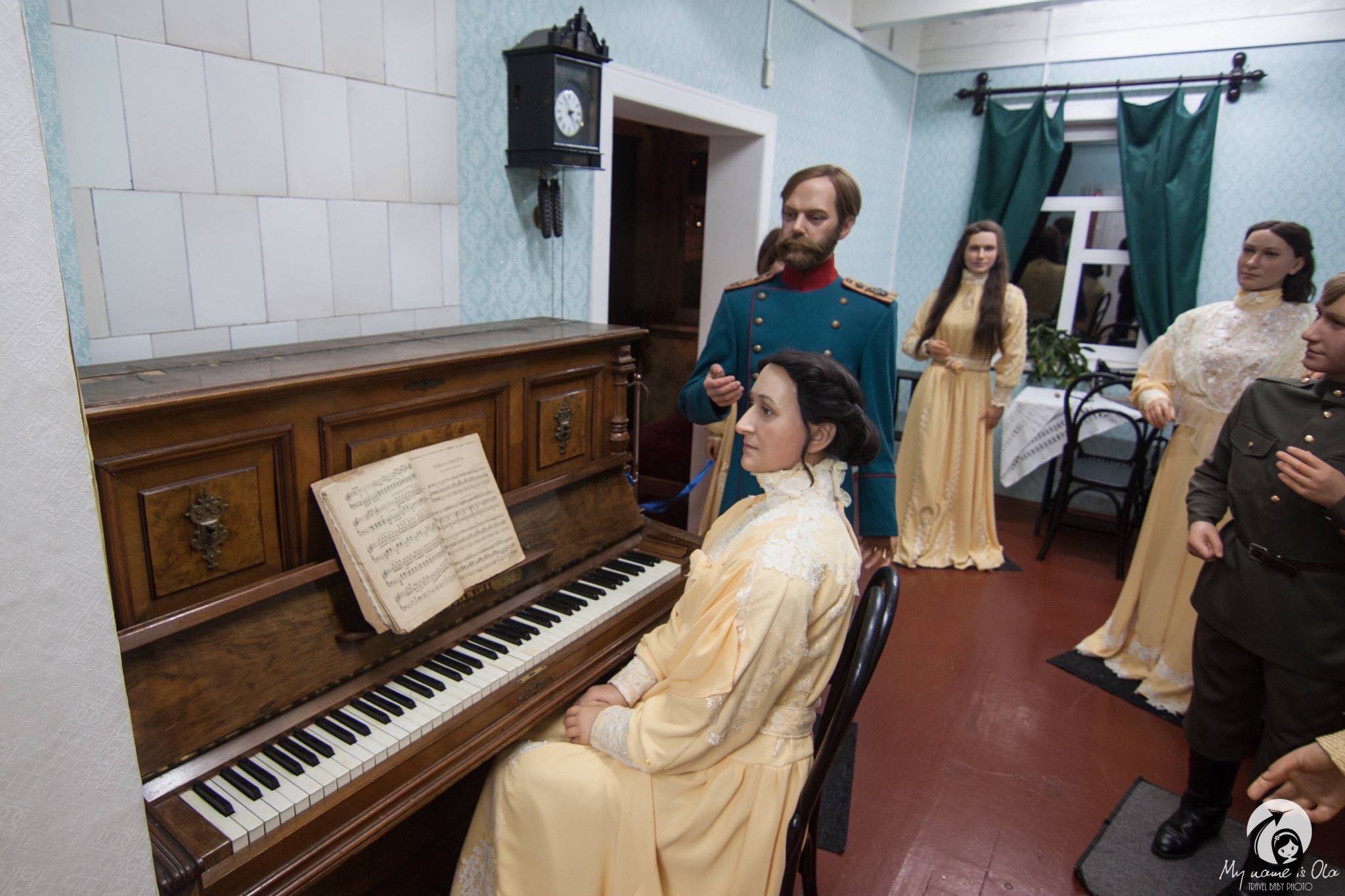
Further on Independece Avenue, on the left hand side, on the bank of Svislach there is a green wooden house  – a one of a kind museum. Theoreticaly this is the House – Museum of the 1st Congress of Russian Social -Democratic Labour Party and indeed they exhibit communist related objects.

[photosetgrid layout=”14″]Museum of the 1st Congress of Russian SDLP, Minsk, Belarus Museum of the 1st Congress of Russian SDLP, Minsk, Belarus Museum of the 1st Congress of Russian SDLP, Minsk, BelarusMuseum of the 1st Congress of Russian SDLP, Minsk, BelarusMuseum of the 1st Congress of Russian SDLP, Minsk, Belarus[/photosetgrid]

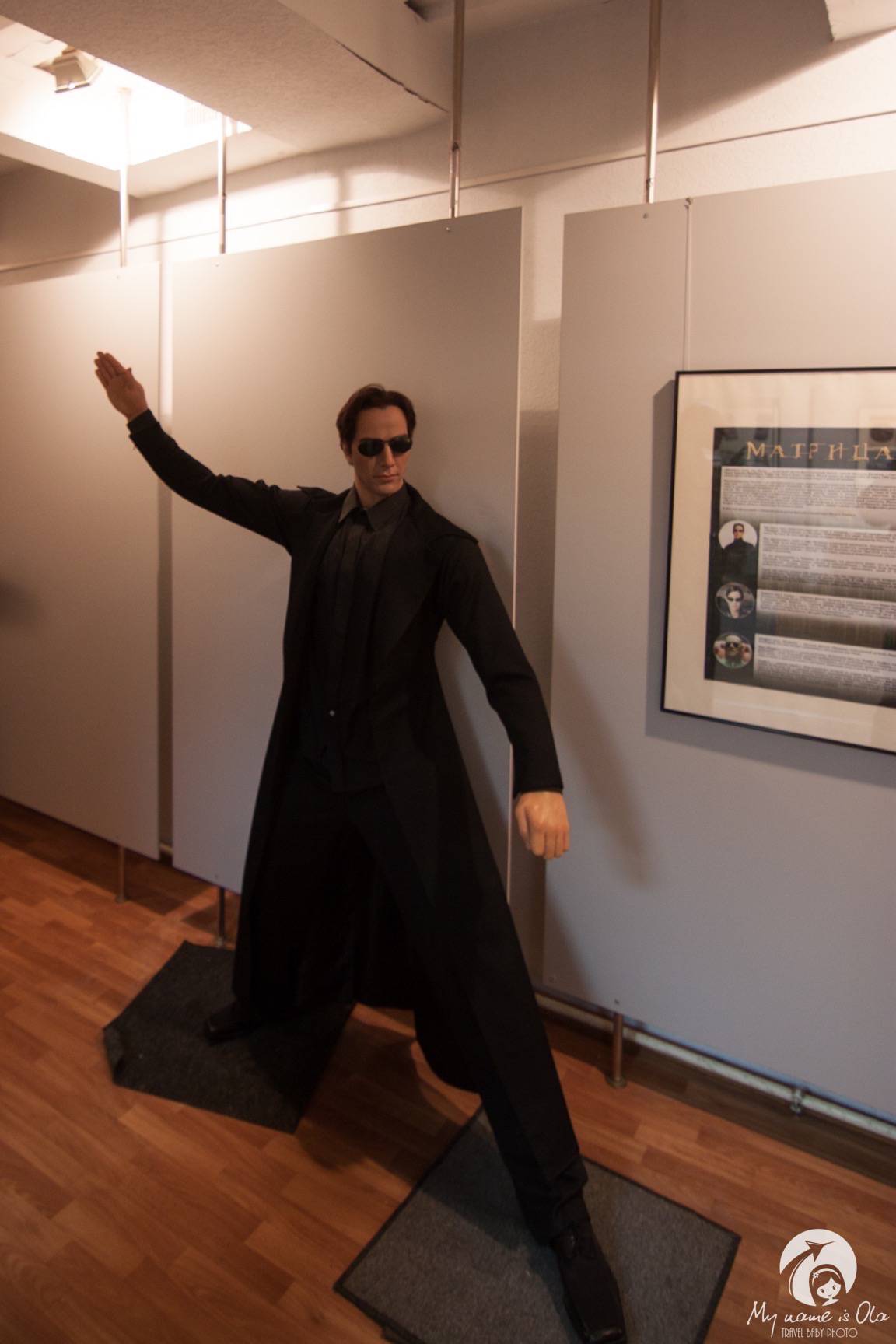
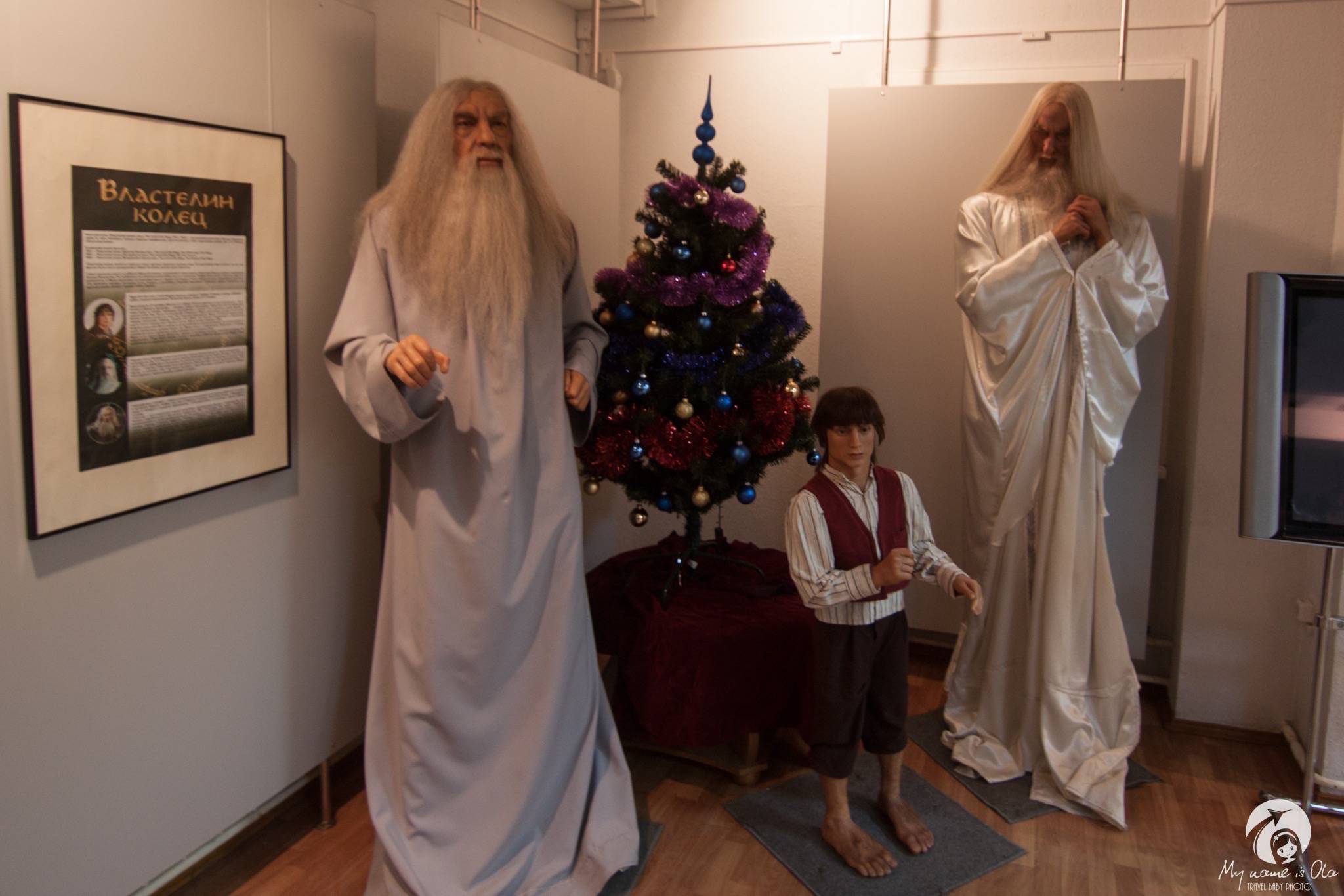
But what do Neo, Morpheus and Gandalf do there? Even Marks and Engels would not answer this question. [photosetgrid layout=”3″]
Museum of the 1st Congress of Russian SDLP, Minsk, BelarusMuseum of the 1st Congress of Russian SDLP, Minsk, BelarusMuseum of the 1st Congress of Russian SDLP, Minsk, Belarus[/photosetgrid]

We actualy didn’t know what to think about this colletcion. Leaving this strange institution we came back to main road to enter the heart of patriotic Minsk. This is the Victory Square – a place commemorating soldiers of the Soviet Army and Belarusian partisants. Eternal flame burns at the base of 38-meter-high obelisk crowned by Order of Victory (the highiest military decoration in Soviet Union for WW II service). Each side of the base is decorated with a relief praising the war heroes.