
[photosetgrid layout=”1111111111111111″]







 [/photosetgrid]
Blog
The best Valletta travel guide

[photosetgrid layout=”1111111111111111″] [/photosetgrid]

Right, one day. We want to advise you a one day trip to Gozo island when being on holidays in Malta. Not everyone knows that Malta is not only that one, biggest island but a whole archipelago of islets, out of which only three are inhabited. Gozo is second big island; it is way smaller than Malta because it has only 67 km² and all its inhabitants would easily fit in one of average european towns (approx. 30 000). Because of this compact size the island is just perfect for a day trip. And taking such trip is a must.
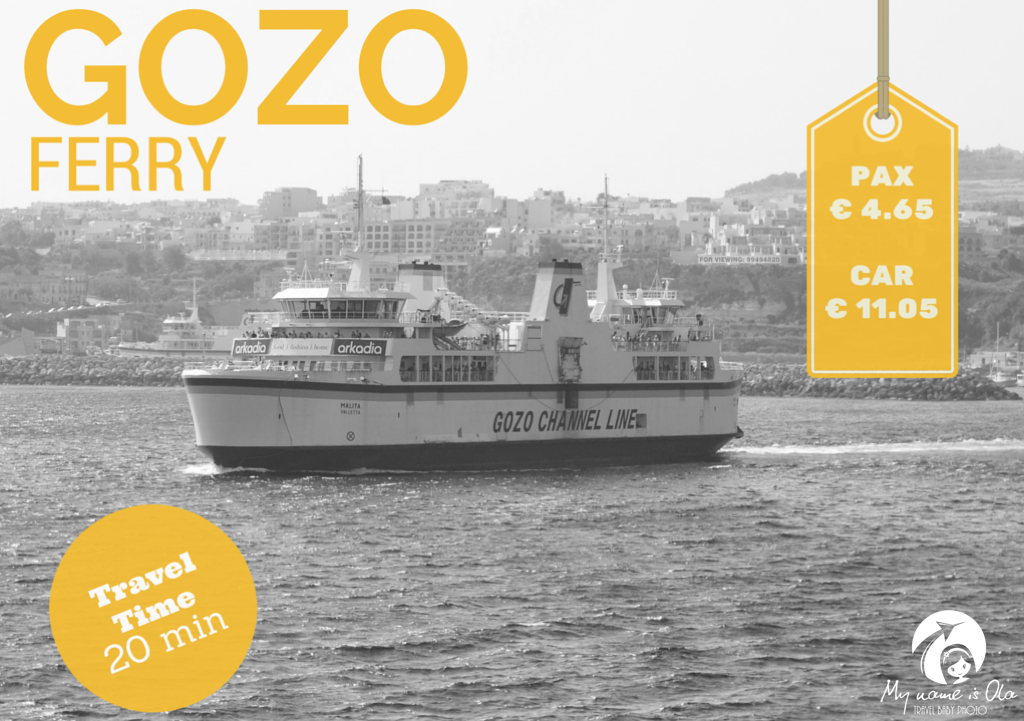
Right at the begininng of the expedition we are coming across the first attraction – a Gozo ferry. If you rented a car you can take it with you, park on a lower deck and go upstairs to see all the beautiful views. But hurry up, the journey takes only 20 minutes. Traveling in the lower deck is generally not advised but some situations make us do things we do not always want to. When we were going to the island with Ola she fell asleep while waiting in the queue line to the ferry. We had no heart to wake her up and mom stayed with her in the car throughout the whole cruise. Luckily dad went upstairs to see the views and take some pictures. You can take the ferry also traveling without car, you just go straight to the upper deck and admire the view over Malta’s third island Comino and its little companion Cominetto. Comino is very intimate place, it has in total 3,5 km² and all its inhabitants is one family of four. Despite it is so small it still offers some places of interest. From the passing by ferry we are noticing Saint Mary’s Tower from 17th century but its biggest attraction is located on the other side, not visible from the ferry. It’s a Blue Lagoon, a sea bay with amazing azure water, sandy bottom, quite shallow so perfect for beach fun not only with kids. The view over lagoon reminds those paradise beaches somewhere on the end of the world, of course only when it is not crowded with people.
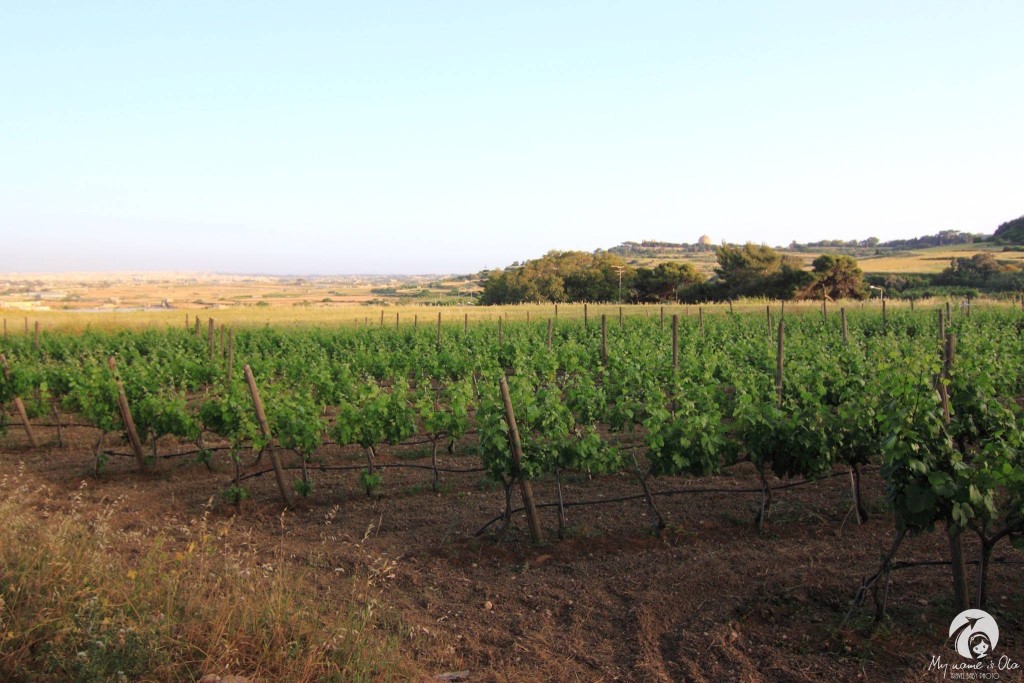
Coming back to Gozo: it is still a part of the country of Malta but leaving the ferry we are noticing a little different character of this island. At first sight we can tell that not all the turists visiting Malta get here. Gozo is more peaceful than the main island. It seemed to be a better place to live for local people, especialy those not working in tourism industry. But in fact one out of five work places on this island is generated by tourism anyway. The network of buildings is not so thick and more areas are cultivated. Apart from other crops Gozo is also home of the vines. There are two wineries on the island Tal-Massar and Ta’ Mena. The second one is generaly involved in agriculture so you can try some of Maltese produce there. Beside sun-dried tomatoes, marinated onions and various fruit jams you can try some famous Gozo cheese there. It is a little salty cheese made of goat milk. And since we are talking about cuisine it is worth to mention that Gozo seems to be a little more Italian than the rest of the country. Maybe it’s because first Gozo settlers were the incomers from Sicily why its inhabitants feel close to Italy. Even in the period of island’s short independence Gozo turned towards Italy. Those were three years after getting out of French control and passing under British protectorate. Breaking free from the French, Gozo citizens in the number of 16 000 passes their island under the rule of the King of Sicily forming their own government managing the island.
Even today islanders enjoy some kind of independence and separateness. Despite several attempts to plan a construction of a bridge or underwater tunnel connecting Gozo with Malta nothing of such has ever been agreed and built. Gozitans do not really seek for permanent connection with Malta and regular (although not cheap) ferry connection seems to be totaly satisfying for them today.
The capital of Gozo, Rabat, is a home of one fourth out of 30 000 island’s citizens. The official name of the capital, which was given by the British for the golden jubilee of the Queen, is Victoria however most of the residents continue using Rabat, a name from the Arab times (9-12 century). But you have to be very careful to avoid misunderstanding because there is another city on Malta of the same name.
We have read somewhere that Gozo has only 5 traffic lights, although we didn’t try to count them we are ready to believe it. Small towns do not require any intervention in traffic. Even in Victoria the drivers do very well without traffic lights, especially since most of the city streets are small and narrow roads, winding among buildings, often one way, so lights seem to be completely unnecessary.
But let’s finally talk about what to see and do on Gozo
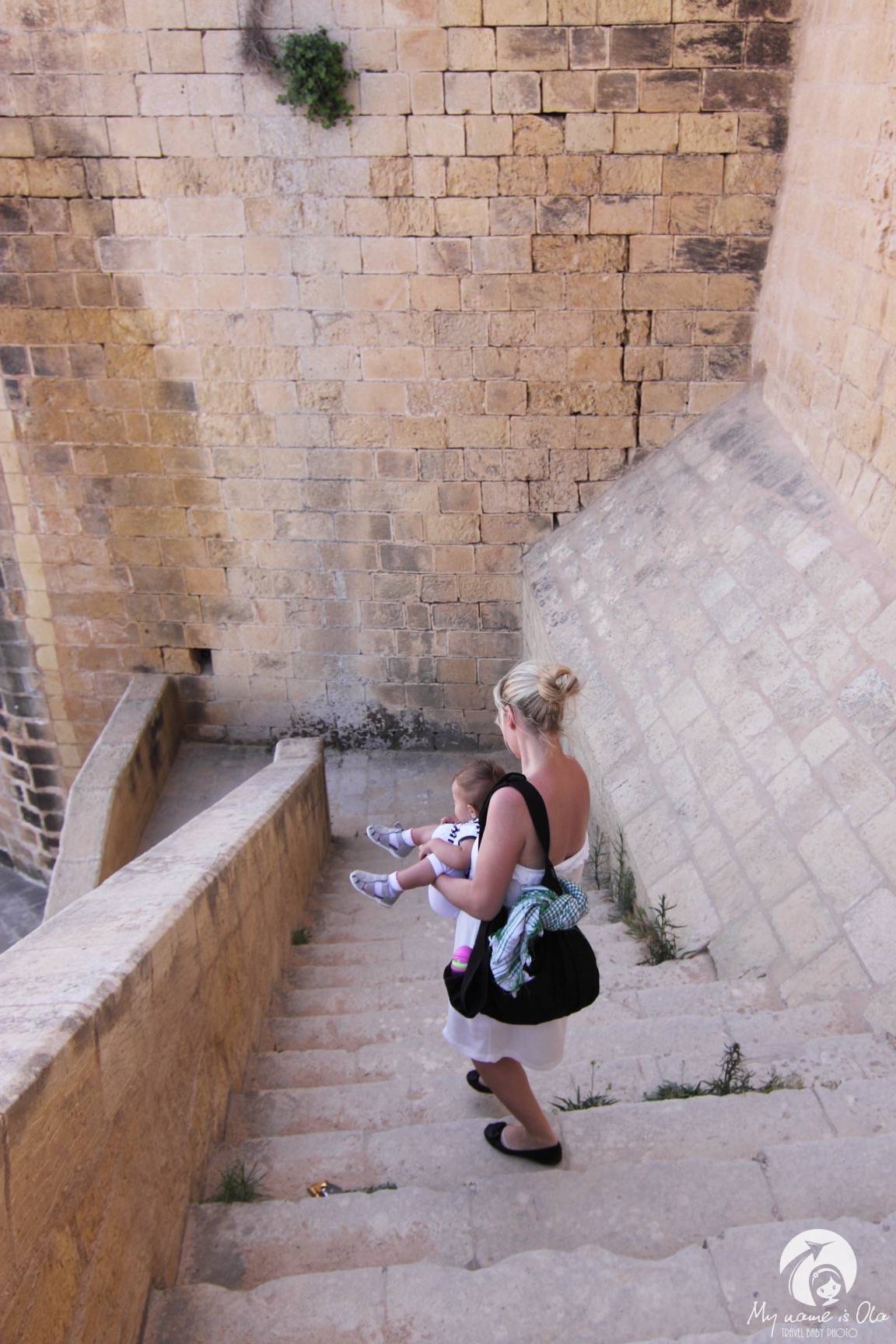
Beside trying local cuisine, what we already mentioned before, you should necessarily visit central point of Victoria – the Cittadella. You will surely not miss it, it is a huge construction rising in the center of the city and in fact a main point from which it the city spills on the slopes of the main hill. It is a defensive formation developed in the Middle Ages. Developed, because the first signs of settlement in this place are dated on 1500 before Christ and the defensive character it probably got in the Middle Ages when the settlement was transformed into Gran Castello. In 15th century formation was strengthen due to intensified attacks of pirates seeking for slaves. With time it became insufficient so the beginning of 17th century brought further development to the extend of what we can see today.
The restoration proces started in 2008 and has been continued until today. Although restoration is ongoing we can enter the Cittadella and see already open museums and exhibitions. The ubiquitous dust and construction materials spoil a little the impression of the area but after it’s finished the place will surely be impresive. Today we can take a walk on the walls, see the fields with characteristic stone fences stretching to the horizon and imagine 16th century defense of the fortress and at the end visit the Cathedral of the Assumption of the Madonna.
[photosetgrid layout=”23″]


 [/photosetgrid]
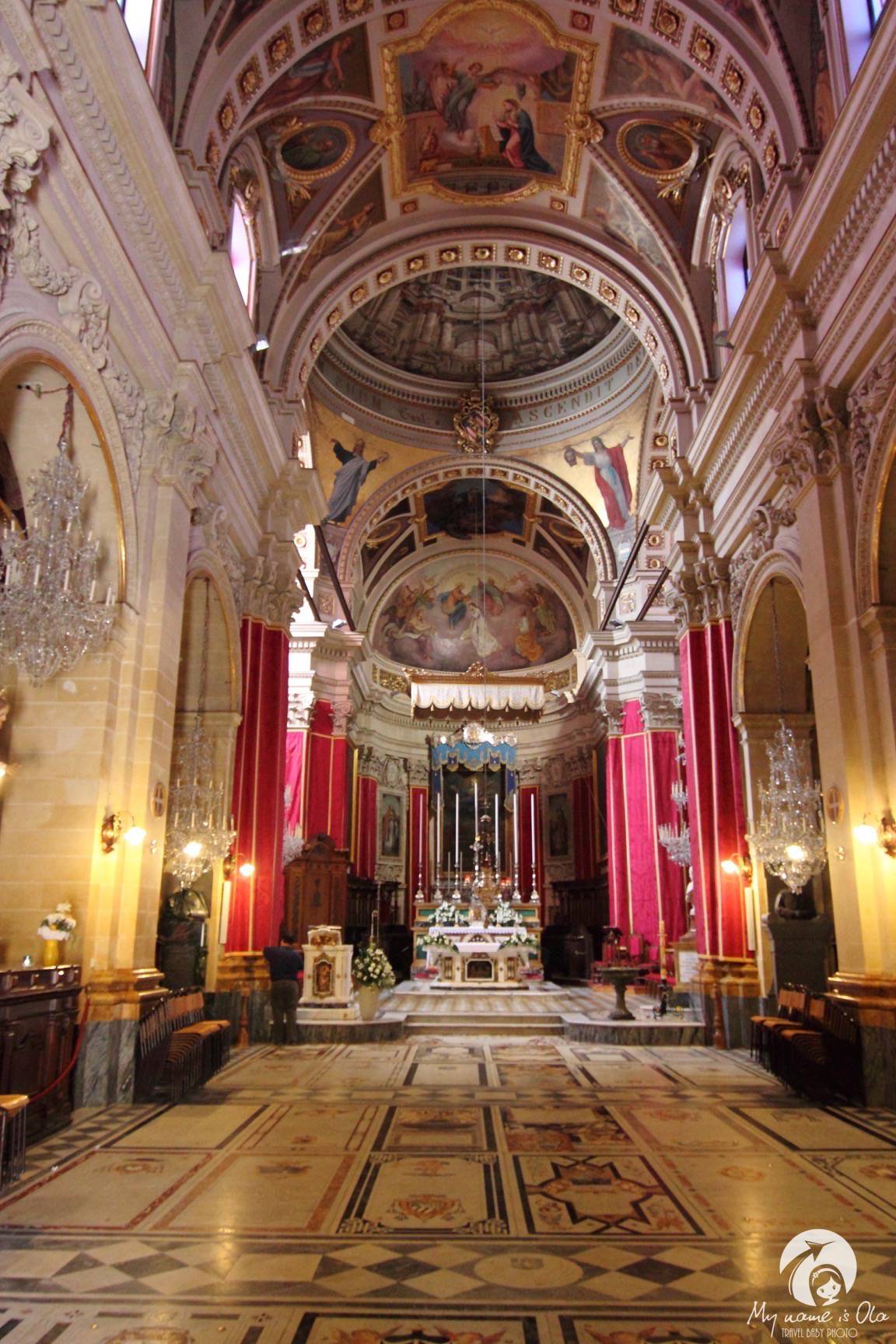
It’s a Roman Catholic church from the turn of 17th century built in Baroque style of the same limestone as the rest of the Cittadella. The interesting thing is the fact that previously designed dome of the church has never been built but instead the ceiling painting, an illusion of the dome, was created. Seeing on one of the weekdays a bunch of smiling happy children coming out of the church you can figure out how important religion is for Maltans. Immediately, seeing all the children, Ola tried to make new friends but the kids were significantly older than her so we went straight to the walls. After a short walk around, although it wasn’t possible, Ola looked as if she had wiped all the dust from Citadella.
[photosetgrid layout=”13″]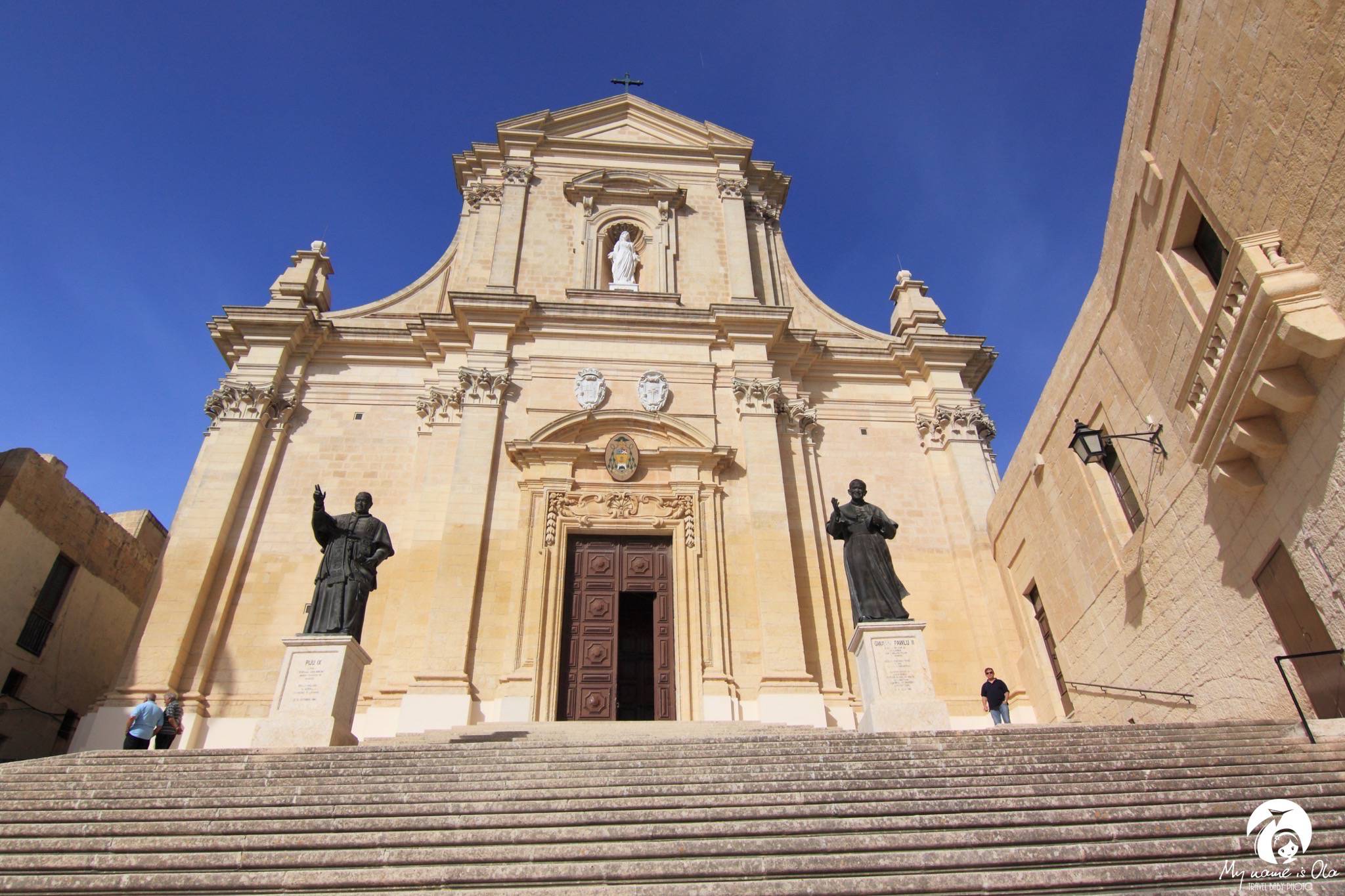

 [/photosetgrid]
Following this sacral trail we direct our next steps to the town of Xewkija, located right before Victoria, with the population of 3000 people. Main point of the town is Xewkija Church, which has one of the most impresive domes in the world. That built in 19th century shrine can hold all the townspeople at one service. Of course there is a lift taking all interested in to the dome to see from the above even the northern edges of Malta. The other name of the temple is Xewkija Rotunda.
Staying in the religious mood we can move back in time, namely more than 5500 years ago when first megailthic religious monuments were created. Megalithic character of formation means that they were built of large unworked stones. They had nothing in common with Christian religion as such did not even exist at that time. Probably the deity of fertility was worshipped in those temples. Those two objects located in Ggantija are today second oldest human-built religious objects (after Göbekli Tepe in Turkey).
Those still not satisfied with religious objects we advise just to look around. There are reportedly 46 of churches on Gozo, so each one is for around 700 people and if you take into consideration the fact that Xewkija Church is able to hold 3000 people then what attendance can the others count on? We are wondering if there is any other place in the world with so many sacral objects per person!
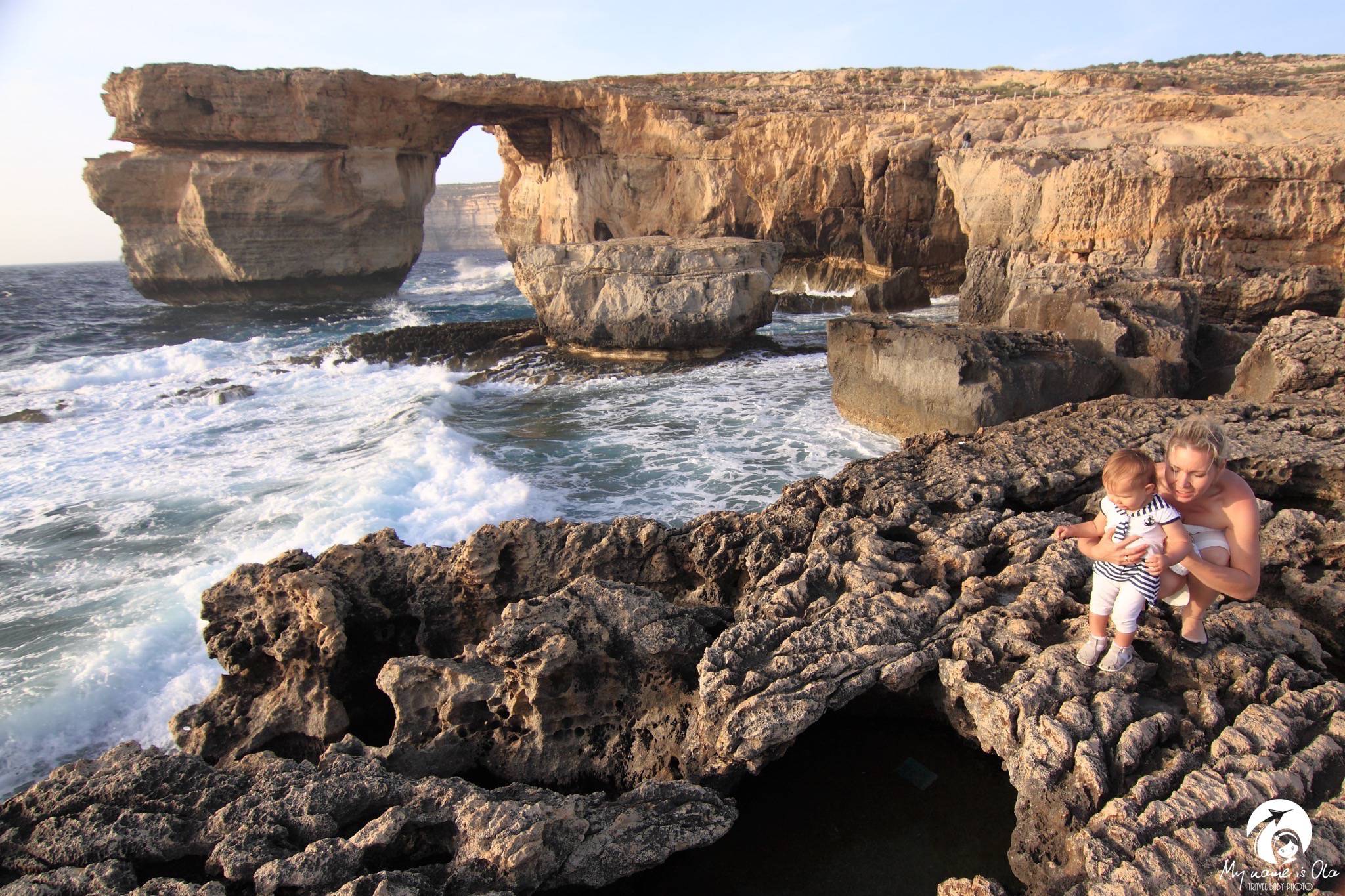
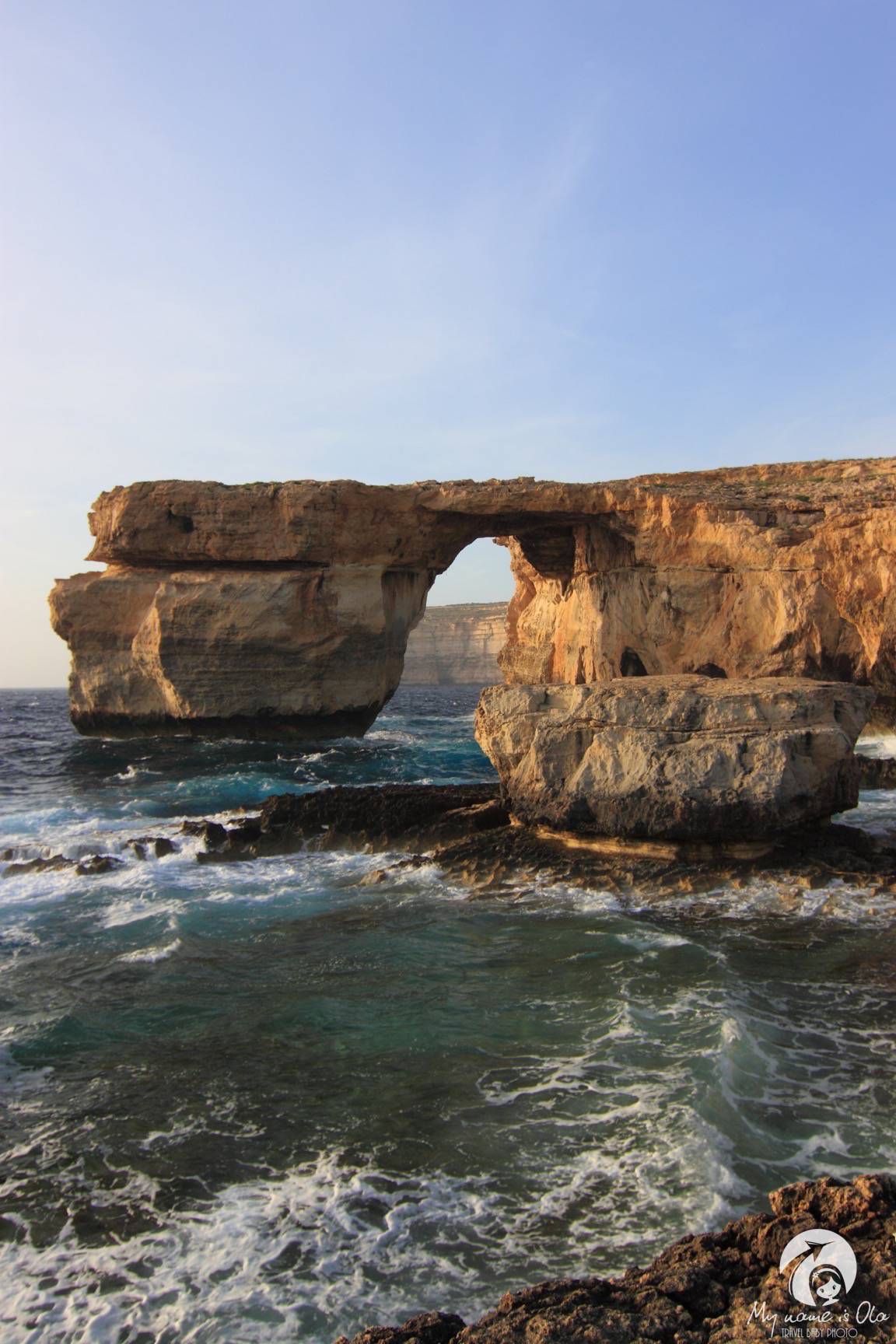
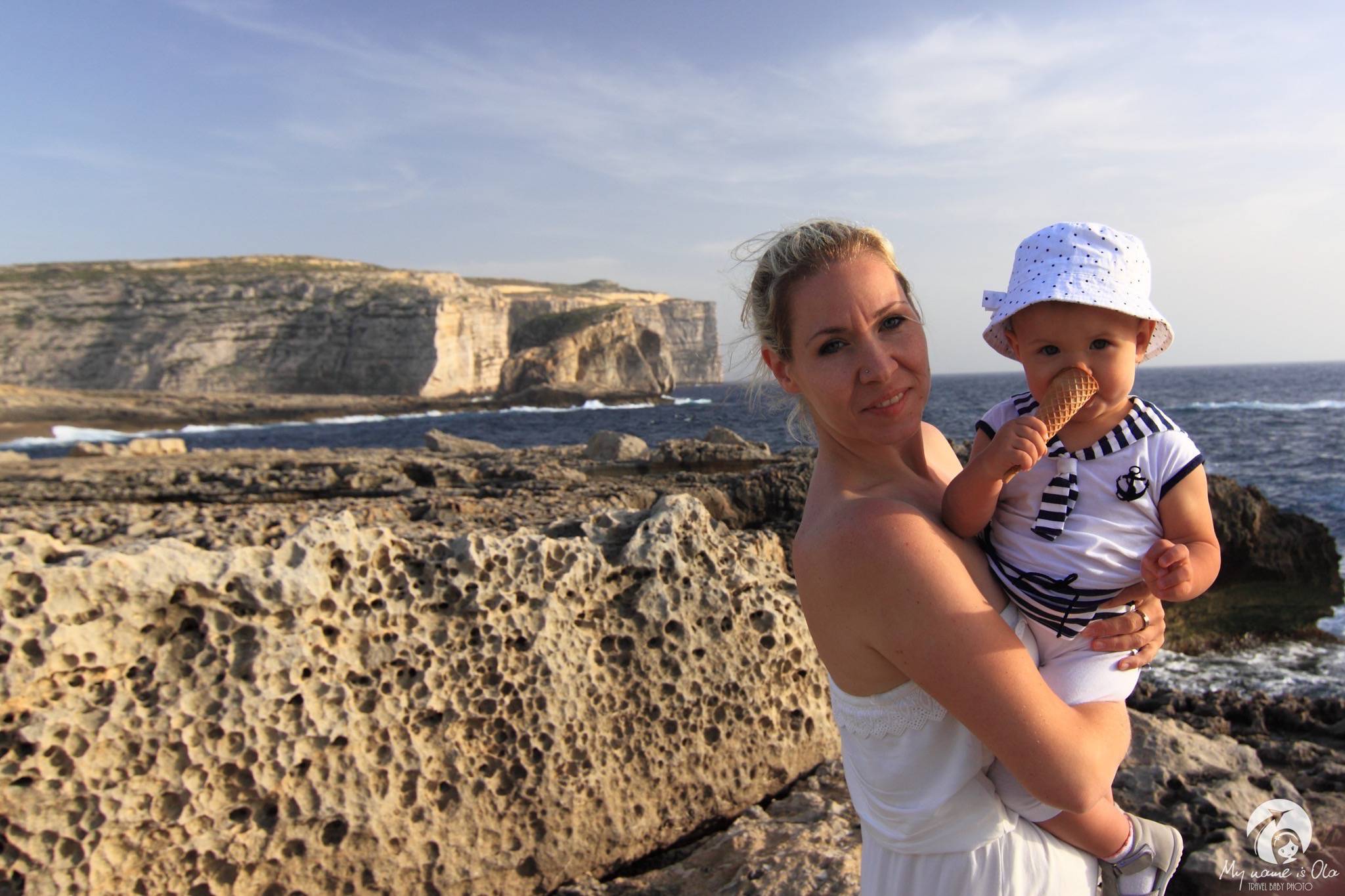
Churches, churches but it is the nature that mostly attracts tourists to Gozo. We mean here the biggest attraction of the island – the famous Azure Window. The name tells us all that we should expect. As a result of two sea caves collapse a limestone formation making a kind of a window over azure waters of Mediterranean Sea was created. Until recently one could have had easily got on the top of the window but today the coast is full of signs forbidding climbing the rock because over the years the structure weakened and some underneath rocks began to fall. The window keeps getting bigger and there are fears for collapsing it totally. So if you want to see that beautiful landscape and the scenery of many movies such as “Odyssey”, “Count of Monte Christo” or “Game of thrones” you should rather to hurry up because it might collapse within few years. To get there we can come by car or take a bus, both will take us almost to the window and we especialy advise doing it while the rock is beautifully lit by setting sun. For those who will not confine themselves to admiring the window from a distance boat rides around the rock are available. You can also try diving in the waters surrounding the window.
[photosetgrid layout=”12″]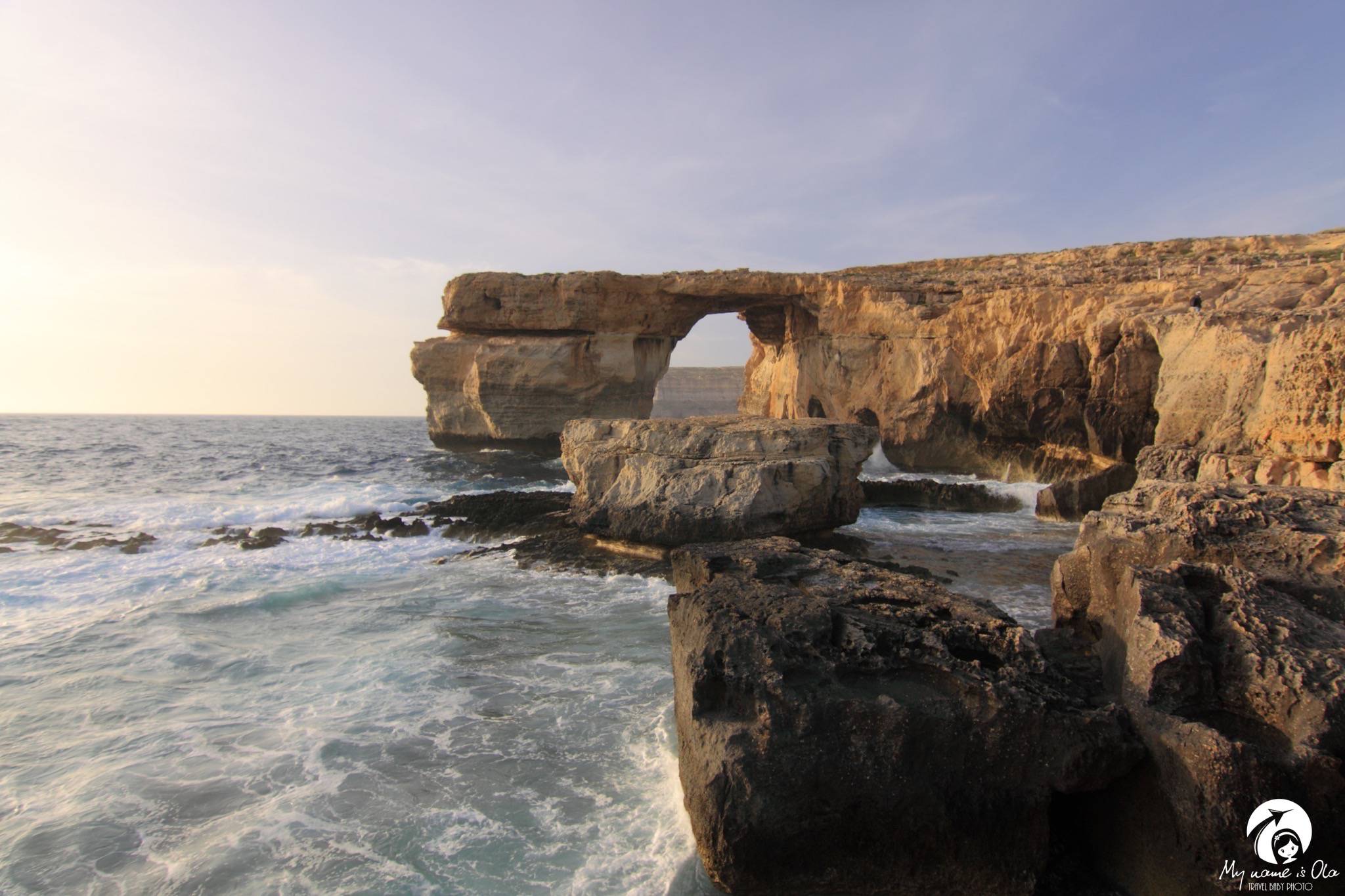
 [/photosetgrid]
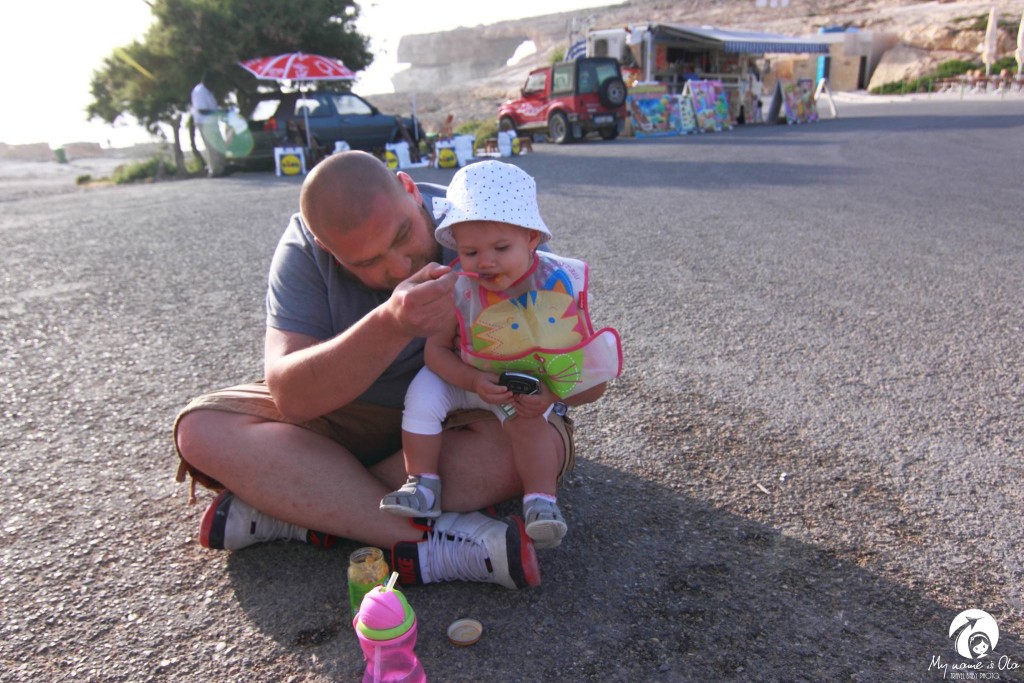
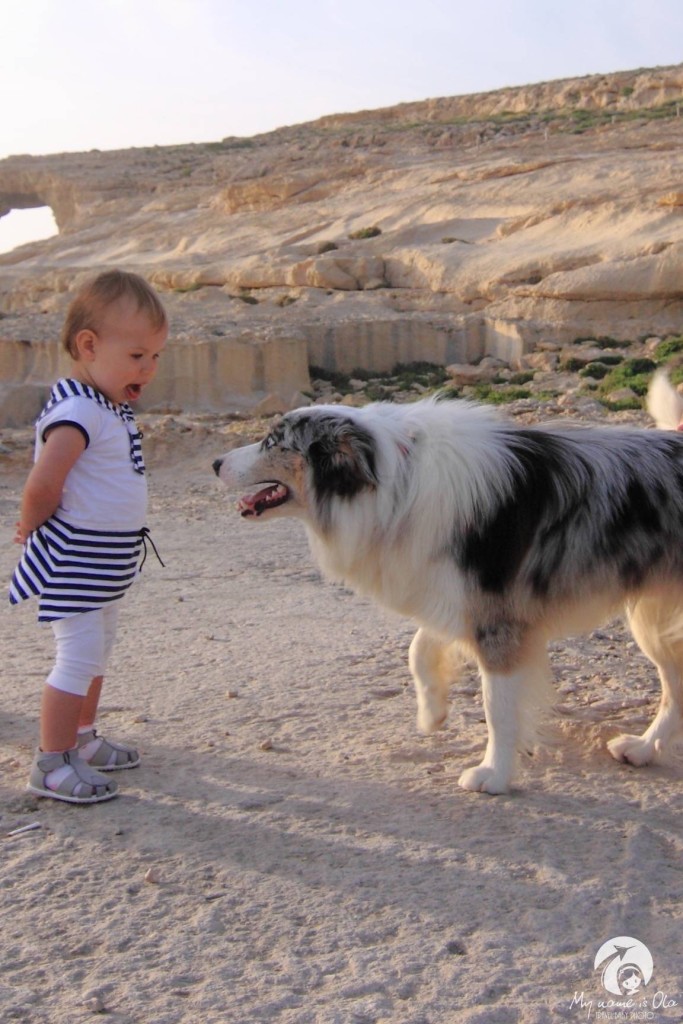
Out of this breathtaking surrounding our daughter liked the most a huge dog passing by. It was at least as big as Ola and seemed to be interested in her as much as she was in him. We ended up spending a good while with the dog before we could do anything.
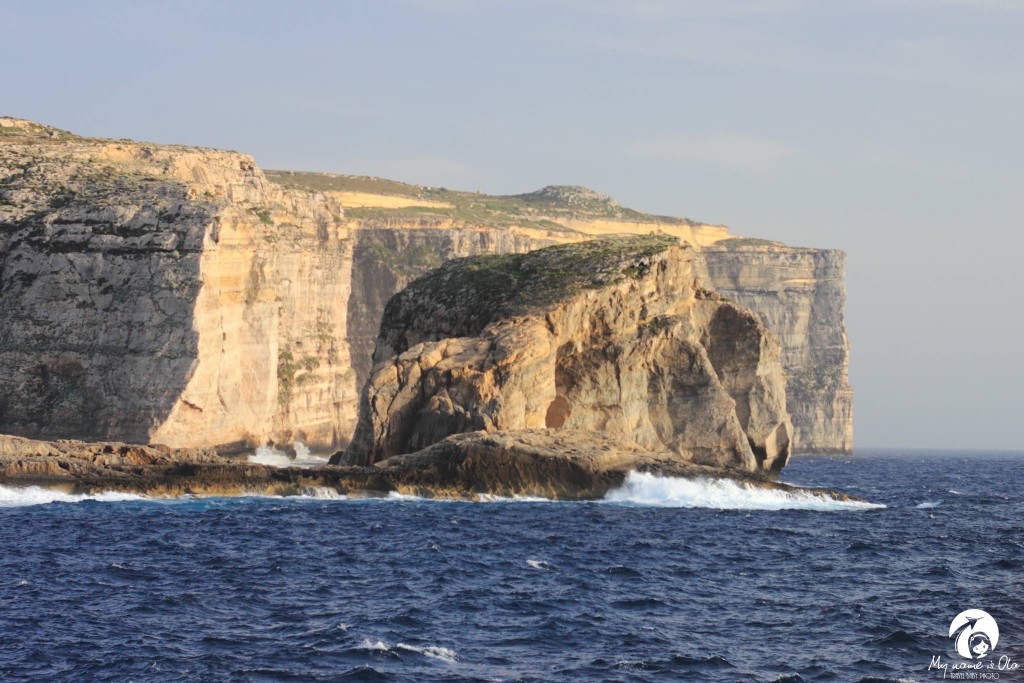
We almost forgot but there is a one more attraction in the same place. This is nothing spectacular as for the view but it represents an interesting story. This is Fungus Rock, a sea rock covered with one type of plant (Cynomorium coccineum), which used to be thought to be fungus. The Knights of Malta guarded it like a hawk because of its healing properties. They used it for all ailments and as a wound dressing. It was so valuable at the times of the Order that was even used in trade and guarded round the clock by security guards stationed in the nearby tower. Everyone who wanted to get close to the rock risked severe punishment. Today some plant’s medical features are confirmed and a rock itself is also protected – Maltese created a nature reserve there. Neighboring beaches are just perfect for scuba diving and attract many people, luckily even those swimming right around the rock are not any threat to the nature.
Apart from above mentioned, Gozo offers many others perfect for water sports places. Scuba diving fans should be particularily happy. Underwater landscapes are said to be amazing, water crystal and of temperature allowing diving all year round. If Gozo was able to convince you to spend there some more time than just one day, it will be a good idea to look around for a local farmhouse to stay in. Those are typical Maltese houses, country cottages renovated to provide really high standard for the visitors. Most of them offer at least a small swimming pool. Supposedly it is a great way to stay on Gozo. We haven’t tried this time but might consider next time. That would surely be a good place for Ola.
If you chose to spend one day on Gozo, on your way back to the ferry you can take a ride through Marsalforn coast in order to see how Maltese used to (some of them do today) acquire sea salt. The seashore is like a chessboard covered with square shallow “pools” full of water. After its evaporation, quite fast in this climate, Maltans will collect the salt and store in the caves carved in the rock accross the street.

And so the trip to Gozo comes to an end. Operating round the clock ferry takes us back to loud and full of people Malta, but we have to admitt that it was worth to come here.

We have always associated Malta with the sea, maginificent bays and beaches but its biggest attraction is hidden inland, far from the sea. Mdina and Rabat, previously one city located in the middle of the island should be obligaory during each visit to the archipelago. Not only because of its architecture, unique atmosphere but also because it’s a perfect place to get to know island’s history. We will lead you through it following it’s sequential names given by different nations ruling the country.

MALETH, OR PHOENICIANS ON THE ISLAND
The history of settlement on the island dates back to Stone Age but only its colonization by Phoenitians gave foundations of todays cities of Mdina and Rabat. Its strategic location on one of the highest points, with a panoramic view over whole island protecting it from the sea attack made it grow rappidly. Phoenitians called their settlement Maleth, what means “safe city”. Over the years whole island passed under the rule of Greeks, Carthaginians and Romans. Lasting more than 700 years the reign of the Roman Empire brought the hill further development. In this period wooden buildings were replaced with large brick Roman houses. Because the island had that special status of Municipium Rome governor’s palace was built there. That’s when the most cruicial event in the history of Malta took place – a ship transporting slaves crashed at its coast. It carried among them one exceptional person – Paul of Tarsus.


MELITA, OR SAINT PAUL ON THE ISLAND
Paul of Tarsus, known later as Saint Paul, did not expect to visit Malta but his arrival had a significant influence on Maltese religion and culture, making it the most Catholic country in Europe until today. Although St. Paul spent three months on that hill, called Melita at that time, we have very little information about his stay and evangelic mission. The most information gives the Act of the Apostles:
After we had reached safety, we then learned that the island was called Malta. The natives showed us unusual kindness. Since it had begun to rain and was cold, they kindled a fire and welcomed all of us round it. Paul had gathered a bundle of brushwood and was putting it on the fire, when a viper, driven out by the heat, fastened itself on his hand. When the natives saw the creature hanging from his hand, they said to one another, ‘This man must be a murderer; though he has escaped from the sea, justice has not allowed him to live.’ He, however, shook off the creature into the fire and suffered no harm. They were expecting him to swell up or drop dead, but after they had waited a long time and saw that nothing unusual had happened to him, they changed their minds and began to say that he was a god. Now in the neighbourhood of that place were lands belonging to the leading man of the island, named Publius, who received us and entertained us hospitably for three days. It so happened that the father of Publius lay sick in bed with fever and dysentery. Paul visited him and cured him by praying and putting his hands on him. After this happened, the rest of the people on the island who had diseases also came and were cured. They bestowed many honours on us and when we were about to sail they put on board all the provisions we needed.
There was very little of tangible evidence of Paul of Tarsus stay on the hill. Above the grotto where he allegedly spent couple of weeks, Maltans built a chapel and in 16th century a church of his name. Grotto is today open for visitors with its central point of St. Paul statue made of white marble. Many attractions on the island, such as situated next to the grotto catacombs, are named after the apostle. They originated around 3rd century and have nothing to do with Paul of Tarsus, they are named after located nearby St. Paul’s church.
[photosetgrid layout=”2″]
 [/photosetgrid]
MDINA AND RABAT, OR THE REIGN OF ARAB ON THE ISLAND
In 533 the island came under the short rule of the Eastern Empire. Another important period in its history started in 870 with the invasion of Saracens, Arab nomadic tribe. They built a moat and large defensive walls which we can admire until today and divided the settlement into two parts. Suburbs, where above mentioned grotto and church are located, were outside the walls and were given the name Rabat. Areas inside the walls created a fortified settlement Mdina, which despite many twists of history kept its original character. Narrow and winding streets, symbol of the city, were also the idea of the Arabs. The character of the settlement, according to its name (Midna in arabic means “fortress”) was to make it impregnable; but only in 1091 due to outnumbered enemy troops the Arabs surrendered the settlement, ironically, without fight. The island passed successively through the hands of the Scandinavians, Angevin and Aragonese who again changed the city’s name. This time they called it Citta Notabile (Noble City). That was probably due to the fact that the most important families of Malta lived there. In 1530 by the decision of Spanish King Charles V the city was transferred to Sovereign Military Hospitaller Order of Saint John of Jerusalem of Rhodos and Malta, later called the Order of Malta.
CITTA VECCHIA, OR THE ORDER ON THE ISLAND
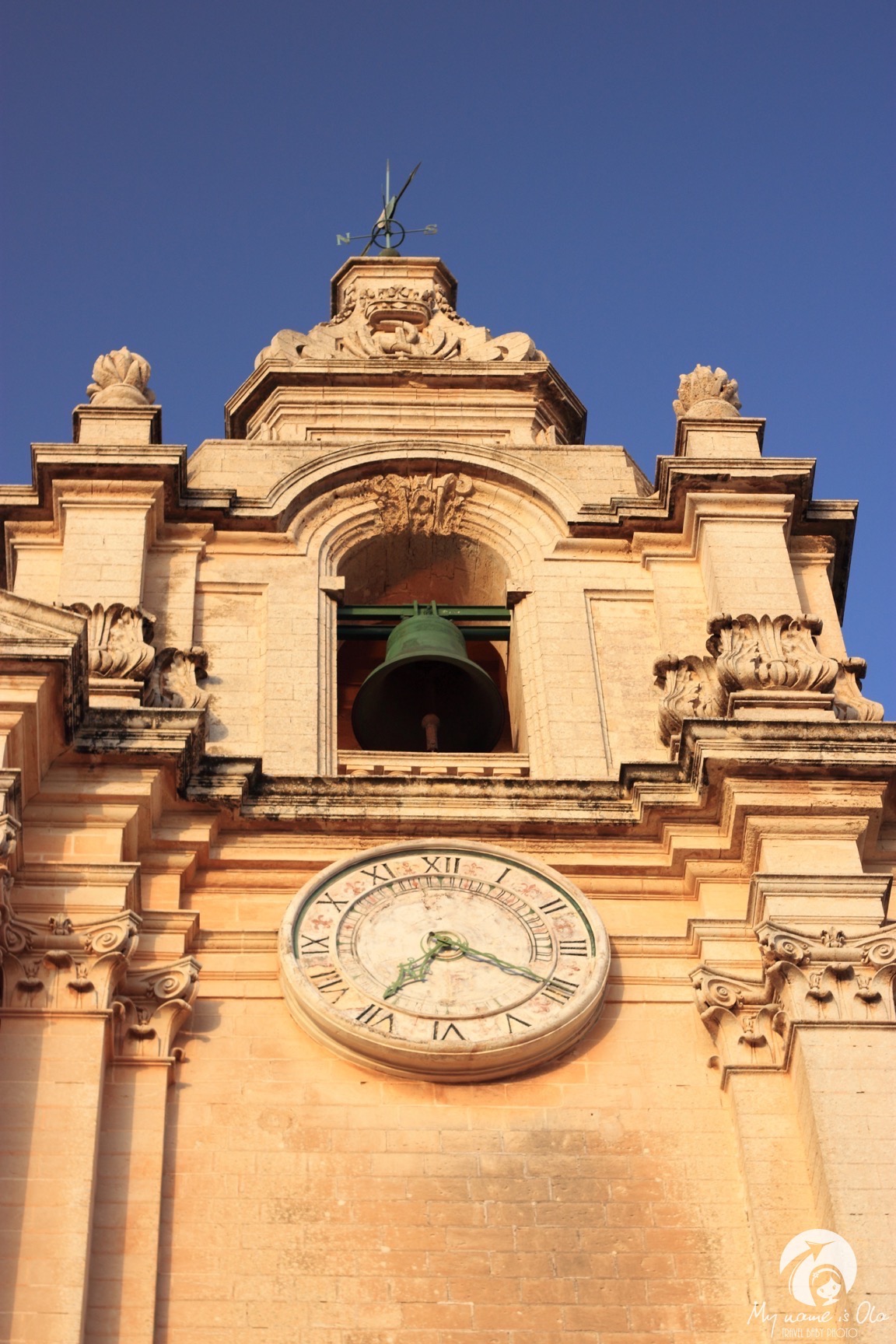
Apperance of the Order in Malta has set off a great development of the island, while Mdina started to loose its meaning. Knights of Matla after heroic defense of their land in 1565 from the army of Suleiman the Magnificent, in fear of re-invasion, decided to move the capital somewhere else. In honour of Jean de la Valette, Grand Master of the Order commanding the army during the siege, they called new capital Valletta. After settling it in the eastern part of the island, they again changed Mdina’s name, this time to Citta Vecchia – Old City. The reign of the Knights Hospitaller was the golden period in the history of the island, the Order not only built a new capital, but also several forts, tens of watchtowers and hundreds of churches. At the same time the religious consciousness initiated there by St. Paul strengthened. In 1693 as a result of the earthquake, Mdina faced the greatest damage. After the cataclysm the city was rebuilt receiving its current apperance with the dominant cathedral of St. Paul.
Later it slightly suffered plundered by Napoleon’s troops quickly expelled by the British, who ruled Malta until its independence. The biggest damage the city suffered in the period of British reign was from bombing during WWII. At this time above mentioned Catholic consciousness developed and became an element of national identity on the contrary to British Protestantism. Let the fact that divorces were forbidden on the island until 2011, make you understand how important religion is to Maltese people.
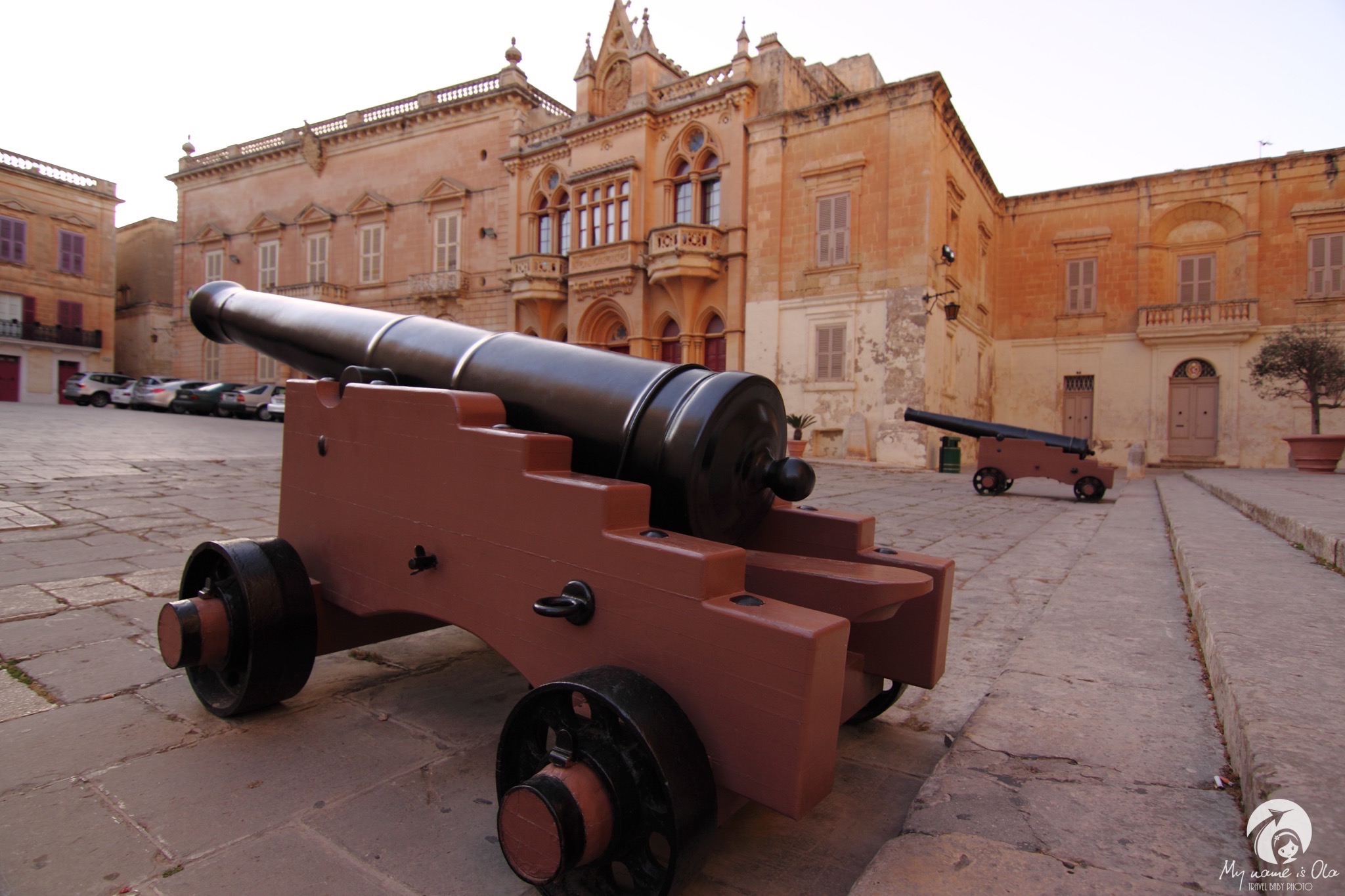
SILENT CITY, OR OLA ON THE ISLAND
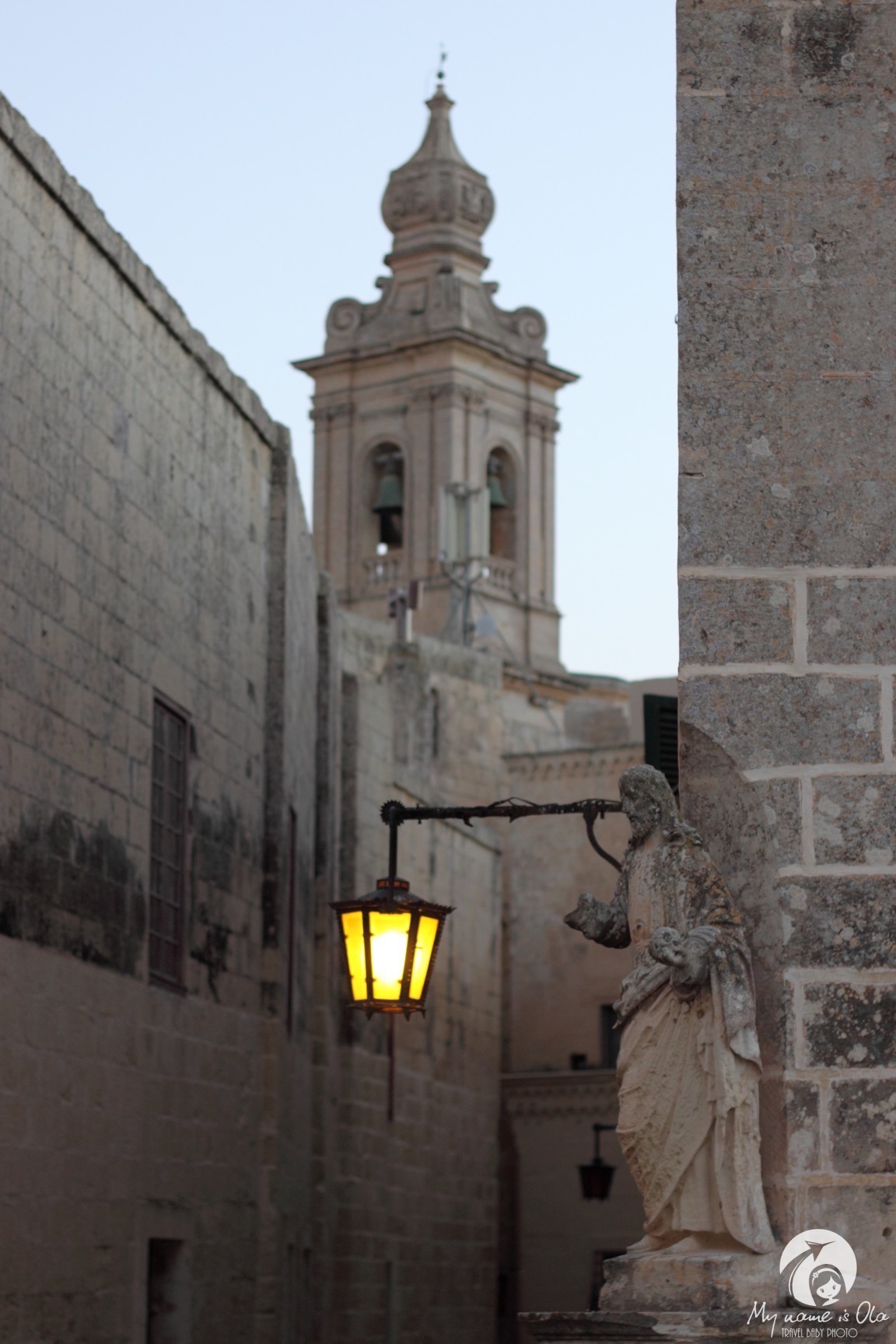
Today the area eclosed within the walls is called the Silent City. Almost a total ban on trafic, small number of inhabitants and amazing silence makes it stand out from all other Maltese towns. Lack of typical for Malta hustle and bustle perfectly reflects the name. The only thing that interrupts this peace and silence are noisy groups of tourists that seem not to notice signs asking for silence. All of them, advised by guides, visit the city in the evening but we decided to get there already during the day, or maybe afternoon and stay after dark. That seemed to be a very good idea.
The entrance from the side of Rabat is guarded by the Great Gate. Covering the bridge we are seeing huge moat and massive walls, which used to defend the settlement. What is interesting even after breaking through the first weak doors, the enemies were not yet inside the walls. While they were trying to break the second, stronger doors the third gate right behind them was closing making them trapped between doors. They were becoming an easy target and in most cases died of hot tar poured on them.

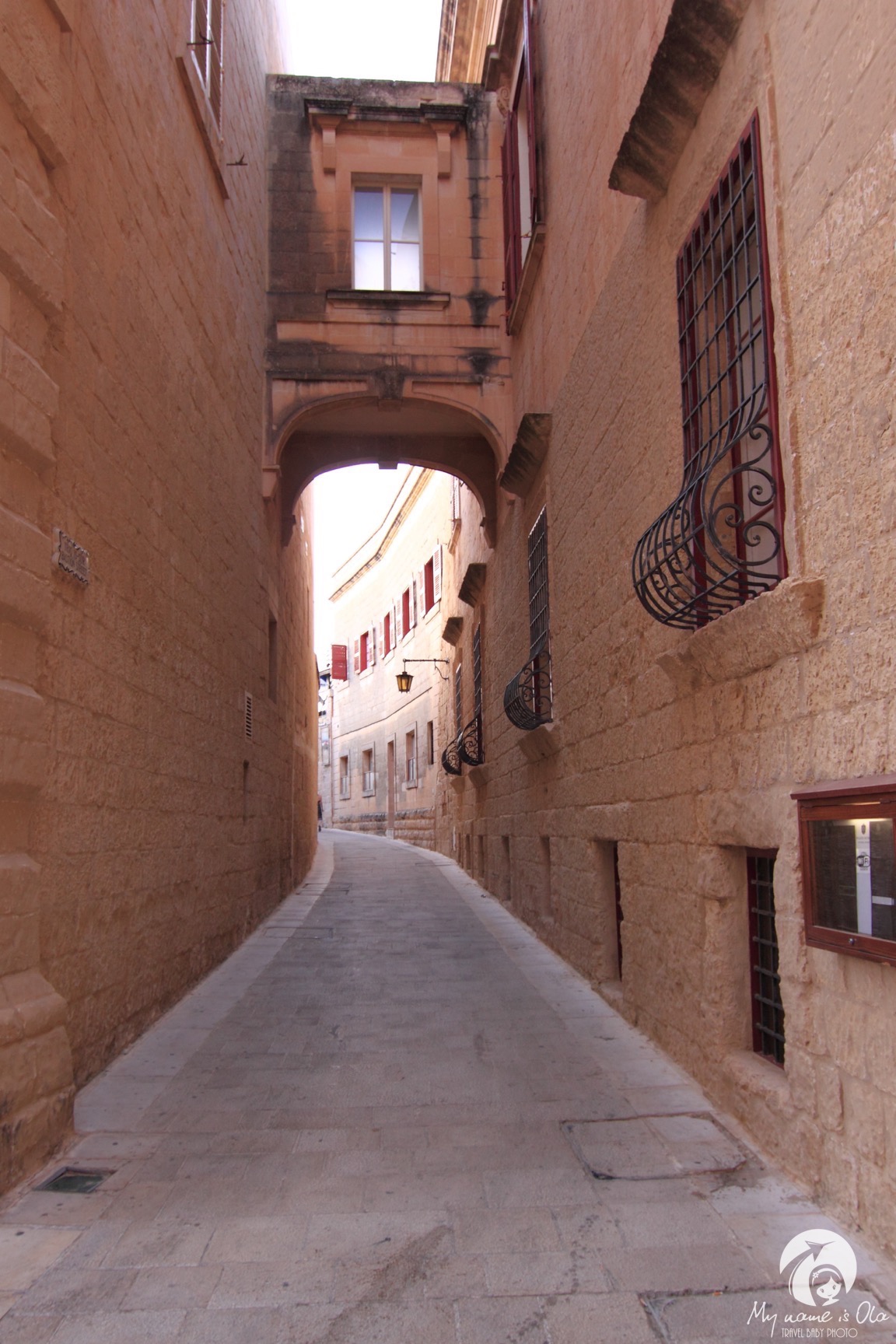
Today within the walls we can freely walk the maze of narrow and winding streets. Those have survived further redevelopments of the city being since Arab times an element of the defence system allowing to prepare many pitfalls for invaders just “around the corner”.
[photosetgrid layout=”3″]

 [/photosetgrid]
The largest damage as we already mentioned was done during the earthquake in 1693. Then Mdina was rebuild in popular at that time Baroque style with the Cathedral of St. Paul which is the main church of the Catholic Archdiocese of Malta until today. According to the legend here was the residence of Publius where presumably St. Paul cured his father. Current structure was made using the elements of previous temple and thanks to that today we can see things such as Mattia Preti’s polychrome „The diseaster of St. Paul’s ship”.
Walking the charming streets it is worth to pay attention on the details of surrounding buildings: cast iron decoration of balconies, decorative knockers and numerous statues of saints at the doors. High bulidings provide some relief in the hottest days. Ola loved winding streets and very few steps, small traffic allowed her to freely run around. Lack of the stairs is probably the heritage of Maltese Order who built it taking into consideration the inconveniences of moving in full armor.
[photosetgrid layout=”3″]

 [/photosetgrid]
In fact that walk is the biggest attraction of the city but we also advise to visit the Cathedral Museum and St. Benedict’s Church and St. Agats’a Chapel. Other buildings worth attention are beautiful residences Palazzo Falson and Palazzo Vilhena. The dungeons of the second one host the museum of the art of war. Since it presents the scenes of tortures and executions obviously because of Ola we gave up this attraction. At the end of our visit we went to the second gate leading to the city – The Greek Gate. It is also richly decorated and was used mainly as a back door, a way to deliver goods to the city.

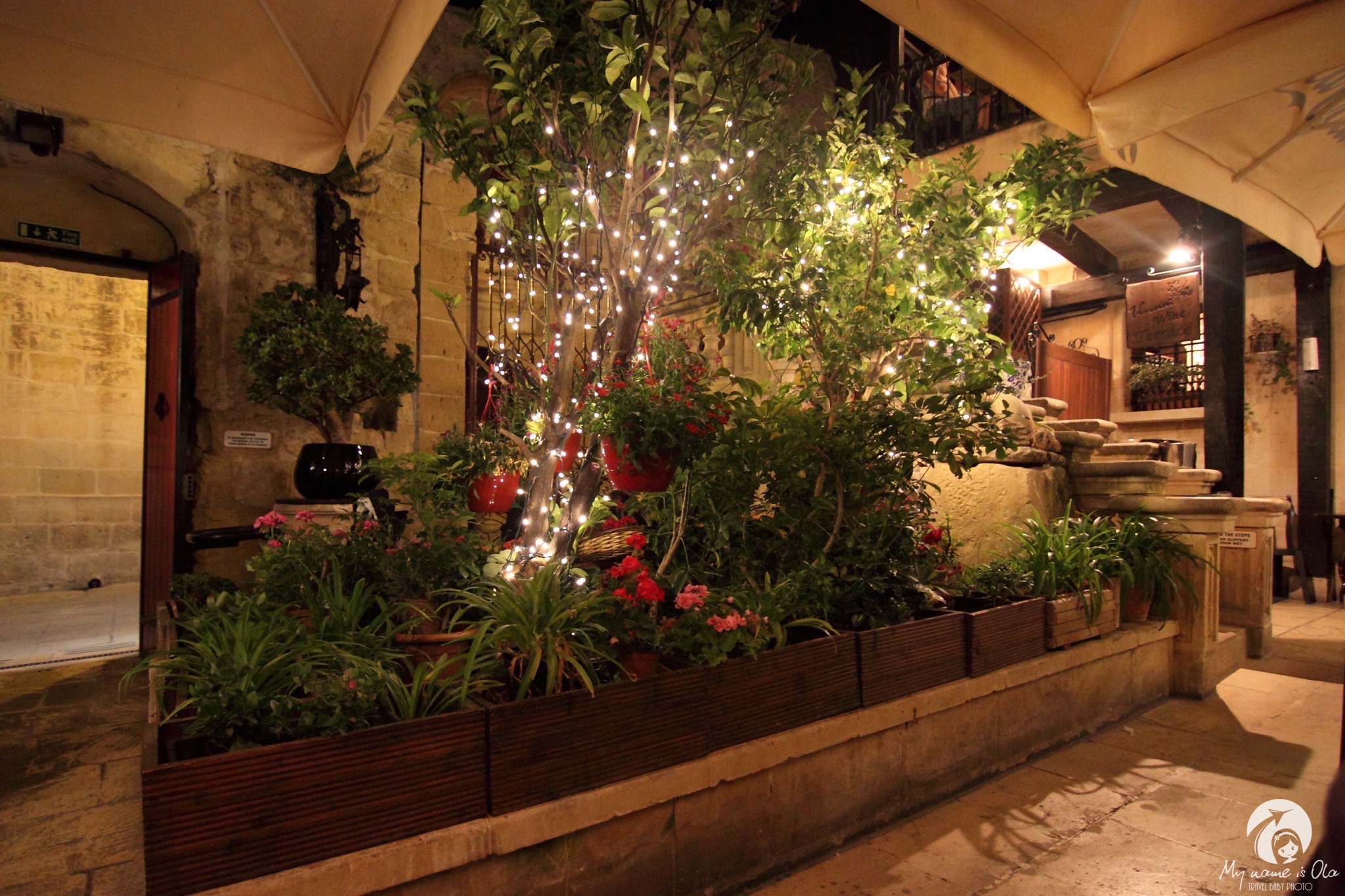
Waiting for the dusk we went for a dinner to one of Mdinas restaurants. Fontanella seemed to be the best for us, mainly because of its top deck situated on the walls from which we could admire amazing view over the island. Beautiful views are one of the reasons to visit Mdina, accompanied by a very good food make the evening unforgeteble. While it was getting darker the restaurant filled more and more. That must be those tourists advised to visit Mdina after dusk, we thought. Later on we found out that those were Maltans and the tourists at this time occupy the walls holding wine glasses in their hands. Few of such groups and the whole atmosphere of this silent place disappeared, it became just another crowdy and noisy place.
[photosetgrid layout=”2″]
 [/photosetgrid]
Despite all that we went for a short walk trying to choose those less attended areas. Many lamps with that subtle yellow light made the neighborhood look magical. The night came, Ola almost fell asleep in her stroller and happy of our day and night visit in Mdina we left the place.


How is that possible that on the island with few thousand years od settlement history, with Europe’s oldest detached temples the best vineyards are only 100 years old. The British are to blame for everything. In 19th century when they ruled the island all vines were destroyed ruining long history of vine growing and were replaced by cotton.
Viticulture on the island was initiated by Phoenicians, continued by Greeks and Romans. Even Arab domination on the island didn’t destroy the tradition. In 16th century when the Order of Malta came to the island the wine industry developed. Along with Joannites came new techniques of vine cultivation and the export of wine grew so much that in order to increase the crops from limited area of land they started to grow vines on pergolas. The apperance of British interrupted this golden age. Fortunately the experiment with cotton did not last long. At the turn of 20th century the demand for cotton was over. At that time first vineyards that are there until today started to appear.
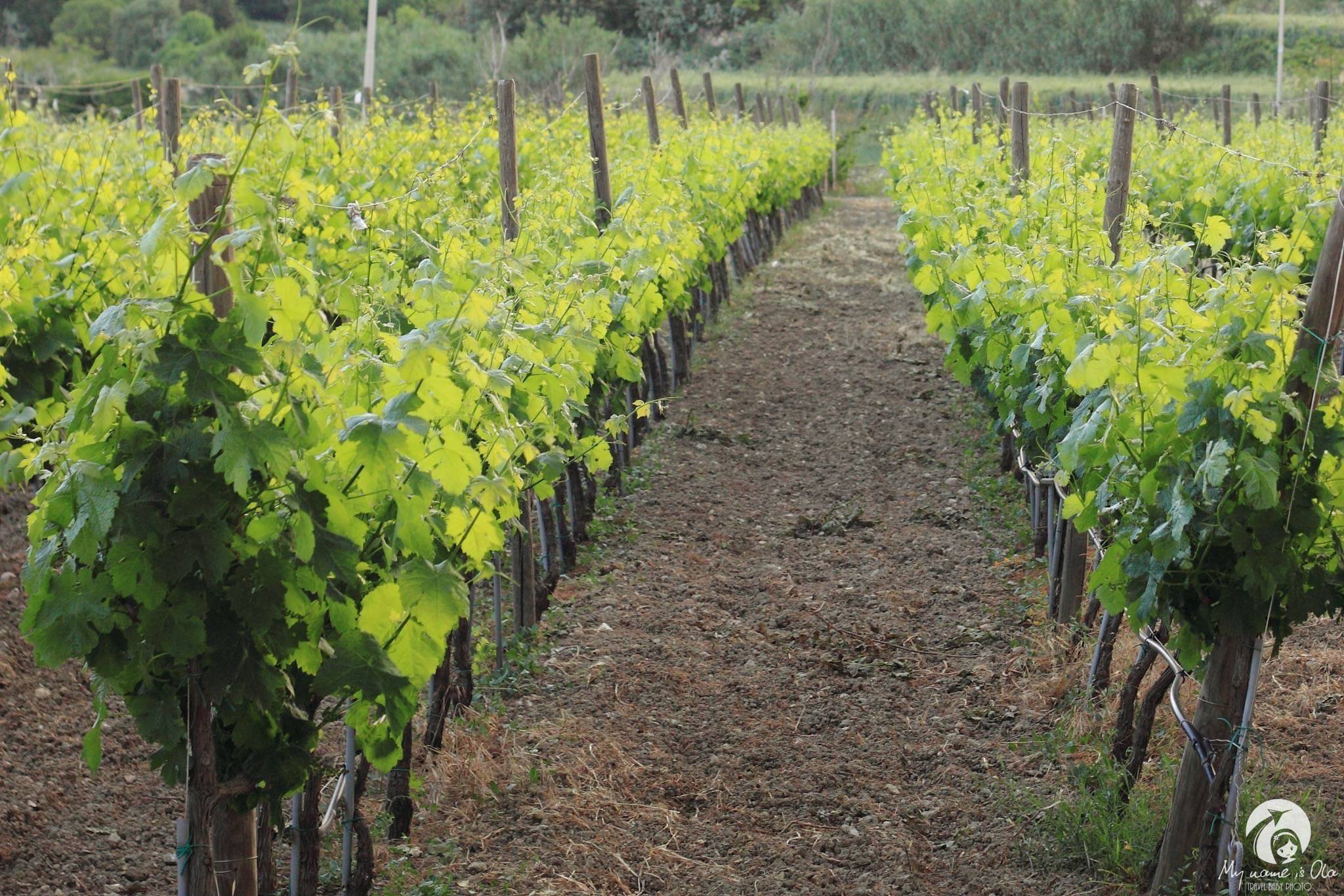
Going to Malta we planned to get to know local wines close but we didnt expect finding first vine crops after driving just few kilometers. First impression – how small all that is. Next days, driving around the island we kept on seeing small vineyards all the time. Malta has very good conditions to grow vines but are those little vineyards able to supply ingredients to produce 70 000 hl of wine each year? Of course not. Most of Maltese wines are produced of vines imported from Italy. We were not really surprised, as the same they do in another similar size country, Liechtenstein, importing ingredient from Austria (more about Liechtenstein wineries here).
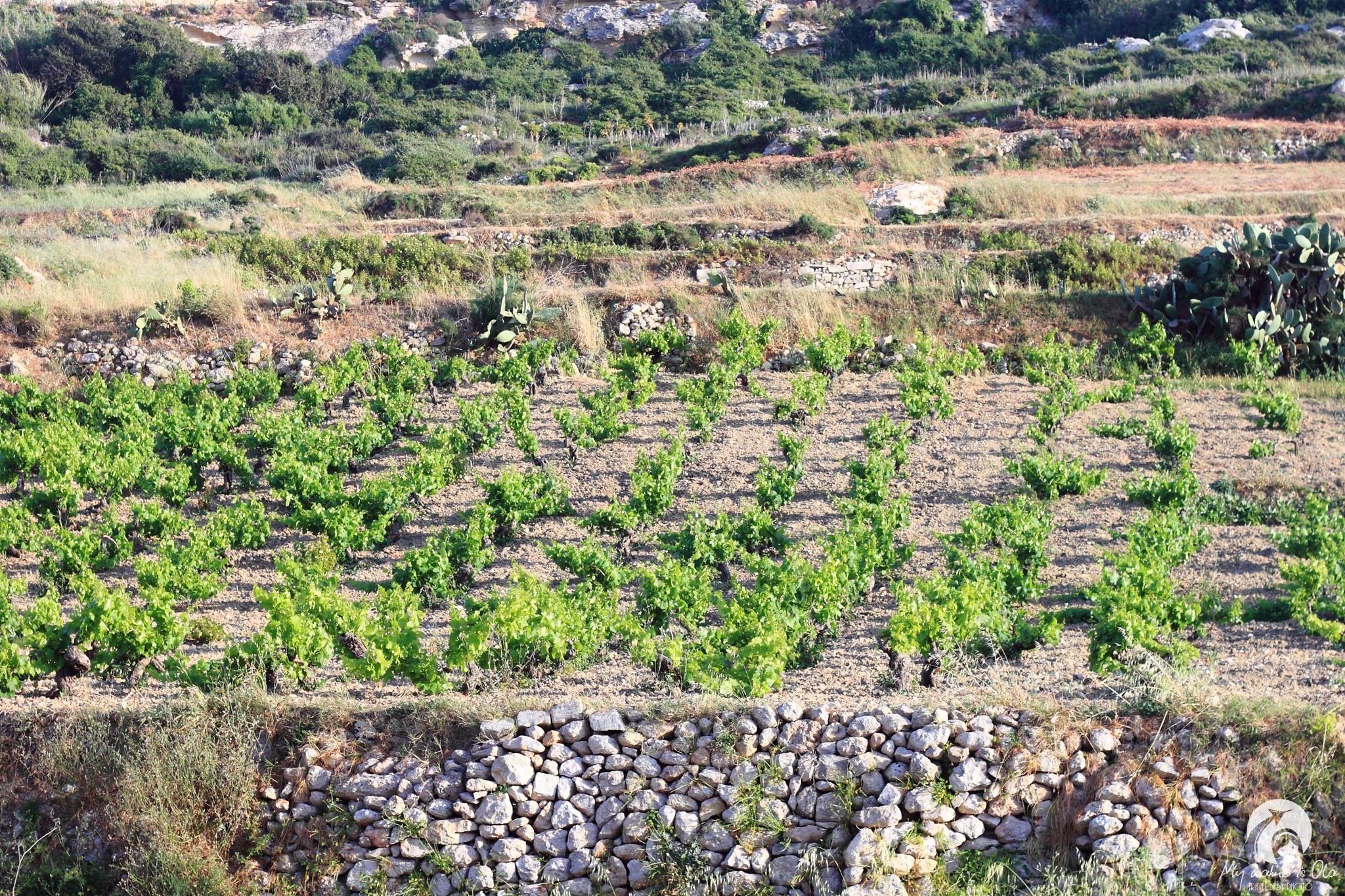
Current area of the vineyards on Malta and Gozo is around 500 ha. All the production is made by 5 major wine companies, only two of which have history longer than several years. The oldest are Delicata, established in 1907 and Marsovin founded in 1917. The others: Camilleri Wines, Montekristo and Meridiana were opened only at the end of 20th century. As we wanted to let Ola play on the beach as long as she wanted we did’t visit all of them. Marsovin seemed to be the most interesting because, unlike Delicata, they make wines from produce of Malta and Gozo, they use indigenous grape varieties and have their cellars open for visitors.
[photosetgrid layout=”13″]


 [/photosetgrid]
We directed to our steps to Paolo, where the headquarters of the company is. The factory complex is quite big but the tourists get to visit only a part of it. First we got to see the museum of former wine making techniques and the history of Marsovin. Narrow and winding stairs lead to the cellars built in 17th century, in the times winery art heyday. The builders and first users of cellars were Joannites. Today 10 000 of bottles and hundreds of oak barrels are storred there. Surely these are not the cellars of Moldovan Cricova but on such a small island everything seems to be bigger and more impressive.
In the first room from behind the bars we saw the library of wines, the collection of all kinds and vintages of wines since the beginning of company history. The conditions underground seem to be perfect for wines storing. Next we passed the exhibition of instruments used for wine making and bottling the drink of gods. Walls are decorated with elements reminding the history of the place. Main objects of the exhibition are barrels, although they are full it was hard to believe our guide that they contain their best wines. Hundreds of tourists, noise, changes of light are not the best conditons for good wine maturation. The part of the exhibition shows production process of “Maltese champagne”. Marsovin is proud of their sparkling wine Cassar de Malte, produced of chardonnay grapes. The production process itself is identical to the method of French champagnes manufacturing.
[photosetgrid layout=”13″]


 [/photosetgrid]
The most interesting was still to come – after seeing the museum we went to another room for wine tasting. In that place we were observed by the statue of Chevalier Anthonym Cassara, a man who in 1918 gave up the cultivation of oranges and started to grow vines giving birth to Marsovin. Today it is only history because, as our guide said, family of founder does not even visit the place. The tasting itself disappointed us a little, as we later found out that wines we were offered to taste were of Marsovin cheapest ones. Apart from the quality of wines, the presentation was more like a direct sales than interesting story about wines. Surely it works for participants of tours visiting factory willingly and frequently. We were not satisfied with this as we were looking forward to trying some wines of indigenous Maltese varieties.
[photosetgrid layout=”2″]
 [/photosetgrid]
Thankfuly in the liquor stores in Malta some interesting wines are to be found. The same evening we tried, made of indigenous ġellewża variety, 1918 Red wine, D.O.K. from 2010. We liked this one, it had deep red color, intense fruity aromas with some chocolate flavours, very drinkable, delicate. Choosing your wine it is worth to pay attention to Maltese wine certificates, inspired by Italian ones. I.G.T designation says that wine was made of local grapes. D.O.K certificate testifies that traditional methods were used for vines growing, fruit harvesting and wine production. As for the quality I.G.T wines are between table wines and those of D.O.K. However this is not a strict rule, sometimes products not meeting the regional requirements can be of really good quality.

During our stay in Malta we also tried La Torre from Marsovin, white wine made of second indigenous Maltese variety – girgentina. This is a type with light flourish aroma, refreshing, seems to be perfect for hot Maltese climate. In the factory shop we also bought Ulysses, wine made of French shiraz grapes, hand-picked in family vineyards on Gozo. Red wine, although it was quite heavy, we really liked it.
Tasting of other wineries products was much worse. Table wines of Delicata, although couple euro cheaper, are according to our taste a worse choice. Finally we gave up visiting Delicata when we found out that they do not have any vineyards in Malta. Another local winery, Meridiana, produces only wines of international varieties.
Our last meeitng with Maltese wines was in a duty-free shop at the airport but we found out that prices in liquor stores in Valletta were much better than here. So if you are going to Malta remember to enjoy the wines on the island.
[photosetgrid layout=”2″]
 [/photosetgrid]
In order for your map to display, please make sure you insert your Google Maps JavaScript API key in the Maps->Settings->Advanced tab.

Why Malta? Sea, sun, historical monuments, wine and beaches. Some people say that beaches are the negative side of the island, some say opposite. Before going to Malta on holidays you have to know that local beaches are very different and very often things that Maltese call beach are far away from what an average tourist sees thinking about his or her seaside rest. To find out what the island really offers we drowe entire coast and checked all of them, from the smallest, rocky on the sidelines to those most popular sandy ones. Below all we have seen divided in two parts: the north-west part and south-east regions of the island. We advise going through our review before deciding about hotel for your holidays.
Today part two: SOUTH-EASTERN MALTA
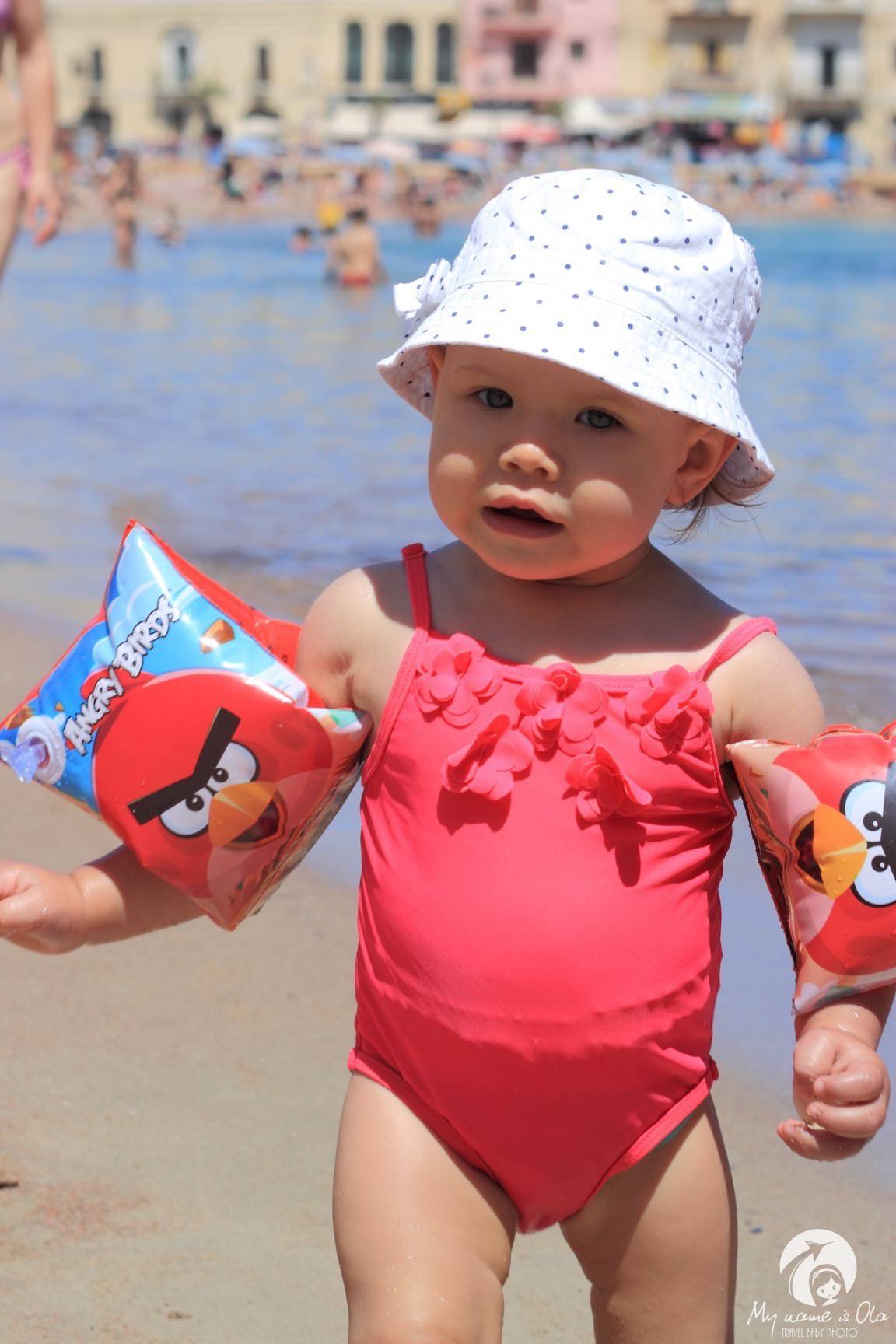
1. Paceville Beach is located in St. George’s Bay in St. Julian’s, right in the middle of entertainment district of the city. This is a sandy beach divided in two parts, one of which, smaller, belongs to one of nerby located hotels. The bigger part is public. Water is clear, sand rather clean, whole impression is spoiled only by cars passing right next to. Neighborhood is full of bars, restaurants and entertainment offer.
OLA’S RATE: 6/10
PROS: sandy shore
CONS: paid parking in the area
INFRASTRUCTURE: toilets, water equipment rental, bars and restaurants around
[photosetgrid layout=”13″]


 [/photosetgrid]
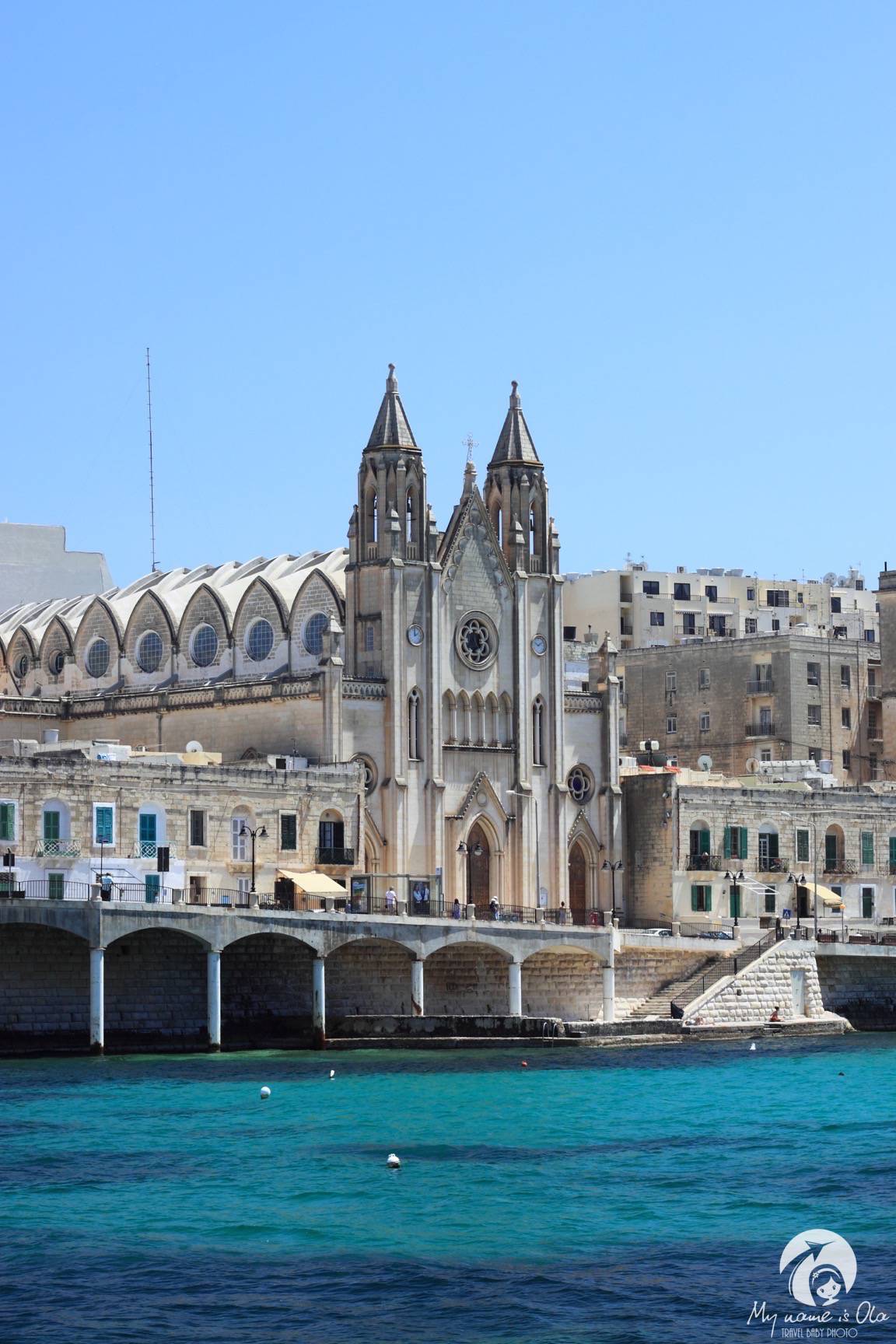
2. Balluta Bay Beach is another beach located in St. Julian’s. It is in a bay but right above the heads of sunbathers there goes a busy road. There is not too much sand there because there are stairs on the shore. Stone blocks do not seem to be a good place to relax.
OLA’S RATE: 1/10
PROS: none
CONS: no sand, no space on the beach, no parking, just what you find on the streets around
INFRASTRUCTURE: forget about sunbeds or water equipment, city restaurants around
[photosetgrid layout=”3″]
 [/photosetgrid]
3. Buġibba Perched Beach – located in Buġibba at St. Paul’s Bay. It is few steps from full of bars and restaurants town center. The beach itself doesn’t impress, it’s rocky, here and there some stone blocks. In few places fine gravel. Higher located promenade gives a little shadow allowing to rest from the sun. And that’s it as for advantages of this beach.
OLA’S RATE: 3/10
PROS: none
CONS: rocky shore, uninteresting neighborhood
INFRASTRUCTURE: bars and pubs around, a small waterpark around
[photosetgrid layout=”13″]


 [/photosetgrid]
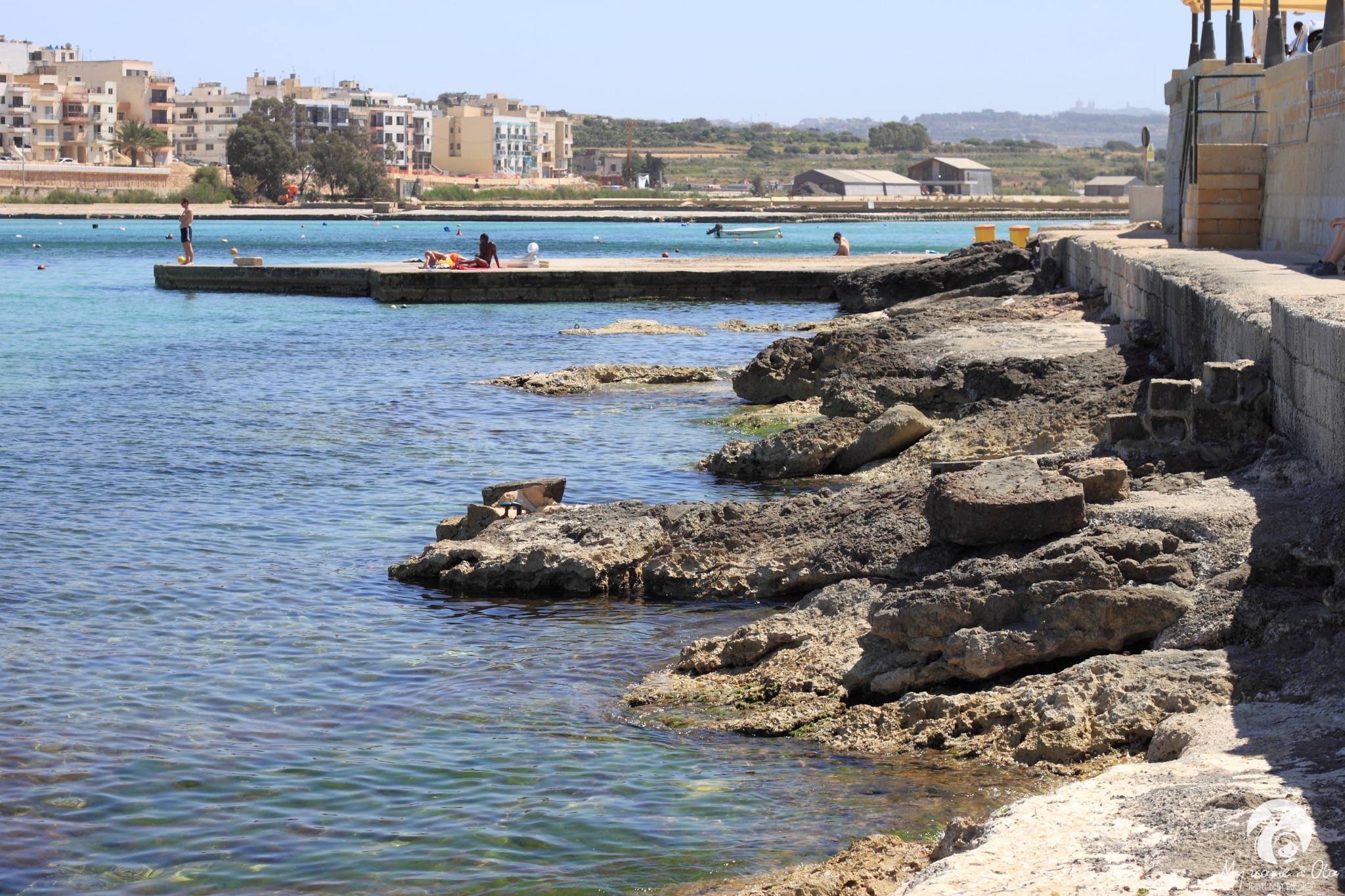
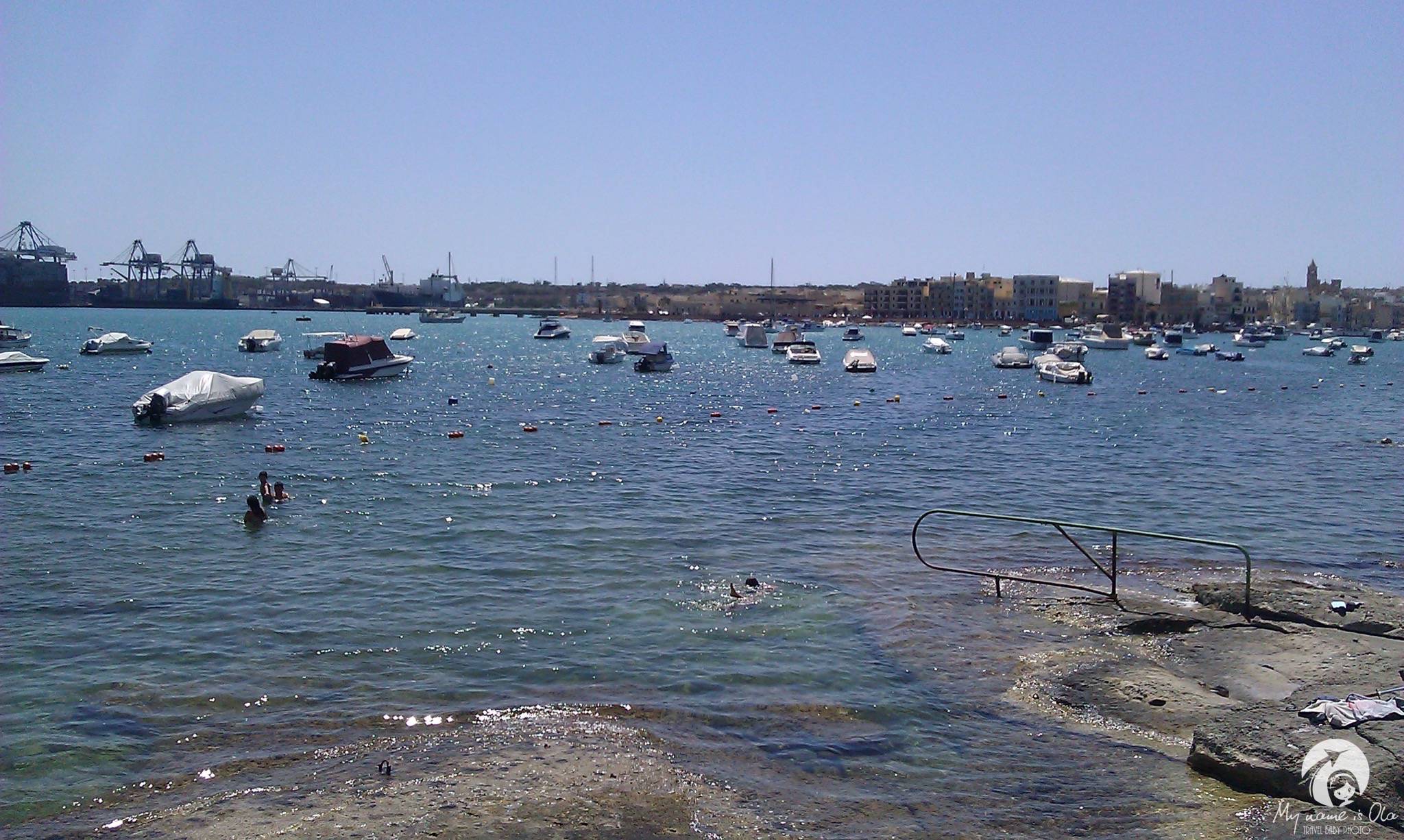
4. Salina Bay Beach is a place where water and land meet, we cannot call it beach. It rocky coast with some bigger, flat stones which allow to crouch at the wated, is located in Salina Bay. To enter the sea you need to use stell railings. Swimming here hardly can be called a pleasure and beware of this place when with children.
OLA’S RATE: 2/10
PROS: clear, calm waters
CONS: rocky coast, no sand at the shore,
INFRASTRUCTURE: none
[photosetgrid layout=”3″]
 [/photosetgrid]
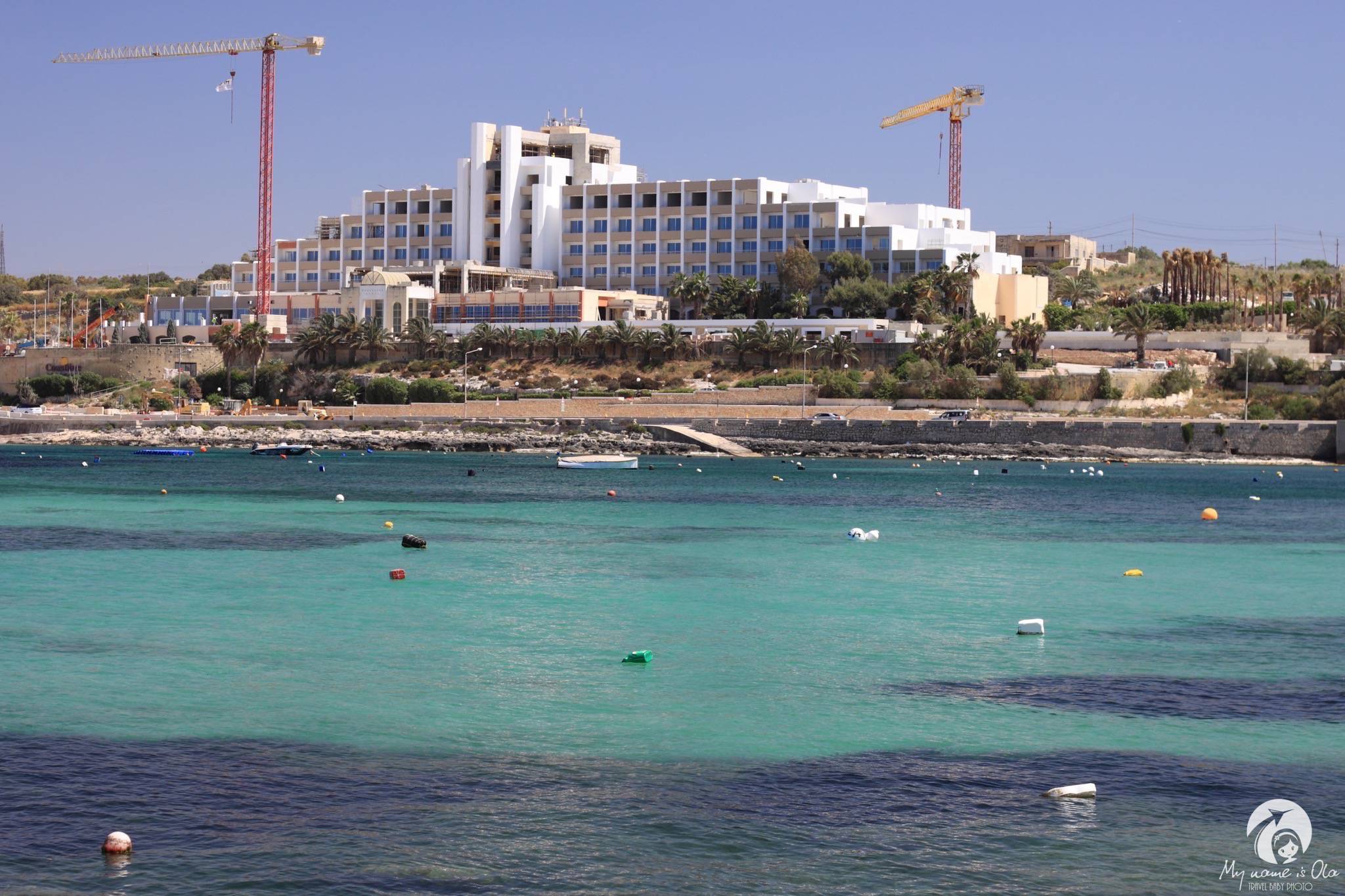
5. Pwales Beach is a little part of the coastline in St. Paul’s Bay torn from the bay. Rocky-gravel beach at the busy road, nothing special.
OLA’S RATE: 1/10
PROS: nice view over the bay
CONS: location, neighborhood, no parking
INFRASTRUCTURE: none
[photosetgrid layout=”2″]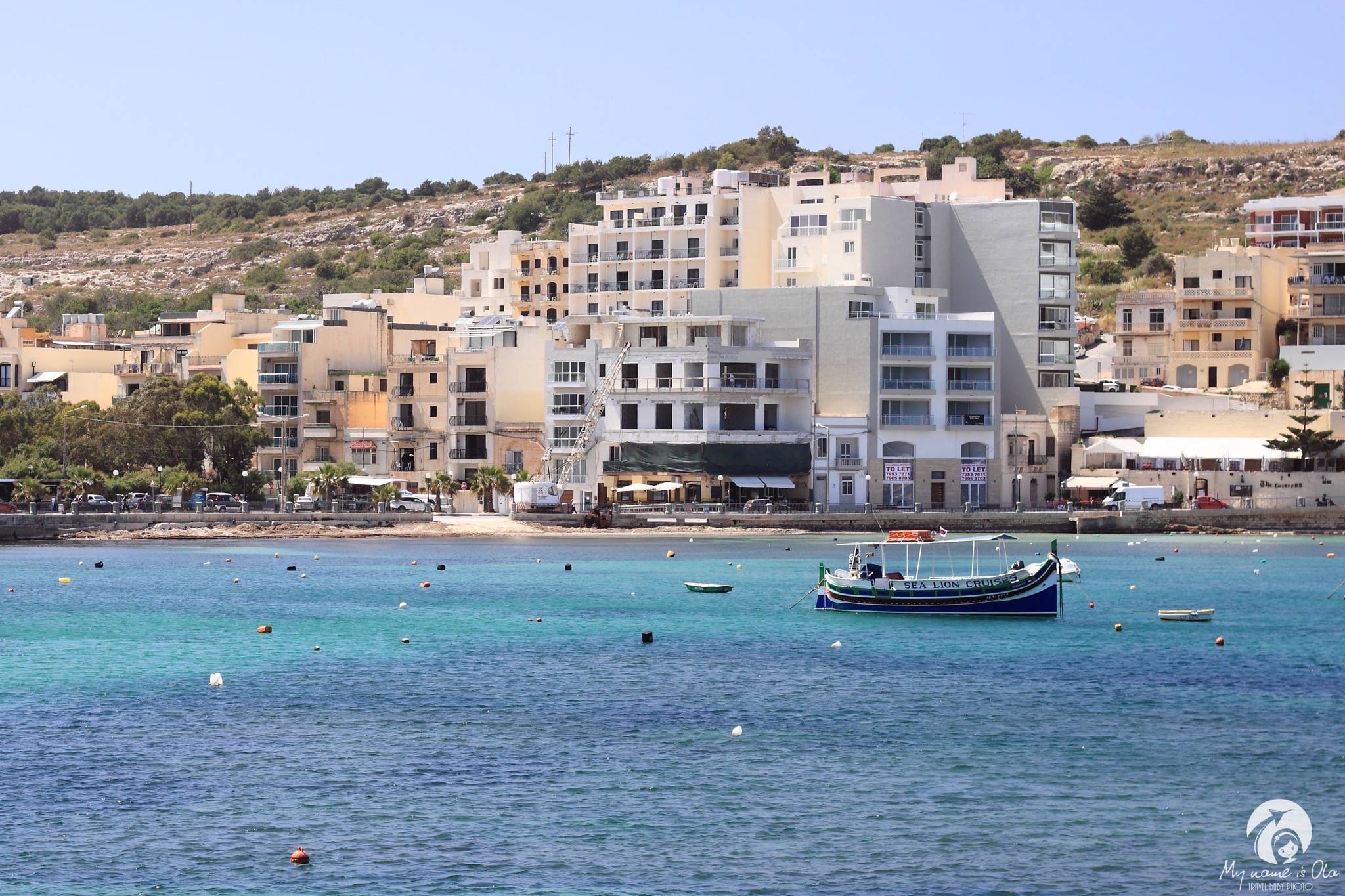
 [/photosetgrid]
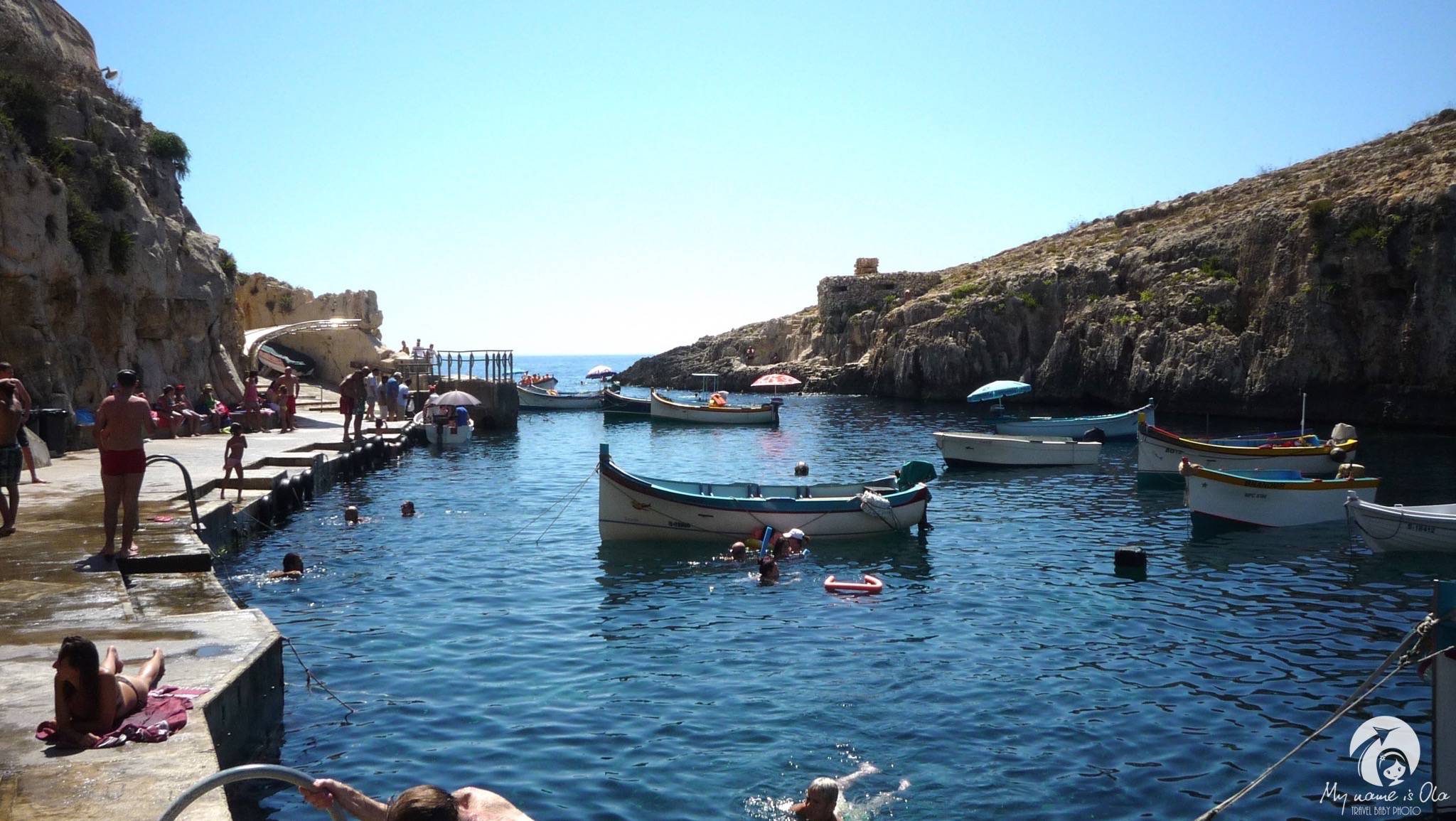
6. Blue Grotto are the caves considered to be the biggest attraction of the island. The best recognizable view can be admired from afar but without taking a boat and getting inside the caves you will miss the most important. Right next to “marina” you can swim in the water but this is actually not a beach, there are only some railings helping to get to the water.
OLA’S RATE: 3/10
PROS: easy access
CONS: lots of people, no sand
INFRASTRUCTURE: none
[photosetgrid layout=”2″]
 [/photosetgrid]
7. St. Thomas Bay is located south from the town Marsascala. There are at least three beaches in the bay, starting from the most beautiful, sandy one, through the one with big rocks and little sandy area accross the bay to the one, also with rocks, but also with an intersting story. Right at the beach there is an abandoned hotel and urban legend says that it is one of the former residences of Muammar Gaddafi, plundered after overthrowing the dictator. Pleace only for hardy bathers, certainly not for children.
OLA’S RATE: 5/10
PROS: easy access to the places
CONS: no good access to water, no sand at those rocky ones
INFRASTRUCTURE: none
[photosetgrid layout=”2″]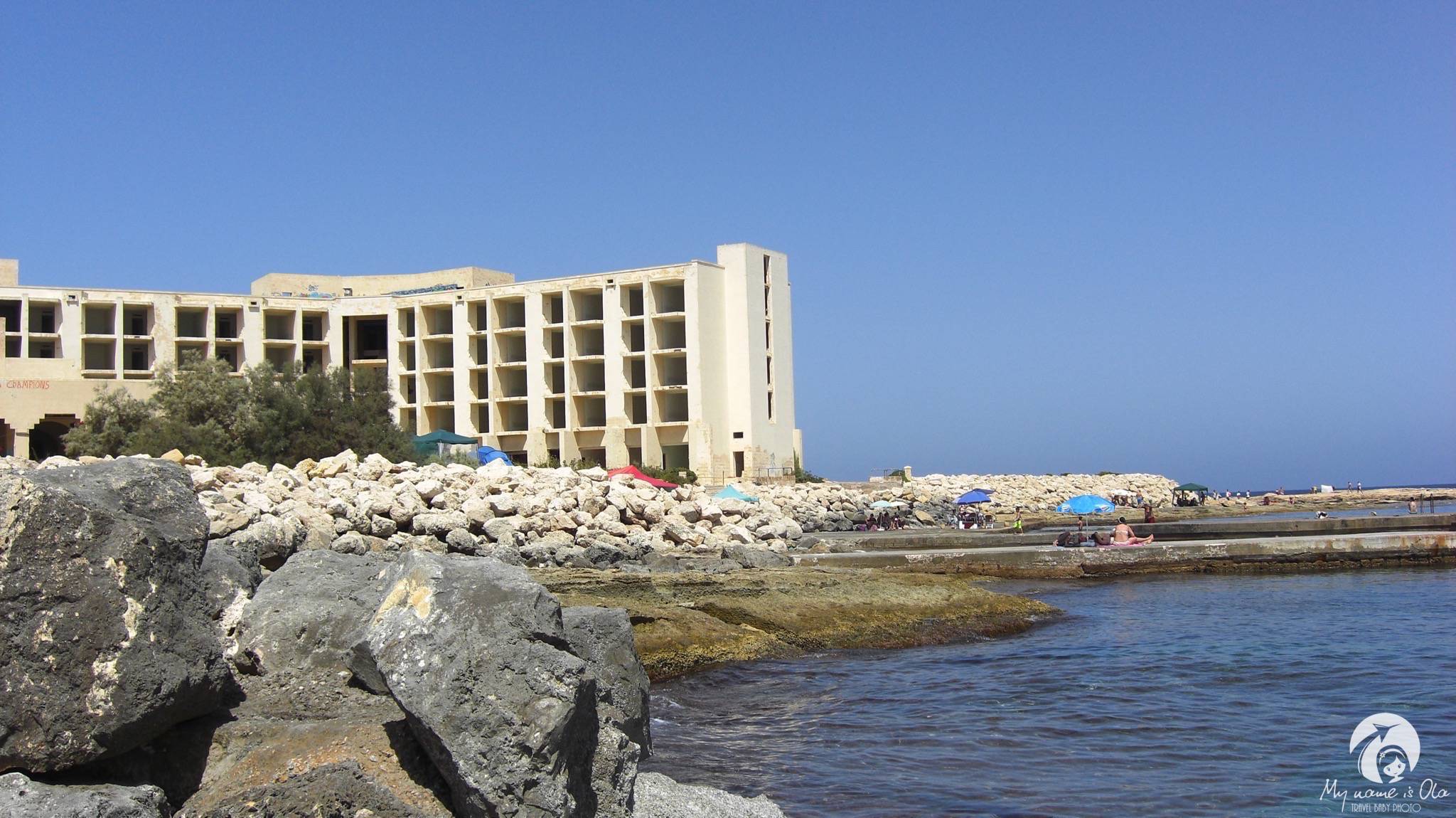
 [/photosetgrid]
8. Pretty Bay has in fact couple of beaches in the bay in the town of Birżebbuġa. Coming from the north first you will come accross the rocky shore, which does not impress and doesn’t seem like a place for convenient bathing. Going accross marina on the other side of the headland you wil find another beach – this time big, nice and sandy man-made place. Common feature of both beaches is not rather romantic view over the port but on the other hand there might be something in watching ships upcoming to the port… Despite the neighborhood of the port water is here clean and calm.
OLA’S RATE: 6/10
PROS: easy access, sandy part well maintained, gentle descent to the water, calm waters of the bay
CONS: view over the port, on the rocky beach no convenient access to water
INFRASTRUCTURE: on the sandy beach sunbeds and umbrellas for rent, playing fields not far away, in the neighborhood city restaurants and bars.
[photosetgrid layout=”3″]

 [/photosetgrid]
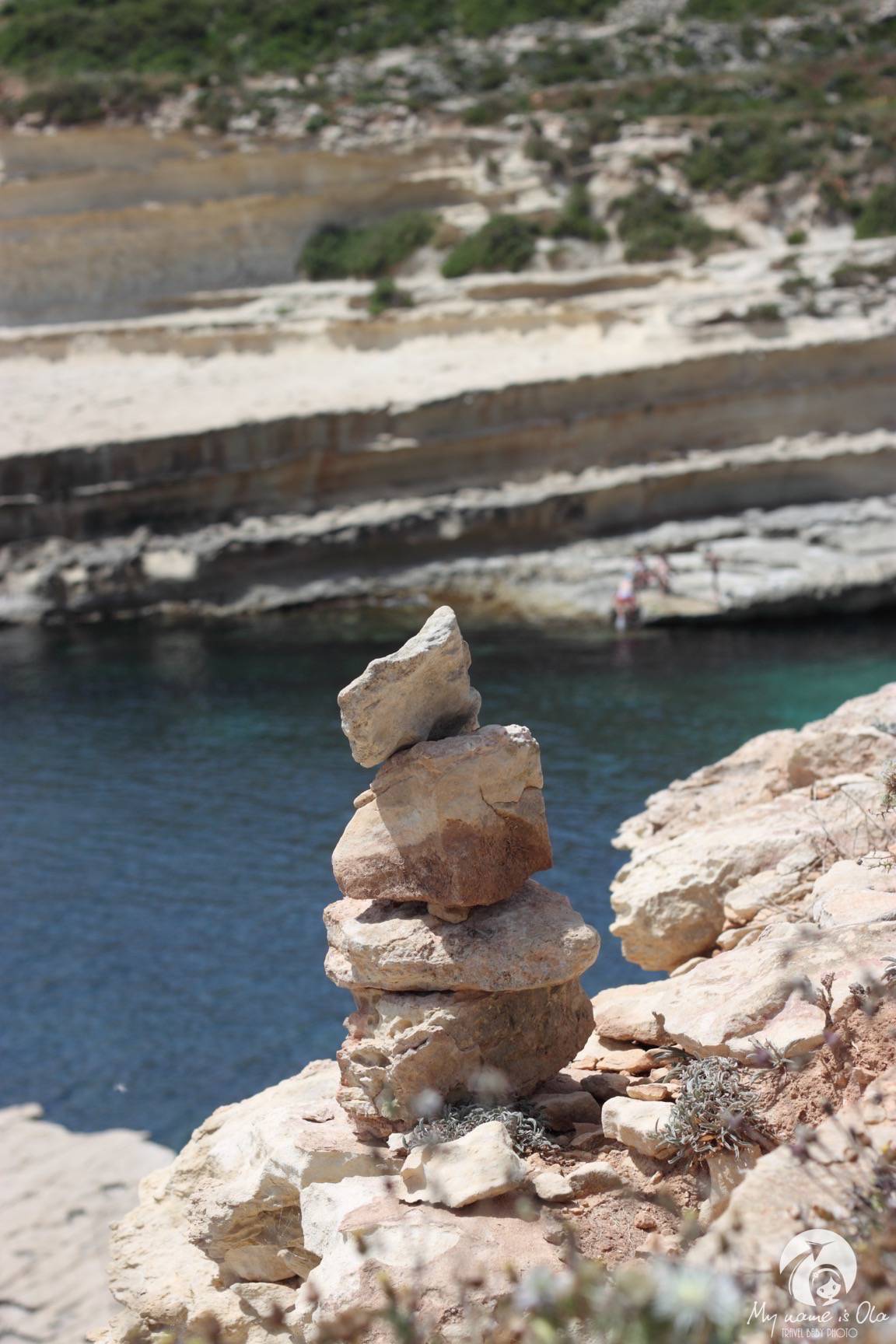
9. St. Peter’s Pool is the last bathing area, located in the southeastern part of the island. It’s a little fairytale looking natural pool, carved in rocks. Very interesting place, worth visiting, with azure and clear waters. Despite difficult ride by narrow dirt roads and than the necessity of taking narrow stairs down, quite a lot of people vitis it. Tough conditionc are compensated by amazing views. To get to the water it is the best to simply jump from the rock, it’s deep water everywhere so taking there a little baby will not be a good idea. We didn’t wake Ola up, she fell asleep on the way, as whe wouldn’t have been able to even wet her feets. But if you have no children it’s worth to get there and feel like in some wild place at the end of the world.
OLA’S RATE: 2/10
PROS: view, crystal clear, azure waters
CONS: inconvenient roads, difficult access on foot, no good access to water
INFRASTRUCTURE: none
[photosetgrid layout=”13″]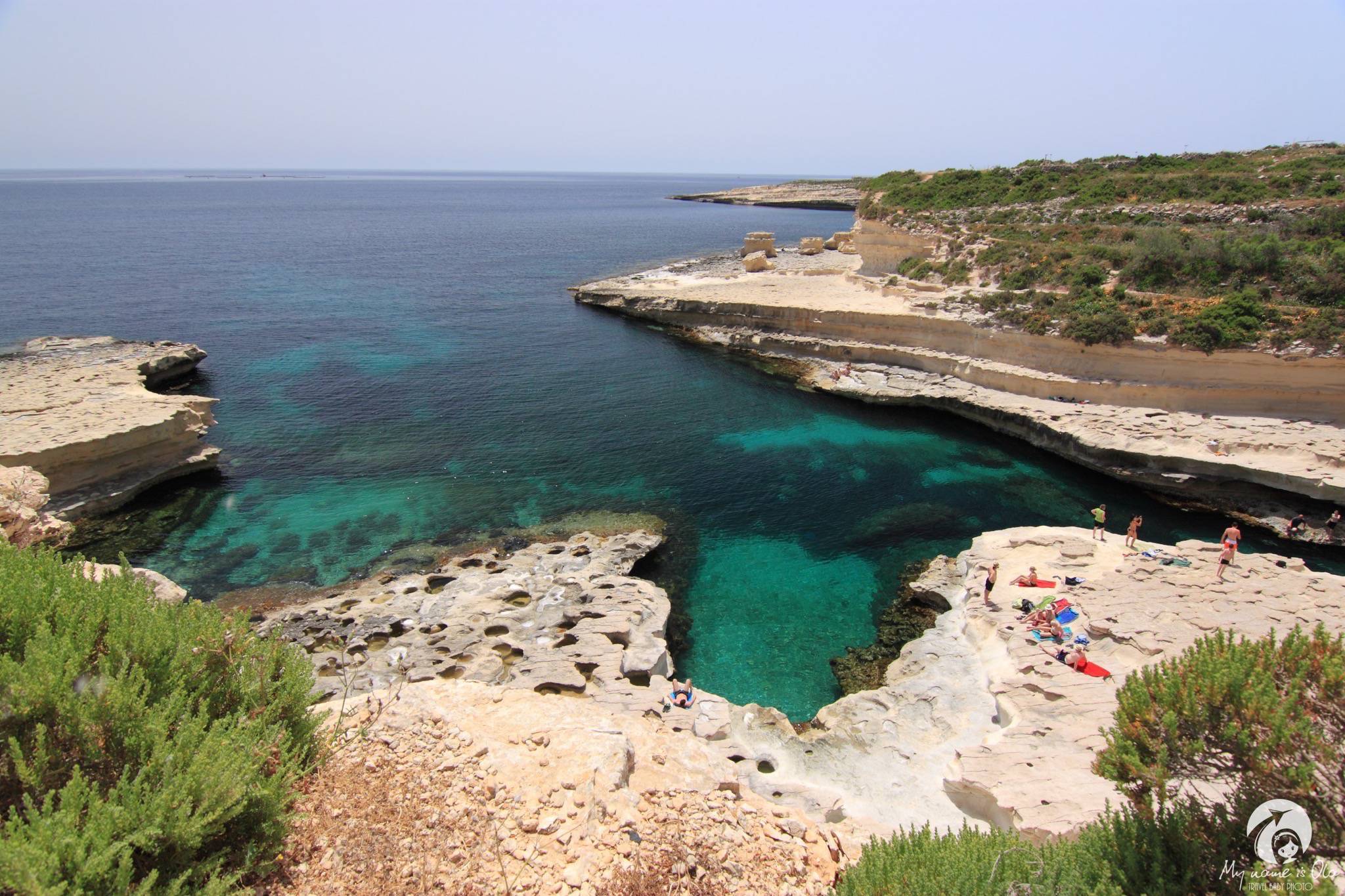

 [/photosetgrid]
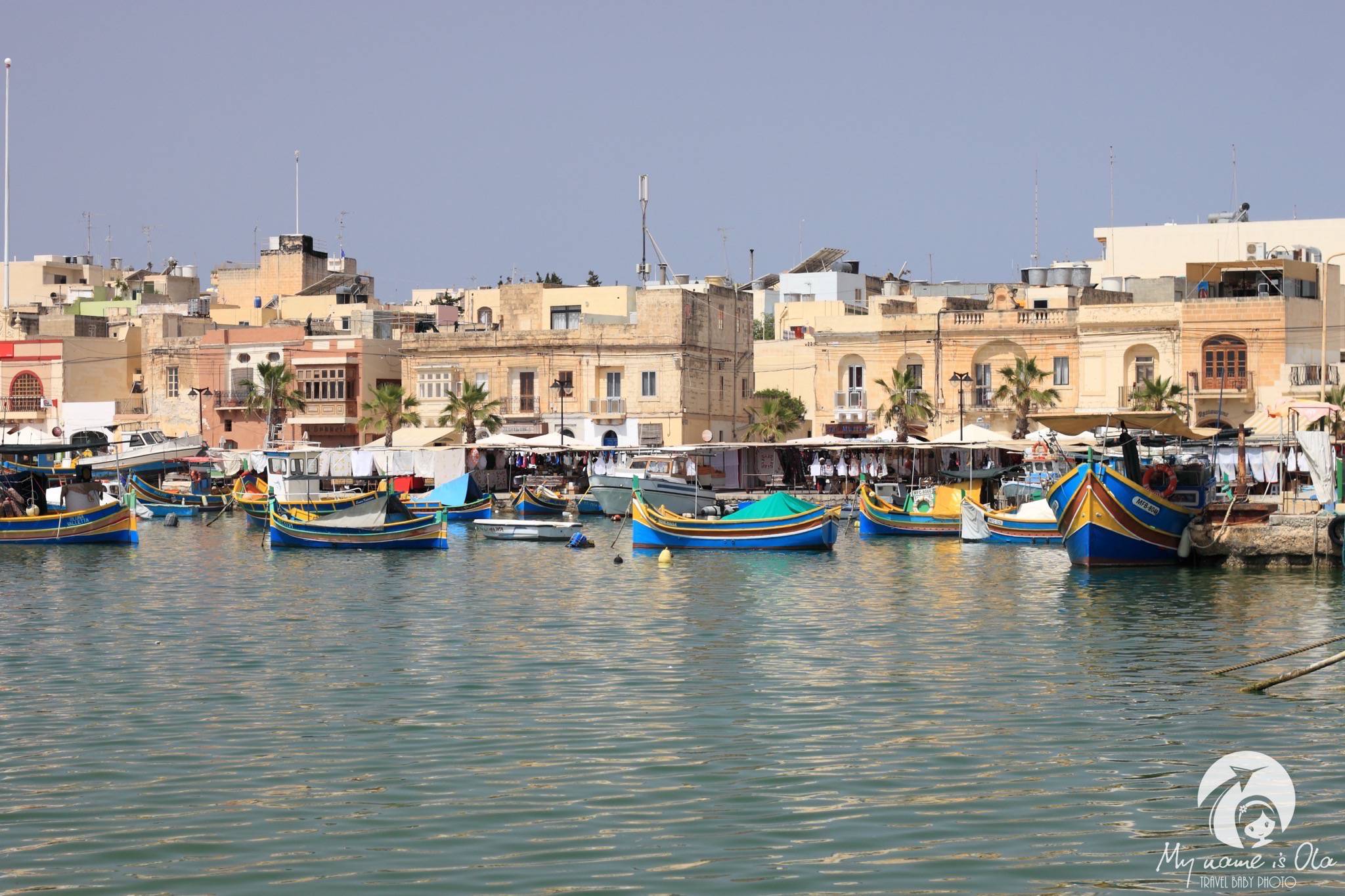
10. Marsaxlokk beach is located in the town which is visited by tourists mostly on sunday because of the famous fish market taking place. At that time beach might be packed with people. Neighborhood hard to be appreciated – power station nerby, view over the port. However the shore is rather sandy, waters are clear and calm. From the coast one can admire luzzo boats coming and leaving the port and this is main reason to spend more time there.
OLA’S RATE: 4/10
PROS: crystal clear water, gentle descent to water
CONS: surroundings, view
INFRASTRUCTURE: none
[photosetgrid layout=”3″]

 [/photosetgrid]

We spent in Malta couple of days and realised that it would be a perfect place for retirement. It’s just a perfect country for pensioners, warm, not too expensive, rather small (it takes no more than one hour to drive accross entire island) and looks like life goes really slowly there.
It would have been much better to be a rentier but since none of us is, we will keep on thinking about Malta as a place for usual retirement. We imagined how a day of such pensioner would look like in Malta.
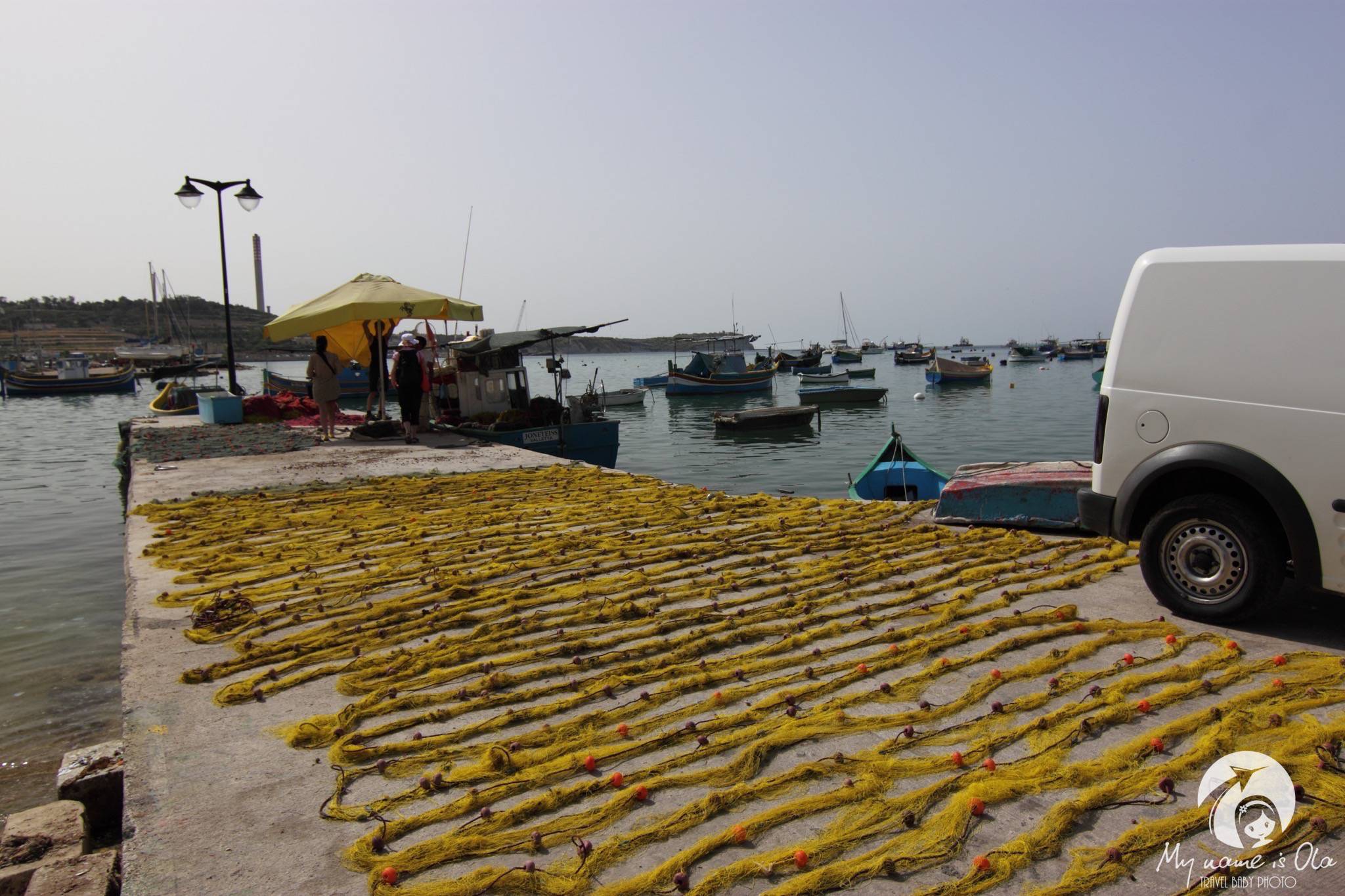
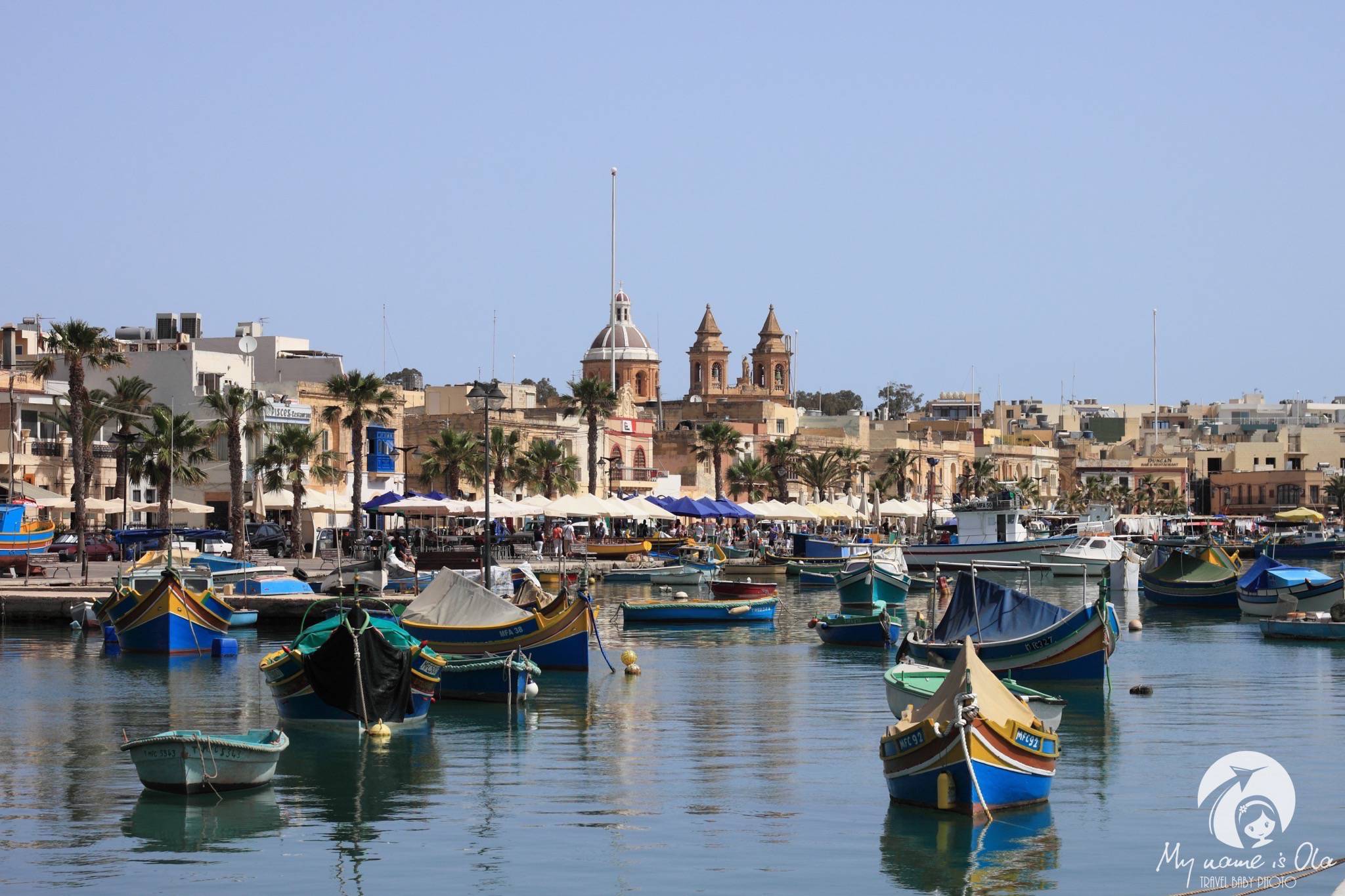
We get up not too early in the morning in one of fisherman villages Marsaxlokk. We chose this town because south of the island is less popular among turists and our town gets crowded only on Sunday when hundreds of tourists pop in to see the fish market. In low season morning streets are rather empty. First we are going on a walk on seaside boulevard and watch fishermen returning from morning hunting. After some time whole bay is filled with colorful boats luzzo. Boulevard gets crowded, parents and grandparents wait for their children to get back from the sea. Sun is rising higher and some tourists arrive.
[photosetgrid layout=”132″]


 [/photosetgrid]
More and more chairs are occupied in many seaside restaurants and we keep on hearing Cisk i Kinnie being ordered. The first one is a beer – an international lager but Maltese production. Tastes exactly like like Russian, Spanish or African but being on Malta you have to try one. Children and drivers reach for Kinnie – another Maltese drink, non-alcoholic, of bitter – sweet taste, made of bitter oranges extract (chinotto) and some Mediterranean herbs. It’s a must to try one but it’s difficult to like it. We, pensioners, enjoy morning espresso together with our neighbors. When it gets really crowdy and hot, it’s time to leave.
[photosetgrid layout=”2″]
 [/photosetgrid]
Today we planned to visit the capital city. Maltese distances are really small so we are wondering whether to take the car or to use public transportation. We choose a bus since tonight we are having a dinner with friends being on holidays in Malta. Recently old buses have been replaced with new ones and they seem to be somehow more punctual. The journey will take longer but the bus will take us directly where we want to. Maltese buses arrive everywhere.
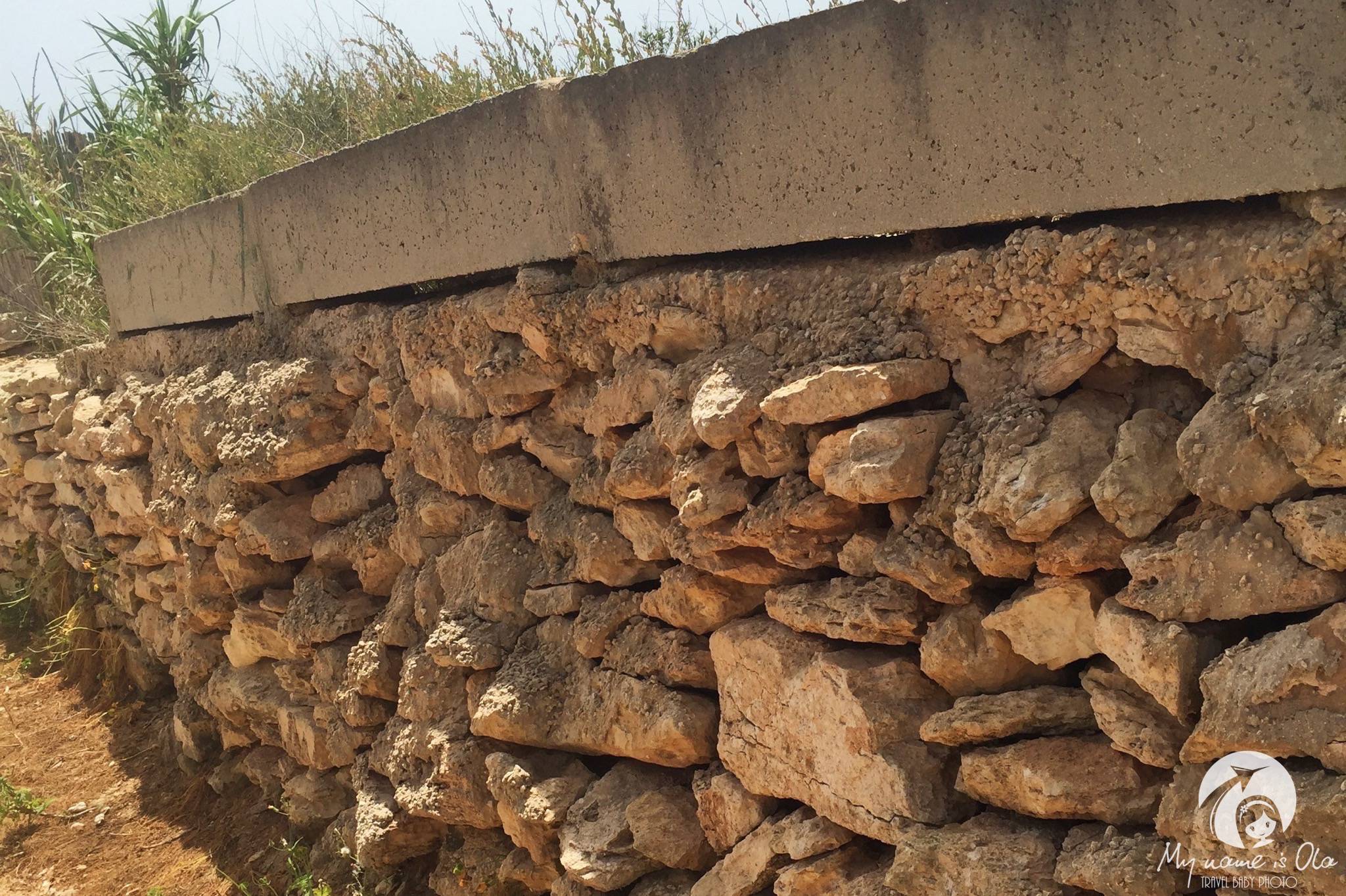
On the way we admire neighborhood. Stone fences separating fields, roads and estates are characteristic for the island. Built of loosely stacked rocks or stone blocks, very often overgrown with giant cactuses largely make up the atmosphere of the island. Whole Malta is covered with dense network of walls. They look especially charming in our part of the island where stone – gravel, narrow roads together with those stone walls create idyllic landscapes.
[photosetgrid layout=”13″]

 [/photosetgrid]
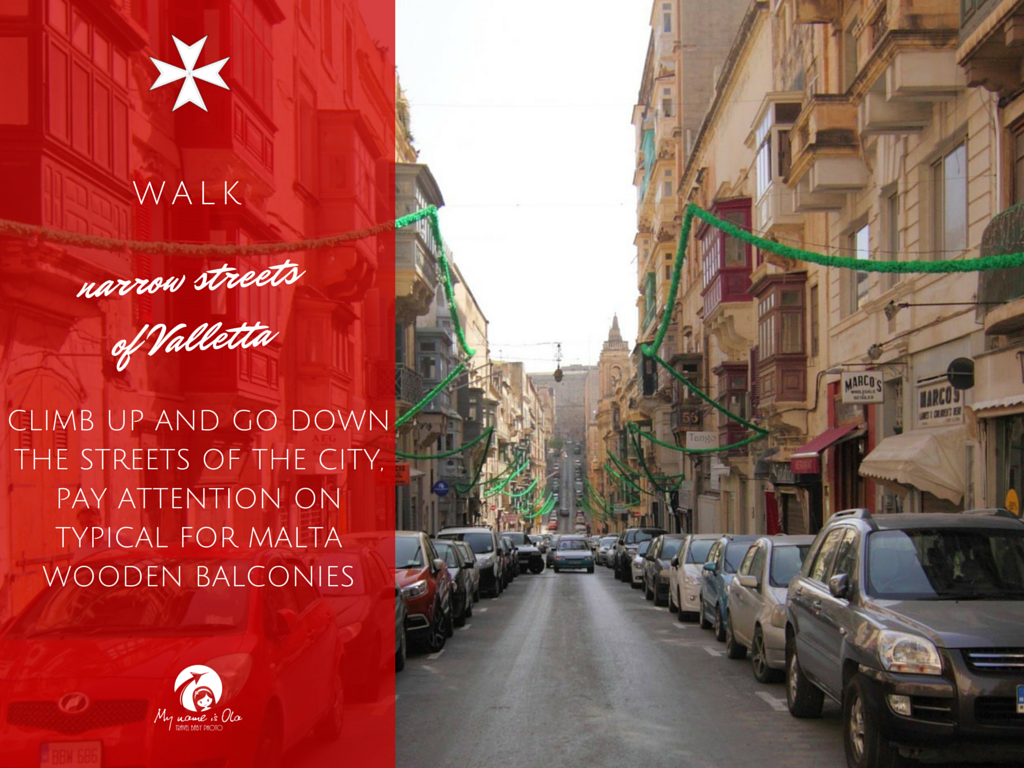
After several minutes of travel we are in Valletta. The city lives a lot faster than a sleepy south, you can easily see that this is the capital. “White collars” running the streets contrast slow moving tourists. Narrow, intersecting at right angles streets of the city, thanks to the high buildings give a little cool from the heat, but many stairs and high hills of the city do not encourage to walking. Most of tourists direct stright to St. John’s Co-Cathedral, than to Grandmaster’s palace, only few reach the end of peninsula to see Fort Saint Elmo. Here and in 16th century the battle of Lepanto Ottoman Empire suffered the greatest loss what initiated it’s downfall.
[photosetgrid layout=”32″]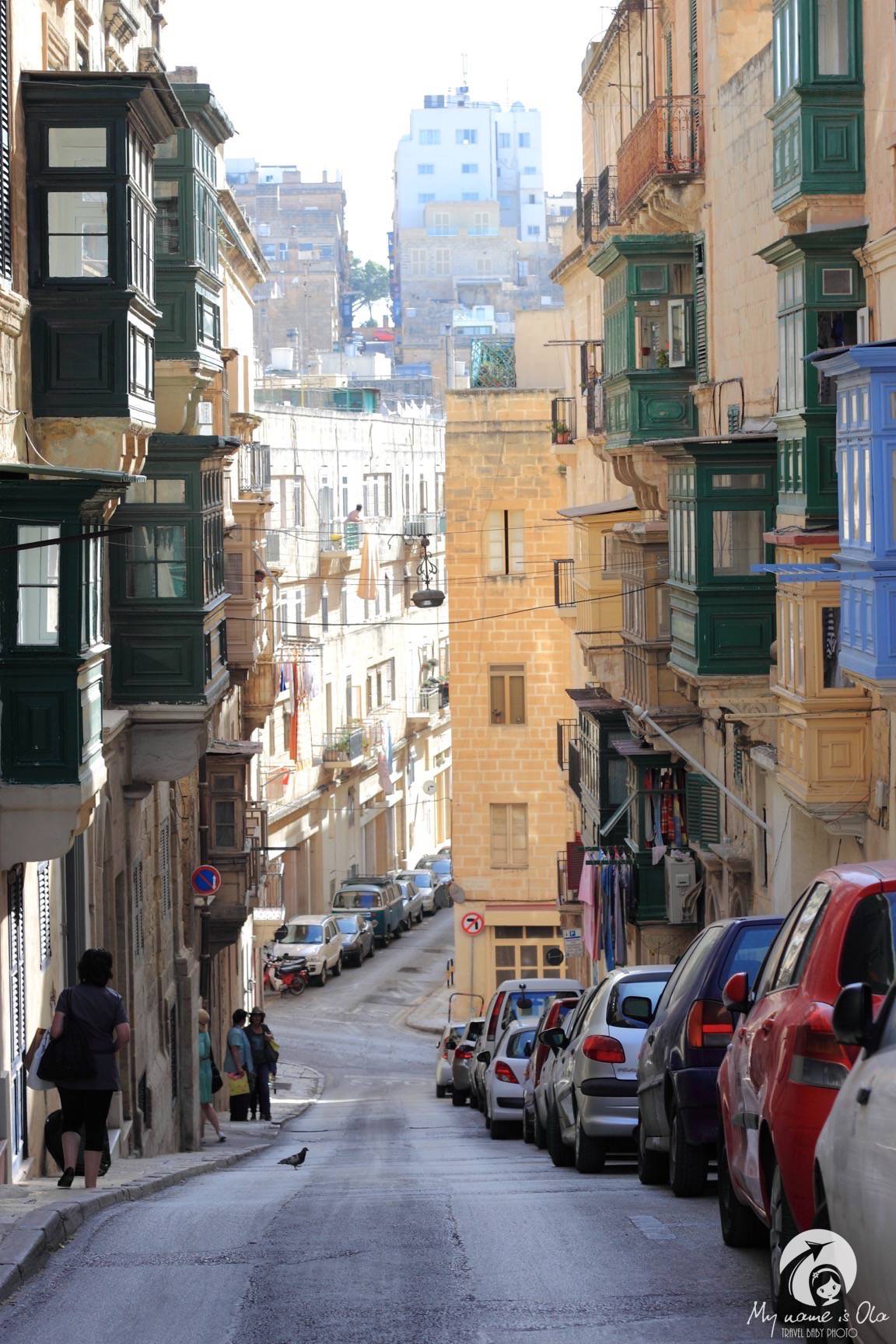

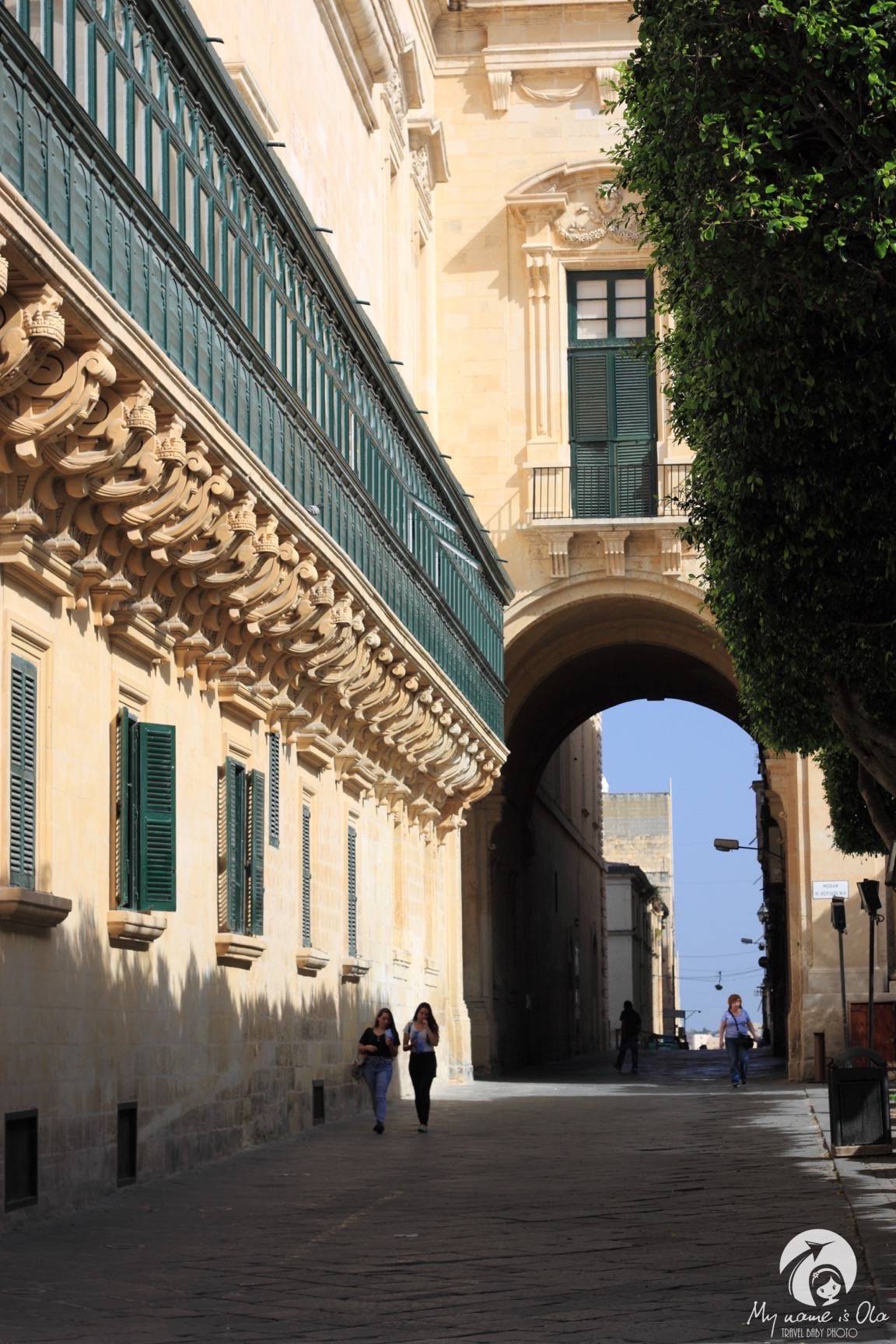

 [/photosetgrid]
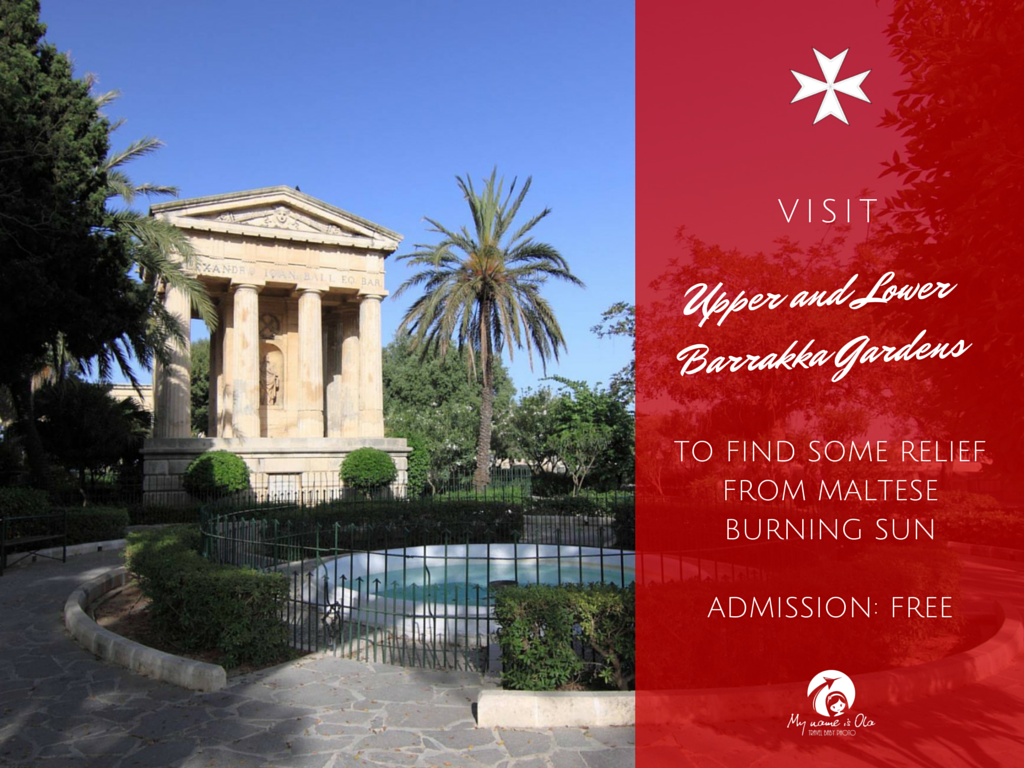
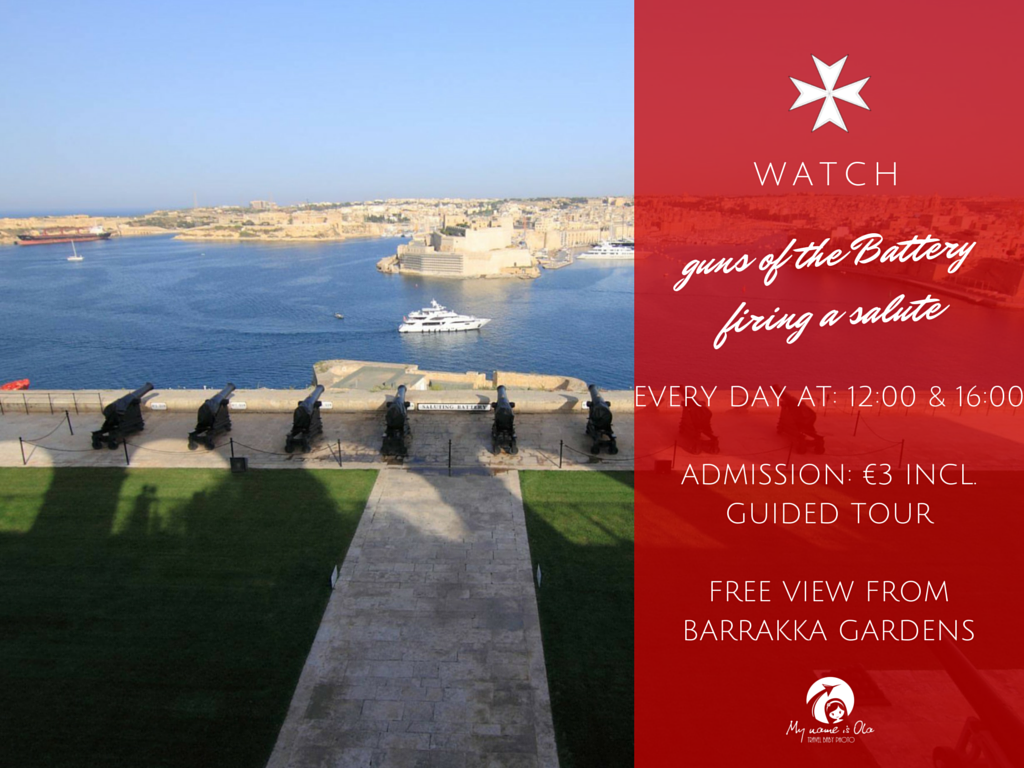
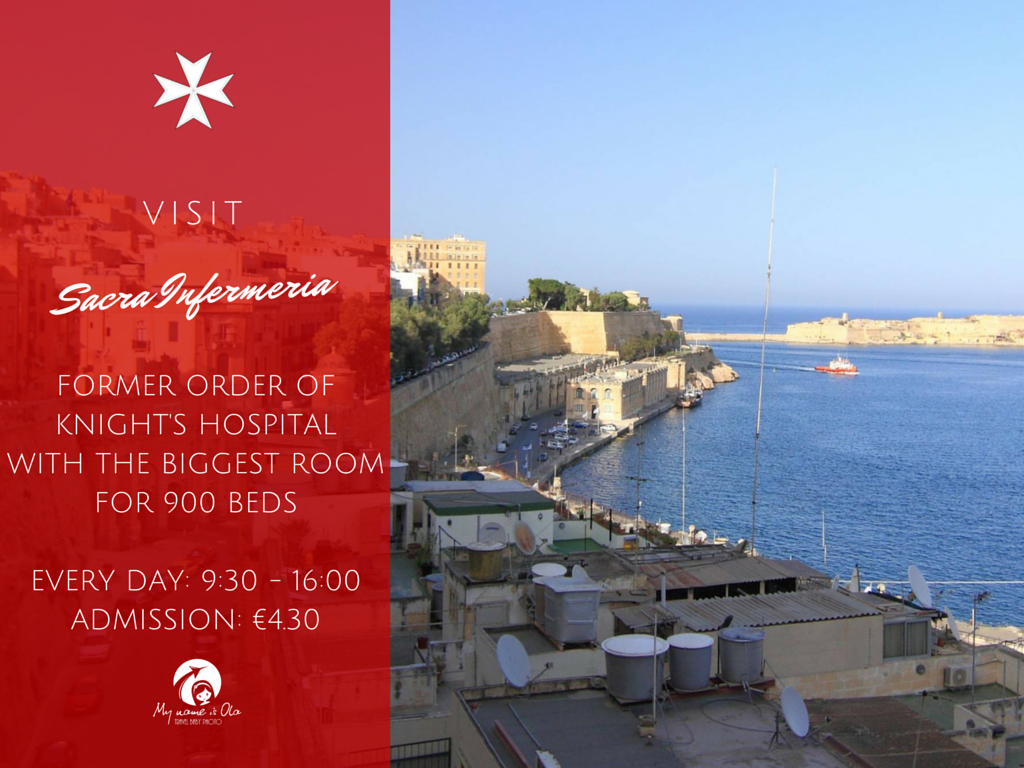
Coming back to the reality – we are finally getting to the main point of our visit in Valletta. As pensioners we often visit the doctor. Pleasent chill of the waiting room lets us admire drawings evoiking glorious tradition of Maltese healthcare: from the times of Military Hospitaller Order of Saint John of Jerusalem, whose members while ruling the island organized here one of the best hospitals in Europe till the times of World War I, when Malta was called the Europe nurse (its hospitals provided help to 20 000 wounded people). The medical visit as many things on Malta went really quickly. We still have some time until our evening meeting with friends, so we decide to visit our favourite places in the capital. Barrakka Gardens give us a little cool. An afternoon coffee we drink watching amazing views over Maltese Three Cities, alled also “The Cottonera”. Those three cities: Birgu, Bormla and Isla are located south east from Valletta. Panorama of the Grand Harbour is dominated by the roofs of churches and fortification walls which defended the country during Ottoman invasions. Fort Saint Angelo is the most interesting one. Together with Fort Saint Elmo was the main defence against Ottoman attacks. Today it is one of three extraterritorial properties of the Sovereign Order of Malta. Maltese Knights resided on the island since 16th century. Although Napoleon made them leave the island, remains of their activities are to be seen not only in the capital. We come accross numerous churches, forts and observatory towers everyhwere on the island.
[photosetgrid layout=”23″]


 [/photosetgrid]
We still have some time so we decide to get to our meeting by water. We take the ferry from Valletta to Silema. We turn around to see how setting sun beautifully illuminates the peninsula. The postcard view with church towers and dome of the Basilica of Our Lady of Mount Carmel is well known to all tourists visiting Malta.
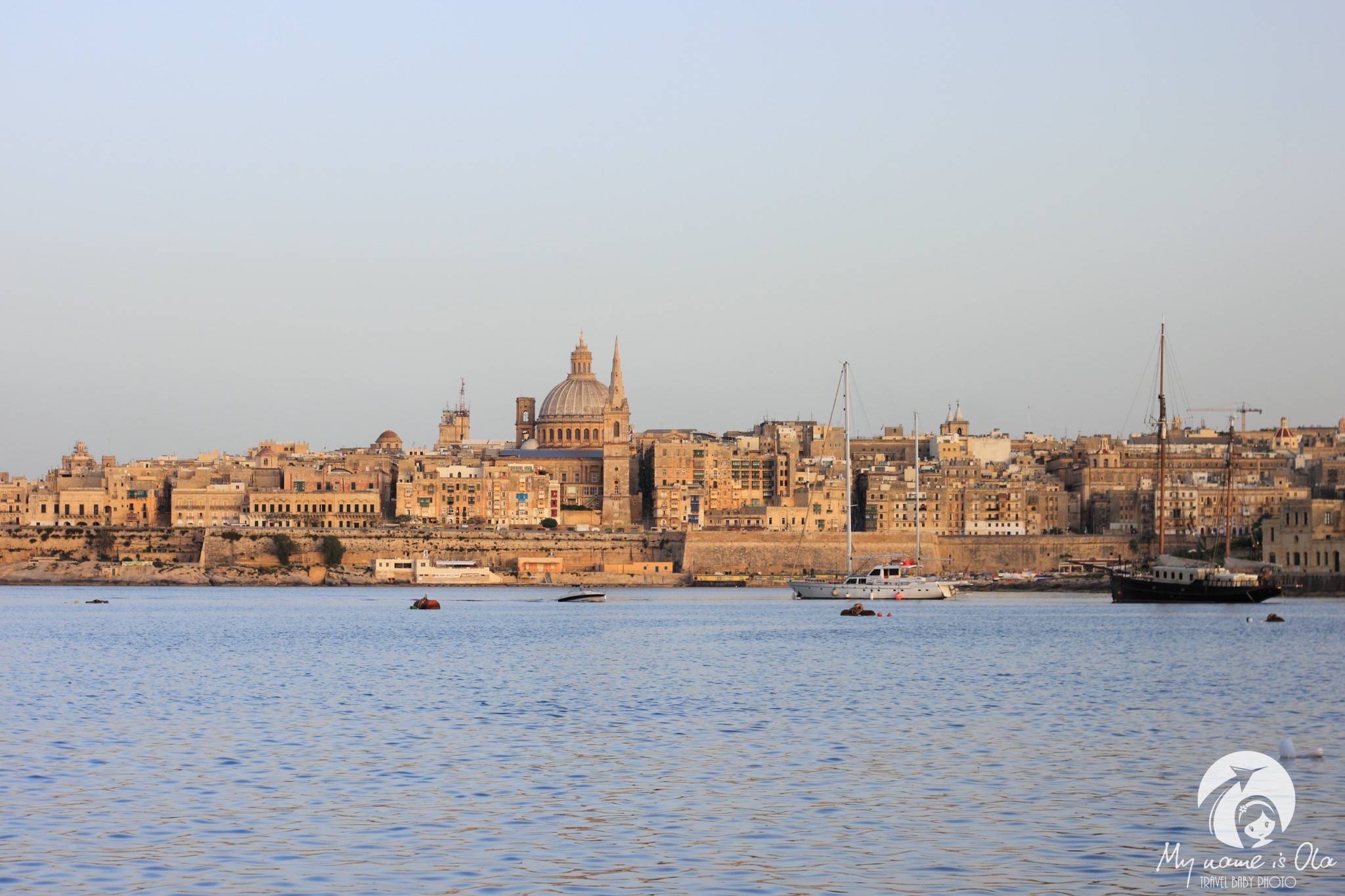
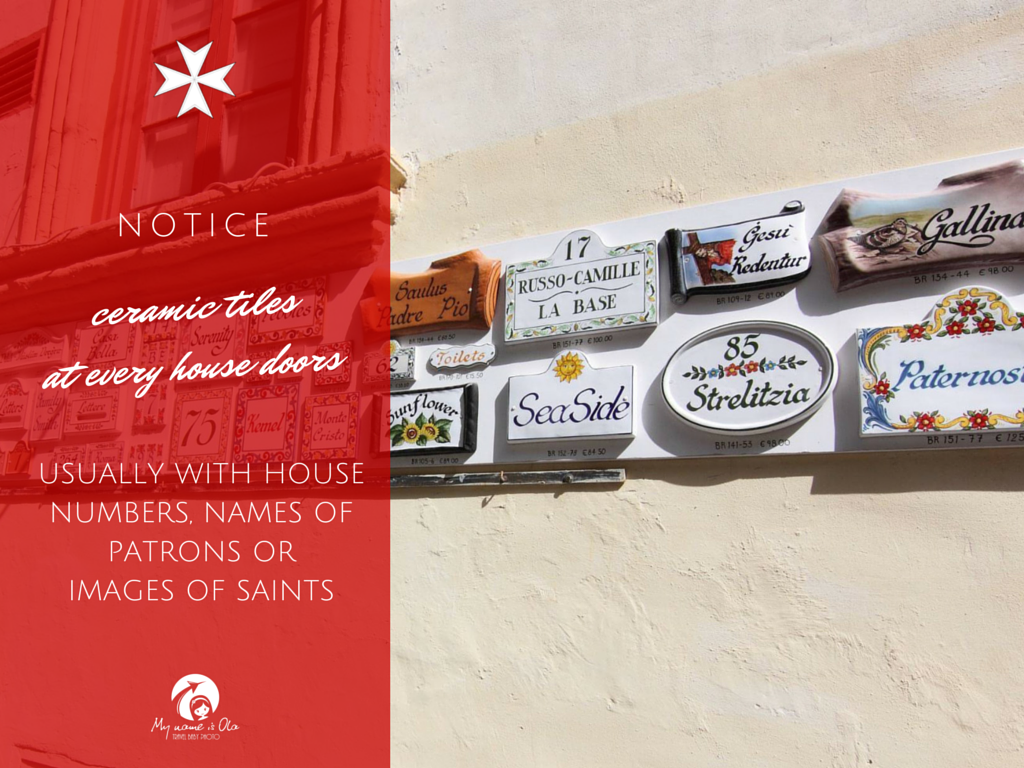
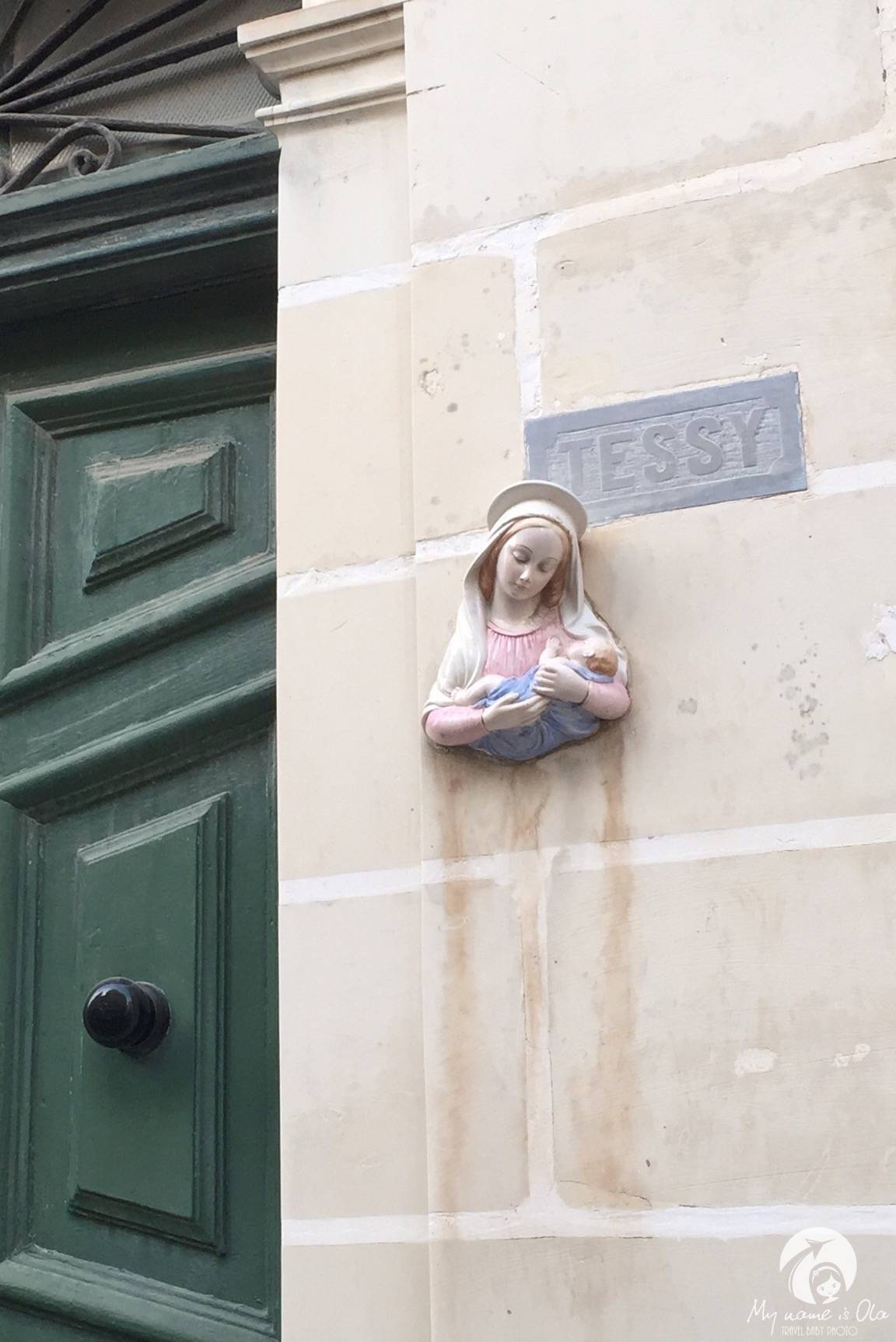
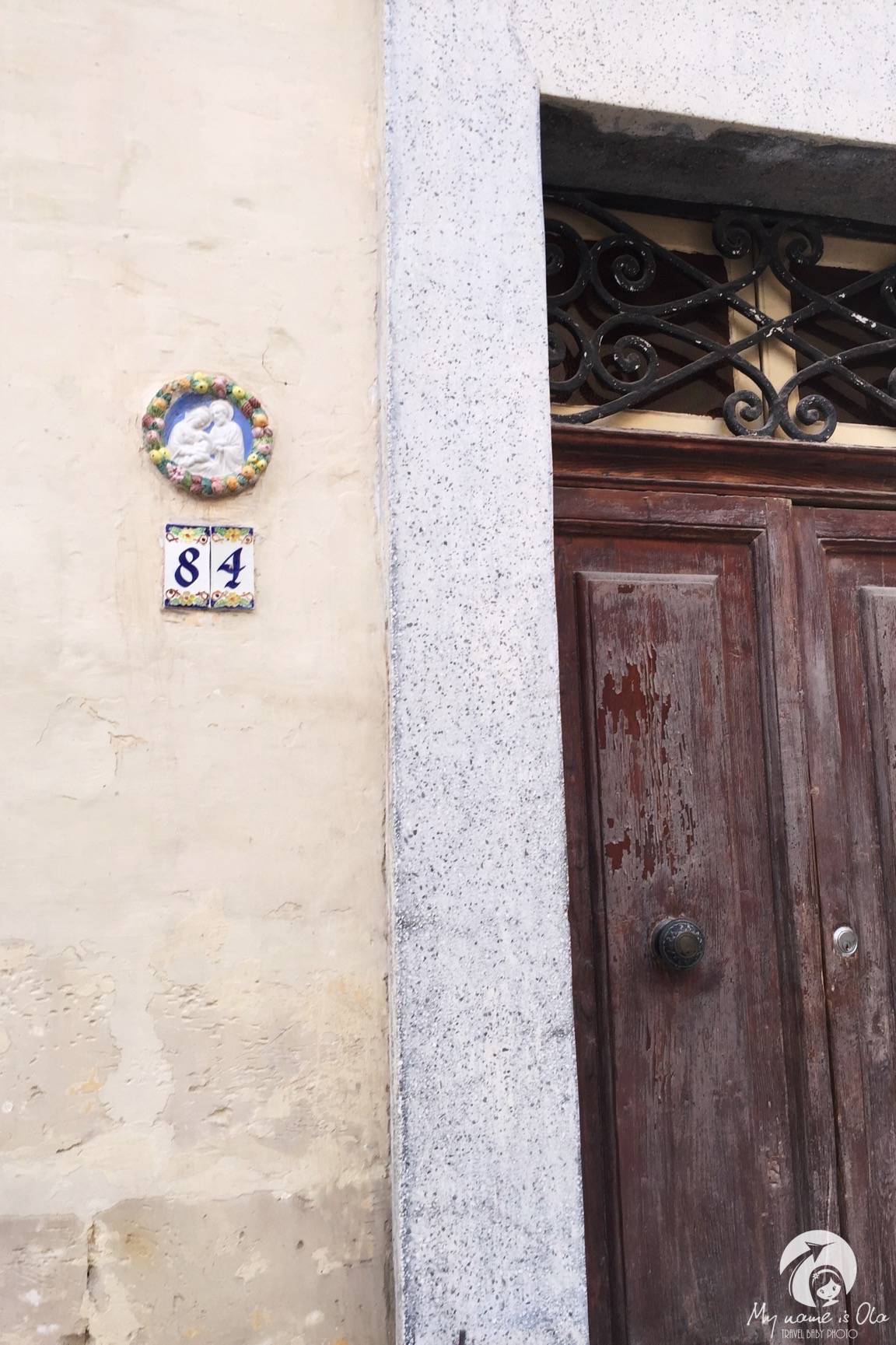
Short trip accross Silema ends up in St. Julian’s. Walking the streets we follow changing character of the island. Numerous, typical for Valletta wooden balconies covering building facades disappear. Townhouses become smaller, less decorated. We notice more ceramic figures or reliefs of home patrons right next to house entrances. Once every Maltese house had its own patron. What is more, sometimes above door or on the roofs, one can notice bull’s horns, which are supposed to scare away evil spirits.
[photosetgrid layout=”212″]

 [/photosetgrid]
Finally we reach Paceville, part of St. Julian’s. Here classical Maltese buildings give way to modern hotel buildings. The neighborhood full of restaurants, bars, discos is the center of Malta’s nightlife. It’s time for dinner – we can choose from divere Maltese cuisine. Currently it is dominated by Italian and British influences. We can choose from pastas, pizzas, seafood, through staks till standard fish and chips. There are also distinctive Maltese dishes, the most famous are beef meatballs and cooked many ways rabbit.
While waiting for our friends we order some wine, Maltese wine. In this warm climate grapes grow nicely and wine production is a must.

We are wondering why Ola and her friends are getting late. Maybe they havent changed the time? Or maybe they looked at the wrong clock? One of Maltese legends says that on two church towers, two clocks should show different times. One correct time for prayers, the other one wrong to confuse Satan. Enjoying good wine in the rays of setting sun, at finally bearable temperature we can wait as long as it takes…

Doesn’t it seem like a perfect day in perfect conditions in retirement? While our pension is still far away and Ola just takes her first steps, we visit the island together getting to know its most interesting attractions.
[photosetgrid layout=”4″]
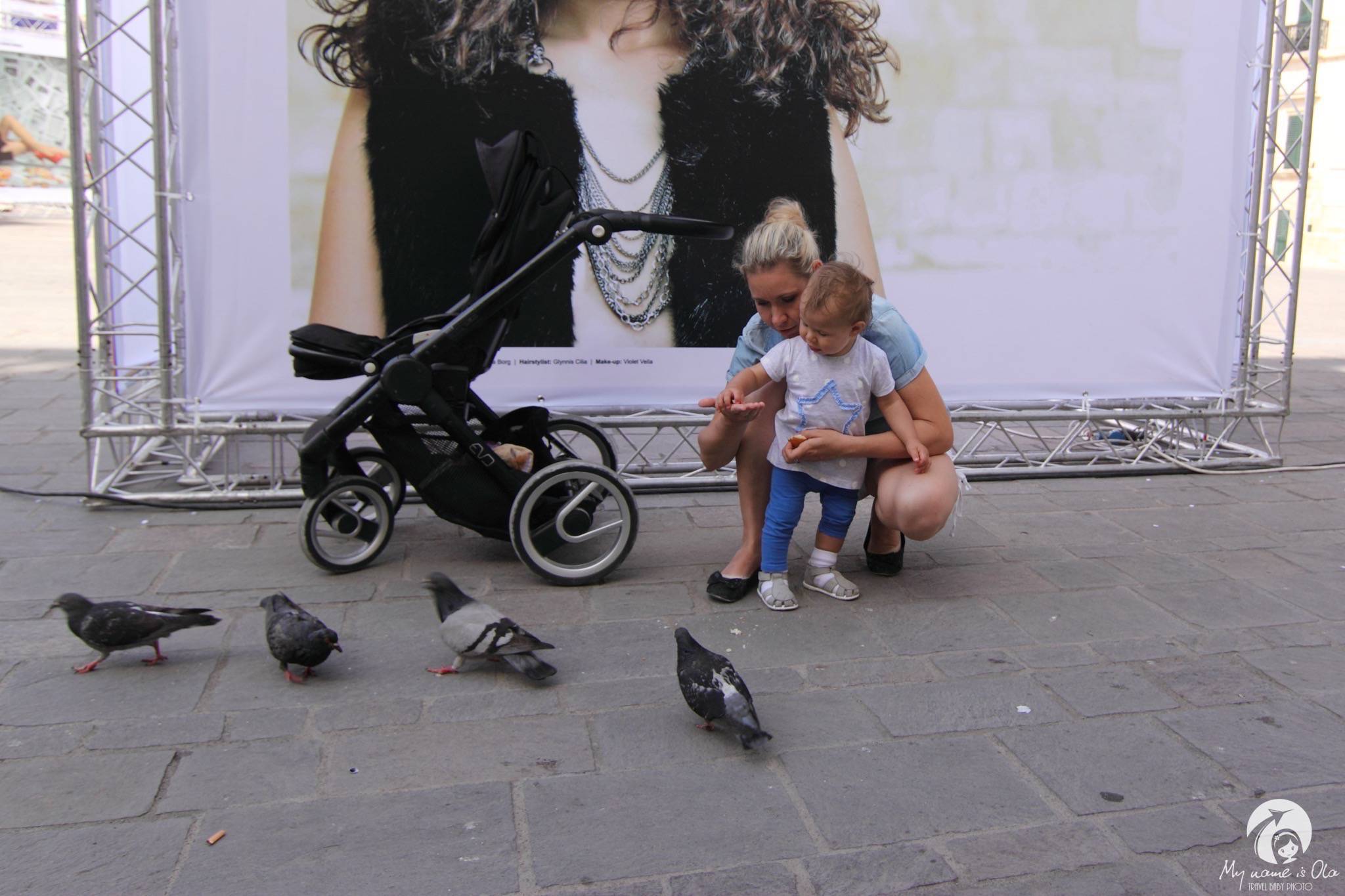
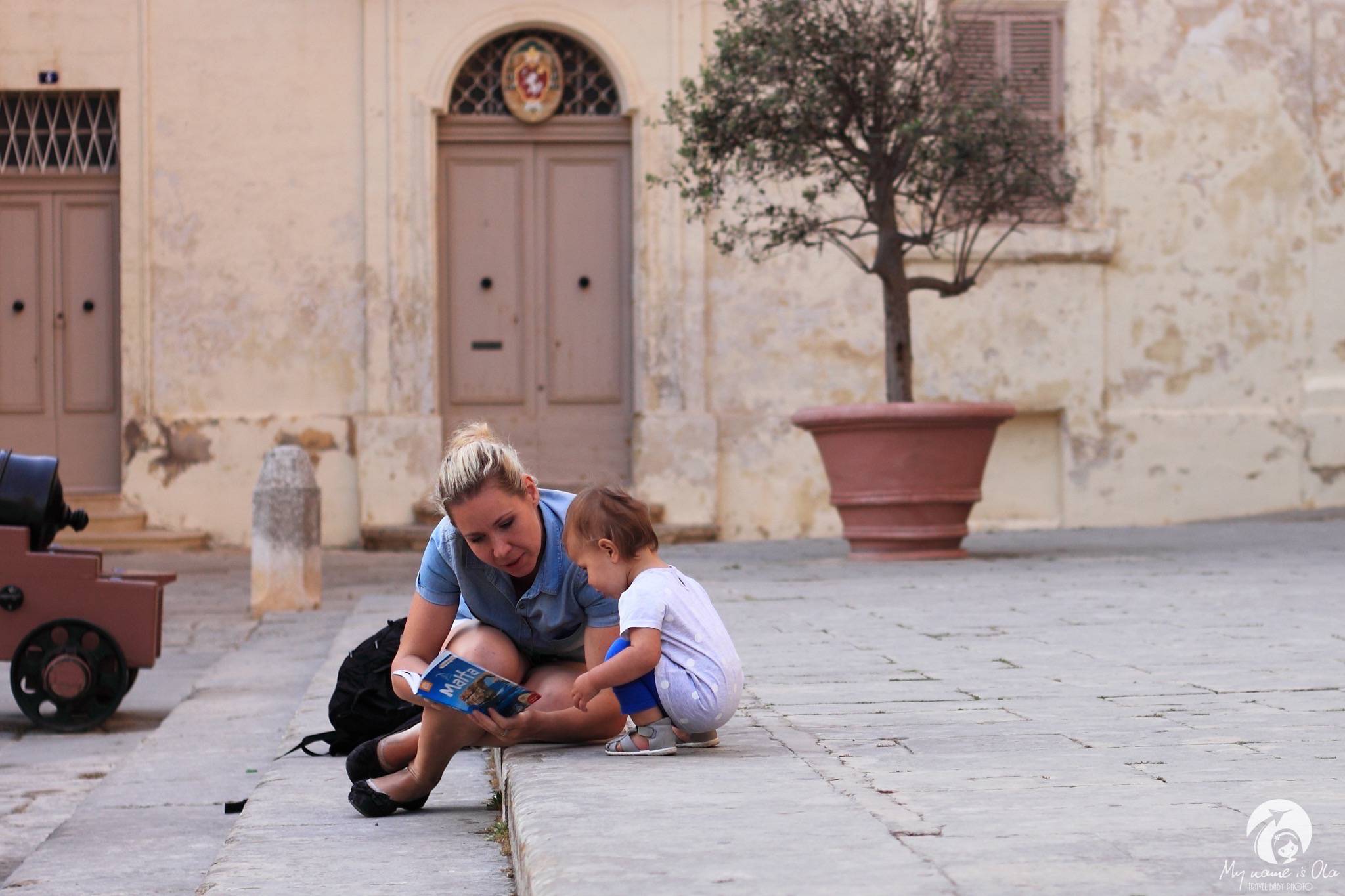 [/photosetgrid]
In our next posts we will tell you about our Maltese wine experiences and will guide you to best beaches on the island.
In order for your map to display, please make sure you insert your Google Maps JavaScript API key in the Maps->Settings->Advanced tab.

Why Malta? Sea, sun, historical monuments, wine and beaches. Some people say that beaches are the negative side of the island, some say opposite. Before going to Malta on holidays you have to know that local beaches are very different and very often things that Maltese call beach are far away from what an average tourist sees thinking about his or her seaside rest. To find out what the island really offers we drowe entire coast and checked all of them, from the smallest, rocky on the sidelines to those most popular sandy ones. Below all we have seen divided in two parts: the north-west part and south-east regions of the island. We advise going through our review before deciding about hotel for your holidays.
Today first part: NORTH-WESTERN MALTA
1. Ghadira Beach located in Mellieħa Bay is the longest sandy beach in Malta. It is right next to the road to the ferry port to Gozo. Beach is wide, long and has gentle descent to water and full infrastructure – bars and restaurants. What is more you can rent water scooters and motorboats there. Because it is very popular and thanks to many hotels located around it usually is crowded with people, but it is one of the best beaches on the island. You will have good time there, with different age kids, and without them. It’s a genuine beach.
OLA’S RATE: 8/10
PROS: sandy beach, gentle descent to water, sanitary facilities
CONS: located next to noisy road, parking along the street
INFRASTRUCTURE: sunbeds, umbrellas, snack bars, parasole, punkty gastronomiczne, atrakcje wodnewater attractions
[photosetgrid layout=”3″]

 [/photosetgrid]
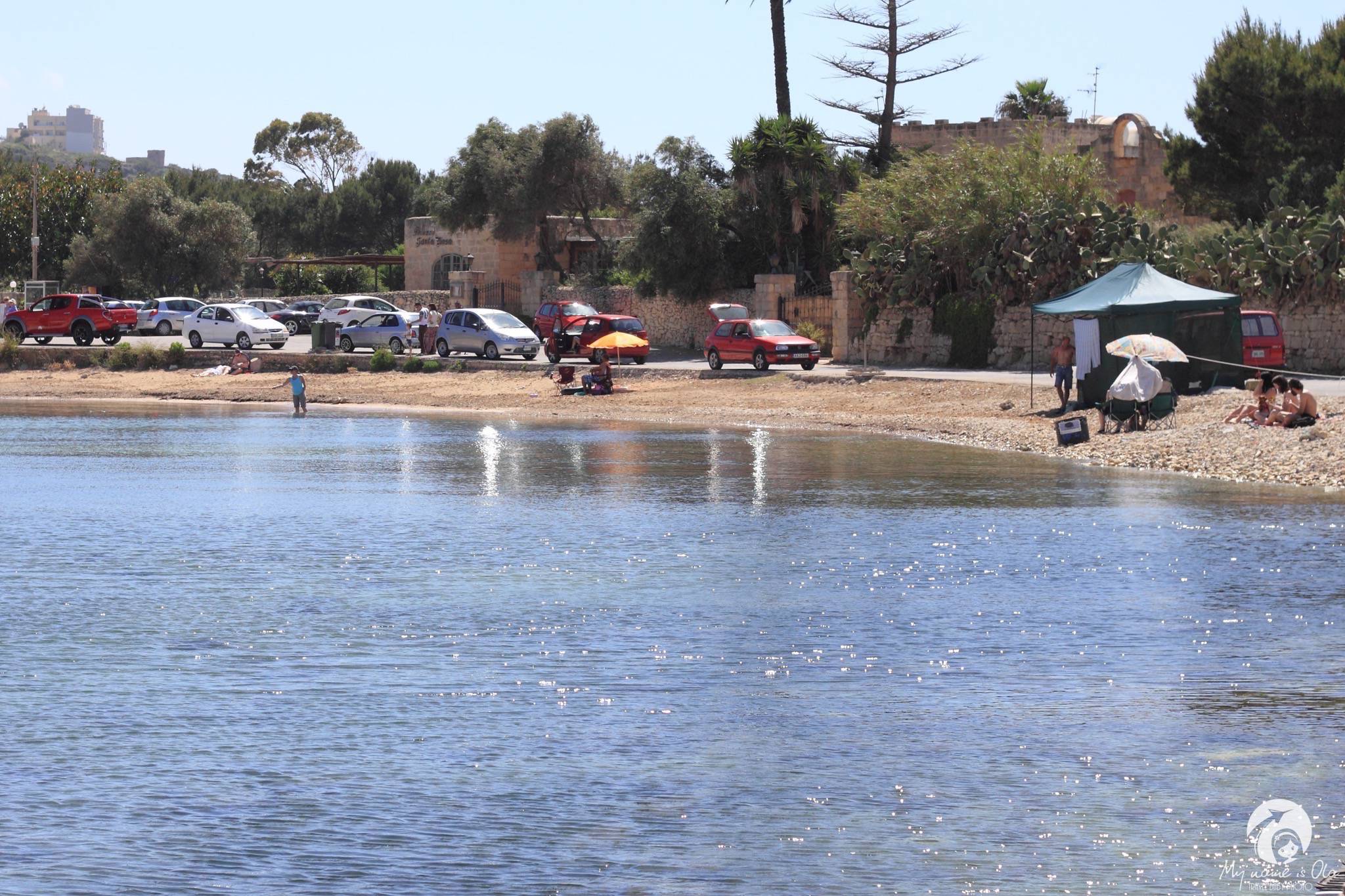
2. Mistra Beach is an interesting little beach off the main route. It is located in one of lagoons of St. Paul’s bay, close to the island where, according to the legend, St. Paul’s boat crashed during his trip to Rome. Beach is mainly gravel-sandy and narrow but intimate and calm. In the peak of season probably runs out of free space soon but you can give it a try. It is better for playing in water than sunbathing.
OLA’S RATE: 5/10
PROS: intimacy, location off the main route, good place for camping in a ten or camper
CONS: gravel-sandy beach, rather small
INFRASTRUCTURE: none
[photosetgrid layout=”2″]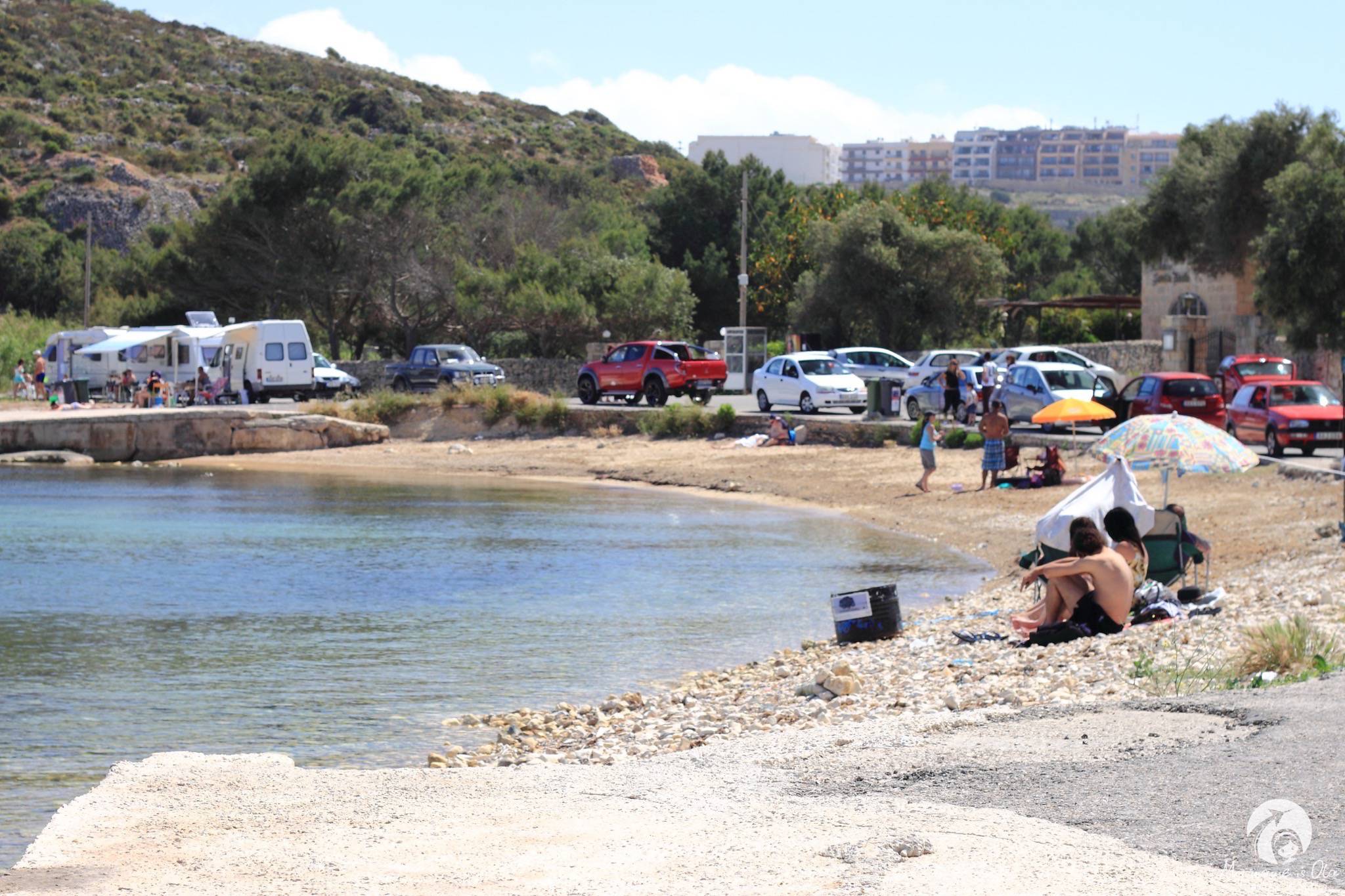
 [/photosetgrid]
3. Armier Beach and Little Armier Beach are the two located next to each other beaches on Armier Bay. Beaches are wide, sandy, with palm trees. Little Armier Beach is more wild. This is one of few beaches with the view unspoiled by big hotel buildings. On the horizon looms another Maltese island – Comino. As on all beaches on the northern side waves are slightly bigger here. Thanks to being located aside Armier Beach and Little Armier are not so crowdy and might be comfortable places for sepnding time with children.
OLA’S RATE: 6/10
PROS: sandy beach, no rocks, palm trees, less popular
CONS: big waves
INFRASTRUCTURE: sunbeds, umbrellas, bars, big parking
[photosetgrid layout=”3″]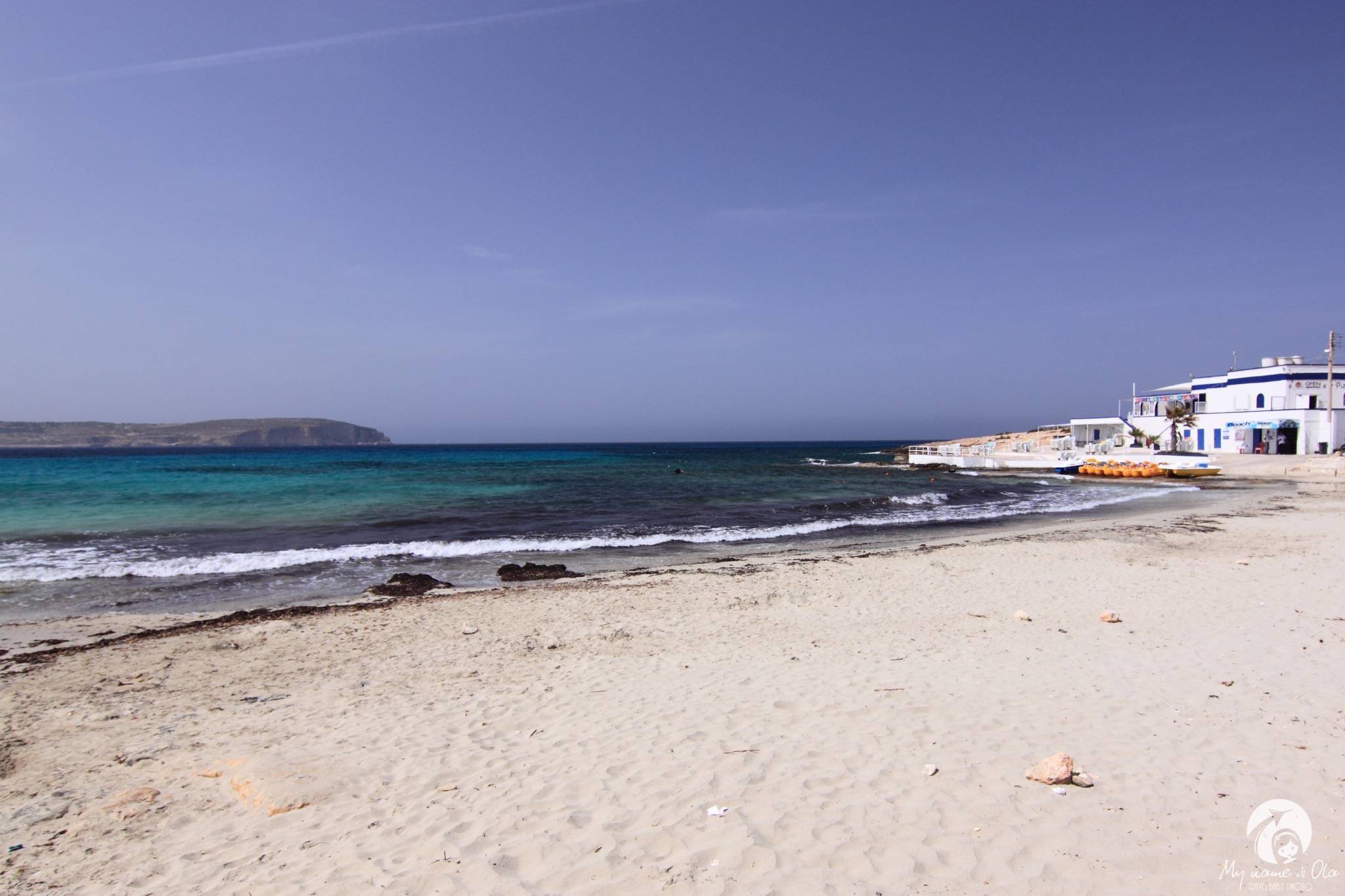

 [/photosetgrid]
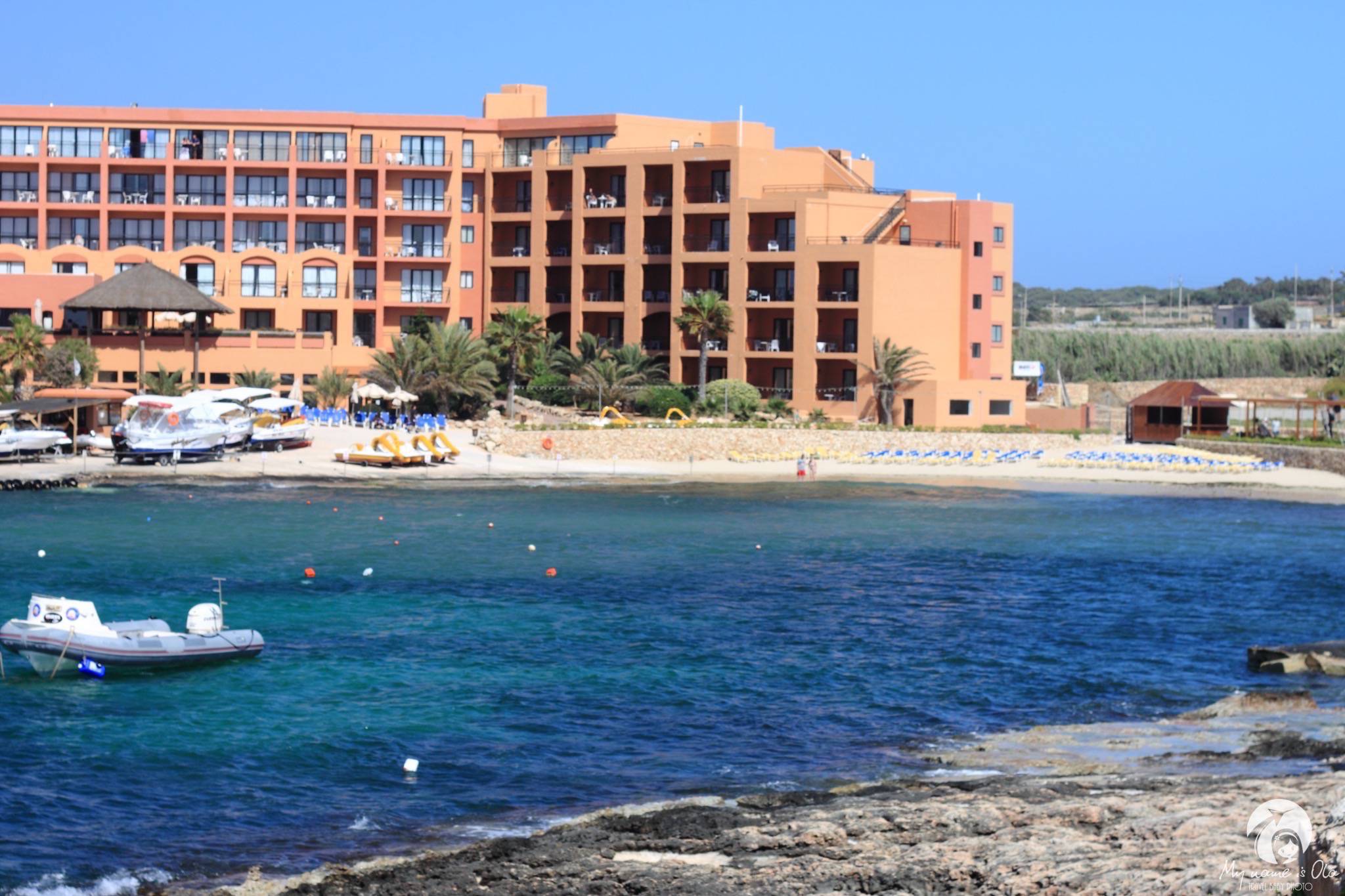
4. Ramla Beach – small beach located in Ramla Bay. Most of the coastline belongs to Ramla Bay Resort, where you can rent sunbeds, umbrellas and find some bars. There is some sand on the beach. Right next to it there is a ferry to Comino island and it seems to be the only potential reason to visit the place. Do not confuse this beach with much better Ramla beach on Gozo island.
OLA’S RATE: 5/10
PROS: view, calm, clear water
CONS: little beach, hotel type of beach
INFRASTRUCTURE: sunbeds, umbrellas, dining possible in nearby hotel
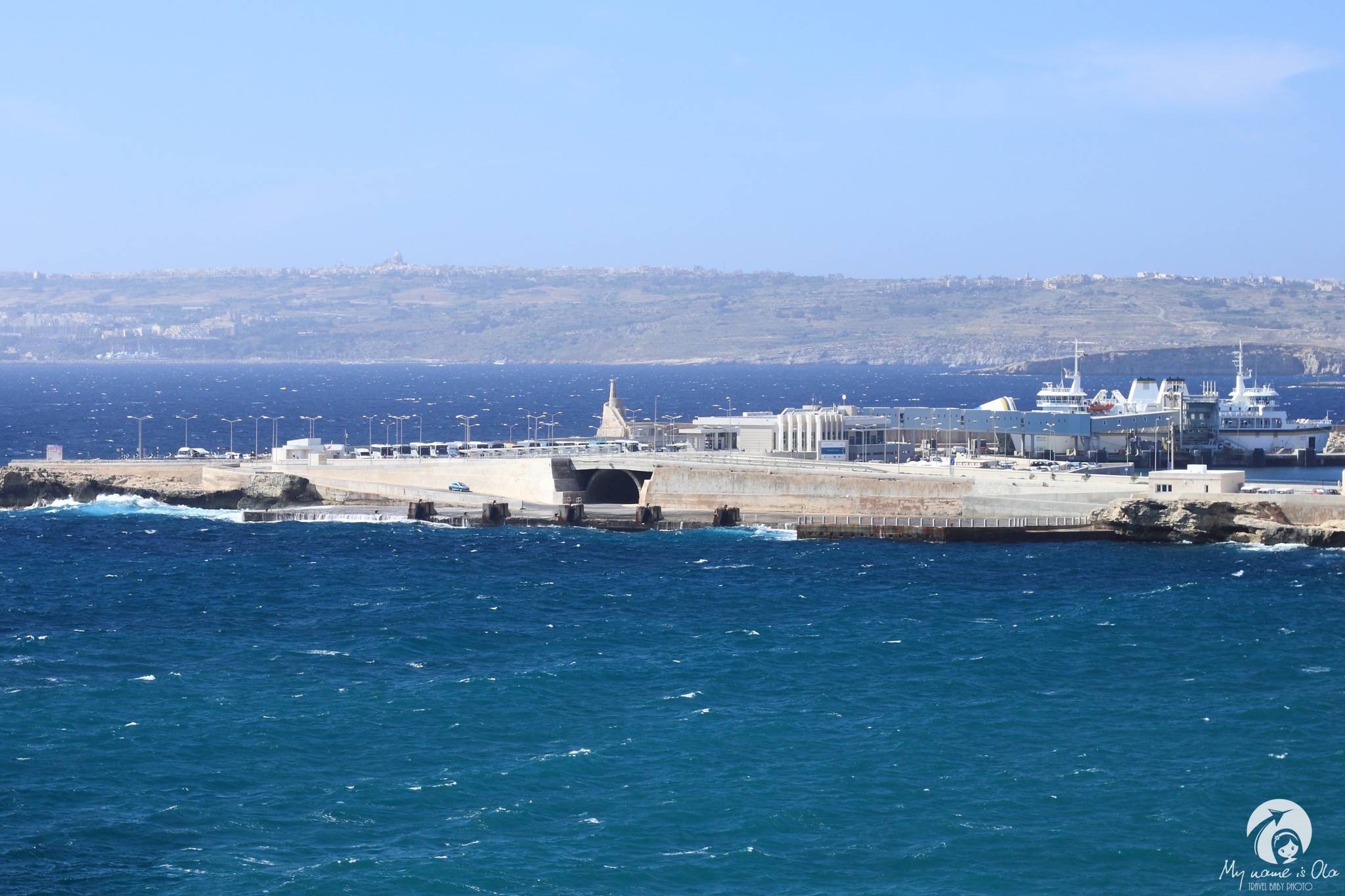
5. Paradise Bay a breathtaking place located in a beautiful bay right under high cliff. You can park your car on the parking above and take narrow stairs down to the coast. The beach itself is nice, sandy, surrounded by beautiful cliffs and rocks. Blissfull view is spoiled by the hotel and Gozo ferry terminal. Down there you can rent sunbeds, umbrellas and get something to eat in a restaurant. Despite that the beach is located in a bay water sometimes os rough but clear. Rocky bottom. Beach is beautiful but requires some effort to get there.
OLA’S RATE: 7/10
PROS: charming place, sandy shore
CONS: rocky bottom
INFRASTRUCTURE: sunbeds, umbrellas, restaurant, parking
[photosetgrid layout=”13″]


 [/photosetgrid]
6. Golden Beach – the most famous beach in western Malta. Wide, sandy shore and clean water make it a perfect place to relax. The only thing is that it’s full of people all day long. Since early morning seaside is full of sunbathing and swimming enthusiasts and in the evening the place attracts by beautiful sunsets. Part of the beach is reserved for guests of Radisson Hotel. At the entrance to the beach there is a restaurant; nerby bars and parking. You can rent some umbrellas and sunbeds, ride inflatable banana boat, waterski and go paraglide. It’s a good place to spend time with children, beach is even, wide and has a gentle descent to water.
OLA’S RATE: 7/10
PROS: sandy shore
CONS: crowdy, paid parking
INFRASTRUCTURE: sunbeds, umbrellas, dining options, parking, water sports

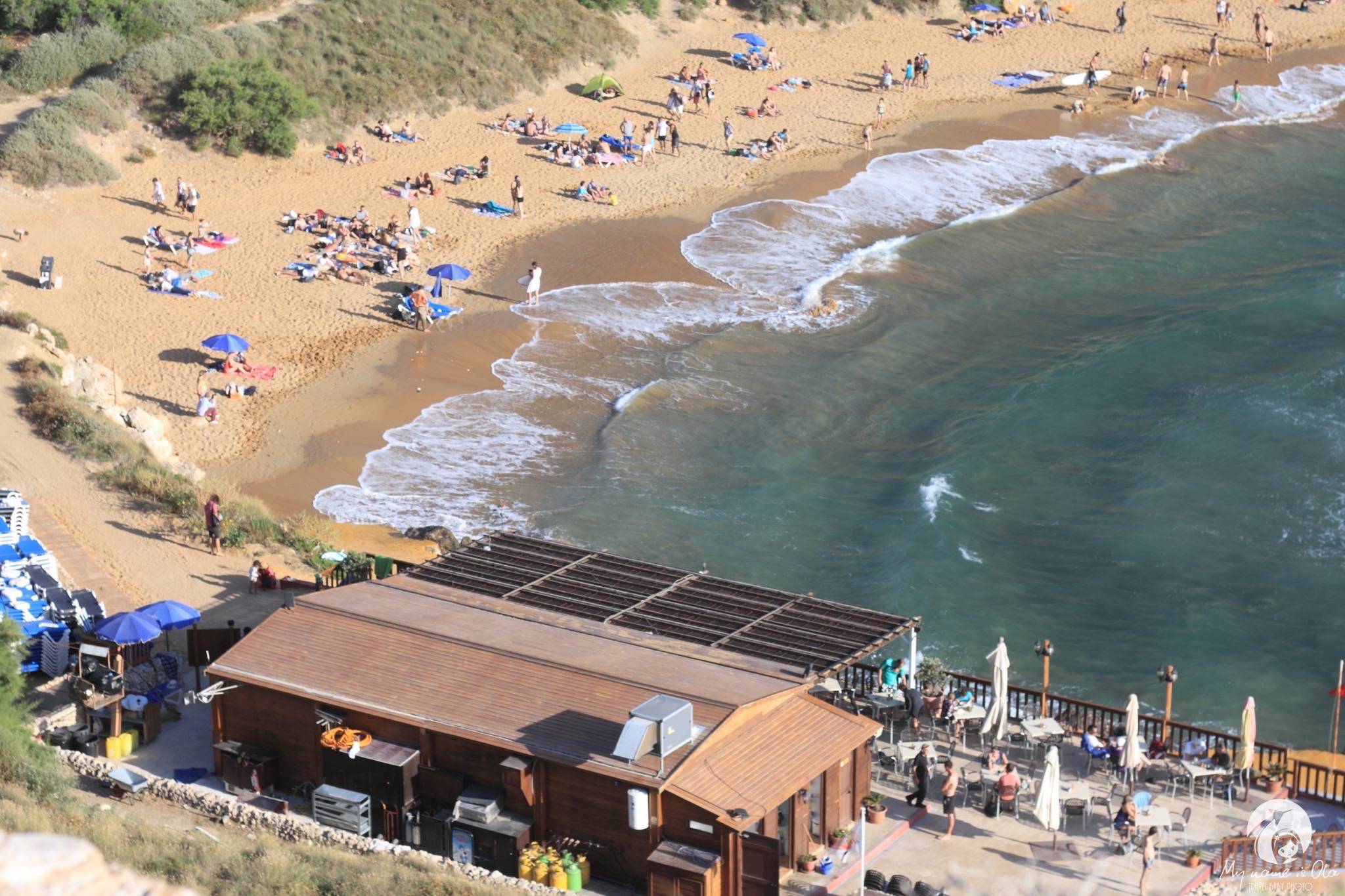
7. Għajn Tuffieħa Beach – another beach in western Malta we visited. It is located in Għajn Tuffieħa Bay (also called Riviera Bay). It is our favourite Maltese location, mainly thanks to its picturesque situation. Here bay nicely cuts into the land. To get to the beach it requires few minutes walk but the views are unspoiled by any buildings. Beach itself is sandy, few meters wide, quite intimate, waves splashing against the rocks make noce impression. Genuine, nice beach, good place to stay with kinds and get some relax without.
OLA’S RATE: 8/10
PROS: intimacy, sandy shore, views
CONS: long way to the beach, paid parking
INFRASTRUKTURA: sunbeds for rent, bar
[photosetgrid layout=”13″]


 [/photosetgrid]
8. Gnejna Bay is very close to the previous one – it is separated from Għajn Tuffieħa only by a smal cape but is didn’t charm us like the neighboring one. It has sandy shore and offers sunbeds and pedalo boats for rent. We can definitely recommend it for families with babies. The only nude beach in Malta is reachable from Gnejna.
OLA’S RATE: 8/10
PROS: easy access, sandy shore
CONS: paid parking
INFRASTRUCTURE: pedalo boats and sunbeds rental
[photosetgrid layout=”12″]

 [/photosetgrid]
The other part of Malta we will review for you tomorrow but if you are looking for the most beautiful beach to stay on you should rather choose from those above. It’s the nort-west Malta where they have more genuine sandy beaches. So how southern beaches look like? Check with us tomorrow and today you can find all of above mentioned on the map.