main

BlogNa stole

City Brewery Gloger

10/07/2015 — by Magdalena Kuźma3

gloger007-960x640.jpg

In 19th century living in Jezewo, a village located not far from Bialystok, Zygmunt Gloger, famous ethnographer and historian started brewing beer. The brewery produced until 1954 and enjoyed good reputation. Today it is only history and ruins of the brewery not far from Tykocin. Recently some people wanting to reach back to this glorious history showed up. They set up City Brewery Gloger in the city of Bialystok in north-eastern Poland. We decided to check how their first production went and what is its result. 

Browar Miejski Gloger

Beer revolution is coming

Poland is floded with new wave beers, we already have over 100 new breweries, hundreds of beer premiers a year. The wave of the revolution got also to Podlasie. Next to already existing breweries such as Slodowy Dwor and Stara Szkola, City Brewery Gloger came up. In the era of beer tourism, very often beer becomes something that attracts people to the region. It was the same with us – although we are not beer sensors, during our different trips we visit some places only to see beer house or beer festival. When we heard about new beer house in our city, we were happy to have here some interesting production that might, next to the obvious natural qualities, become also a reason for visiting Podlaskie.

[photosetgrid layout=”12″]BROWAR MIEJSKI GLOGERMiejski Browar GlogerMiejski Browar Gloger[/photosetgrid]

City Brewery Gloger

Brewery is located outside the city center and together with the brew house there is a big restaurant. Inside it all looks very nice, minimalistic design, big garden. The only thing that surprised us was opening hours: in weekdays they are closing already at 9 pm. But thankfully practice shows that if only there are customers they are able to close later. Together with beer you can try some Polish cuisine with knuckle of ham and sausages. Vegetariand will have to watch the others eat bacause there in no offer for them in Gloger. We stayed only with beer. It is quite surprising that the brewery started with ten kinds of beers right away. It is pretty bold. On their premises they are available as draught and in bottles. We expected to find, popular in places offering wide assortment of good beers, some tasting offer of smaller volume glasses. Unfortunately they don’t offer such thing. We did not manage to try all the beers being there so we took couple bottles home.

BROWAR MIEJSKI GLOGER

Flat beer, or top fermentation

As new beers fans we started from India Pale Ale, which as we found out was one of their worst beers. It is unpasteurised of 16°Blg, 6,2% alcohol. Not in the restaurant nor on the bottle label we found information about what kind of hops and malts were used for production. We looked also for IBU, with no result. This lack of information refers to all Gloger beers. Plish IPA is dark, unclear, has a very poor foam and almost no aroma. Do not expect citrus ot other associated with American hops aromas. We were also disappoined by the taste, bitterness was very delicate. The same beer from draught seemed a little better than drunk from the bottle at home.

Gloger Herbowy is a wheat beer of top fermantation with 12,6°Blg and 5,4% alcohol. Our first impressions were positive, nice foam, interesting look. Label announced bananas in the aroma but we haven’t found them, however we can say that it tasted nicely. We mostly found there wheat. It is a very dry beer, refreshing, although dominating in flavour sourness might not be liked by majority of drinkers. It is worth to pay attention on the name Herbowe – before Kompania Piwowarska it was a top beer produced in Dojlidy Brewery in Bialystok. Although it was a regular lager its name is still very well remembered and appreciated in the city. But we do not expect that Gloger Herbowy will succeed on the same scale. 

BROWAR MIEJSKI GLOGER

Another beer we tried was Rubinowe, Red Irish Ale with extract 12,5° and 5% of alcohol. Coppery color, nice but short lasting foam. Aroma is poor, malty, same is flavour. It is difficult to find any hop aromas, bitterness at our surprise was there but it disapeared very fast. Beer is flat. We moved on to the next one with no regret. 

Brewery staff advised trying their Stout beer but we believe it is not the best option. Beer is not exceptional. Extract 14° and 5,7% alkcohol, it has dark brown color, tastes of roasted malts mild, even poor. Foam difficult to be achieved at all. The beer seemed for us to be poorly hoped, bitterness very delicate, general impressions negative. As we read on the label the beer was supposed to be full, with coffee and caramel aromas. It was hard or impossible to find those flavors in this beer.

Bottom fermentation, or classic types of the same quality 

We started from Marcowe. Historically this type of beer was produced in the first weeks of spring and than cellared until fall. It is famous mostly thanks to Monachium  Oktoberfest. Here the beer could not have been cellared for that long, however it tastes good. Godlen color, malty taste, foan unfortunately fast disapearing. Extract 13,7°, alcohol 5,8%.

Another bottom fermentation type we tried was classic pils. Golden color, nice but quickly disapearing foam, bitter taste. It culd have been quite a good beer it it wasn’t for its aroma. Beer experts would probably say that it is DMS, but as we are not experts, it will be enough to say that we didn’t like the beer, especialy its aroma. Extract 13,5°, alcohol 5,2%.

BROWAR MIEJSKI GLOGER

Golger Zlote we found to be the worst beer of this brewery (extract 10°, 4,1% alcohol). Light color, almost no foam, but the most important a kind rotten aroma reminding hydrogen sulfide. The smell was strong, repulsive. Because we had similar impression with Classic (12,5°, 5,2%) we gave it up and finished our adventure with Gloger beers. It’s a pity that those two beers, also with names referring to Dojlidy brewery, did not really worked out.

In their offer there are also two other beers: Brylant Jasny i Pszeniczne Ciemne. Brylant Jasny name was supposed to correspond to flagship product of the brewery in Jezewo Stare. You can check that on your own, we give it up already. Based on tested beers it seems to us that Gloger beers are not worth their to be honest very high price. The more that kraft beer market offers very wide selection of way better beers than theirs, in much better prices. For this money you can easily find something really good. 

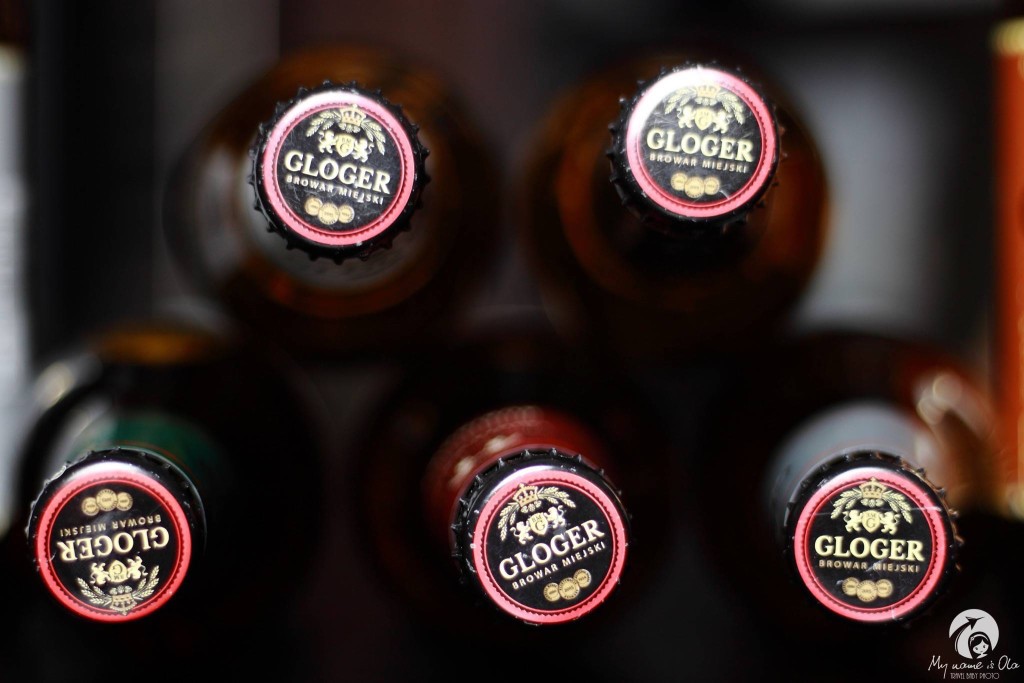
So as not to present everything in dark color we have to admitt that the visual aspects of the project are very good. Labels on the bottles are of classic style and make a good impression. We should praise also interesting caps with brewery logo. We hope that brewery will develope and in some time it will offer something better. Maybe it is just the matter of first brew and with each next one the quality level will increase. We will see. Maybe they should have focused on couple of kinds of beers and make them prefect instead brewing 10 at once? Who knows? They should also put some more information on the labels, such as used hops, malts and IBU. 

We wish them good luck with next production and keep our fingers crossed for quality improvement because the initiative of recalling the tradition of local good beers is a very good idea but also a great opportunity to familiarize wider group of Bialystok residents with other than regular lager kinds of beers.

First three beers we tasted from draught and bottle, others from bottle only. 
Gloger Browar Miejski

BlogNa stole

If not wine, then what? Moldovan beer experiences

09/07/2015 — by Magdalena Kuźma0

beer005-960x630.jpg

But you know what the funniest thing about Europe is?

– What?

– It’s the little differences. I mean, they got the same sh… over there that we got here, but it’s just…it’s just, there it’s a little different.

– Example?

– All right. Well, you can walk into a movie theater in Amsterdam and buy a beer. And I don’t mean just like in no paper cup; I’m talking about a glass of beer. And in Paris, you can buy a beer at McDonald’s.

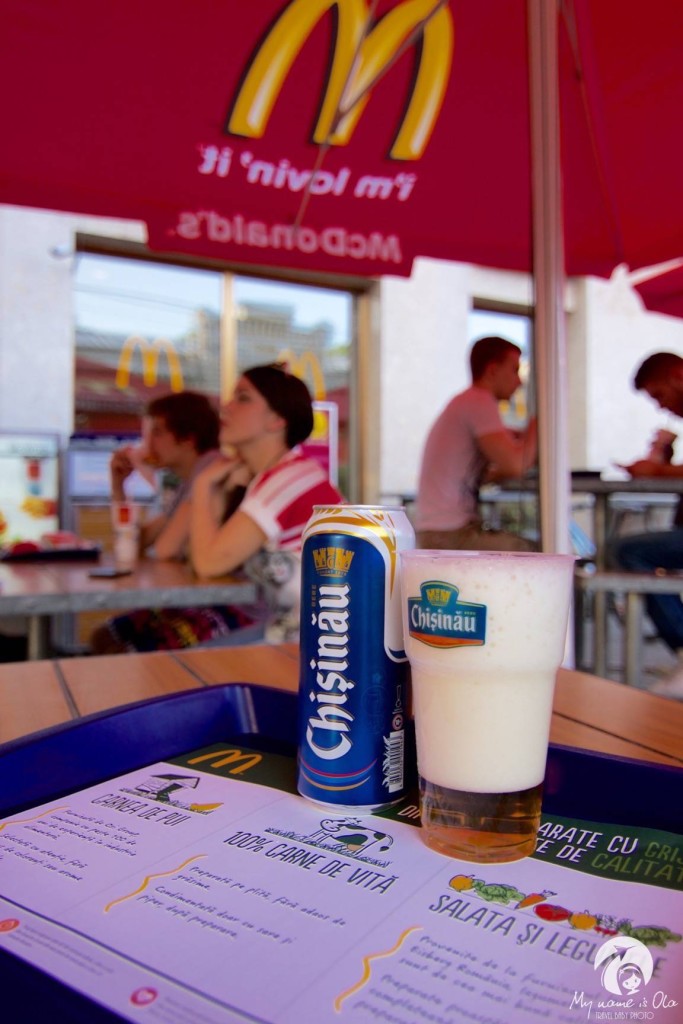
In Chisinau too! We found out about it when walking the main street of the city we came across McDonald’s restaurant. Instead of Big Mac advertisement we saw some banners with beer. Beer in McDonald’s? That famous dialogue from Pulp Fiction came to our minds right away. Because we wanted to sit somewhere to feed Ola anyway, we decided to do it there. Probably nothing else from their menu would make us visit this place. Beer that we bought was watery, poor, offering totaly nothing in its taste and aroma. What is more after opening it foamed richly. Taking in consideration the fact that it was nothi really special it was even good that it foamed like that.

Beer in McDonalds, Chisinau

To drink a beer in Moldova 

We moved on wondering if tasteless international lager already has dominated the whole world and decided to check what Moldovan beer market offers. To drink beer in Moldova seemed a little like to drink vodka in Belgium or rum in Georgia. Well, since we already have decided we have to go on. Today Chisinau is full of bars and restaurants and finding some beer makes no problem. But if you are looking for some draught you keep on finding bottles and cans. In fact you keep on finding the same beer: Chisinau in can and bottle. This brewery completely dominated whole market. 

Chişinău is a flagship product of Efes Vitanta brewery located in the city center. We headed there to find out that they do not offer any tours for individual tourists so we had to be satisfied by visiting only a small exhibition room. 10 years ago brewery was taken over by Turkish Efes Group and it was probably then when it stopped producing good beers. Most of today produced ones are regular lagers, reminding those available in whole world. Beer doesn’t impress even drunk in brewery restaurant. It is obvious that the brewery follows the path of other big world breweries. Besides basic Chişinău Blonde, Draft, Aoea and Chişinău Specială Tare they produce also different mixes of beer with lemon or coke. The only thing that distinguishes it from European lagers are fancy bottles and caps opened by pulling the pin.

We continued our beer adventure next day and checked local offer in stores. Shelves were also dominated by Chisinau. Besides it stores offered wide choice of Ukrainian  and Russian beers. Since most of them we have already tried before nothing impressed us. 

Chisinau beer

Looking for something special we chose Kellers beer. As we found out later on it was a good choice. Once again we did good job following what local people do. Looking at shelves with Kellers we suspected that Moldovans must like it.

This beer was unfortunately available only in plactic bottles. Such way of sales is popular in former USSR countries. To be honest we have to say that seeing plastic bottles we are not really encouraged to consumption. This time we made an exception for that beer produced by mini brewery Makler Plus in Budeşti. We tested two beers: light with extract 11% and 4% of alcohol and the dark one with 14% extract and 4,7% of alcohol. Both are unpasteurized. Light one wasn’t bad but it was the dark one which turned out to be an instant hit. Very nice color, almost black, rich foam  with medium size bubbles, hoppy aroma, nicely crowning. Malty flavour with chocolate and roasted and mild bitterness. We can honestly recommend this beer.

Kellers beer, Moldova
We decided to continue our beer tour but the Internet happened to be cruel – all decent what one can find in Moldovan breweries we have already tried. But we found an interesting little restaurnat – brewery located 500 meters away from our hotel. As it usually happens with things nerby we managed to visit it only on the last day of our trip.

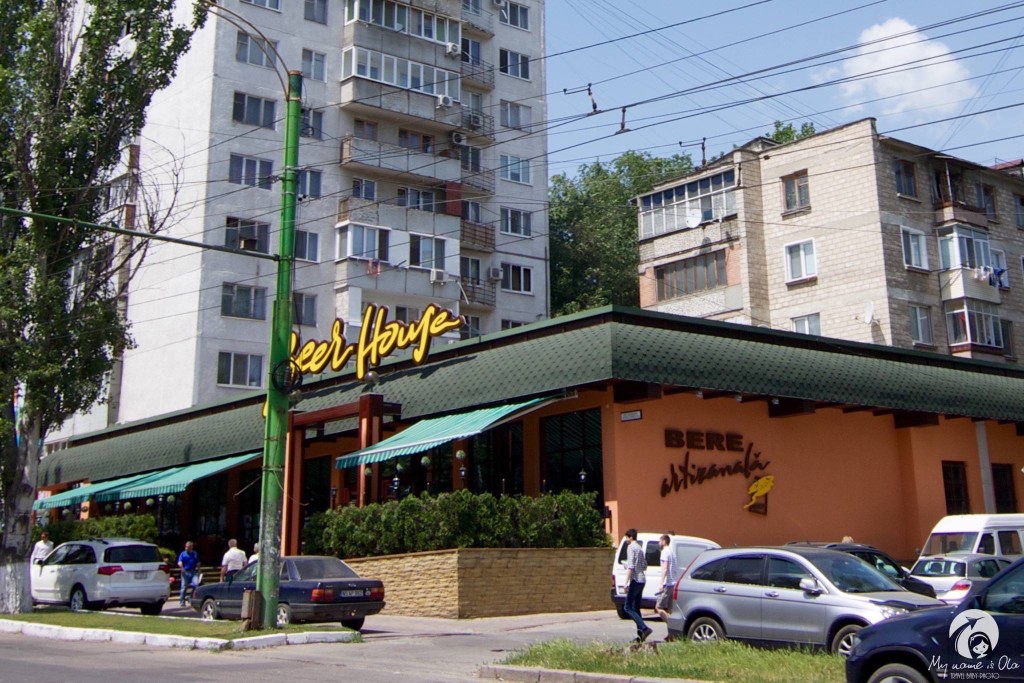
Chisinau Beer House 

Beer House as for Moldovan conditions to, is kind of posh place what was reflected in prices level similar to other this kind facilities in western Europe. Customers seem to be western too, there is no local youth who at that time are crowded in other pubs downtown. Besides beer it offers also food choice but unfortunately with not too much of local cuisine. It seems a little as if Moldovans were ashamed of their cuisine tradition. The place itself makes a good impression: wooden benches and tables, walls decorated with stone. It is quite big but although we visited it on weekend night it was almost empty. Central point of the restaurant is a round bar behind which there is brewery heart – brewing vessel with annual production of 2000 hectoliters. 

Beer house brewery, Chisinau

We took places on the big terrace where plants separated us from the bussy street and started checking their beers. One can order them in different volumes. The smallest tasting glass is 250 ml. When we found out that there are only 4 beers to choose from we gave up that tasting glassed and ordered large beers. 

Beer House brewery, Chisinau

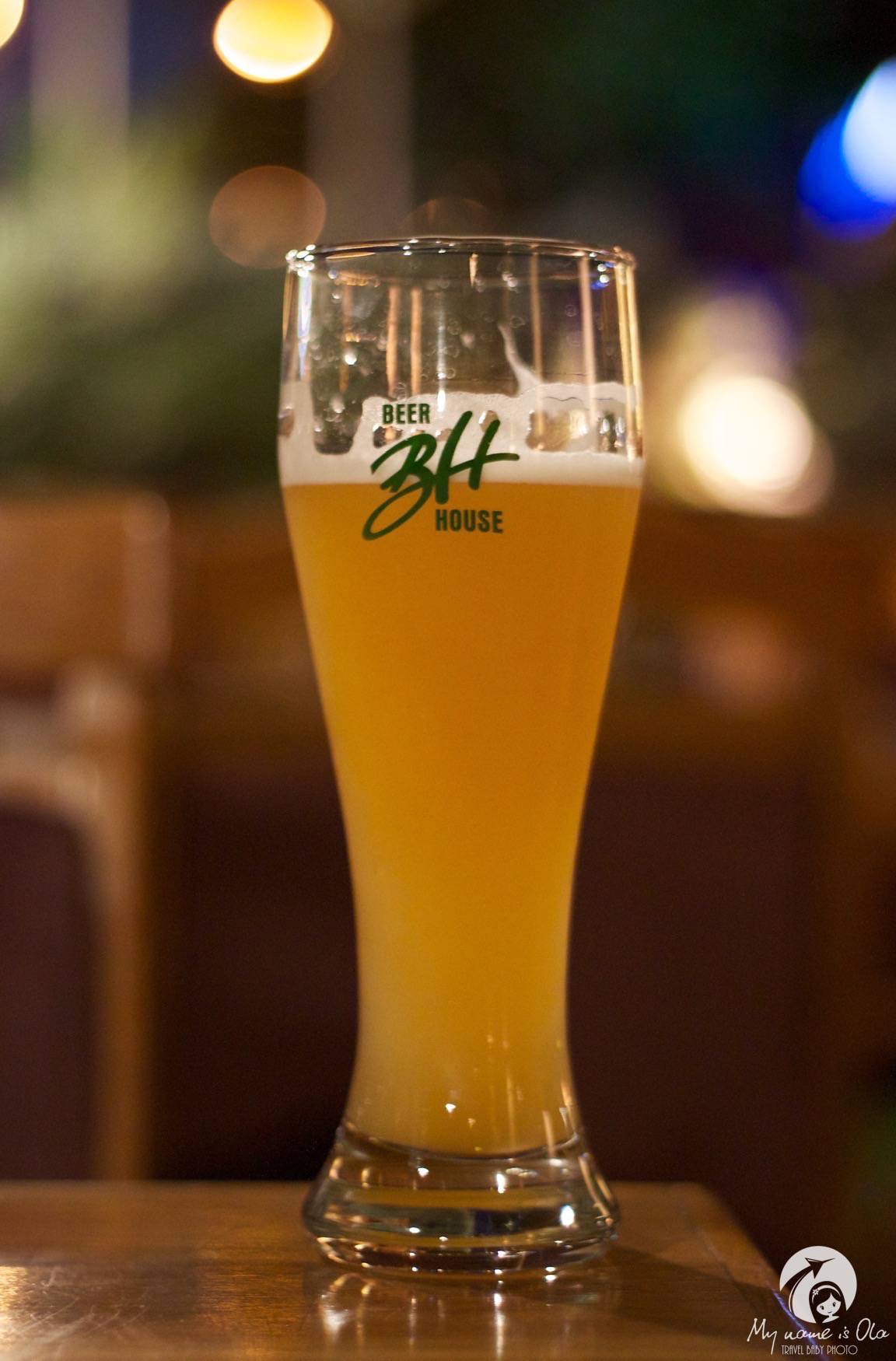
Avaliable beers, starting from light, to BH Blonda (unfiltered), BH Blonda (filtered), mixed BH Extra (unfiltered) and dark BH Bruna, also unfiltered. Beers did not seem to be bad, they were much better than the average Moldova level. All very drinkable, slightly bitter without major defects. Rich, thick foam, strong rasted aroma, light bitterness made us really like it.

[photosetgrid layout=”13″]Beer House brewery, ChisinauBeer House brewery, ChisinauBeer House brewery, ChisinauBeer House brewery, Chisinau[/photosetgrid]

After a short adventure with the beer we came back to wine without any regret and made some supplies to take home with us. To sum up – Moldova is wine and wine is Moldova. But if you want to grab a beer you might find something good too. In general dark beers seem to be more interesting and of breweries we advise Kellers and Beer House in Chisinau. Beer is not rather the thing making people visit Moldova but being already there it is wort to try some local ones.

BlogNa stole

7 facts about wine which we found out visiting Cricova cellars

24/07/2015 — by Magdalena Kuźma10

Cricova12-960x640.jpg

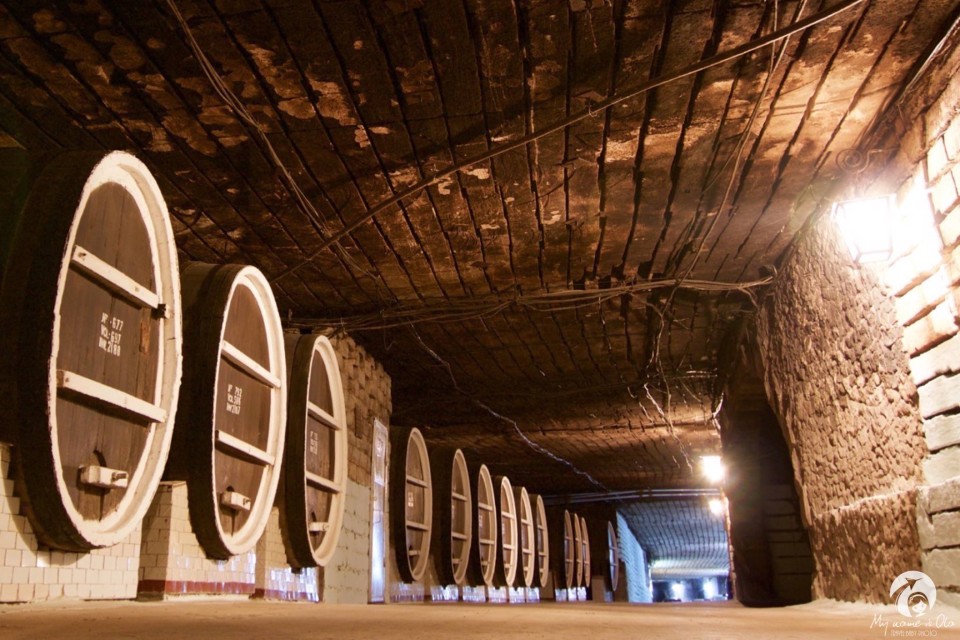
Cricova wine cellars is next to Milestii Mici most famous wine complex in Moldova. It’s not just hundreds of kilometers of underground cellars and corridors, where wine is produced and stored, but also more than 500 hectares of vineyards and more than 5,000 tons of harvested grapes per year.

Wjazd na teren winnicy Cricova

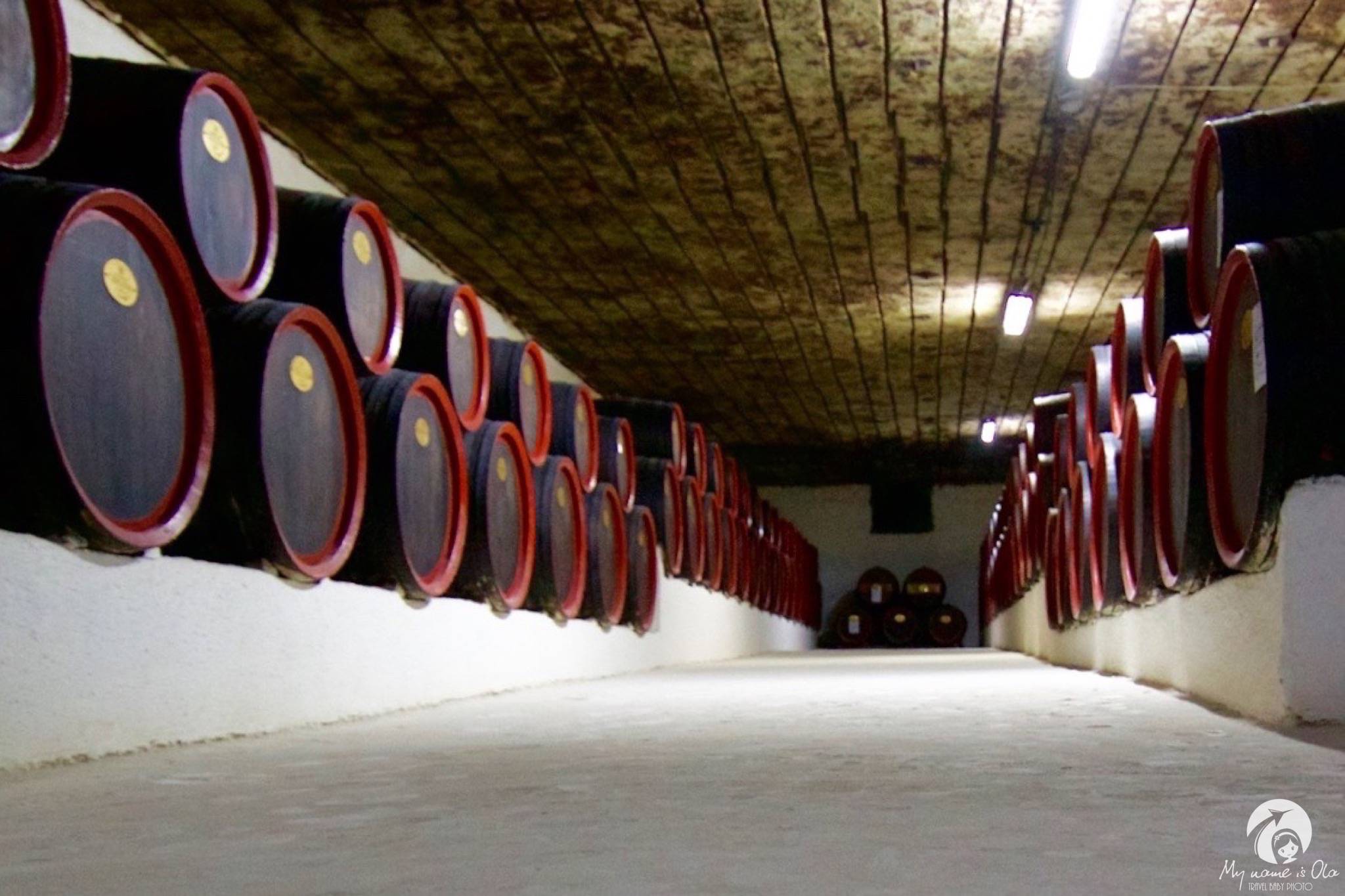
Tunnels, which are used today for production and storage of wine are much older than the winery itself. Their story started few million years ago, when Moldovan land was covered with shallow waters where on the bottom some specific layers of limestone were formed of dead animals’ shells. Today this rock is a good building material and while its acquisition corridors and tunnels being are a part of Cricova complex were created.

Piwnice winne Cricova

1). Vine is one of the oldest plants in the world – it has more than 10 million years. Many varitetes, fertile land and sun are the secrets of Moldovan wines. Some of the local Moldovan varietes of grapes have gained worldwide fame and become widely known kinds. Nobody has ever stolen Moldova’s sun but the soil some have already tried – during the Second World War Germans exported it by trains from Moldova.

[photosetgrid layout=”12″]Wjazd do piwnic CricovaPiwnice winne CricovaBeczki z winem w piwnicach Cricova[/photosetgrid]

2). Most people consider “the older the wine, the better” as the greatest truth in the world but the reality is different. Most of the wines should be drunk within few years after their manufacture, only a small percentage of really good ones you can store more than a dozen years and only the noblest ones may be aging tens years from the date of production. The key issue is of course the quality of the fruit used to make the liquor. Cricova is proud of their collection of century-old wines still good for consumption. What is interesting, many wines from their collection, which are no longer good for consumption change into jelly and slowly become solid. These surprising processes taking place in the wine are still being studied by oenologists.

[photosetgrid layout=”11″]Piwnice winne CricovaPiwnice winne Cricova[/photosetgrid]

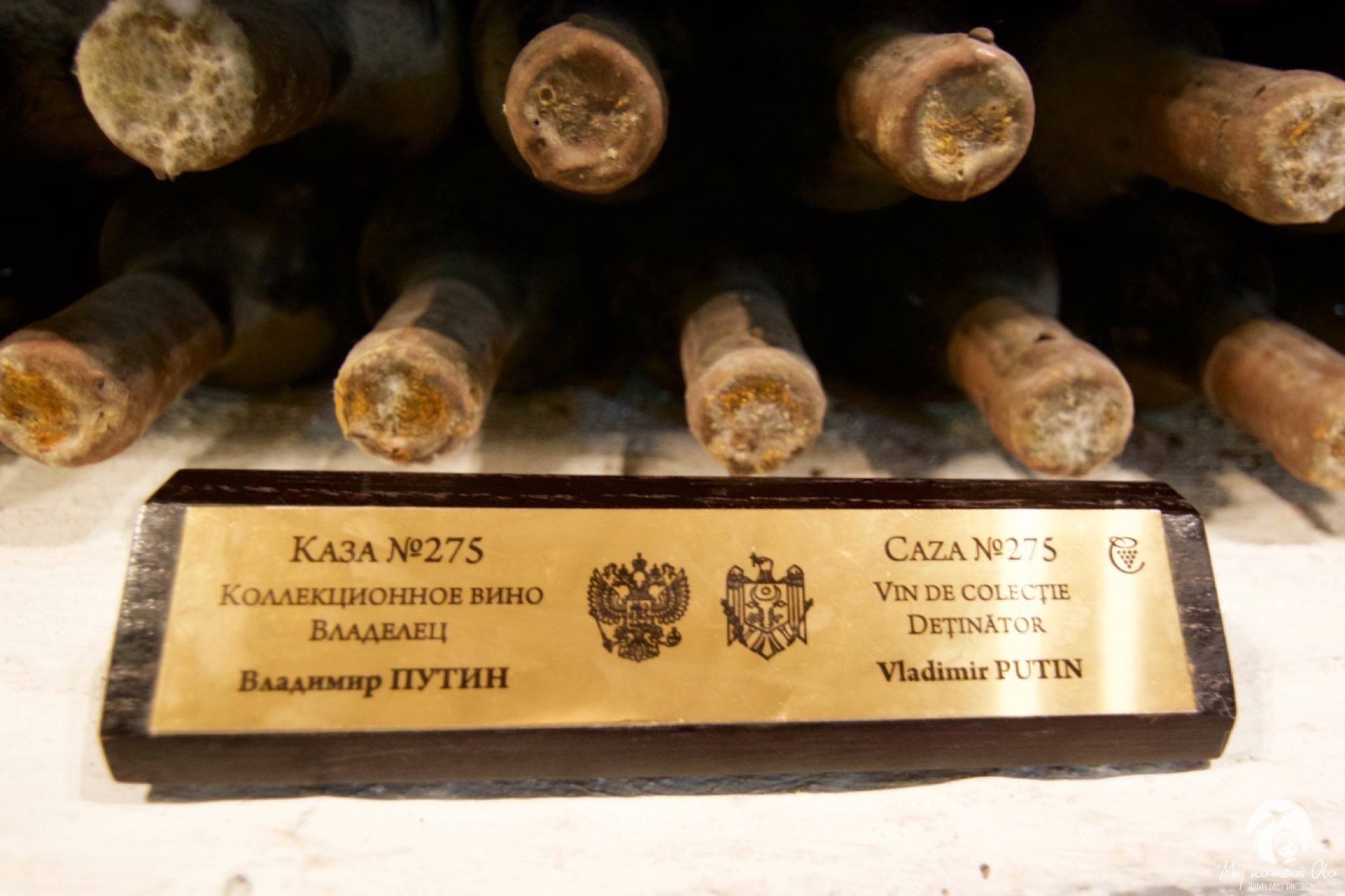
3). Perfect temperature for wine maturation is 12 – 14 degrees Celsius and humidity of 80%. Those are the conditions that are to be found in the tunnels of Cricova. But the biggest advantage of this underground environment is their stability throughout the year, because every change in the conditions of storage is much worse for wine than the mismatched constant parameters. Any fluctuations have negative influence on bottles tightness. The reason for it is different physical properties and reactions of cork and glass. For the perfect conditions it is very important to keep light or vibration out the room and this is why tourists are not admitted to cellars most precious liquor, neither on foot, nor by car. Those ideal for maturation conditions make even the greatest of this world store their liquors here. Not only Vladimir Putin but also Angela Merkel are said to keep their wines in Cricova.

Wina Putina w Cricova

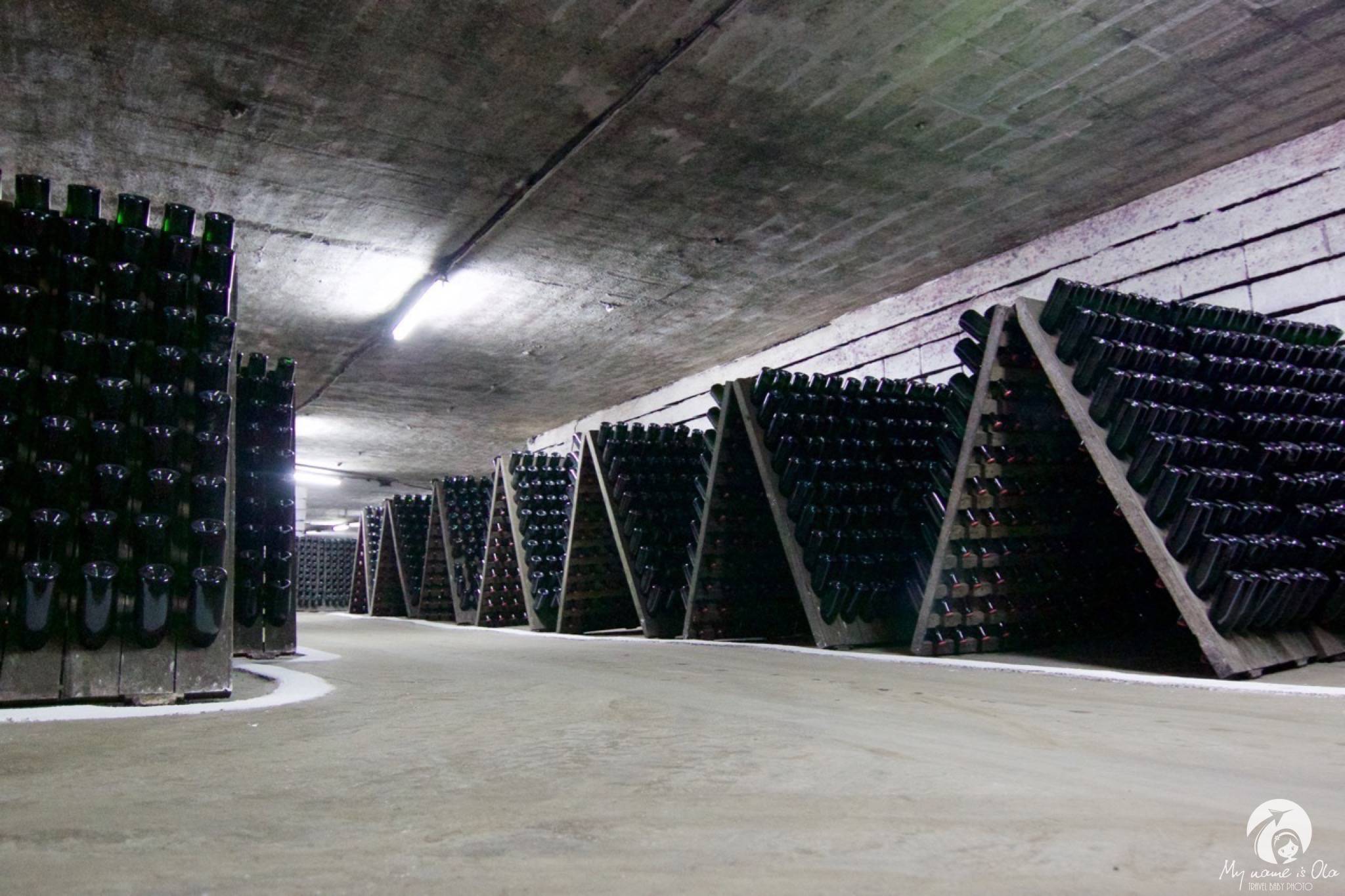
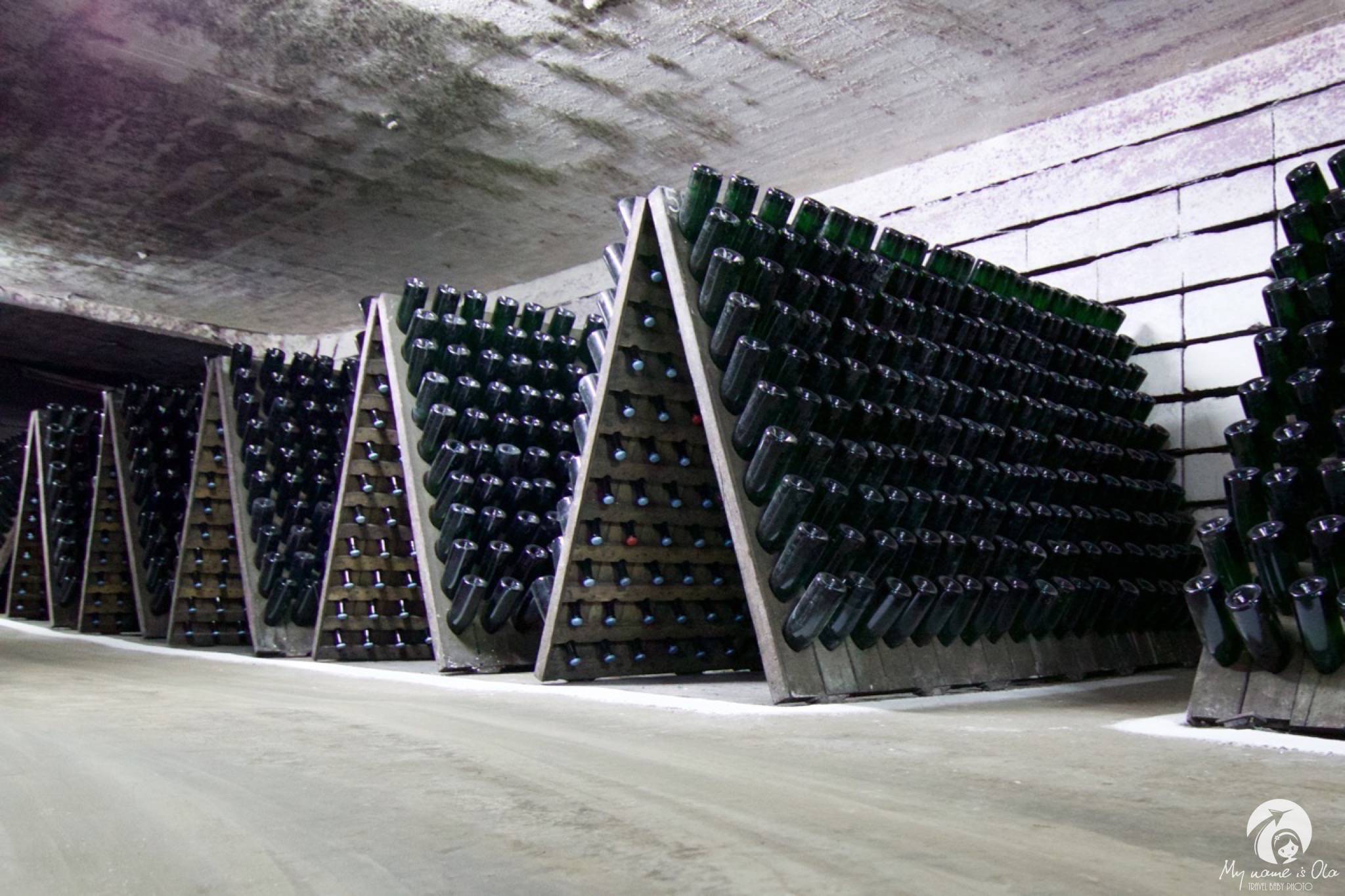
4). In Cricova we found also underground sparkling wines production, carried out by traditional champagne method. In special stands, in upside down position, bottles of wine are kept. Every two weeks winery employees come and turn them around so that any sediments were gathered at the cork. They keep on doing it for three years. After that time sludge is being removes and cork replaced all that by freezing the neck of the bottle. Of course this method is used only for the best wines, all the others are made by rapid maturation. Well known, budget sparkling wine Russkoje Igristoje is being made in this place.

[photosetgrid layout=”12″]Piwnice winne CricovaProdukcja wina musującego w CricovaProdukcja szampana w Cricova[/photosetgrid]

5). Wine collection in Cricova is slightly smaller than in Milestii Mici. It was initiated with the collection of nazi officer Göring, in whose cellars couple thousands of liters of best European wines were found. Collection was transfered to Moldova as compensation for war damage. Currently it is 1.2 mln bottles and 640 types of wine of the value hard to be estimated. The oldest wine in collection is a festive dessert wine produced on the areas of present country of Israel in 1902.

Piwnice winne Cricova

6). In addition to international varieties they successfully grow local vine varietes in Moldova. These are among others Feteasca Alba (white), Feteasca Regala (white), Feteasca Neagra (red), Rara Neagra (red), and Viorica (white). All that is being controlled by the Institute in Chisinau which even grows some frost and disease resistant varietes.  There are quite a few sparkling wines produced in Moldova mostly of pinot noir and chardonnay – willingly used for the production of sparkling wine using above mentioned classical method of production.

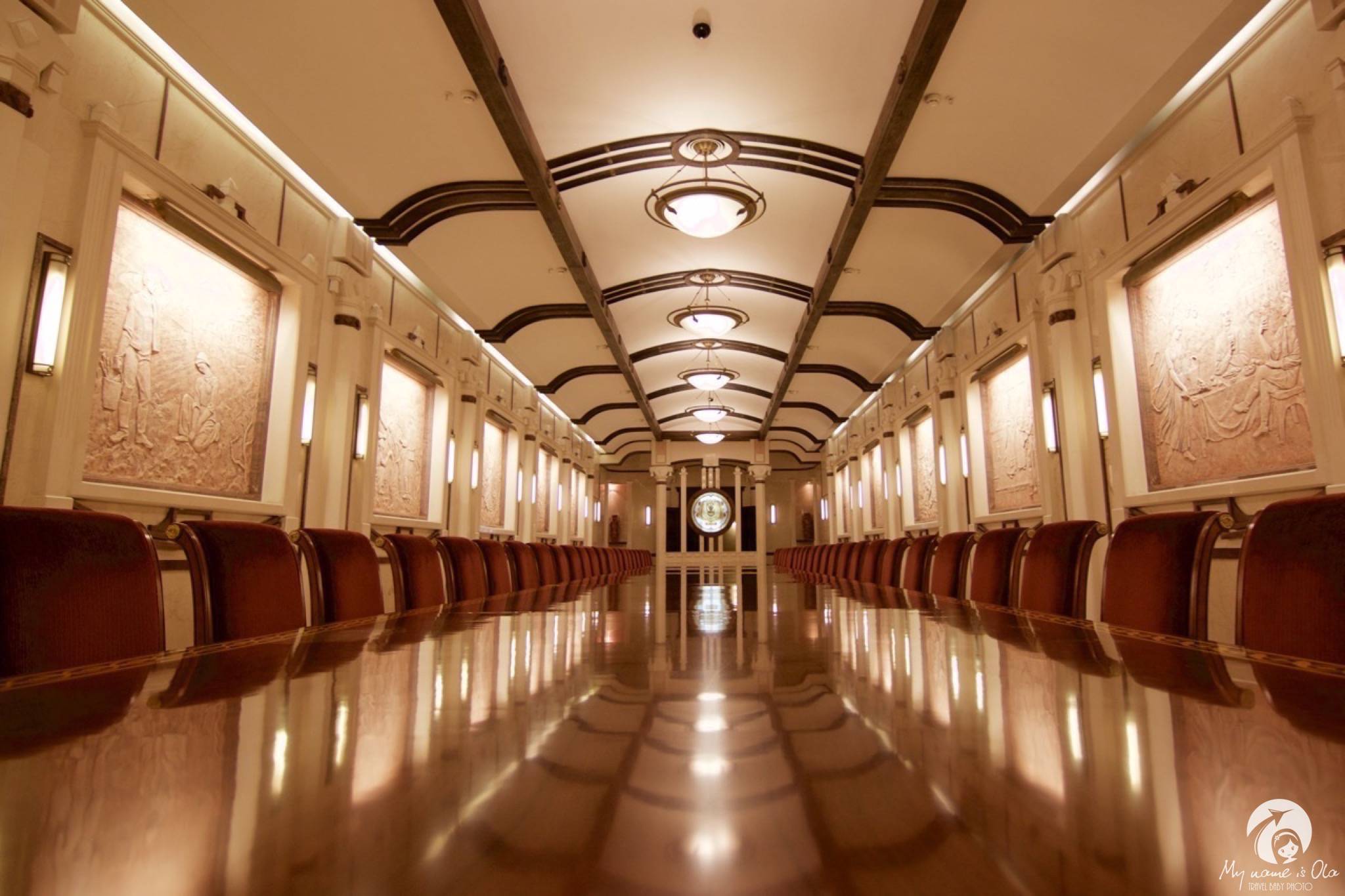
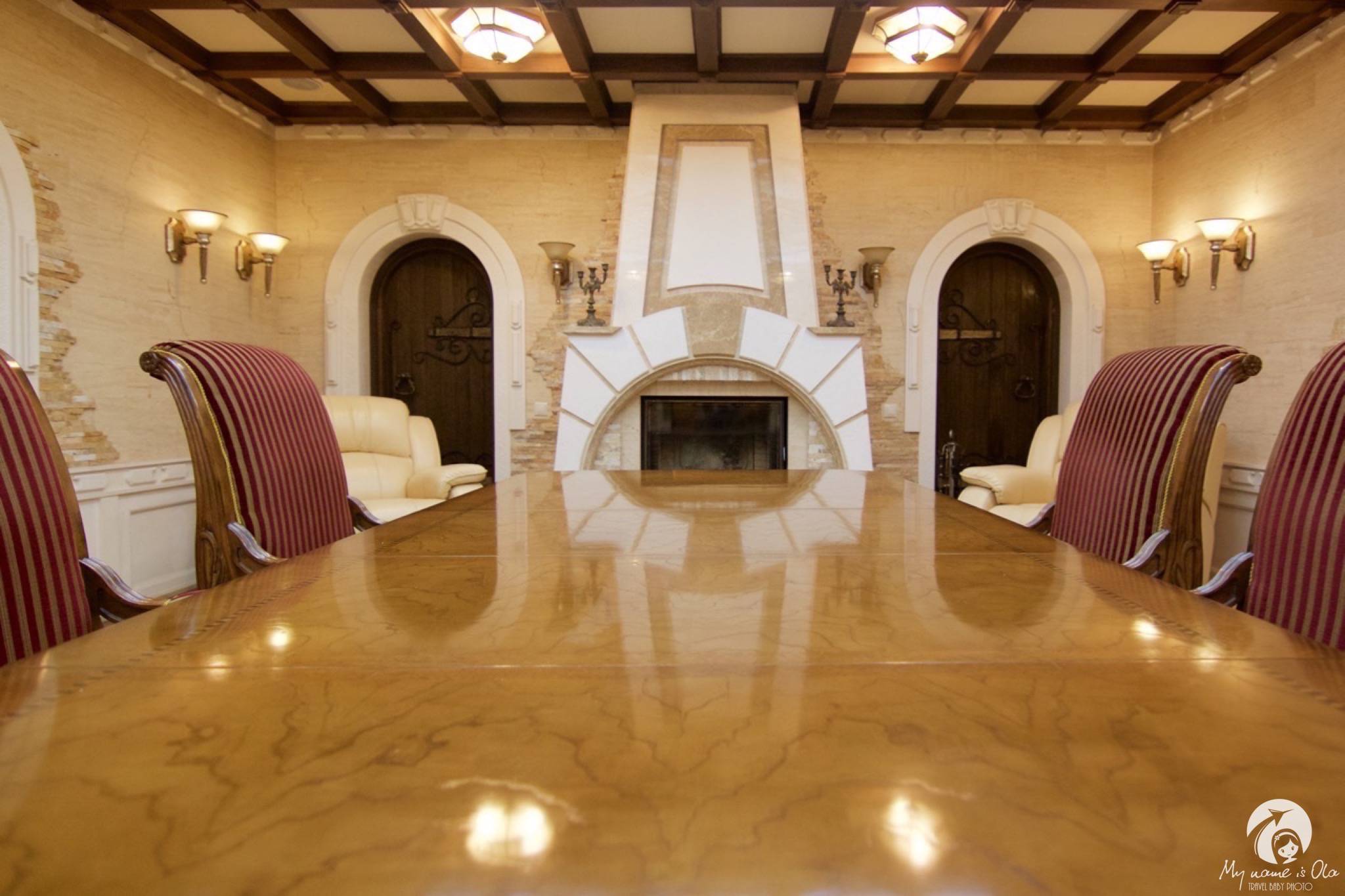
Produkcja wina w CricovaCricova is an exclusive meeting place for Moldovan elite. The underground halls have even been a seat of Moldovan government. Imagine that in the complex located 85 meters below ground they have a room with genuine fireplace. That must be one of the lowest located fireplaces in the world. The legend says that Vladimir Putin celebrated his birthday here. Also Jurij Gagarin, famous astronaut, has visited Crocova and after getting lost in the cellars for few days when he found the way out he supposedly said:

It is easier to get off the ground than to get out of Cricova cellars

[photosetgrid layout=”12″]Piwnice winne CricovaKominek w sali CricovaPodziemne korytarze Cricova[/photosetgrid]

Aby zdać sobie sprawę, jak wielkie są korytarze, jak potężne beczki w sobie kryją i ile butelek szampana jest przechowywanych w piwnicach zobaczcie film z naszej podziemnej podróży:

BlogNa stole

Milestii Mici cellars – wine Guinness World Records

21/07/2015 — by Magdalena Kuźma4

MM10-960x640.jpg

Imagine hundreds of kilometers of cellar corridors filled with wine, few million bottles, thousands of hectoliters in barrels, hundreds of vintages, dozens of varietes, underground so great that we visited them by car. This is the pride of Moldova – Milestii Mici winery. It does not matter whether you like wine or not,while in Moldova you have to visit the place.

What doeas the complex hide, why is it wort to be visited? Come with us on a wine adventure.

1). Corridors

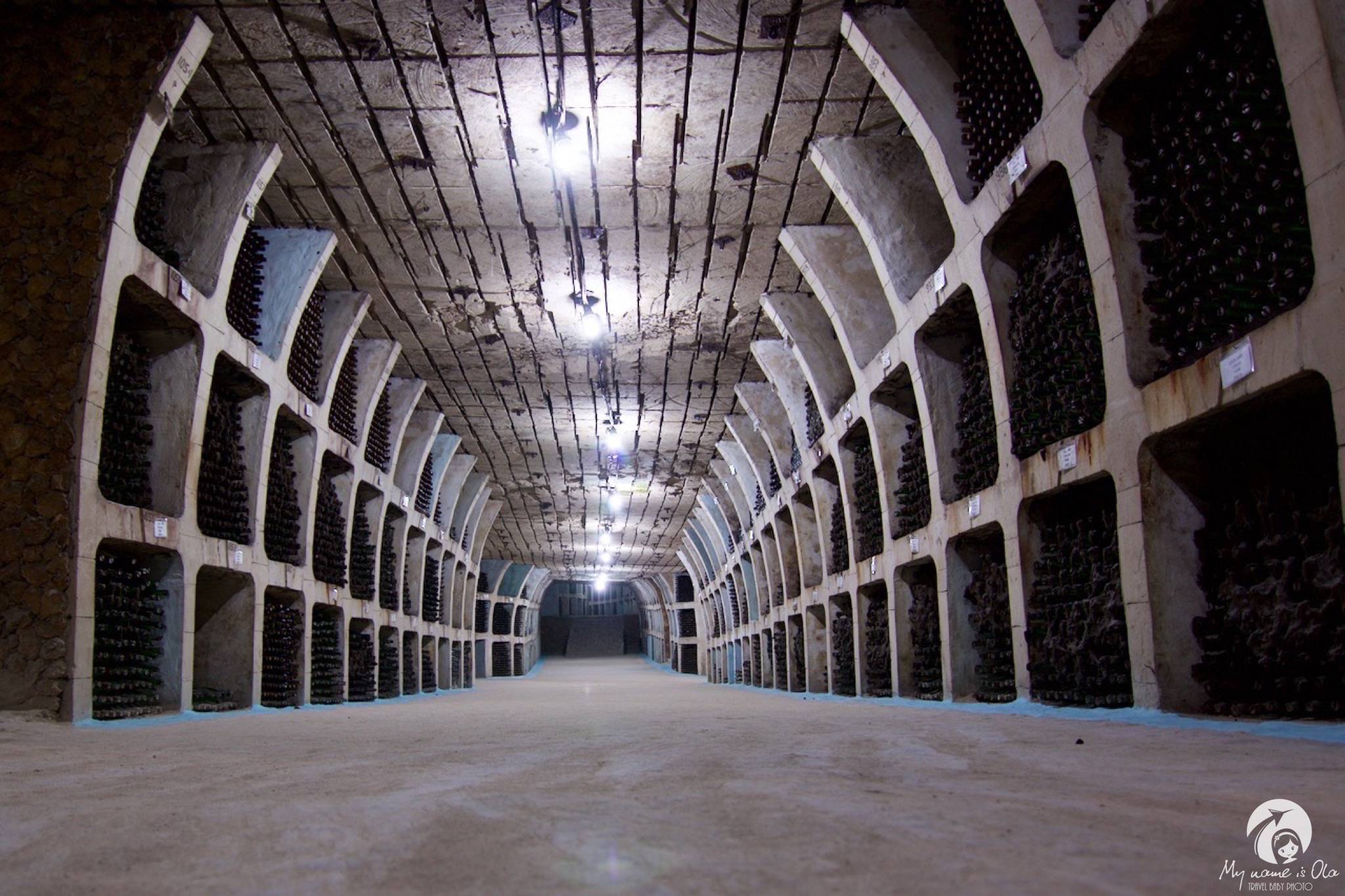
Milestii Mici  is the world’s largest wine cellars, all the corridors create a multi-level labyrinth with a length of over 200 km. With every meter we are going deeper and deeper under ground not even realising it. In the deepest place the cellars are 85 below ground. The tunnels originally served as adits where the stone for Chisinau building was acquired from. Only in the 70’s came the idea of using it as wine cellars. Constant temperature and high humidity turned out to be perfect conditions for wine maturation and storage. As we already mentioned, cellars are visited by cars, stopped from time to time to have a short walk around. Corridors crossroads are that big that they have traffic lights and each street has its own name coming from a specific grape variety.

[photosetgrid layout=”1″]Piwnice winne Milestii Mici[/photosetgrid]

Drive straight Sauvignon street, turn right into Cabernet street – this is how our guide w taki sposób przewodnik instructed us while driving underground.

2). Barrels

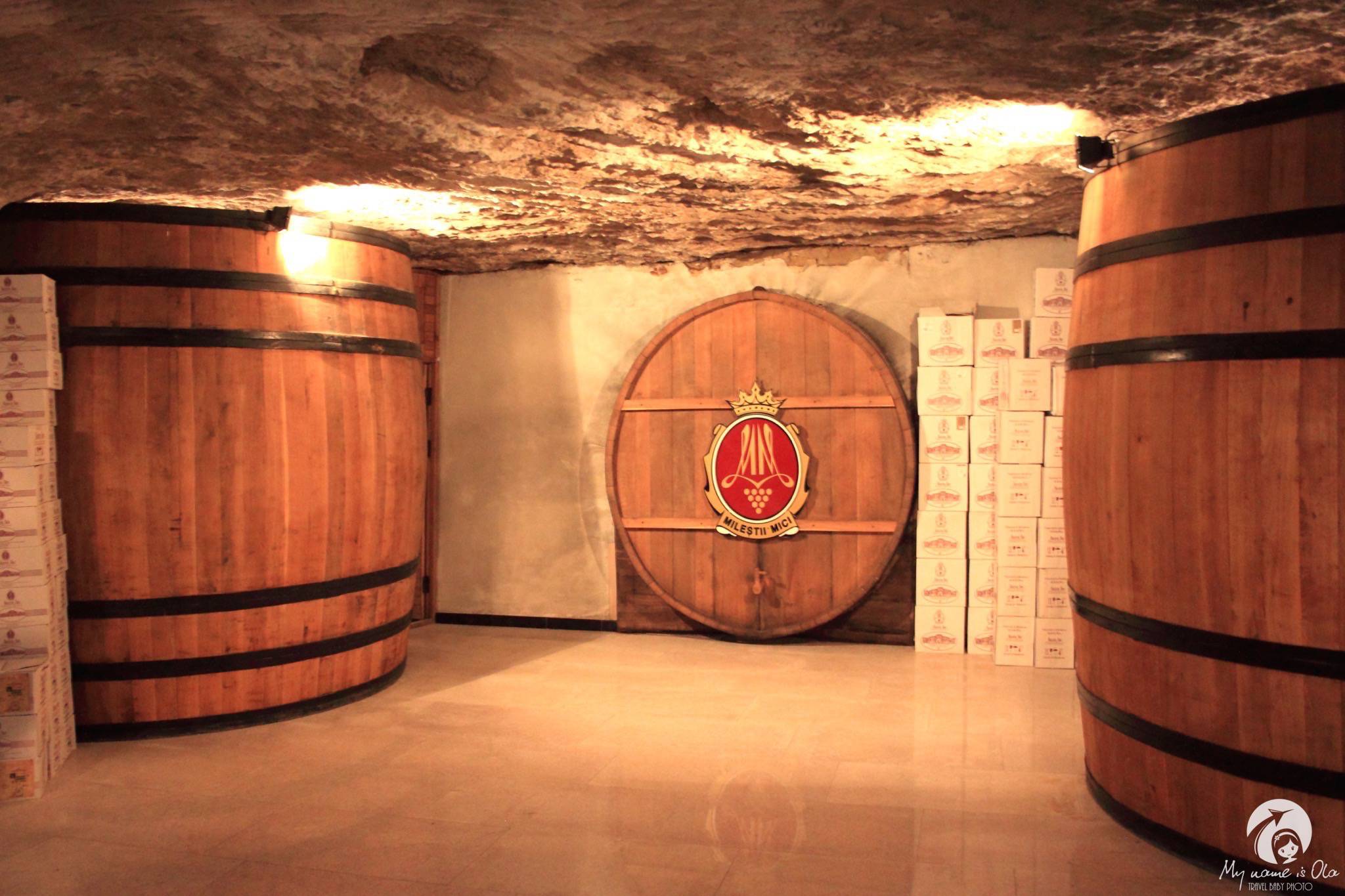
While driving through the underground streets we were passing. Some of them are several decades old and are made of specially imported from Russia Ural and Caspian oak. Barrels are rather unusual, huge, have several thousand liters capacity and diameter of the ellipse. No, coopers did not make a mistake – after draining the wine, through a special little hole located on the front, petite women get inside  to wash them. Egg-shape enables to have an upright position and quick cleaning of the interior. Time to work is short, because being inside they can get drunk very quickly only breathing that vapor remaining after wine.

[photosetgrid layout=”1″]Piwnice winne Milestii Mici[/photosetgrid]

In the days of the Soviet Union, when they tried to rationalize everything, there was an idea to give up the barrels. They even made some concrete containers where wine was supposed to be matured. Thankfully the idea was abandoned and wine is stored in the traditional way until today.

3). Golden Collection of Milestii Mici

Jewels in the crown of Milestii Mici. More than two million bottles hidden at a depth of 80 meters, the best vintages prepared with the art of old Moldovan tradition. Each niche, in which the bottles are stored had been catalogued and counted, in result of what the plant in 2005 got Guinness World Record as a place with the largest wine collections in the world. Part of the bottles can be seen by all visitors but the others are hidden in secret rooms of the labirynth. Don’t get mislead by dust and spiders webs on the bottles, they only confirm the perfect conditions for wine maturation. Wine does not appreciate anything better than a quiet, calm and lack of any, even the smallest vibration.

[photosetgrid layout=”1″]MM5[/photosetgrid]

What is interesting for 200 euro per year you can become the owner of a small niche in the complex and store your wine treasures there. For the time being the most of them are being rented by citizens of the Taiwan and Republic of China.

4). Wine tasting

We proceed to tasting but instead of romantic views over the wineries we face nothing more than rock. Yes, tasting takes place also tens of meters under the ground but even ich such conditions wine tastes very good. Those hidden underground tasting rooms remind us a story we heard in Moldova: a story about the late Soviet era, when Gorbachev decided deal with drinking citizens.  People whose the only income was the culture of vines under threat for several years in jail were ordered to destroy the crops. Before the campaign fell half of the vineyards were annihilated. Also the complex of Milestii Mici was to face some loss as the destroy of whole collection was ordered. Trying to save some of their treasures Milestii Mici employees bult some secret rooms to store their most precious treasures. In our opinion there was no necessity to build any secret rooms as the corridors already make large and complicated labirynth of roads and nobody seems to be able to figure out their organisation.

[photosetgrid layout=”1″]Piwnice winne Milestii Mici[/photosetgrid]

Practical advise about the map – if you relly get lost underground it is enough to reach for the bottle of wine. On each lable you will find a schematic map which will let you get out of the labirynth.

5). Giftshop

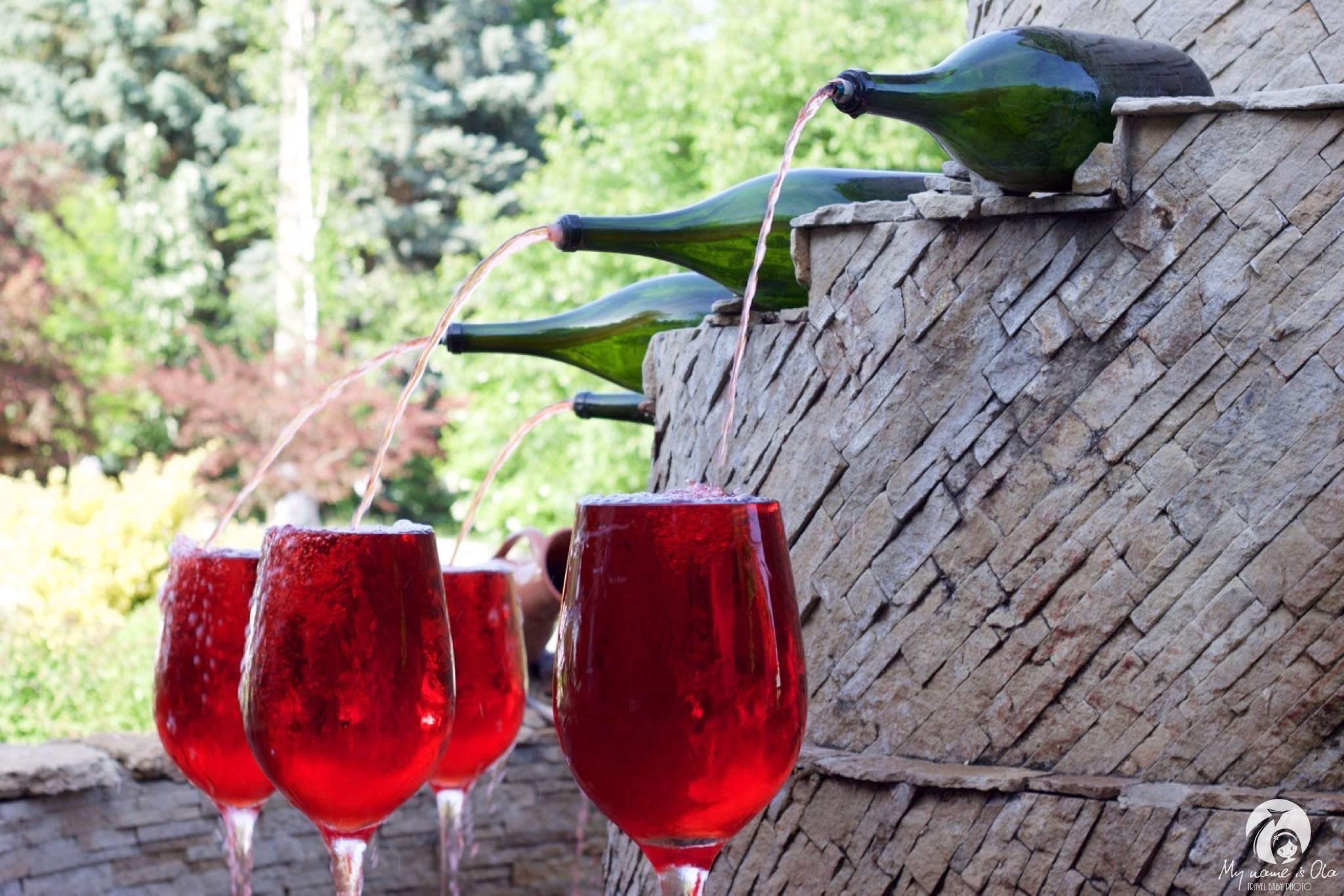
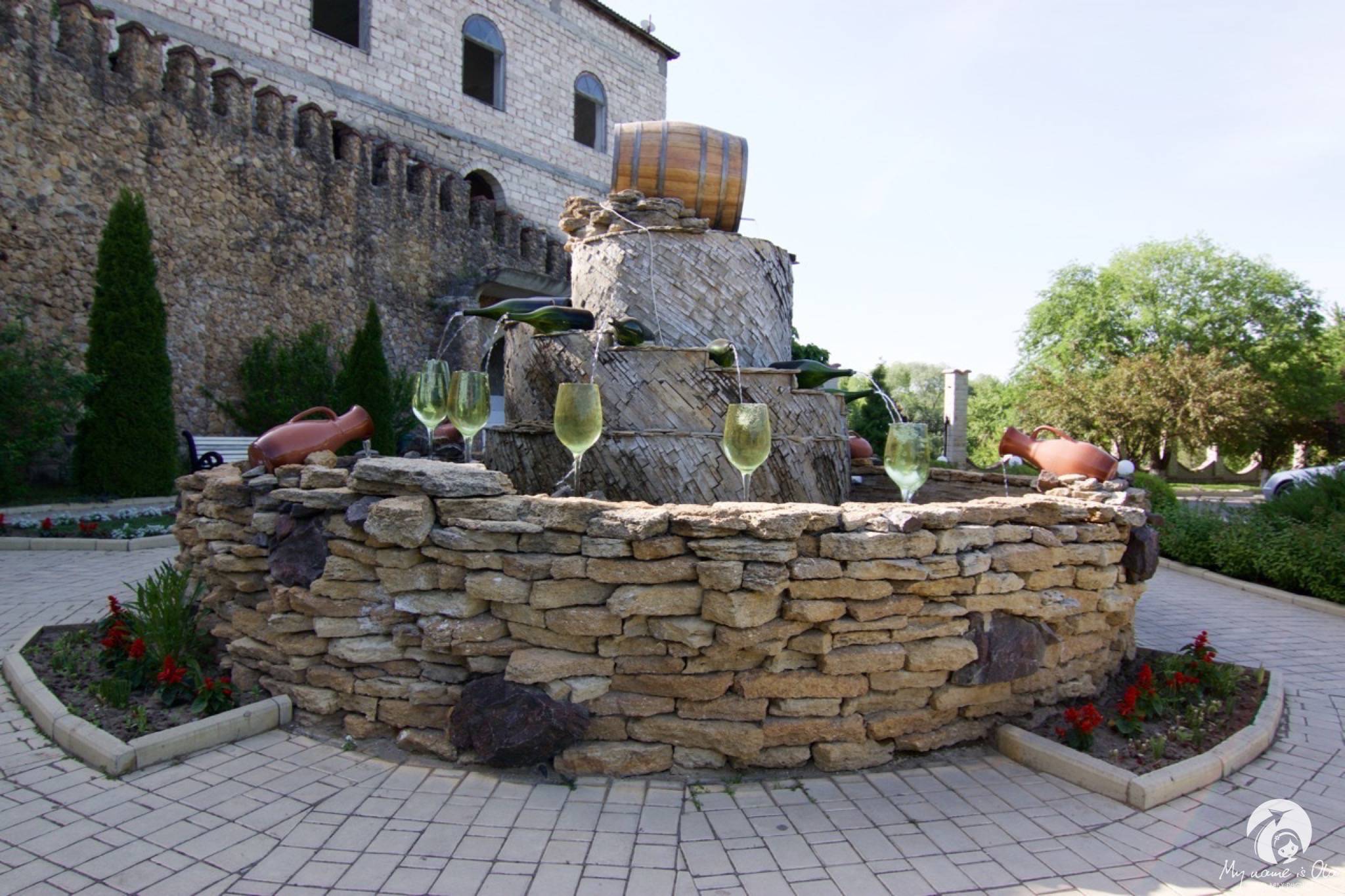
Giftshop is in fact a small time machine that will allow you to go back to Milestii Mici any time, of course on condition that first you will purchase right amount of wine. The shop is also located under the ground and the entrance to it is right two fountains with wine. That says the legend but actually there is nothing more that colored water running in them all the time. In this matter Milestii Mici gets beaten by Batumi, where in the fountain it really runs local liquor – cha cha. Well, do not expect too much from the fountain and go downstairs to get yourself some wine considering that prices in the store are very attrective. The cheapest wines are available already 1 euro and those are mainly international varietes such as Chardonnay and Sauvigon. The most expensive ones reach few hundreds euro.The offer is wide, even among those in the most affordable prices.

It is worth to take some home with you. Thanks to that even few months after the trip to Moldova you will be able to recall the best memories opening a bottle from Milestii Miici. Tastes and aromas will make you think about this beautiful and sunny home of the best grapes. This is one of the aspects thanks to which wine tourism developes so dynamically. That works always, not only for Milestii Mici.

[photosetgrid layout=”11″]Sklep Milestii MiciSklep firmowy Milestii Mici[/photosetgrid]

Our last bottle from Milestii Mici we opened only knowing that we were going to Moldova within next few days.

[photosetgrid layout=”12″]Piwnice winne Milestii MiciPiwnice winne Milestii MiciPiwnice winne Milestii Mici[/photosetgrid]

BlogNa stole

Wine in Malta: Marsovin cellars full of treasures

29/05/2015 — by Magdalena Kuźma8

wino37-960x640.jpg

How is that possible that on the island with few thousand years od settlement history, with Europe’s oldest detached temples the best vineyards are only 100 years old. The British are to blame for everything. In 19th century when they ruled the island all vines were destroyed ruining long history of vine growing and were replaced by cotton.

Viticulture on the island was initiated by Phoenicians, continued by Greeks and Romans. Even Arab domination on the island didn’t destroy the tradition. In 16th century when the Order of Malta came to the island the wine industry developed. Along with Joannites came new techniques of vine cultivation and the export of wine grew so much that in order to increase the crops from limited area of land they started to grow vines on pergolas. The apperance of British interrupted this golden age. Fortunately the experiment with cotton did not last long. At the turn of  20th century the demand for cotton was over. At that time first vineyards that are there until today started to appear.

Maltese wineyards

Going to Malta we planned to get to know local wines close but we didnt expect finding first vine crops after driving just few kilometers. First impression – how small all that is. Next days, driving around the island we kept on seeing small vineyards all the time. Malta has very good conditions to grow vines but are those little vineyards able to supply ingredients to produce 70 000 hl of wine each year? Of course not. Most of Maltese wines are produced of vines imported from Italy. We were not really surprised, as the same they do in another similar size country, Liechtenstein, importing ingredient from Austria (more about Liechtenstein wineries here).

Maltese wineyards

Current area of the vineyards on Malta and Gozo is around 500 ha. All the production is made by 5 major wine companies, only two of which have history longer than several years. The oldest are Delicata, established in 1907 and Marsovin founded in 1917. The others: Camilleri Wines, Montekristo and Meridiana were opened only at the end of 20th century. As we wanted to let Ola play on the beach as long as she wanted we did’t visit all of them. Marsovin seemed to be the most interesting because, unlike Delicata, they make wines from produce of Malta and Gozo, they use indigenous grape varieties and have their cellars  open for visitors.

[photosetgrid layout=”13″]Marsovin Cellars, MaltaMarsovin Cellars, MaltaMarsovin Cellars, MaltaMarsovin Cellars, Malta[/photosetgrid]

We directed to our steps to Paolo, where the headquarters of the company is. The factory complex is quite big but the tourists get to visit only a part of it. First we got to see the museum of former wine making techniques and the history of Marsovin. Narrow and winding stairs lead to the cellars built in 17th century, in the times winery art heyday. The builders and first users of cellars were Joannites. Today 10 000 of bottles and hundreds of oak barrels are storred there. Surely these are not the cellars of Moldovan Cricova but on such a small island everything seems to be bigger and more impressive.

In the first room from behind the bars we saw the library of wines, the collection of all kinds and vintages of wines since the beginning of company history. The conditions underground seem to be perfect for wines storing. Next we passed the exhibition of instruments used for wine making and bottling the drink of gods. Walls are decorated with elements reminding the history of the place. Main objects of the exhibition are barrels, although they are full it was hard to believe our guide that they contain their best wines. Hundreds of tourists, noise, changes of light are not the best conditons for good wine maturation. The part of the exhibition shows production process of “Maltese champagne”. Marsovin is proud of their sparkling wine Cassar de Malte, produced of chardonnay grapes. The production process itself is identical to the method of French champagnes manufacturing.

[photosetgrid layout=”13″]Marsovin Cellars, MaltaMarsovin Cellars, MaltaMarsovin Cellars, MaltaMarsovin Cellars, Malta[/photosetgrid]

The most interesting was still to come – after seeing the museum we went to another room for wine tasting.  In that place we were observed by the statue of Chevalier Anthonym Cassara, a man who in 1918 gave up the cultivation of oranges and started to grow vines giving birth to Marsovin. Today it is only history because, as our guide said, family of founder does not even visit the place. The tasting itself disappointed us a little, as we later found out that wines we were offered to taste were of Marsovin cheapest ones. Apart from the quality of wines, the presentation was more like a direct sales than interesting story about wines. Surely it works for participants of tours visiting factory willingly and frequently. We were not satisfied with this as we were looking forward to trying some wines of indigenous Maltese varieties.

[photosetgrid layout=”2″]Marsovin Cellars, MaltaMarsovin Cellars, Malta[/photosetgrid]

Thankfuly in the liquor stores in Malta some interesting wines are to be found. The same evening we tried, made of indigenous ġellewża variety, 1918 Red wine, D.O.K. from 2010. We liked this one, it had deep red color, intense fruity aromas with some chocolate flavours, very drinkable, delicate. Choosing your wine it is worth to pay attention to Maltese wine certificates, inspired by Italian ones. I.G.T designation says that wine was made of local grapes. D.O.K certificate testifies that traditional methods were used for vines growing, fruit harvesting and wine production. As for the quality I.G.T wines are between table wines and those of D.O.K. However this is not a strict rule, sometimes products not meeting the regional requirements can be of really good quality.

Marsovin Cellars, Malta

During our stay in Malta we also tried La Torre from Marsovin, white wine made of second indigenous Maltese variety – girgentina. This is a type with light flourish aroma, refreshing, seems to be perfect for hot Maltese climate. In the factory shop we also bought Ulysses, wine made of French shiraz grapes, hand-picked in family vineyards on Gozo. Red wine, although it was quite heavy, we really liked it.

Tasting of other wineries products was much worse. Table wines of Delicata, although couple euro cheaper, are according to our taste a worse choice. Finally we gave up visiting Delicata when we found out that they do not have any vineyards in Malta. Another local winery, Meridiana, produces only wines of international  varieties.

Our last meeitng with Maltese wines was in a duty-free shop at the airport but we found out that prices in liquor stores in Valletta were much better than here. So if you are going to Malta remember to enjoy the wines on the island.

[photosetgrid layout=”2″]Marsovin Cellars, MaltaMarsovin Cellars, Malta[/photosetgrid]

BlogNa stole

How to taste 200 Cypriot wines for 5 euro

22/04/2015 — by Magdalena Kuźma0

wine28-960x640.jpg

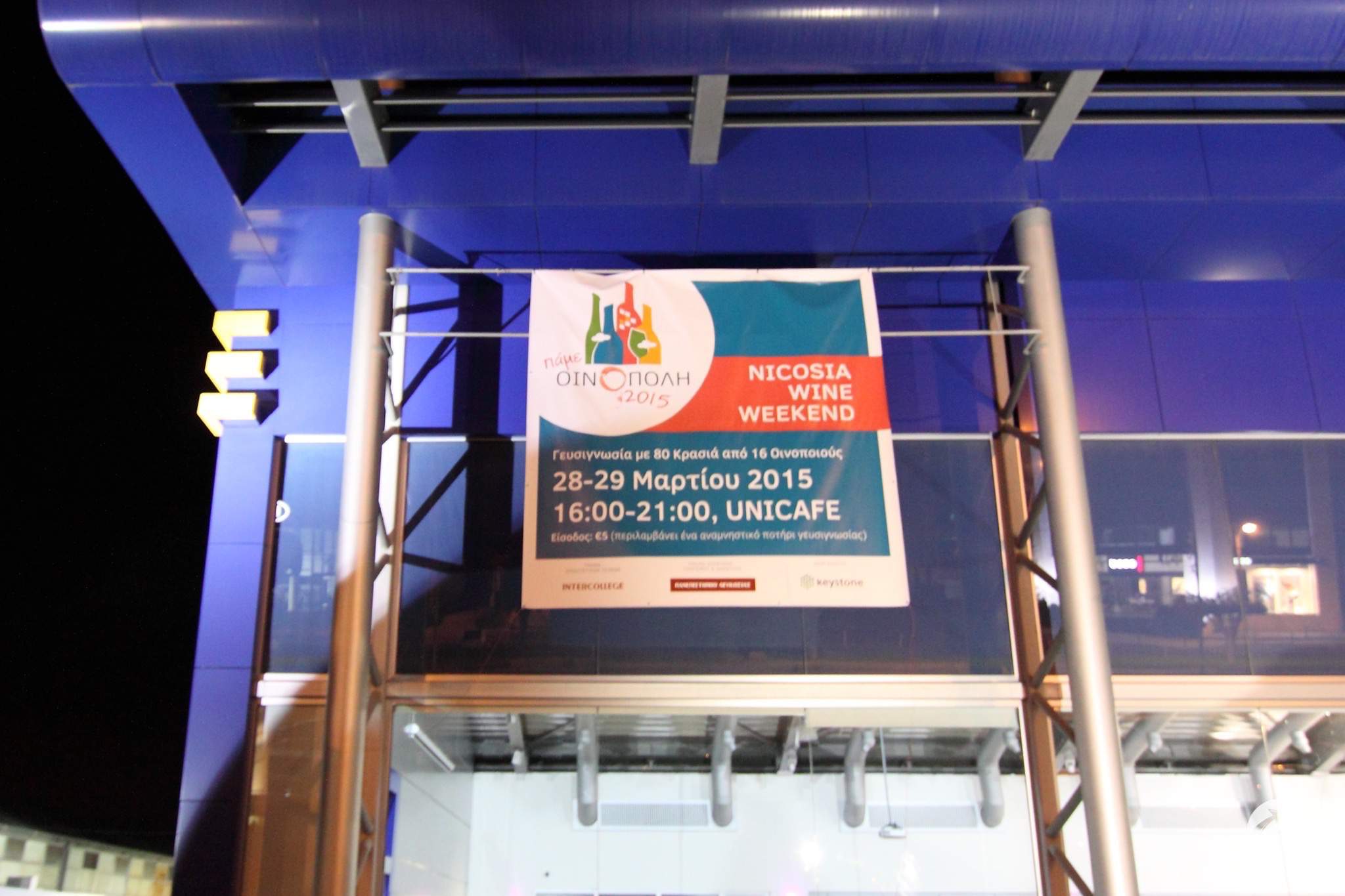
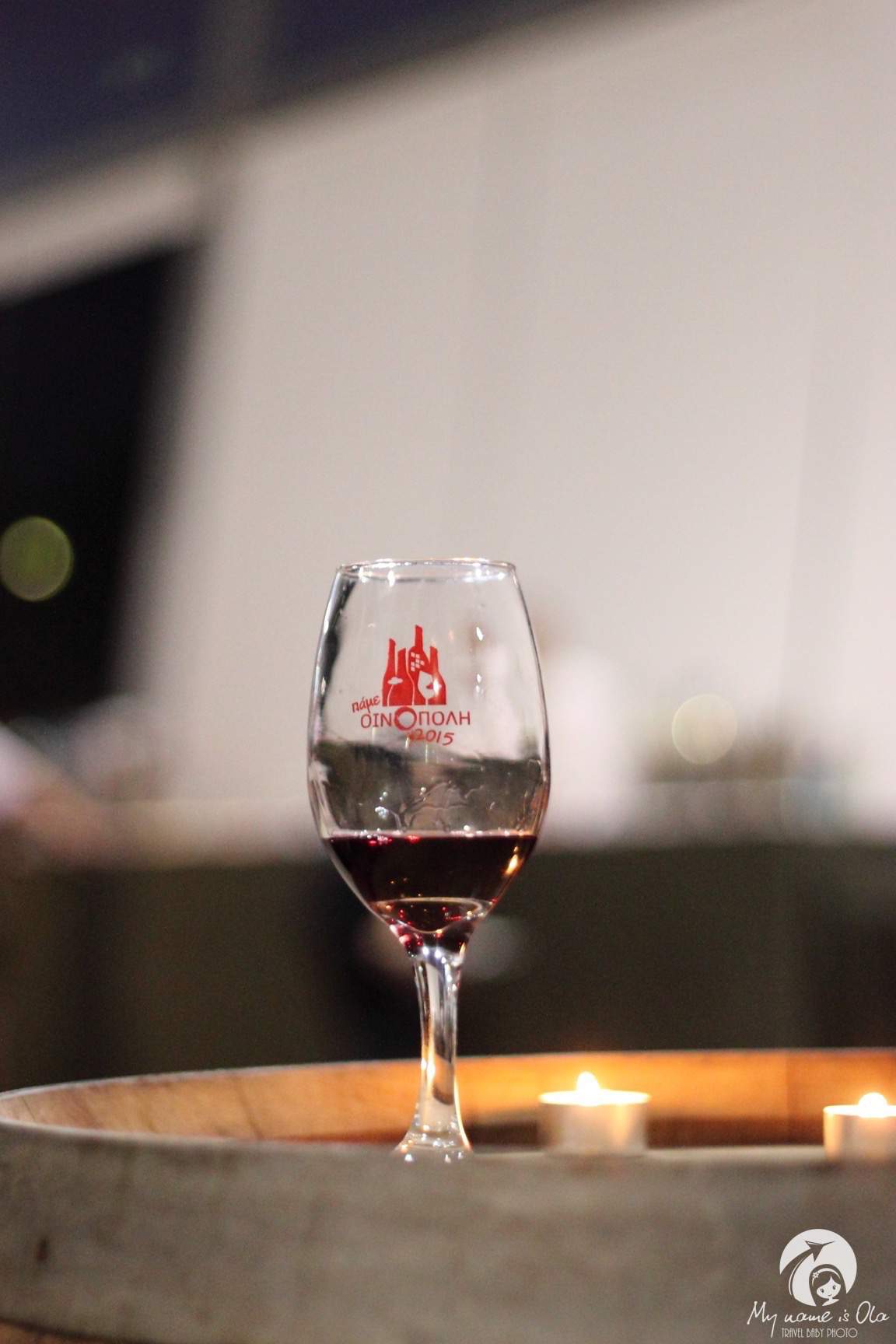
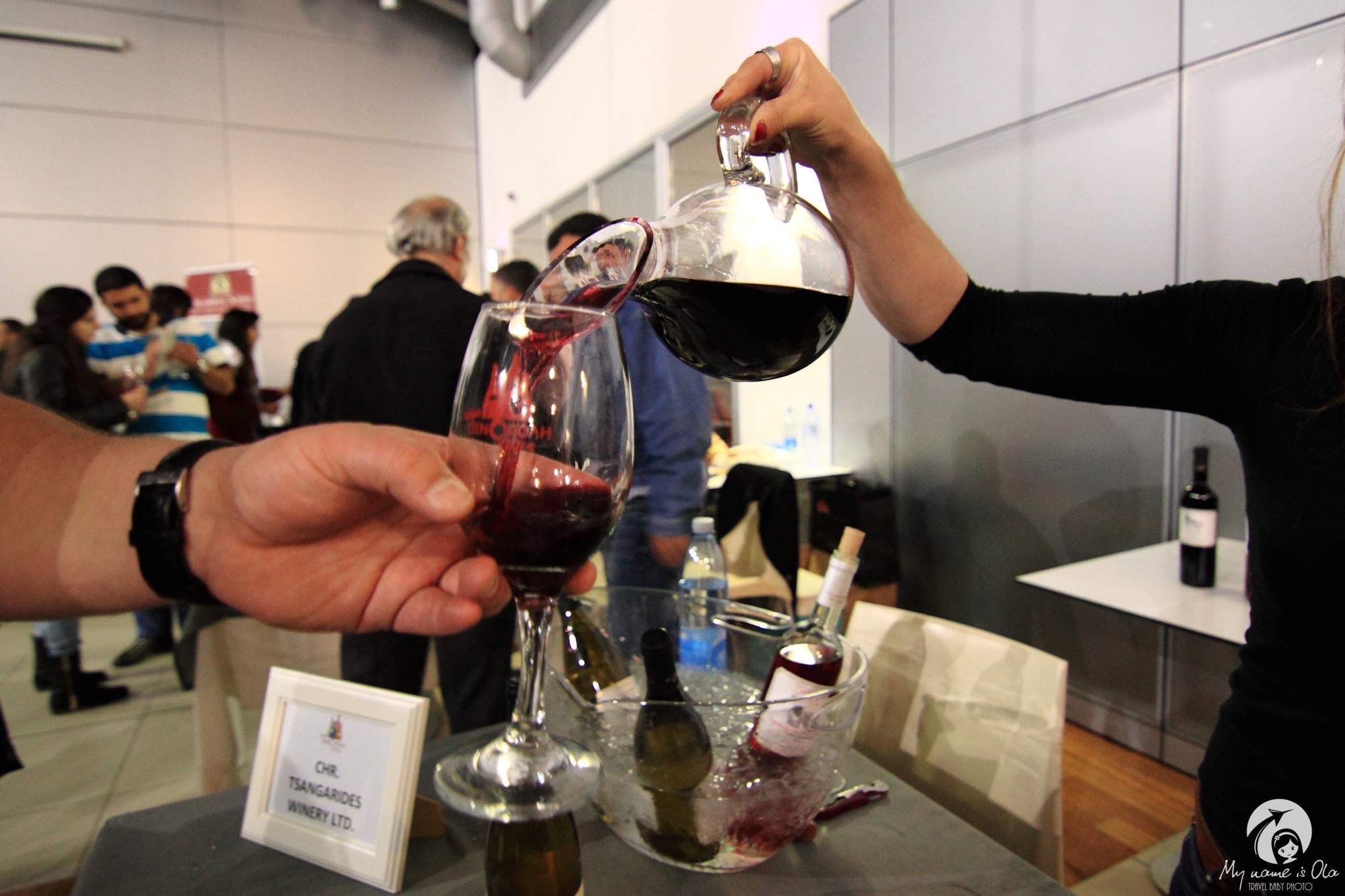
How to spend a nice evening, try around 200 Cypriot wines, including the flagship Commandaria, spending only 5 euro? Simply, just visit Nicosia Wine Weekend! This event brings to one place whole wine industry form all over the island. Producers proudly present their offer and willingly fill the glasses of wine lovers attending the festival. Everyone gets specialy prepared for this occasion tasting glass. Holding it in their hands wine enthusiasts traverse the room trying different types of wines. Producers, oenologists and other people taking part in wine production process are present on wineries’ stands to explain the details connected with their best products. It’s worth to spend a while and get to know some interresting facts on Cypriot wines.

[photosetgrid layout=”3″]Nicosia Wine Weekend, CyprusNicosia Wine Weekend, CyprusNicosia Wine Weekend, Cyprus[/photosetgrid]

Festival – lots of people, Dad is tasting next kinds of wine – great, but what about Ola? What is she doing at that time? And breastfeeding and driving Mom? Ola of course is doing what she currently likes best – runing around. At some stage children, when they already learn how move on their own, stop walking and start runing.  Since that time they see only one possibility of moving and keep on runing everywhere. That of course affects parents trying to keep up. Organizers of Wine Weekend have thought about guests like Mom. If you came by car or don’t want to drink for some other reason or have already tried so many wines and still have a few to go, you can use specially prepared spittoons. Thanks to them you can smell the wine, taste it and at the end get rid of what you don’t want to swallow. It reminds licking the ice cream through the glass but might be useful at some situations.

[photosetgrid layout=”4″]Nicosia Wine Weekend, CyprusNicosia Wine Weekend, CyprusNicosia Wine Weekend, CyprusNicosia Wine Weekend, Cyprus[/photosetgrid]

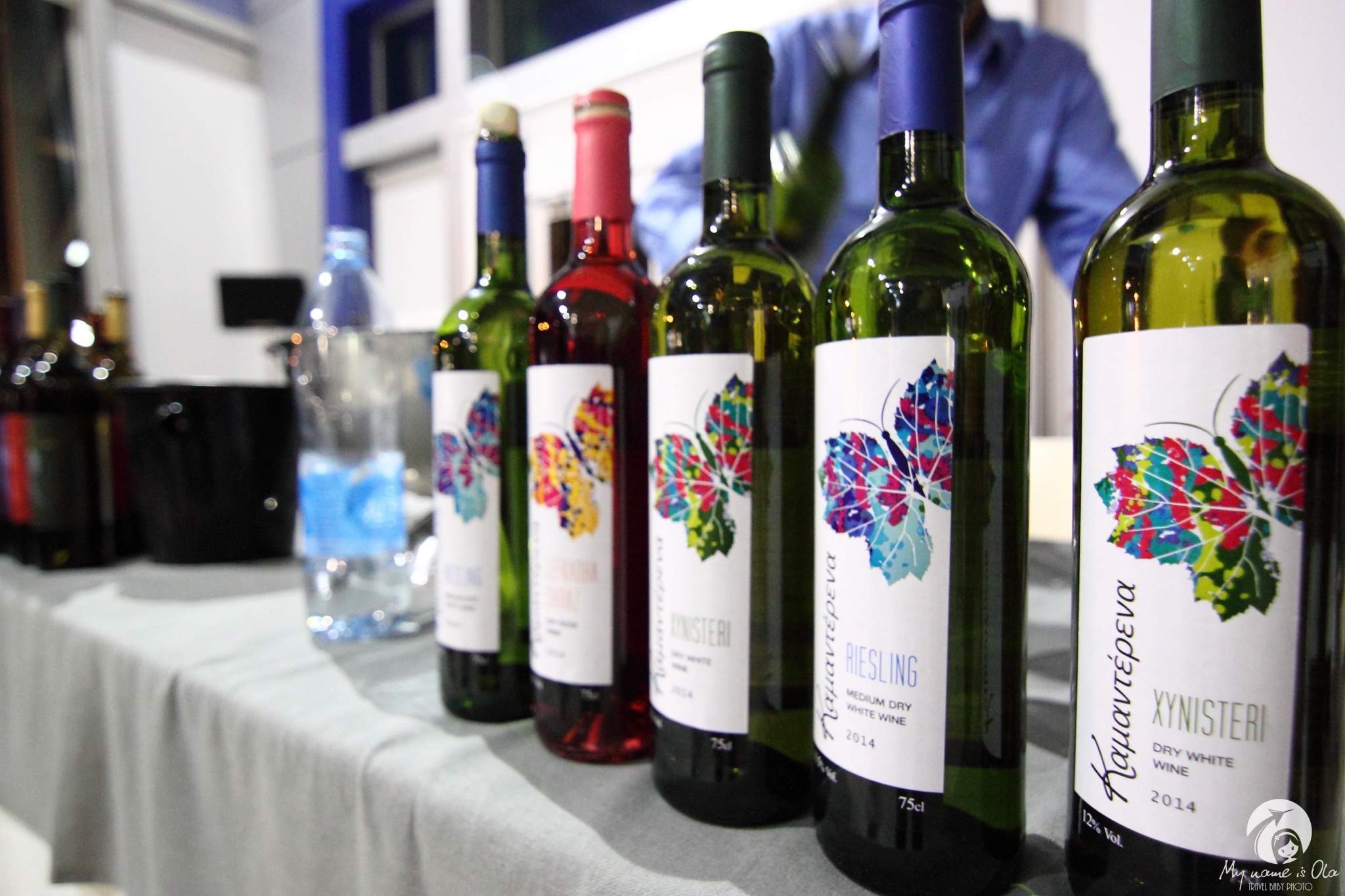
At the festival there are present wines made of well known international grape varieties as well as those produced of indigenous Cypriot grapes. We have already mentioned two most important indigenous varieties. Xinisteri and Mavro the base of  the most popular alcoholic beverages on the island. The third one, Maratheftiko, is less frequent but its popularity is continously growing. It turns out that in addition to the three above there is much more indigenous grapes varieties but in fact only Xinisteri and Mavro deserve more attention – everyone who will be trying local alcohols should get faimiliar with those names.

Xinisteri are the white grapes, very effectively grown on highier altitudes where lower temperatures allow fruits to achieve better quality. Today Cypriot manufacturers are able to produce of those grapes wines of highier alcohol content than before, with richer and more complex aroma and fuller and deeper taste. An interesting fact is that in order to bring out new flavors and aromas they let Xinisteri partially ferment in oak barrels or blend it with international varieties such as Savignon Blanc. Xinisteri takes significant part in production of most important Cypriot wine – Commandaria.

Mavro is the most popular type of grapes produced in Cyprus. Represents approximately 40% of all crops and today it is being used more as a table grape than wine ingredient. Main advantege of this variety is  that it gives a lot of fruits but most of wines made of it reach medium color, poor aroma and light taste. To create more fine wines, of deeper colour and more floral and fruity aroma, Mavro need to be grown on highier altitudes, over 1000 meters. Together with Xinisteri it is used for Commandaria production. Out of wines made only of Mavro grapes, rose ones are praised.

[photosetgrid layout=”5″]wine10wine7 Nicosia Wine Weekend, Cyprus Nicosia Wine Weekend, Cyprus Nicosia Wine Weekend, Cyprus[/photosetgrid]

Commandaria we already mentioned – it’s a flagship wine of Cyprus and being there you have to definitely try it. It’s a dessert wine, so sweet and heavy, what means that Cypriots will serve it after main meal. We will find in it a blend of those typical Cyrpiot grape varieties: – Xinisteri i Mavro. Since this is probably the most precious treasure of the island, to produce it several conditions have to be met. First of all it has to be produced in the area between Mediterranean Sea and Troodos Mountains. Cultivation, drying in the sun and the fermentation of grapes used in production must take place in one of the 14 villages that make up the appellation Commadaria. Only then the drink can use the name of probably the oldest still produced wine in the world. It was first mentioned in 12th century. While being on holidays in Cyprus we advise to get yourself at least one glass of this thick golden brown drink with coffee, chocolate and fruit aroma.

[photosetgrid layout=”4″]Nicosia Wine Weekend, CyprusNicosia Wine Weekend, CyprusNicosia Wine Weekend, CyprusNicosia Wine Weekend, Cyprus[/photosetgrid]

As Cypriot producers say the quality of local wines is mainly influenced by the environment where the grapes ripen – climate, fertile soil, topography. It is thanks to the variety of soils and the possibility of growing vines on different altitudes, that wines from the island reach distinct taste and aroma.  Especially the altitude seems to affect the quality because it allows to escape more sensitive to high temperatures plants little highier where the climate is lighter. There during the crucial period of ripening temperature is milder and rain more frequent. Such conditions allow to grow grapes of richer flavor giving the wine deeper taste.

The best idea it is to find out about all the factors influencing the quality and taste of wine at the source. Most of 50 wineries on the island welcome all visitors and invite them to see the crops, production process and of course to try their products. It’s the best to choose some winery, make a phone call and schedule a tour for yourself. If you are wine enthusiast it is even necessary to visit one of the wineries.

Weekend with Cypriot wines is not our first encounter with the drink of the gods. Our observations and knowledge we gained in different wine regions of the world have encouraged us to take part in the project of Aleksandra Vineyard. You can soon expect our first report from planting thes vines.

BlogNa stole

5 best craft pubs in Dublin

17/03/2015 — by Magdalena Kuźma0

pubs18-960x640.jpg

Ireland is not only Guinness although it might seems so after a short walk around Dublin. All the pubs in the city proudly announce having it in their offer. It turns out that its probably only the lure for turists. Once they get inside they can discover another world of different kinds and types of beer. In Dublin there is a pub at every corner but before choosing one it’s worth to check which are the best of them and not to waste time for others. Hope that knowledge will be particularily useful now as St. Patrick’s Day is just around the corner.

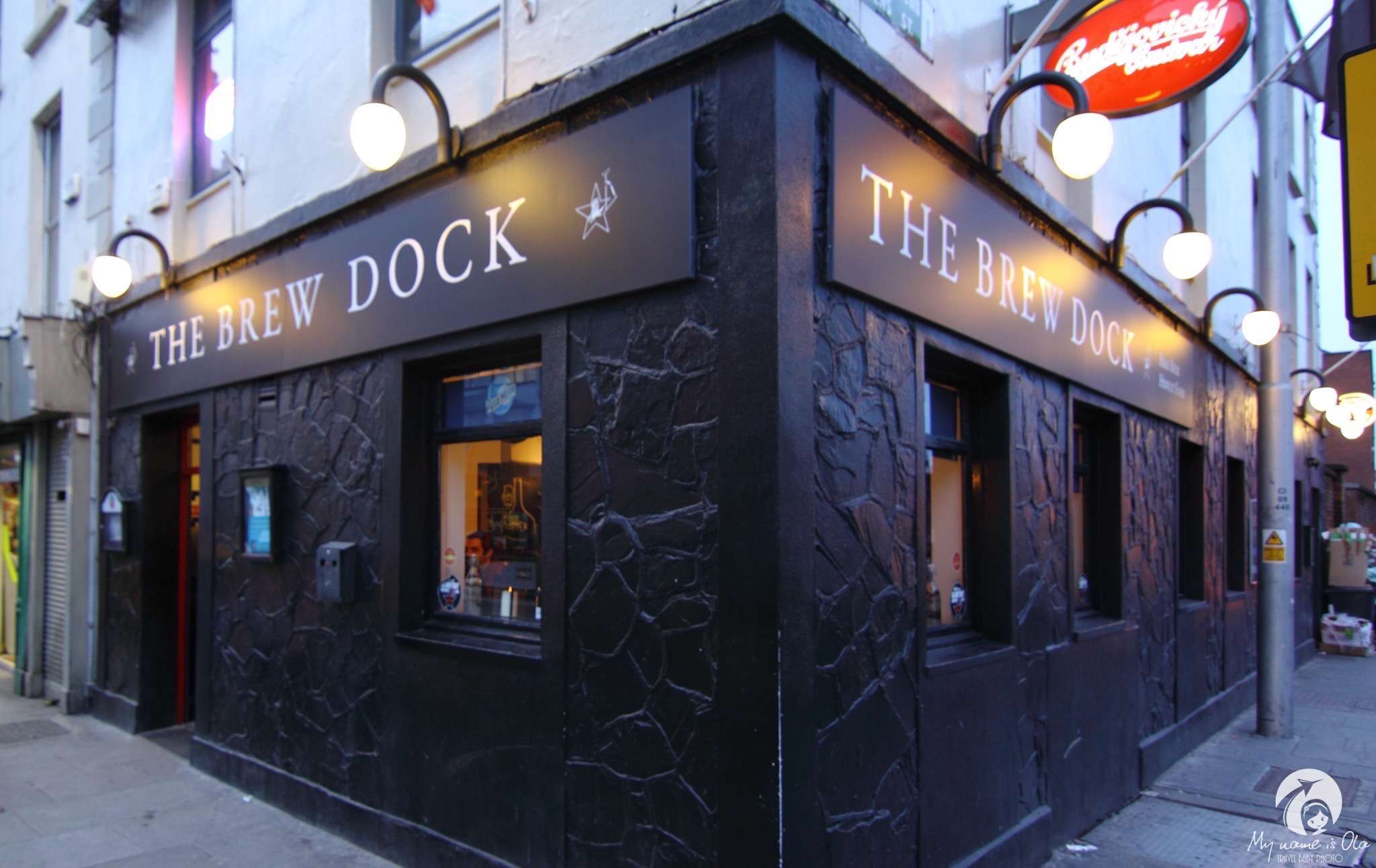
1. The Brew Dock is considered by beer drinkers to be the best pub in Dublin. And indeed the amount of people on Saturday afternoon seems to confirm this opinion. The small place barely fits all the people interested in getting in. Although it’s not located in the very heart of the city, it was really crowded. The place has over 20 taps and 100 beers in bottles. They offer their own craft beers, brewed in Galway Bay Brewery as well as some bottled beers of other producers from Ireland and outside. Galway Bay Brewery is a small craft brewery, where the beers are produced in traditional manner. Their popularity in Dublin is growing and they already have couple of pubs in the capital city. All of them are the top rated Dublin pubs. No wonder since the brewery became no 1 in Ireland in 2014.
If you get dizzy of the great choice of beers there are beer experts behind the bar ready to help you make the right choice. Friendly stuff will find something right for you, either of your favourite tastes or something that will surprise you. For a visit with a little on we recommend some early hours when all the beer enthusiasts are not there yet. All others – do exactly opposite.
The place is located near Connolly Train Station at 1 Amiens Street in Dublin.

[photosetgrid layout=”42″]Brew DockThe Brew DockThe Brew DockThe Brew DockThe Brew DockThe Brew Dock[/photosetgrid]

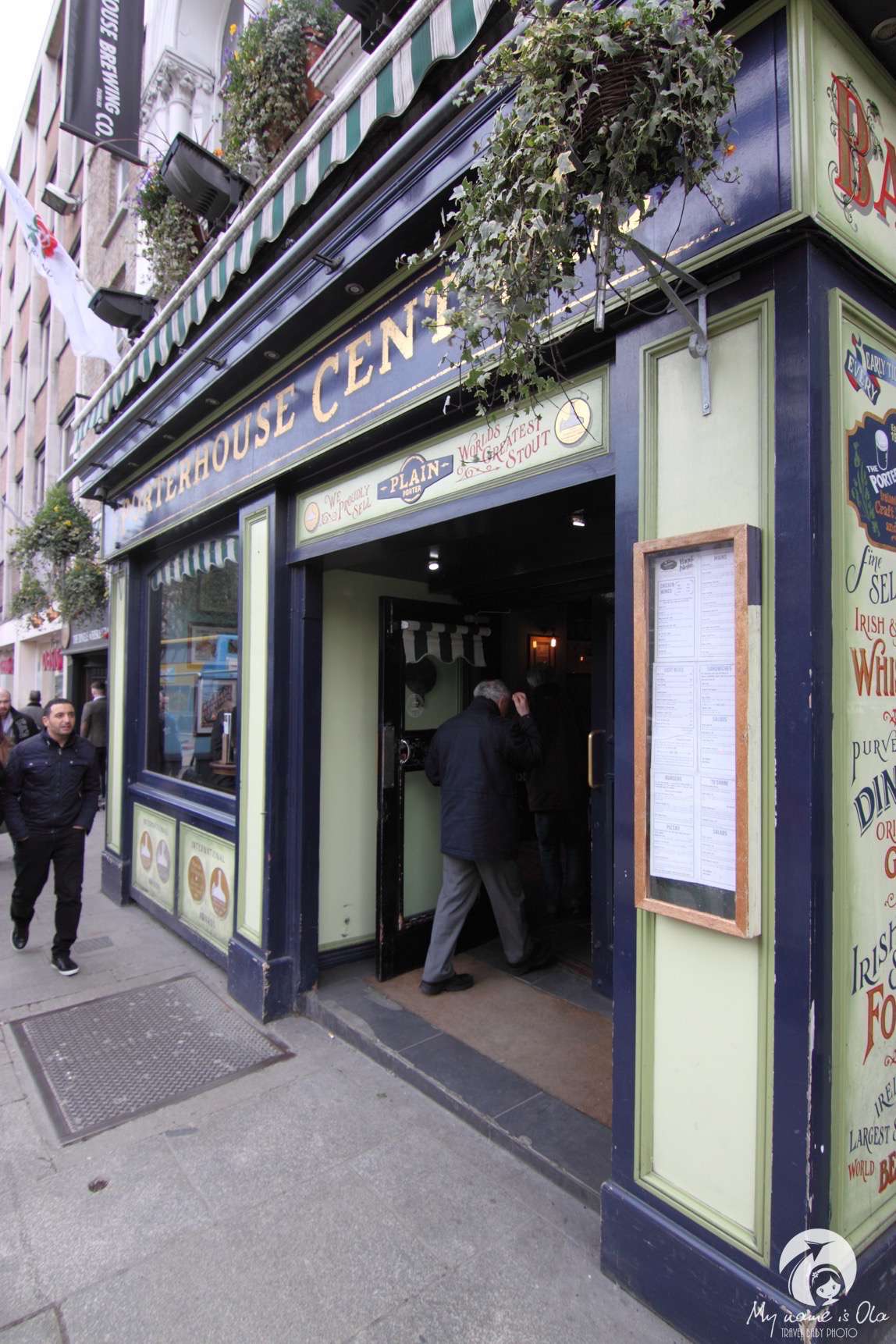
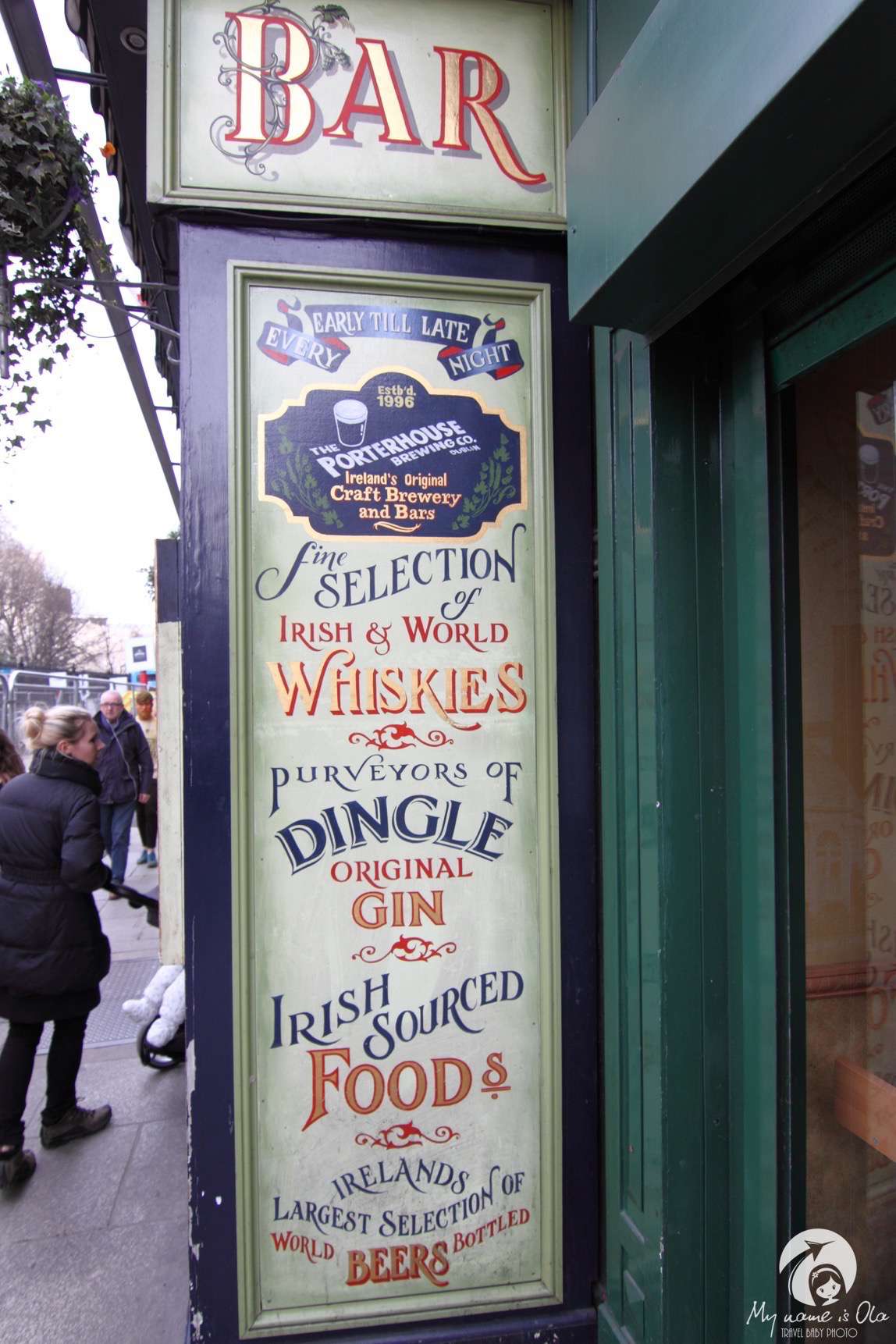
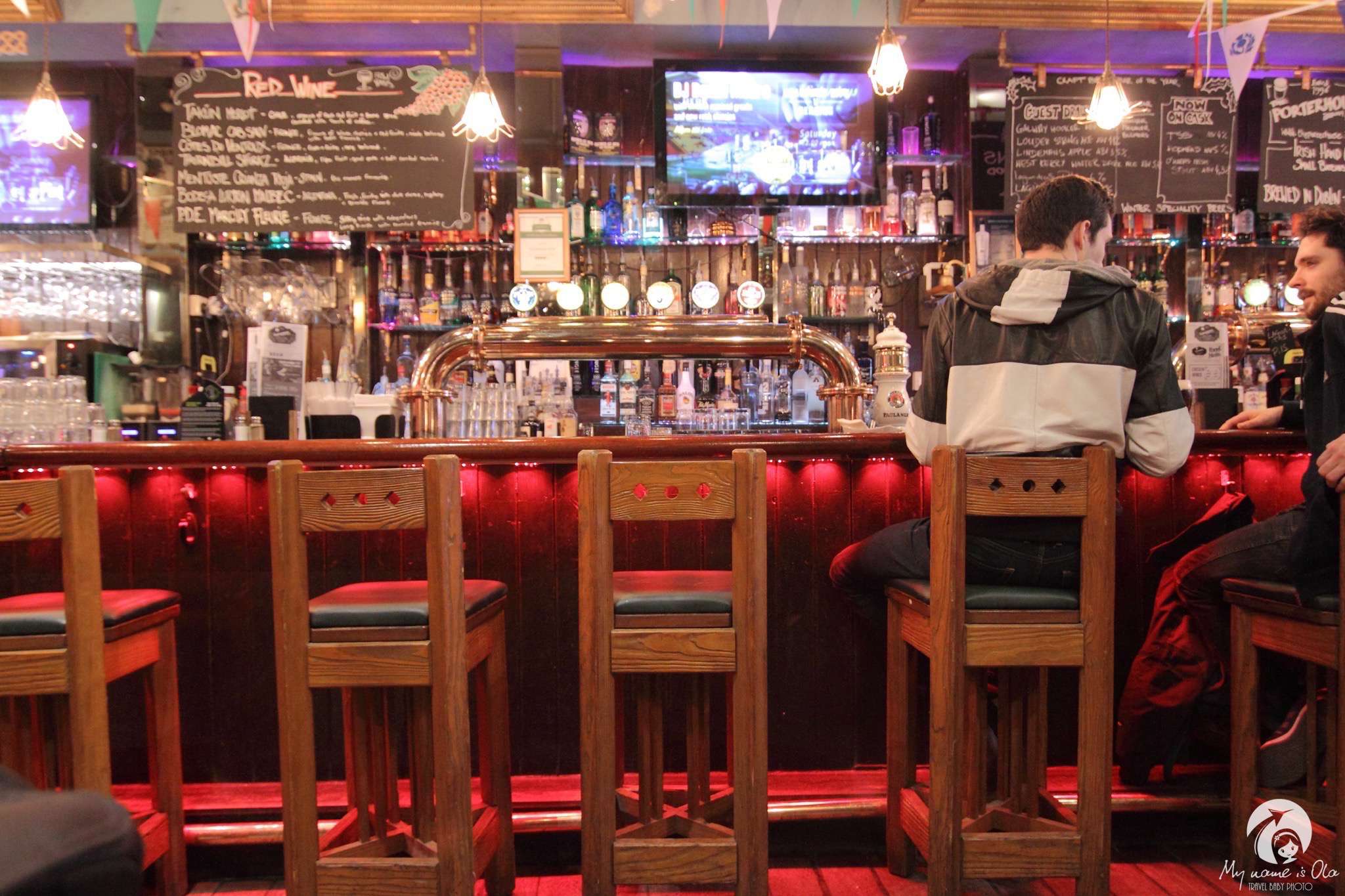
2. The Porterhouse Central – the pub with the longest bar in Dublin but also with rich selection of beers. Run by Porterhouse, a craft brewery. They have couple of pubs around the world and Central is one of their latest. It was opened in 2004. The pub is very big; small entrance doesn’t indicate that but the bar goes deep into the building. The decoration resembles traditional Irish pub and it’s full of people even during the day. The view of the outside made us think that the place is hundred years old. Atmosphere we would describe as cheerful and fun. Besides beer produced in their own brewery they offer wide range of beers from outside Ireland. Apart from many of taps they also serve some beers from casks. As every decent pub, they have serve some food and live music in the evenings. Draught beer prices start from 5 euro and 5,50 after 11 pm.
It’s located near the important Dublin landmark – the Trinity College, at 45-47 Nassau Street.

[photosetgrid layout=”42″]Porterhouse CentralPorterhouse CentralPorterhouse CentralPorterhouse CentralPorterhouse CentralPorterhouse Central[/photosetgrid]

3. Against The Grain – another pub run by Galway Bay Brewery with an incredible range of beers and friendly, humorous staff. Decoration of the pub is not rather simple, nothing impressive, although it became our favourite one. Walls are hung with different beer-connected posters. Bar is filled with taps; hard to say how many of them are there. Chalk board above lists 30 different tempting beers but we advise checking their degustative sets. Fantastic stuff will choose something interesting for you if only you tell them what you like. The set is three kinds of beers 150 ml each. That gives the possiblity to try some new tastes and either choose what pint to order or encourages to continue looking for new flavors. It’s a very good idea especialy that prices are fair – for that sample amount they charge appropriate part of the regular beer price. So you are not paying anything more and get to try different variations. Look for such offer in other multitap bars! It’s really a good way to experience the most. Prices start from around 5 euro for pint, the upper limit doesn’t probably exist. We visited the place early afternoon and beside couple drinkers at the bar the whole space was for us. Ola of course had to inspect every corner and luckily she didn’t disturb anybody. She was happy to run around the place. She even tried to get behind the bar but we held her up in the last second.
Location: 11 Wexford Street, Dublin.
[photosetgrid layout=”34″]Against The GrainAgainst The GrainAgainst The GrainAgainst The GrainAgainst The GrainAgainst The GrainAgainst The Grain[/photosetgrid]

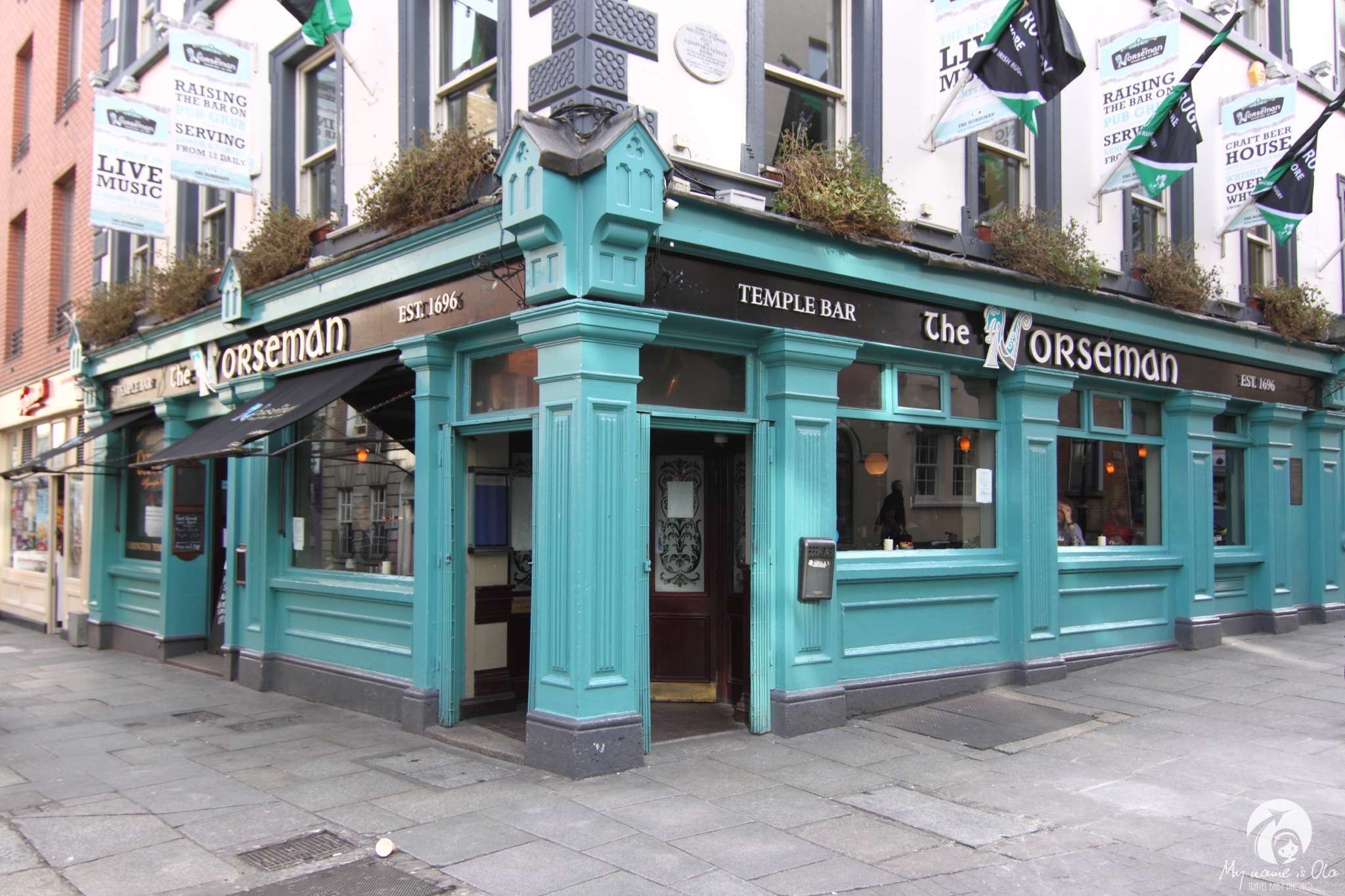
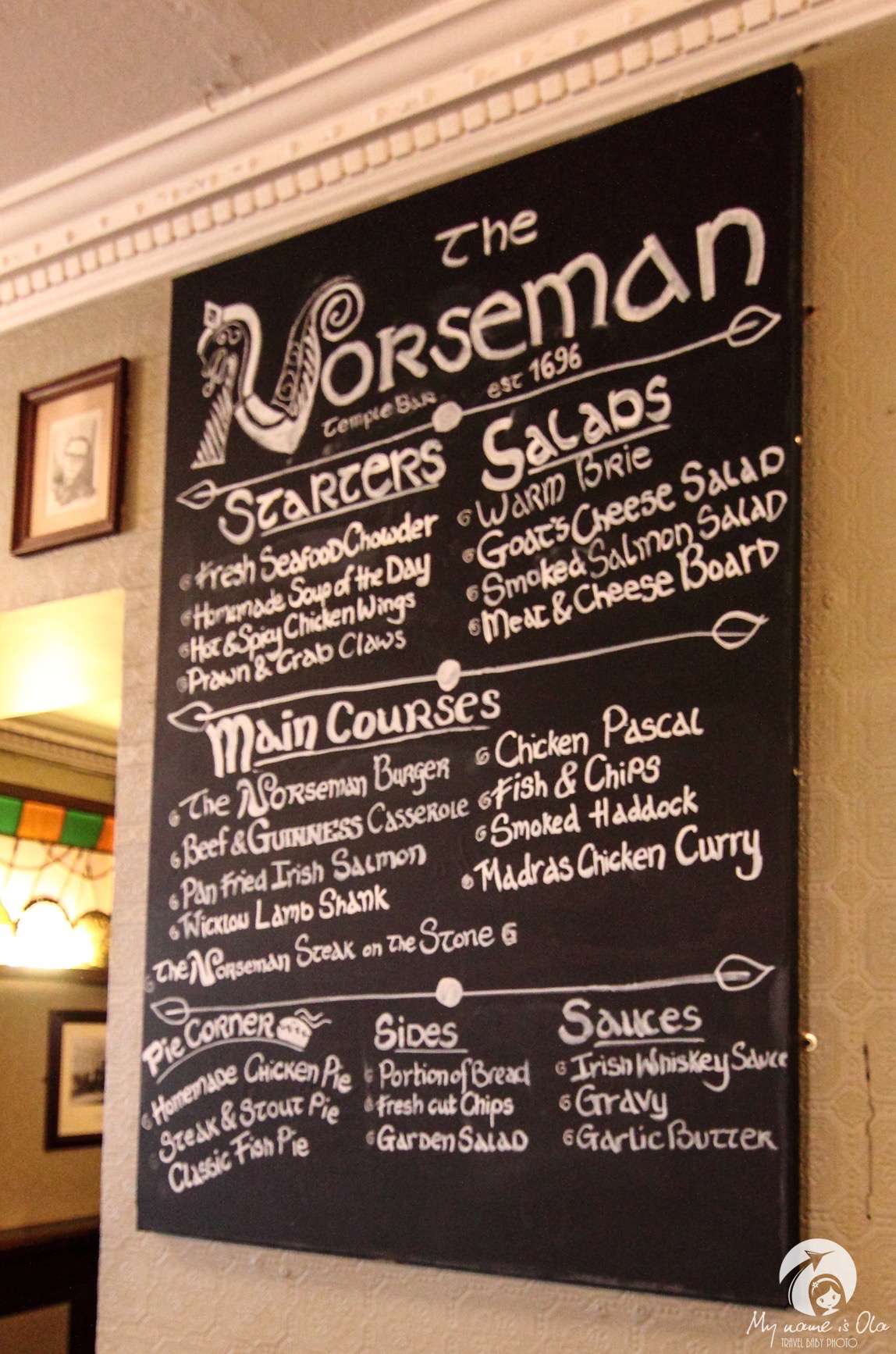
4. The Noorseman – they claim to be the oldest place in the Temple Bar quarter. Besides the bar they offer hotel rooms upstair. A good solution for those who like to party a lot – you are staying in the heart of entertainment district of Dublin and to start the party you just have to go downstairs! We made beer leitmotif  of our pub crawl in Dublin but of course Ireland besides of beer is the home of whiskey. Of course all the pubs we have been to offer both whiskey and beer but on this trip we decided to stick to beer. To describe the bar it’s necessary to mention that they had a wide range of whiskey, not only Irish but also Japanese, American, Lowland, Highland, Speyside. For whiskey tasting they have even developed the special routine but again we decided to choose something from rich offer of craft beers. In Norseman we also tried some of their cuisine and the thing that we really liked was a seafood chowder. It’s a thick soup made of milk and seafood. It was invented by Irish people and is a really popular option for lunch in Dublin. It is served with some homemade porter bread.
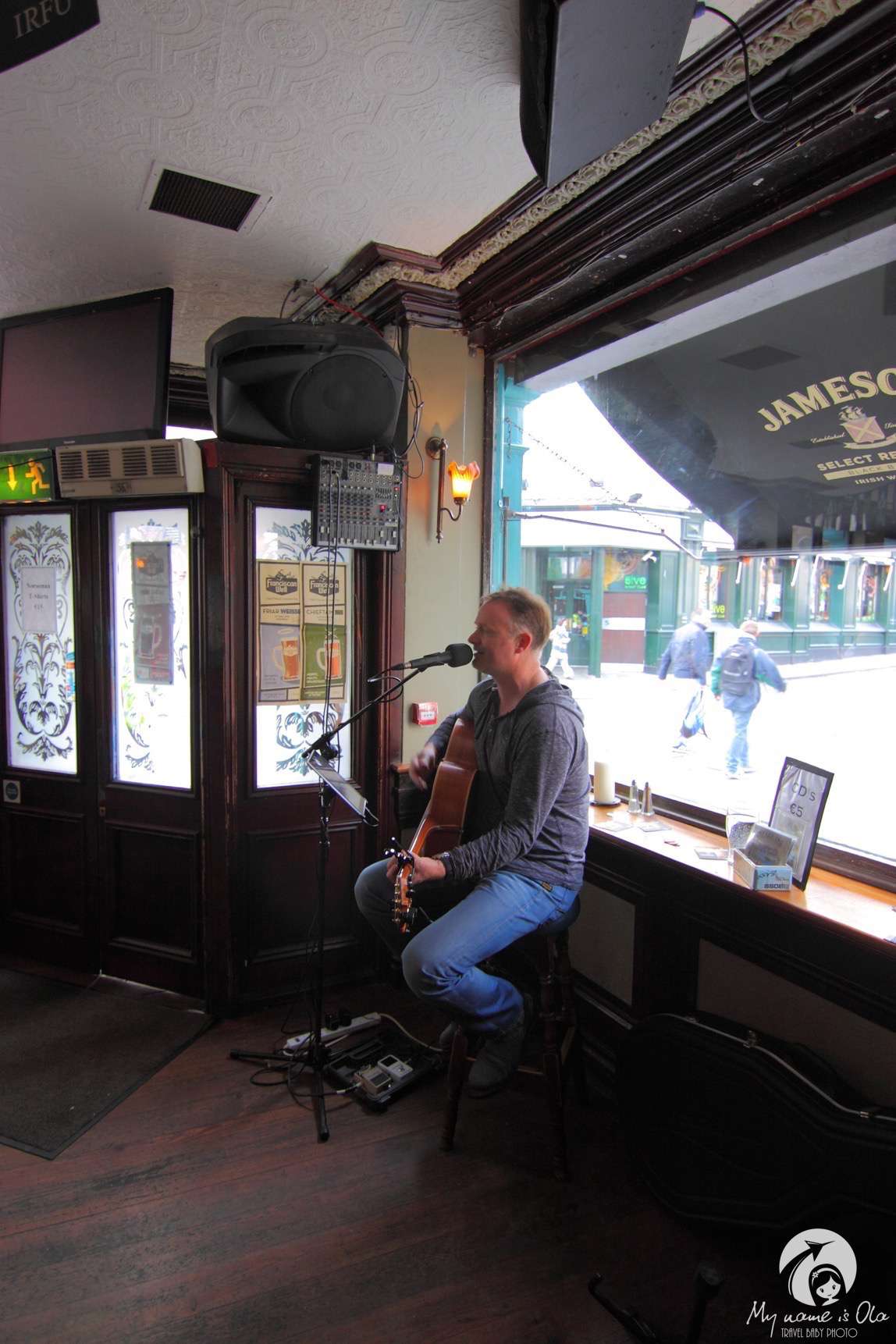
The place has classic, traditional Irish design and kitchen open all day long. Live music on weekends starts from early hours.
[photosetgrid layout=”34″]The NorsemanThe NorsemanThe NorsemanThe NorsemanThe NorsemanThe NorsemanThe Norseman[/photosetgrid]

5. The Black Sheep – another place run by the Galaway Brewery that is in the top rated Dublin pubs. Again, place full of craft brews. Outside decorated with traditional Irish wooden cover but inside the place is, we would say, rather in hipster style. Different chairs at the tables, people playing some table games, chalk board with their seasonal and rare beers. For undecided there is an interesting proposal to spin the wheel and let the fortune start their evening. Multitap offers plenty of beer types starting from 4.00 euro for pint; in addition, just around the corner, at the opposite end of the bar they have a cask corner. There is a choice of 3 or 4 beers from the casks. The difference between tap and cask is that from the cask the beer is pumped out mannualy, using just air without carbon dioxide. Beer experts say that only some kinds of beer are to be poured that way because beers of higher bitterness do not taste as the should when pumped from cask. Place offers some simple food to beer.
The bar located on the other side of the river Liffey than Temple Bar area, 10 minute walk from O’Connel Street. Address:  61 Capel St. Dublin.
[photosetgrid layout=”34″]The Blask SheepThe Blask SheepThe Blask SheepThe Blask SheepThe Blask SheepThe Blask SheepThe Blask Sheep[/photosetgrid]

Enjoy St. Patrick’s Days! Cheers!

BlogNa stole

Bruges’ most famous – beer

12/02/2015 — by Magdalena Kuźma0

Beer-fest2-960x640.jpg

Bruges attracts some people by its charm, canals network and the spell of its narrow streets and neat apartment houses. Others are drawn to Bruges by the perfection of Belgian chocolate or cuisine. We were lured by another typical Belgian product – beer. It has been well-known for us since ever. Today more and more often we reach for wine but beer is still something that we like. Especially since beer sector has undergone a serious revolution. New hopes, new types of beers appeared bringing to the beer craft new flavours to be discovered.

Going to Bruges we planned to take part in Bruges Beer Festival. It was its 8th edition we had a chance to visit. Maybe because we are not connoisseur or experts, we just simply like beer, we were impressed by over 300 beers from 80 breweries.

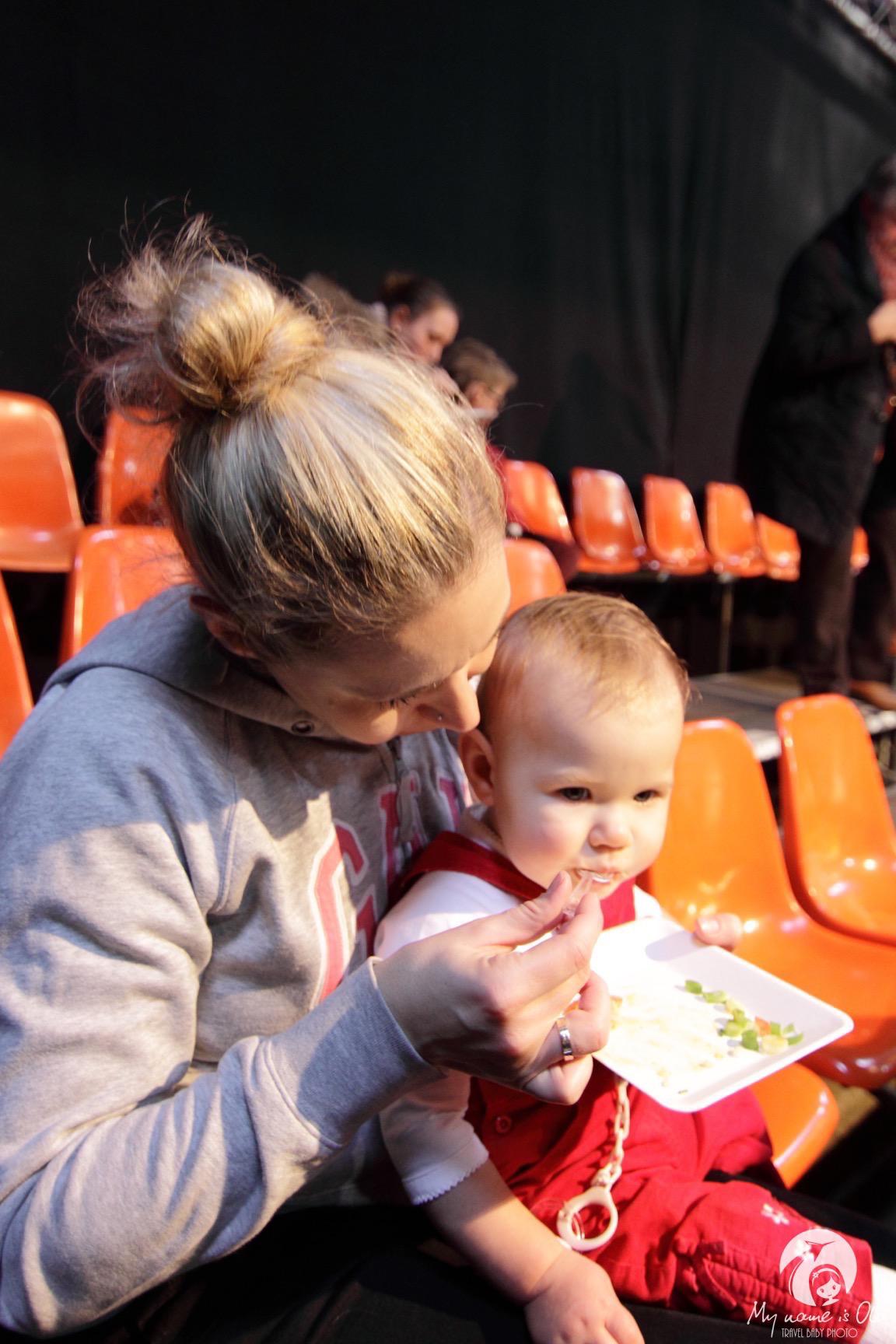
Our first impression was that it was some kind of beer geek convention but in fact the atmosphere reminded  a family gathering. We expected Ola to be the only child there and were even wondering if it will be appropriate to take her there. It was. Not only we met other kids there but some of them were way smaller than Ola. Not to mention dogs which visited the show as well. We noticed many international participants. People from all over te world invaded Bruges to follow up the novelties in beer sector, discover new tastes and enjoy well known ones. We were surrouned by enthusiasts with their noses in teku glasses smelling for new aromas and discussing about beer and its advantages.

[photosetgrid layout=”23″]Bruges Beer FestivalBruges Beer FestivalBruges Beer FestivalBruges Beer FestivalBruges Beer Festival[/photosetgrid]

We started with a kit for 20 euro with two tasting glasses and 8 tokens, each for 150 ml of liquor.

Bruges Beer Festival

At the begining we tried some belgian style beers, we spent a lot of time at the stand of Delirium Tremens with their characteristic pink elephant. We couldn’t have passed by Kwak – a type of Belgian beer served in specialy designed glasses and typical Belgian tripel beer. From the wide range of dark beers dad espacially liked Muurken. And of course we had to try some barley wine and russian imperial stout from White Pony Brewery. Those were good things!

[photosetgrid layout=”232″]Bruges Beer FestivalBruges Beer FestivalBruges Beer FestivalBruges Beer FestivalBruges Beer FestivalBruges Beer FestivalBruges Beer Festival[/photosetgrid]

Besides beer there was some food at the fairground. Nothing special but some snacks for all those who got hungry after having couple of glasses of the liquor. There was also an arena for presentation of cooking by some Belgian chefs. And it was the place where mom and Ola spent most of time. After having her own dinner Ola enjoyed some samples of food cooked on the stage. She seemed to appreciate chefs’ skills as was looking for more!

[photosetgrid layout=”2″]Bruges Beer FestivalBruges Beer Festival[/photosetgrid]

We took teku glasses home as souvenirs, maybe next year we will visit the show too and get another ones.

In the afternoon when some serious quantities of beer have been consumed the atmosphere became more cheerful. It even spreaded to the city. Suprisingly even in our hotel we found some people from the fairs continuing the fest in a really well equipped bar.

[photosetgrid layout=”23″]Bruges Beer Festival Bruges Beer Festival Bruges Beer Festival Bruges Beer Festival Bruges Beer Festival[/photosetgrid]

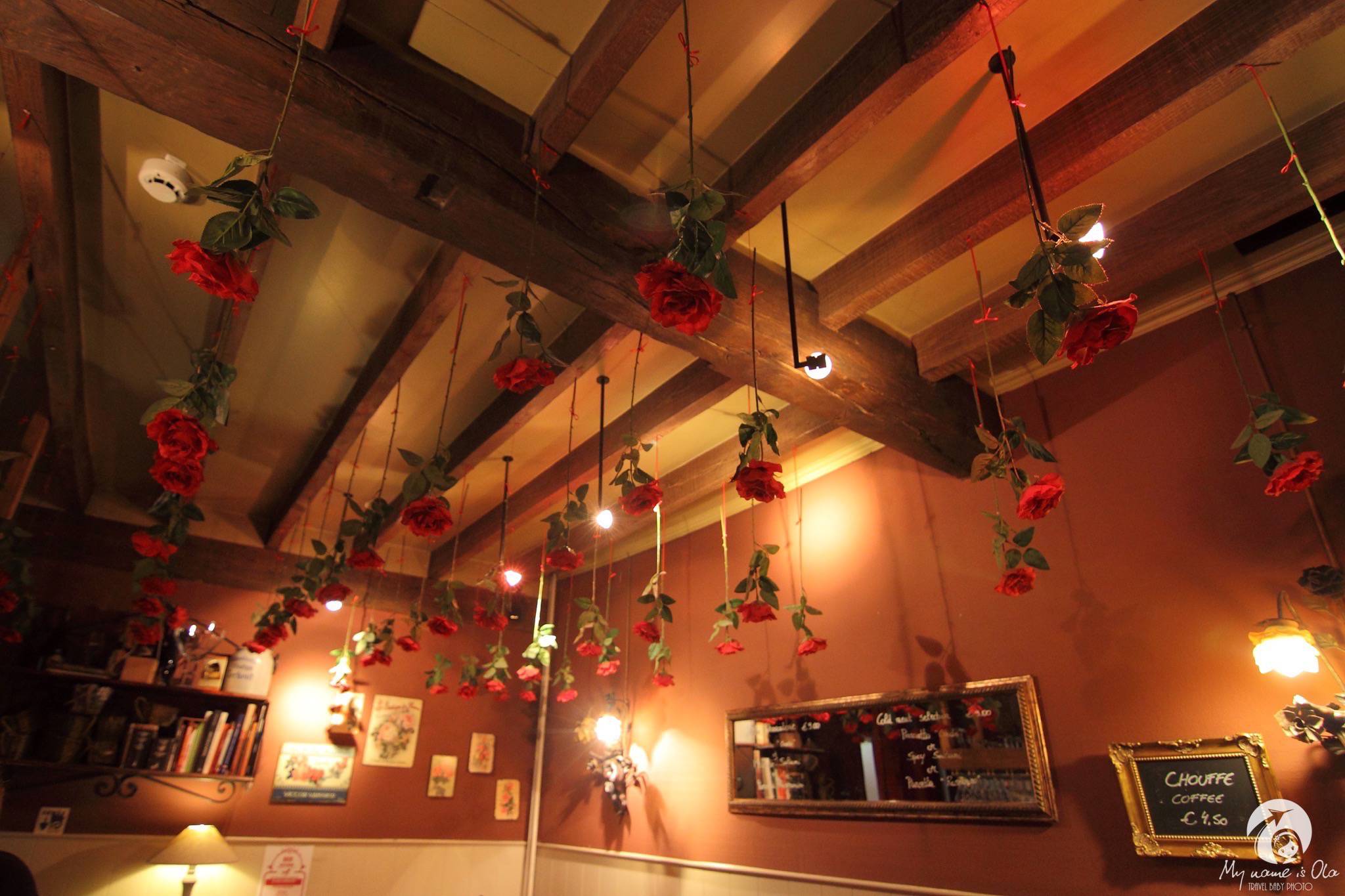
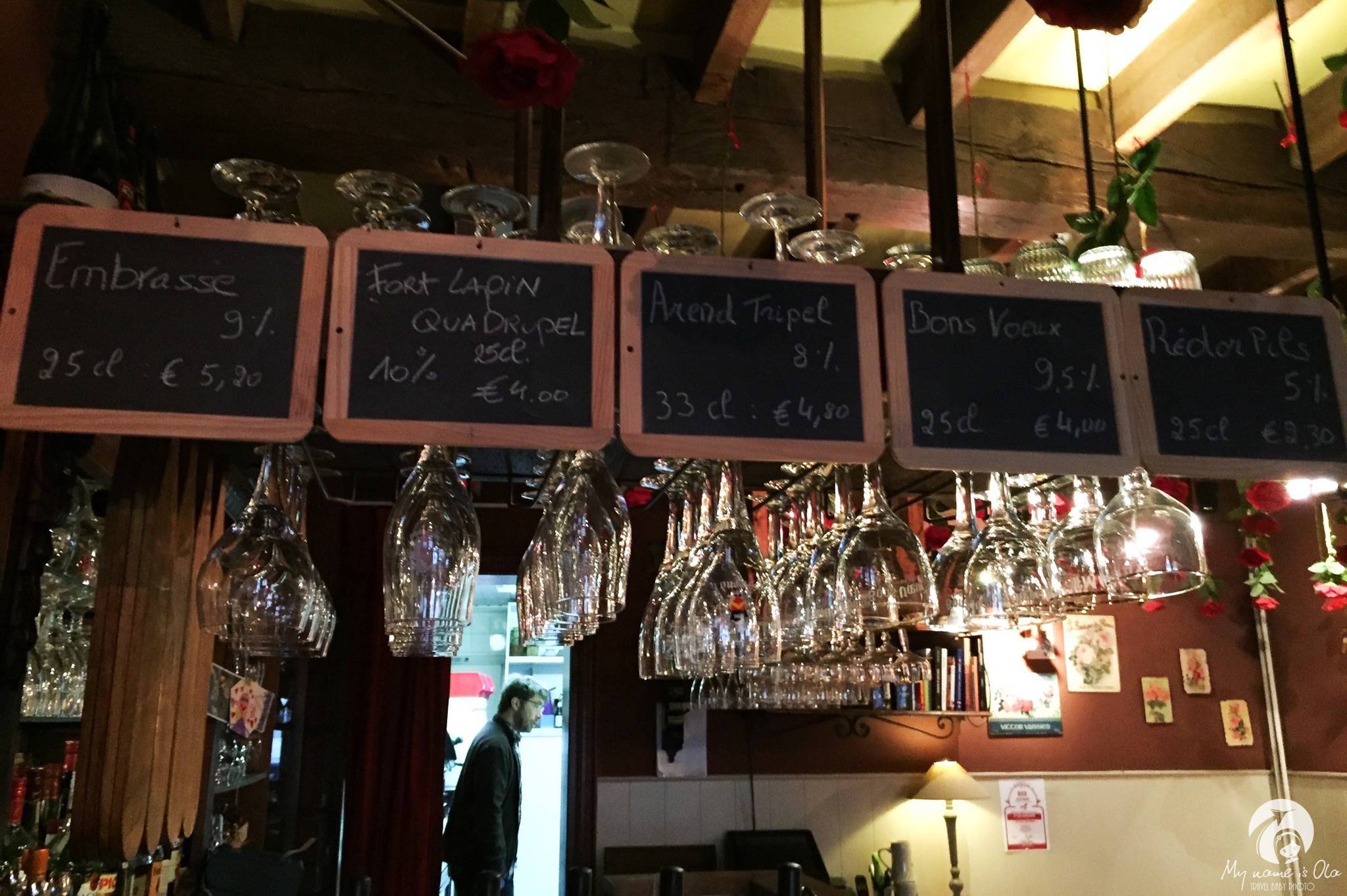
We can reccomend hotel Cordoeanier as it is located in the very center of the city and has good range of beers.

BlogNa stole

Bruges’ most famous – chocolate

20/02/2015 — by Magdalena Kuźma0

Bruges11-960x640.jpg

Now comes the time to talk about something really good – chocolate. Poor Ola has no idea yet, how delicious tastes she is missing. Belgium somehow became a spectialist in matters of chocoate since when the coca came first to Europe in 16th century and its chocolatiers became masters in this art of producing sweet pralines. It’s a paradise for those – like Ola’s mom – ready to give up everything for chocolate.
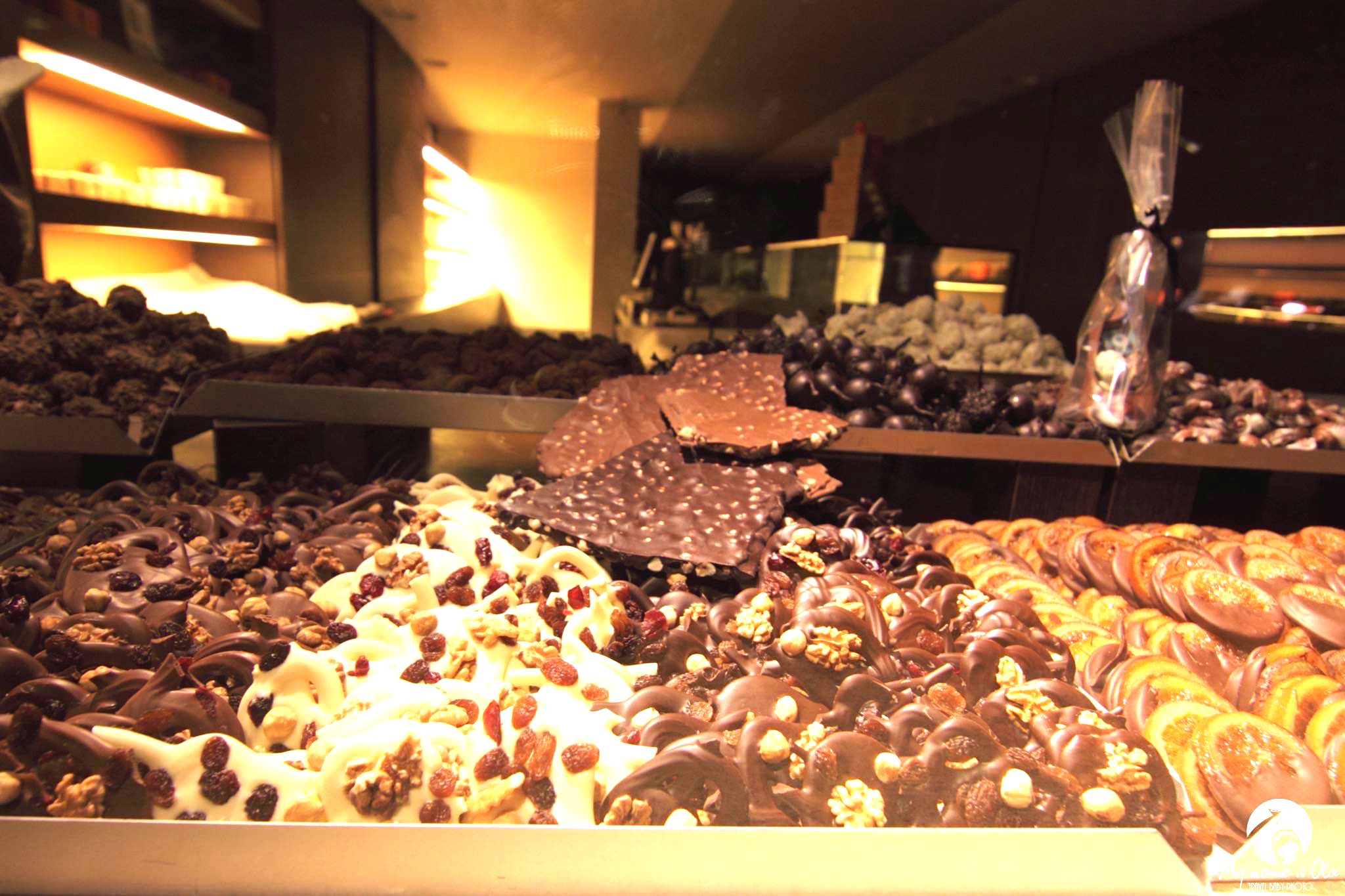
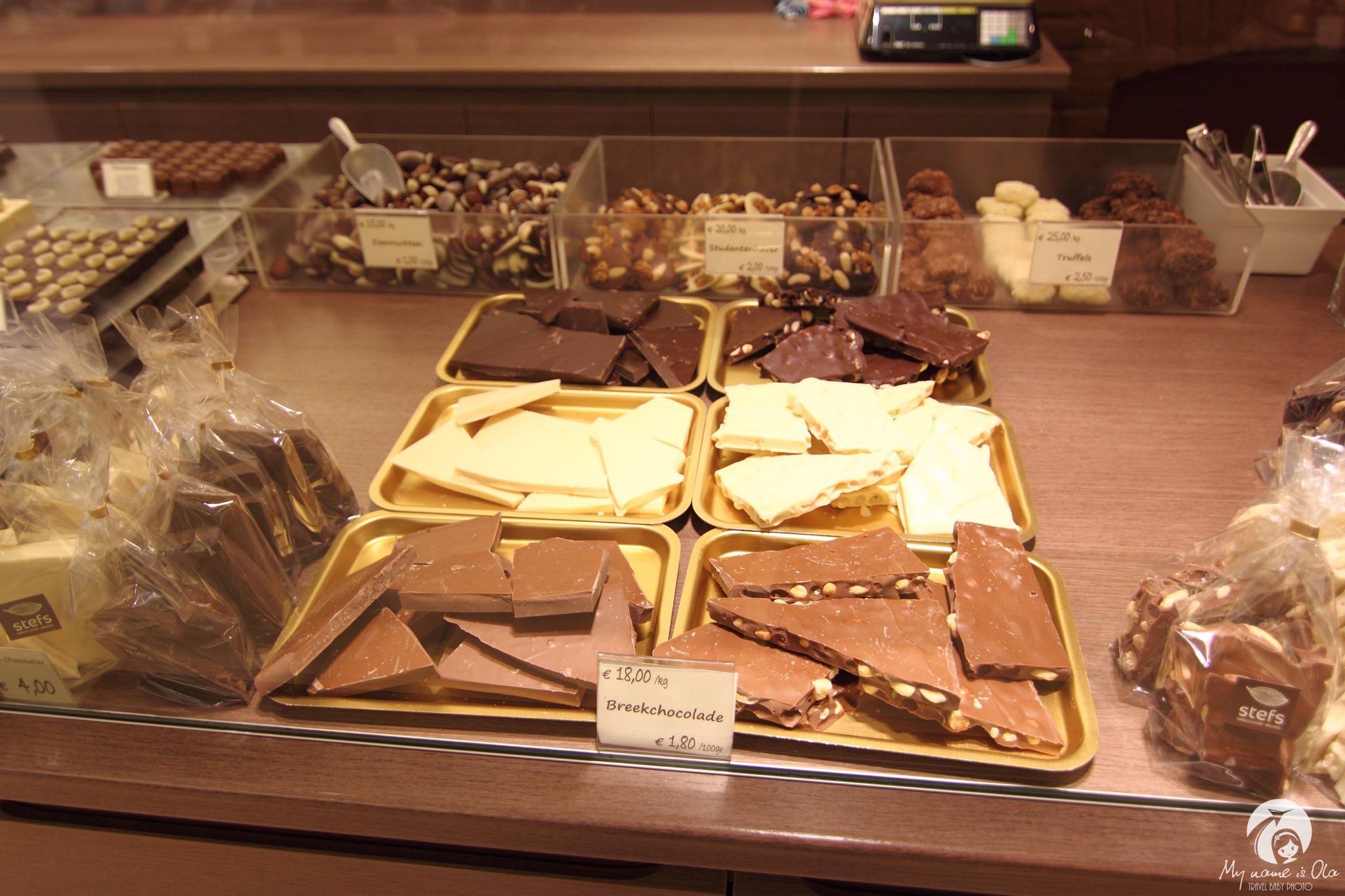
Passing on and on the Bruges’ shop windows full of chocolate from white to dark, with nuts or without, plain or decorative pralines we decided to visit local musem of chocolate to find out what is the story of this delicious sweetmeat.
[photosetgrid layout=”3″]Bruges, Belgium Bruges131Bruges, Belgium[/photosetgrid]Museum is called Choco-Story and is located 2 minutes away from the main square in Bruges – Grote Markt. It is run by the owners of Belcolade chocolate factory. We were expecting a lot visiting this museum. We imagined a modern institution with chocolate figures, participation in production process, with hovering in the air the smell of chocolate, with tempting chocolate products around us. Buying the tickets (8 euro/ person, kinds under 6 free) we have not yet figured out what kind of place we are entering. Together with the ticket we got a chocolate bar and were directed to the lift. We passed the huge chocolate egg and went up.
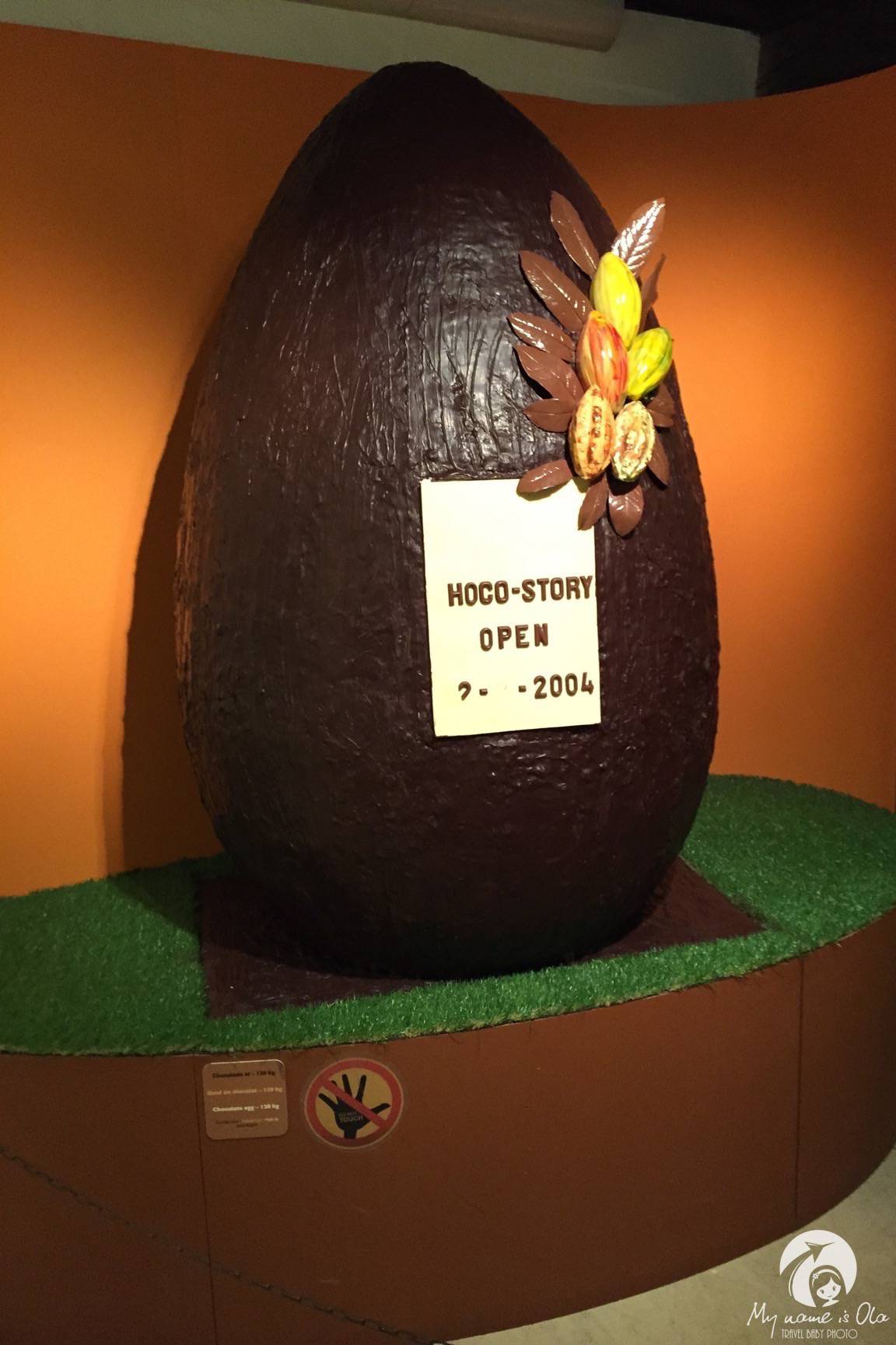
Choco-Story, Bruges, Belgium

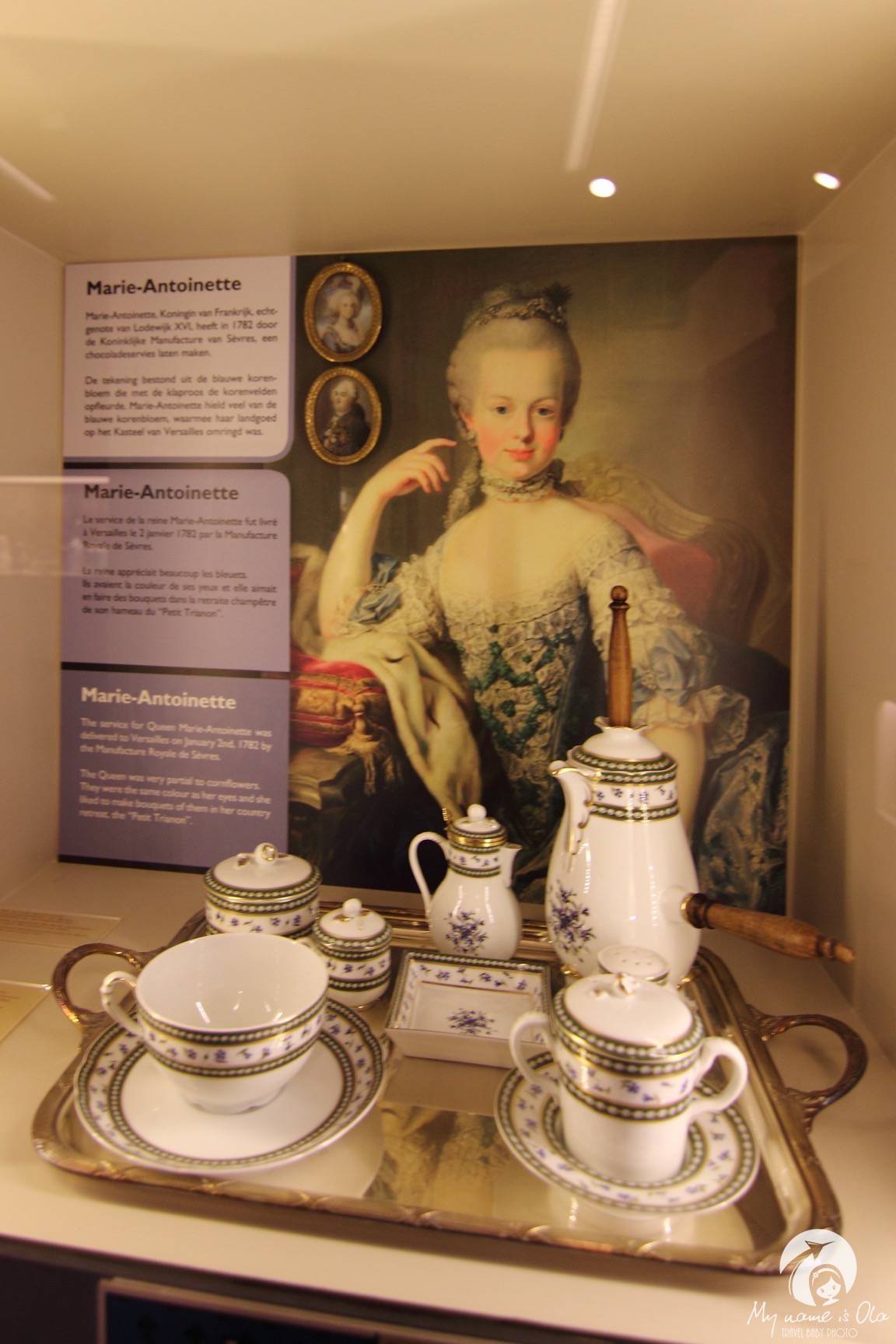
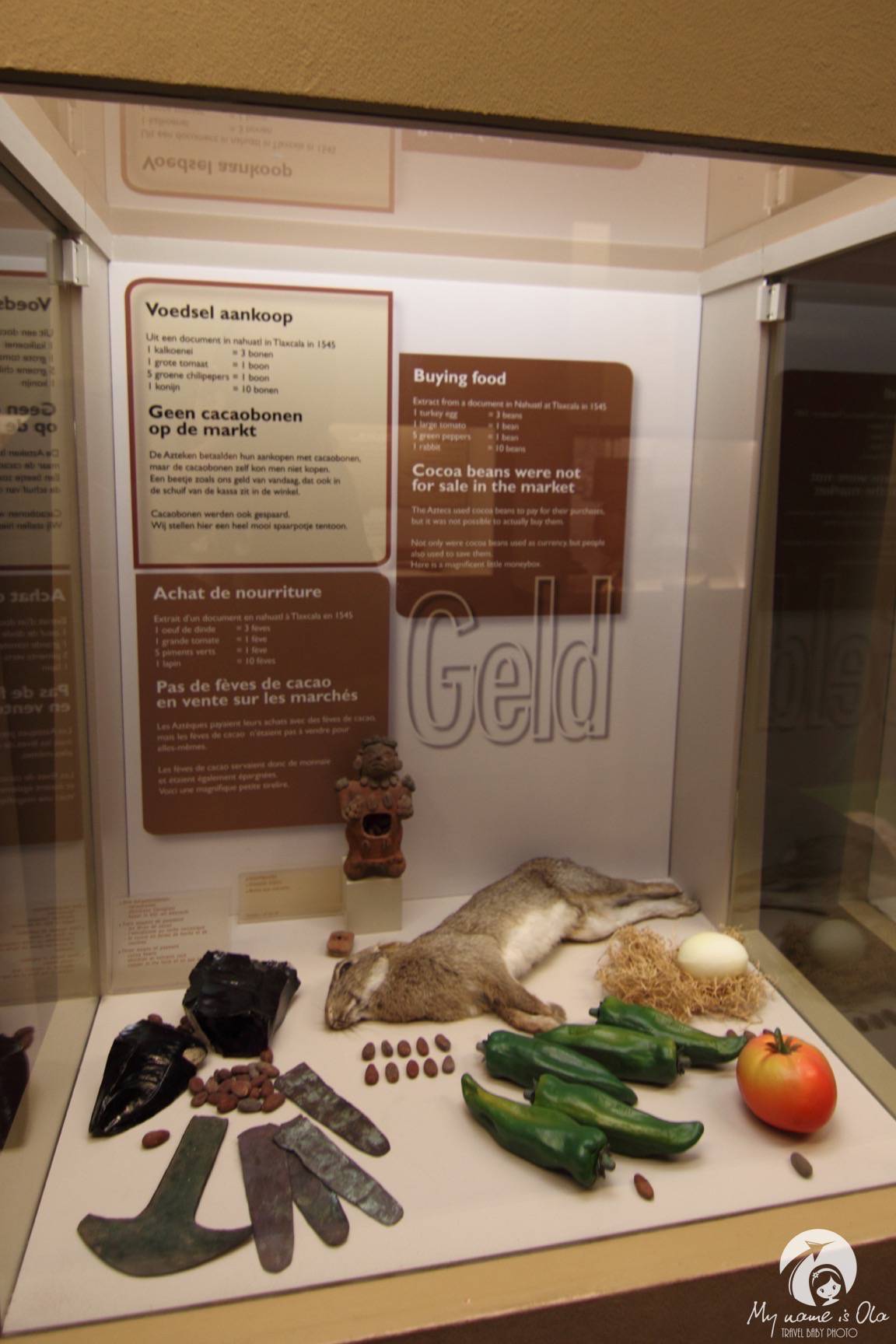
When we got on the first floor we saw small glass cases filled with some stuffed animals and archeological finds. So it’s this kind of place… Further it was even worse, there were some dishes and more archeological items displayed. All that accompanied by white and brown boards in three languages: Dutch, Frech and Englich. Yawning of boredom we decided to focus on the story. Maybe we will find out something interesting…

[photosetgrid layout=”5″]Choco-Sotry, Bruges, Belgium Choco-Sotry, Bruges, Belgium Choco-Sotry, Bruges, Belgium Choco-Sotry, Bruges, Belgium Choco-Sotry, Bruges, Belgium[/photosetgrid]

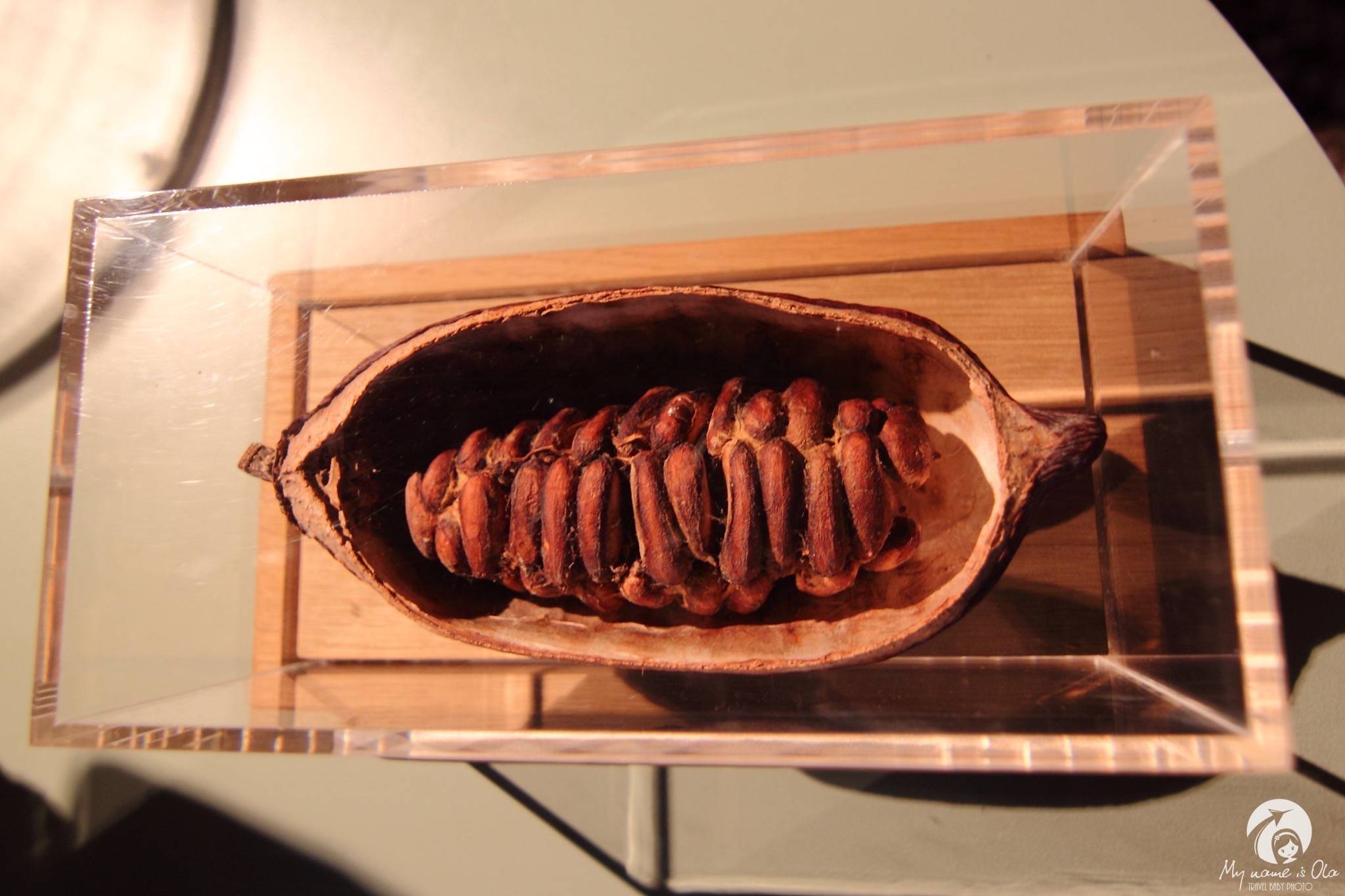
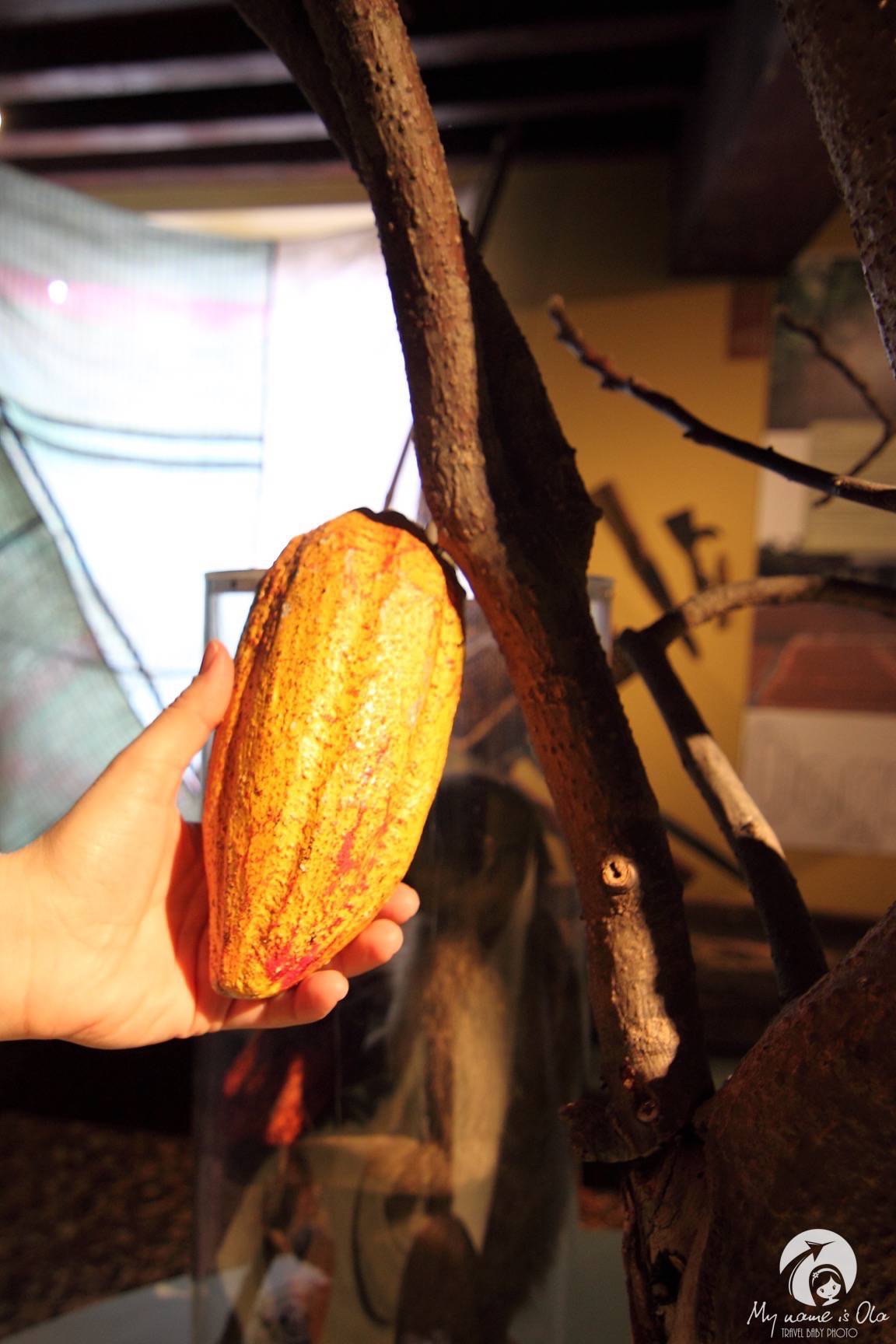
So the origin of cocoa is Central and South America. We have always associated cacao with some little beans, only here we realised how it grows. So those little beans are hidden in an oval-shaped orange pods growing on the trees. The shells are quite big because they are upi to 30 cm long nad can weigh even 0,5 kg.[photosetgrid layout=”12″]Choco-Story, BrugesBruges27 Choco-Story, Bruges[/photosetgrid] Cocoa beans were firstly used by Aztecs as a currency (15 green peppers = 1 bean) and Mayans as an offer to gods. Both of them used them also to prepare bitter and spicy drink. It was something special, reserved for elite of the society, often for important events. 16th century brought the seeds to Europe and here the drink changed into a sweet beverage. Spanish were first who added sugar and honey to the drink. Thanks to this move it got popular accross Europe. How did it get the name “chcolate”? It came from Central American Indian’s language: kakawa (cocoa) + atl (water).
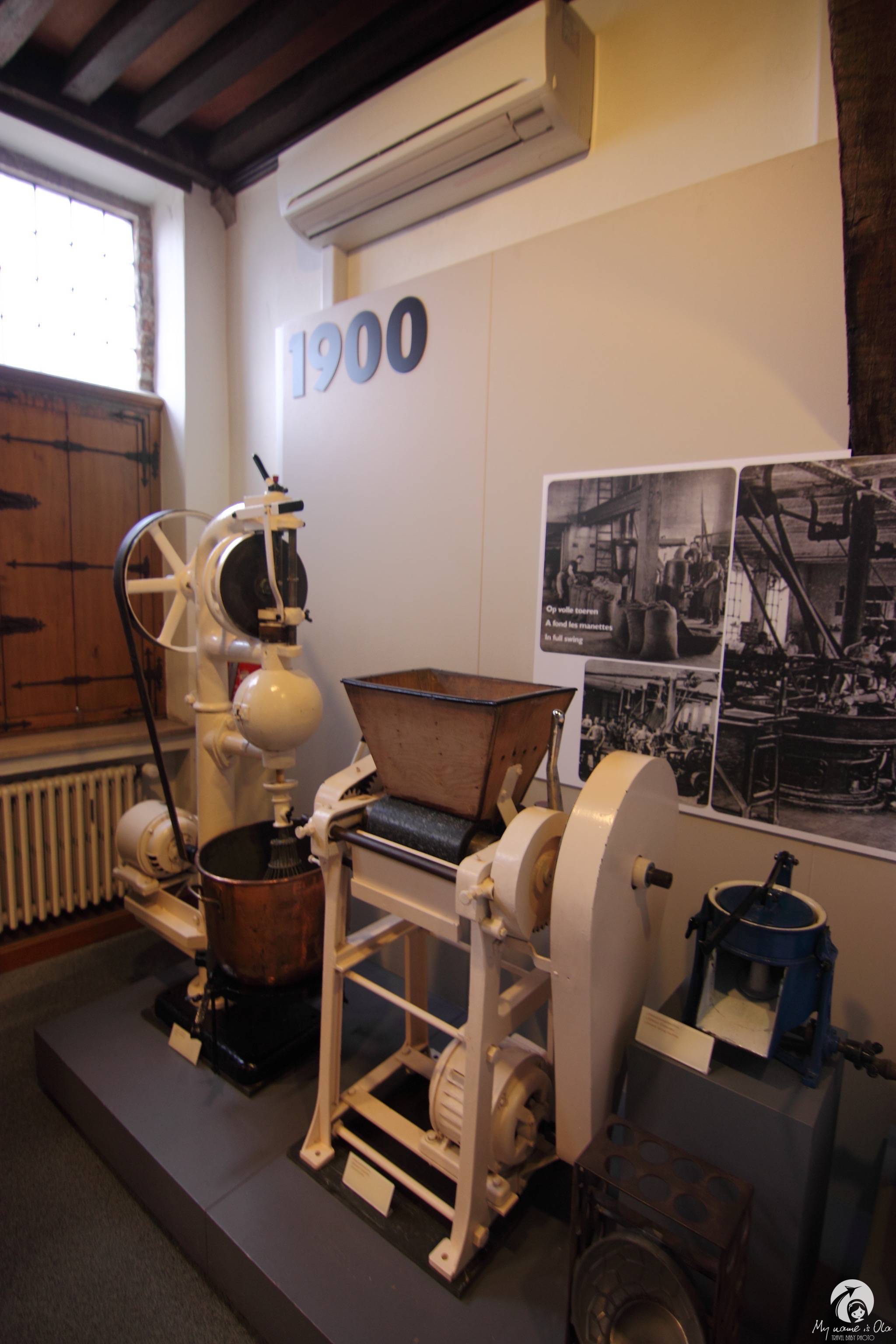
The process of chocolate production is in fact way more complicated than this name would suggest. Before  being used for chocolate making, cocoa beans have to be fermented. This necessary step brings up their flavour. Leter on they are dried, roasted and cleaned. Such prepared beans are ground into a paste which is supplemented with sugar, powdered milk and cocoa butter. That’s still not the end of the procedure. Next steps involve refining (proces of cleaning from unwanted color or smell) and conching which means heatig and blending to elliminate any wrong aromas still left. The requested texture is obtained by adding different amounts of cocoa butter or lecithin.[photosetgrid layout=”3″]Choco-Story, Bruges, Belgium Choco-Story, Bruges, Belgium Choco-Story, Bruges, Belgium[/photosetgrid]

Visiting the museum we got some practical information too. We have always known that dark chocolate is the most healthy and beneficial for people but have never wondered why. Now we know: ingridients of each type of choloate are different. White chocolate for example contains: 29,5% of cocoa butter, 25% of powdered milk and 45% of sugar! While dark consists of: 67,5% of cocoa paste, 7% of cocoa butter and only 25% of sugar. The difference of sugar content is significant. To compare, milk chocolate is made of: in 10% of coca paste, in 20% of powdered milk, in 24,5% of cocoa powder and again in 45% of sugar. So now you know – having to choose any type chocolate always reach for the dark one.

Today the biggets producers of cocoa are African countries like Ivory Coast and Ghana.

Choco-Story, Bruges, Belgium

These are all basic information about cocoa and chocolate you need to know. So if you thought about taking your little one to the museum to find out something about chocolate make sure to have a stroller or something because surely he or she will fall asleep. If you were worried that your baby after visiting museum will want nothing but chocolate for dinner, don’t. There is nothing, maybe beside the giftshop, that will make him or her think only about this best sweet ever.Choco-Story, Bruges, Belgium