
[photosetgrid layout=”353535353″]





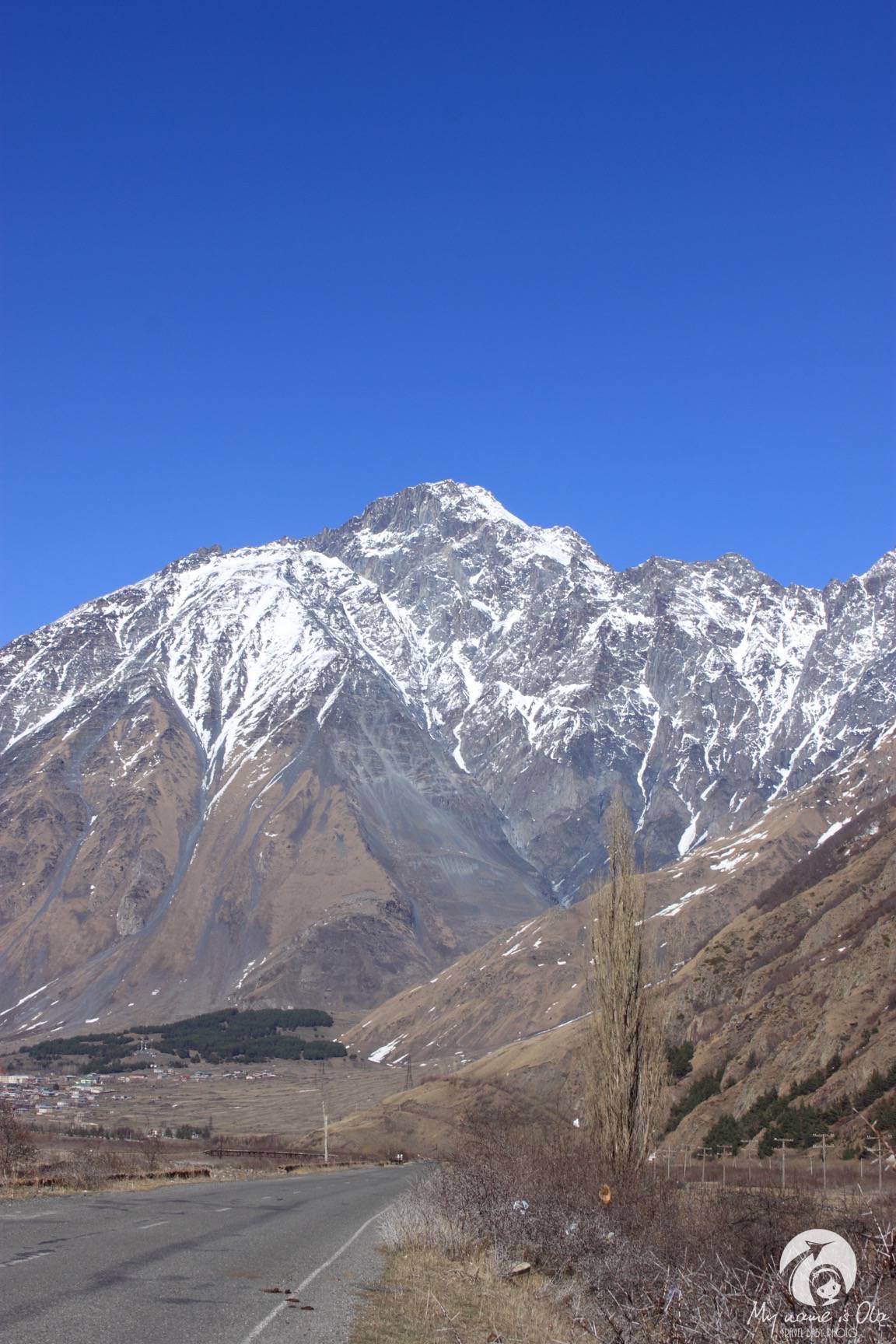


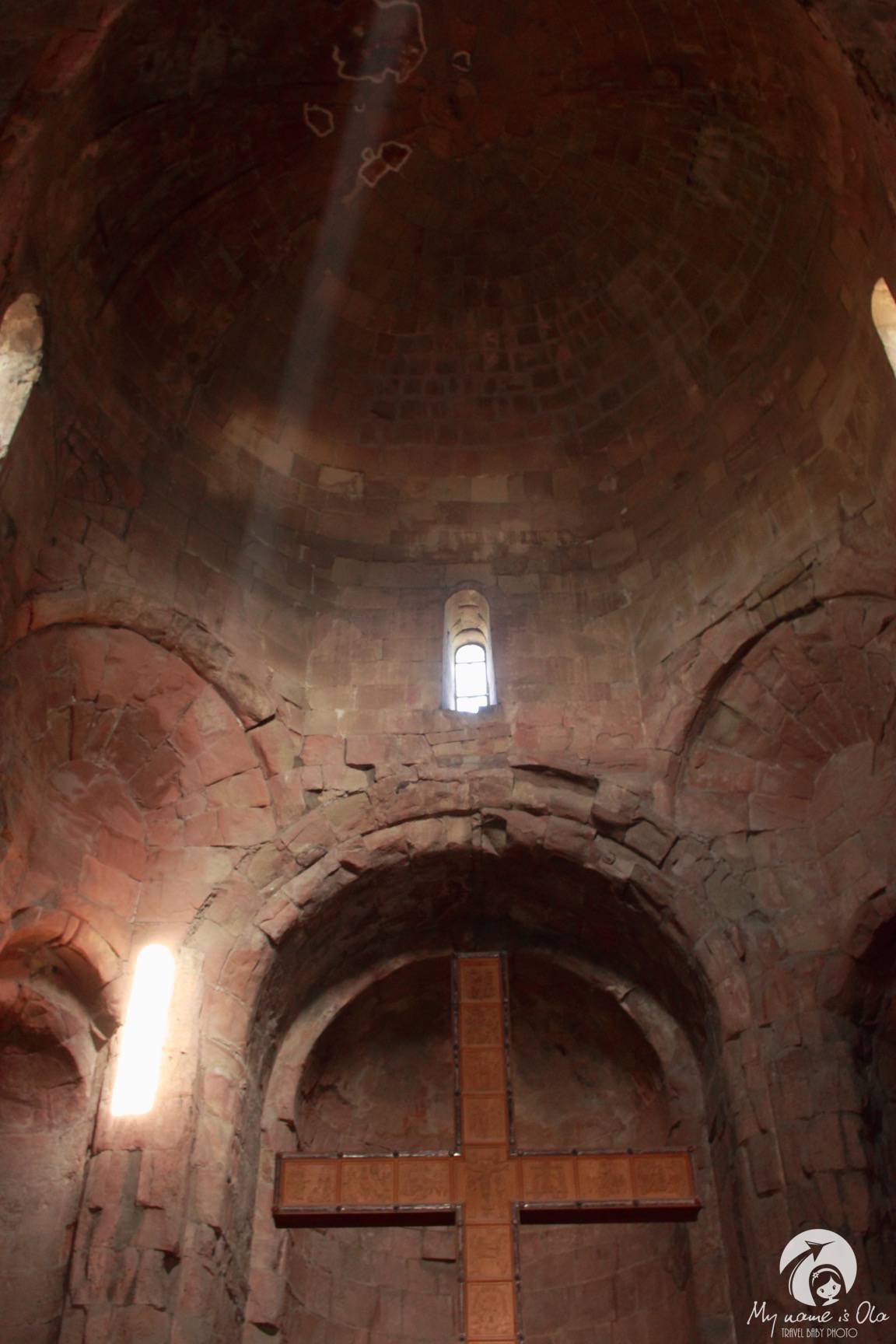
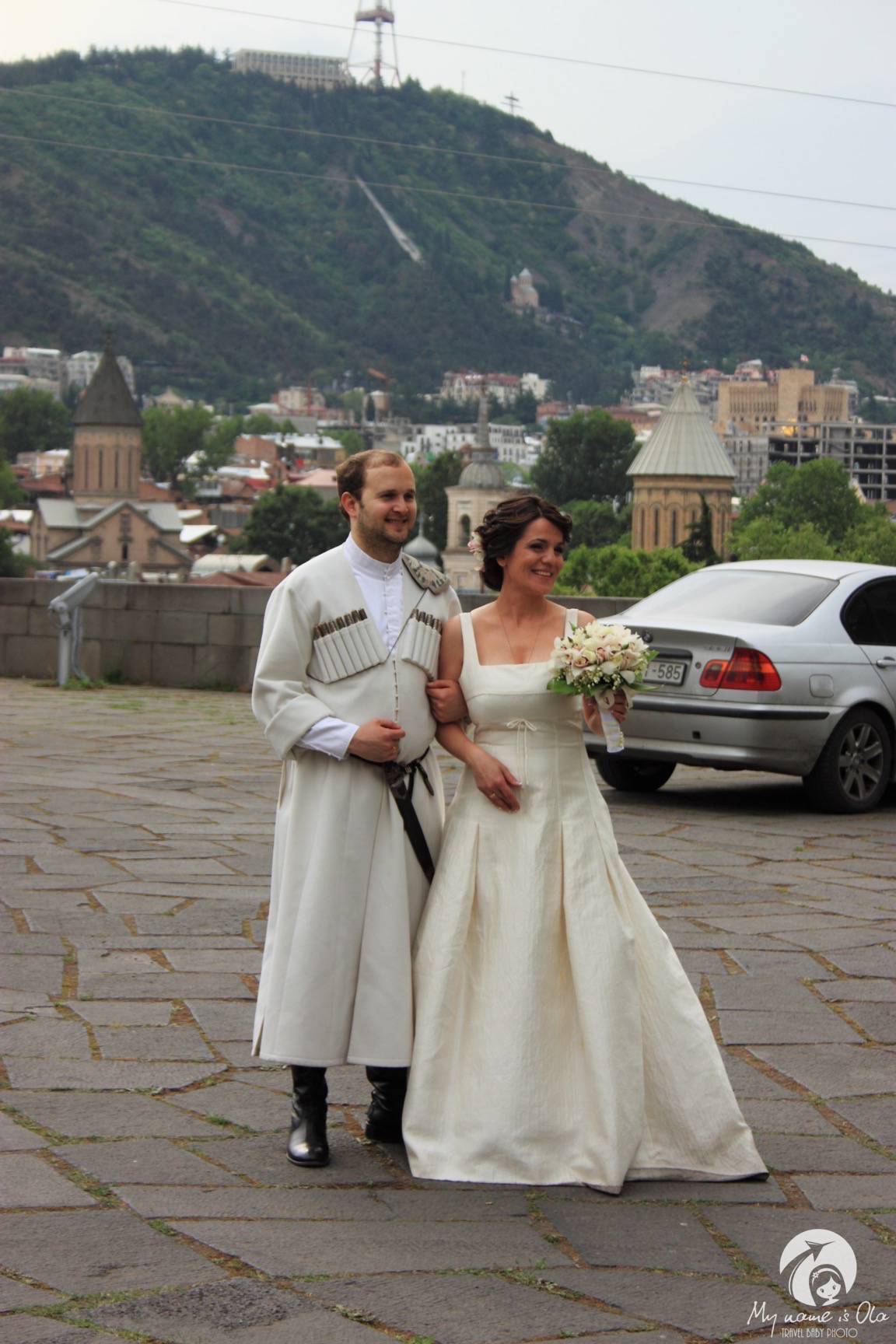


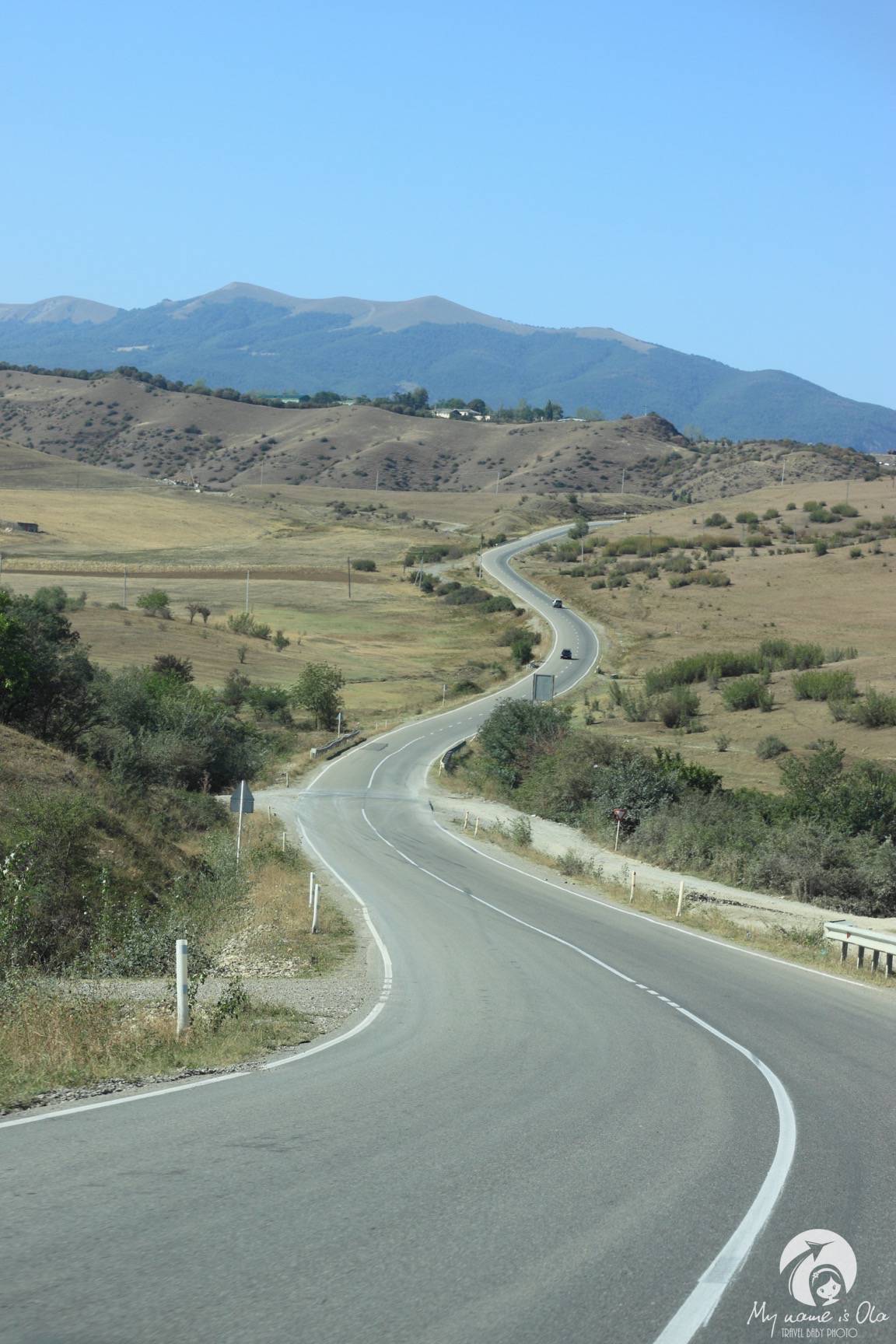



 [/photosetgrid]
READ MORE
7 things you have to try in Georgia
Georgian ambrosia – our wine stories
How to make friends with Tbilisi
[photosetgrid layout=”353535353″] [/photosetgrid]
READ MORE
7 things you have to try in Georgia
Georgian ambrosia – our wine stories
How to make friends with Tbilisi

Tbilisi – a capital of Georgia, over a milion people city in the East of the country. It dates back to 3rd century. Earlier signs of human activity let scientist presume that this is the place of our origin and development as humanity.
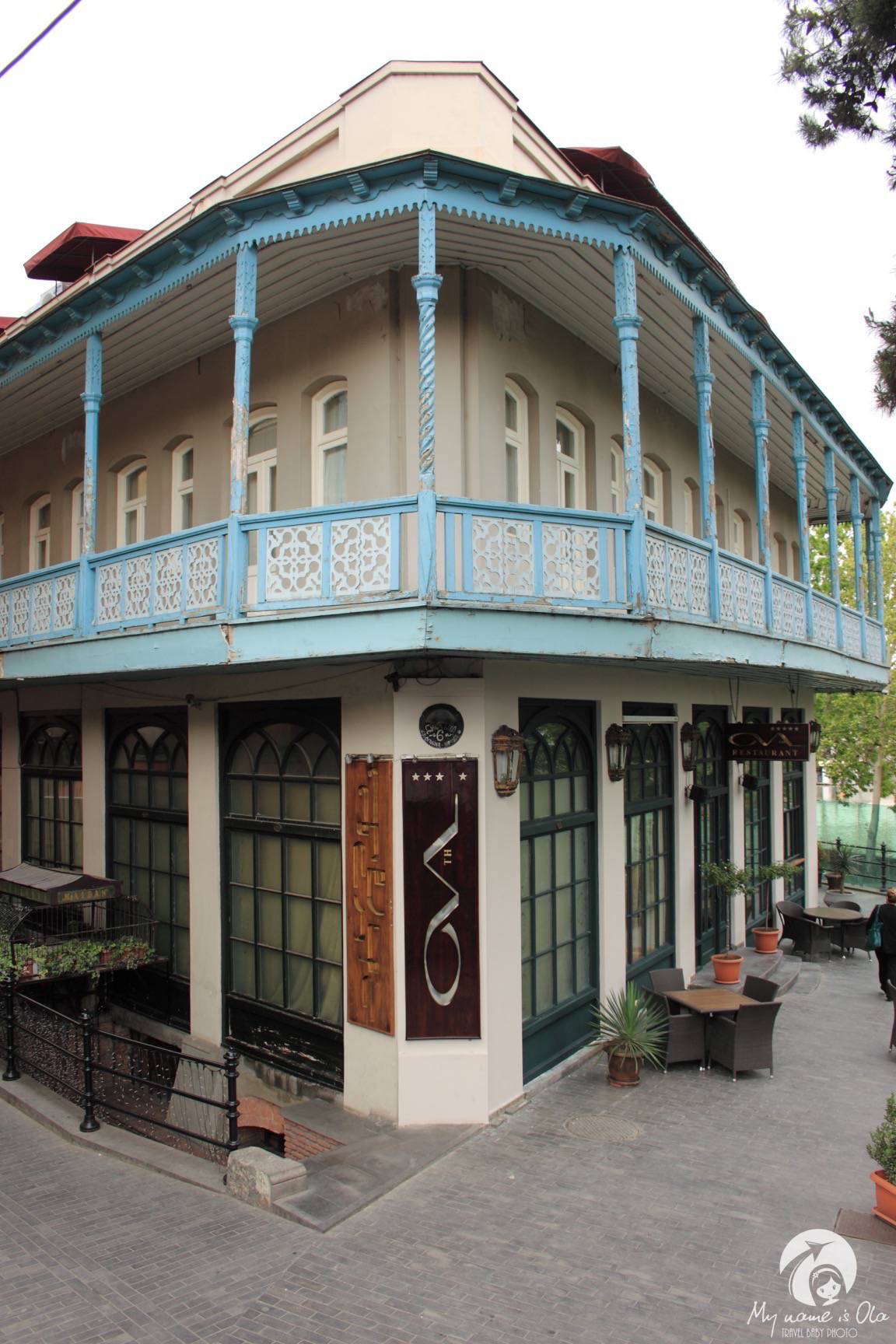
Before they opened Kutaisi airport all our trips to Georgia had started there. We’ve been to Tbilisi several times and each time we are there we get the impression that the city has two faces: one traditional, with historical sites, old town, castle and the other one – new, full of modern, eye-catching architecture. The sucession of old times are definitely high sidewalk curbes. Walking with a baby stroller is maybe not impossible but difficult for sure. Adding to that a belief that it’s the driver and his car who is the most important on the road, you can imagine our attempts to cross the street. Pedestrians in Tbilisi are treated by drivers like those irritating flies, they are everywhere but the less attention you pay to them the better. That means priority for cars, always and everywhere.
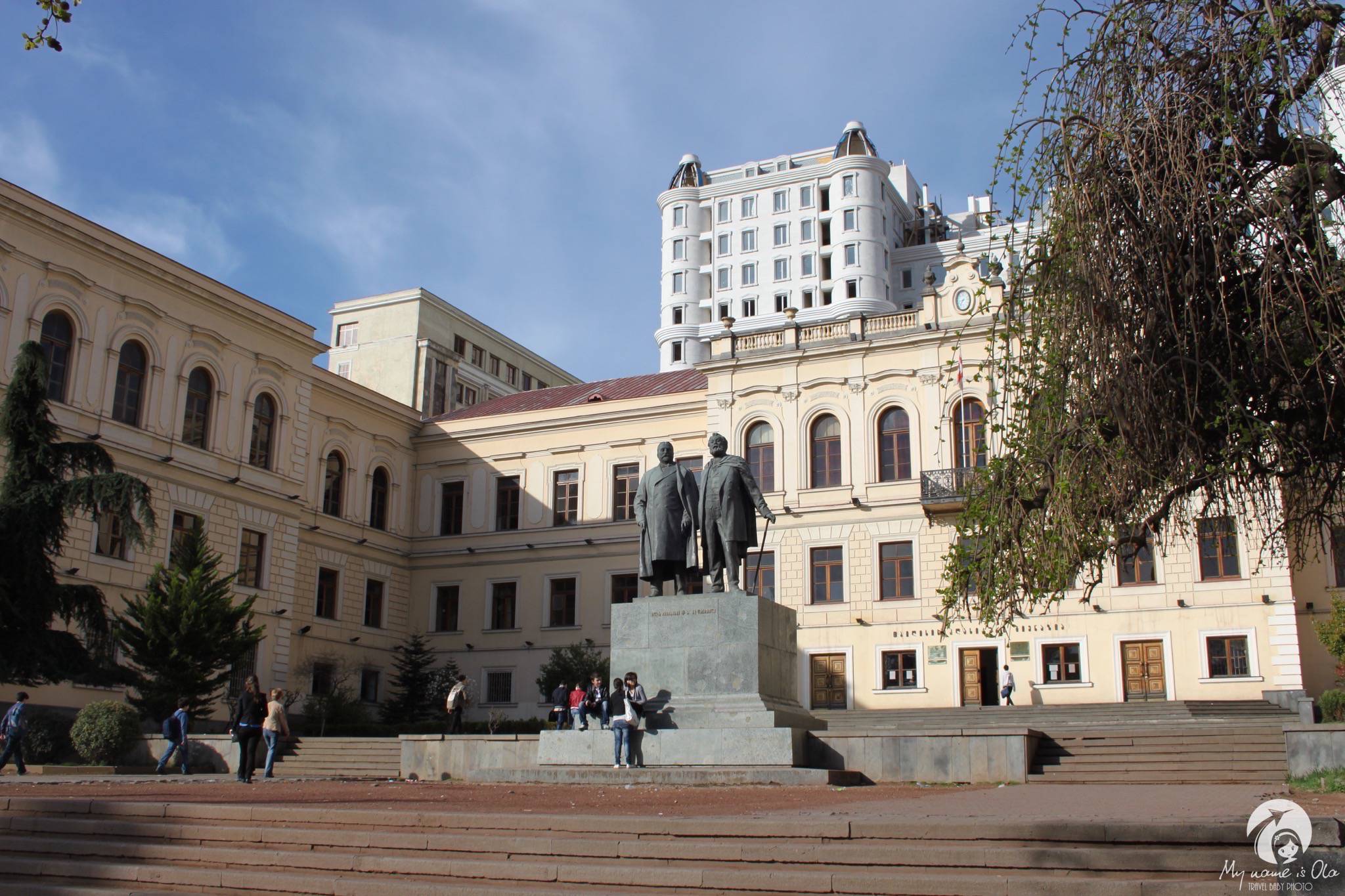
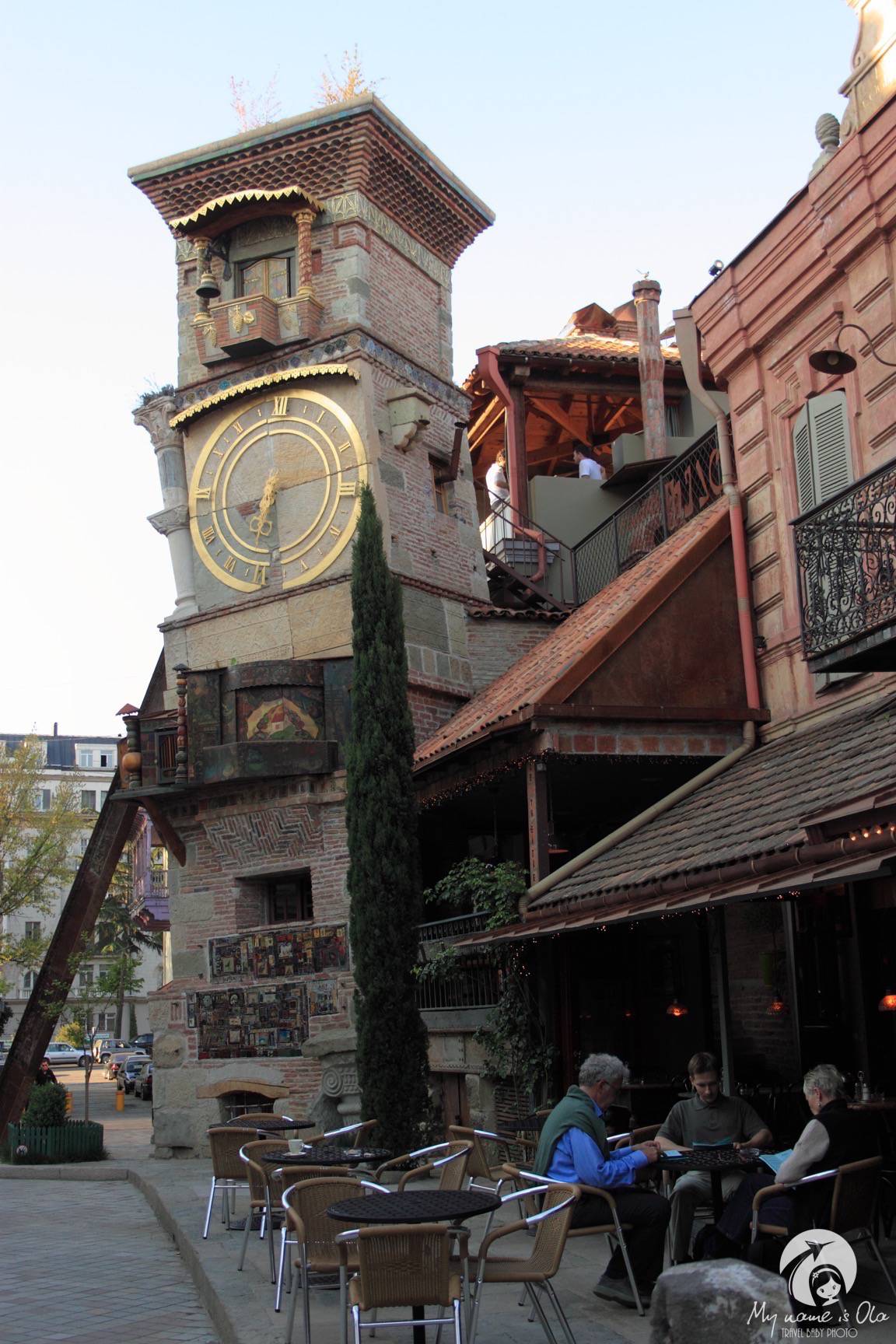
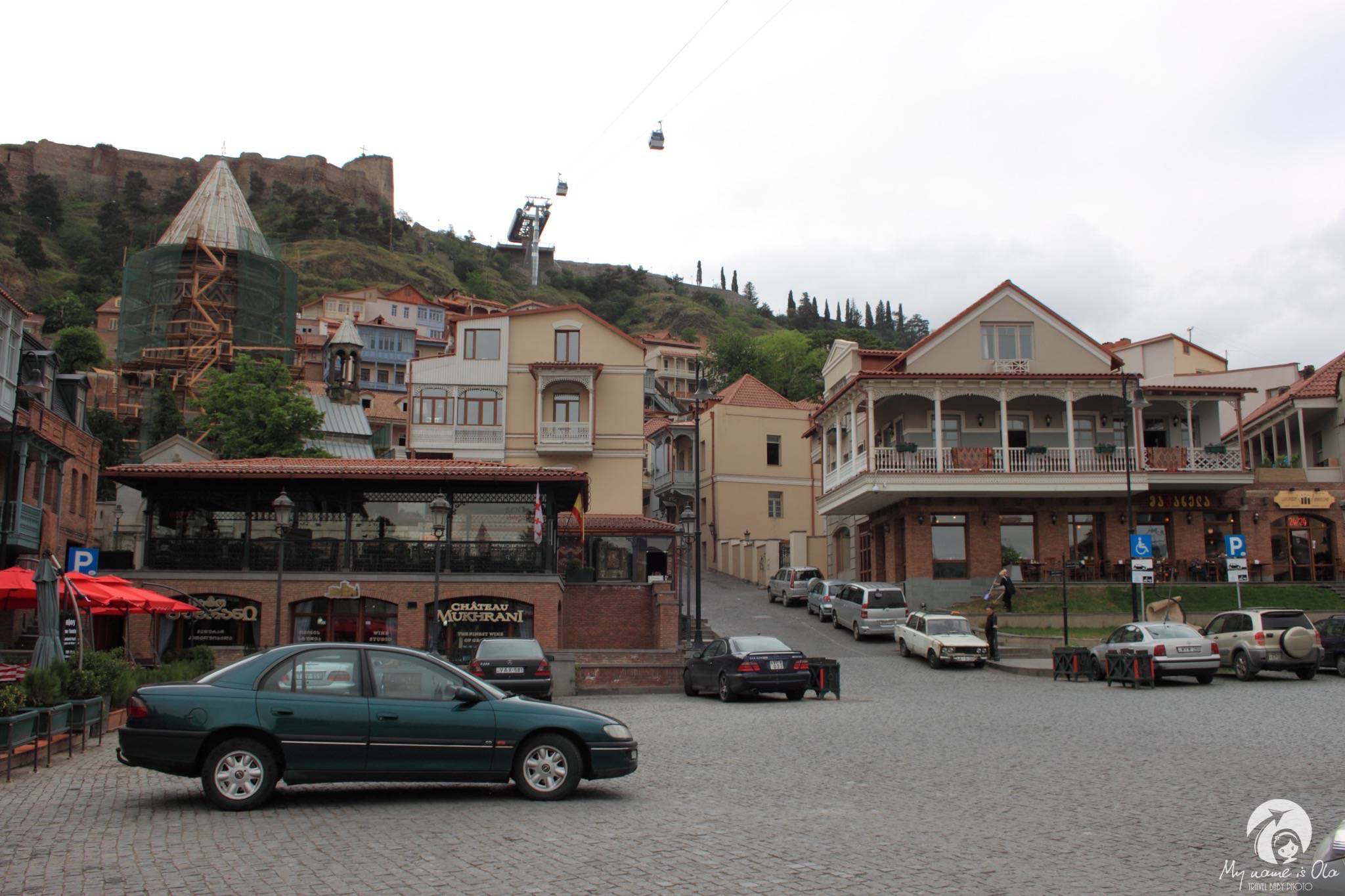
Anyway, Tbilisi has couple of places, in our opinion, must-see sites or attractions that you have to start sightseeing with:
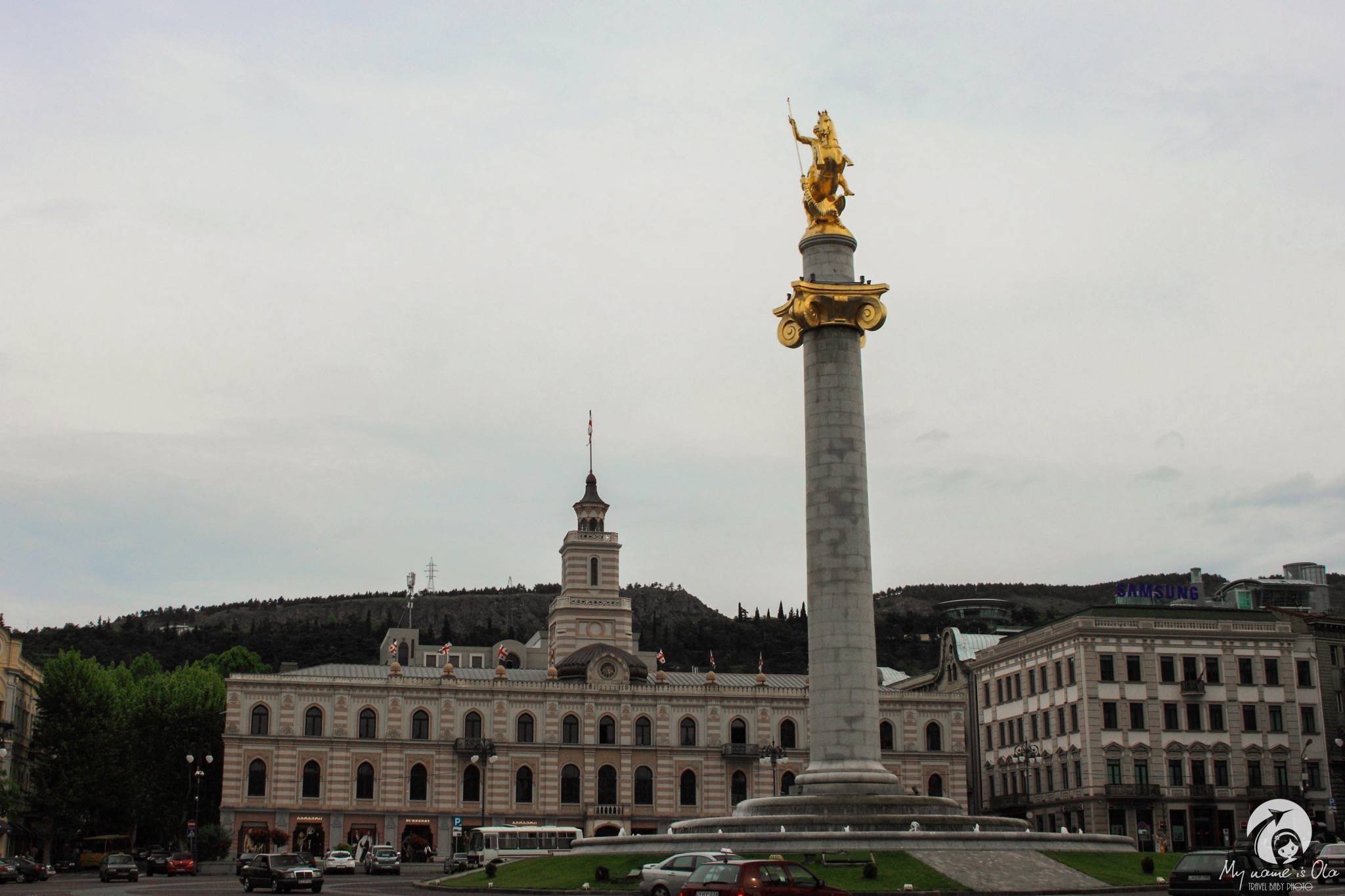 The square is open for traffic and is the busy junction of 6 streets of gently speaking strange organization. Faded lines don’t help but it’s possible to drive through it and even get used to it after couple of times.
[photosetgrid layout=”4″]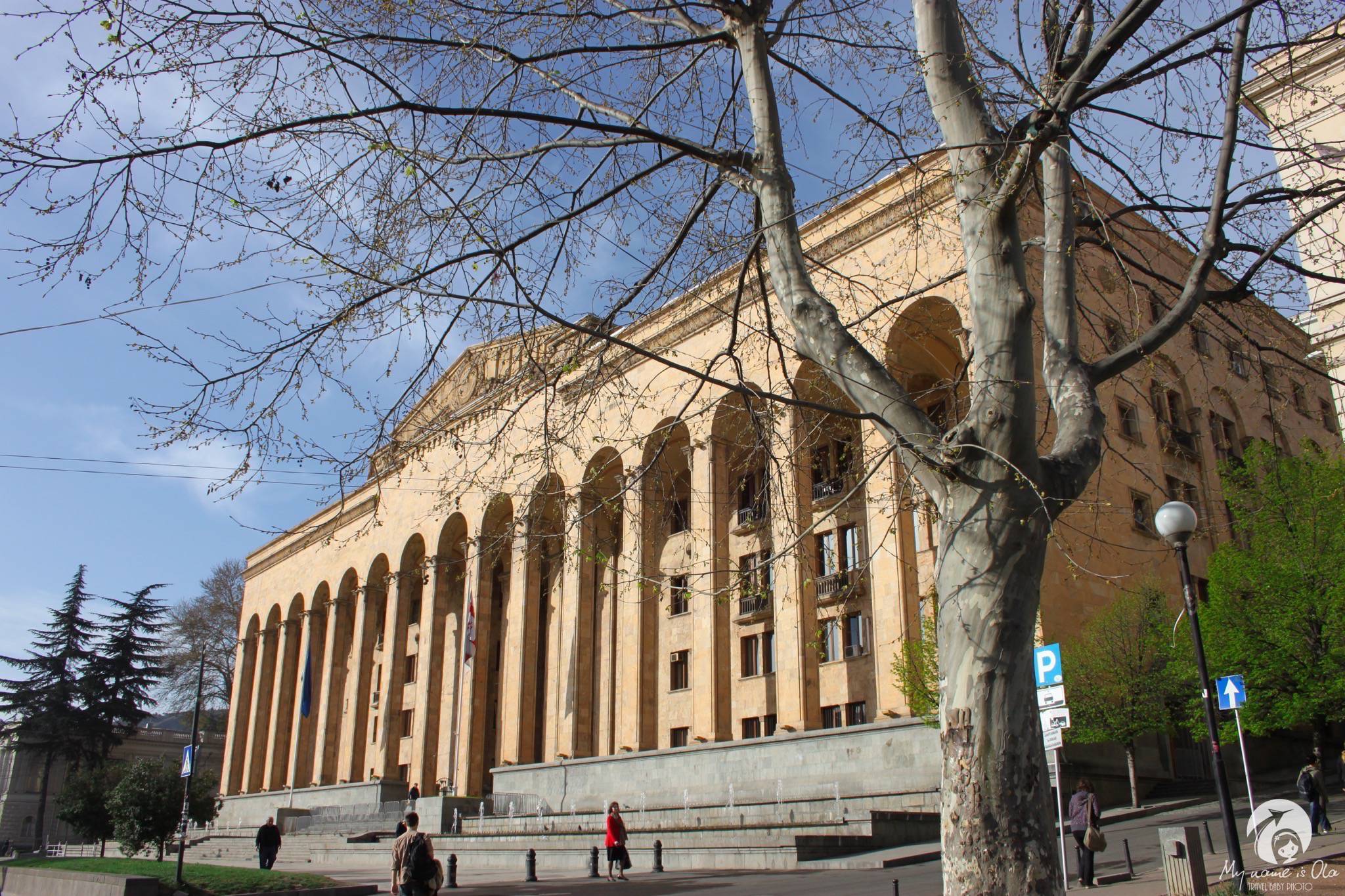

 [/photosetgrid]


 [/photosetgrid]
[photosetgrid layout=”3″]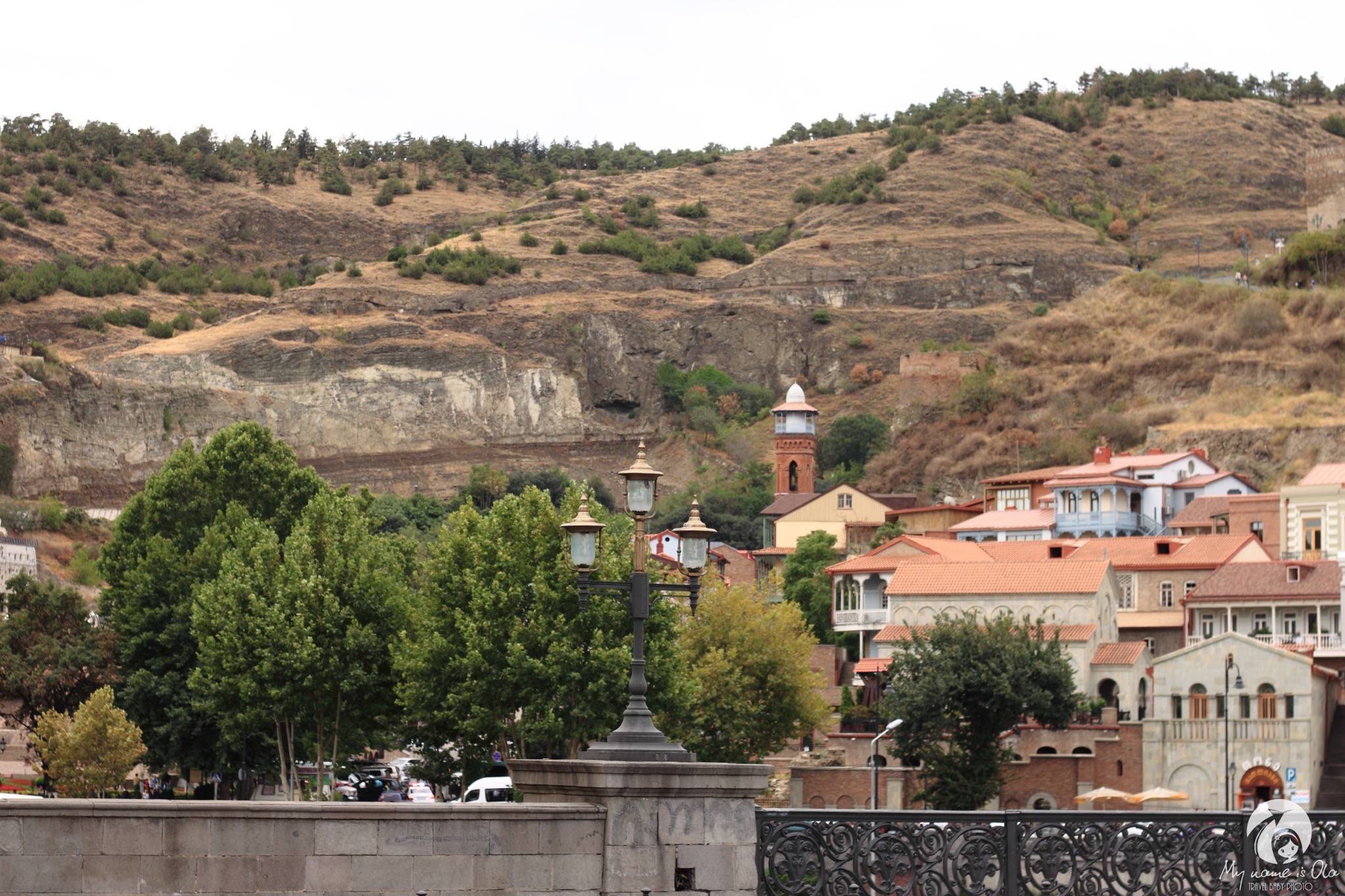

 [/photosetgrid]
Get on a cable car (1GEL) and let it take you to towering high over the city Narikala Fortress – an ancient structure consisted of two parts. One of them is ruins of the old fort and the other one – St. Nicolas church. The church that we see today is a newly built after the fire, which damaged teh historical one.

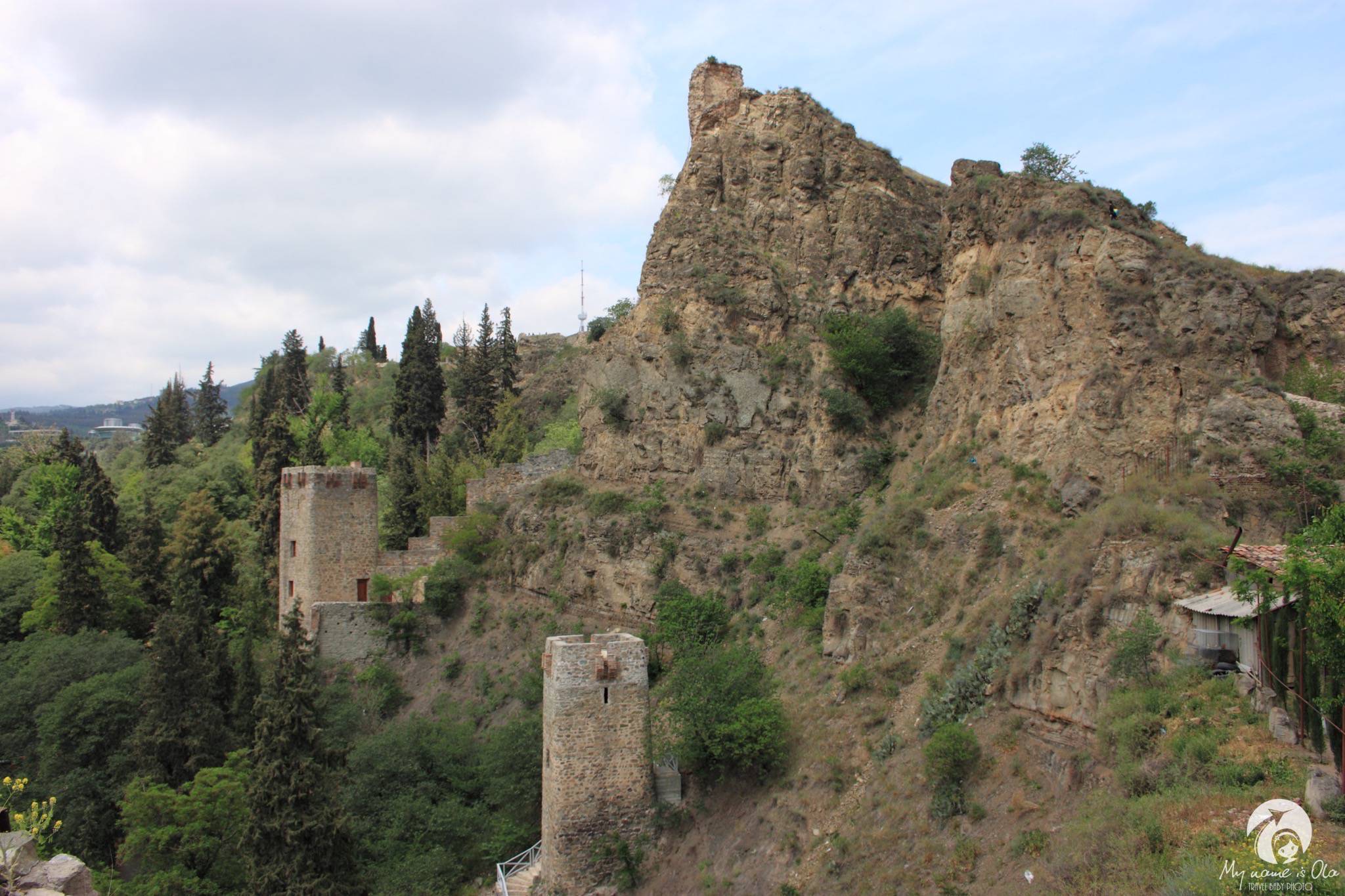
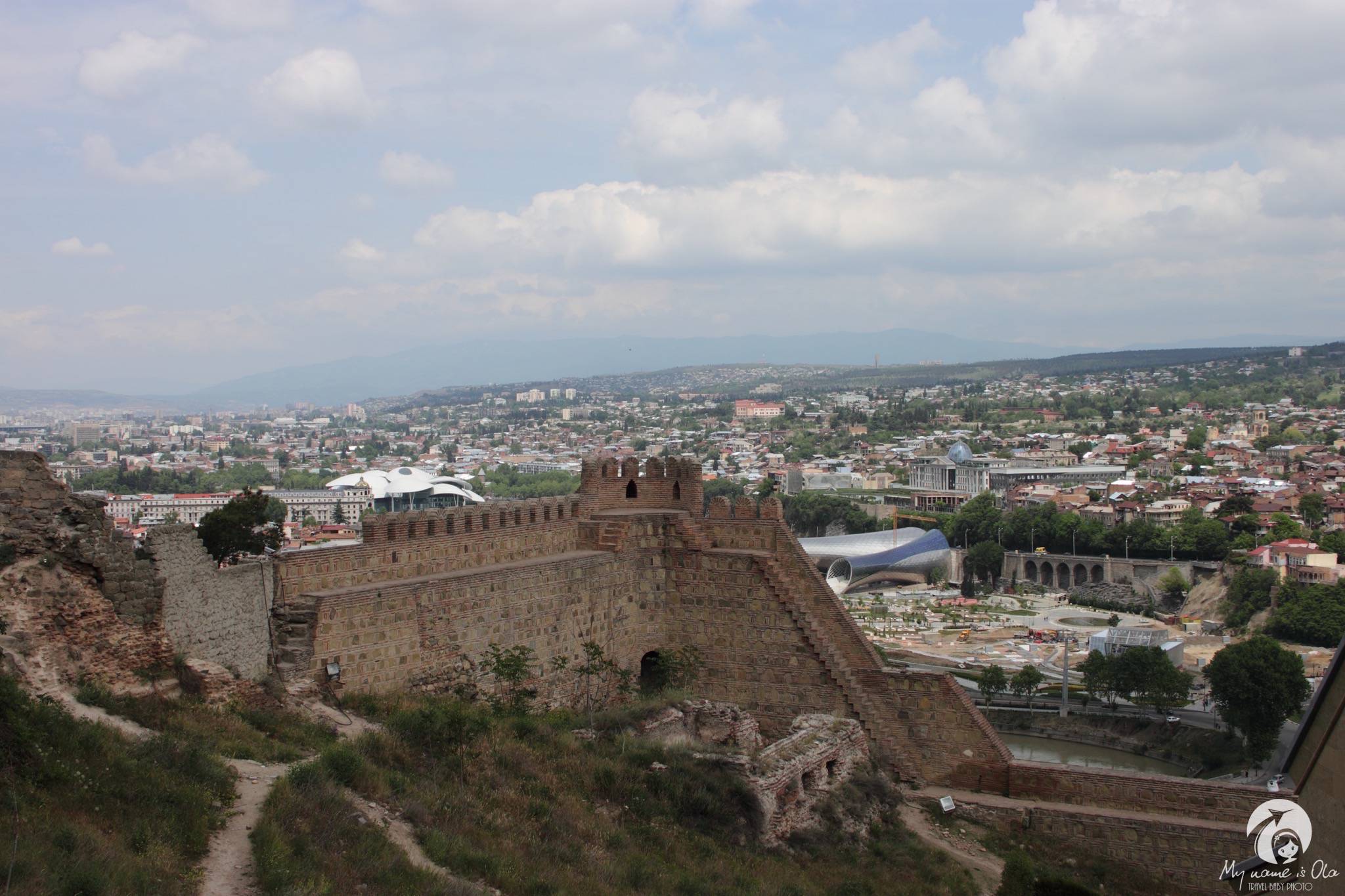 Right next to the fortress there is a monument of 20-meter women with a sword and a bowl overlooking the city. This is Kartlis Deda known also as Mother Georgia, a symbol of the country and it’s people, having a bowl of wine for friends and a sword for enemies.
[photosetgrid layout=”2″]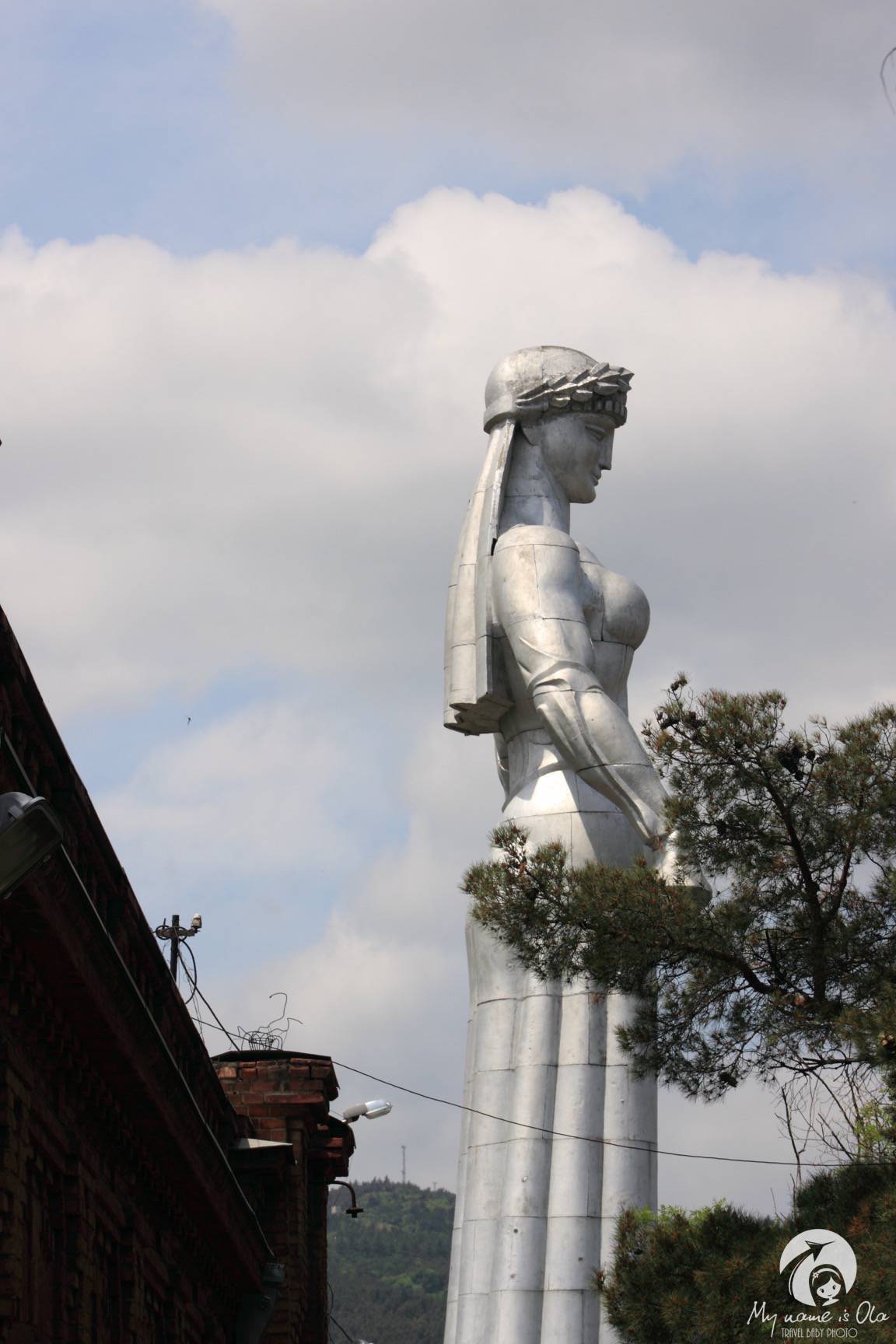
 [/photosetgrid]
From her feet there is a scenic view of the city.

Walk down the hill (or get a cable car) to have a deserved rest. Use your nose to get to the next place we want to advise. Follow the rotten egg smell and reach sulphur baths area Abanotubani. You will see a bunch of small brick domes – those are the baths. It’s not to be missed because of this original brick domes and of course the smell.
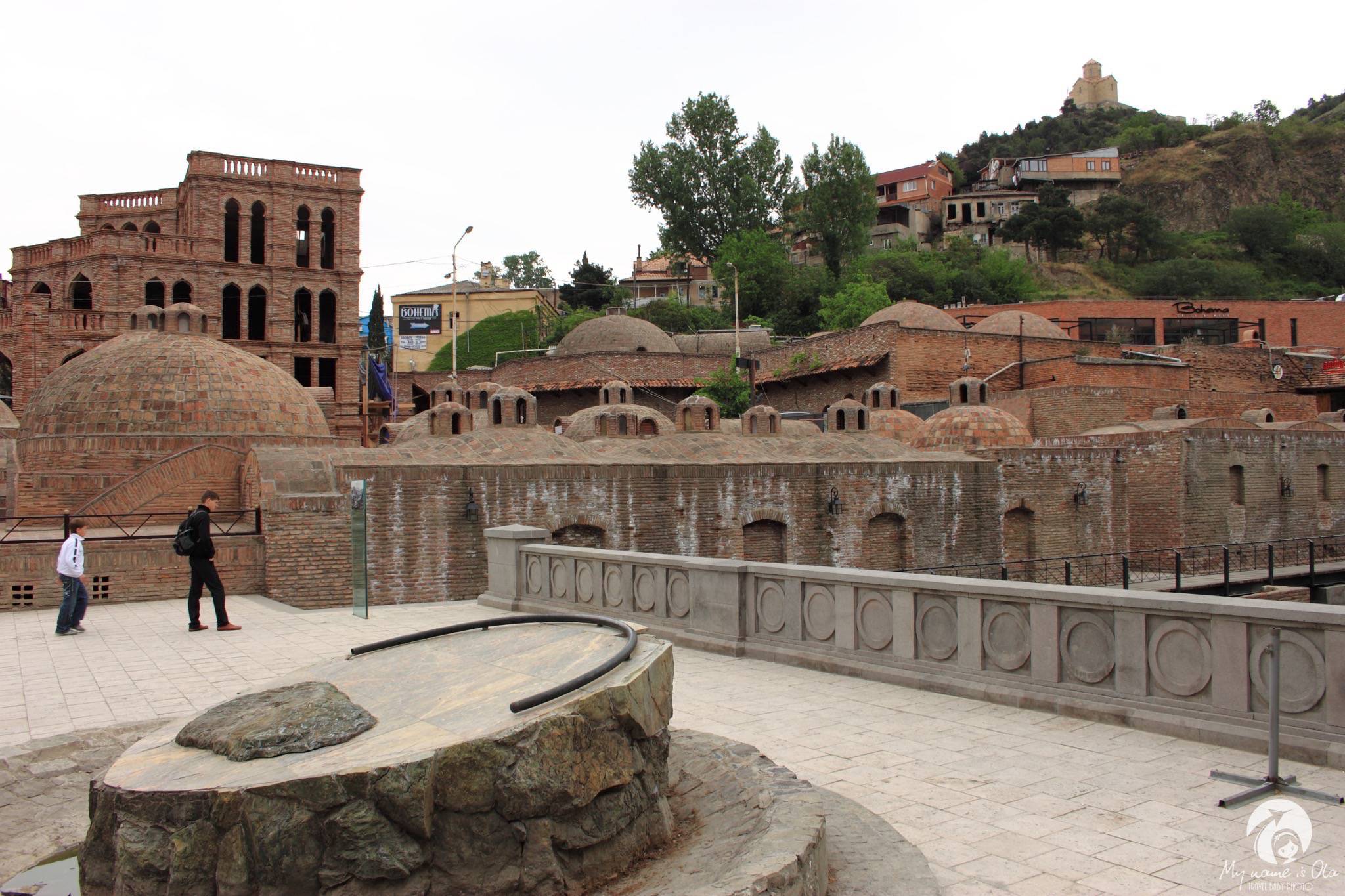
 Hot natural sulphur springs have been used by locals since ever. Mineralised water is believed to be a cure for skin problems, rheumatic diseases and many others.
There are two types of service. First collective one, available for everyone (2 GEL). Some Georgians visit it regularily just for personal hygene. Go up the hill an on the right hand side you will see that building.
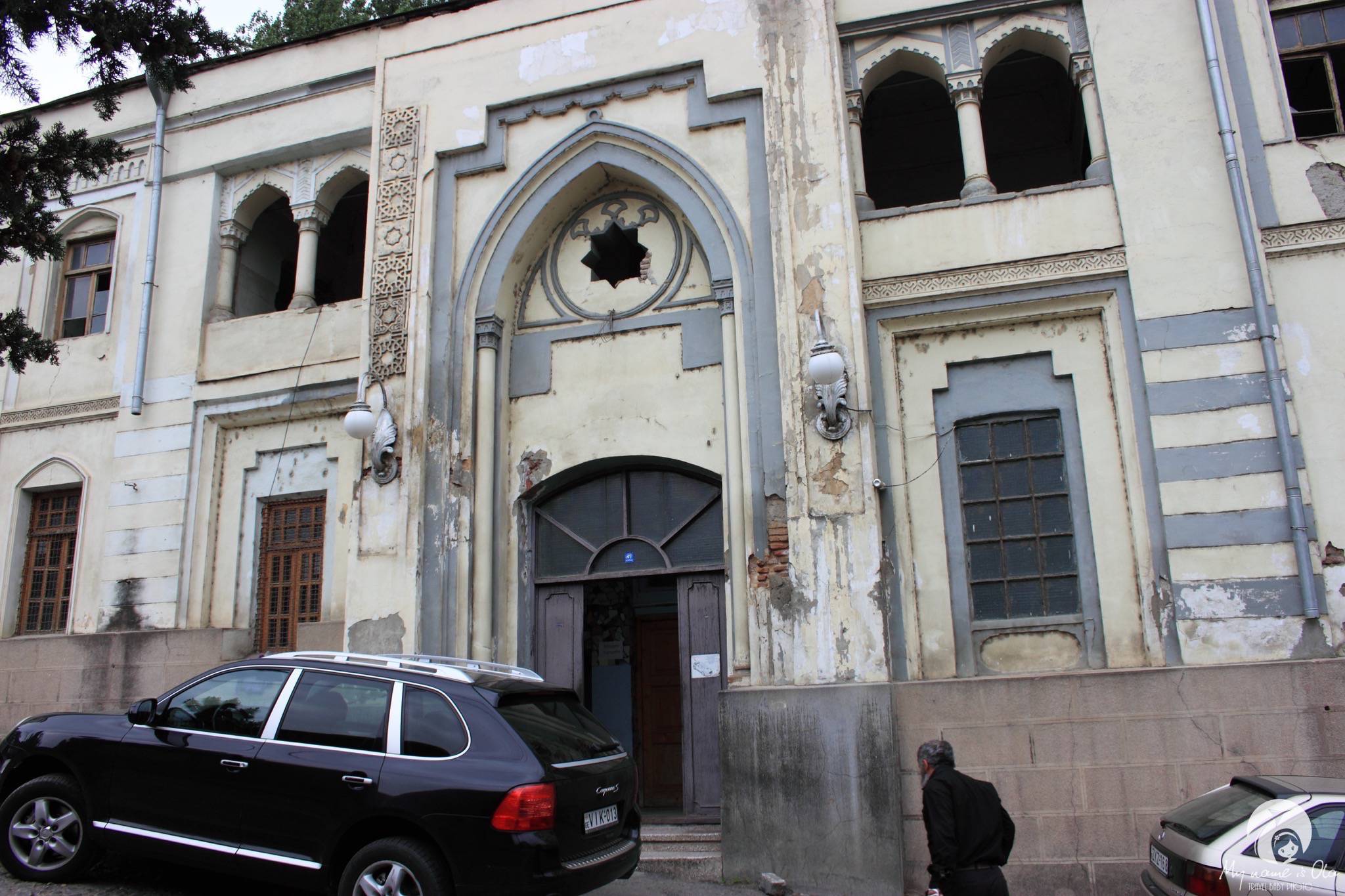 Don’t let that neglected facade scare you away, just get in. As it’s a public bath, there are separate rooms for men and women. And since there is nobody of opposite sex around, everybody use the baths naked. First you go to locker-room where you undress and put your stuff to the locker. No no no, don’t look for the key – there is a lady in the room who holds “a master key” and is responsible for closing all lockers. She will come to close your locker; she also sells all hygenic and personal stuff in case you have forgotten anything.
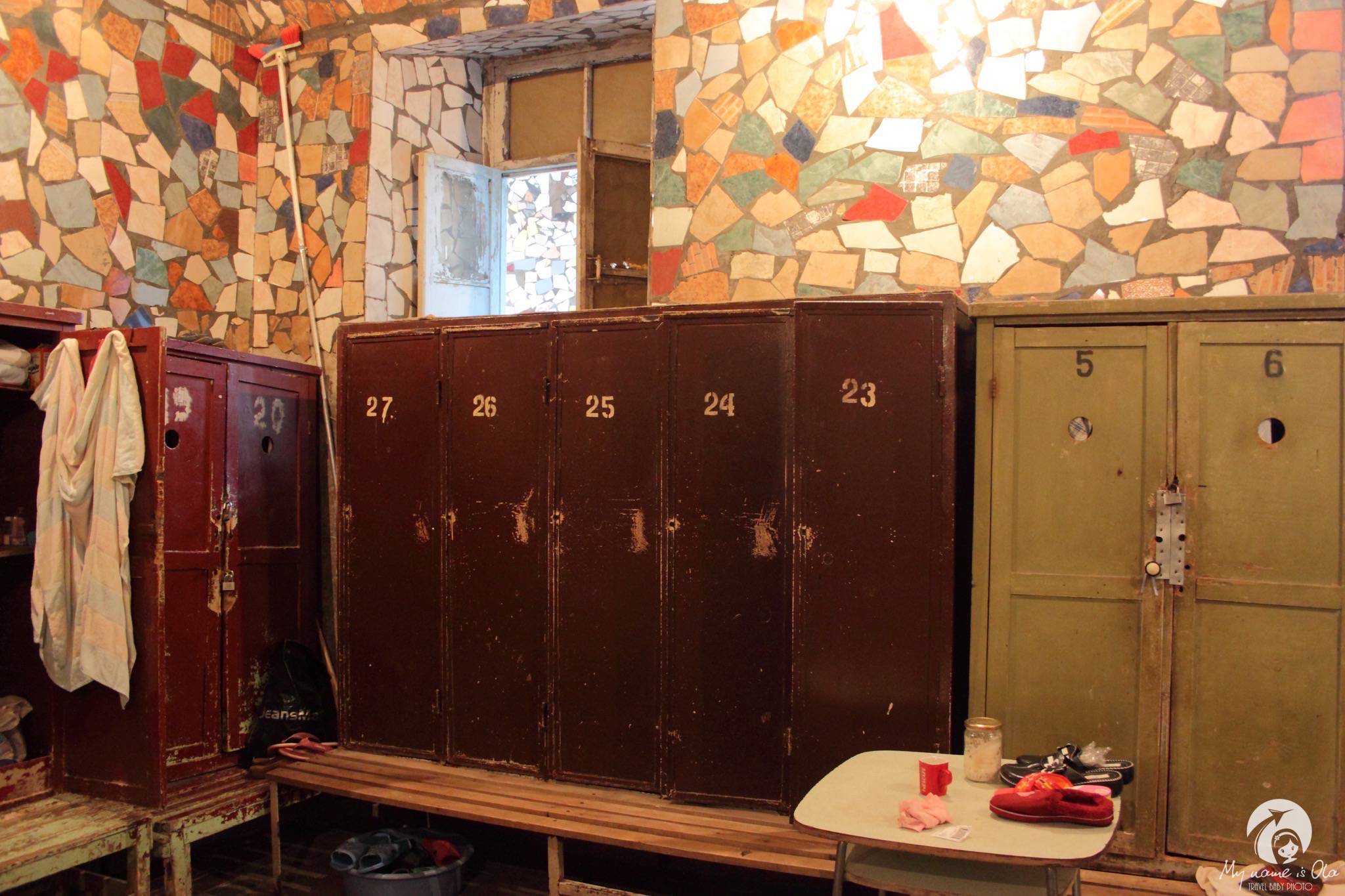
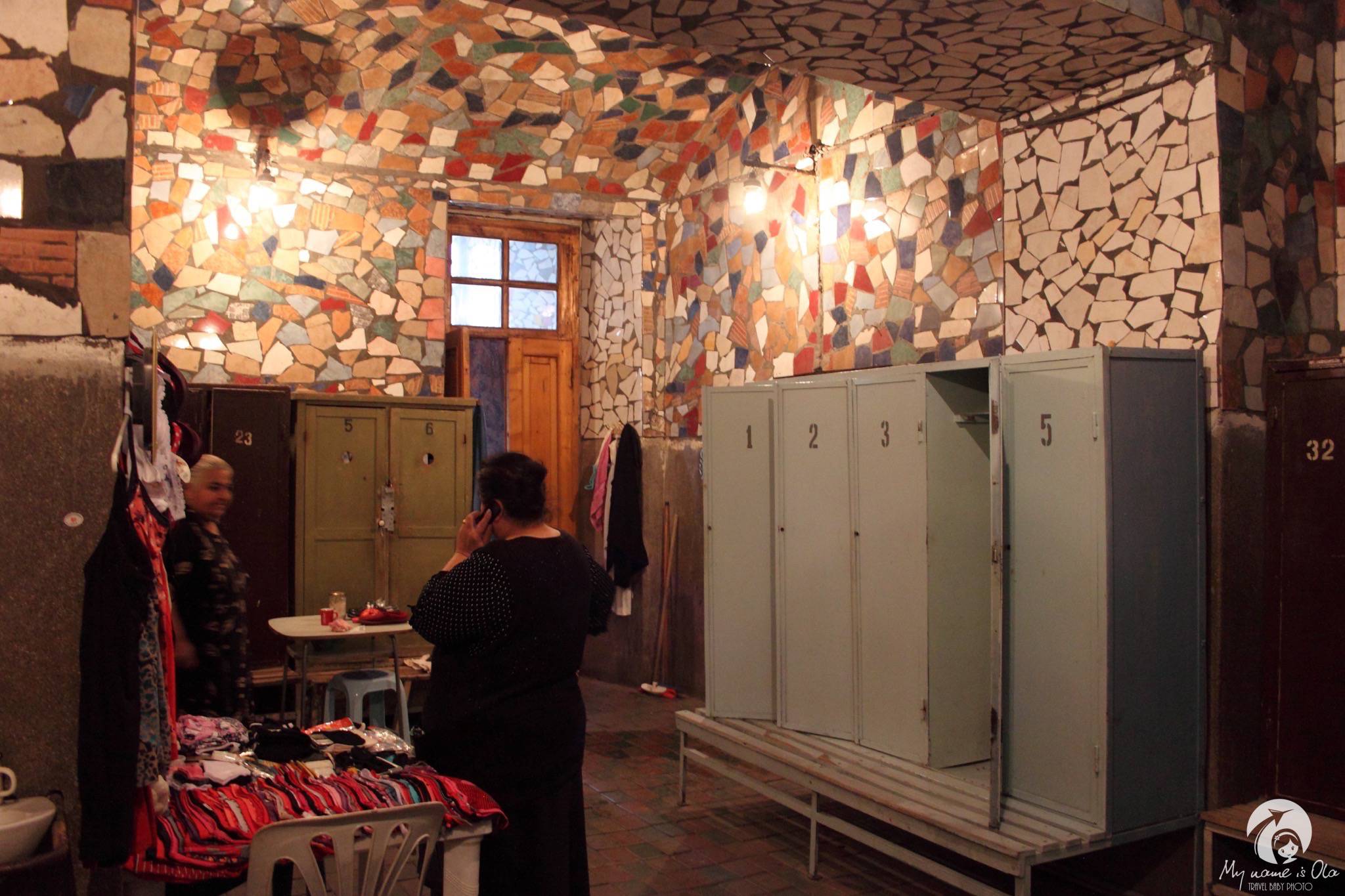
When completely naked you go to a big hall with showers with constantly running hot sulphur water. Showers are open, not separated from themselves even by a curtain and even so all women different age feel free to conduct their hygenic rituals. In one corner there is a lady scrubbing her back, in the other one another one is shaving her legs, on the stone bed somebody is having a body peeling and massage. In the room there is also a small pool with sulphur water where one can take a rest. That’s the ladies part. Men’s part looks similar, with the difference that they smoke everywhere. So except the natural heat and smell inside, it’s full of cigarettes smoke. What is more they lit the fire inside to burn the gloves for peeling.
The other version, more popular among the tourists, is to take a small room just for your own usage. There are different sizes of rooms depending on the number of people taking bath. Cost of those smaller ones is around 30 lari/ hour (cash or credit card!).
[photosetgrid layout=”3″]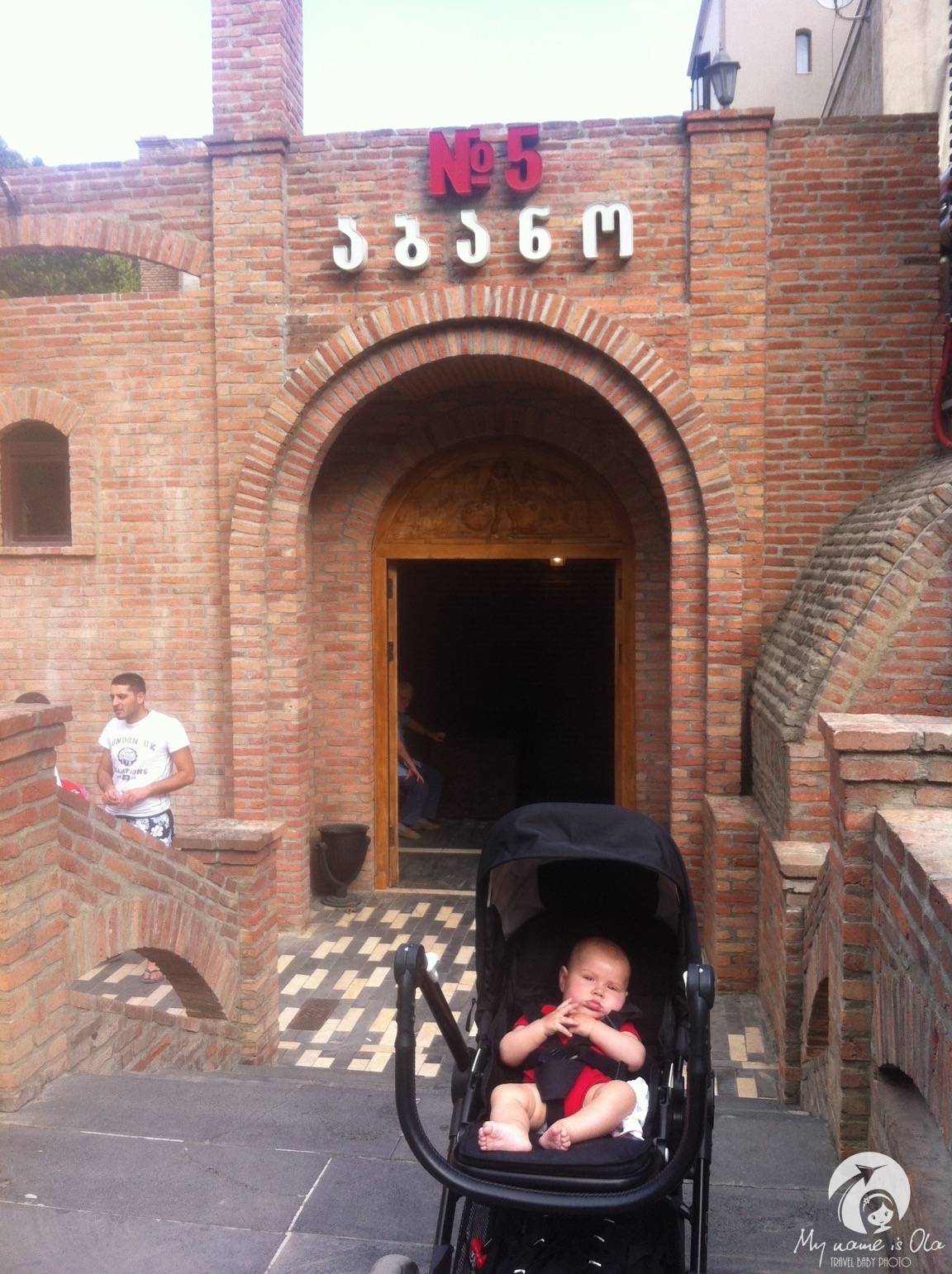

 [/photosetgrid]
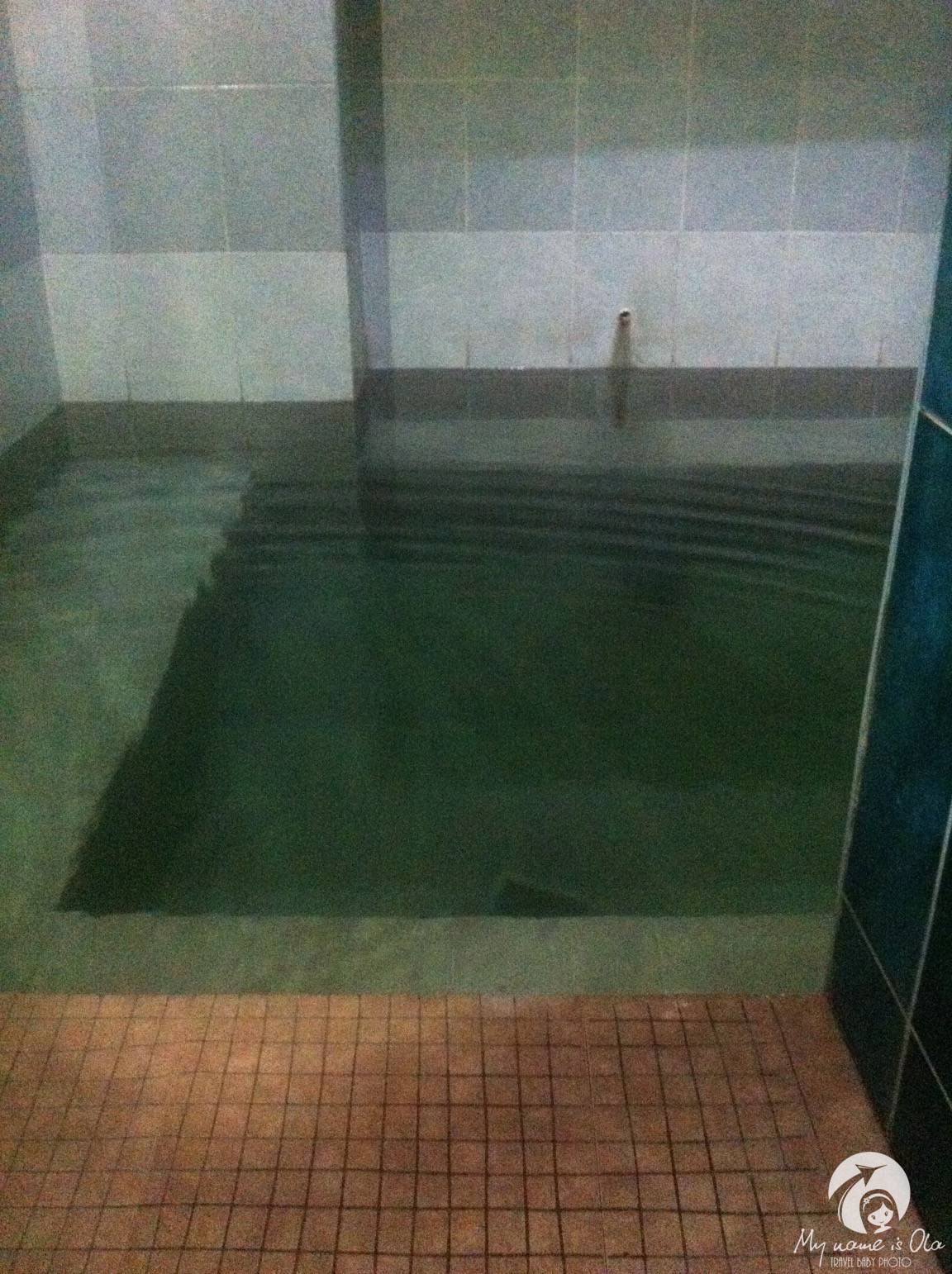
Each compartment consist of two rooms: first for undressing or taking a break, having a tea, beer orother alcohol (can be ordered there), the other one is a fully tiled room, very hot and humid with a bathtub full of water and a tiled bed. Hot water keeps runing to the bath; thankfuly there is also a shower with cold water otherwise it would be unbearable. Those rooms must have heard many stories as baths are popular place to do some parties and business, not always clear ones.
Ola just dip her feet and she was done. Taking shifts with her outside we took bath separately. We highly recommend taking extra services, wash and a scrub (10 lari, paid cash only). An amazing experience which leaves you with totaly new skin. You get whole body washed with soap, massaged, really from very top of the head to tips of your toes, and scrubed with thick glove sometimes moistened with wine. The procedure ends with pouring on the fresh pink skin a bucket of hot sulphur water.
There is another one bath in Abanotubani, different than others, of outstanding fascade, persian style. Beautiful front makes us always want to visit but each time we are there it’s closed. We will continue checking and once we get in will let you know if inside it’s as decorated as outside.
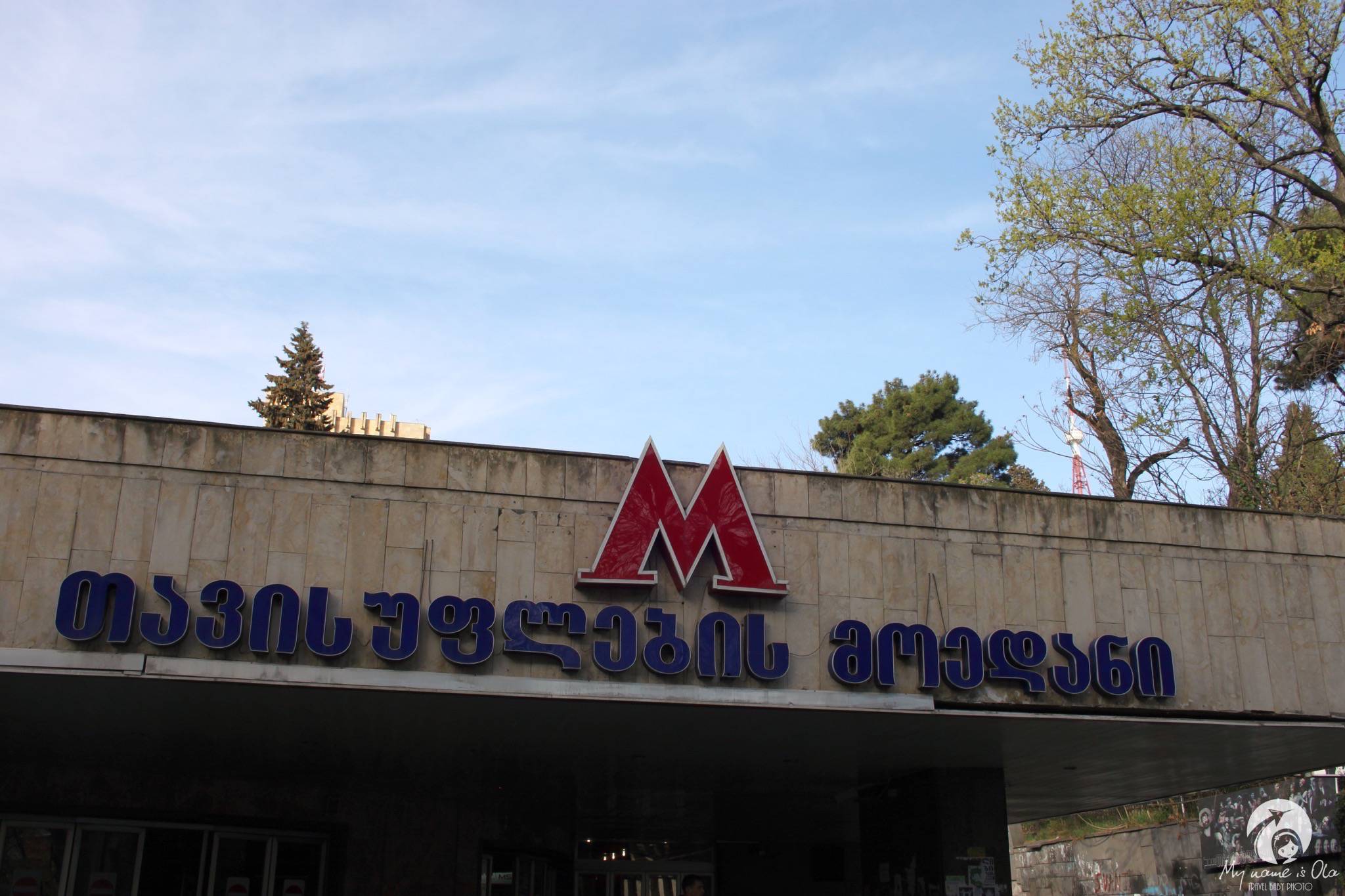
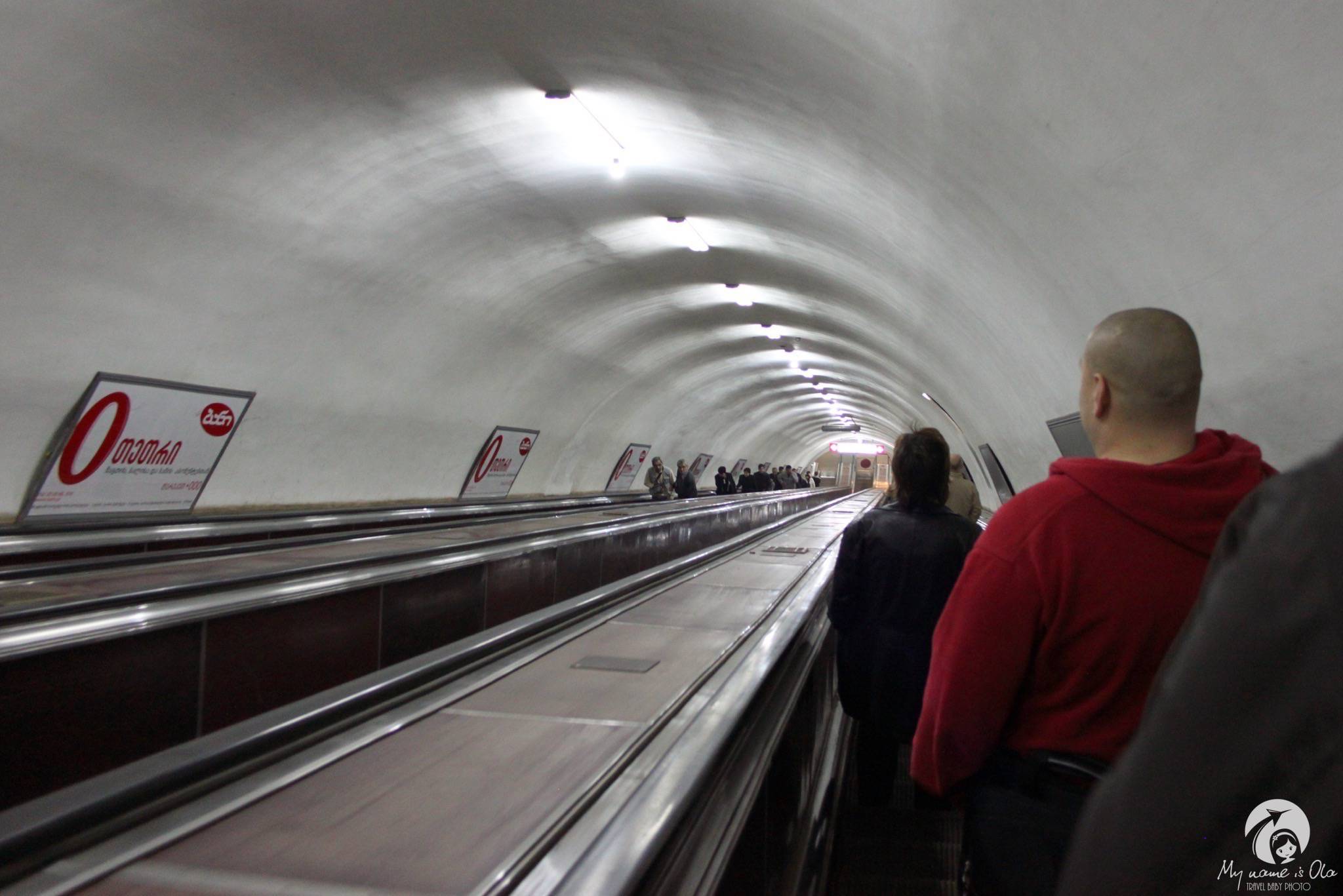

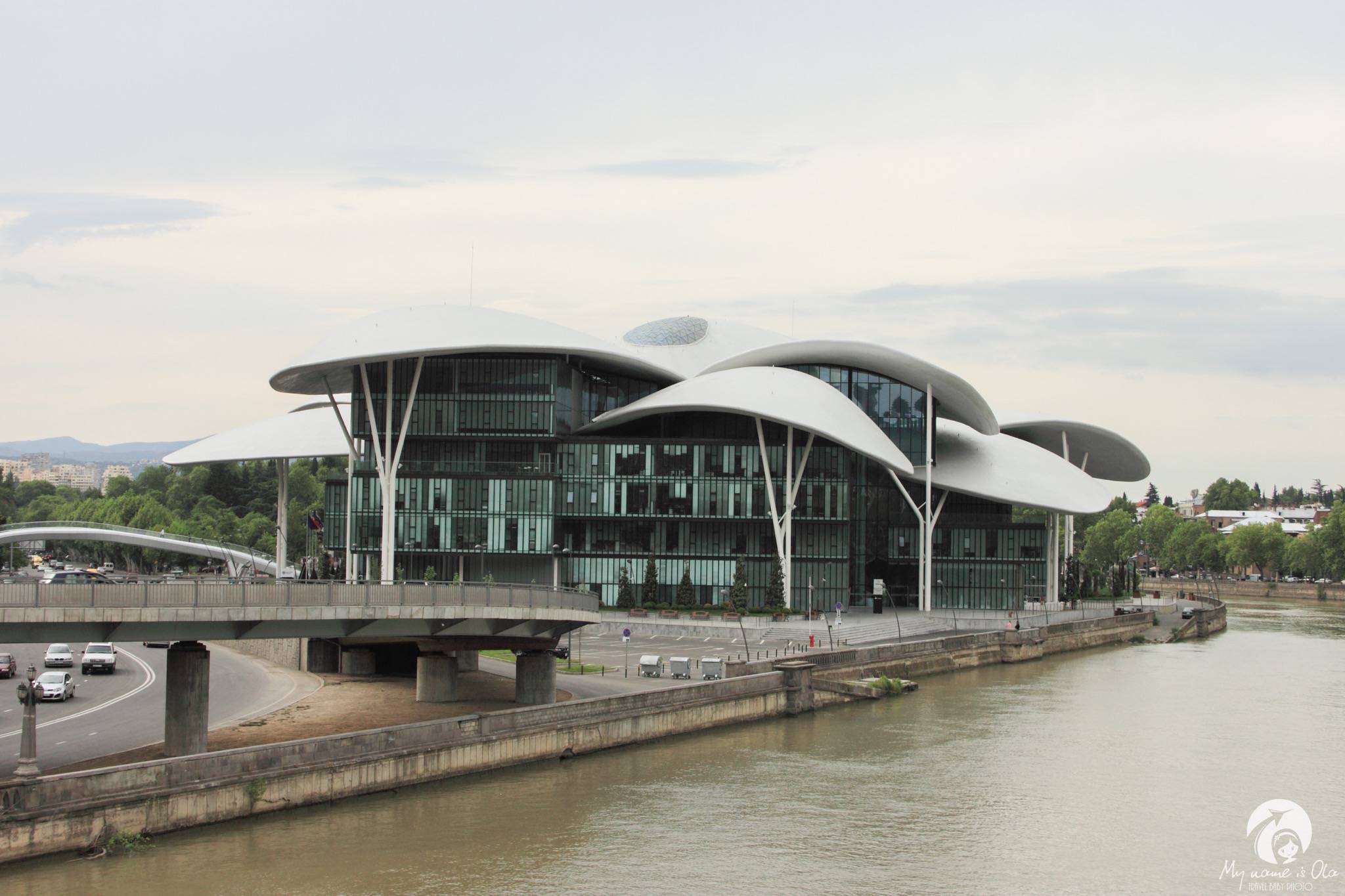
That’s our suggestion for the weekend in Tbilisi, see, try, admire and come back for more. But if you have another day there focus on modern architecture of Tbilisi. It’s spreaded all over the city but very interesting and worth seeing. See Public Service Hall, Prosecutor’s Office, National bank of Georgia, ministry of Internal Affairs, Emergenies Control Centre, Socar headquarters.
[photosetgrid layout=”13″] 

 [/photosetgrid]
 [/photosetgrid]

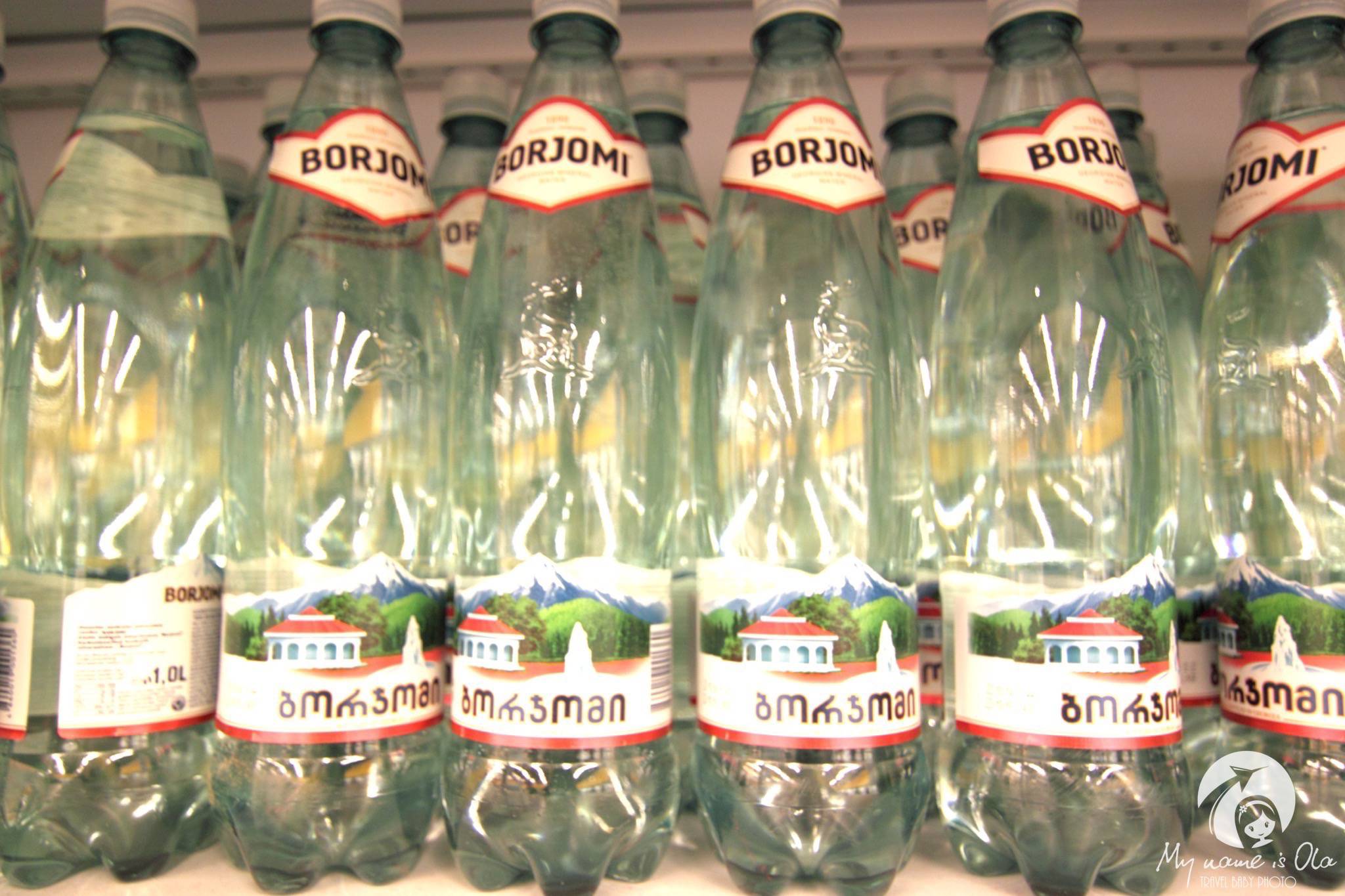 The city of Borjomi where the water originates is a spa resort, worth visiting and driking some water straight from the spring. The water used to be drawn straight from the river from a makeshift metal cage. Today the center of the town is modernised and is more visitors-friendly.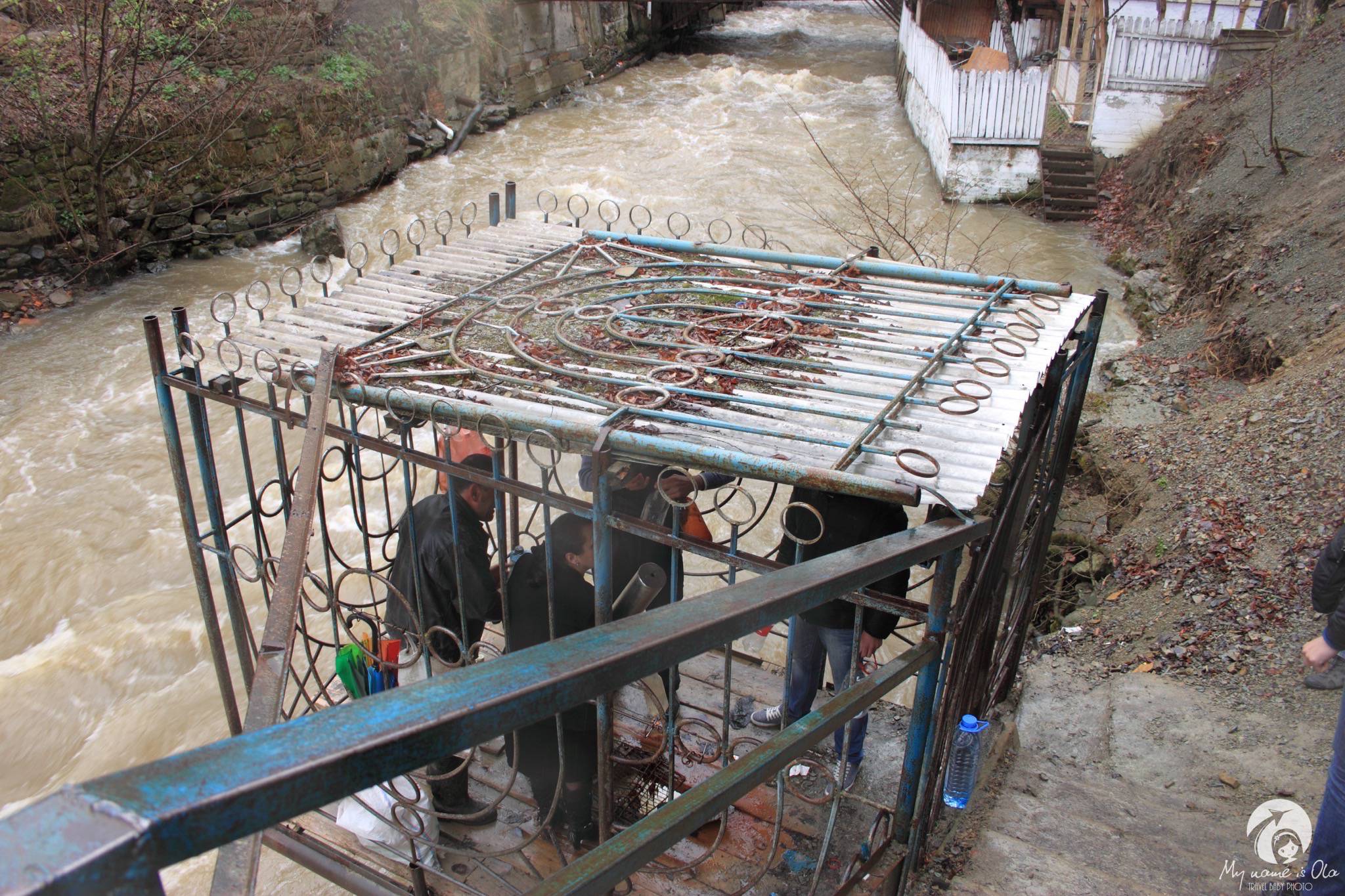
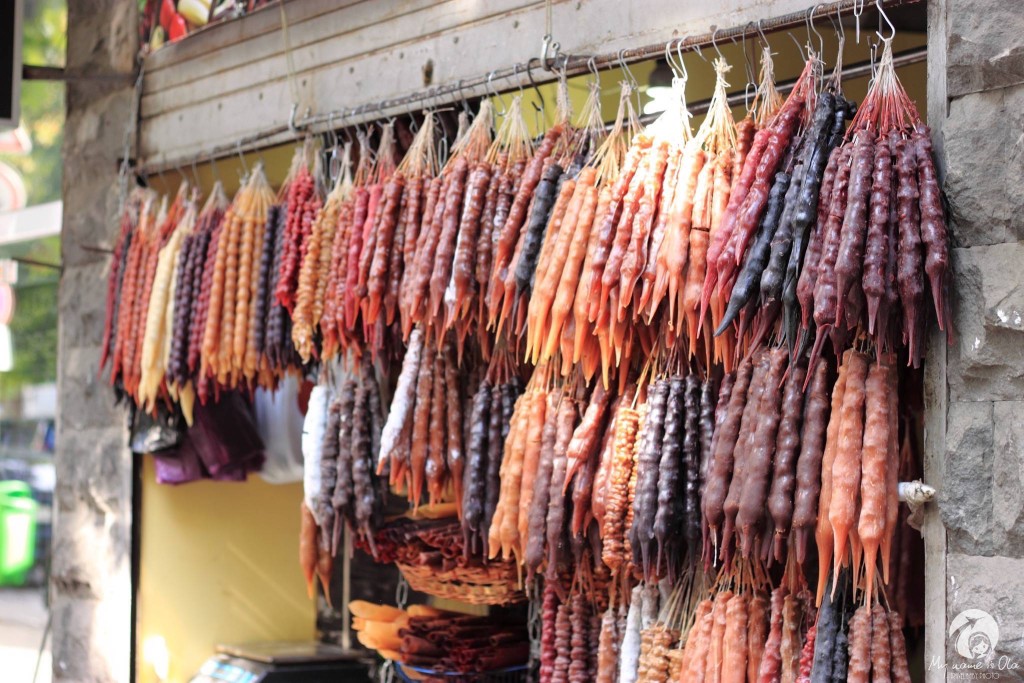
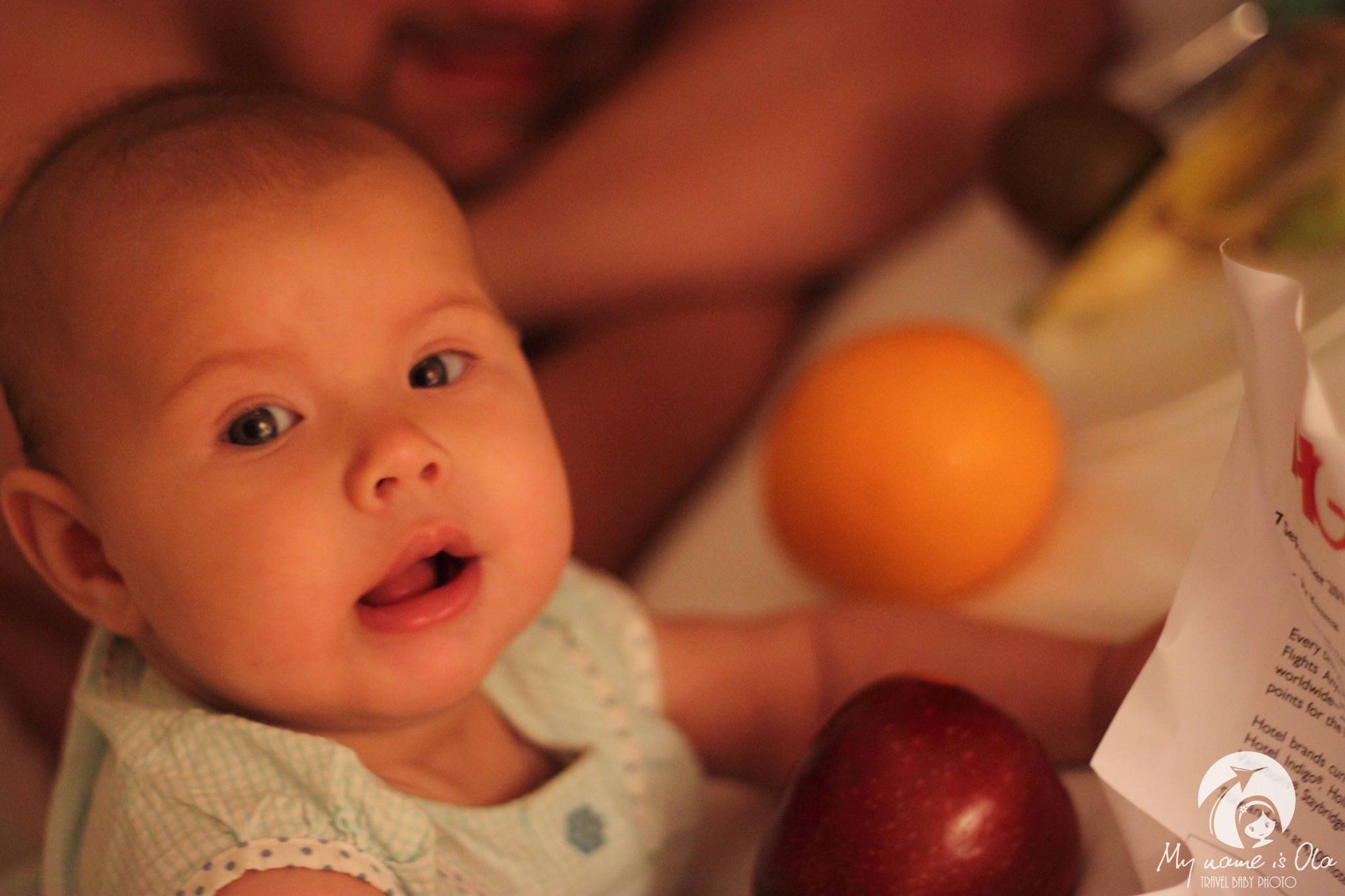
At first sight it looks like sausage but in fact it’s nuts on a string dipped in the mix of grape and flour. Delicious! Apart from grapes Georgia abounds in other fruits. Depending on the region there are apricots, bananas, pomegranates, figs, watermelons, kiwi fruits, almonds, walnuts. All fresh, sweet and tasty. Ola liked them a lot, especialy apples and oranges. Just to play right now, she will try them next time.

 [/photosetgrid]
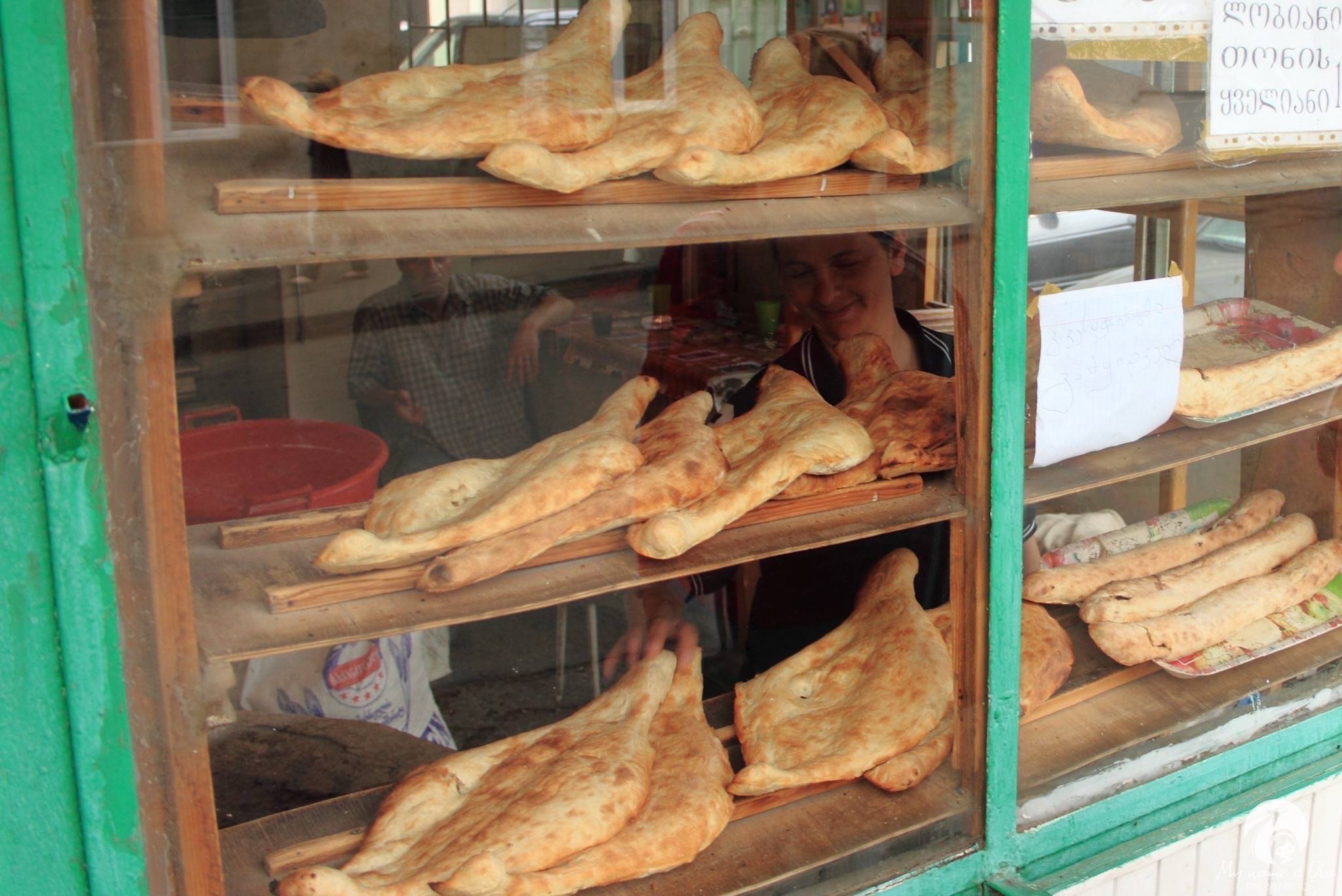
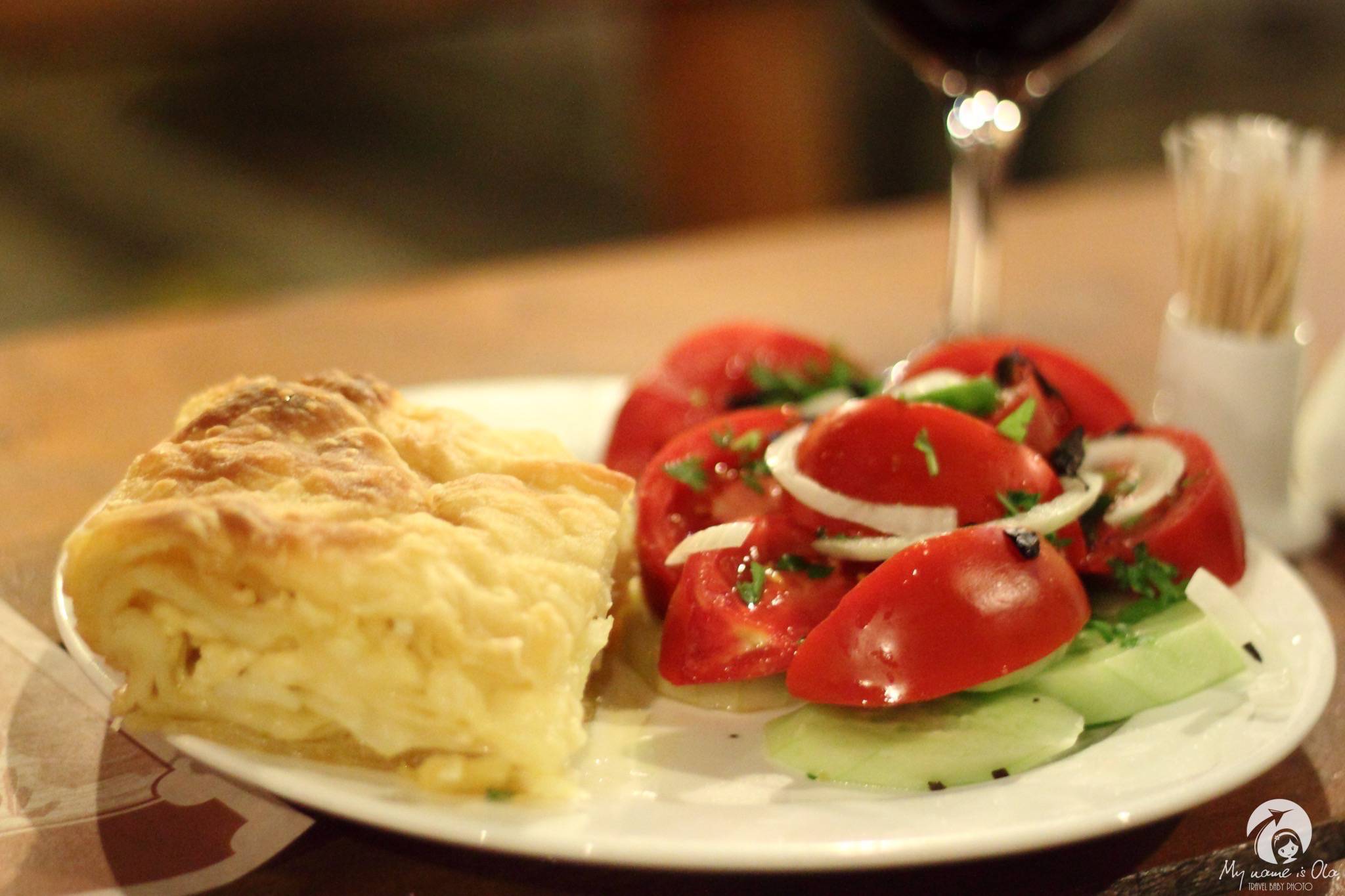
 Other kinds are also named from the region of their origin: Mingrelian, Imeretian, – round and flat, the most popular type, Ossetian, Svanuri, Rachuli, Phenovani, Abkhazian (multilayer). This is one of our fist choice dishes as it looks unusually, tastes great and it’s alway safe because in any variation it contains meat.

READ MORE
How to make friends with Tbilisi
Georgian ambrosia – our wine stories
Georgian Colchis: from Argonauts to Chiatura
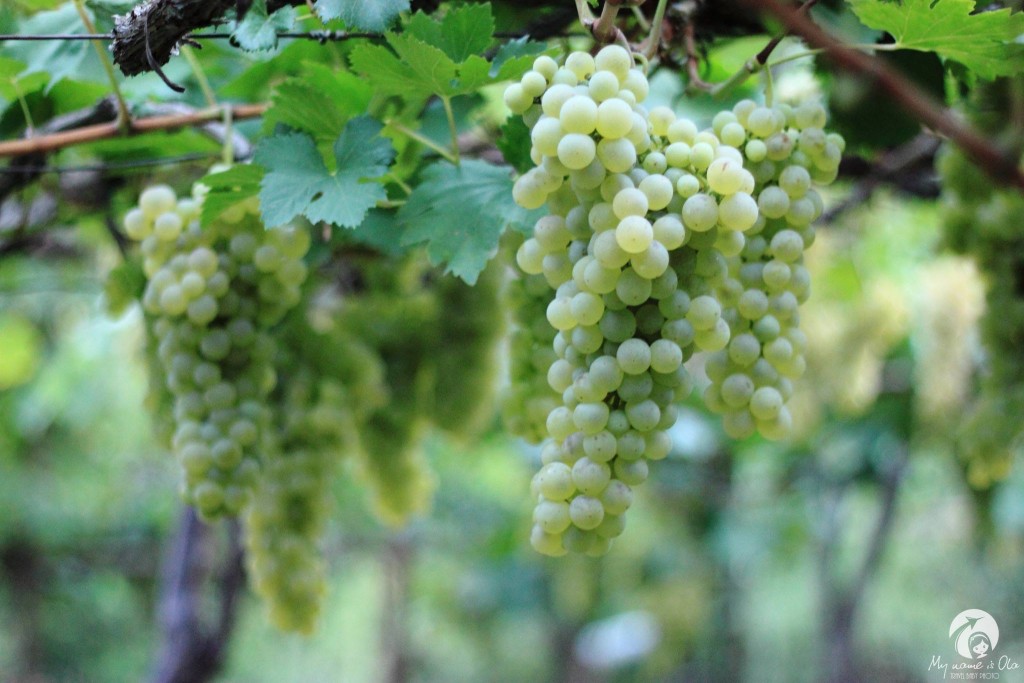
What product is Georgia most famous for? Right, it’s high quality wine. Right after Borjomi water or maybe before… Anyway Georgian climate and landscape is a perfect condition to grow grapevine. Some say that it’s Georgia where wine was invented thousands years ago.
So what is the best time to visit Georgia because of wine? Wine you can try anytime but September- October give the possibility to witness the harvest.
The most famous for wine region of Georgia is Kachetia. It’s east from Tbilisi. 100 km away from Tbilisi is situated its capital Telavi. Views on the way as always beautiful.
[photosetgrid layout=”12″]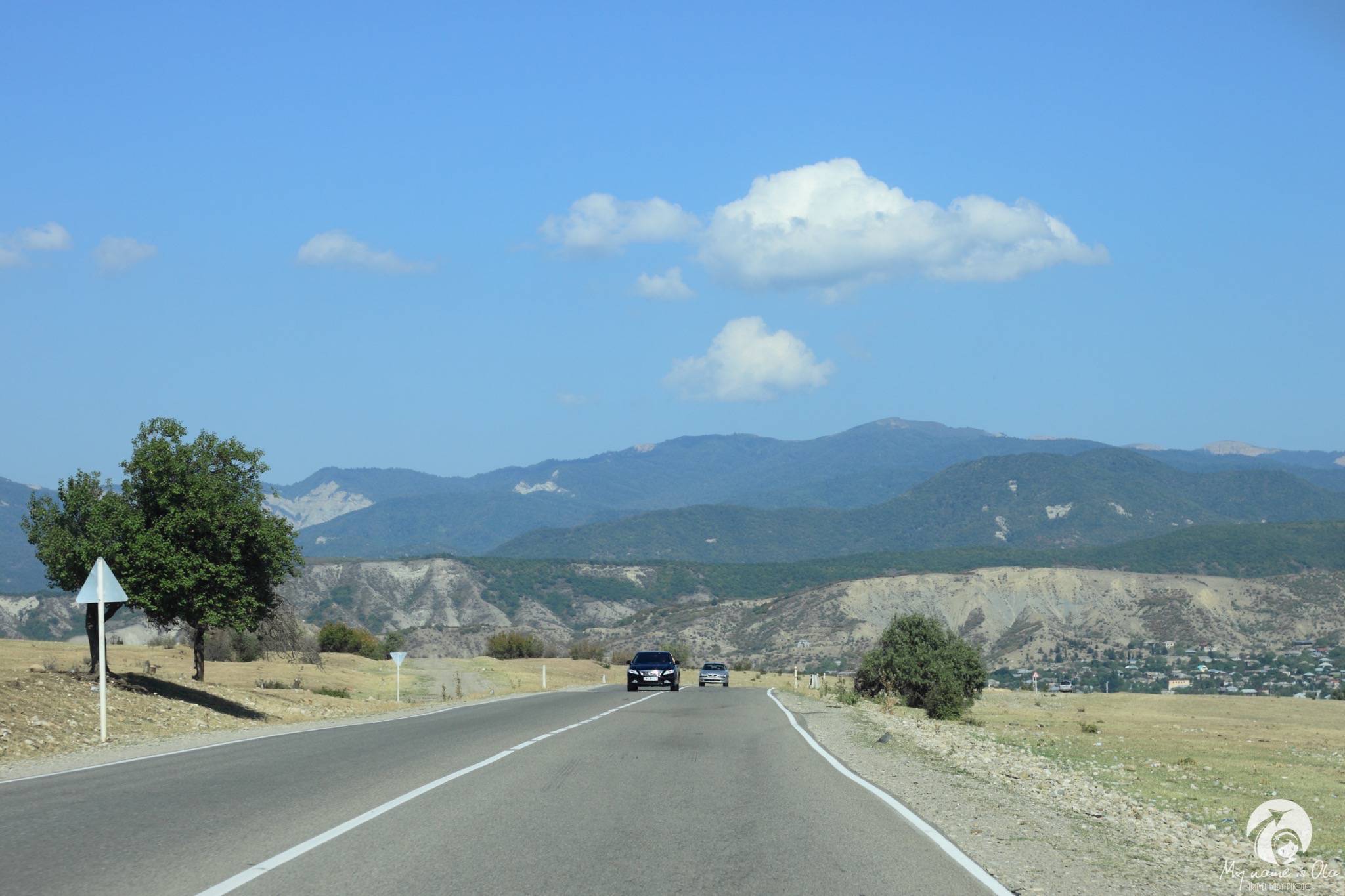
 [/photosetgrid]
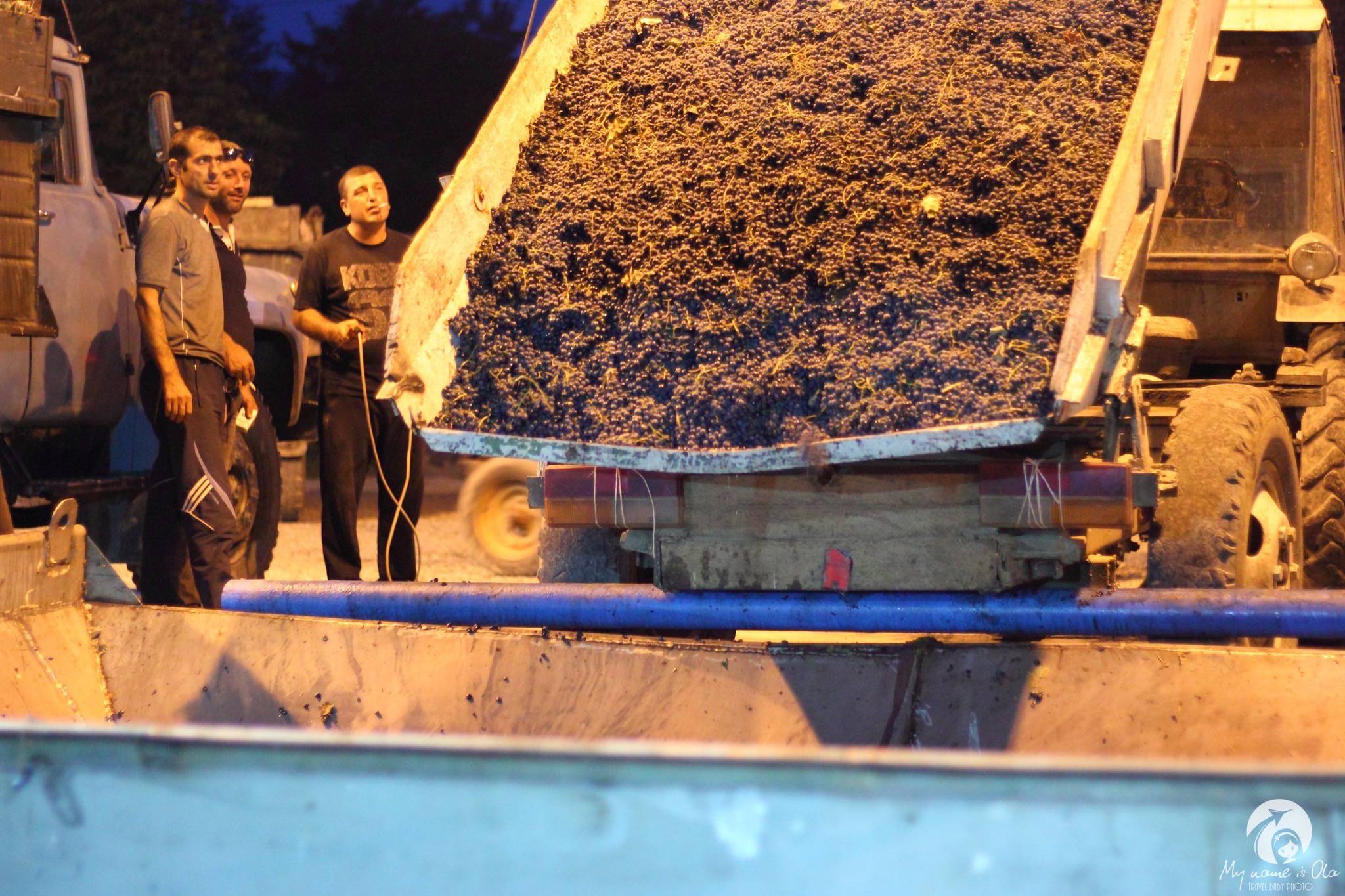
In this part of country the harvest might start even at the begining of September. It’s very sunny and grapes ripen very fast. At the beginning of September we found on the streets trucks full of grapes going to factories to sell their fruits.
In front of local factories there are lines of hundreds of trucks, tractors and other vehicles. All full of grapes, mostly dark, small but very very sweet grapes.

The whole work in the factory starts in the evening when the fruits are picked and loaded on trucks. So in the peak season they dont sleep at night for weeks. Despite so much work Georgians will always find some time and attention for others. We were let to the factory and shown the process of receiving of fruits!
[photosetgrid layout=”4″]


[/photosetgrid]
When in Kachetia they are having hard time working, west from Tbilisi farmers are still waiting for the friuts to ripen. They might start harvest even in the middle of October. By that time they are happy to welcome visitors.
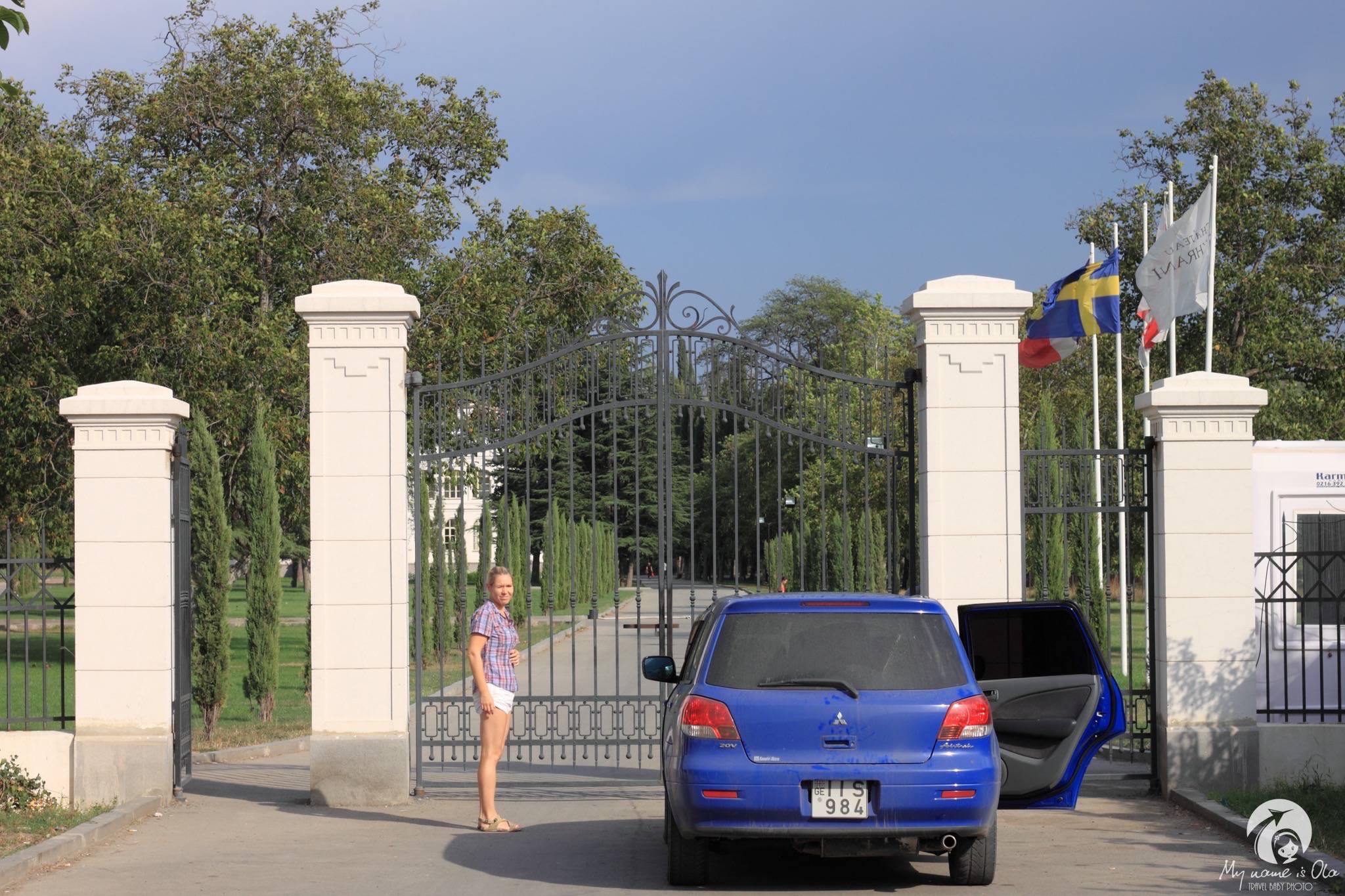
To learn about the history and wine production we took a guided tour in Chateau Mukhrani winery.
[photosetgrid layout=”2″]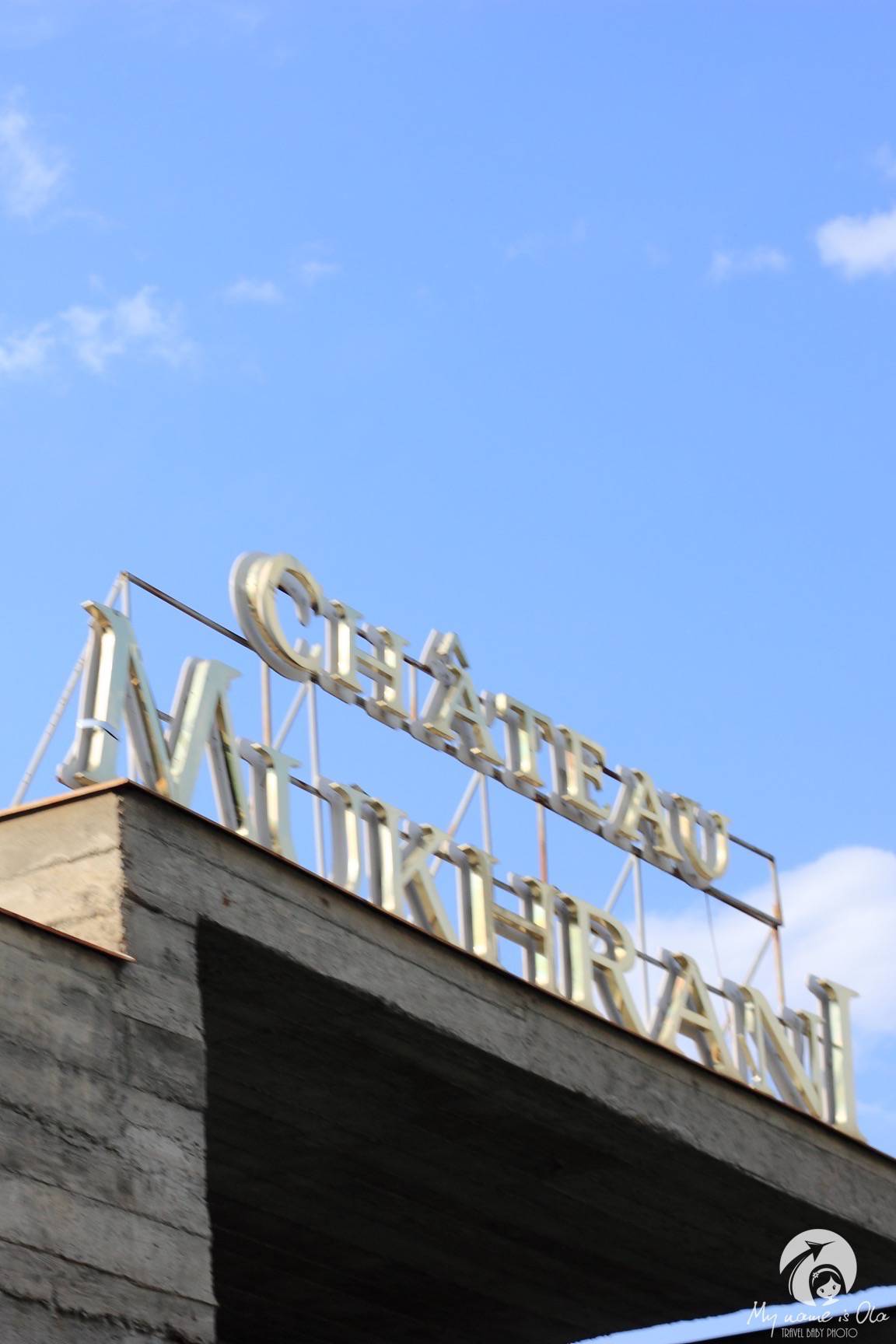
 [/photosetgrid]
This is a vinery factory owned by multinational group of people. Indeed a good place to learn about wine because although they currently don’t use traditional Georgian way of production, they have an exhibition that lets familiarize with it.
They offer guided tour including testing of 4 wine types for 35 lari, unless you are a brestfeeding mother/ driver and pay 20 just for the tour.
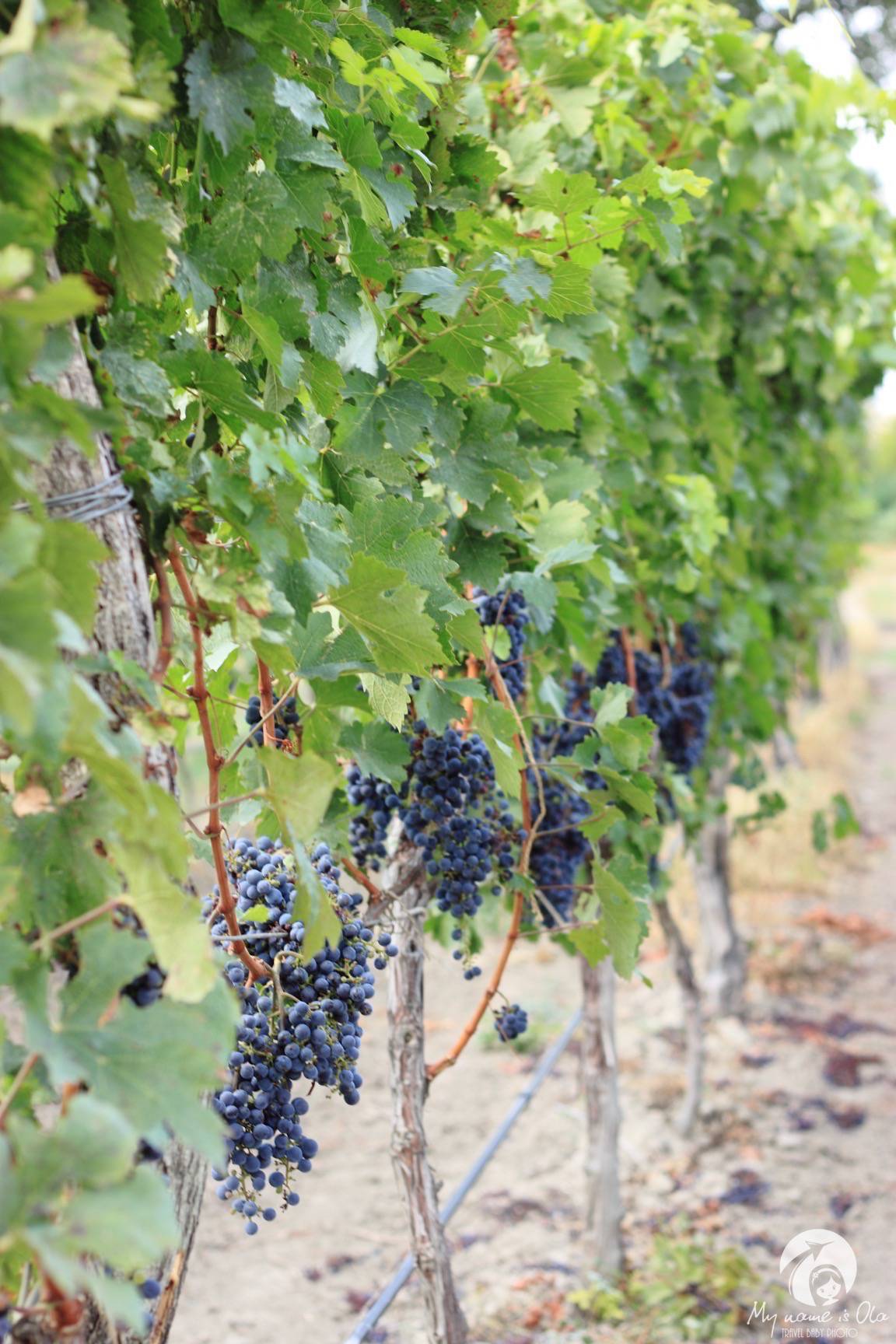
Chateau Mukhrani owns 100 hactares of vineyards, carefully planted and looked after.


One of their secrets is cuting bunches of wines if there are too many on one plant to provide each little grape maximum benefit from the soil and from the sun. Those that were cut lie under the bushes.
Although they produce wine in modern way, they are planning to set up production in old Georgian tradition. For the time being we can see old kvevris exhibited in the castle’s cellars. Kvevri is a storage vessel, a jar which was used for wine production.
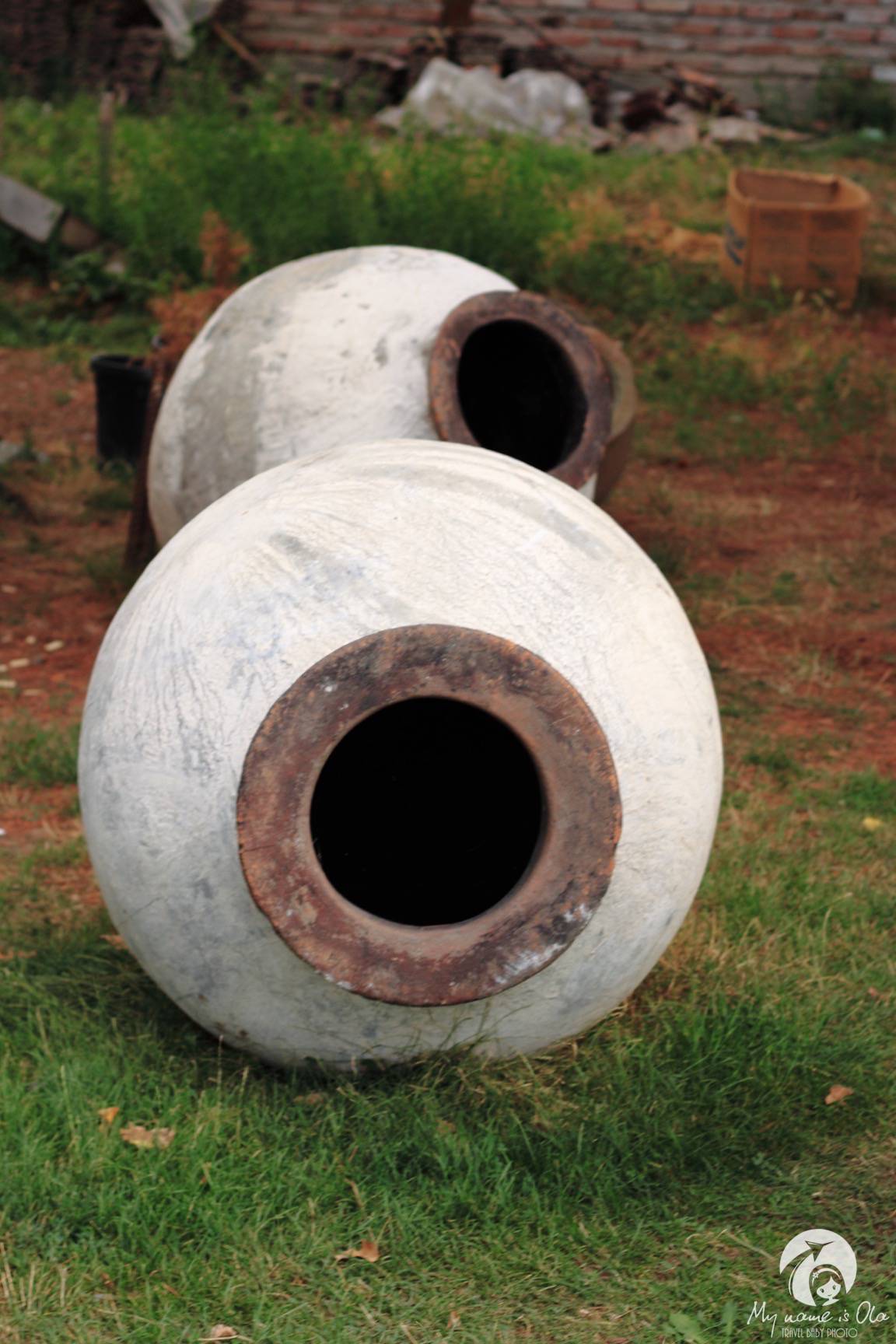
That Georgian production method involves puting grapes and juice together to those kvevris buried underground so that only the hatch was visible. Process is controlled with the usage of special tool on the stick used for getting the wine out of kvevri.
[photosetgrid layout=”3″]

 [/photosetgrid]
Continuing the tour we were taken to the cellars where the wine matures in oak casks.
[photosetgrid layout=”3″]

 [/photosetgrid]
We finished with tasting of 4 main types of Mukhrani wines. Fast, as Ola and mom got only to smell the glasses. Tasting and the whole tour is well prepared, everything is very professional, well arranged with fluent English speaking guide! It was pleasure to visit them.
But real adventure waited for us few kliometers further, near the city of Gori. Following the signs of wine route we arrived to the village Ateni Sioni. Not without problems of course. We got totaly lost in Stalin’s town – Gori. Local men asked by driving mom for direction turned out to be very helpful, right after asking „Yhy, ok, where is somebody to whom I can explain?” Probably only man was a partner to talk. Finally we reached the village of Ateni.
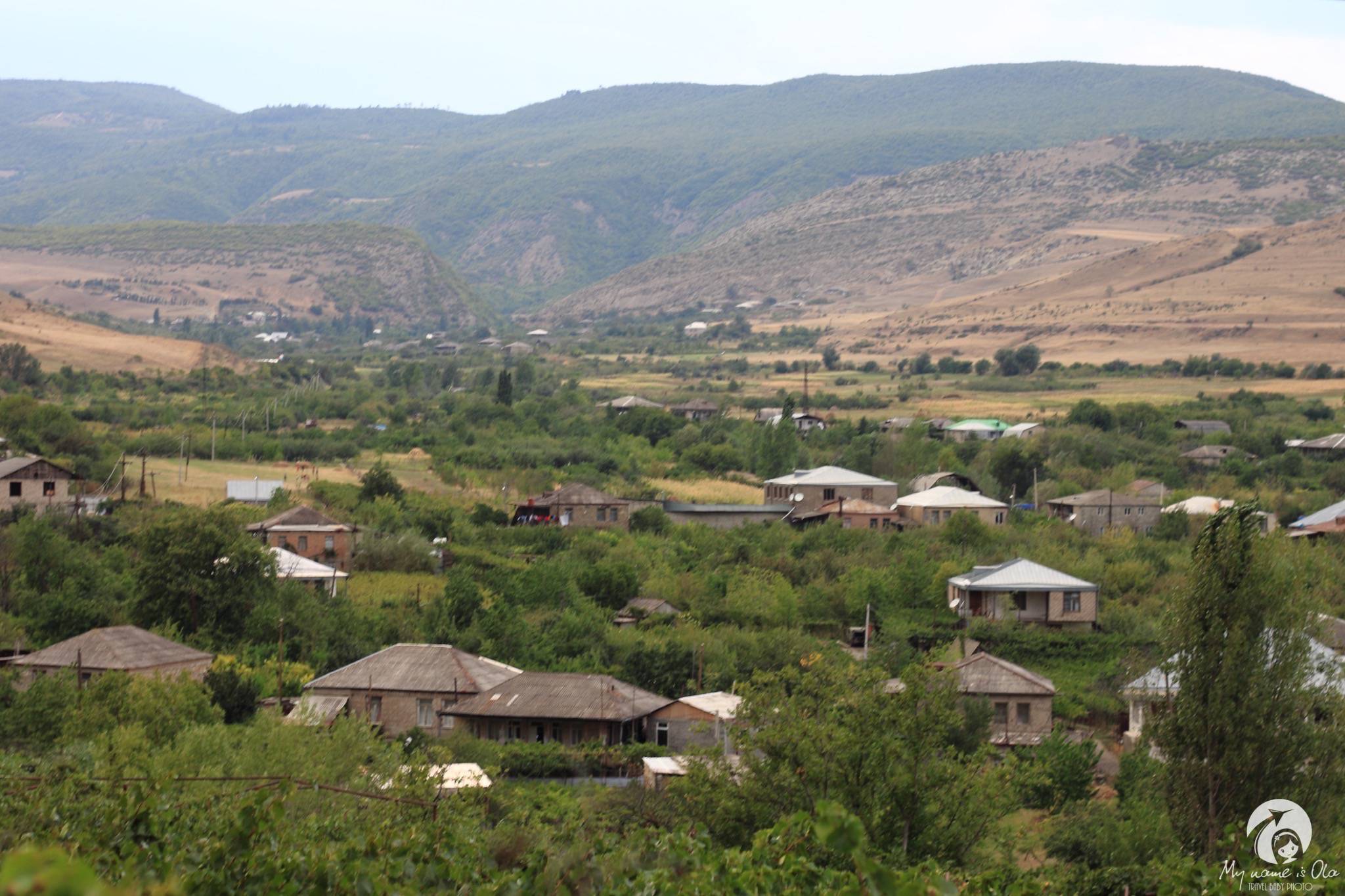
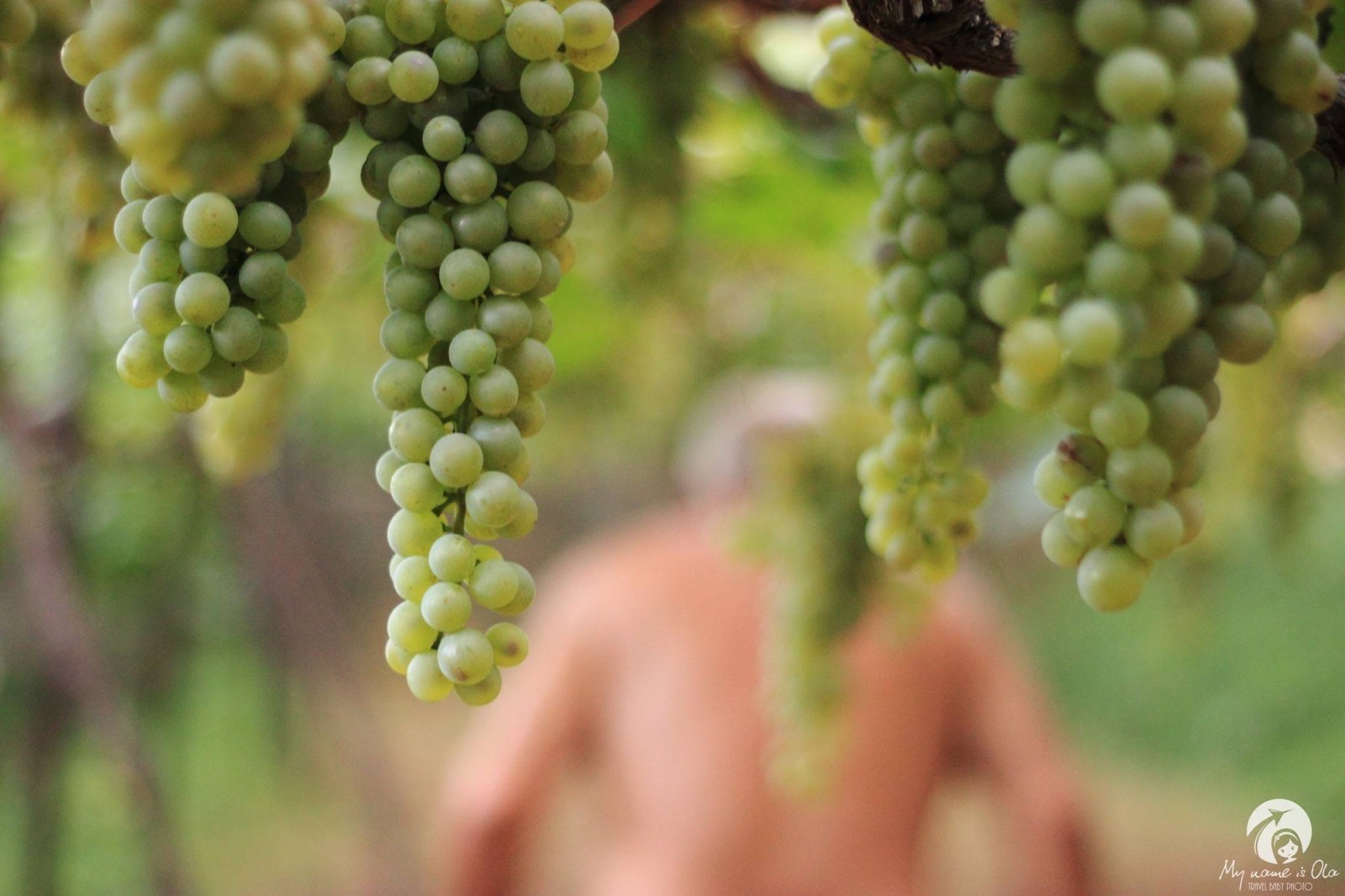
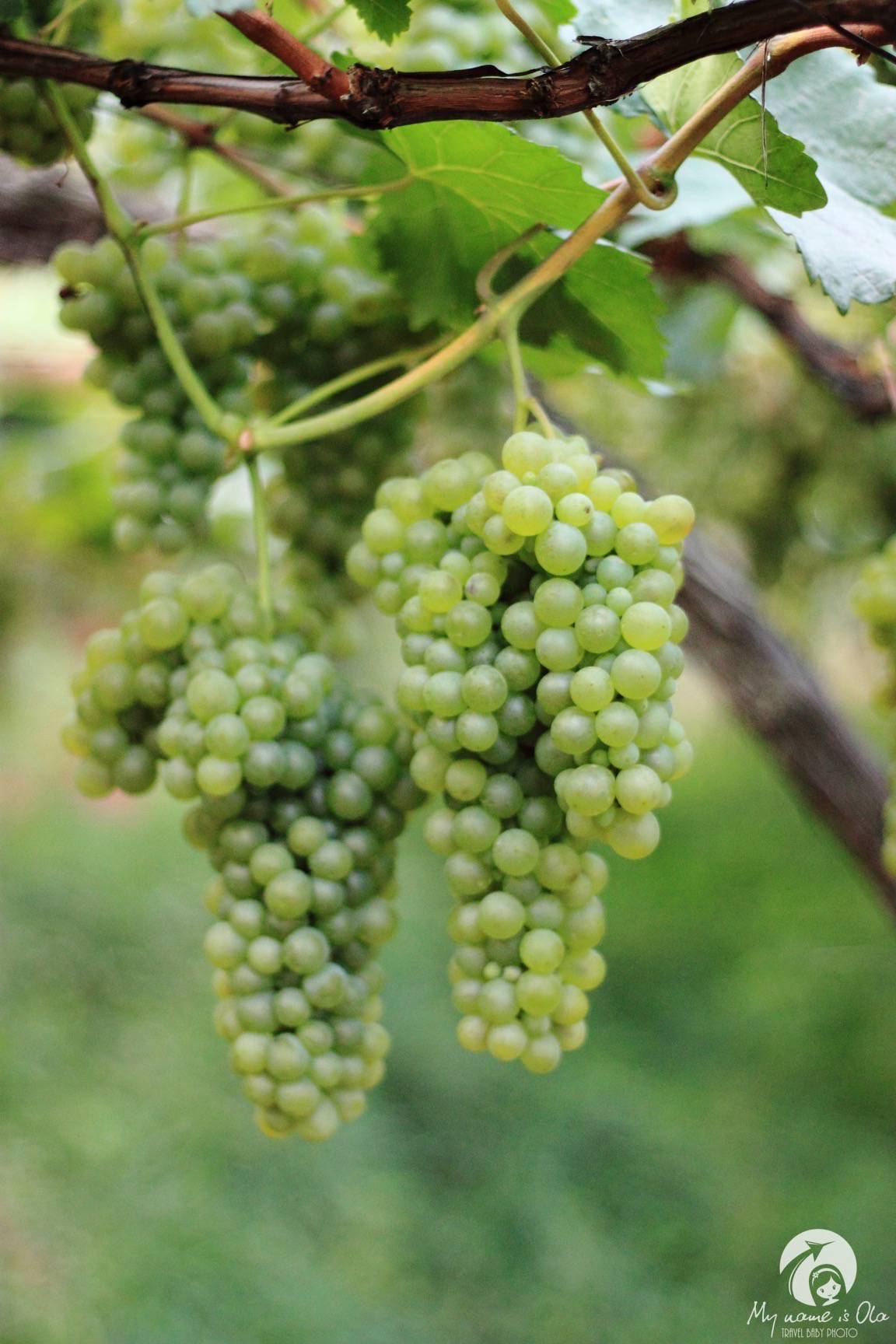
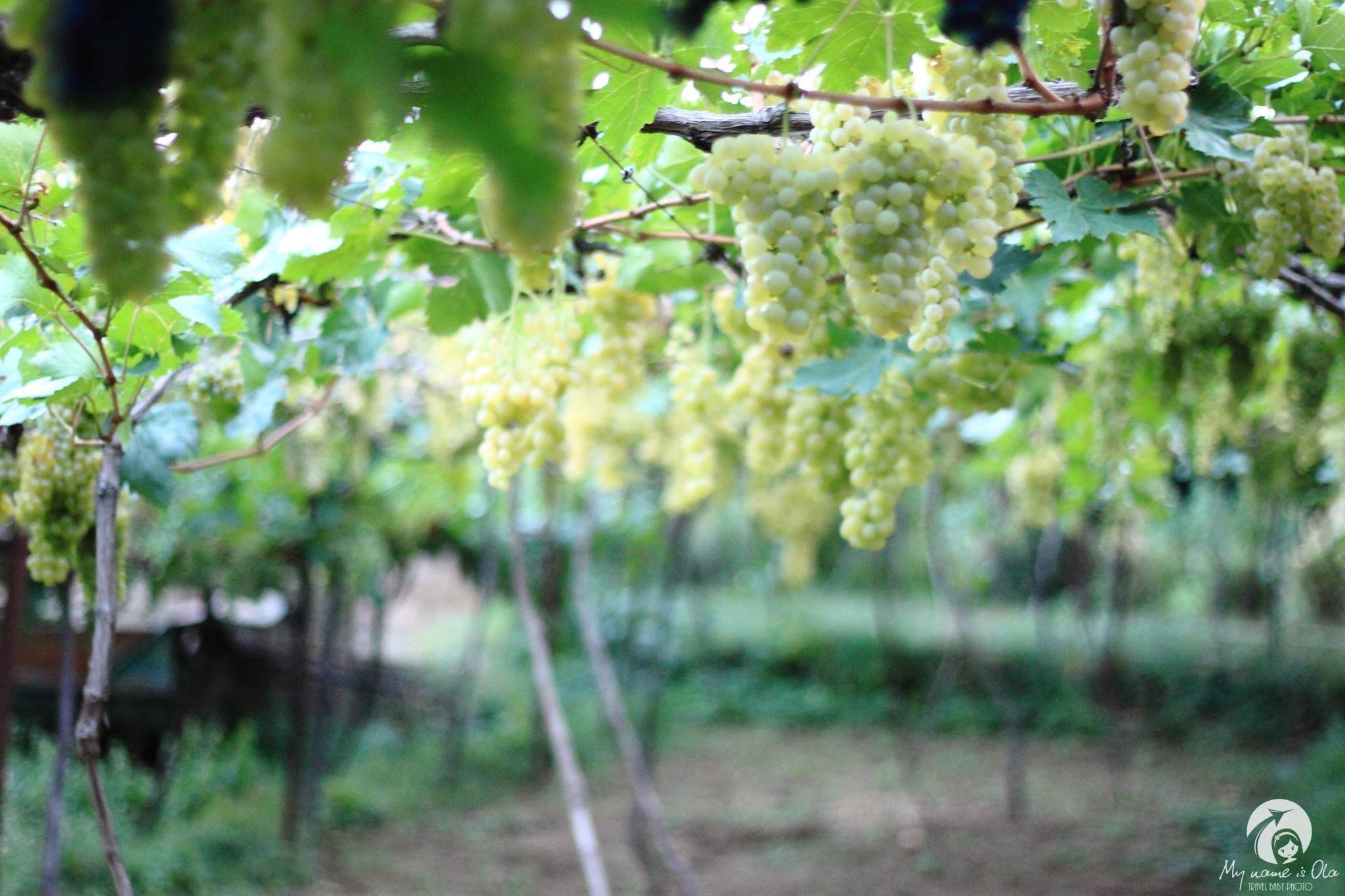
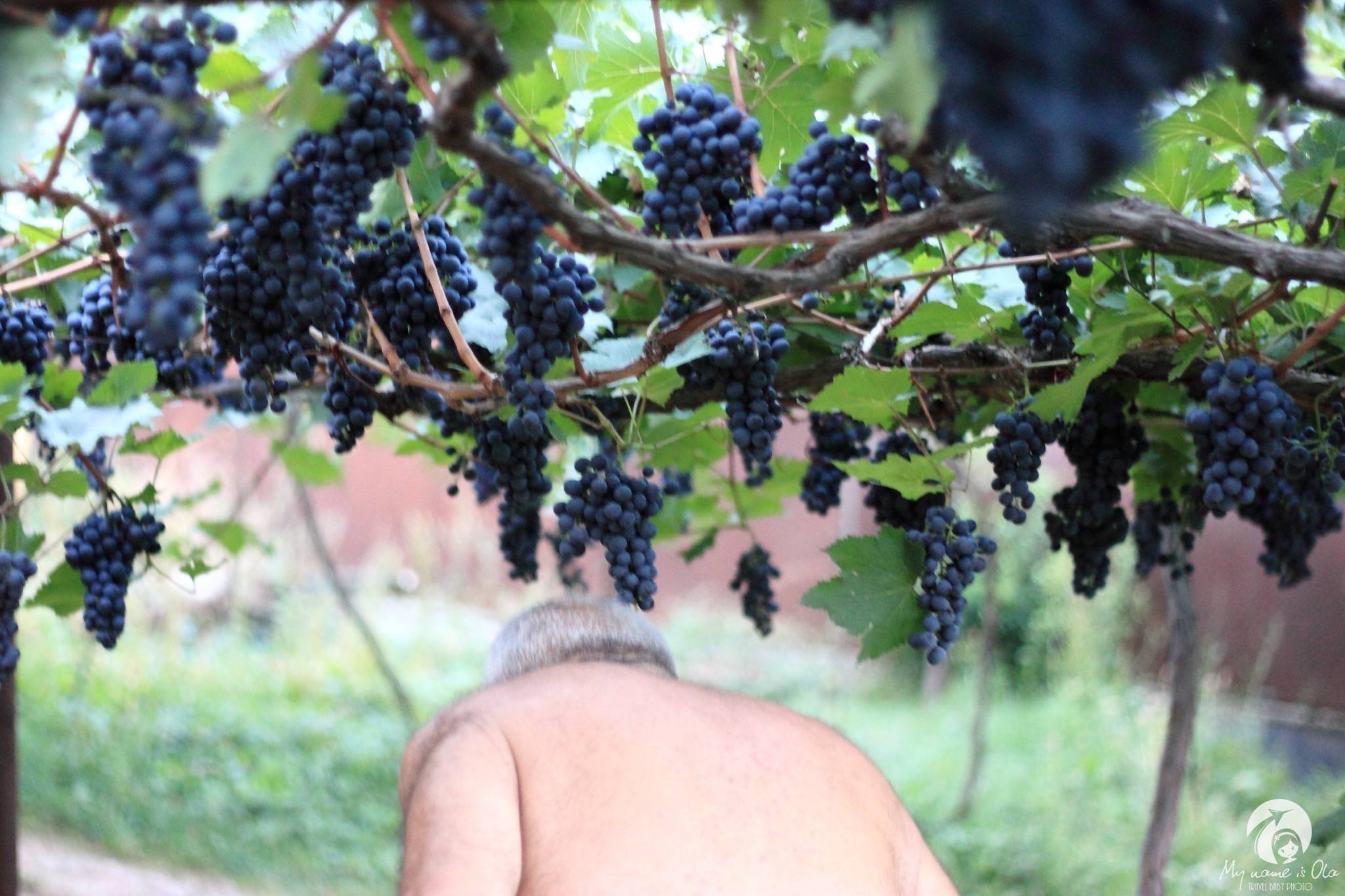
And found a house tagged as Old Wine Cellar. House was closed, nobody aroud, silence. While Ola was eating her dinner in the car, dad went to look around. It didn’t look from the road like there was anything going on in the neighborhood. We were just dissapointed and getting ready to leave when we saw somebody going out of home. And that’s how we met Temur, a head of family and the owner of the old wine cellar. In the first way he took us to his vineyard. Suddenly we found ourselves under a roof of grapes. It’s the first time we saw vines growing this way. The impression was amazing, as far as eye can see there were all grapes hanging from the vine. Following housholder we entered to this magical land.
[photosetgrid layout=”24″]


 [/photosetgrid]
Straight from the yard we went to the barn, a small museum of Georgian wine manufacturing art. All items gathered there have been used by their ancestors as this family has lived there for generations. After seeing all exhibits and souvenirs we landed at the table, acompanied by other family members.


Table was full of traditional Georgian homemade food: bread, cheese, pickled cucumbers and fresh friuts straight from the garden. And of course that thing that led us there – wine. Also homemade, red and white. And together with that our host turned into real georgian tamada – a toastmaster. How many times we raised our glasses, we cannot remmeber. We drank to us, them, babies, women, men, Georgians, peace, love and so on. Finally we were even offered chacha, local homemade vodka, or more than vodka cause 60%! Dad took it with dignity but not without some difficulties.
Of course Ola was the one who attracted the most attention. She had to be carried and loved all the time.

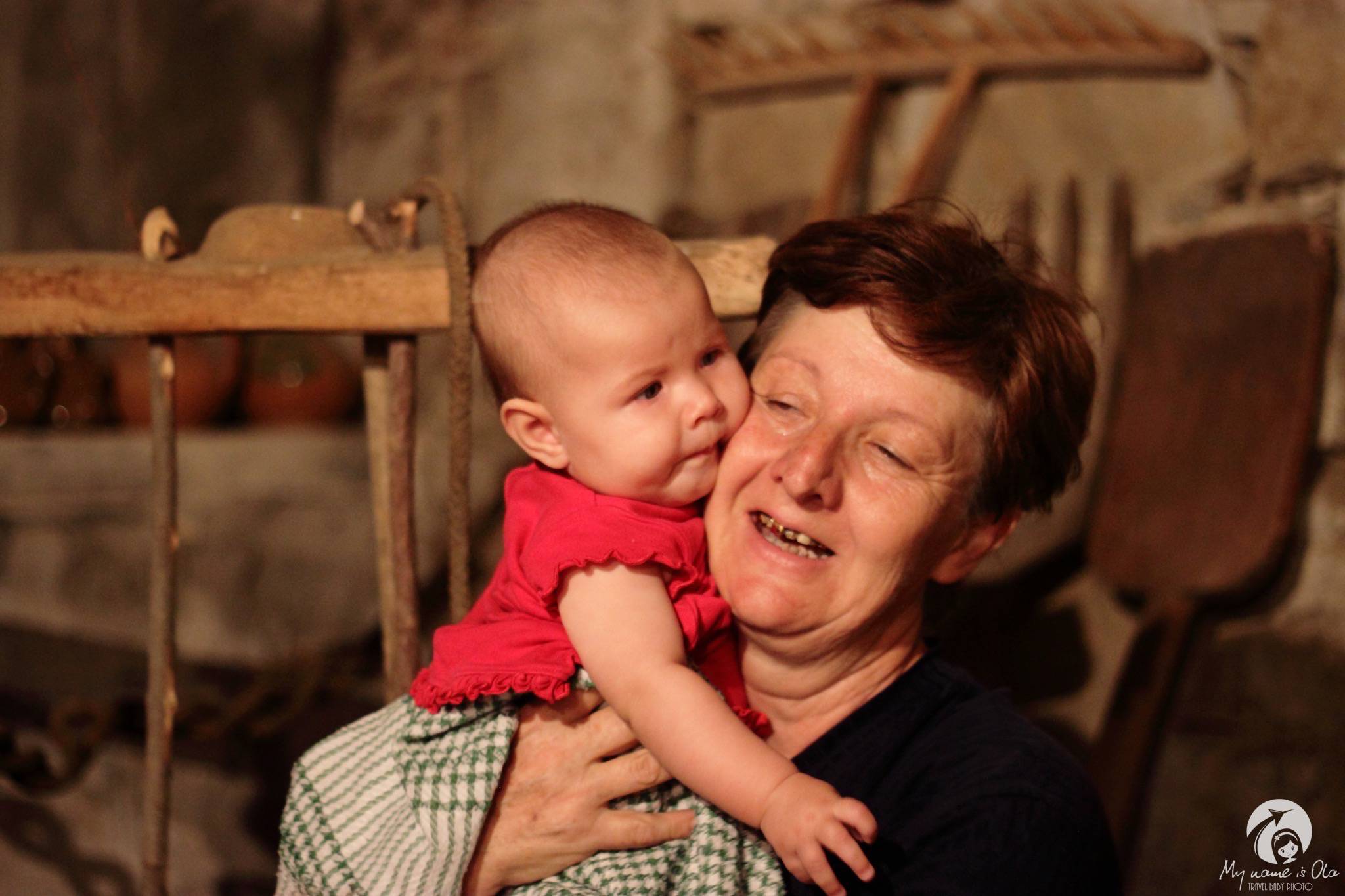
The tradition of drinking in Georgia says that, after the toast, one has to drink whole glass at once. That’s because in the past animal horns were used as glasses and there was no way to put it aside without emptying it first.

After finishing all wine on the table and discussing everything that came to our minds we left previously being given apricots, couple bunches of grapes and of course another bottle of wine.
We have to addmit that wine was not particularly tasty but the atmosphere we found there, Temur’s and his wife’s hospitality and warm welcome made this night unforgetable. That was the most true experience we’ve had in Georgia so far. This night was incredible, however dad’s next morning wasn’t easy…
READ MORE
Georgian Colchis: from Argonauts to Chiatura
7 things you have to try in Georgia
Georgia in our eyes
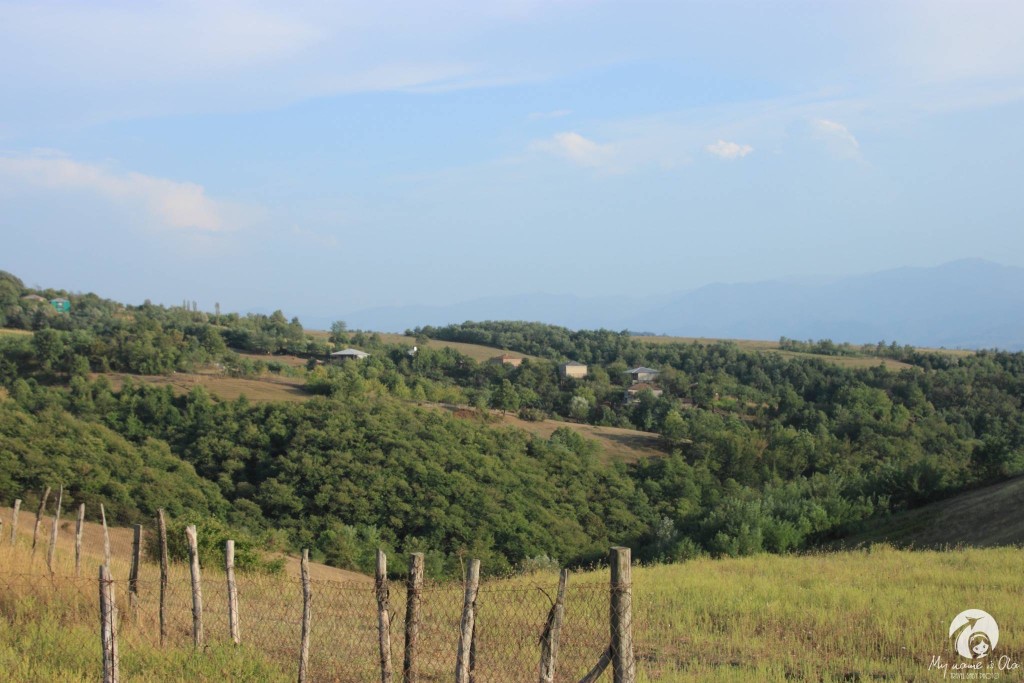
Western regions of todays Georgia (reaching Imeretia region) are the successors of ancient Colchis. An area of incredible welth according to Greek mythology. That mythological and historical land covered all western coasts of the Black Sea from todays Sochi (Russian Federation) until Trabzon (Turkey). Its history goes back to at least 6 centuries BC. It took a serius part in Greek mythology as the destination of Argonauts in their quest for the Golden Fleece. It’s the teritory of Georgia where this sybol of power and kingship was held.
It’s also Colchis teritories where supposedly Prometheus suffered his punishment for giving fire to the people. From this history derives Sataplia State Nature Reserve naming one of its caves Prometheus Cave. This is an open for visitors, one of the richest caves in Europe of total 20 000 meters. 1420 meters out of them is accessible for tourists.
Finding the cave is not easy. Starting point for this trip should be in the city Tskaltubo. And it’s enough to take the correct turn on the big roundabout there. The thing is that in some moment the signs just disapear. Looking for the caves we had to stop and ask for directions several times. After way more time than described 30 minutes from Kutaisi we reached our destination. We are not even able to give any advice now. Going there just make sure you take your GPS with you.

Fast preparation and we were ready to go to undergroud.

What was our surprise when we found out that not only they are closing at 6 o’clock (within 40 minutes) but also kids under 6 are not allowed inside. After so much time of looking for the cave, driving up the mountains only one of us will get a chance to see it. Dad was chosen to be the one and go underground to see those miracles of nature. Disappointed mom and Ola stayed on the ground. But you can always count on Georgians! There was some another group coming after 6 o’clock and awesome staff made sure mom joins it!
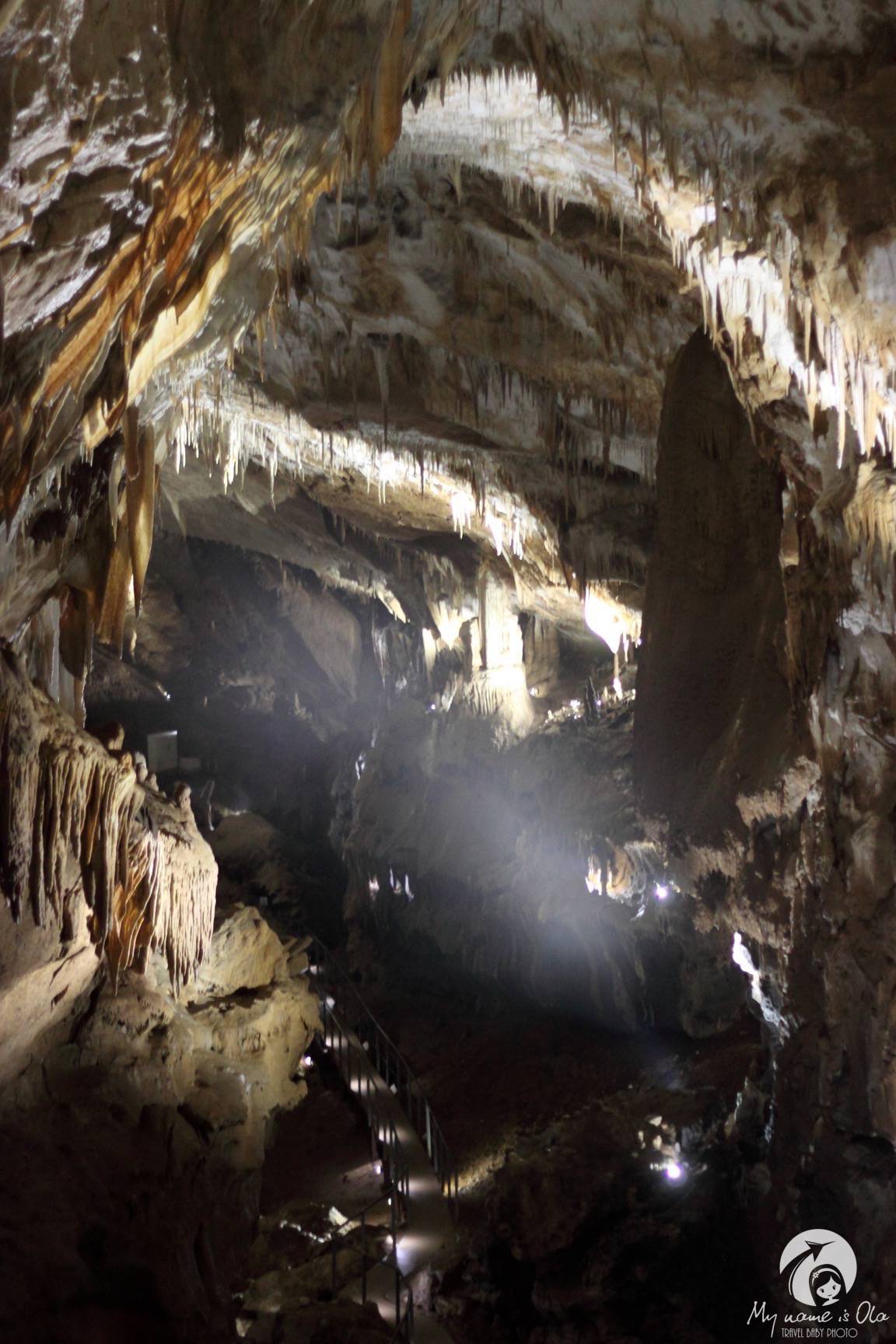
The cave itself is very big, consists of 5 halls and passages between them. Inside there is between 14 and 17 degrees Celsius and humidity of 98%. Long sleeve could be useful but is not necessary.
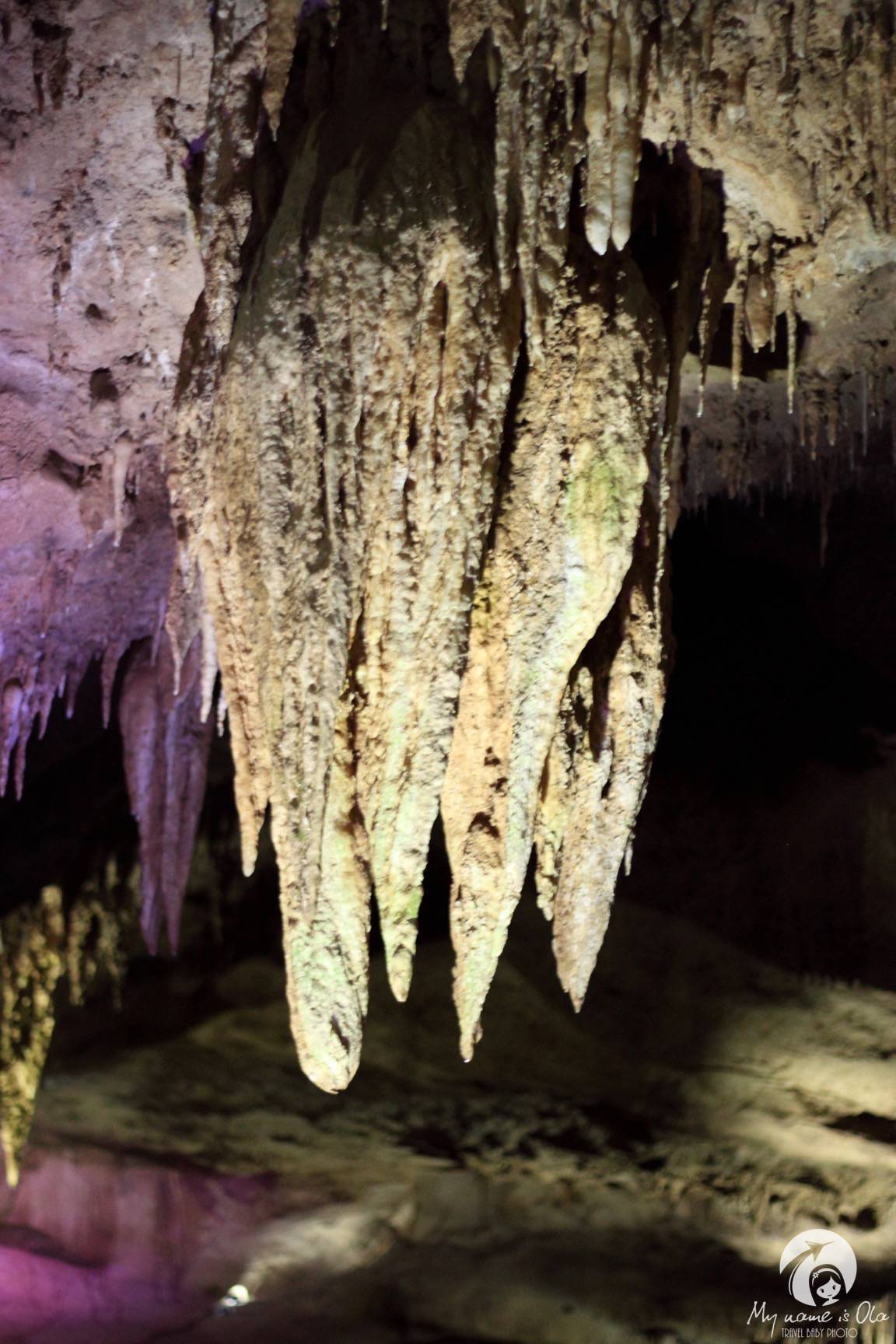
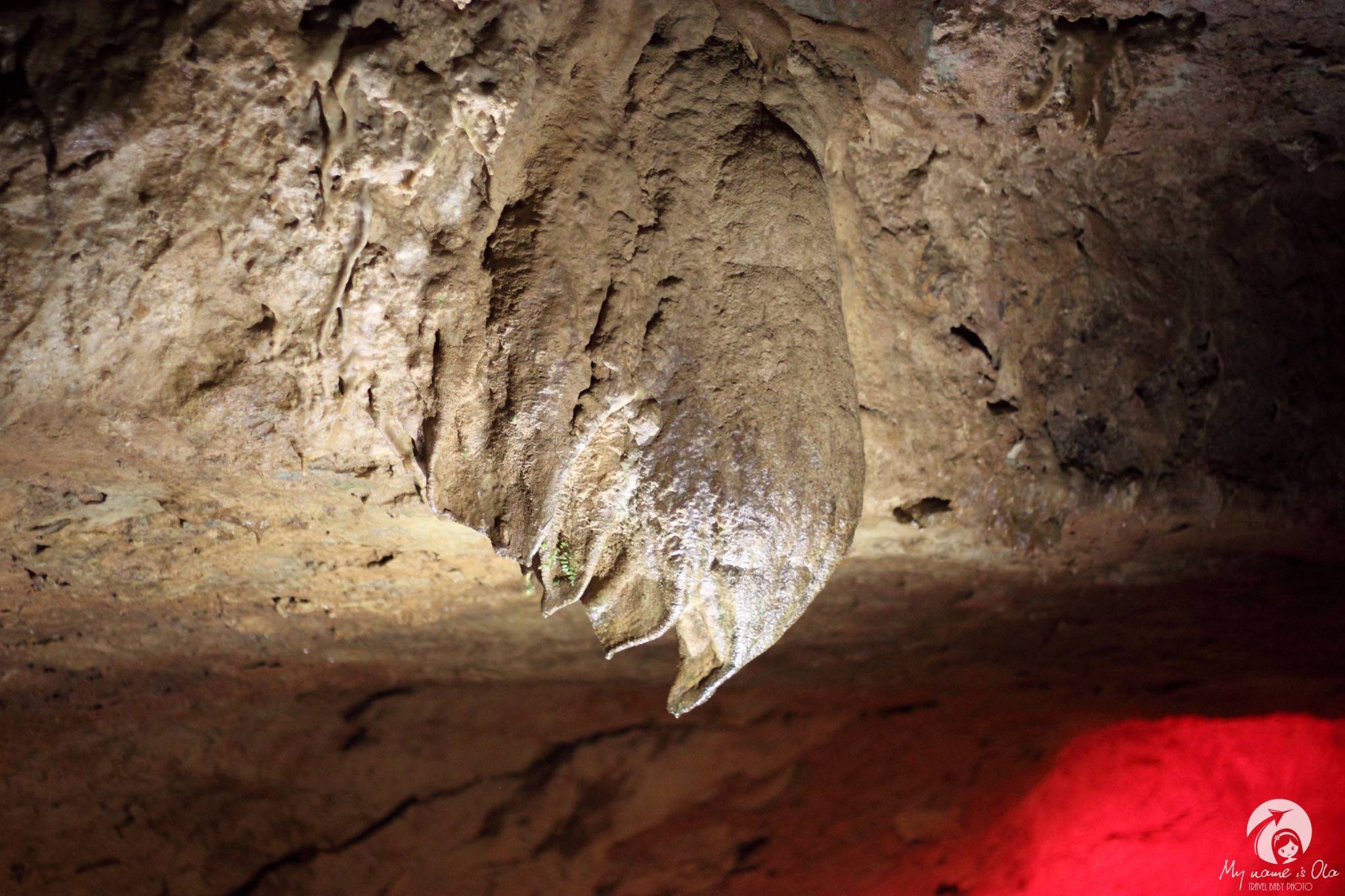
Views in the cave are magnificient. The diversity of forms created by water and wind is very large. And they are so big that it must have taken hundred of centuries to build them. Imagine only that it takes a hundred years to build one centimeter of such stalactite. Some of the halls are even 15 meters high. One of them is called a Love Hall and it’s really possible to get married in there. The tour with a guide takes around an hour and costs 7 GEL including a boat ride as a last part of the excursion and way to the exit. It doesn’t look as fabulously as we imagined and in our opinion the visit to the cave is good enough without this cruise.
[photosetgrid layout=”34″]


 [/photosetgrid]
That was an awesome experience which is undescribable by pictures. Anyone, who has never been to any serious size cave will be delighted.
The capital city of Colchis was Kutaisi. It probably originated in 6th century BC. The city was built in the most fertile and strategic location where the trade routes crossed. It used to be the capital of the country. Today it is the second largest city in Georgia and popular turistic destination thanks to an iternational airport serving mostly cheap airlines conecting Georgia with Russia, Belarus, Iraq, Turkey, Hungary and Poland. Small and very convinient airport recently even opened a duty free zone.

The disadvantage of flying there is the distance from Tbilisi, as most of tourists starts sightseeing Georgia from the capital city and the additional fee when renting a car for bringing it from and returning to Tbilisi. Here we have to advise Rent Service Georgia LLC and Giorgi Sidamonidze from cars4rent.ge. Good service, good car and nice, very helpful people.
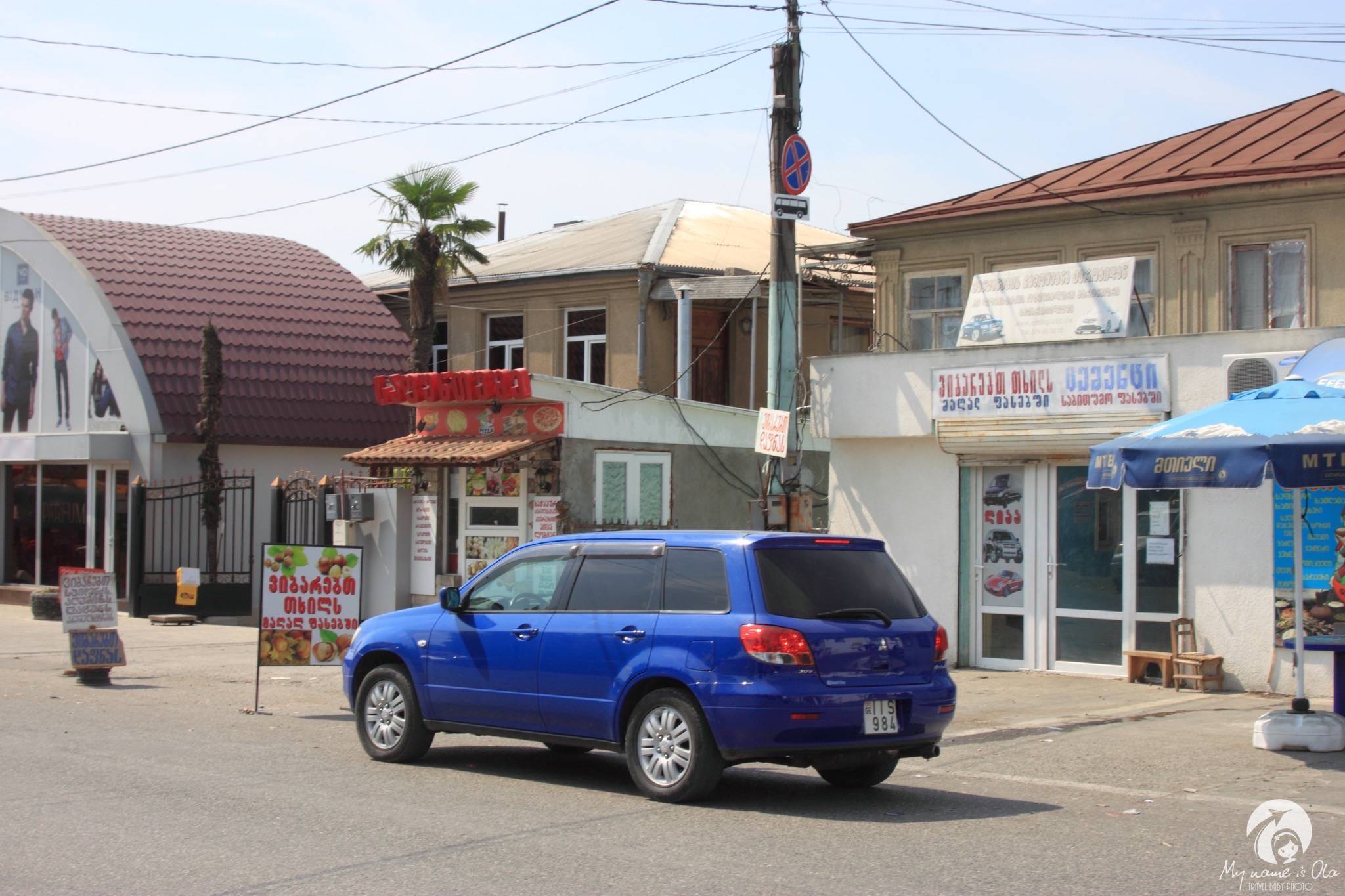
Baby car seat we took from home cause car rentals offer it usually at quite high prices but first and foremost – you will never know what condition you will get it in. It’s the safety of Ola and since we are still using the smallest seat it’s quite easy to take it with us. Our trick for the transport in cheap airlines, so that not to pay for it as a separate piece of luggage, was to mount it as a part of the stroller and stroller seat put in the big bag. We needed the big bag anyway and it fit the seat easily.
But coming back to Kutaisi. The city itself is nothing special; those are the two religious buildings that attract tourists in this area. Both of them are UNESCO World Heritage sites. First of them, Bagrati Cathedral is located within city and easily reachable on foot. It’s an 11th-century church which was rebuilt in 2012. The rebuilt is being discussed as it resulted in condemnation by UNESCO and puting the object on the list of UNESCO heritage sites in danger.
The other one, Gelati Monastery, is located 20 minutes by car from the city centre. This temple is from the beginning of XII century. At this time the object was an intelectual and cultural centre as it held an Academy under it’s roof. Murals that can be observed on the monastery’s wals are the original ones from medieval times and after.
[photosetgrid layout=”4″]


[/photosetgrid]
In the centre of Kutaisi there is a nice, well-groomed park and traffic circle with characteristic fountain. This is a place where local youth hangs around. It’s completely safe place, even inthe middle of the nght. The police being always around the corner but comes only to ask if everything is ok and to tell you that they are here in case you need anything!

Above attractions are easy reachable and mentioned in all guidebooks. Now let us take you to an unobvious place. This place is Chiatura. To reach this 20 000 people town we left Kutaisi-Tbilisi road in Zestaphoni and turned towards Chiatura. Google maps suggests that the road takes around 40 minutes while it really took us around 2 hours. Google should know that in the mountains there will be only turns on our way. Up and down. And up again… So 40km/h is the average speed you can expect. Road in general is very good, only couple times it’s misses asphalt.
On our way we also came accross some sacral object. It’s a temple located on the very top of the big rock.[photosetgrid layout=”2″] [/photosetgrid]
This area is rich in mangan and probably its reserves are the largest in the world. Local mine, still working, probably employs most of Chiaturians. Because the town is located in a very narrow valley with steep sides, Chiatura had to reach for hillsides to provide accomodation for its inhabitants. Apartment buildings are located at different heights.
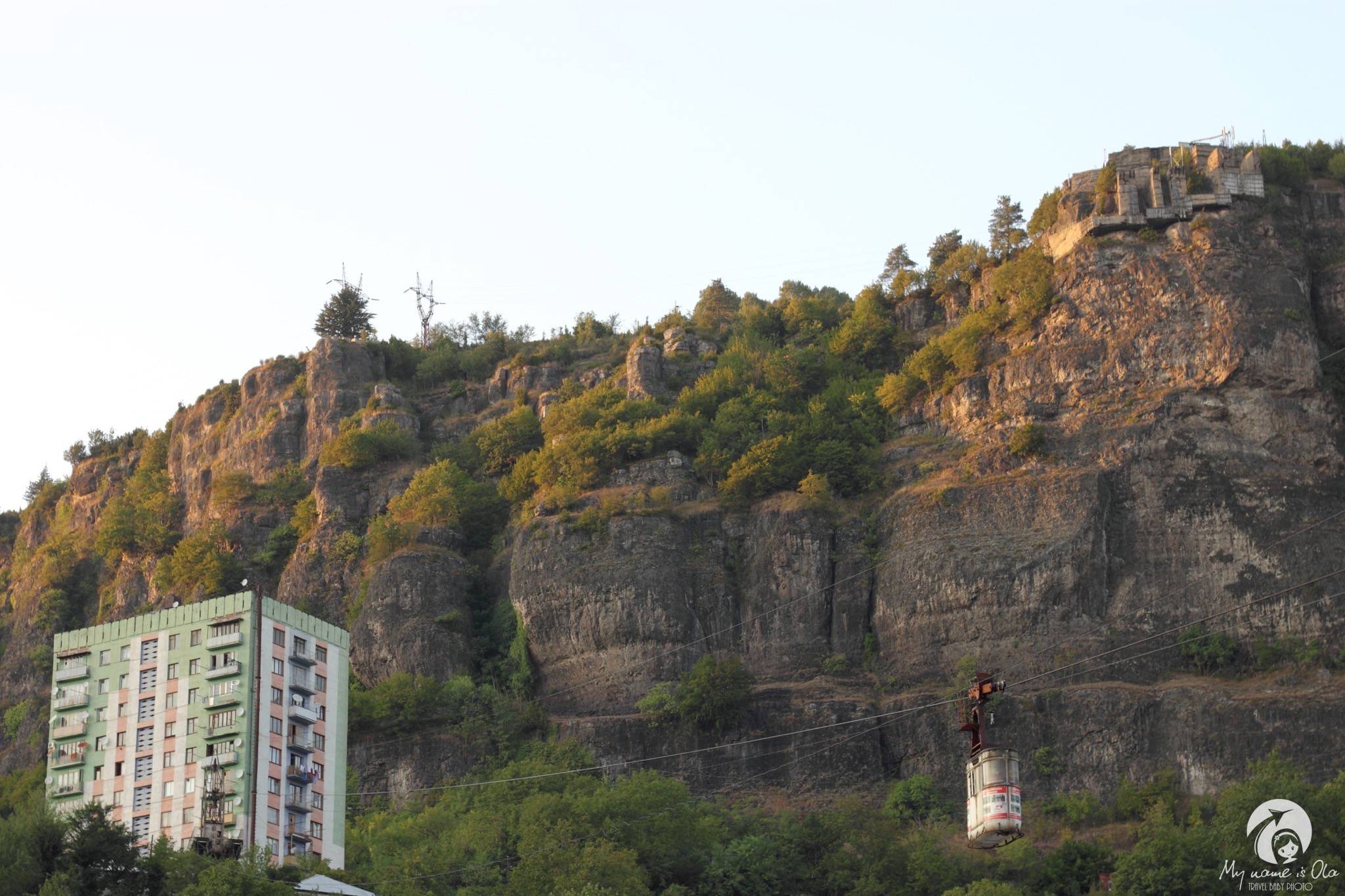
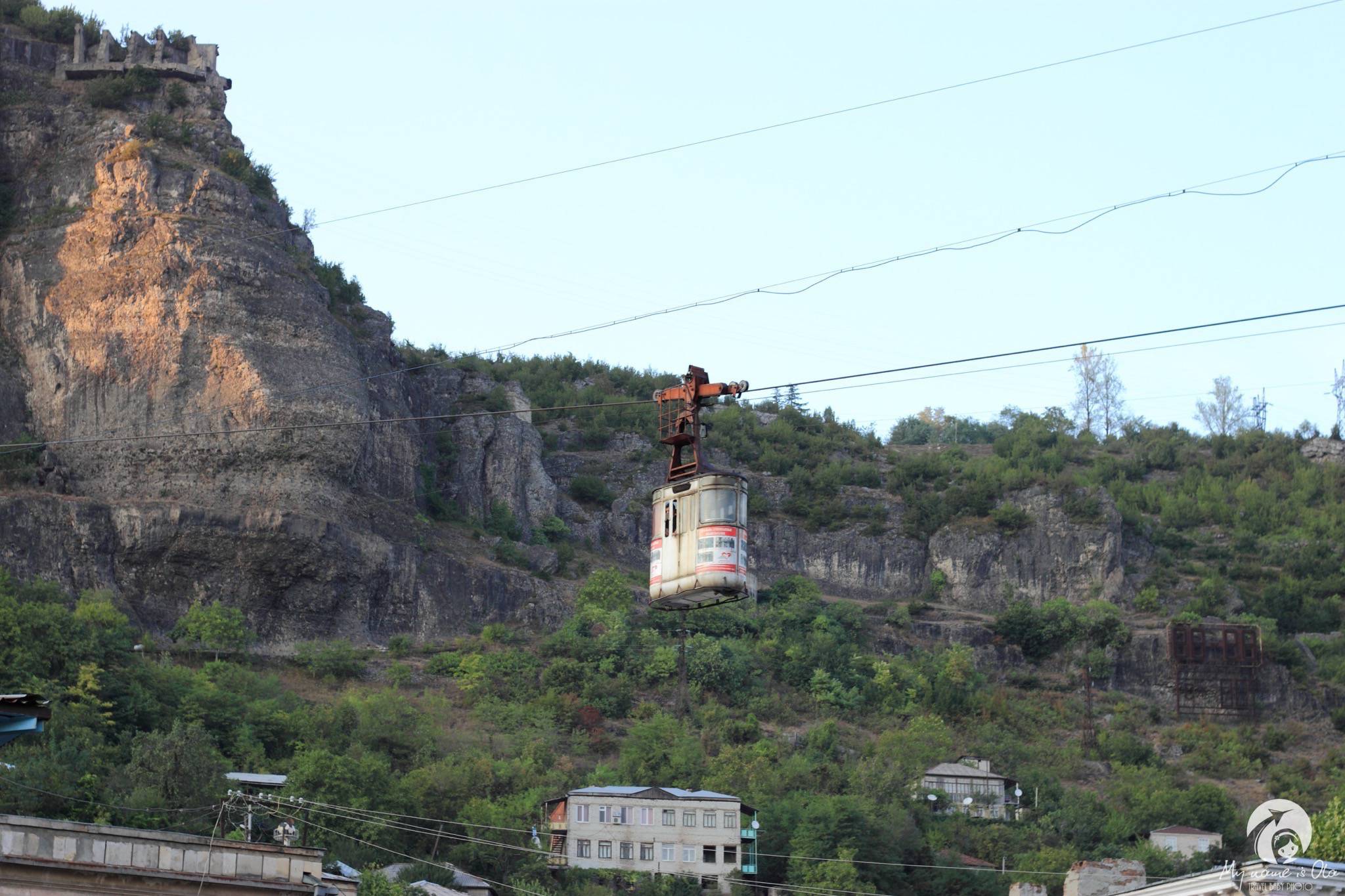
 The way home after work in mining (in the valley) could be more tiring than the work itself. To save the workers power in the fifties of 20th century they built a system of cable cars transporting people from the centre to their homes on the hills. Since that time noting has changed. Old-fashioned cable cars still carry people up the hills. The thing is that it all makes the impression that it has never been renovated and it’s quite dangerous to use it. But Chiaturans keep on traveling like that day by day.
[photosetgrid layout=”34″]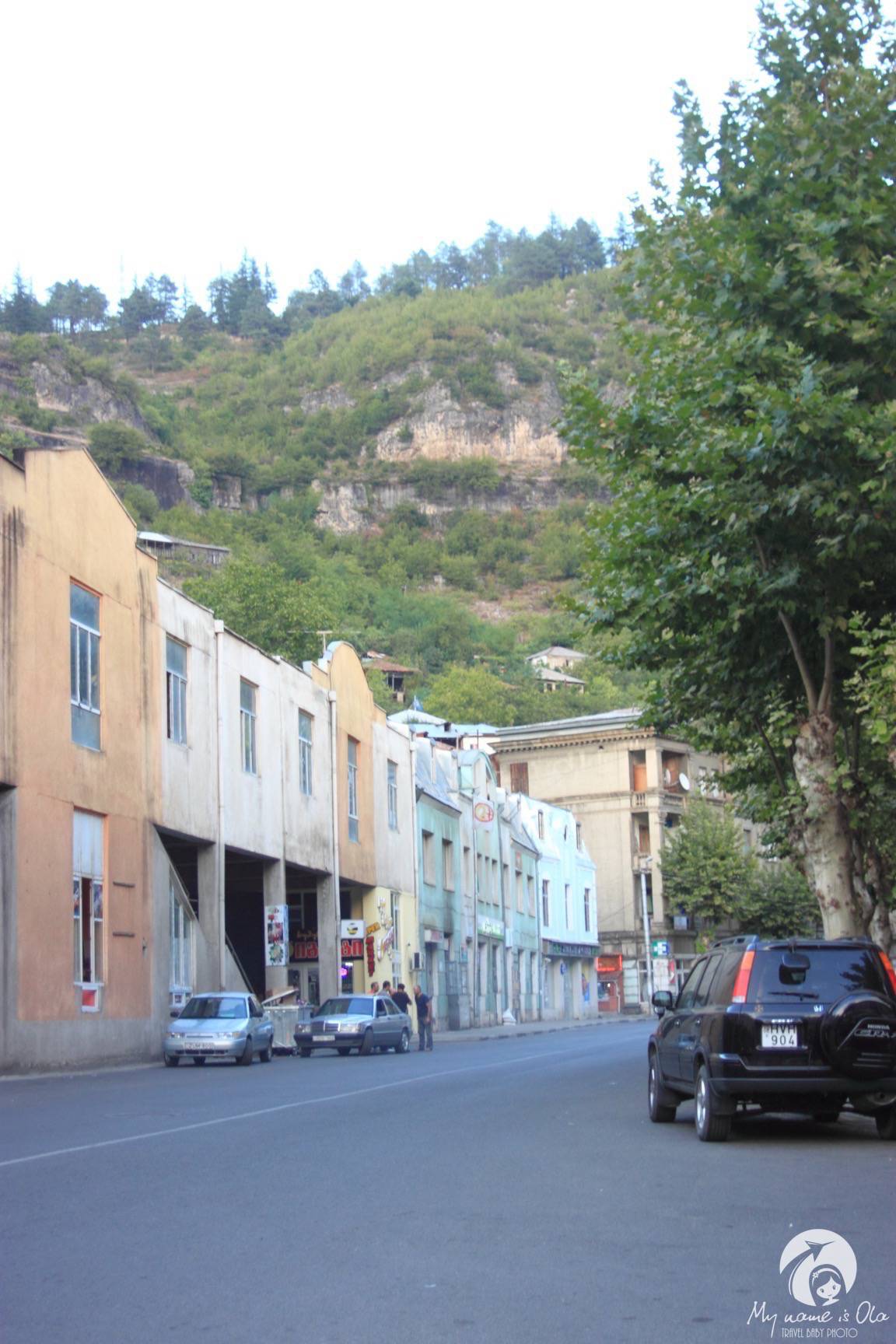



[/photosetgrid]
Town itself makes rather deppresive impression. Probably they do not see to many tourists as we were carefully observed. Pushing a stroller with a little baby through rather empty city center couldn’t stay unnoticed by locals loitering here and there.
READ MORE
7 things you have to try in Georgia
How to make friends with Tbilisi
Georgian ambrosia – our wine stories
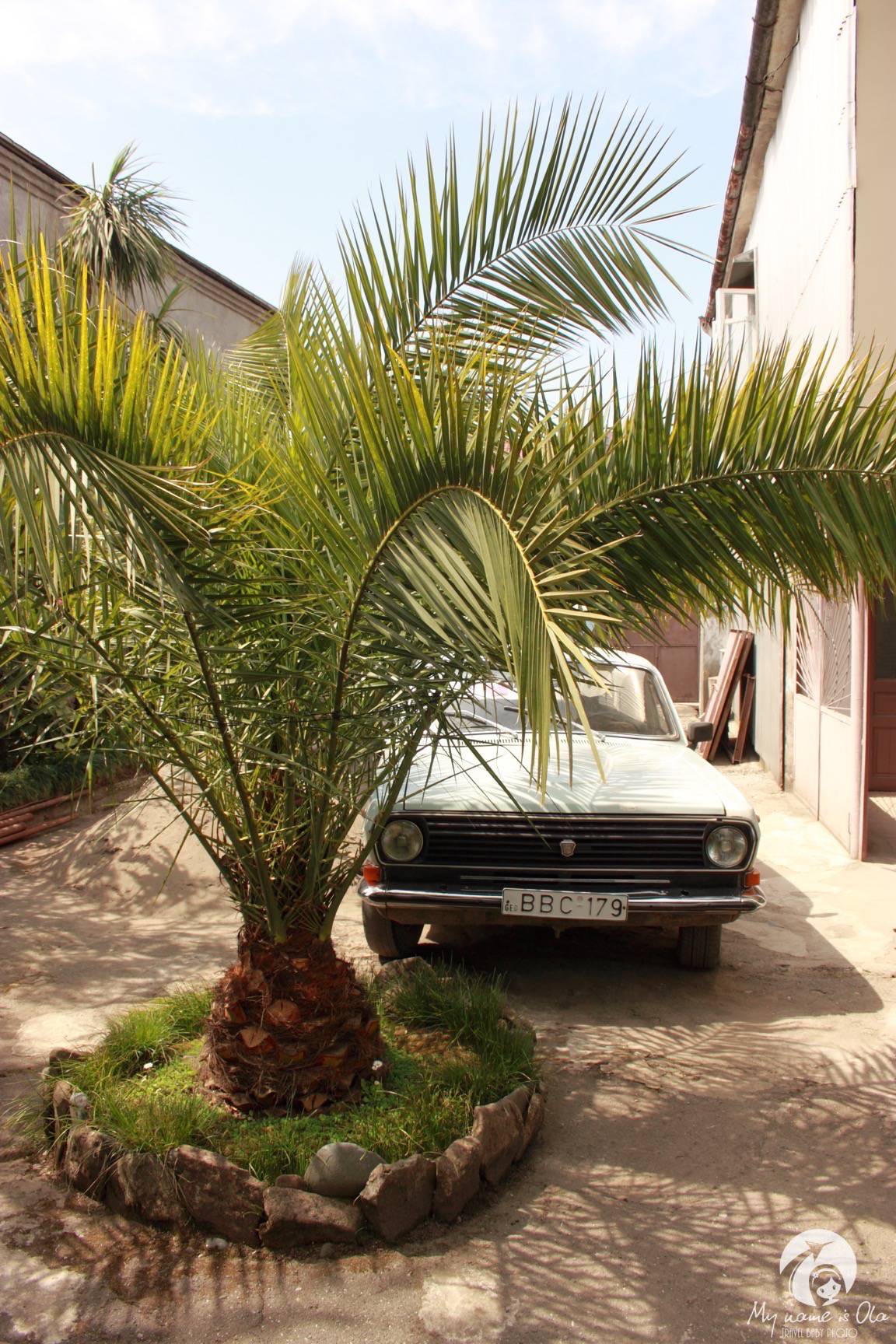
Georgia is one of the most admirable places in the Caucasus and one of our most favourite places at all. It’s a country with a turbulent history, phenomenal beauty of nature and amazing people. It’s been like a magnet for us since the first time we got there. So we took our 5-month-old daughter in her first serious trip naturally there.

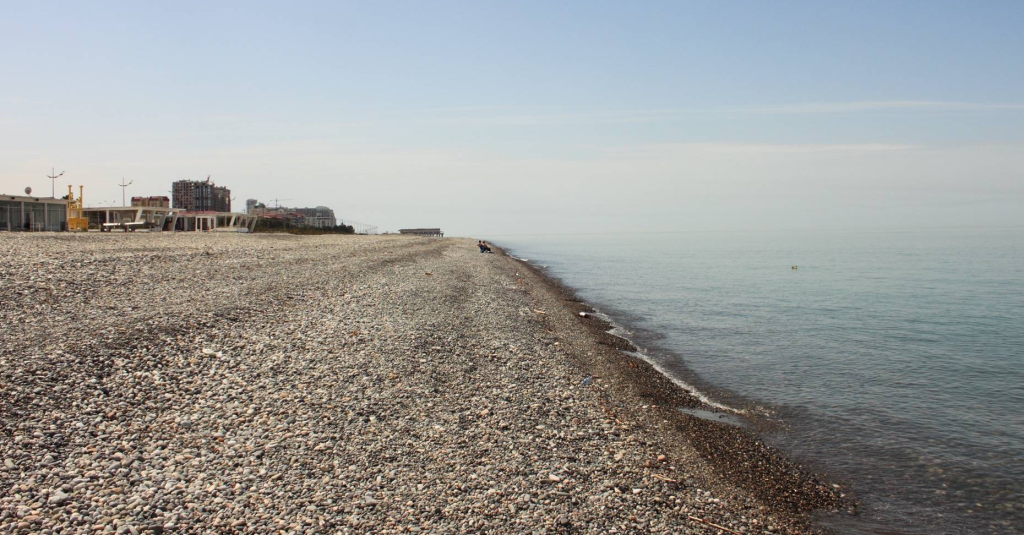
Our first steps we directed towards western part of the country, to the Black Sea coast. The most famous Georgian summer resort by the sea is Batumi. It’s the capital city of Adjara region and is located right between sea and the mountains. While swimming in the sea one can admire snow-capped mountain peaks.


The population of Batumi is around 160 000 but in the summertime it attracts masses of people. Georgians and foreign visitors crowdly occupy the rocky beaches. For those visitors the biggest hotel chains like Sheraton or Radison Blu invested in the city giving its landscape a modern and rich glance.
[photosetgrid layout=”3″] [/photosetgrid]
Besides them Georgian authorities let in Batumi, as well as in other parts of country, modern, bold architectural ideas. That bulids quite a contrast between that modern, rich resort center and rather poor city outskirts and other parts of the country. Wanting to know real life in Georgia it’s better to choose a more simple location. That gives the chance to meet really friendly people and feel that unique Georgian atmosphere.

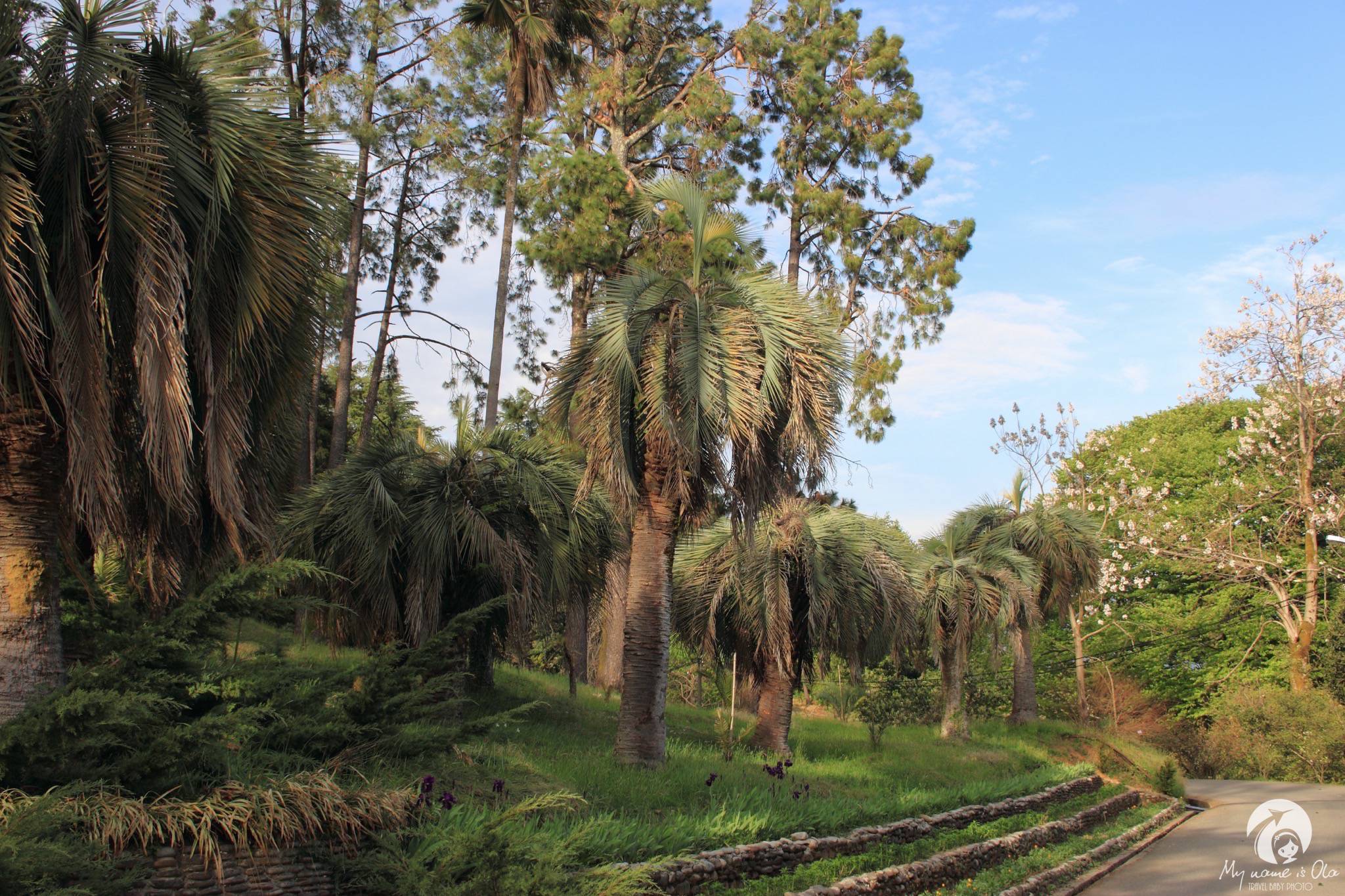
One of the biggest attraction of Batumi, of course right after the sea, is a botanical garden. It’s one of the biggest gardens in this part of the world (111 hectare). Interested in seeing plants from all over the world have to prepare for couple hours of walking up and down the hills or riding a melex. Garden is really big and offers really intersting objects, which form of course depends on the season.
[photosetgrid layout=”3″]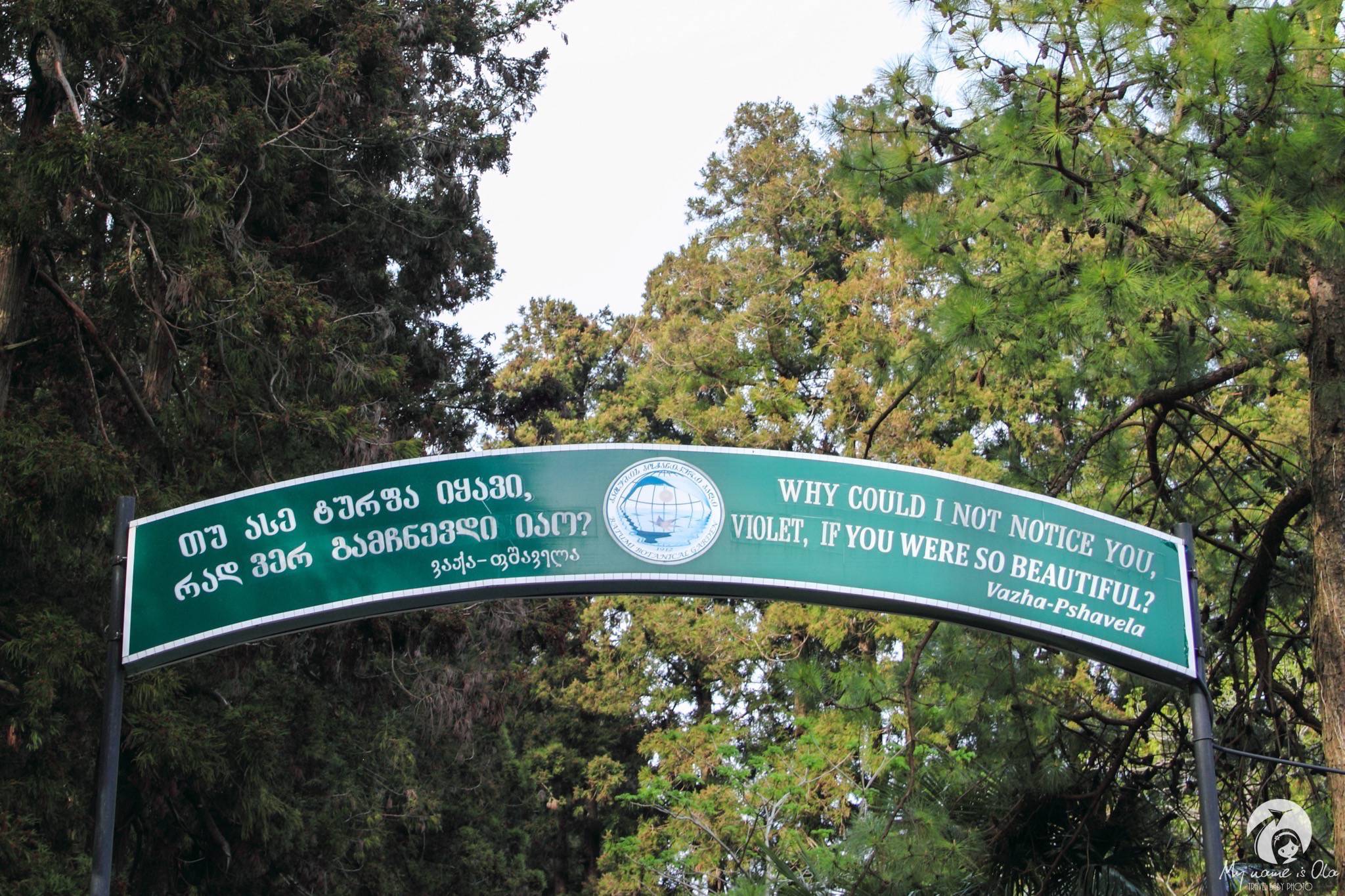
 [/photosetgrid]
This time for our leisure at the Black Sea we chose another summer location – Ureki. I think we expected something a little different. The little village is full of booths with food, swimming accesories, clothes and God only knows what else. There are some bars but we haven’t tried them. Streets in a mess, loudy restaurants and all day bustle are not the picture of real Georgia for us.
At the beach at our surprise we found black sand. The entire beach was black and looked just dirty. But it’s all natural and supposedly magic. This sand has been brougth from the mountains by the river Inguri. Low magnetic field and increased amount of ferromagnetic minerals of the sand give it curative virtues. Those features are highly recommended for, hmm… every disease in every age. We didn’t try to do anything else than just to seat on it on the blanket. And it was as hot as expected.
Anyway, that was the place where Ola for the first time in her life swam in the sea, at the age 5 months. She accepted is stoically as if it was her usual swimming pool. Like it was nothing new. She only gained excitement of other sunbathers. You have to know that Georgians are very friendly towards children.

Ola was probably one of the the smallest people swimming. At that time she was smaller than her stroller wheels.

Worth mentioning is local comunication or rather means of transportations. High temperatures make people change from buses (no AC) normally used as marshrutkas to open vehicles providing a gust of wind.


Adjara occupies an important position in Georgian culinary world by its own type of khachapuri. This is a national georgian type of cheese-filled bread and many regions developed their own ways of cooking it. Adjarian happens to became our favourite one. It’s an eye-shaped dough baked with cheese and egg on top. This is how it’s served at its origin.

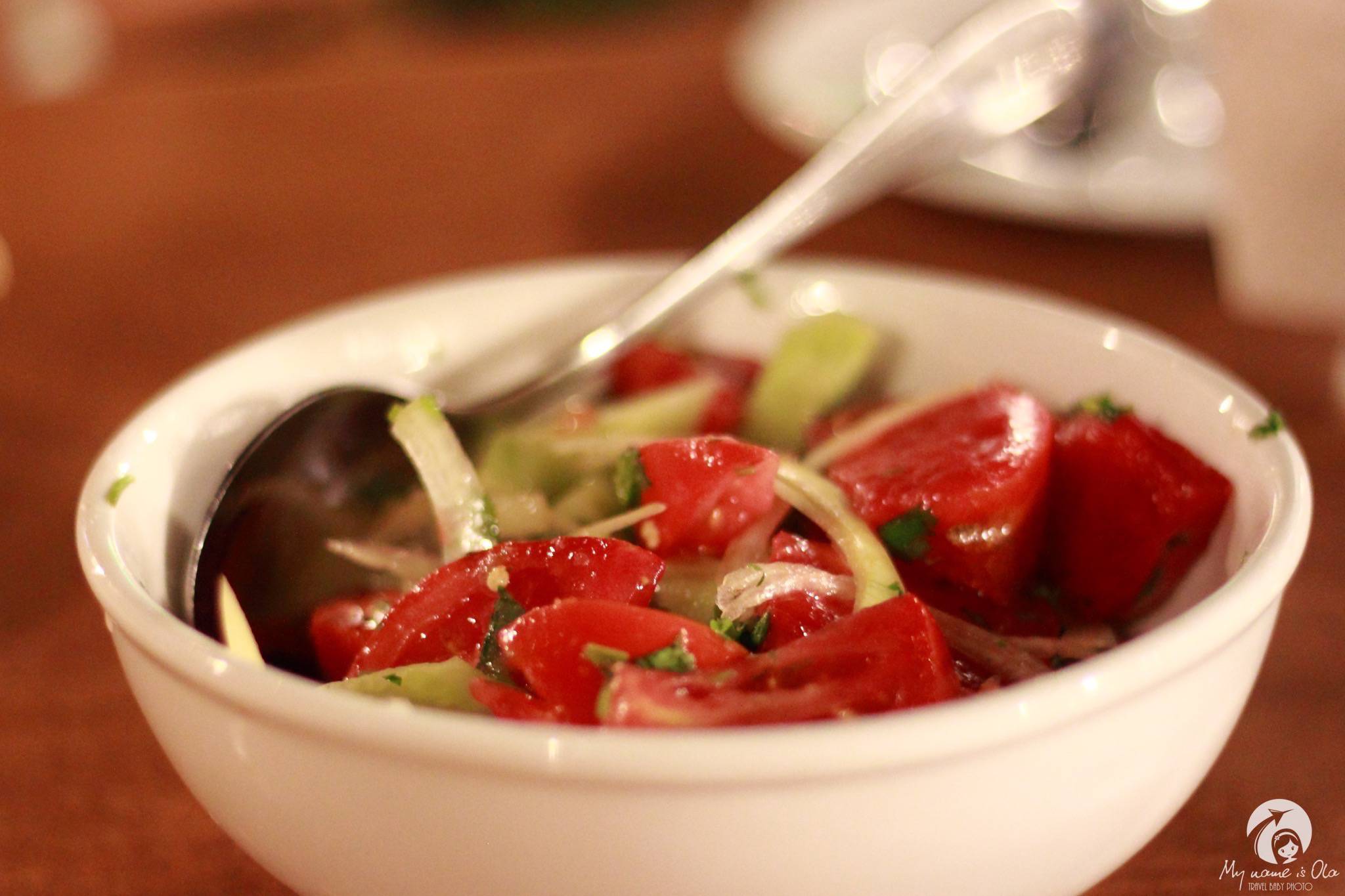
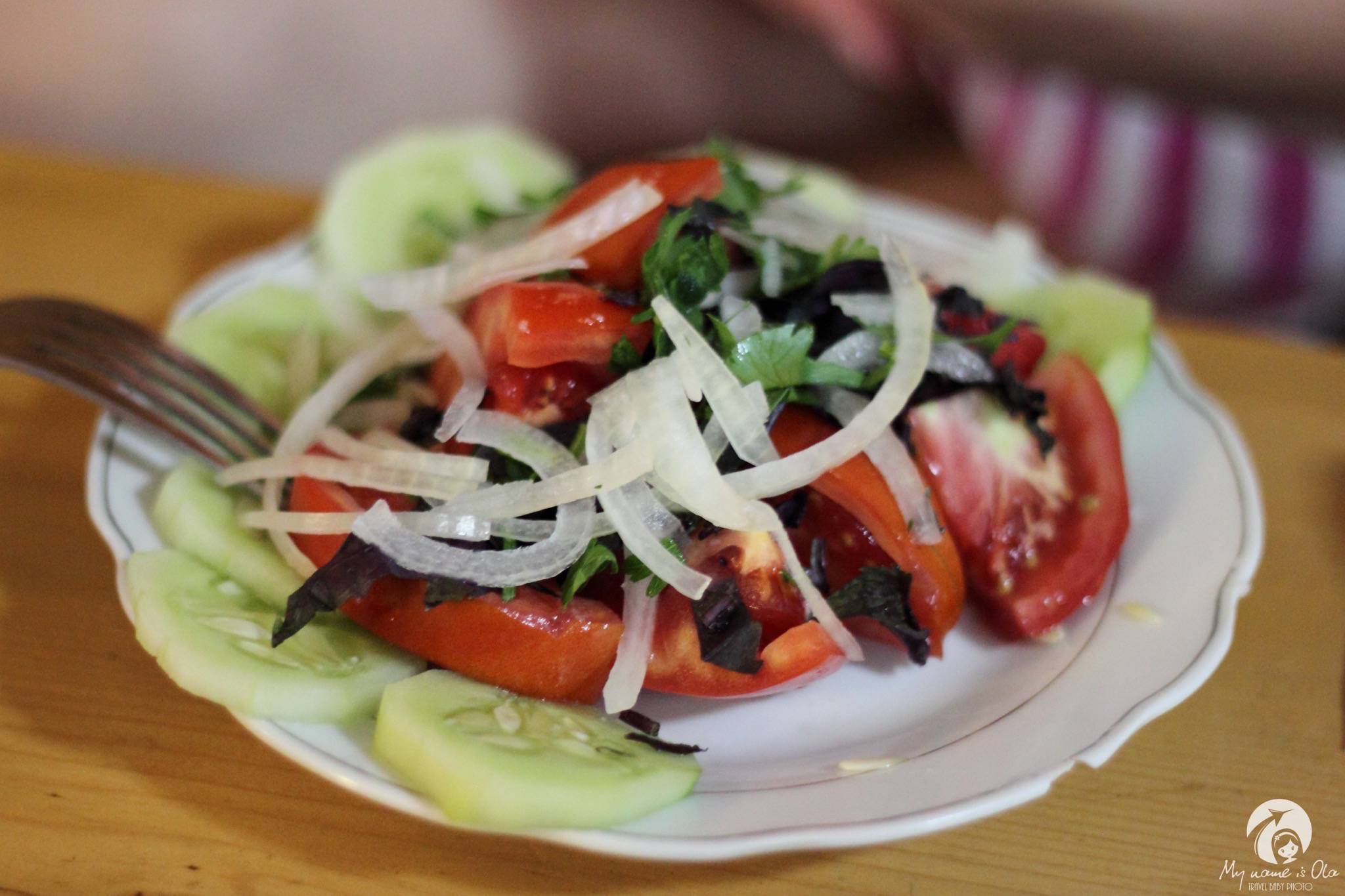
Good side dish for that is a tomato, cucumber salad. Popular accross whole country and always a good choice for some vegetables for dinner. Ripe, juicy tomatoes, cucumber with fresh parsley and coriander don’t taste like that anywhere else.
This region of Georgia offers more intersting places – out of our own experience we can also advise going to the mountains by the road by Acharistskali River. Mountain views, of course on condition of good weather, are amazing.
[photosetgrid layout=”2″]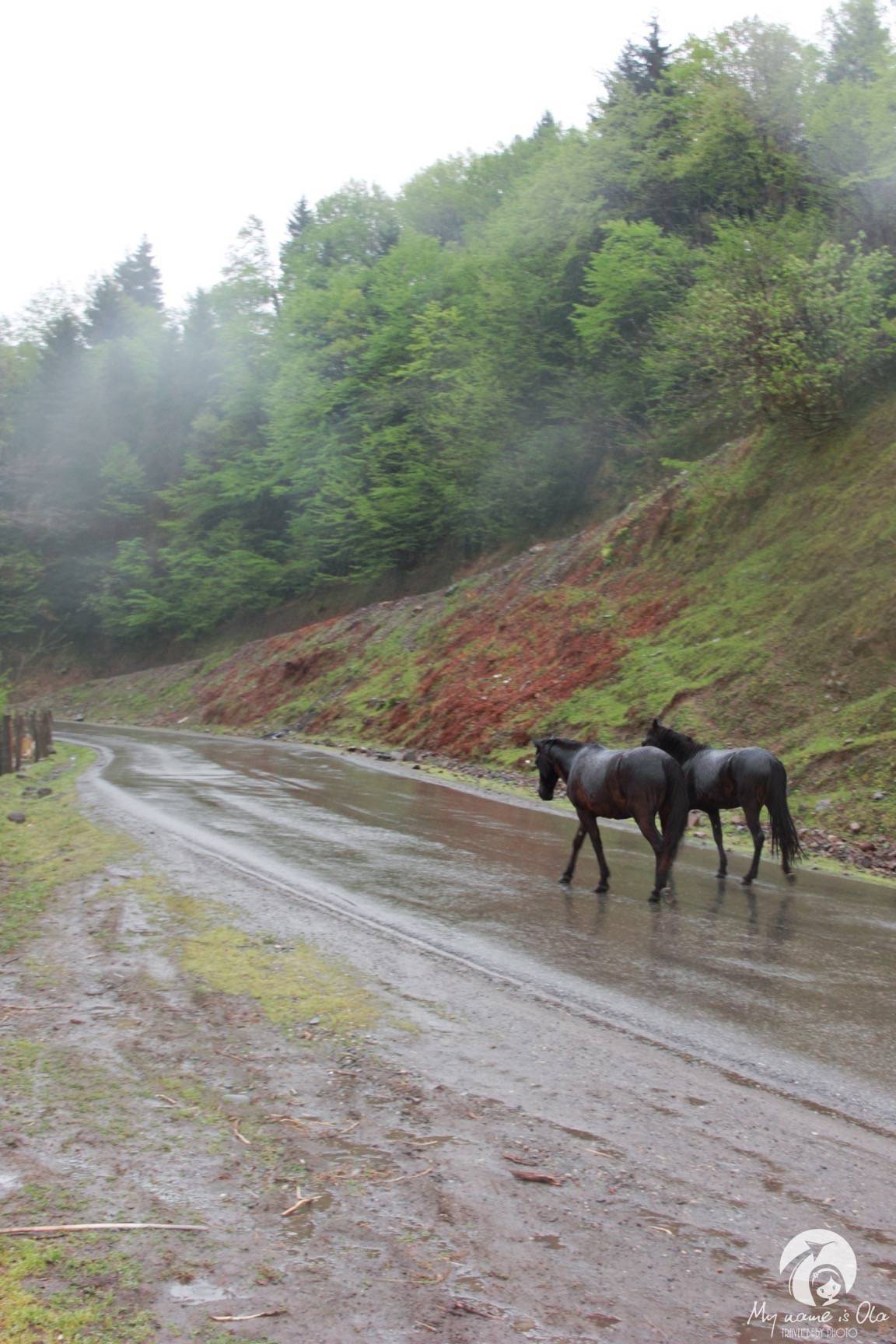
 [/photosetgrid]
A must see in this area are medieval stone bridges. Made of volcanic stone and lime bridges are of similar construction and proportions. The most famous, for the thin arch and its perfection (out of over a dosen similar) is an almost thousand-year-old Queen Tamar bridge in Dandalo.

We suppose that northeast cost of Black Sea offers many interesting sites but this time the furthest we went was Zugdidi. Right outside the city there is a barrier, a boarder with Abkhazia. To cross it one needs a visa to Autonomous Republic of Abkhazia.

Next time we are there we will pay them a visit to better understand this Georgian – Abkhazian conflict. For now Abkhazia stays for us just an autonomous republic recognised by Russia, Nicaragua, Venezuela, Nauru, South Ossetia, Transnistria and Nagorno-Karabakh with a history full of war.
