

Being in Ireland we couldn’t miss the opportunity to pay a visit to Northern Ireland. Specificly United Kingdom because Northern Ireland is it’s part. Main point of our interest was of course Belfast – second largest city of the island, capital of the province. It has the population of almost 300 000 people and is mostly known for the conflict of Catholics with Protestants and its remains which are the walls crossing the city, separating opponents from each others.
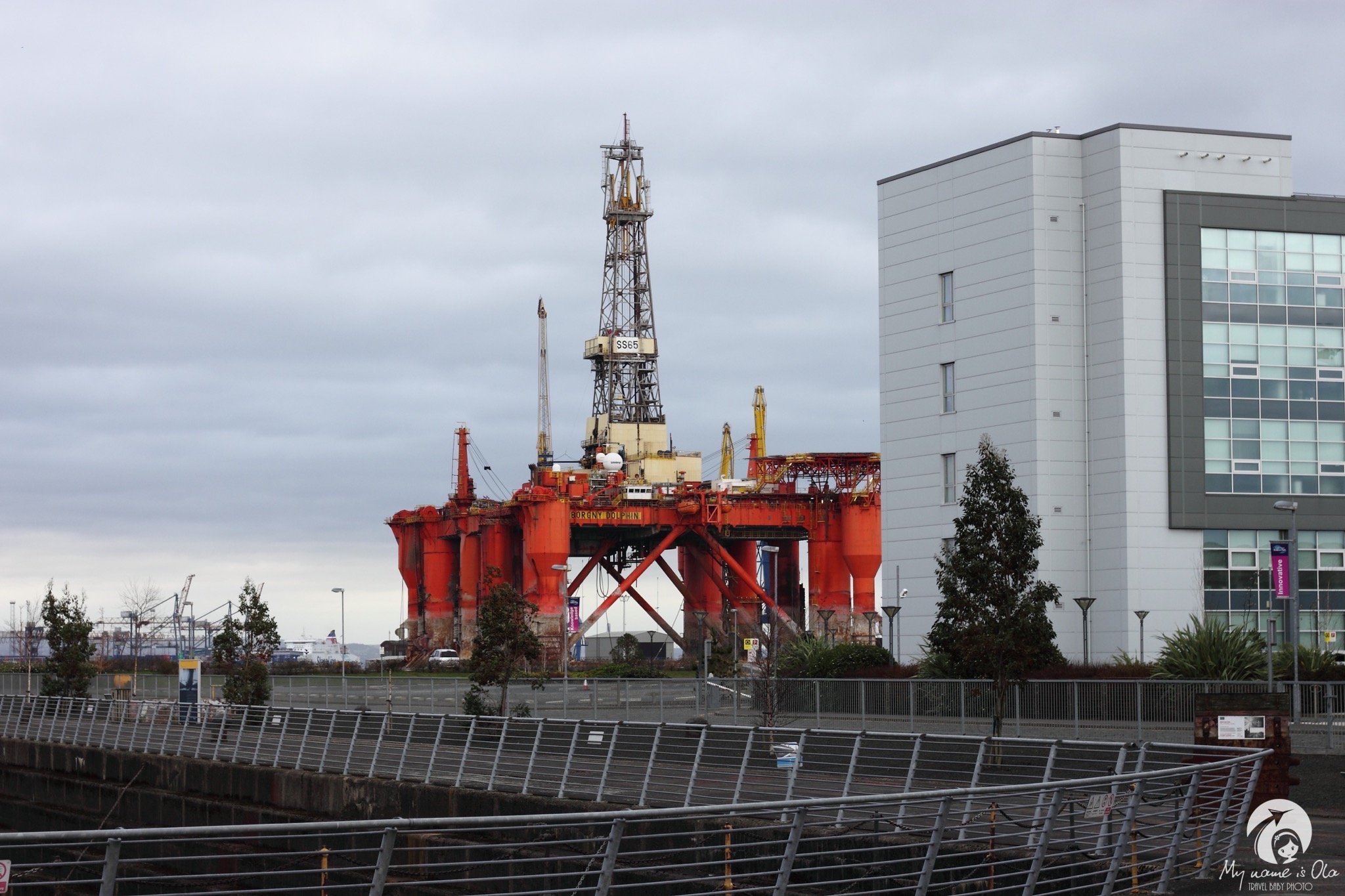
If only the history was different, Belfast would have been known for something else. Not everybody probably know that it is the origin of the most famous transatlantic ship – Titanic. At this time it was second biggest passenger steamship. For sure it was one of most luxorious ships because the aim of the owner was to outshine the competition with Titanic and his two sisters. Titanic had four chimneys but what is interesting, only three of them were real. The fourth one was dummy. At that time the number of chimneys was thought to reflect the power of the ship. It took Harland & Wolff, located near the city center, 3 years to build the ship. Today areas around the shipyard are being revitalized. Large scale projest is conducted to recover the areas for citizens. In the quarter, taking its name of course after the famous boat, there are film studios, technological parc, education institutions and high-standard apartments located. There is also a new museum facility showing the history of Titanic’s short life but apart form the museum we recomend seeing the dock where the vessel was built. Here one can realize what size was this built at the beginning of 20th century steamer. Of course we told Ola the whole story of Titanic and showed her the dock where it was built but we don’t really know if she was impressed. Certainly not that much to keep her awake. She fell asleep right after getting back to the car.
[photosetgrid layout=”3″]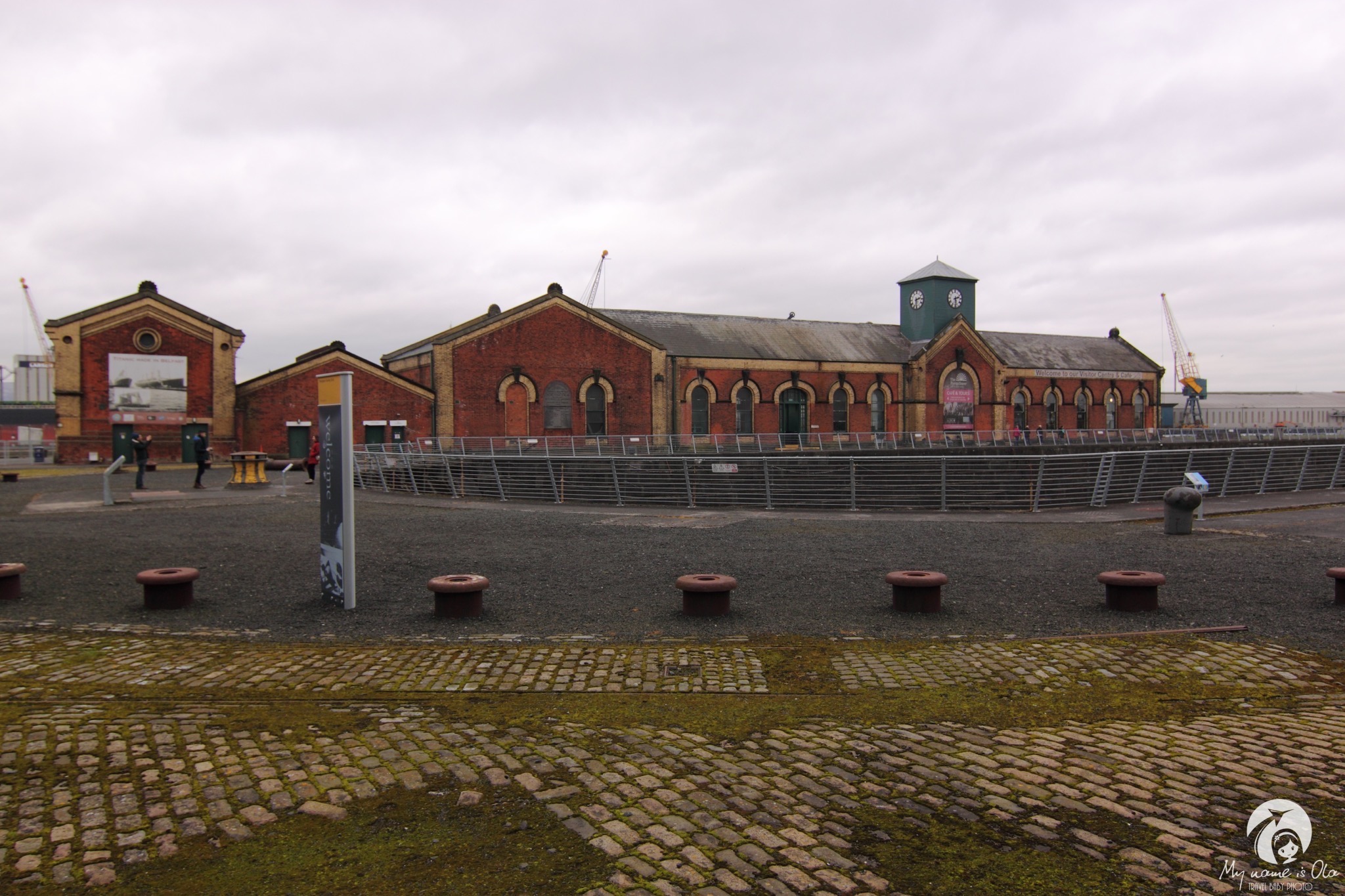

 [/photosetgrid]
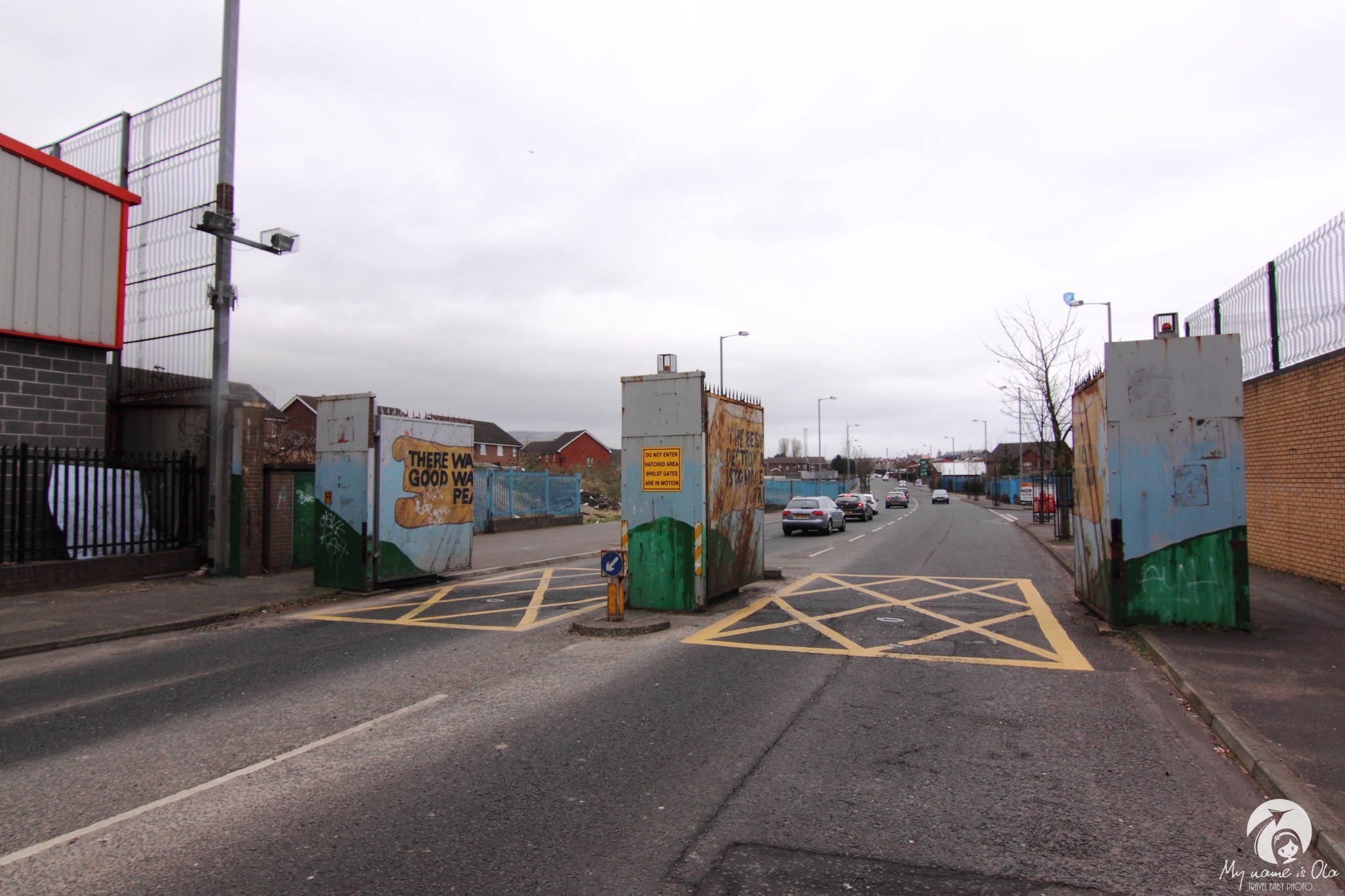
But since the bloody conflict took place we have to come back to this history as it pretty much defines Belfast. Character of the city is dominated by the conflict, which despite its termination in 1998, is still visible on the city streets in the form of wall and different graffitis made by both parts of the conflict.

But let’s start from the beginning – religious and nationlistic struggle started in medieval times when Irish lands were the part of England. Incoming to those lands British, with different culture and religion were not well received. In 1921, after years of efforts, independence from Great Britain was recognized. But part of the country – Northern Ireland, remained in United Kingdom and at the same time became the subject of dispute and arena of ethnic, political and religious struggle. The dispute was intensified in the 60. of 20th century when the fights started for next 30 years. The battle of Catholic republicans, aiming to unite with Ireland and Protestant loyalists, supporting of the union with Great Britain, cost life of 3500 people. Most of people is probably familiar only with one of the organisations taking part in fights – Catholic IRA while similar organisations were also on the other side of the conflict: UVF i UDA. All of them, because of the type of their activities, were given the status of terrorist organizations.
Irish Republican Army (IRA) got famous mostly thanks to its terrorist attacks on politically engaged loyalists but also on Protestant civilians. Apart from Northetrn Ireland they conducted their activities also in Great Britain. Bombing, arson, riots were main methods used by IRA. Organization was financed mostly by Irish immigrants in the US and rich arsenal of weapons came mainly from Libya. At the time of disarming they submitted 150 tones of weapons.
[photosetgrid layout=”34″]

 [/photosetgrid]
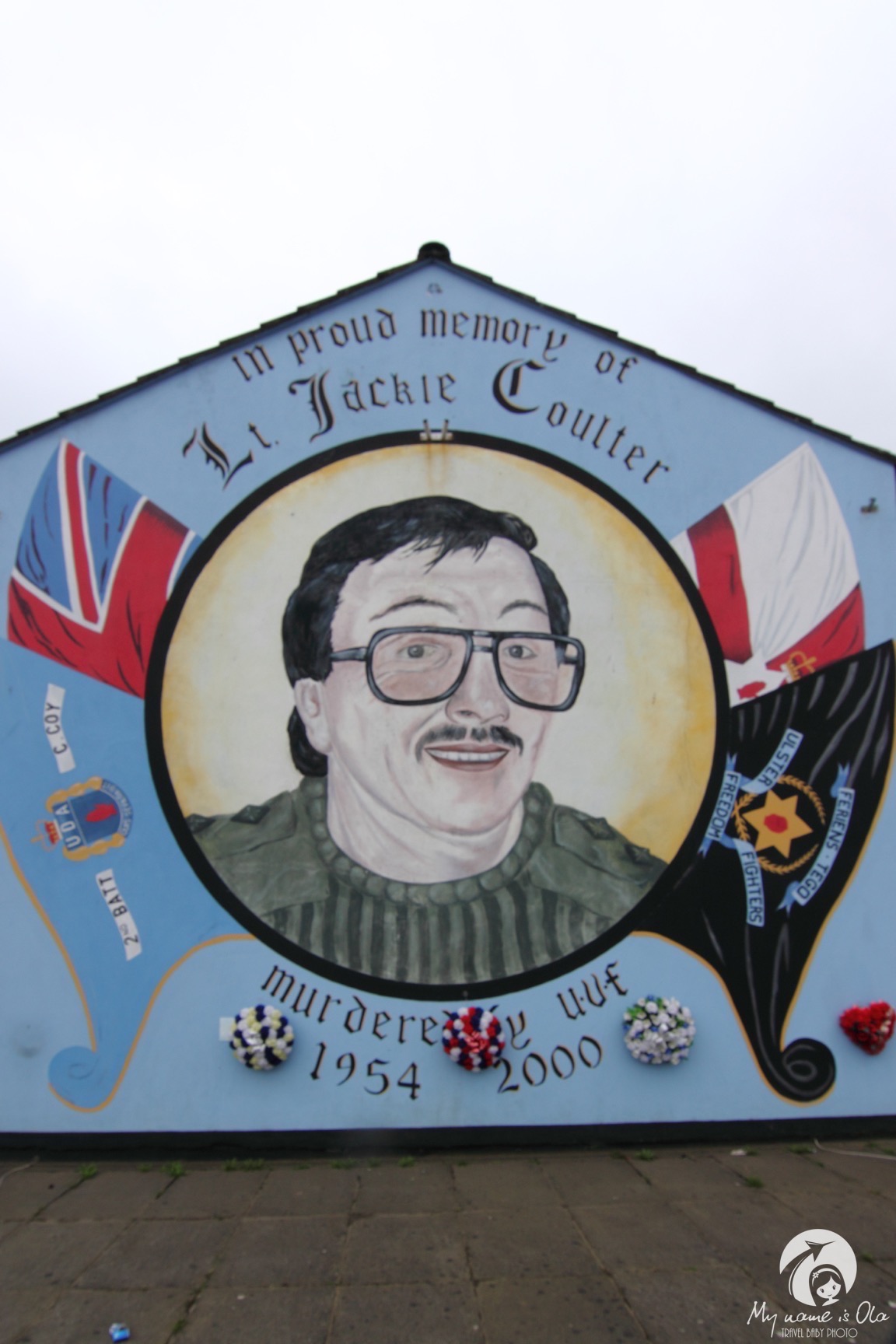
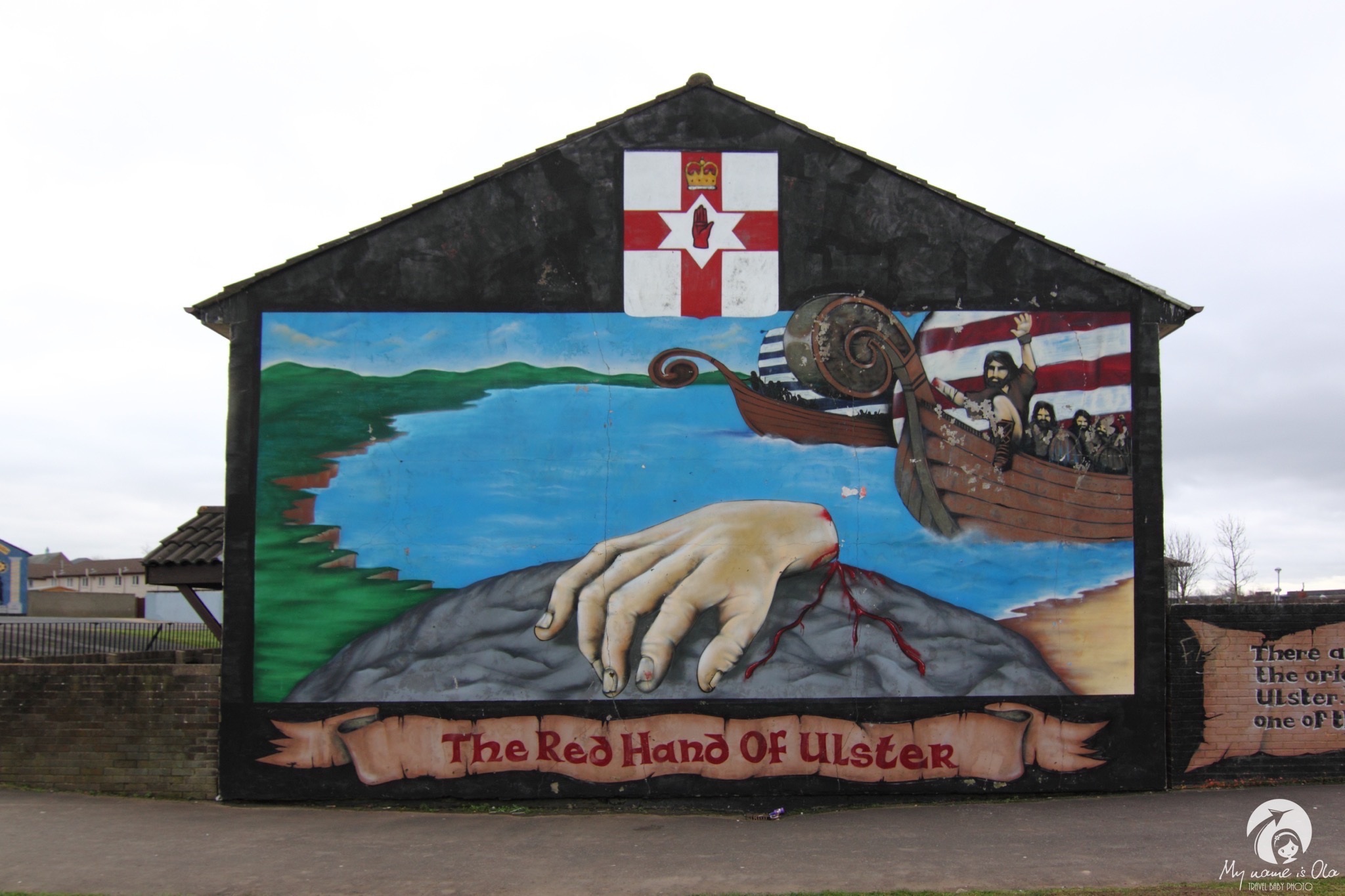
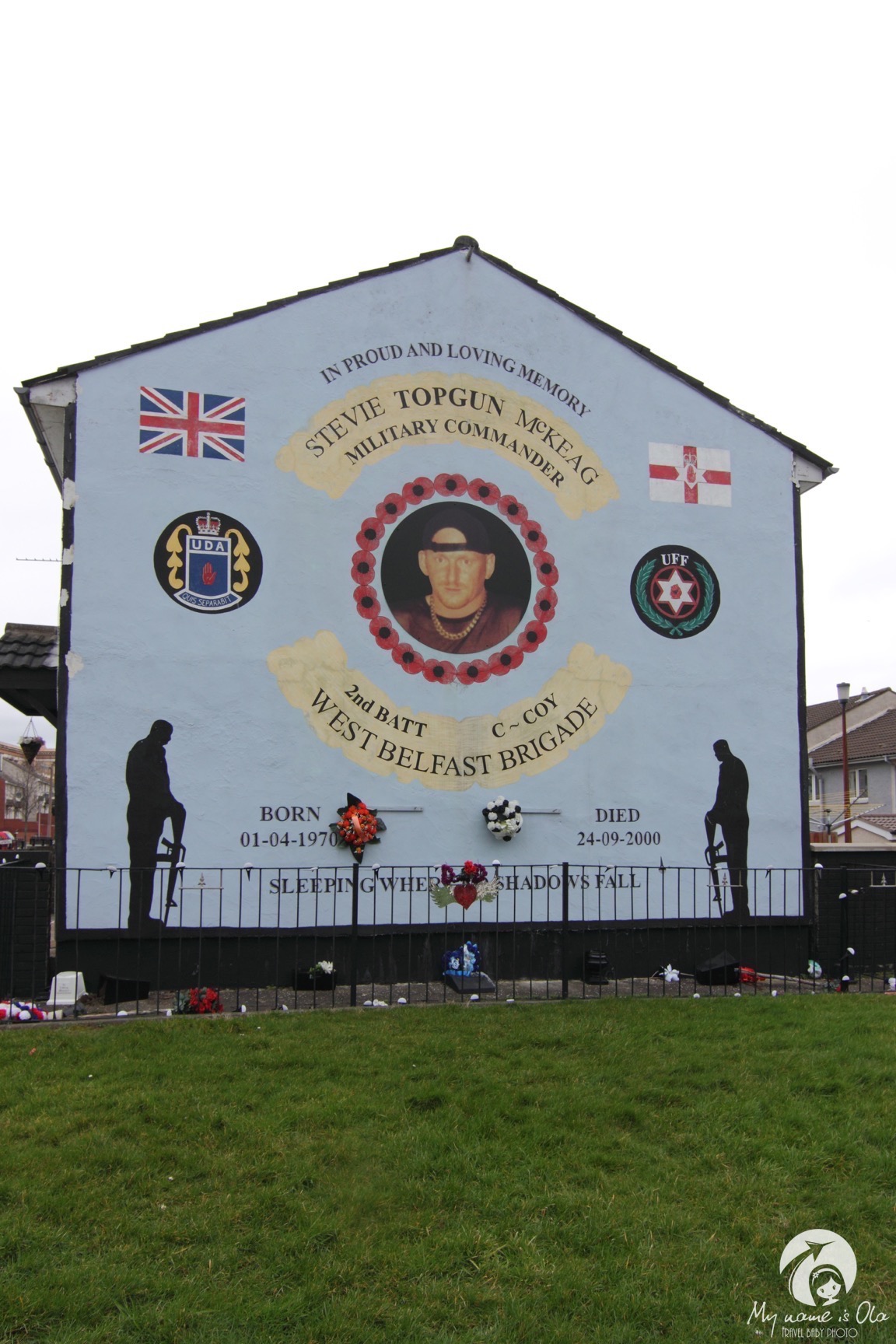
UDA (Ulster Defence Association) is a paramilitary organisation supporting the idea of staying Ulster – Norther Ireland within the borders of the Kingdom. It’s symbol has been the red hand of Ulster and the aim of activity was supposed to be the defence of Protestant areas from IRA actions. Meanwhile, in addition to the defence of the areas, they were also involved in attacks on Republicans and from their hands very often died Irisch Catholics. Their actions spreaded outside Ulster, to Ireland grounds. Despite the peace made in 1998, UDA continued its military activities until 2007.
[photosetgrid layout=”32″]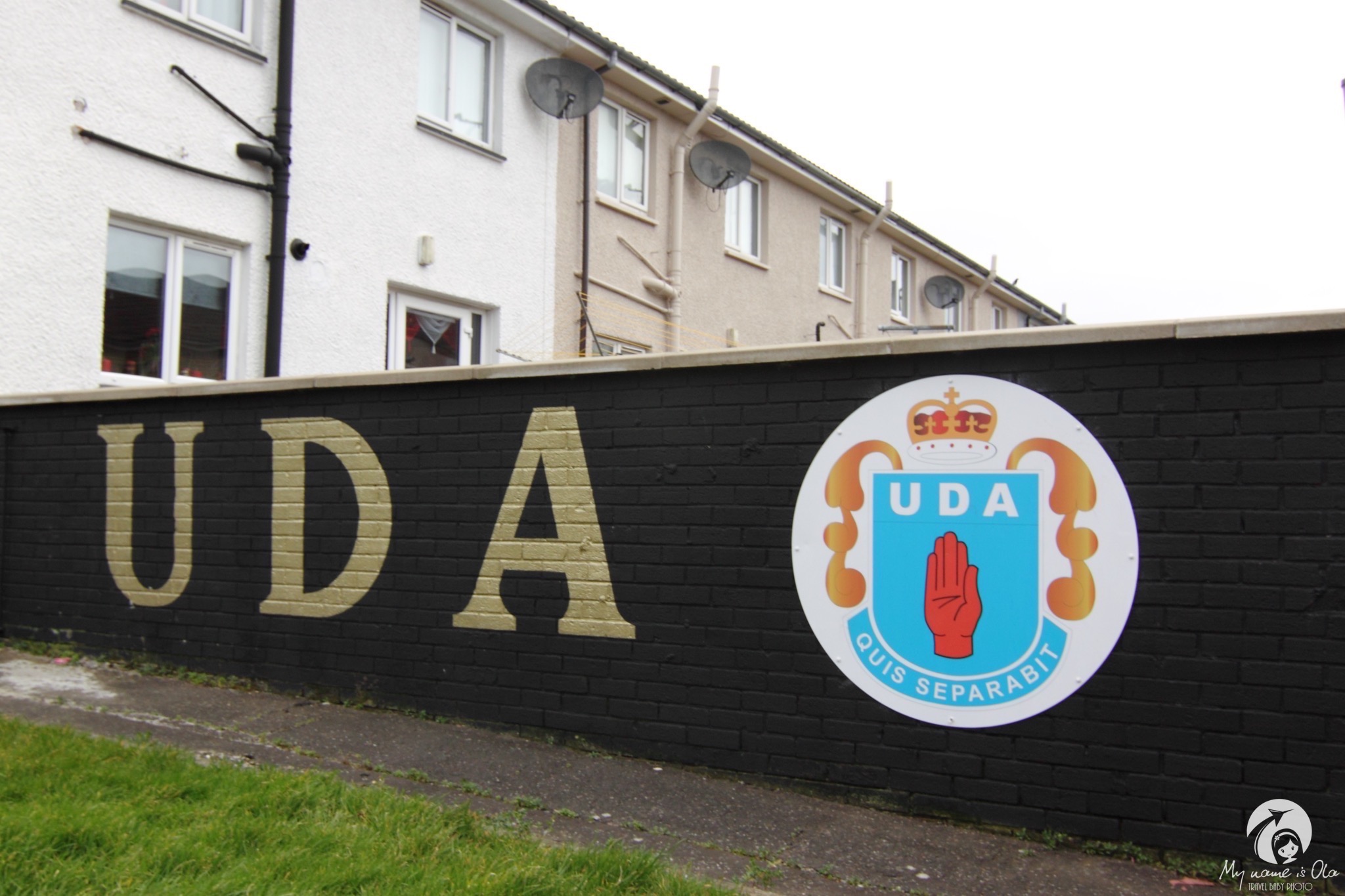
 [/photosetgrid]
Another important force supporting the unity of Northern Ireland with Great Britain was UVF – United Volounteer Force. Just like the two other, above mentioned organizations, it is considered to be a terrorist group. Their targets were exactly the same as UDA’s and they caused the death of around 500 people, most of which were Catholic civilians.


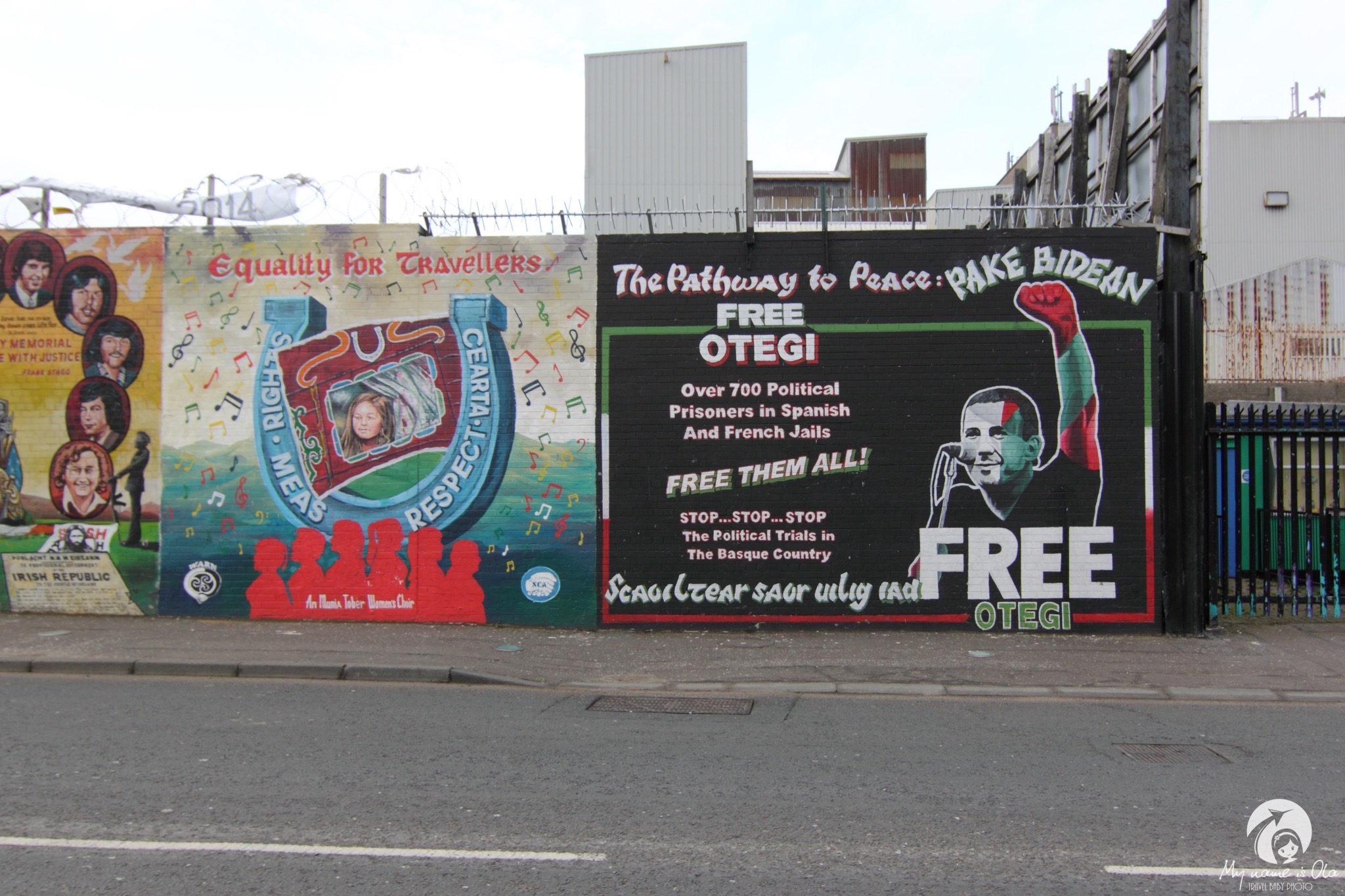
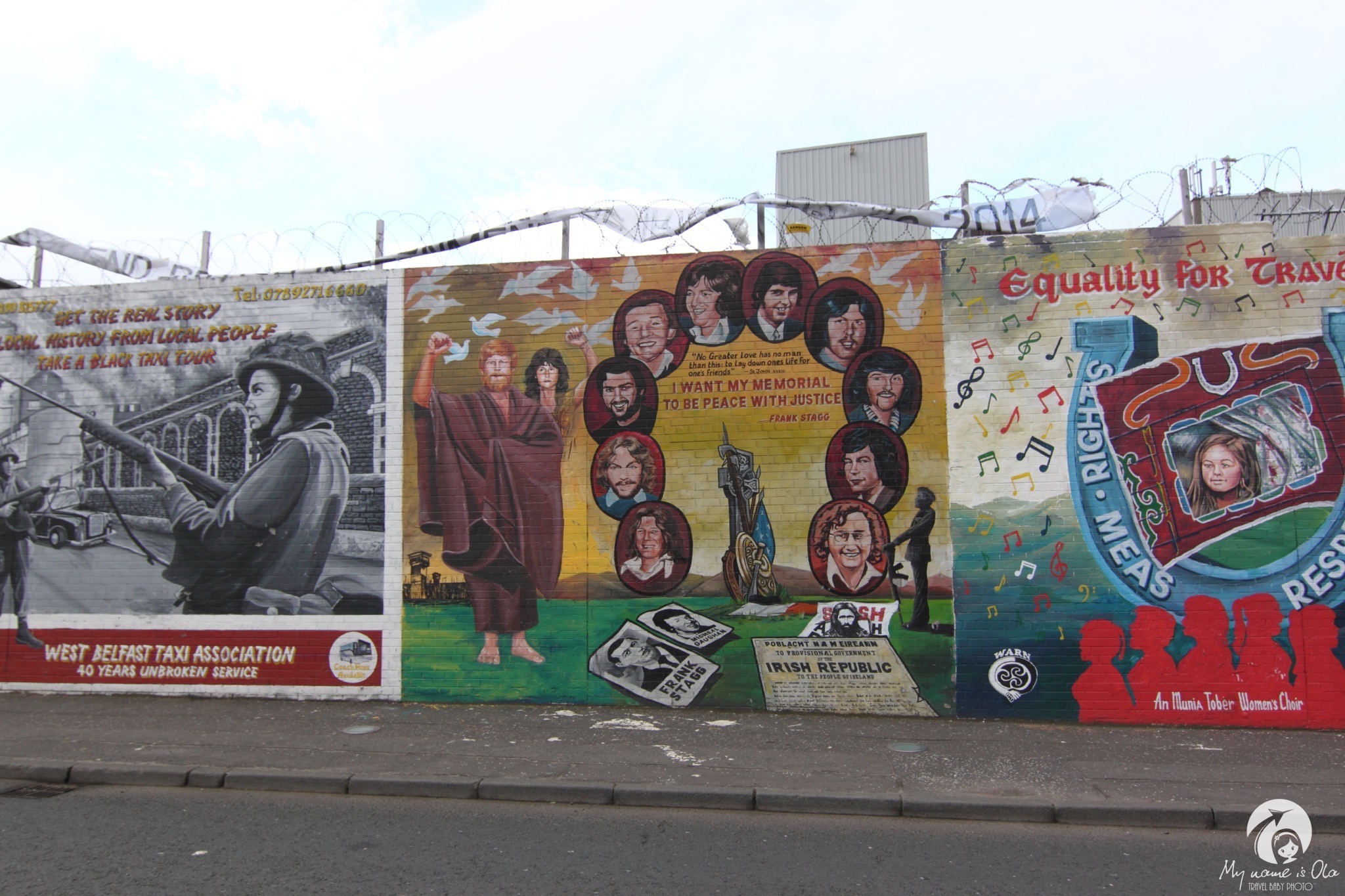
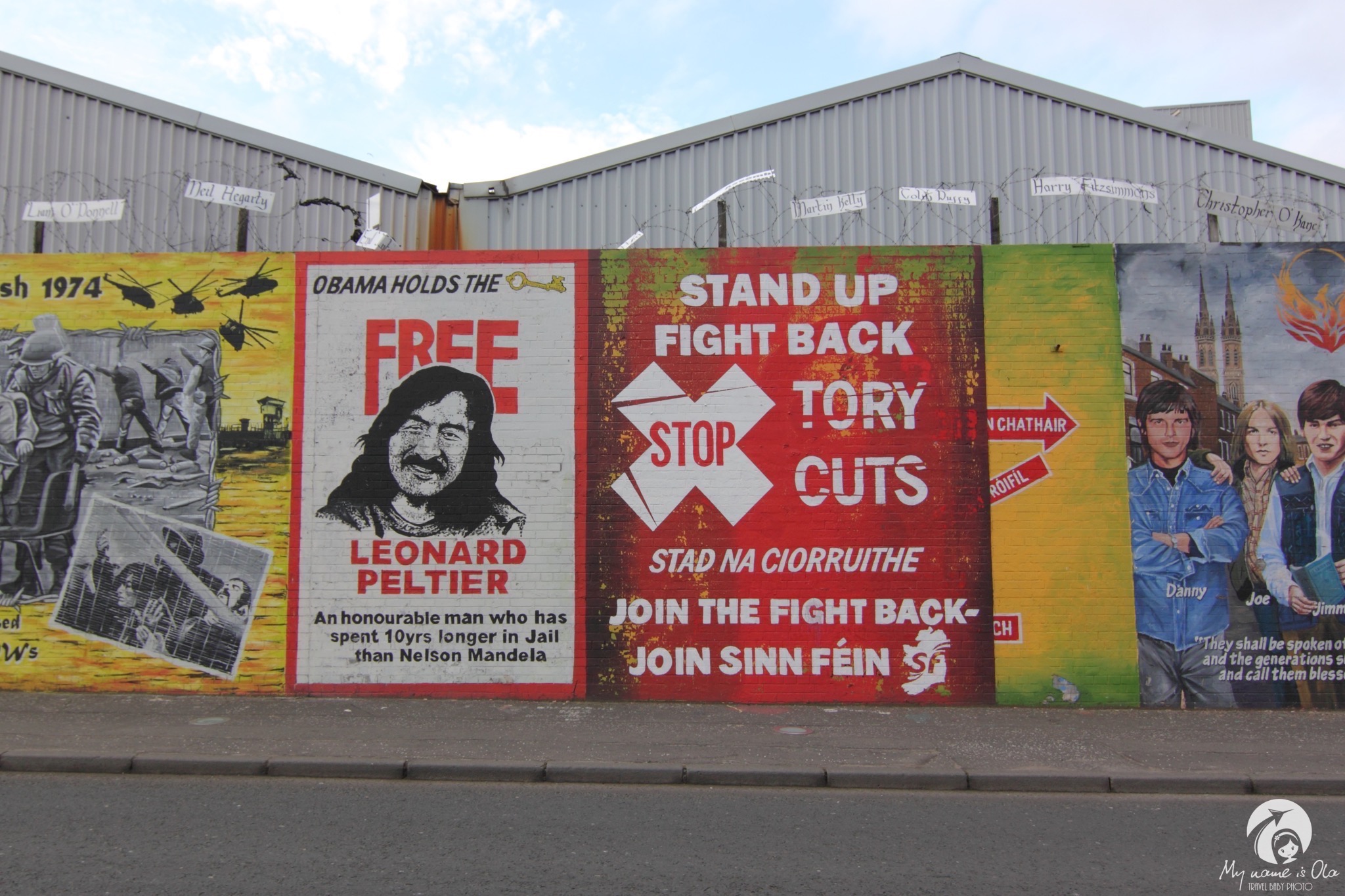
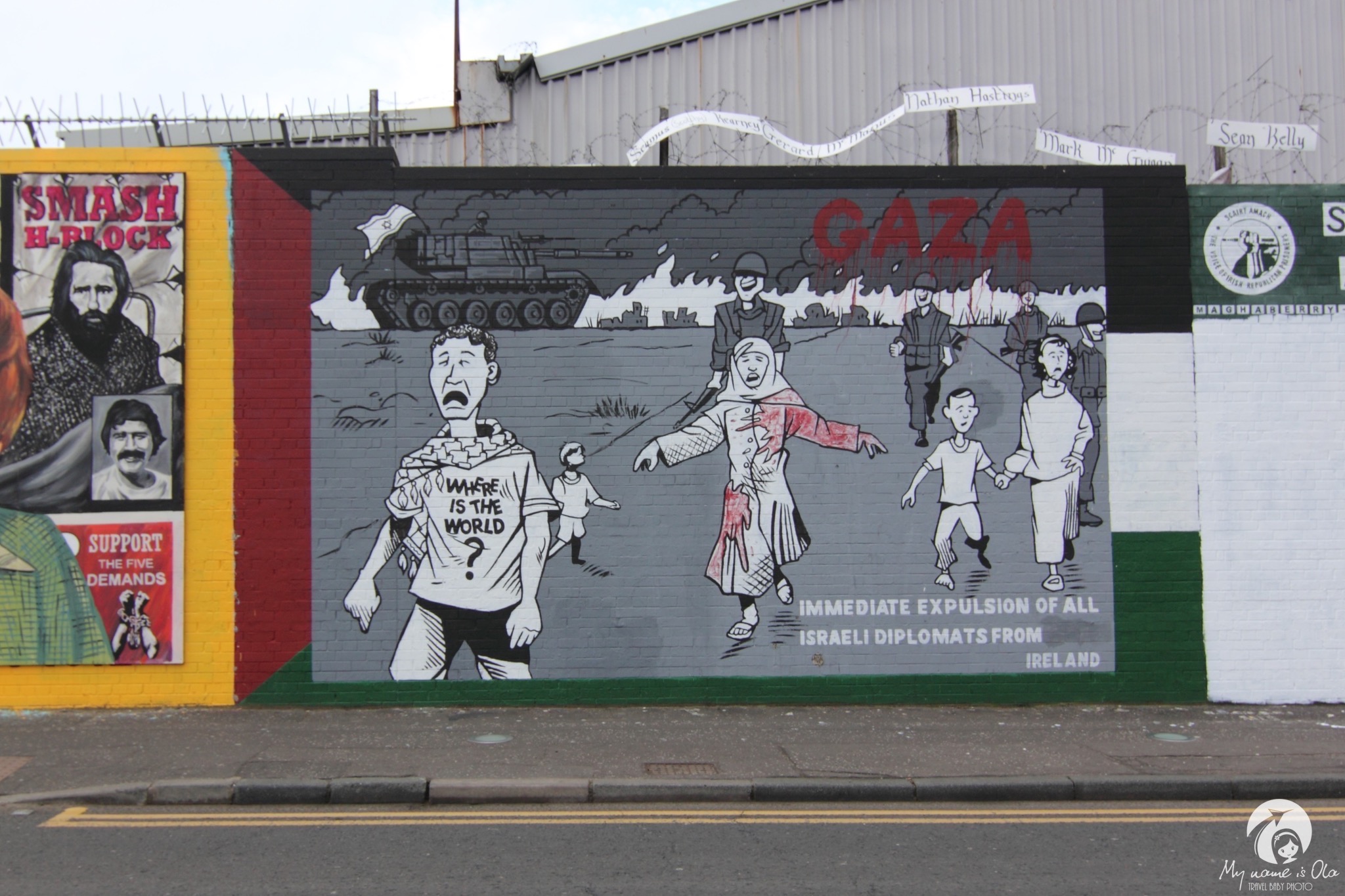
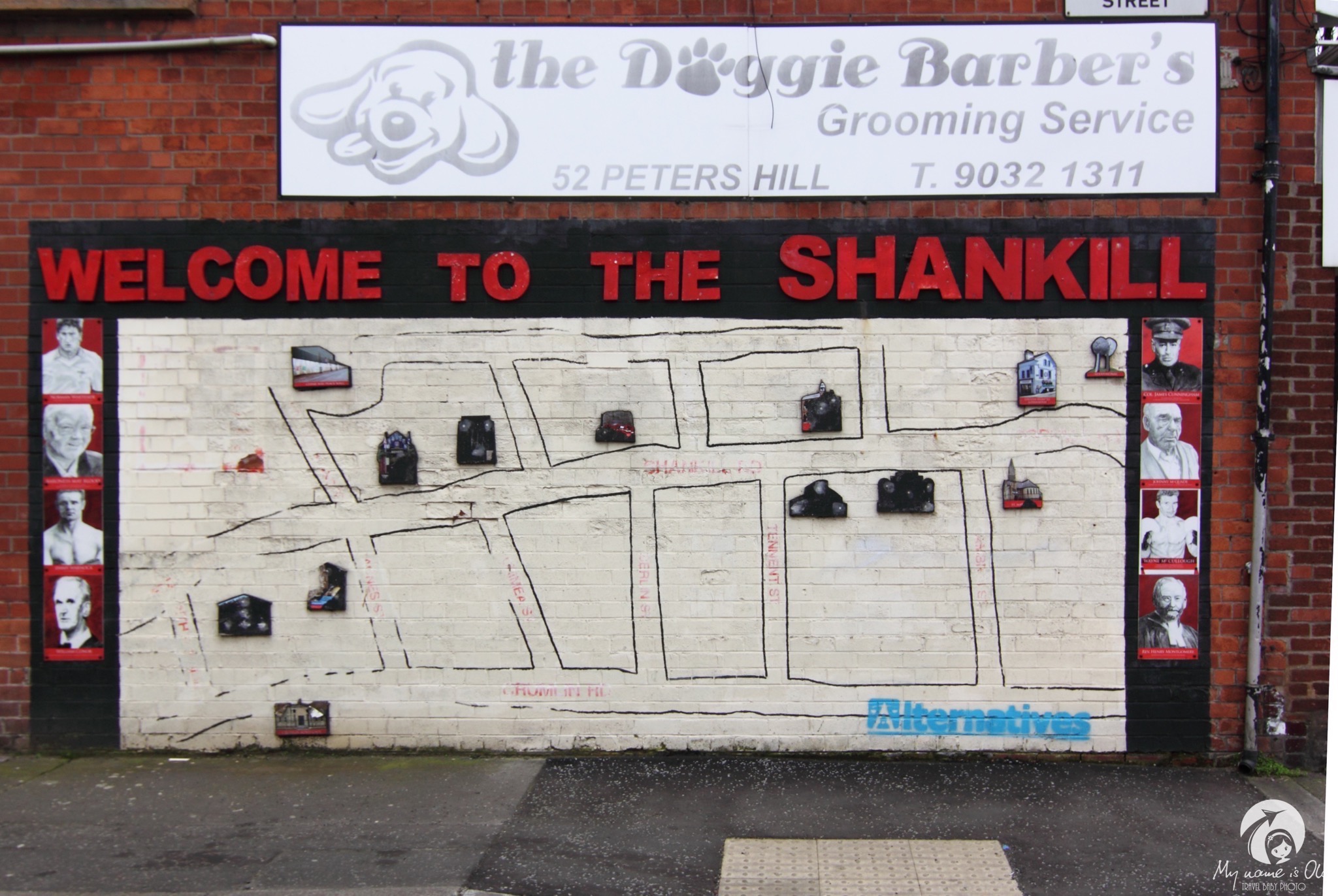
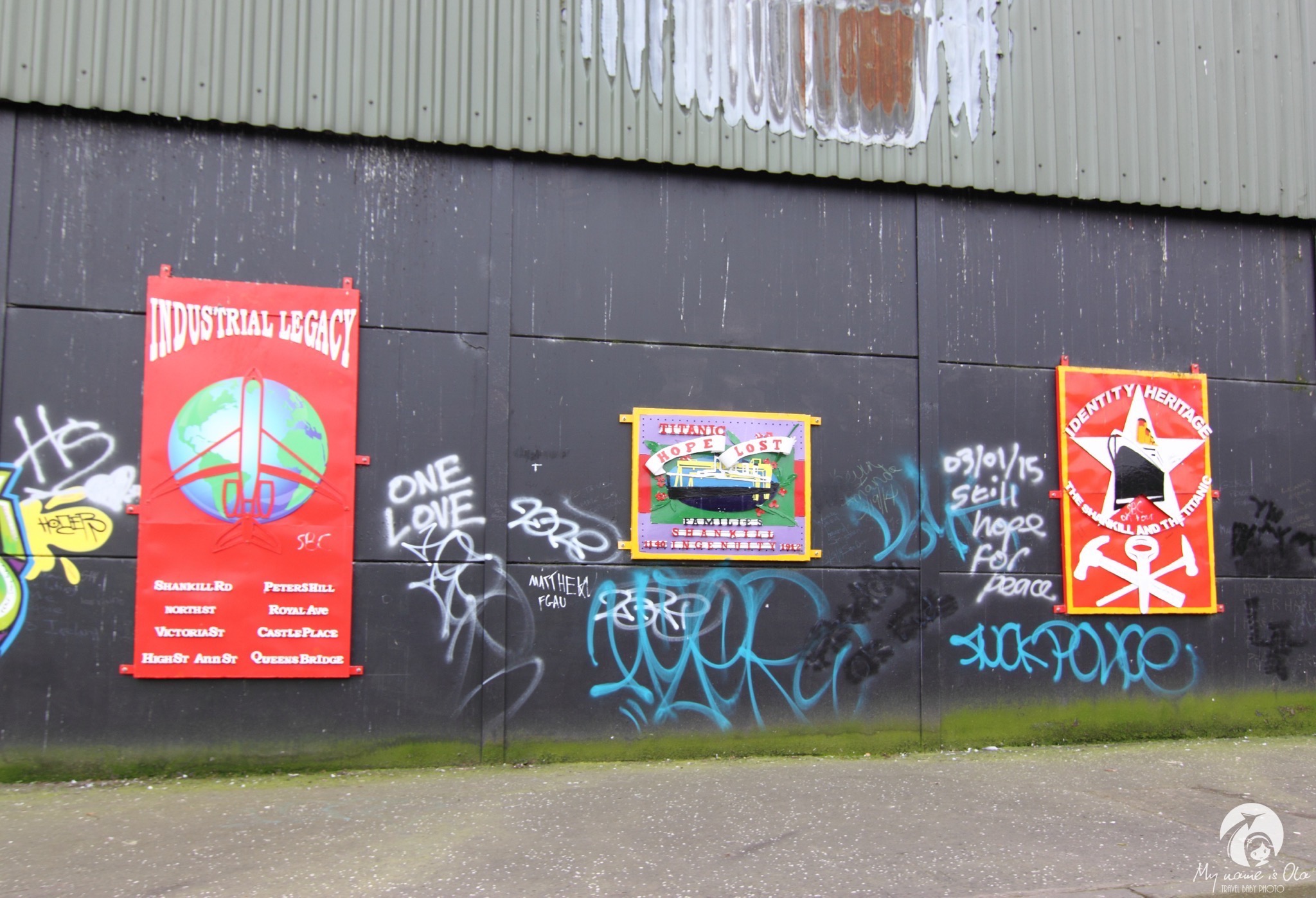
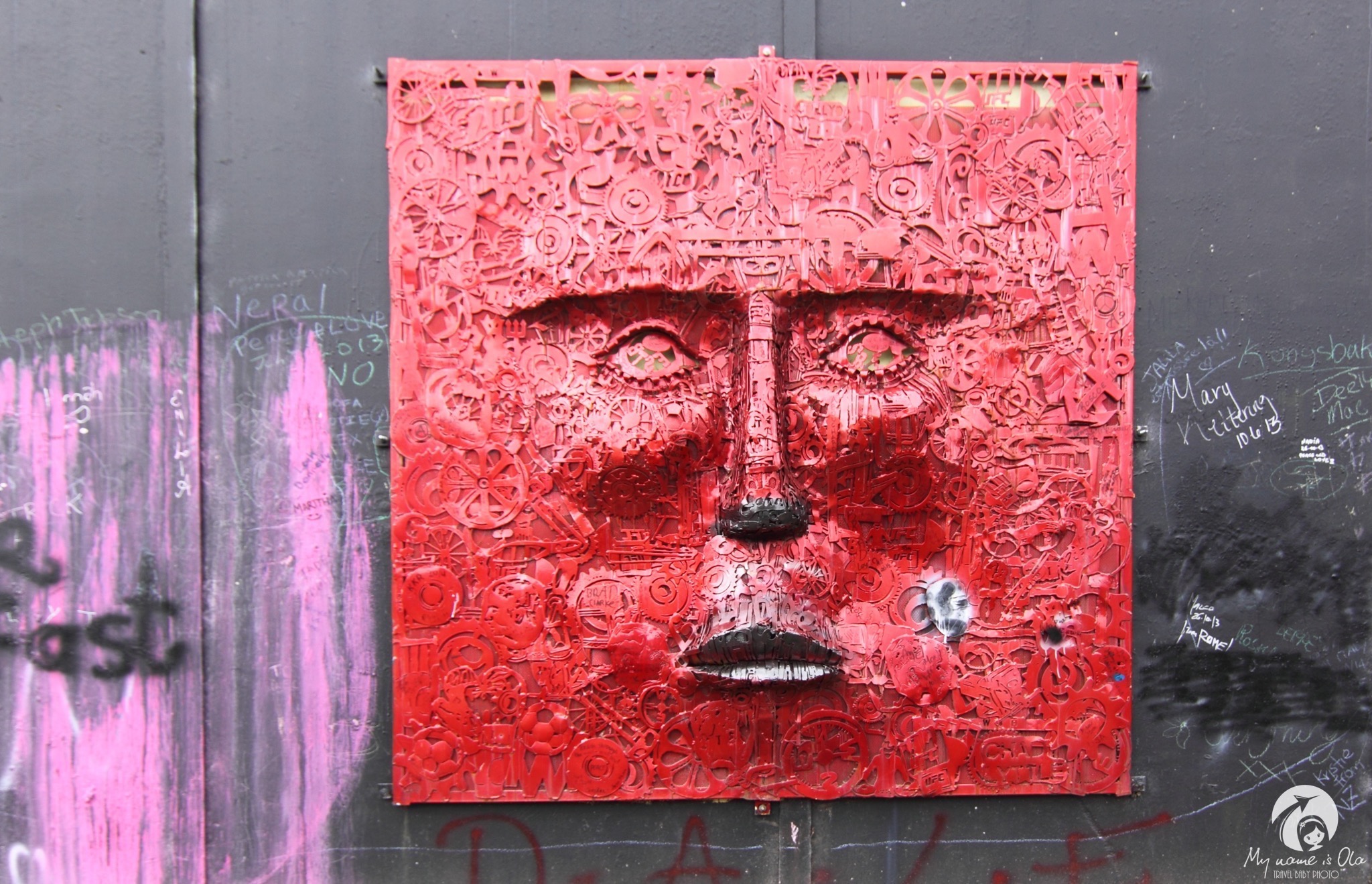
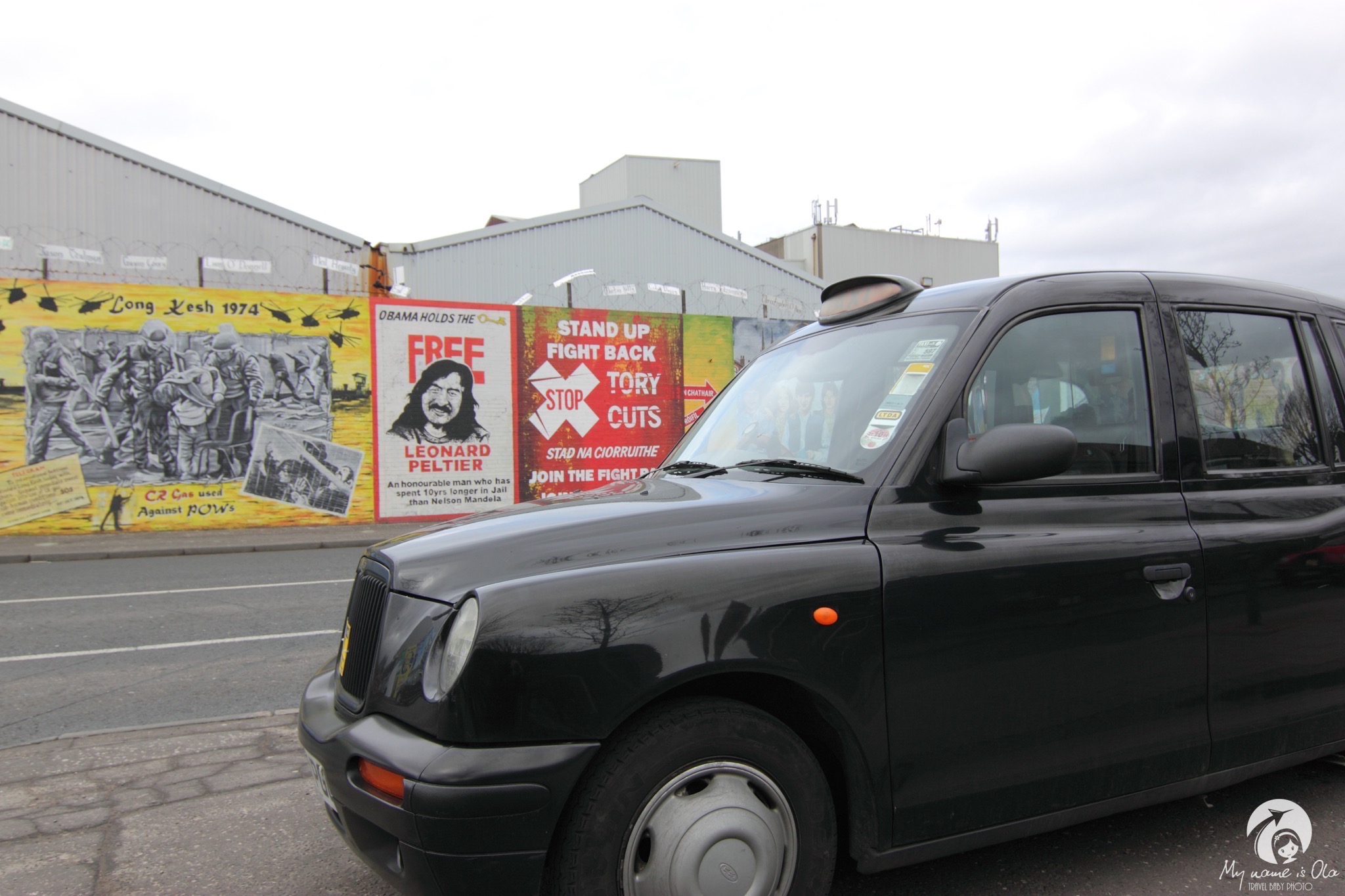
In order to phisicly isolate fighting people from each other, Catholic and Protestant neighborhoods were separated, most often by high wall or fence reaching over 7 meters. First walls were built in 1969 and last even after signing the peace in 1998. Belfast and its surroundings are cut in 48 locations and total length of the walls is 34 km. The most famous part separates nationalistic areas of Falls Road and Shankill Road of unionists. The trandition of locals became to decorate walls with political graffitis, from one side those that promote IRA’s successes, from the other those glorifying victims from the ranks of UDA. Graffitis spreaded over whole neighborhoods where the side walls of the houses are totaly covered with murals.
[photosetgrid layout=”32″]


 [/photosetgrid]
The Troubles finished in 1998 and today we can safely visit Belfast. During the fights public comunication buses were overturned and used by the fighting as barricades so authorities have given up the idea of using buses. They were replaced by black taxis. Today black cabs willingly take tourists to walled areas and the drivers as guides tell them different stories connected with the wall. Public transport came back to its previous form.
See our movies from Shankill Road and Falls Road:


 [/photosetgrid]


 [/photosetgrid]

 [/photosetgrid]

 [/photosetgrid]

 [/photosetgrid]