main

BlogNa stole

Guinness – the pride of Ireland

17/03/2015 — by Magdalena Kuźma0

Guinness34-960x640.jpg

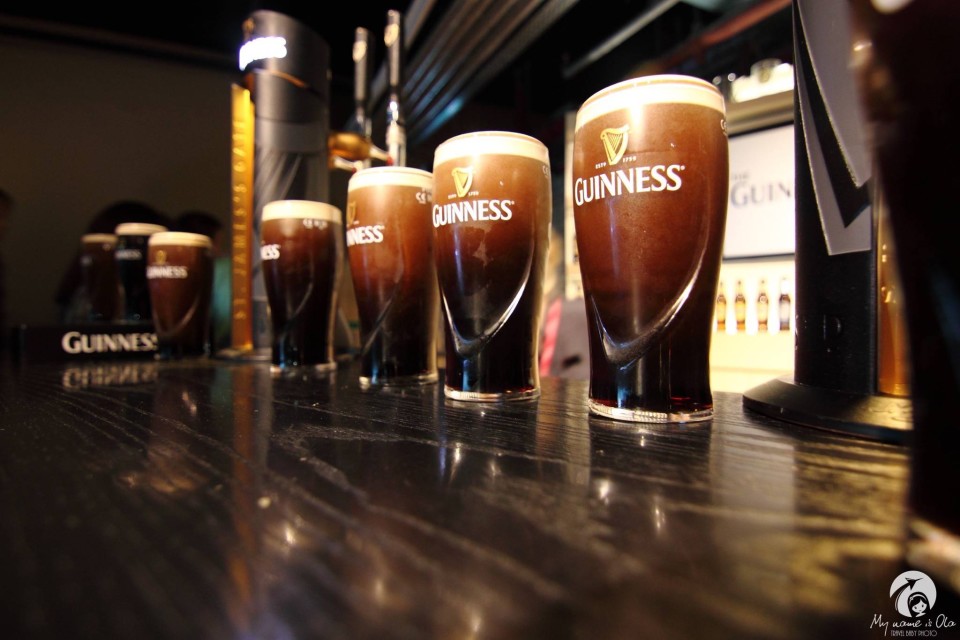
There are couple of things that Ireland is commonly associated with. These are shamrock – the four-leaf clover, St. Patrick, the harp and of course beer. Out of really big variety only one got popular all over the world. Guinness is probably the most recognisable Irish brand but in fact it is only one example of Irish dry stout. There are dozens of stout beers avaliable in Ireland but it’s Guinness that got famous. What is the reason for it? Is it really the best? Or is it the marketing? We decided to check it visiting Guinness Storehouse in Dublin. Ok, that’s fun for parents but wht about Ola? Don’t worry she was more than happy to run around, climb the barrels and pose for photos. See for yourself.
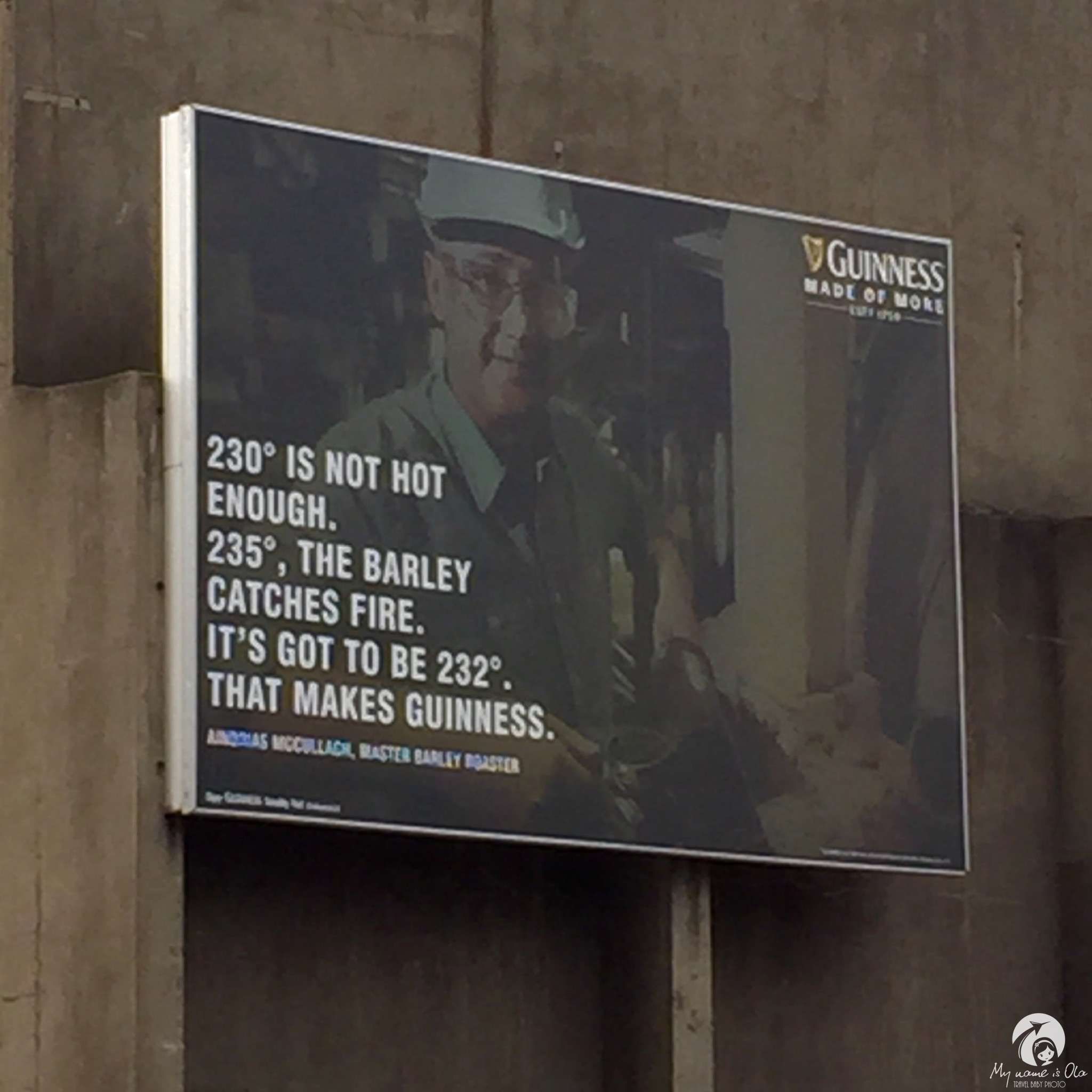
Guinness StorehouseGuinness Storehouse is a seven storey presentation of most importants for the company facts. Unfortunately they don’t let visitors actually see the brewery. On the first floor we start with raw ingredients they use for beers manufacturing. Of course all of them are the finest selections of their kind. First of the fundamental ingridients is barley. It’s the roasted barley that gives Guinness its color. And you have to know that it’s not black but deep ruby red. It’s underlined at every occasion so every ignoramus will leave the exhibition with that knowledge. 100 000 tones of barley are used only by this factory every year, malted, unmalted and roasted.
Another important ingredient is hop. The one used by Guinness is grown all over the wolrd: in Czech Repiblic, Australia, Germany, UK and US. What is interesting hop plants grow up to 4,5 meters.
And the most important component, here called the trasure, is the yeast. It’s so precious because it’s the yeast that does all the job – it makes alcohol from the sugar and nutrients in barley. Thanks to its work we are able to enjoy the liquor. Ginness claims that since 19th century some yeast from each brew has been transferred on to the next to ensure consistency. All before mentioned ingridients are supplemented with the best quality water.

[photosetgrid layout=”23″]Guinness StorehouseGuinness StorehouseGuinness StorehouseGuinness StorehouseGuinness Storehouse[/photosetgrid]

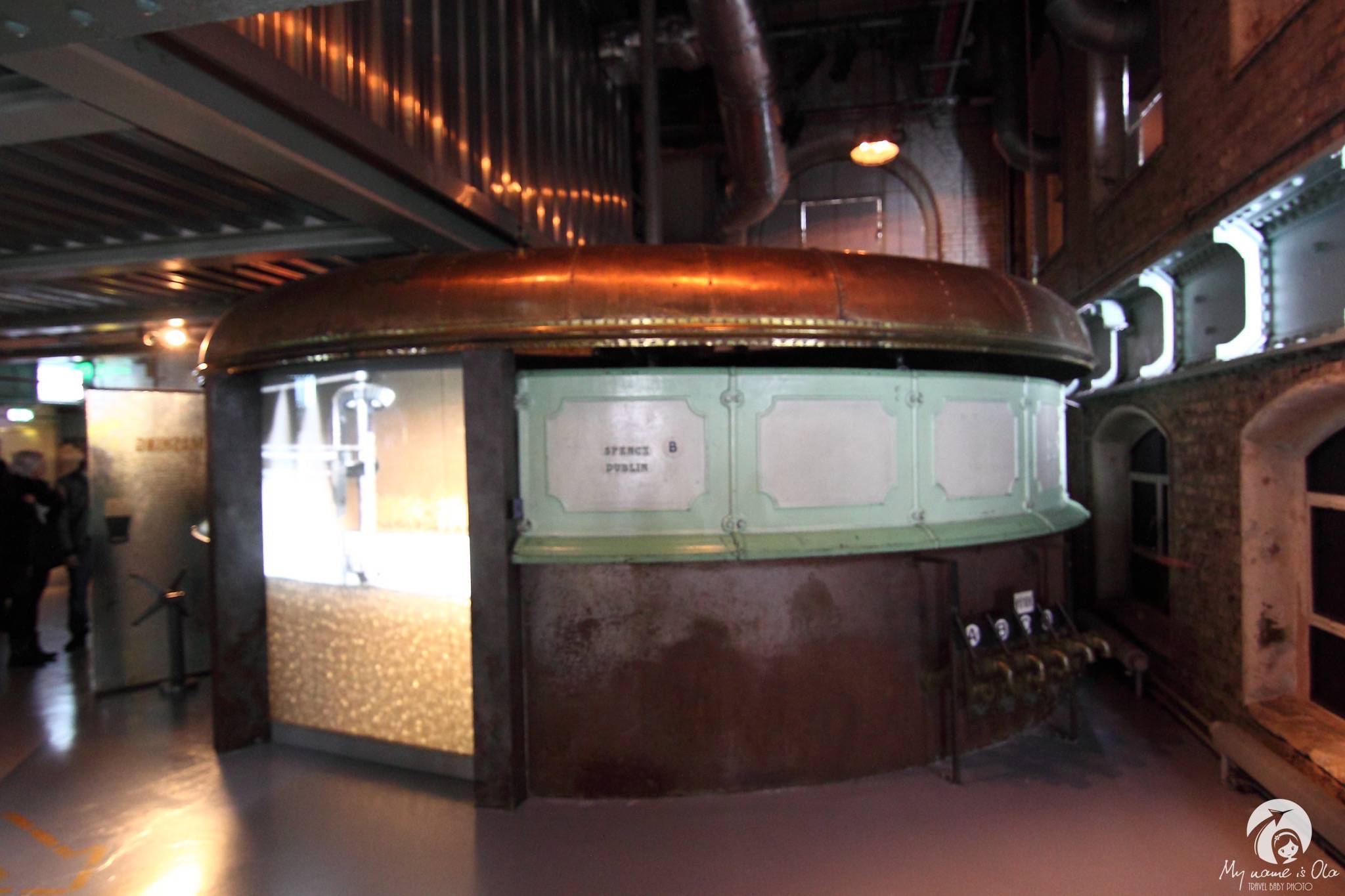
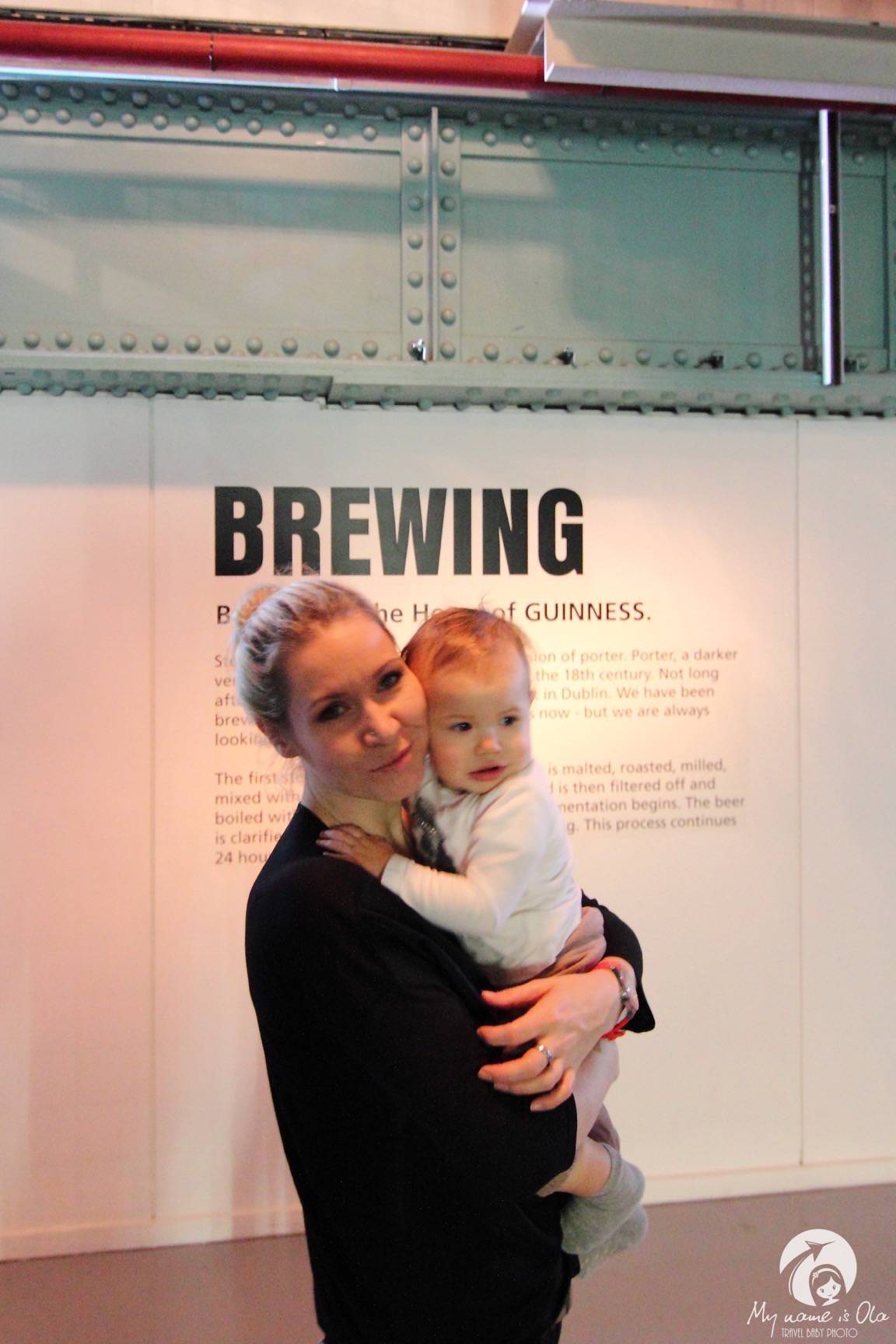
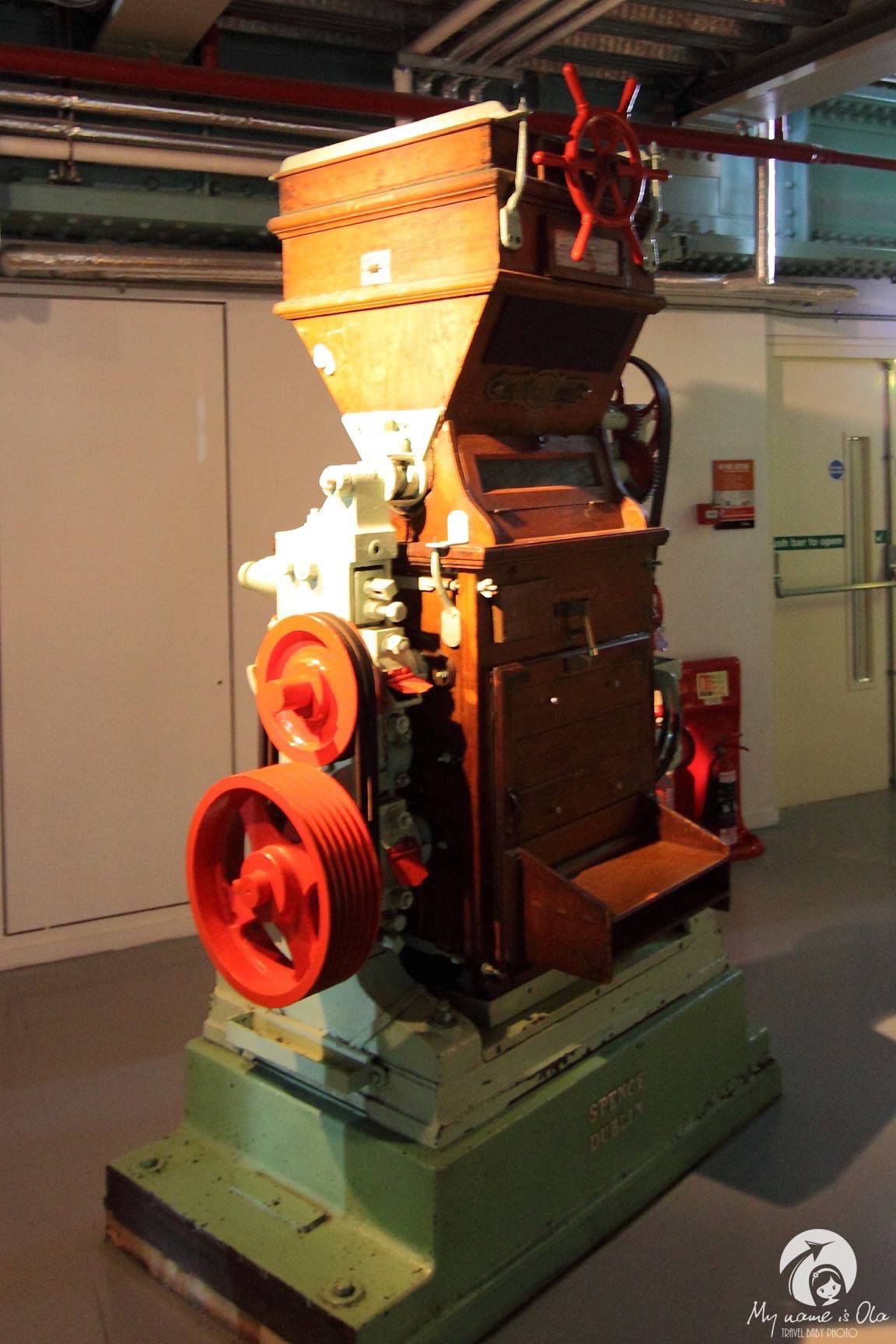
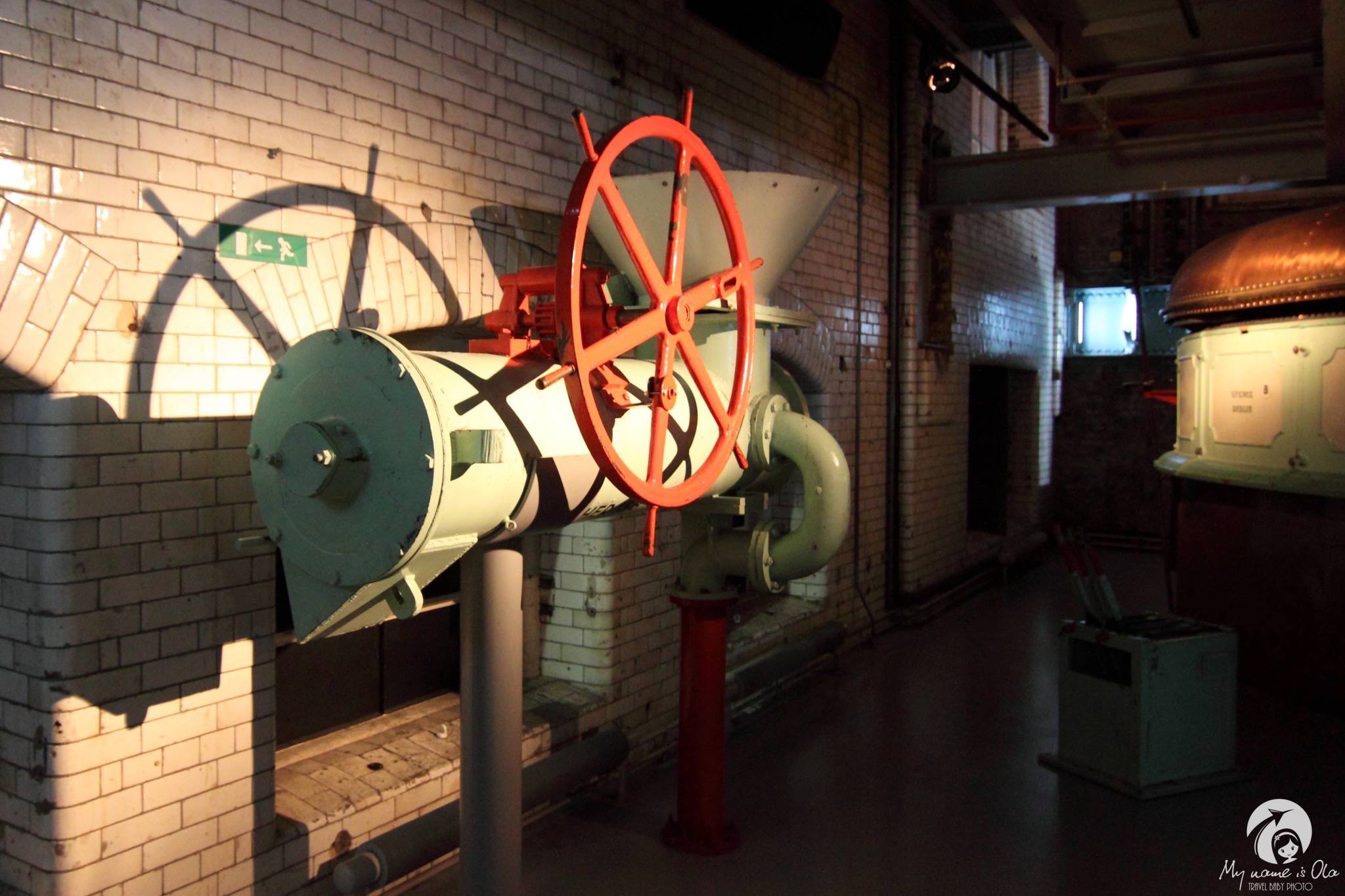
Next floor shows us the whole process of brewing, beginning with mixing milled barley with water, mashing and sieving. The process is probably more complicated but here it is presented by showing the most significant steps. The mixture recieved as a result of processing the barley is called the wort. In next step hop is added to the blend and it is boiled in 100 degrees for 70 minutes to extract as much flavour as possible. Afterwards they add their treasure – the yeast – and here the liquid becomes beer. Fermentation takes two days and the product is provided with alcohol and carbon dioxide. The beer is almost done. It only requires one more stage – maturation, which allowes the distinctive flavour to develop. To finish up the beer is filtered to make sure none solids remain and blended. Whole nine-day process is finnished by multiple testing to make sure the quality level is reached.

[photosetgrid layout=”33″]Guinness StorehouseGuinness StorehouseGuinness StorehouseGuinness StorehouseGuinness StorehouseGuinness Storehouse[/photosetgrid]
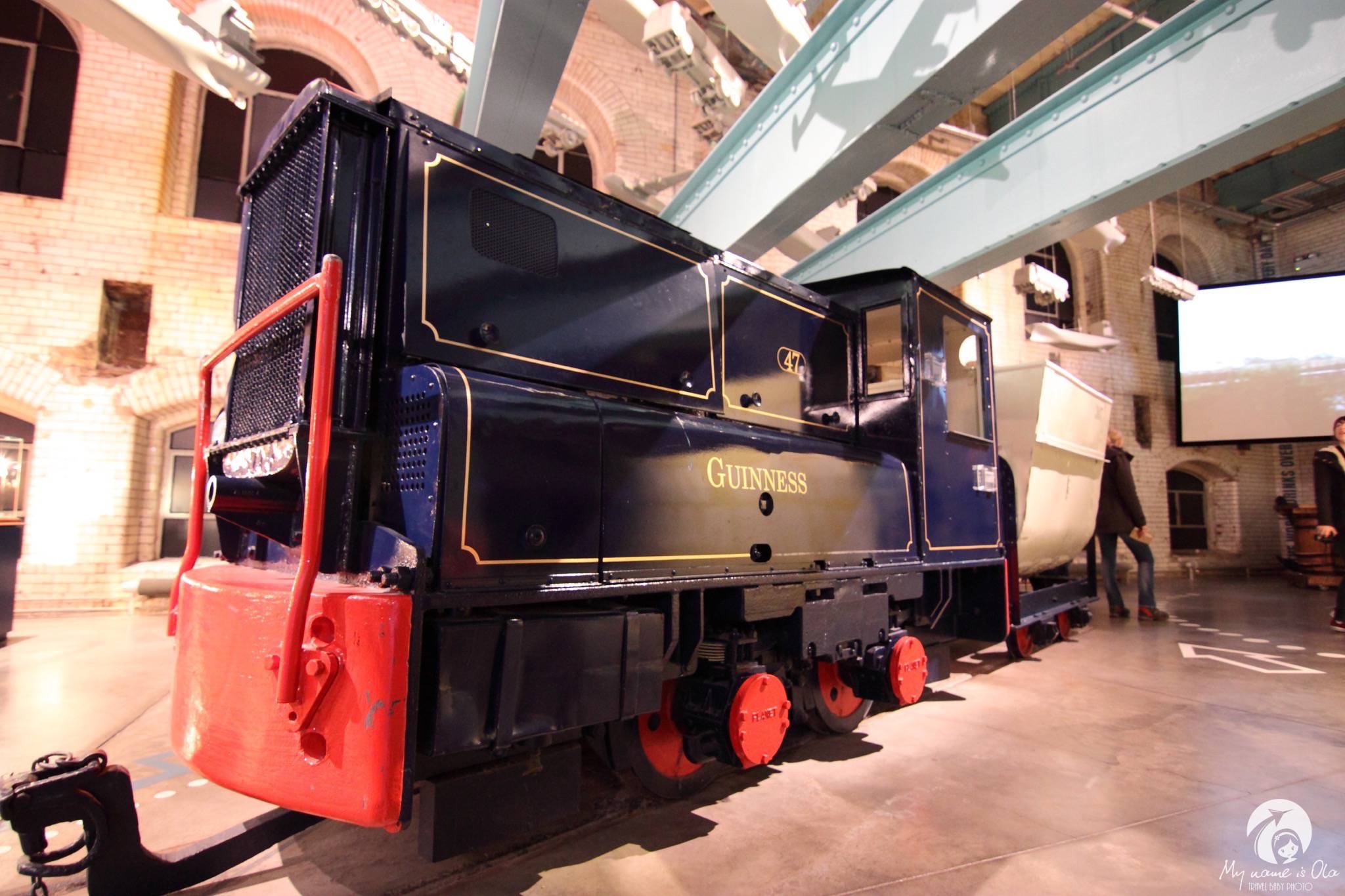
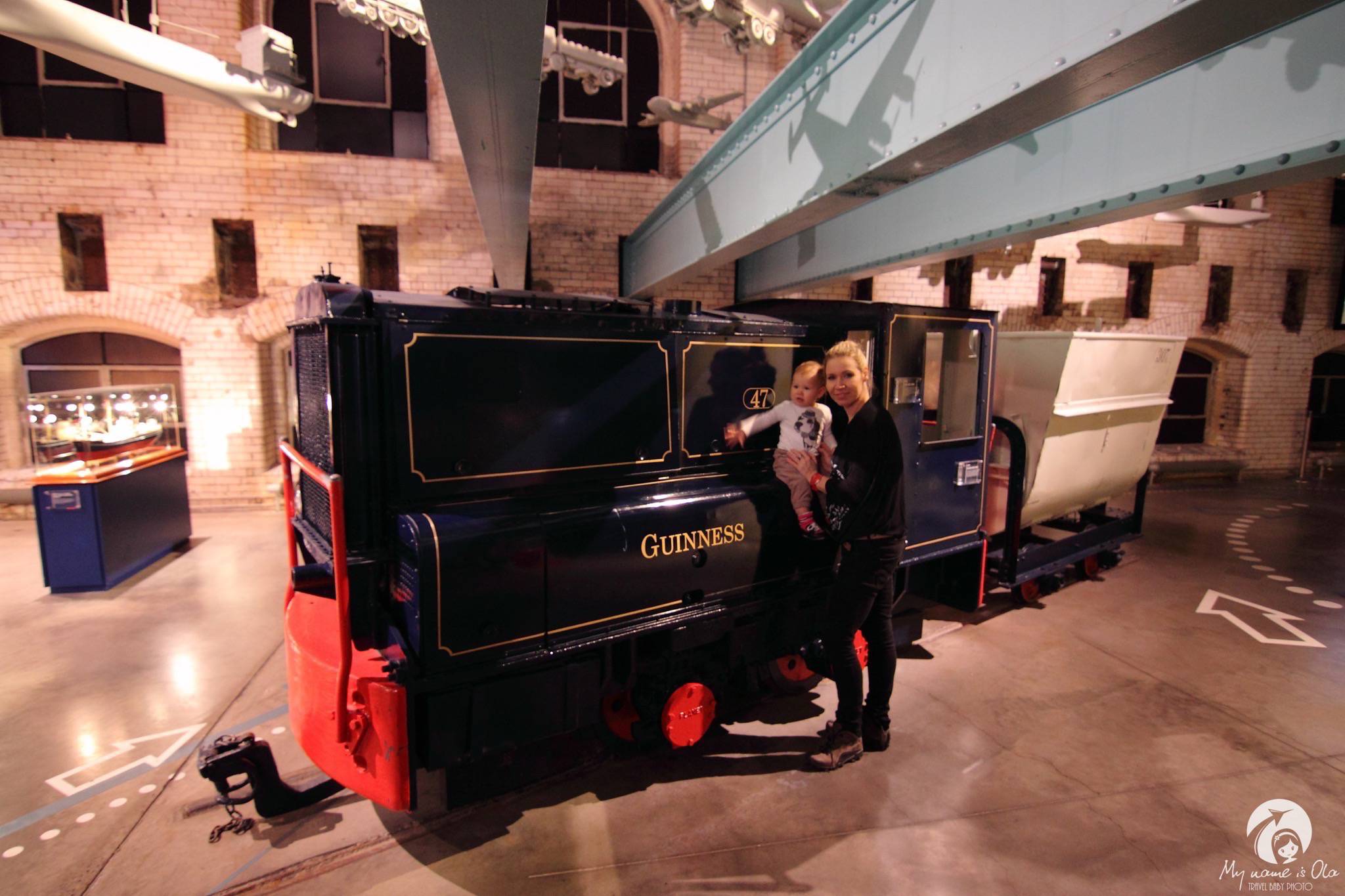
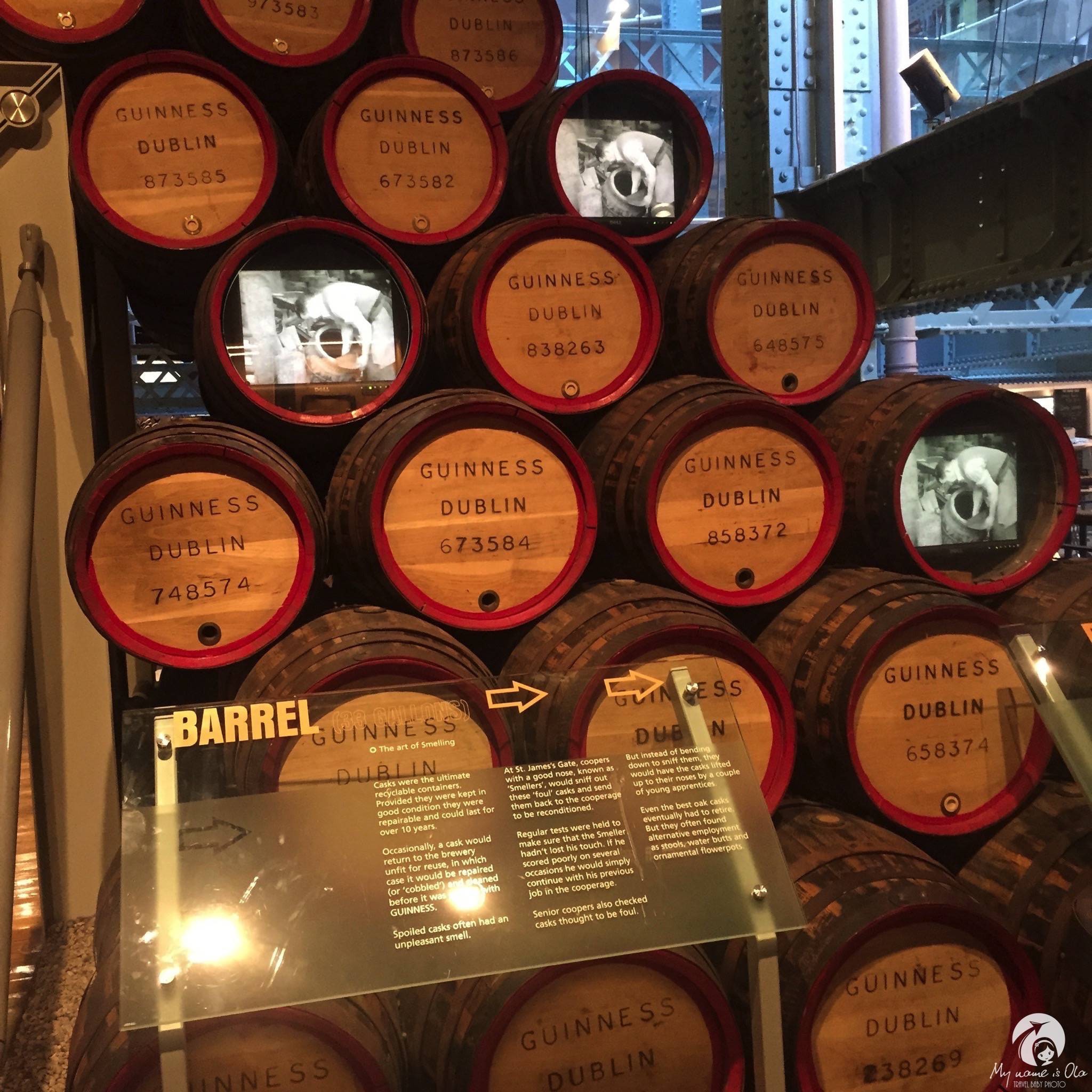
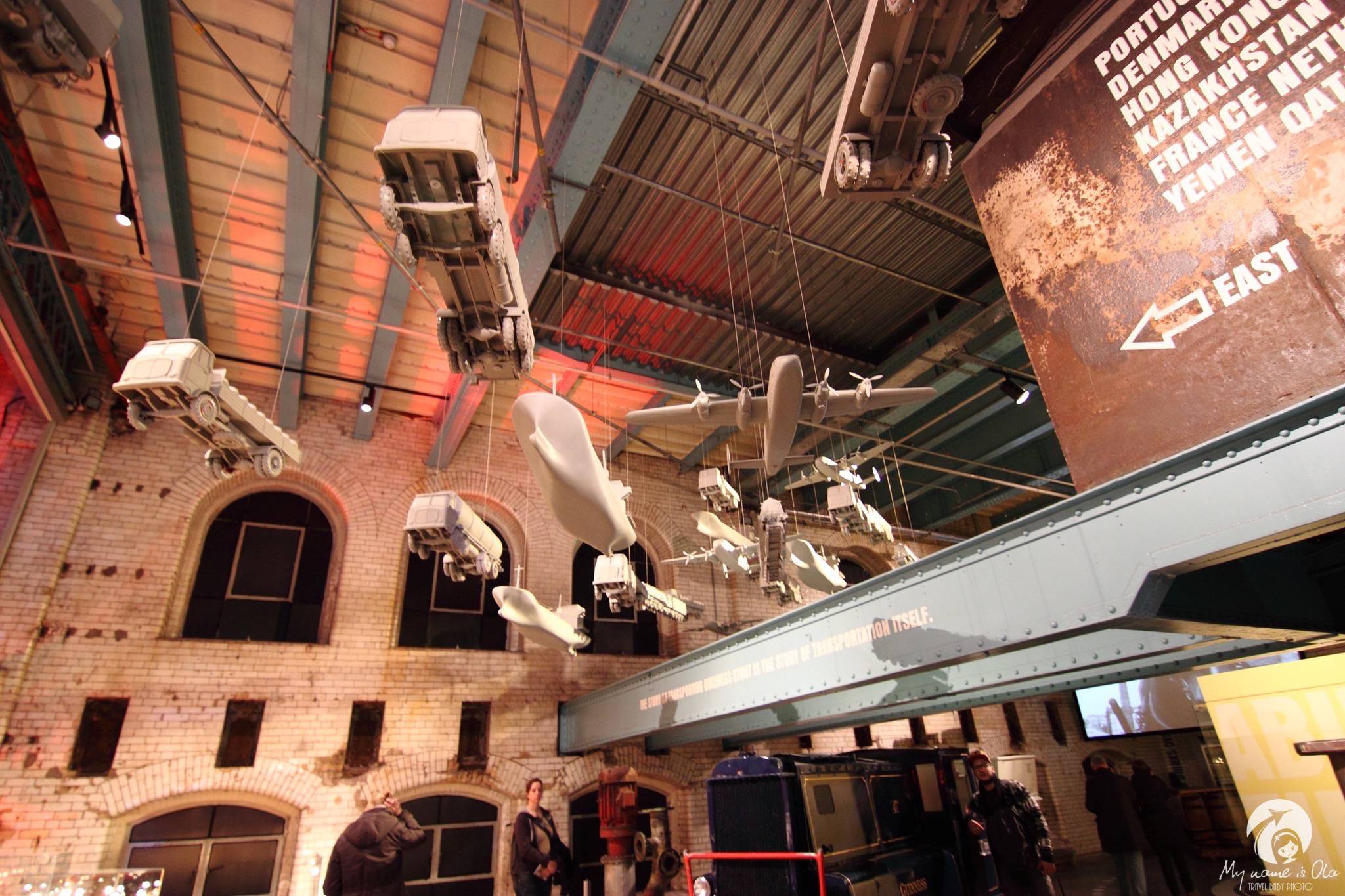
When the beer is already produced next thing we need is to deliver it to customers. Guinness claims that the history of the company is the history of transport itself. And indeed, looking back to the beginnings of this beer production, we see the wooden barrels, carefuly produced by brewery coopers, and we can follow all means of transportation like horses, trains, barges, ships and road transport. Here Ola couldn’t stand sitting in the stroller when there was so many interesteing things around her. She had to get out and start running around; thankfully there was not too many people there so she didn’t disturb them too much.

[photosetgrid layout=”34″]Guinness StorehouseGuinness StorehouseGuinness StorehouseGuinness StorehouseGuinness StorehouseGuinness StorehouseGuinness Storehouse[/photosetgrid]
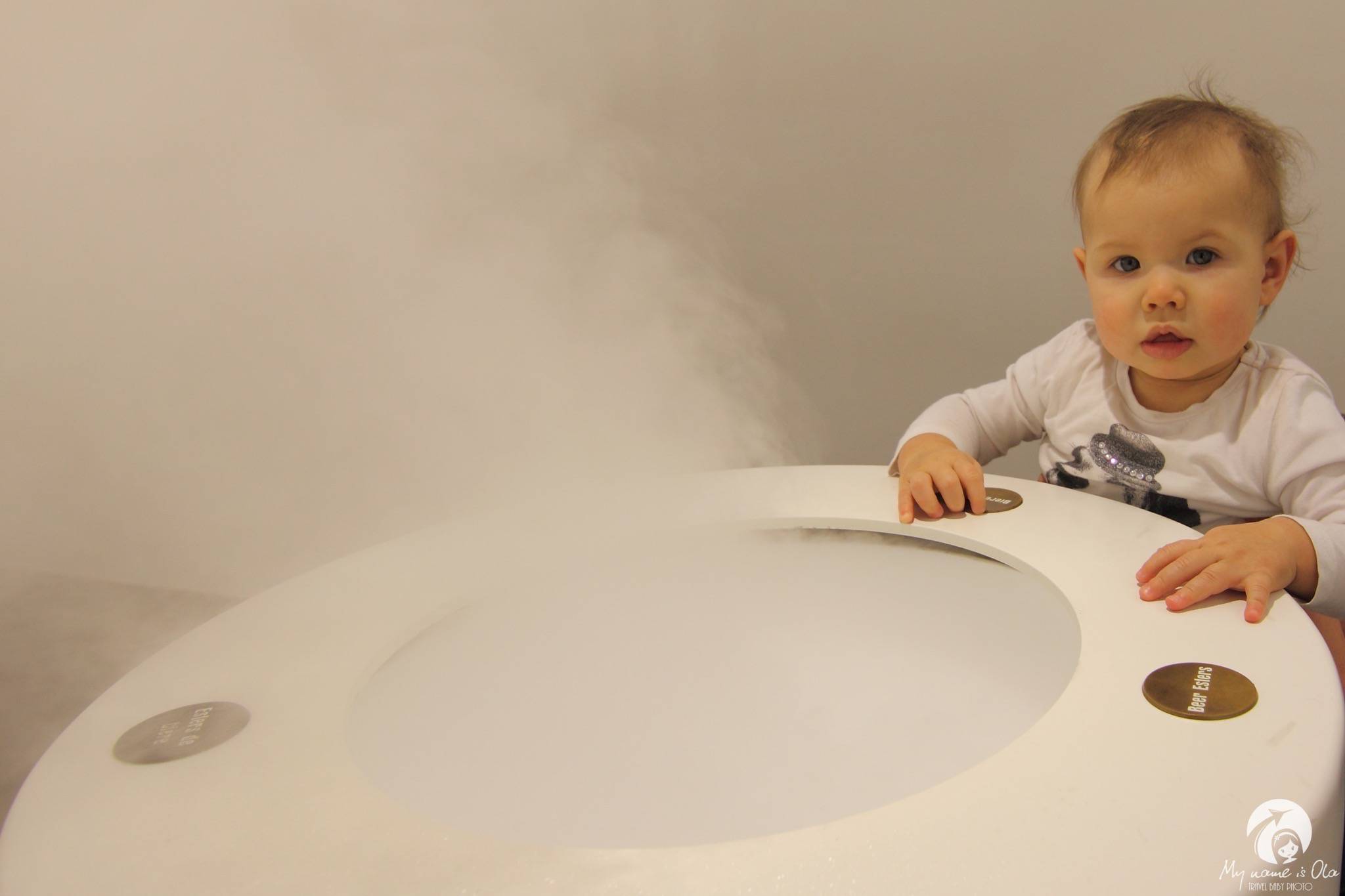
For their visitors Guinness prepared a special training of beer tasting. The aim of the training is to make sure every visitor gets the full taste of beer with every sip they take. It’s all nicely arranged. In the first room there are four columns producing steam with different aromas characteristing for the stout. And here we recieve the miniature glass of beer that we’re going to taste in another room. Ola seemed very interested in as the glasses were in just perfect size for her. Of course she could only watch it through the aromatic steam. Next room was a great performance, the show given by a professional taster was supposed to deepen our sensations. Honestly speaking – the “revolutionary” way of drinking did not knock us down with some newly discovered richness of taste.

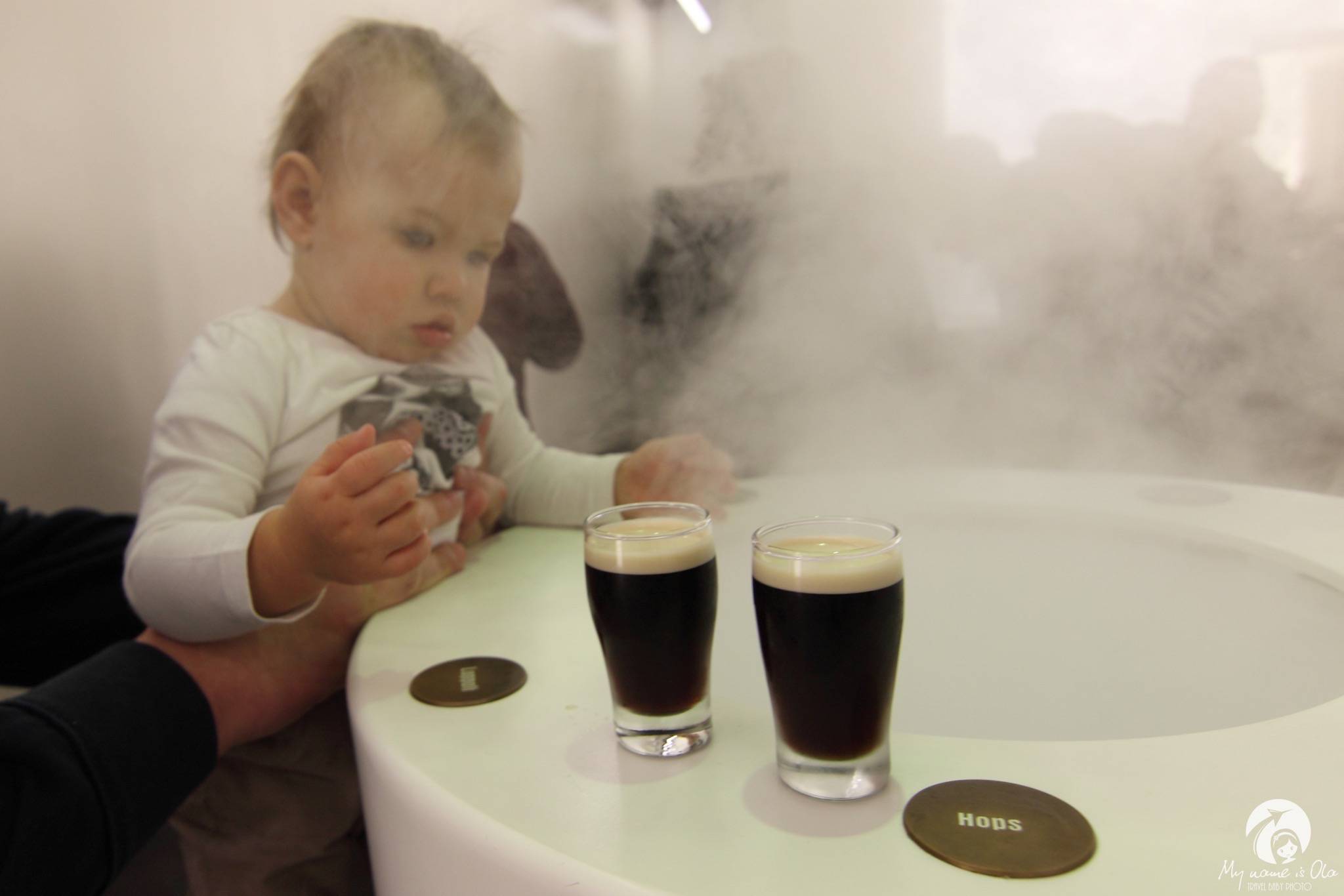
Guinness StorehouseGuinness Storehouse Guinness Storehouse Guinness Storehouse

Having already first sips of beer from those little glassed we moved on to next level. Since now we are sure how the beer should taste it;s time to find out how to pour ourselves a pint of Guinness. The instruction of pouring a perfect pint says that it should take neither more nor less than 119,5 seconds. It describes six steps we need to perform to reach the perfection.

See the movie with the instruction of pouring the Perfect pint of Guinness.

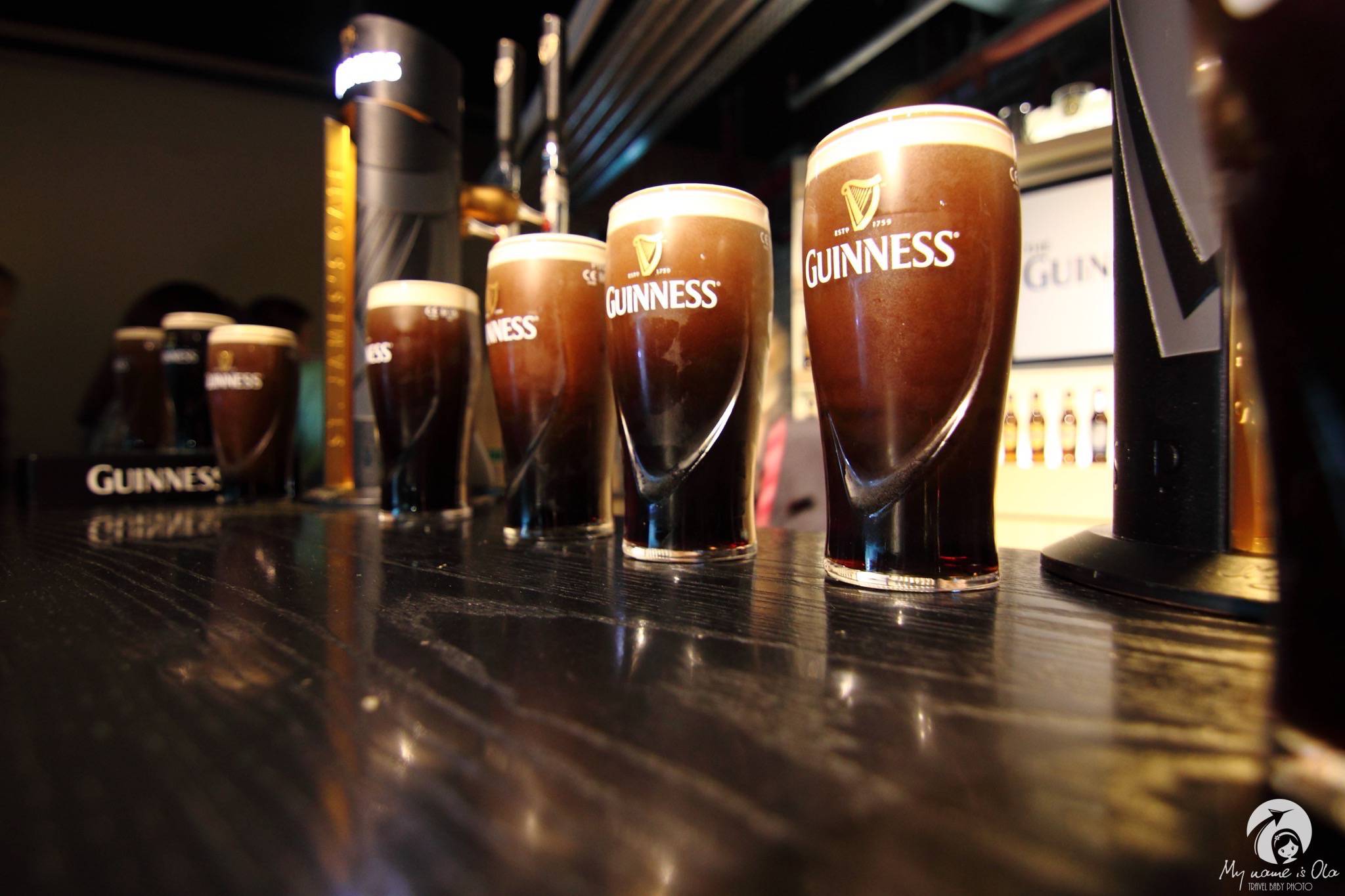
Mom was designated to give it a try and fill an excellent pint of Guinness for Dad. After short training glasses and taps were given to visitors. Whole group following the instructions did a good job and deserved a certificate and a souvenir photo. The best reward was of course the possibility of drinking that perfect pint of beer. Just to remind: a pint is more than half liter – it’s exactly 568 ml and pint of Ginness gives us 196 calories.

[photosetgrid layout=”31″]Guinness StorehouseGuinness StorehouseGuinness StorehouseGuinness Storehouse[/photosetgrid]

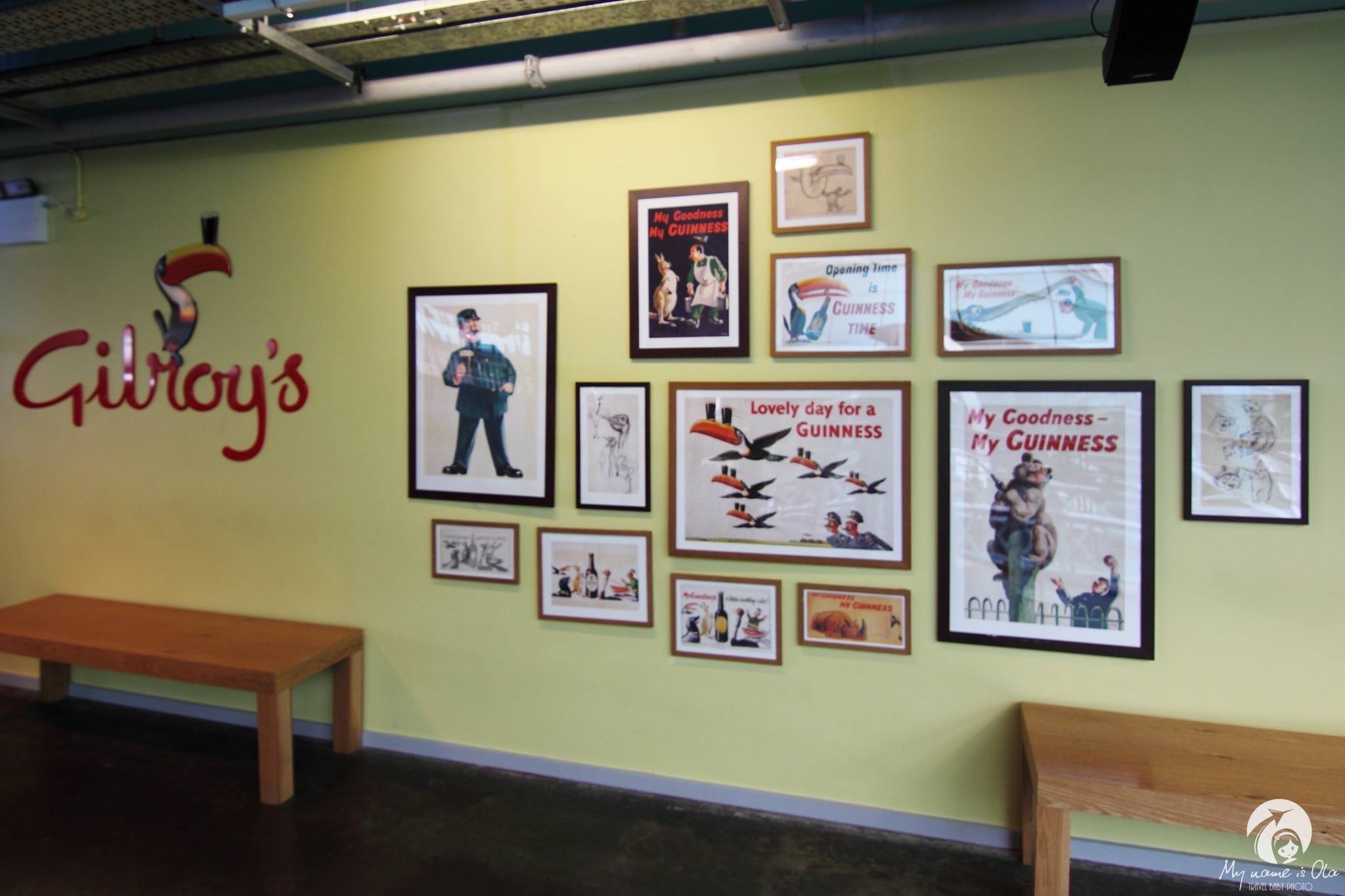
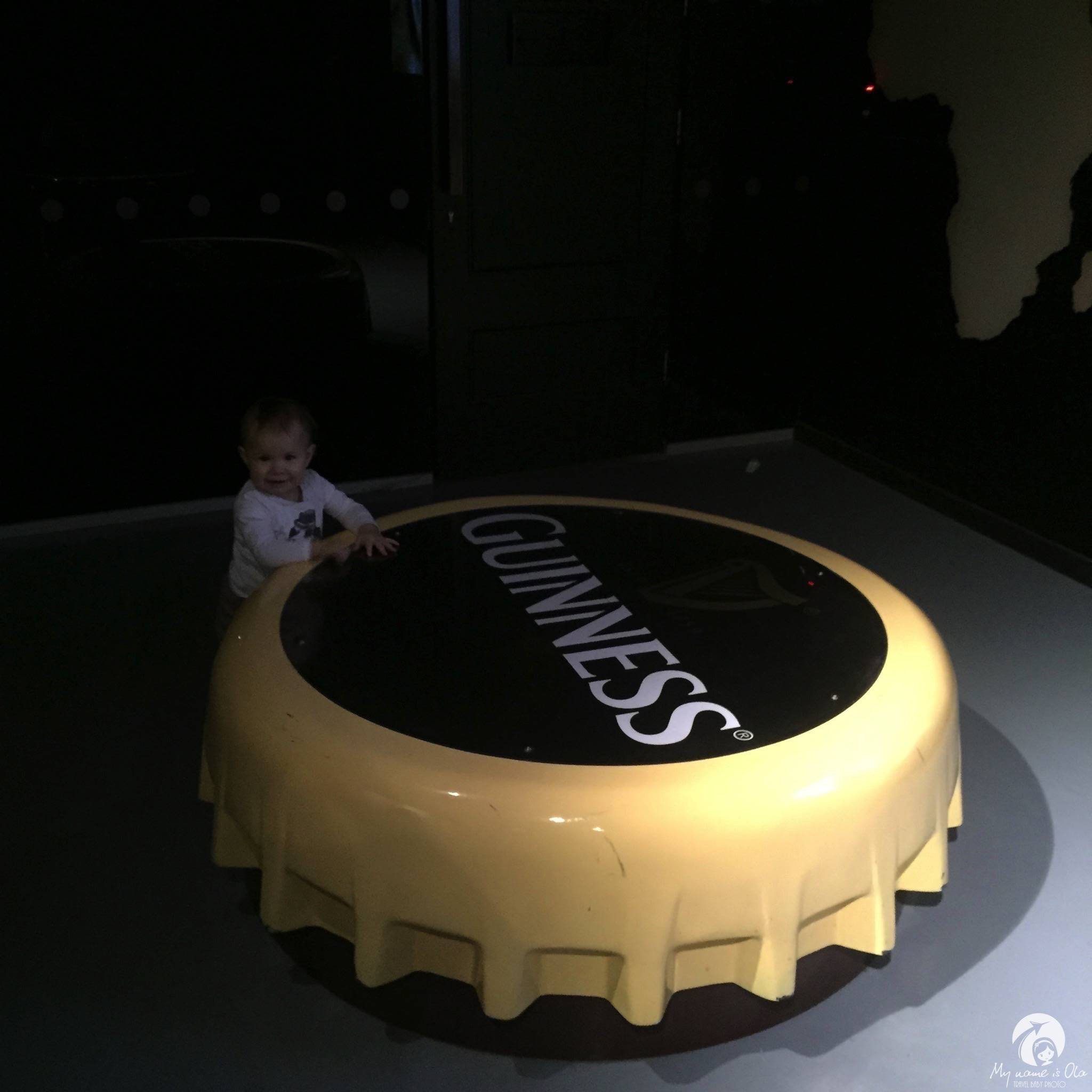
Quick overview of company advertising history since 1929, meeting the well known symbol of Guinnes beer – toucan bird and we were taken to the tv room with huge beer cups where we realised that Guinness is not only that one Guinness draught sold in widget cans that we know. The variety of Guinness beers is way bigger than we expected. Beside different kinds characteristic for different countries there are three basic types of beer they produce: Guinness Draught, Extra Stout, Foreign Extra. Foreign extra is the oldest type they have produced. They claim it has been made with extra hops to preserve freshness. The extra hops are supposed to result in floral overtones throughout the beer. Extra Stout’s bitterness is allegedly great company for smoked seafood. In Draught we  should taste the sweetness of caramel and the coffee aroma so using it to create dark desserts would be a good idea. Running between big bottle caps was Ola’s favourite play. They were perfect size to become huge drums for her.

[photosetgrid layout=”32″]Guinness StorehouseGuinness StorehouseGuinness StorehouseGuinness StorehouseGuinness Storehouse[/photosetgrid]

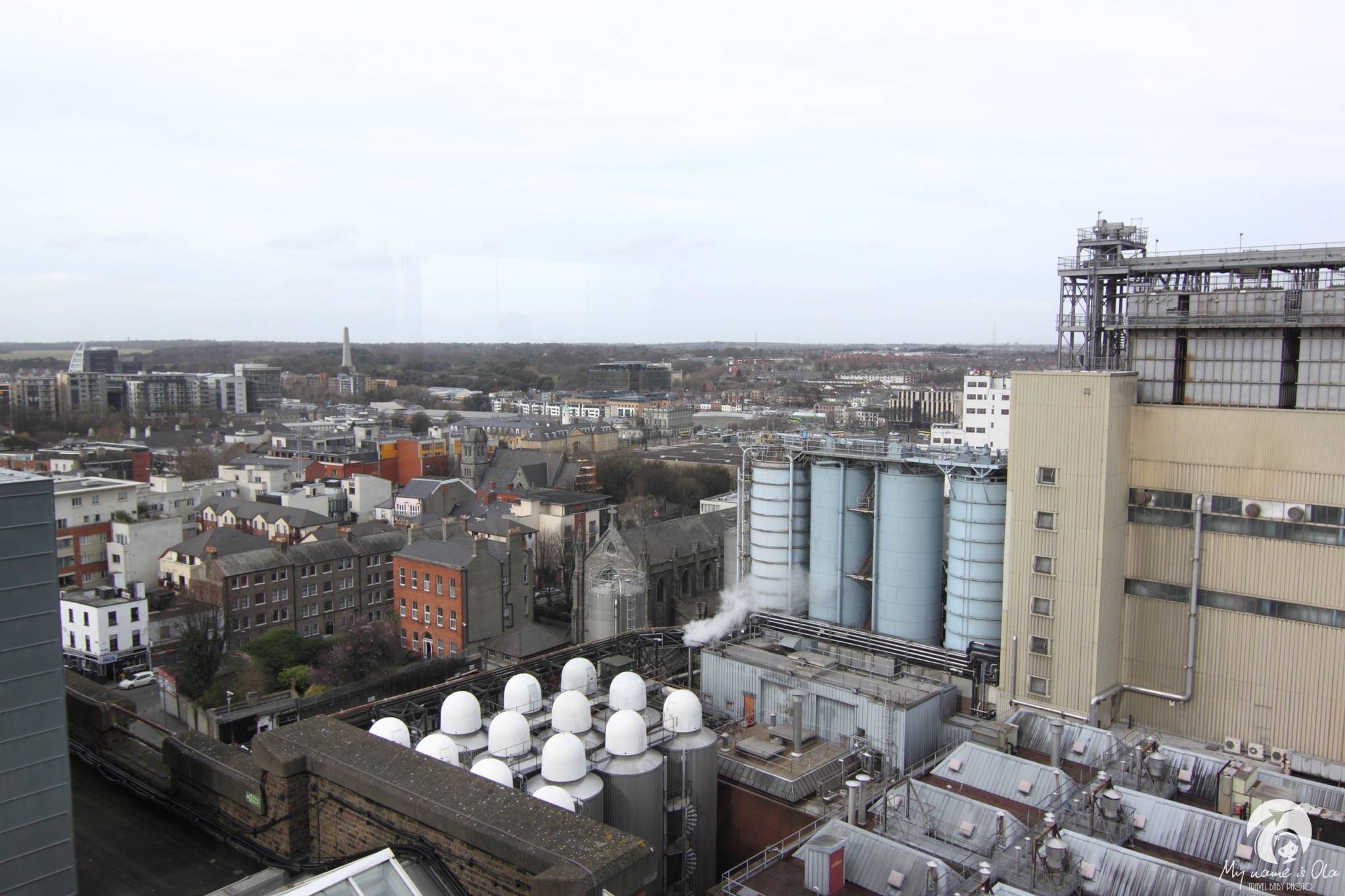
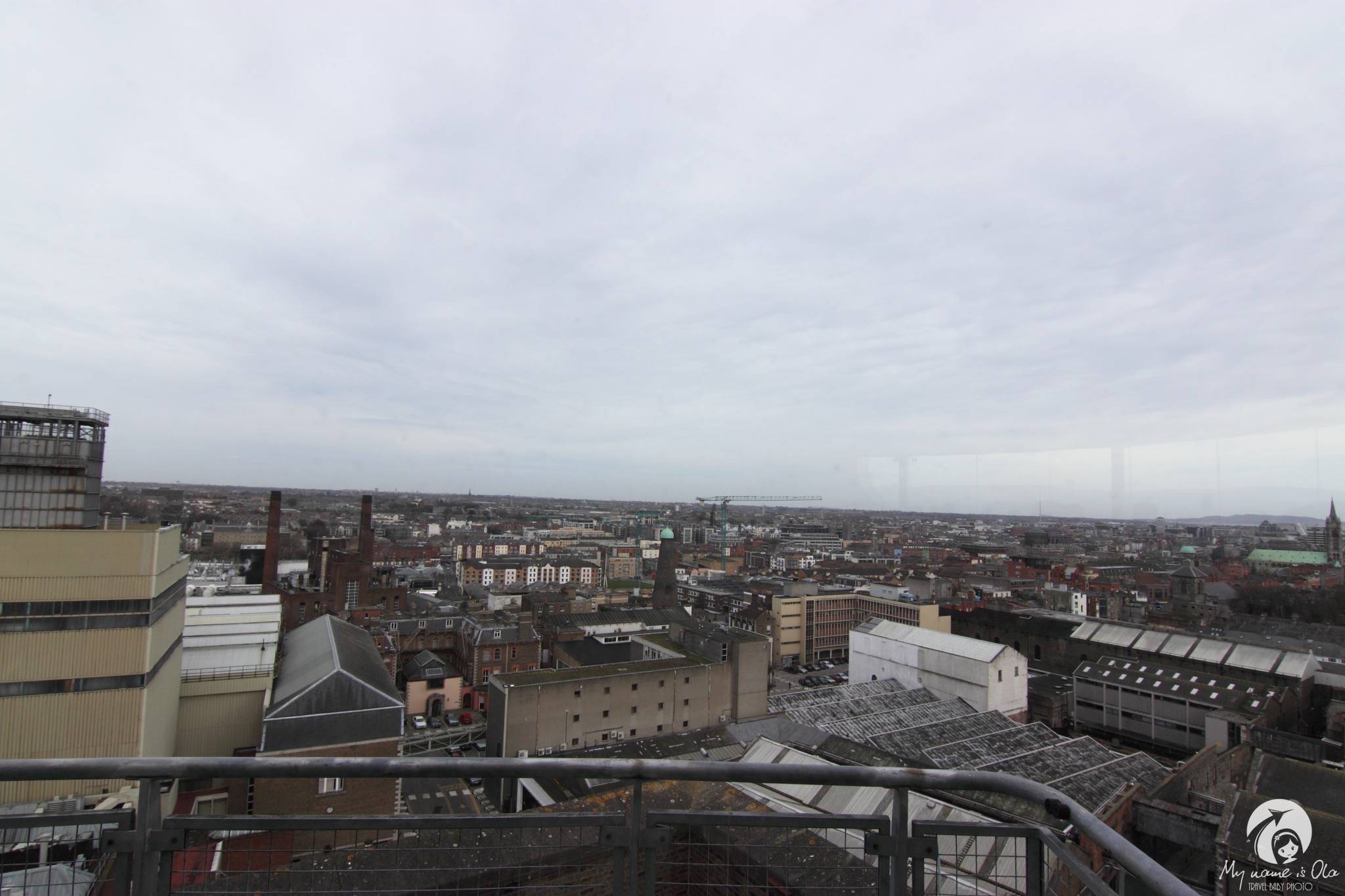
Finally we got to the last floor to grab one, included in the ticket price, glass of beer. With a pint of stout one can admire the view over Dublin – the Gravity Bar is located on the 7th floor and with its glass walls round room becomes a good observation deck. They indicate on windows the most important landmarks for the city and the company as well. There are not too many of them so atmosphere upstairs quickly focuses on beer again. Only upstairs we found out that Ola wasn’t the only kid visiting the storehouse. There were couple more kids in their strollers.
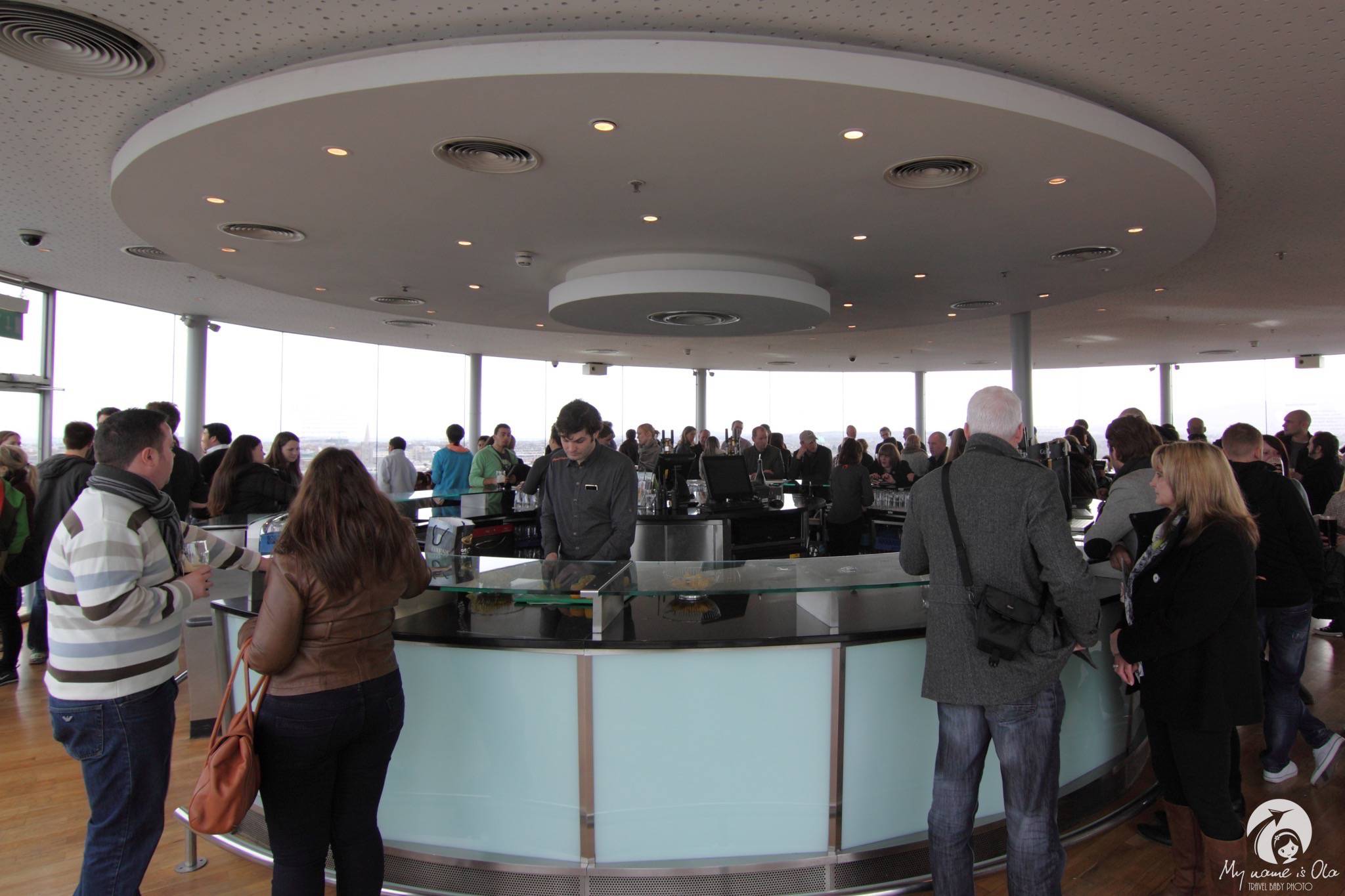
Guinness StorehouseGuinness StorehouseGuinness StorehouseGuinness Storehouse

Practical info: there is an entrance for wheelchairs and strollers before the main entrance when going from the parking lot. Buy the tickets online, that lets not only you avoid queuing but also save some money – it’s 10% off online. Ticket price includes free on site parking. There are few restaurants inside, they all have high chairs.
Guinness Storehouse

And remember:Guinness Storehouse

BlogNa stole

Caviar or buckwheat? Favourite Belarusian dishes

20/01/2015 — by Magdalena Kuźma1

food24-960x640.jpg

Belarusian cuisine is rather simple. Basic products used for meals preparation are root vegetables and cereals. They are accompanied by dairy products, soups, different beverages and meat. Here we won’t tell you much about meat but will try to show other choice of belarusian food.

The most popular of those root vegetables are of course potatos. Visiting Belarus we had to inevitably try potato pancakes. They are called draniki there and are usually served with sour cream, sometimes with mushroom sauce. It’s not rather recommended to eat mushrooms in Belarus but somehow we always end up with them. Southeastern  areas of the country are still contaminated with radiocactive isotope cesium-137 afther the disaster in Chernobyl in 1986. But we strongly believe that today’s vegetable suppliers have their products tested before delivery to consumption. The same story is with blueberries so if possible it’s better to avoid them there.

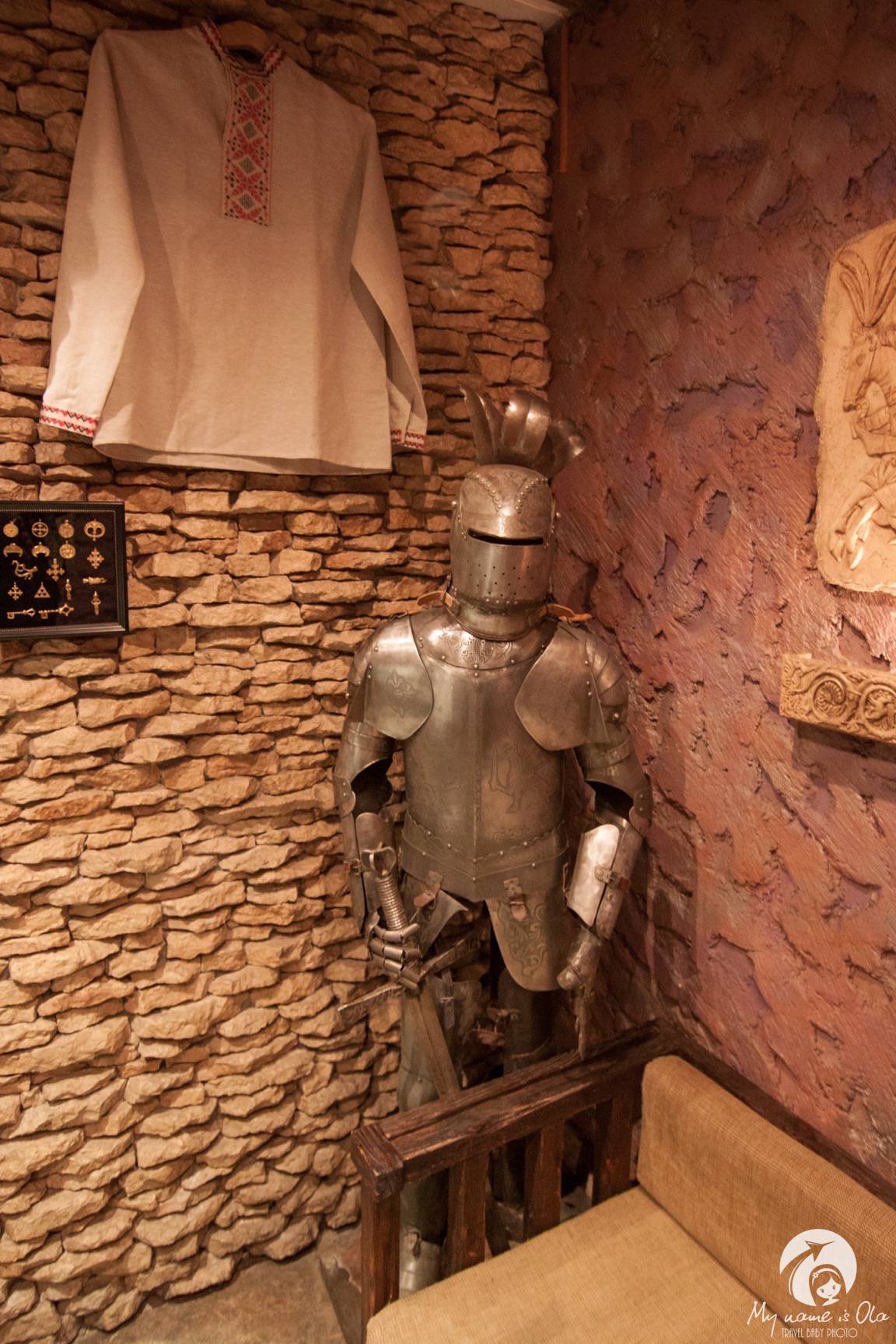
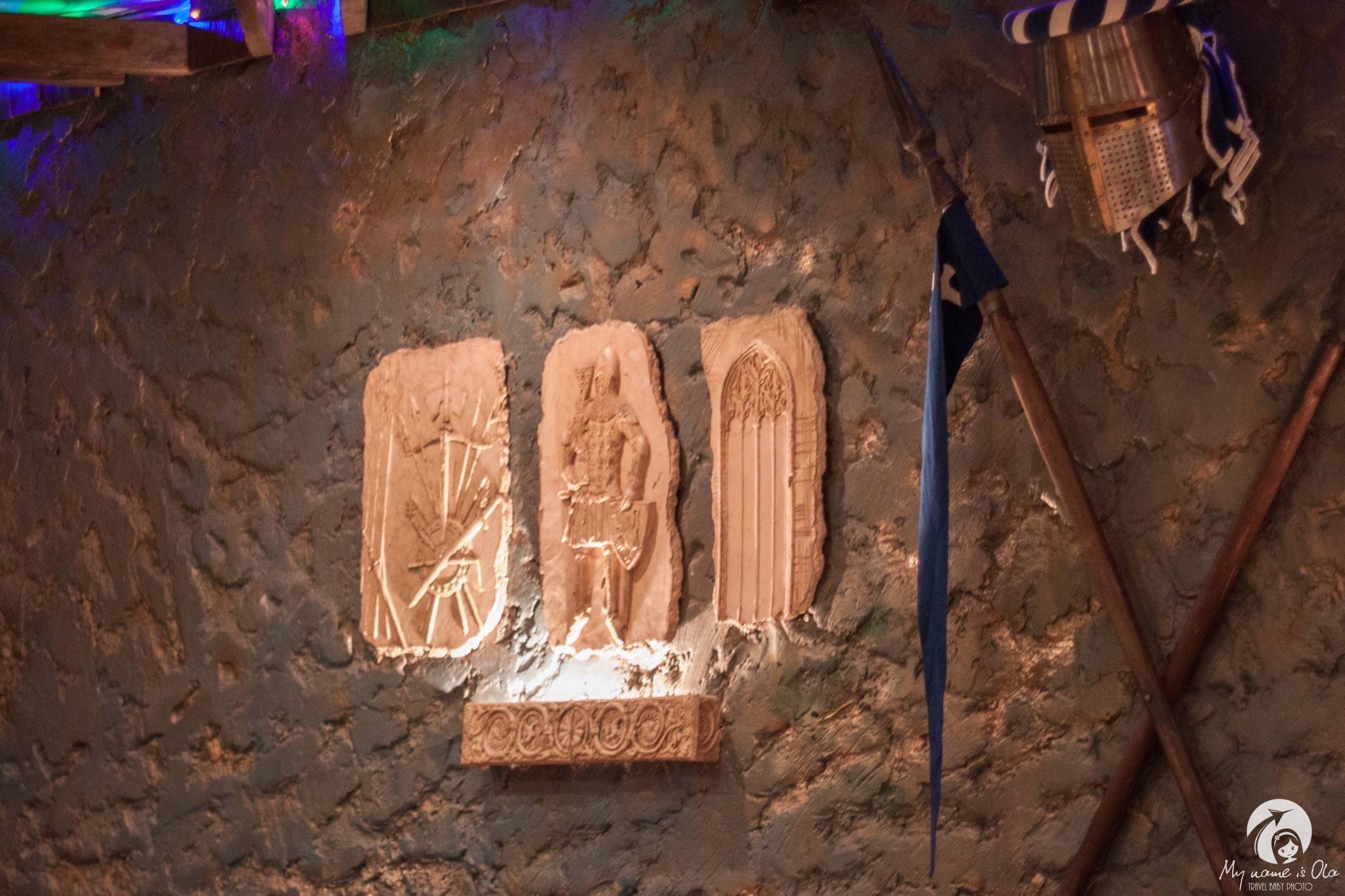
Our first on this trip potato pancakes we tried in the restaurant Kamyanica in the back of Gorky Park in the center of Minsk. It’s a 19th century building brought to Minsk from Nesvizh, small city nearby the capital, a home of beautiful 16th century palace complex inscribed on UNESCO World Heritage List. Interior of Kamyanitsa is decorated with swords and shields, waitresses wear nice costumes and whole place in details is kept in 19th century style. [photosetgrid layout=”5″]KamyanitsaKamyanitsa, MiskKamyanitsa, MinskKamyanitsa, MinskKamyanitsa, Minsk[/photosetgrid]

Potato pancakes we can definitely praise – very good, homemade, fresh and crispy. It’s easy to spoil them but here they managed to keep the quality. And it’s here where we ended up with mushrooms!
Kamyanitsa, MinskSince the kitchen was already closing when we arrived, we couldn’t be to picky when ordering. Out of lenten  dishes (as they call here non-meat options) we could also choose buckwheat and herring stuffed tomatoes. Buckwheat is very often served as an addition to for example meat dishes but also as a dish itself. Herring is another popular in Belarus product, especialy when it comes with a shot of vodka! Kamyanitsa, MinskKamyanitsa, Minsk
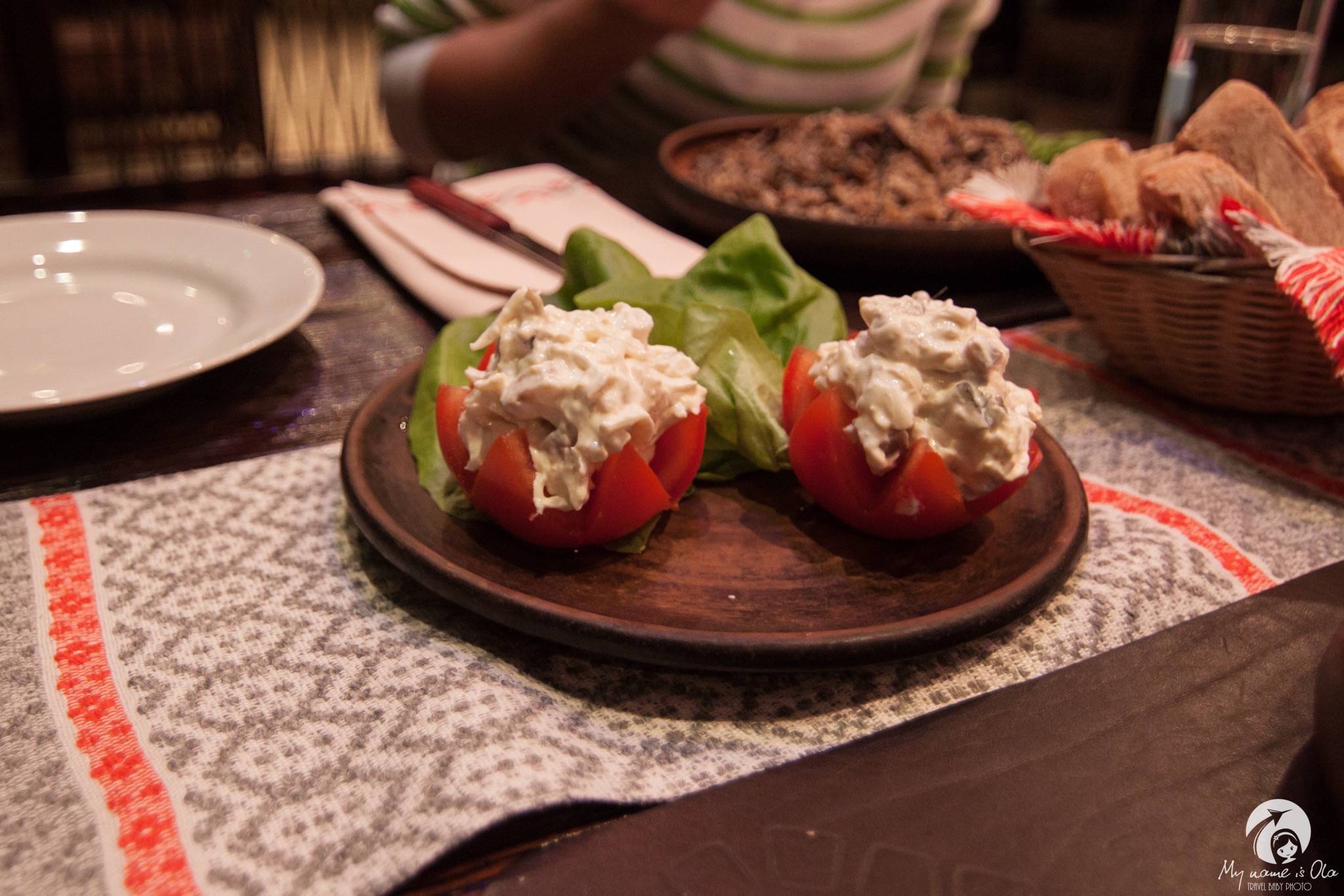
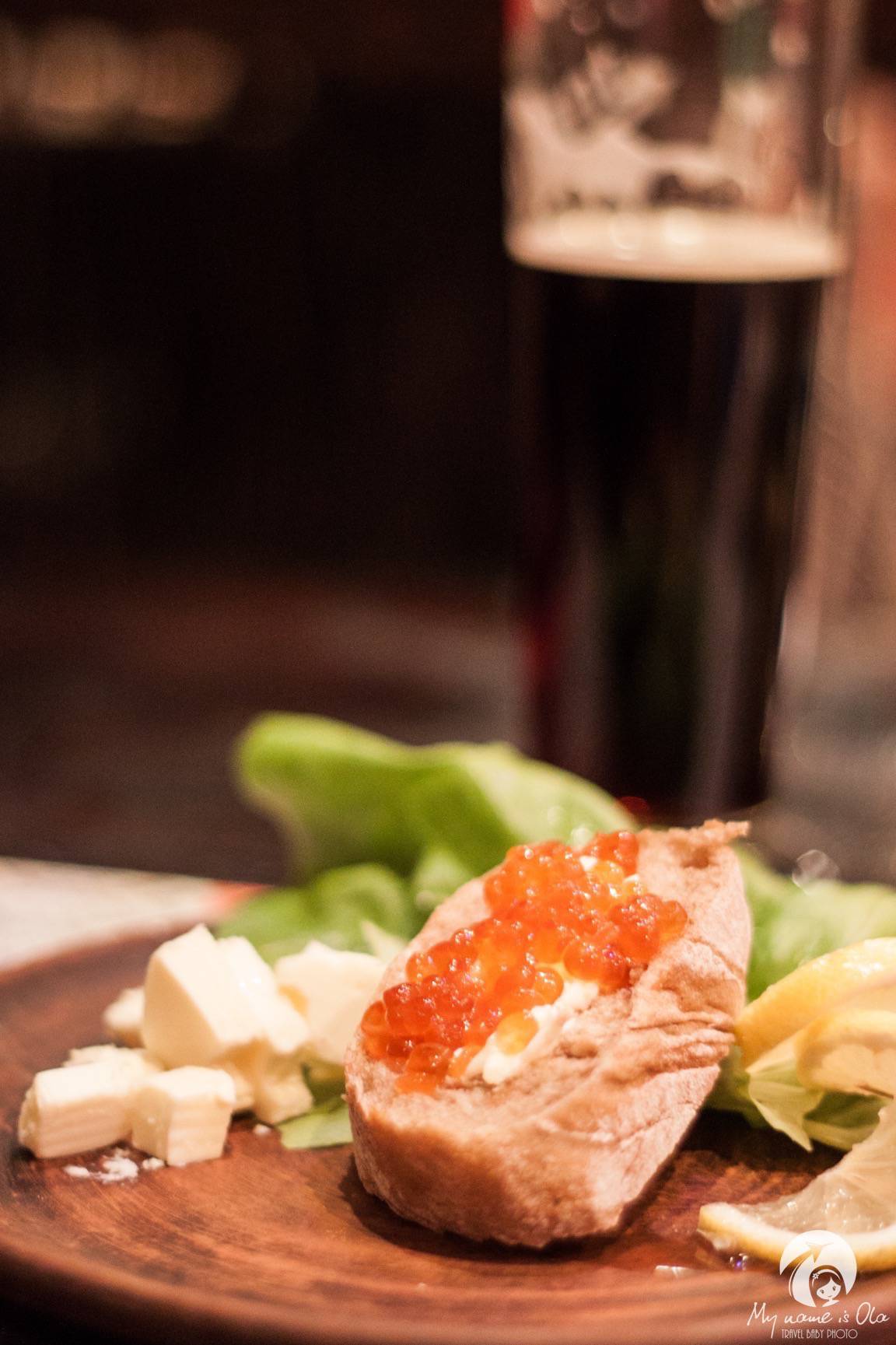
For desert we order a bite of luxury – sandwiches with caviar. It’s popular as a snackfood and it is usually present in local restaurants’ menus. Served as an appetiser, snack, vodka chaser and on our todays dinner – a desert.

[photosetgrid layout=”2″]Kamyanitsa, MinskKamyanitsa, Minsk[/photosetgrid]

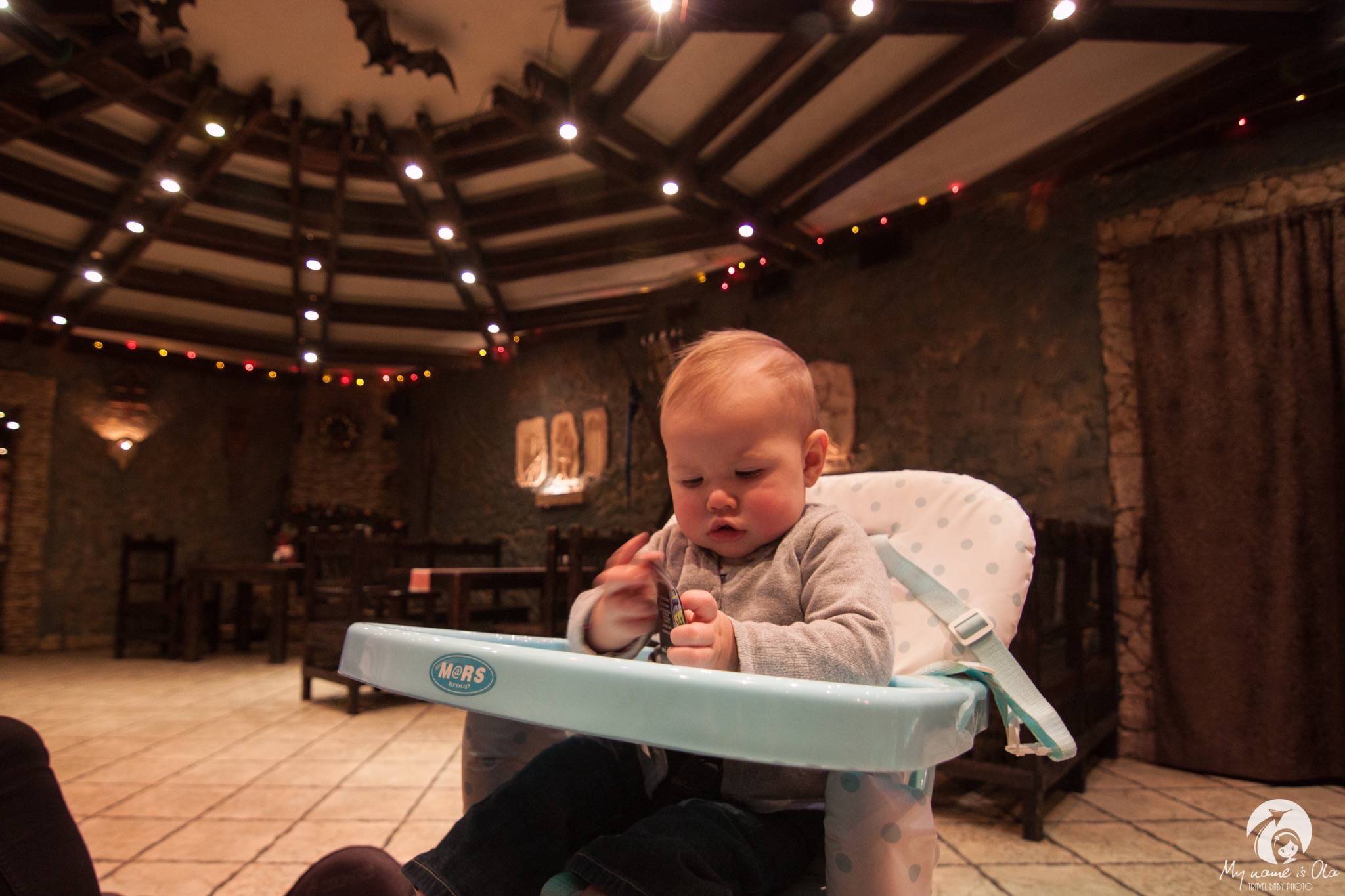
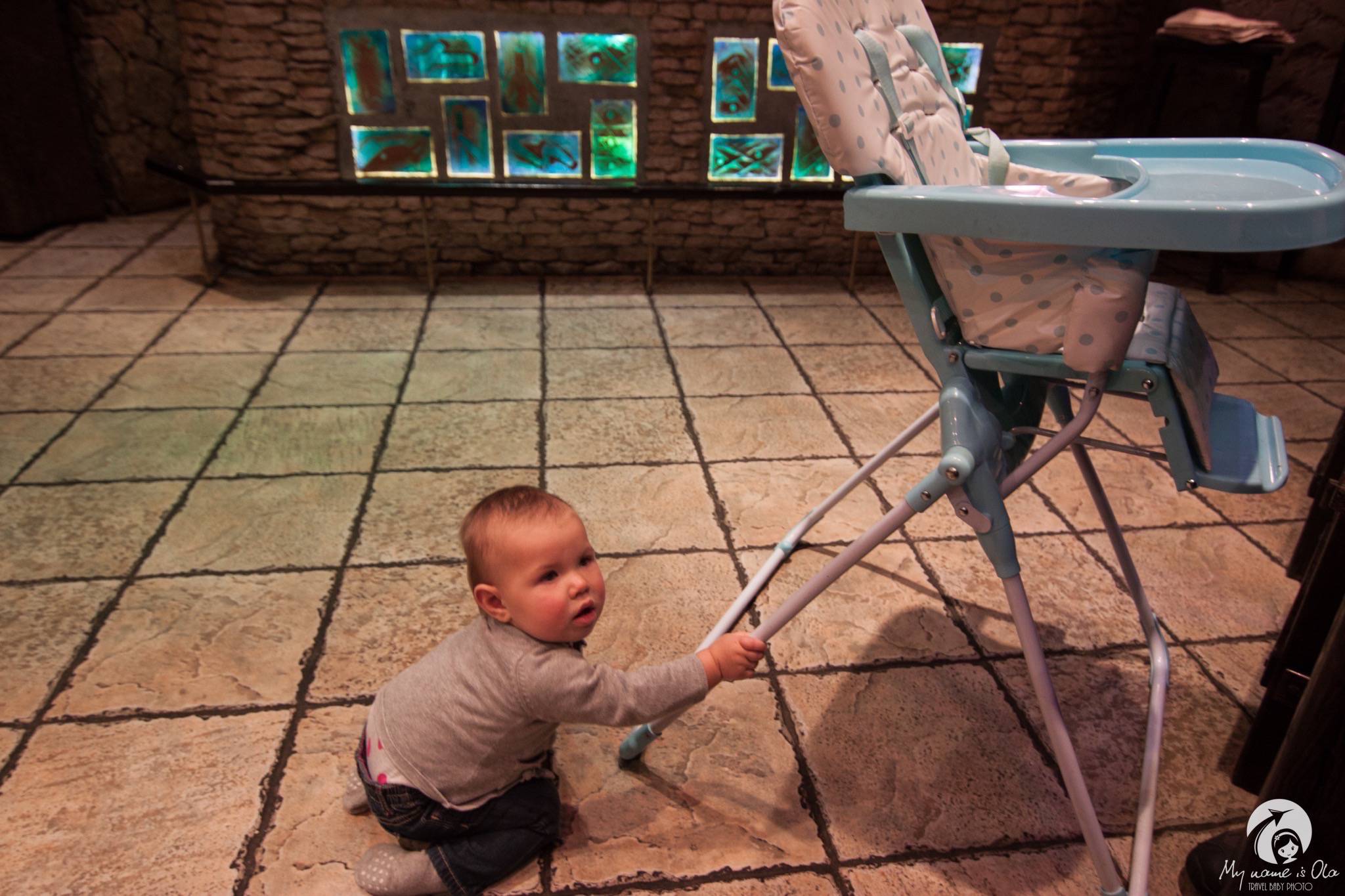
We appreciated the high chair for Ola a lot, even though that after some time she was more interested in it’s underside.

[photosetgrid layout=”2″]Kamyanitsa, MinskKamyanitsa, Minsk[/photosetgrid]

For bigger children they have kids menu with both meat and non-meat dishes.

changechairplaygroundkidsmenu

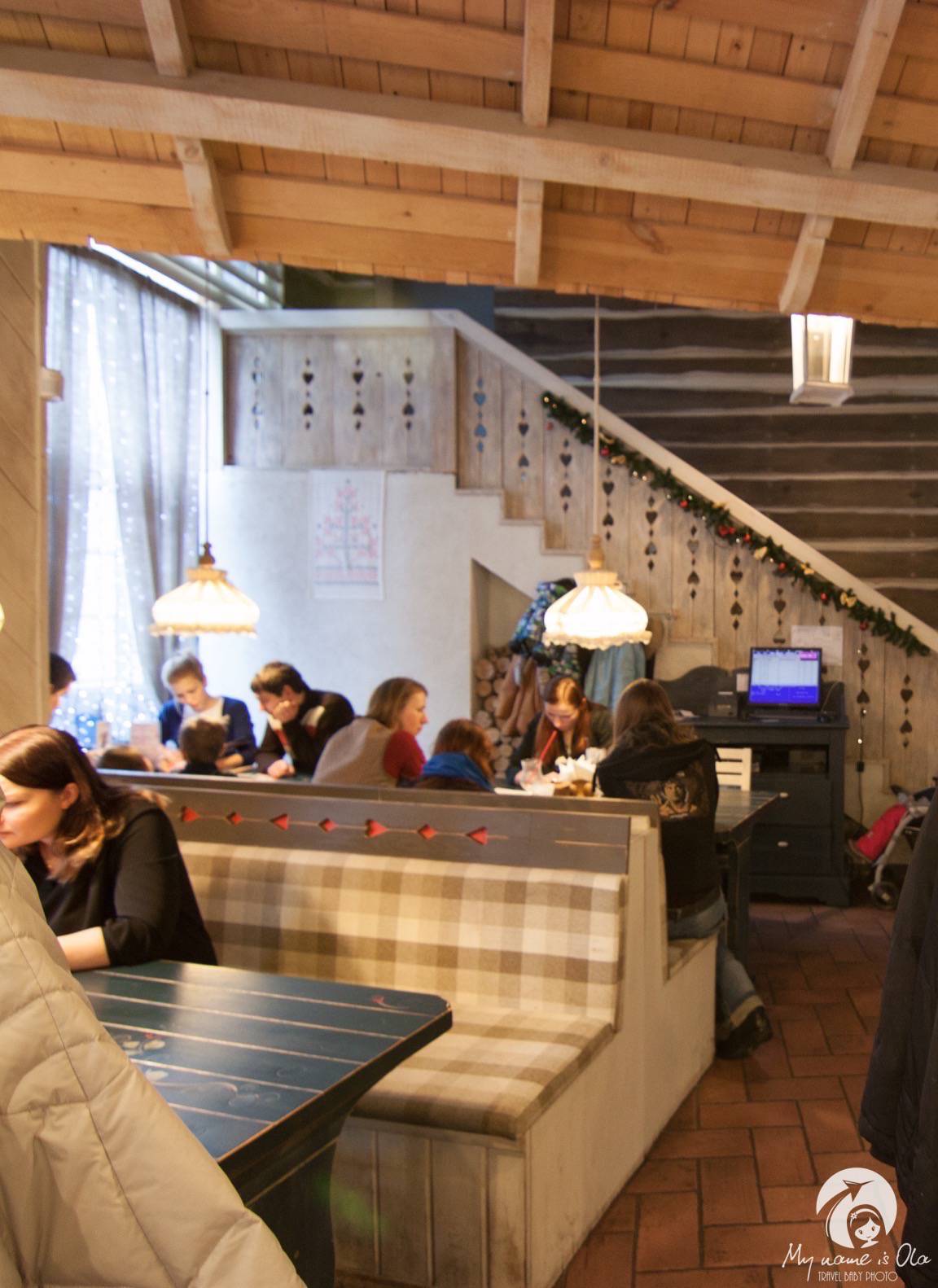
Next day for dinner we tried national cuisine in Vasilki restaurant (cornflours) on Independence Avenue and it turned out it was our another mushroom meal. It seems that mushrooms are usually added to non-meat dishes here. The place is arranged in traditional style; light colors, traditional motives and waiters’ costumes brought to our minds pictures of the idyllic country. Restaurant must be very popular among locals as people kept coming all the time we spent there. That’s probably why they have six restaurnat in the city.Vasilki Restaurant

Vasilki Restaurant Vasilki Restaurant

Place offers not only national quisine but also various meals of generaly eastern origin however some western style food is also present in the menu. Pictures of dishes allow easily decide what to choose. Baby high char was avaliable so Ola could eat her dinner comfortably. Only at the end she decided to go out of it to check what she can get from the table.Vasilki, Minsk

We ordered a frying pan of eggs and pickled cucumbers, potatos and of course fried mushrooms. Nothing special but tasty and warm. Vasilki Restaurant

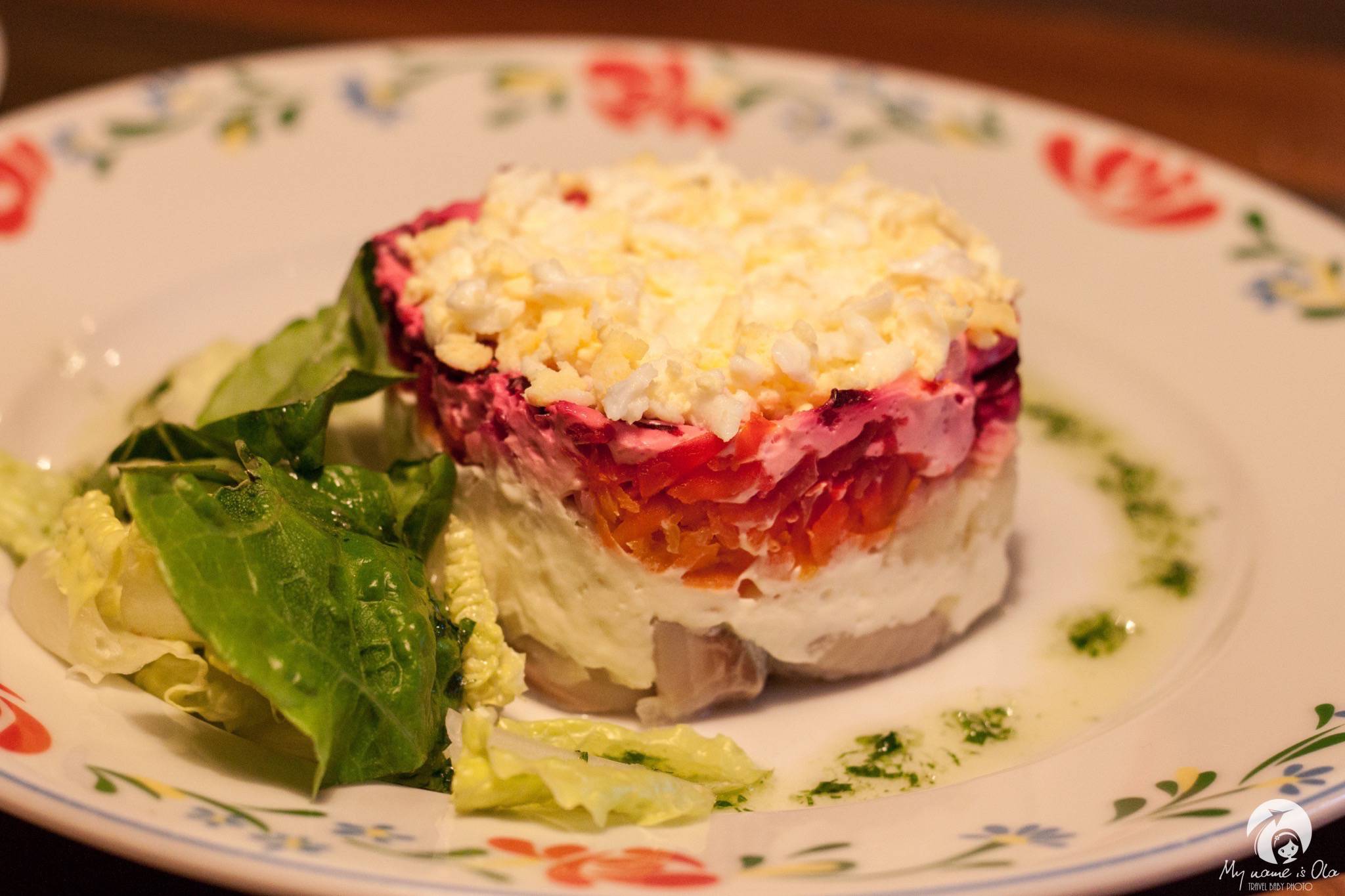
An interesting eastern compsition is a kind of salad – herring under a coat. It’s layered sequentially: herring, boiled potatos, carrots, beetroots and shreded eggs on top. All of them covered by thin coat of mayo. When ordering any kind of salad in Belarus make sure to have something more as salads are really tiny there!

Vasilki Restaurant

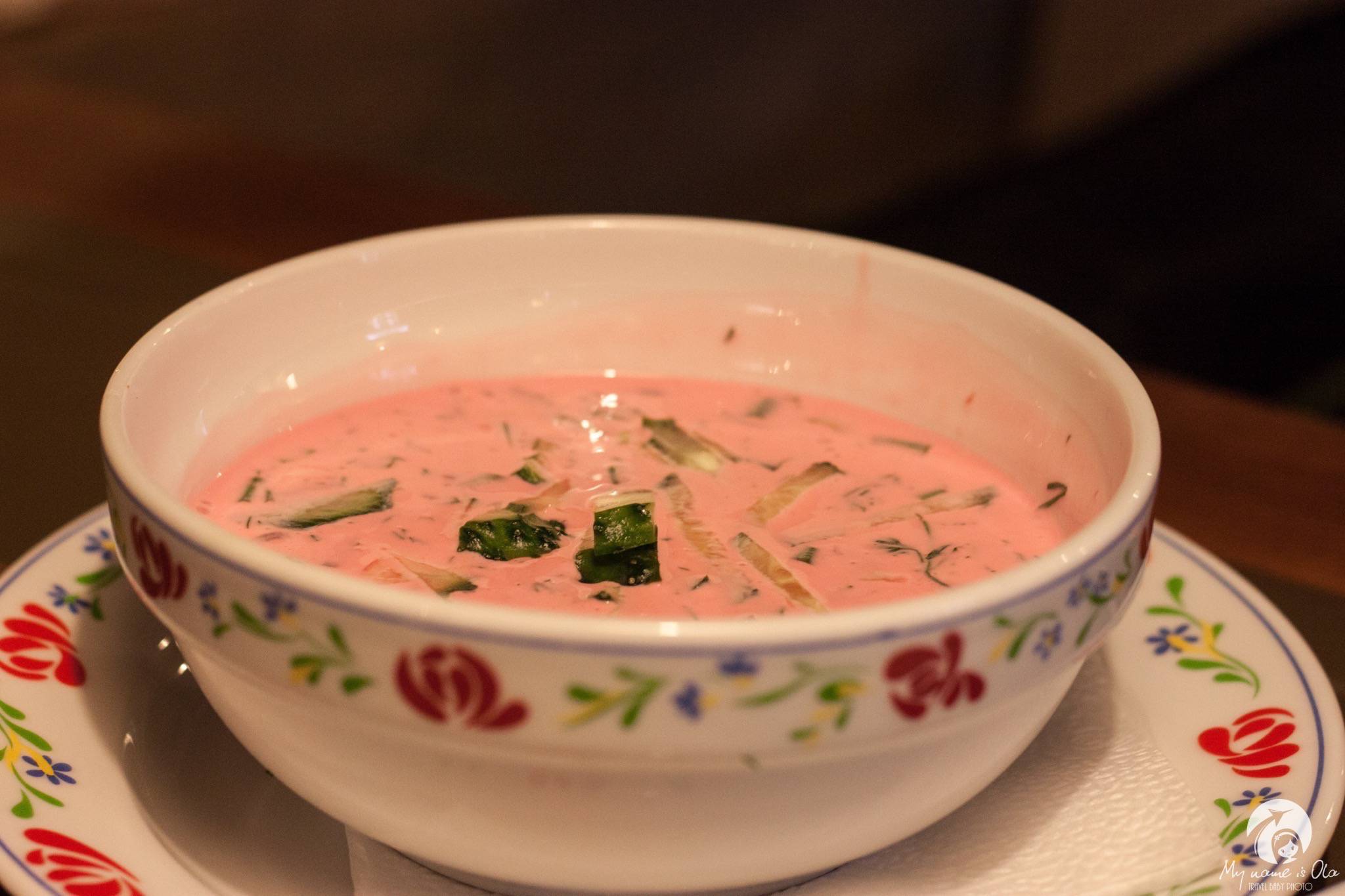
Although the weather was crazy cold Dad ordered popular in eastern Europe cooling soup – a mix of beetroots and milk drinks like sour cream, joughurt or buttermilk. By the way when being in Belarus make sure to try some of those dairy products. They are totaly different than the ones produced by western companies, they are smooth and delicious.Vasilki Restaurant

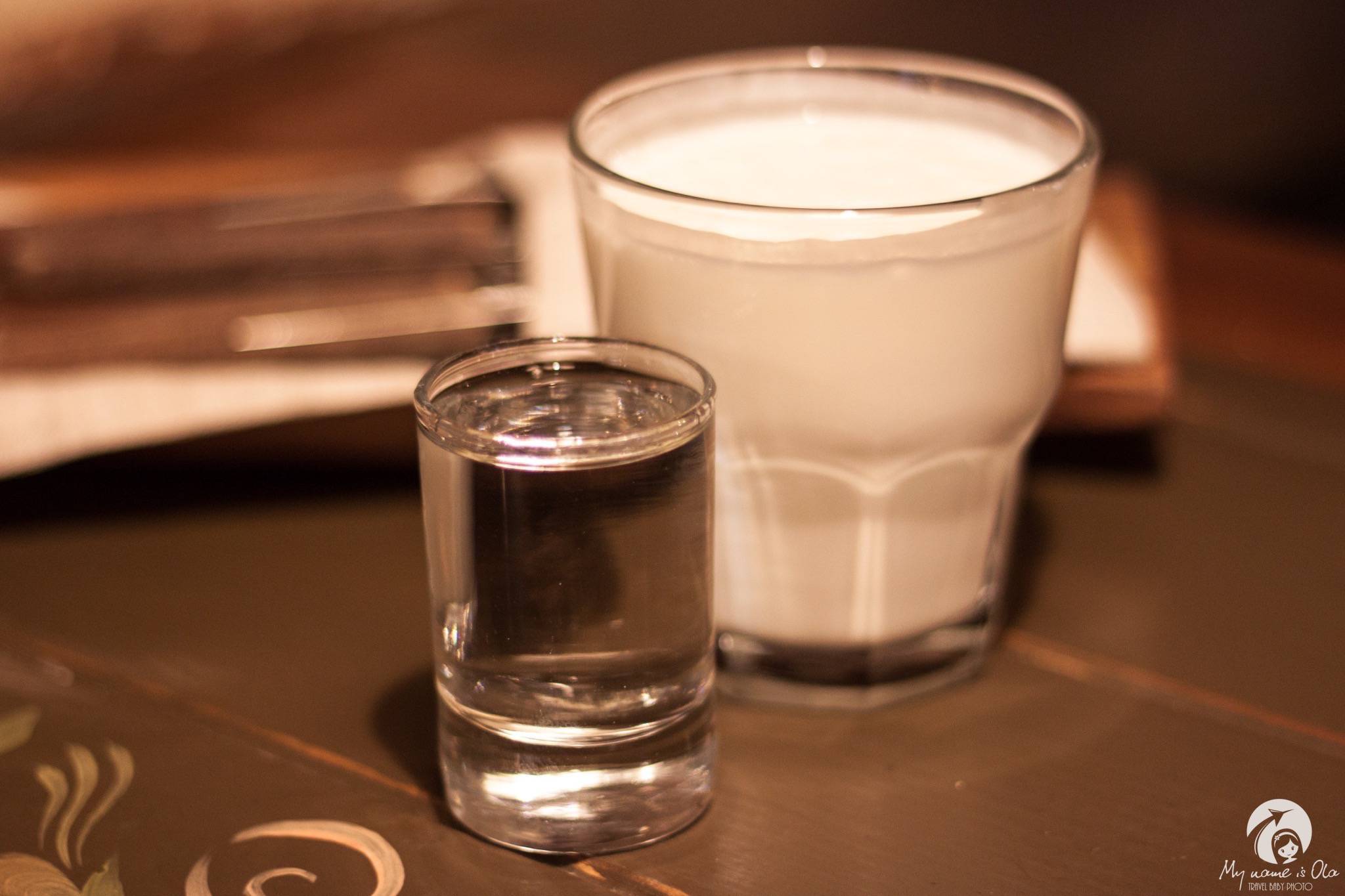
So then it was necessary to warm up! Vasilki, Minskchangechairplaygroundkidsmenu

Vodka is a special product in Belarus, it’s highly consumed and its price is very important for Belarusians and for whole economy. Within last 2 – 3 years it doubled its price. Other products prices rose as well but it was vodkas cost that has been the most widely commented, also abroad.

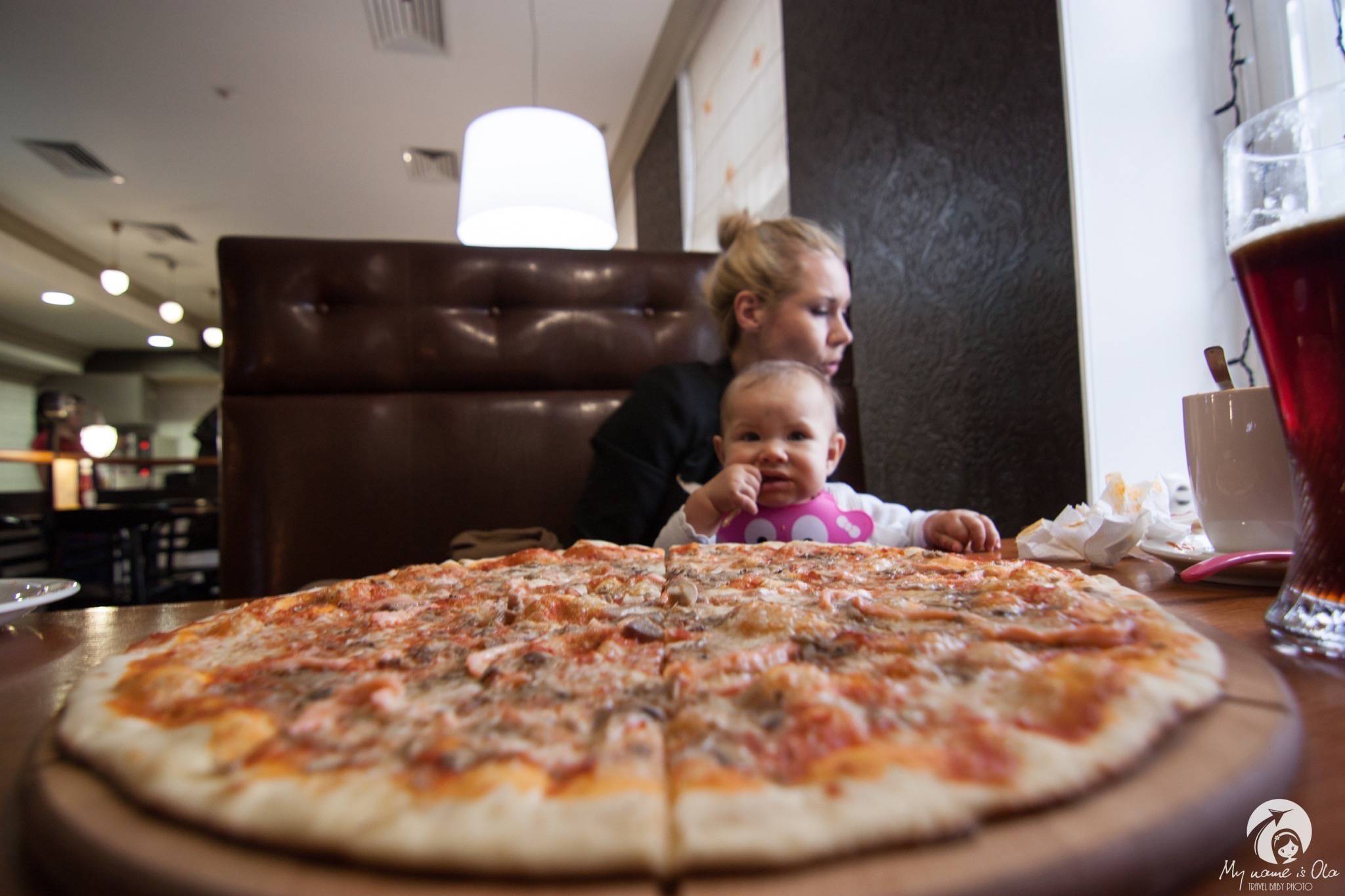
To keep the truth we have to say that Minsk is full of sushi bars, pizza restaurants and so on. Those different cuisines must be very popular in the city. Just before leaving we visited one of local chains – Planeta Pizza. Modern decor inside, all age guests around, almost no free tables. Unfortunately no high chair. It wasn’t easy to deal without it but we made it. Not without getting dirty all over. Pizza was quite good, different dough thicknesses available, rich variety of types to choose.

Planeta Pizza, Minsk

Planeta Pizza, Minsk

Place offers wide selection of other than pizza dishes as well. What made us smile was the stamp. Belarusians like stamping all the pricelists. Only menu with round stamp seems to be valid. In such modern restaurant we didn’t expect to see this custom it but here it is:
Planeta Pizza, MinskPlaneta Pizza, MinskIf you get tired by national Belarusian cuisine Planeta Pizza is a good place to step in. Oh, and make sure to try kvass – another typically eastern drink. It’s made of fermented bread, contains very little alcohol – look for it in section of non-alcoholic beverages. It perfect for thirst. Probably all the restaurants have it on their menus. In medieval times it was a beverage popular accross whole Europe but today is characteristic for Russia, Ukraine and Belarus.
changechairplaygroundkidsmenu

Blog

Belgrad in our eyes

11/12/2014 — by Magdalena Kuźma0

Belgrad3-960x640.jpg

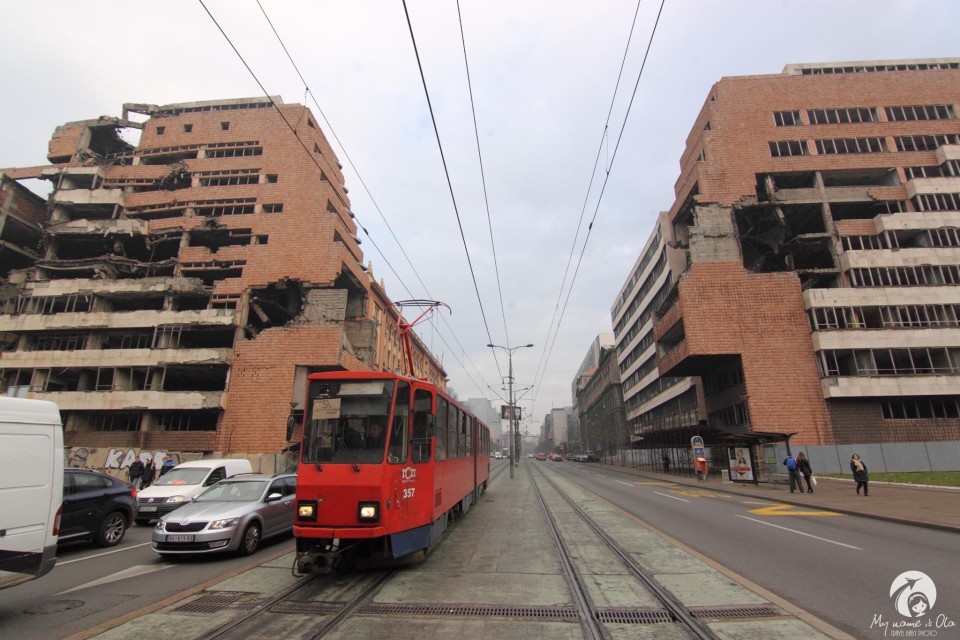
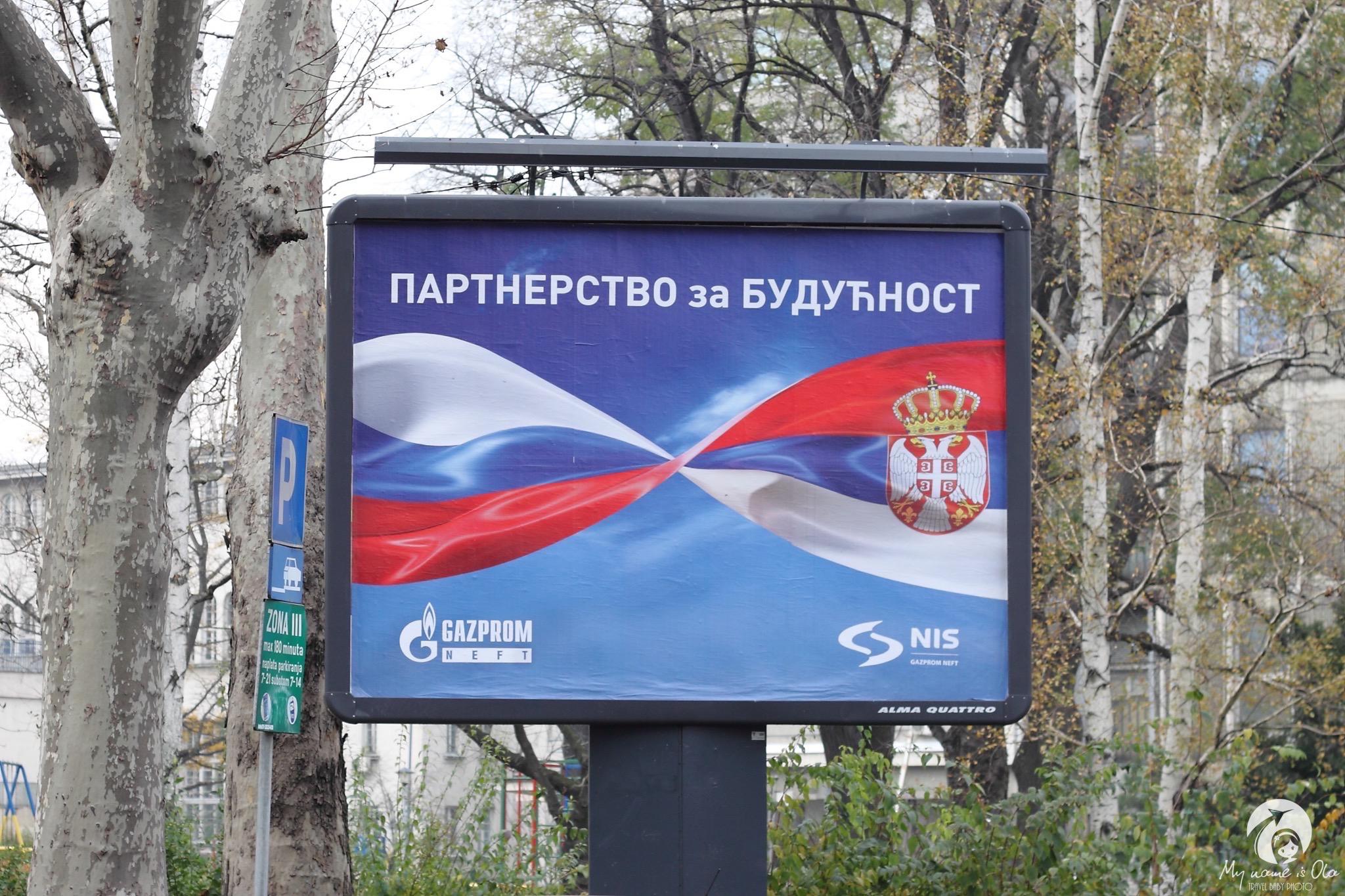
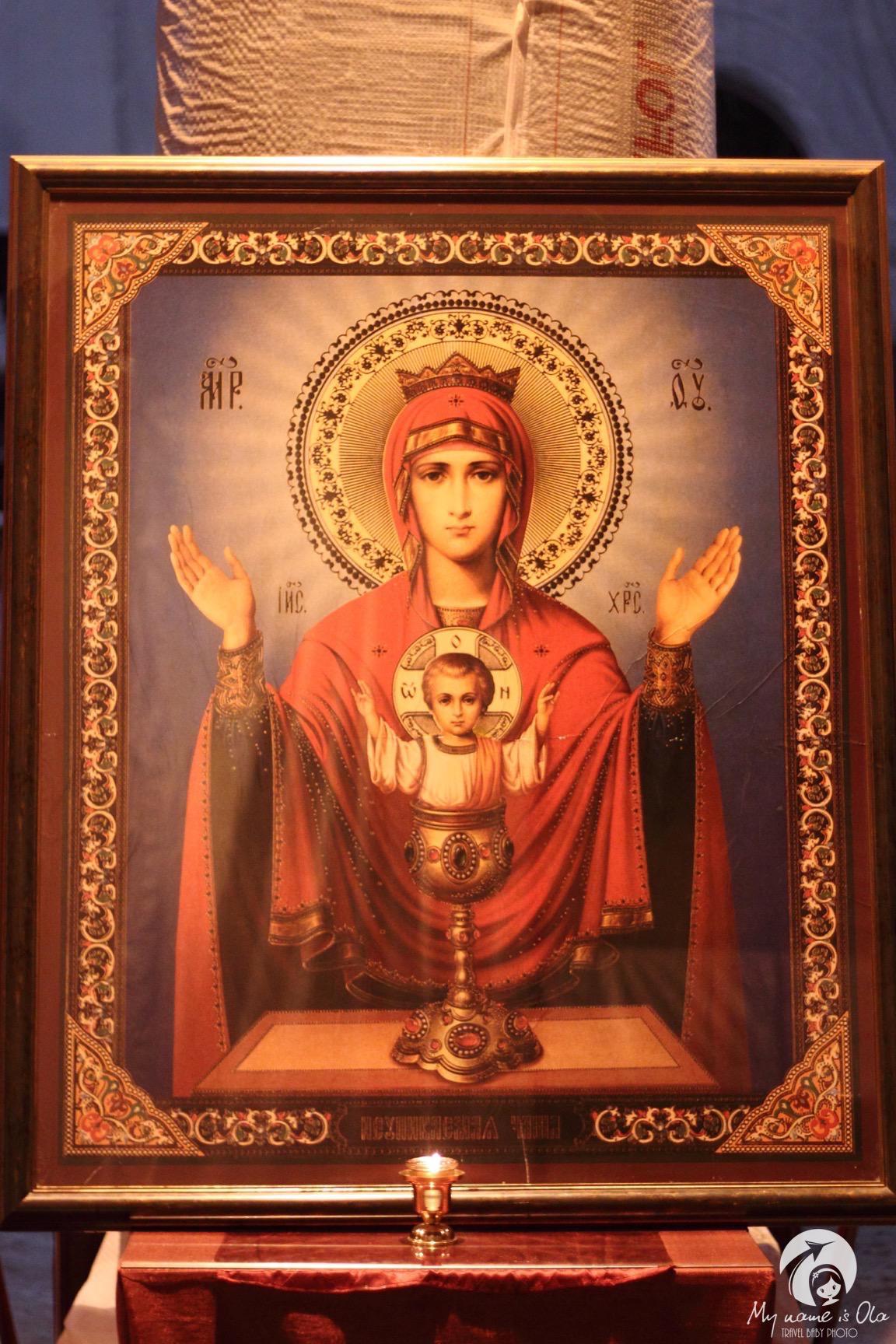
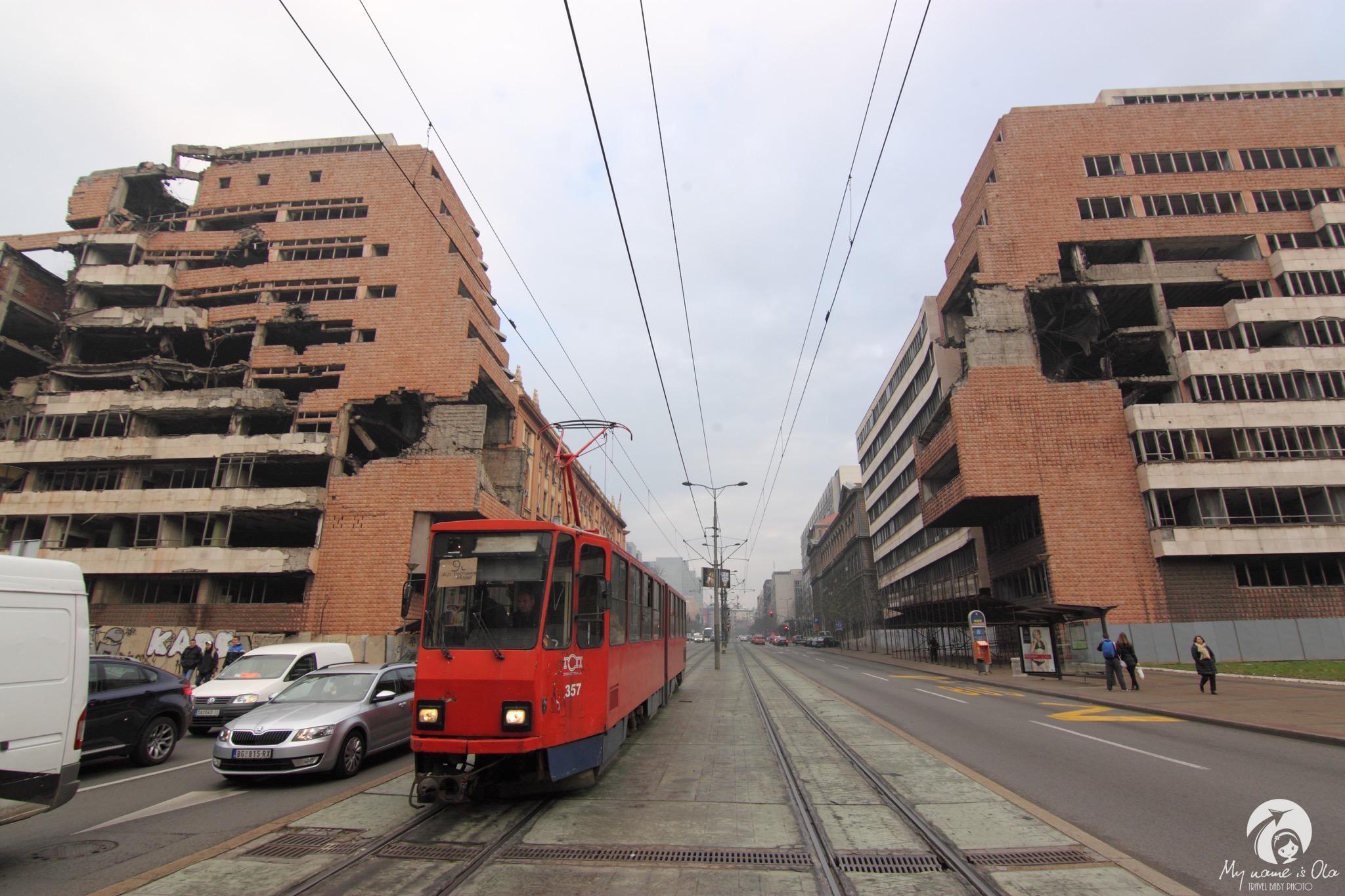
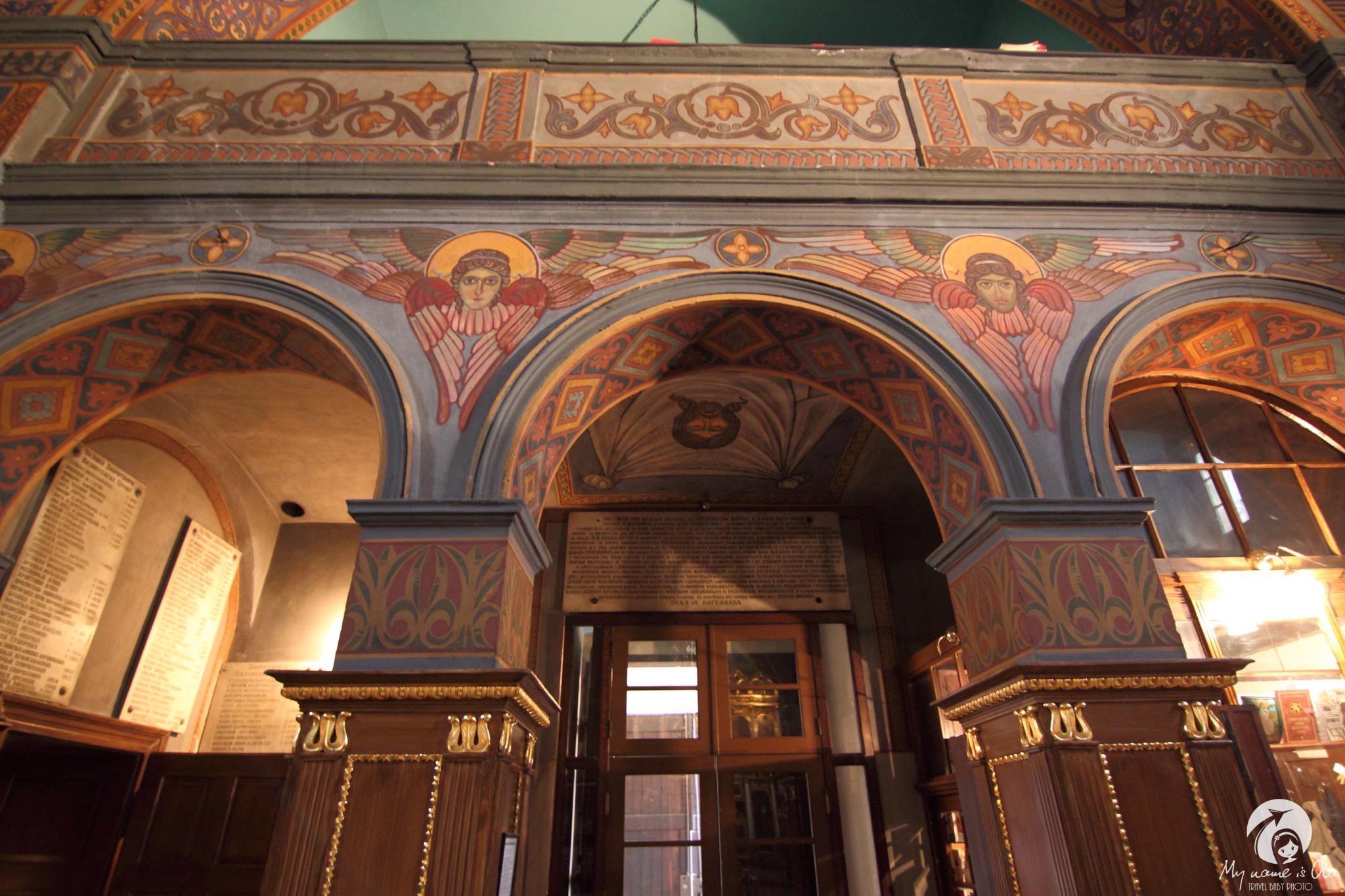
We visited Belgrad on our way back from some other trip. It was short time that we spent in the city but it was enough to get the impression of the city character. Its beauty deserves some more time to be spent there so we are adding Belgrad to the list of the places want to come back to some time.

[photosetgrid layout=”243434″]Belgrad, SerbiaBelgrad, SerbiaBelgrad, SerbiaBelgrad, SerbiaBelgrad, SerbiaBelgrad, SerbiaBelgrad, SerbiaBelgrad, SerbiaBelgrad, SerbiaBelgrad, SerbiaBelgrad, SerbiaBelgrad, SerbiaBelgrad, SerbiaBelgrad, SerbiaBelgrad, SerbiaBelgrad, SerbiaBelgrad, SerbiaBelgrad, SerbiaBelgrad, SerbiaBelgrad, Serbia[/photosetgrid]

Blog

5 curiosities we came across in Oman

10/12/2014 — by Magdalena Kuźma0

Oman133-960x640.jpg

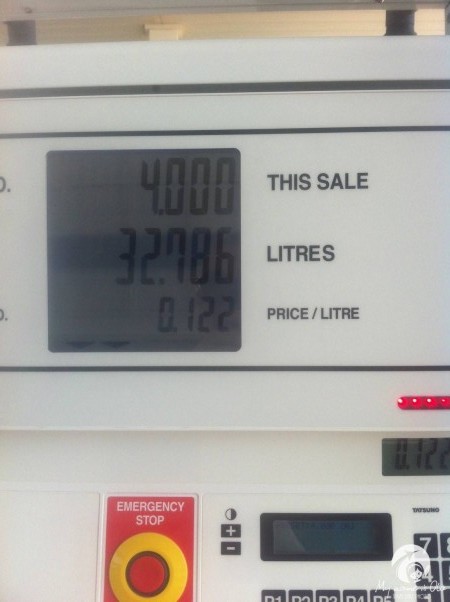
1. As Europeans we are used to complaining about high level of gas prices. In Oman we felt like in gas heaven (where we actually were!). We knew that gas was cheap in the Gulf area but imagine only that for 9 euro we ot almost full tank! Exactly 33 liters for 9 euro. That is even cheaper than water!
Useful information: they do not accept credit cards on gas stations in Oman so always be prepared to pay cash.Oman

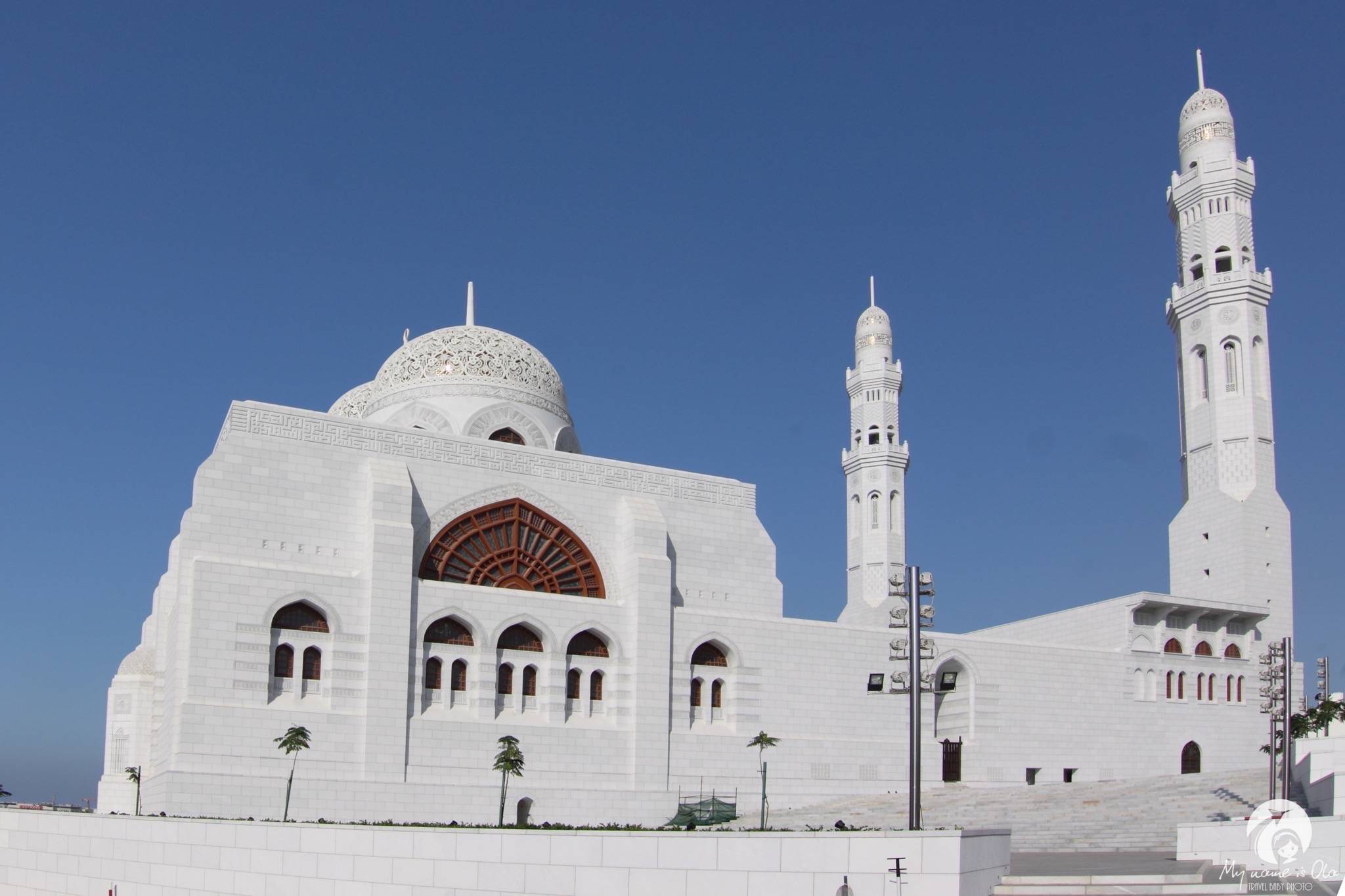
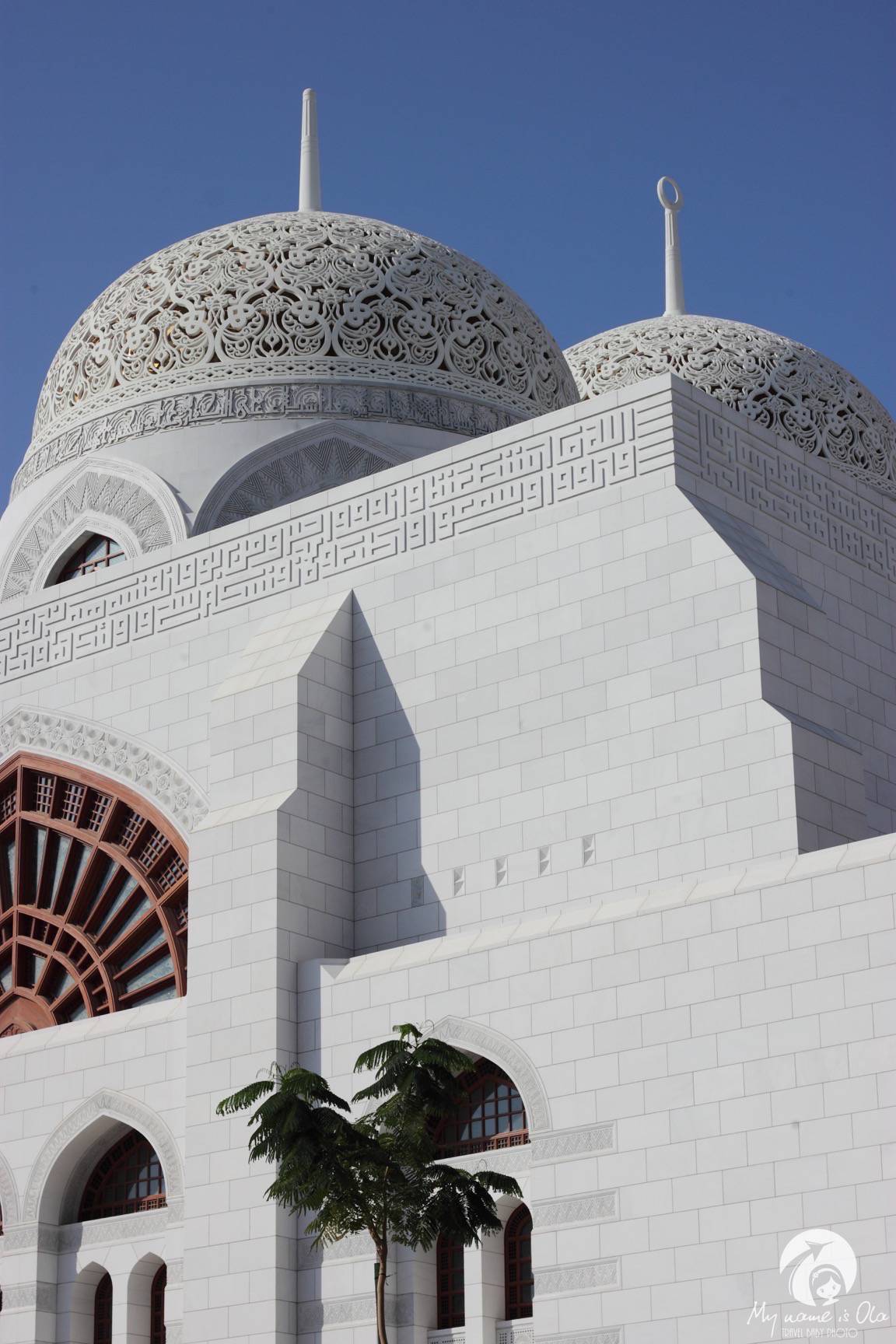
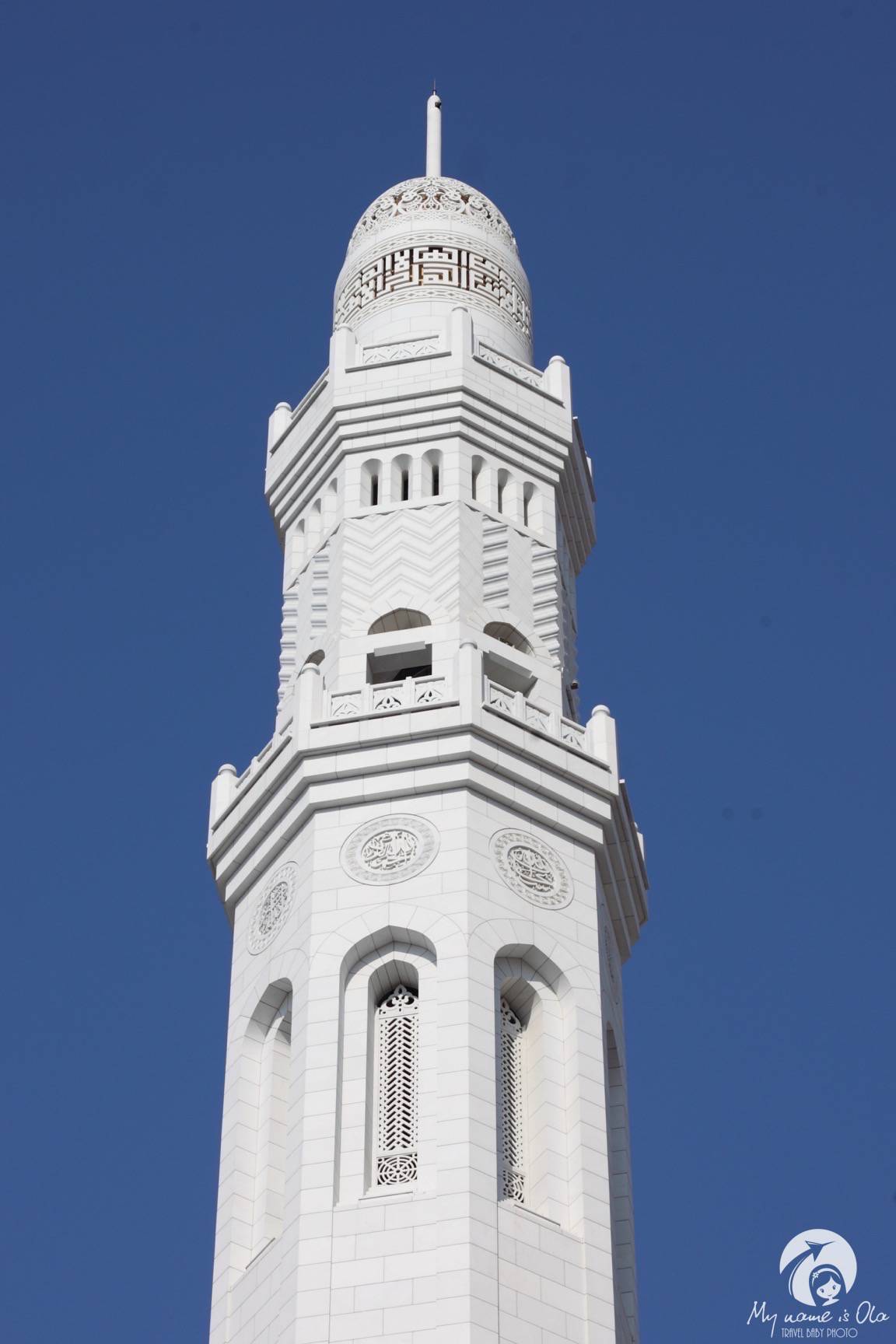
2. The thing that made us smile was a solution used in Mohammed Al Ameen Mosque (Bahawan Mosque) in Muscat. Mosque itself – a piece of art. Built of snow-white stone, crowned with phenomenal lace like domes. Since we arrived there outside visiting hours, we had to use stuff courtesy to visit the interior. So only mom was let inside to see the female praying room. And there it was – the women wanting to participate in service have to watch it on tv. There are couple flat screen tv’s set against the wall and this is how women follow the servise. We haven’t seen such thing never before, it has always been a windowh through which women looked at the main prayers hall. Is it single case or popular solution, we don’t know. Good or bad, it’s not us to judge. It just made us smile how modern technology can serve tradition.

[photosetgrid layout=”5″]Mohammed Al Ameen Mosque OmanMohammed Al Ameen Mosque OmanMohammed Al Ameen Mosque OmanMohammed Al Ameen Mosque OmanMohammed Al Ameen Mosque Oman[/photosetgrid]

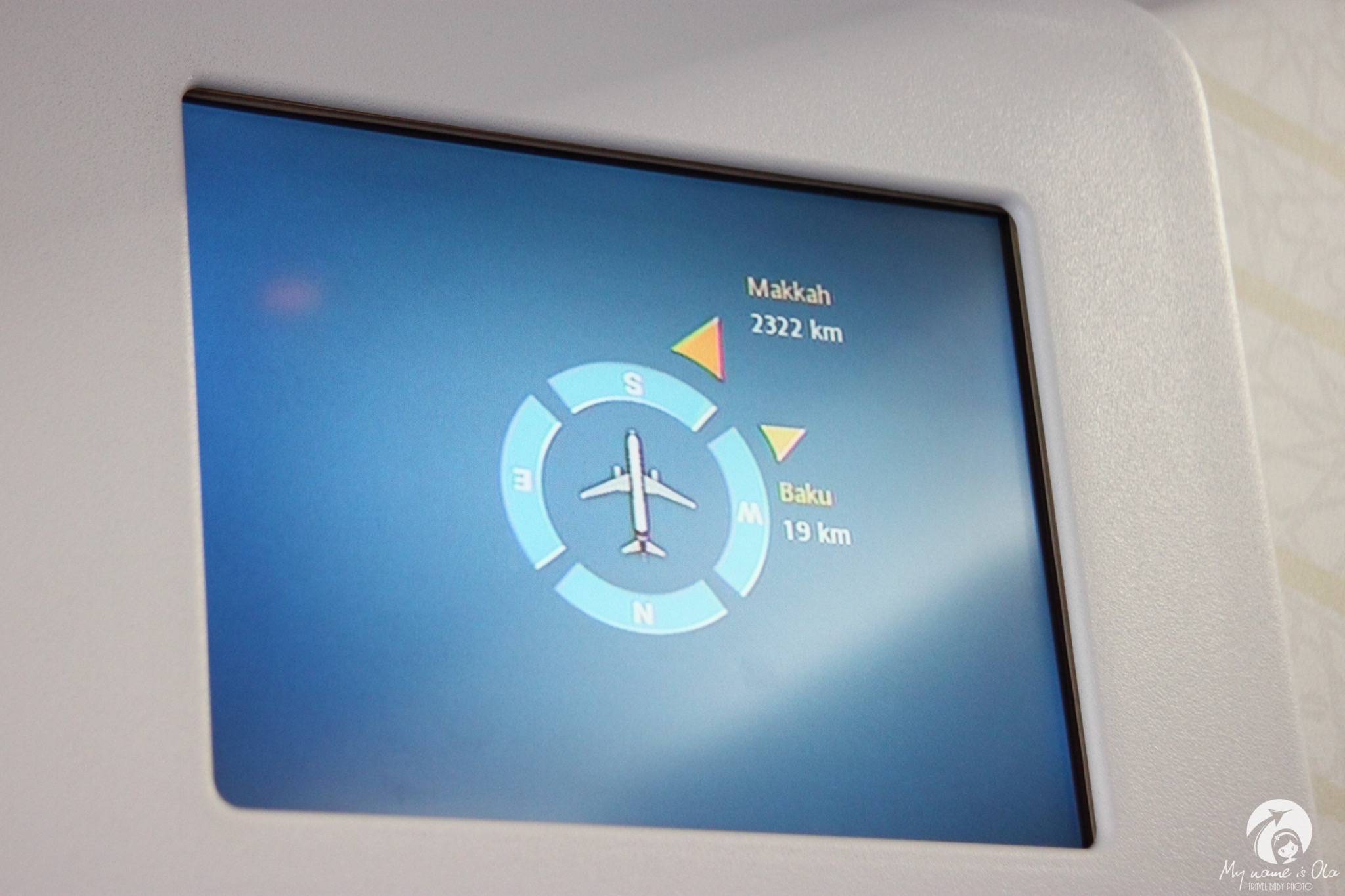
3. In muslim countries the most important information throughout the day and in any place is the direction of Mecca. The religion requires its followers to do the pray 5 times a day towards the Holy City. Public places provide such information for the convenience of believers. On board of Arabic airlines the direction is presented on the screens and Holly Quran is avaliable in flight entertainment system.

[photosetgrid layout=”2″]OmanOman

[/photosetgrid]

Hotel rooms have those litte signs in the corners, on the ceiling or on the desks. Whoever is looking for it will find it, all the others might not even notice.

Oman

What is more for the comfort of their guests hotels equip the rooms with prayer rug and the Holly Quran. The prayer rug in Arabic is called sajjada or musallah. It’s not necessary to do the pray but it must be appreciated when it’s found the room.

Oman

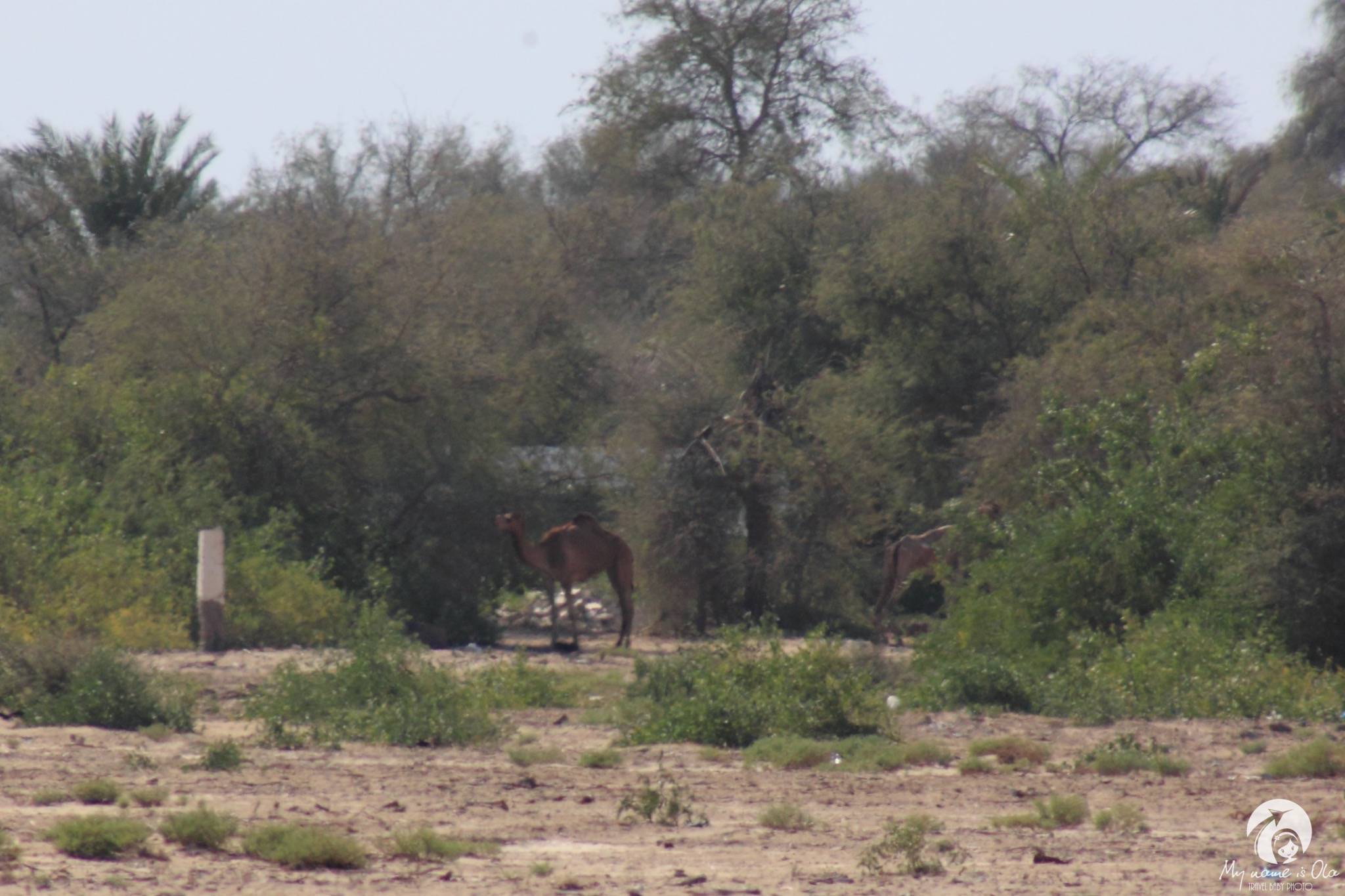
4. Oman is a natural habitat for camels and their breeding has long tradition there. Those animals have accompanied Omanis for ages. Even today they are kept on farms or trained for races. Although there are no longer wild camels in this area we should beware of them on the road.

Oman

Passing this sign we of course thought that it probably doesn’t happen any more to see the camel crossing the road. In the same moment we saw a couple in the bushes.

Oman

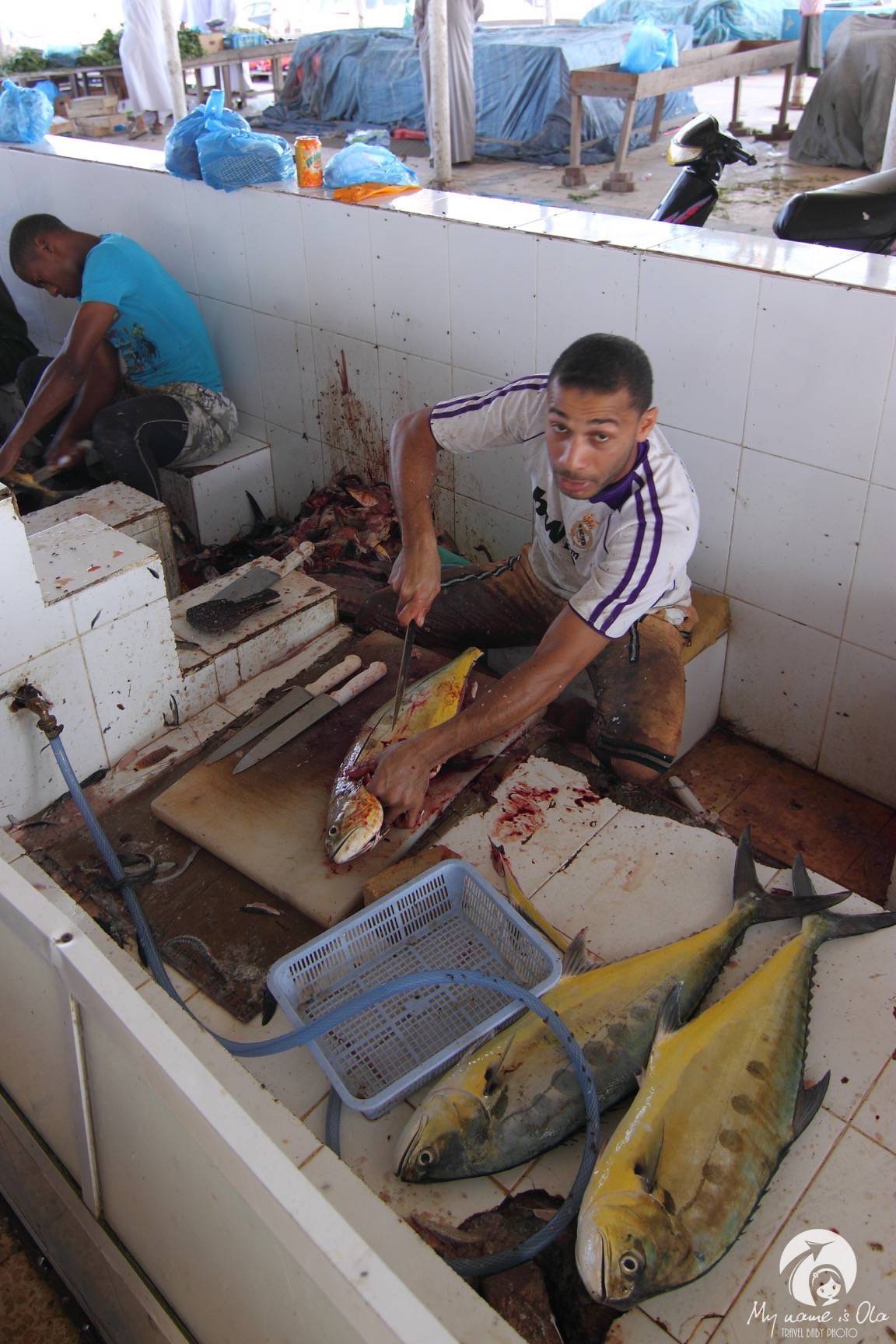
5. The most true and authentic place we visited in Oman was a fish market in Barka village. The place we found by chance amazed us by huge variety of fish. All of them freshly caught, freshly gutted, being bought by locals. We were the only tourists there. All the others were Omanis doing they everyday shopping.

[photosetgrid layout=”253″]Fish market in Barka, OmanFish market in Barka, OmanFish market in Barka, OmanFish market in Barka, OmanFish market in Barka, OmanFish market in Barka, OmanFish market in Barka, OmanFish market in Barka, OmanFish market in Barka, OmanFish market in Barka, Oman[/photosetgrid]

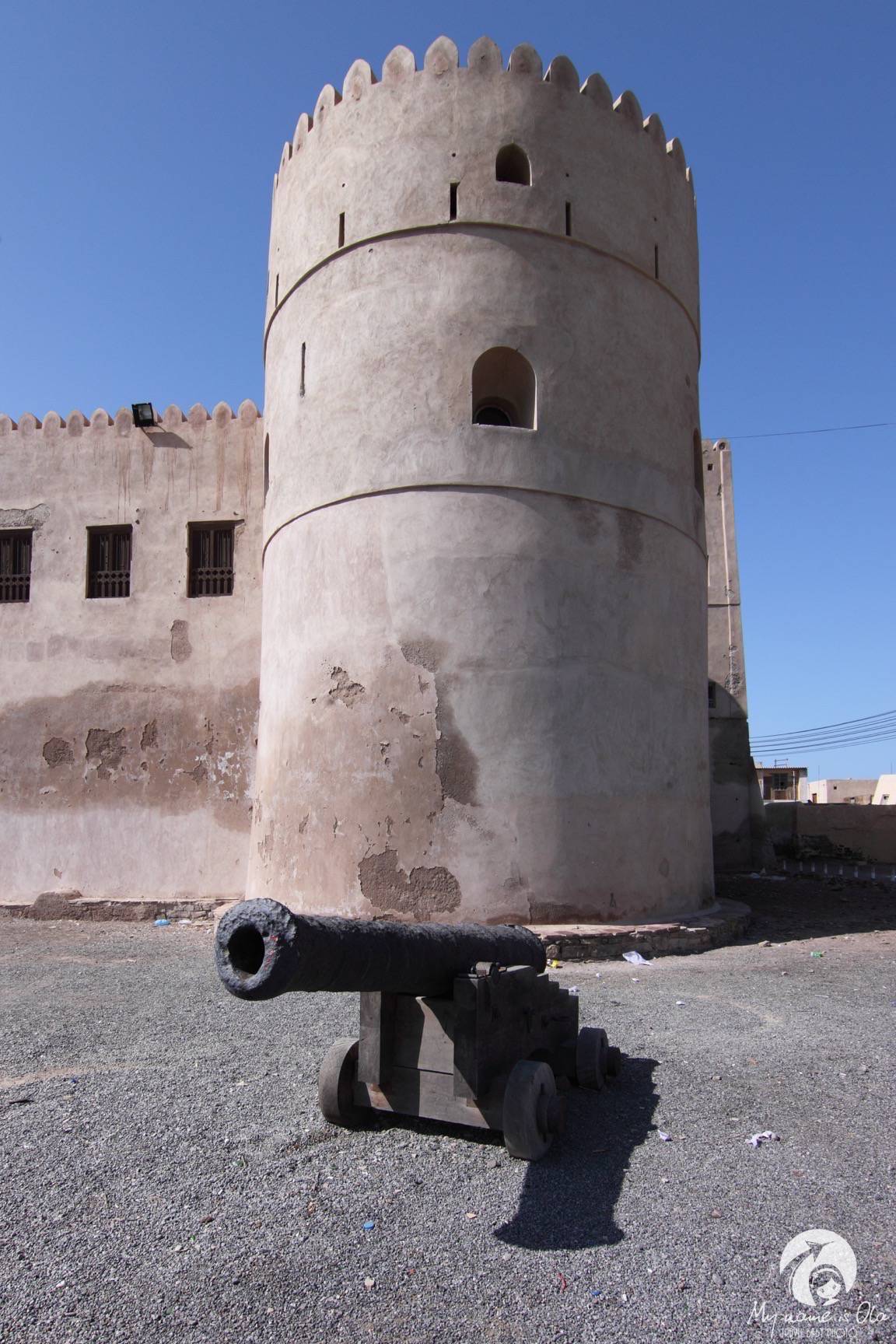
Besides the market there is also 17-18th century fort in Barka. The unique feature is octagonal tower in the back, in addition to other regular round towers.

[photosetgrid layout=”12″]Barka, OmanBarka, OmanBarka, Oman

[/photosetgrid]
Blog

What Omanis do on holidays – ocean beach and Wadi Shab

10/12/2014 — by Magdalena Kuźma0

Oman70-960x640.jpg

That was one of the sunny November days when we decided to visit Omani beach. After all we are at the Indian Ocean for the first time in our lives, especialy Ola. We went to the beach that was supposed to be one of the best in the area. We werent sure if we found the right place as the beach was completely empty. Some stones at the beach but sand right at the water seemed to be perfect conditions to enjoy the ocean. Intimidated by absence of other people we decided to swim anyway.[photosetgrid layout=”13″]Omani beachOlaOlaOla

[/photosetgrid]When we saw first people – probably Pakistan family walking along the shore, mom was happy she wore a t-shirt over bikini for swimming. Althought they kept the distance it was good the t-shirt was there as bikinis are not accepted in local culture at all.

But where is everybody? This is a day off, a public holiday, Oman National Day and there is nobody at the beach? As sun was shining straight in our heads, the heat was getting stronger and stronger, we decided to move on. Maybe that’s why there’s noboy here… We got to the car and took a ride through Omani villages. And suddenly we found an answer to our question when we got stuck in the traffic jam in one of the little villages. We found everybody heading to the water among the desert mountains.[photosetgrid layout=”2″]OmanWadi Shab, Oman

[/photosetgrid]
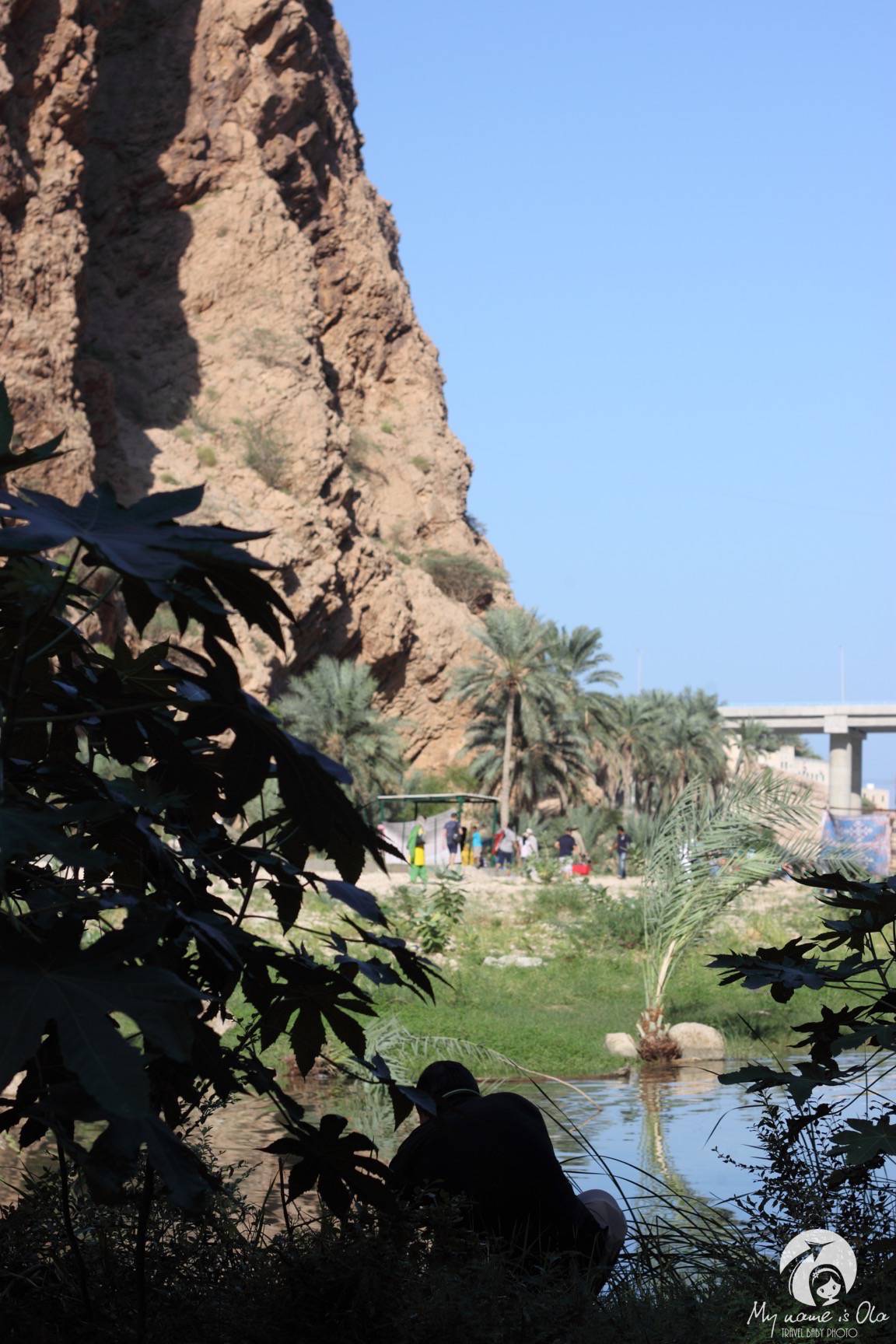
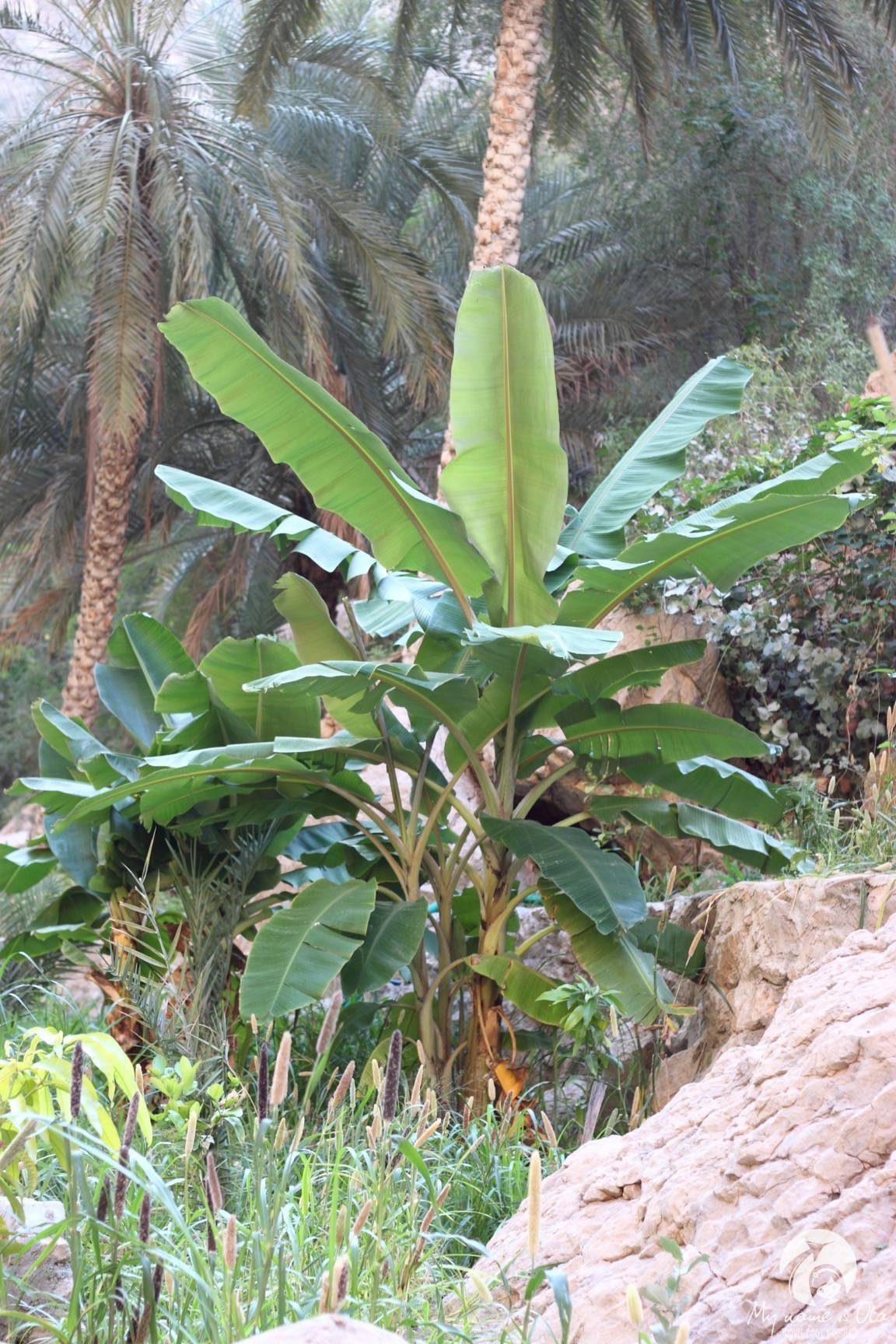
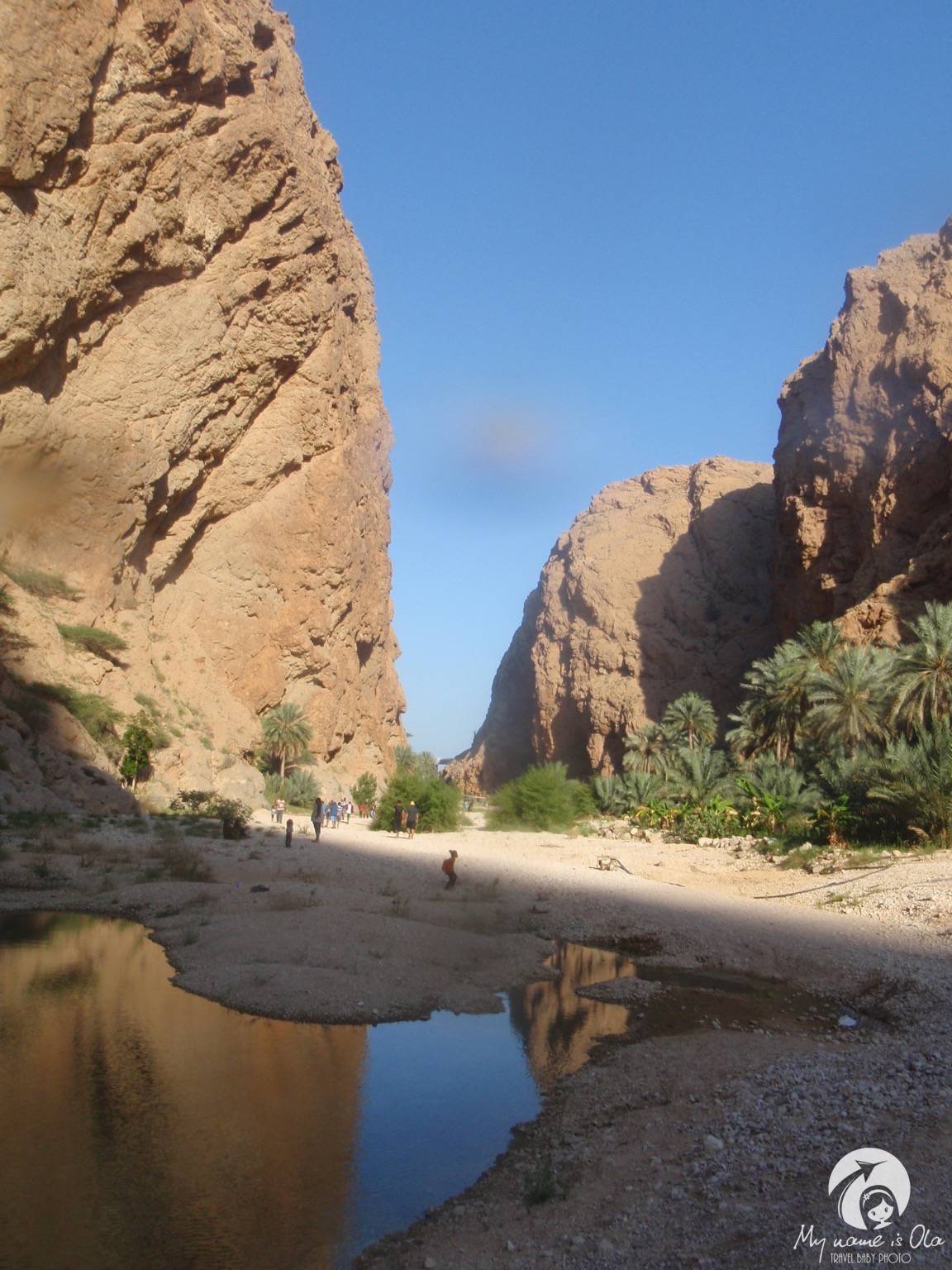
So that was that famous Wadi Shab. Wadi is a general name for a valley in the desert usually with periodicaly appearing fresh water. Wadis are popular places for growing plants like bananas, mango or palm. It’s a green oasis contrasting with the desert mountains around. Wadi Shab and Wadi Tivi are the most popular wadis in this area.

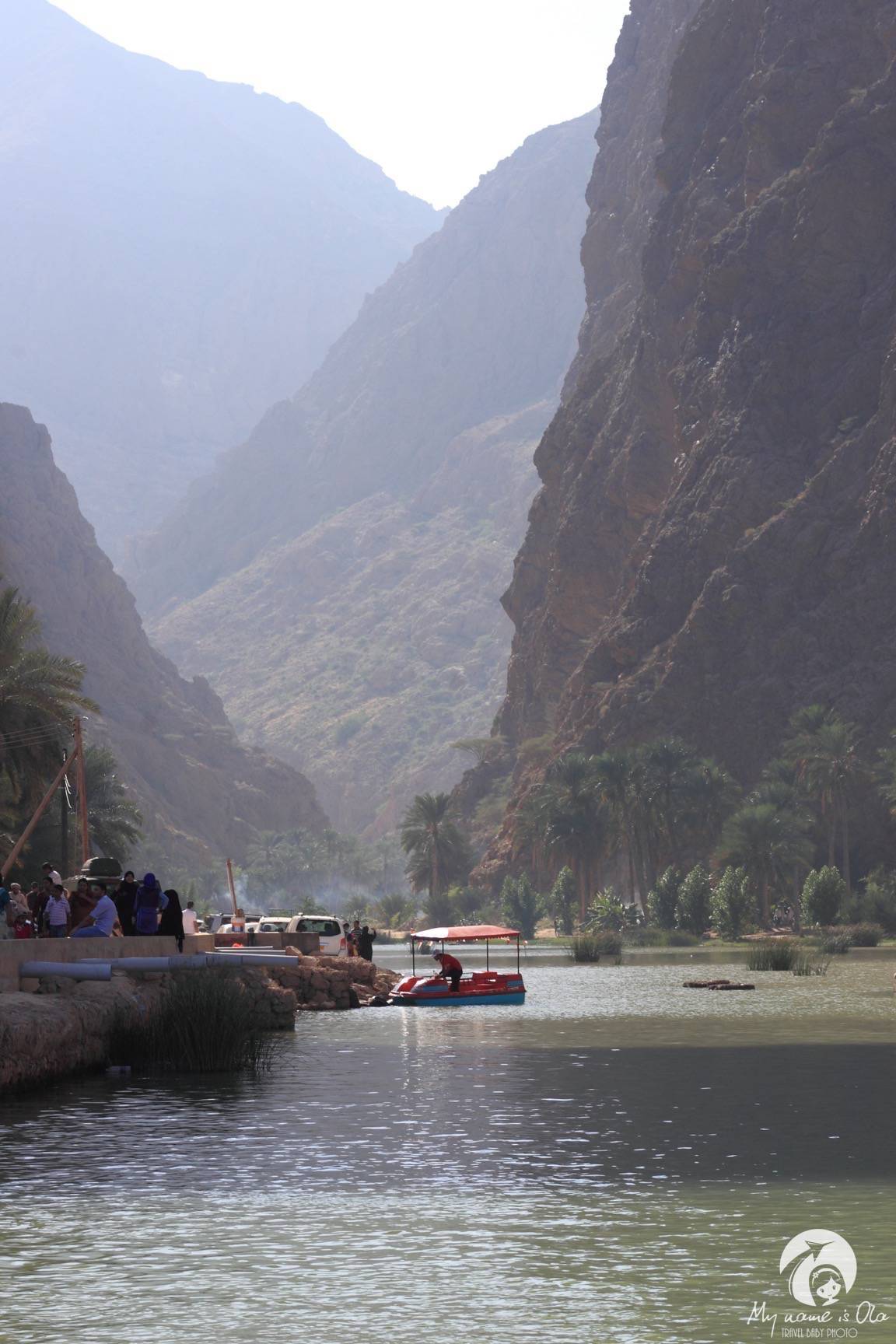
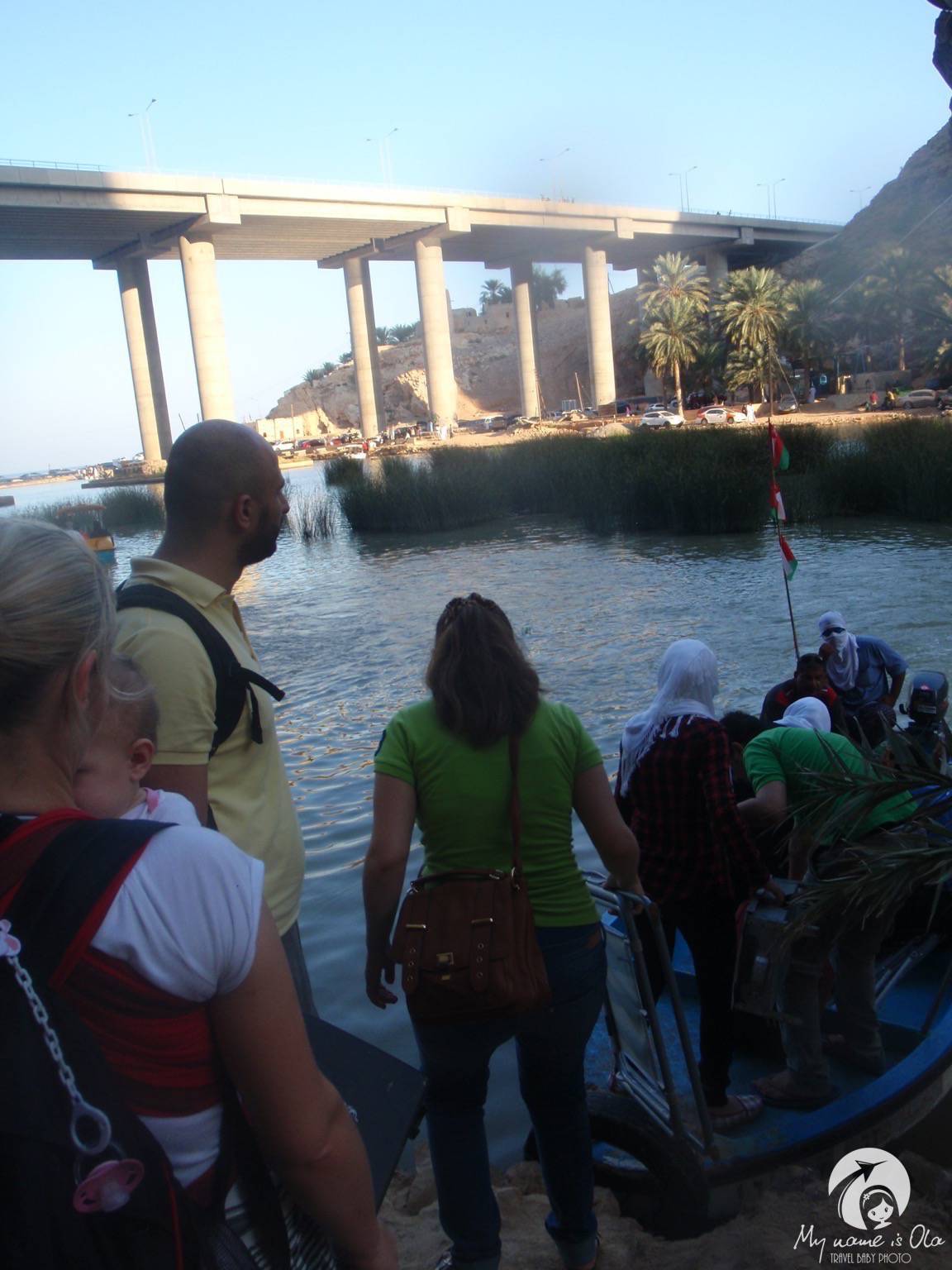
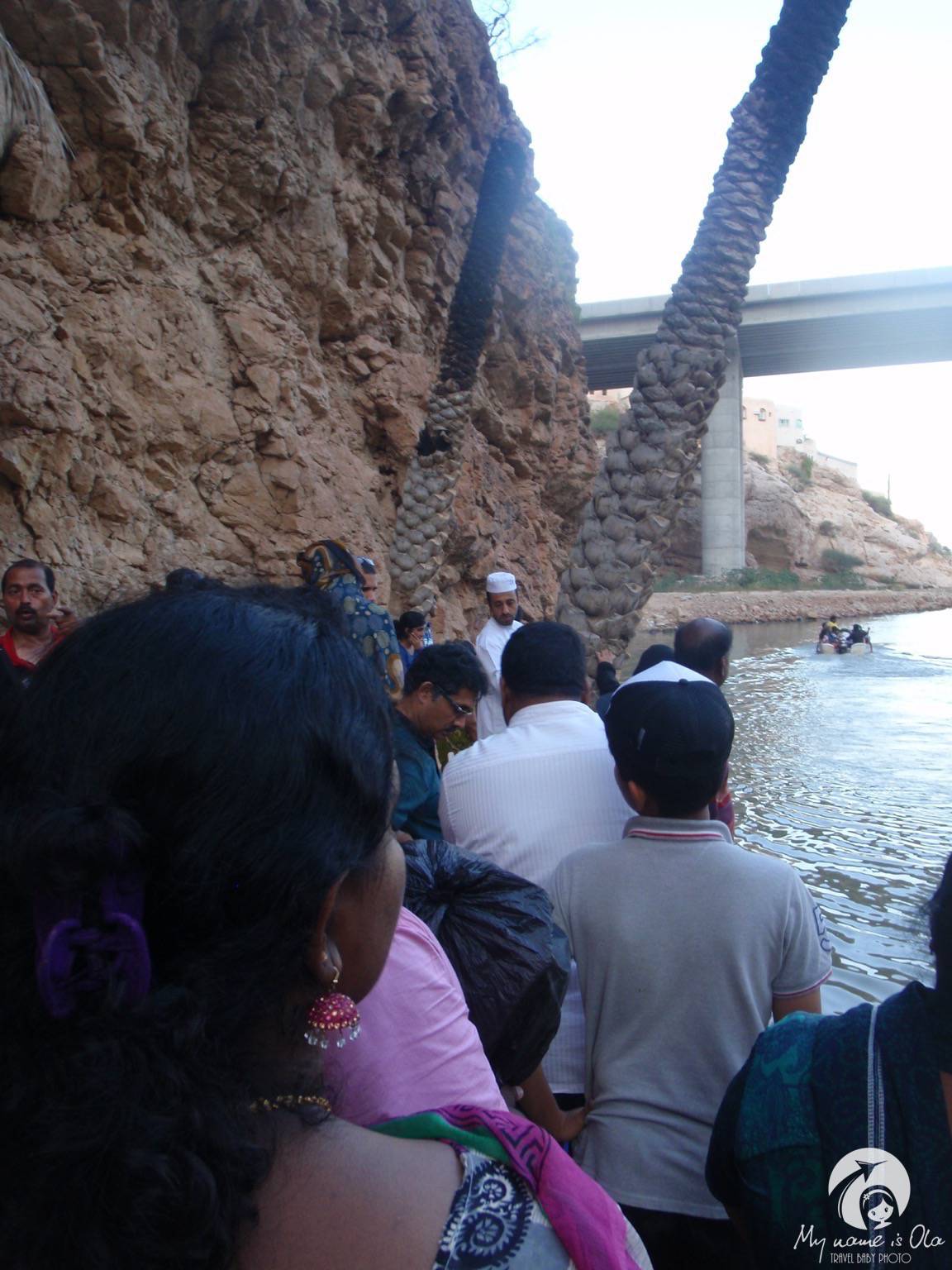
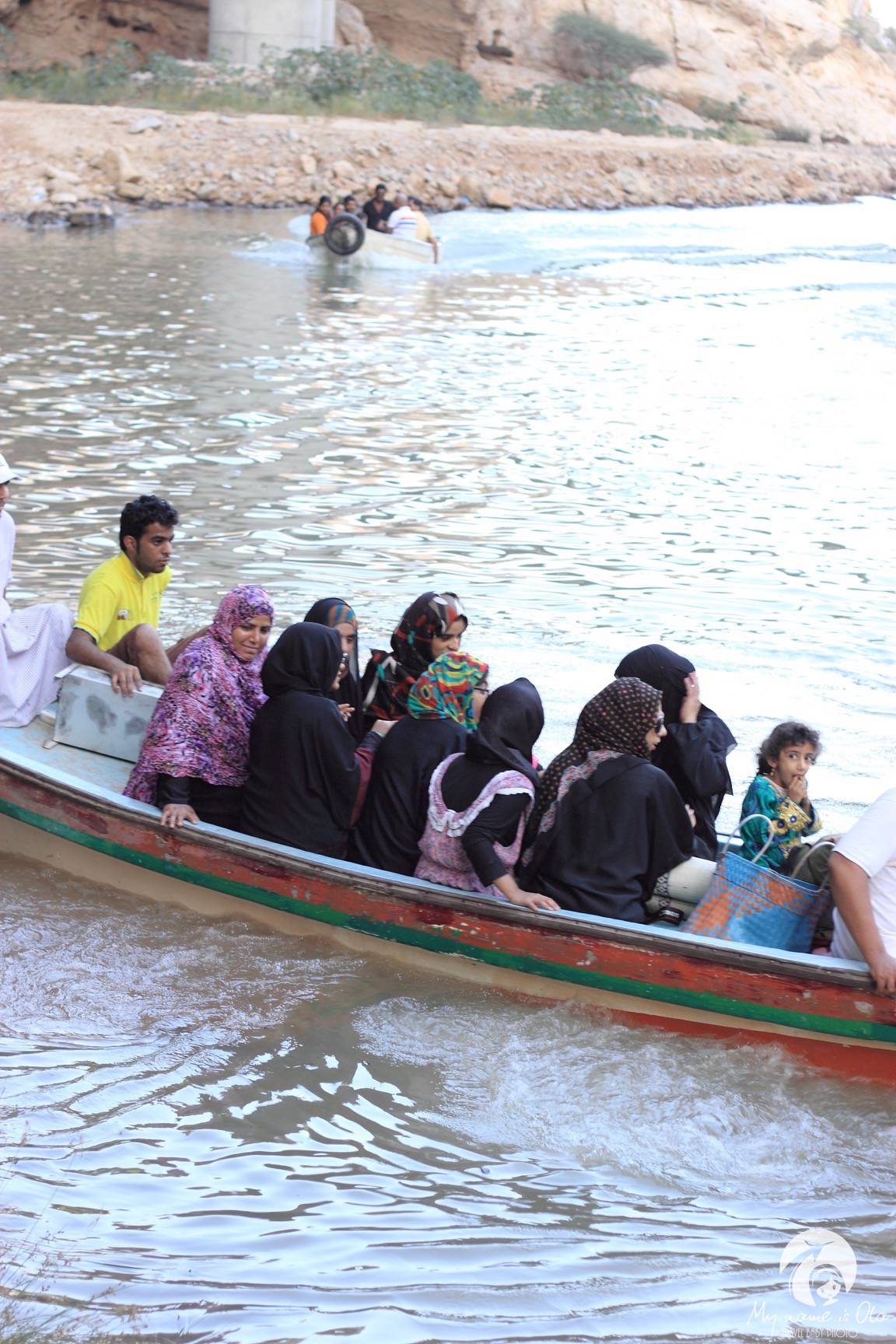
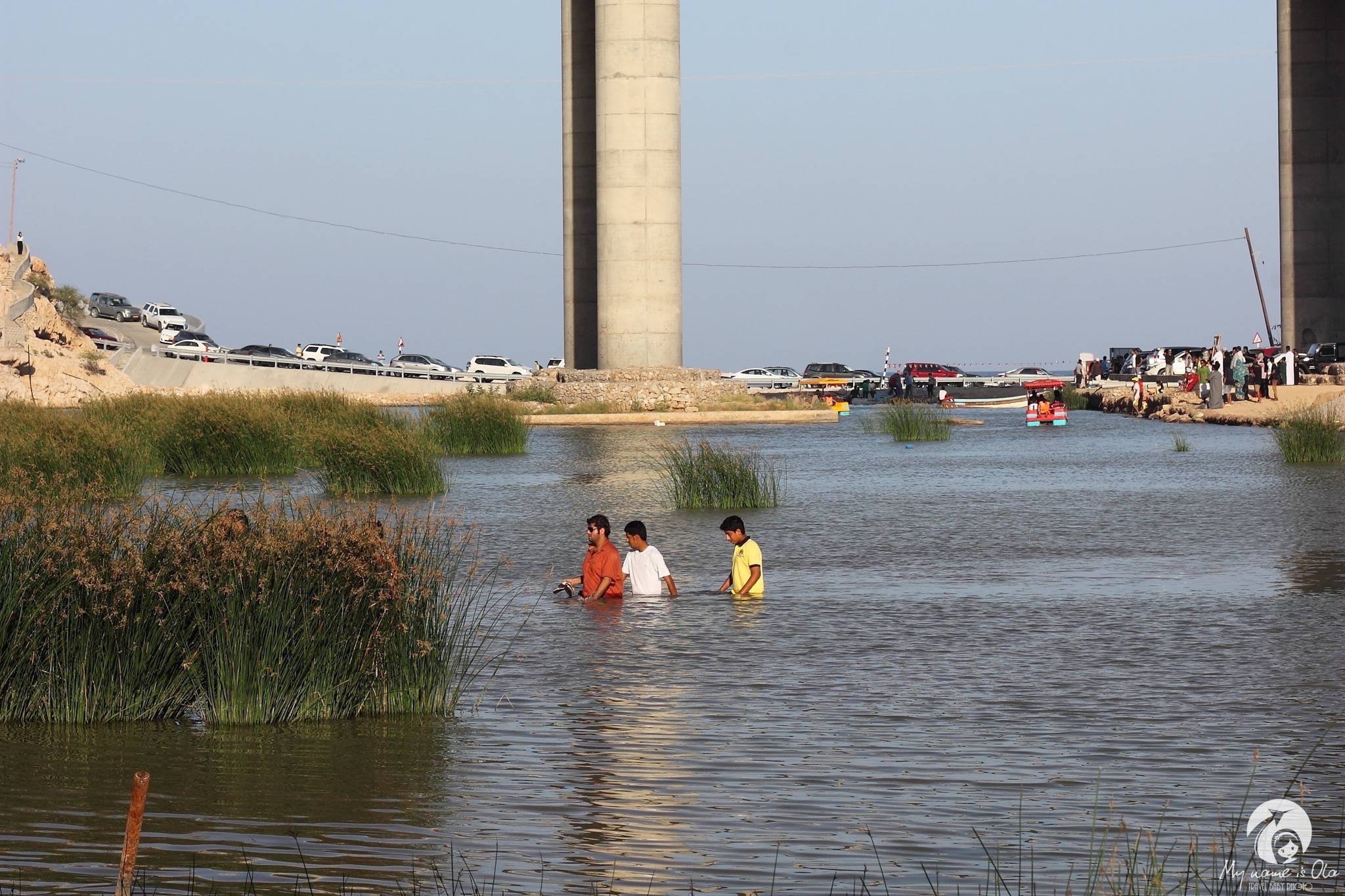
Wadi Shab has the water all year round and probably that is why this is a favourite place of all locals. It is a picturesque canyon spoiled only at its mouth by collumns of above running highway. But once to pass them you get natural view over the valley. To pass the first deep water we had to use the small motorboat for 2 rials per person round trip. So we put Ola in the woven wrap and got on the boat. Few seconds and we were on the other side and could explore the canyon.Oman

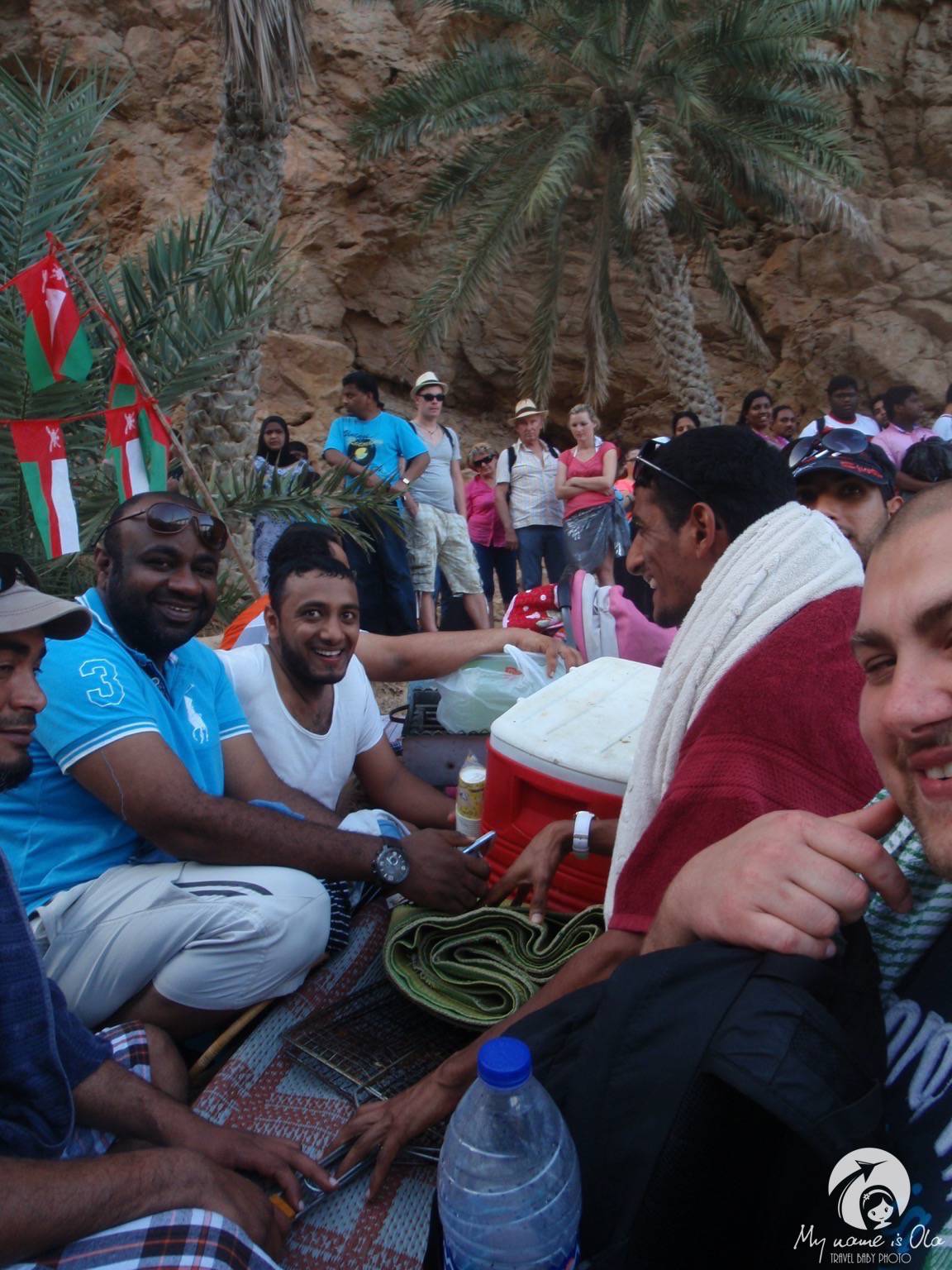
Because of holidays wadi was full of people walking along, sitting on blankets by the water, barbecuing and so on. Families, groups of friends, turists, everybody was there. [photosetgrid layout=”4″]

Wadi Shab, Oman Wadi Shab, Oman Wadi Shab, OmanWadi Shab, Oman

[/photosetgrid]We took a long walk up the valley, enjoyed a little cooler air and admired local plants. We came accross an example of Omani traditional water distribution system „aflaj”. This system used to allow to irrigate huge cultivation areas using only the gravity. Today right next to it we noticed some hoses so we believe it is not in use any more. At least in this Wadi.

[photosetgrid layout=”5″]Wadi Shab, OmanWadi Shab, OmanWadi Shab, OmanWadi Shab, OmanWadi Shab, Oman[/photosetgrid]

Ola even swam in one of the ponds with fresh water and of course had to make some new friends there.[photosetgrid layout=”3″]Wadi Shab, OmanWadi Shab, OmanWadi Shab, Oman[/photosetgrid]

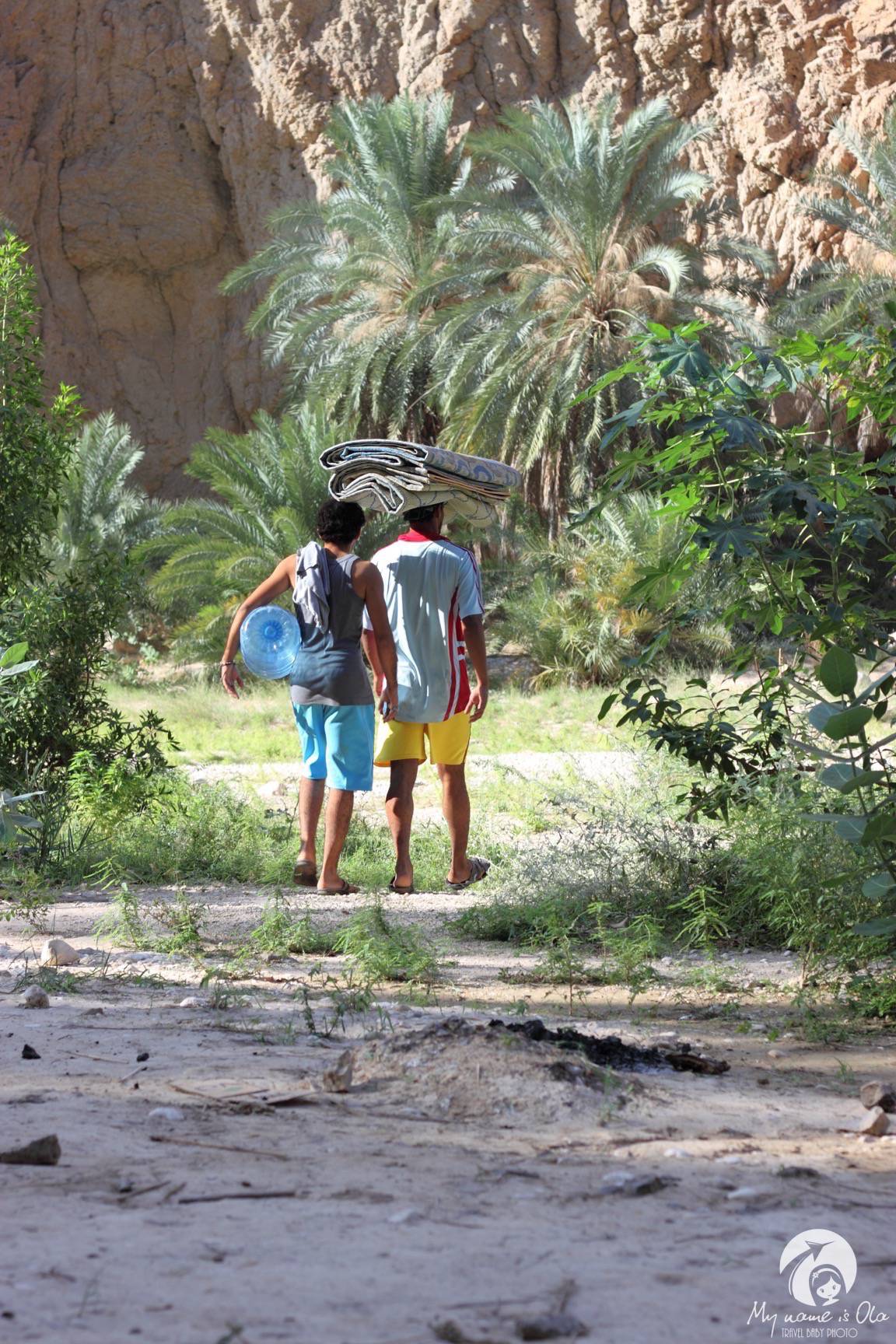
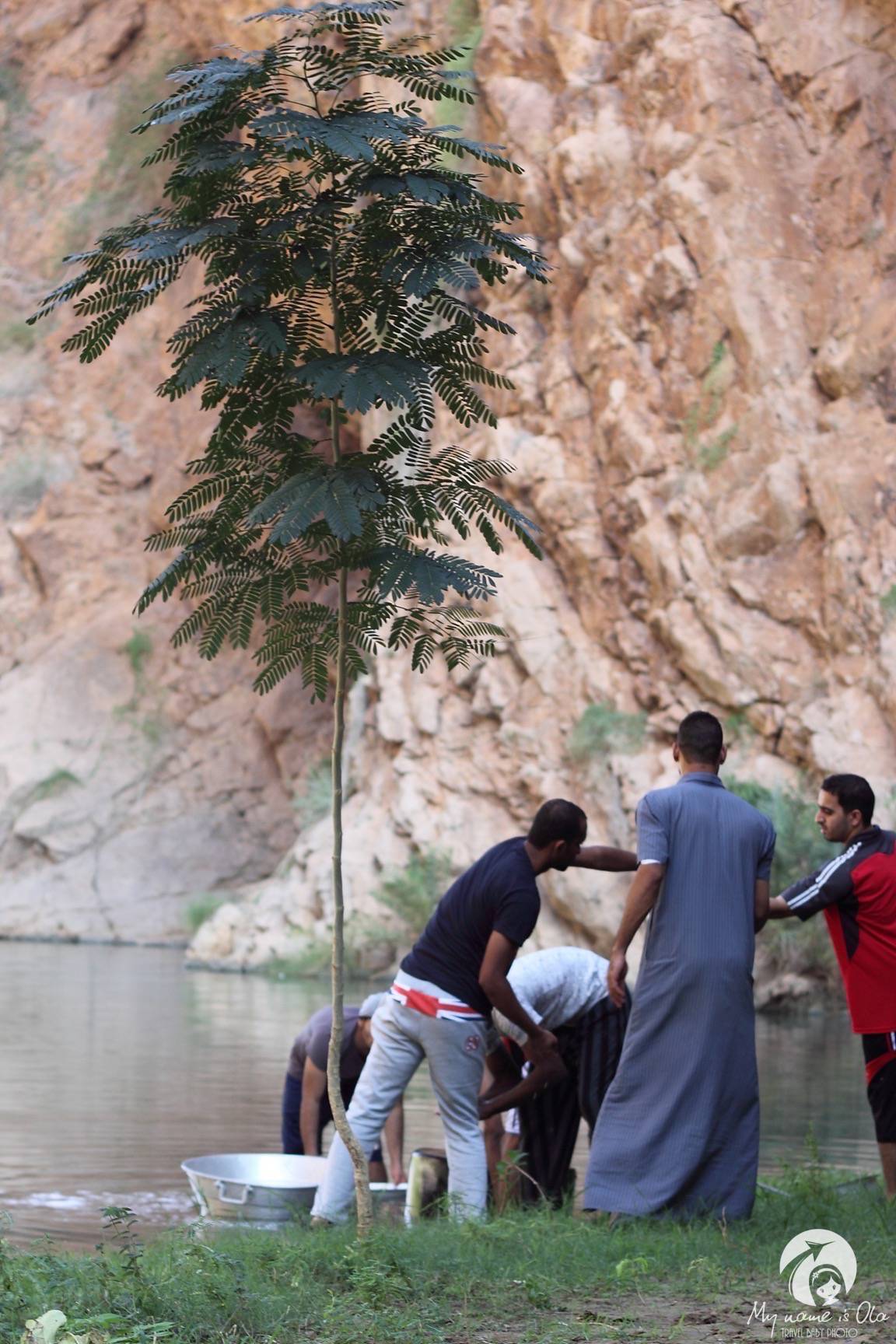
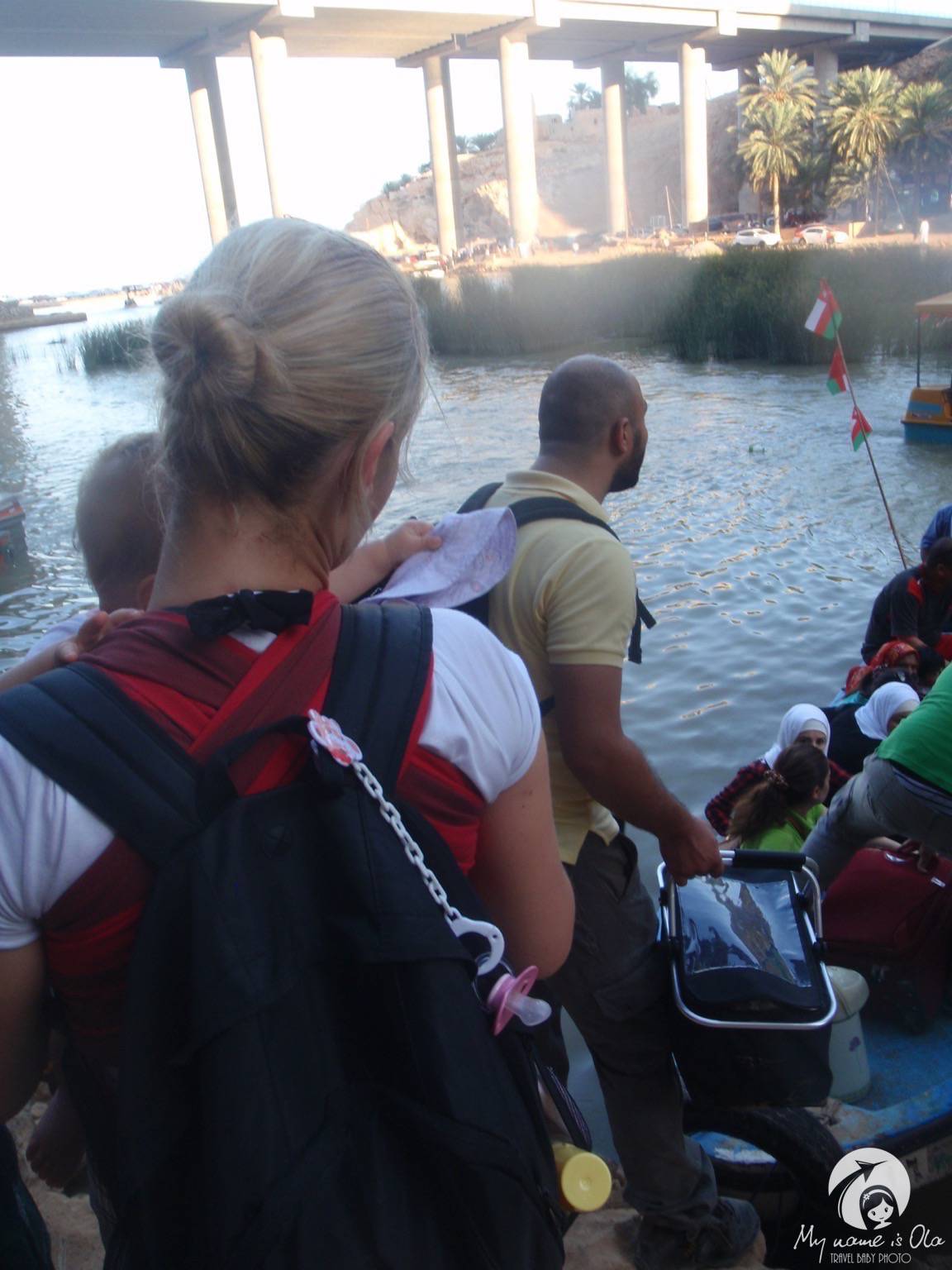
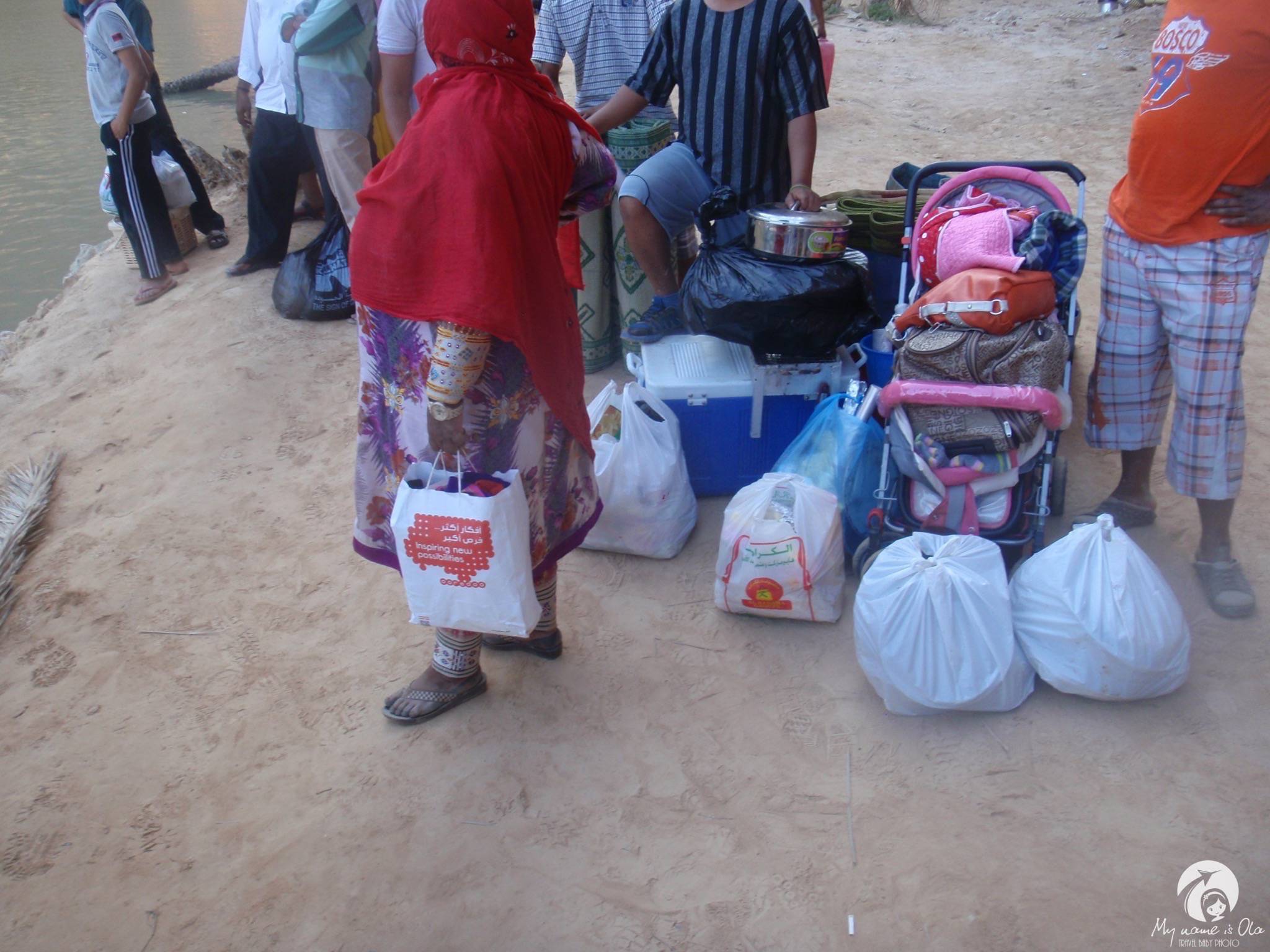
We got back to the boats before 5 o’clock and this is when we got shocked. As the time was passing more and more people were coming. Boats continuously transported people back to their cars but the number of waiting was still growing. In one moment we felt like at the Kazanski train station in Mocsow wehre transsiberian train departs. Lots of people of different nationalities, of different appearances, clothes, cultures and languages. Omanis, Emiratis, Pakistanis, Europeans, Canadians, Indians and Filipinos.[photosetgrid layout=”3″]Wadi Shab, OmanWadi Shab, OmanWadi Shab, Oman[/photosetgrid] But that was not the people that surprised us. That was their luggage. It’ s undescribable what all those people took with them to spend half the day outdoor. And all that they delivered there by those little boats. That were grills, huge pots (all washed in wadi waters), carpets, portable fridges, baby strollers, baskets, folding chairs and millions of smaller and bigger bags.
Small boats couldn’t keep up transporting people back as the new ones kept coming from wadi. Unaccustomed to local practice we kept finding new and new people in front of us and we had to watch them leaving with all those packages still from the bank! [photosetgrid layout=”2″]Wadi Shab, OmanWadi Shab, Oman[/photosetgrid]
After 40 or 50 minutes waiting we had to take matters in our own hands (or elbows) and finally get us on the boat. Together with us came of course many bags, some rugs and a fridge half full of oranges! And their owners, everybody in perfect moods!

[photosetgrid layout=”3″]Wadi Shab, OmanWadi Shab, OmanWadi Shab, Oman [/photosetgrid]
Those who lost their patience decided to get out of there on their own.

[photosetgrid layout=”2″]Wadi Shab, OmanWadi Shab, Oman[/photosetgrid]

The picture was completed when we saw on the other boat not only a million packages but also a hellium filled helicopter!

Oman114

Blog

To meet the green sea turtle

09/12/2014 — by Magdalena Kuźma0

Oman69-960x720.jpg

There are not too many sandy beaches in Oman. But those which are, were chosen by green sea turtles as a place of nesting.

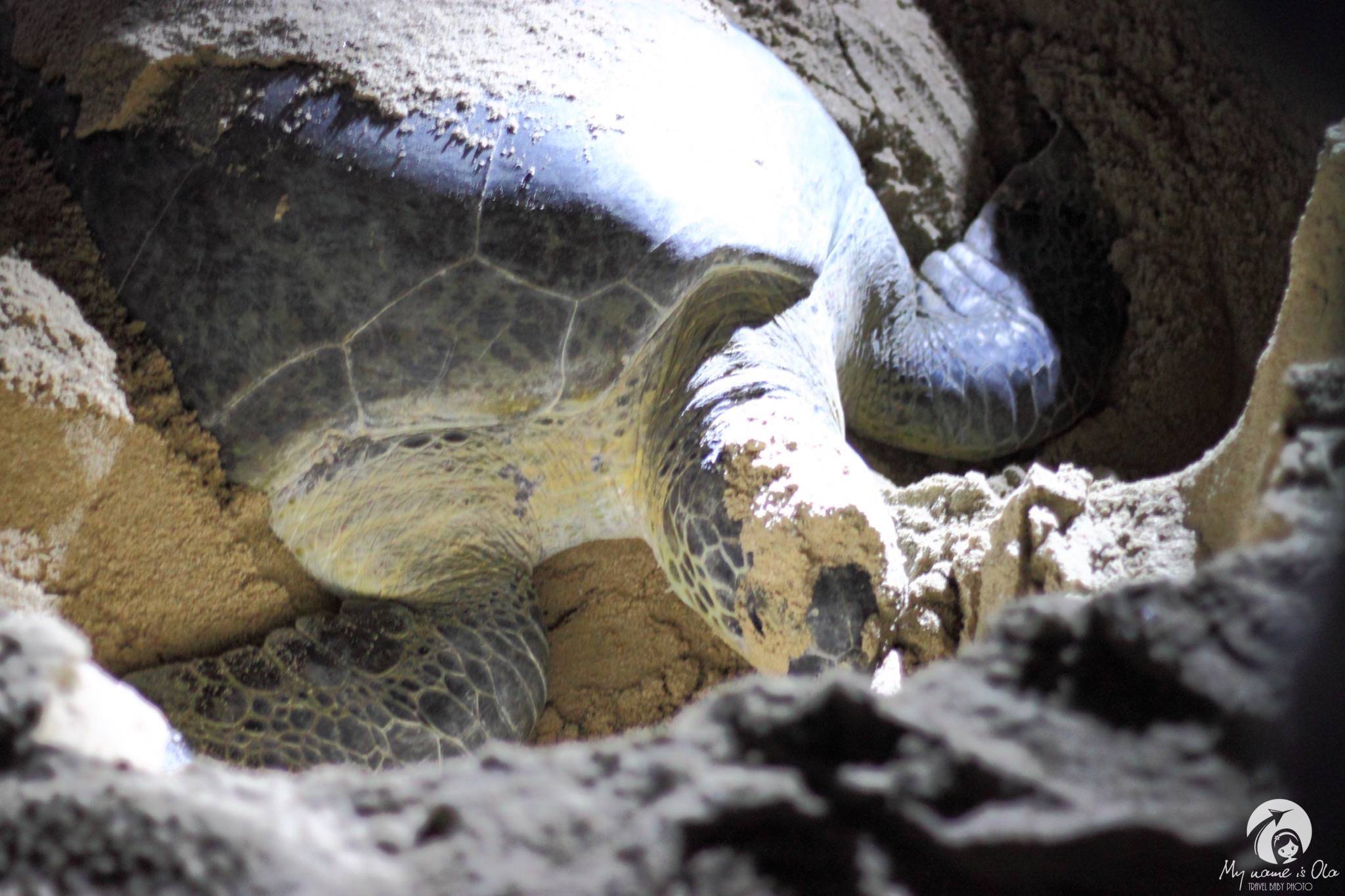
Green sea turtle (Chelonia Mydas) is a large, weighing up to 300 kilograms turtle living in the tropical and subtropical oceans. Average weight of the animal desn’t exceed 200kg. They are usually around 1 meter long (measuring the carapace) but some individuals reach even 1,5m. The name of the species comes from the color of their skin. It is believed that it’s a result of their herbivory. They mostly eat algae and seagrasses. But only when they reach maturity; when hatchlings they are carnivorous.

Green turtles are known for their habbit of nesting always on the same beach, the beach they were born at. Even if they live thousands kilometers away, when the breeding time comes they overcome thousands of kilometers to get back to their beaches. Breeding time comes every 2-4 years. What is interesting – not only female swims all the way to that beach but also male has to cover this distance as mating takes place in the water by the beach of breeding. After the mate female goes out on the beach, diggs the hole and in the evening she lays around 100 – 200 eggs. That process takes more or less two hours, then she covers the eggs with sand and leaves to the sea. Smart female tries to mislead predators hunting for eggs and little turtles and diggs coulpe holes at the beach. But it doesn’t help too much and part of little turtles is being eaten during their first run to the sea. Life of the hatches in the ocean is not easy either. Probably no more than one in a hundred will reach adulthood and will be able to give birth to next generations.

Such wonder of nature can be observed on the beaches of Ras al Jinz. 120 square kilometers of the coast are covered by national nature reserve to protect green turtles which are in danger of extinction. 45 kilometers of the seaside has been under special protection since 1996. Visiting beaches and watching those giant turtles nest is possible but only under reserve’s control. Omani beaches are that intreresting for turtles that it’s almost guaranteed to meet them there every evening.

Number of tourists wanting to experience this miracle is so big that it’s hard to find a room in a hotel within 50 kilometers. If the area wasn’t protected by the reserve the turtles would have been trampled by this multinational bunch of tourists. Now they have to book a trip in advance, pay 3 Omani rials and follow the rules announced by guides. The trips are organised after darfk and first and the most important rule is „no flash”. Only the guide has a torch and directs it so that you could see the animal but not to disturb it. Such rules effectively prevent to take the good picutre but that’s the experience that matters. Being a witness of this natural process of life creaction is an incredible and unforgettable moment and even inability of taking pictures cannot spoil it.

Seeing a huge turtle female cover the eggs with sand, scramble out of the hole in the sand and carry her heavy carapace to the sea is so moving that it stays in the memory for long time.

[photosetgrid layout=”33″]Green sea turtles, OmanGreen sea turtles, OmanGreen sea turtles, OmanGreen sea turtles, OmanGreen sea turtles, OmanGreen sea turtles, Oman[/photosetgrid]

Blog

The Crystal of Muscat

09/12/2014 — by Magdalena Kuźma0

Oman41-960x640.jpg

Main Muscat Mosque is located 15 minutes away from Muscat International Airport just by main road – of course Sultan Qaboos street.
Sultan Qaboos Mosque, Muscat, Oman
An idea of building the mosque was created by Sultan and it’s of course him who the mosque is named after. The mosque is of Ibadi denomination as this is the most popular school of Islam in Oman. Ibadi school is third denomination of Islam, next to Sunni and Shiah. Around 75% of Omanis are Ibadi. Ibadis are also found in some other places in the world like Algeria, Tunisia, Libya, East Africa, but their biggest concentration is in Oman.
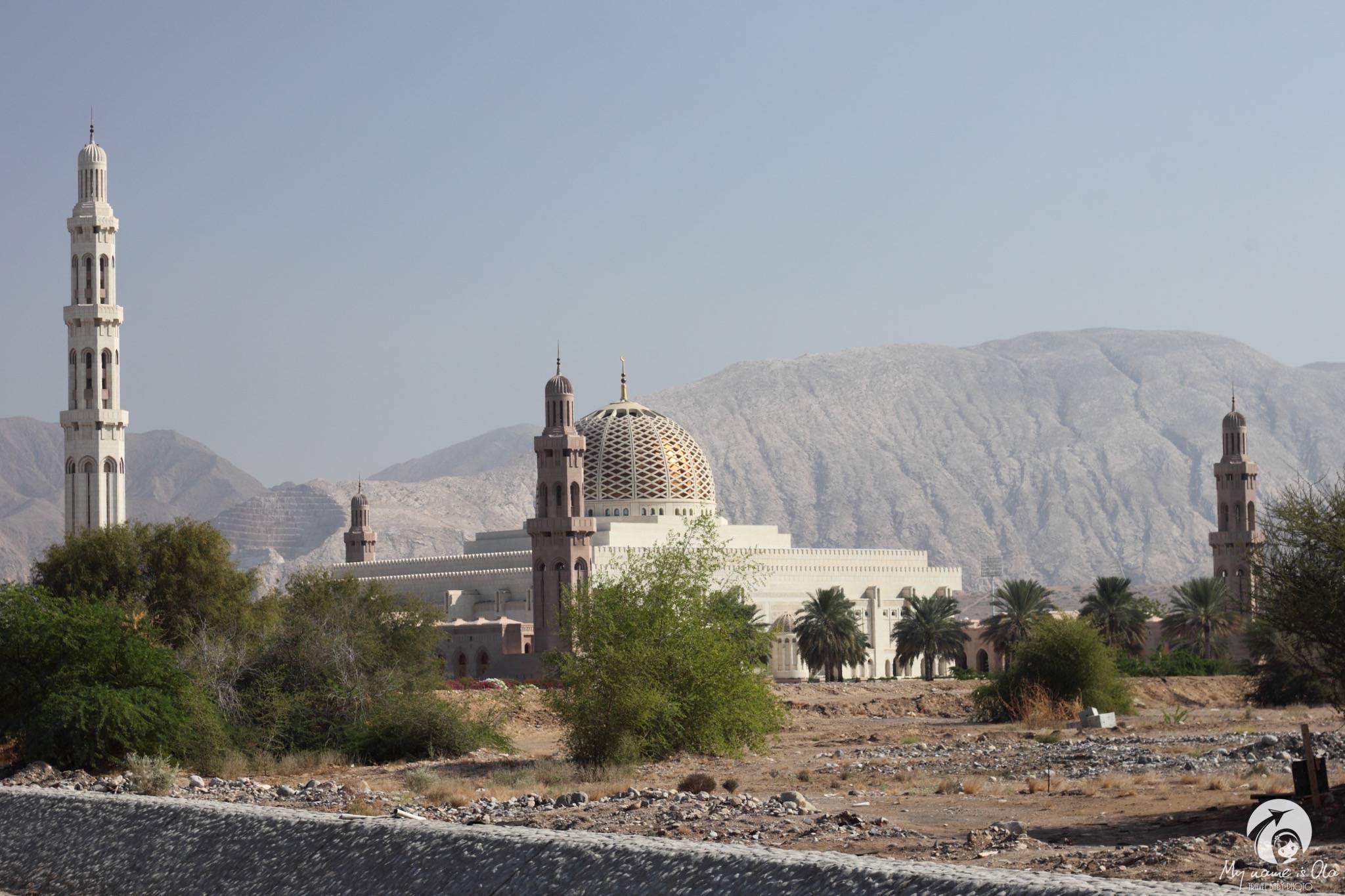
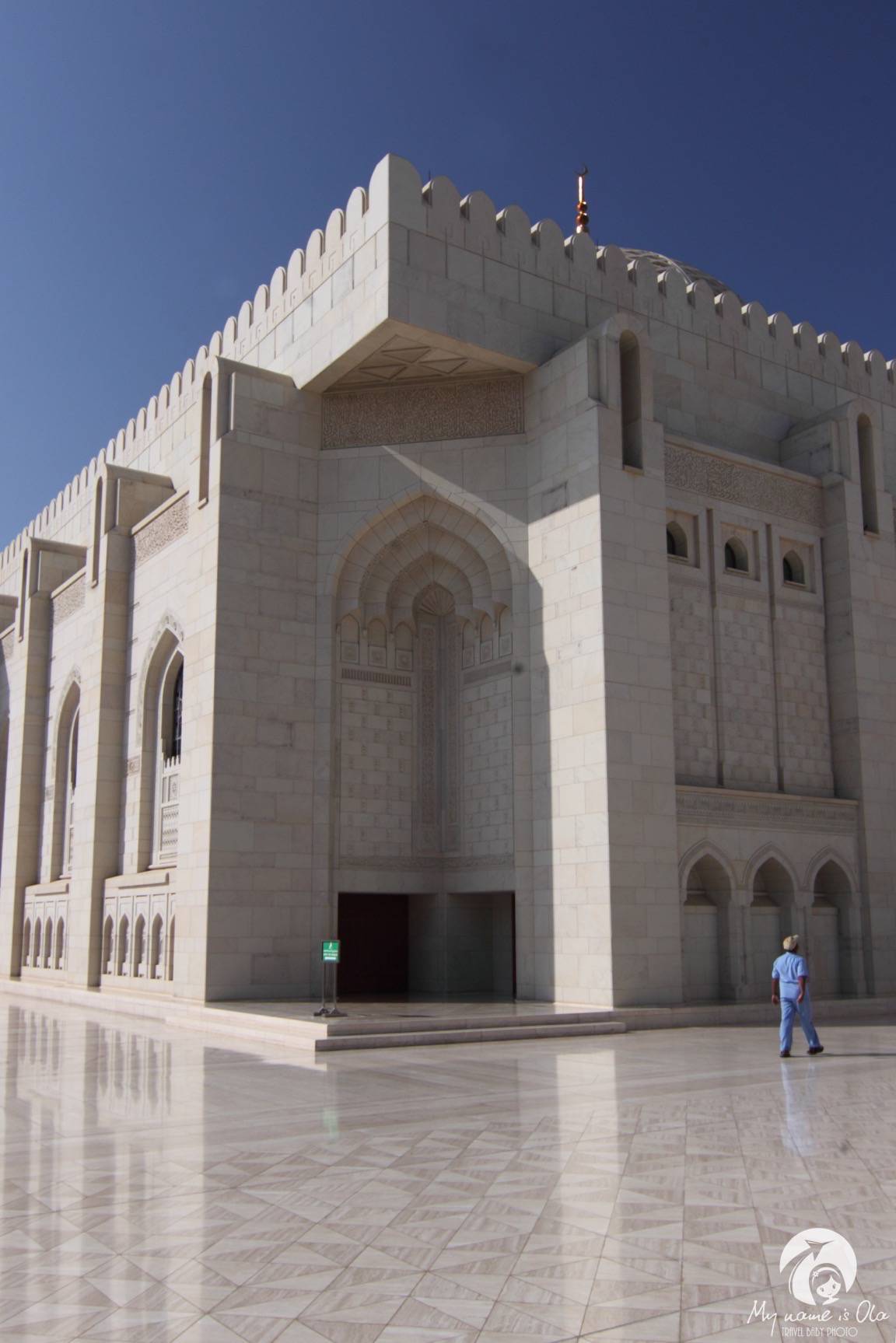
Sultan Qaboos Mosque was finished in 2001 and was built on grand scale. Its capacity is 20 000 people and only the main hall has 4000 square meters. The building looks impressive as it was built of beautiful Indian sandstone with the gold-shining dome.

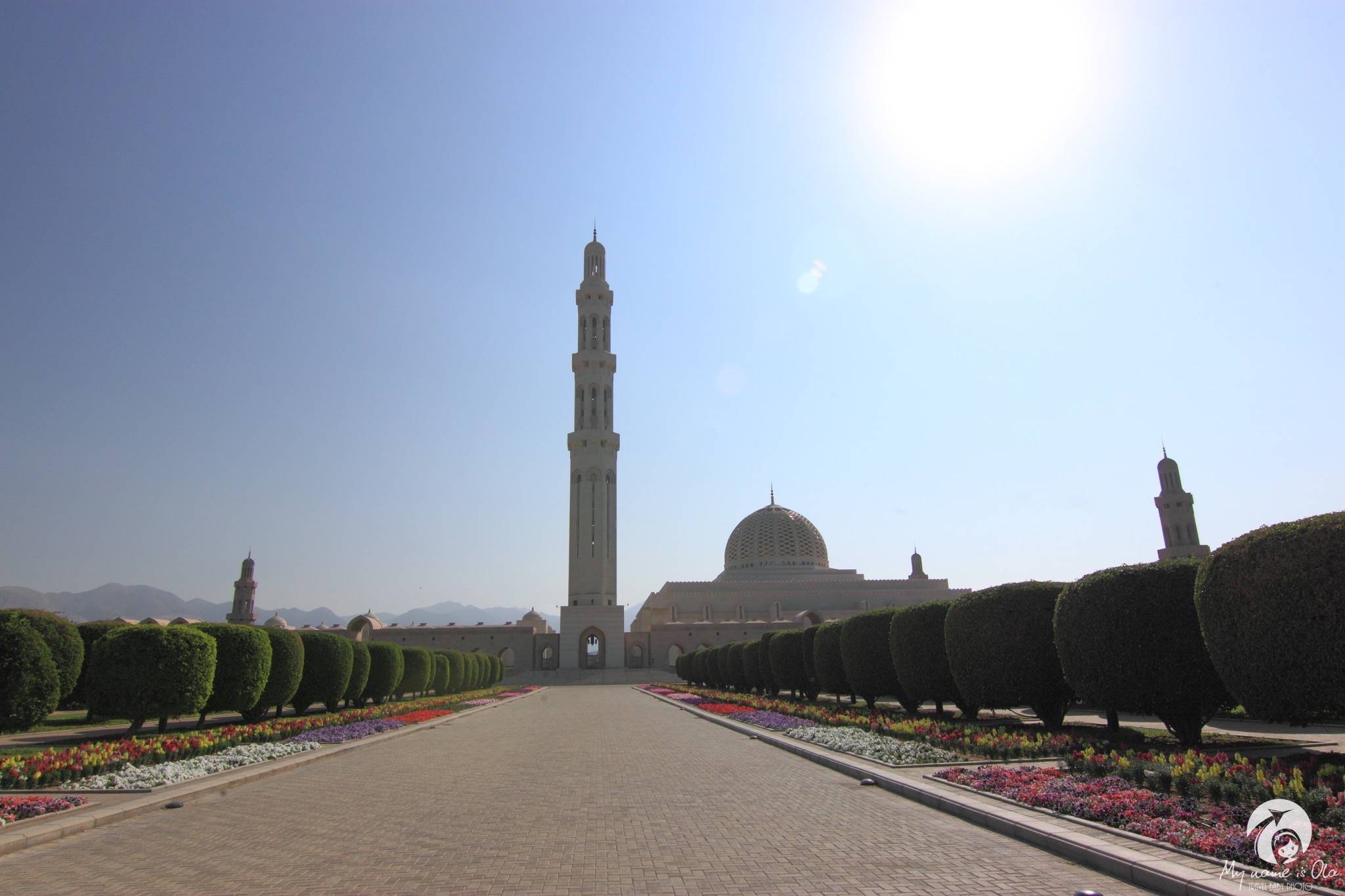
Sultan Qaboos Mosque, Muscat, Oman

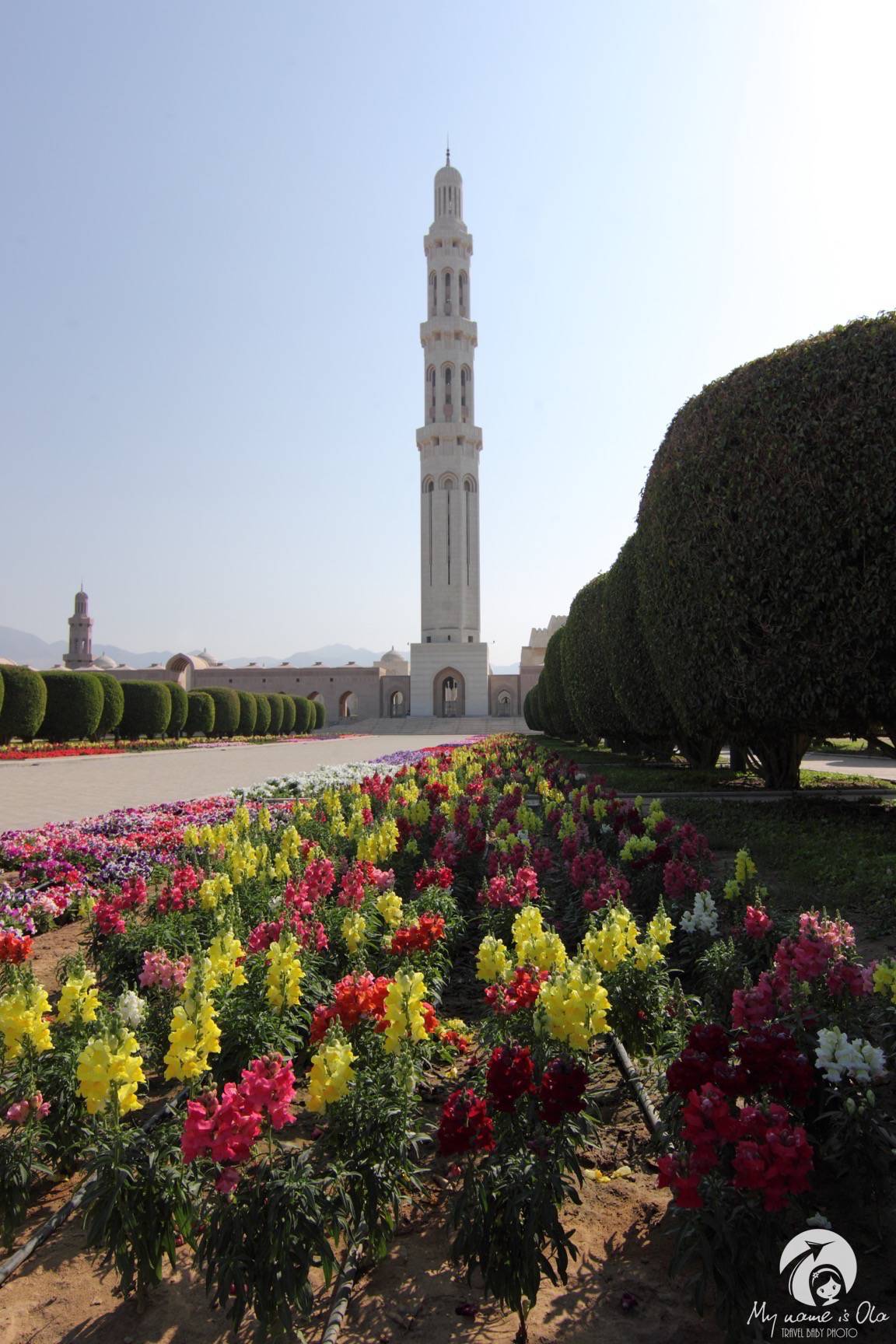
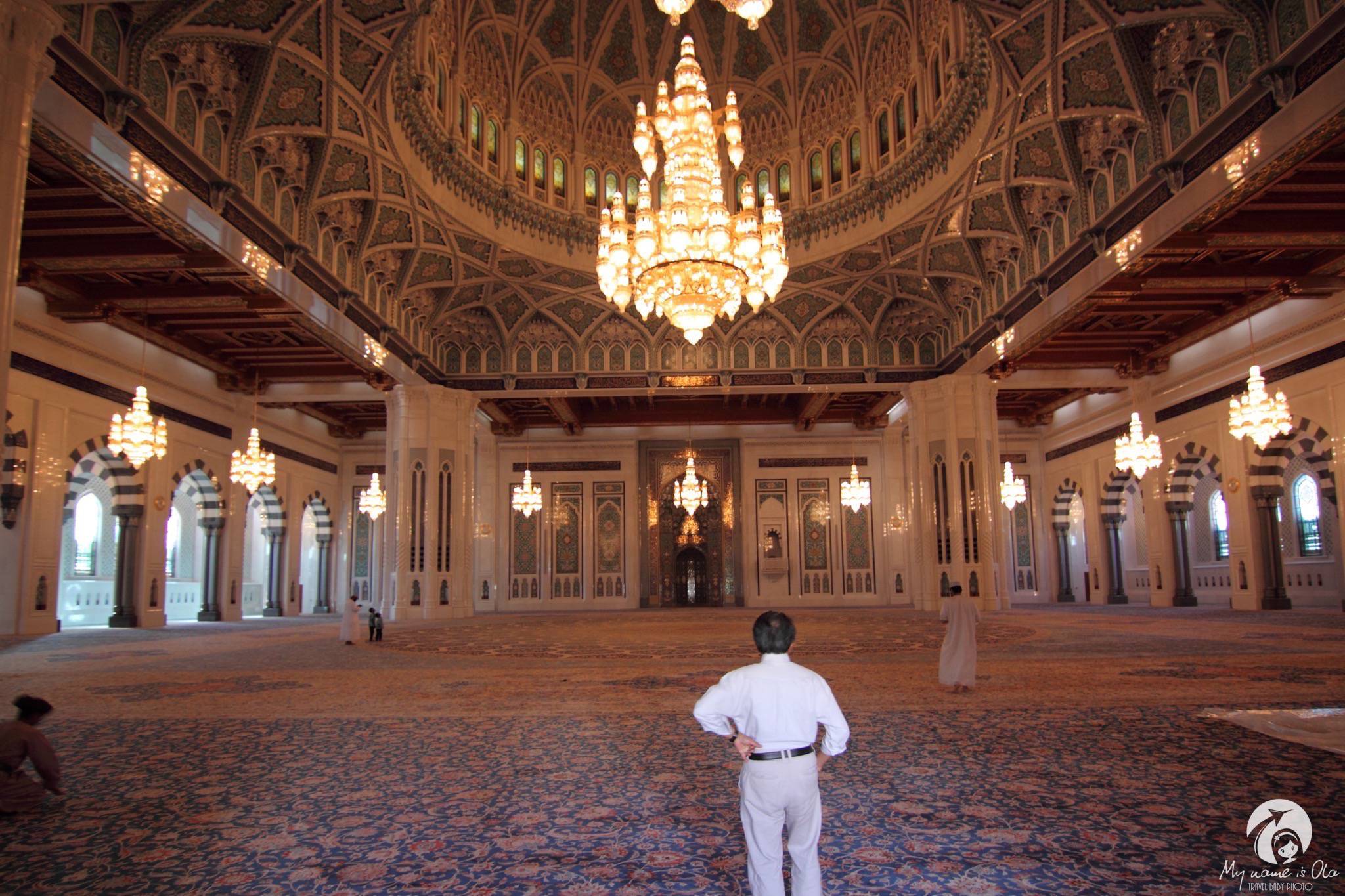
The mosque has 5 minaretes, 4 of them located in each corner of the building are 45-meter-high, the 5th one, located in the middle of one of external walls, has 91,5 meters. The flowers around the mosque is well maintained. Must be well-irrigated as they are still in bloom despite local climate. As the most expensive materials were used to its construction there are some rules of visiting communicated right by the entrance.[photosetgrid layout=”12″]Sultan Qaboos Mosque, Muscat, OmanSultan Qaboos Mosque, Muscat, OmanSultan Qaboos Mosque, Muscat, Oman[/photosetgrid]Since we are talking about carpets – this institution for some time held the title of the mosque with the biggest hand-made carpet in the world. This single-piece carpet covers an area of 4,343 square meters. Its manual production took 600 women 4 years. In 2007 the Abu Dhabi Sheikh Zayed Grand Mosque took over the record having the rug of 5627 square meters!

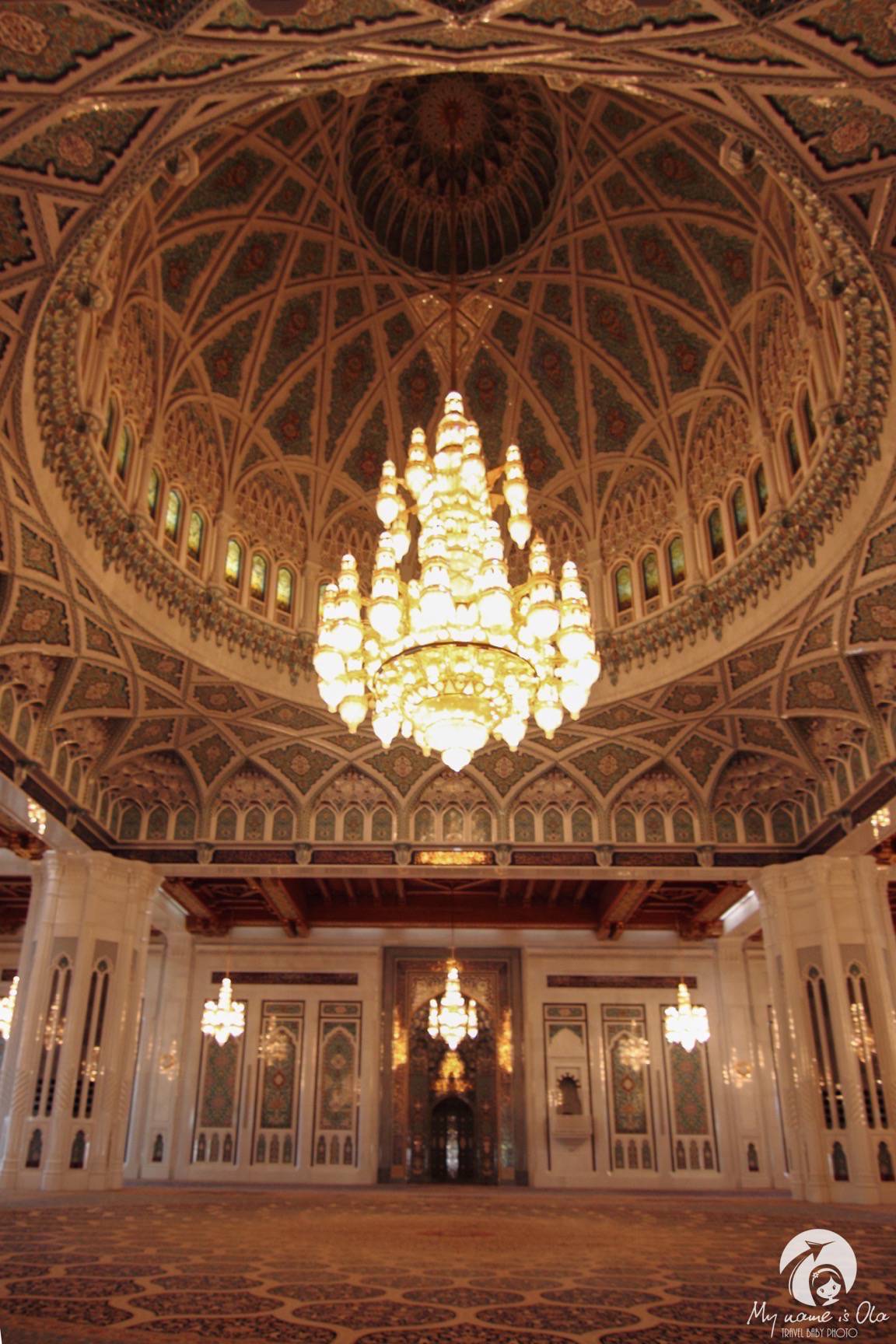
Sultan Qaboos Mosqe interior is lit by 35 chandeliers. They all are decorated with the best quality – Swarovsky crystals. The biggest pride of Omanis is the one dangling underneeth the main dome – it used to hold the Guiness world record of the biggest chandelier. It’s 14 x 8 meters construction weighing 8,5 tones. 600 000 crystals and 1122 of lamps were used for its production. Plus 24 carate gold metal plates shaped as one big and 24 small minarets.

Sultan Qaboos Mosque, Muscat, OmanSultan Qaboos Mosque, Muscat, OmanIt held the Guiness record untill 2010 when Qatari built their „Reflective flow” chandelier of 18 tones and 165 000 led lights.
The main prayers hall of the mosque is around 4000 square meters and in the highiest point of the beautiful ornate dome it reaches 50 meters.
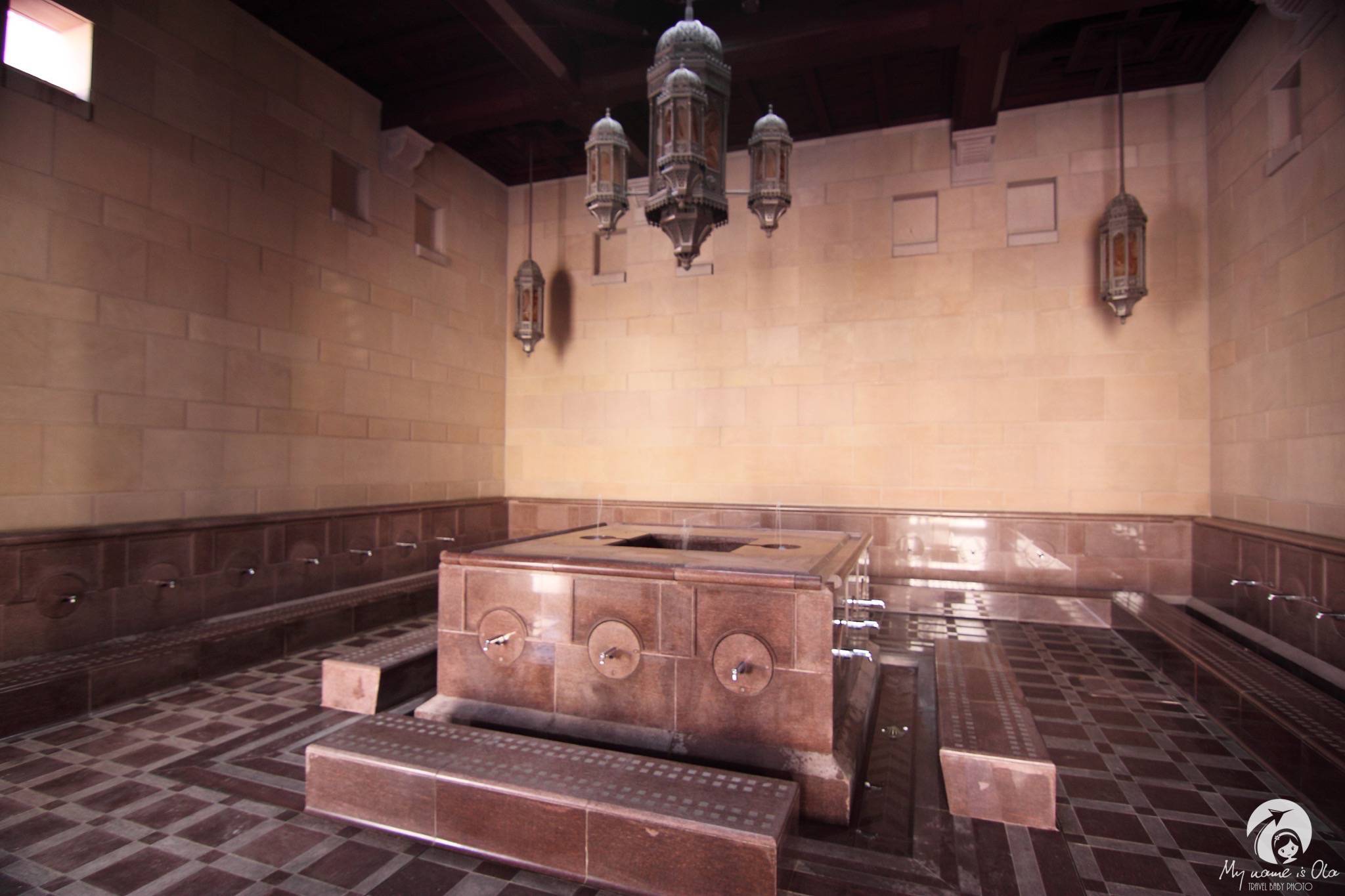
The ablution room in our opinion is less impressive than ablution rooms in Abu Dhabi mosque.

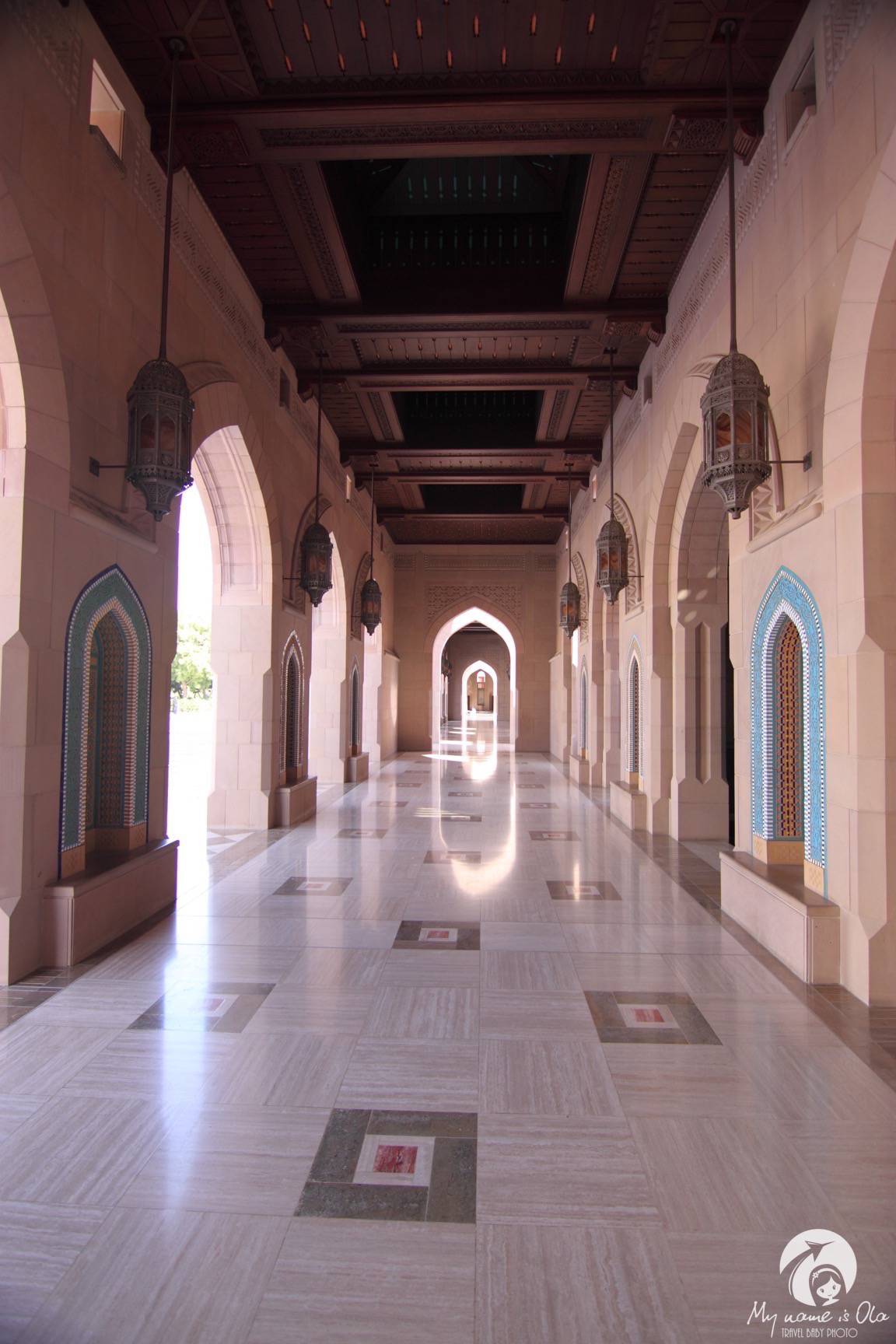
Sultan Qaboos Mosque, Muscat, OmanEven though the Sultan Qaboos mosque doesn’t hold the titles of biggest rug and candelier any more, it is still impressive and definitely a must-see of Oman. It is open for visitors but you have to be an early riser to get inside. They open at 8 o’clock and at 11 they are done for the day. Except for Fridays when its open only for prayers. Standard mosque rules apply – modes clothes for man and women and no shoes. Unfortunately children under 10 are not allowed to visit so we had only Dad as our representative admire the incredible architecture and decor of the mosque.

[photosetgrid layout=”45″]Sultan Qaboos Mosque, Muscat, OmanSultan Qaboos Mosque, Muscat, OmanSultan Qaboos Mosque, Muscat, OmanSultan Qaboos Mosque, Muscat, OmanSultan Qaboos Mosque, Muscat, OmanSultan Qaboos Mosque, Muscat, OmanSultan Qaboos Mosque, Muscat, OmanSultan Qaboos Mosque, Muscat, OmanSultan Qaboos Mosque, Muscat, Oman[/photosetgrid]
Blog

Kumas and incense burners on Muttrah Souk, Oman

08/12/2014 — by Magdalena Kuźma0

Oman19-960x1440.jpg

Another district of Muscat, this time more attractive and accessible for locals and tourists, is Muttrah. Muttrah is the biggest in the nighborhood port which has been there for hundreds years of trade tradition in Oman. It has been connecting Arabic Peninsula countires with Indian and Eastern African traders. Muscat, Muttrah, OmanMuscat, Muttrah, OmanThe best view over big ships standing in the port is from corniche – the promenade wraping around the bay. The walkway running along the seaside is a popular place of evening meetings of Omani families or the groups of men friends. It offers the nice view over the city white buildings with a few distinctive points – Mosque of the Great Propher with beautiful blue dome and minaret, a sand beige, two-storey Muttrah Souq entrance with colorful dome and gold shining domes of corniche booths. Mosque of Grand prophet is a 15th-century building, a place of worship for Al-Lawati tribe, a local ethnocultural Shia group.

[photosetgrid layout=”12″]Muscat, Muttrah, OmanMuscat, OmanMuscat, Oman[/photosetgrid]

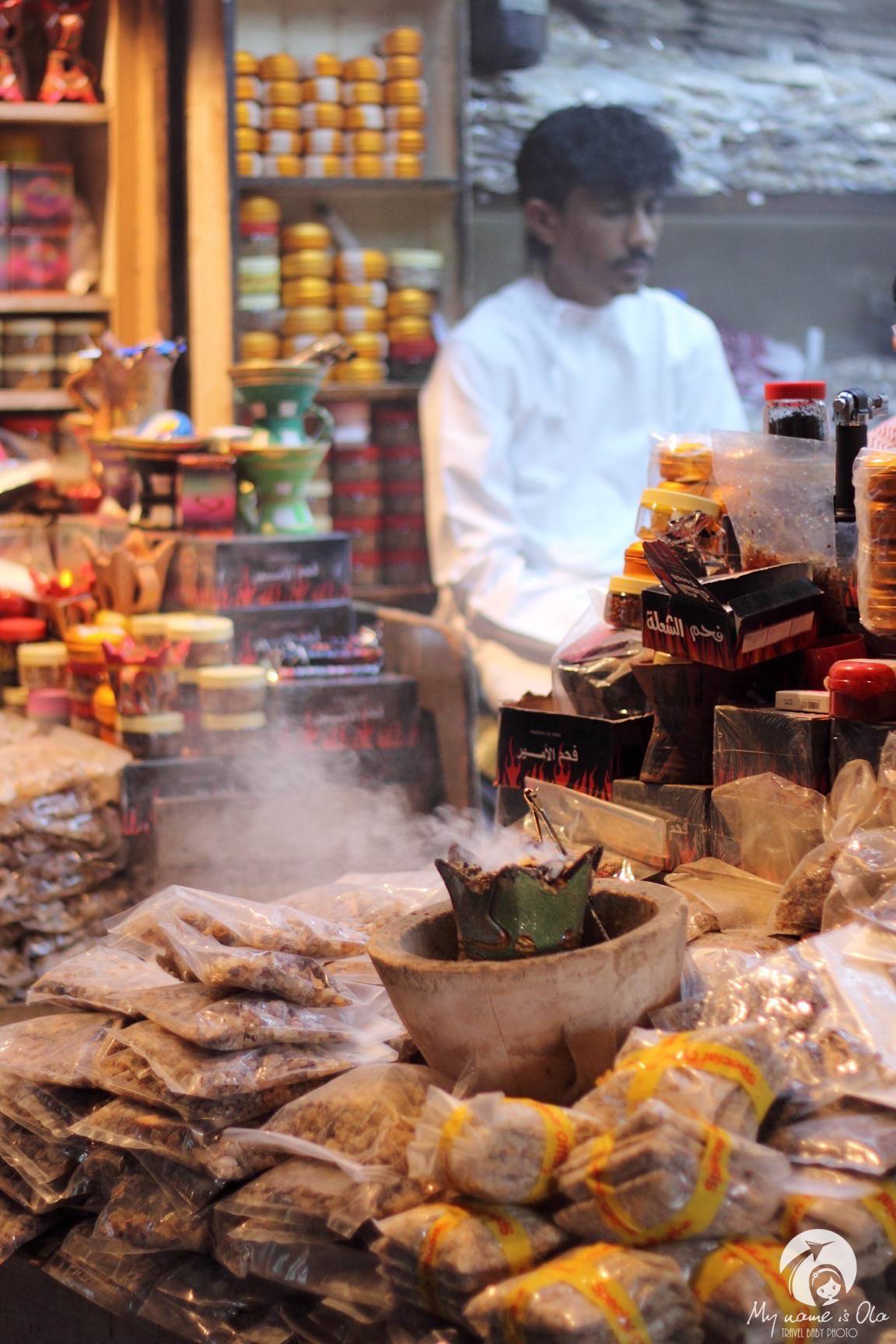
Right in the center of the bay there is the oldest market in Oman – the Old Muttrah Souk. This roofed marketplace is a typical arabic souk full of different items, from wide variety of textiles, fruits, vegetables to souvenirs and jewellery. The local difference we noticed is the offer of traditional Omani incense burners and the choice of hats of characteristic for Oman shape. Those hats are called kuma and are tailor-made, each cap is made to suit its owner head. They are to be worn every day, so little holes to provide air circulation are necessary in this climate. The market is closed relatively early – at 8 pm.

[photosetgrid layout=”323″]Muttrah Souk, OmanMuttrah Souk, OmanMuttrah Souk, OmanMuttrah Souk, OmanMuttrah Souk, Muscat, OmanMuttrah Souk, OmanMuttrah Souk, OmanMuttrah Souk, Oman[/photosetgrid]
In Muttrah area there is Bait Al Baranda museum which interactively shows the history and geology of Muscat (including exhibit of the dinosaur).

Wide hi-way leading from Muttrah to Muscat passes by the Ryiam Park, a place of Omani relax and playground for kinds and teens. Green areas with colorful flowers are crowned by huge white incense burner. It is possible to climb up to get a good view over the bay.

Follow our road from Muttrah to Walled City:

Blog

Muscat – the capital of Oman

08/12/2014 — by Magdalena Kuźma0

Oman11-960x640.jpg

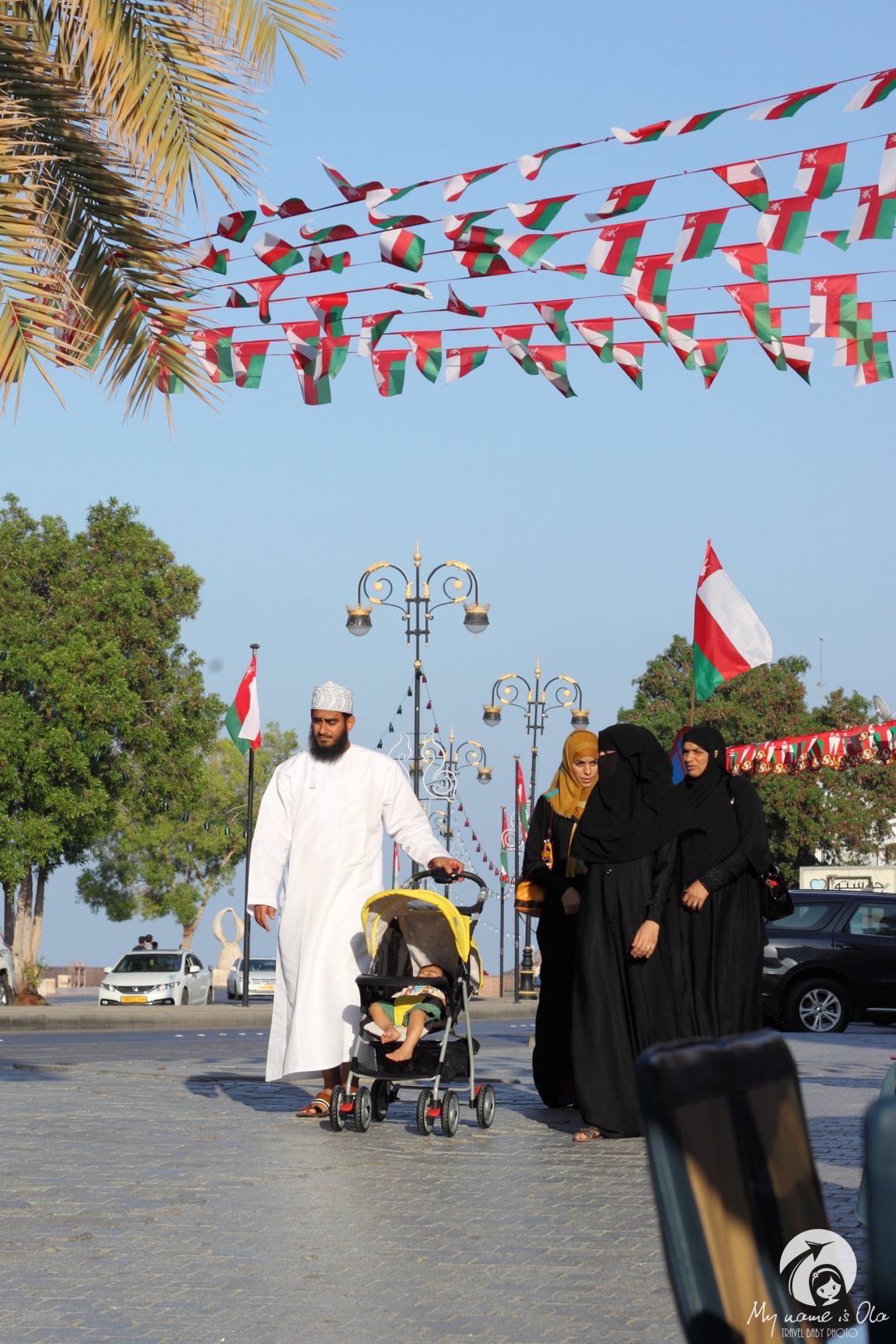
The Sultanate of Oman is a home of 3,3 mln people. It’s an absolute monarchy ruled by The Sultan Qaboos bin Said al Said since the 70. of last century. National religion of the country is Islam what is reflected in its law – built totaly on Sharia. Sultan is the person who holds in hand all the impotrant functions in the country. He is widely respected and worshipped by citizens and his image can be found everywhere – on the buildings, on cars, at road intersections and so on.
OmanAs a muslim country Oman requires proper dress from men and women and prohibits bringing any alcohol to the country. Don’t try to smuggle cause you will risk severe punishment and alcohol is available in hotel restaurants. It’s not cheap but not crazy expensive either.

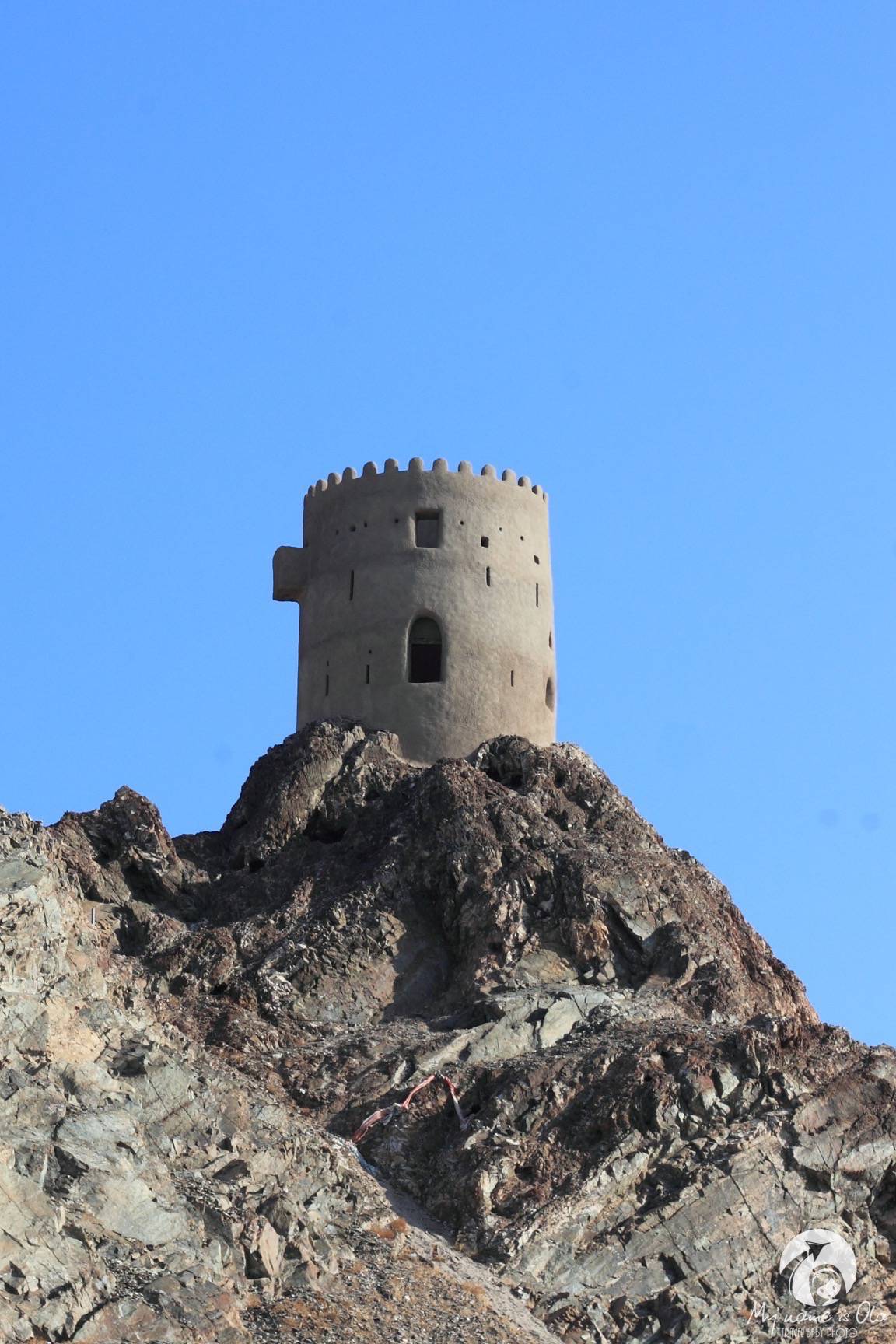
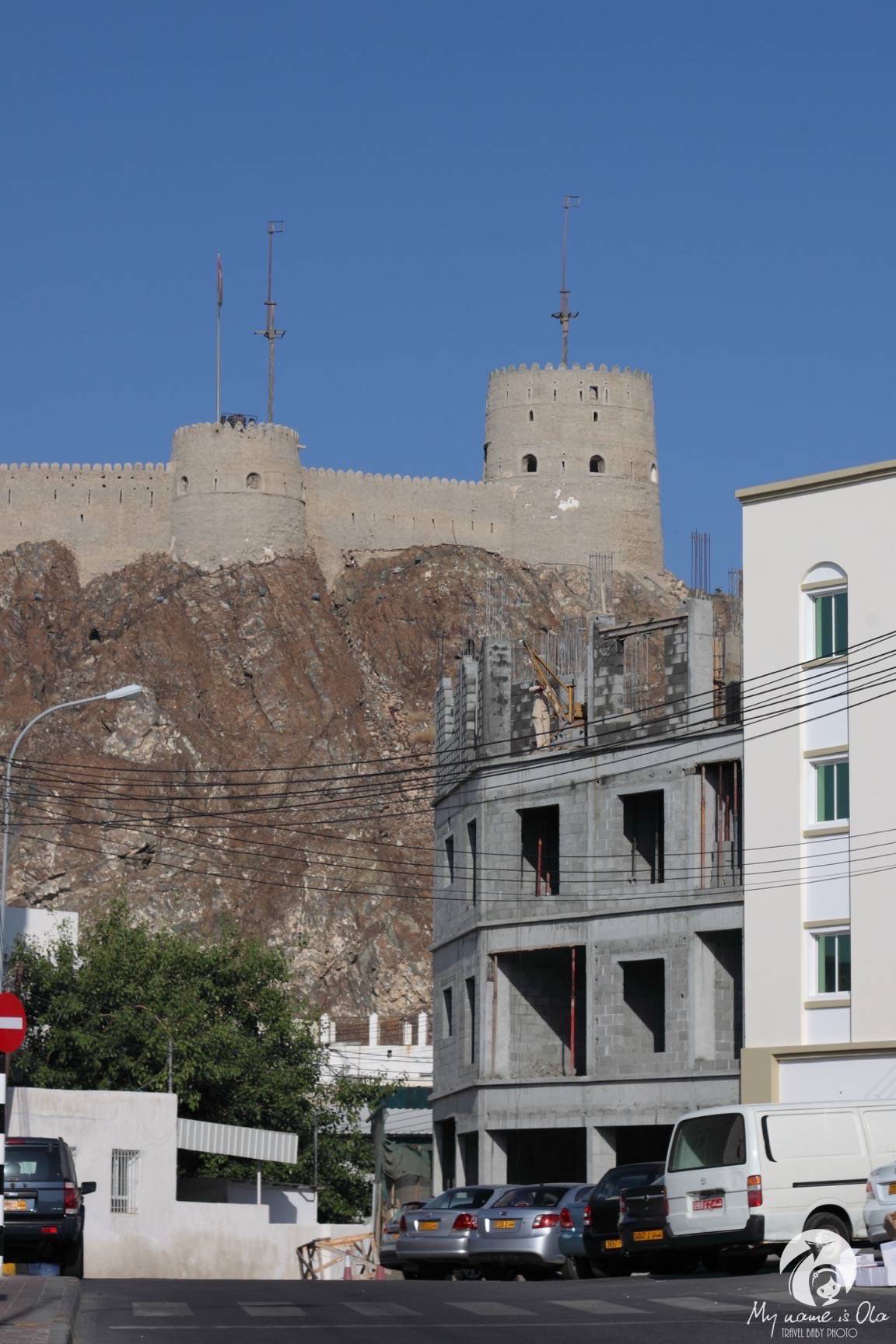
The capital city and at the same time the Sultan’s seat is Muscat. It’s a 1,2 mln-people city located in the north-eastern region of the country. It’s the biggest city of Oman and is surprisingly neat, clean and green. There are some historical defence towers visible here and there in the city’s landscape. Whole Oman is dotted with those forts and single towers. There is around 500 of them across the country.
[photosetgrid layout=”12″]Muscat, OmanMuscat, OmanMuscat, Oman[/photosetgrid]

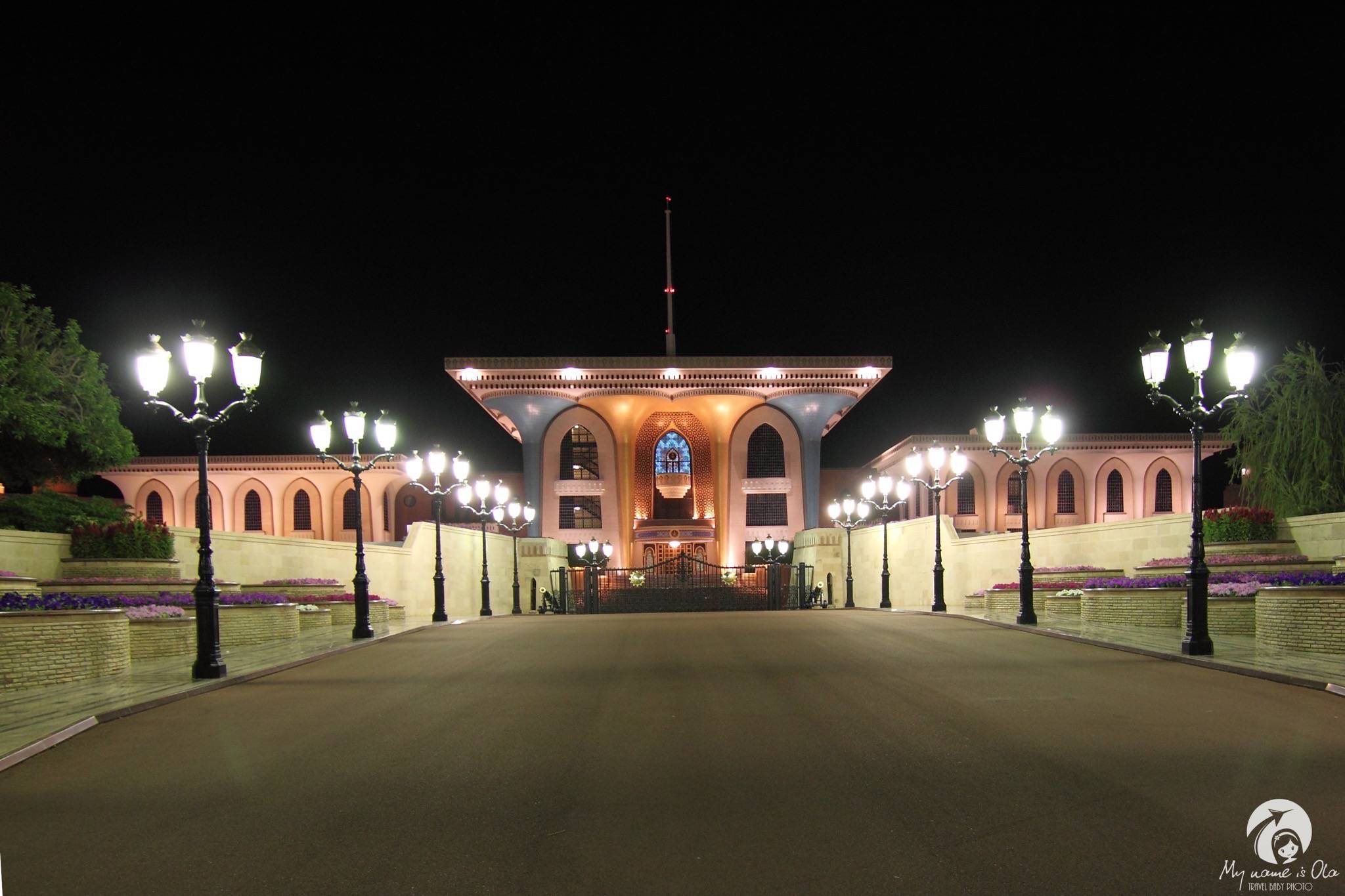
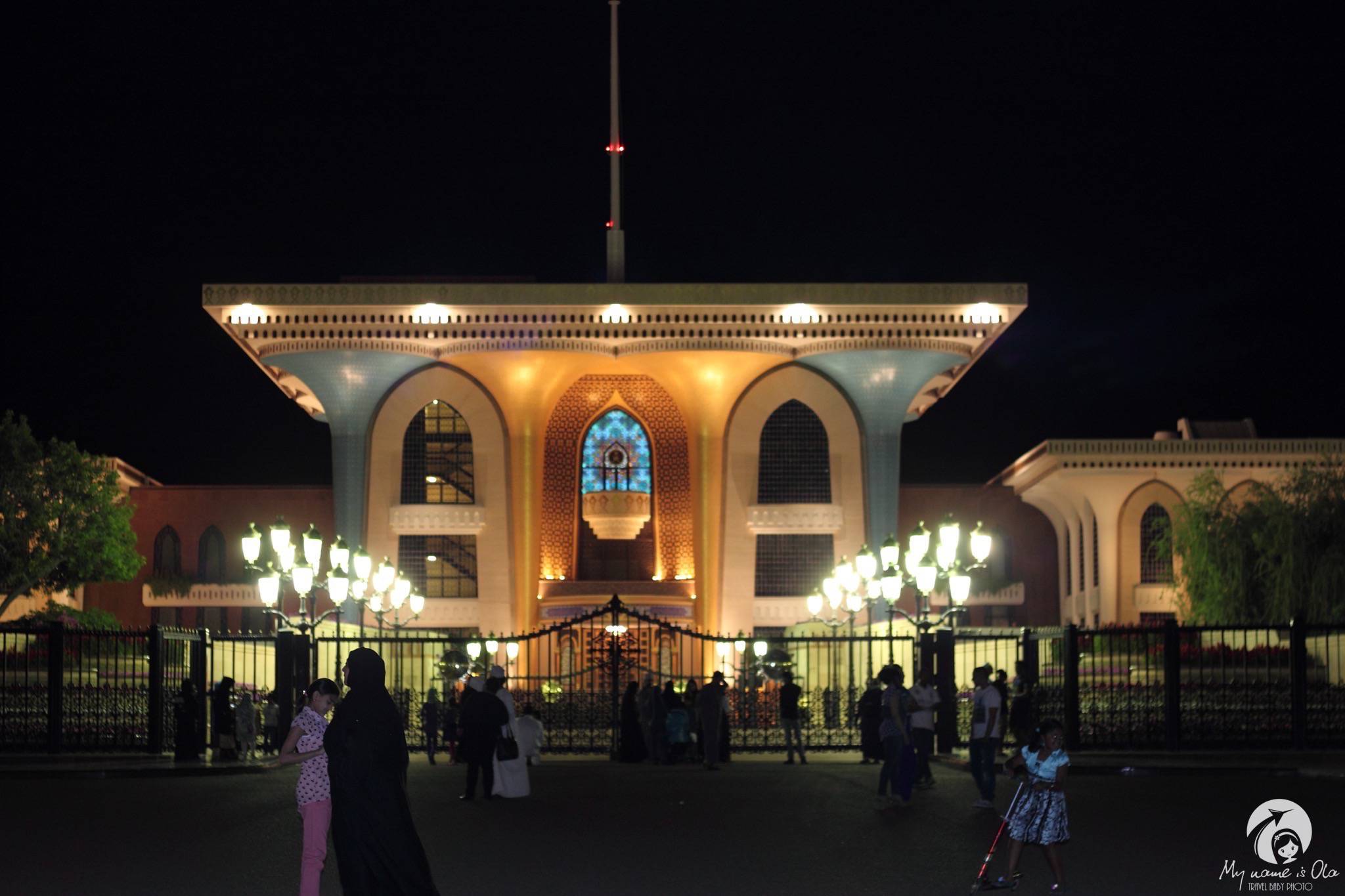
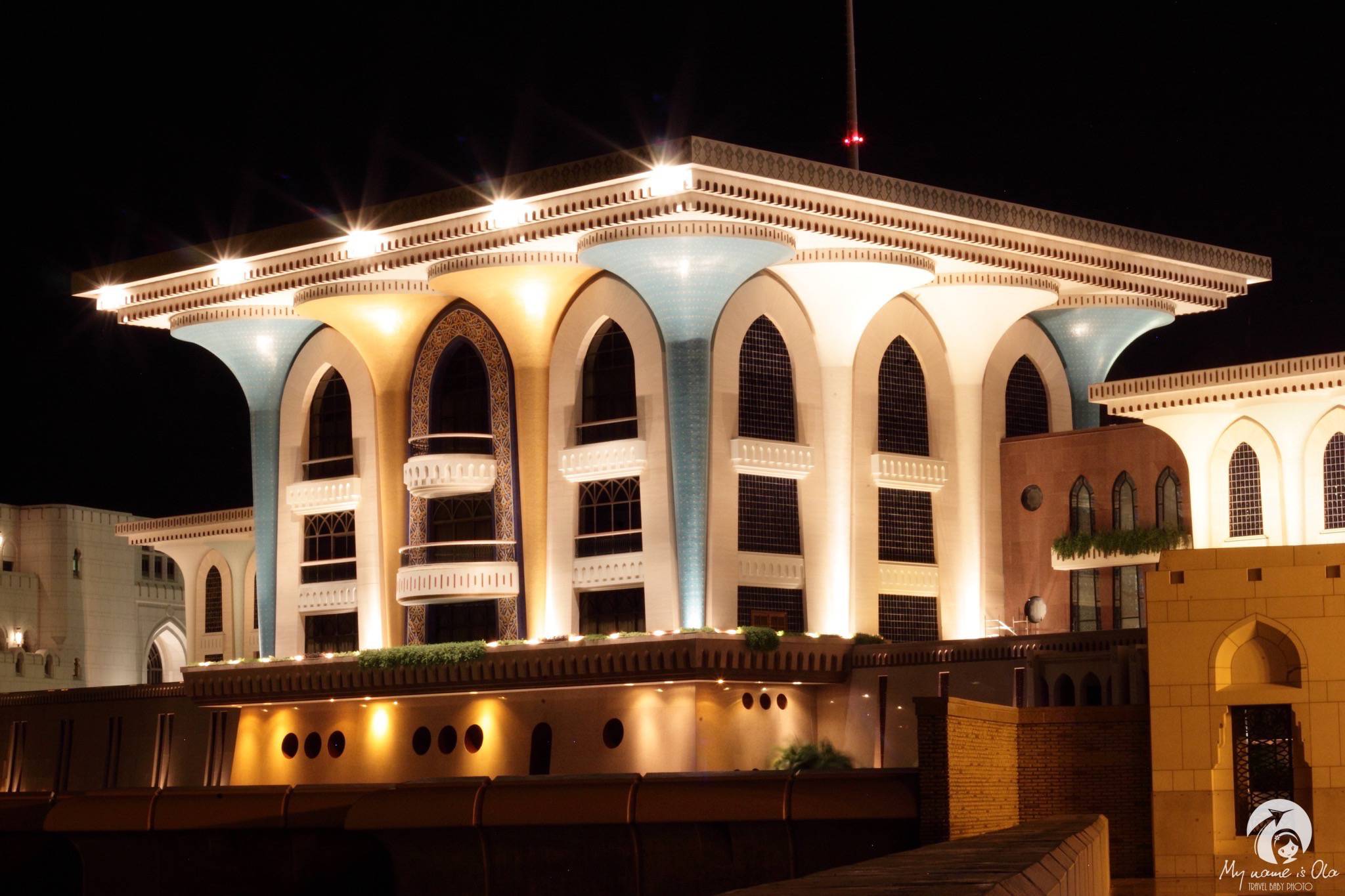
One of the well maintained parts of Muscat is so called Walled City. The name comes from the walls that used to surround way smaller Muscat. Today political and administrative offices are located in this area. The remains of the walls still guard the entrance to the old city and are the home the Muscat Gate Museum presenting Oman’s history. Muscat, OmanThis whole neighborhood is a network of little, narrow streets, green lawns with the main point of Al Alam Palace. This Sultan’s palace was built in this shape in 1972, shortly after Qaboos bin Said al Said became Oman’s sultane as the result of overthrowing his father. He is well educated and pursues the policy of Oman’s neutrality. Being a symbol of country’s transformation he is commonly loved. Before he came to power Oman was rather backward, with low life comfort and medical care, no roads. Since Qaboos’ ascension to power Oman transformed into modern country with impressive road connection within (main road is a two lane highway with lanterns on its whole lenght), high level of medical care and education. Since they started exploiting and exporting oil their gross domestic product increased significantly. GDP per capita for 2013 gave it 19th place in the world.

Coming back to the palace – its facade is really eye-catching, with those yellow and blue columns and flat roof it is not a typical Arabic art. It brings to mind Japaneese or Turkish architecture mixed with Arabic, actually Omani decorations. We might be wrong with judging its style but it really looks like from the fairy tale. Al Alam Palace, Muscat, OmanAround the palace there are some tropical trees which beautiful smell complements the impression. The palace area is the popular place for locals and tourists to walk and even after dark there is plenty of people there. Ola of course had to make friends with some of them.Oman9The palace is well guarded although it is not actually used as Sultan’s home but as a representative place for important guest reception. No visitors are allowed inside; it’s possible only to look and take pictures from the outside.Al Alam Palace, Muscat, Oman

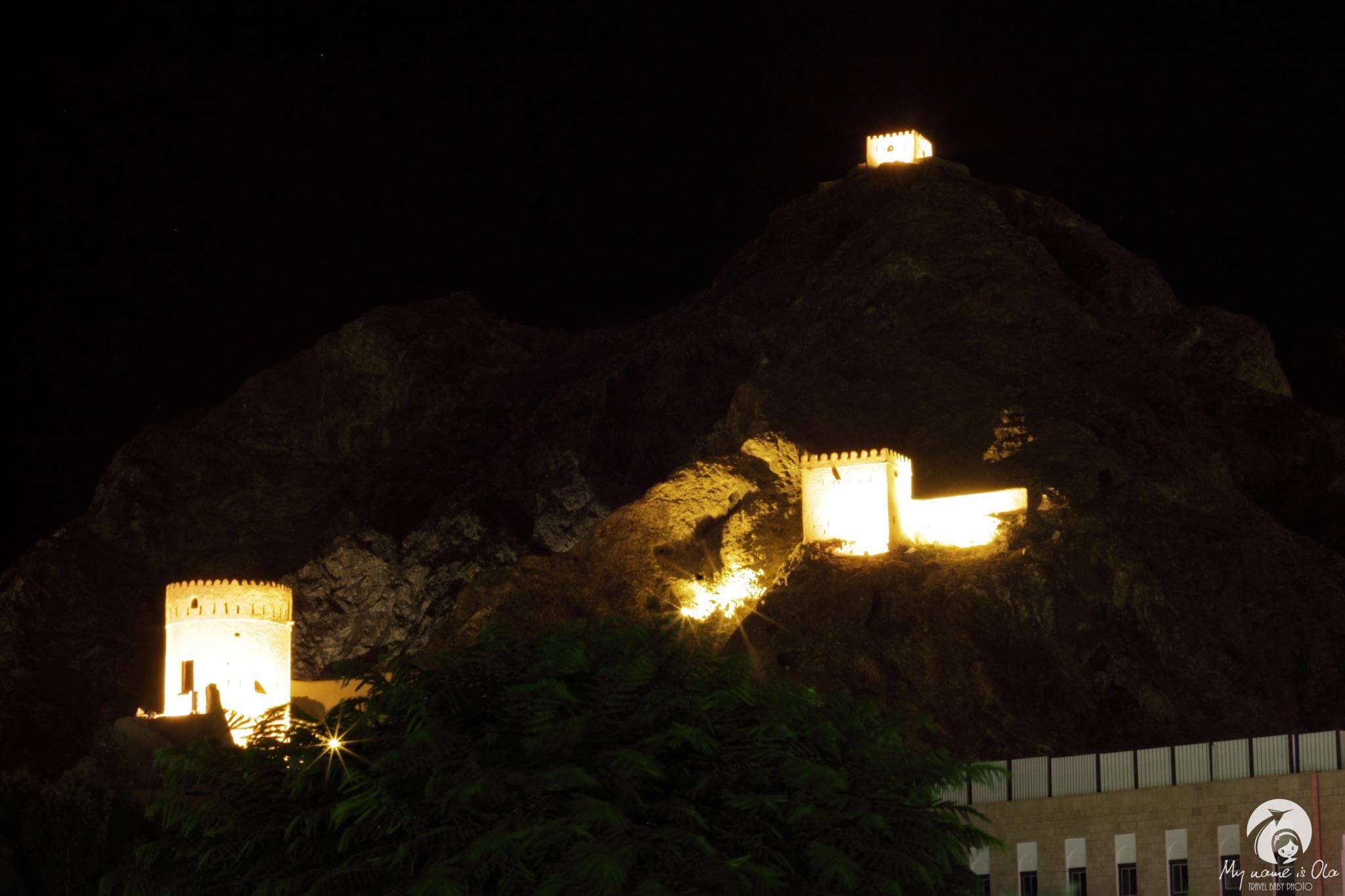
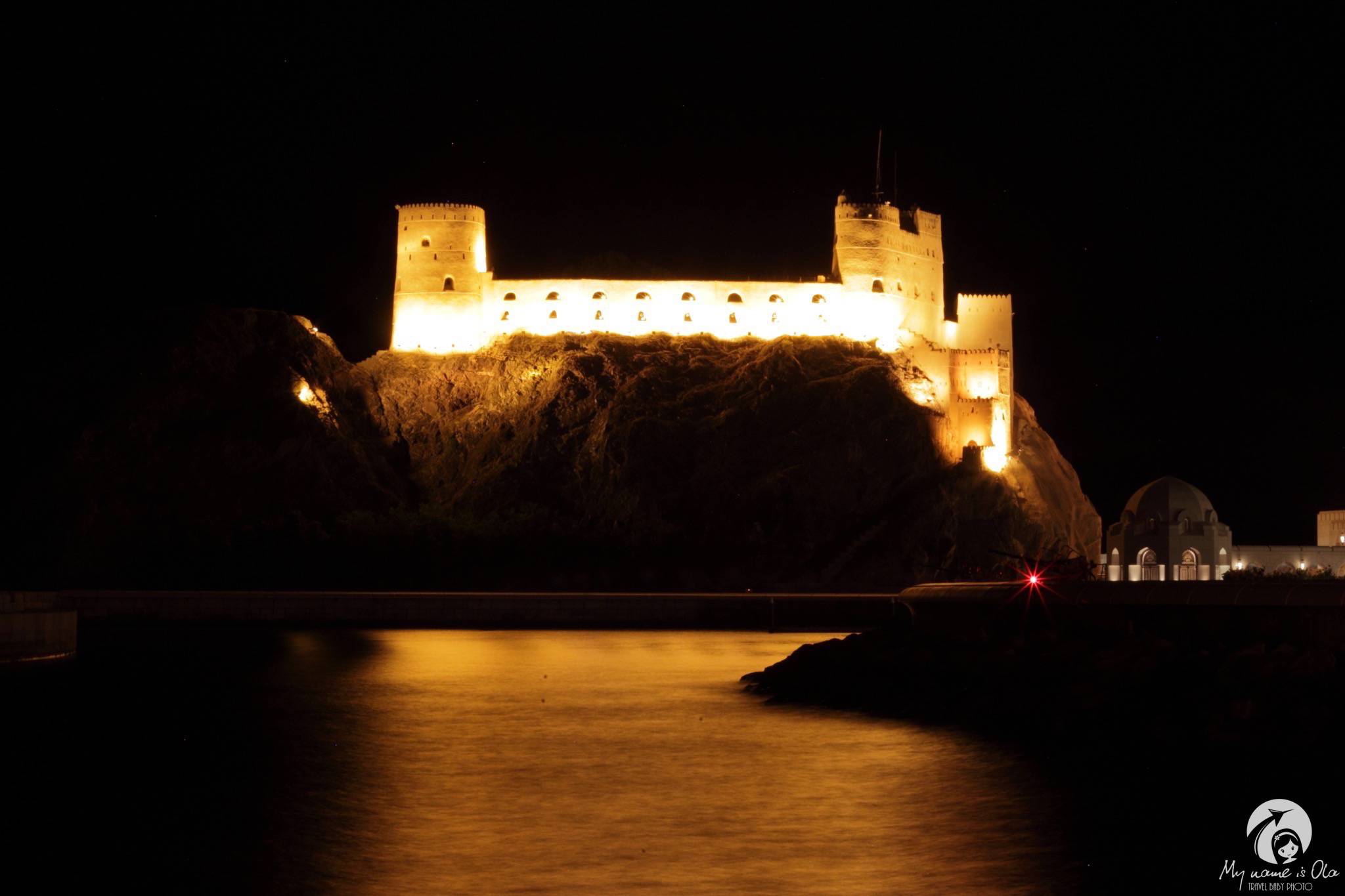
The building is located in the harbour and it’s guarded by two forts located on both sides: Miriani Fort and Al Jalaili Fort. They are nicely lit up, as is the palace. We can see both of them from the back of the palace. [photosetgrid layout=”22″]Muscat, OmanMuscat, OmanAl Alam Palace, Muscat, OmanAl Alam Palace, Muscat, Oman

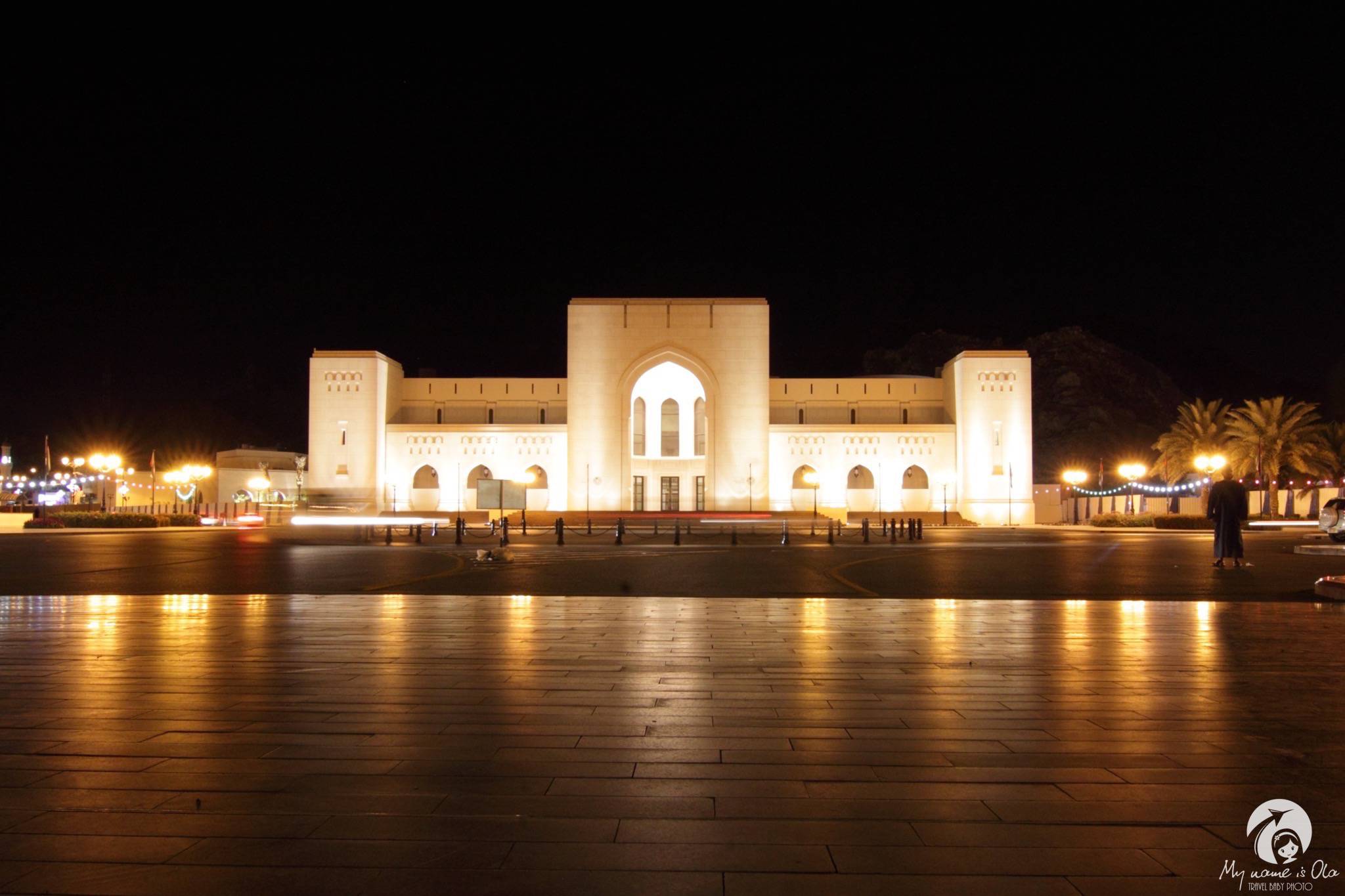
[/photosetgrid]Within the walls of the Old City the turists, besides different ministries, will find couple museums. Bait Al Zubair – it’s a private museum founed by Zubair family and is dedicated to showing Oman traditional crafts and historical items such as weapons, furniture or old maps. Bait Muzna Gallery allows to get familiar with contemporary Omani art. The French Museum – Bait Fransa shows the history of Omani – French relationships. The National Museum – showing old art of pottery, boat building, decorating and many others.

NAtional Museum, Muscat, Oman