main

BlogNa stole

How to taste 200 Cypriot wines for 5 euro

22/04/2015 — by Magdalena Kuźma0

wine28-960x640.jpg

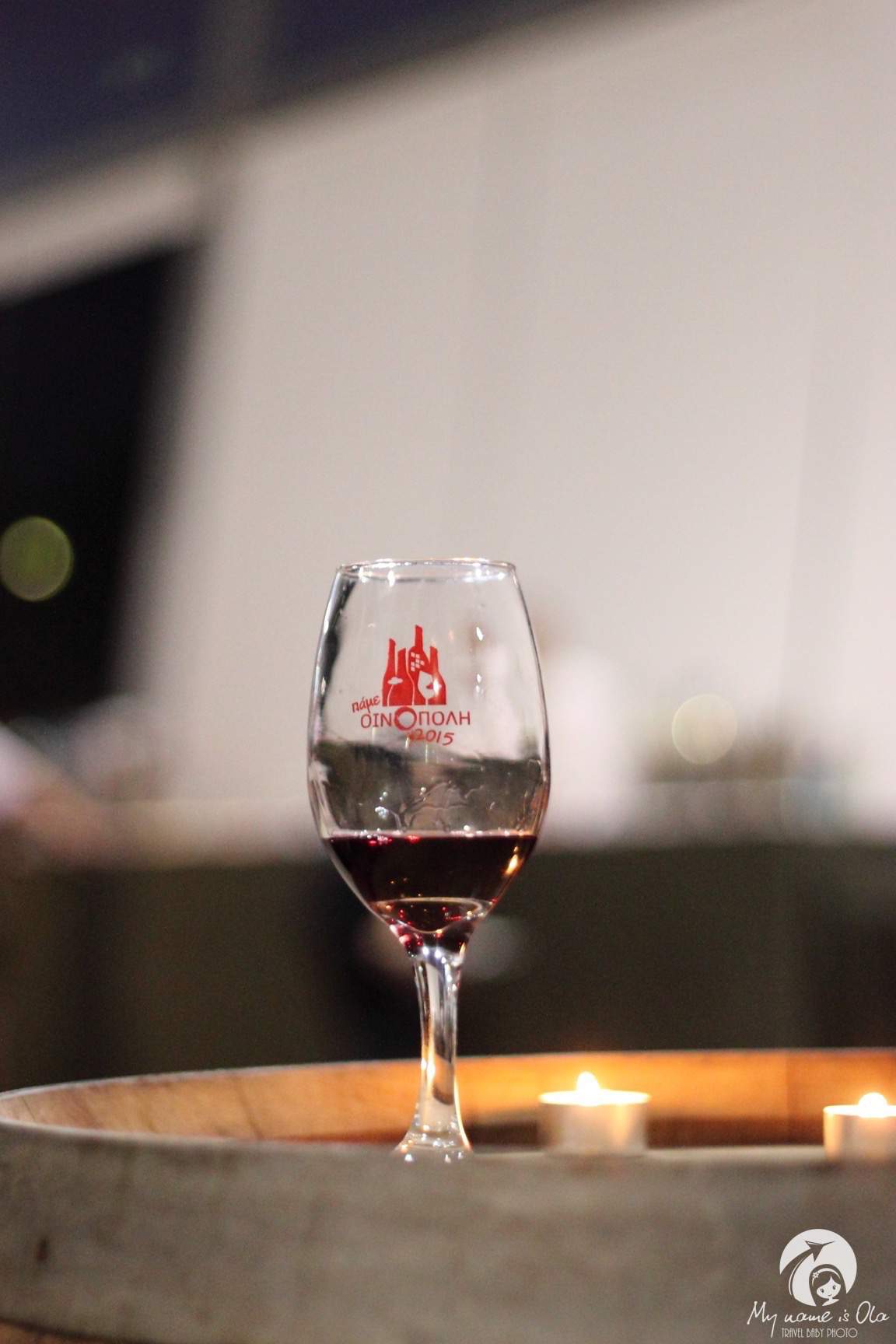
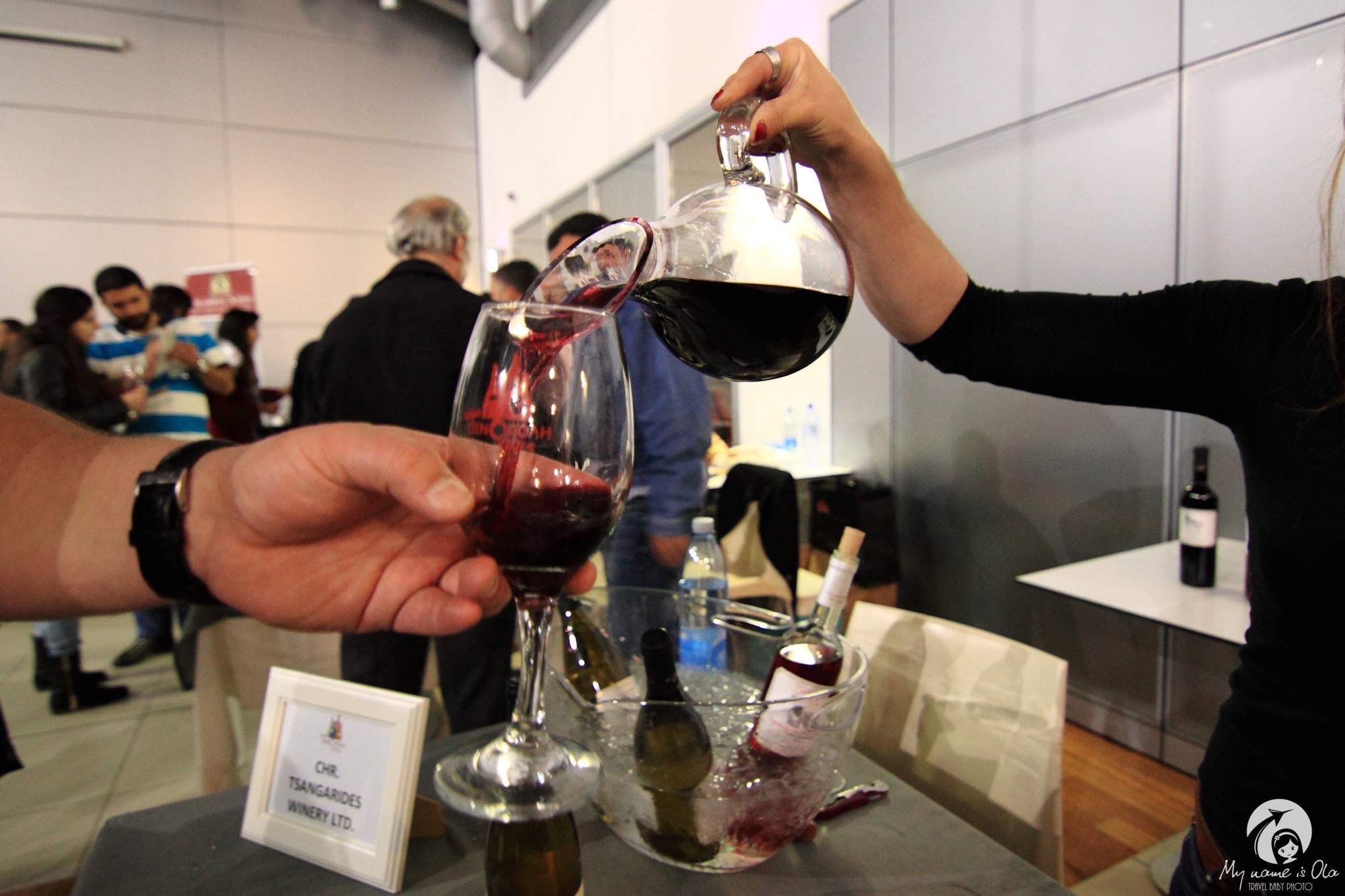
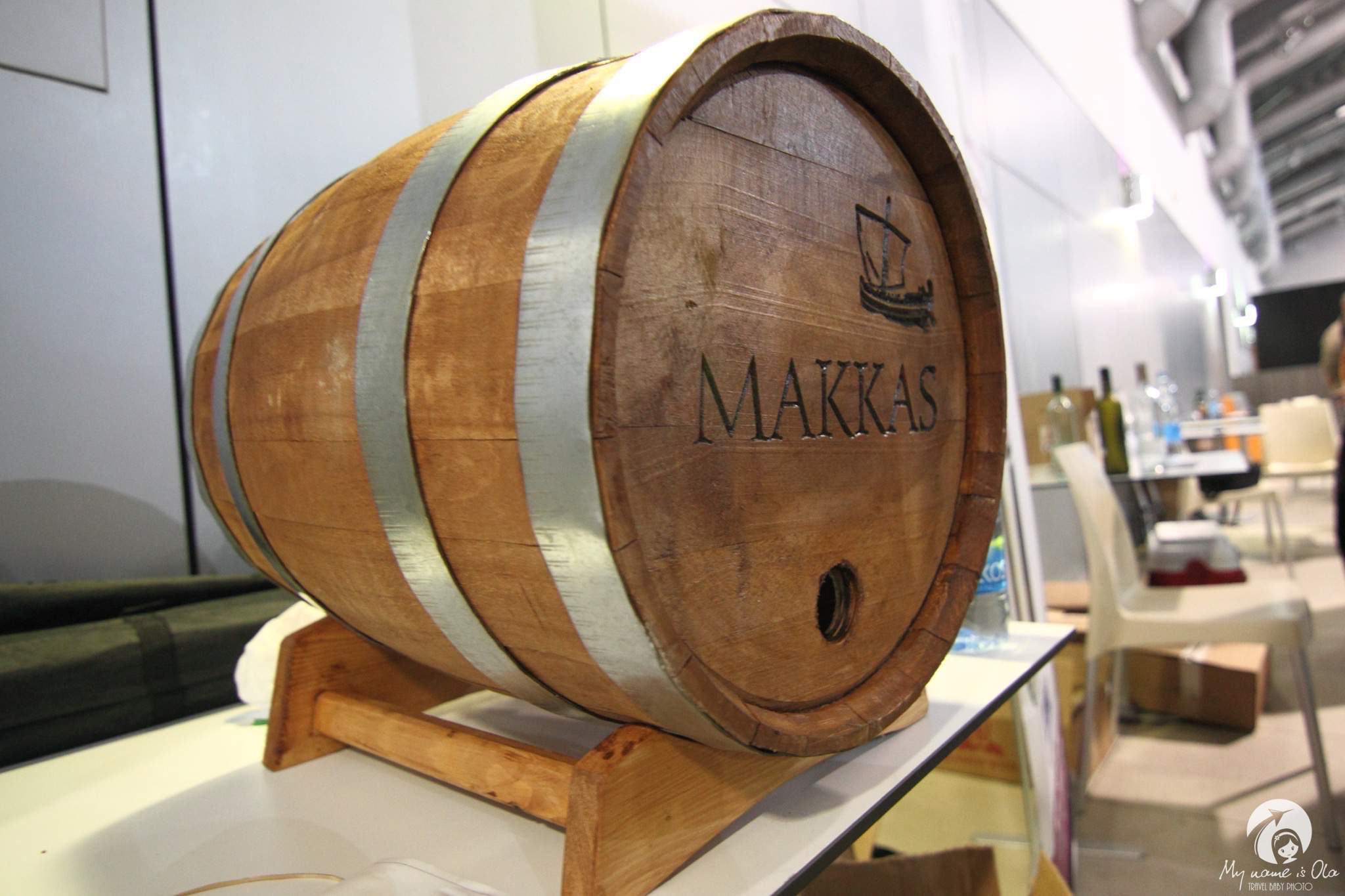
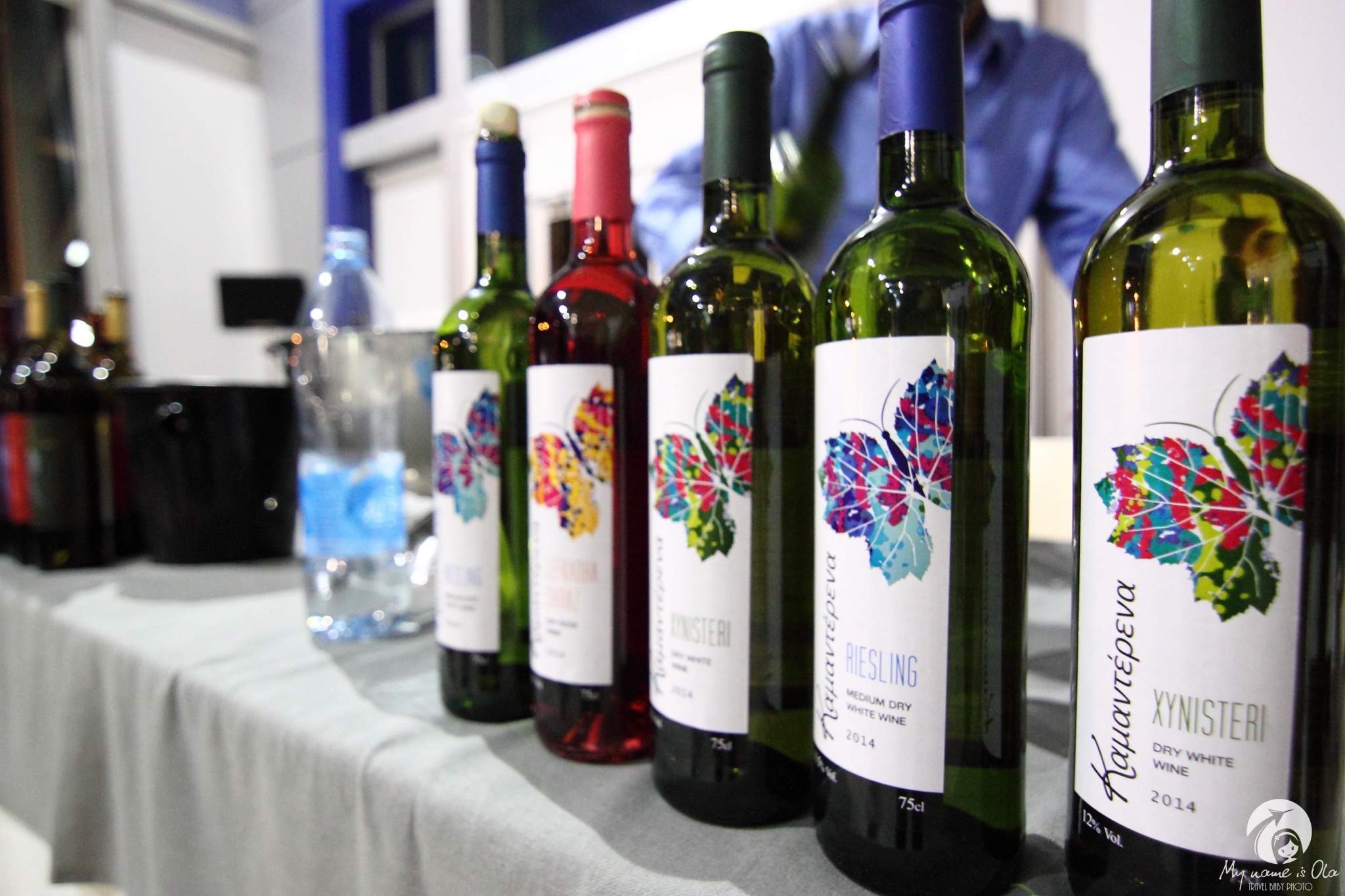
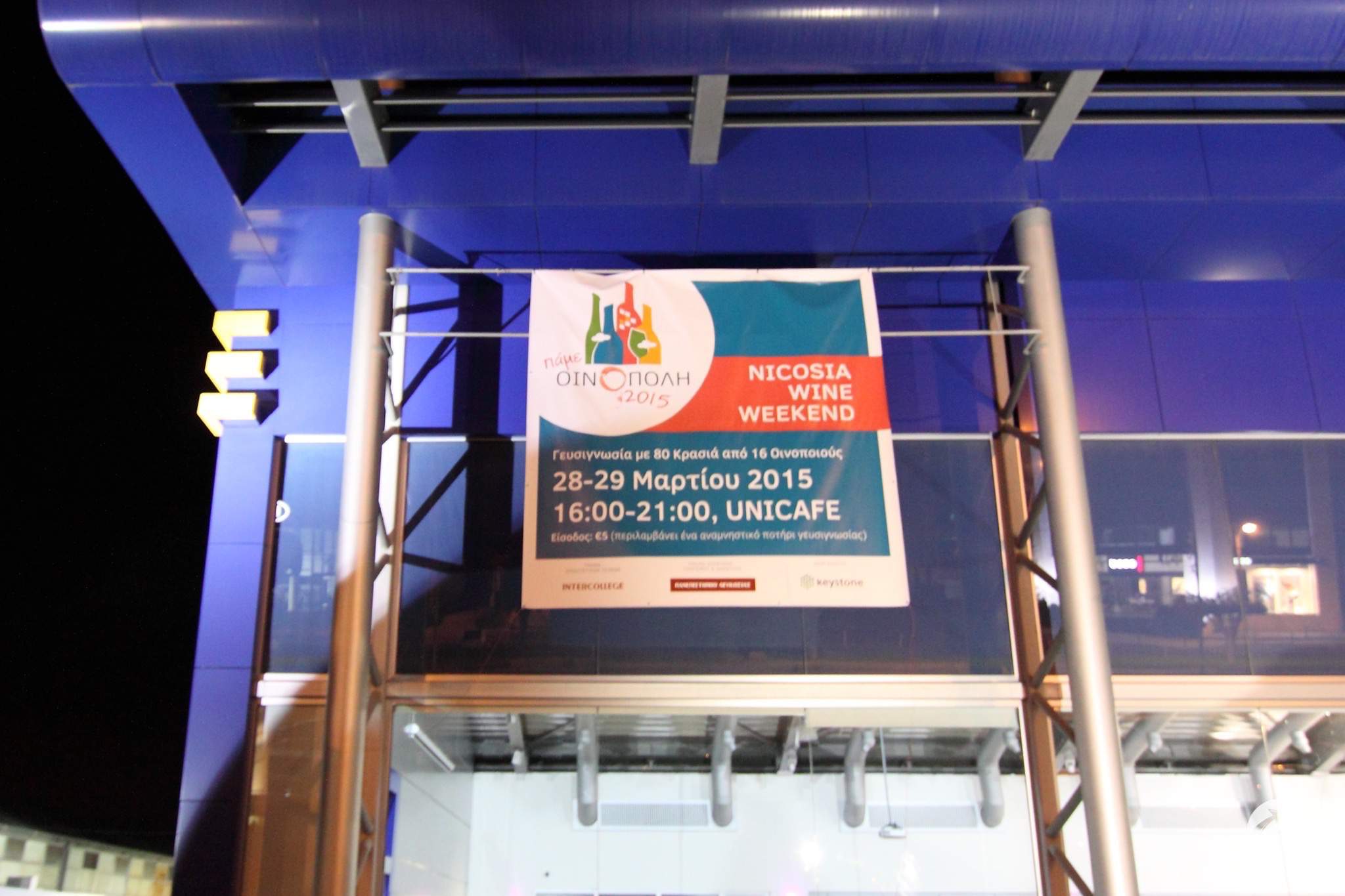
How to spend a nice evening, try around 200 Cypriot wines, including the flagship Commandaria, spending only 5 euro? Simply, just visit Nicosia Wine Weekend! This event brings to one place whole wine industry form all over the island. Producers proudly present their offer and willingly fill the glasses of wine lovers attending the festival. Everyone gets specialy prepared for this occasion tasting glass. Holding it in their hands wine enthusiasts traverse the room trying different types of wines. Producers, oenologists and other people taking part in wine production process are present on wineries’ stands to explain the details connected with their best products. It’s worth to spend a while and get to know some interresting facts on Cypriot wines.

[photosetgrid layout=”3″]Nicosia Wine Weekend, CyprusNicosia Wine Weekend, CyprusNicosia Wine Weekend, Cyprus[/photosetgrid]
Festival – lots of people, Dad is tasting next kinds of wine – great, but what about Ola? What is she doing at that time? And breastfeeding and driving Mom? Ola of course is doing what she currently likes best – runing around. At some stage children, when they already learn how move on their own, stop walking and start runing.  Since that time they see only one possibility of moving and keep on runing everywhere. That of course affects parents trying to keep up. Organizers of Wine Weekend have thought about guests like Mom. If you came by car or don’t want to drink for some other reason or have already tried so many wines and still have a few to go, you can use specially prepared spittoons. Thanks to them you can smell the wine, taste it and at the end get rid of what you don’t want to swallow. It reminds licking the ice cream through the glass but might be useful at some situations.

[photosetgrid layout=”4″]Nicosia Wine Weekend, CyprusNicosia Wine Weekend, CyprusNicosia Wine Weekend, CyprusNicosia Wine Weekend, Cyprus[/photosetgrid]

At the festival there are present wines made of well known international grape varieties as well as those produced of indigenous Cypriot grapes. We have already mentioned two most important indigenous varieties. Xinisteri and Mavro the base of  the most popular alcoholic beverages on the island. The third one, Maratheftiko, is less frequent but its popularity is continously growing. It turns out that in addition to the three above there is much more indigenous grapes varieties but in fact only Xinisteri and Mavro deserve more attention – everyone who will be trying local alcohols should get faimiliar with those names.

Xinisteri are the white grapes, very effectively grown on highier altitudes where lower temperatures allow fruits to achieve better quality. Today Cypriot manufacturers are able to produce of those grapes wines of highier alcohol content than before, with richer and more complex aroma and fuller and deeper taste. An interesting fact is that in order to bring out new flavors and aromas they let Xinisteri partially ferment in oak barrels or blend it with international varieties such as Savignon Blanc. Xinisteri takes significant part in production of most important Cypriot wine – Commandaria.

Mavro is the most popular type of grapes produced in Cyprus. Represents approximately 40% of all crops and today it is being used more as a table grape than wine ingredient. Main advantege of this variety is  that it gives a lot of fruits but most of wines made of it reach medium color, poor aroma and light taste. To create more fine wines, of deeper colour and more floral and fruity aroma, Mavro need to be grown on highier altitudes, over 1000 meters. Together with Xinisteri it is used for Commandaria production. Out of wines made only of Mavro grapes, rose ones are praised.

[photosetgrid layout=”5″]wine10wine7 Nicosia Wine Weekend, Cyprus Nicosia Wine Weekend, Cyprus Nicosia Wine Weekend, Cyprus[/photosetgrid]

Commandaria we already mentioned – it’s a flagship wine of Cyprus and being there you have to definitely try it. It’s a dessert wine, so sweet and heavy, what means that Cypriots will serve it after main meal. We will find in it a blend of those typical Cyrpiot grape varieties: – Xinisteri i Mavro. Since this is probably the most precious treasure of the island, to produce it several conditions have to be met. First of all it has to be produced in the area between Mediterranean Sea and Troodos Mountains. Cultivation, drying in the sun and the fermentation of grapes used in production must take place in one of the 14 villages that make up the appellation Commadaria. Only then the drink can use the name of probably the oldest still produced wine in the world. It was first mentioned in 12th century. While being on holidays in Cyprus we advise to get yourself at least one glass of this thick golden brown drink with coffee, chocolate and fruit aroma.

[photosetgrid layout=”4″]Nicosia Wine Weekend, CyprusNicosia Wine Weekend, CyprusNicosia Wine Weekend, CyprusNicosia Wine Weekend, Cyprus[/photosetgrid]

As Cypriot producers say the quality of local wines is mainly influenced by the environment where the grapes ripen – climate, fertile soil, topography. It is thanks to the variety of soils and the possibility of growing vines on different altitudes, that wines from the island reach distinct taste and aroma.  Especially the altitude seems to affect the quality because it allows to escape more sensitive to high temperatures plants little highier where the climate is lighter. There during the crucial period of ripening temperature is milder and rain more frequent. Such conditions allow to grow grapes of richer flavor giving the wine deeper taste.

The best idea it is to find out about all the factors influencing the quality and taste of wine at the source. Most of 50 wineries on the island welcome all visitors and invite them to see the crops, production process and of course to try their products. It’s the best to choose some winery, make a phone call and schedule a tour for yourself. If you are wine enthusiast it is even necessary to visit one of the wineries.

Weekend with Cypriot wines is not our first encounter with the drink of the gods. Our observations and knowledge we gained in different wine regions of the world have encouraged us to take part in the project of Aleksandra Vineyard. You can soon expect our first report from planting thes vines.

Blog

CYPRIOT ALPHABET – AN ISLAND FROM Α TO Ω – PART 2

09/04/2015 — by Magdalena Kuźma5

Cyprus1-2-960x595.jpg

N

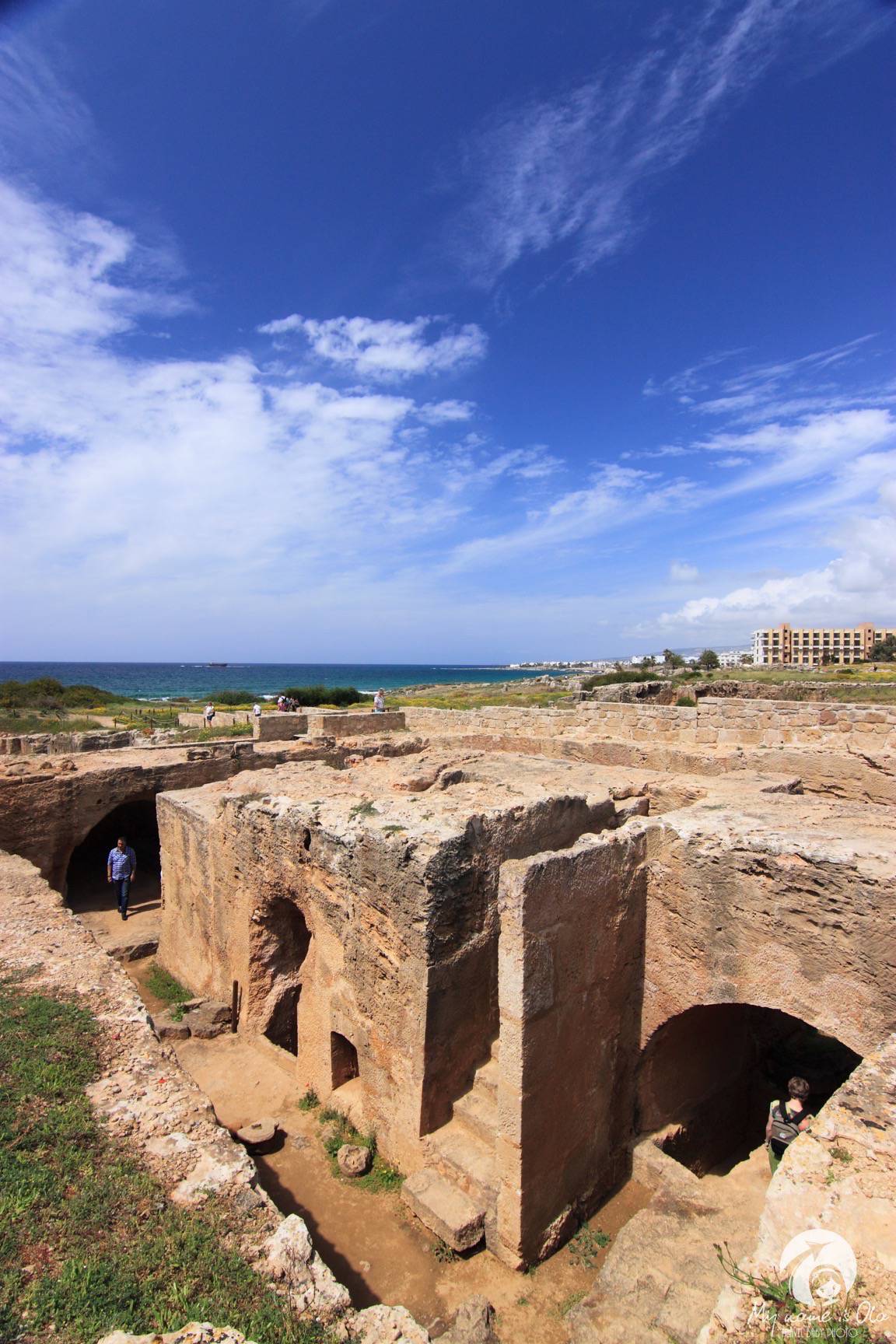
Ν ν – Νεκρόπολη – Necropoles. Nearby the center of Pafos, just by the seaside you will find one of interesting Cypriot necropolis. Those are Tombs of the Kings from the 4th century BC. The thing about them is that they are named kings’ but have never been used by monarchs. Archeologists seeing the richness and size of the site, at first expected it to be the place of royal burial. Later they found out that none of the kings bodies were here. Those richly decorated,carved out of the solid rock catacombs were probably the graves of some prominent Cypriot officials. It’s the huge area and the impressive performance that allowed them keep the name of Kings’ Thombs. Some graves even resemble houses, they are so big, have many rooms and are have carved collumns. They are an example of stone carved buildings – the most impressive of such is of course Petra in Jordan, but if you havent seen any of this type it’s a good reason to visit the Thombs of Kings. Make sure not to go there at noon as it is a pretty long walk on almost no-shade area.

[photosetgrid layout=”3″]Thombs of Kings, CyprusThombs of Kings, CyprusThombs of Kings, Cyprus[/photosetgrid]

KS-1

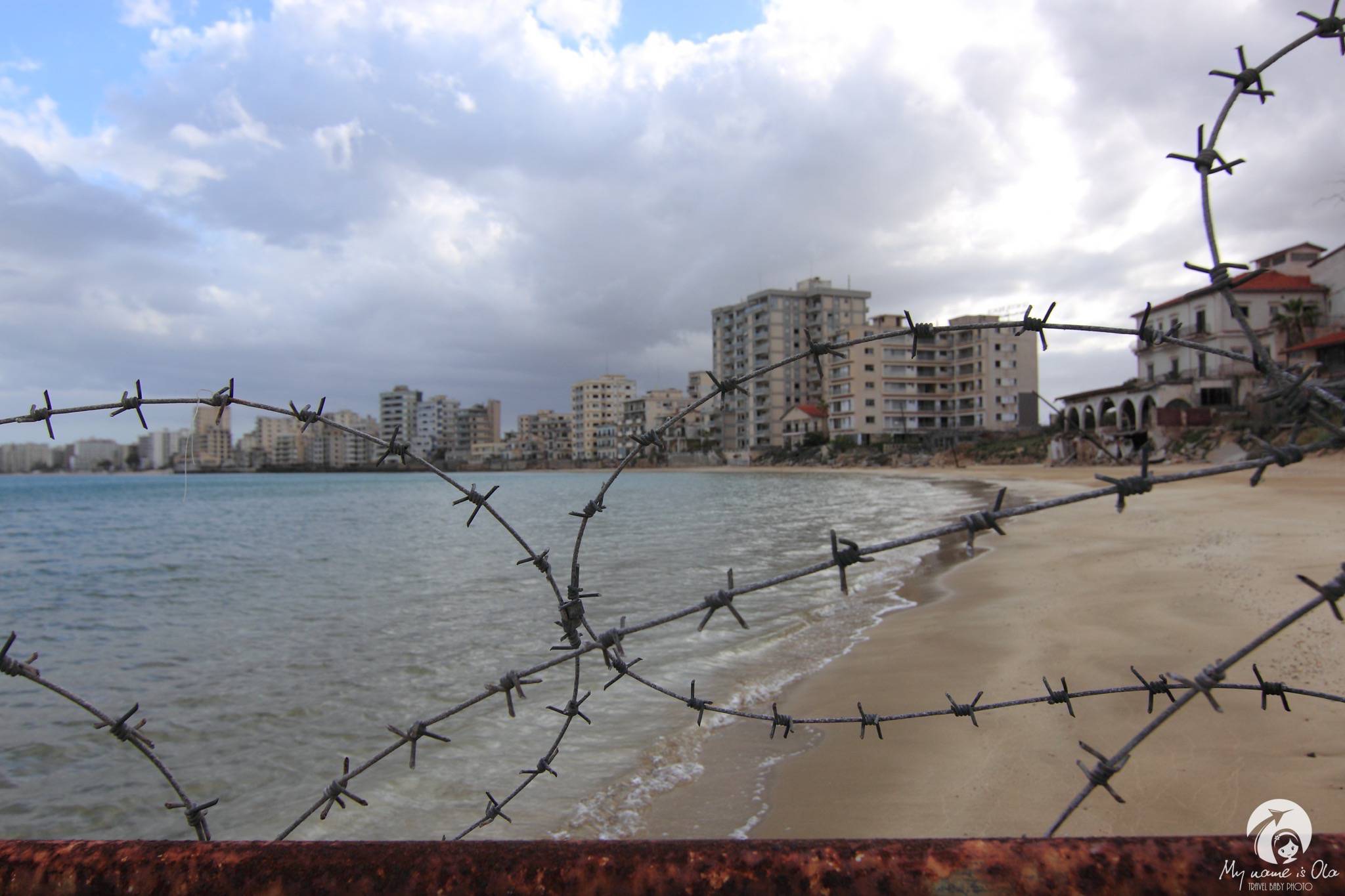
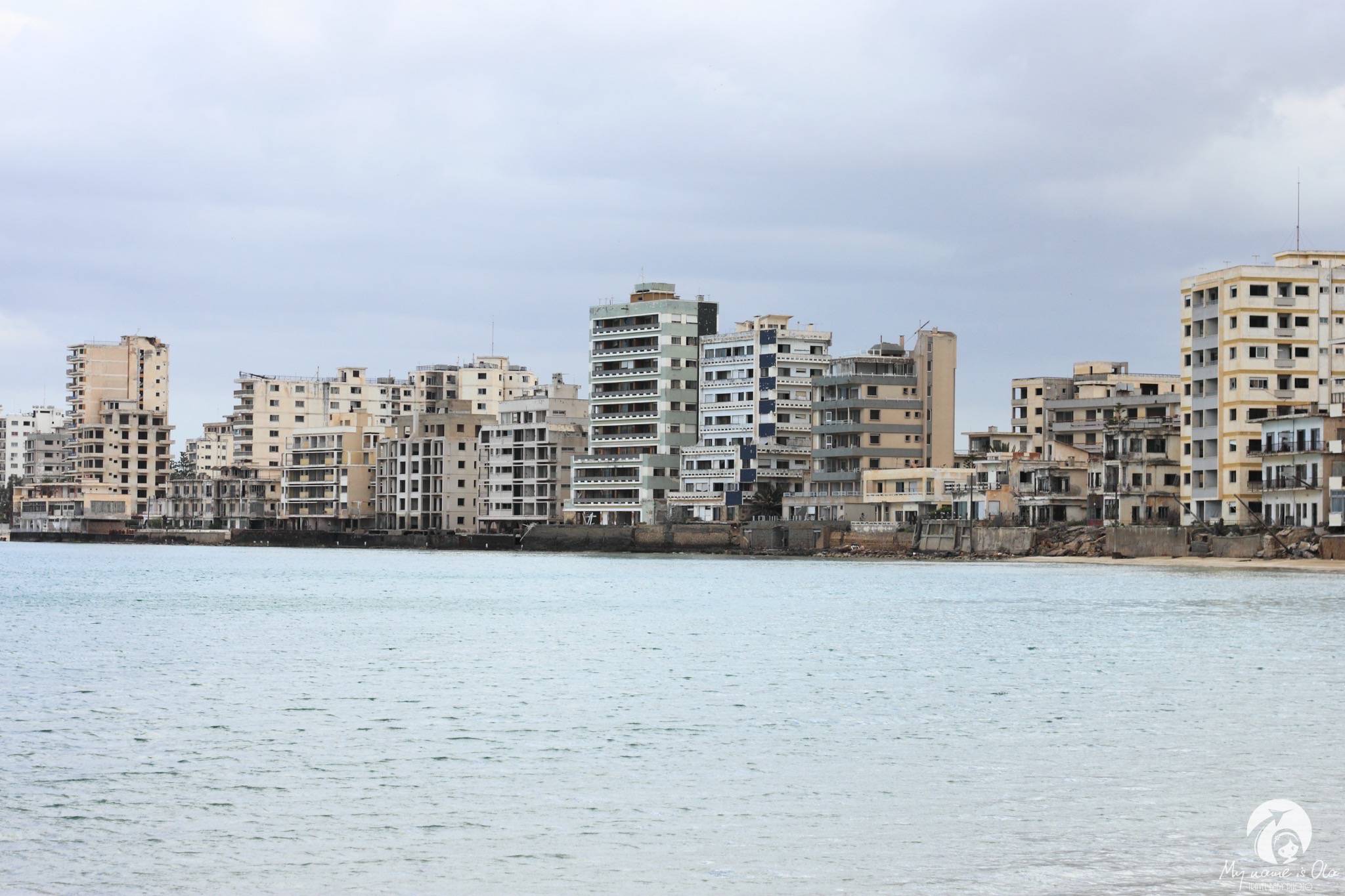
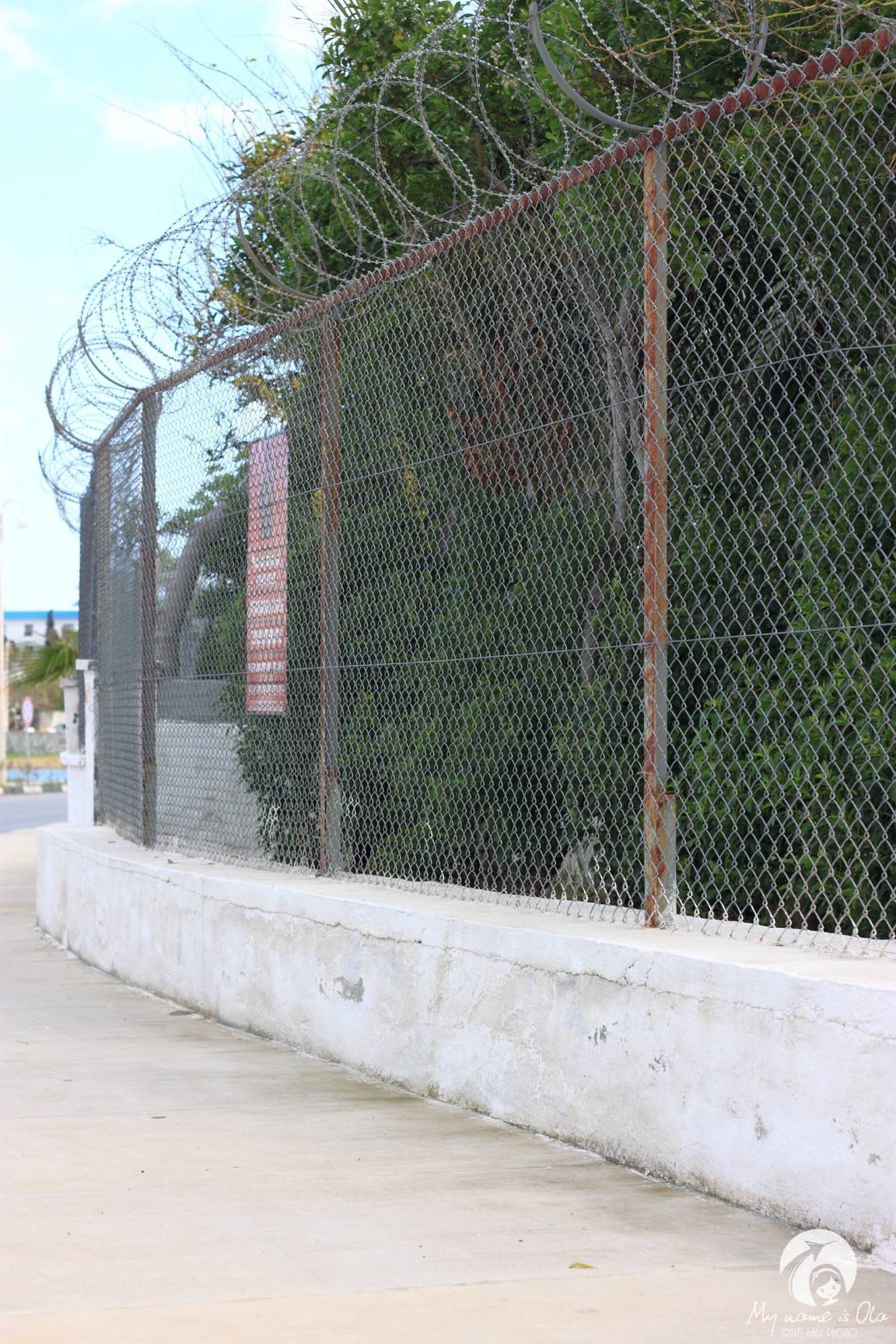
Ξ ξ – ξαφνική απόδραση – Sudden escape – Chernobyl – this is what comes to our minds first when we think about an abandoned city, a city that suddenly was desolate and has been deserted until today. And basicly it’s all that weknow. As a matter of fact there are some more of such ghost cities in Europe. One of them is in Cyprus. It’s name is Varosia and it used to be a big district of Famagusta. One day in 1974 it was suddenly abandoned by it all residents. The reason for this action was an upcoming battle of Turkish and Greek army in 1974 during the Turkish invasion to the island. Citizens in order to protect their health and lives flied from the city leaving their homes in a hurry. All that of course with the strong belief to come back as soon as the fights finish. Before all that happened Varosia was the center of Cypriot tourism, it’s beds were over 50% of all hotel beds on Cyprus. Today this neighborhood is under Northern Cyprus’ controll and Turkish army fenced it with barbed wire and aby access to it is strictly forbidden. Neither former residents, nor Turkish settlers are allowed to inhabit Varosia. Turkis army and the nature are the only ones who can enter the zone. The result is that all the luxury hotels from the seventies are completely ruined today, have no windows, paint peels off, plants bloom in the most unexpected places. Deteriorating buildings tower over beautiful sandy beaches. Former residents of Varosia are still ready to come back and revitalize the city however lack of agreement between Greek and Turkish Cyprus makes it impossible and Varosia is till a ghost town.

[photosetgrid layout=”3″]Cyprus VarosiaCyprus VarosiaCyprus Varosia[/photosetgrid]

O

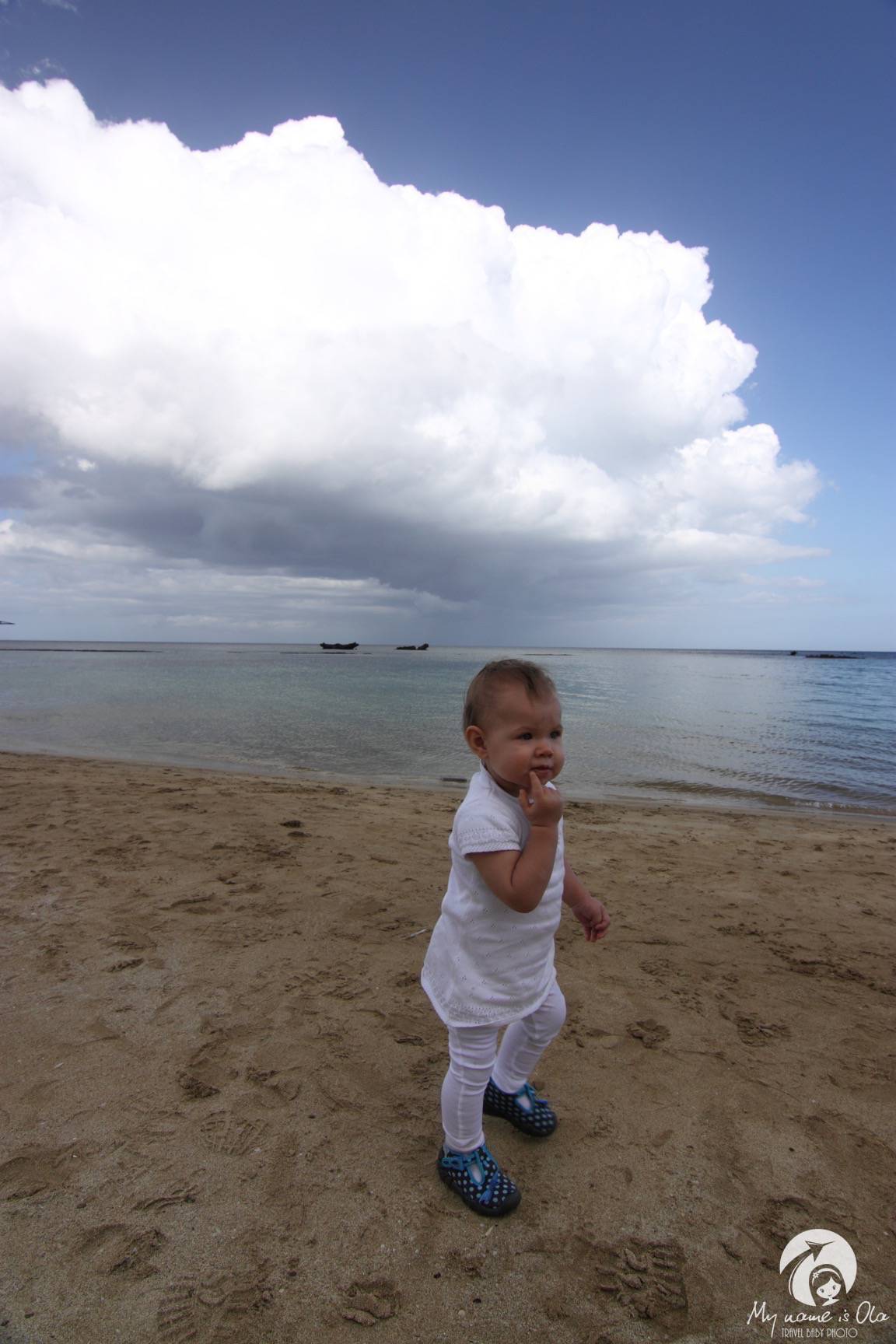
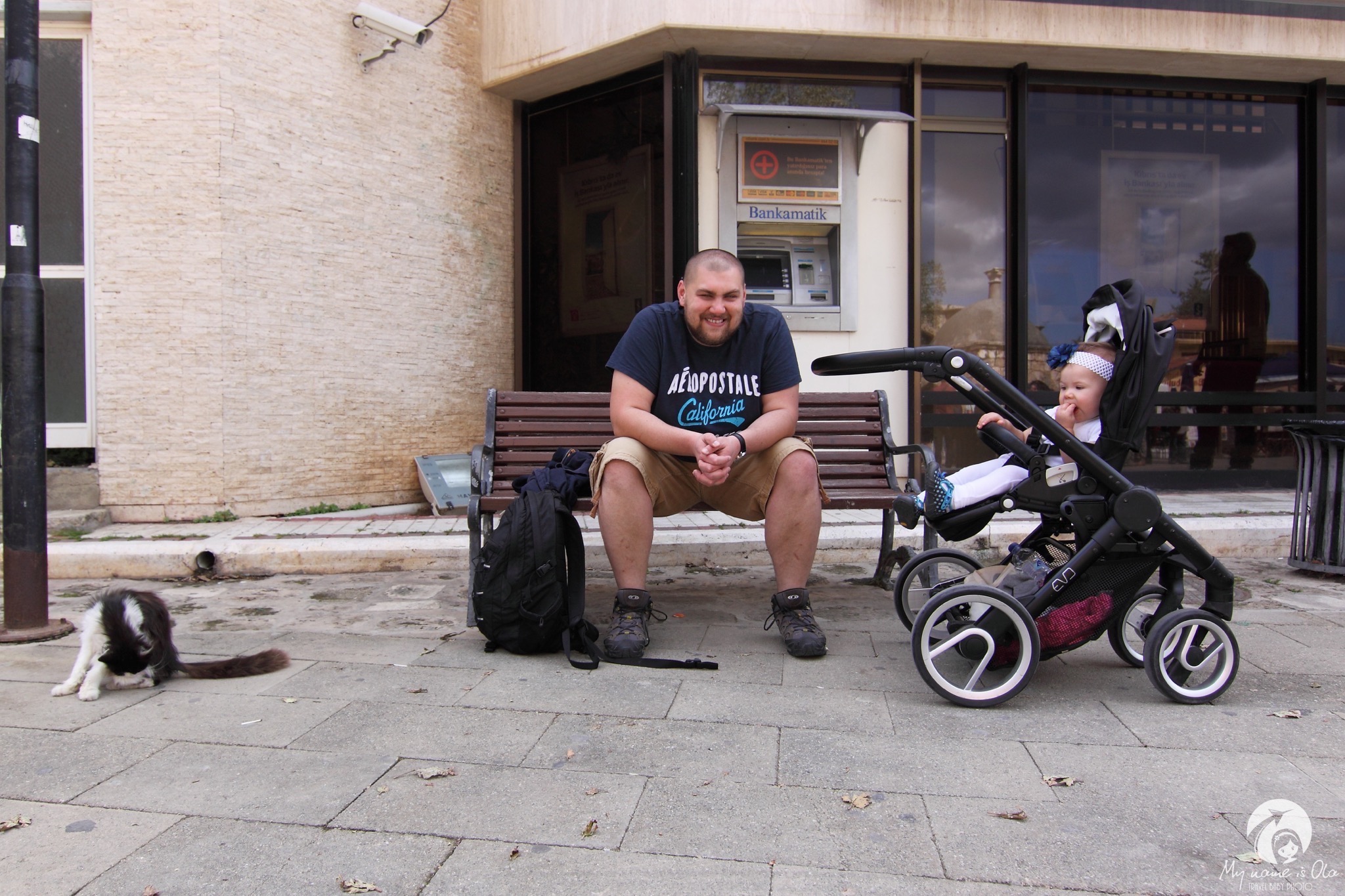
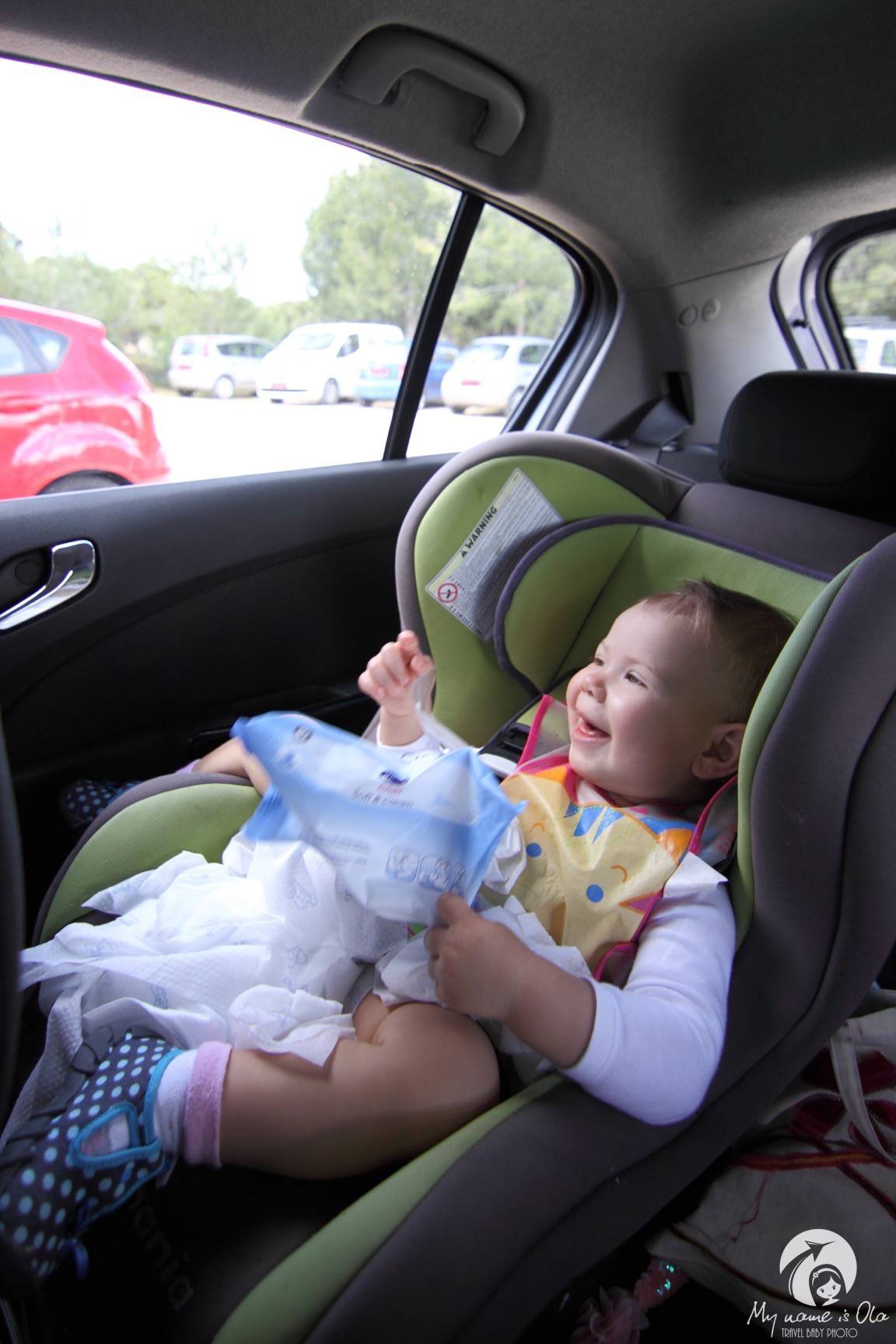
O o as Ola. Ola had great time on Cyprus. She was delighted with the weather, friendly cats she could run everywhere with, beautiful veiws and new car seat. Here for the first time she sat in the car as an adult and she liked it a lot. After coming back home we had to go shop fot he new seat right away. Although Ola doesn’t play on children’s playgrounds yet we noticed that the island is well prepared for the lottle ones and they are easily accesible. Hotels are equipped in baby cots, restaurants have high chair, we even noticed some changing tables, but just few. Generaly Cypriots have very positive attitude to children. Journey through the streets of Cyprus cities with the stroller was not always easy, sidewalks are often narrow plus from time to time unexpected lanterns appear in the middle of them. Anyway it was easier to push the stroller through the streets than let Ola run on her own feet. She usually run the opposite direction then the one where we were going. Luckily the stalls with inflatable pets and other colorful toys we out of her interest yet!

[photosetgrid layout=”3″]Ola4 Ola3 Ola2[/photosetgrid]

P

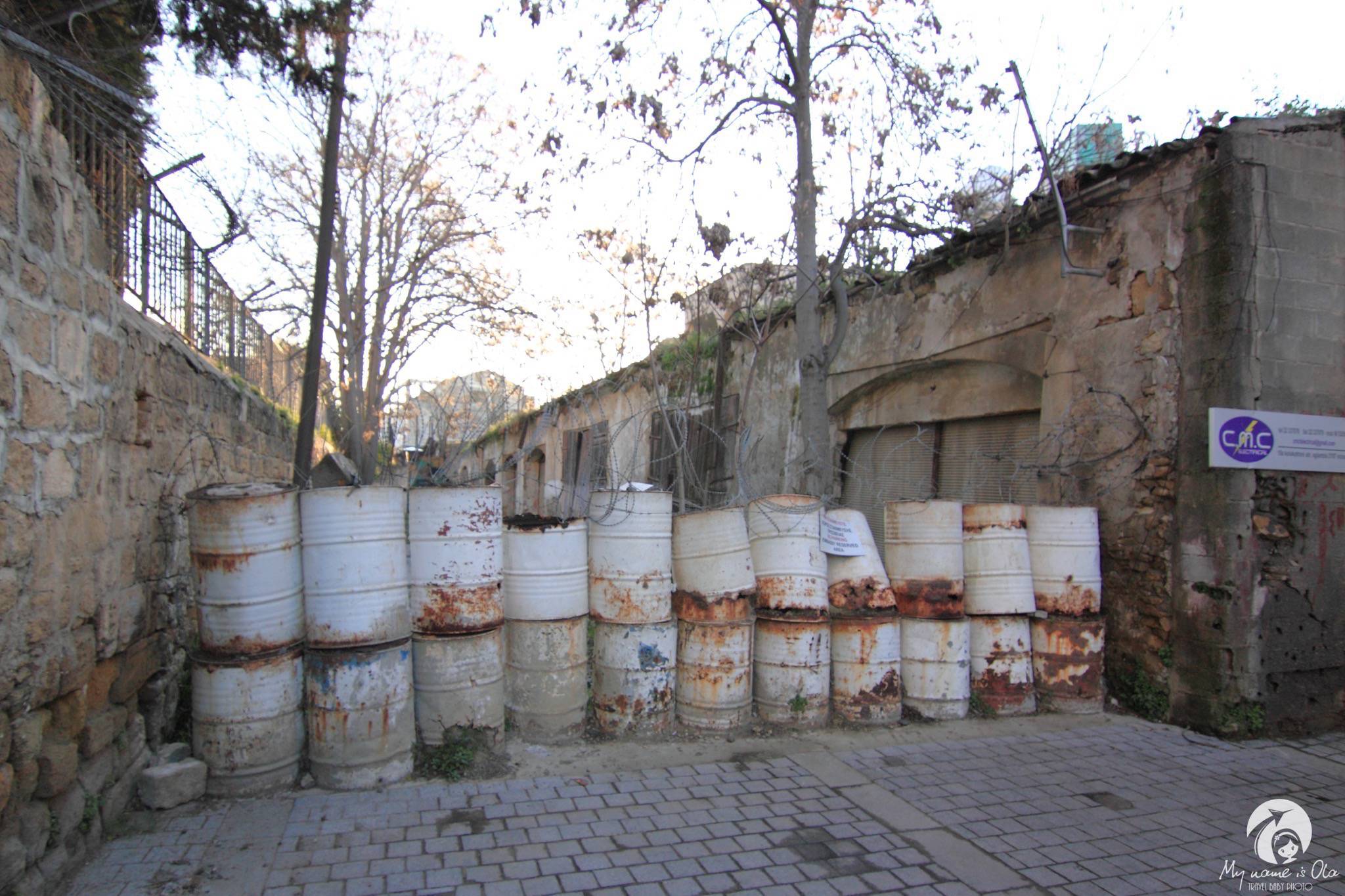
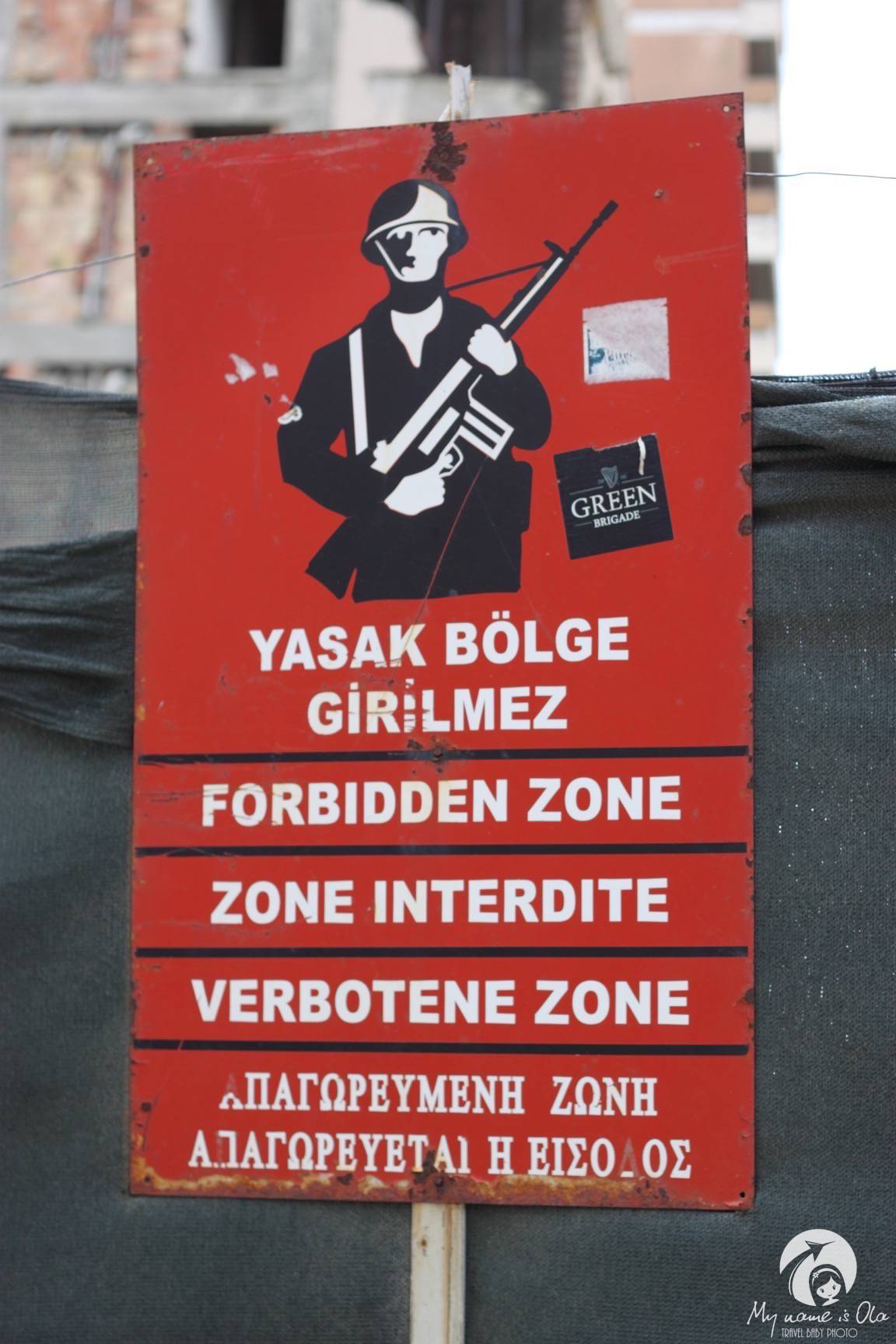
Π π – Πράσινη Γραμμή – Green Line. Green line is the buffer zone created by UN between the Republic of Cyprus and Norther Cyprus. The island is another territory in the world where due to impossibility of reaching peace, two parts of conflict had to be phisically separated from each other. The history of Green Line dates back to the sixties of 20th century. At that time, because of hostility of two nations, British forces had to divide the island to set apart Greeks and Turks. In 1974 after Turkish invasion to the island, green line divided nations for good and became impassable. In fact it is a demilitarized area of different width, going form north to souts of the island. Some cities ended up in the middle of the zone, others, like Nicosia, were cut by the line. The border runs through the center of Nicosia making it possible to be the capital city of both countries. The border was impassable for 30 years. Only 10 years ago did Turkish and Cypriot authorities allowed to cross it. Today everybody can freely cross it, of course having a passport. Turists cross the border moving between two countires, particularily in Nicosia, because most of turistic sites of the city are located on Turkish side. Whole procedure takes only a moment (if no queue) and the stamp of Norteh Cyprus can be done in the passport or not, depends on you. There are 7 crossings on the Green Line, some of them can be used only by car, some by foot. If you want to take rented in Republic of Cyprus car to Northern Cyprus, you just need to buy additional insurance at the crossing. It’s 20 euro for 3 days. There is no possibility to rent a car in Norther Cyprus and drive it to the south of the island. Although free crossing of the border people had not lost their hostility. UN forces report around a thousand of different incidents taking place in the buffer zone per year. Those range from insulting to the use of guns so possibilities of ending military mission on this area are poor.

[photosetgrid layout=”3″]CYPRUS, Nicosia, Green Line Cyprus, Green Line Cyprus, Green Line[/photosetgrid]R

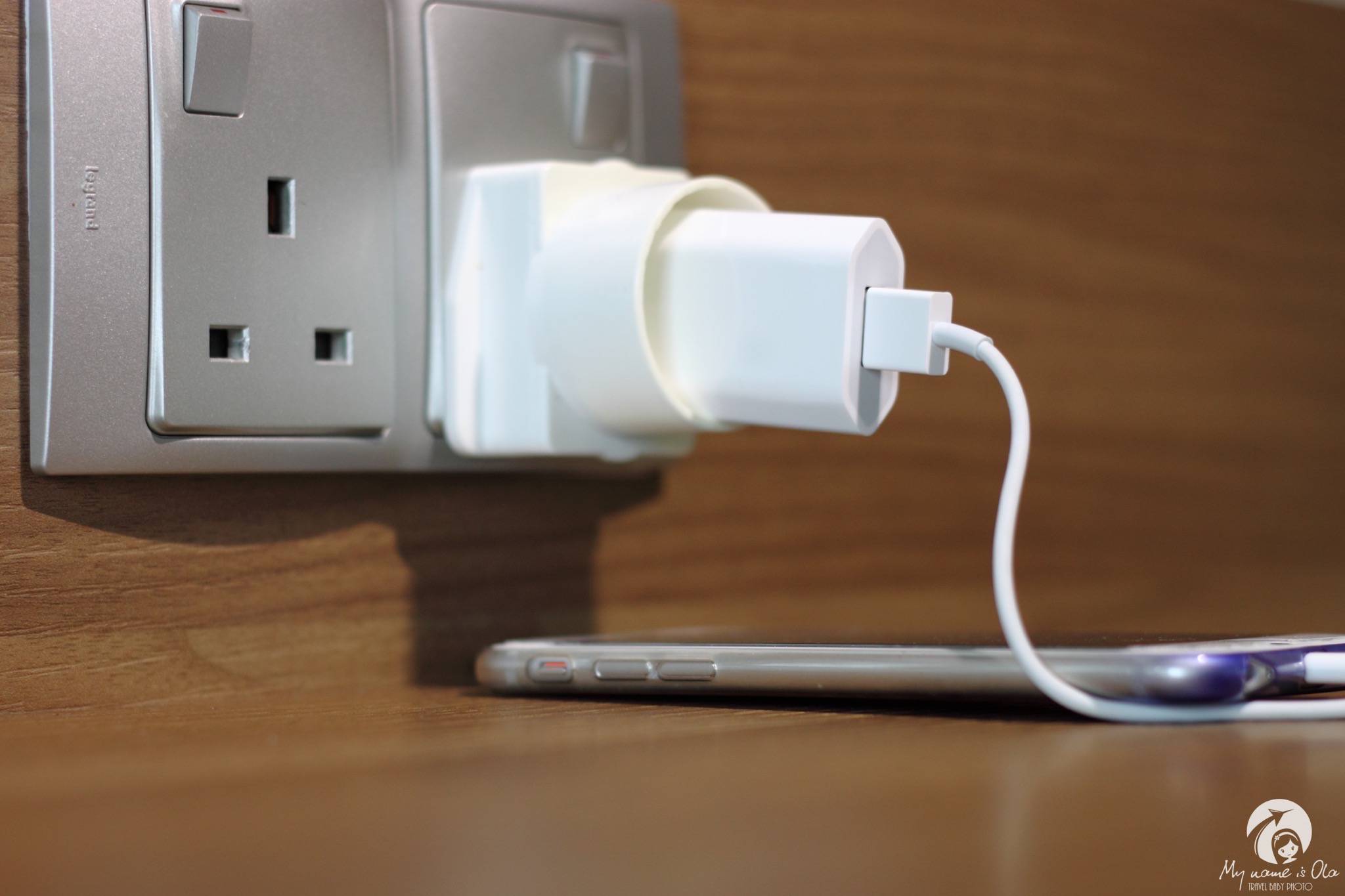
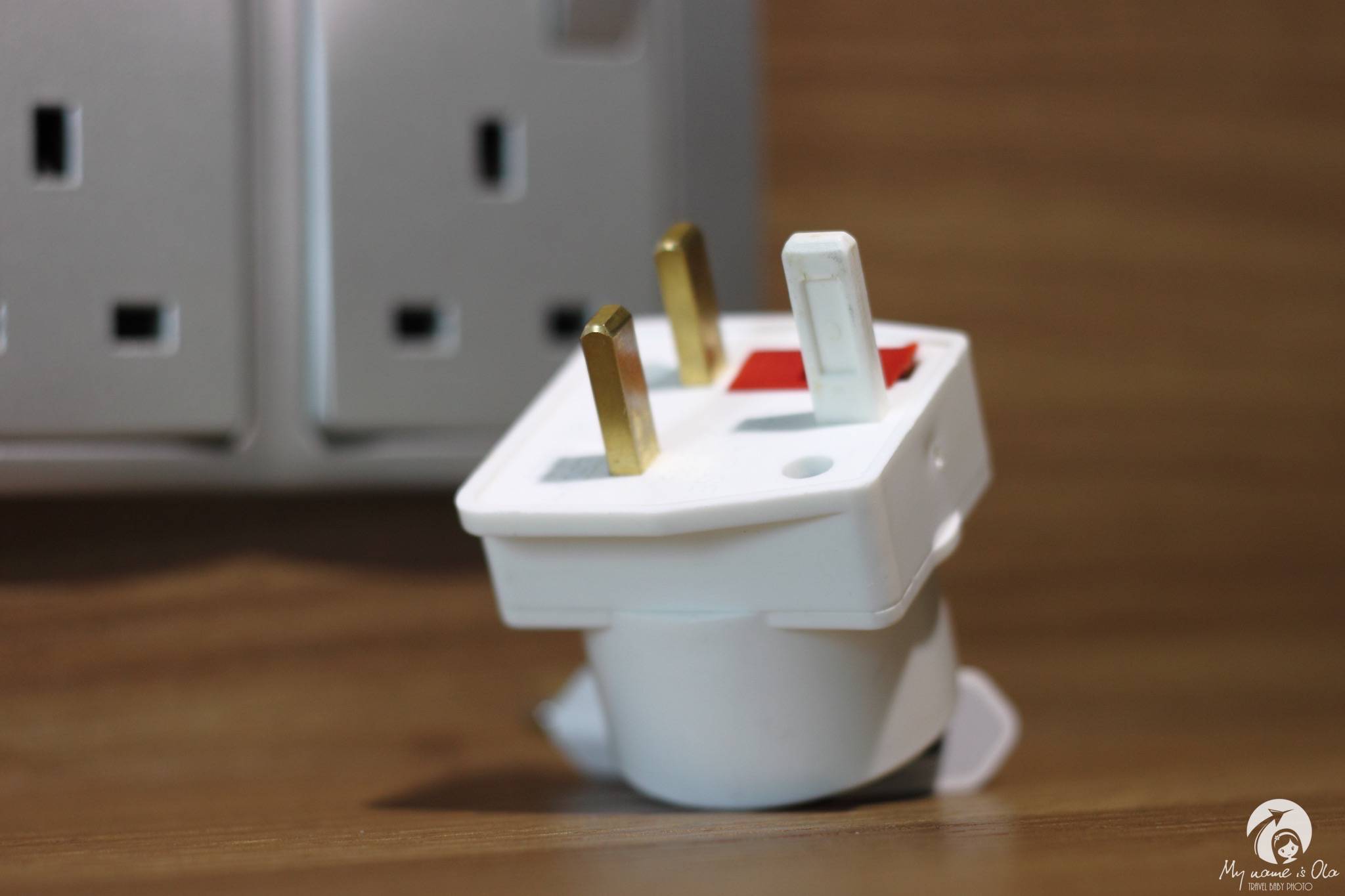
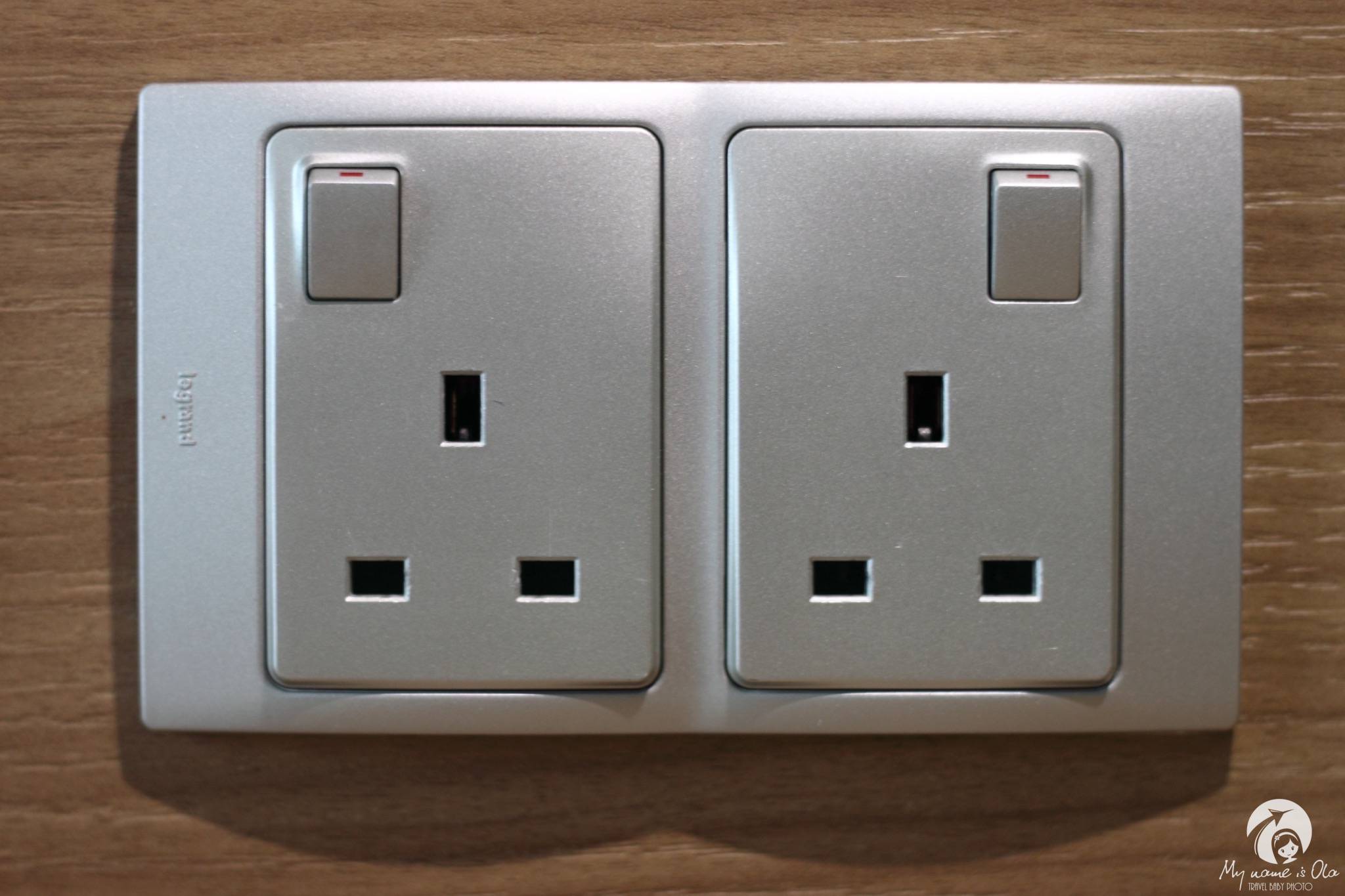
Ρ ρ -ρεύμα – Electricity. Going to Cyprus you need to know that electrical outlets are of British type there. Those are the ones with three rectangular pins, they call it G type. So before you leave it’s good to get yourself at least one adapter. We say at least one because going on holidays everyone usually take phones, tablet, camera and so on. Recently we all more and more surround ourselves with electronic devices so the access to the electricity is necessary. Surely in most hotels you will be able to buy or borrow an adapter at the front desk, but it’s worth to have your own one with you. Sometimes, after long journey some of our devices might need to be charged already. If you are planning to rent a car on Cyprus, taking car charger might be useful (or at leat USB wire).

[photosetgrid layout=”3″]CyprusCyprusCyprus[/photosetgrid]

sigma

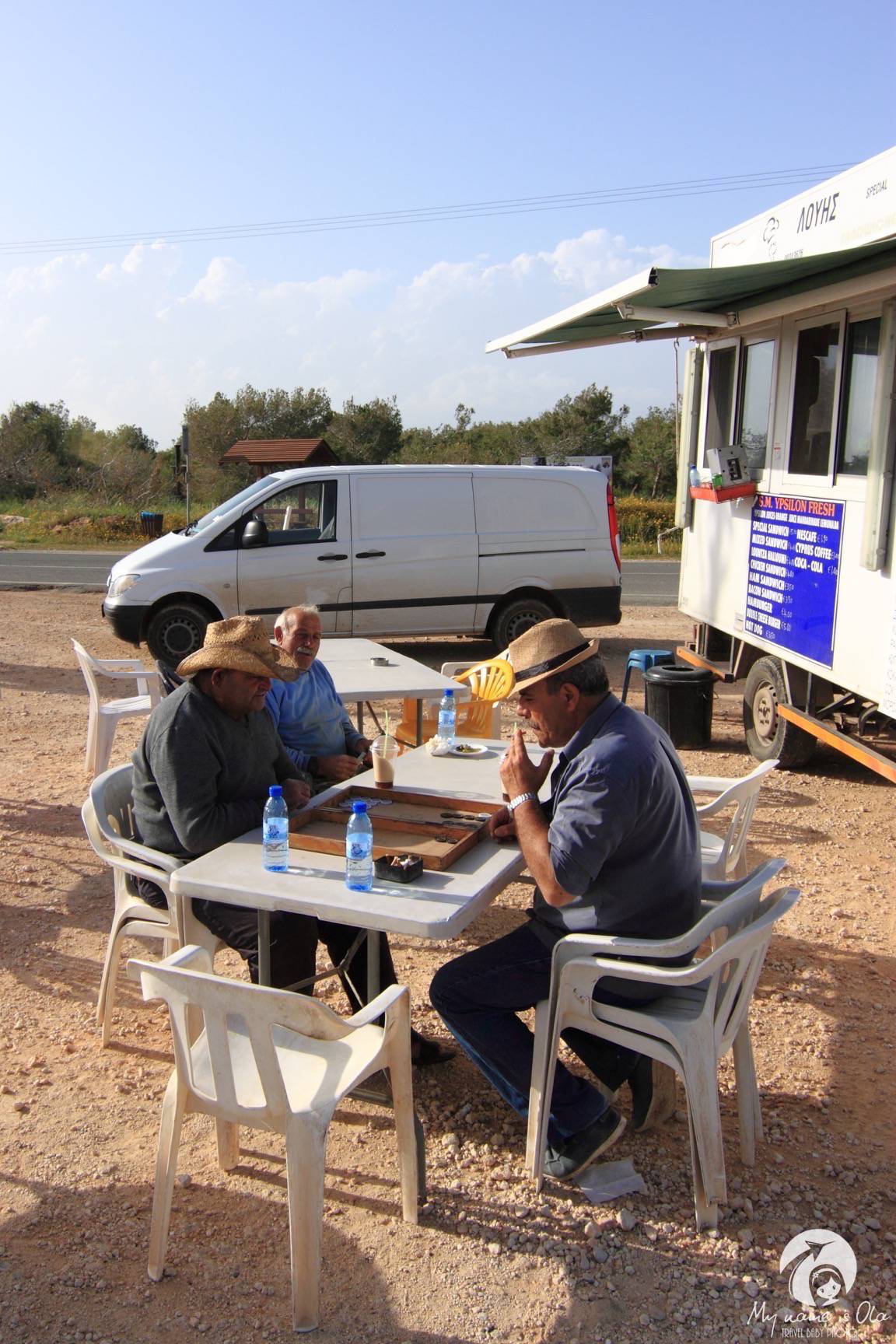
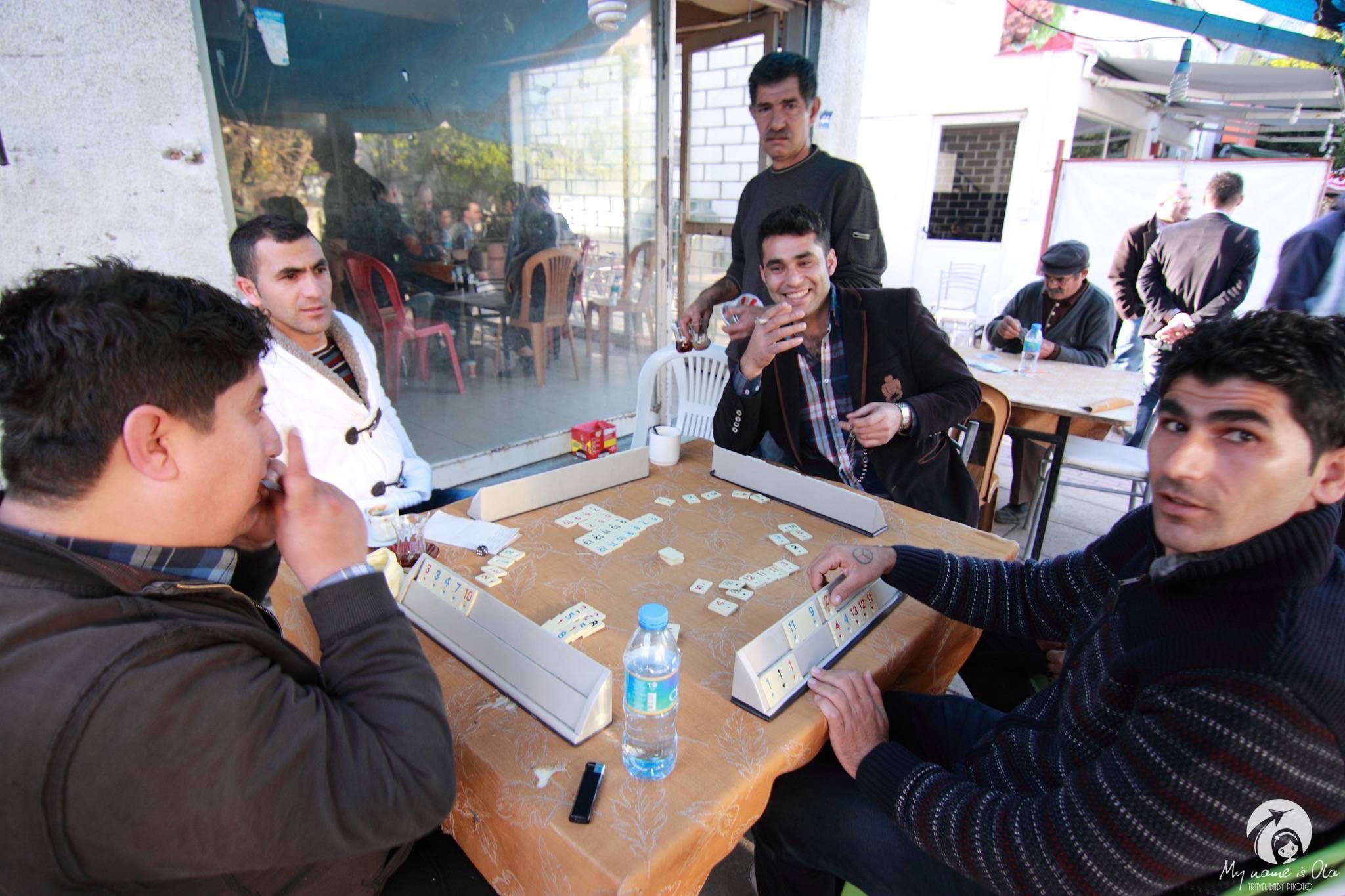
Σ σ ϲ ς – συνάδελφος – Friends. Cypriots are very sociable nation, or rather nations, because we can say the same about both southern and northern Cypriots. Definitely mediterranean climate is something that helps it. Cypriot man often sit outside for whole days, in summer times in the evenings, in the company of their friends. They enjoy all kinds of board games and similar plays: cards, backgammon or domino. Laughter and long discussions are heard on the streets untill late. All that is acoompanied by good coffee and cigarettes. Women are unlikely to take part in such activities. Ola of course did not wait too much and made some friends right after we came to Larnaca. First contact sport in her life, football, luckily ended up with no injuries. She seemed to like new friend and he seemed to like her too. However new frendship didn’t take too long cause we had to leave soon.

[photosetgrid layout=”3″]CyprusCyprusCyprus[/photosetgrid]

T

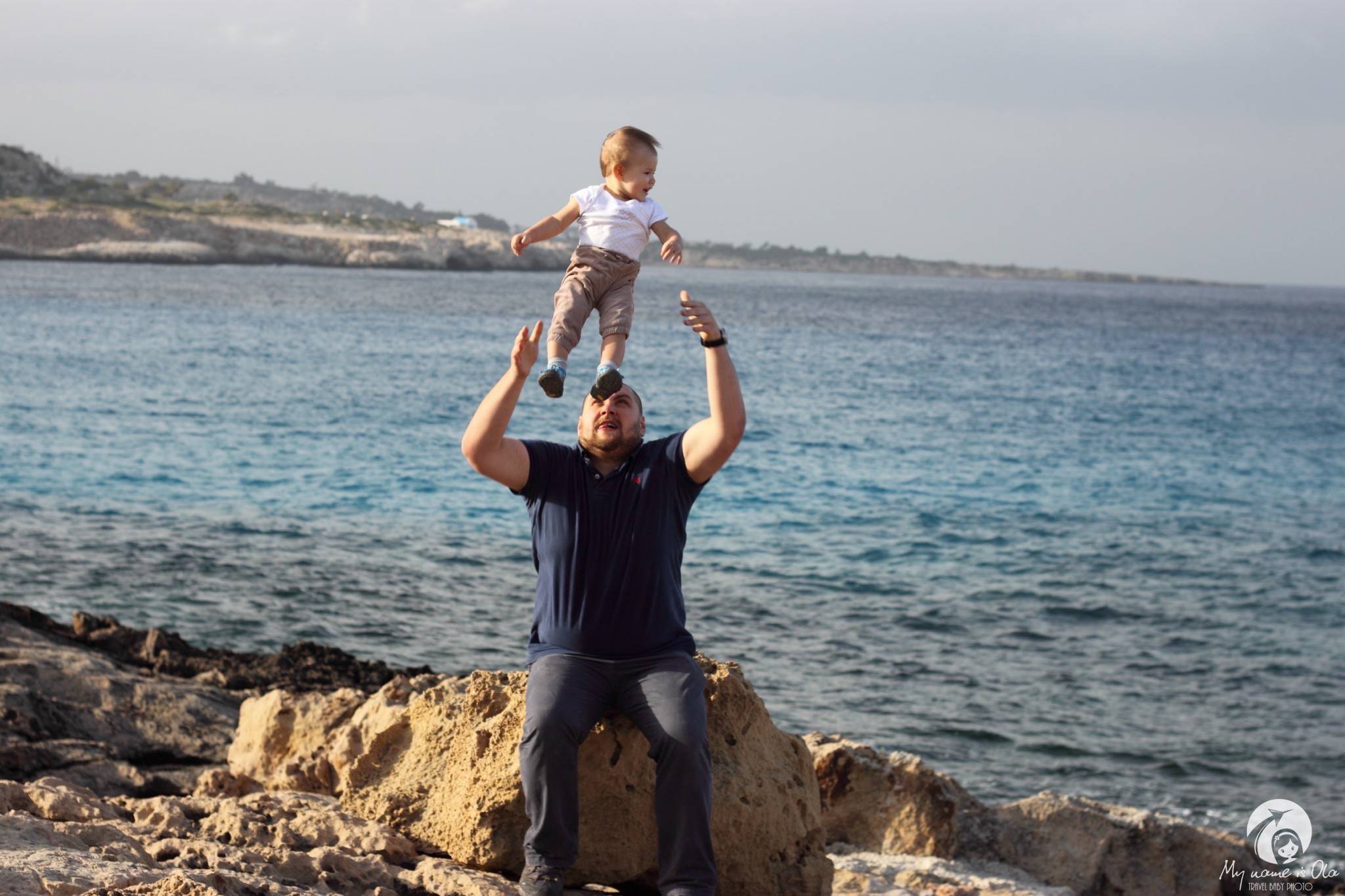
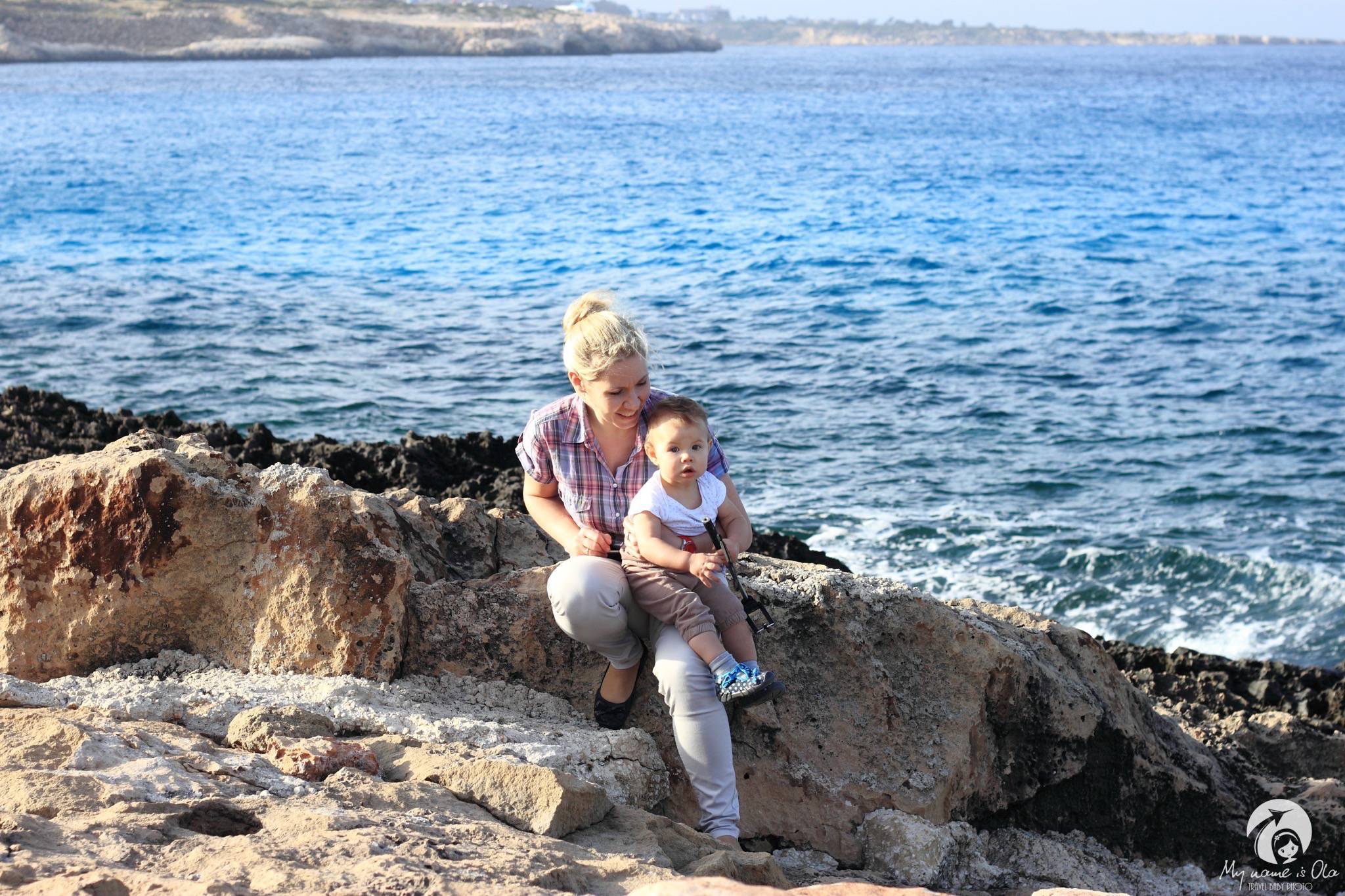
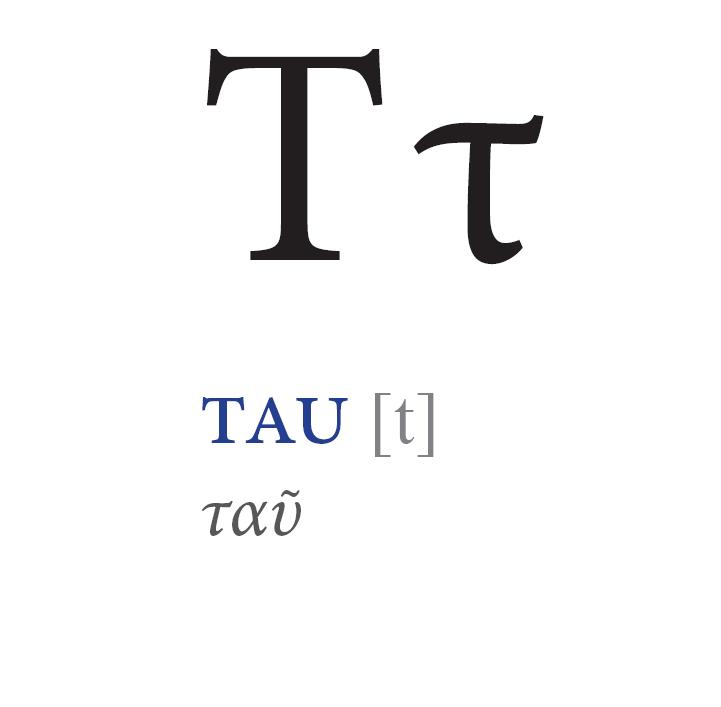
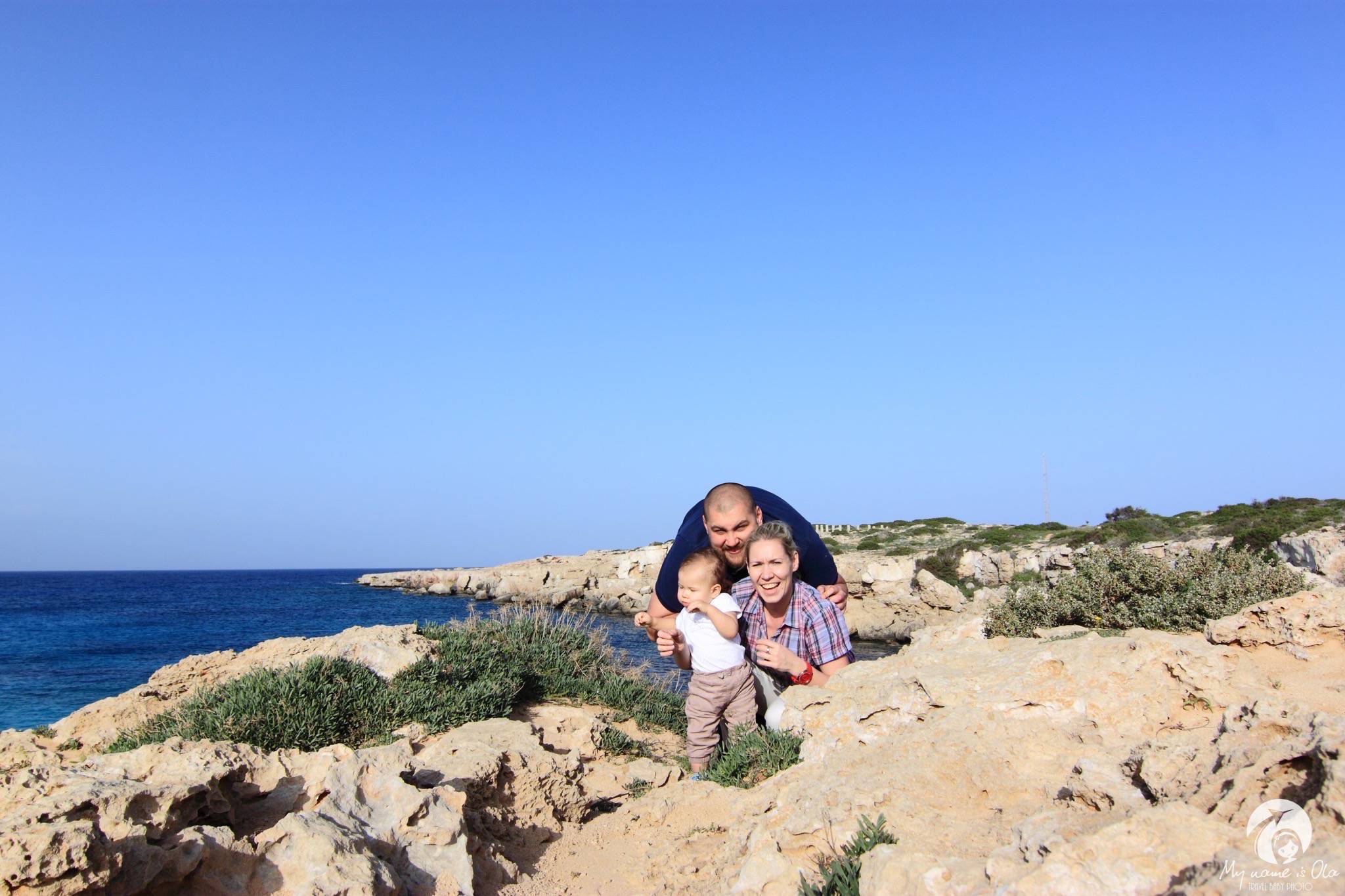
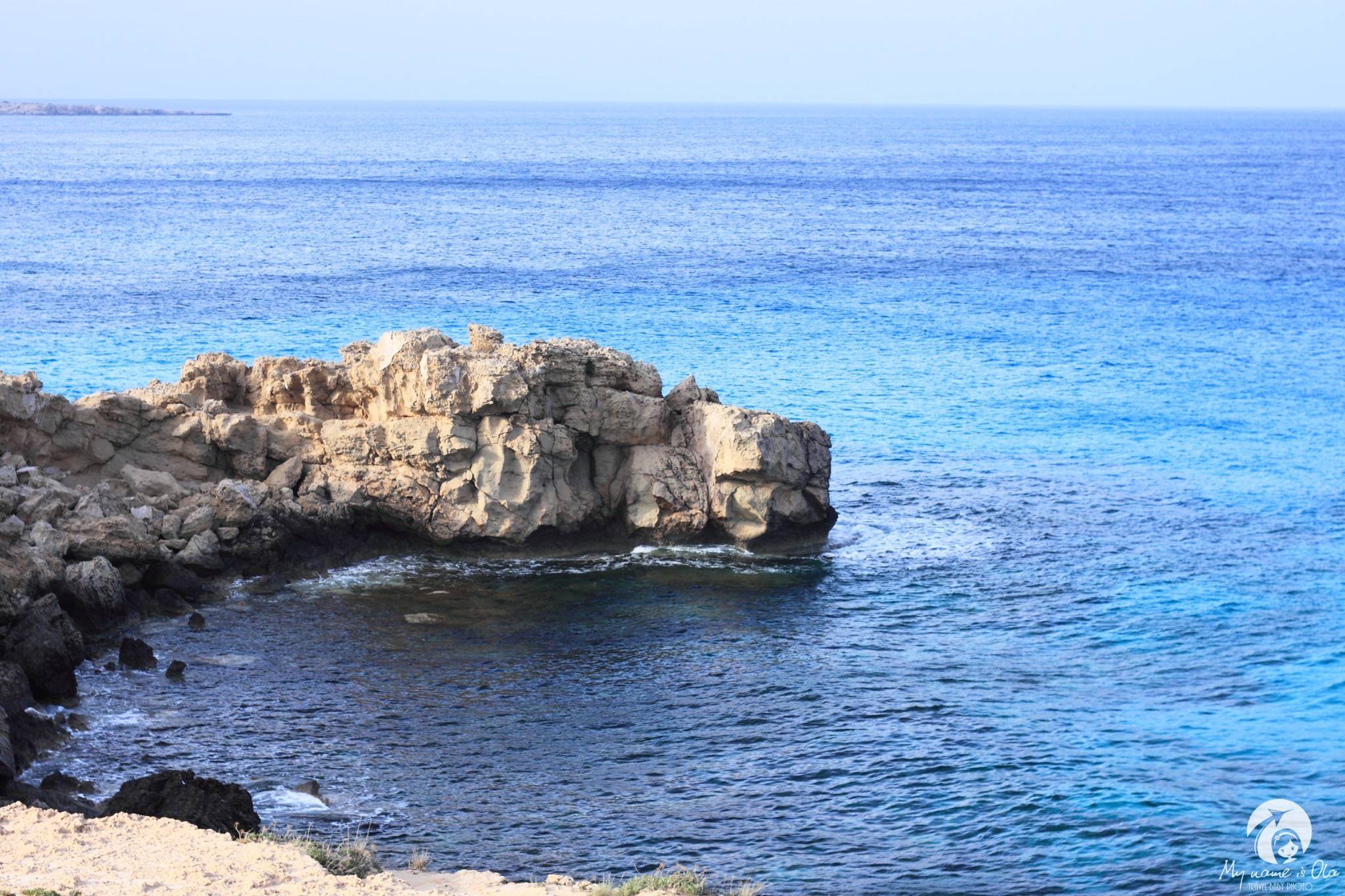
Τ τ – τοπίo – Landscape. Beautiful landscape in addition to the waether is one of the special things that tourists look for in Cyprus. The island located on the Mediterranean Sea, flooded with sun and surrounded with azure blue waters is something that visitors, especialy from the countires of little worse climate, desire. Rocky shores carved by water are charming. Imagine the view of the coast with the peaks of mountains in the background. Seeing all that you just want to sit down, relaks and watch it waiting for the sunset. Sunrise is probably as much beautiful as the sunset but it’s hard to get up so early on holidays. Out of all places we visited we specially liked one – Cape Greco. The nook is located in the south-east of the island, and is a part of national park. In the peak of the season it must be crowded but in spring time we had almost whole place just for us. There was only one couple there, barely visible, nested somewhere in the rocks. It’s a perfect place for a romantic date. But a visit with one-year old girl is nothing like that. Instead romanticism we had to keep an eye on Ola, trying to keep up with her running around.

[photosetgrid layout=”3″]Cyprus, Cape GrecoCyprus, Cape GrecoCyprus, Cape Greco[/photosetgrid]

Y

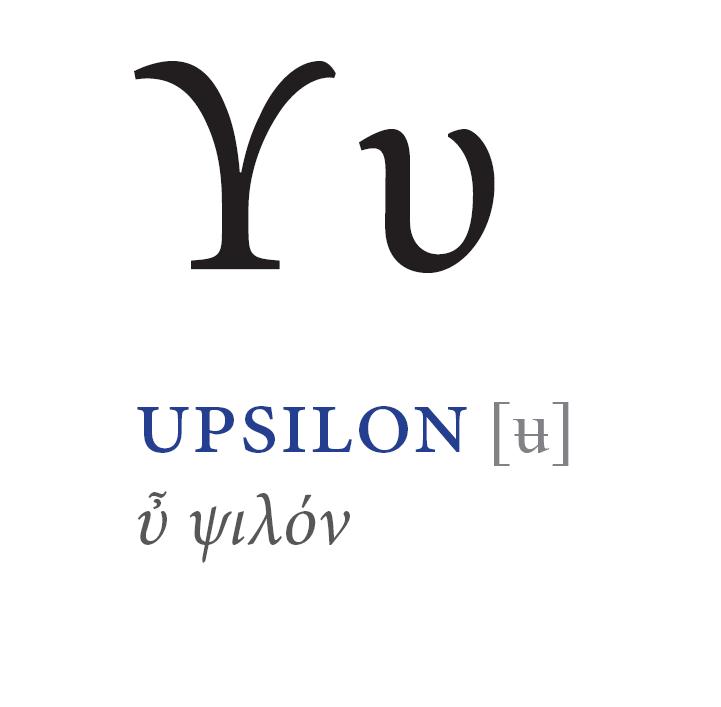
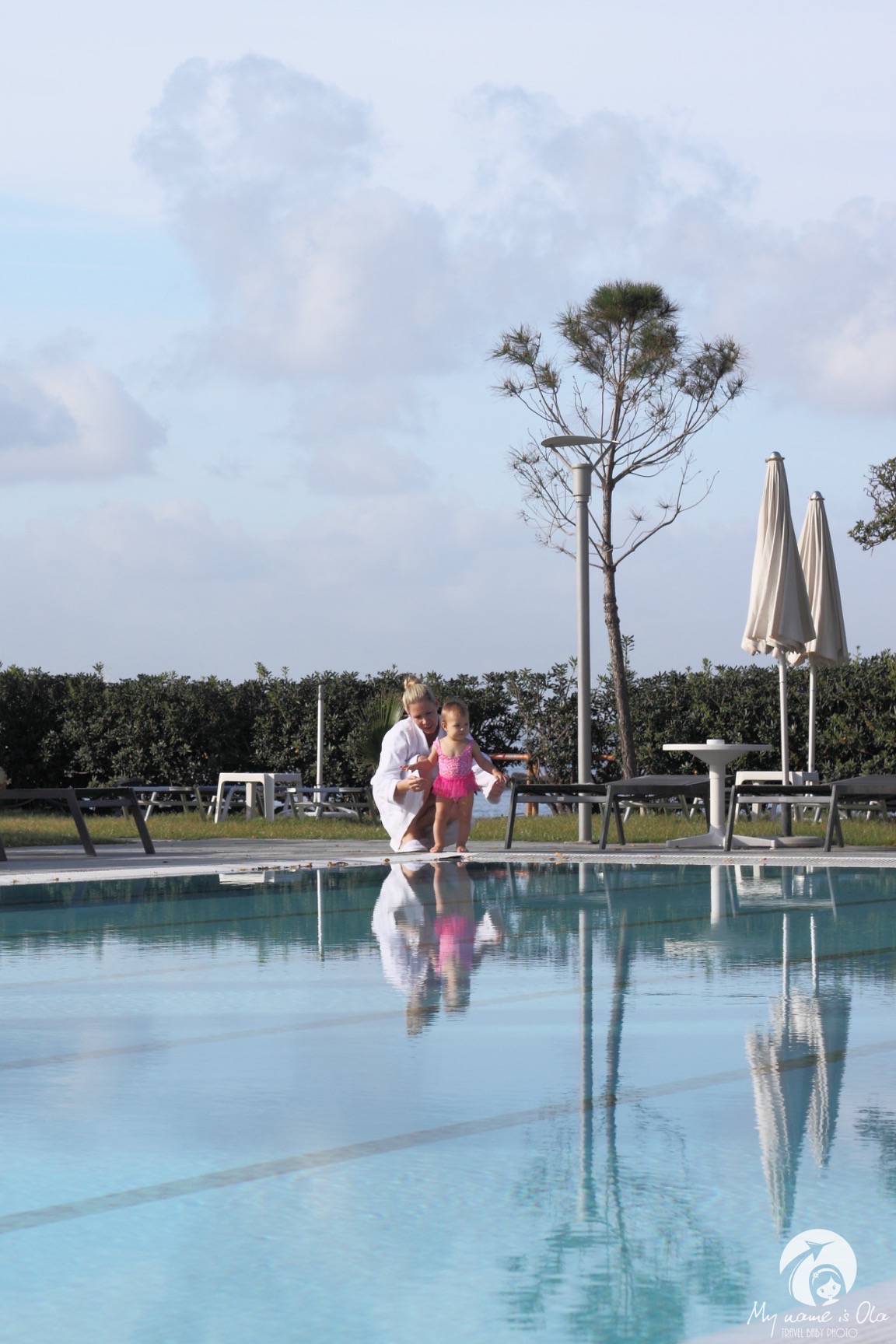
Υ υ ϒ – υποδομή – Infrastructure – Cyprus tourist infrastructure is well prepared to serve masses coming to the island. Over 2 milion people visit Cyprus each year, majority of which are British. Cities that focus touristic life as Paphos, Larnaca, Limassol or Protaras offer plenty of beds of different standard. Some people choose to visit charming resort of Kyrenia (Girne), the capital of tourism in Northern Cyprus. All the resorts have the choice of public and private beaches, indoor and outdoor pools and restaurants serving cuisines from all over the world. What is interesting, original local cuisine is not easy to be found. Fast foods are easily accessible. In main restaurants bewteen fish & chips and pizza or sushi we can find some local dishes. To get some authentic food it is better to look out of the very center of the resorts. Roads connecting the biggest towns on the island are very good, well-maintained, so going on your own on the trip accross the island is a good idea. Of course if you dare drive on the left hand side (or you are British and it’s not a challenge for you). Cities names on the signs are also in English and most of Cypriots speak this language so getting lost will be difficult. Island has three airports, the biggest of which is in Larnaca serves over 5 milion passengers each year.

[photosetgrid layout=”3″]Cyprus, Girne (Kyrenia)Cyprus, Larnaca AirportCyprus, Limassol[/photosetgrid]

PHI

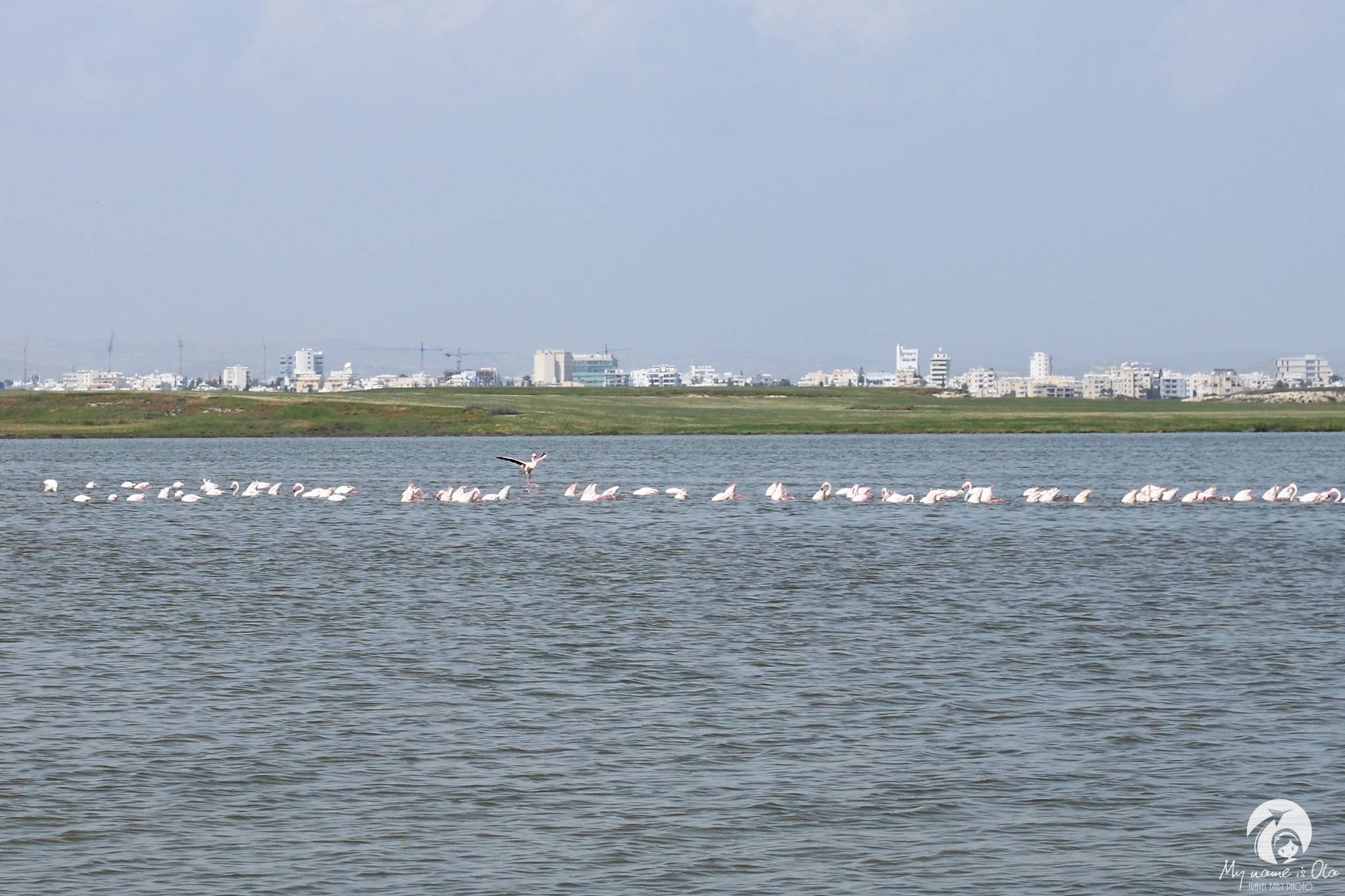
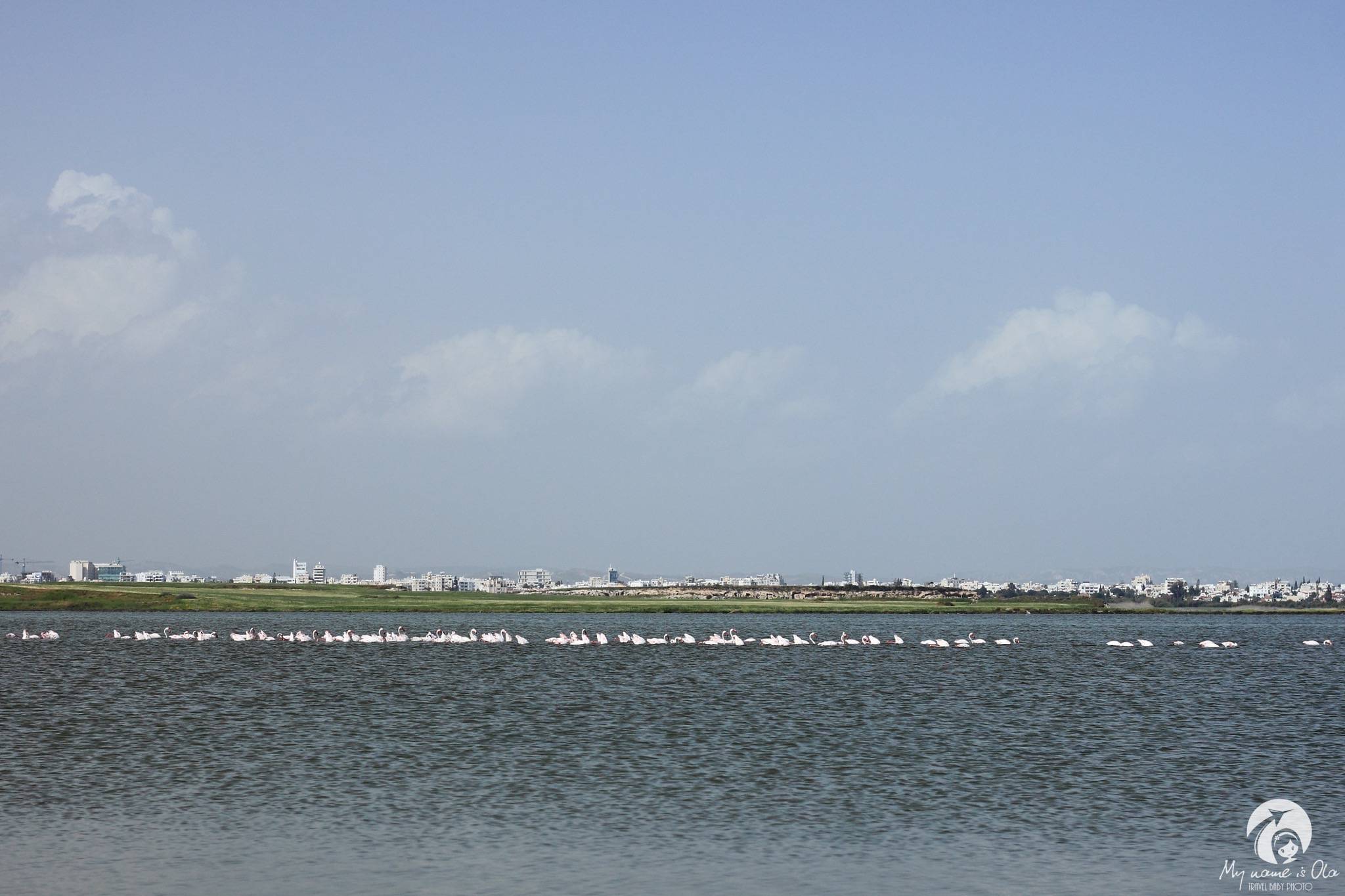
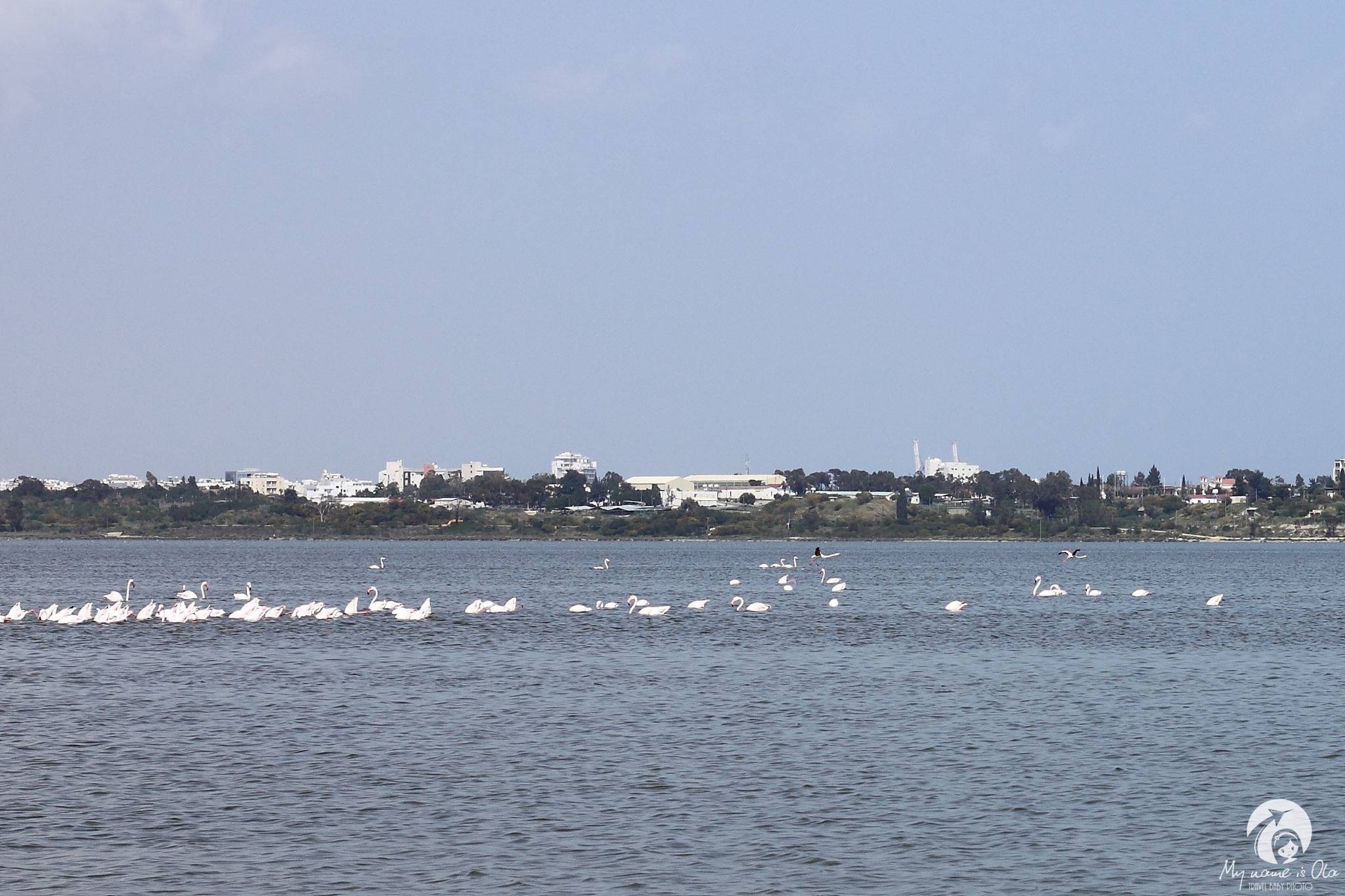
Φ φ ϕ – φλαμίνγκο – Flamingos. Leaving the airport in Larnaca and heading to the city center you will see quite a big water reservoir. Located almost in the city it is Larnaca Salt Lake. There are couple of such lakes in the world, out of which Caspian Sea is best known. Such lakes have high concentration of salts (mostly sodium chloride) and other dissolved minerals. There are two such reservoirs in Cyprus: bigger Limassol Salt Lake and smaller Larnaca Salt Lake (consisting in fact of couple lakes). Such form is characteristic for dry and hot areas because of fast evaporating water. In summer the lake dries completely and becomes the crust of salt. During winter it gains water again and becomes the habitat for 85 species of water birds. This is a mekka for ornitologists and attracts birds enthusiasts from all over the world to see wild ducks, gulls and of course flamingos. The crutial element for the lake is small brine shrimp Artemia. which is the food for all the birds, and thanks to which there is such a big variety of waterbird species there. In winter season from 2 up to 12 thousands of flamingos are observed there. End of March, when we visited Cyprus, was probably the last chance to see them there. Thankfuly we were lucky to find them swimming on Larnaca Salt Lake. At the beginning we just saw some white spots on the waters and we weren’t sure what kind of birds those are. As we are not any bird experts we made sure that those were really flamingos only when they approached little closer to the lake shore and spreaded their wings to fly. Than we saw that typical pink colour. We were hoping they will come closer so that we would see them better but they kept on swimming on the middle of the lake. Ola probably didn’t even realise what she’s seen cause she paid way more attention to the cats appearing everywhere. If you are planning to visit Cyrpus in winter and land in Larnaka airport, make sure to take binoculars or good camera lens with you, the lake will be on your way.

[photosetgrid layout=”3″]Cyprus, flamingos, LarnacaCyprus, flamingos, LarnacaCyprus, flamingos, Larnaca[/photosetgrid]

CHI

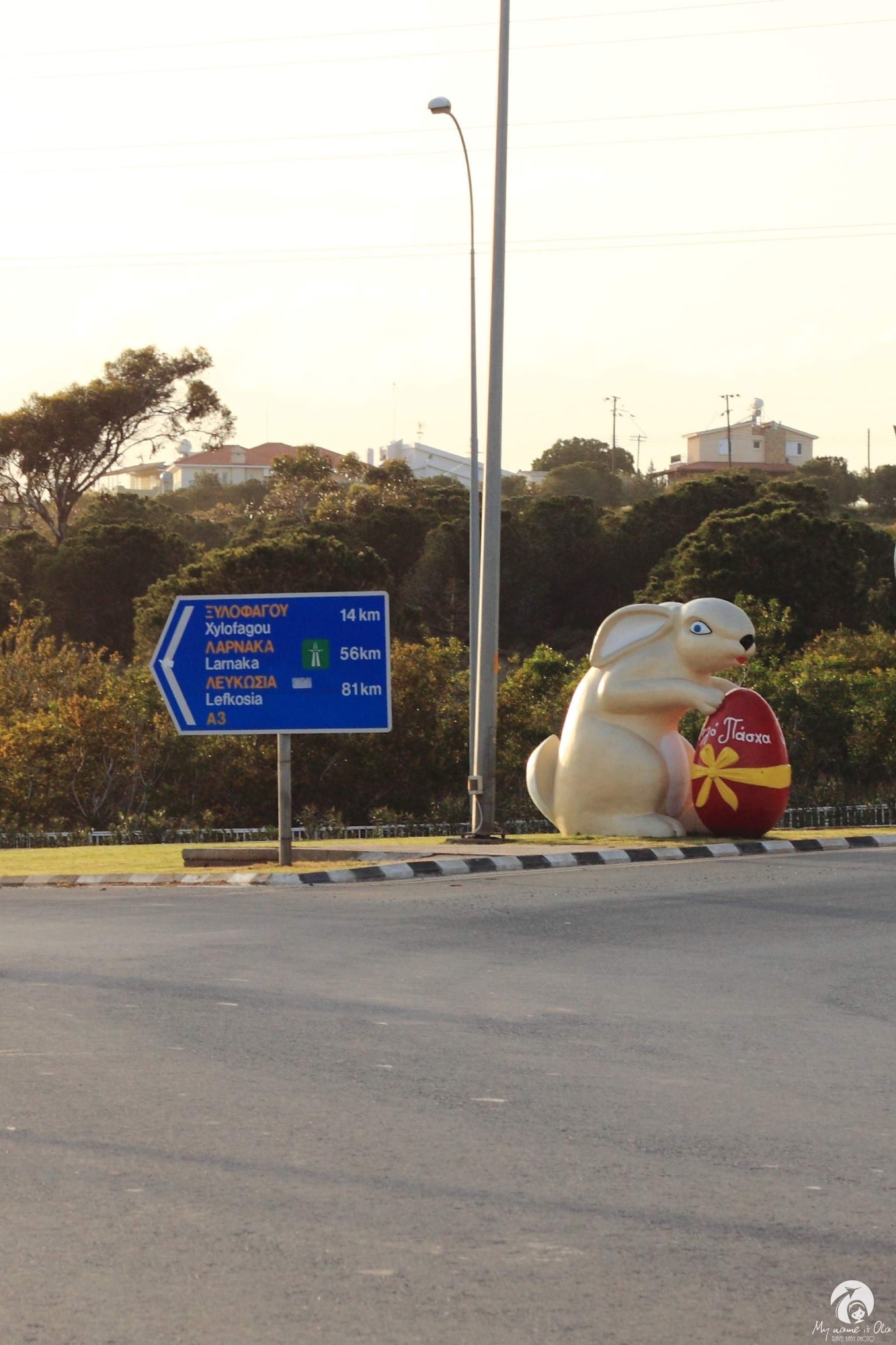
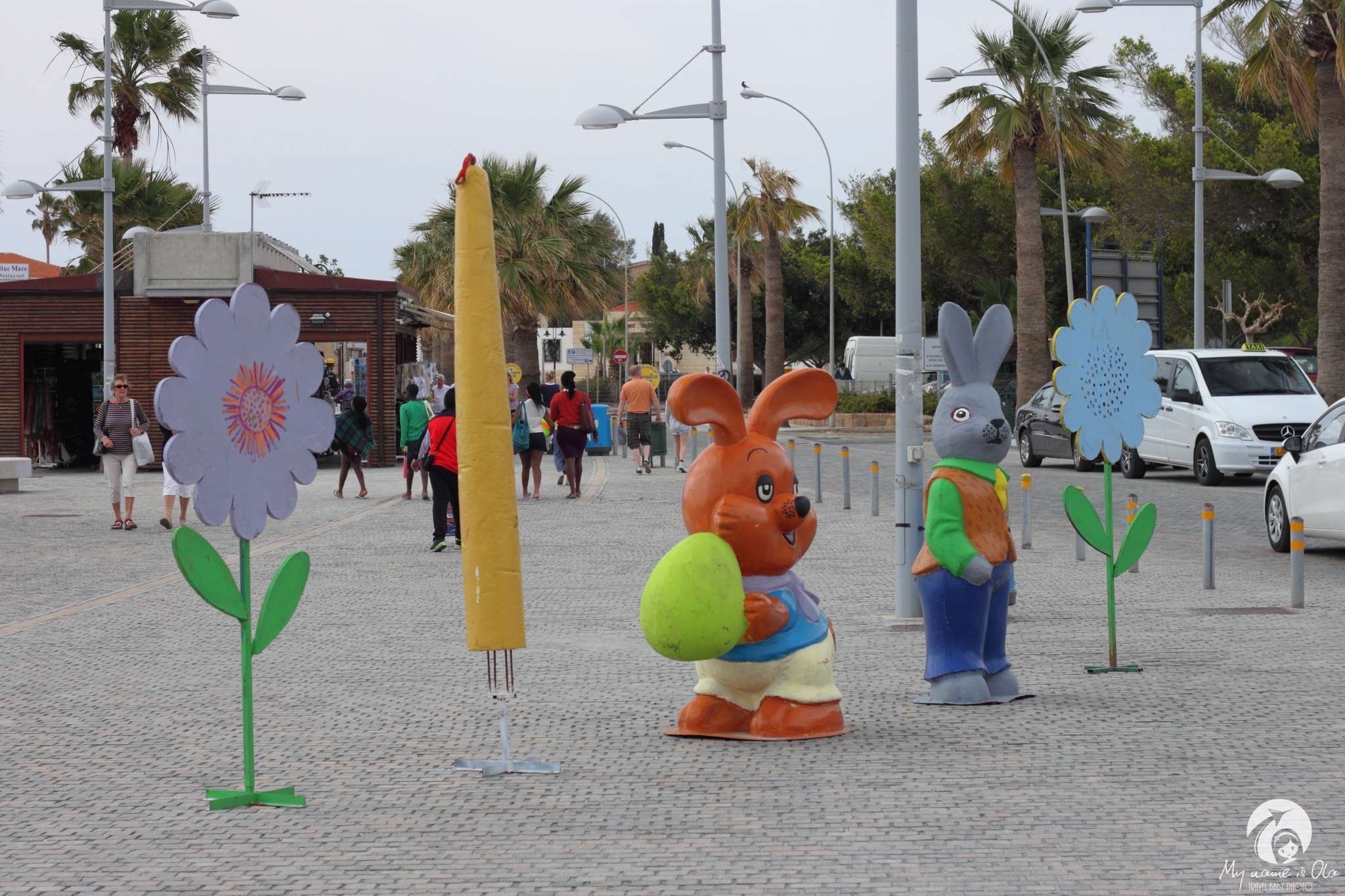
Χ χ – Χριστός Ανέστη – Resurrection of Jesus. Today, on the 12th of April, according to Julian callendar, Orthodox churches, also Church of Cyprus, celbrate the day of Christ’s resurrection. It’s the most impotrant holiday in Orthodox Church and other christian churches. It is preceeded by a fourty-day fast when no meat or animal orign products are eaten. Last week of feast, the Holy Week, is the time of most intense preparations. On the Holy Thursday Cypriots begin to prepare food for holiday, they bake „flaounes” – buns filled with cheese, rasins and sprinkled with sesame seeds. Also on Thursday they prepare eggs for Sunday battles – they are hardboiled and dyed red. Holly Friday is the day of short processions, during which an icon of Jesus is carried under flour-decorated canopy. An interesting custom is performed on Saturday; huge fires are lit by the churches (lampratzia), the aim is to have the biggest fires possible. The images of Judas are burnt in the fire. The most important service starts on Saturday night, at 11 pm. During this celebration the resurrection of Christ takes place, symbol of which is lighting the candles by everyone. Family celebration starts after coming back home but the real feast begins on Sunday, when Cypriots roast lamb, feast and play egg cracking game. The game is to hit painted eggs against each other, uncracked one wins. Because we visited Cyprus short before Easter we found cities decorated with colorful Eastern eggs and bunnies. They smiled at us from every intersection and city square.

Happy Easter!

[photosetgrid layout=”5″]jaja30 Cyprus Easter jaja20 jaja23 jaja22[/photosetgrid]

PSI

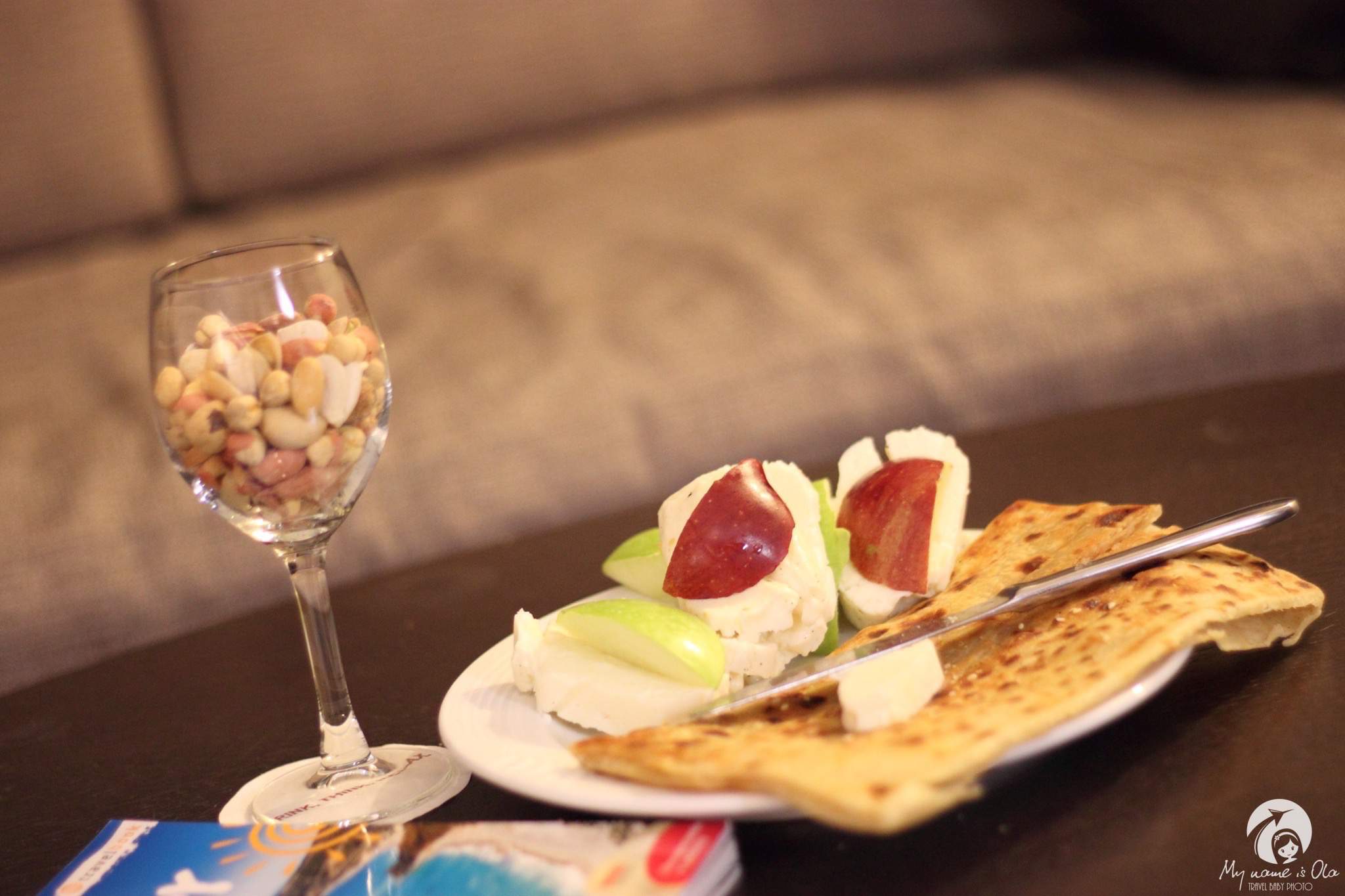
Ψ ψ – ψωμί – Bread. Usually during our trips we try to always have some snack for Ola. A good idea for a snack when traveling is a piece of some kind of bread. Since being on Cyprus we wanted to try some local bread anyway, we visited some local grocery stores looking for something good. Most of times instead of normal bread we were surprised by something strange. Usually by something dry and hard, luckily Ola was able to manage with that of course after necessary long time and much work. Once, expecting a soft bun, we bought topped with sesame fancy-shape rusk, than, buying pita bread, we ended up with some apple stuffed pie, another time we tried something of round shape which happened to be a kind of biscuit full of peppercorns. When finally we found for our daughter some soft bread, Ola was so happy to get it, that after this consumption we had to clead whole back seat of the car. The best bakery products we found in Nicosia on Norhtern Cyprus side. We happened to be wandering it’s streets early morning in some less and less turistic areas. Suddenly we felt this smell of freshly baked bread. On this little street there was a little bakery where three guys were making something of very thin doug with tomato-peper-herbal filling. That was the best breakfast we had on this trip. Even Ola like it, of course only the dough because the filling was kind of spicy. We were happy we went off the main route and found this little place.

[photosetgrid layout=”3″]Cyprus, NicosiaCyprus, breadCyprus[/photosetgrid]

OMEGA

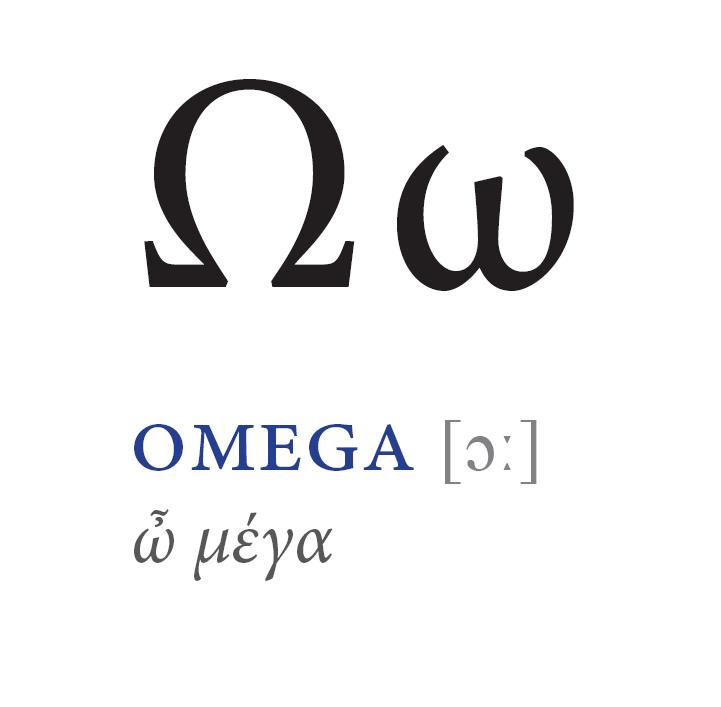
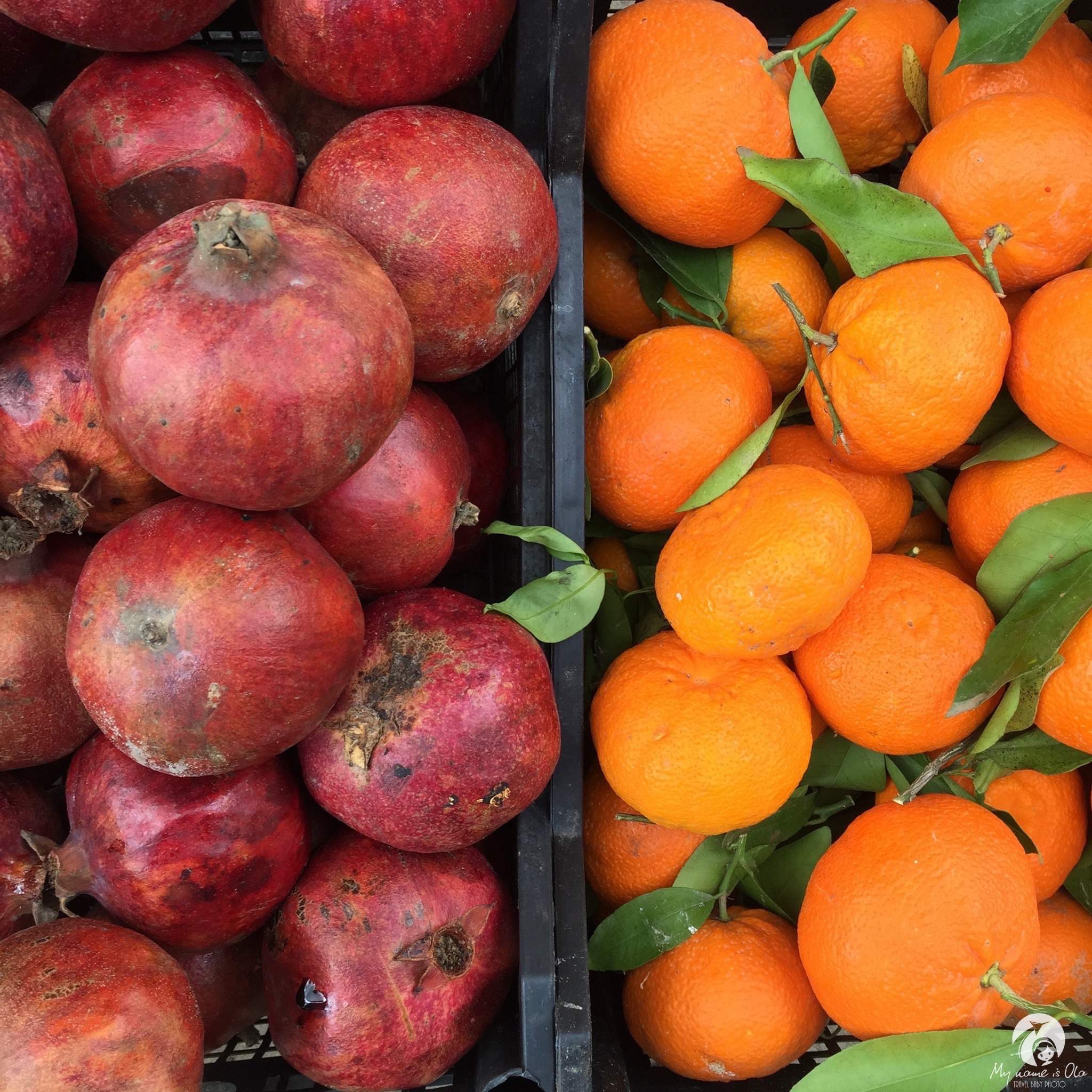
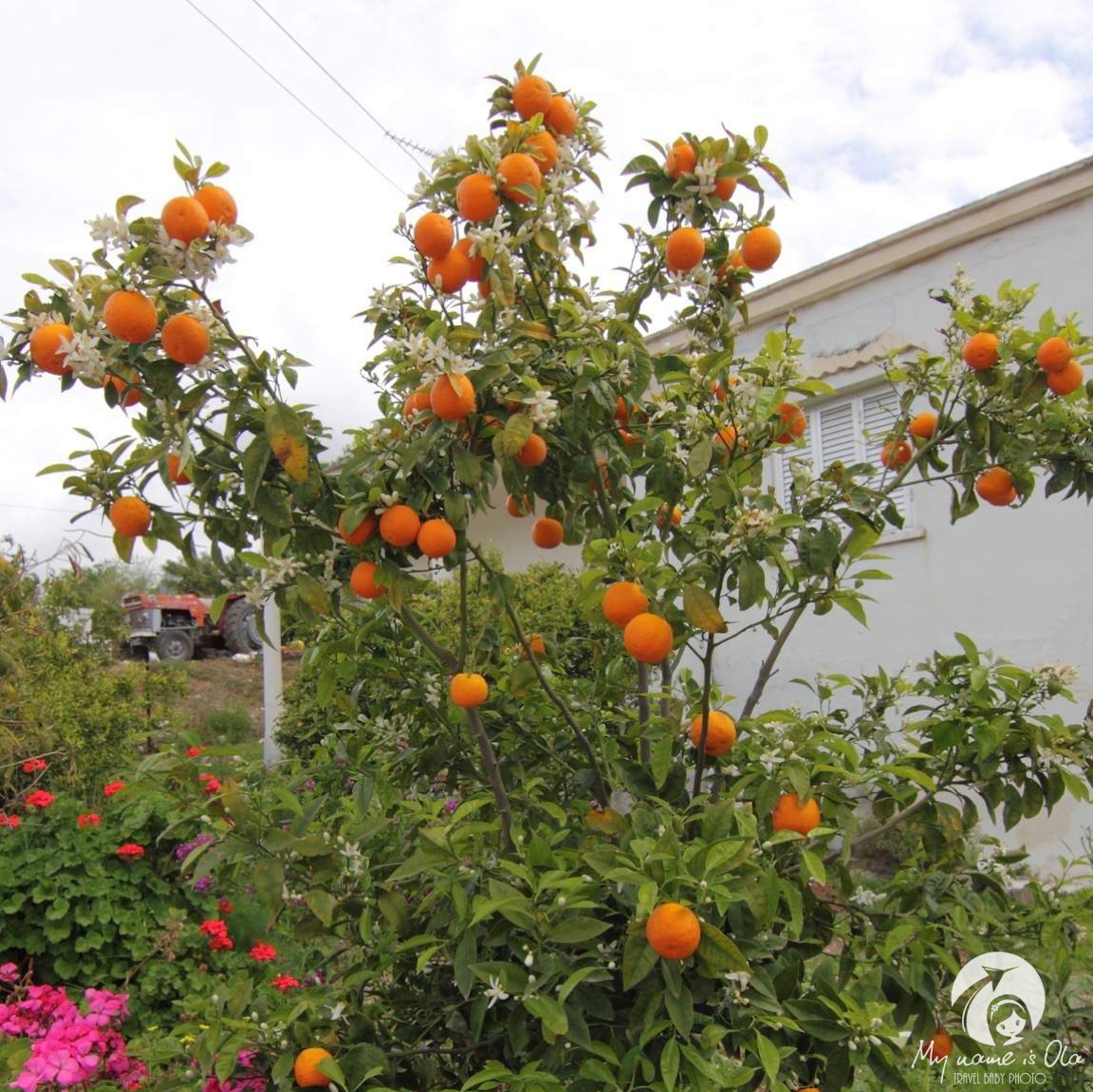
Ω ω – ώριμος – Ripe. Cyprus has subtropical climate with average day temperature of 24 degrees Celcius so fruits and vegetables have perfect conditions to ripe there. Besides, olives and grapes we already mentioned, they grow many different kinds of frutis and vegetables there. Along the seaside there are, the most exotic for us, groves of oranges, lemons and peaches. Although watermelons are ready to eat already at the end of May, the best time to come to Cyprus seems to be end of summer, when most of fruits grown there are already ripe. But if you happen to be there in spring, just like us, you can find sweet and tasty ornages and bananas. In fact, no matter when you vistit, there will always be something good there.

[photosetgrid layout=”3″]Cyprus, fruitsCyprus, fruitsCyprys, fruits[/photosetgrid]

Blog

Cypriot alphabet – an island from α to ω – part 1

05/04/2015 — by Magdalena Kuźma6

Cyprus1-2-960x595.jpg

AΑ, α as Ἀσία (Asia)Republic of Cyprus is a member of European Union and therefore it is often associated with Europe. Politically we of course classify the island as Europe but from geographical point of view the island is a part of Asia. Related to Europe part covers only the fragment of the island, the other part of the teritory belongs to Turkish Republic of Northern Cyprus. On the south of the island we will find two British Overseas Territories – Akrotiri and Dhekelia, and within their borders three zones administered by the Republic of Cyprus. So to understand the territorial division of Cyprus is not easy. You also need to know that both Cypriot republics are separated from each other by so called Green Line, no man’s land controlled by United Nations army.

[photosetgrid layout=”3″]CyprusCyprusCyprus[/photosetgrid]

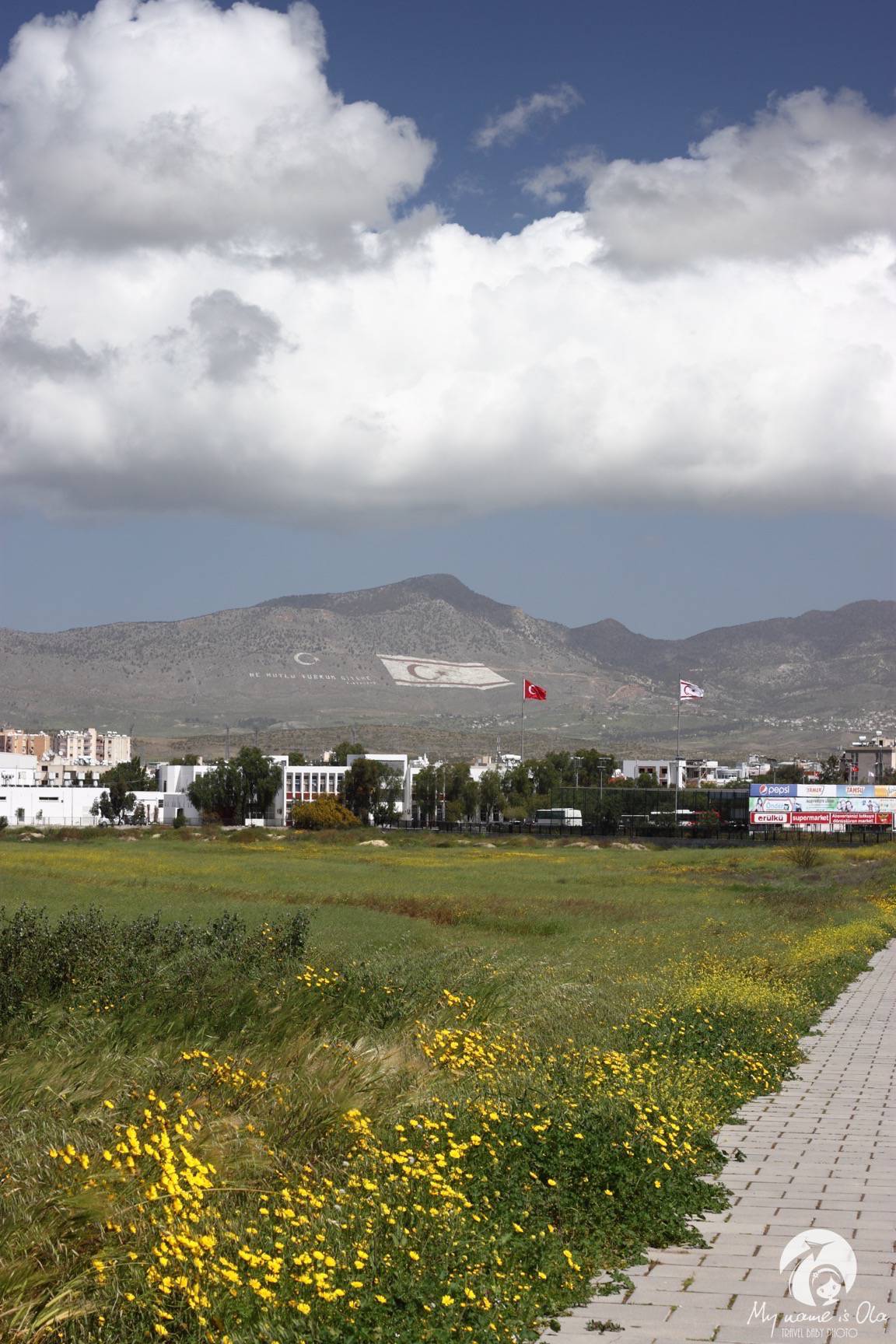
BB β as Βόρεια Κύπρος (Northern Cyprus) – it covers north – eastern part of the island and is recognised only by Turkey and Nakhchivan Autonomous Republic. Northern Cyprus, in fact Turkish Republic of Northern Cyprus, is a formation established on the territory of Cyprus in 1983 populated mostly by Turkish nation. Although it is not world recognised country, United Nations are actively involved in protecting its borders. To separate the parts of the conflict it is necessary to maintain by UN forces the buffer zone separating nations and religions from each others. Today, although pasport controll is conducted the movement of people between the two parts of the island is free. Northern Cyprus has its own flague, anthem, government and uses Turkish Lira as their currency. Crossing the boarder we leave euro zone and enter the area of Turkish currency. Tourists of course are free to use both currencies. The capital city is shared by both republics therefore the city of Nicosia is didvided by Green Zone as the rest of the island.

[photosetgrid layout=”3″]CyprusCyprusCyprus[/photosetgrid]

Cγ as γάτα (cat) – if you don’t like cats don’t even think about going to Cyprus. Close encounter with one of them is more than sure. Sooner or later you will find one furry creature rubbing against your leg. Island is inhabited by thousands of them, you will meet them everywhere, in stores, hotels, outside, stretching on sidewalks, hiding in all city corners. Cats were probably brought to the island in the 4th century in order to deal with the growing number of snakes. St. Helena, mother of Constantine the Great came up with this idea and so the plague of snakes was replaced by the plague of cats. It’s only one of the theories. The others direct their suspicions towards the connections of Cyprus with the culture of ancient Egipt and the worship of Bastet goddess. Goddess of love, happiness and music, symbol of fertility was portrayed as a woman with the head of a cat. In general in the culture of Egipt cats played significant role. But the presence of cats on the island and positive attitude of Cypriots towards them reach probably much earlier. Excavations carried out on the island revealed evidence of cat domestication by Cypriots 9500 years ago! History of common living for 9500 years has strengthen the relation of islanders and cats. Until today cats have a very special position in Cyprus.

[photosetgrid layout=”3″]Cyprus CyprusCyprus [/photosetgrid]

D

Δ δ as δεξιά πλευρά – right-hand side – it’s the right-hand side where you should look for a steering wheel in Cypriot cars. Drivers, be careful and approach the cars from the right-hand side! Knowing that you can expect that you will be driving on the left-hand side of the street. That’s right – Cyprus has left-hand traffic. It’s totaly crazy for people coming from the countries with right-hand traffic. But it’s not that bad, after some time one can get used to driving on the oposite side of the street. Only gear shifting with left hand reminds long-forgotten driving course when it required looking at gear shift. Accross the world only 75 territories use left-hand traffic, while opposite rule is used by 161 countires. Left-hand side is probably original way of moving on roads. The reason for this solution is that 90% of human population is right-handed. That allows them, moving on left-hand side, freely reach for their weapon and conduct the fight with approaching enemy using their right hand. Version for pacifists – it allows people to joyfully greet approaching friend with their right hand. Left-hand traffic is a remain of British rules of the Island. It lasted untill 1960 but the traffic order remained untill today. Left-hand traffic is used in both: Republic of Cyprus and Turhish Republic of Northern Cyprus.

[photosetgrid layout=”3″]Cyprus Cyprus Cyprus[/photosetgrid]

E

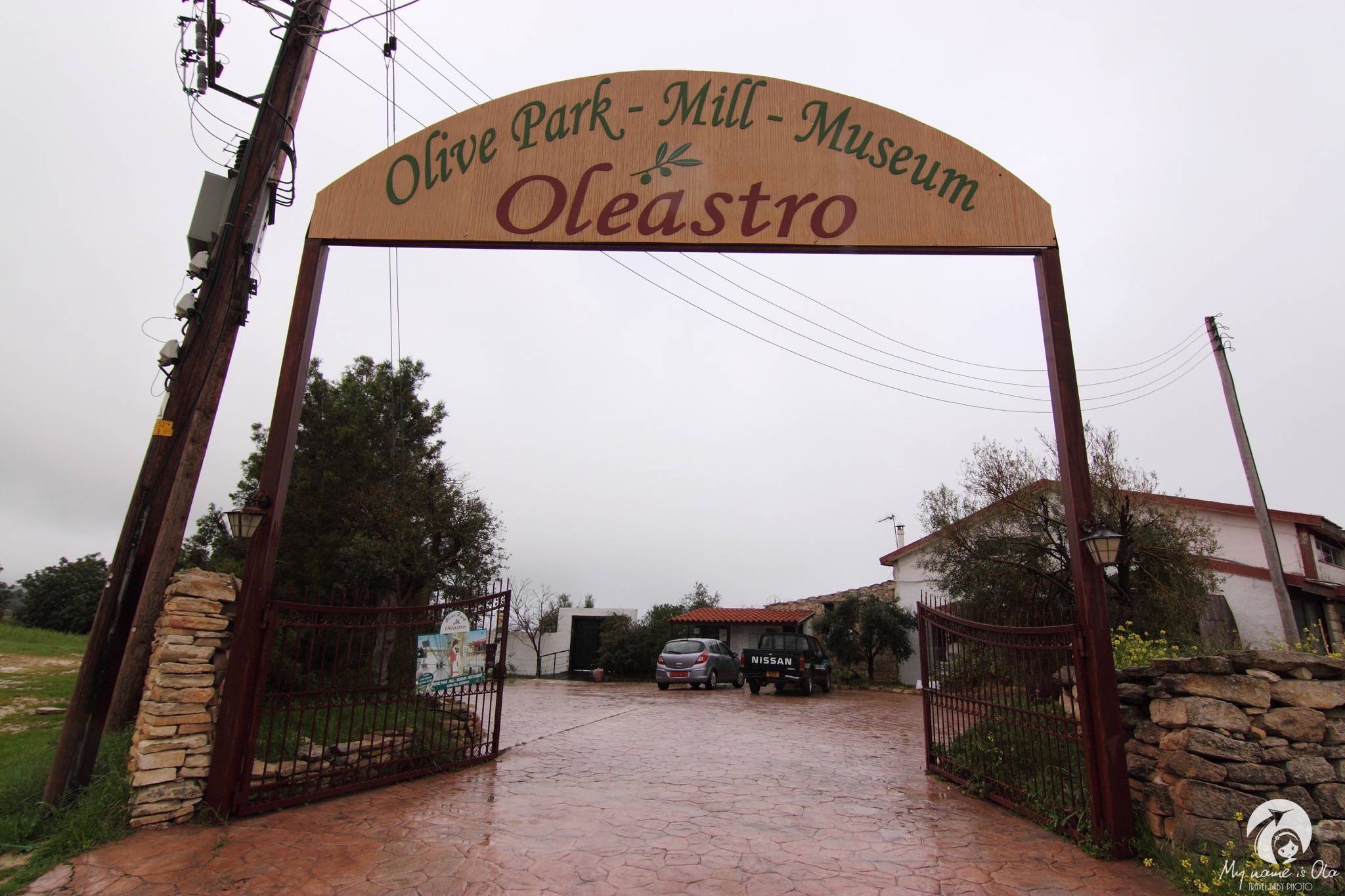
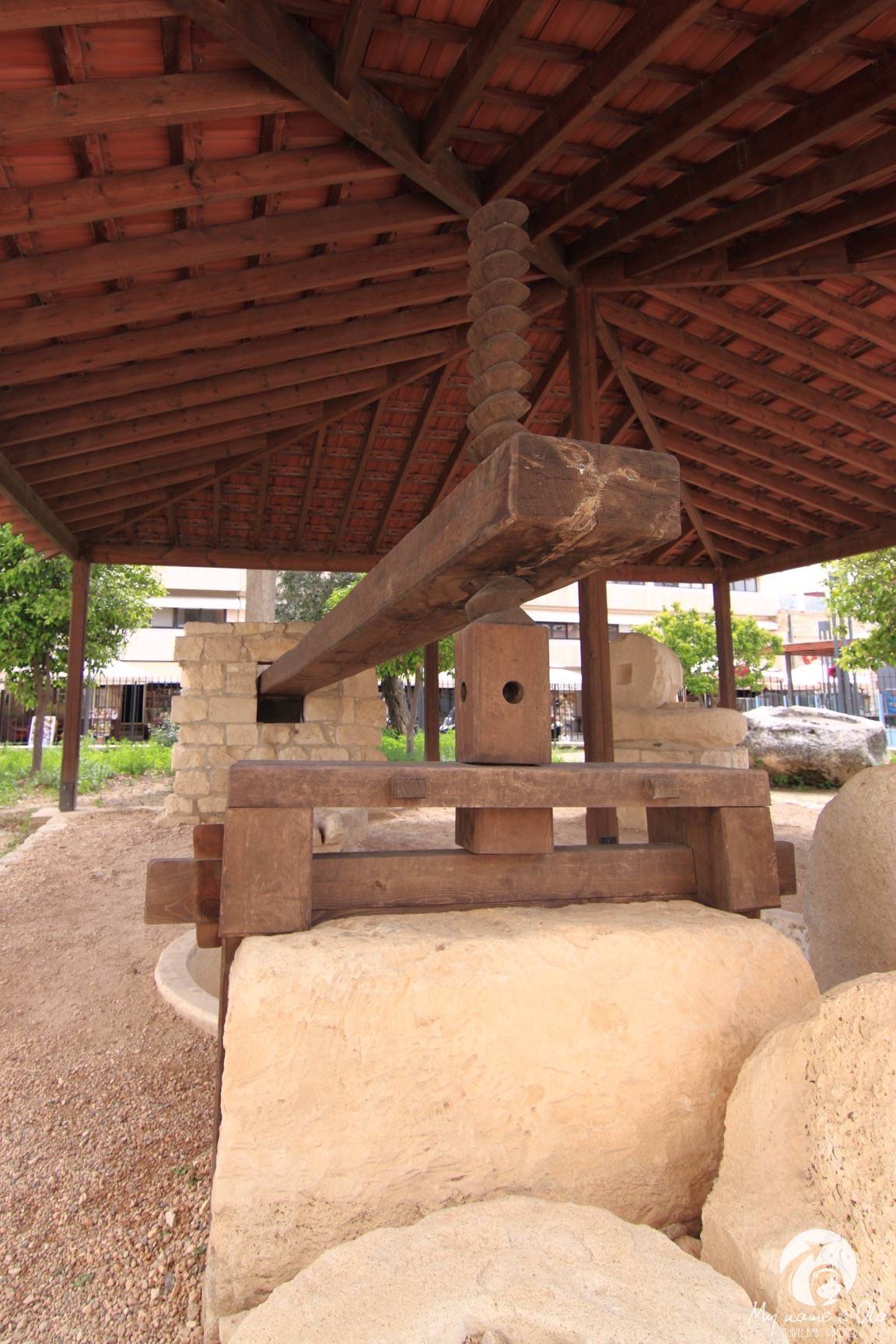
Ε ε as Ελαιόλαδο – olive oil – it’s fat obtained by pressing whole olives, fruits of olive tree. We divide olives in two groups: those picked when they are not ripe are green, those picked when they started to ripe are purple-red and those fully ripe are black or dark purple. Olive tree is typical for whole Mediterranean Sea area and of course for Cyprus. Production of olive oil on the island begun at least 2000 years before Christ but the real explosion of this activity is dated for the 30s of 20th century. The Cypriots love olive oil as this is one of the healthiest fats. It is used naturally in their cuisine but also for cosmetics manufacturing and religious ceremonies. What is interesting, it requires at least 5 kilograms to produce one liter of olive. Olive trees are mostly grown near Nicosia and cover an area of 12.000 hectares which is almost 10% of whole island. Such sizes of crops allow to produce 12.000 tones of olive annualy. On Cyprus we can find many turist attractions refering to oil. There is an interesting museum – oil factory Oleastro Olive Park, located in between Paphos a Limassol, 15 minutes by car from the main road. It presents the history of olive tree   cultivation, different methods of processing  the fruits and role of oil in Cypriot culture. When you want to visit them in the off-peak season its necessary to give them a call because they might close early. What is more you can see a reconstructed oil press from 7 – 9 century. It’s on the archeological sites north of Limassol. The same type of press was used for pressing grapes to produce wine.

[photosetgrid layout=”3″]CyprusCyprusCyprus[/photosetgrid]

FG

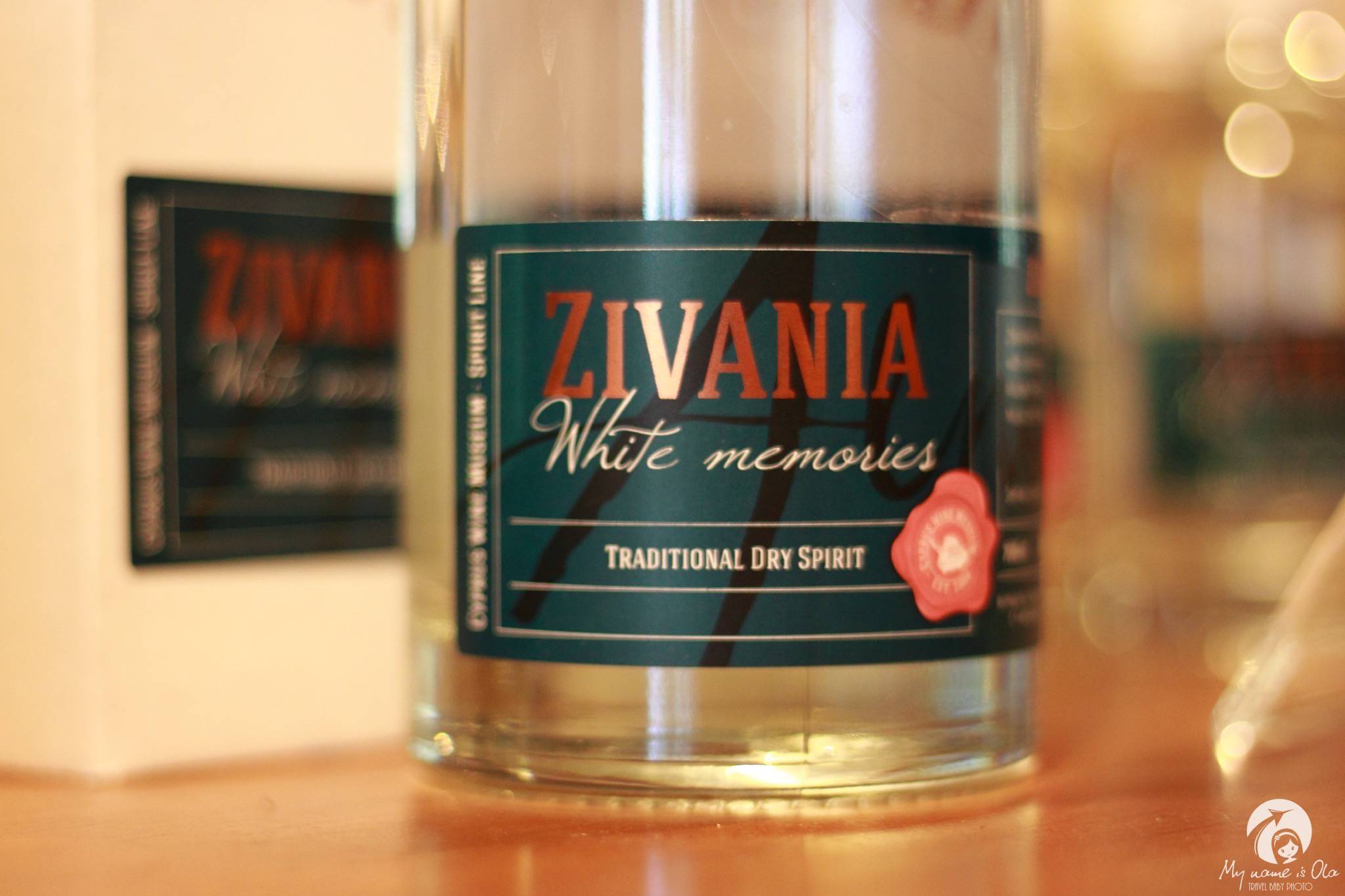
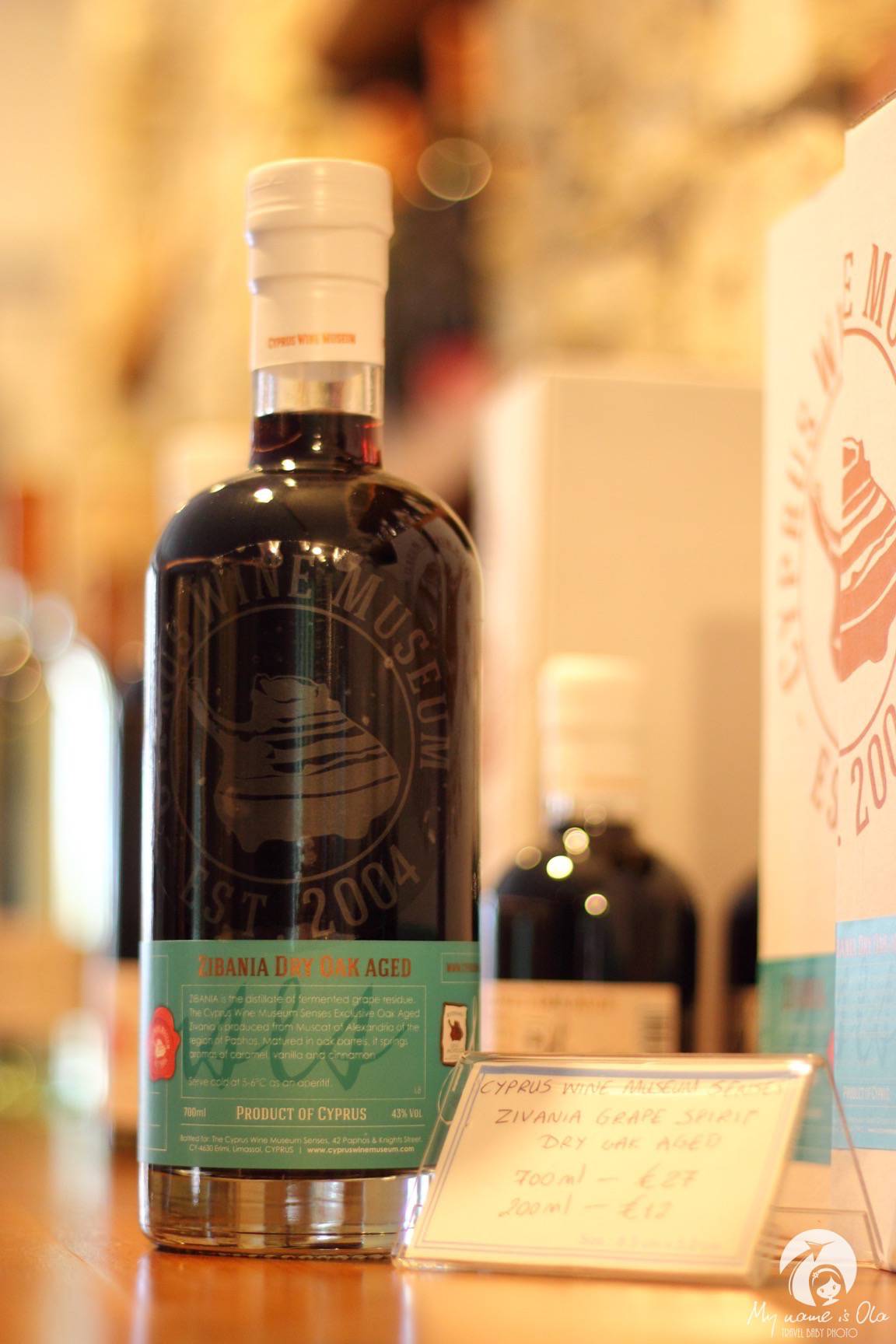
Ζ ζ as Ζιβανία – Zivania – if you think that having already tried Italian grappa, Croatian rakija and Georgian chacha the field of grape destillates you have uder controll, you are wrong. Among others there is one type that you have to try. This is Cypriot Zivania. This liquore is slightly different from the others – it is produced using only two local kind of grapes: Xynisteri and Marvo. This liquor has relatively high alcohol percentage (around 45%), has slightly sweet aroma and no color. It’s history reaches 15th century. In general it is produced by Cypriots for their own purposes not only to drink it but also to use it as a kind of treatment and a warm-up. Apart from basic version there is also red Zivania with herbs and cinnamon produced by Kykkos winery in two versions sweet and dry and the one seasoned in oak barrels. On the pictures below traditional equipment used for Zivania production and two most popular types of this liquor.[photosetgrid layout=”3″]Cyprus, Zivania Cyprus, ZivaniaCyprus, Zivania[/photosetgrid]

H

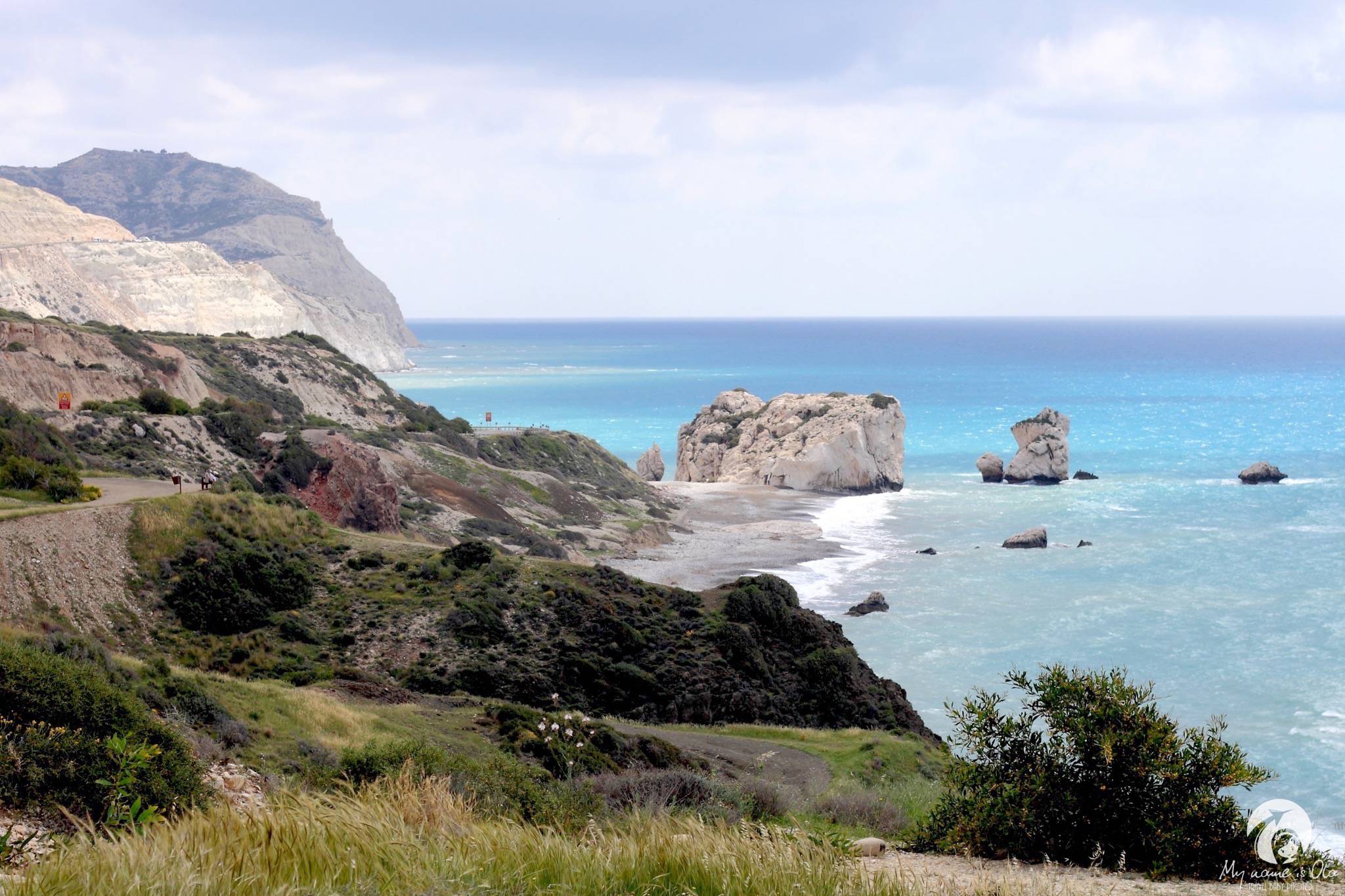
Η η as Η Γέννηση της Αφροδίτης – The Birth of Venus – southern coast of the island, azure water,  foaming around huge rock growing right from the shore, spring sun flooding the bay with light, cool refreshing breeze – perfect. In such conditions the godess of love and beauty Venus was introduced to the world. Correctly – Aphrodite, cause Greek mithology is more appropiate here. According to the legend, the most beautiful of all godess’, just appeared here from the sea foam. Another story tells that she came out of water in this place, because cut testicles of Father Sky – Uranos were thrown to the sea right here. Anyway Cyprus became the place of eternal worship of Aphrodite’s beauty. Eternal, because even today Cypriots worship her name, using it to name hotels, restaurants and other tourist attractions, what provides them with steady supply of tourists attracted by the legend. Until today Aphrodite is a popular name often given to little girls.

[photosetgrid layout=”3″]Cyprus, AphroditeCyprus, AphroditeCyprus, Aphrodite[/photosetgrid]

I

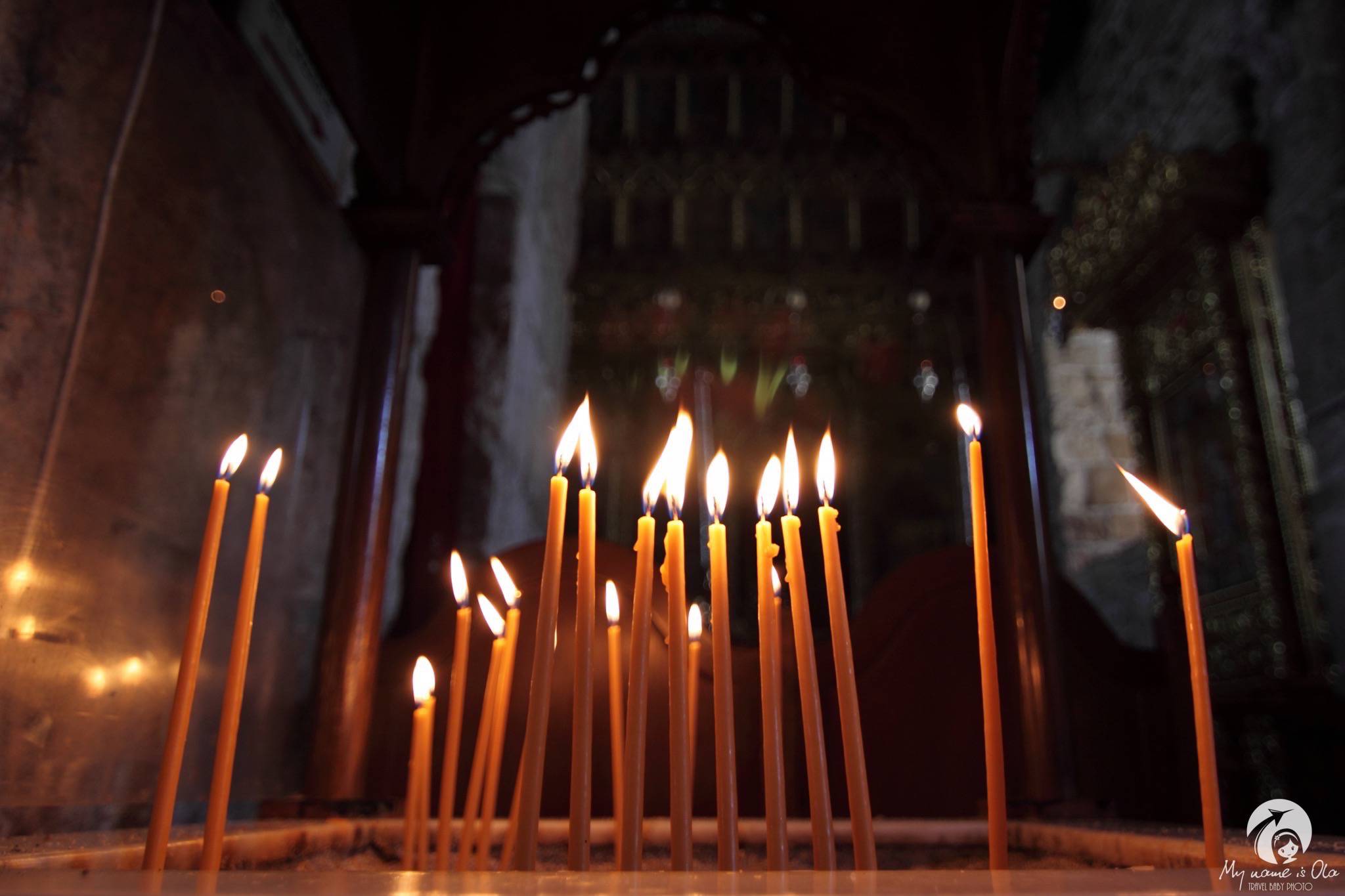
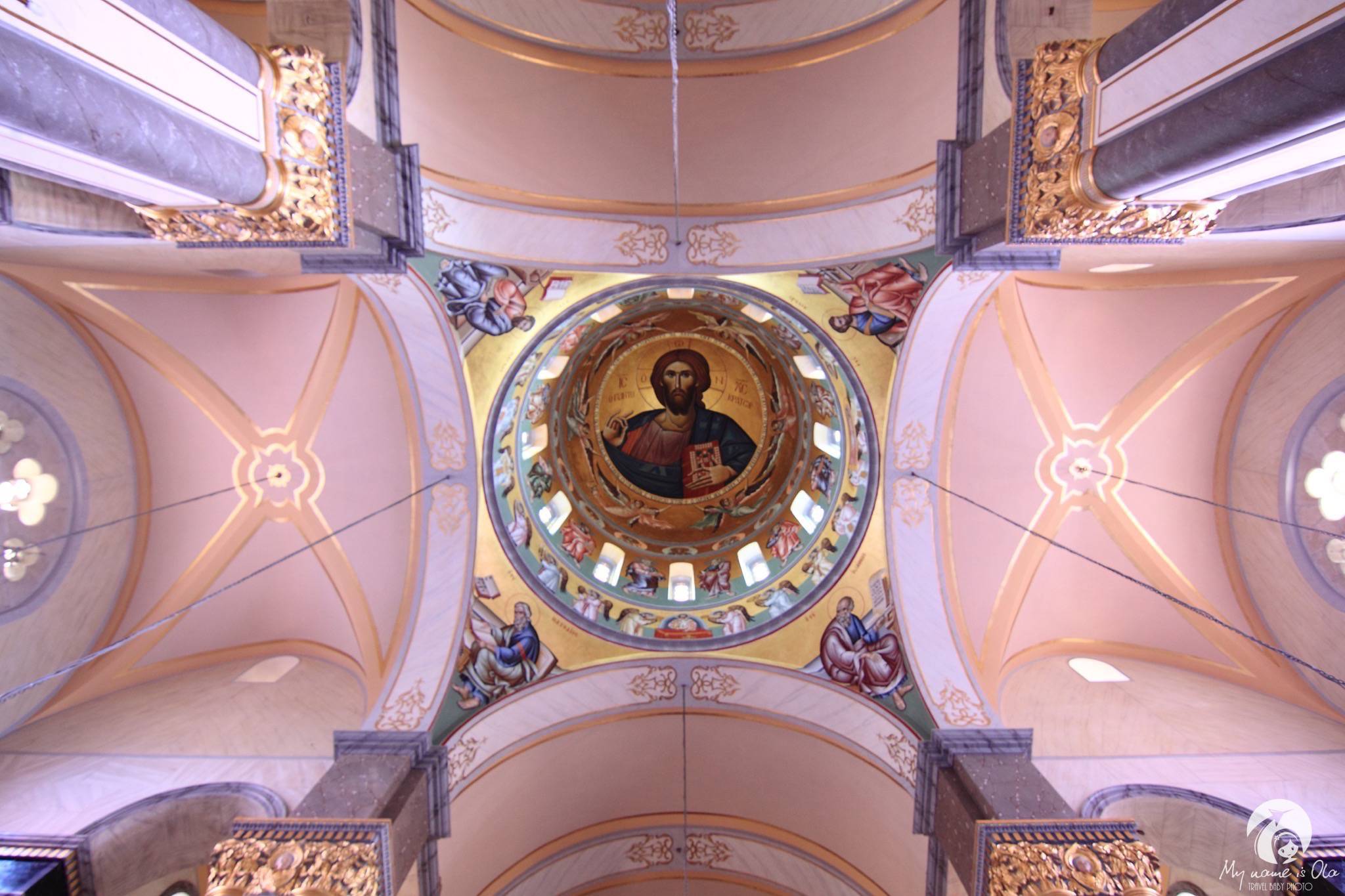
Θ θ ϴ ϑ jak Θρησκεία – religion – majoiry of the population of the Republic of Cyprus is are the followers of Greek Orthodox Church of Cyprus. Over 90% of Cypriots practice orthodox religion and the history of christianity on the Island dates back to 4th century.  Since East-West Schism, when cyprus gave up their contacts with Latin Church, the island had gone through French, Venetian, Turkish and British rules. Only after gaining independence by the island Orthodox church could freely breathe on the Island. Arcbishop Makarios III was even elected the first president of an independent Republic of Cyprus. One of the most important orthodox churches you need to visit being in Cyprus is the Church of St. Lazarus in Larnaca with the patron’s thomb underground. Important places for the Cypriot religion are monasteries, 12 of which are located in different places accross the island. The mostly known one, probably due to the production of traditional alcohols, seems to be the Kykkos Monastery in the eastern part of the country.
Second most popular religion in Cyprus is Islam, based in the northern part of the island. Find out more about Islam below.

[photosetgrid layout=”3″]Cyprus, Church of St. Lazarus in LarnacaCyprus, Cyprus, Church of St. Lazarus in LarnacaCyprus, Ayia Napa Cathedral in Limassol[/photosetgrid]

J

Ι ι as Ισλάμ – Islam – crossing the border of Northern Cyprus we are entering totaly different world – area of Turkish culture and Islamic religion. Islam first appeared on the island in 15th century but most of today’s Muslims are Turkish settlers who came to the island after Turkish invasion in 1974. Therefore the majority of them are Sunni. On the north side of the island we can see intersting effects of cultures and religions mixing throughout centuries. Famagusta’s most famous medieval building used to be St. Nicolas Cathedral and since 16th century it has been Mustafa Lala Pasha Mosque. This strange structure, at first sight looking like ruined gothic cathedral, is in fact a mosque with characteristic for this type of building minaret. All Christian frescoes and stained glass windows have been destroyed, walls have been painted white and since then building successfully serves Musilm community. Besides Northern Cyprus Muslims also have their shrines  in the Republic of Cyprus. One of the most important is, fabulously located at the Limassol Salt Lake, Hala Sultan Tekke Mosque. The mosque is of special significance for all Muslims, since it probably is the burial place of Umm Haram wet nurse of the Prophet Muhammad.

[photosetgrid layout=”3″]Cyprus, Hala Sultan TekkeCyprus, Lala Mustafa PashaCyprus, Yenicami Mosque, Nicosia[/photosetgrid]

K

Κ κ – κουμανδαρία – Commandaria – probably the oldest type of wine in the world that has been produced until today. The name Commandaria was mentioned already in 12th century. This dessert wine has been produced  in the island between azure blue Mediterrenian Sea and the peaks of Troodos Mountains. Cultivation, drying in the sun and the fermentation of grapes used in its production takes place in one of 14 villages in the region called of course Commadaria. Two varieties of grapes used for its production are indigenous Cyprus grapes: Xynisteri and Mavro. The same ones are used to make Zivania. Commadaria is golden brown thick sweet wine, sometimes has the arome of coffee and chocolate, surely fruits and sometimes having slight freshness. Cypriots serve it at the end of the meal in temperature of 12-14 degrees Celcuis to bring out its full aroma. It is produced by main wine industries but it’s advisable to try some of the smaller wineries. It’s a must when you visit the island.

[photosetgrid layout=”3″]Cyprus CommandariaCyprus CommandariaCyprus Commandaria[/photosetgrid]

L

Λ λ as Λάρνακα – Larnaca. Our first steps after landing at nearby airport we directed to Larnaca. This is a city located in the south of the island, although small, it’s third largest on Cyprus. Finally we could take off Ola’s long sleeves necessary in Poland. Weather was perfect. Larnaca is typical tourist place, where sunburned turists spend their time eaither on the beach or in some coastal restaurants. Larnaca hosts must think that tourists need to have things they like on hand, so at every step we find McDonald’s, KFC or Starbucks between restaurants trying to keep local atmosphere. But bored with sunbathing turists will find in town also something interesting to see. The most important is of course the Church of St. Lazarus and Hala Sultan Tekke Mosque but we have mentiond them already before. Besides them you need to cover the whole seaside promenade starting from the monument of Zeno of Kition. This Greek stoic was born in Larnaca, which was previously called Kition. You have to pass some market stalls selling all you can imagine, get to the stone winged lion brought to Larnaca by Venetians and finish your walk at the medieval Larnaca Castle. Local beaches are very well kept but if you look for some other type of activities than sunbathing, plan to spend no more than half a day in Larnaca because Cyprus offers a lot more.

[photosetgrid layout=”3″]Cyprus, LarnacaCyprus, LarnacaCyprus, Larnaca[/photosetgrid]

M

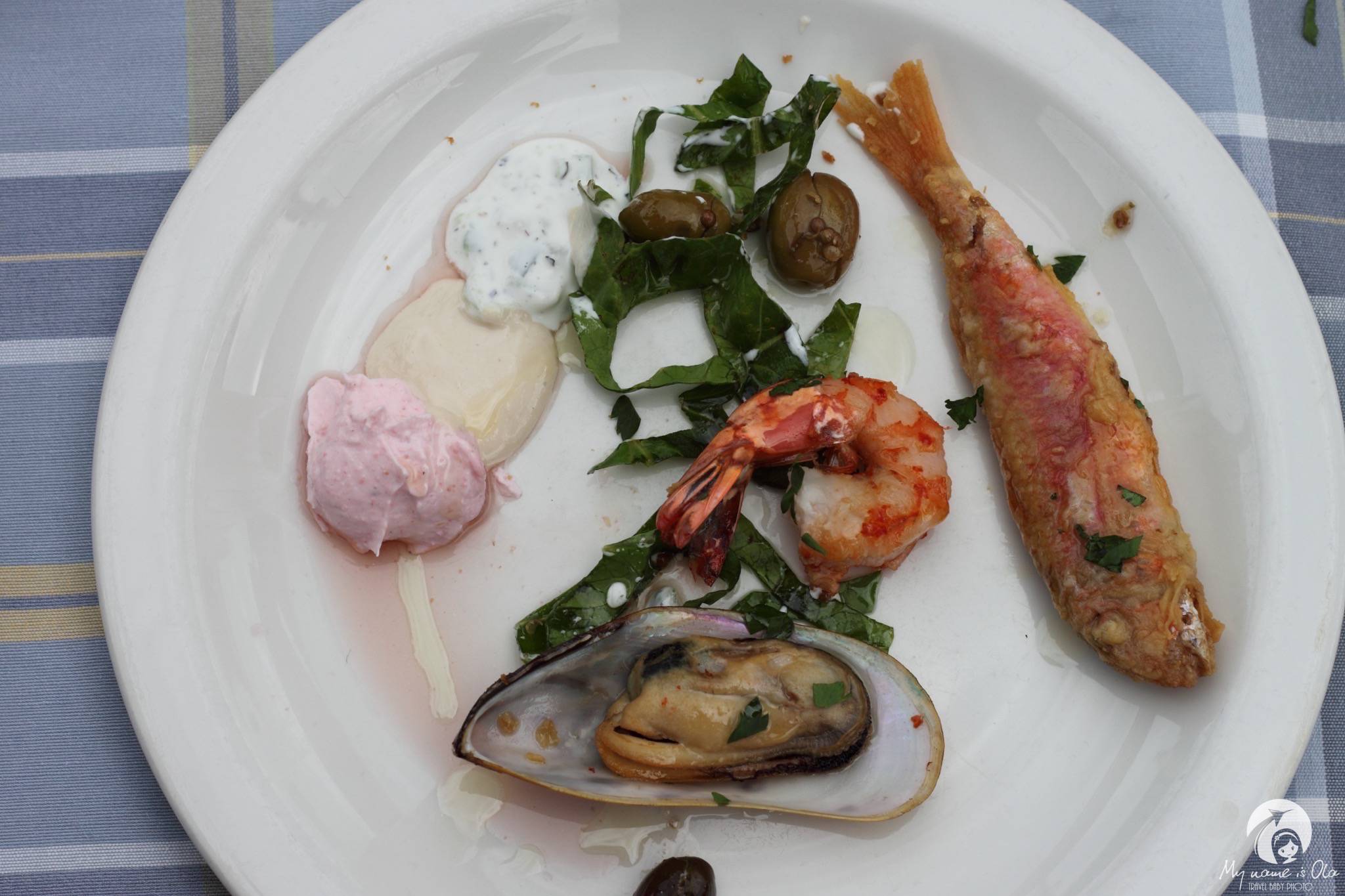
Μ μ as μεζέδες  – meze – going to Cyprus we already knew that we have to try meze, we cannot leave the island until we try it. But what it really is? Will Ola like it? She surely will, as she does most of „adult” food. But will that be something appropriate for her? We will have to see. Walking the streets of Cypriot towns we kept on seeing banners with „best meze”, „fish meze”, „meat meze”. We tried to avoid those touristic places and find something really authentic, off the main route. There we finally found what meze really was. Generally speaking meze is something like Spanish tapas, a choice of small dishes. We chose fish meze and found on our table successively: the set of different sauces or dips, a salad, and a whole range of fish and other seafood. As you can guess seeing our pictures Ola wasn’t given to try any of those as deep fried food doesn’t seem to be good for such little stomach. Meze is characteristic for the eastern coast of Mediterranean Sea appearing in different variations in different countries. In some areas it is served before the main course but in Cyprus it is rather served as a meal itself. The choice of goodies allowes successfully fill the stomach. Some local drink, like Zivania, is strongly recommended to the meal.

[photosetgrid layout=”3″]Cyprus, MezeCyprus, MezeCyprus, Meze[/photosetgrid]

Blog

How to cross the border of Cyprus and Northern Cyprus

23/04/2015 — by Magdalena Kuźma0

gr1-960x640.jpg

How to cross the border of Republic of Cyprus and Northern Cyprus? In general – very easy, in details – it depends on your means of transportation. We assume that you are interested in going from Republic of Cyprus to Northern Cyprus, because most of visitors stay in southern part and go to the north just for a trip.

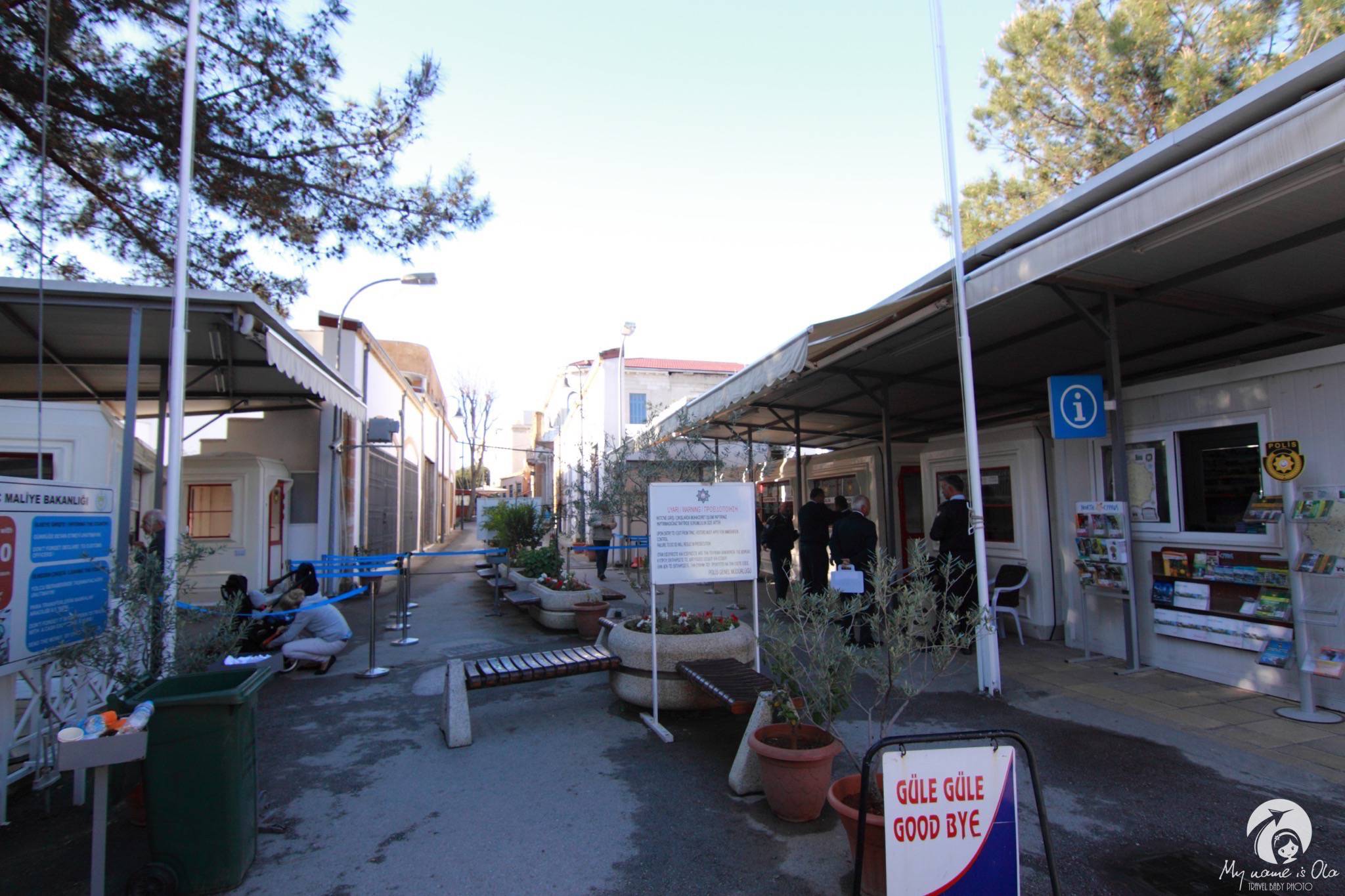
If you want to visit Northern Cyprus on foot, you will probably be using the border crossing in Nicosia. The border goes through the city and crossing is located at Ledra street. This crossing is used by both turists and locals but it seems there is a separate window for Cypriots so that masses of tourists did not interrupt their life. Routine is more or less the same as at every other border crossing.

1. Approaching from the Republic of Cyprus we will first encounter their border officers. Here we have to present our passports and after checking it by the officers we can move on.

2. After a few meters we are standing in front of North Cyrpus officers. Here we will need an additional piece of paper – a visa. It’s a form which we have to fill in with our name, nationality and passport number. This visa, when stamped by the officer, has to be kept in our passport until we leave North. It is possible to get the stamp to your passport but it’s not obligatory.

Cyprus, border

Everything looks similar when crossing the border by rented car. Because many turists go on trips to Northern Cyprus, officers are well prepared and everything goes rather fast.

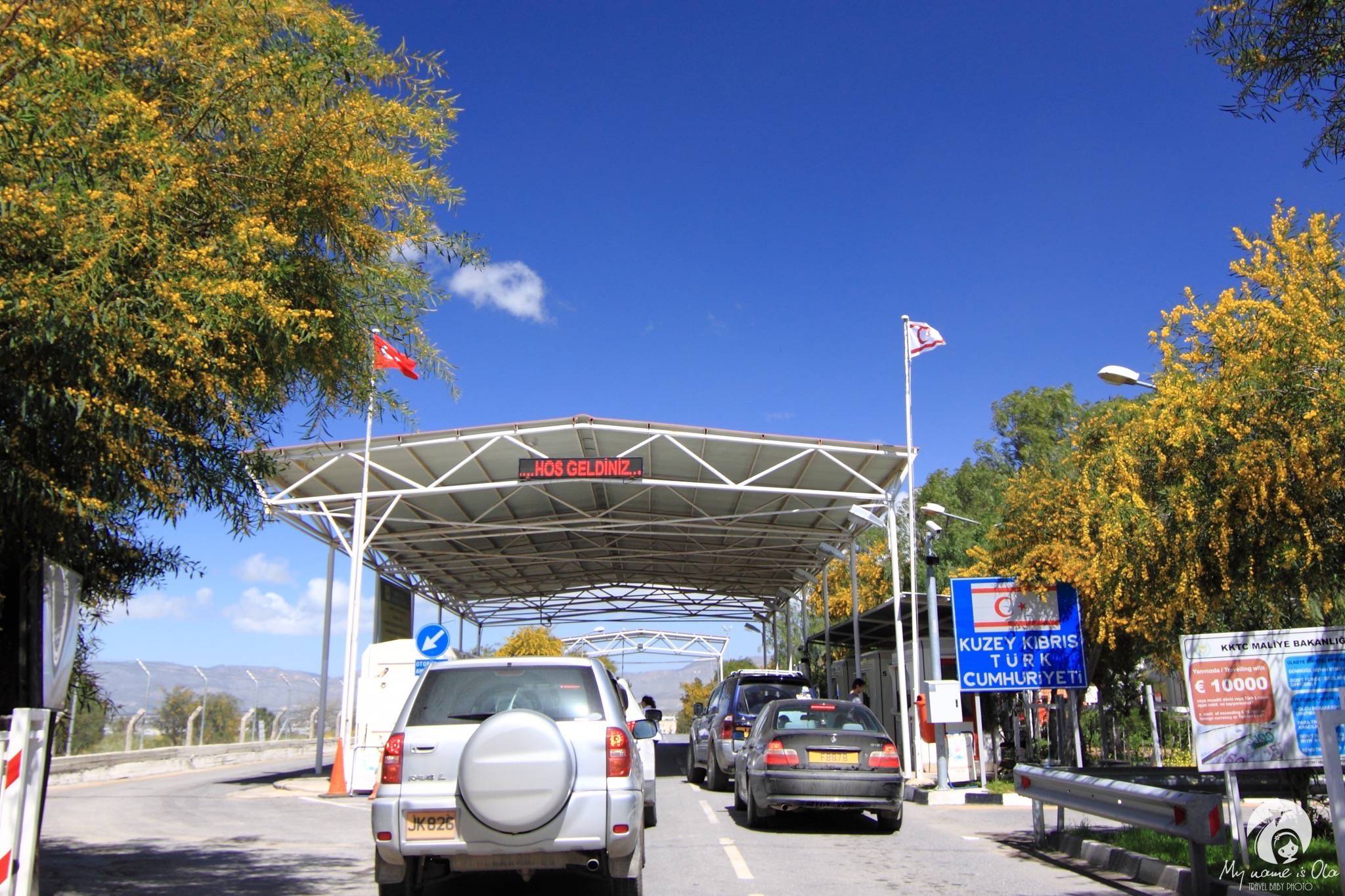
1. At the booth of Republic of Cyprus we do not even leave the car. Officer picks up and brings the documents to the car. Hand him car papers and passports of all travellers.

2. Moving on to the North Cyprus zone, our first steps we need to direct to the insurance agent. It’s the first window on right hand side. The insurance we got at rental is valid only for the teritory of Republic of Cyprus. This is why we have to buy one for Northern Cyprus – minimum 3 days for 20 euro. To do so we will have to present car documents and passport.

3. For each person in the car we have to fill in the visa form. If we already have one because for example we have crossed the border on foot the other day, we can use it, we just need to fill in plates number of the car. Again – when stamped it will have to be kept in passport until coming back.

4. With filled form, insurance and passports of all people in the car, the driver can go to customs officials. They put an entry stamp on the visa and we are free to go.

[photosetgrid layout=”2″]North Cyprus visaNicosia border[/photosetgrid]

Return procedures are almost the same. It is good to know that it is not necessary to use the same crossing to come back as the one we left through. We can use any border crossing either traveing on foot or by car. It’s also important to know that if you rent a car on northern side, you will have to use it there. Taking such car south is not possible.

Cyprus, border