main

Blog

# Project Vineyard

05/08/2015 — by Magdalena Kuźma0

Vineyard4-960x640.jpg

Following our stories you must have noticed our undisguised sympathy towards grapes and almost anything made of them. Visiting different places we usually try to look into some vineries, find out more about local wines and of course try them. Where does it come from? How is that happening? It seems it has to be something in our genes as more or less a year ago an idea to set up a vineyard came up in our closes family. We couldn’t have not to join this project. You would say risky idea? Maybe a little because the climate of north-eastern Poland doesn’t seem at first sight to be the most beneficial to vines cultivation. Summers indeed are recently quite hot (we are writing this when temperature outside reaches 34 degrees), but on contrary winters are cold and snowy. It happens that in winter thermometer shows similar values as now just on the opposite side of scale. Is there a chance for vines not only to grow but also to give good quality fruits in such conditions? 

Research showed that there are some chances of success, as Poland has already some wine traditions reaching back 10th century. In those times wine on our areas was mostly produced for sacral needs of newly Christianized country. Since then until today vine cultivations have occurred in here with different intensivity. Today single wineries come up across Poland even on much larger scale than ours. Their success shows that Poland is not that bad for vine growth as it might seem. But do those examples allow to expect good quality fruits somewhere at the edge of Knyszynski Forest, on north-east Poland, our local cold pole? The risk had been taken, grapes seedlings purchased and planted.

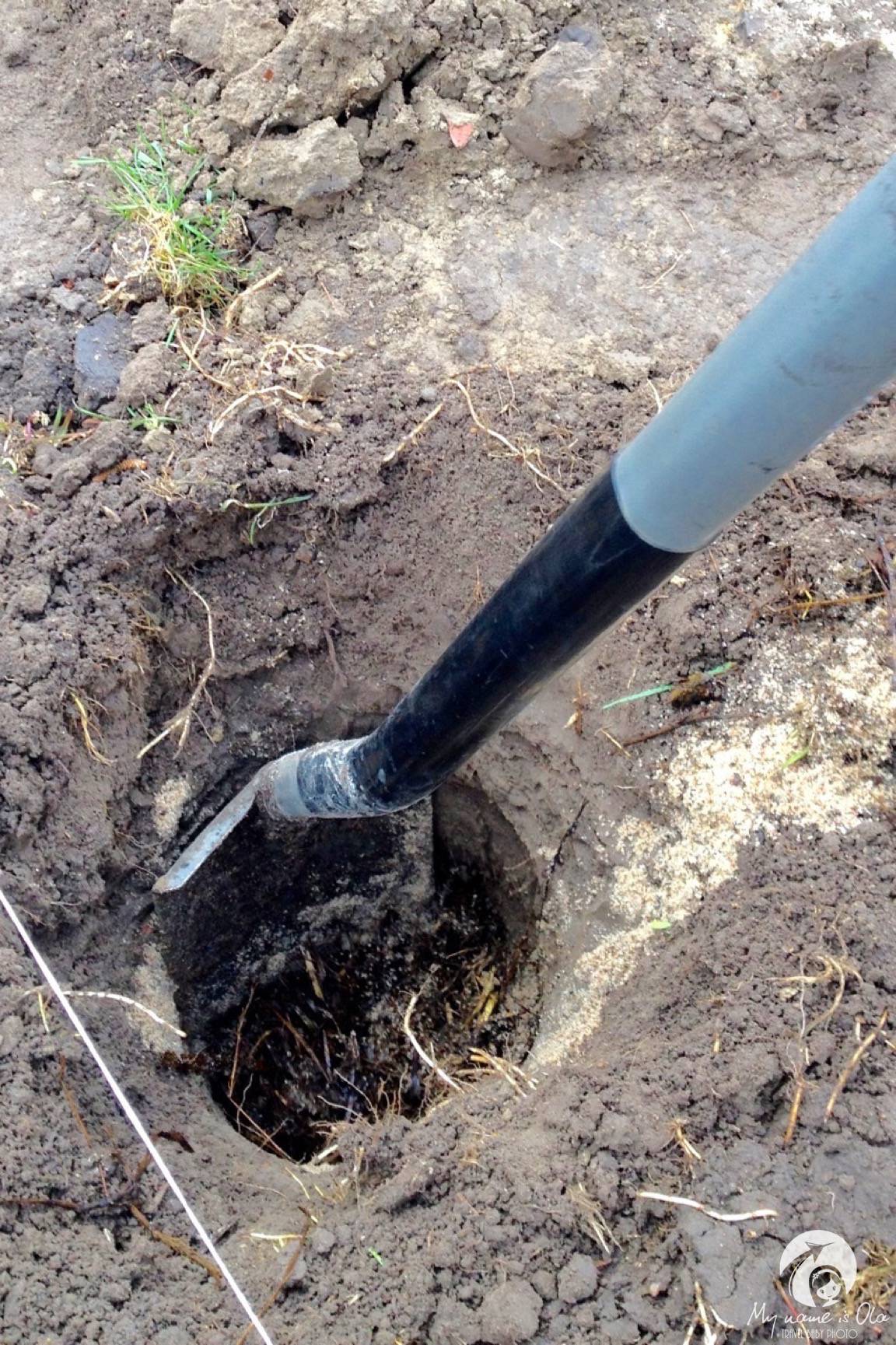
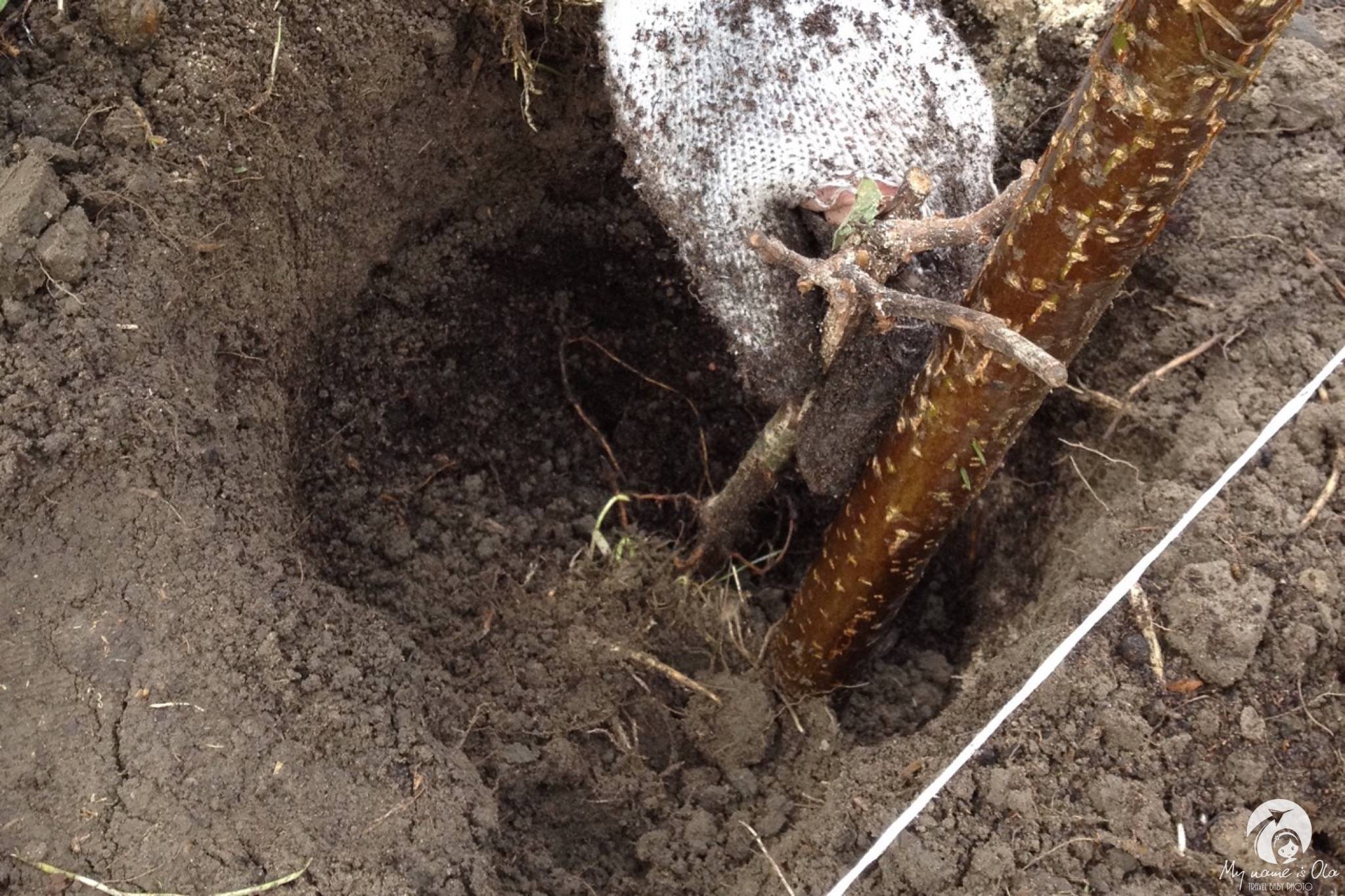
[photosetgrid layout=”3″]Winninca Aleksandra, początekWinnica Aleksandra, początekWinnica Aleksandra, początek[/photosetgrid]

Before even the winery was created it already got its name. That’s right, the one that you are thinking about. Could it be different than Aleksandra at all? That’s our Ola’s full name. So let us introduce, THE VINEYARD ALEKSANDRA: 

[photosetgrid layout=”1111″]Winnica AleksandraWinnica AleksandraWinnica AleksandraWinnica Aleksandra[/photosetgrid]

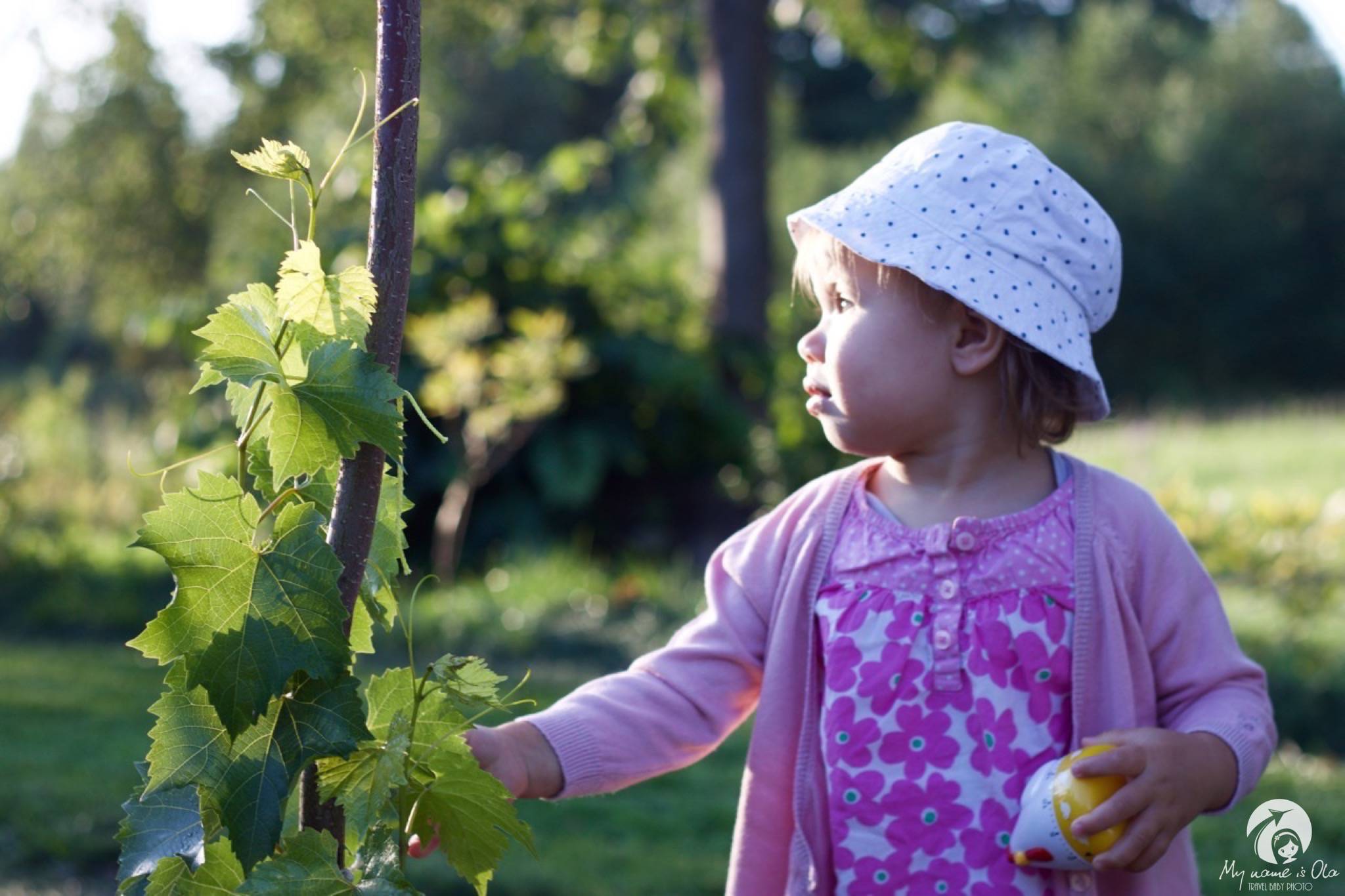
Not only the name and love for grapes but also pure curiosity made us take part in this project and watch vines growing towards the sun. Of course besides Polish wine traditions and big hopes for success final decision about setting up the vineyard was taken after intense consultations with experts on this field. Vine cuttings arrived to us from Jaslo in southern Poland and couple of months ago, exactly 18 april, they got acquainted with local soil. On that day we even had probably one of the last in this spring, snowfall but Varieties Seyval Blanc, Swenson red, Leon Millot, Marechal Foch and Prairie Star must have felt very good in this areas as planted in spring they already grew to more than 80 cm. That is more or less Ola’s height! We are wondering if they will be growing together or one of them will grow faster. At the beginning barely sticking out from the ground twigs did not let us have any assumptions but with time they arose from the piles of soil mounded around them, started twisting around the poles and reaching to the sun. 

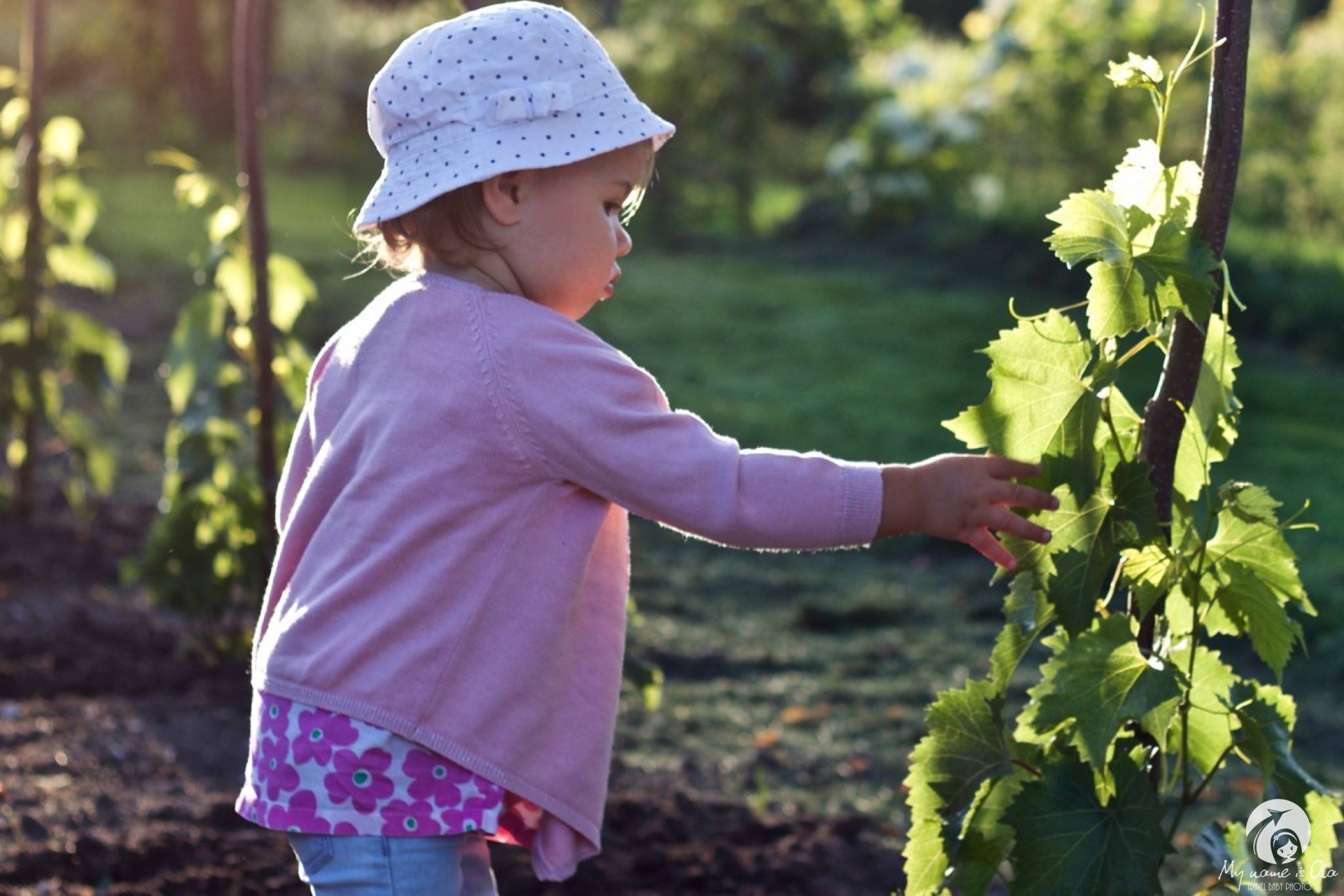
[photosetgrid layout=”111″]Winnica AleksandraWinnica AleksandraWinnica Aleksandra[/photosetgrid] 

Chosen varietes are from the group of those especially good for wine production. Seyval Blanc is a variety of light grapes, resistant to frost up to -26 degrees Celsius, Svenson red is resistant to -30 and Leon Millot is dark, surviving temperatures of maximum -28 degrees, Marechal Foch is a dark type, resistant to frost of -30 degrees and Prairie Star is light, early and the most frost-resistant of all because up to -35 degrees Celcius. As you see low temperatures are not a big threat for some types of vines but anyway we will have to keep your fingers crossed for temperatures not to drop too low what recently has happened in our area. 

First harvest are expected not earlier than within 2 – 3 years and thanks to diligent care that you saw on the pictures above, there is no other option than to receive good, sweet and full of taste fruits.  We believe it is not only sun, microelements derived from soil or proper fertilization and watering but also commitment and heart put in care for the plants. Service from such dedicated and charming gardener has to result in outstanding fruits which will become decent wines one day. By that time we will be reporting you next stages of vineyard’s growth. Check up with us to see how they vines grow and bear fruits!

Warm greetings to Golesz Winery who delivered us the grapes seedlings! We hope you keep your fingers crossed for our success. 

BlogBaby in travel

What you should pack to your travel first-aid-kit for kids

03/08/2015 — by Magdalena Kuźma0

Apteczka2-960x641.jpg

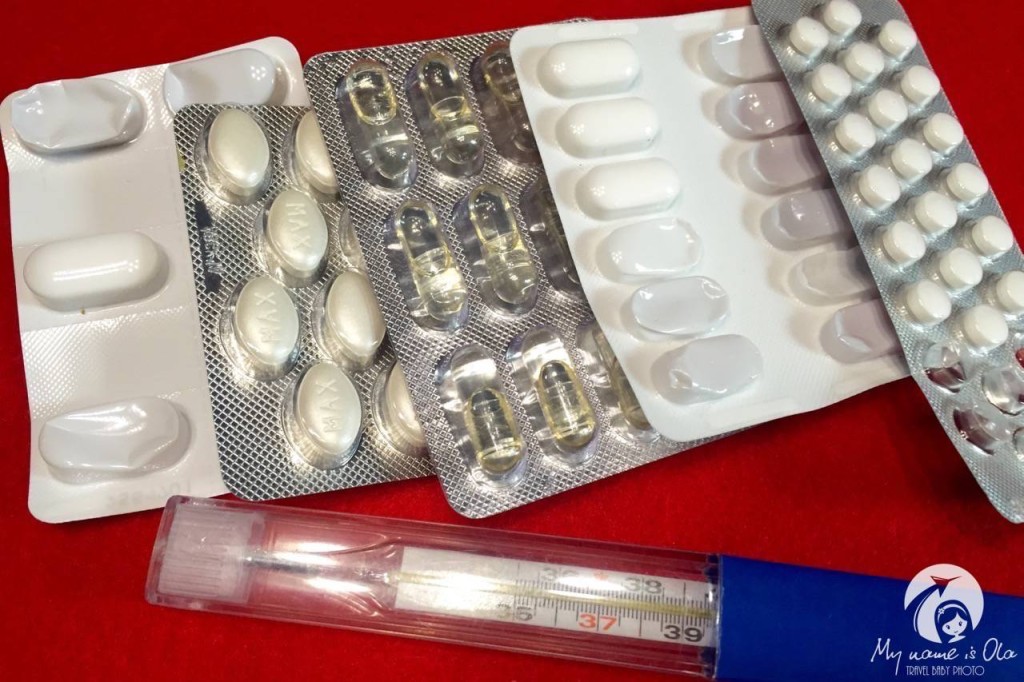
Going on a trip with your little one, doesn’t matter whether it’s just a weeekend gateway from the city or two weeks at the sea, means that you need to take with you all the necessary medicines. Your baby’s health problems can come up any moment and any place of the trip. You are not able to prepare for all of them but at least can leave home with solutions for those happening the most often in your backpack. Your first aid kit has to reflect kid’s age as you will need a little different meds for an infant and different for a few-year-old.

Today we want to go through all meds that seem for us to be the most useful while travel. Because you go with your kids on various types of trips to various places and for different time we prepared two lists: firts is a basic one, most appropriate for a short trip, city break, any trip with hand luggage and second one that tells you what you can add to the basic one to have a complete set of drugs for all possible circumstances. We usually travel just with a basic one and from time to time just add something from the second list.

First Aid Kit

LIST NO 1:
BASIC MEDICINES FOR A TRIP WITH A BABY

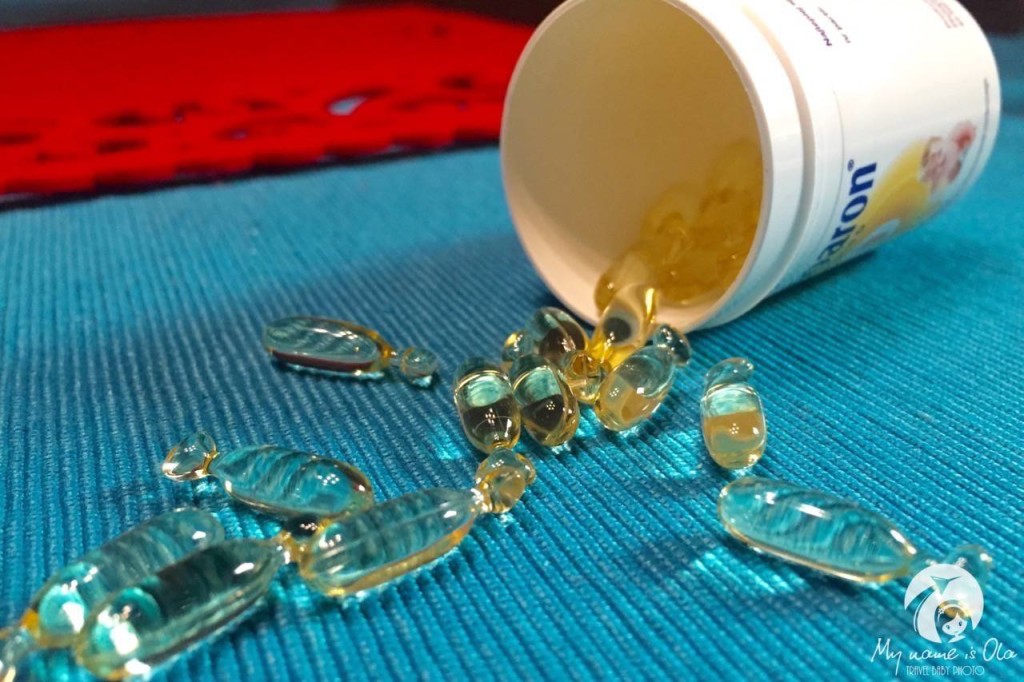
1. Painkiller and antipyretic – here you have a very wide offer of drugs for kids available but in fact you are choosing between two main substances: paracetamol and ibuprom. For those traveling with a newborn we definitely advise paracetamol as this is the only med allowed for such small babies. For the older ones you can freely give ibuprom which works also as an anti-inflammatory. Remember to dose them according to the leaflet and if they do not work go straight to the doctor. What to choose pils, syrup or suppositories? We usually go for syrup as they all are avaliablie in bottles below 100 ml so thay do not take too much space. As for suppositories – they are useful only when your baby vomits or has diarrhea so we decided to choose syrup.

2. Oral rehydrating solution for kids – here we mean something that will prevent your kid form dehydrating and fills up electrolites when he or she has digestive problems and vomits or has diarrhea. In the basic set of our drugs we usually put only that as if diarrhea or vomits intensify we would go to the doctor anyway and use prescription drugs. An easy to use is for example HIPP ORS 200 (from the 4th month) but on the other hand it takes more space and is not so convenient to travel with as it is sold in bottles of 200 ml. When packing your luggage you’d better reach for something in powder such as Acidolit or Humana Elektrolyt which when needed you can dissolve in a glass of water and give to your child. We haven’t had any situation to use it so far but we alvays carry that for Ola in our luggage. 

3. Anti-alergics. All trips mean for kids and parents facing totaly new conditions, new environment with new plants and new food ingredients. Any of those can result in child allergic reaction. Some of kids are more prone to allergies other less but having some anti allergic meds seems reasonable when going to new places. Parents of little allergics know very good that leaving home not being prepared for sudden and unexpected reactios is rather risky. But also those whose children do not tend to have allergies can add to their list for example Fenistil drops.

As far as basic set of meds is concerned that would be it. Going away for the weekend you don’t really need to take a bag full of drugs with you. We always take those basic ones which will let us fight the most typical situations but if your child takes same meds regularily make sure to pack them in the first way! 

In case of longer trips, when your luggage allowes you for more and when your kid will have much more opportunities to get sick or to injure their bodies you can pack a little more stuff with you. If you take all we mention below you should be prepared for any possible circumstances.

First aid kit

LIST NO 2:
WHAT TO ADD TO YOUR BASIC DRUG SET WHEN TRAVELING WITH BABY

1. Thermometer

2. Painkillers for teething – for example those in gel to be applied dirctly on gums

3. Salt water for runny nose accompanied by something to clean the nose

4. Cough syrup and pills for sore throat

5. Band-aid for scratches and wounds (available also in spray!) and something antiseptic i.e. wipes in sachets

6. Mosquito repellents and for those who especially suffer from their bites something that will bring relief from iching. Be careful with infants as they should rather be protected from mosquitos withou chemical substances. 

7. Something against travel sickness if only your little on suffers from it!

8. Protective creams wih high factor. Remember that young skin needs special protection from sun and don’t forget to use it often.

9. To help infants to fight their stomach problems you can add to your list some probiotic. The range available on the market is wide and thankfully most of them are available in small packages.

First Aid Kit

To the list above you can add whatever comes to your mind but we believe all this one will make your drug set complete. To save some room and make packing easier get rid of cardboard boxes and leaflets with information on how to apply the med attach to the bottle or blister by a band. When your first aid kit is prepared and you are ready to explore your own country pay a minute, take a look in your documents and learn by heart all the necessary insurance numbers that you would need if you have to visit the doctor. If cannot memorize all family members’ details, take the picture of them by your phone, thanks to that you will always have them with you. When going somwehere within EU apply for European Health Insurance Card for everybody and when leaving EU consider buying some additional insurance.

First aid kit