main

BlogNa stole

7 facts about wine which we found out visiting Cricova cellars

24/07/2015 — by Magdalena Kuźma10

Cricova12-960x640.jpg

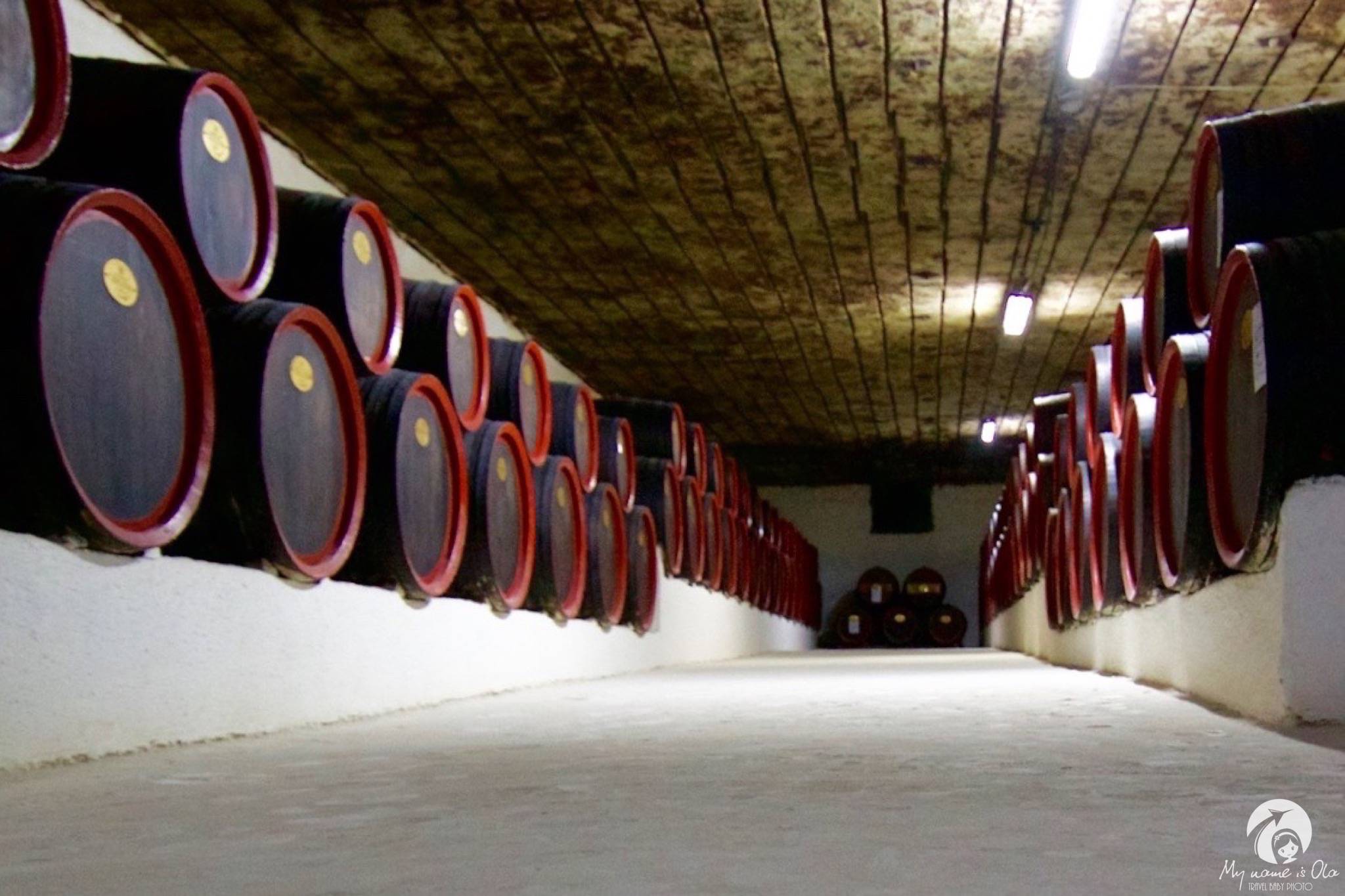
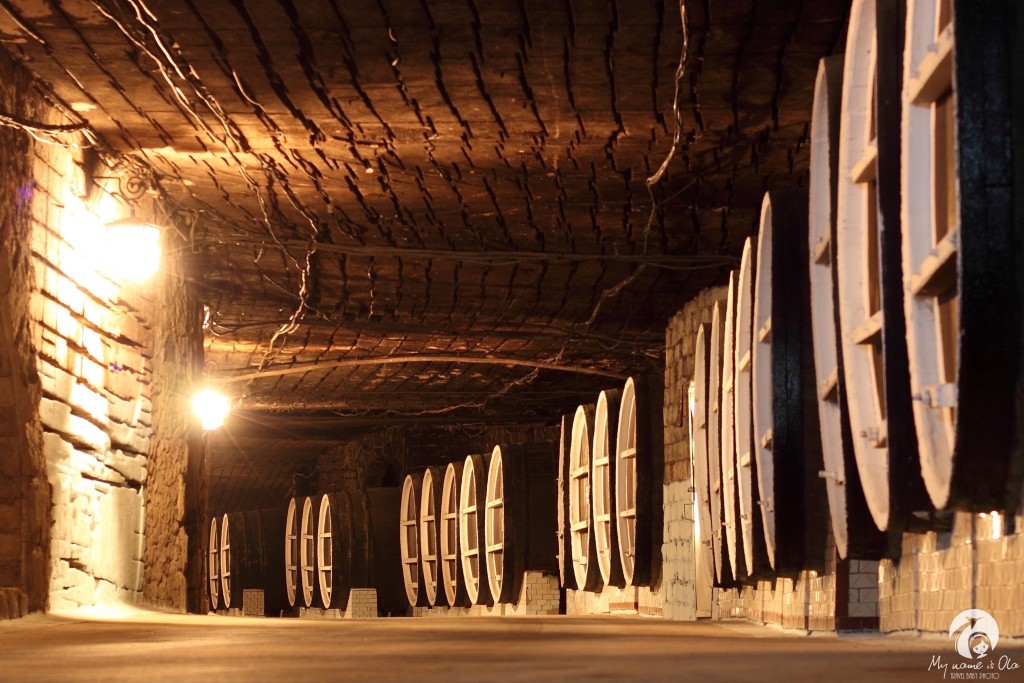
Cricova wine cellars is next to Milestii Mici most famous wine complex in Moldova. It’s not just hundreds of kilometers of underground cellars and corridors, where wine is produced and stored, but also more than 500 hectares of vineyards and more than 5,000 tons of harvested grapes per year.

Wjazd na teren winnicy Cricova

Tunnels, which are used today for production and storage of wine are much older than the winery itself. Their story started few million years ago, when Moldovan land was covered with shallow waters where on the bottom some specific layers of limestone were formed of dead animals’ shells. Today this rock is a good building material and while its acquisition corridors and tunnels being are a part of Cricova complex were created.

Piwnice winne Cricova

1). Vine is one of the oldest plants in the world – it has more than 10 million years. Many varitetes, fertile land and sun are the secrets of Moldovan wines. Some of the local Moldovan varietes of grapes have gained worldwide fame and become widely known kinds. Nobody has ever stolen Moldova’s sun but the soil some have already tried – during the Second World War Germans exported it by trains from Moldova.

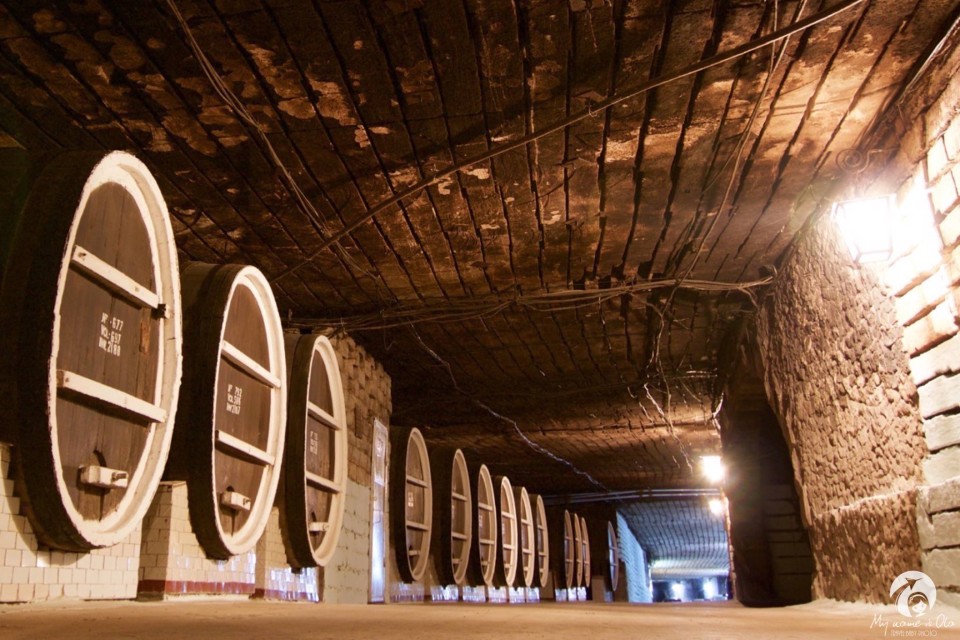
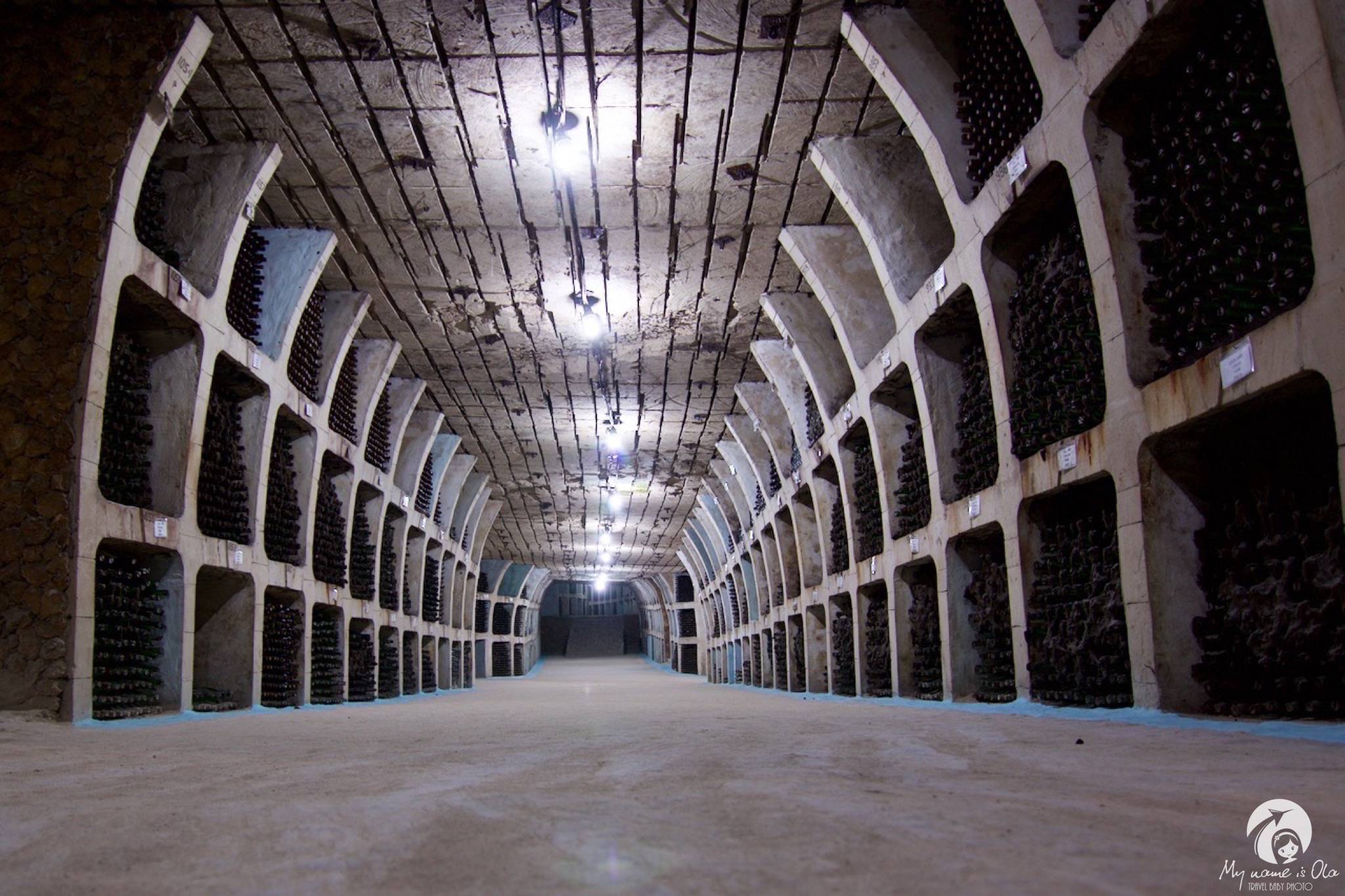
[photosetgrid layout=”12″]Wjazd do piwnic CricovaPiwnice winne CricovaBeczki z winem w piwnicach Cricova[/photosetgrid]

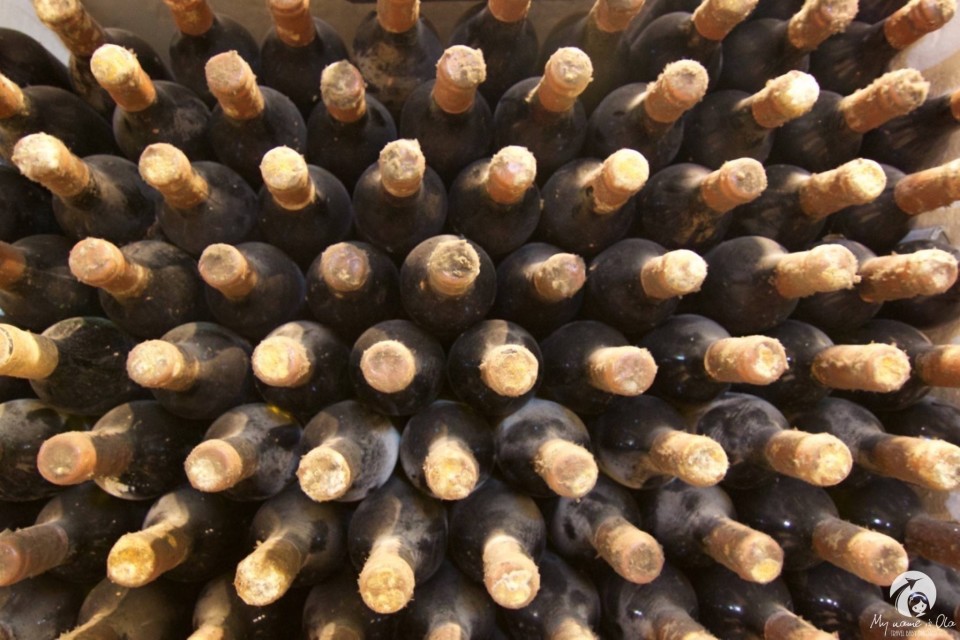
2). Most people consider “the older the wine, the better” as the greatest truth in the world but the reality is different. Most of the wines should be drunk within few years after their manufacture, only a small percentage of really good ones you can store more than a dozen years and only the noblest ones may be aging tens years from the date of production. The key issue is of course the quality of the fruit used to make the liquor. Cricova is proud of their collection of century-old wines still good for consumption. What is interesting, many wines from their collection, which are no longer good for consumption change into jelly and slowly become solid. These surprising processes taking place in the wine are still being studied by oenologists.

[photosetgrid layout=”11″]Piwnice winne CricovaPiwnice winne Cricova[/photosetgrid]

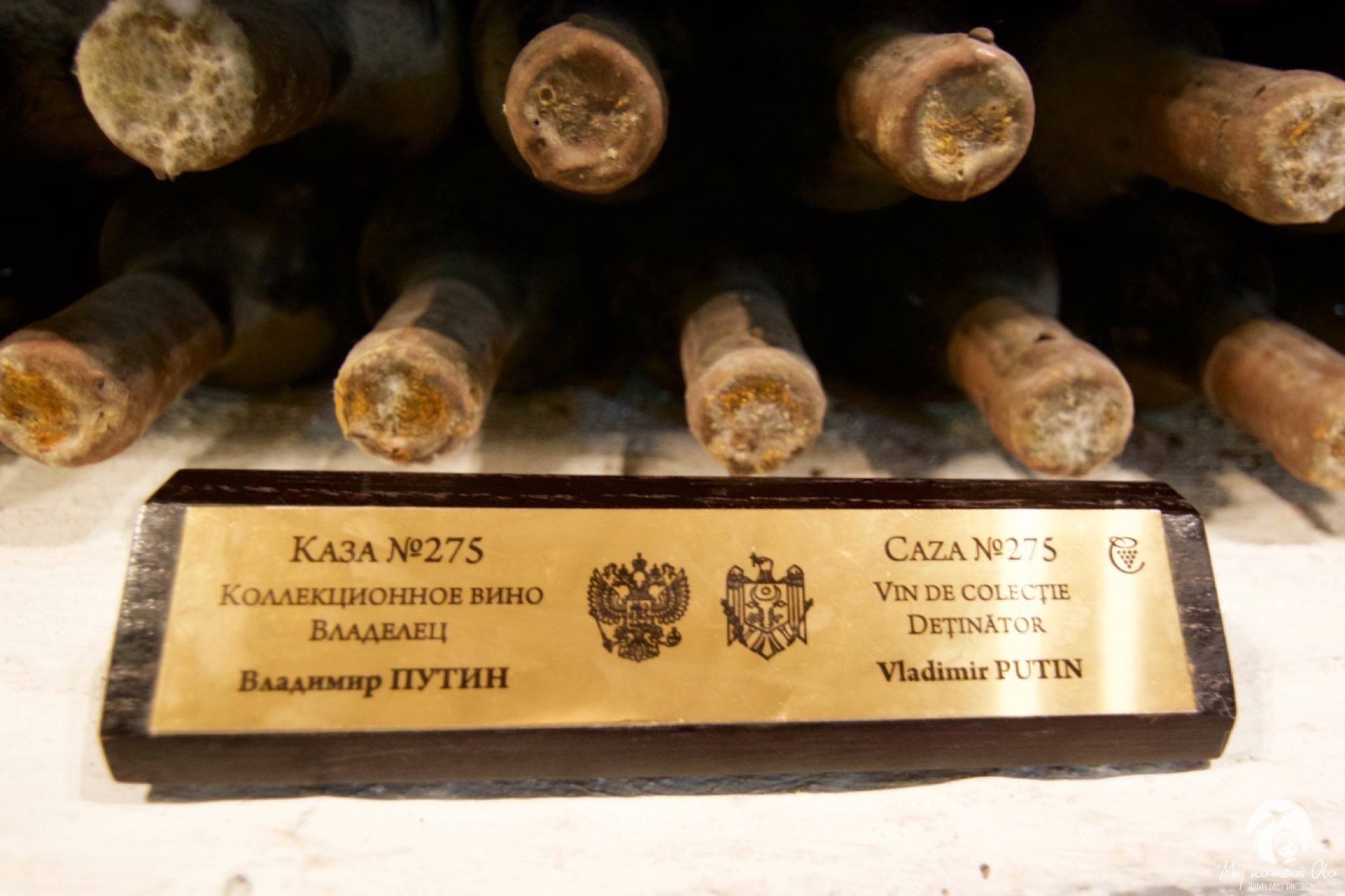
3). Perfect temperature for wine maturation is 12 – 14 degrees Celsius and humidity of 80%. Those are the conditions that are to be found in the tunnels of Cricova. But the biggest advantage of this underground environment is their stability throughout the year, because every change in the conditions of storage is much worse for wine than the mismatched constant parameters. Any fluctuations have negative influence on bottles tightness. The reason for it is different physical properties and reactions of cork and glass. For the perfect conditions it is very important to keep light or vibration out the room and this is why tourists are not admitted to cellars most precious liquor, neither on foot, nor by car. Those ideal for maturation conditions make even the greatest of this world store their liquors here. Not only Vladimir Putin but also Angela Merkel are said to keep their wines in Cricova.

Wina Putina w Cricova

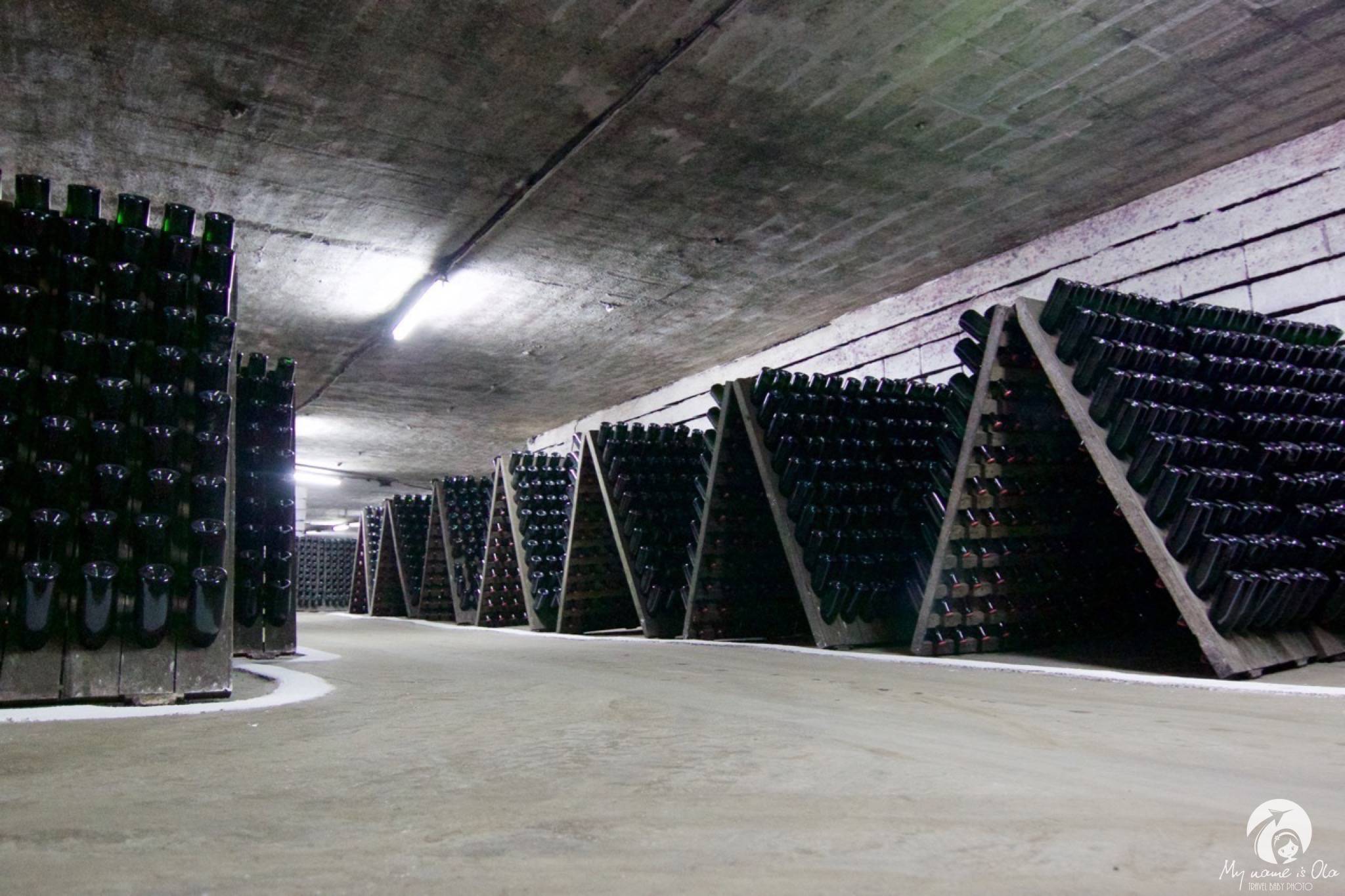
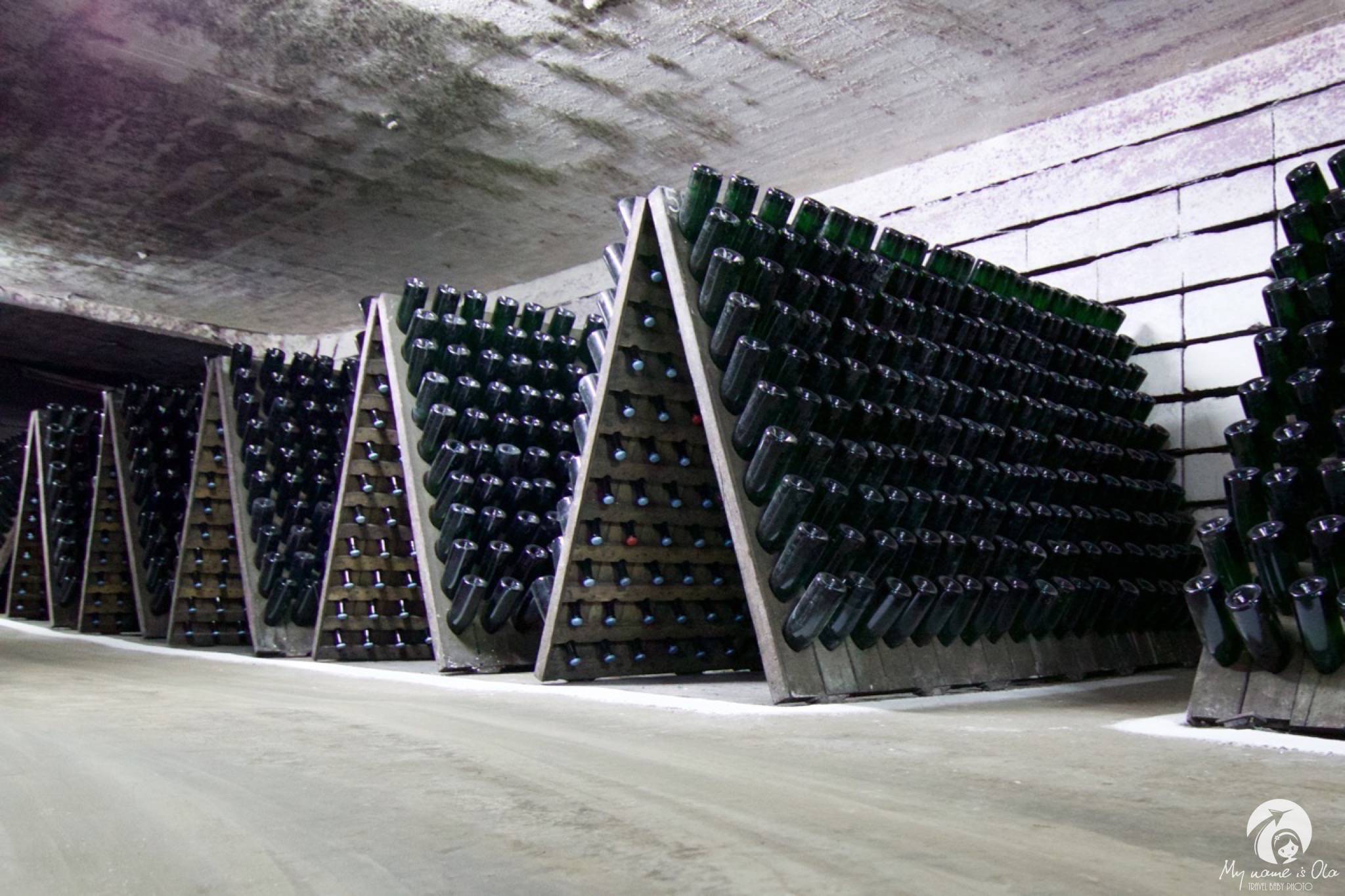
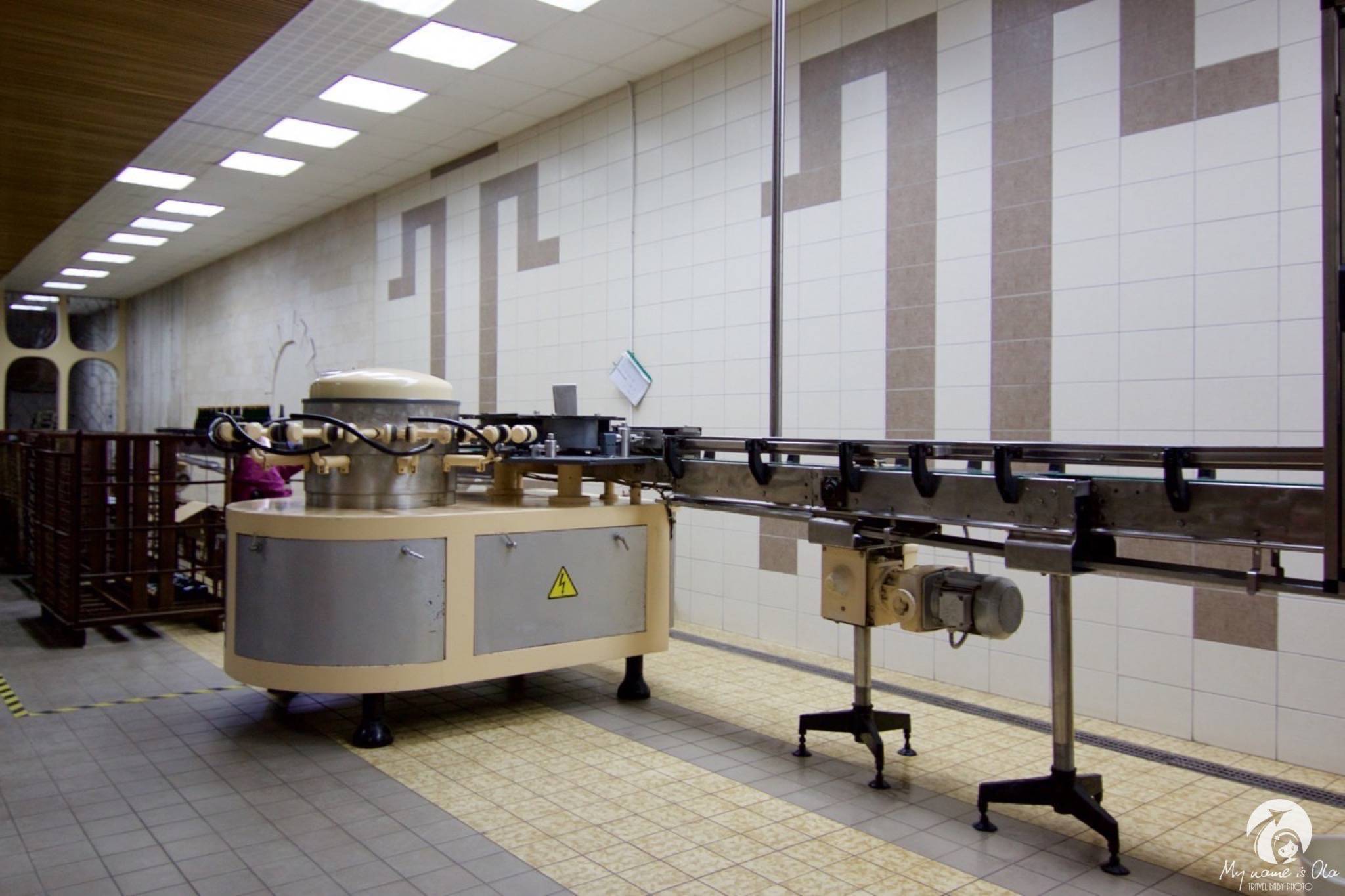
4). In Cricova we found also underground sparkling wines production, carried out by traditional champagne method. In special stands, in upside down position, bottles of wine are kept. Every two weeks winery employees come and turn them around so that any sediments were gathered at the cork. They keep on doing it for three years. After that time sludge is being removes and cork replaced all that by freezing the neck of the bottle. Of course this method is used only for the best wines, all the others are made by rapid maturation. Well known, budget sparkling wine Russkoje Igristoje is being made in this place.

[photosetgrid layout=”12″]Piwnice winne CricovaProdukcja wina musującego w CricovaProdukcja szampana w Cricova[/photosetgrid]

5). Wine collection in Cricova is slightly smaller than in Milestii Mici. It was initiated with the collection of nazi officer Göring, in whose cellars couple thousands of liters of best European wines were found. Collection was transfered to Moldova as compensation for war damage. Currently it is 1.2 mln bottles and 640 types of wine of the value hard to be estimated. The oldest wine in collection is a festive dessert wine produced on the areas of present country of Israel in 1902.

Piwnice winne Cricova

6). In addition to international varieties they successfully grow local vine varietes in Moldova. These are among others Feteasca Alba (white), Feteasca Regala (white), Feteasca Neagra (red), Rara Neagra (red), and Viorica (white). All that is being controlled by the Institute in Chisinau which even grows some frost and disease resistant varietes.  There are quite a few sparkling wines produced in Moldova mostly of pinot noir and chardonnay – willingly used for the production of sparkling wine using above mentioned classical method of production.

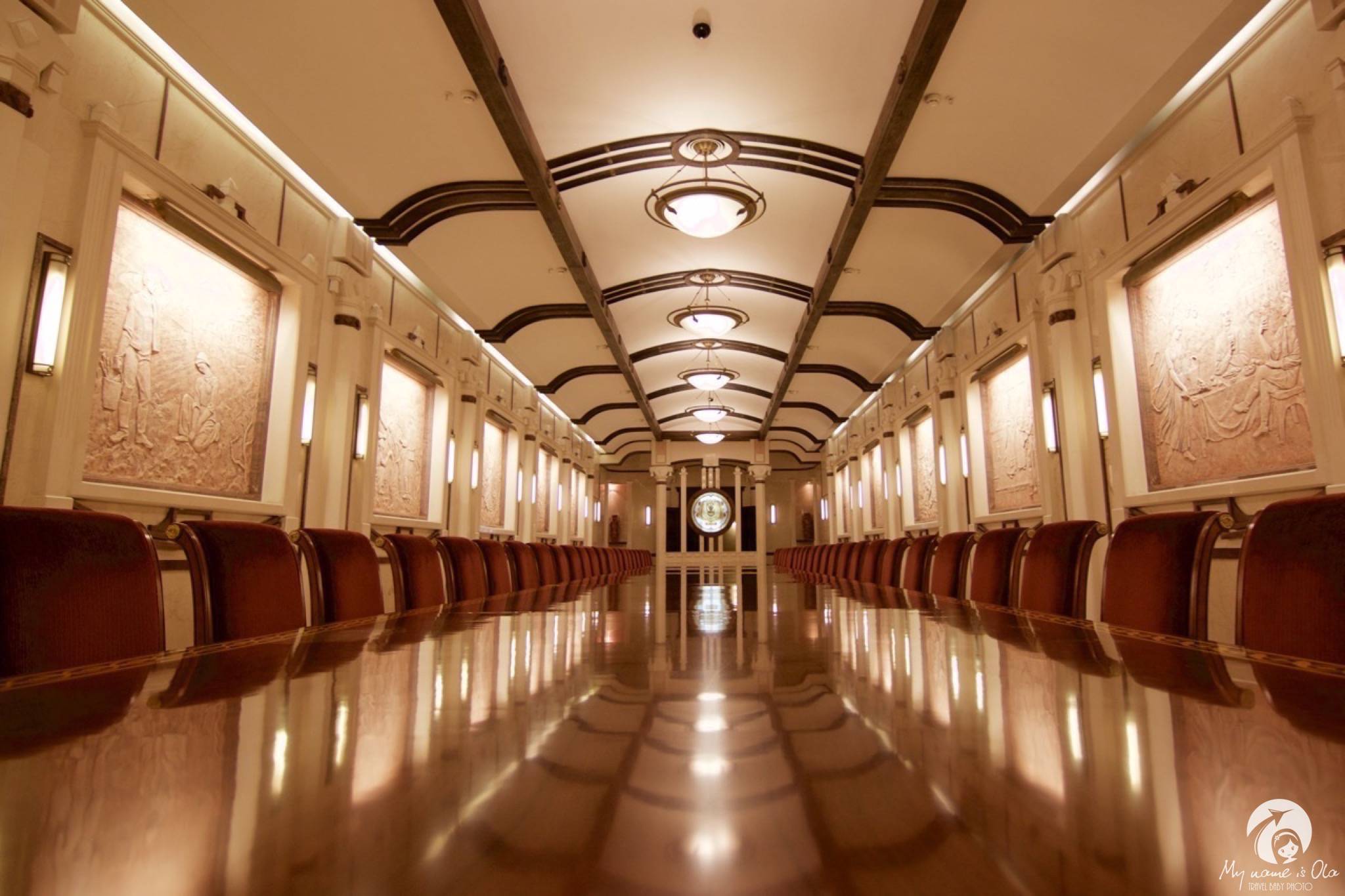
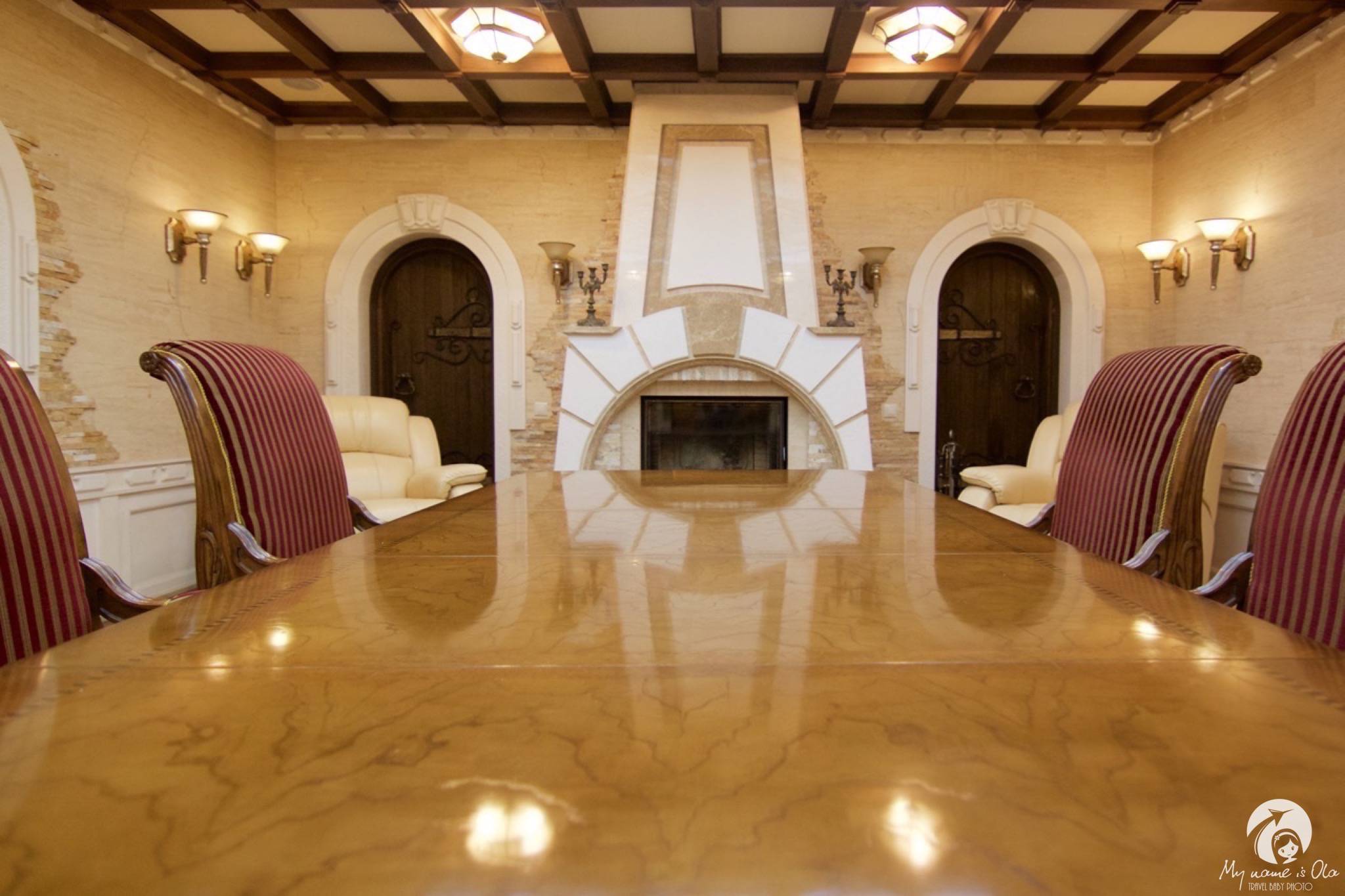
Produkcja wina w CricovaCricova is an exclusive meeting place for Moldovan elite. The underground halls have even been a seat of Moldovan government. Imagine that in the complex located 85 meters below ground they have a room with genuine fireplace. That must be one of the lowest located fireplaces in the world. The legend says that Vladimir Putin celebrated his birthday here. Also Jurij Gagarin, famous astronaut, has visited Crocova and after getting lost in the cellars for few days when he found the way out he supposedly said:

It is easier to get off the ground than to get out of Cricova cellars

[photosetgrid layout=”12″]Piwnice winne CricovaKominek w sali CricovaPodziemne korytarze Cricova[/photosetgrid]

Aby zdać sobie sprawę, jak wielkie są korytarze, jak potężne beczki w sobie kryją i ile butelek szampana jest przechowywanych w piwnicach zobaczcie film z naszej podziemnej podróży:

Blog

Will Gagauzia follow the path of Crimea?

06/07/2015 — by Magdalena Kuźma10

gagauzja026-960x640.jpg

Gagauzia, small autonomous territory in southern Moldova, three cities, dozen of villages and no more than two hundred thousand inhabitants. Fields, meadows, garbage and fallow lands. What is interesting about Gagauzia? Can it offer anything for an average tourist? Monuments of nature, centuries-old sights? Not really. The reason for this region’s uniqueness is its geopolitical situation. It is one of the arenas where the powers of East and West collide and recently its the East who is taking the lead.

Way to autonomy

Gagauz are the small, strongly pro-Russian oriendted, nation whose culture and history we wanted to learn about. Their political choices can soon change the balance of power in Europe. But let’s start from the beginning. 

Gagauz came to Bessarabia at the end of 18th century from Dobruja, a historic region by the Black Sea. Where did they come from? Historians have different opinions, main hypothesis indicates their Turkish roots but on the other hand they cannot exclude their Slavic origins. One thing is sure – in 14th and 15th centuries on their original lands there was an Oghuz Turks state, which hallmark was a grey wolf, recognized today as one of the symbols of Gagauzia. The country disappeared from world maps conquered by the Ottoman Empire. After arriving to Bessarabia Gagauz, despite many attempts, did not set up their own country. Most important events took place in relation to Russian revolution of 1905 and in 1906 the Republic of Comrat was proclaimed. Although uprising lasted only for 5 days, it is the basic event for Gagauz identity until today.

Transport in Moldova

Further history of Gagauzia was a constant connection with USSR and the next turining point happened in 1988. They established a discussion club “Gagauz People” which later on turned into a political movement. Next it went really quickly and in 1990 they proclaimed the Republic of Gagauzia, still as a part of USSR but an independent of Moldovan SSR. After the Soviet Union collapsed Gagauz stayed within the borders of the Republic of Moldova but already in 1994 they created the Autonomous Territory of Gagauzia. Final shape was given to the region a year later, on the basis of the decision taken in referendum of Comrat being a capital city of this new formation.

Gagauz people

Gagauzia today

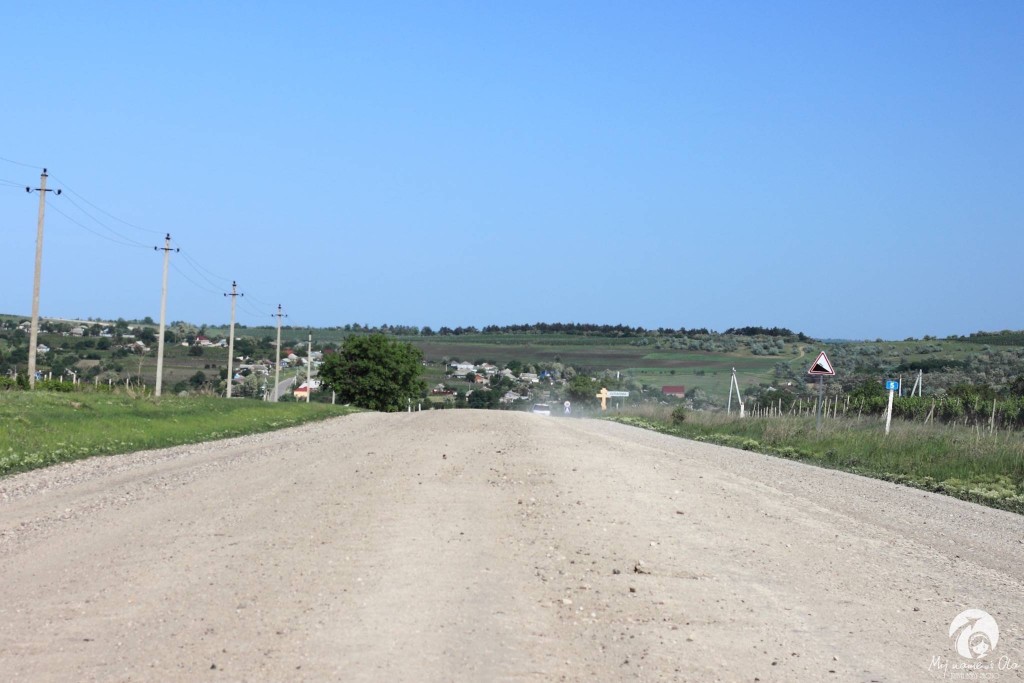
Today we can easily reach Gagauzia. Road from Chisinau is full of craters, sometimes asphalt is missing at all, but in general the road is passable. Formal border does not exist and if you miss the sign, you might not even realise that you just entered the territory of Gagauzia.

Gagauzia

Finally we reached the capital city – Comrat. Here is located the Parliament of the autonomy and the Governor of Gagauzia has his seat. We have no idea how it happened but instead at the main street of the city we ended up near located aside Comrat State University. Quite sybmolic. The University is the pride of Gagauzia but although it is an important element of their identity, teaching language is Russian. Why not Gagauz? The reason for it is long-term russification during USSR era and the fact that the history of written Gagauz is very short. Until the end of 19th century Gagauz was only a spoken language. It changed in the 50’s of 20th century when Cyryllic was adapted for writing it and it’s teaching at schools started. Very quickly they came back to Russian. In 1993 Moldovan Parliament adopted for Gagauz new orthography based on Latin alphabet and currently Gagauz is obligatory in primary schools. Despite the fact that it is used by such small community, the language has two dialects.   

Coming back to university – the building and in particular its campus is very impressive what is due to Turks who financially support its development and operation and send their students to learn in Comrat. Why Turks? Because the are the closest related nation to them. Although the fact that Gagauz are Orthodox Christians and Turks represent the Islam world the dialog between two nations is continued. After the collapse of USSR, when Gagauz were building the fundaments of their statehood, Turkey supported them not only politically but also in the matter of culture. Nevertheless the greatest sympathy of Gagauz is directed towards Russian Federation and Transnistria.  

In the center of Comrat
Comrat, Gagauzia

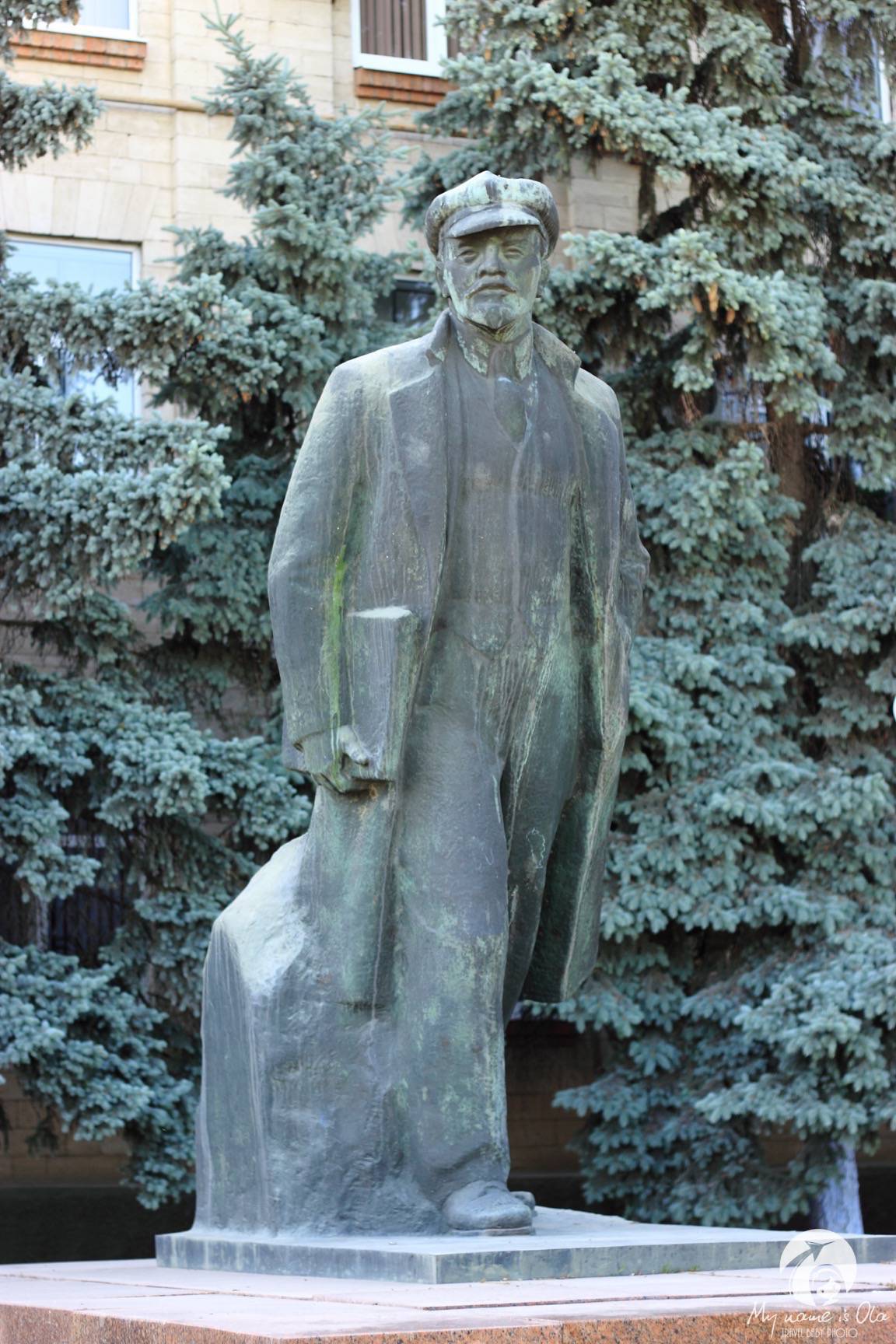
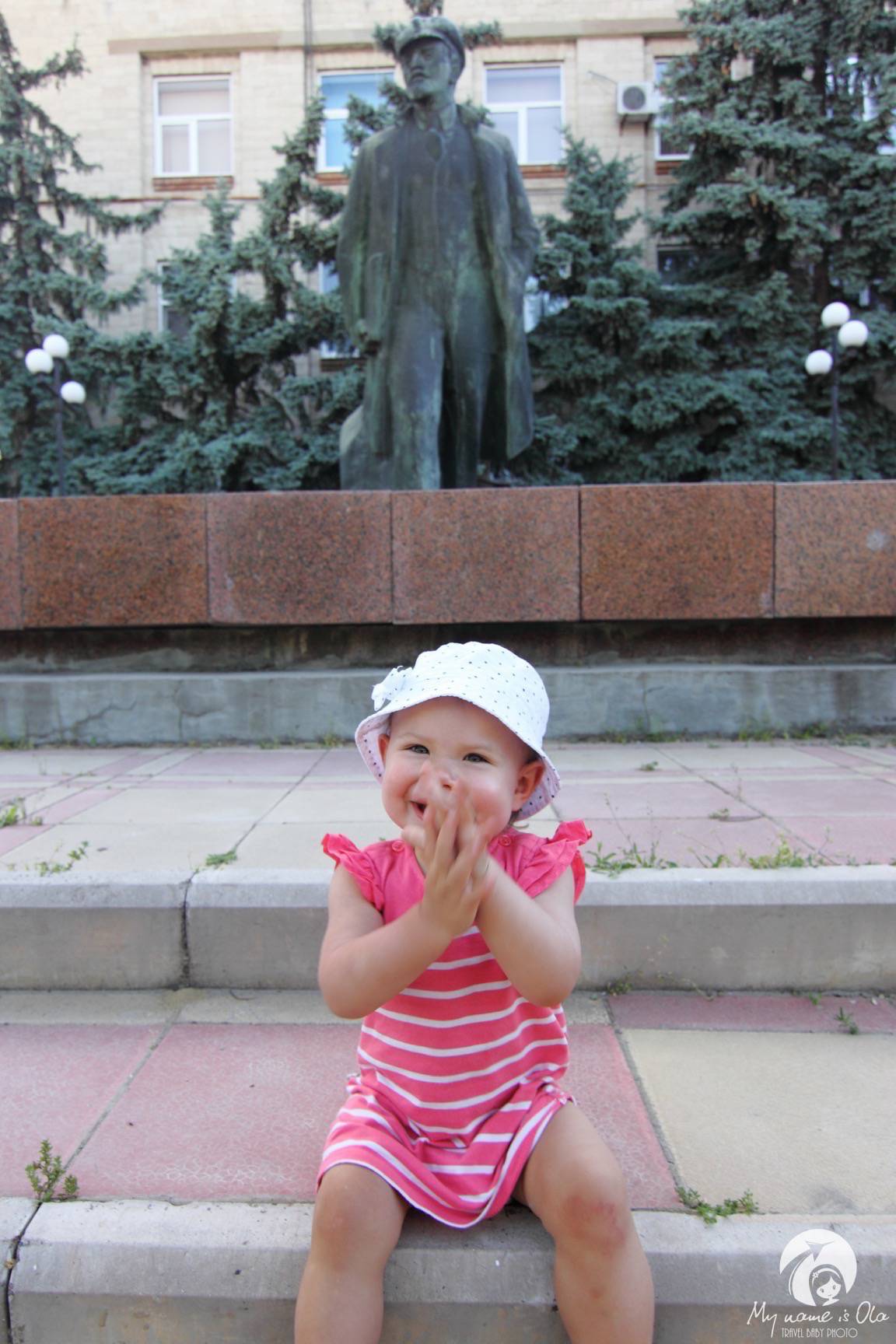
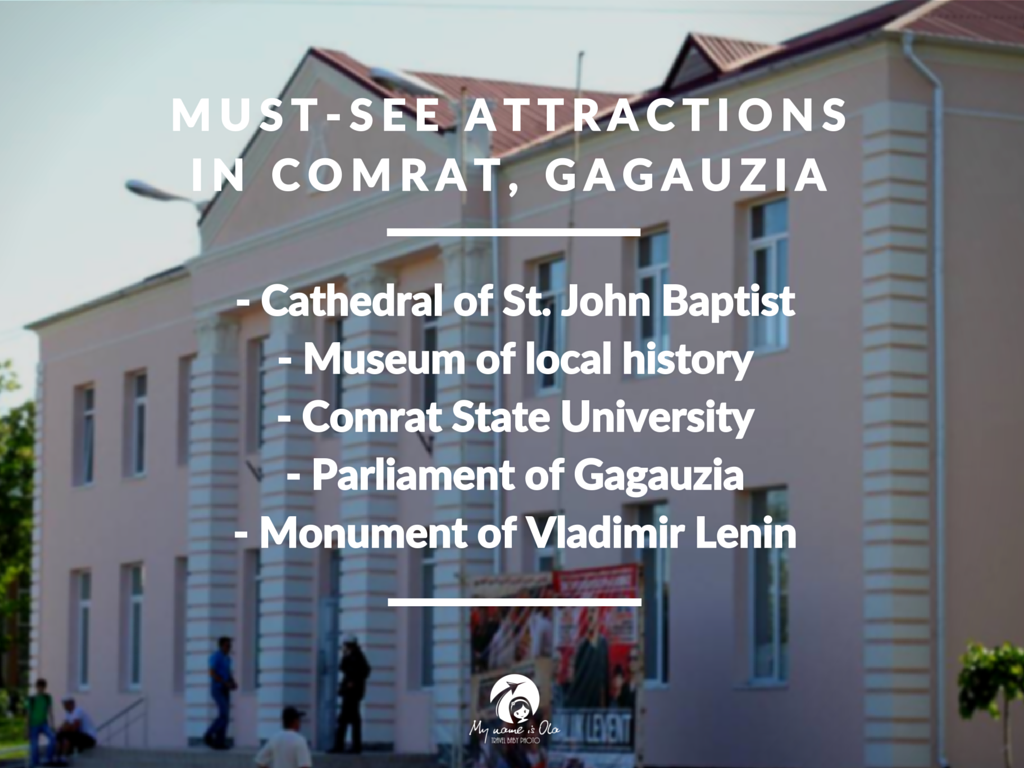
Central point of the city is the building of Parliament which actually did not impress us too much. The only thing that attracted our attention was located right next to it the monument of Vladimir Lenin. After a short stay in Bessarabia we were already aware that there are still many outward signs of this area’s previous belonging to USSR block. The seat of Parliament and Governor of Gagauzia office, are the center of statehood of the nation being in continuous conflict with Chisinau. Key decisions for autonomy were taken here in 2014. In opposition to the central government Gagauzia run the voting in which most of people decided that their land should aim for independence, integration within the Eurasian Union and separation from Moldova if it looses its full independence. Chisinau does not accept neither the fact of referendum nor its reslult. Situation is also strategically used by Russians – after Chisinau signed Associacion Agreement with EU Russia banned import of their fruits and wines excluding the ones from Gagauzia territory. It surely strengthen Gagauz relation with RF and their desire to secede from Moldova.

[photosetgrid layout=”12″]Comrat, GagauziaComrat, Gagauzia
Gagauzja, monumet of Lenin[/photosetgrid]

Our next steeps we turned to St. John’s Church, in fact the only historic sight in Comrat. Yellow structure is well visible in mostly grey colour of the city. It supposedly is richly decorated insight but since it was closed we did not get to see it. 

Comrat, Gagauzia

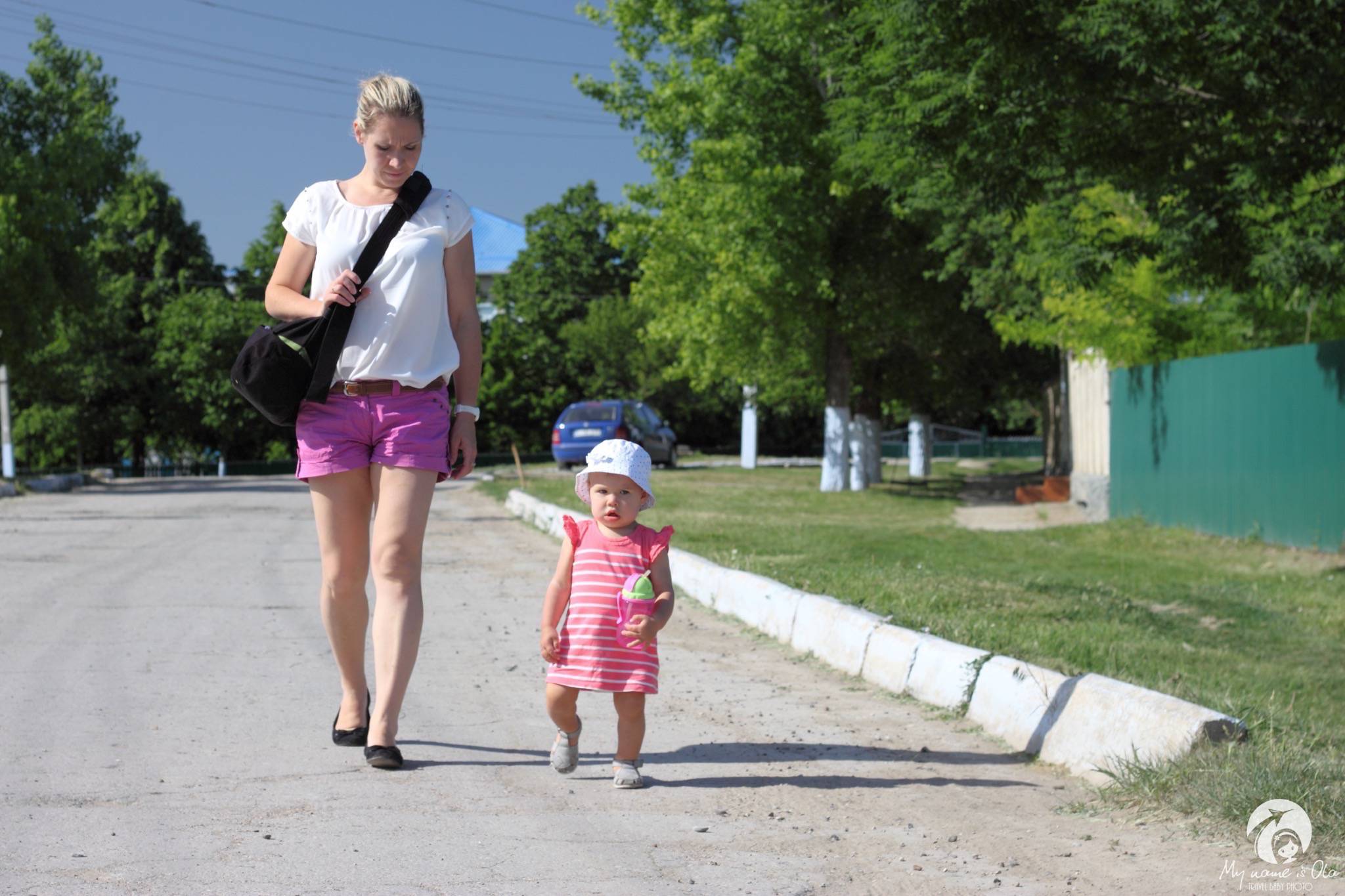
It is worth to see also a nearby Historical – Ethnographic Museum. Because Ola first saw a great playground right next to the church and after intense play and some games with a new Gagauz friend she became hungry we decided to look for some place with regional food. We gave it up quickly as we haven’t fount anything like that in the city center and ended up in one of restaurants in the Central Park of Comrat. It is quite common for developing countries that it is easier to get there some pizza or a hot-dog than something of local food. Our waiter did not have any idea which of their wines were produced in Gagauzia. Finally we reached for some Transnistrian brandy and a fruit coctail. But the most important thing was to feed Ola. It is completely clear that hungry Ola is mad Ola and mad Ola is the worst thing that can happen to us not only in Comrat but in every other place in the world. Thankfully, despite the fact that they had no high chair and nothing in menu suitable for one-year-old baby, Ola left the place with full stomach. Somewhere deep in our bags we always have a baby dinner in the jar that lets us survive any situation. Actually this always is our first choice. Whole park makes a nice impression: unfortunate but at least even Baum type brick, new playgroung for kids, working fountain and few european style restaurants. All that and especially the playground was loved by our daughter.

[photosetgrid layout=”13″]Comrat, GagauziaComrat, GagauziaComrat, GagauziaComrat, Gagauzia[/photosetgrid]

And the city itself? We had mixed feelings – provincial town, shopping centers contrasting with surrounding poverty. Right next Gagauz flags you can see Russian ones, in their cars people tie black and orange St. George’s bands, here and there posters of Vladimir Putin. Nothing tells that this area still belongs to Moldova. In the restaurant we ate we heard important sentense, probably true one, that even the wine does not unite Comrat and Chisinau any more. The date of one of the major Moldovan holidays, the Wine Festival, was changed in Comrat for the week later than in Chisinau.

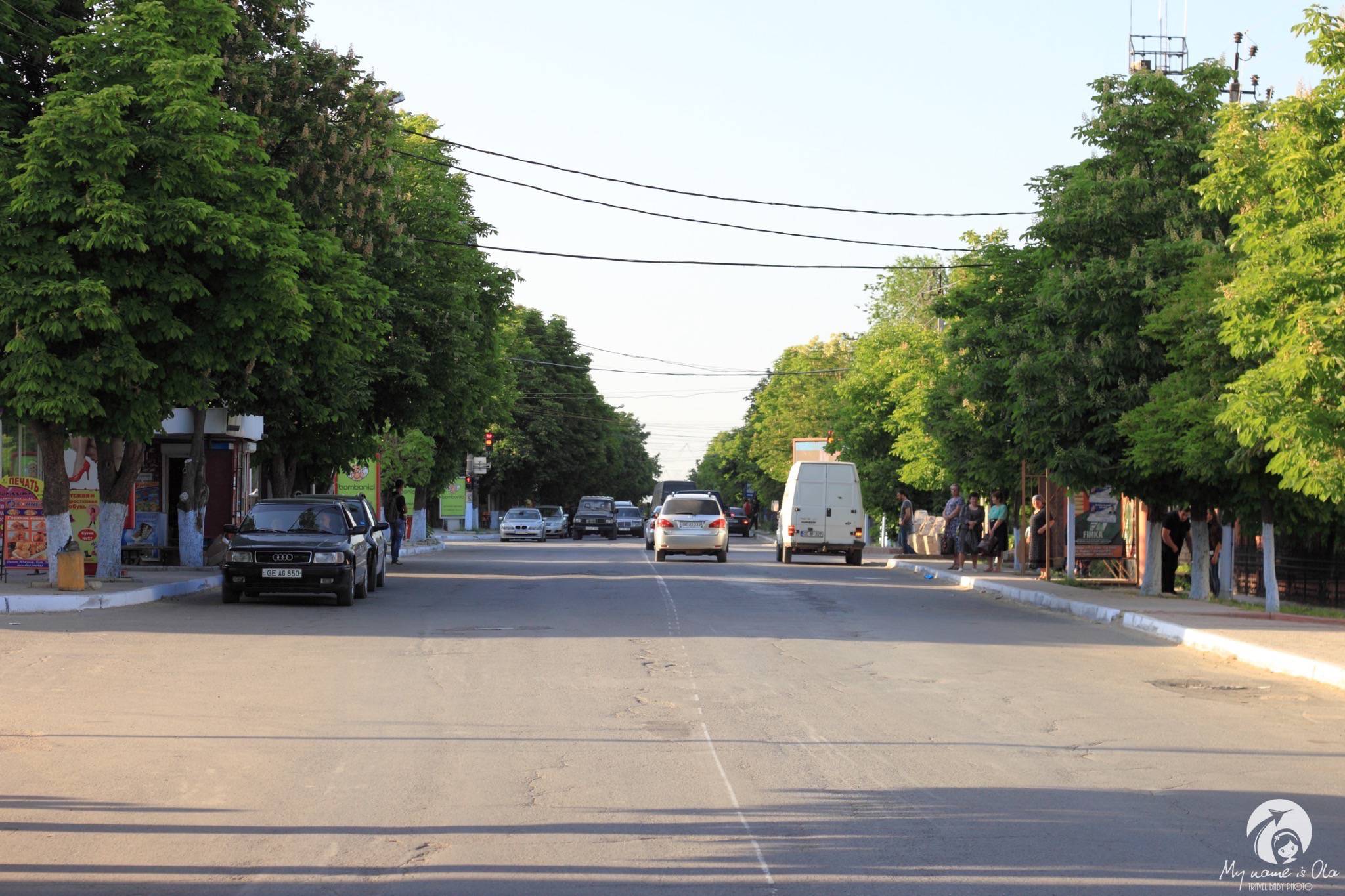
Walk through the streets of the city was not easy, beside main arteries sidewalks tend to fall apart. Landscape of the city are shopping centers contrasting disintegrating wooden houses. Streets names and stores signs are in Russian. Except for official signs it’s hard to find Moldovan language. In fact not even Moldovan but Romanian because in 2013 Constitutional Court of Moldova decided that country’s official language will be Romanian and the name “Moldovan language” will be used to describe Romanian language spoken in Moldova. Even Wikipedia closed Moldovan wersion and supports one for both Romania and Moldova. As our Russian-speaking waiter said Gagauz have their own Wikipedia in their national language! We seemed to hear only Russian on the streets of the city but they say that Gagauz is still being used in the country.

[photosetgrid layout=”12″]GagauziaGagauzjaGagauzia[/photosetgrid]
Gagauz country

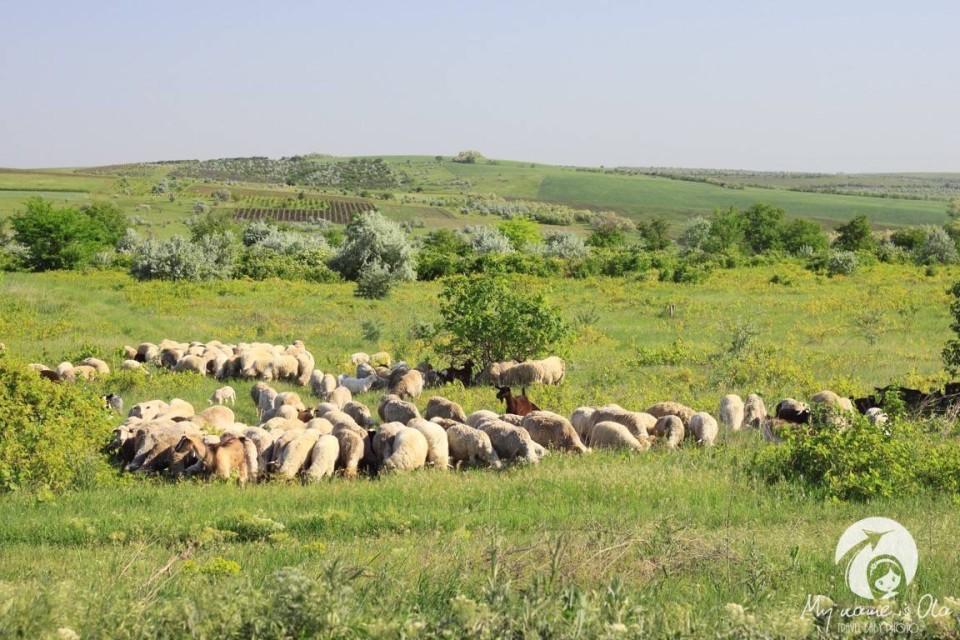
We haven’t found too many signs of Gagauzia in Comrat and counting to meet some in always more conservative country we left the city and headed to the country. First thing we noticed leaving Comrat was garbage everywhere. It’s on the fields, along the roads, sometimes when driving down a country we seemed to be going throug garbage dump. The trashes are contrasted by fields beautifully green in the summer. Of course the majority of them are wineries.

Gagauzja

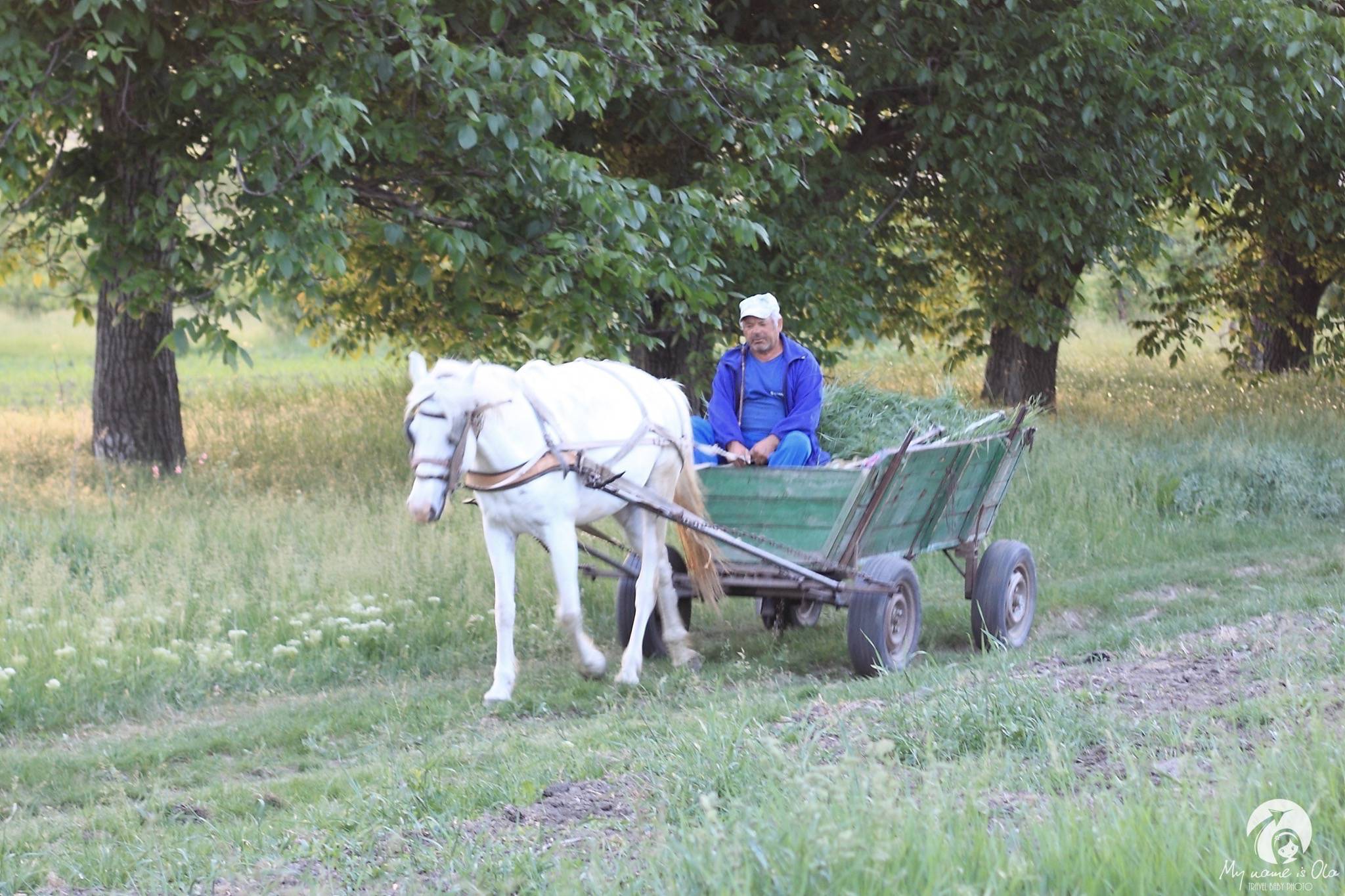
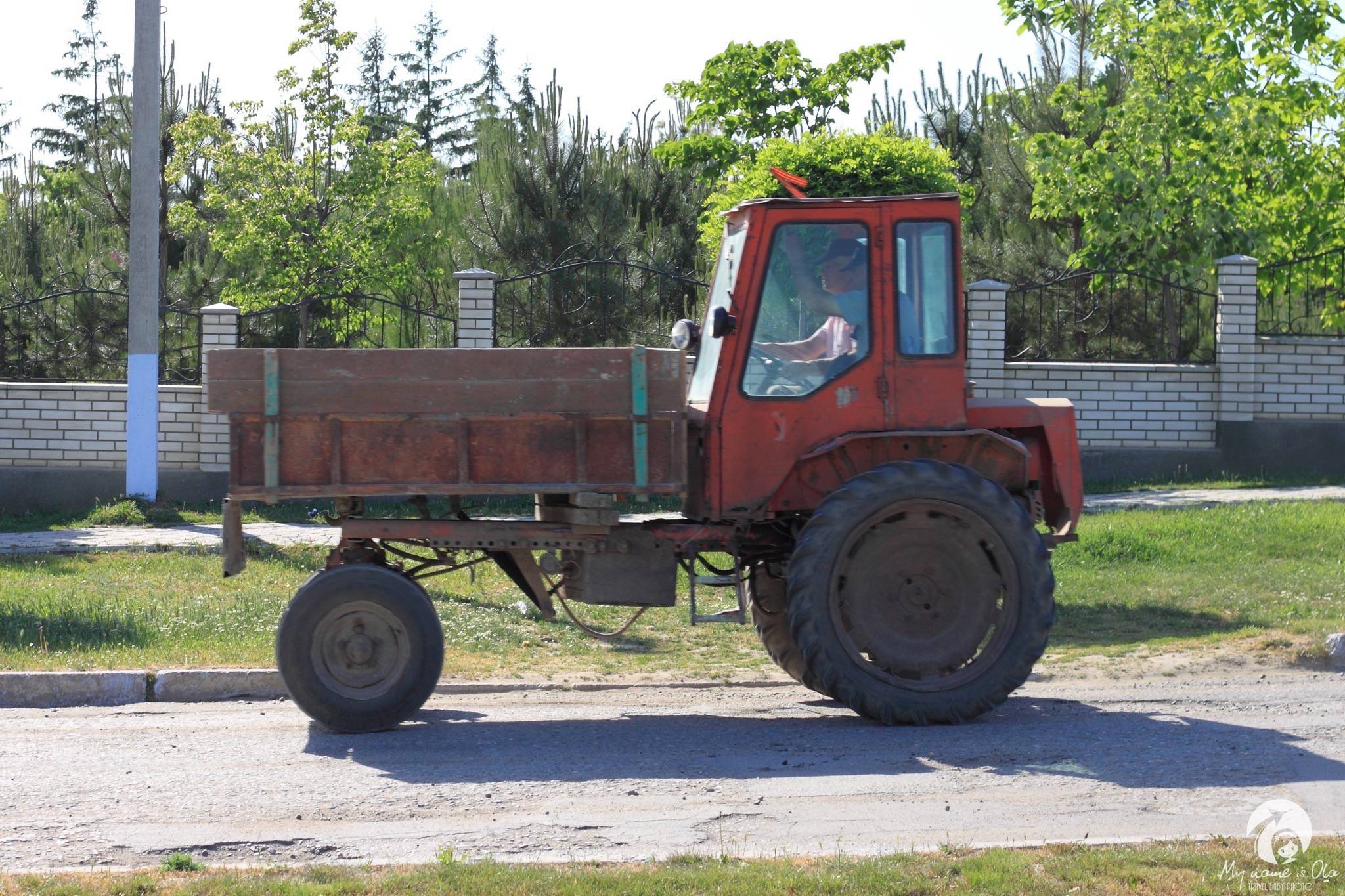
Outside the capital you won’t miss the poverty which is not so intense in the city. Farming is not well equipped in machines. They are replaced by great inventiveness of local people – we kept on finding strange tractors and other altered machines. Today it is probably the last place in Europe where we can find horse and donkey carts still in use. The most characteristic for all villages are beautifully decorated wells, roadside chapels and modest but with traditional ornaments houses. What is interesting, many villages are sewered but because of high cost people still use water form the wells. It is difficult to understand that even though each house is equipped in telephone, TV and gas, only half of them use running water.
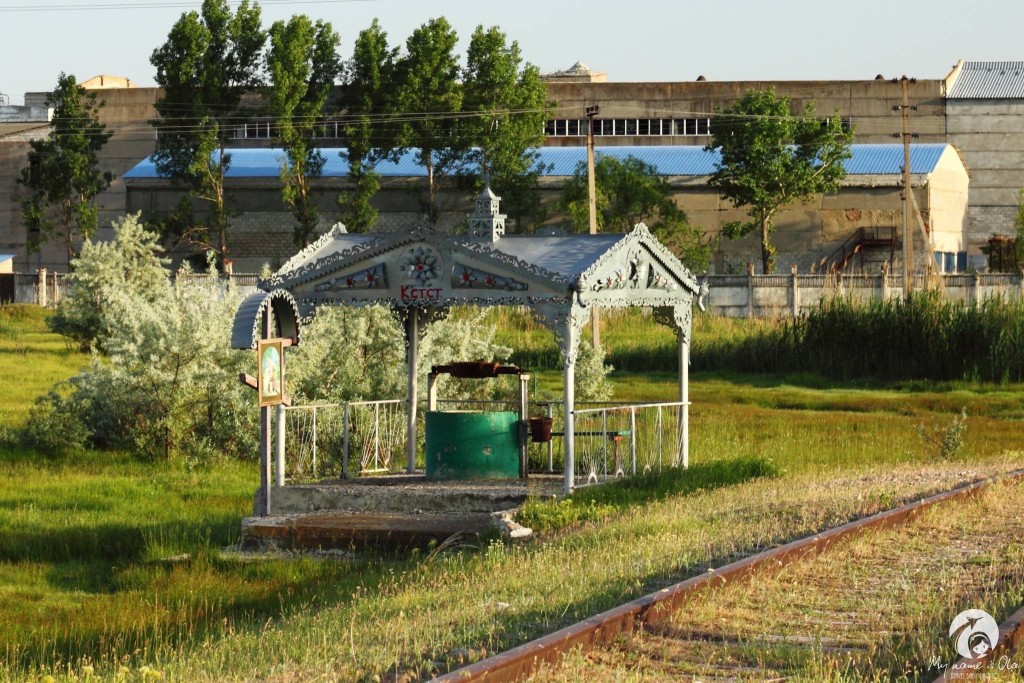
Gagauzja

Life focuses around shops and churches. Temples from the outside do not impress that much but all of them are richly decorated inside. We paid attention to those as  Orthodox religion is the thing that unites Gagauz people. Today this religion is very popular in Eastern Europe, in the Ottoman era it was an element of national identity. This tradition was not even destroyed by Soviet Union. Currently the state helps to rebuild Orthodox churches what results in many newly renovated temples.

[photosetgrid layout=”13″]Gagauzja, AvadarmaGagauzia GagauziaAvdarma, Gagauzia[/photosetgrid]
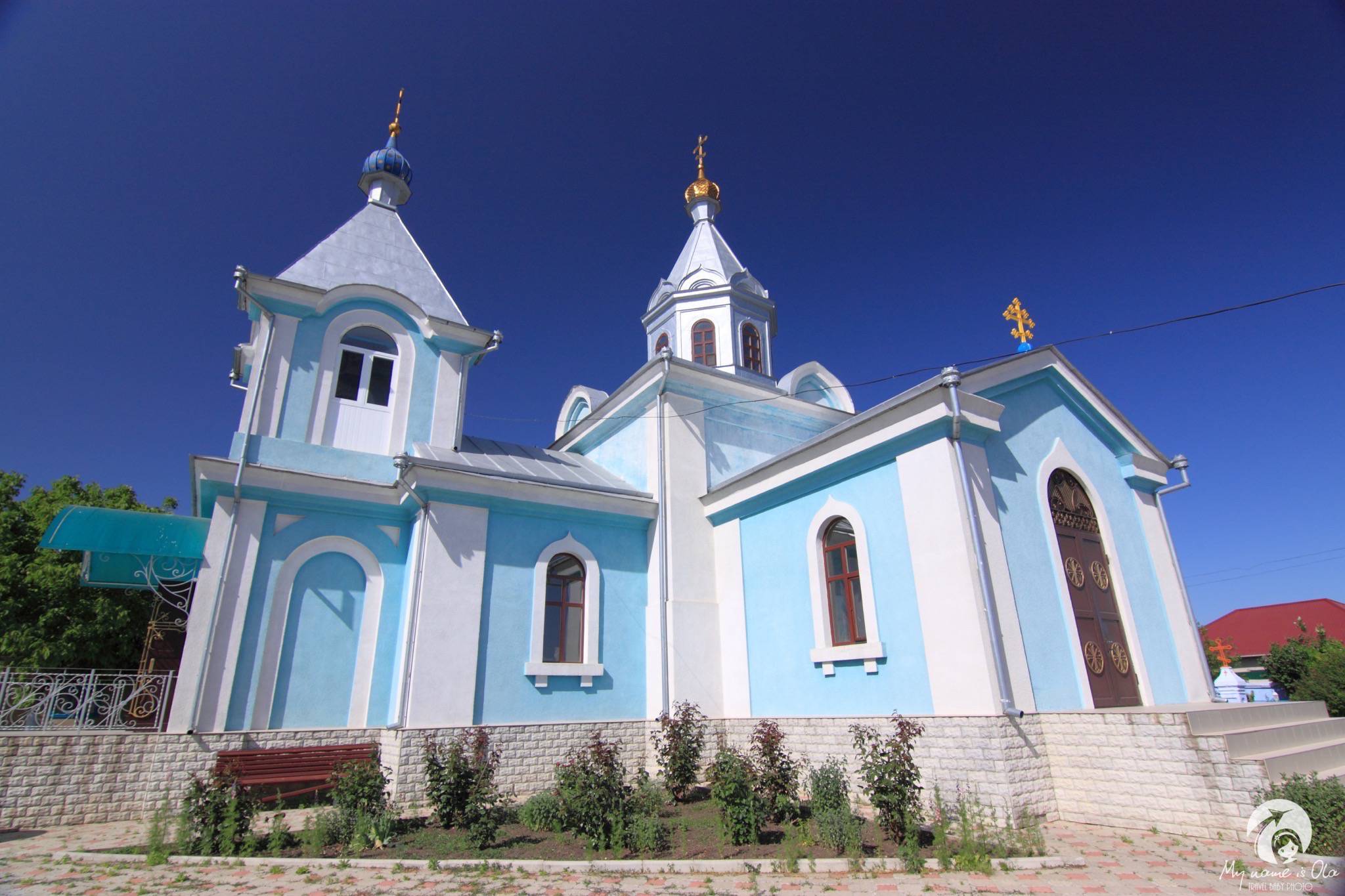
We went to one of Gagauz villages in the south – Avadarma. Complete silence was interrupted only by the bell. Although the church looked really impressive there were only few prayers inside atending the service. It seems that religion is here more like an element of cultural identity than attachement to religion. It is confirmed by researches – more Gagauz declare themselves as Orthodox than as believers. Right next to the church there is a newly-built Memorial of Nazi occupation victims. There are plenty of memorials in whole Gagauzia, some are dedicated to war heroes, people murdered during war or to the glory of the Red Army. In fact not all of them are from USSR times. Some are from earlier period, for example in Vulcanesti there is a big monument commemorating the victory of Russian Empire over the Turks. Monuments can be easily found almost everywhere and make us realize how important is the memory of ancestors and how strong the tradition of building the monuments is in Gagauzia. 

[photosetgrid layout=”22″]Gagauzia, AvadarmaAvdarma, GagauziaGagauzia, AvadarmaGagauzia, Avadarma[/photosetgrid]

Memorials are well cared for, somebody has just changed the flowers. It’s quite strange that in the country which never had its army there are so many monuments to fallen soldiers. Majority of them died during Second World War and the Afghan War. Situation with the army can change very quickly as recently Gagauz parliament decided to create a National Guard, which might be the beginning of such formation. We might only assume what kind of conseqences that could bring. Similar situation took place in 1991 when Gagauz organized a substitute for armed forces, battalion “Budzak” formed of hundreds of volounteers. Moldova threatened to deal with it by force and in reaction to that threat Cremlin representatives with the offer of military support immediately showed up in Comrat. That situation was solved peacefully but in next power struggle in this area Moscow might not give up the possibility of demonstrating its power.

Gagauzia

Quo vadis Gagauzia?

What happens next to Gagauzia? It’s hard to say. Only one day after we left the situation changed dramatically. Few days ago there was a change in the position of Comrat mayor. Unexpectedly the election was won by Serghei Anastasov representing pro-Russiand “Our Party” who defeated long-term mayor Nicolai Dudoglo supported among others by “Our Gagauzia”. It seems that voters set the bill to “Our Gagauzia” for joining pro-European Democratic Party of Moldova.

Nicolai Dudoglo also lost election for the Governor of Gagauzia. The post was taken over by supported by Moscow Irina Vlah who sees the future of the region woth close relation with Russia.

Do those events mean the change of Gagauz attitude towards Chisinau? This is what politicians declare but we have to notice that there are also changes taking place in Chisinau. Bescause of allegations of false education Prime Minister of Moldova Chiril Gaburici resigned. Forming the new government by pro-European parties might be difficult and new elections might bring different results. “Our Party” mentioned before, was not allowed to take part in last parliamentary election due to allegations of funding from Moscow but it gets high results in the polls and has just won the mayor’s officein Bielice and Comrat. In relation to recent goverment crisis and banking scandal support for pro-European parties is dropping.

New elections may bring different results, pro-Russian parties success can make Comrat and Chisinau closer but opposite outcome will probably make Gagauz pursue to their independence. So it is definitely worth to visit Moldova soon and remember about Gagauzia because you might hit that moment when the history will change right before your eyes.
Gagauzja

Blog

3 books you should read before going to Moldova

29/06/2015 — by Magdalena Kuźma1

books005-960x640.jpg
Moldova is quite a little-known country but in our opinion an interesting one. This little country focuses many issues of bordering countries, those between East and West. What is more, to understand Moldova, you have to read it in a wider context, cultural and historical, in the shadow of previous Empire.
Today we would like to recommend you some books worth reading before visiting Moldova. We think they are valuable, helping to understand specific Moldovan spirit and get carried away by the atmosphere of the country. And if you have no idea why to visit the country at all, read our previous post.

To be honest we advise all that books not only for those going to Moldova but mainly for those interested in this area of the world, wanting to know more, understand better and find out what the problems of this part of Europe are.

  1. Ryszard Kapuscinski Imperium
    Kapuscinski is a classic, in fact everybody have already read Imperium but because we appreciate it a lot we decided to put it on our list anyway. We first read the book couple years ago when we were planning a trip by transsiberian railway. Fascinated we came back to it many times. It is a must read for everyone who plans to visit East. The book, a report from a few years trip to falling apart USSR, is an attempt to describe the transformations within empire but as the author says: it does not end up with with an ultimate synthesis, on the contrary it desintegrates and falls aprart because during writing the main subject of the book the great soviet empire, falls apart too.
  2. Anne Applebaum Between East and West: Across the borderlands of Europe
    Most of people hearing Ann Applebaum think about her most famoud book Gulag. A history. Between East and West is less known but still worth reading. It is the record of author’s travel from Baltic to Black Sea. Applebaum visited Kalinigrad, Lithuania, Belarus, Ukraine and Moldova. In her book she focuses not only on political processes but also describes competing religions, cultures and nationalisms within bordering countries. Book was published in 1994 and today some opinions seem to be very naive and astnonishment with some things completely normal for Eastern Europe residents annoying. On the other hand we highly appreciate that view from the outside supported with solid knowledge of history.
  3. Andrzej Stasiuk Traveling to Babadag
    Another classic. Published in 2004 book tells about the journey not only across Eastern Europe but above all into the consciousness of people leaving on those teritorries. Descriptions of little things such as cigarettes or tickets become excuses to wonder about the erosion of civilisation on those areas. Author travels through Poland, Slovakia, Hungary, Romania, Slovenia, Albania, in fact not dedicating Moldova too many pages. So why do we recommend it? Because in this book it is not the geography what is important, it’s the people. Author focuses on individual people, small communities, their problems and current life andthose are common for all the bordering countries. In his descriprions of outskirts the city is an unnatural outgrowth, an alien. Chisinau housing estates he compares to giant gravestones stuck to fertile ground, New Jerusalem in technical death. This position is an excelent choice for those for whom the travel is something more than just visiting museums.

Blog

They travel like that only in Moldova

26/06/2015 — by Magdalena Kuźma0

cars014-960x640.jpg

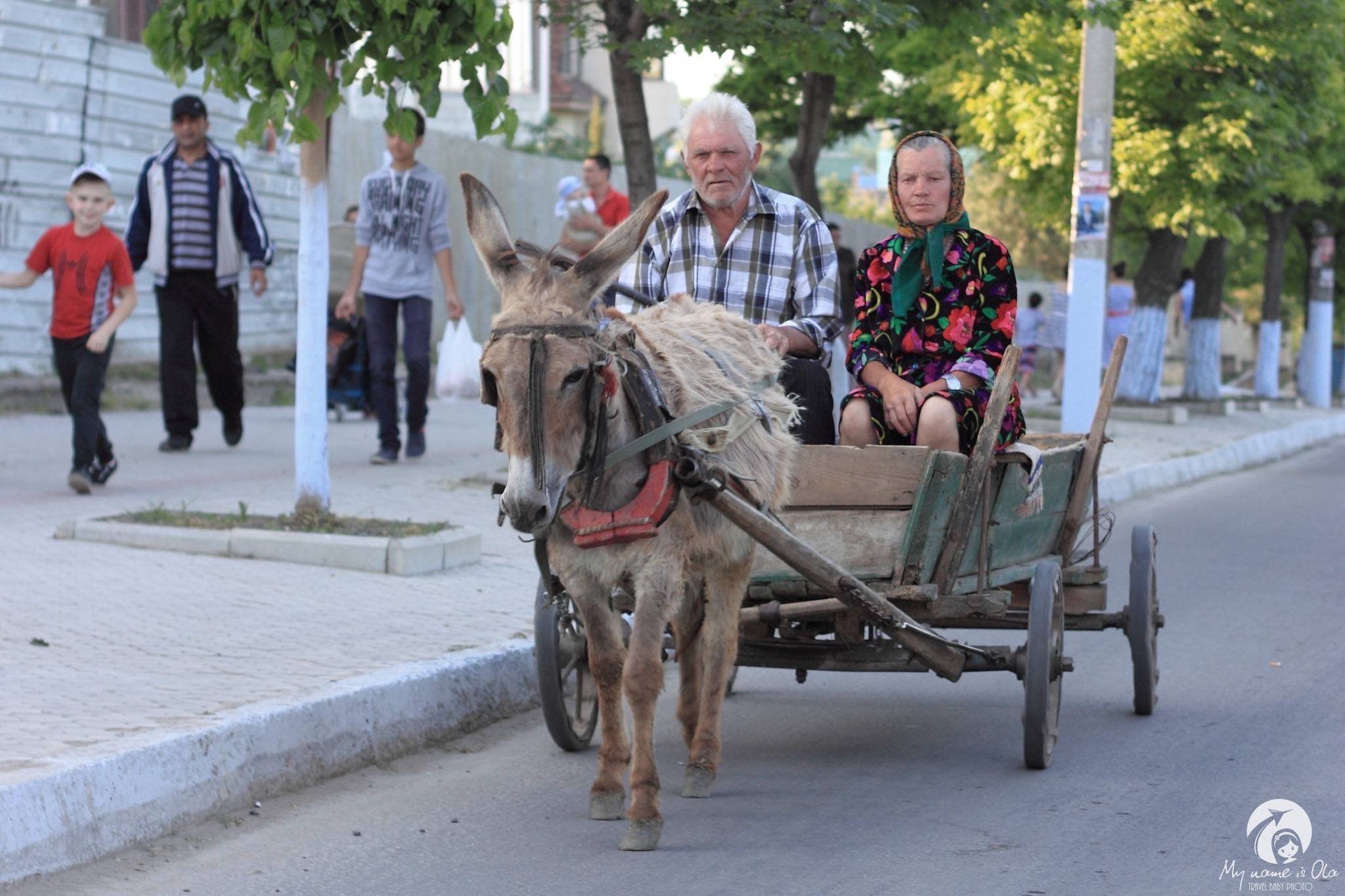
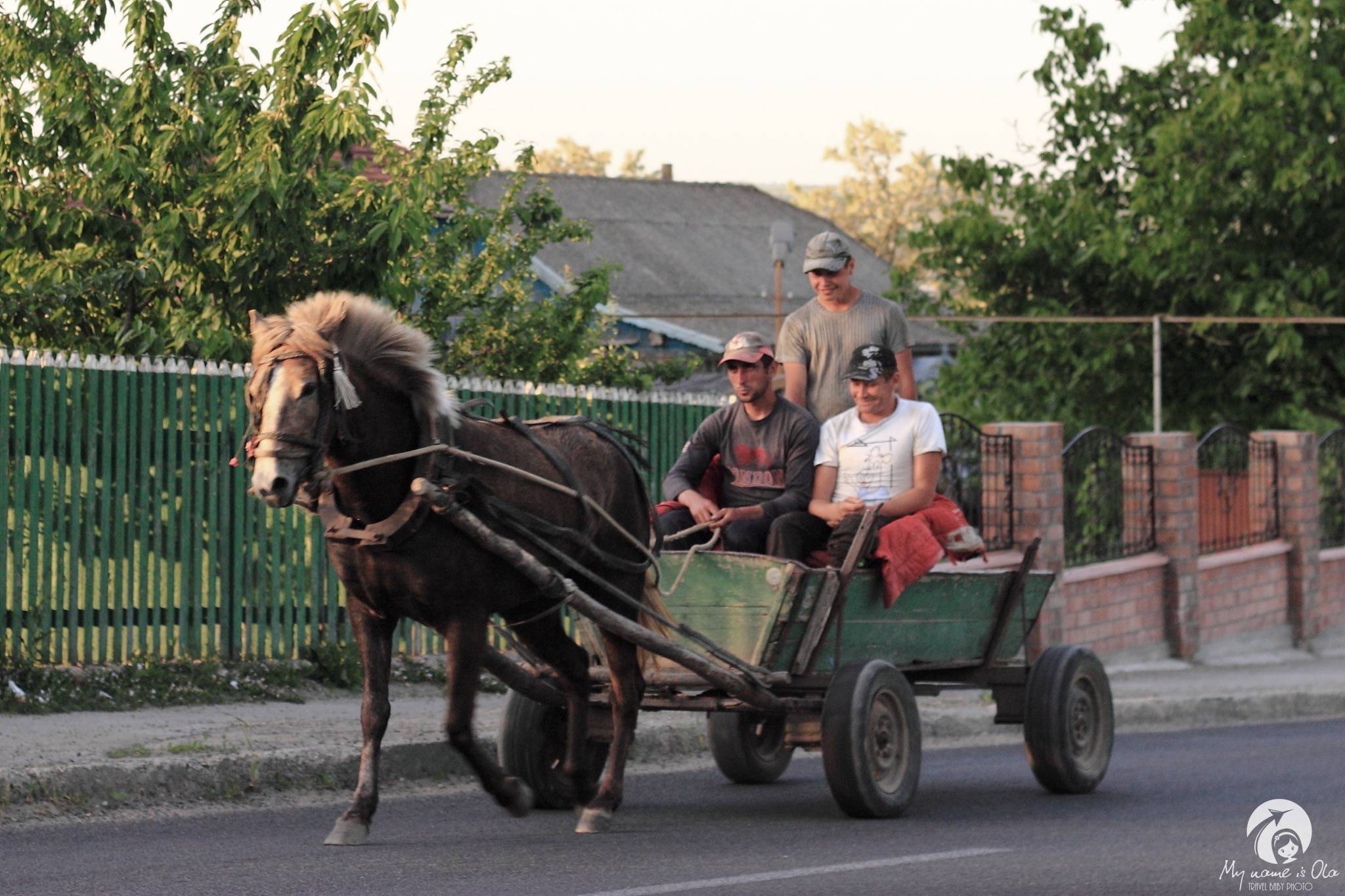
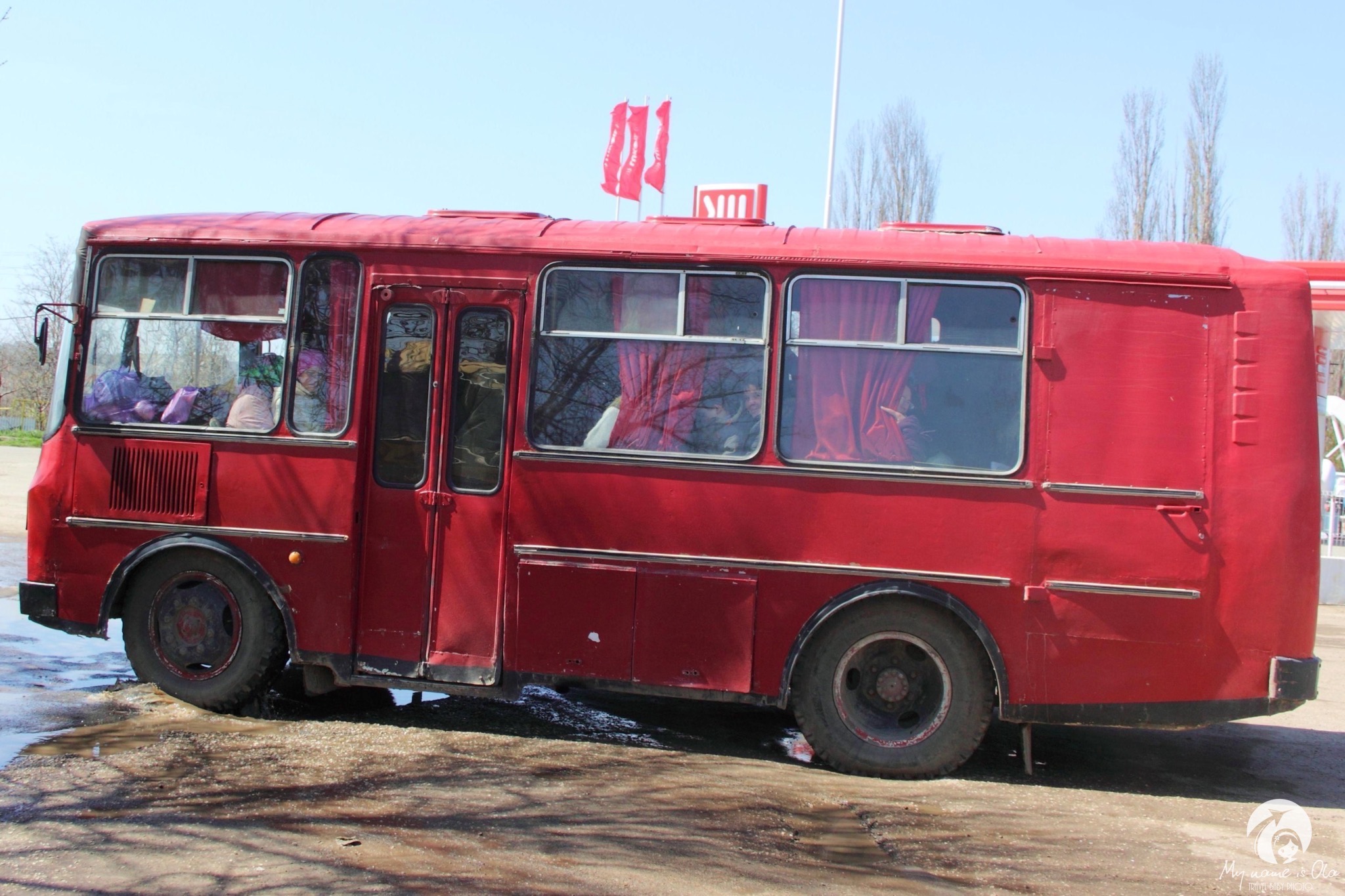
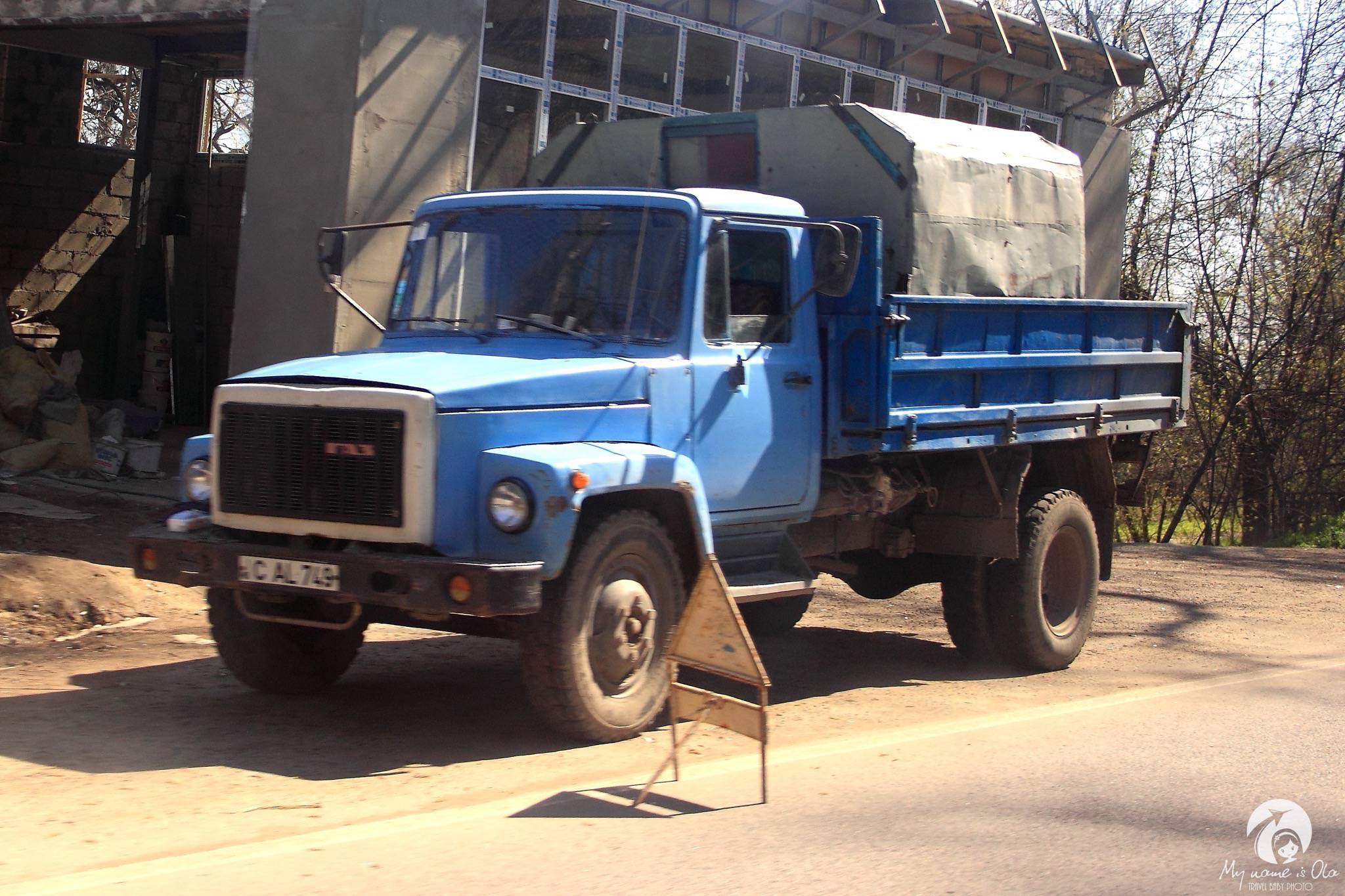
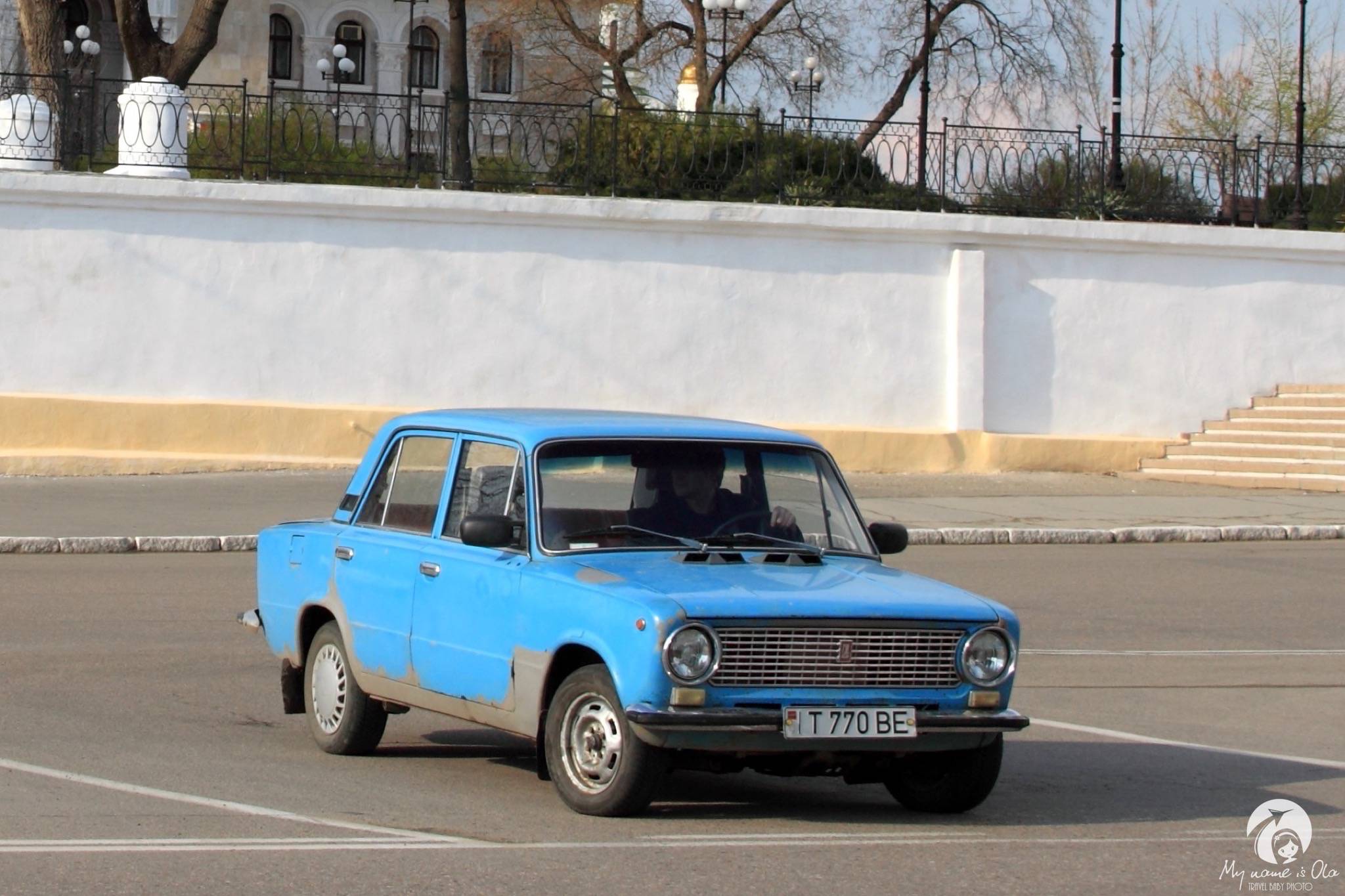
Those are definitely not the Cuban old timers, some seem not to be able to move at all but all of them attract attention. Vehicles of Moldova. A museum of the era, the older the more colourful they are. As if they didn’t want to be unnoticed and forgotten. All of them, cars, horses and donkeys, proudly push forward regardless the condition of Moldovan roads. They catch the eye. Surely will disappear with time, perhaps it’s one of last moments to notice them still on the roads.

Click on the picture to open gallery

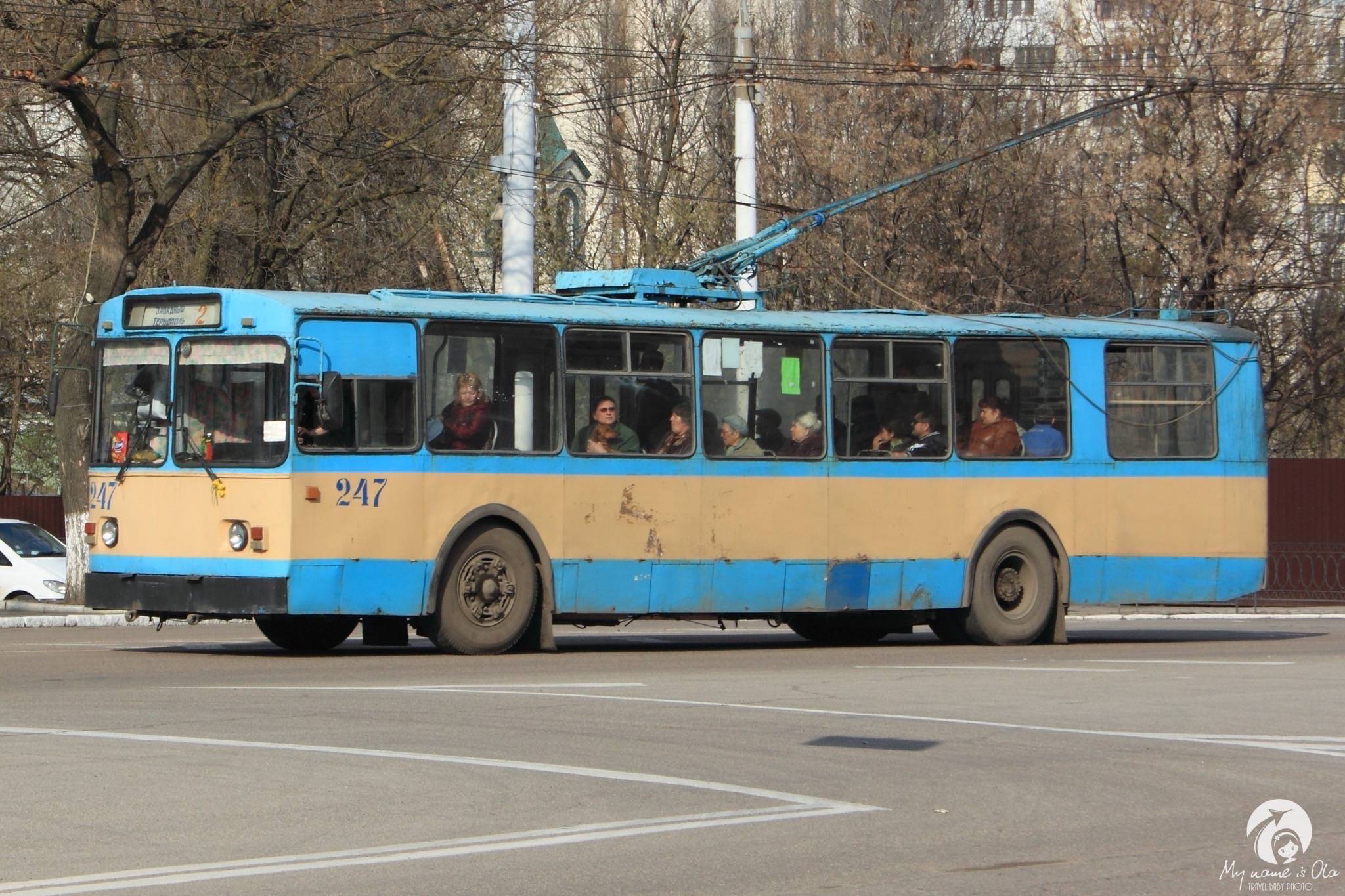
[photosetgrid layout=”2131312121″]Transport in MoldovaTransport in MoldovaTransport in MoldovaTransport in MoldovaTransport in Moldovatransport in MoldovaTransport in MoldovaTransport in Moldovatransport in MoldovaTransport in MoldovaTransport in MoldovaTransport in MoldovaTransport in MoldovaTransport in MoldovaTransport in MoldovaTransport in MoldovaTransport in Moldova[/photosetgrid]

Blog

Welcome to Moldova! 10 reasons to visit Bessarabia.

24/06/2015 — by Magdalena Kuźma24

osilo2-960x589.png

Moldova, a small country in Eastern Europe is not a place most commonly visited by bunches of tourists. Few years ago visiting Moldova for the first time we thought that most of visitors arrive there looking only for cheap dental care. Now we noticed much more tourists in the country. There are even some tourist information centers, however they still sell maps and travel guides instead of giving them for free and direct tourists to most important places. But all that is yet to come to Moldova. Accomodation offer is still not developed, transport is poor, crossing the boarders complicated but despite all that in our opinion Moldova is worth visiting. Check below in details why we think so.

1. Wine

When you write Moldova, you mean wine. This liquor accompanies Moldavians from birth until death. In the times of happiness and sadness. It is present at breakfast, lunch and dinner, you will find it everywhere, sold from the barrel, bottled or simply by glasses. What is more in every house there is a cellar where the host keeps at least few hundred liters of own production. After many years of being a part of USSR, which pressed only for quantity, Moldovan wine is getting better and better, suffice to say that Buckingham Palace buys their wines. And Negru de Purcari is supposedly Quinn Elizabeth’s favourite one.

Moldovan wine

When you get bored by wine, remember that Moldova has also valued brandy!

2. Wineries

Moldova has plenty of vineyards, 20% of their GDP is made by this brunch of industry. Here are located world’s largest wine cellars. Milesti Mici stores almost 2 milion bottles underground where corridors are at least 200 kilometers long. Such numbers have to impress. The other winery, smaller one, Cricova, is also impresive in terms of quantity of wine and holds an underground production of sparkling wines. Mazes of corridors in both places are so big that you visit them by car or an electric train. Far smaller but the oldest in Moldova Purkari Winery, producing the most famous Negru de Purcari, is also worth paying a visit.

moldova006

If you get bored with big wineries get off the main trail and look for some local ones!

3. Cultural and political melting pot

It seems that such a small country as Moldova would not be able to hold many nationalities and autonomic areas within its borders. Meanwhile Moldovan left-bank of Dniester, with its Russian and Ukrainian inhabitants is in fact a sovereign country of Transnistria and southers areas of the country are the home of Autonomous Territorial Unit of Gagauzia where over 80% of people are Turkish-speaking Orthodox Christians – Gagauz. It is even more sophisticated in terms of languages: the official one in the country is Moldavian but in practice most of citizens do not use it and the main way of communication is Russian language, which also is an official one in Gagauzia and Transnistria.

moldova017

If you will still be looking for more diversity you can visit Stircea called “Little Warsaw”, a capital of Polish emigrants in Moldova.

4. Landscapes, water wells and altars

Moldova is the least urbanized area in Europe, even its capital, Chisinau, except couple of places resembles a bigger village. Nowhere in Europe you will find so much space unspoiled by industry. Traveling through Bessarabia you will pass endless vineyards, fields of sunflowers and orchards, all that intervowen by little villages with so characteristic for Moldovan landscape, amazingly decorated water wells and roadside altars. Land is so beautifut at every time of the year, in summer it is incredibly green, in fall yellow-orange, in winter sometimes white from snow which after only few weeks melts and lets everything bloom again.

mold13

When you get bored by flat topography of the country you can try to climb the highest peak of Moldova, 430-meter-high Dealul Bălănești.

5. Idyllic life

As we mentioned before, an integral part of this country are village landscapes. Old Moldovan saying tells that every man in his life needs to have a son, build a house, plant a tree and build a water well. Those typical for this areas numerous water wells and altars together with modest but very often decorated with local patterns houses create wonderful and unique landscapes. What is interesting in many villages there is sewage systems but using water supply is expensive and people stick to water form their own wells. Although the villages are not rich the people are friendly and kind.

Moldova

If you get bored with this quiet rural life we advise to visit Soroca, world capital of Roma people with all that Byzantine splendor.

6. Good Bye, Lenin

Do you know the movie in which the son of communist activist after the fall of Berlin Wall for the sake of mother’s health creates for her an illusion of the old world? If they were to shoot it in Moldova they wouldn’t have to worry about the sceneries. Statues of Wladimir Iljitsh Lenin stilll decorate main squares of Tiraspol and Comrat. Here and there you can come accross the other types of monuments such as udarniks or tanks. Only entering the capital city of Chisinau you will see the gate to the city created by two huge buildings on both sides of the street. They reach up to several floors and the farther from the street, the lower buildings are and the whole thing looks like huge open doors to the time machine. But do not expect to move in time that far, in both cities modern capitalism is growing rappidly disorting by far coherent architecture with buildings of dubious beauty.

mold5

If you get overwhelmed by the grey socialist neighborhoods you can visit the iconic for capitalism McDonald’s restaurant in Chisinau which apart from free WIFI offers also beer!

7. Stork and wine or Moldovan fortresses

One of Moldovan legends tells the story of the siege of one of local fortresses. During a long time blockade, when closed inside the stronghold people already ran out of food and water, unexpectedly flew some storks holding in their beaks bunches of grapes. They dropped them to the courtyard giving people food and faith in victory. Stork holding a bunch of grapes became a symbol of Moldovan wine-making connecting fortresses with this liquor. Today the most famous fortress is the one located in Soroca, built in 15th century to protect the country from invasions of Tatars. It is also worth to visit the fortress in Bender, which construction started in the times of Stefan III the Great, and final shape was given during Ottoman era. Today those strongholds became important elements of Moldovan identity reminding citizens the golden ages of country’s history. Moldovans are so proud of them that they depict it on coins, official documents and even ID cards.

moldova003

And if you still do not have enough, visit located not so far in Ukraine fortres of Akerman in Bilhorod Dnistrovskij.

8. Churches and monasteries

At the time when God was giving people their lands Moldovans were gone. One version of the legend says that they simply overslept but the other one blames the amount of consumed wine. Few days after when they came to God he had no more land to give them. As he didn’t want to take it from other nations said “Ok, come and live with me in paradise”. And that’s how the country was founded. Now you know why Moldovans are so greatful and thank God for this gift every day. The center of Moldovan Orthodox is a monastery complex Orheiul Vechi with the church carved in the rock and monastery caves from 12th century and centrally located the Cathedral of Christ’s Nativity in Chisinau. Moldovan Orthodox churches do not always make stunning impression from outside but inside they usually are amazing. To feel local Orthodox spirit except those most popular ones visit also some smaller churches, they sometimes are way more inspiring.

mold19

Fed up with Orthodox? Try to find the Snagogue in Chisinau and one of the biggest Jewish cemeteries in Europe.

9. Travel by marshrutka

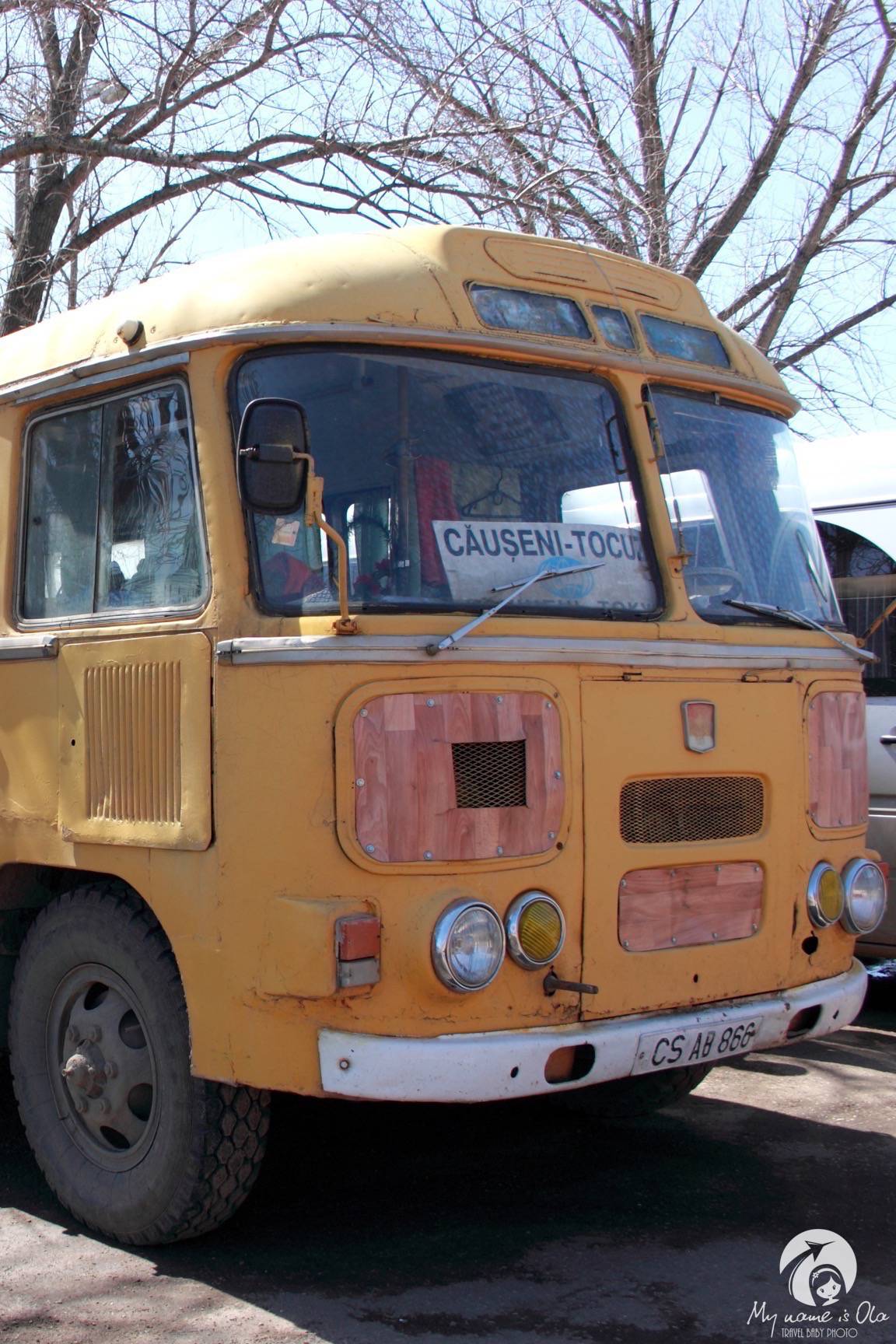
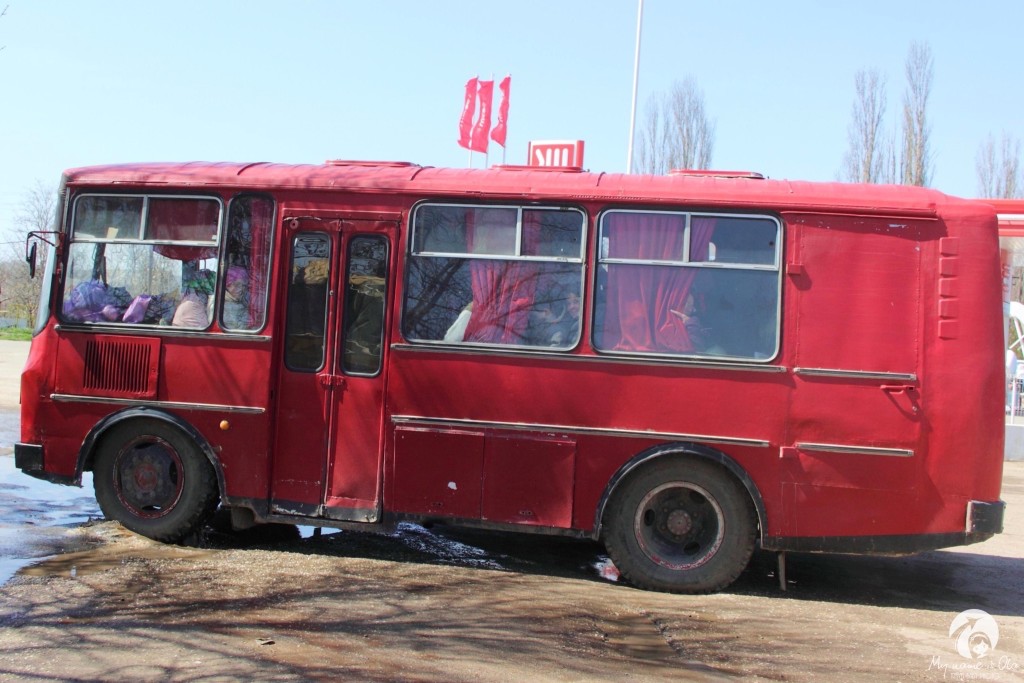
Although Moldova is a very little country travel accross it takes quite a lot of time. Railway transport does not really exist, trains and railways are in poor condition. The same situation is with roads but the main way of transports are still marshrutkas – old, overloaded buses, journey by which is kind of an adventure itself. The worst thing about them is definitely temperature. When the tourists sweating like pigs dream about opening the window Moldovans do not even think about it. The reason for it might be either being used to such heat or strong belief that good spirits fly through open windows. Interesting is the fact that you can face the same heat also in winter, when car heating is always turned to maximum. When ill-mannered tourist wants to undress from the last layer of his clothes Moldovans just start taking off their fur hats. Real Tashkent.

moldova018

If you run out of patience to travel by marshrutkas you can always hitchhike. Not only passenger car but also other vehicles drivers willingly stop to give others a ride. Do not despise anything, your best adventure might wait for you even in an old wagon.

10. Kvas for hangover

Combinig beautiful nature, Moldovan wines, cuisine and fine company one can fear for difficult mornings. If you are not brave enough to, as old saying tells, cure yourself with the poison, try some kvas. Nowhere in the world you will find better one.

moldova013

Enjoy Moldova!

BlogNa stole

Milestii Mici cellars – wine Guinness World Records

21/07/2015 — by Magdalena Kuźma4

MM10-960x640.jpg

Imagine hundreds of kilometers of cellar corridors filled with wine, few million bottles, thousands of hectoliters in barrels, hundreds of vintages, dozens of varietes, underground so great that we visited them by car. This is the pride of Moldova – Milestii Mici winery. It does not matter whether you like wine or not,while in Moldova you have to visit the place.

What doeas the complex hide, why is it wort to be visited? Come with us on a wine adventure.

1). Corridors

Milestii Mici  is the world’s largest wine cellars, all the corridors create a multi-level labyrinth with a length of over 200 km. With every meter we are going deeper and deeper under ground not even realising it. In the deepest place the cellars are 85 below ground. The tunnels originally served as adits where the stone for Chisinau building was acquired from. Only in the 70’s came the idea of using it as wine cellars. Constant temperature and high humidity turned out to be perfect conditions for wine maturation and storage. As we already mentioned, cellars are visited by cars, stopped from time to time to have a short walk around. Corridors crossroads are that big that they have traffic lights and each street has its own name coming from a specific grape variety.

[photosetgrid layout=”1″]Piwnice winne Milestii Mici[/photosetgrid]

Drive straight Sauvignon street, turn right into Cabernet street – this is how our guide w taki sposób przewodnik instructed us while driving underground.

2). Barrels

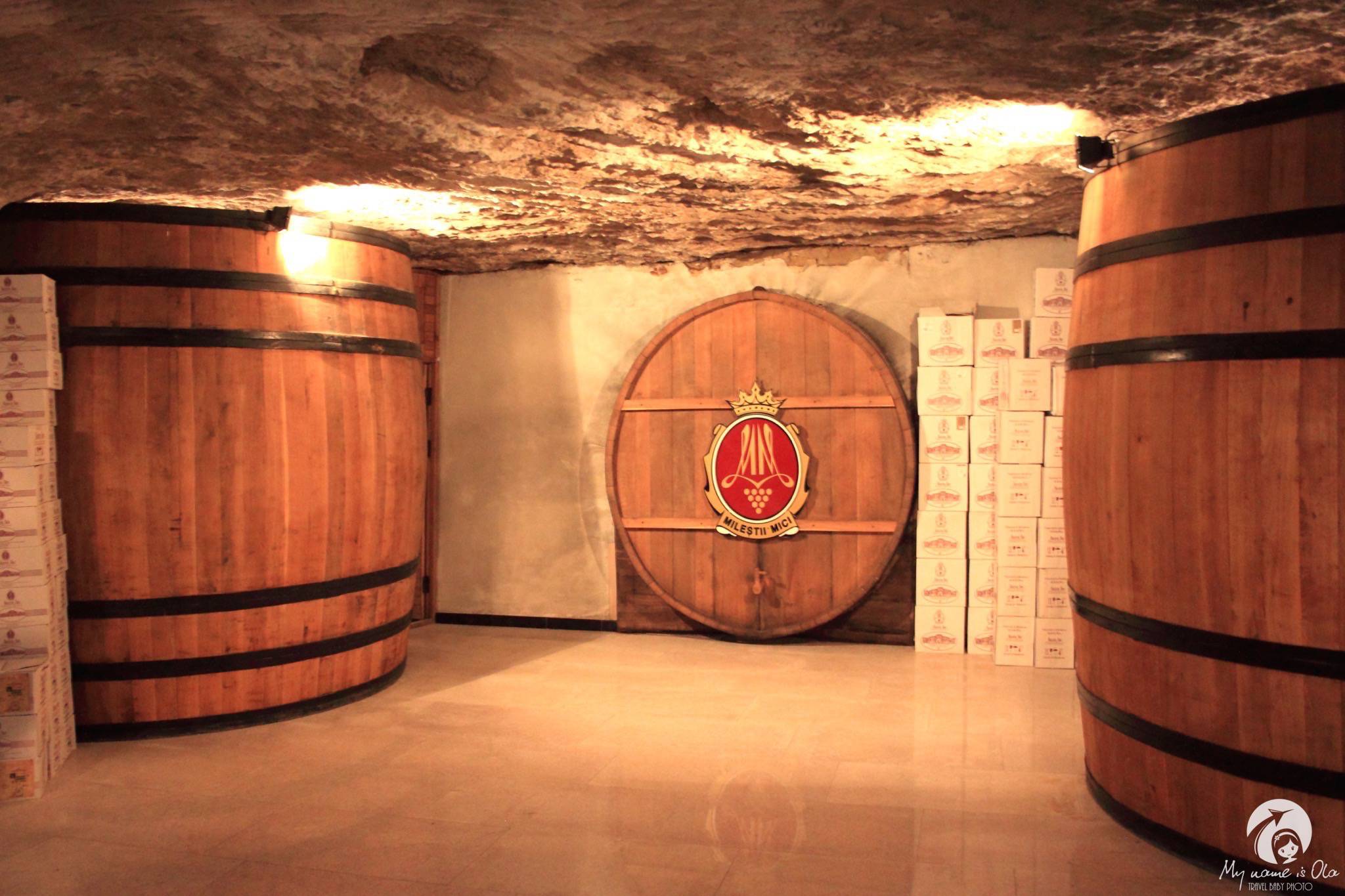
While driving through the underground streets we were passing. Some of them are several decades old and are made of specially imported from Russia Ural and Caspian oak. Barrels are rather unusual, huge, have several thousand liters capacity and diameter of the ellipse. No, coopers did not make a mistake – after draining the wine, through a special little hole located on the front, petite women get inside  to wash them. Egg-shape enables to have an upright position and quick cleaning of the interior. Time to work is short, because being inside they can get drunk very quickly only breathing that vapor remaining after wine.

[photosetgrid layout=”1″]Piwnice winne Milestii Mici[/photosetgrid]

In the days of the Soviet Union, when they tried to rationalize everything, there was an idea to give up the barrels. They even made some concrete containers where wine was supposed to be matured. Thankfully the idea was abandoned and wine is stored in the traditional way until today.

3). Golden Collection of Milestii Mici

Jewels in the crown of Milestii Mici. More than two million bottles hidden at a depth of 80 meters, the best vintages prepared with the art of old Moldovan tradition. Each niche, in which the bottles are stored had been catalogued and counted, in result of what the plant in 2005 got Guinness World Record as a place with the largest wine collections in the world. Part of the bottles can be seen by all visitors but the others are hidden in secret rooms of the labirynth. Don’t get mislead by dust and spiders webs on the bottles, they only confirm the perfect conditions for wine maturation. Wine does not appreciate anything better than a quiet, calm and lack of any, even the smallest vibration.

[photosetgrid layout=”1″]MM5[/photosetgrid]

What is interesting for 200 euro per year you can become the owner of a small niche in the complex and store your wine treasures there. For the time being the most of them are being rented by citizens of the Taiwan and Republic of China.

4). Wine tasting

We proceed to tasting but instead of romantic views over the wineries we face nothing more than rock. Yes, tasting takes place also tens of meters under the ground but even ich such conditions wine tastes very good. Those hidden underground tasting rooms remind us a story we heard in Moldova: a story about the late Soviet era, when Gorbachev decided deal with drinking citizens.  People whose the only income was the culture of vines under threat for several years in jail were ordered to destroy the crops. Before the campaign fell half of the vineyards were annihilated. Also the complex of Milestii Mici was to face some loss as the destroy of whole collection was ordered. Trying to save some of their treasures Milestii Mici employees bult some secret rooms to store their most precious treasures. In our opinion there was no necessity to build any secret rooms as the corridors already make large and complicated labirynth of roads and nobody seems to be able to figure out their organisation.

[photosetgrid layout=”1″]Piwnice winne Milestii Mici[/photosetgrid]

Practical advise about the map – if you relly get lost underground it is enough to reach for the bottle of wine. On each lable you will find a schematic map which will let you get out of the labirynth.

5). Giftshop

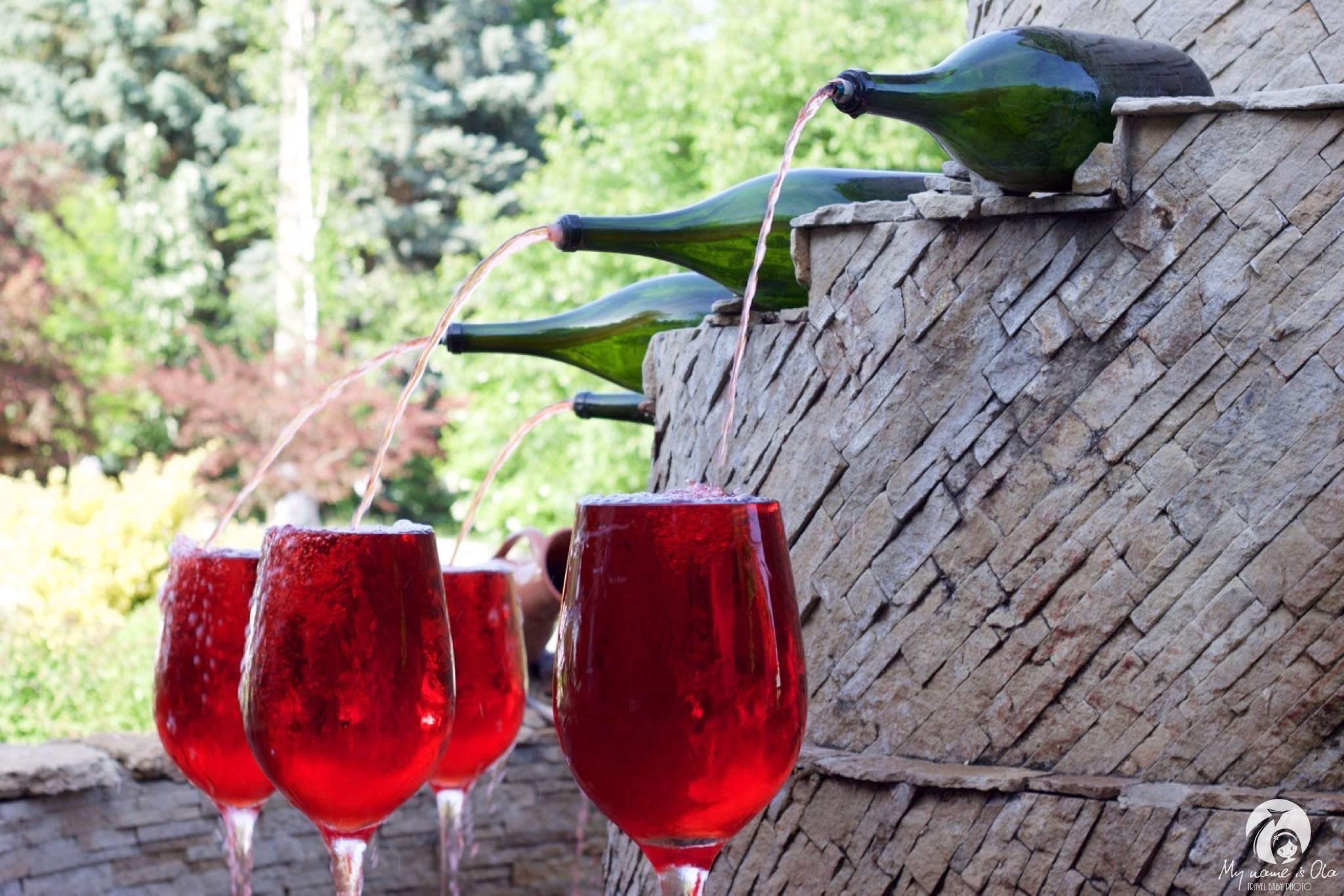
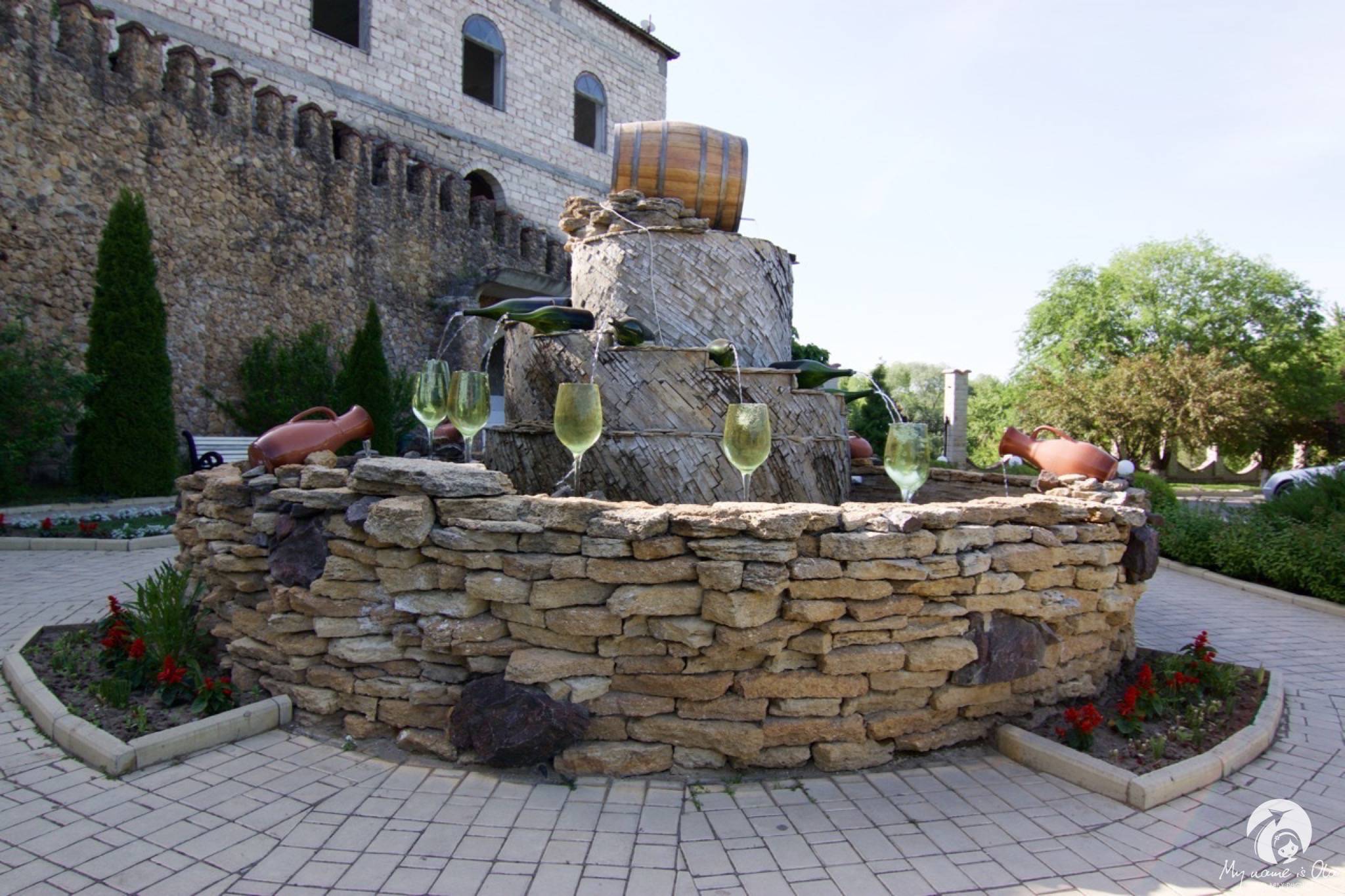
Giftshop is in fact a small time machine that will allow you to go back to Milestii Mici any time, of course on condition that first you will purchase right amount of wine. The shop is also located under the ground and the entrance to it is right two fountains with wine. That says the legend but actually there is nothing more that colored water running in them all the time. In this matter Milestii Mici gets beaten by Batumi, where in the fountain it really runs local liquor – cha cha. Well, do not expect too much from the fountain and go downstairs to get yourself some wine considering that prices in the store are very attrective. The cheapest wines are available already 1 euro and those are mainly international varietes such as Chardonnay and Sauvigon. The most expensive ones reach few hundreds euro.The offer is wide, even among those in the most affordable prices.

It is worth to take some home with you. Thanks to that even few months after the trip to Moldova you will be able to recall the best memories opening a bottle from Milestii Miici. Tastes and aromas will make you think about this beautiful and sunny home of the best grapes. This is one of the aspects thanks to which wine tourism developes so dynamically. That works always, not only for Milestii Mici.

[photosetgrid layout=”11″]Sklep Milestii MiciSklep firmowy Milestii Mici[/photosetgrid]

Our last bottle from Milestii Mici we opened only knowing that we were going to Moldova within next few days.

[photosetgrid layout=”12″]Piwnice winne Milestii MiciPiwnice winne Milestii MiciPiwnice winne Milestii Mici[/photosetgrid]

Blog

Gozo guide – how to spend one day on the island

15/06/2015 — by Magdalena Kuźma0

GOZO31-960x640.jpg

Right, one day. We want to advise you a one day trip to Gozo island when being on holidays in Malta. Not everyone knows that Malta is not only that one, biggest island but a whole archipelago of islets, out of which only three are inhabited. Gozo is second big island; it is way smaller than Malta because it has only 67 km² and all its inhabitants would easily fit in one of average european towns (approx. 30 000). Because of this compact size the island is just perfect for a day trip. And taking such trip is a must.

Gozo ferry

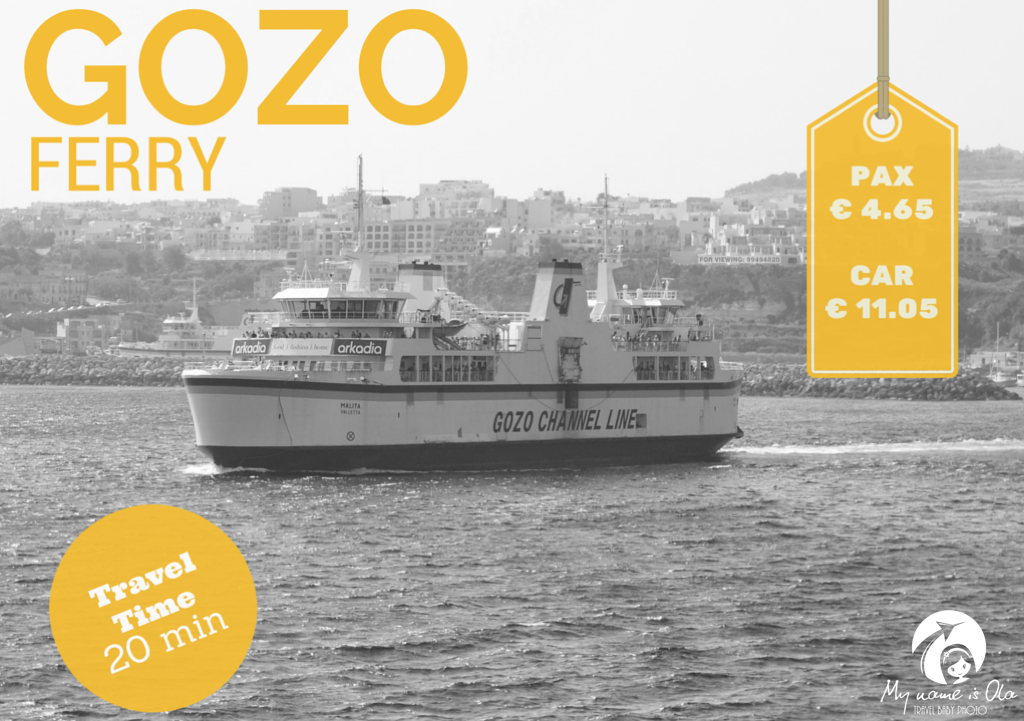
Right at the begininng of the expedition we are coming across the first attraction – a Gozo ferry. If you rented a car you can take it with you, park on a lower deck and go upstairs to see all the beautiful views. But hurry up, the journey takes only 20 minutes. Traveling in the lower deck is generally not advised but some situations make us do things we do not always want to. When we were going to the island with Ola she fell asleep while waiting in the queue line to the ferry. We had no heart to wake her up and mom stayed with her in the car throughout the whole cruise. Luckily dad went upstairs to see the views and take some pictures. You can take the ferry also traveling without car, you just go straight to the upper deck and admire the view over Malta’s third island Comino and its little companion Cominetto. Comino is very intimate place, it has in total 3,5 km² and all its inhabitants is one family of four. Despite it is so small it still offers some places of interest. From the passing by ferry we are noticing Saint Mary’s Tower from 17th century but its biggest attraction is located on the other side, not visible from the ferry. It’s a Blue Lagoon, a sea bay with amazing azure water, sandy bottom, quite shallow so perfect for beach fun not only with kids. The view over lagoon reminds those paradise beaches somewhere on the end of the world, of course only when it is not crowded with people.

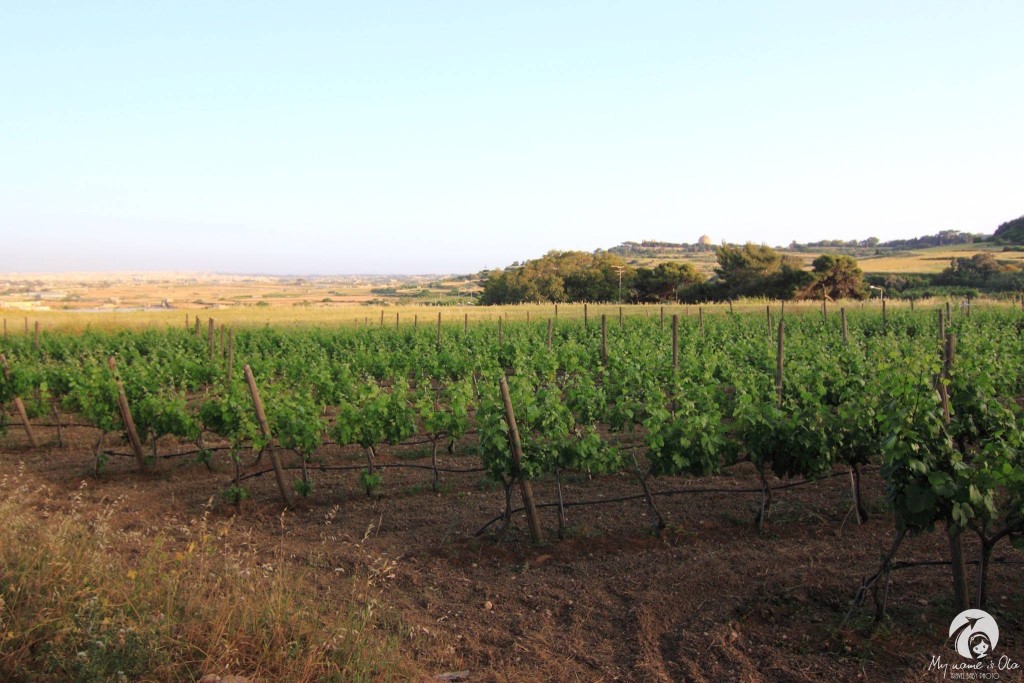
Coming back to Gozo: it is still a part of the country of Malta but leaving the ferry we are noticing a little different character of this island. At first sight we can tell that not all the turists visiting Malta get here. Gozo is more peaceful than the main island. It seemed to be a better place to live for local people, especialy those not working in tourism industry. But in fact one out of five work places on this island is generated by tourism anyway. The network of buildings is not so thick and more areas are cultivated. Apart from other crops Gozo is also home of the vines. There are two wineries on the island Tal-Massar and Ta’ Mena. The second one is generaly involved in agriculture so you can try some of Maltese produce there. Beside sun-dried tomatoes, marinated onions and various fruit jams you can try some famous Gozo cheese there. It is a little salty cheese made of goat milk. And since we are talking about cuisine it is worth to mention that Gozo seems to be a little more Italian than the rest of the country. Maybe it’s because first Gozo settlers were the incomers from Sicily why its inhabitants feel close to Italy. Even in the period of island’s short independence Gozo turned towards Italy. Those were three years after getting out of French control and passing under British protectorate. Breaking free from the French, Gozo citizens in the number of 16 000 passes their island under the rule of the King of Sicily forming their own government managing the island.

Gozo island

Even today islanders enjoy some kind of independence and separateness. Despite several attempts to plan a construction of a bridge or underwater tunnel connecting Gozo with Malta nothing of such has ever been agreed and built. Gozitans do not really seek for permanent connection with Malta and regular (although not cheap) ferry connection seems to be totaly satisfying for them today.

The capital of Gozo, Rabat, is a home of one fourth out of 30 000 island’s citizens. The official name of the capital, which was given by the British for the golden jubilee of the Queen, is Victoria however most of the residents continue using Rabat, a name from the Arab times (9-12 century). But you have to be very careful to avoid misunderstanding because there is another city on Malta of the same name.

We have read somewhere that Gozo has only 5 traffic lights, although we didn’t try to count them we are ready to believe it. Small towns do not require any intervention in traffic. Even in Victoria the drivers do very well without traffic lights, especially since most of the city streets are small and narrow roads, winding among buildings, often one way, so lights seem to be completely unnecessary.

But let’s finally talk about what to see and do on Gozo

What to do on Gozo

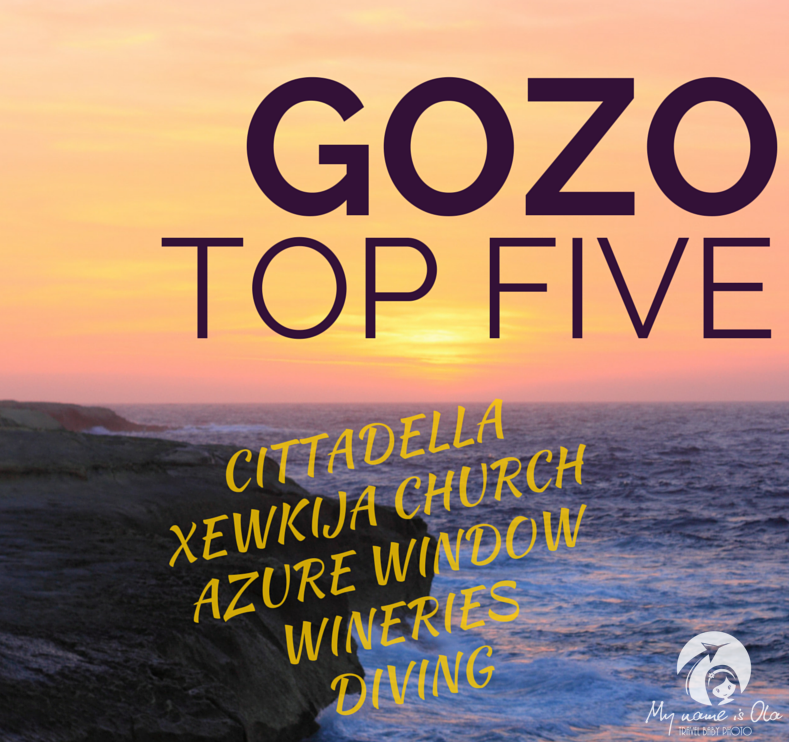
Beside trying local cuisine, what we already mentioned before, you should necessarily visit central point of Victoria – the Cittadella. You will surely not miss it, it is a huge construction rising in the center of the city and in fact a main point from which it the city spills on the slopes of the main hill. It is a defensive formation developed in the Middle Ages. Developed, because the first signs of settlement in this place are dated on 1500 before Christ and the defensive character it probably got in the Middle Ages when the settlement was transformed into Gran Castello. In 15th century formation was strengthen due to intensified attacks of pirates seeking for slaves. With time it became insufficient so the beginning of 17th century brought further development to the extend of what we can see today.

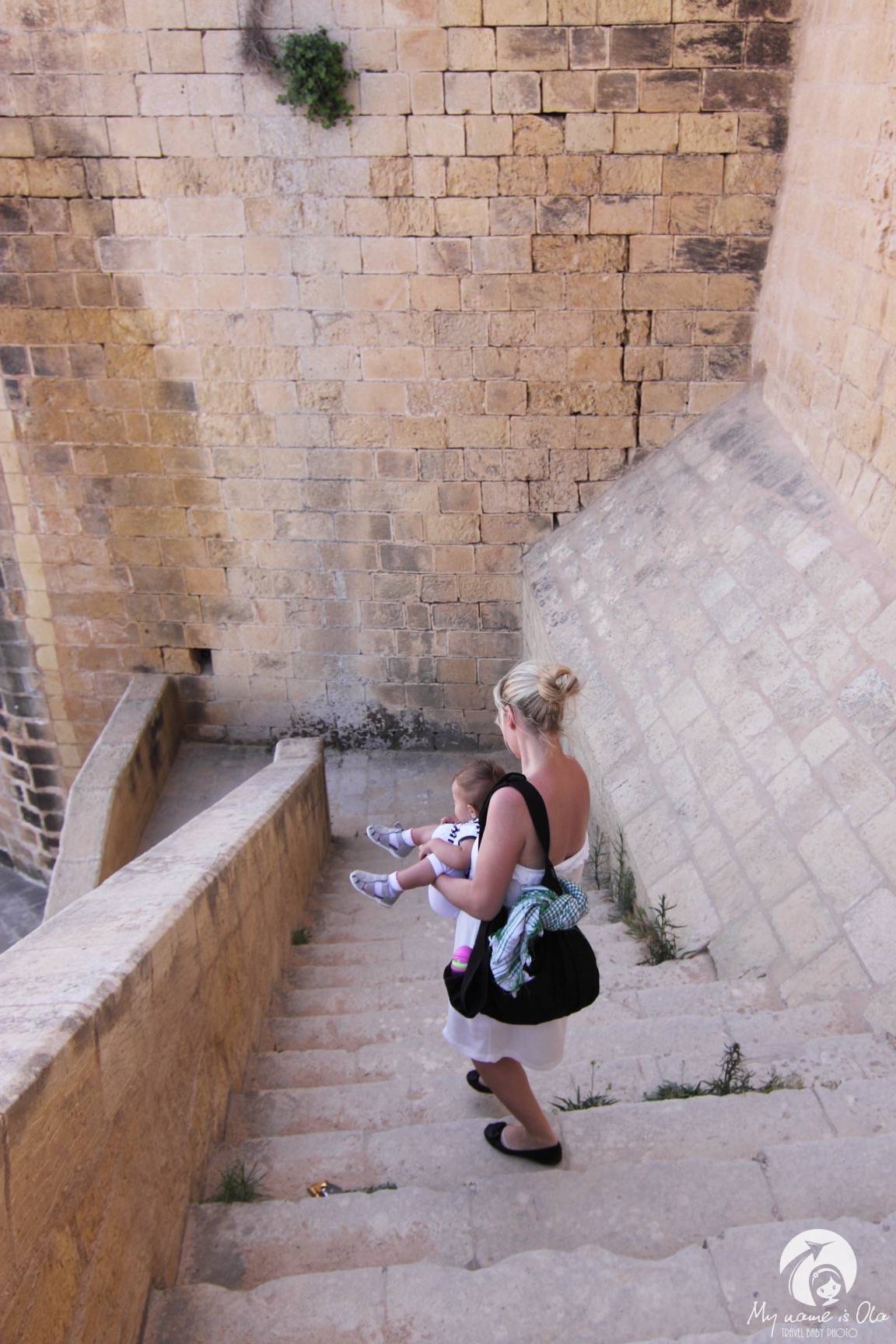
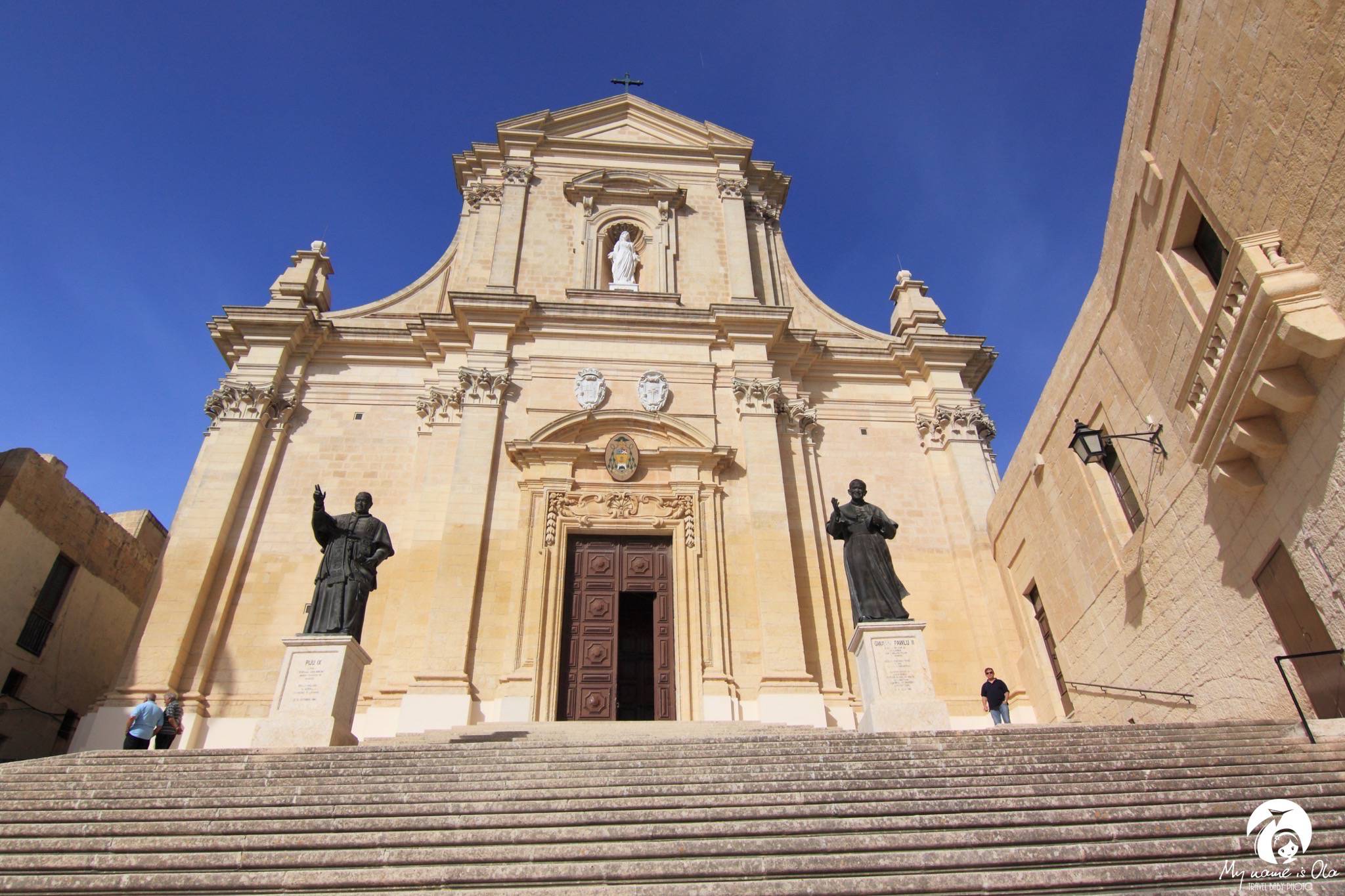
The restoration proces started in 2008 and has been continued until today. Although restoration is ongoing we can enter the Cittadella and see already open museums and exhibitions. The ubiquitous dust and construction materials spoil a little the impression of the area but after it’s finished the place will surely be impresive. Today we can take a walk on the walls, see the fields with characteristic stone fences stretching to the horizon and imagine 16th century defense of the fortress and at the end visit the Cathedral of the Assumption of the Madonna.

[photosetgrid layout=”23″]Cittadella, GozoCitadella, GozoCitadella, GozoCittadella, GozoCitadella, Gozo[/photosetgrid]

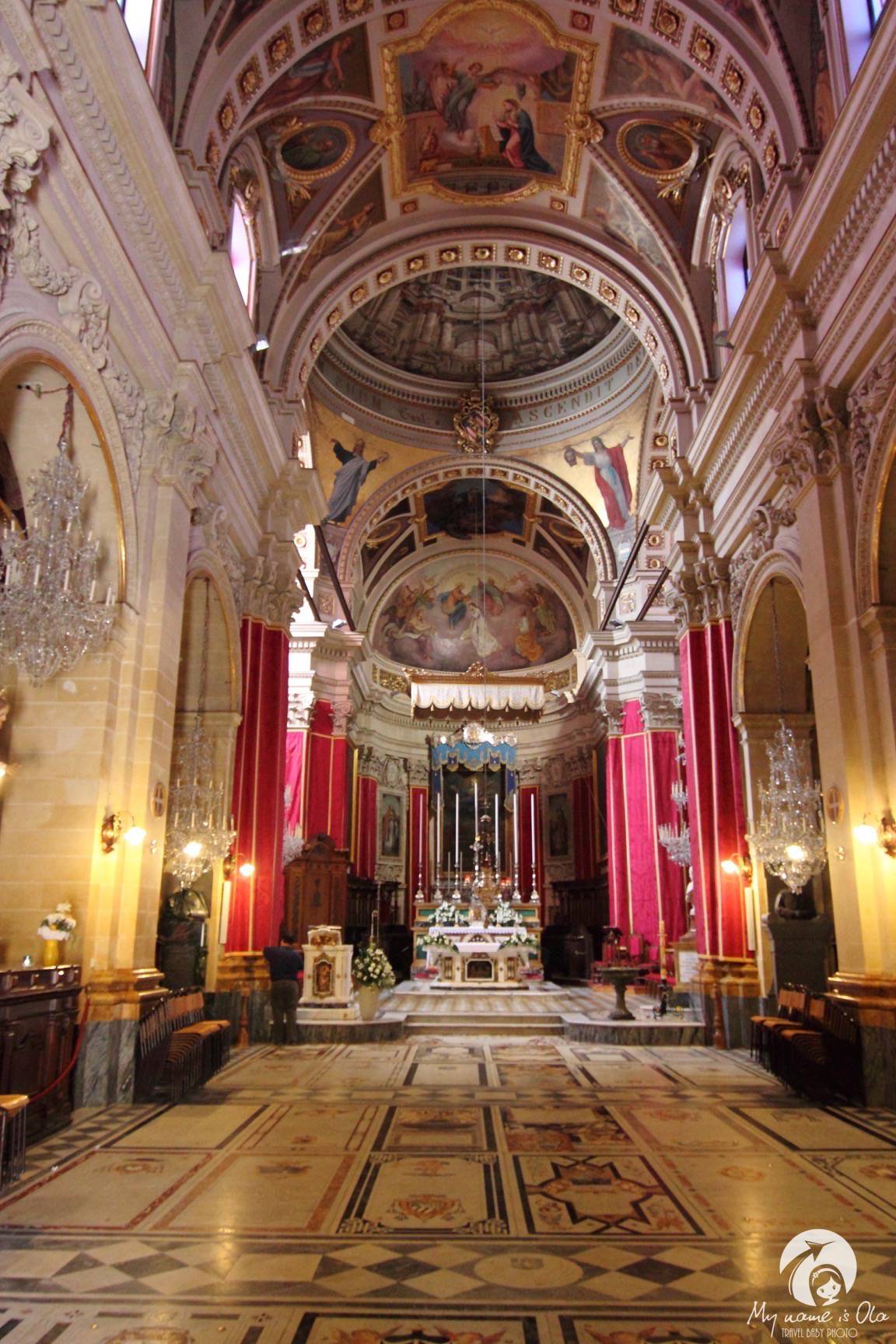
It’s a Roman Catholic church from the turn of 17th century built in Baroque style of the same limestone as the rest of the Cittadella. The interesting thing is the fact that previously designed dome of the church has never been built but instead the ceiling painting, an illusion of the dome, was created. Seeing on one of the weekdays a bunch of smiling happy children coming out of the church you can figure out how important religion is for Maltans. Immediately, seeing all the children, Ola tried to make new friends but the kids were significantly older than her so we went straight to the walls. After a short walk around, although it wasn’t possible, Ola looked as if she had wiped all the dust from Citadella.

[photosetgrid layout=”13″]Cathedral of the Assumption of the Madonna, GozoCathedral of the Assumption of the Madonna, GozoCitadella, GozoCathedral of the Assumption of the Madonna, Gozo[/photosetgrid]

Following this sacral trail we direct our next steps to the town of Xewkija, located right before Victoria, with the population of 3000 people. Main point of the town is Xewkija Church, which has one of the most impresive domes in the world. That built in 19th century shrine can hold all the townspeople at one service. Of course there is a lift taking all interested in to the dome to see from the above even the northern edges of Malta. The other name of the temple is Xewkija Rotunda.

Staying in the religious mood we can move back in time, namely more than 5500 years ago when first megailthic religious monuments were created. Megalithic character of formation means that they were built of large unworked stones. They had nothing in common with Christian religion as such did not even exist at that time. Probably the deity of fertility was worshipped in those temples. Those two objects located in Ggantija are today second oldest human-built religious objects (after Göbekli Tepe in Turkey).

Those still not satisfied with religious objects we advise just to look around. There are reportedly 46 of churches on Gozo, so each one is for around 700 people and if you take into consideration the fact that Xewkija Church is able to hold 3000 people then what attendance can the others count on? We are wondering if there is any other place in the world with so many sacral objects per person!

Azure Window, Gozo

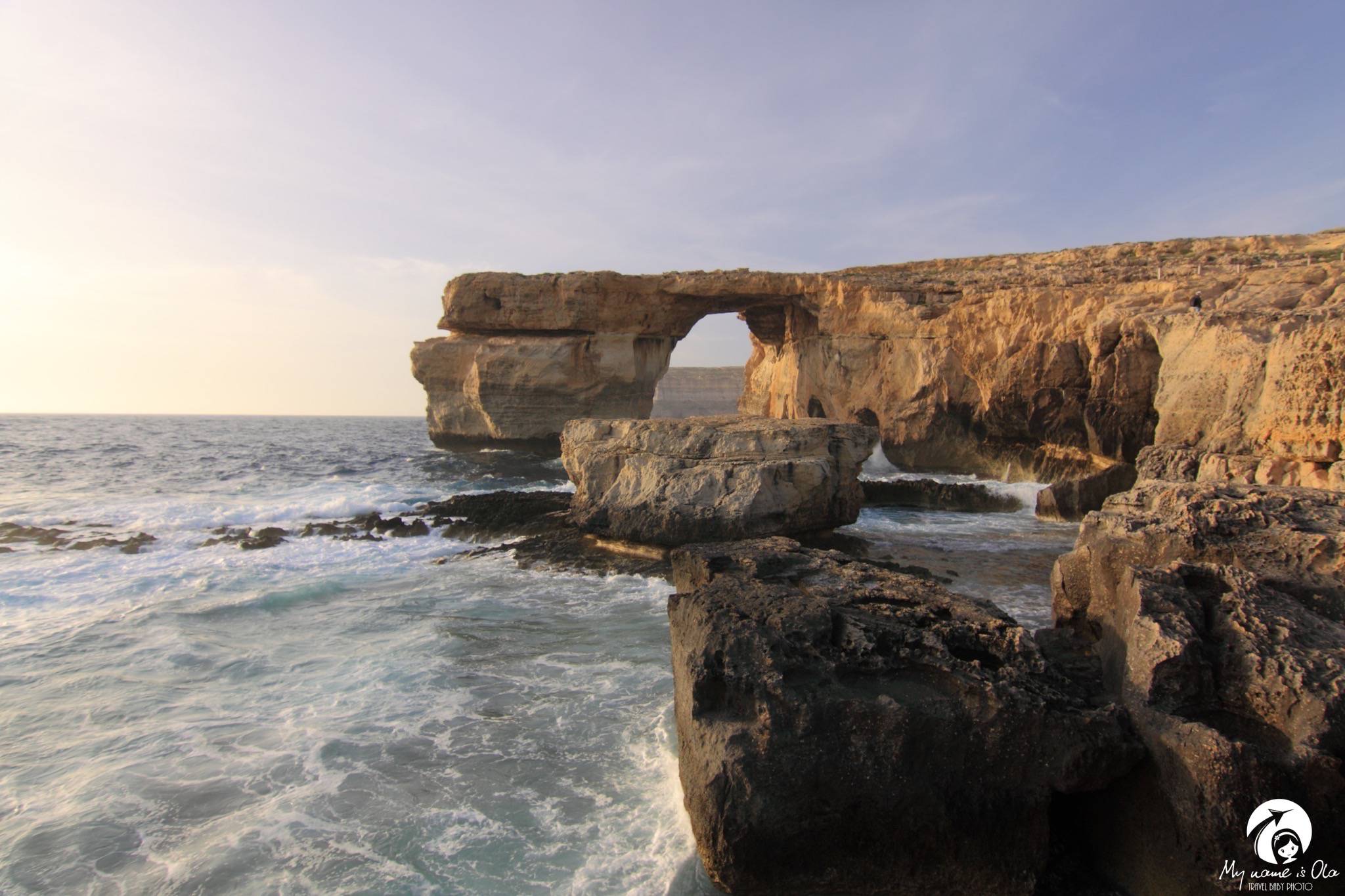
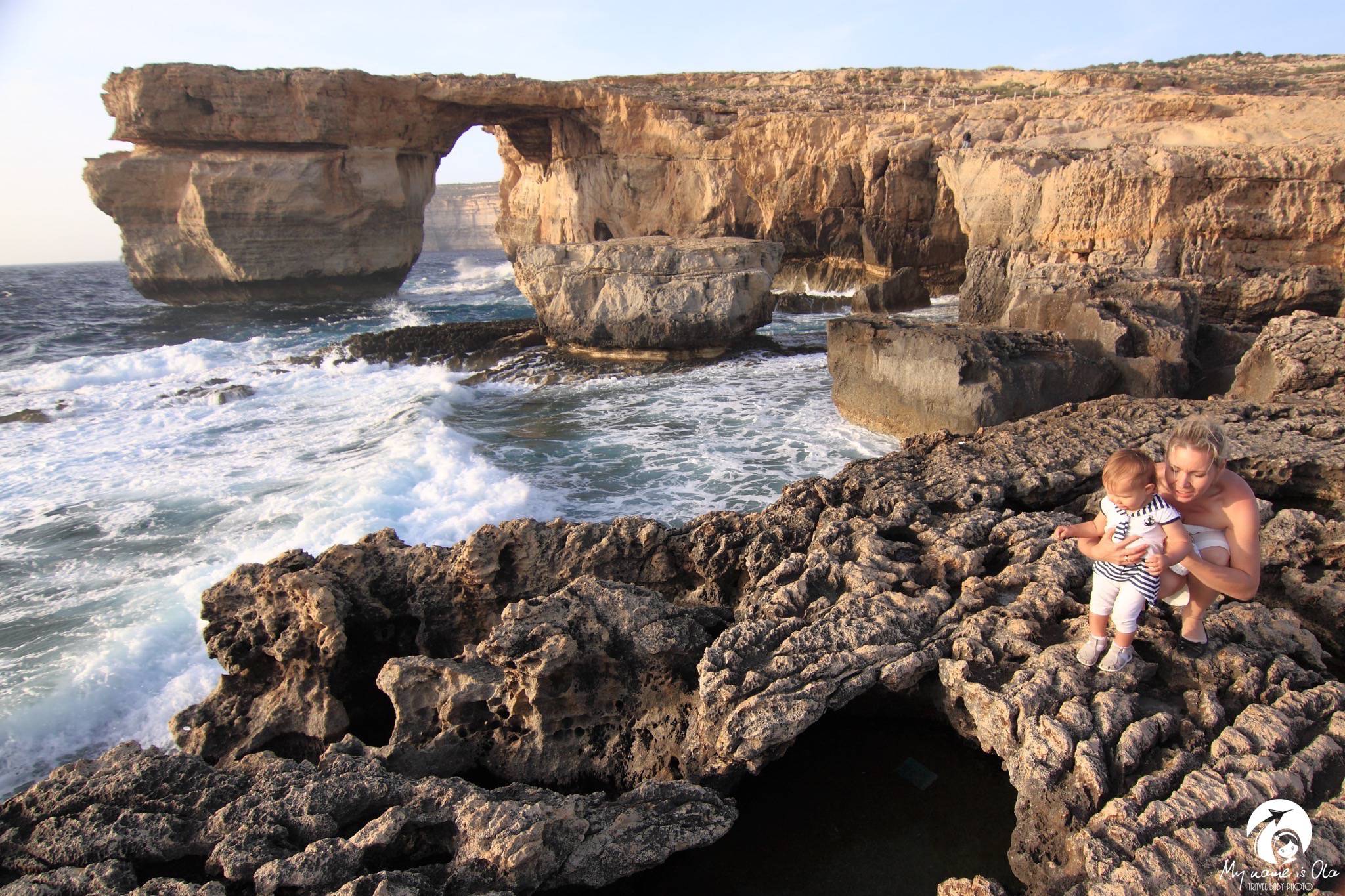
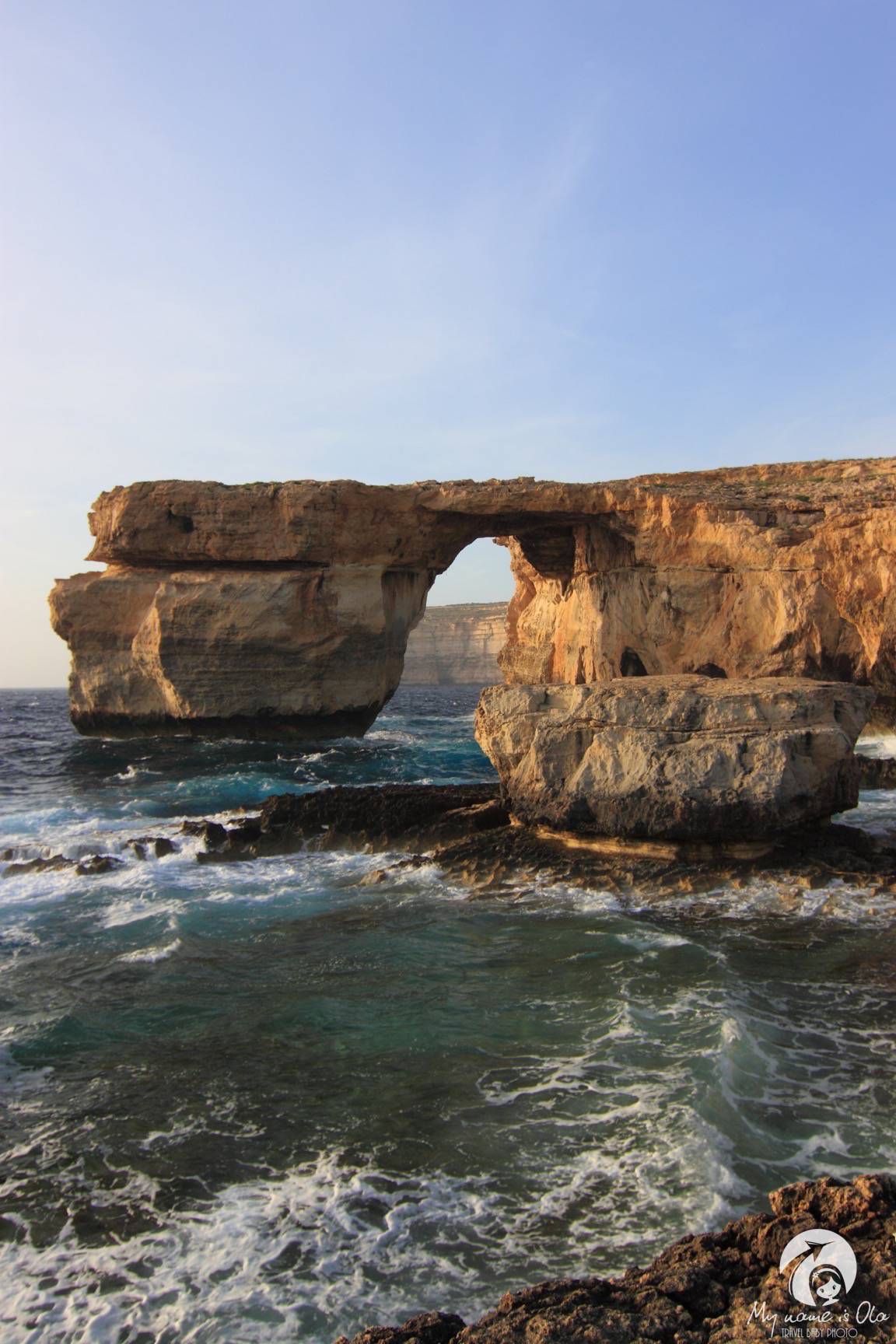
Churches, churches but it is the nature that mostly attracts tourists to Gozo. We mean here the biggest attraction of the island – the famous Azure Window. The name tells us all that we should expect. As a result of two sea caves collapse a limestone formation making a kind of a window over azure waters of Mediterranean Sea was created. Until recently one could have had easily got on the top of the window but today the coast is full of signs forbidding climbing the rock because over the years the structure weakened and some underneath rocks began to fall. The window keeps  getting bigger and there are fears for collapsing it totally. So if you want to see that beautiful landscape and the scenery of many movies such as “Odyssey”, “Count of Monte Christo” or “Game of thrones” you should rather to hurry up because it might collapse within few years. To get there we can come by car or take a bus, both will take us almost to the window and we especialy advise doing it while the rock is beautifully lit by setting sun. For those who will not confine themselves to admiring the window from a distance boat rides around the rock are available. You can also try diving in the waters surrounding the window.

[photosetgrid layout=”12″]Azure Window, GozoAzure Window, GozoAzure Window, Gozo[/photosetgrid]

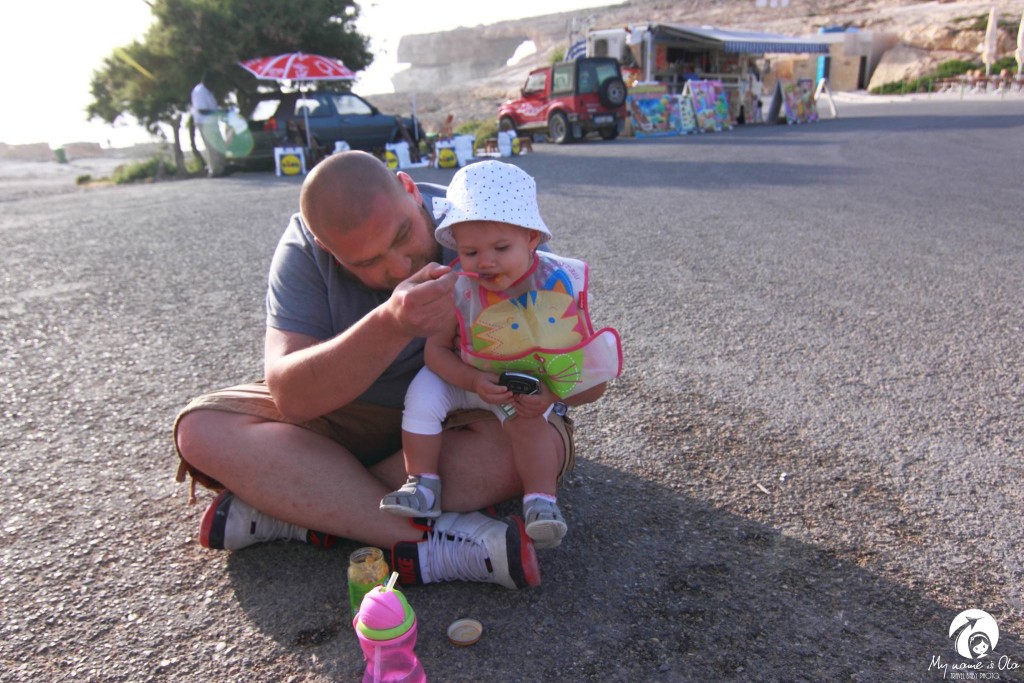
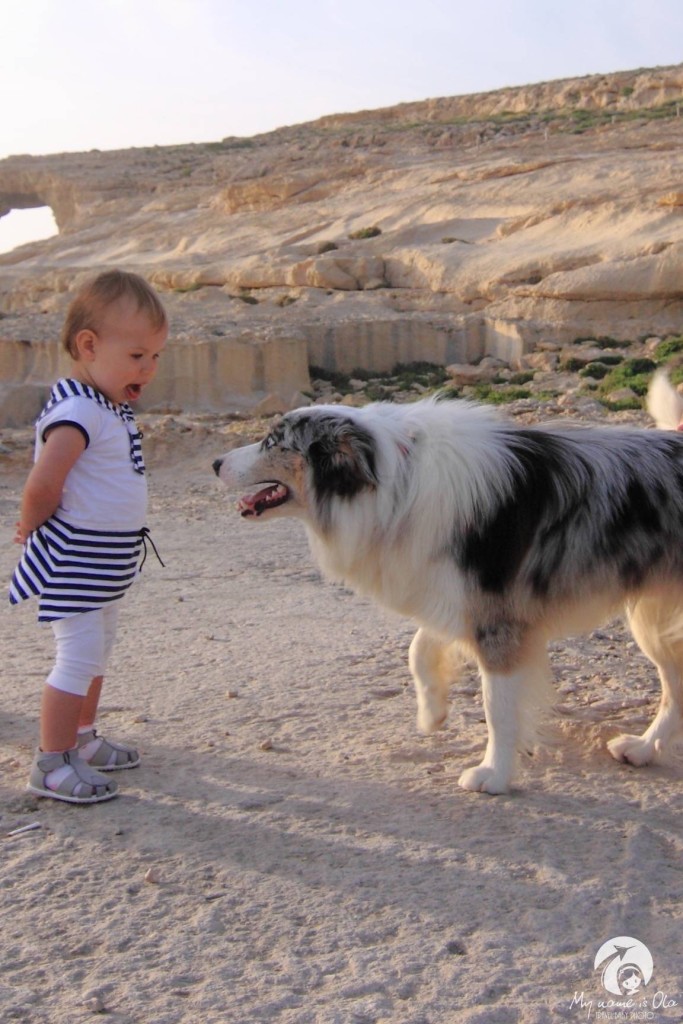
Out of this breathtaking surrounding our daughter liked the most a huge dog passing by. It was at least as big as Ola and seemed to be interested in her as much as she was in him. We ended up spending a good while with the dog before we could do anything.
Gozo Island

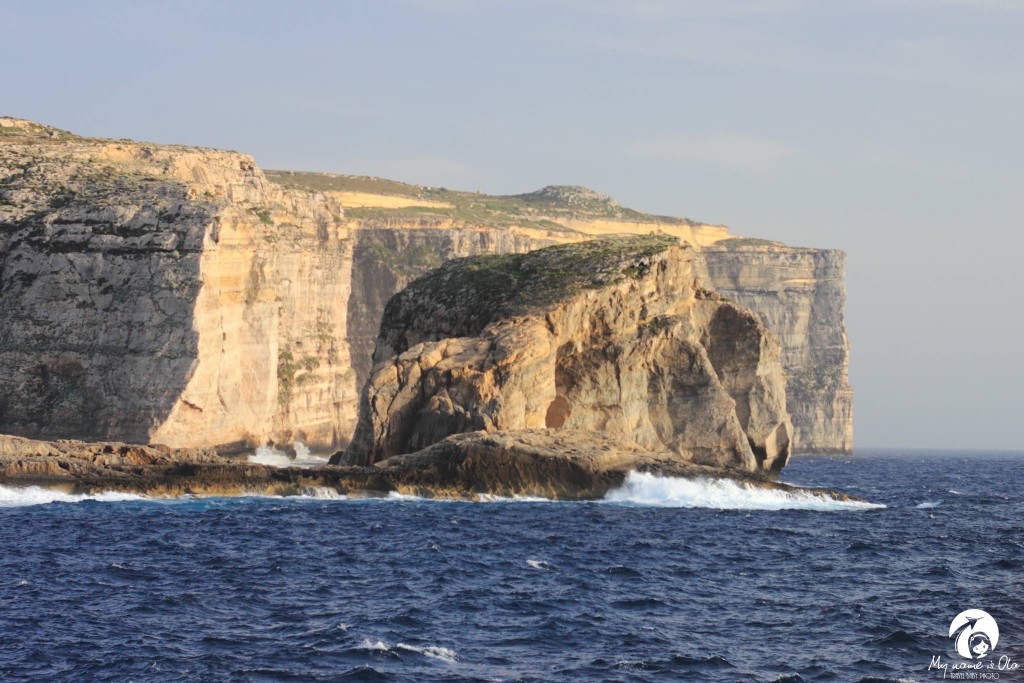
We almost forgot but there is a one more attraction in the same place. This is nothing spectacular as for the view but it represents an interesting story. This is Fungus Rock, a sea rock covered with one type of plant (Cynomorium coccineum), which used to be thought to be fungus. The Knights of Malta guarded it like a hawk because of its healing properties. They used it for all ailments and as a wound dressing. It was so valuable at the times of the Order that was even used in trade and guarded round the clock by security guards stationed in the nearby tower. Everyone who wanted to get close to the rock risked severe punishment. Today some plant’s medical features are confirmed and a rock itself is also protected – Maltese created a nature reserve there. Neighboring beaches are just perfect for scuba diving and attract many people, luckily even those swimming right around the rock are not any threat to the nature.

Fungus Rock, Gozo

Apart from above mentioned, Gozo offers many others perfect for water sports places. Scuba diving fans should be particularily happy. Underwater landscapes are said to be amazing, water crystal and of temperature allowing diving all year round.  If Gozo was able to convince you to spend there some more time than just one day, it will be a good idea to look around for a local farmhouse to stay in. Those are typical Maltese houses, country cottages renovated to provide really high standard for the visitors. Most of them offer at least a small swimming pool. Supposedly it is a great way to stay on Gozo. We haven’t tried this time but might consider next time. That would surely be a good place for Ola.

If you chose to spend one day on Gozo, on your way back to the ferry you can take a ride through Marsalforn coast in order to see how Maltese used to (some of them do today) acquire sea salt. The seashore is like a chessboard covered with square shallow “pools” full of water. After its evaporation, quite fast in this climate, Maltans will collect the salt and store in the caves carved in the rock accross the street.

Salt pans, Gozo

And so the trip to Gozo comes to an end. Operating round the clock ferry takes us back to loud and full of people Malta, but we have to admitt that it was worth to come here.

Blog

Mdina and Rabat: the history of one hill

08/06/2015 — by Magdalena Kuźma5

Mdina4-960x640.jpg

We have always associated Malta with the sea, maginificent bays and beaches but its biggest attraction is hidden inland, far from the sea. Mdina and Rabat, previously one city located in the middle of the island should be obligaory during each visit to the archipelago. Not only because of its architecture, unique atmosphere but also because it’s a perfect place to get to know island’s history. We will lead you through it following it’s sequential names given by different nations ruling the country.

infografika2

MALETH, OR PHOENICIANS ON THE ISLAND

The history of settlement on the island dates back to Stone Age but only its colonization by Phoenitians gave foundations of todays cities of Mdina and Rabat. Its strategic location on one of the highest points, with a panoramic view over whole island protecting it from the sea attack made it grow rappidly. Phoenitians called their settlement Maleth, what means “safe city”. Over the years whole island passed under the rule of Greeks, Carthaginians and Romans. Lasting more than 700 years the reign of the Roman Empire brought the hill further development. In this period wooden buildings were replaced with large brick Roman houses. Because the island had that special status of Municipium Rome governor’s palace was built there. That’s when the most cruicial event in the history of Malta took place – a ship transporting slaves crashed at its coast. It carried among them one exceptional person – Paul of Tarsus.

MdinaMdina

MELITA, OR SAINT PAUL ON THE ISLAND

Paul of Tarsus, known later as Saint Paul, did not expect to visit Malta but his arrival had a significant influence on Maltese religion and culture, making it the most Catholic country in Europe until today. Although St. Paul spent three months on that hill, called Melita at that time, we have very little information about his stay and evangelic mission. The most information gives the Act of the Apostles:

After we had reached safety, we then learned that the island was called Malta. The natives showed us unusual kindness. Since it had begun to rain and was cold, they kindled a fire and welcomed all of us round it. Paul had gathered a bundle of brushwood and was putting it on the fire, when a viper, driven out by the heat, fastened itself on his hand. When the natives saw the creature hanging from his hand, they said to one another, ‘This man must be a murderer; though he has escaped from the sea, justice has not allowed him to live.’ He, however, shook off the creature into the fire and suffered no harm. They were expecting him to swell up or drop dead, but after they had waited a long time and saw that nothing unusual had happened to him, they changed their minds and began to say that he was a god. Now in the neighbourhood of that place were lands belonging to the leading man of the island, named Publius, who received us and entertained us hospitably for three days. It so happened that the father of Publius lay sick in bed with fever and dysentery. Paul visited him and cured him by praying and putting his hands on him. After this happened, the rest of the people on the island who had diseases also came and were cured. They bestowed many honours on us and when we were about to sail they put on board all the provisions we needed.

There was very little of tangible evidence of Paul of Tarsus stay on the hill. Above the grotto where he allegedly spent couple of weeks, Maltans built a chapel and in 16th century a church of his name. Grotto is today open for visitors with its central point of St. Paul statue made of white marble. Many attractions on the island, such as situated next to the grotto catacombs, are named after the apostle. They originated around 3rd century and have nothing to do with Paul of Tarsus, they are named after located nearby St. Paul’s church.

[photosetgrid layout=”2″]Mdina, St. Paul's ChurchSt. Paul's Church, Mdina[/photosetgrid]

MDINA AND RABAT, OR THE REIGN OF ARAB ON THE ISLAND

In 533 the island came under the short rule of the Eastern Empire. Another important period in its history started in 870 with the invasion of Saracens, Arab nomadic tribe.  They built a moat and large defensive walls which we can admire until today and divided the settlement into two parts. Suburbs, where above mentioned grotto and church are located, were outside the walls and were given the name Rabat. Areas inside the walls created a fortified settlement Mdina, which despite many twists of history kept its original character. Narrow and winding streets, symbol of the city, were also the idea of the Arabs. The character of the settlement, according to its name (Midna in arabic means “fortress”) was to make it impregnable; but only in 1091 due to outnumbered enemy troops the Arabs surrendered the settlement, ironically, without fight. The island passed successively through the hands of the Scandinavians, Angevin and Aragonese who again changed the city’s name. This time they called it Citta Notabile (Noble City). That was probably due to the fact that the most important families of Malta lived there. In 1530 by the decision of Spanish King Charles V the city was transferred to Sovereign Military Hospitaller Order of Saint John of Jerusalem of Rhodos and Malta, later called the Order of Malta.

Mdina, Malta

CITTA VECCHIA, OR THE ORDER ON THE ISLAND

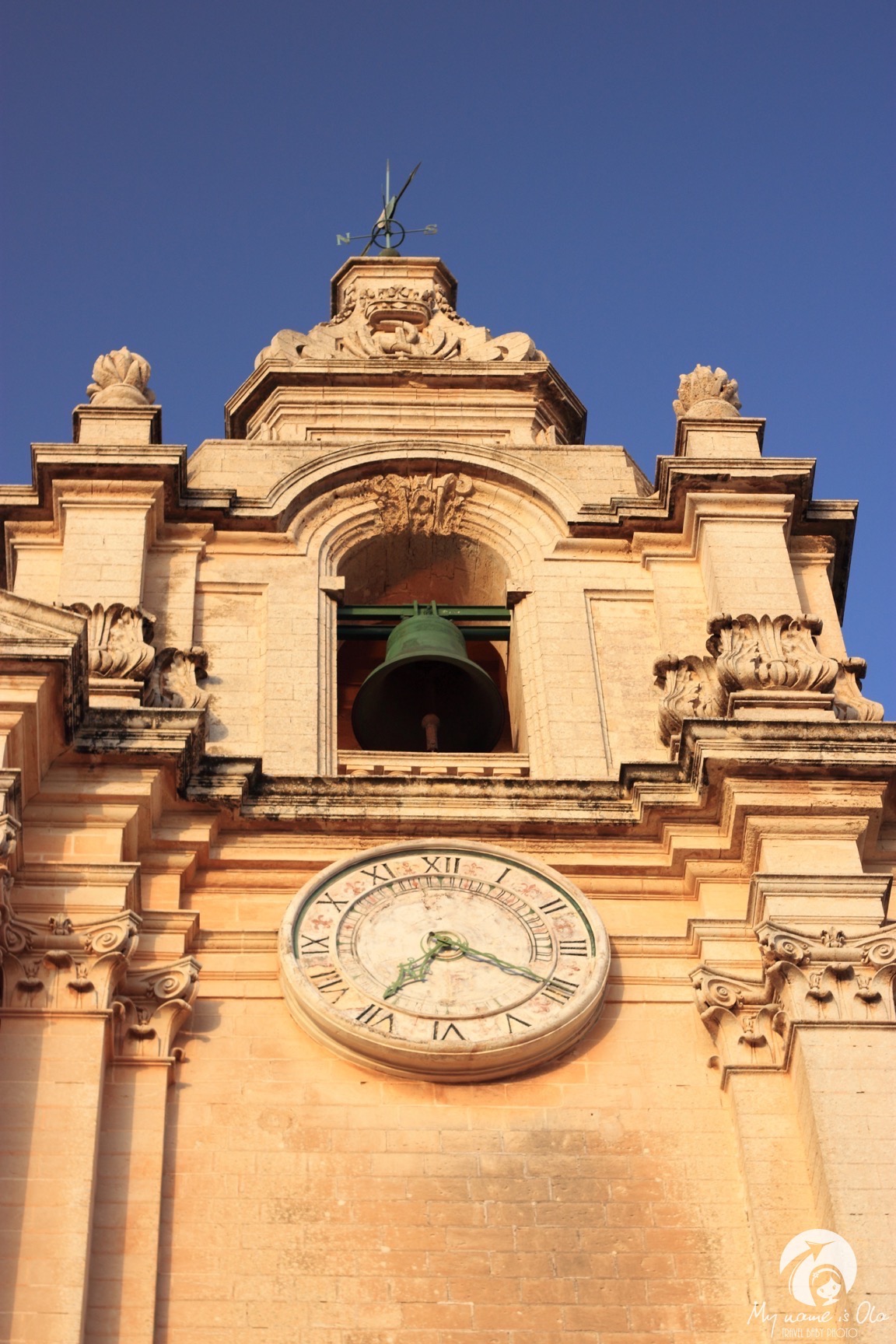
Apperance of the Order in Malta has set off a great development of the island, while Mdina started to loose its meaning. Knights of Matla after heroic defense of their land in 1565 from the army of Suleiman the Magnificent, in fear of re-invasion, decided to move the capital somewhere else. In honour of Jean de la Valette, Grand Master of the Order commanding the army during the siege, they called new capital Valletta. After settling it in the eastern part of the island, they again changed Mdina’s name, this time to Citta Vecchia – Old City. The reign of the Knights Hospitaller was the golden period in the history of the island, the Order not only built a new capital, but also several forts, tens of watchtowers and hundreds of churches. At the same time the religious consciousness initiated there by St. Paul strengthened. In 1693 as a result of the earthquake, Mdina faced the greatest damage. After the cataclysm the city was rebuilt receiving its current apperance with the dominant cathedral of St. Paul. 

Later it slightly suffered plundered by Napoleon’s troops quickly expelled by the British, who ruled Malta until its independence. The biggest damage the city suffered in the period of British reign was from bombing during WWII. At this time above mentioned Catholic consciousness developed and became an element of national identity on the contrary to British Protestantism. Let the fact that divorces were forbidden on the island until 2011, make you understand how important religion is to Maltese people.

Mdina, MaltaMdina, Malta

SILENT CITY, OR OLA ON THE ISLAND

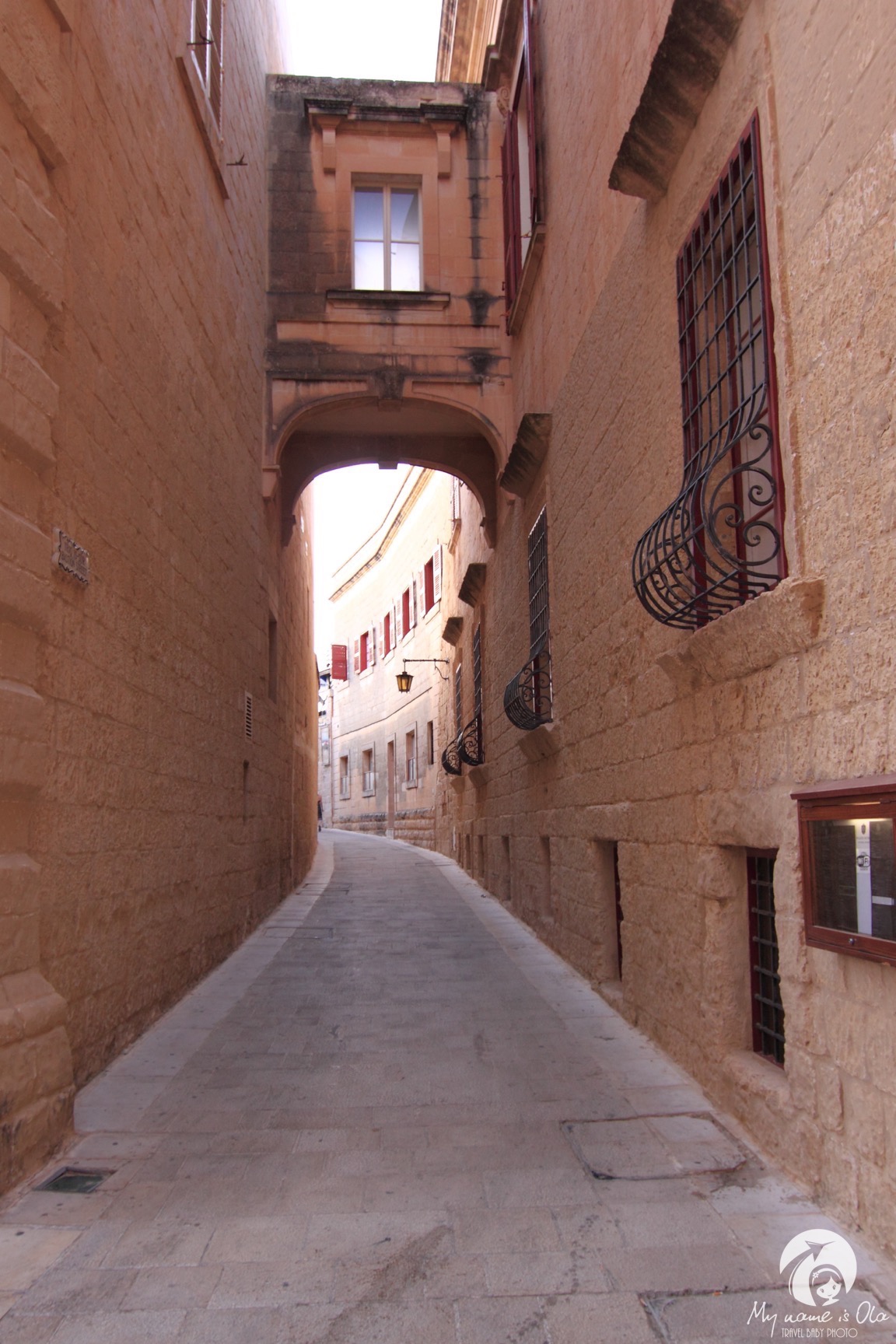
Today the area eclosed within the walls is called the Silent City. Almost a total ban on trafic, small number of inhabitants and amazing silence makes it stand out from all other Maltese towns.  Lack of typical for Malta hustle and bustle perfectly reflects the name. The only thing that interrupts this peace and silence are noisy groups of tourists that seem not to notice signs asking for silence. All of them, advised by guides, visit the city in the evening but we decided to get there already during the day, or maybe afternoon and stay after dark. That seemed to be a very good idea.

The entrance from the side of Rabat is guarded by the Great Gate. Covering the bridge we are seeing huge moat and massive walls, which used to defend the settlement. What is interesting even after breaking through the first weak doors, the enemies were not yet inside the walls. While they were trying to break the second, stronger doors the third gate right behind them was closing making them trapped between doors. They were becoming an easy target and in most cases died of hot tar poured on them.

Mdina

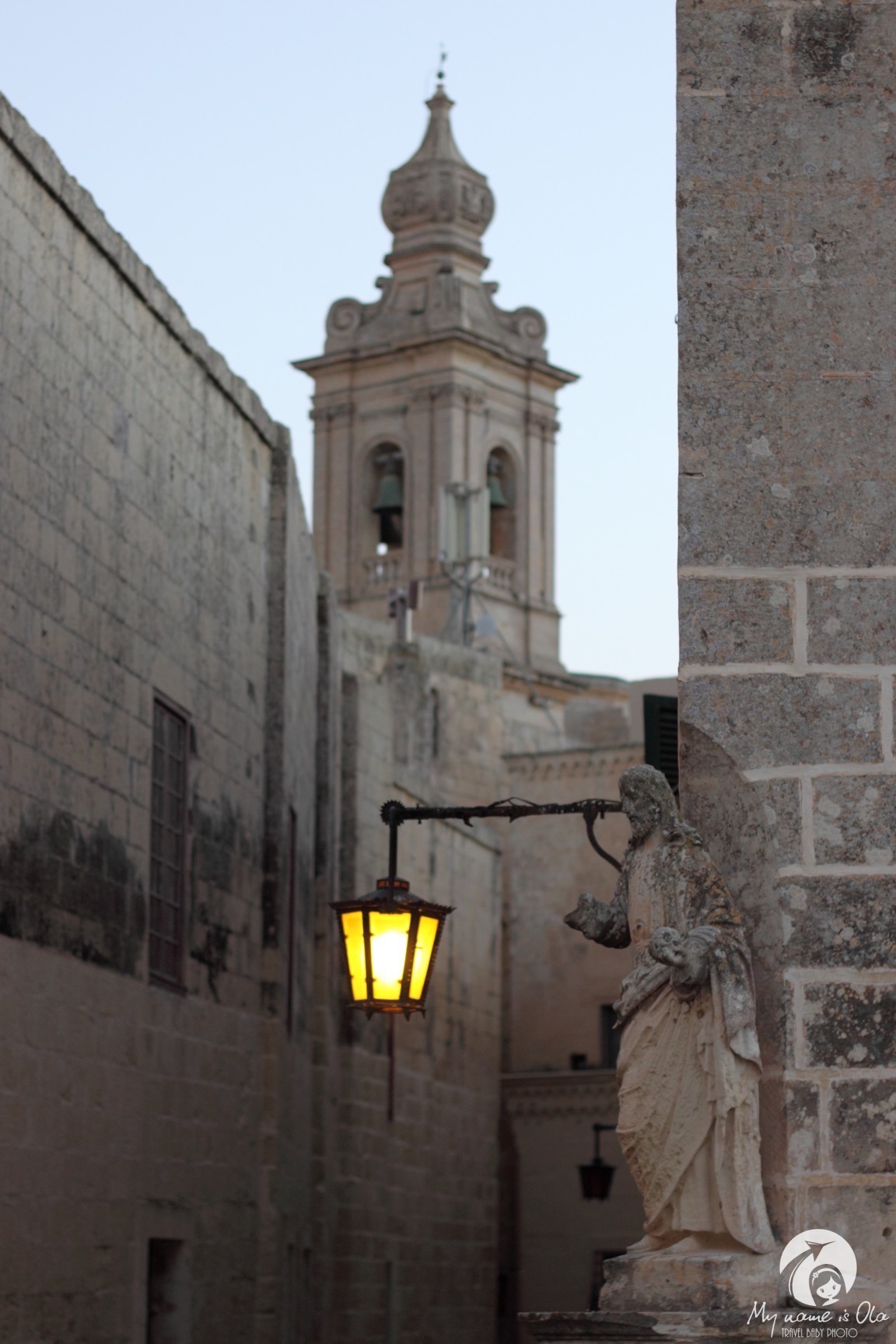
Today within the walls we can freely walk the maze of narrow and winding streets.  Those have survived further redevelopments of the city being since Arab times an element of the defence system allowing to prepare many pitfalls for invaders just “around the corner”.

[photosetgrid layout=”3″]MdinaMdinaMdina[/photosetgrid]

The largest damage as we already mentioned was done during the earthquake in 1693. Then Mdina was rebuild in popular at that time Baroque style with the Cathedral of St. Paul which is the main church of the Catholic Archdiocese of Malta until today. According to the legend here was the residence of Publius where presumably St. Paul cured his father. Current structure was made using the elements of previous temple and thanks to that today we can see things such as Mattia Preti’s polychrome „The diseaster of St. Paul’s ship”.

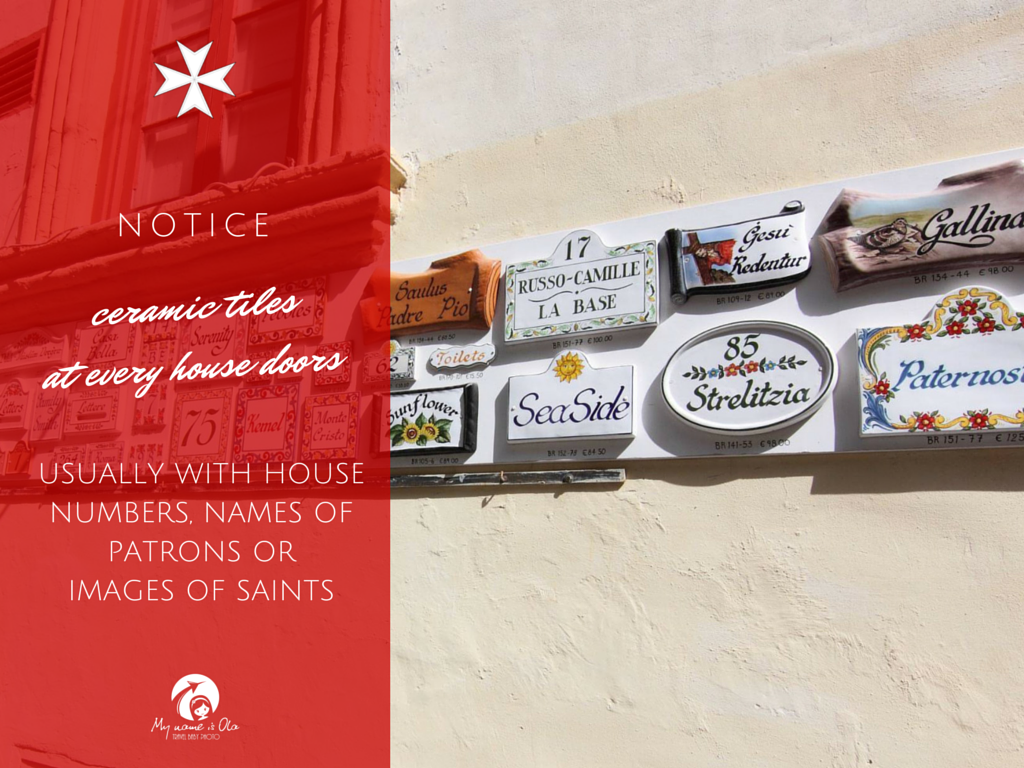
Walking the charming streets it is worth to pay attention on the details of surrounding buildings: cast iron decoration of balconies, decorative knockers and numerous statues of saints at the doors. High bulidings provide some relief in the hottest days. Ola loved winding streets and very few steps, small traffic allowed her to freely run around. Lack of the stairs is probably the heritage of Maltese Order who built it taking into consideration the inconveniences of moving in full armor.

[photosetgrid layout=”3″]Former capital of MaltaMdina, MaltaMdina[/photosetgrid]

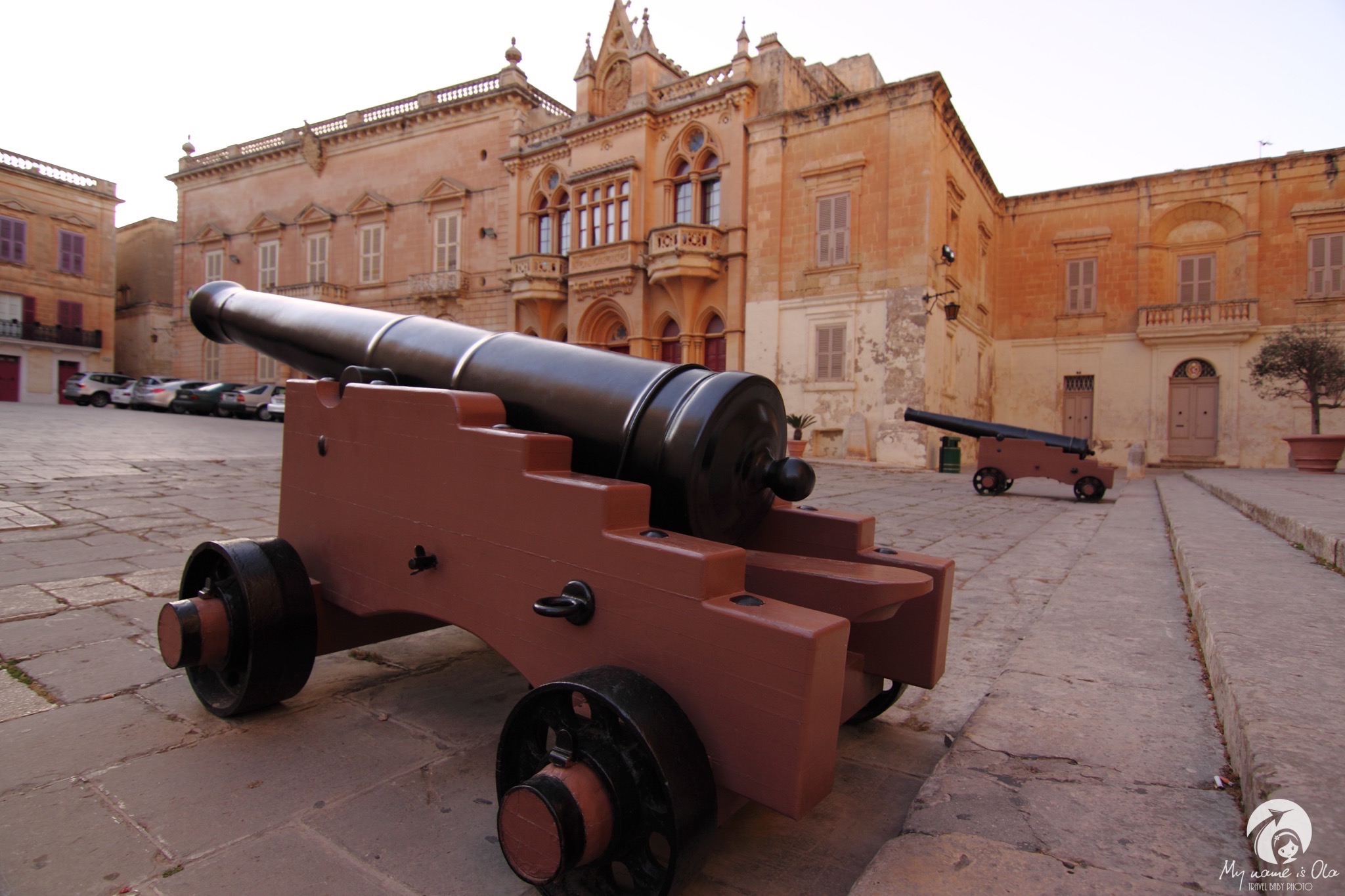
In fact that walk is the biggest attraction of the city but we also advise to visit the Cathedral Museum and St. Benedict’s Church and St. Agats’a Chapel. Other buildings worth attention are beautiful residences Palazzo Falson and Palazzo Vilhena. The dungeons of the second one host the museum of the art of war. Since it presents the scenes of tortures and executions obviously because of Ola we gave up this attraction. At the end of our visit we went to the second gate leading to the city – The Greek Gate. It is also richly decorated and was used mainly as a back door, a way to deliver goods to the city.

Mdina

Waiting for the dusk we went for a dinner to one of Mdinas restaurants. Fontanella seemed to be the best for us, mainly because of its top deck situated on the walls from which we could admire amazing view over the island. Beautiful views are one of the reasons to visit Mdina, accompanied by a very good food make the evening unforgeteble. While it was getting darker the restaurant filled more and more. That must be those tourists advised to visit Mdina after dusk, we thought. Later on we found out that those were Maltans and the tourists at this time occupy the walls holding wine glasses in their hands. Few of such groups and the whole atmosphere of this silent place disappeared, it became just another crowdy and noisy place.

[photosetgrid layout=”2″]Fontanella Restaurant, MdinaFontanella Restaurant, Mdina[/photosetgrid]

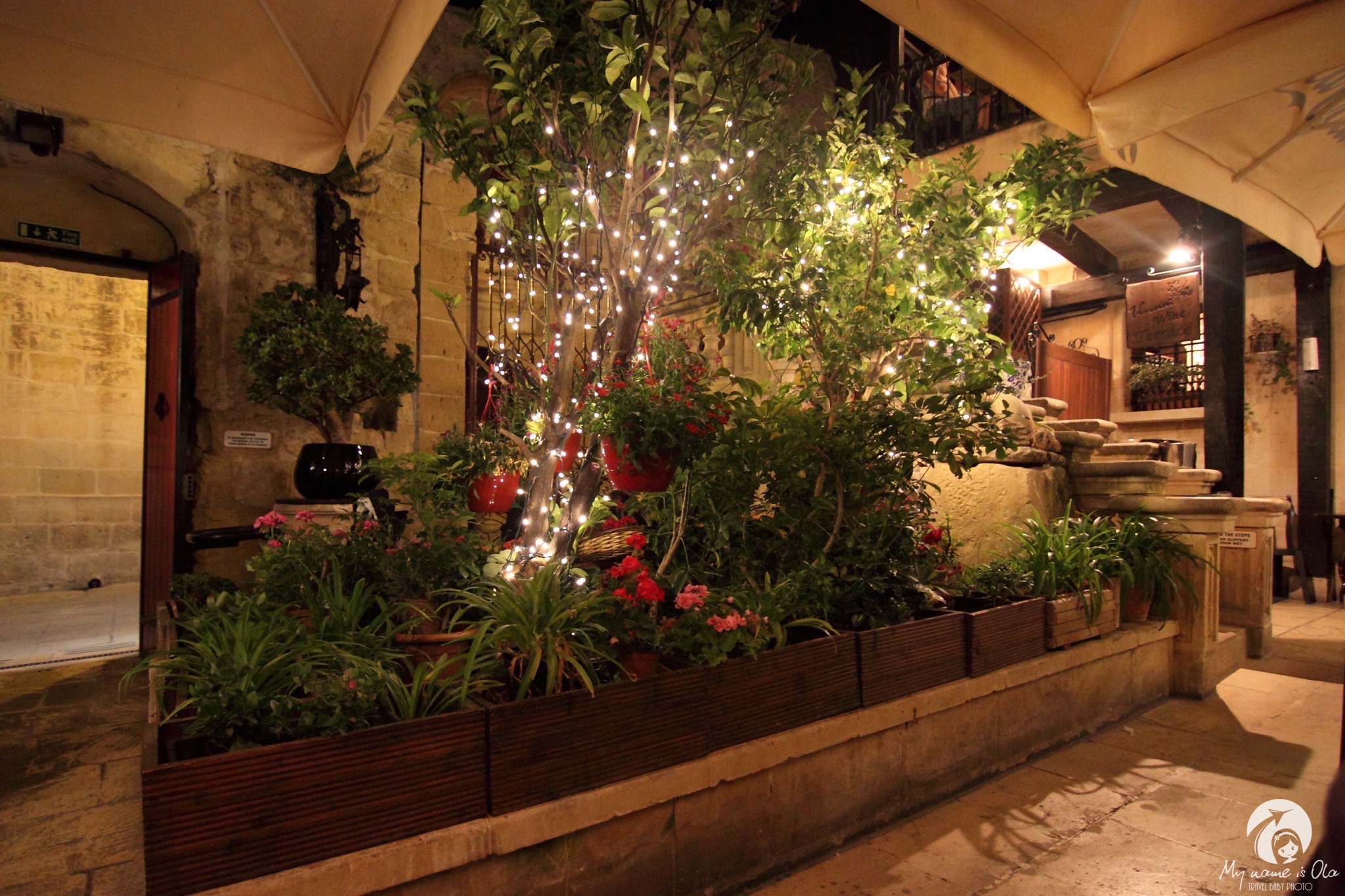
Despite all that we went for a short walk trying to choose those less attended areas. Many lamps with that subtle yellow light made the neighborhood look magical. The night came, Ola almost fell asleep in her stroller and happy of our day and night visit in Mdina we left the place.

Silent City of Malta