

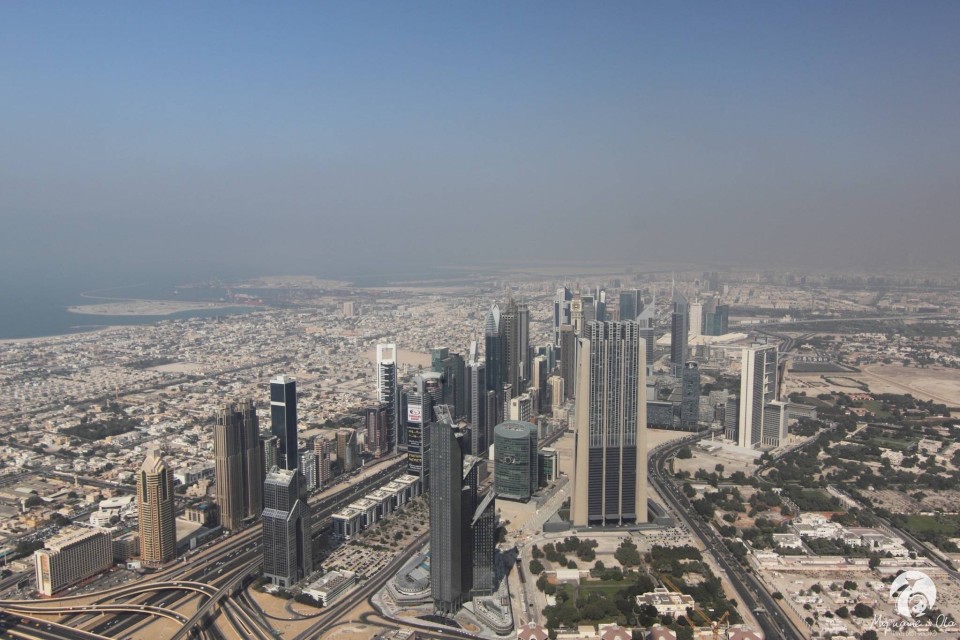
When you think about Dubai the first that come to your mind are reaching the sky buildings, 10 lanes highways or human-built islands, isn’t it? But there is another face of the city – remembering its history and old times. Old in this case means 18th century. It’s not Rome or Stambul but historical area of Deira and Bur Dubai separated by Dubai Creek is worth visiting. It gives a chance to feel old Dubai atmosphere.
First settlement on this land is dated on 10th century but until 18th century it hasn’t gained any importance. It was just a port on the Iran-Oman route. At the turn of 18th and 19th century when Persian ports introduced customs duties, Dubai lowered them. That brought it wide interest and soon made it one of important commercial ports.
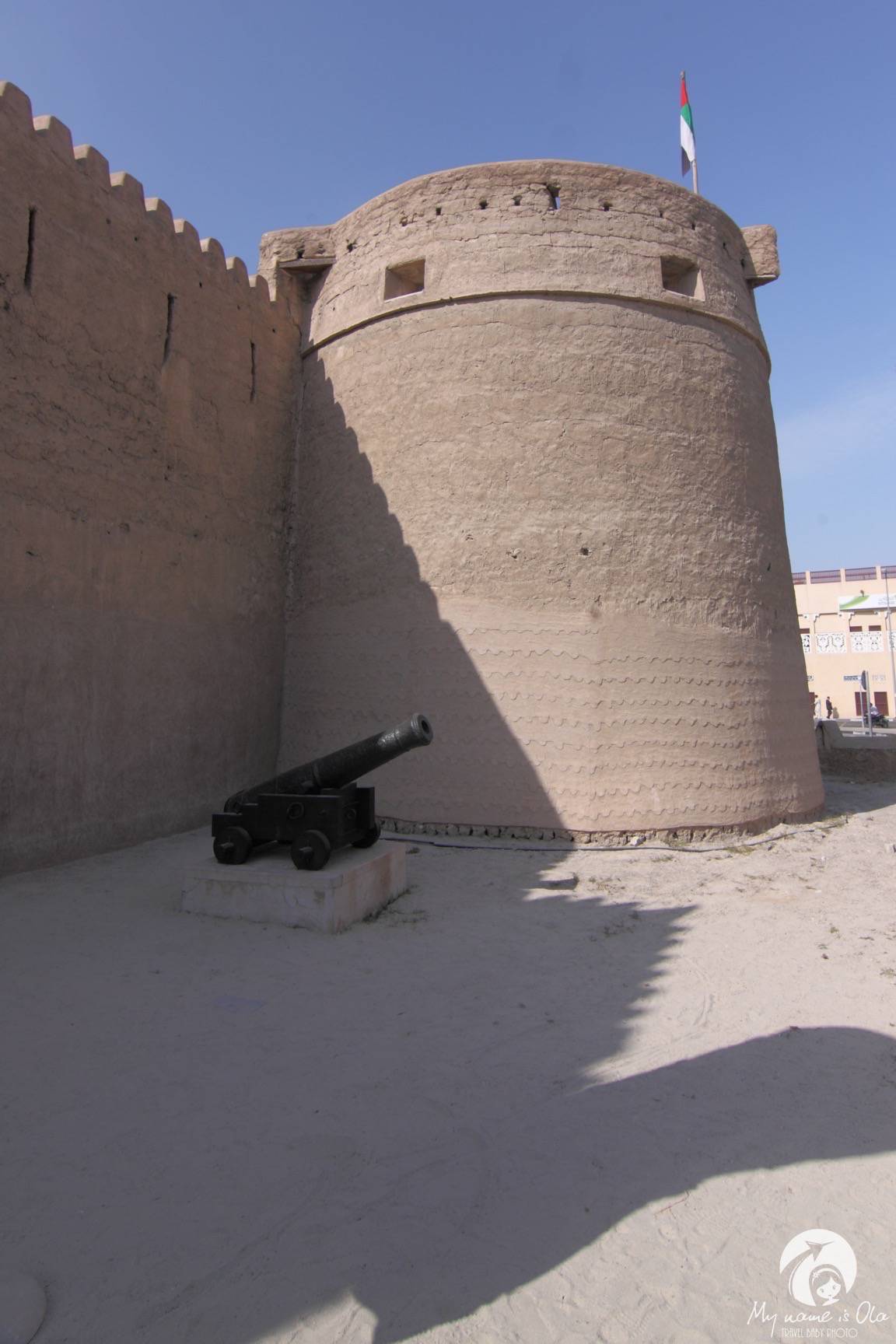
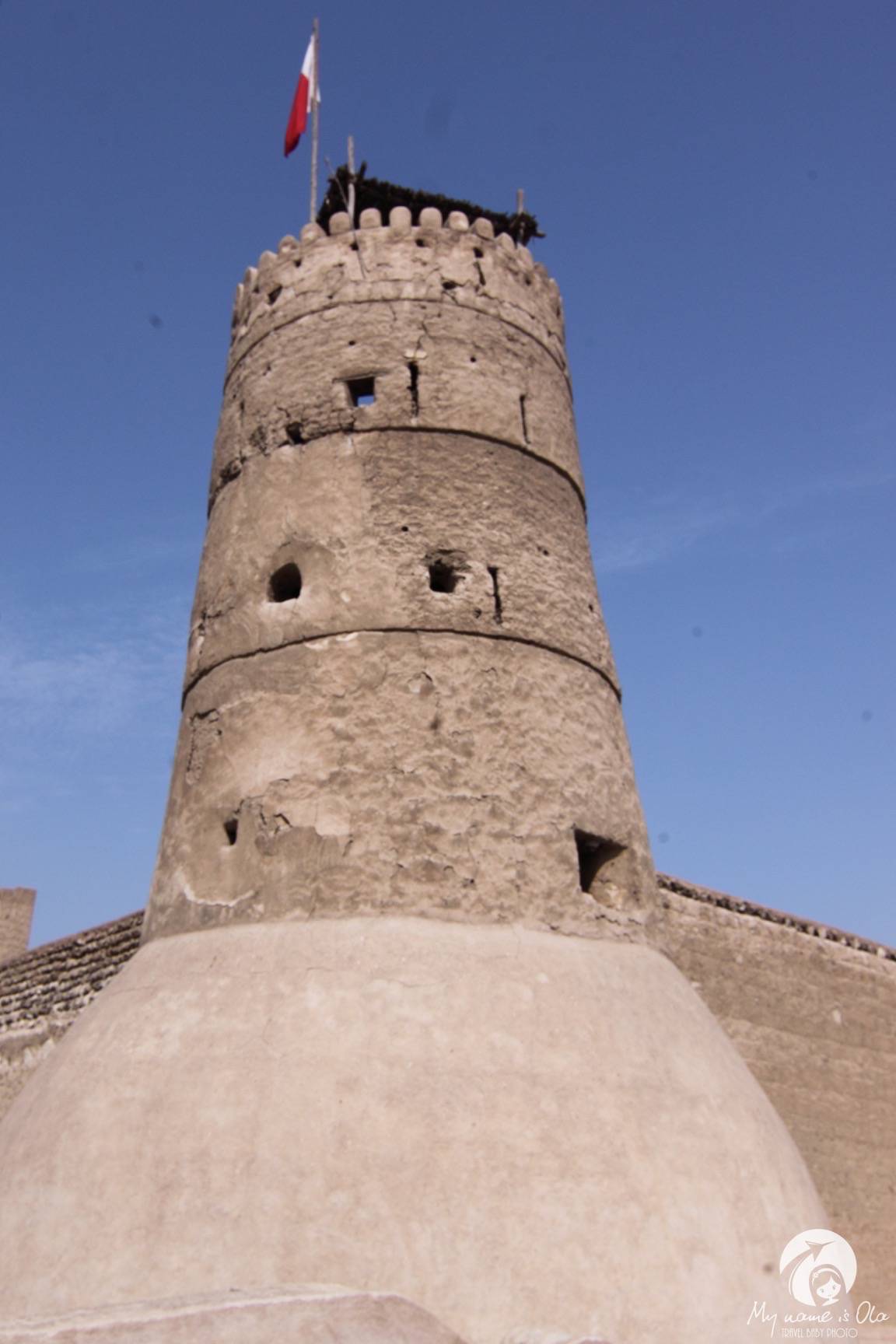
At the end of 18th century Al Fahidi fort was built. It’s probably the oldest historic site in Dubai today. It had many functions throughout the years but was built as a defensive fortress. It’s a square construction with three towers built of coral rock. Right now it is the home of Dubai Museum presenting traditional Emirati life. Oustide the building there is an old-type wooden boat exhibited. It’s called the dhow.[photosetgrid layout=”31″]

 [/photosetgrid]Right across the street there is a Grand Mosque, a true copy of built in 1900 original mosque. This main Dubai temple is characterised by 70-meter minaret, the highiest in Dubai and 54 smaller and bigger domes. Available for tourist only from the outside. We already mentioned it here.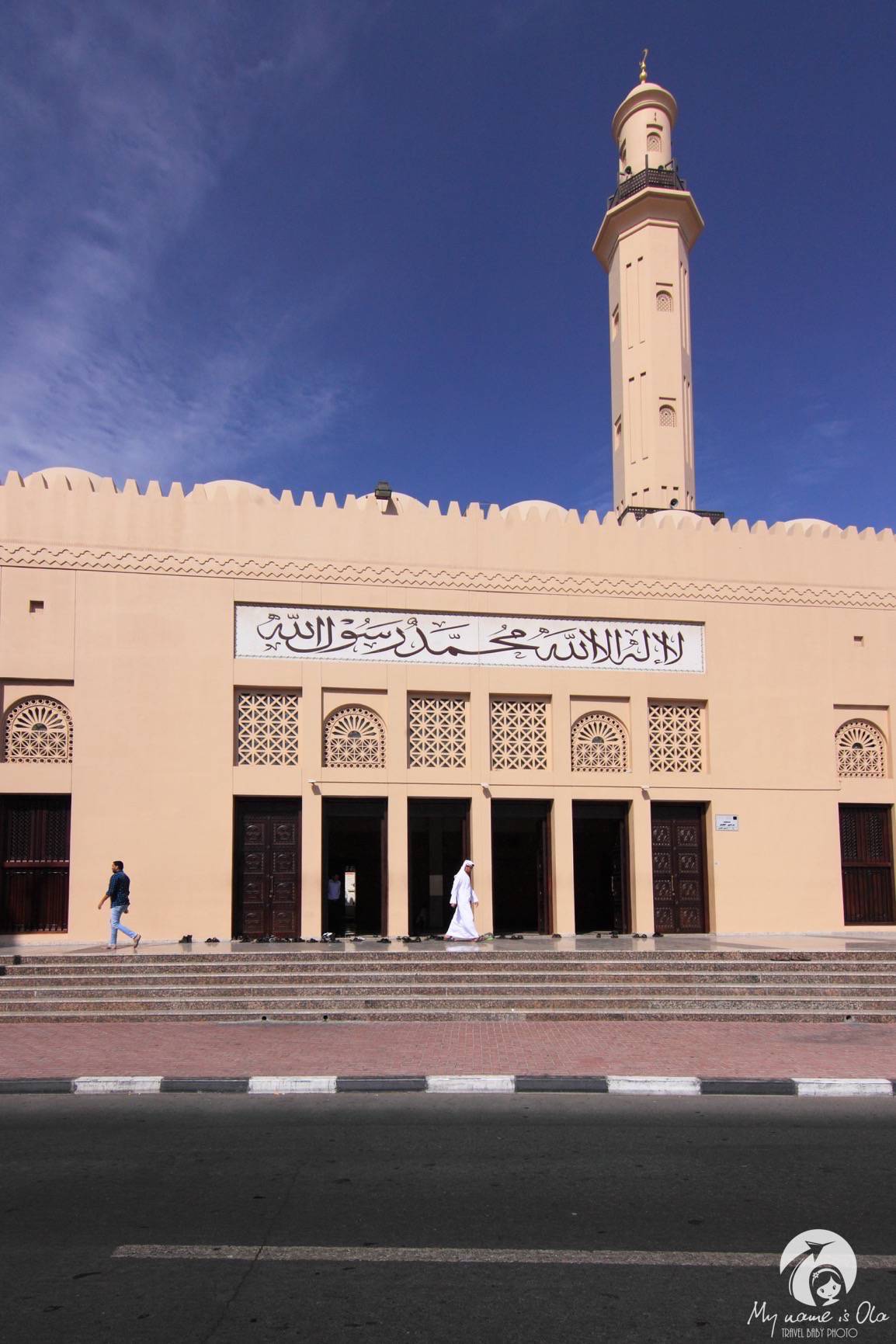
Characteristic for the commercial port is presence of the market. In this old part of Dubai we find couple of them. First is Bur Dubai Souk, also called Old Souk. It is located close to the Creek, right next to the port. Its entrance it just by white tower in the port. It gained most popularity among merchants thanks to such location.[photosetgrid layout=”2″]
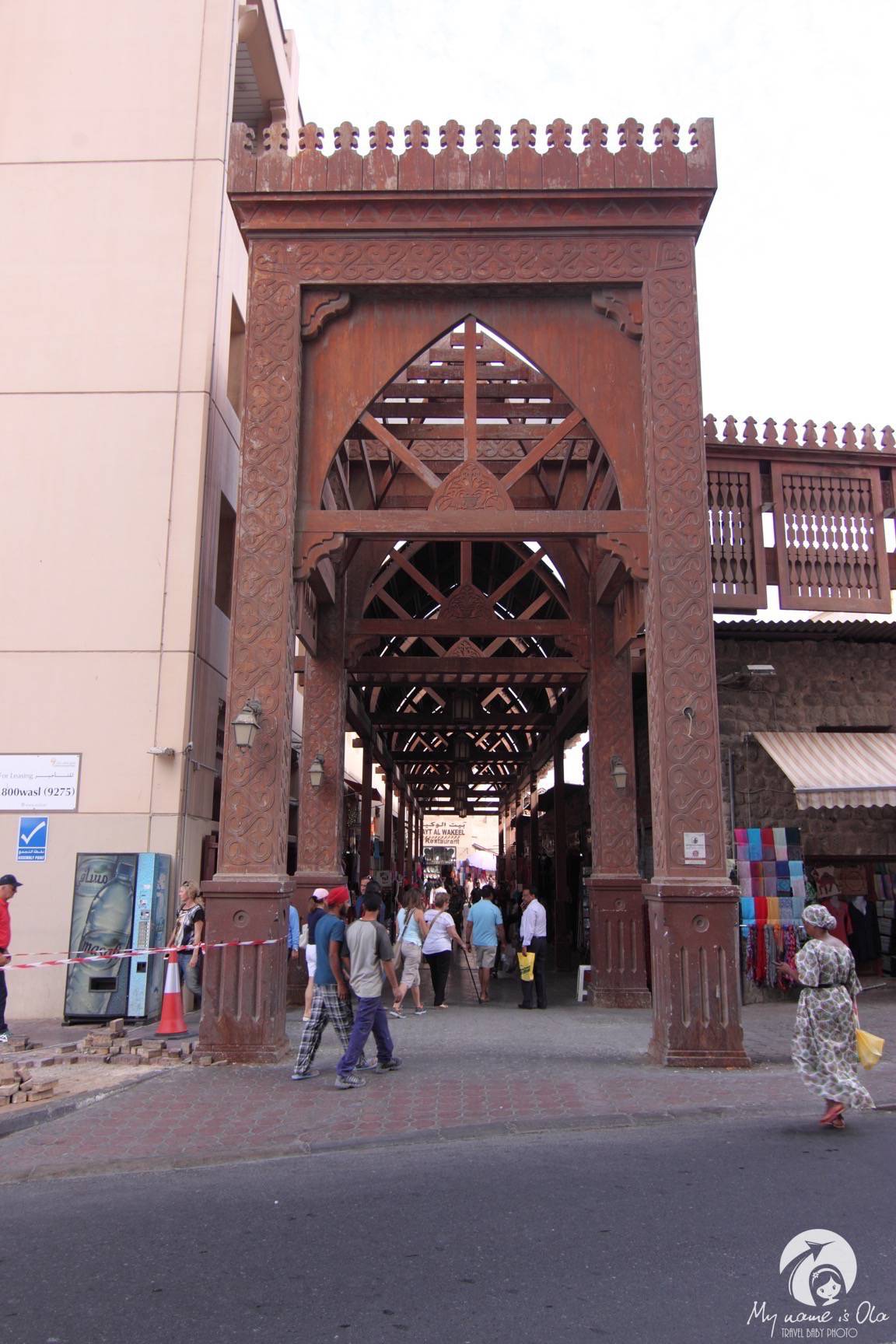
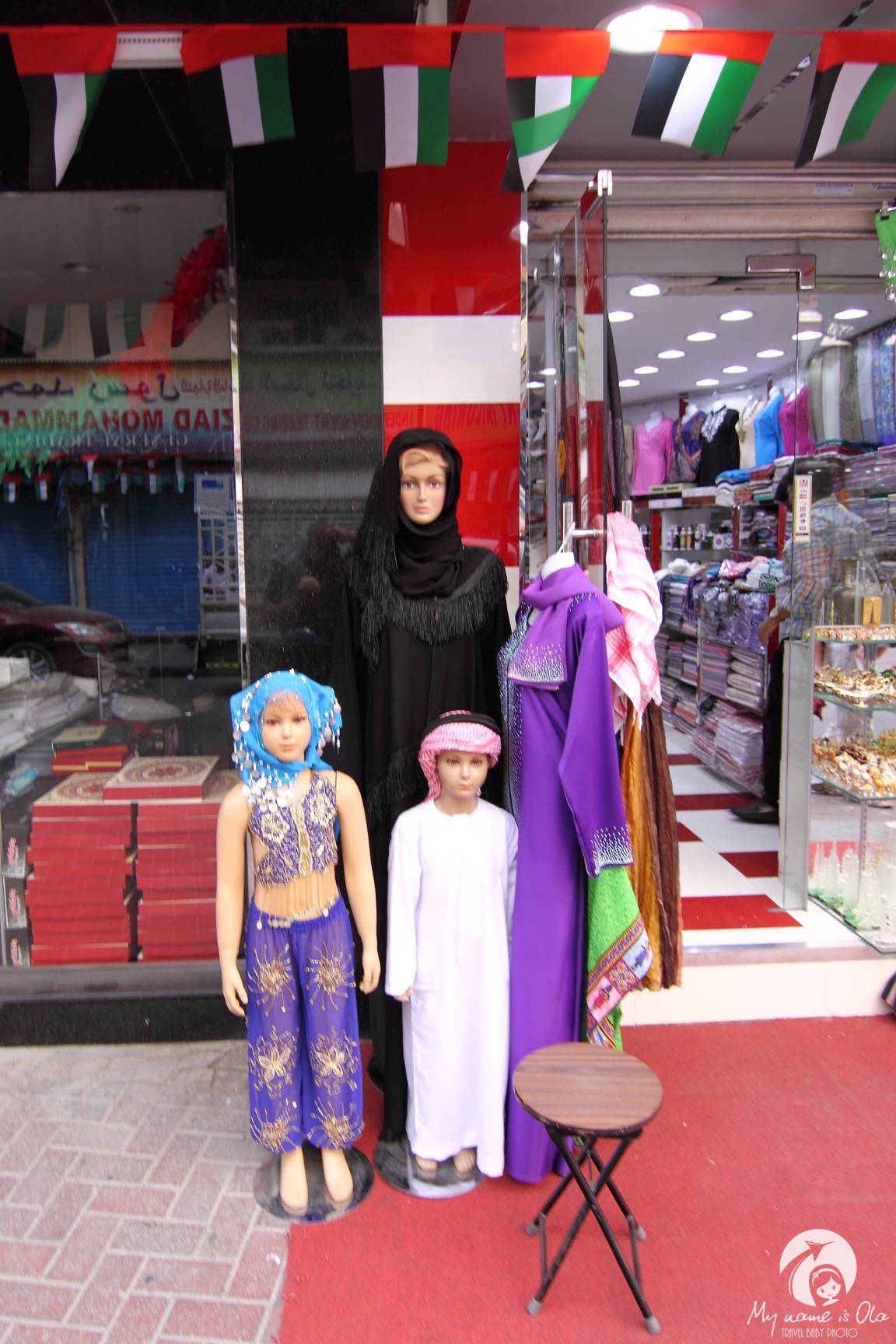
[/photosetgrid]The market originated in the middle of 20th century. It’s a roofed group of stalls with basicly everything. It used to be known as a textile souq. Today it offers everything form clothes to food, handicraft to all kinds of souvenirs. And it’s a perfect place to make new friends of course.
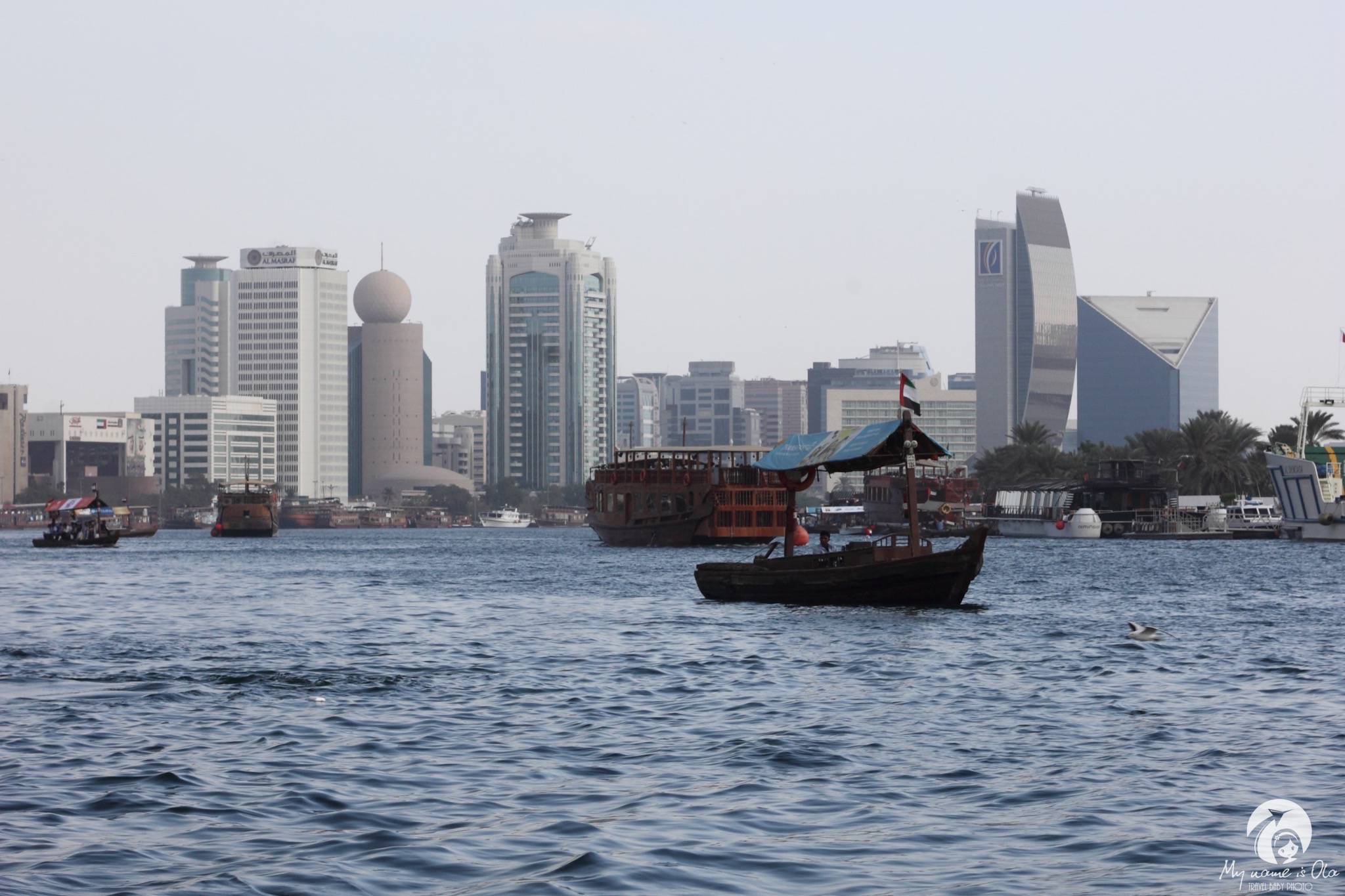
To get to another souk we had to cross the Creek as it is loacted in Deira district. Deira and Bur Dubai are connected by runing regularily traditional boats. Each wooden abra takes up to 20 people each time. During whole day they transport back and fort thousands of locals and tourists. The cost is 1 dirham.[photosetgrid layout=”43″]




 [/photosetgrid]
Fee is paid on the way to the steersman who sits in the gap in the middle of the boat and is surrounded by passengers. Passengers freely jump on and off the boat as there is no rail and the boat in fact reminds a raft. Baby strollers are allowed but after a try we felt more safely when we had Ola in the woven wrap. Besides this connection abras offer also longer touristic cruises up the Creek.
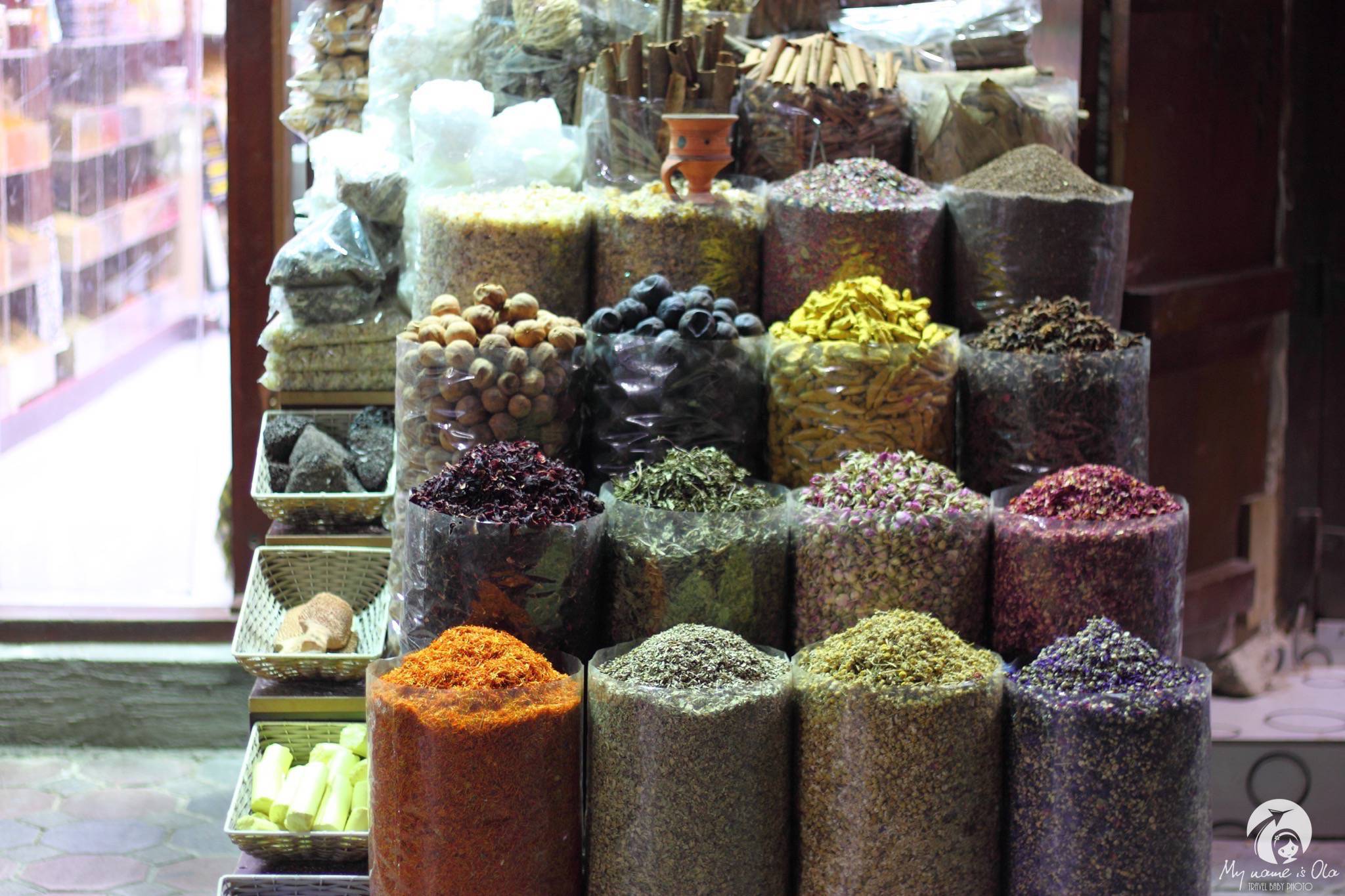
Across the street from the Deira abra port there is Spice Souk. It used to be famous for the it’s wide selection of spieces. Today just like the souk in Bur Dubai it offers full range of other goods as well as species. It’s still interesting to take a walk its narrow and full of life streets and feel the atmosphere of the souk, bargain a little for some gifts and buy some saffron or cardamom.
 [photosetgrid layout=”3″]

[/photosetgrid]
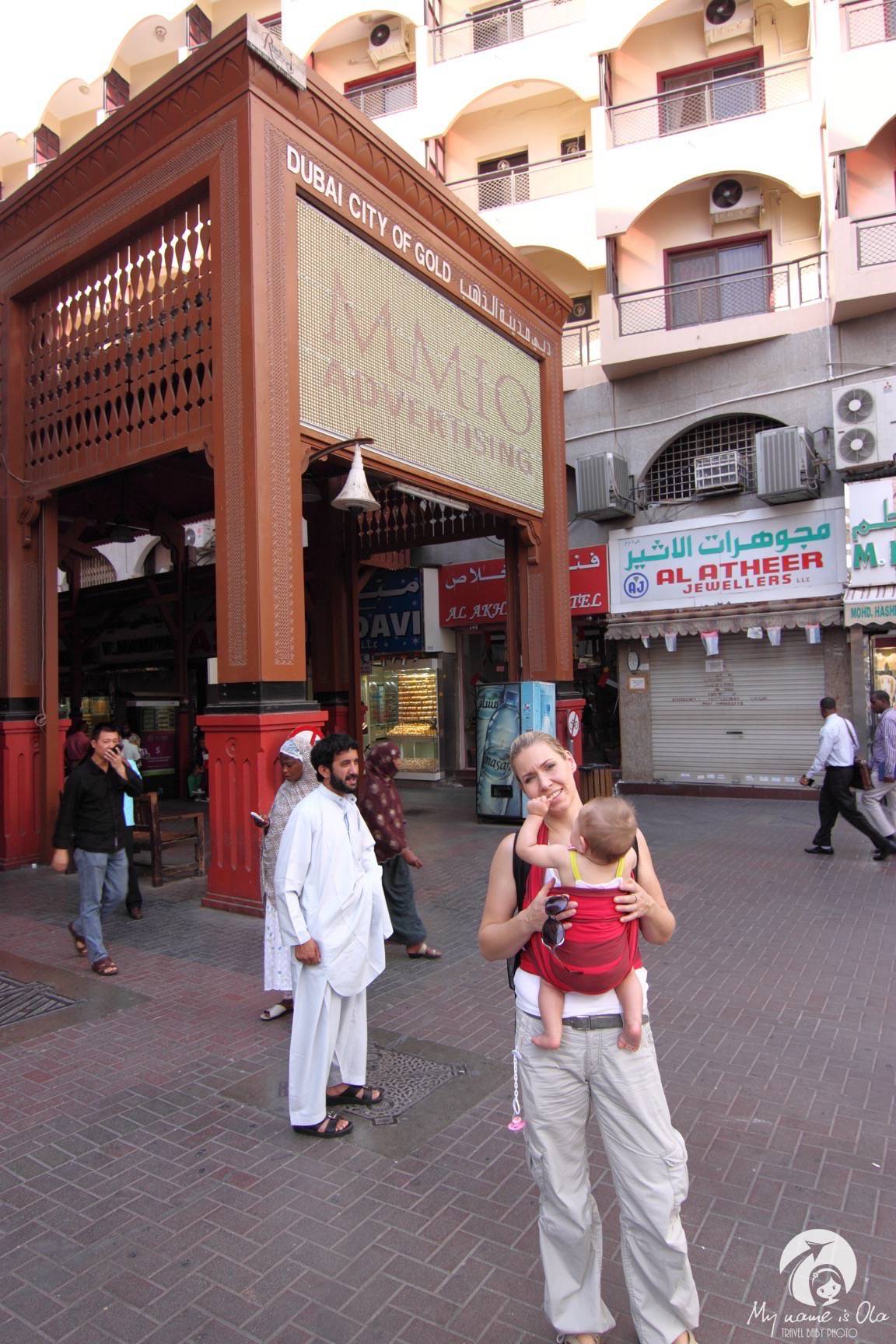
Few steps further on the right hand side invites Dubai City of Gold. 20% of world gold transactions are done in Dubai. The Golden Souk is just a part of this amount but indeed it is full of glittering goods. All the jewellery that we can only imagine is there: rings, bracelets, earings, watches and so on. Shop windows shine full of gold, silver and precious stones.[photosetgrid layout=”3″]

 [/photosetgrid]Another thing that needs to be seen on this side of the Creek is port full of big wooden boats waiting for loading or unloading. Colorful, wooden, old fashioned looking ships are really currently in use. We couldn’t believe what routes they operate on – they cover the distance from Dubai to India or Pakistan! It’s not just sailing somewhere close, to some neighboring port, it’s a huge distance, hundreds of kilometers. And it’s a standard way to deliver all the goods from clothes to vacuum cleaners or big fridges! All the merchandise is right in front of boats so it’s easy to see what they just have brought or what they will now be loaded with.
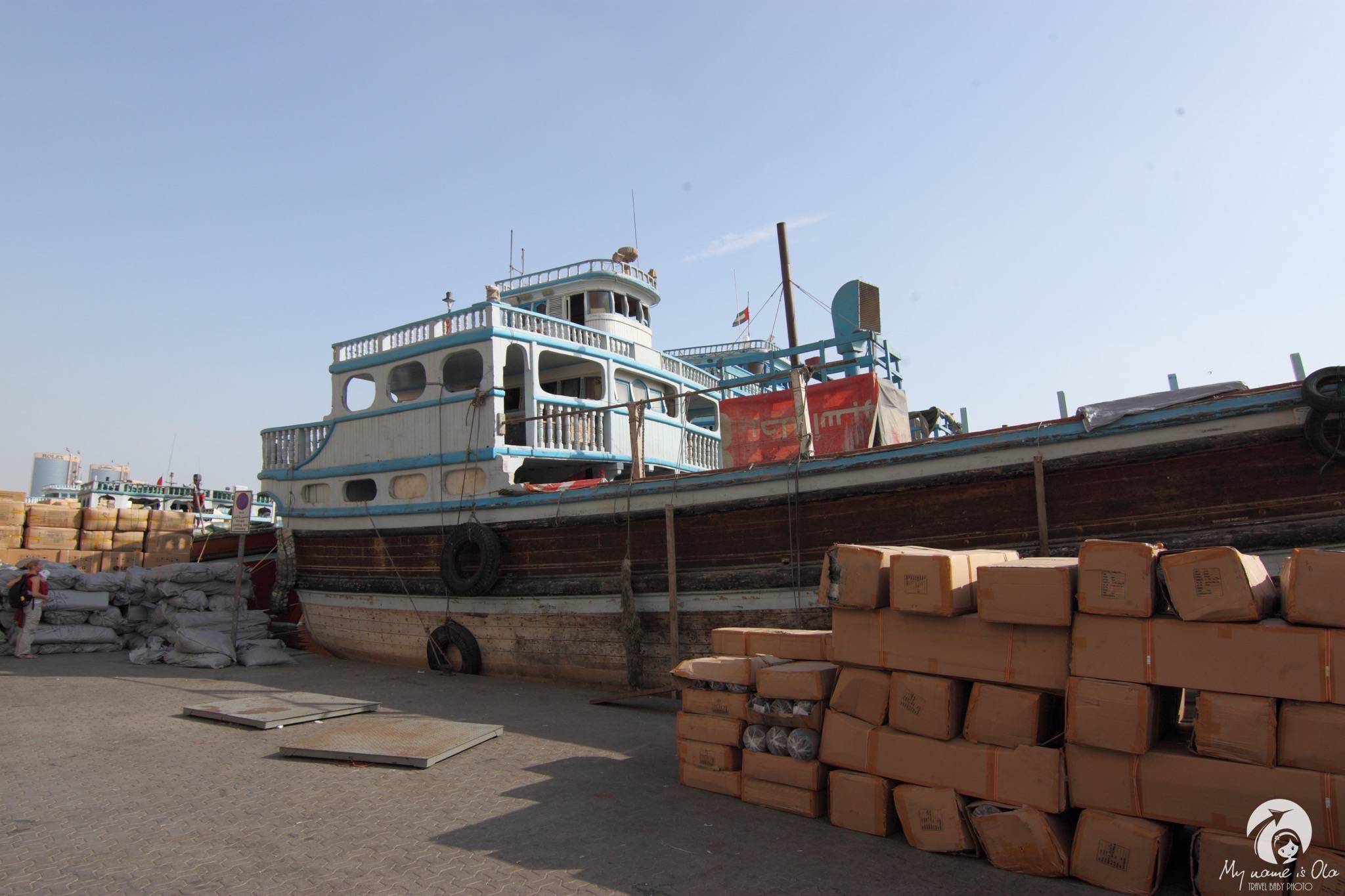
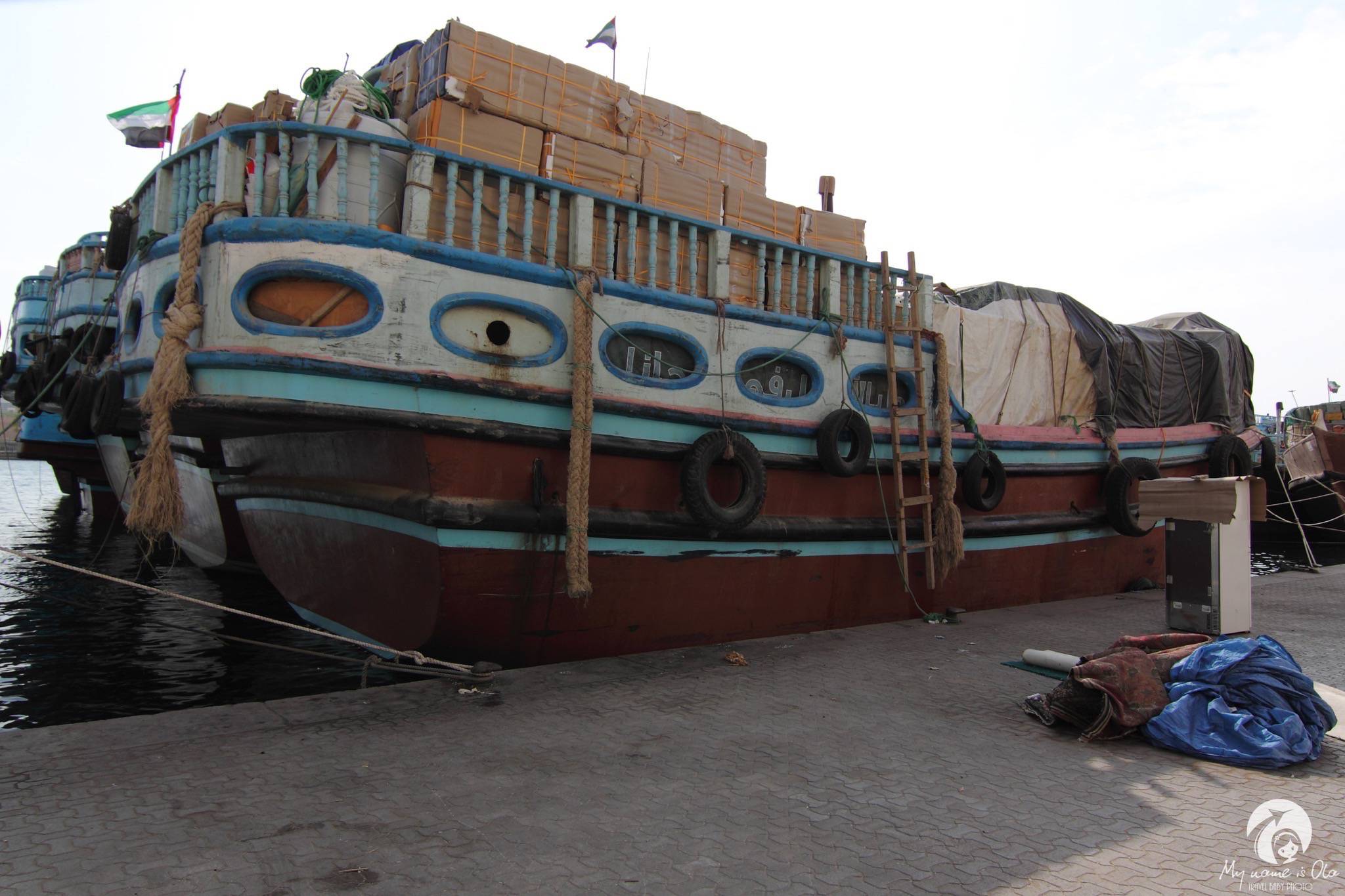


There are so many ships that they ocuppy whole coast and almost reach the abra station so coming by abra there is no option to miss them.
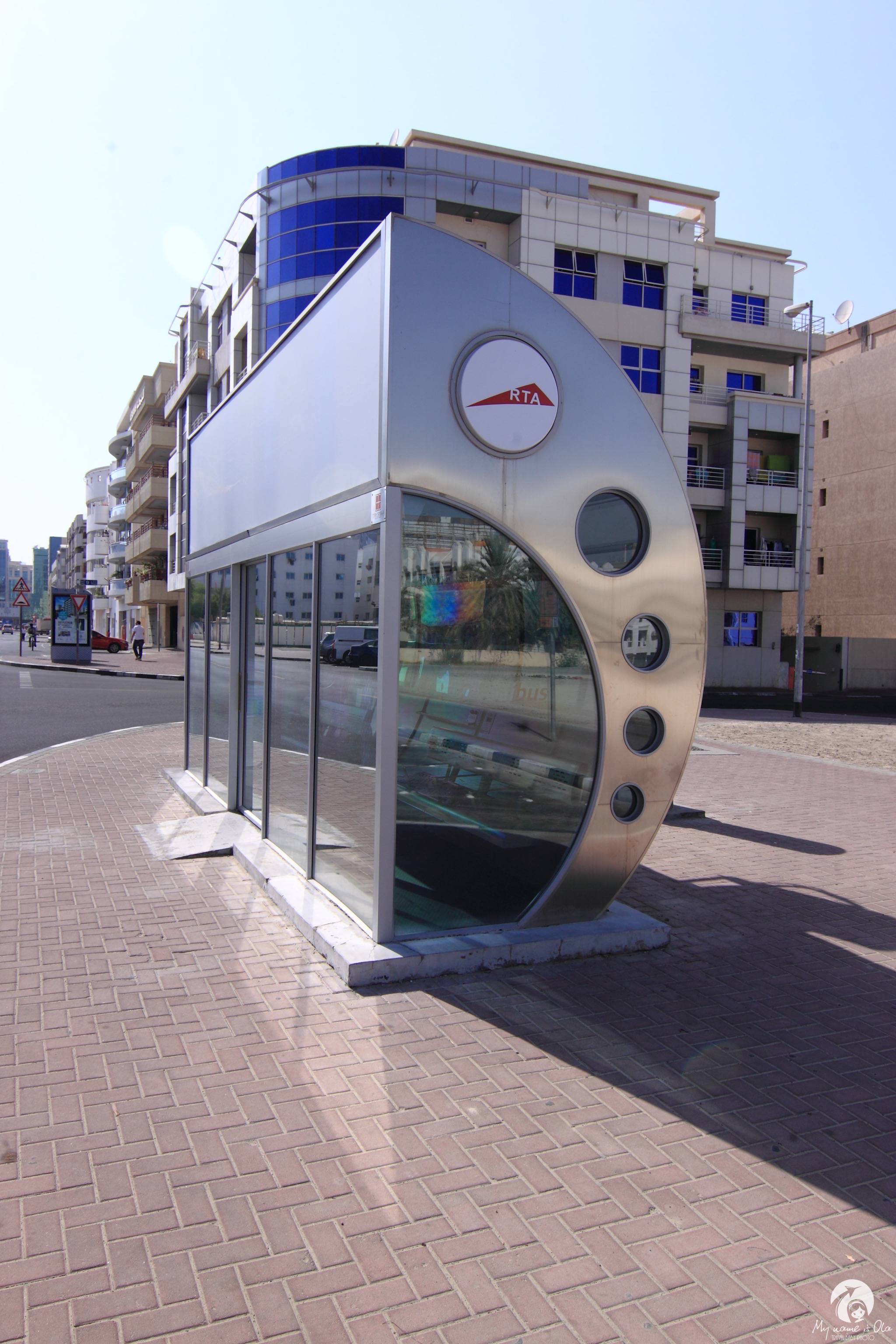
And as a contrast of the traditional and new we will finish with famous air-conditioned bus stops in Bur Dubai. They are present all over the city but here are a kind of reminder that Dubai is first of all a modern, progresive and innovative city.
[photosetgrid layout=”12″]

[/photosetgrid]










 [/photosetgrid]



 [/photosetgrid]

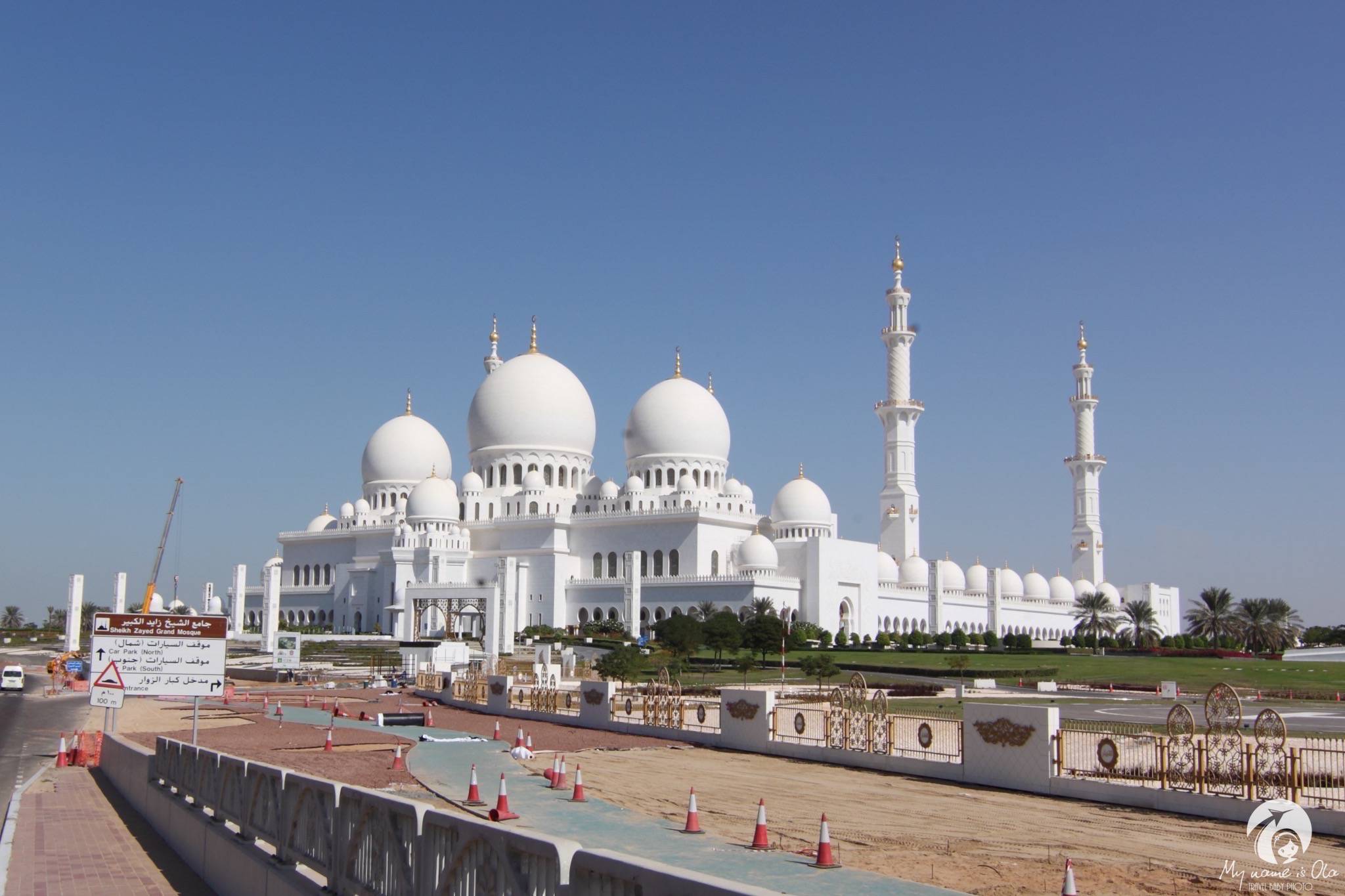

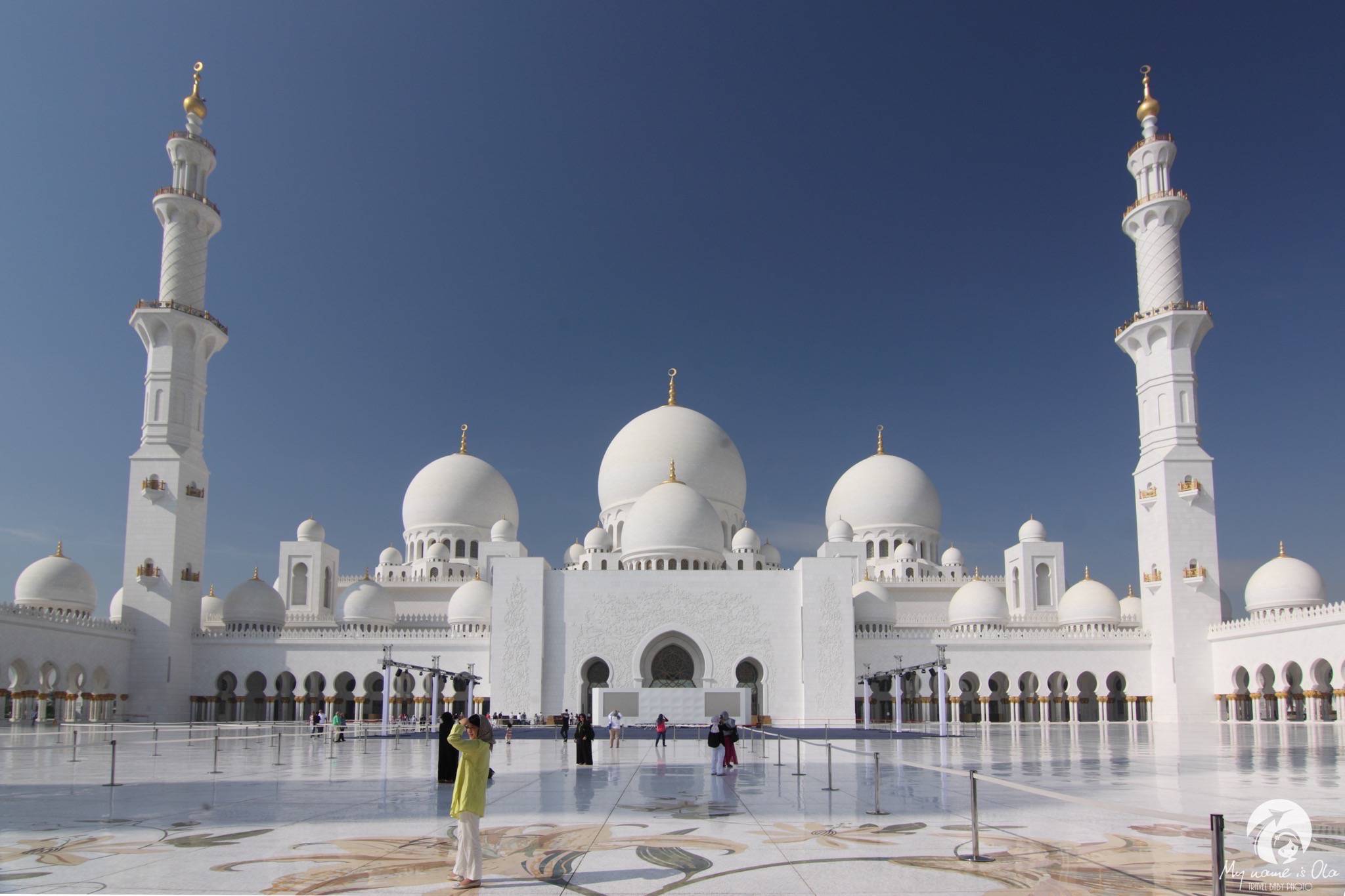
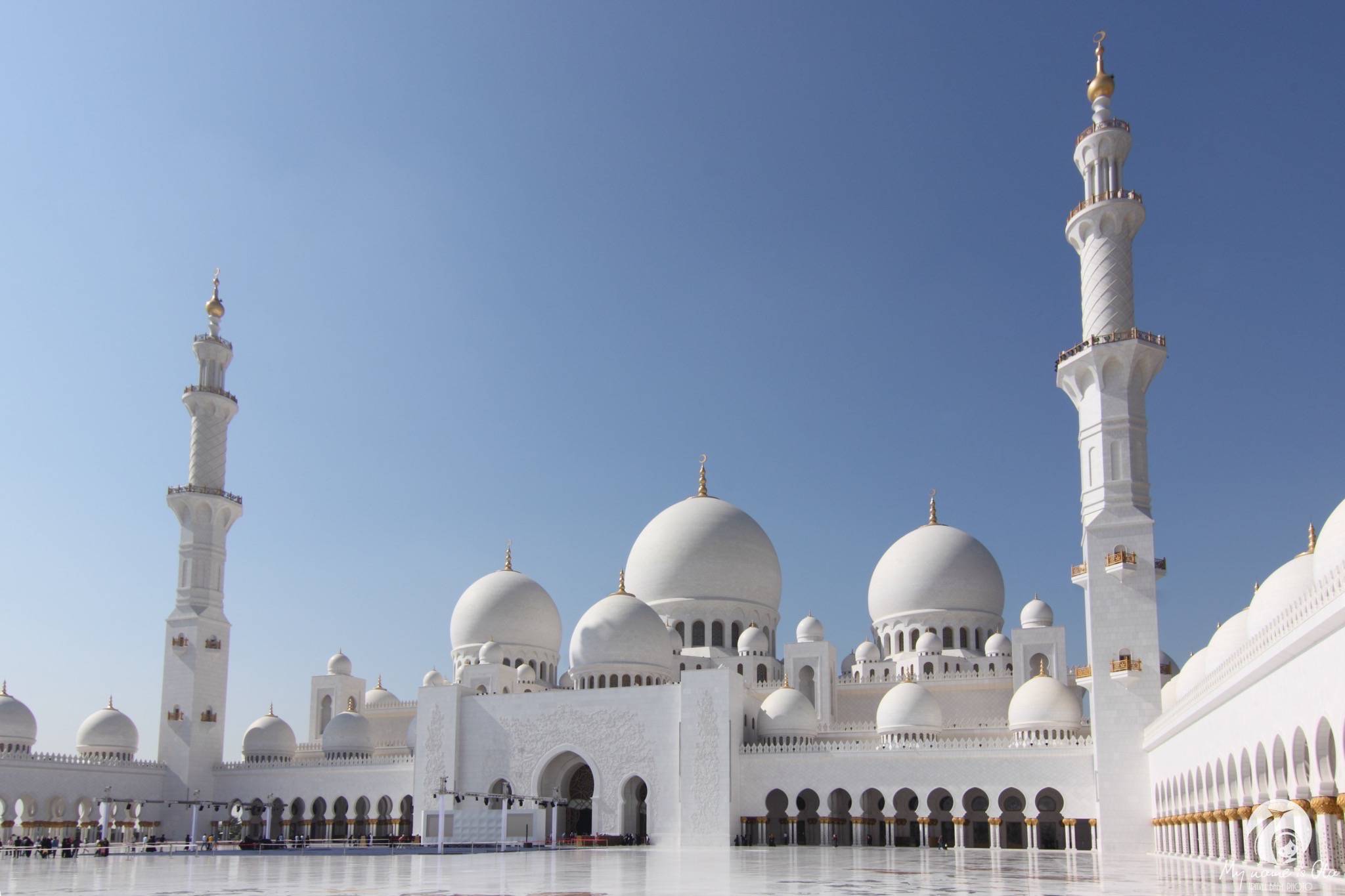
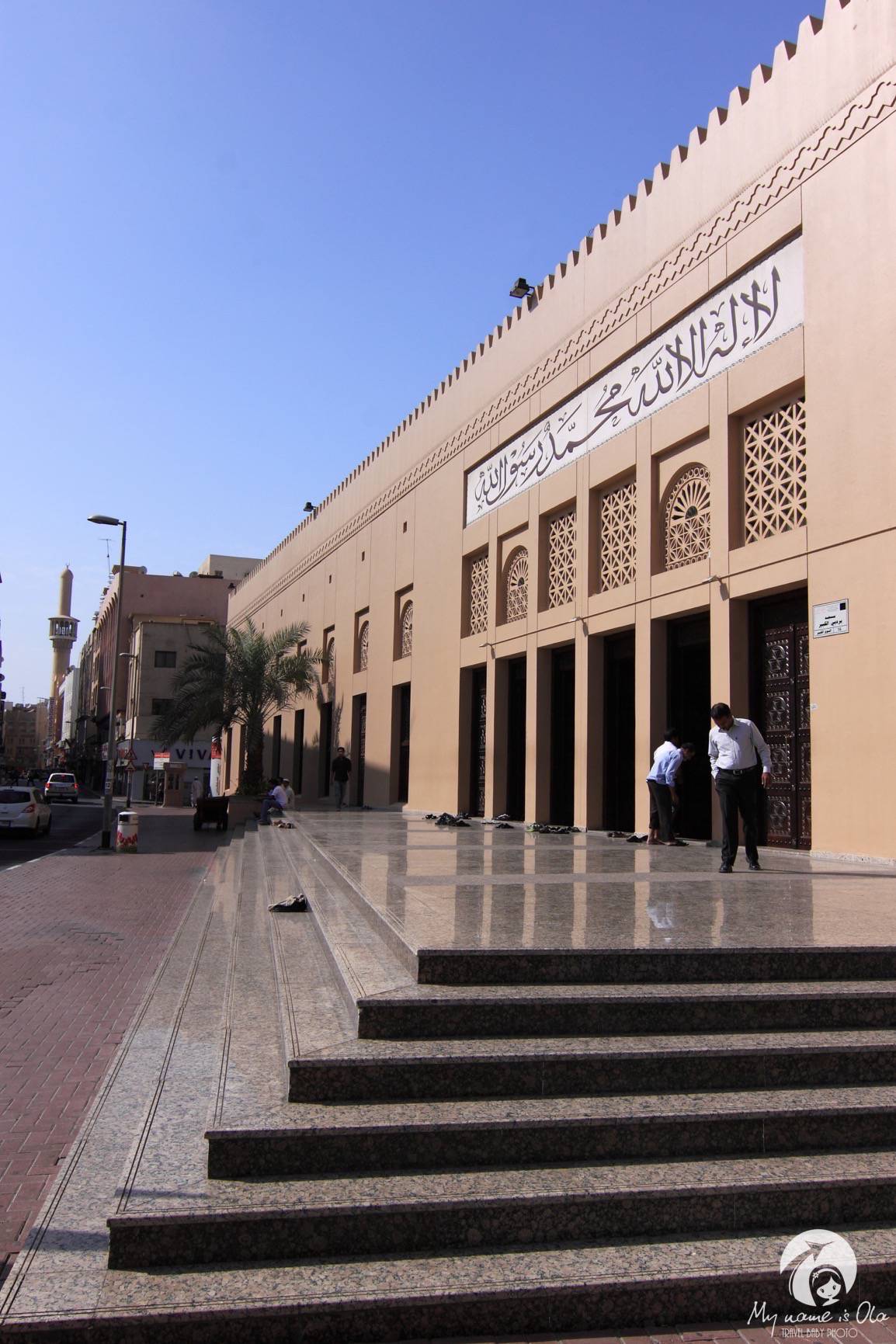
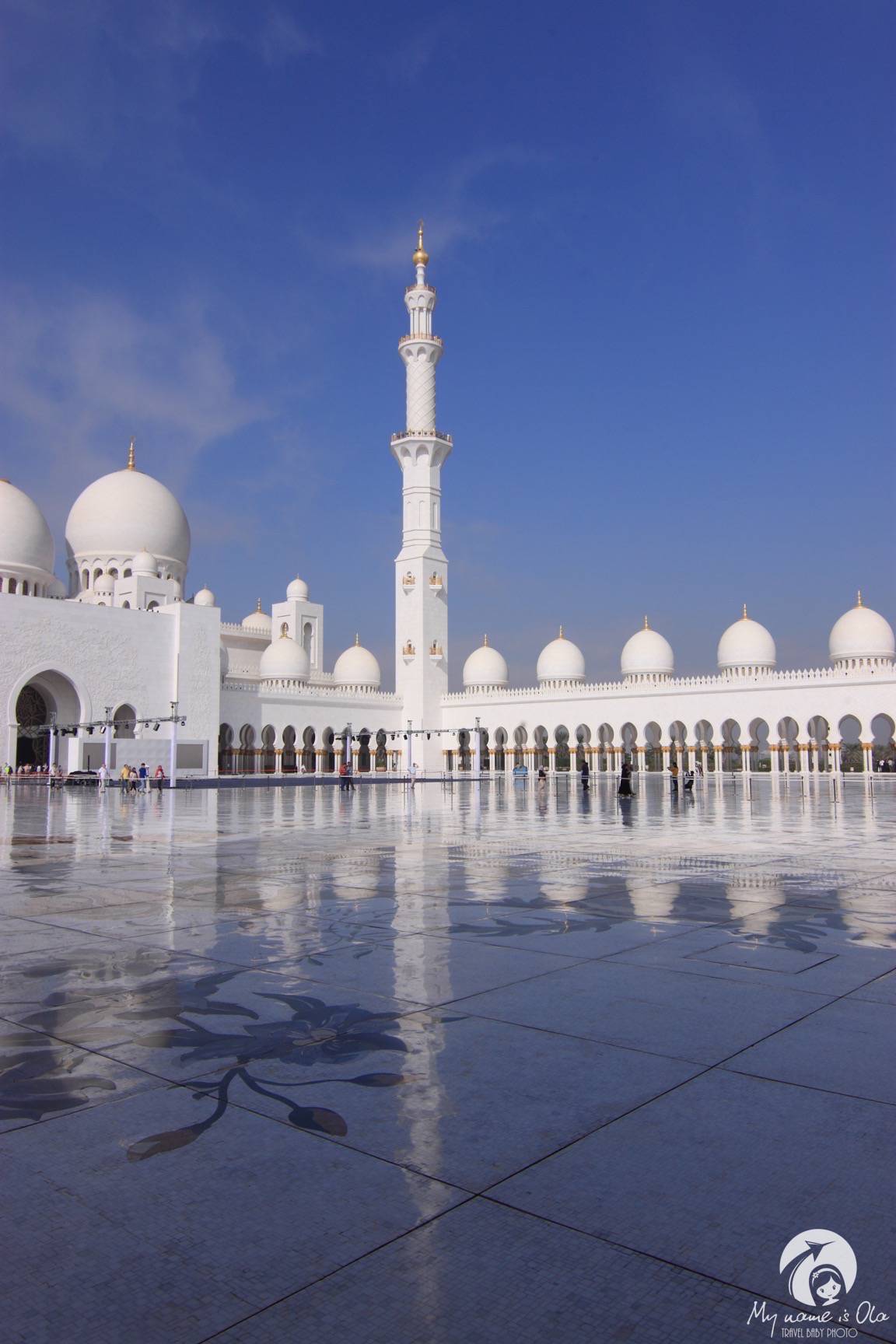 [/photosetgrid]Opened in 2007 combines different rich Islamic styles from around the world. It is all covered with white Macedonian marble on the oustde, which beautifully contrasts with always blue sky of Abu Dhabi. Imagine only that there are 82 domes in whole construction. Some bigger, some smaller and the biggest one right above main prayer hall. There are 4 mianerts on every corner of the courtyard, each over 100 meters high. The courtyard measures 17 000 square meters and is all coated with mosaic of different color marbles.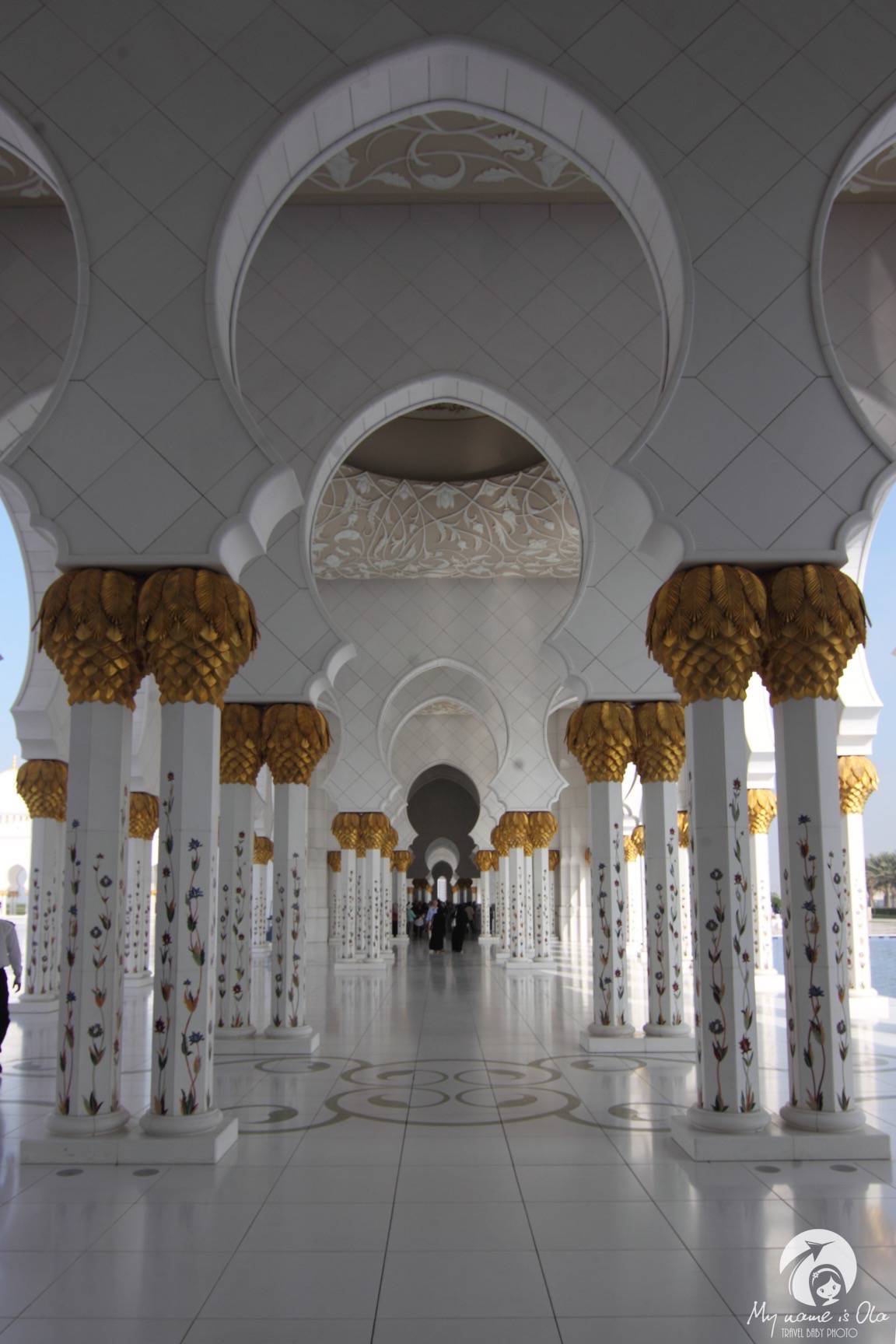

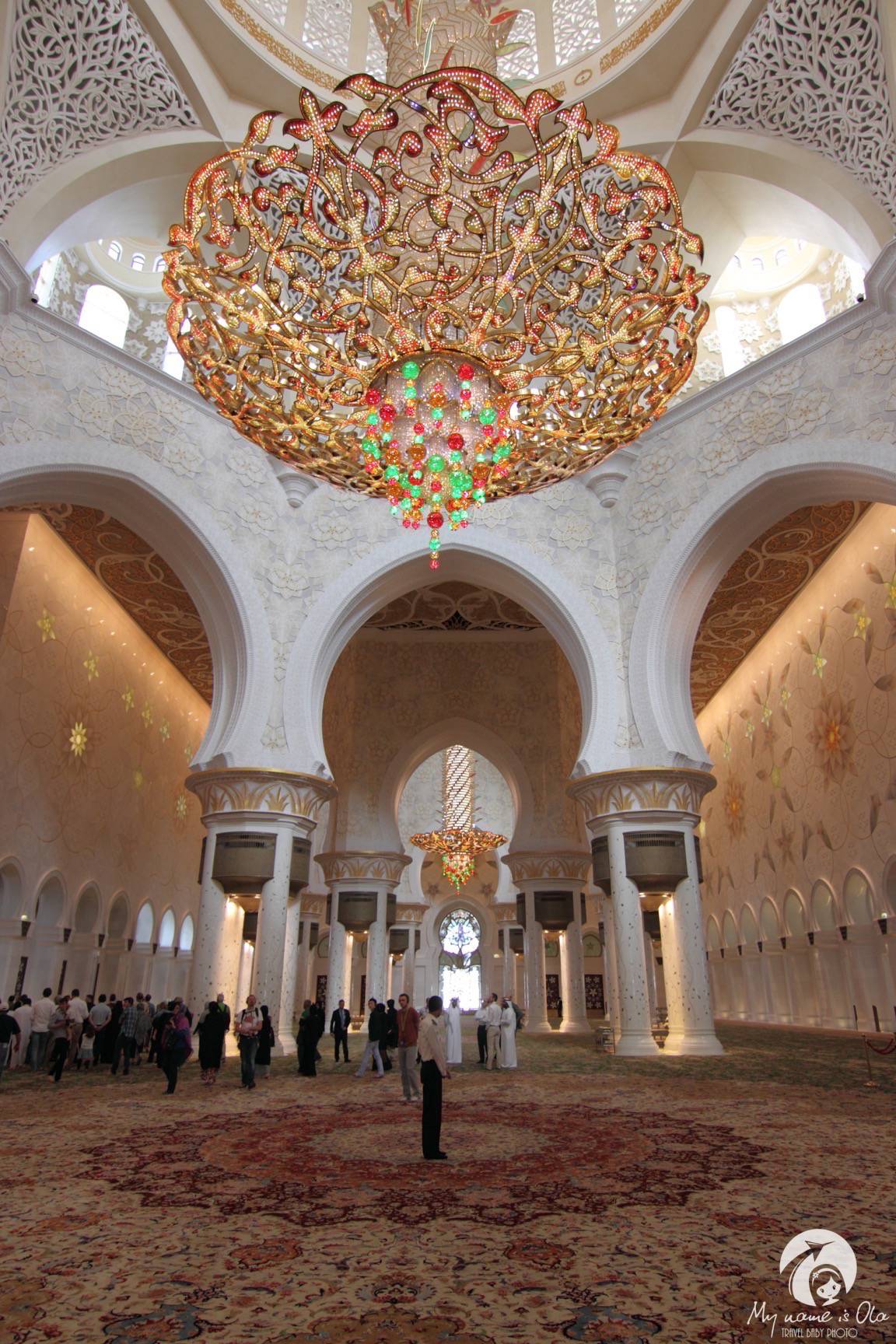
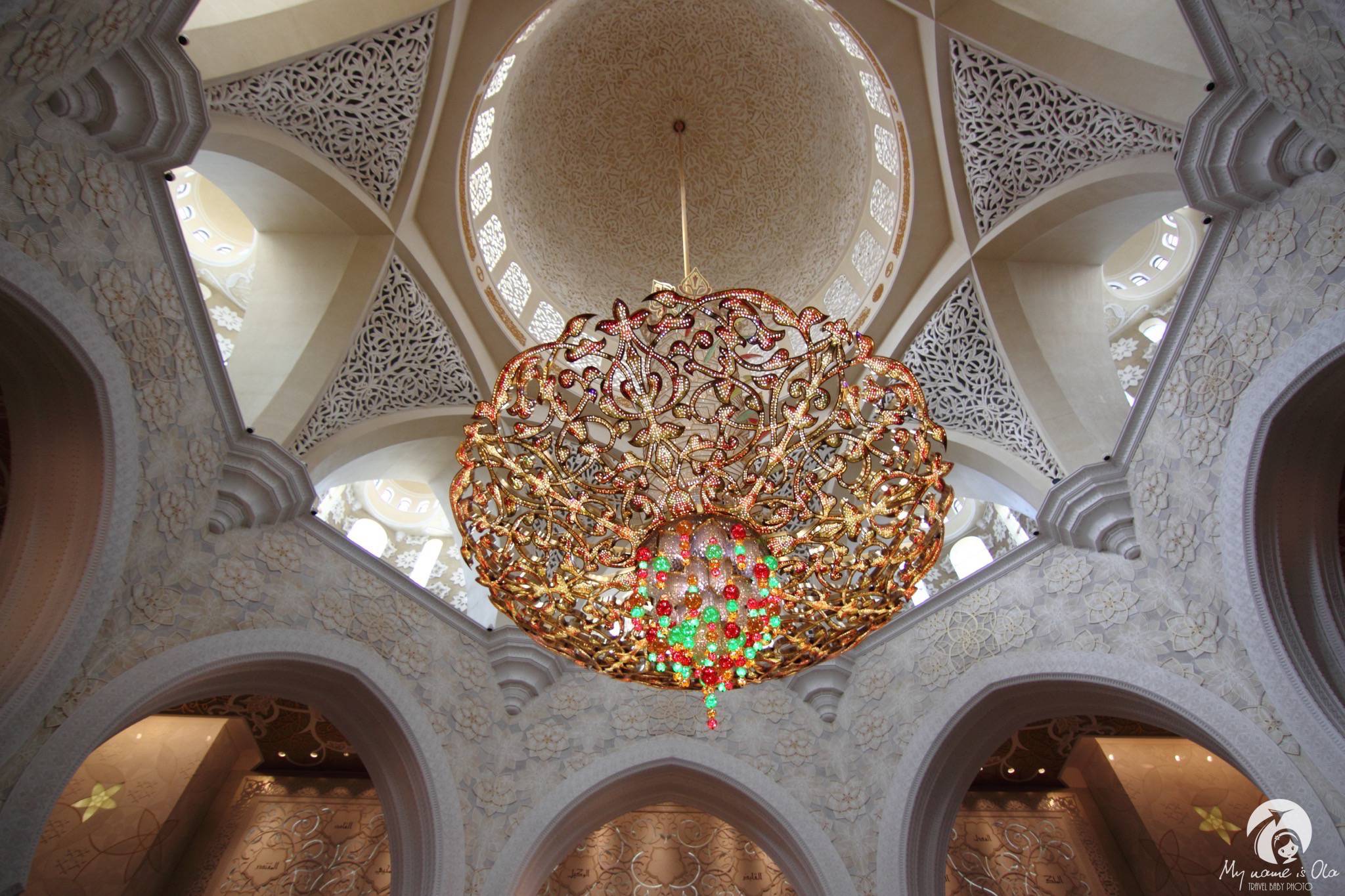

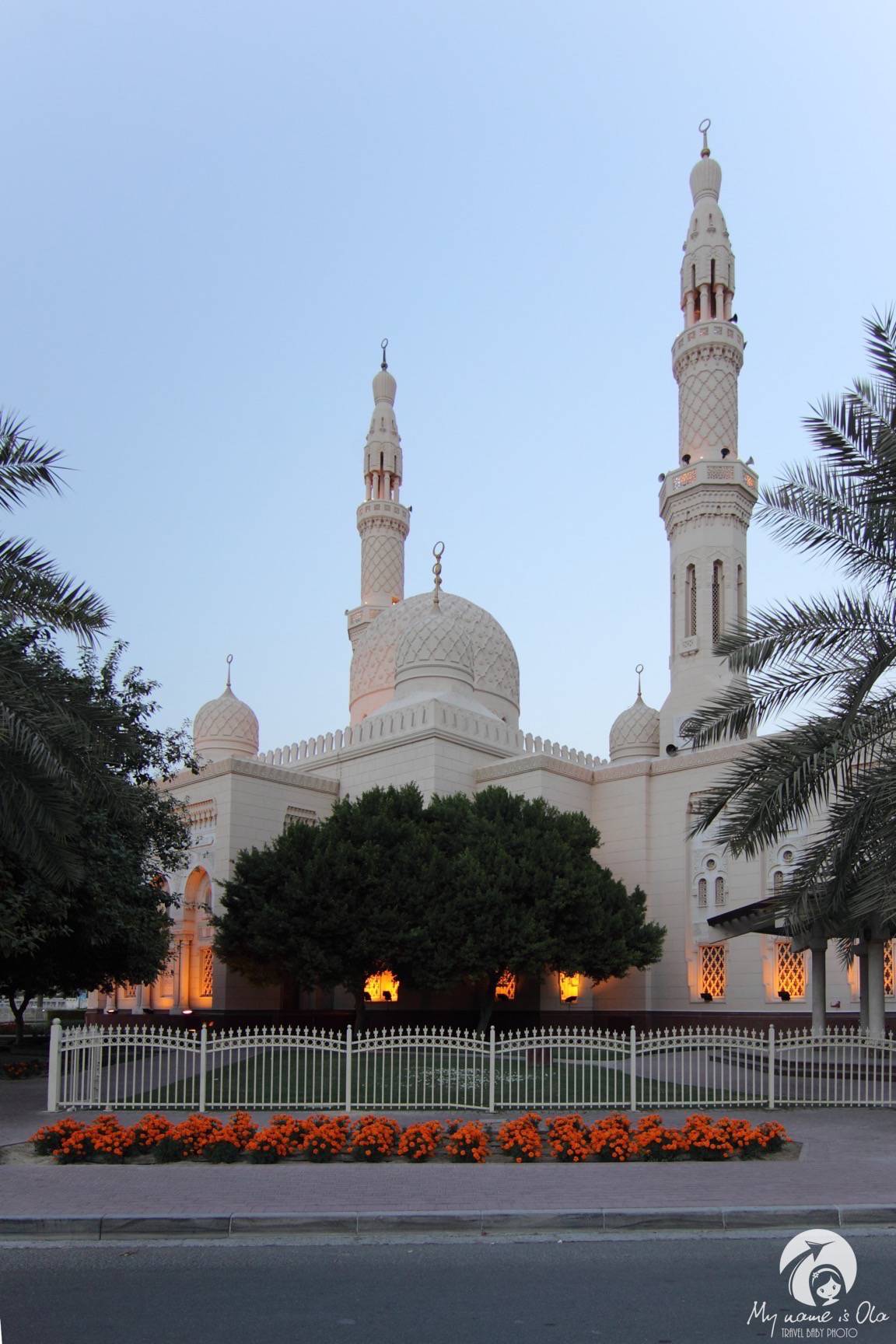

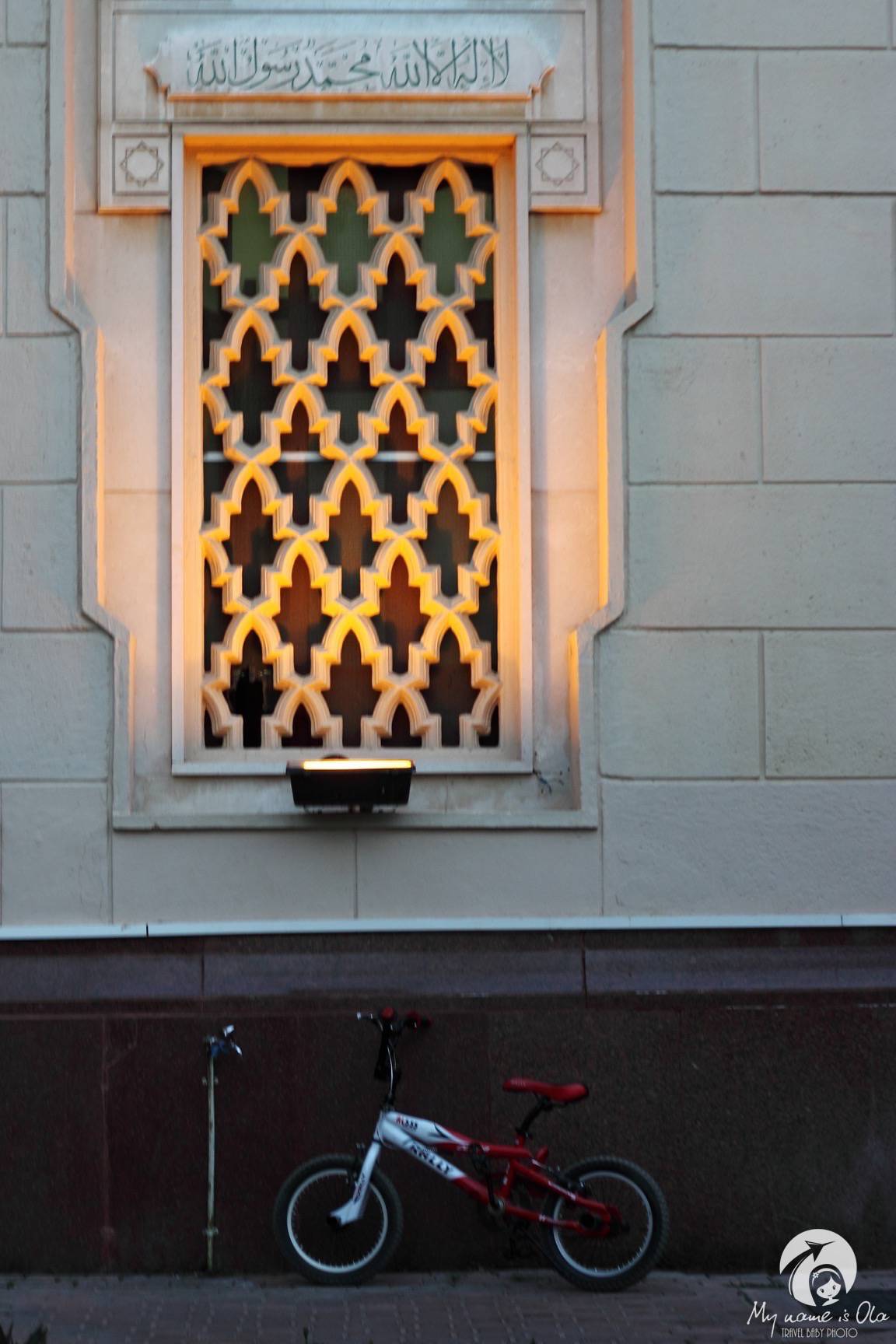

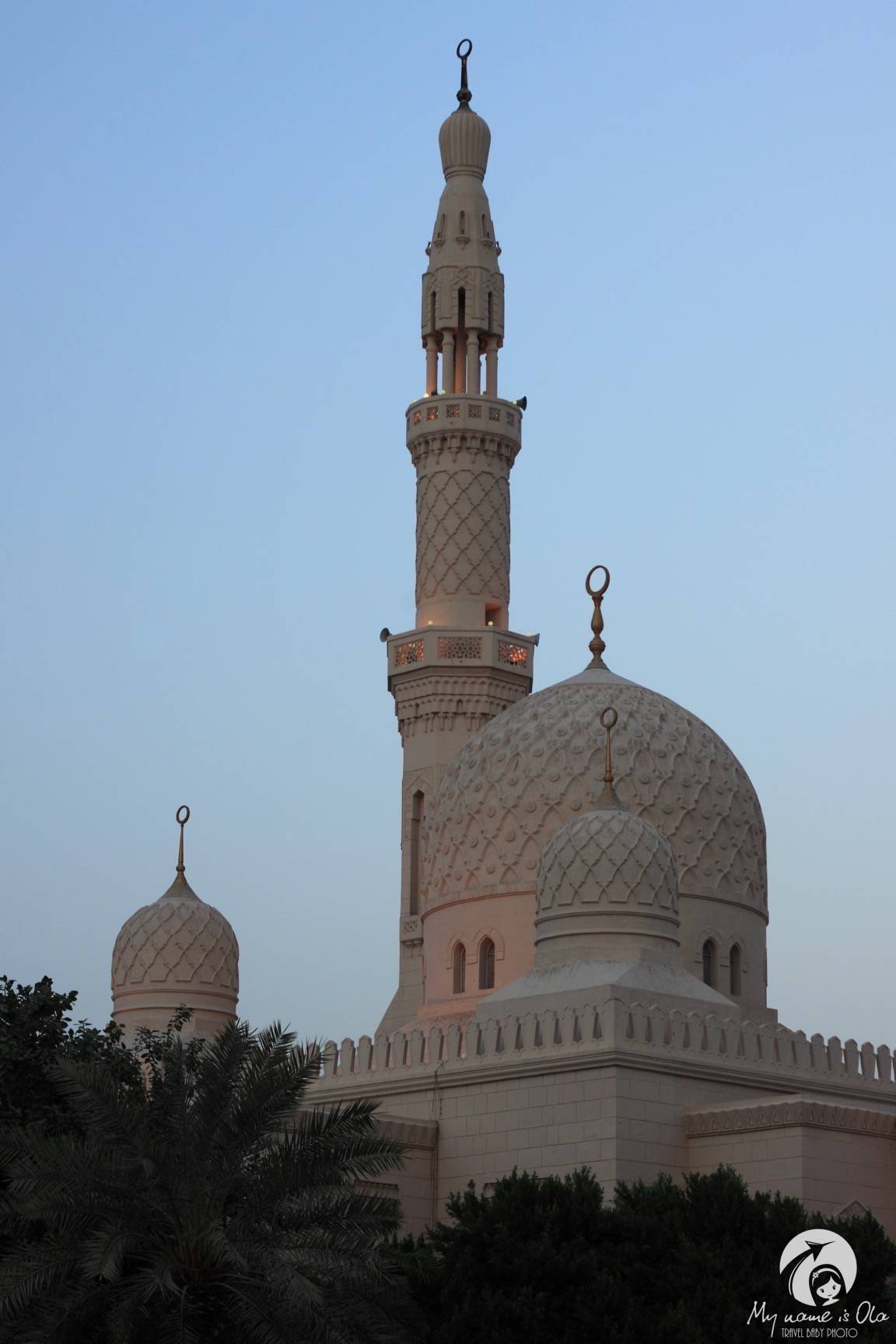 [/photosetgrid]It’s one of the 3 mosques in Emirates that let non-muslims inside – it takes part in the Sheikh Mohammed’s, its founder, „Open doors. Open minds” program. Saturday, Sunday, Tuesday and Thursday in the mornings there are tours available at 10:00. Some sources say that children until 5 are not allowed inside but we didn’t have a chance to check since we arrived there only in the evening.
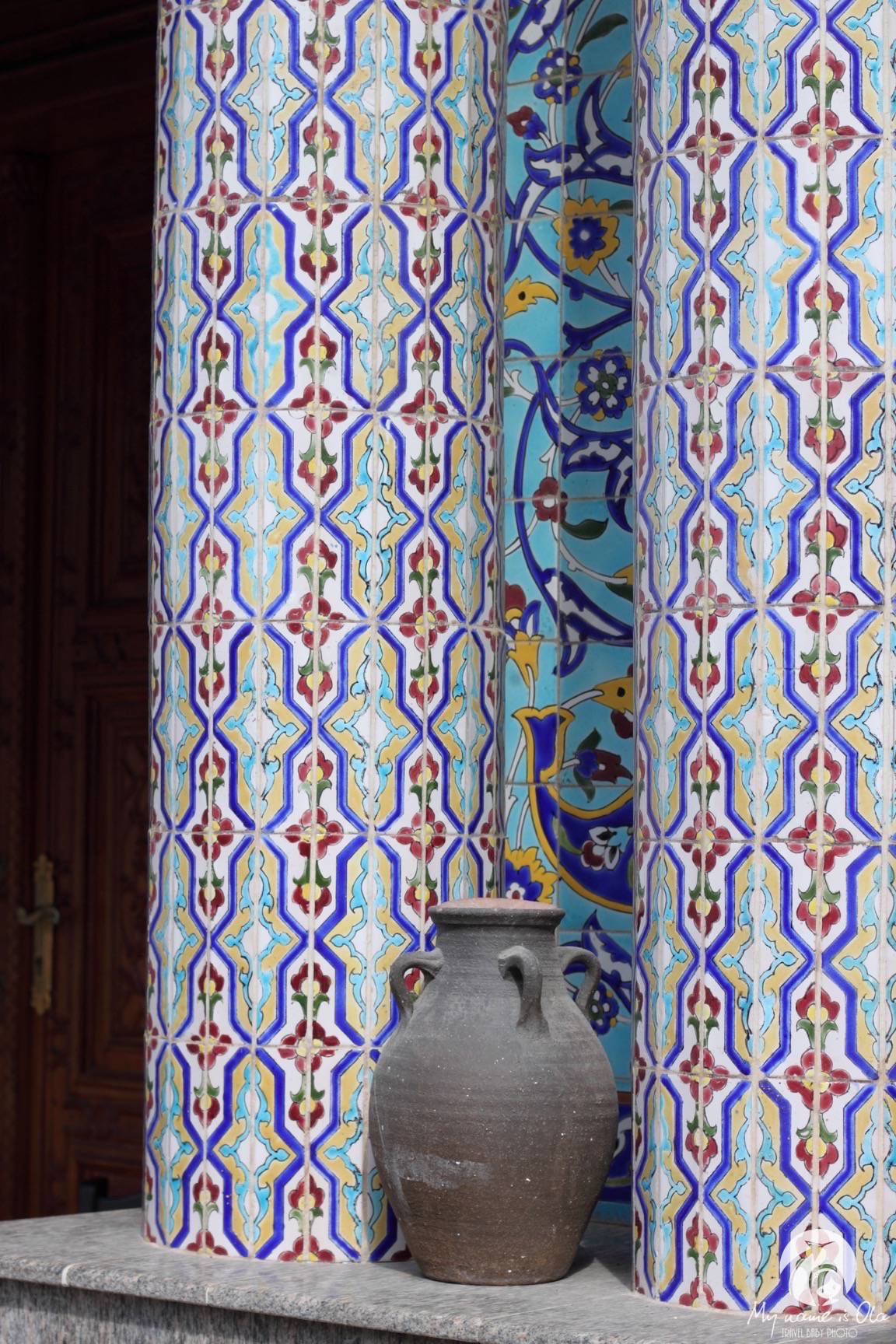
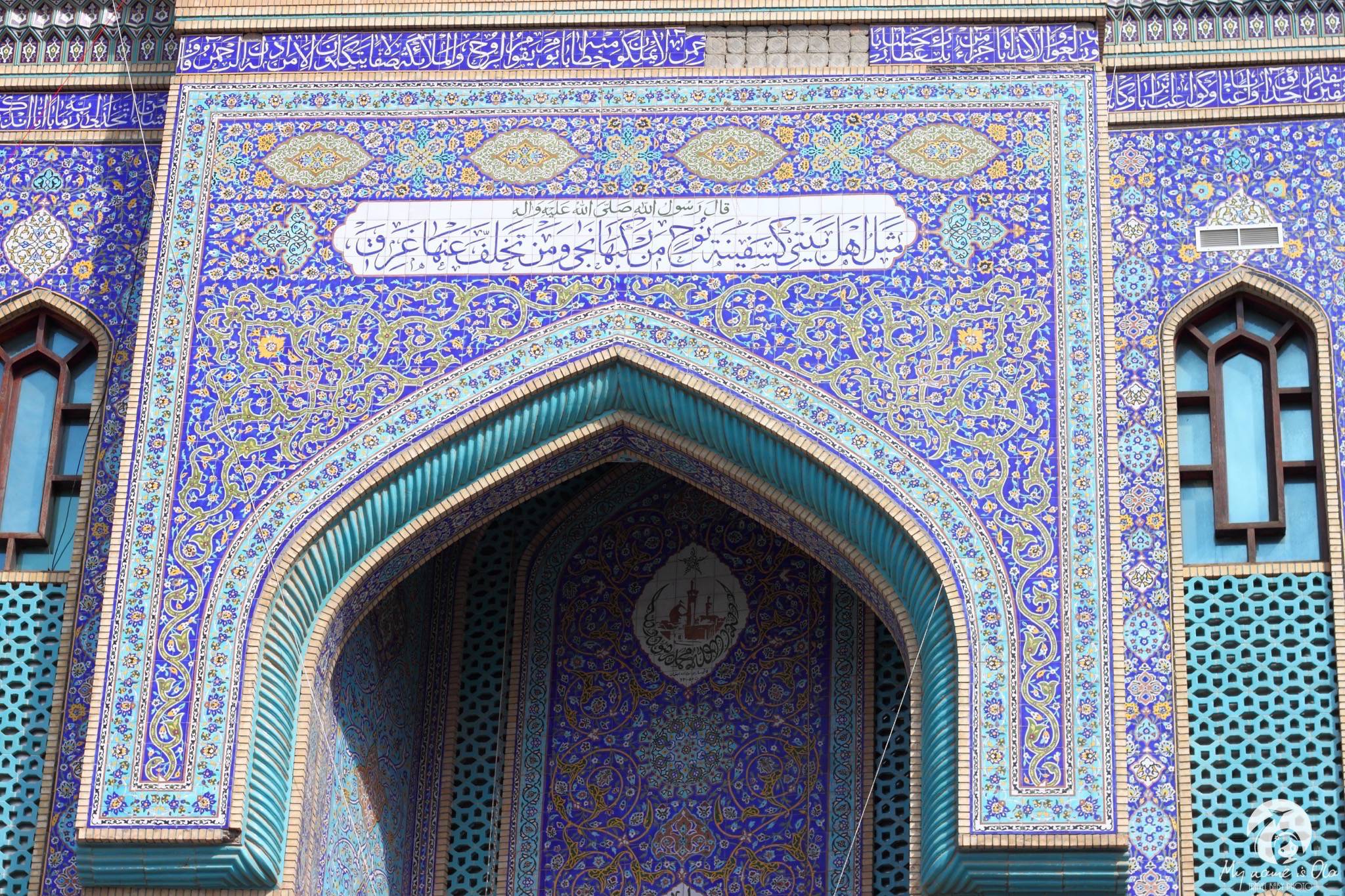
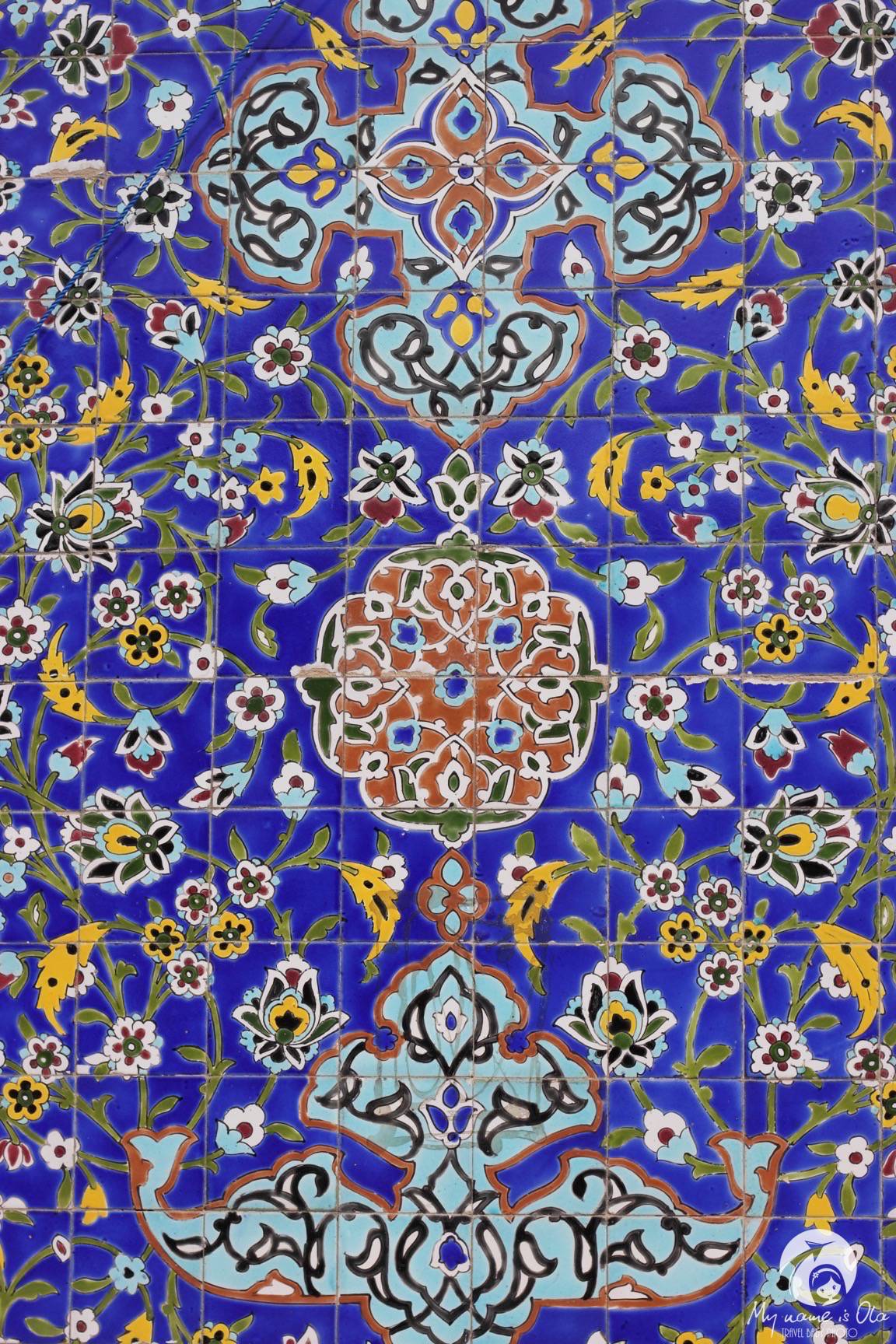
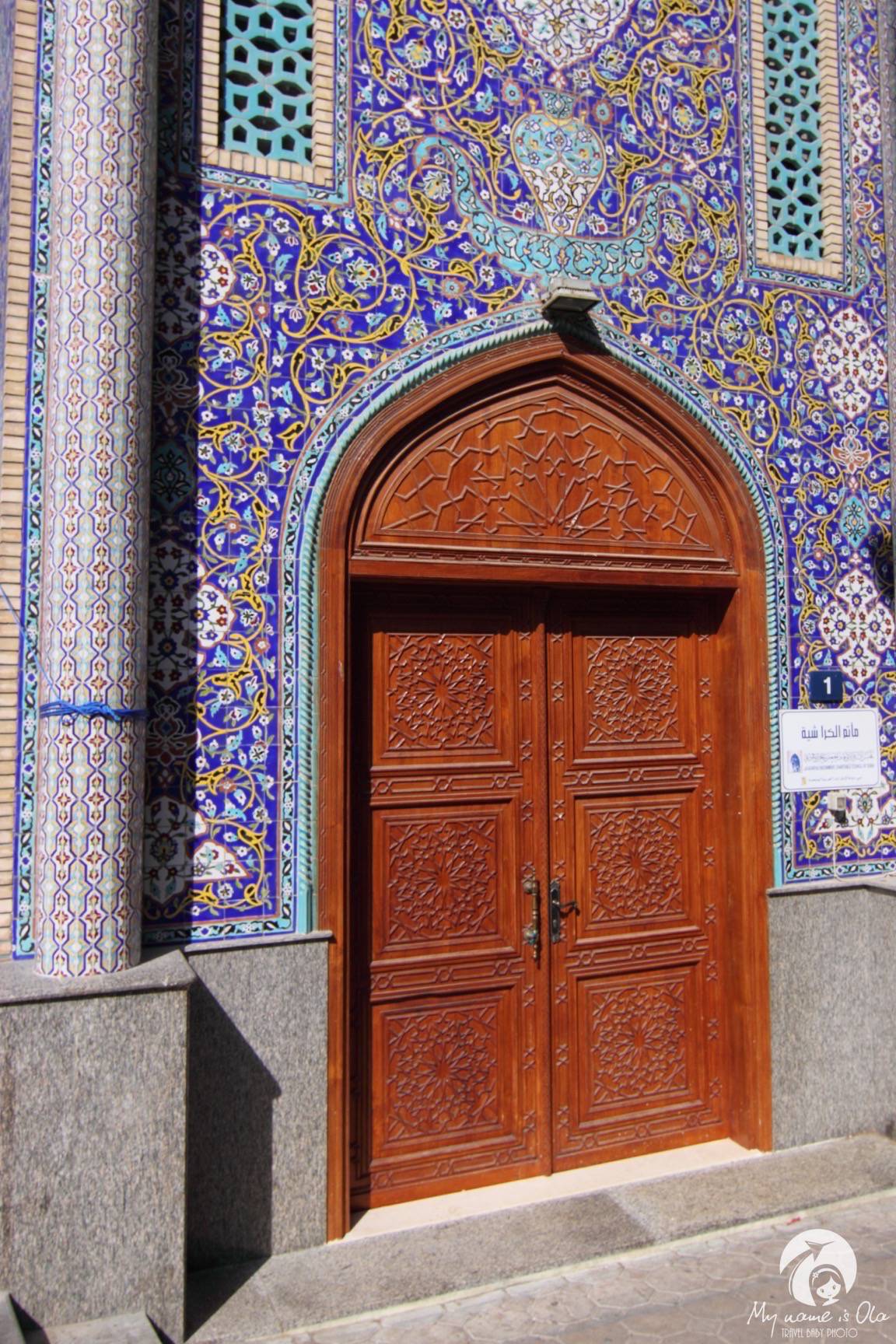
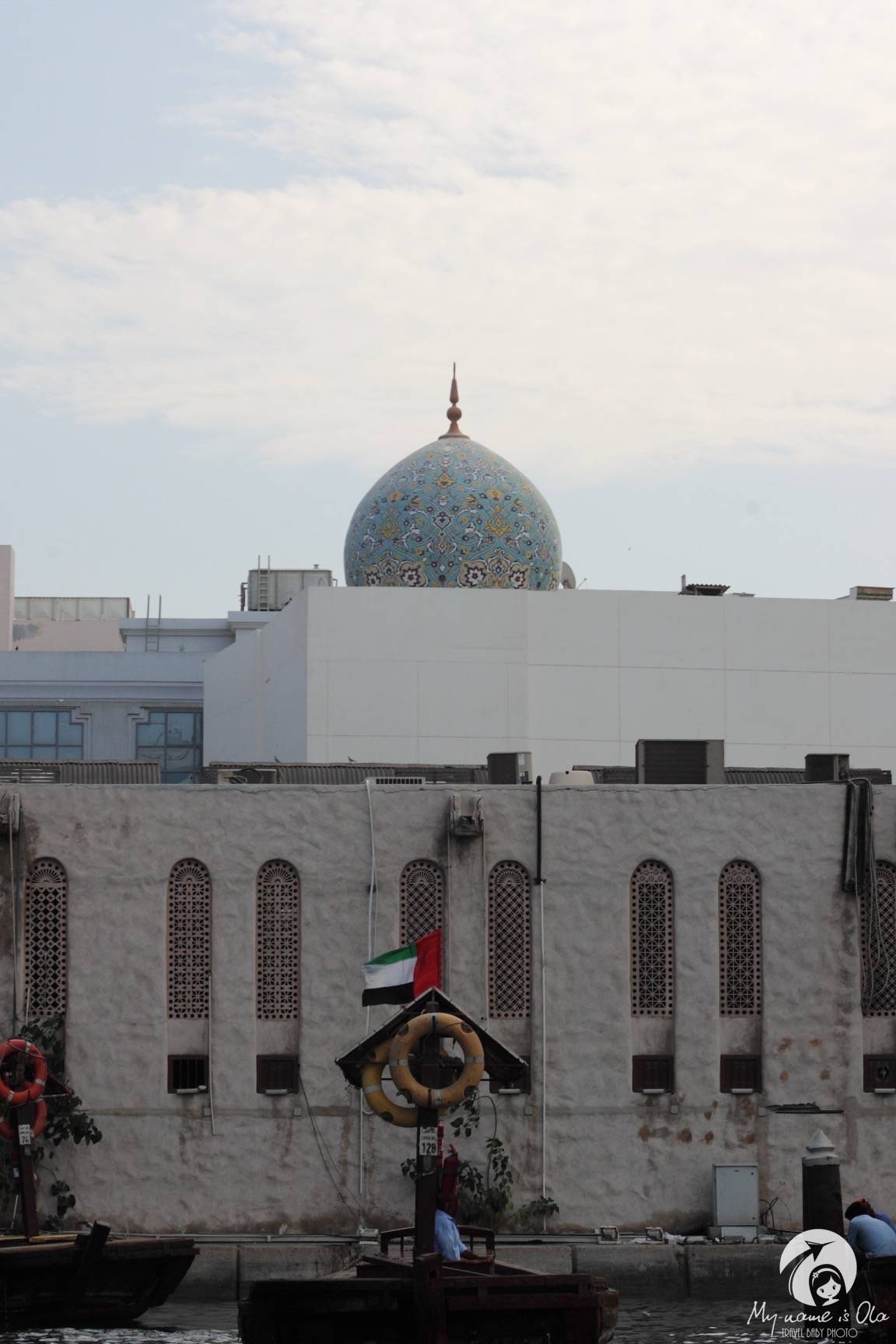
 [/photosetgrid]Internet is full of different information about this mosque but we cannot help feeling that they refer to some other mosque. That includes the directions as well. The one that you see on above pictures is located in Bur Dubai right in the back of Bur Dubai souq.

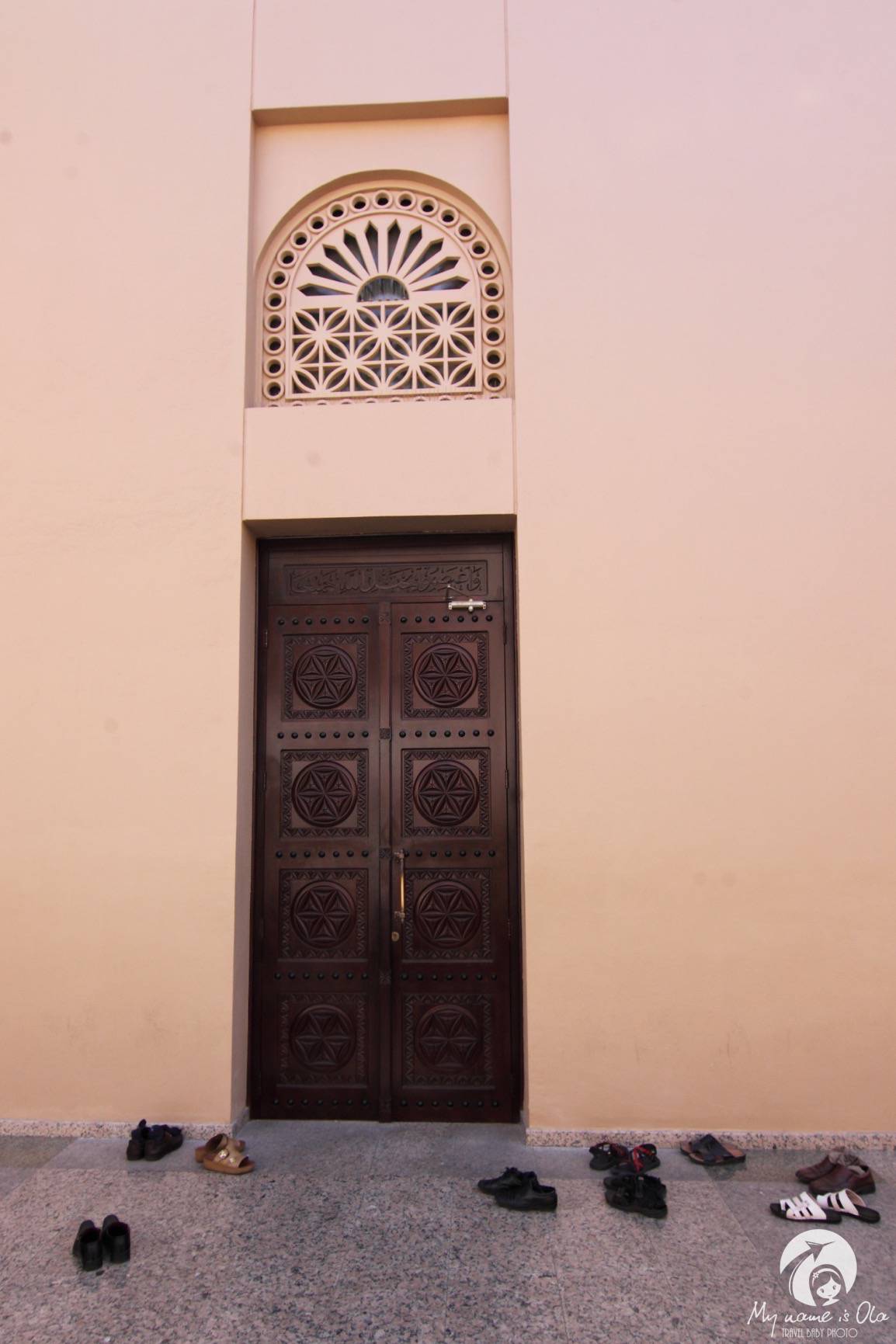
 [/photosetgrid]
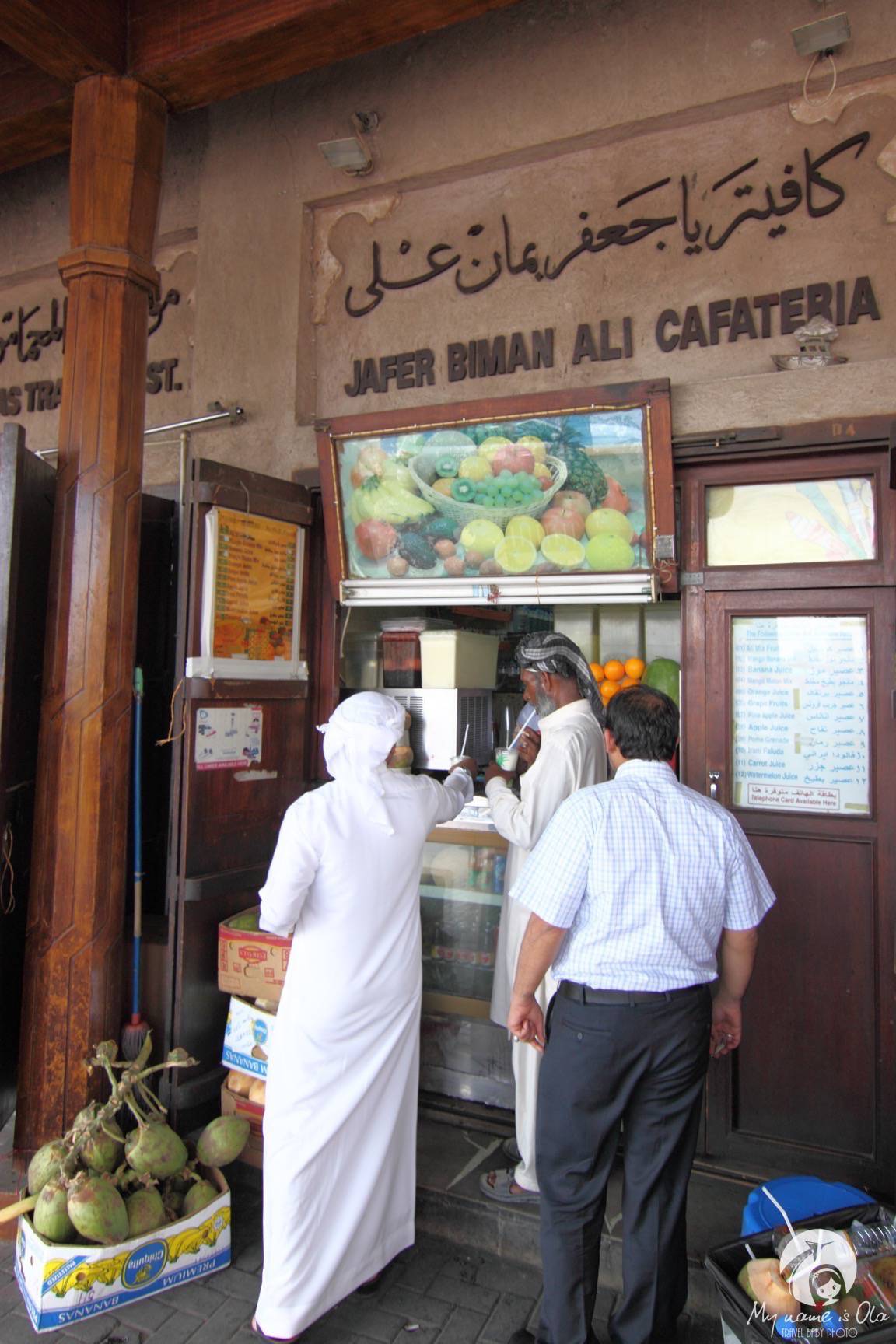


 [photosetgrid layout=”2″]
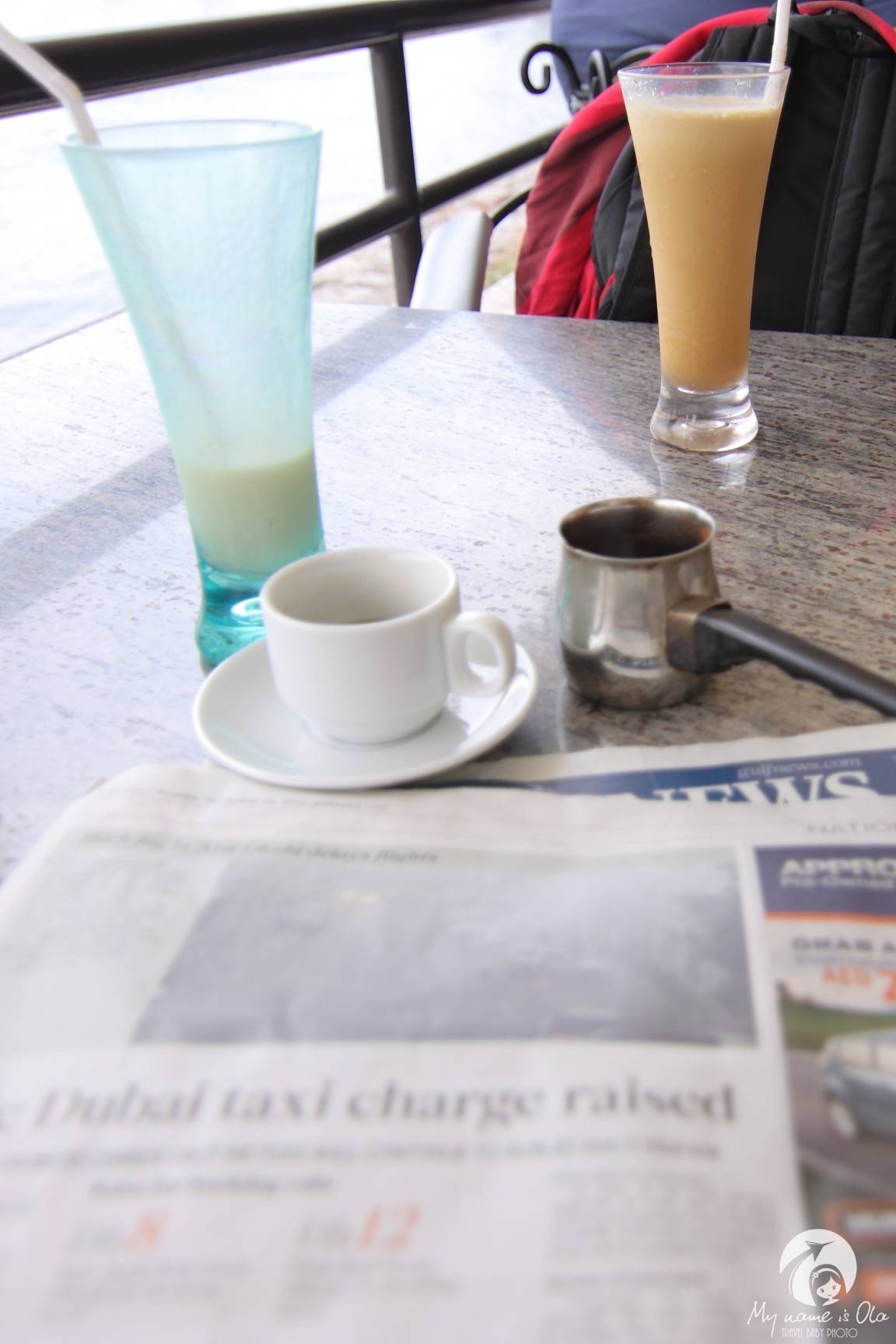
 [/photosetgrid]Yeah, right. Maybe a year ago we would have but today we could only try. In fact we gave the baby some fruits to try, checked if she wasn’t thirsty and gave her some water, excercised a little to keep all the things on the table, met some of Ola’s new friends and drank our drinks in a hurry and moved on.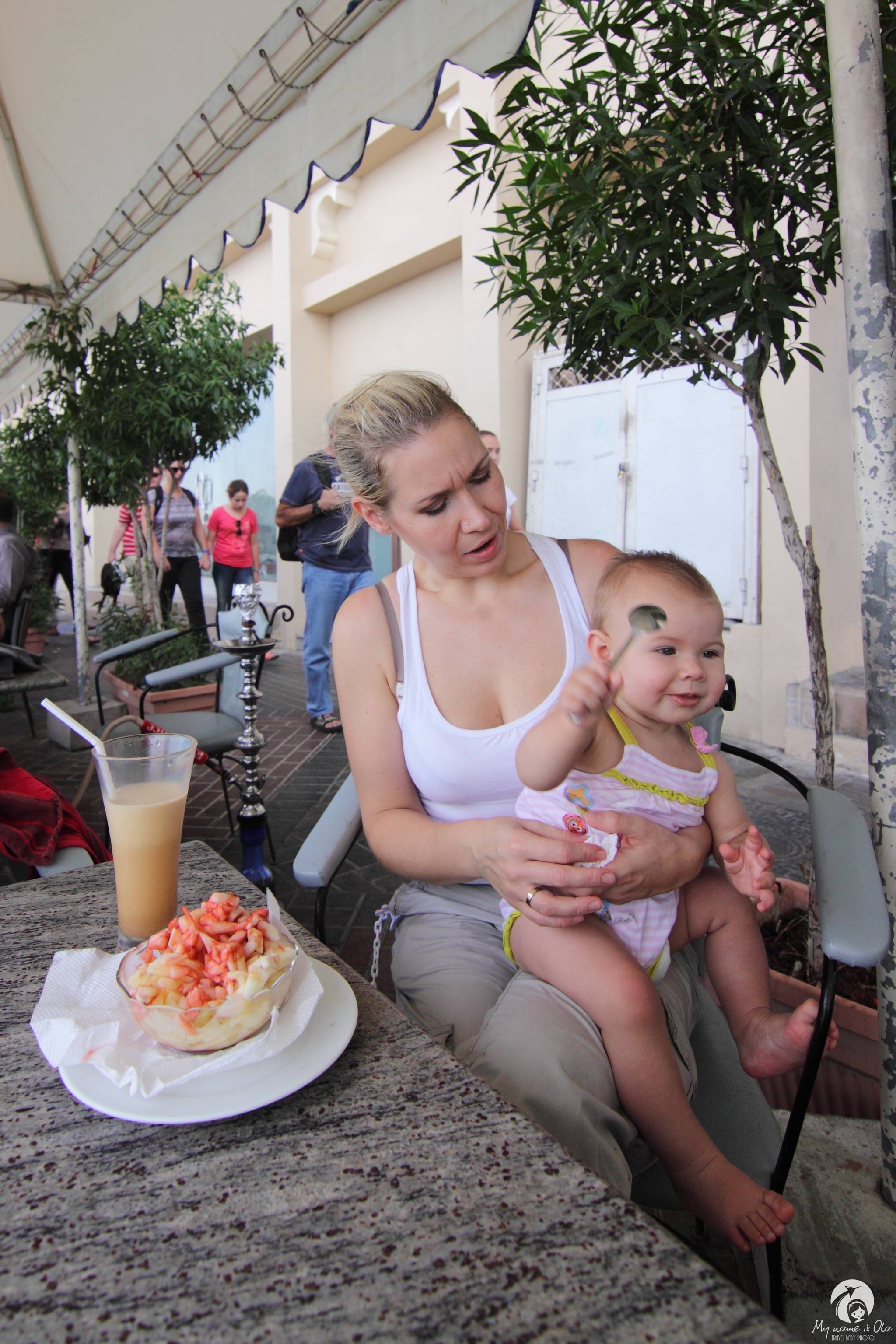
 [/photosetgrid]


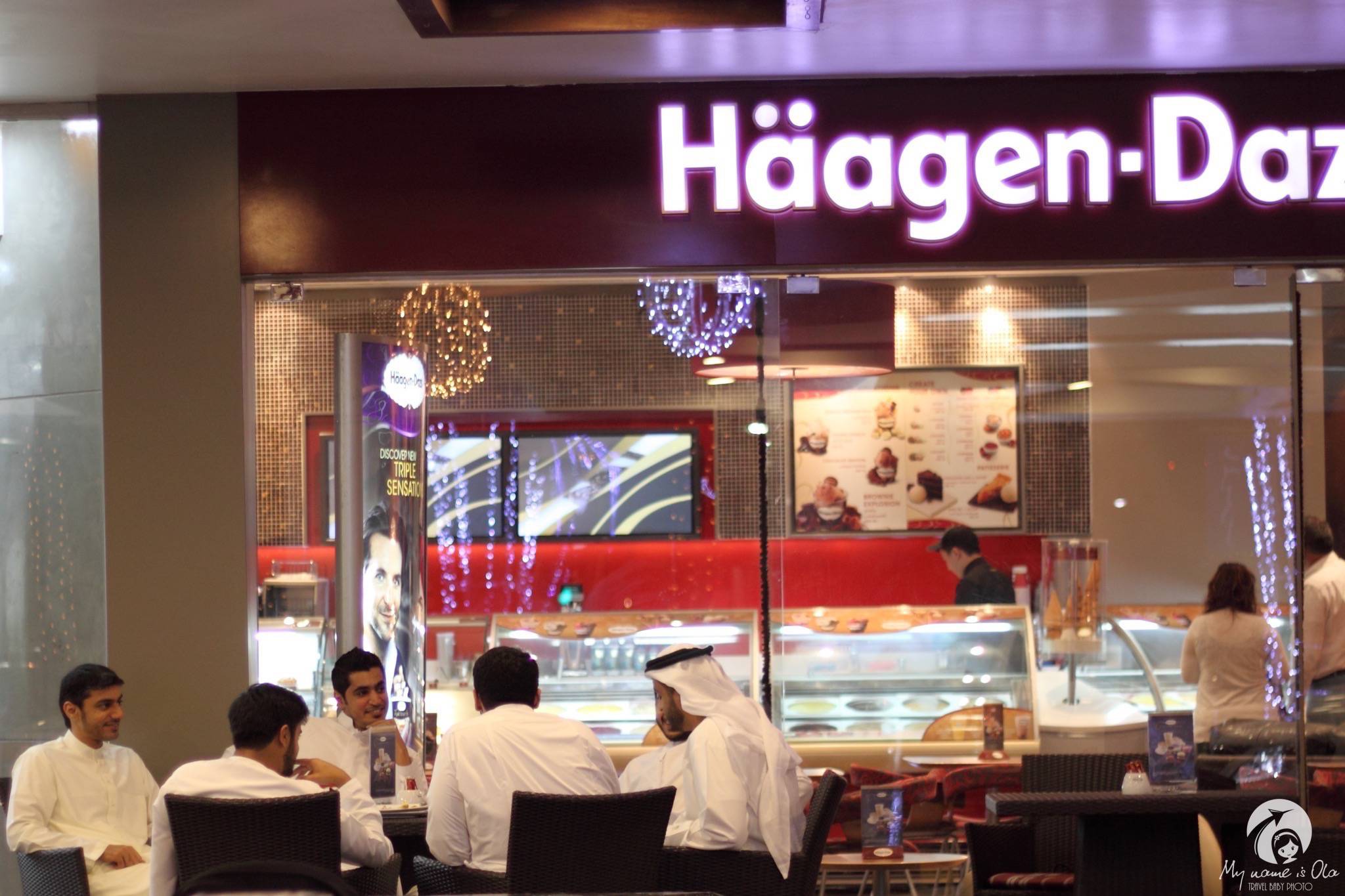


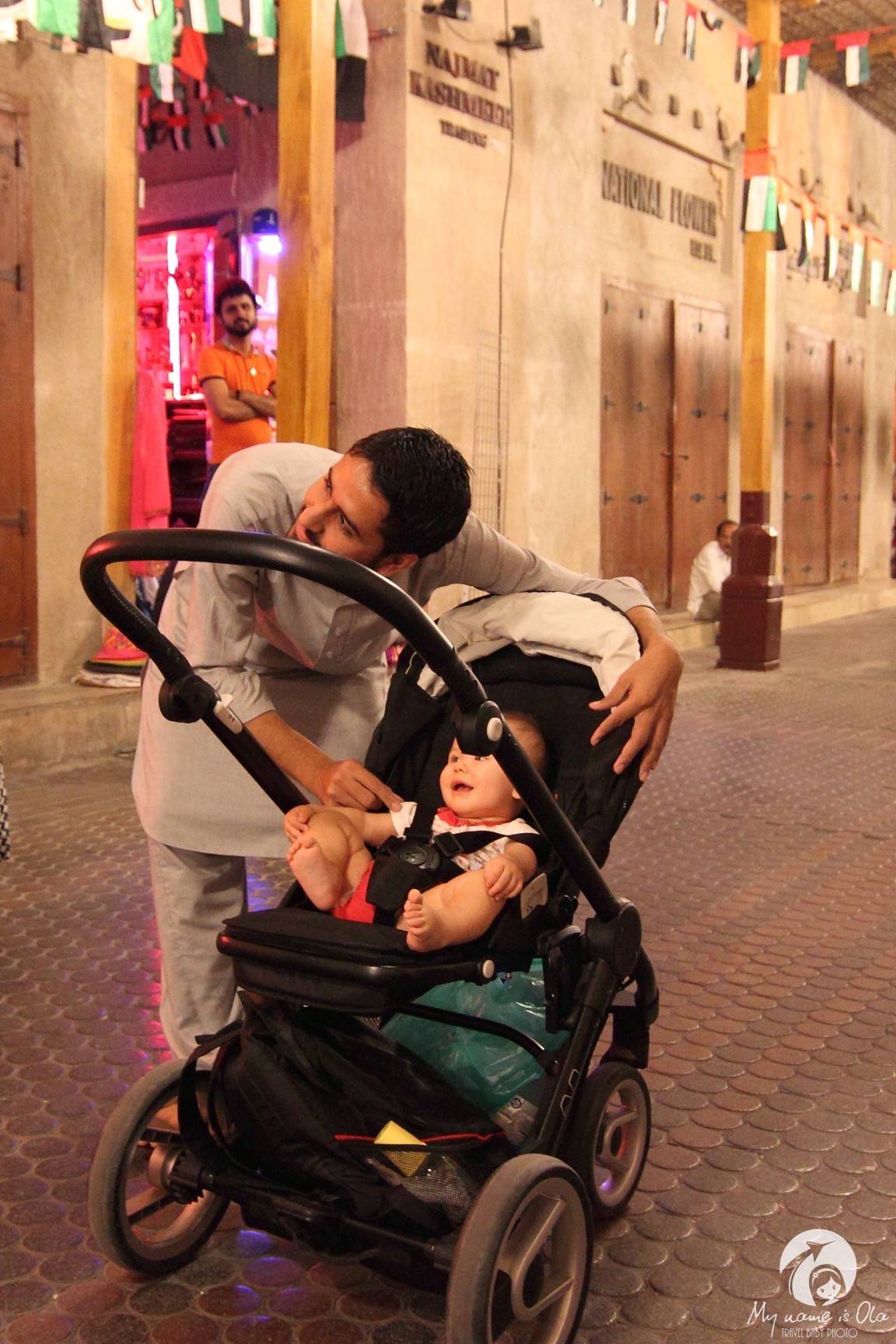
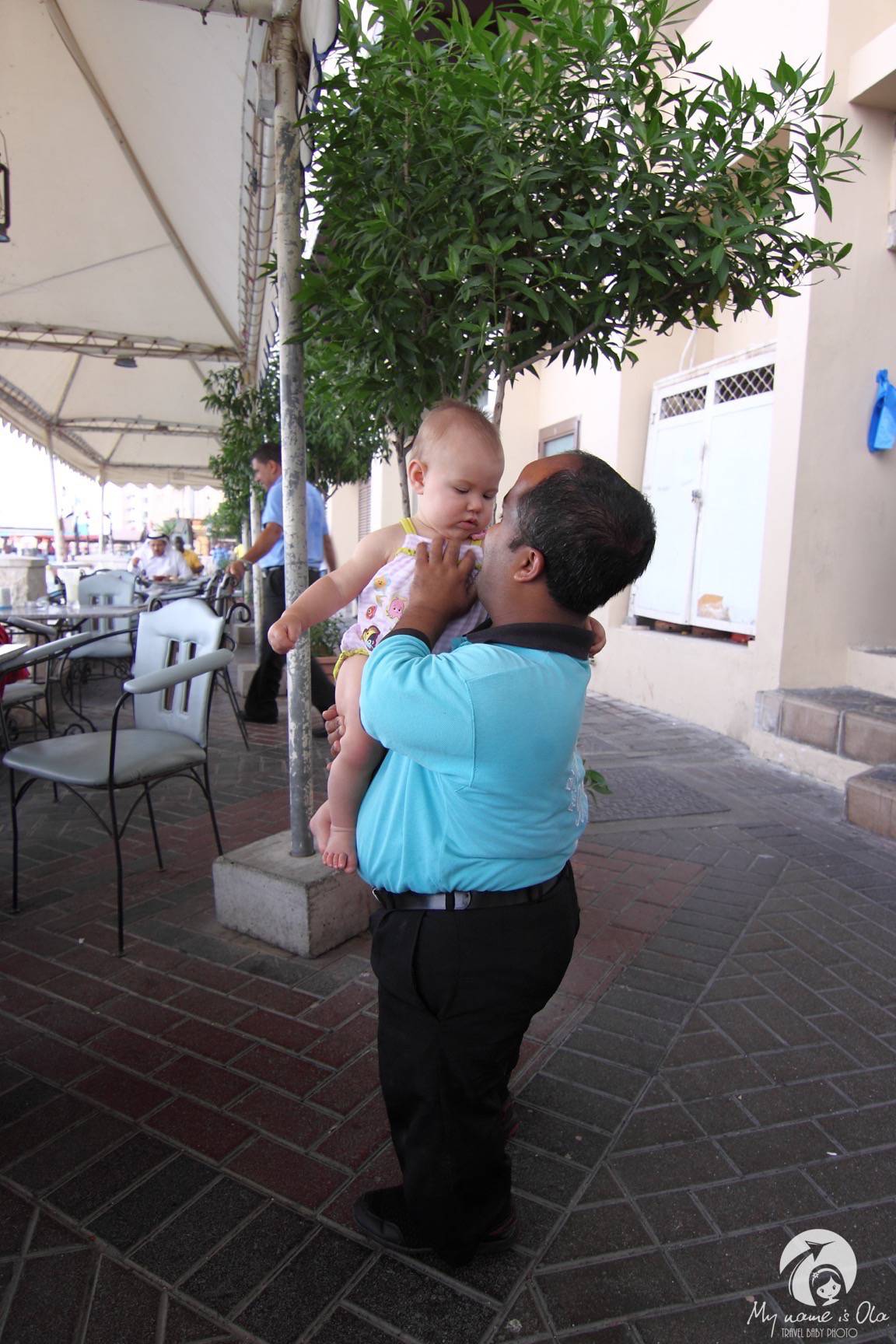
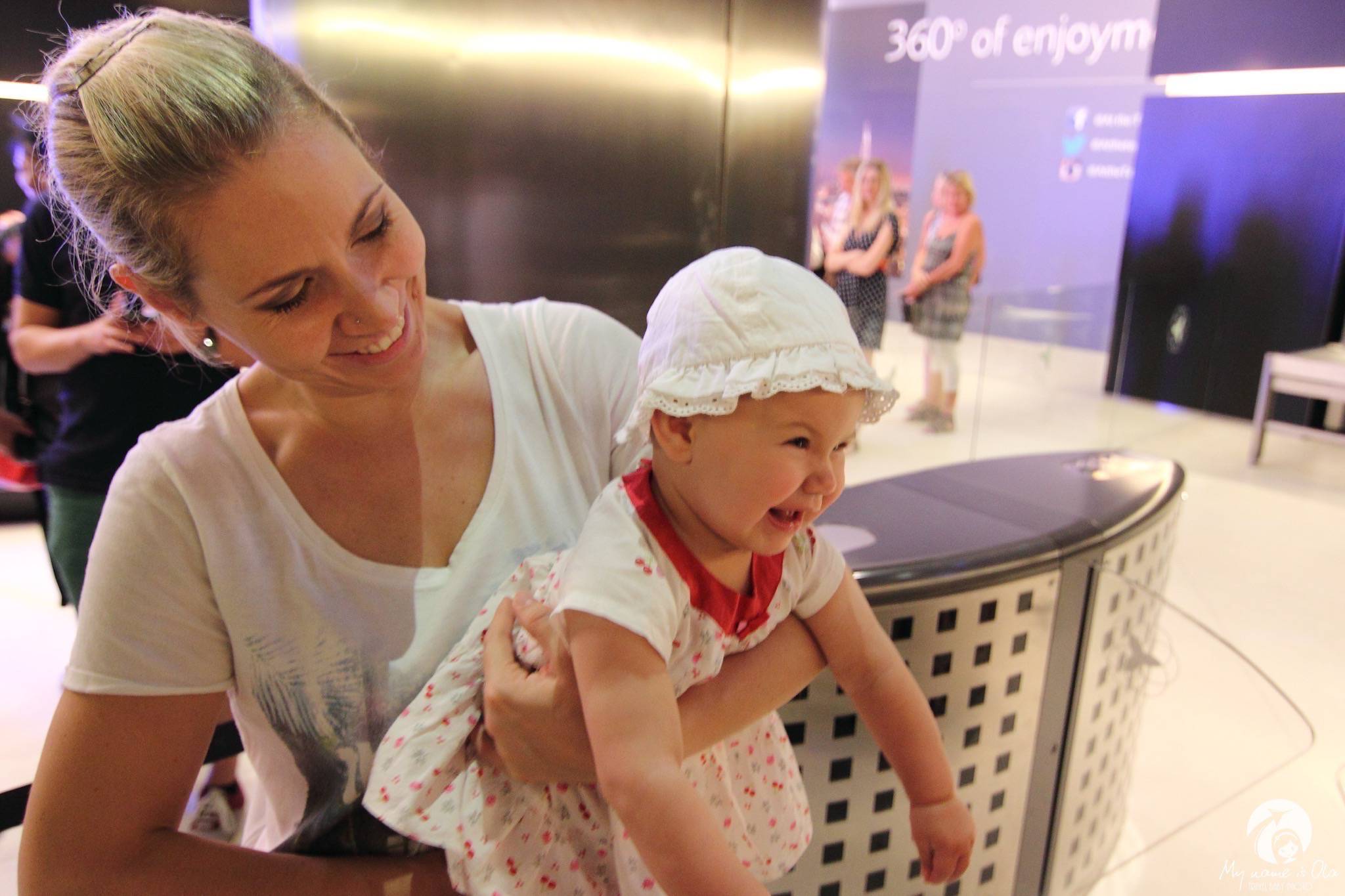 [/photosetgrid]That’s how we found another country, after Georgia, with people of extremely friendly attitude towards children. People in Dubaj showed more care and warmth towards Ola then she ever got in Europe.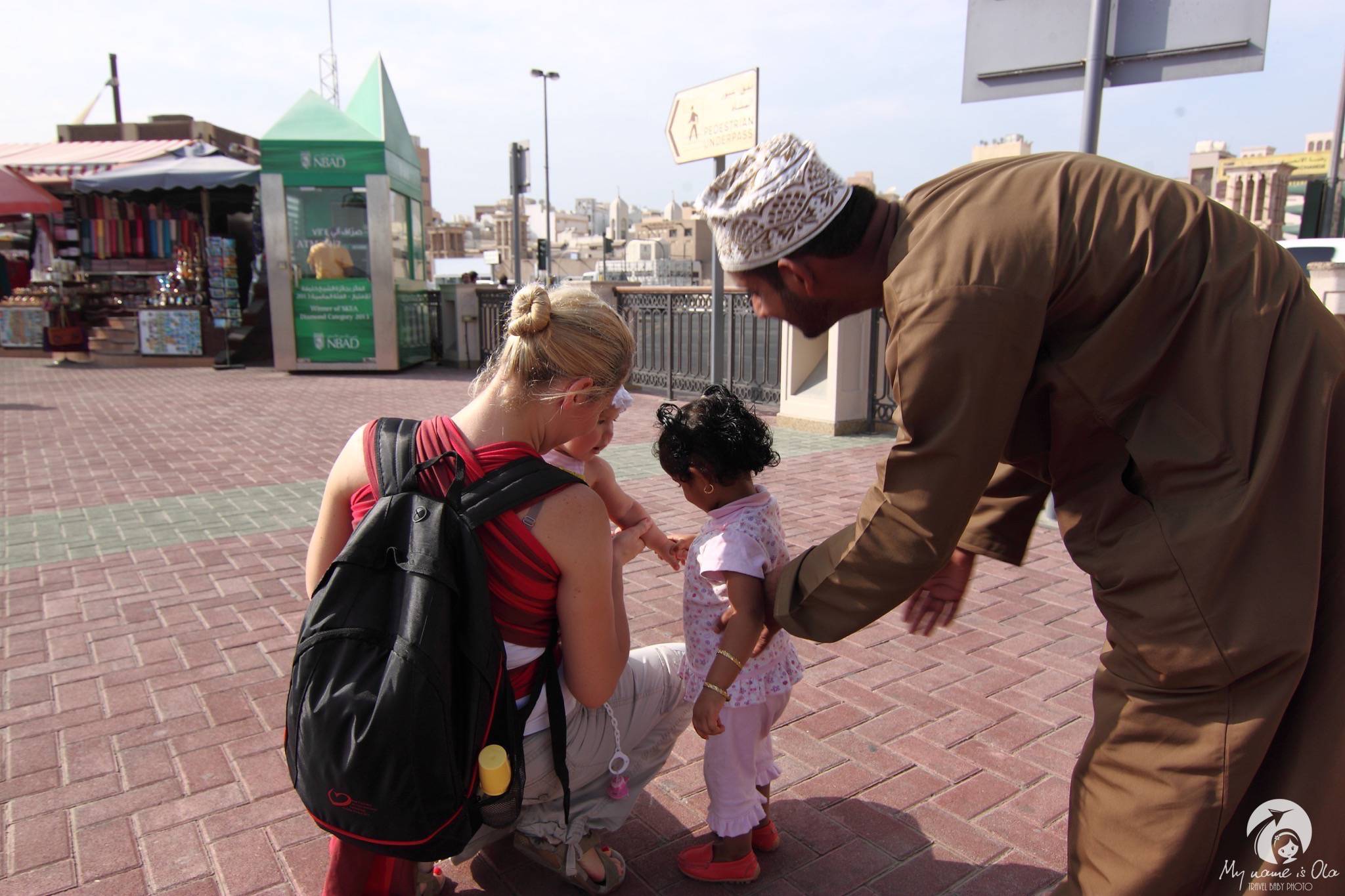


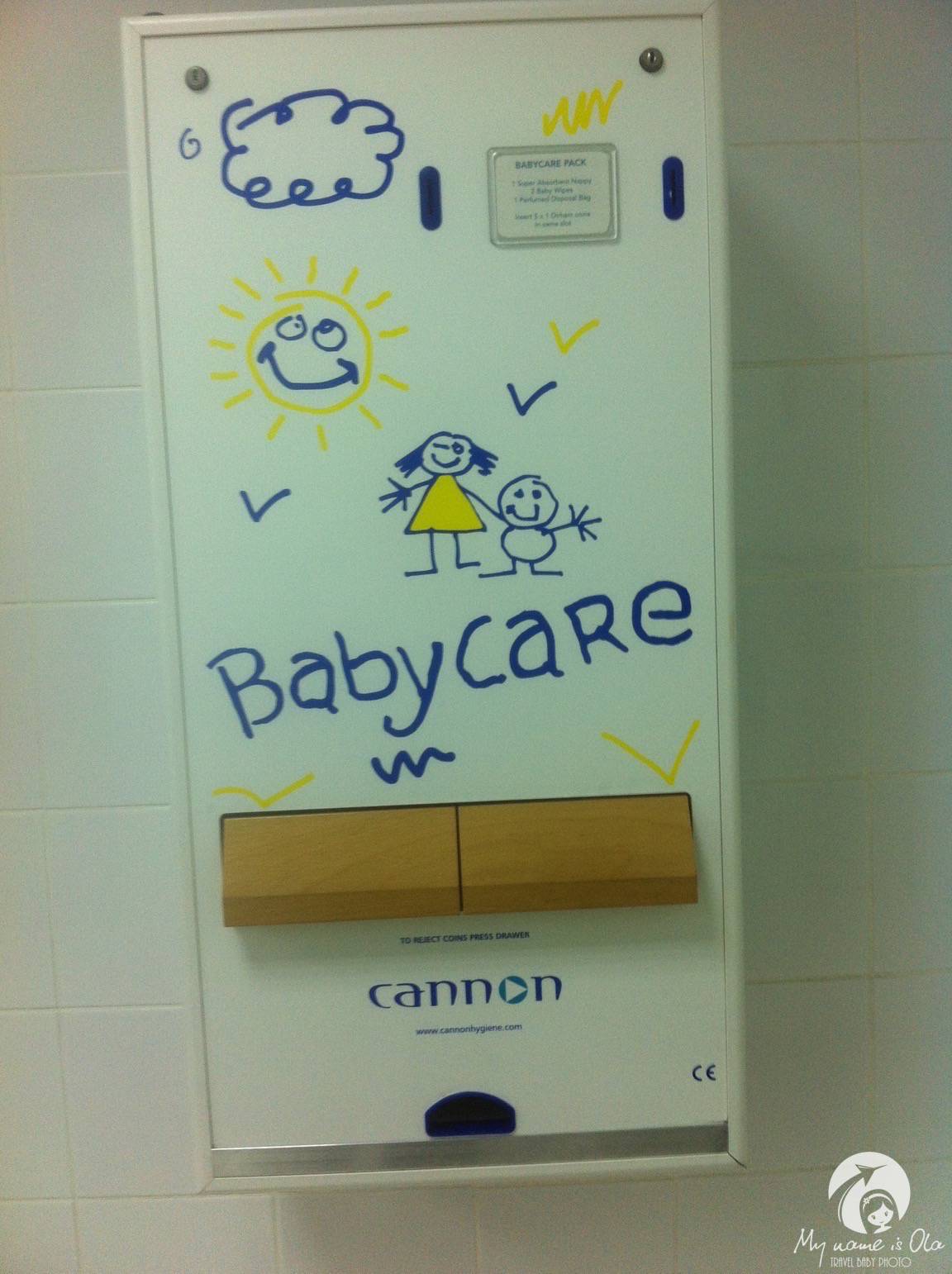 [/photosetgrid]A colorful room with soft changing stations, clean and fragrant. And if you forget any hygiene products there’s a vending machine on the wall. For 5 dirhams you get a set of 1 diaper, 2 wipes and a disposal bag!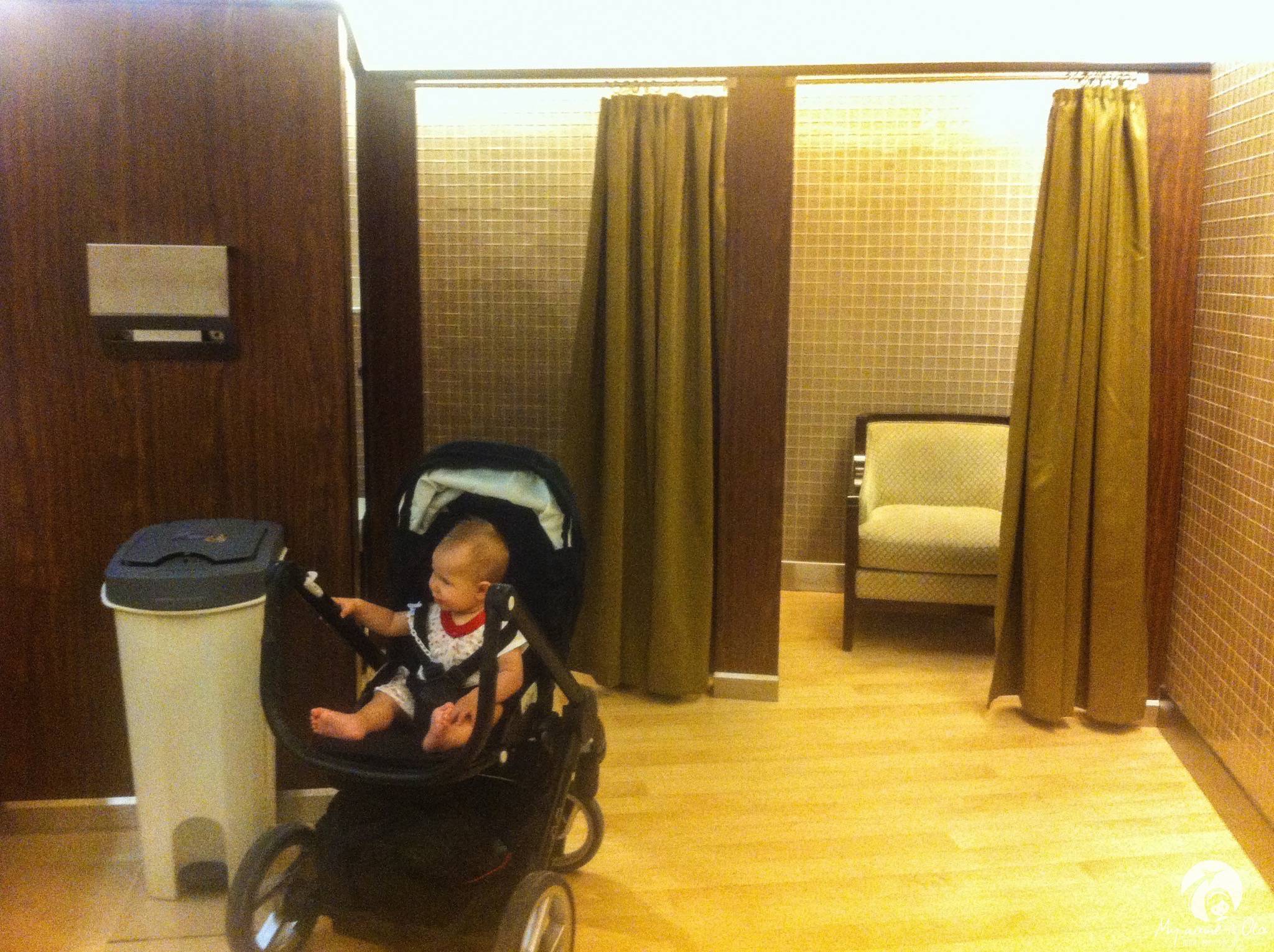
 [/photosetgrid]It’s nice to say that they have also thought about mom’s needs. When after all those hygenic procedures and feeding the baby mum might feel like using the toilet too. No problem at all, there is a bathroom so big that it can fit mom together with a baby in the stroller. Simple, isn’t it? Why haven’t we seen such things anywhere else? In Europe there are similar things only in Ikea, which is known for its sensitivity for mother and child needs.



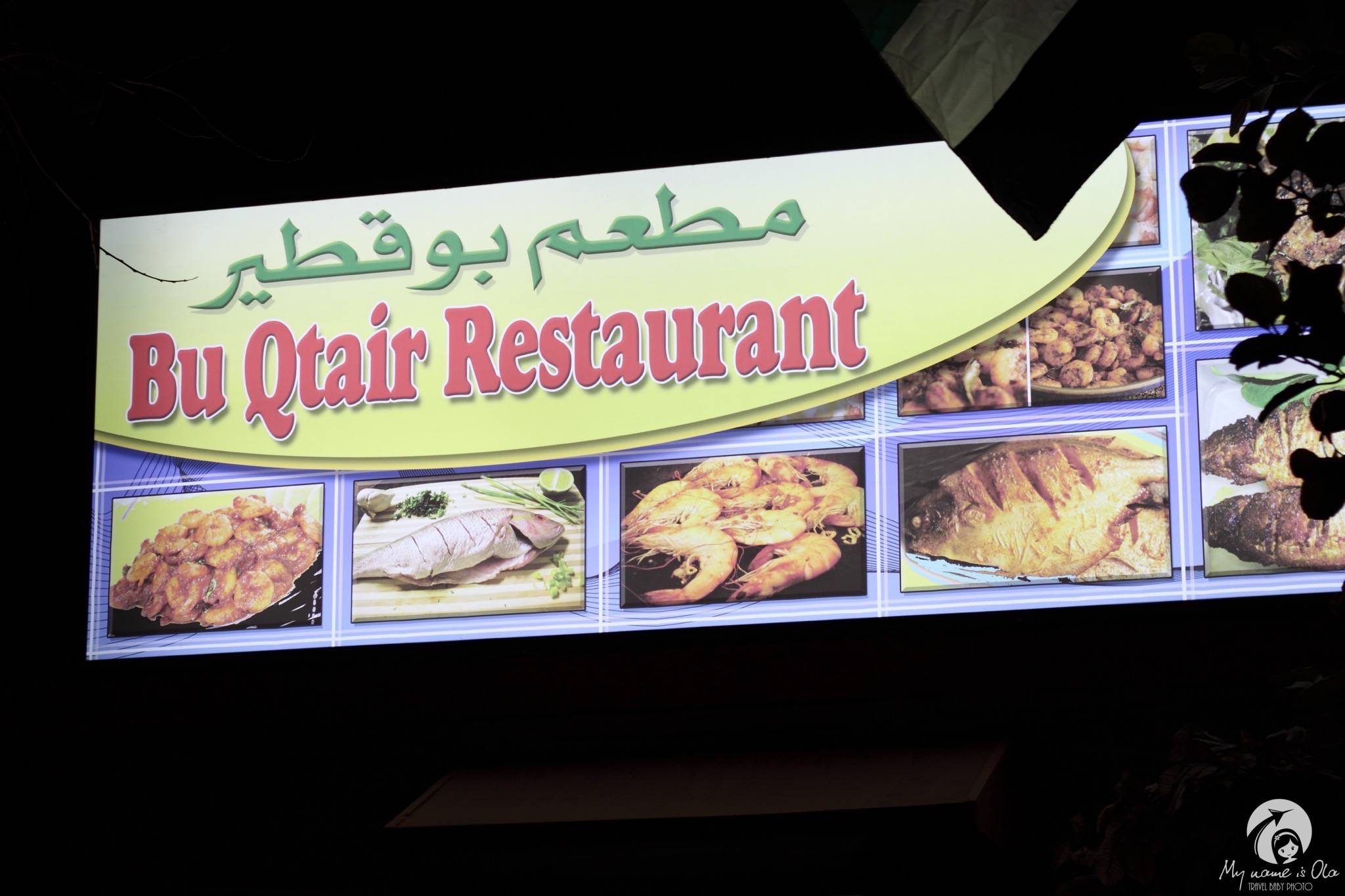

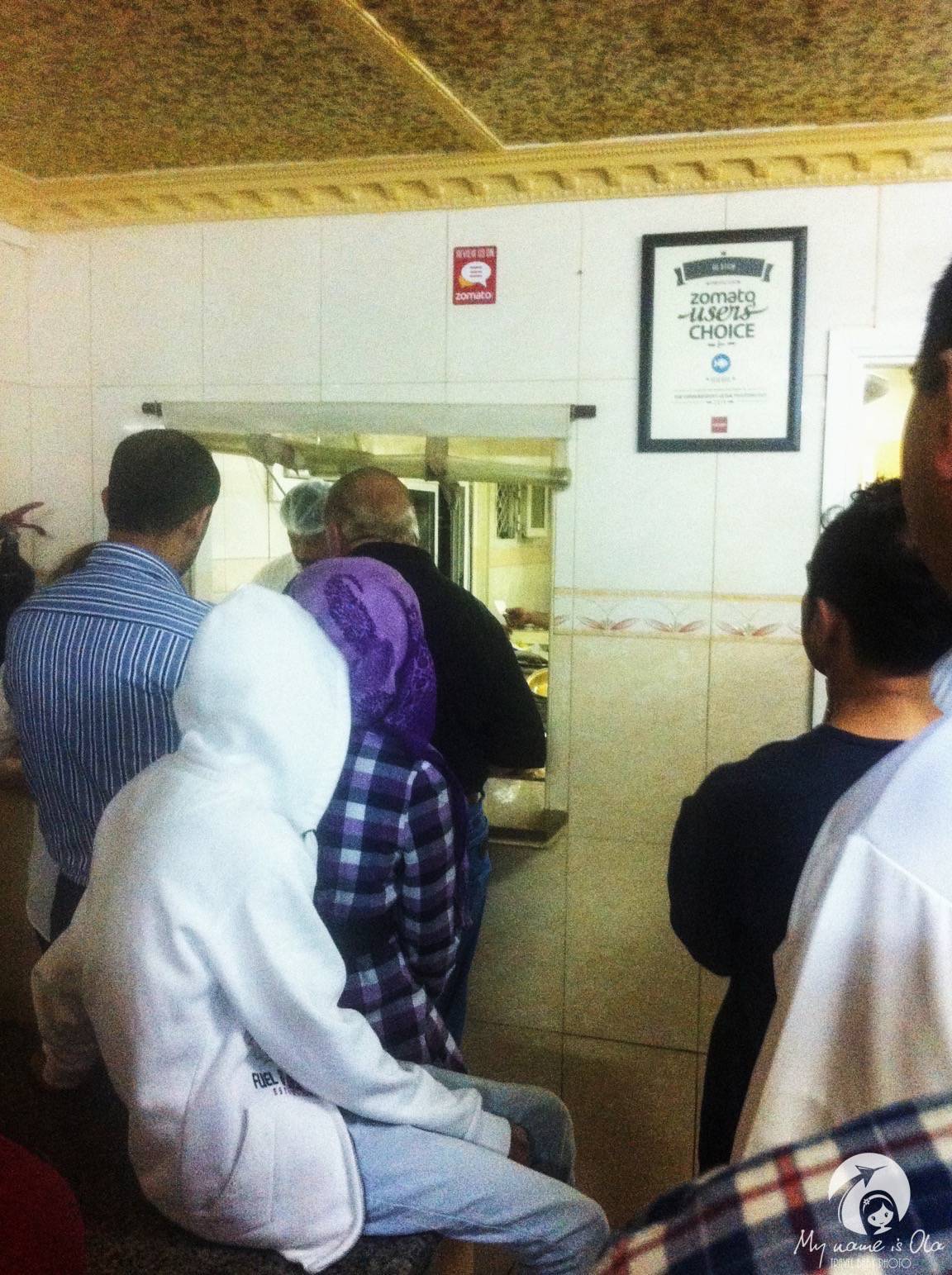

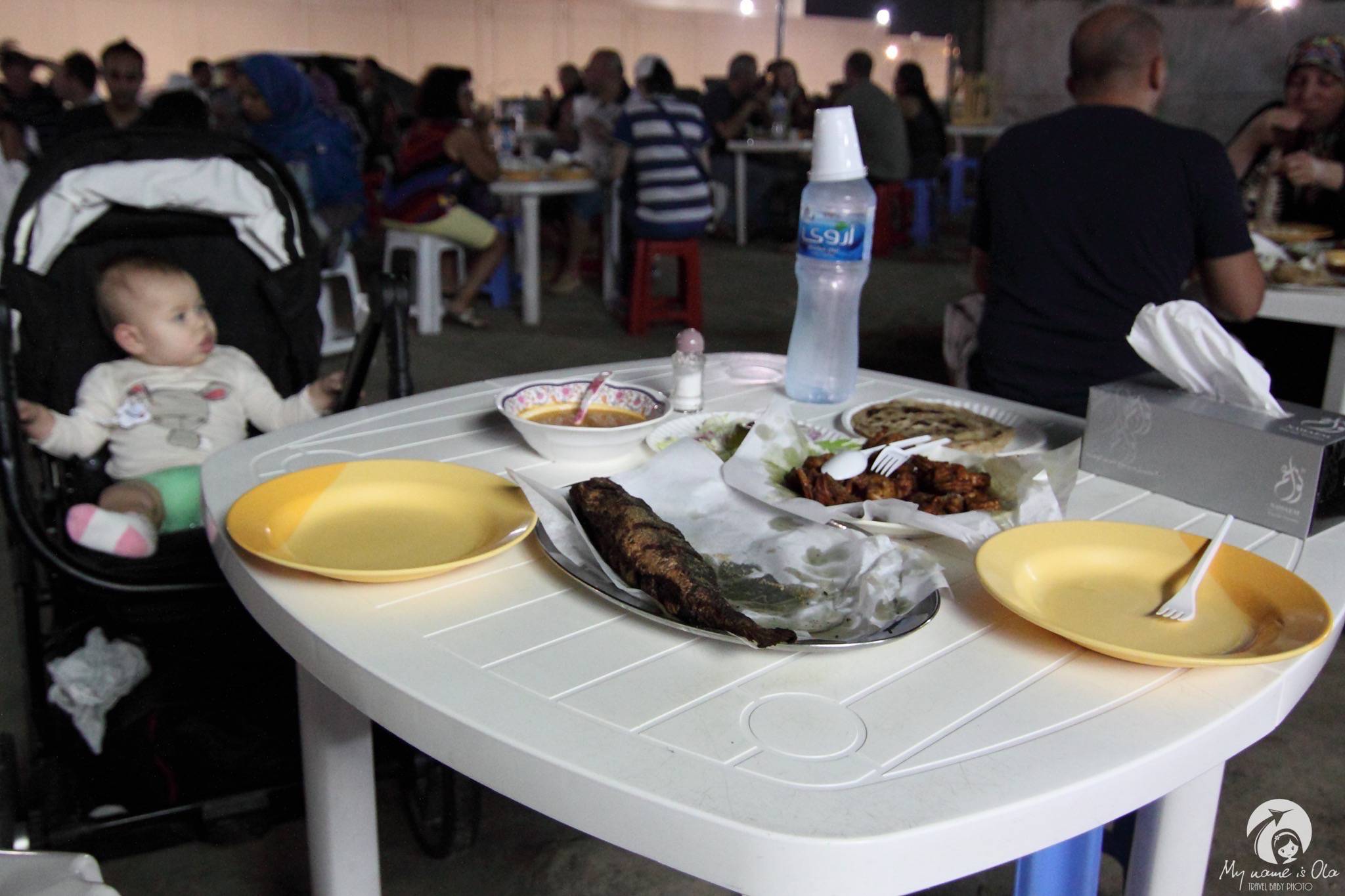
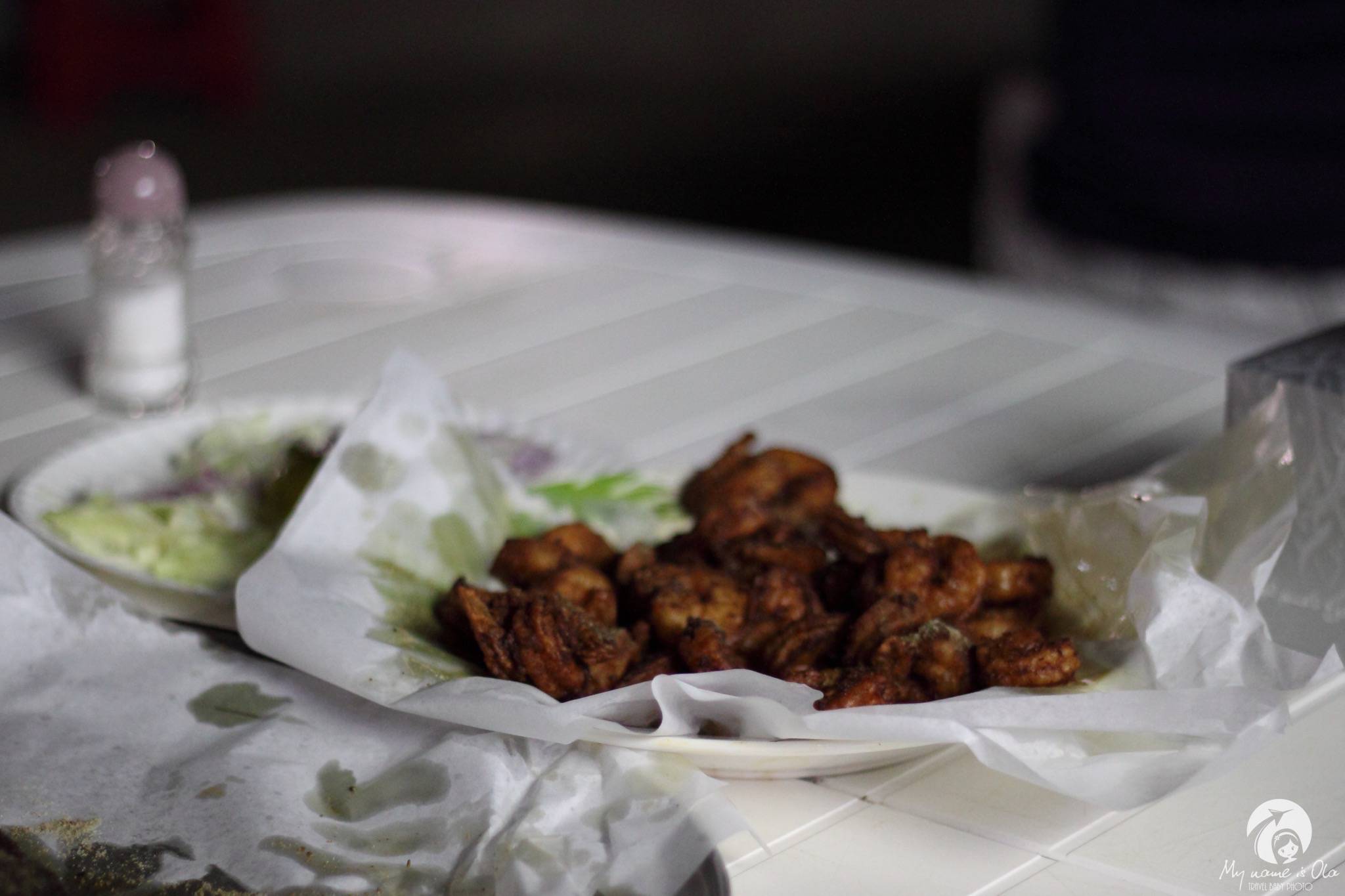


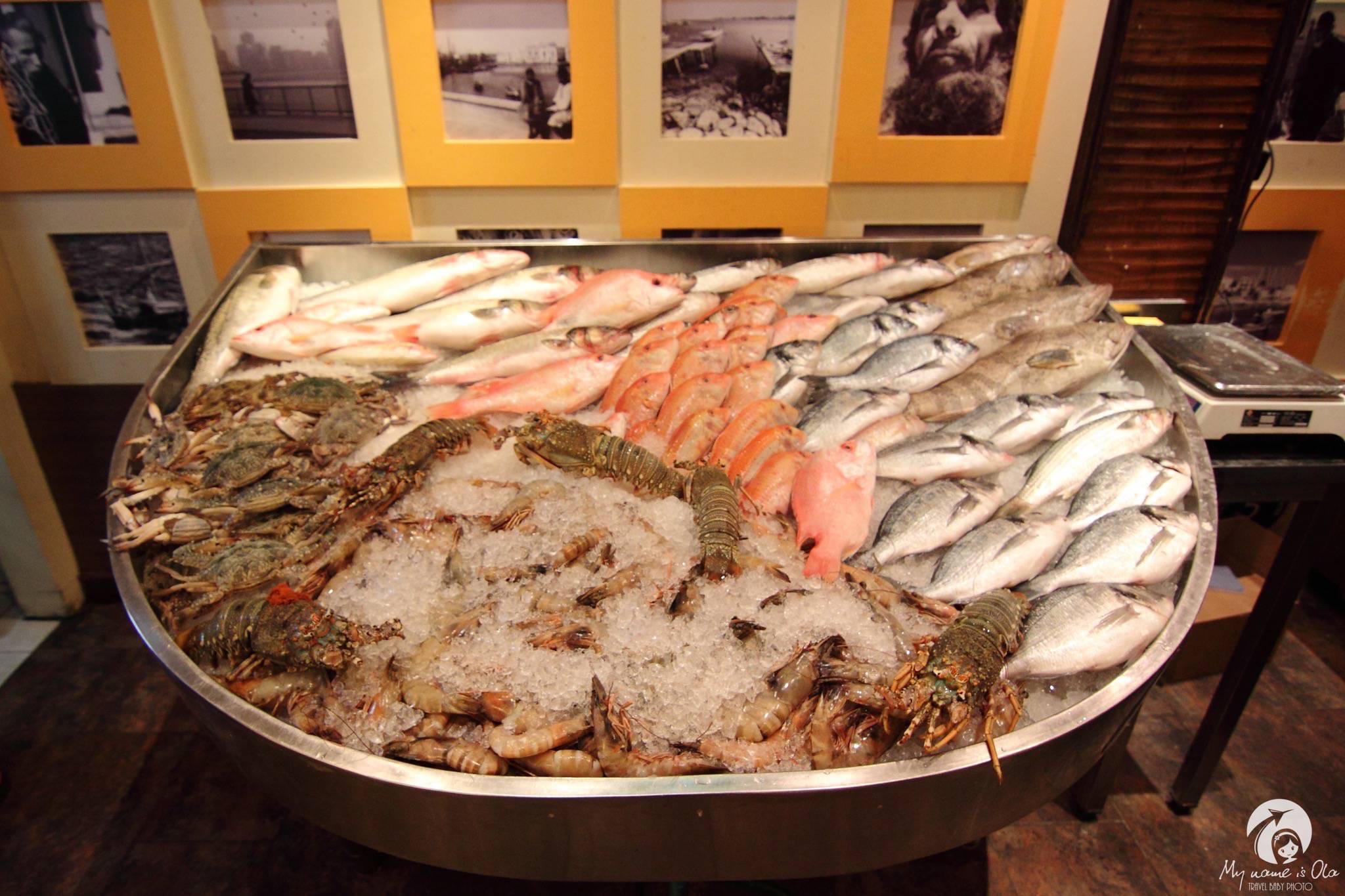

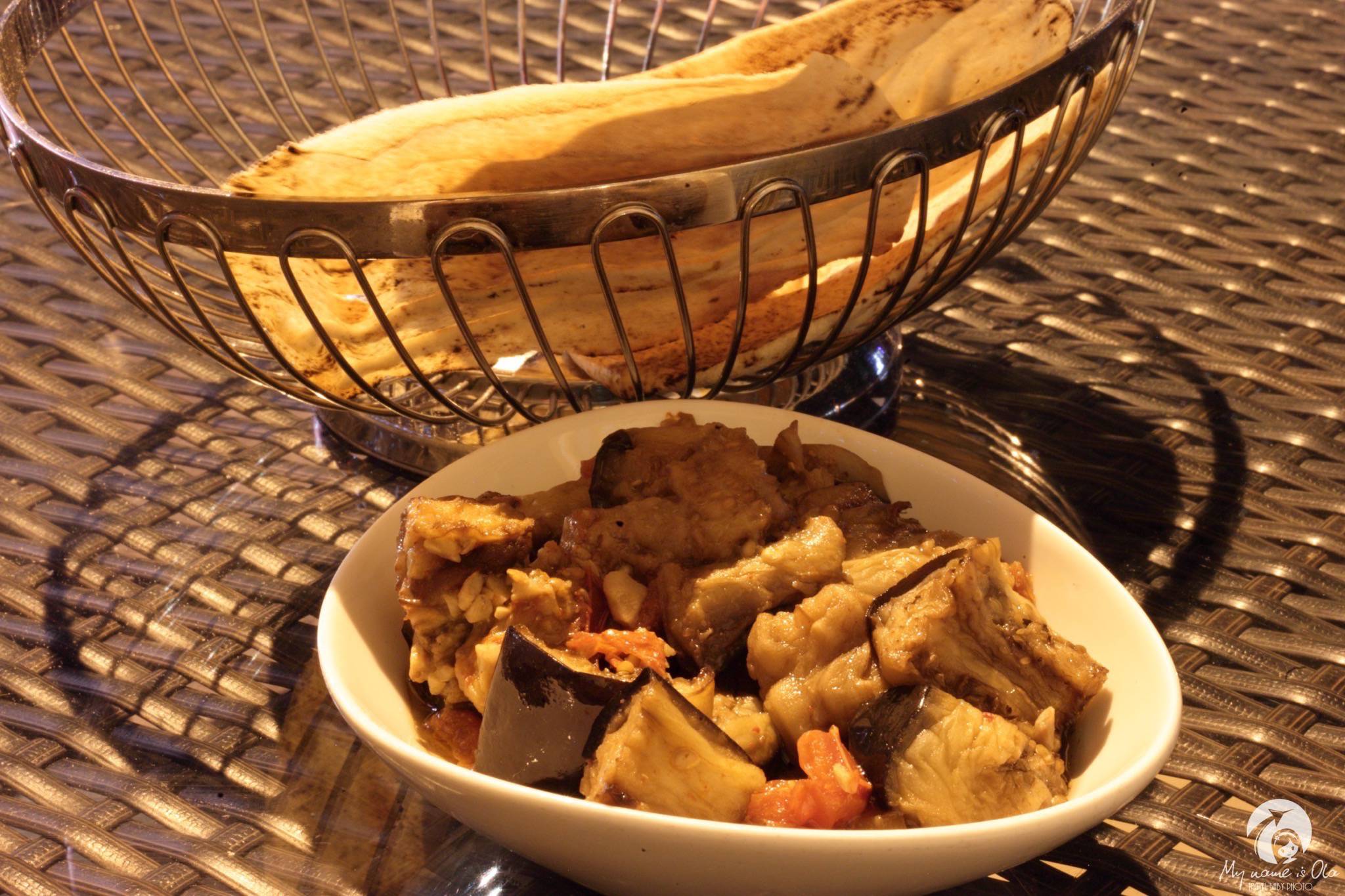
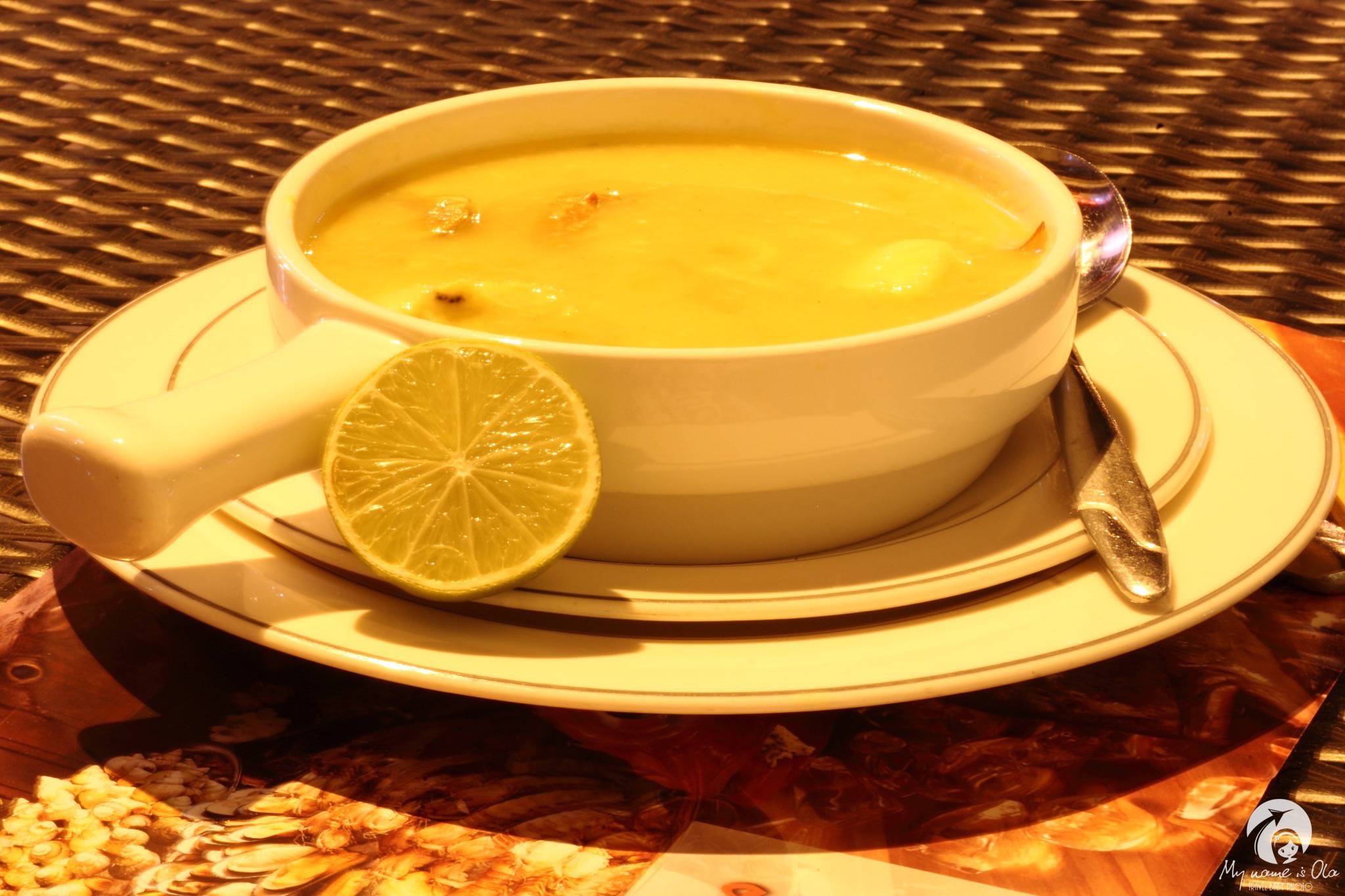

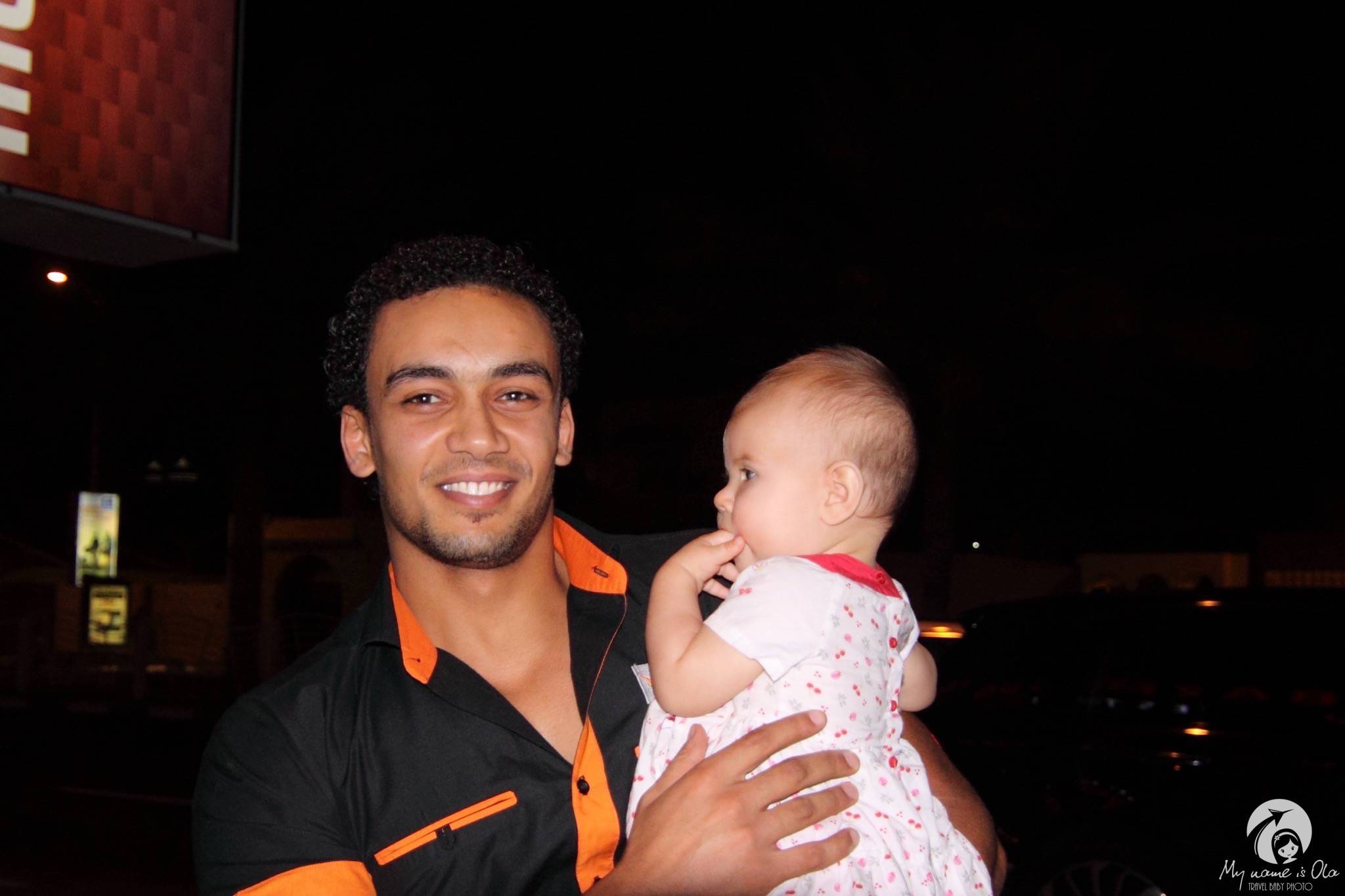



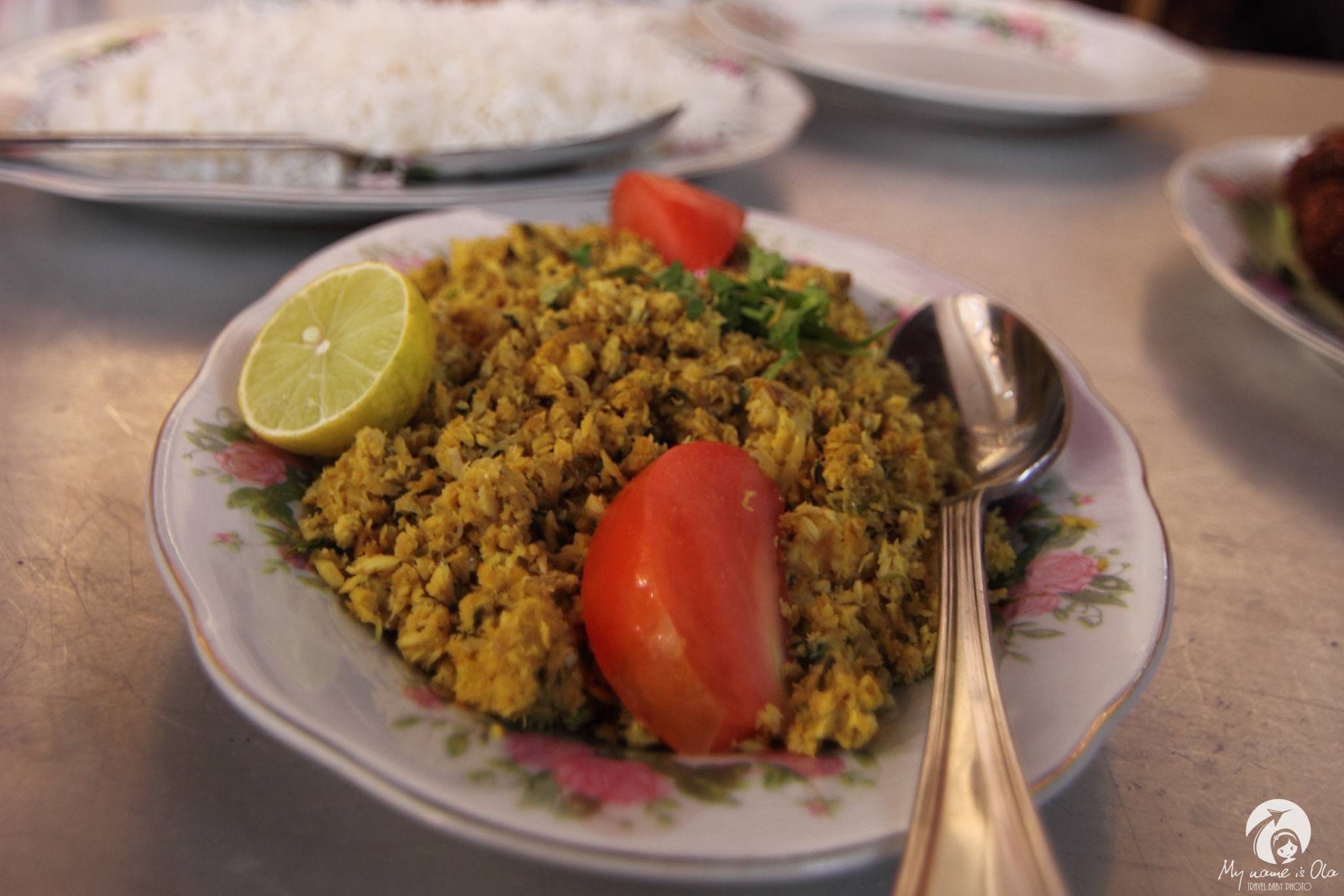

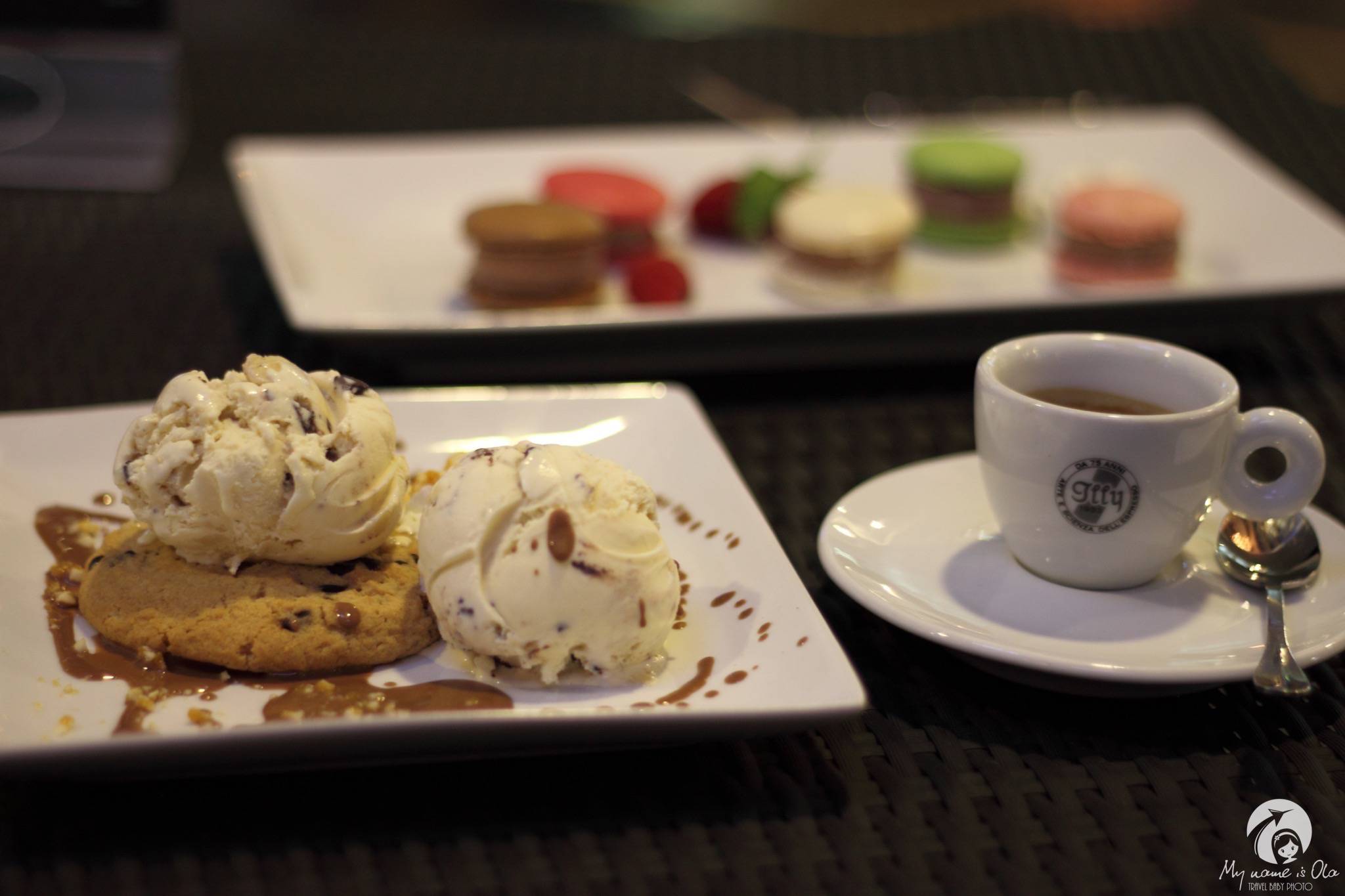
 [/photosetgrid]We took also desert (khabisah – some traditional sweet) but it didn’t look like you would like to see it so we are not showing any picturs of it. Neither it tasted. Deserts, unlike other dishes, we cannot advise.
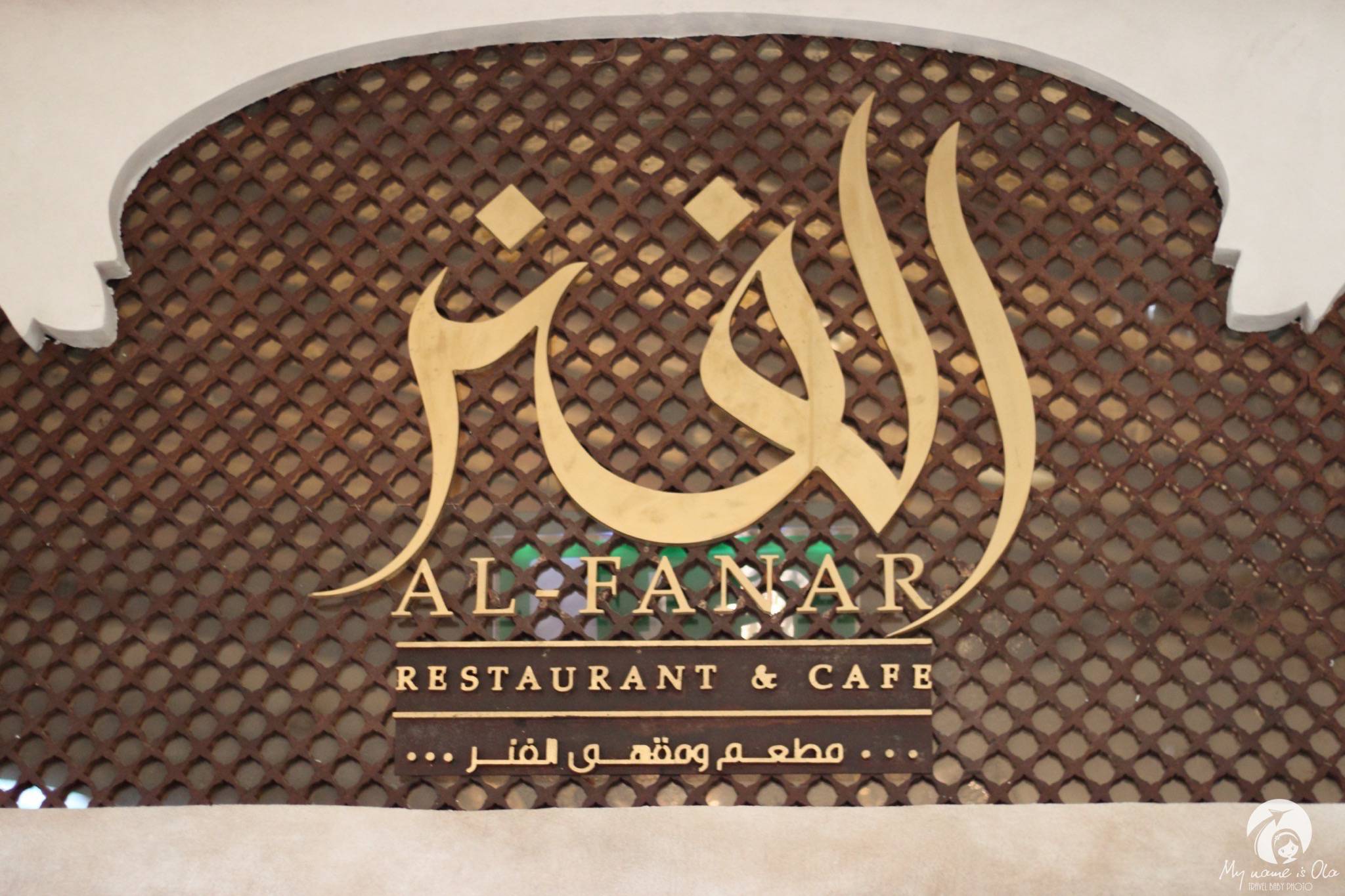
 [/photosetgrid]We visited the branch located at Jumeraich road in the small shopping center. Mall restrooms were equipped in changing station and vending machine with baby stuff. The other location in Dubai Festival City Mall has way more decorated interior, including local scenes from old times build of figures of people and animals.

