Barcelona offers so many tourist attractions, that when you don’t have too much time it’s hard to choose what is important, what to see now and what to leave for next time. You can be sure there will be next time, since there is this first! It’s a city that will make everyone come come back for more.
We want to prompt a little how to organise your first weekend in Barcelona to feel the spirit of the city. With the baby or without. However we have to mention that trip with the stroller is quite convenient as pavements are even and metro is adjusted to disabled needs, there are lifts on most of the stations. Although you have to stay vigilent as sometimes the lifts are on the opposite corner of the station to the one you need or are a bit tricky when you need to change the trains. But still you can take the tour around Barcelona with a stroller or on the wheelchair.
- Start with the most important Antoni Gaudi’s project, his lifework – La Sagrada Familia. It’s an astonishing, unfinished church, constantly being built since 1882. The building is totaly unique and you have never seen such thing anywhere else in the world. It’s overwhelming thanks to its height, artistry, number of details and their symbolism. The difficulty in completing the construction is its size, complexity and the necessity of reconstructing plans as original ones burned in the fire. It is planned to finish works in 2028.
[photosetgrid layout=”353″]
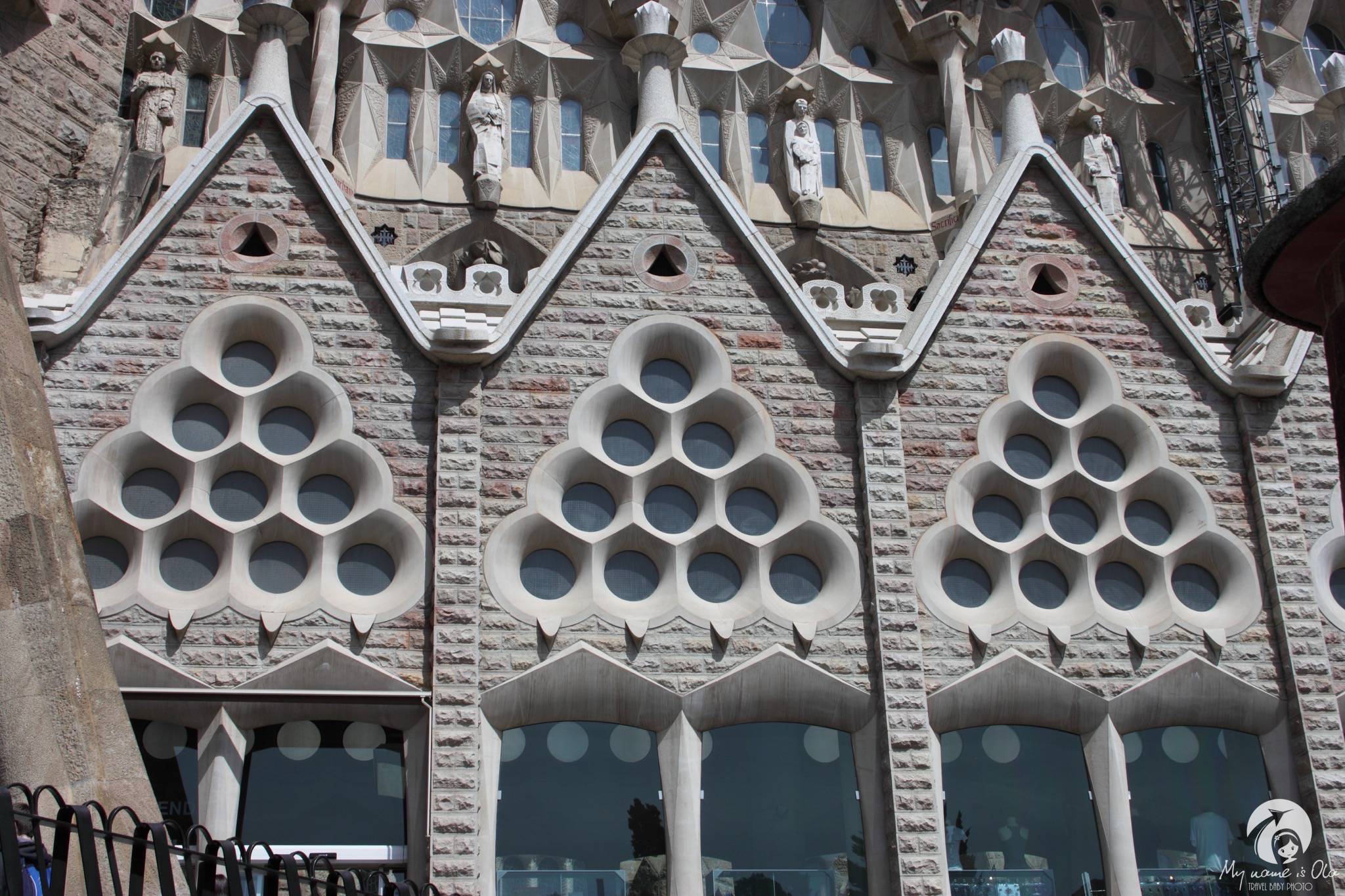

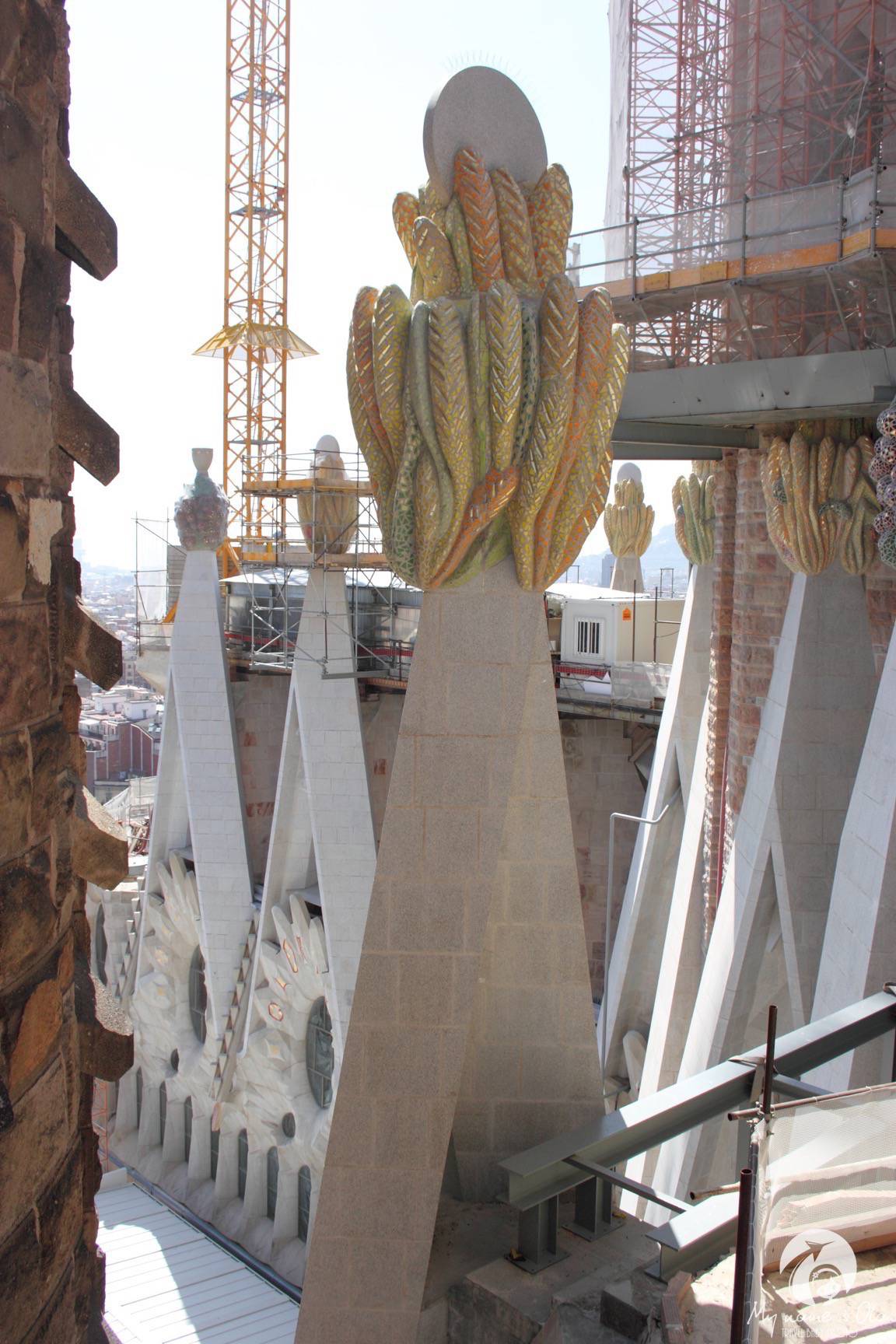


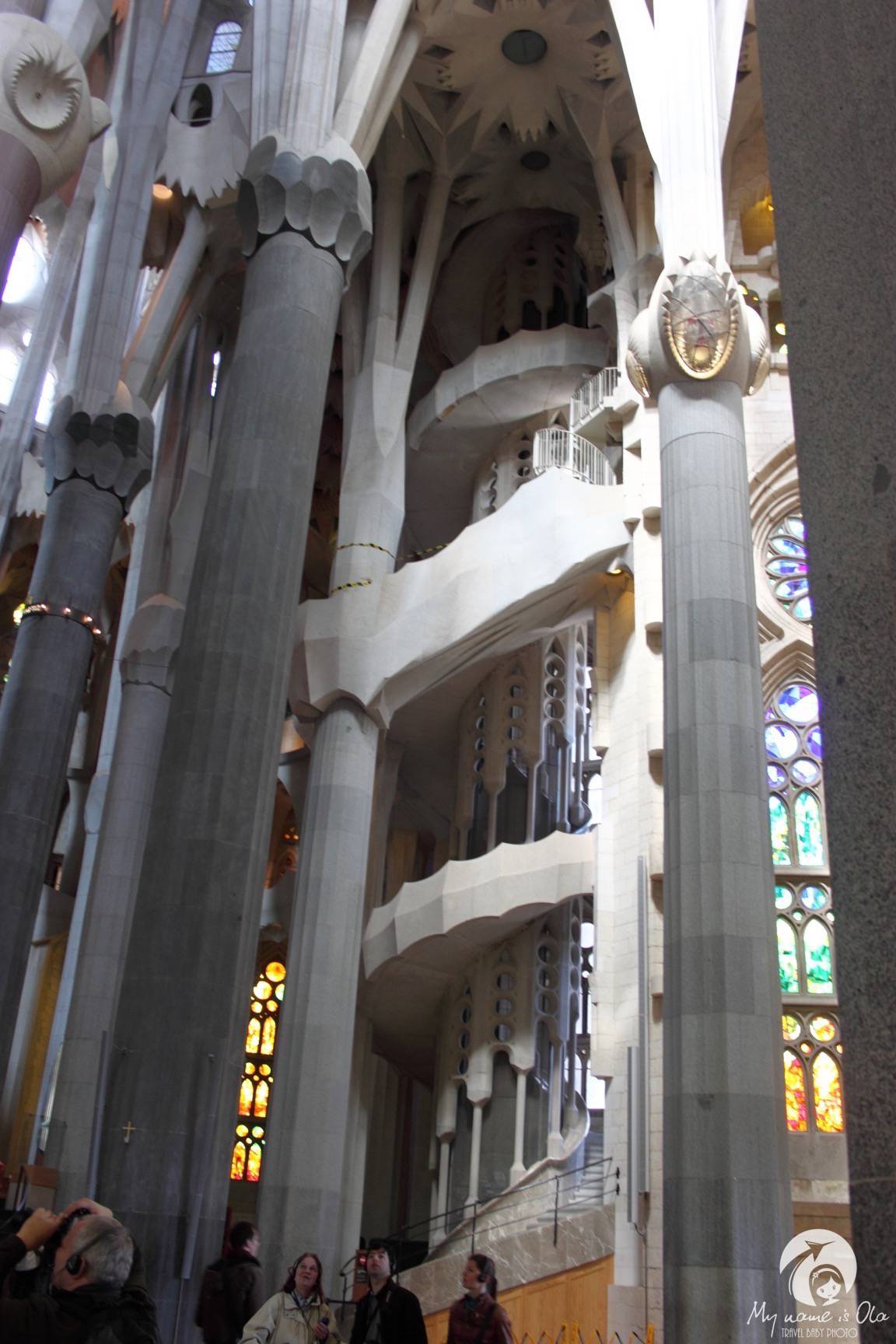
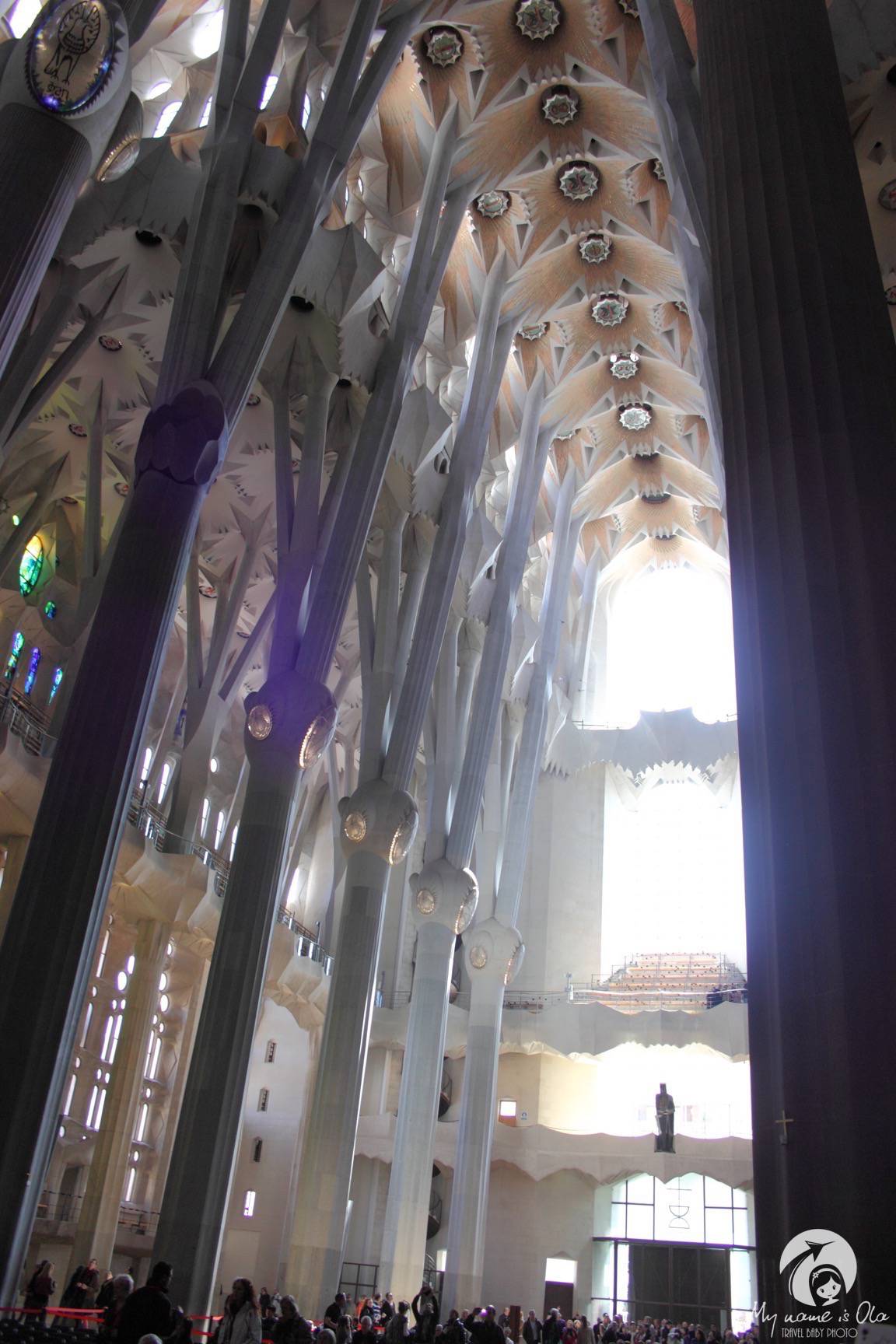


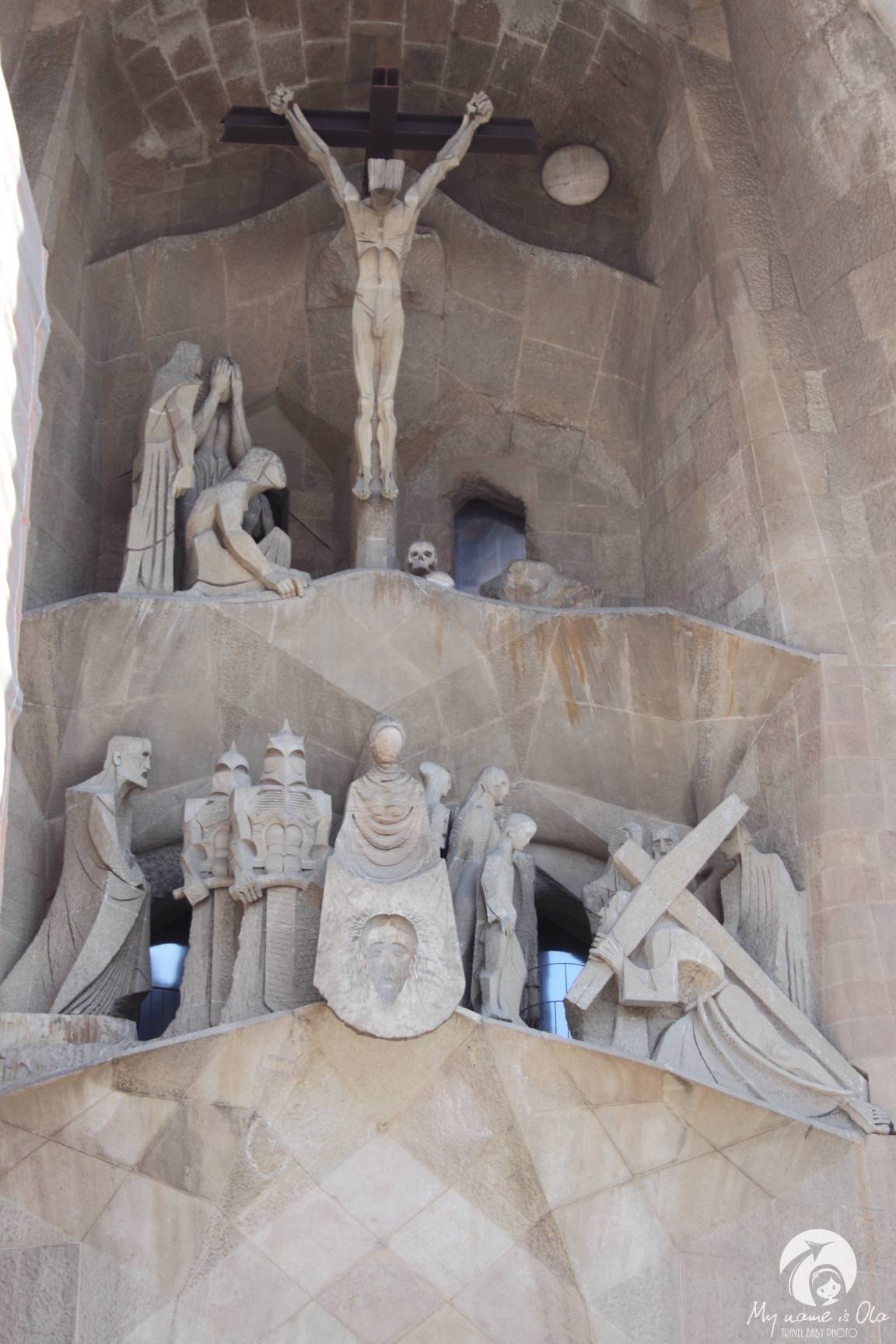 [/photosetgrid]Make sure to take the lift to the tower and view great panorama of the city. Visit the exhibition showing how Gaudi derived his amazing ideas from nature. Plan your trip in advance and buy the tickets online. The queue line sometimes requires couple of hours waiting. With online ticket you are heading straight to the entrance. If you fail to arrange the tickets before there is one more option to save time – there is an ATM on the corner next to Mc Donalds and it sells tickest as well. It’s 19,50 euro and children up to 10 enter free of charge.
 - Walk along the seaside on Berceloneta boardwalk, wander around its charming narrow streets and look up at catalonian flagues hanging from balconies. [photosetgrid layout=”3″]

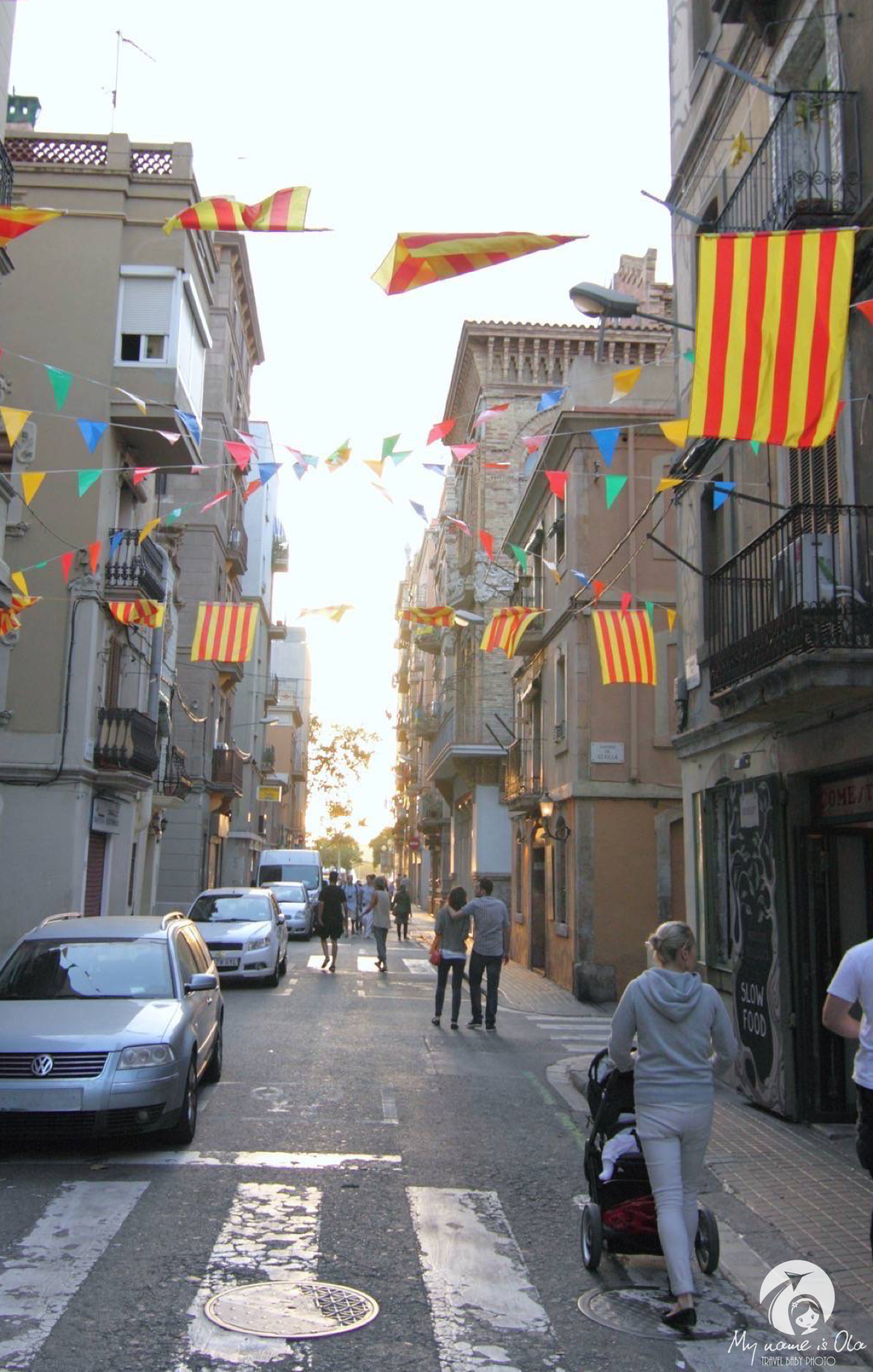
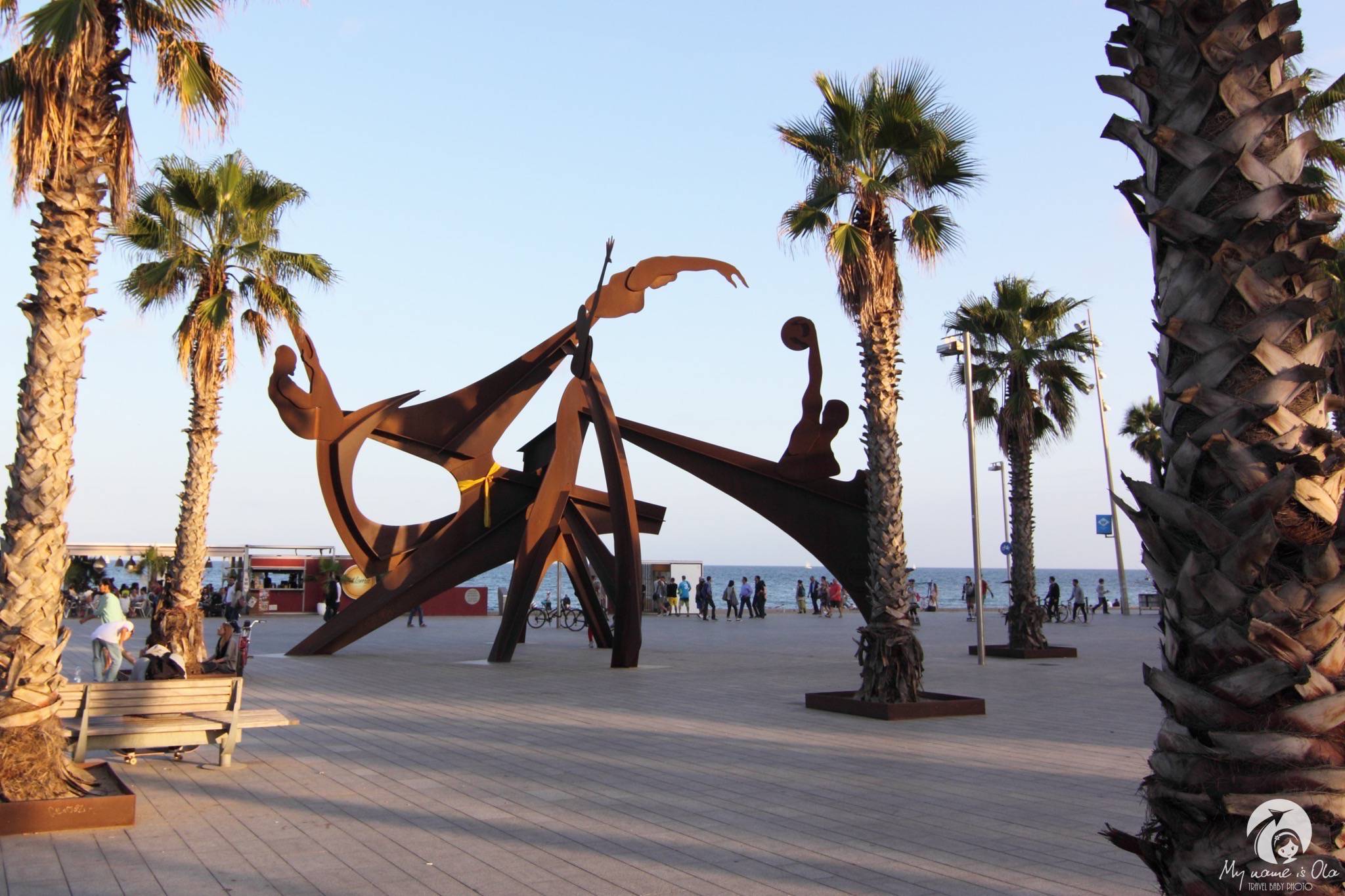
[/photosetgrid]This part of the city used to be inhavbited by fishermen, hence the opinion that its restaurants offer the best fish and seafood in Barcelona. This opinion has survived till now and indeed local bars offer wide variety of seefood. Try it together with a big pot of sangria.[photosetgrid layout=”4″]

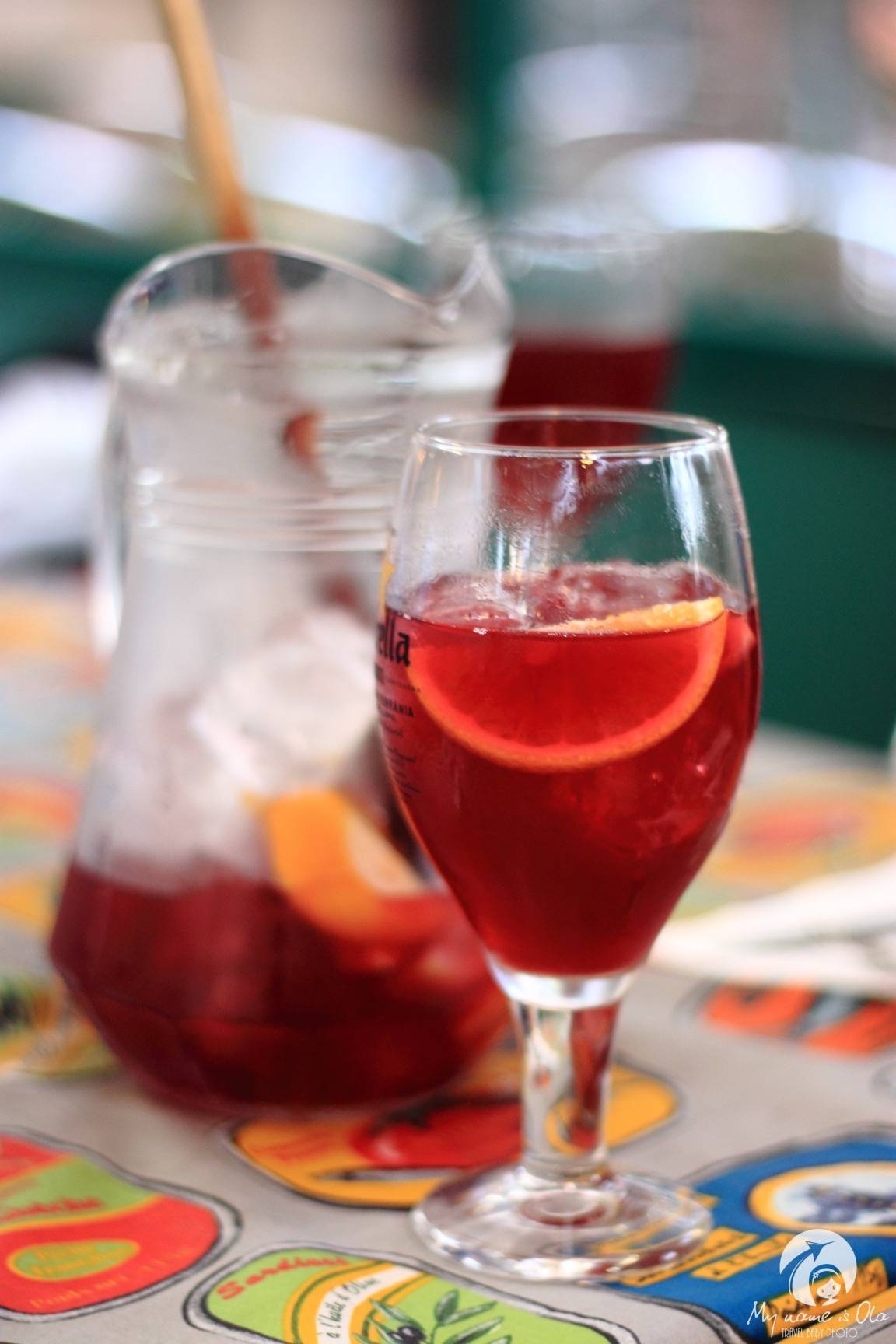
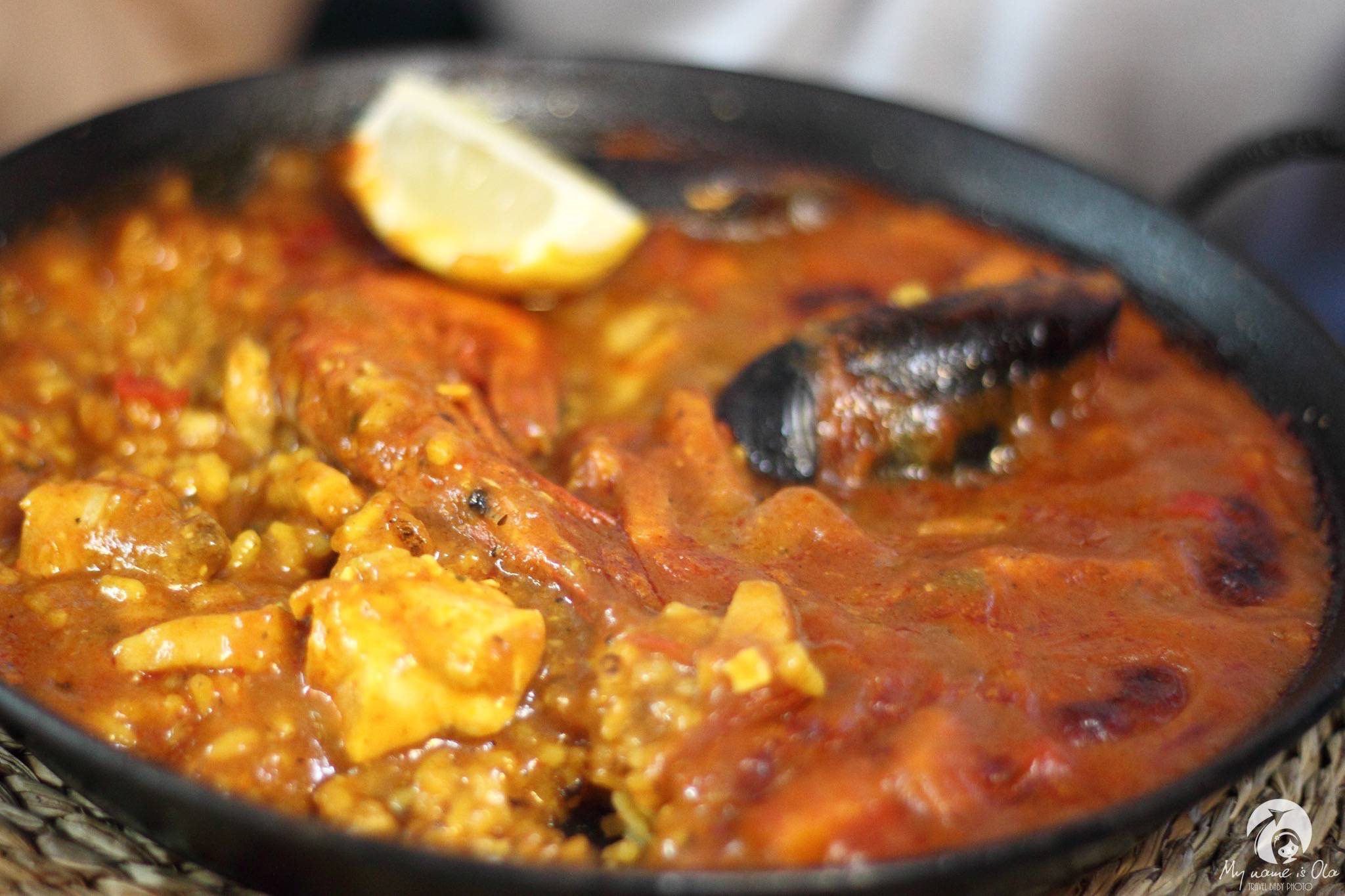
 [/photosetgrid]
Although children are well received in the restaurants of Barceloneta we haven’t seen a baby high chair in any of them. When there is nice weather swim in the sea. Barceloneta beaches have been cleaned and are well maintained, in summertime are full of people.

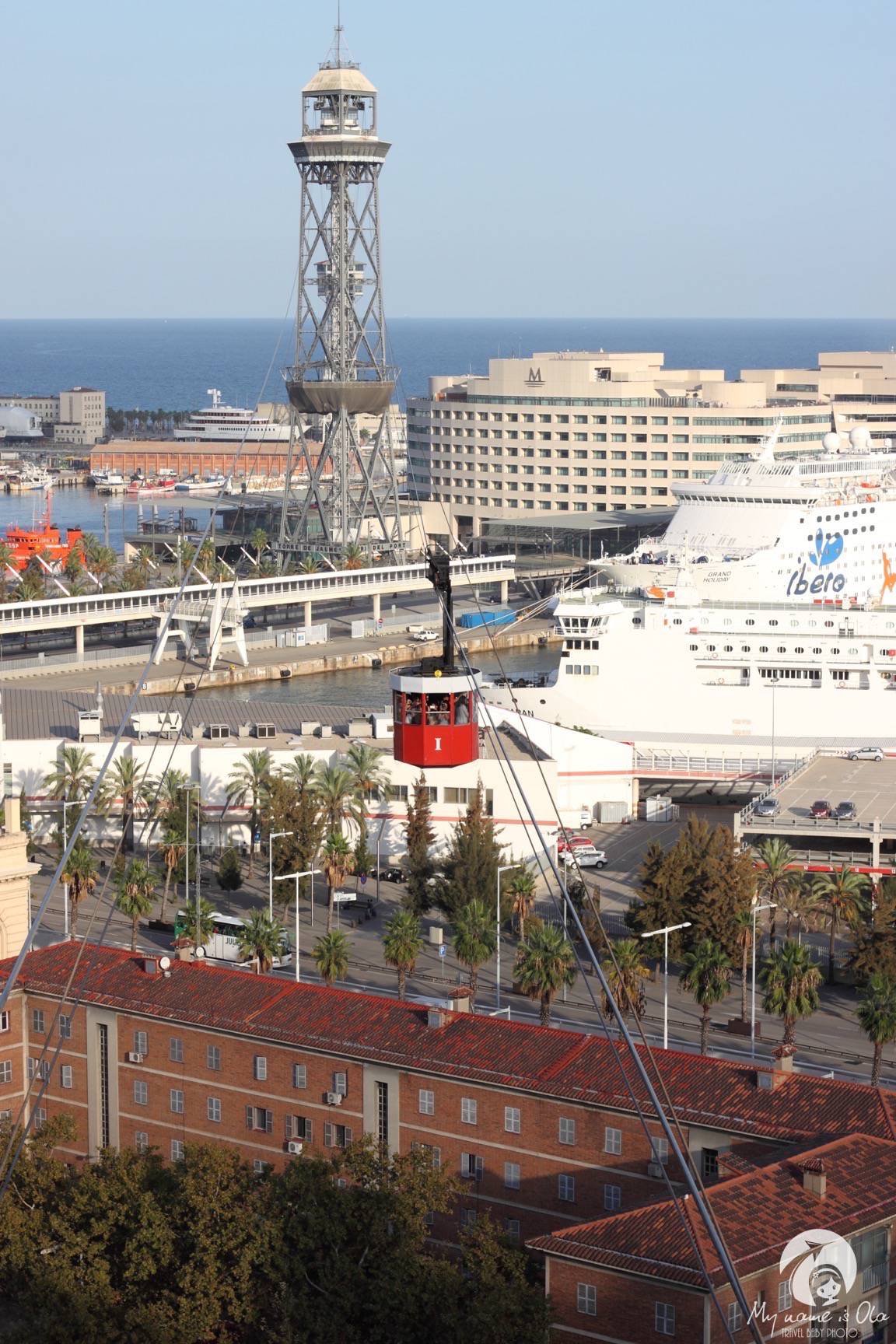
Visit Port Vell, the port with impressive yachts, and leave by aerial tramway to Montjiuc hill. It’s 11 euro one way. Baby stroller fits in the car and is free of charge including its content.[photosetgrid layout=”13″]


 [/photosetgrid]
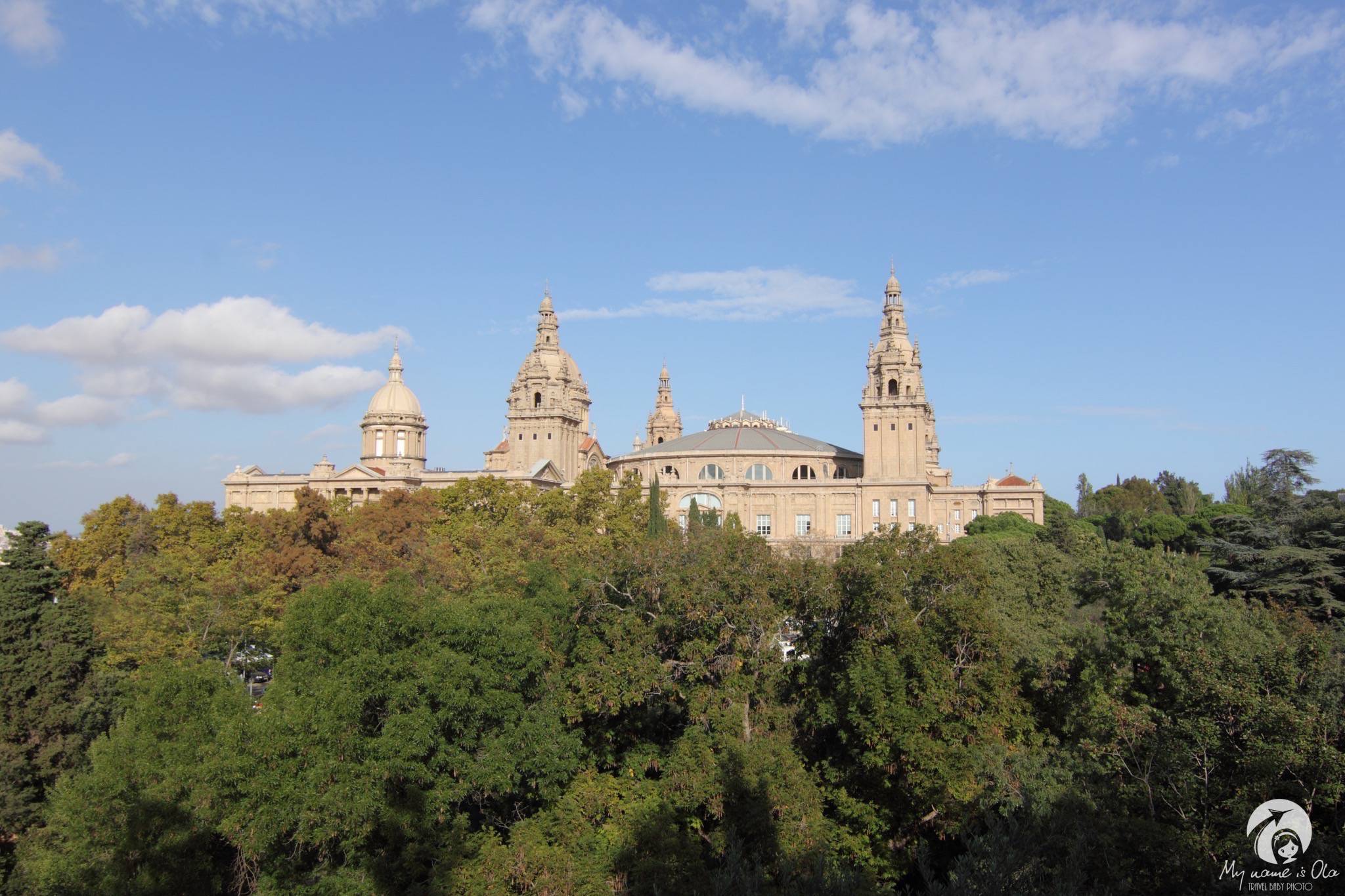
 - Head down to National Museum Art of Catalonia with a great viev over the Placa d’Espanya. It’s is located in Palau National. A huge construction built in the twenties of 19th century in classical style for Barcelona International Exposition. Central dome was inspired by St. Peters church in Vatican. The building, indeed impressive, was later on transferred into museum. Museum – a pride of Catalonians. Interior together with the exhibition keep for next visit as they require minimum 2 hours.
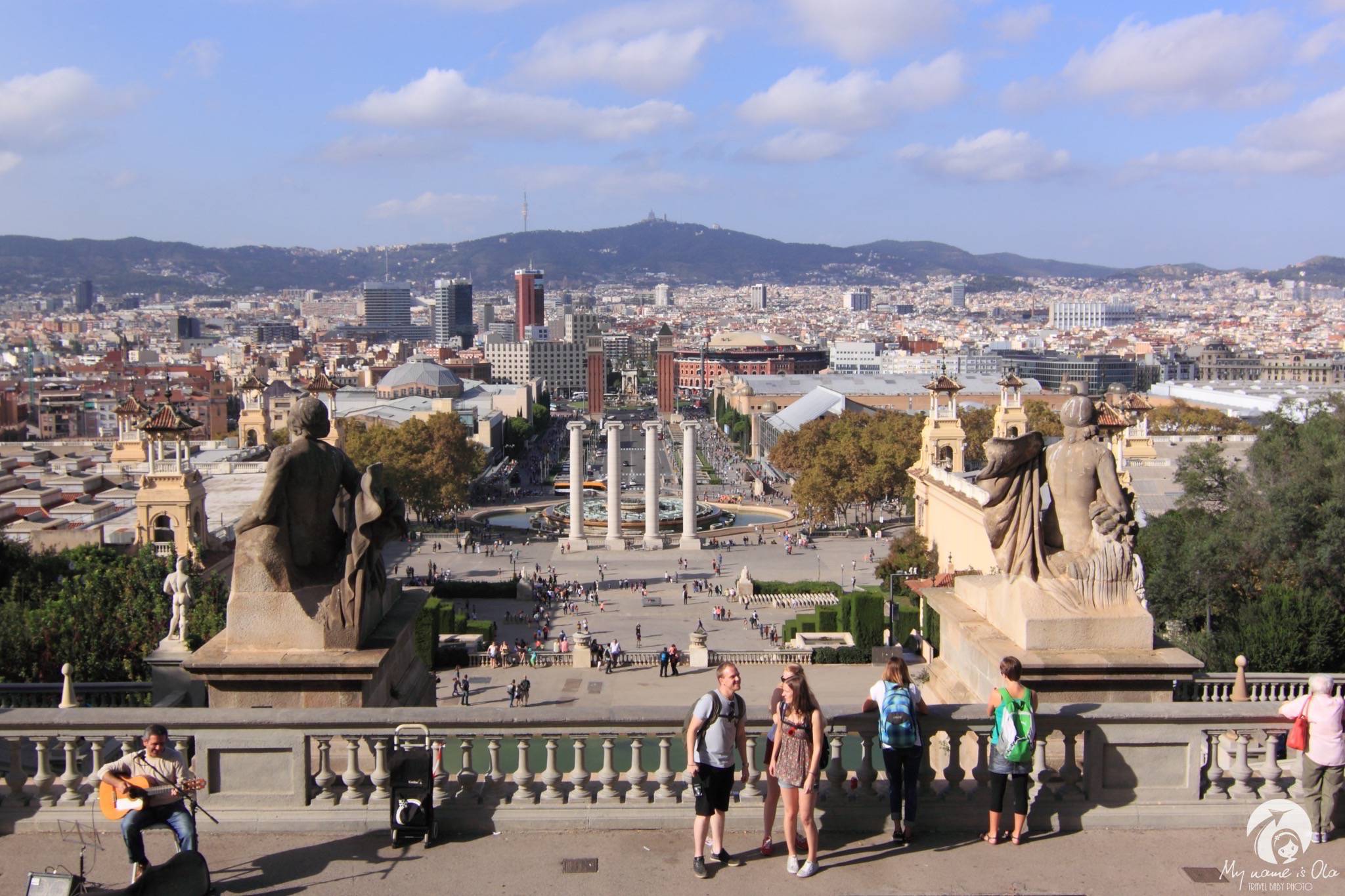

Road leads down to Placa d’Espanya, built for the same occasion, the square with terrible history of public hangings. It’s decorated with a big fountain right in the middle and Venetian Towers – a gateway towards the Palau.
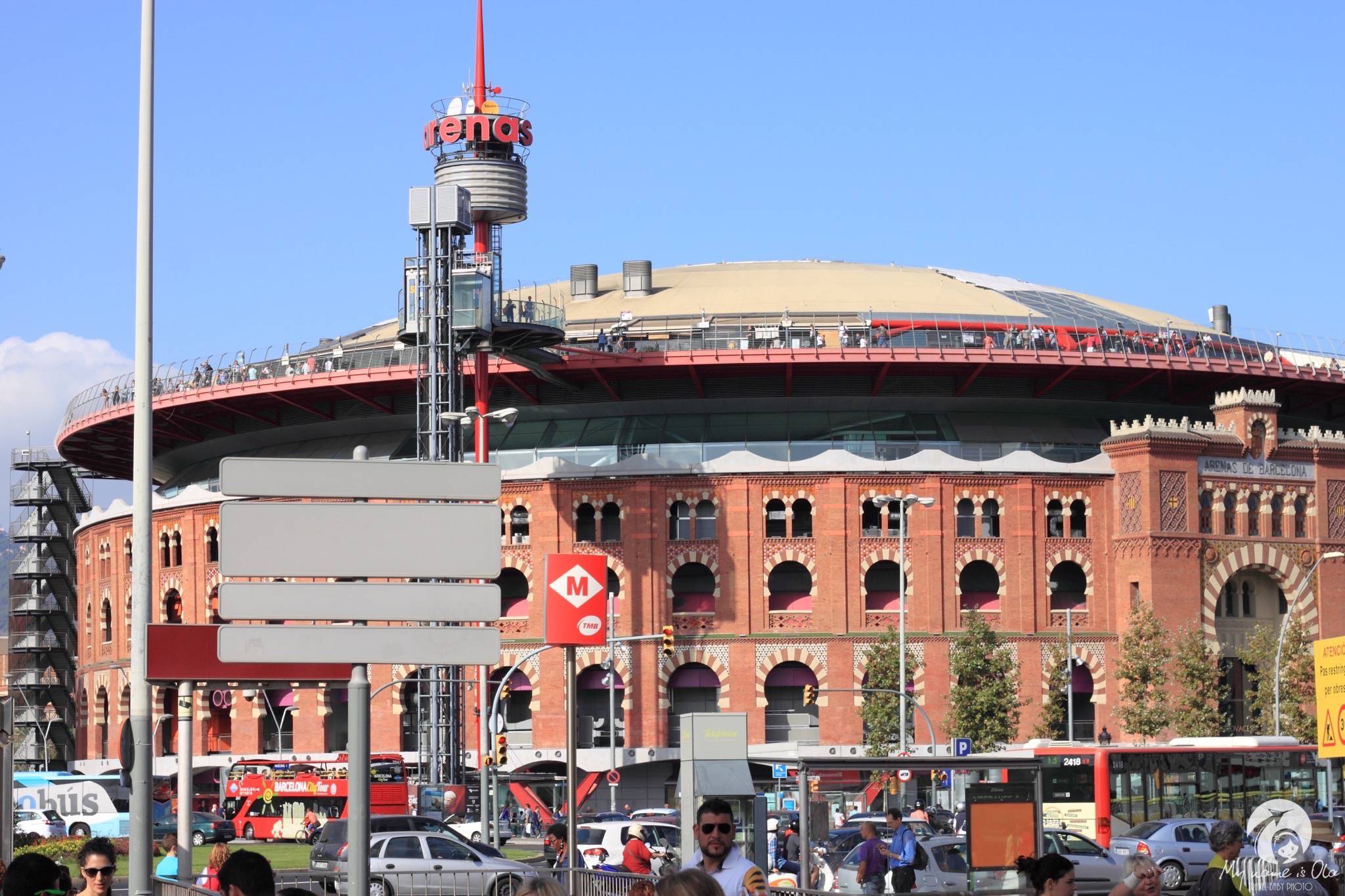
 On the opposite side there is marvelous bullring in Moorish Revival style, today a shopping center with a roof top open for visitors (1 euro).
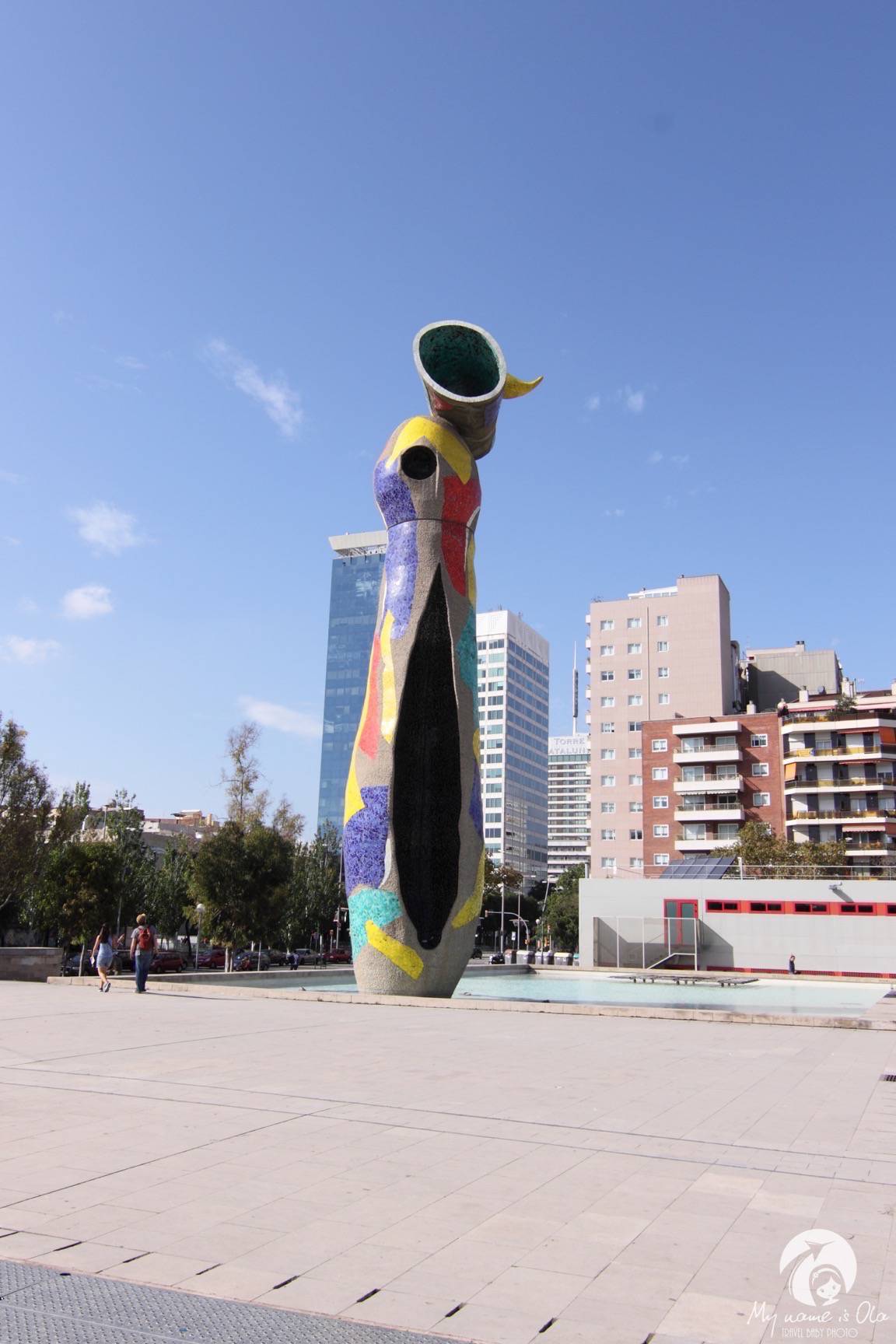
 Right behind the bullring thre is a Joan Miro Parc with his 22-meter high colorful sculpture of Woman and a Bird. Joan Miro For those who lack imagination and creativity, a word of explanation – „bird” in Catalonian means penis. Now, having in mind human sexual organs, you will find a woman and a „bird” in the sculpture without a problem.
- Visit one of the Barcelona food markets; choose either Santa Caterina or La Boqueria.
Santa Caterina market is a first roofed market in the city, bulit in 1845 on the pleace of dominican monastery of the same name. Today it represents visual innovative ideas of Barcelona – it is covered with a totaly colorful wavy roof giving it completely different character. Inside stalls full of fresh produce invite by colorful compositions.
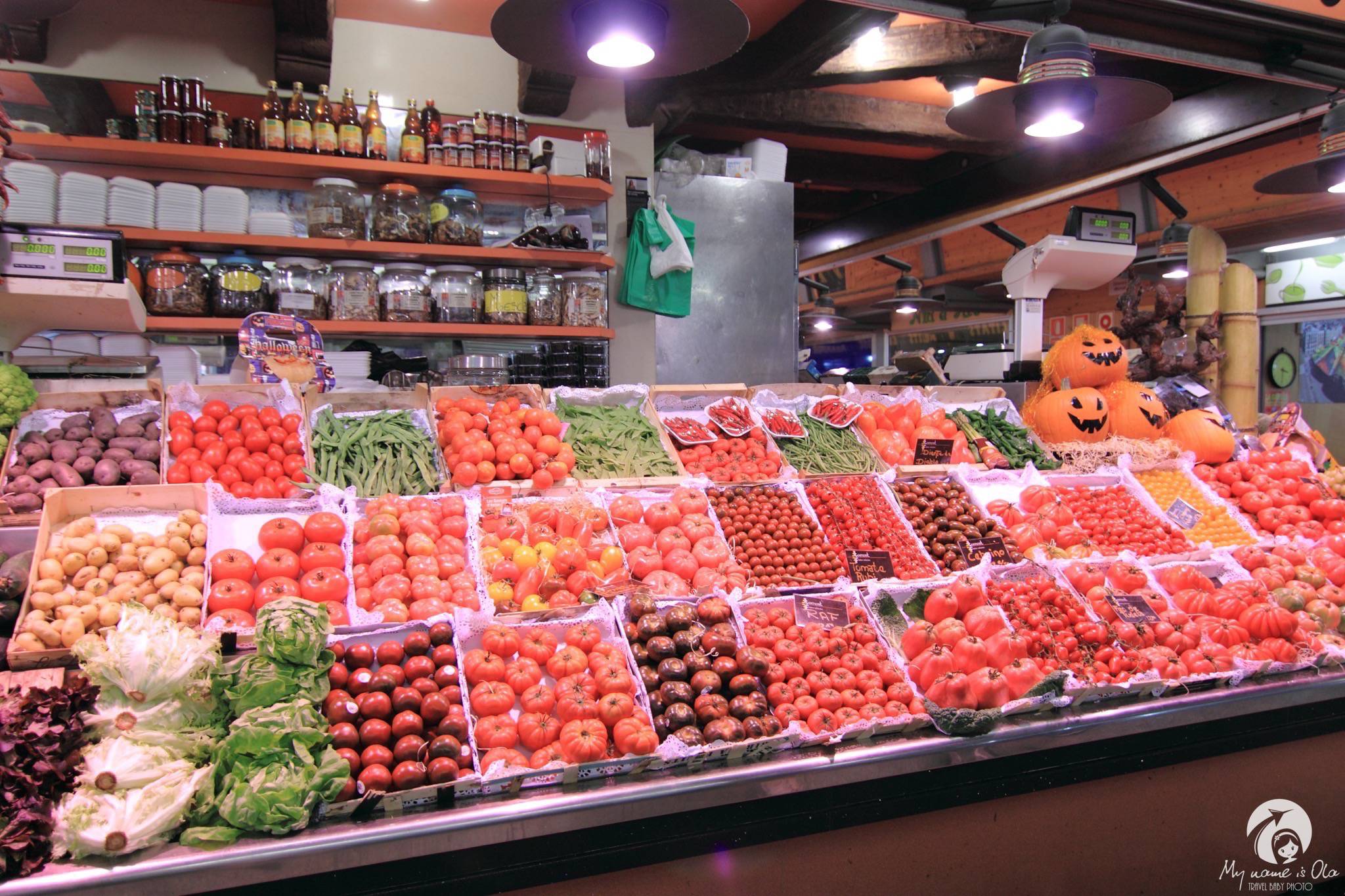
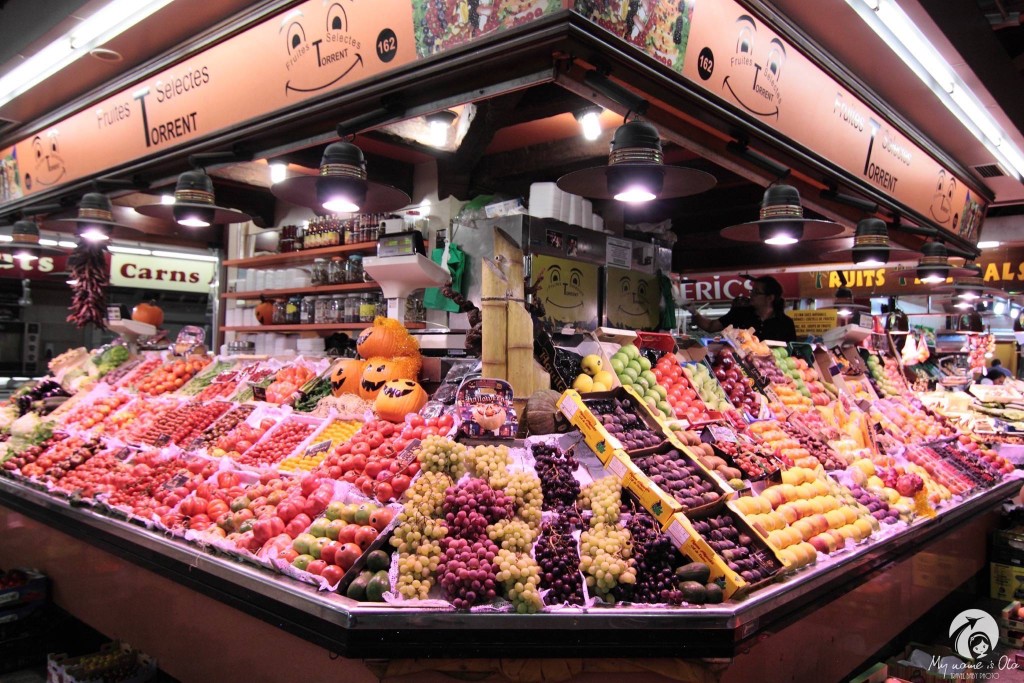
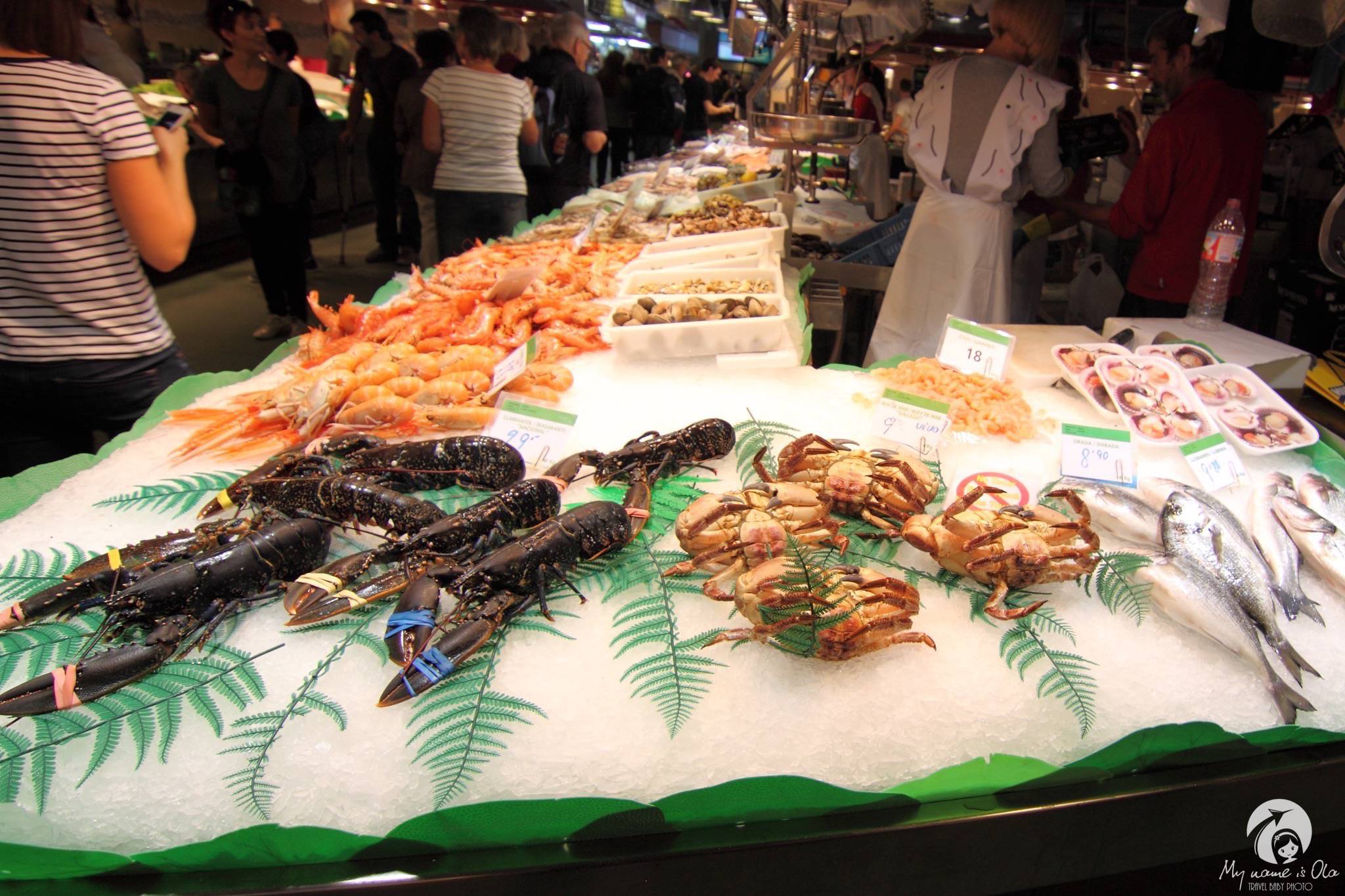
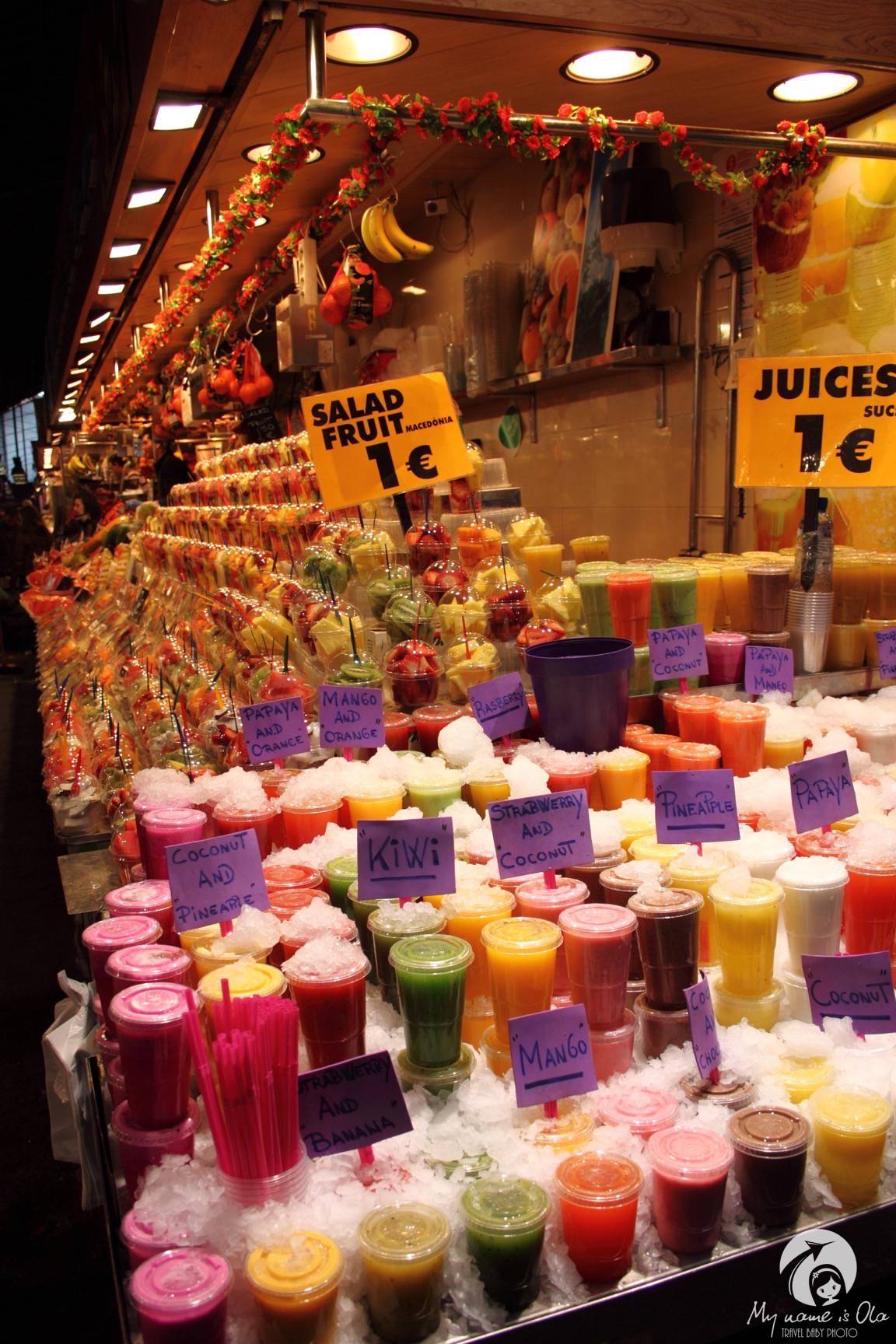
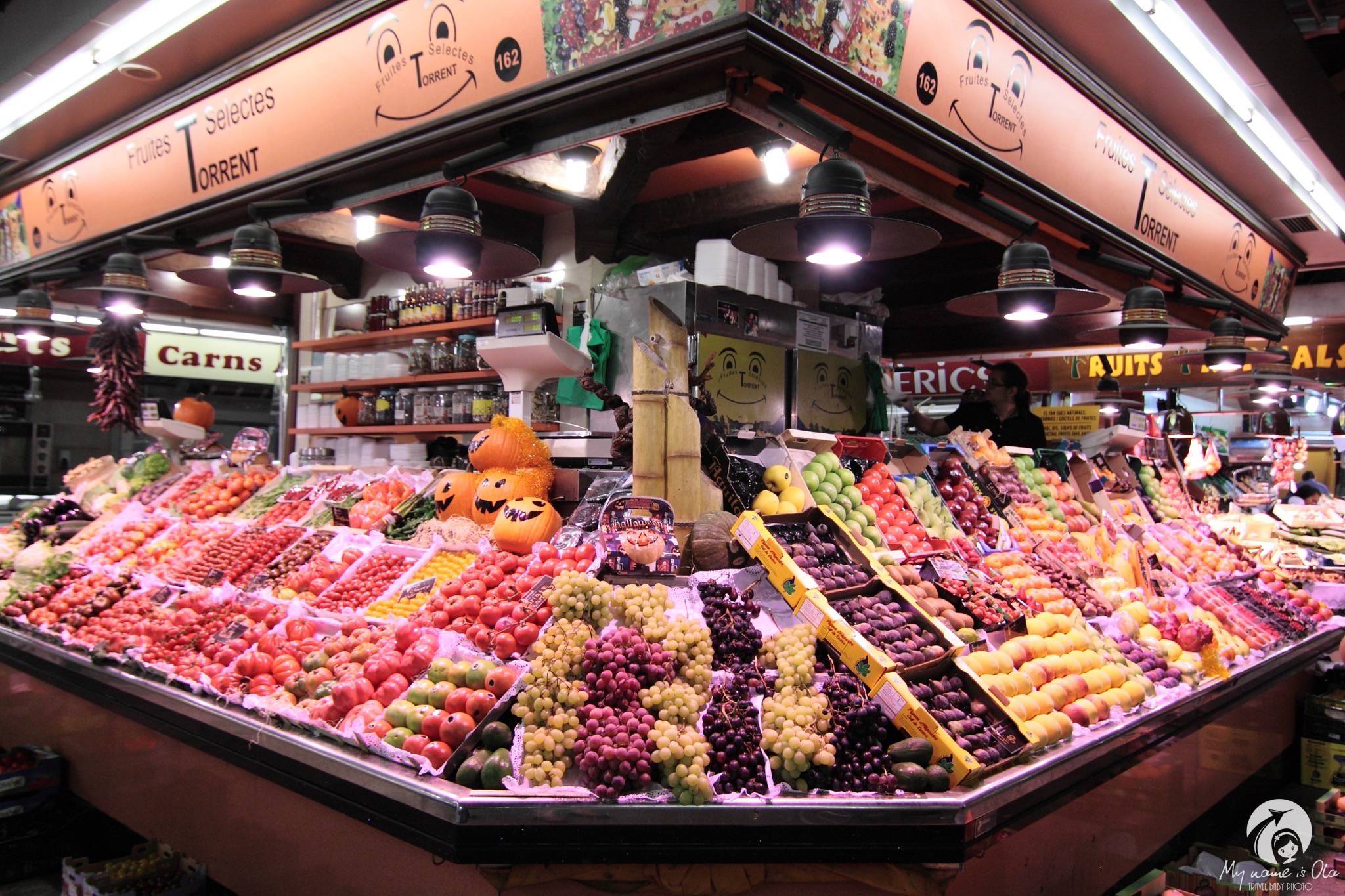 Same bursting with colors stands we will find in La Boqueria, with the difference in way bigger number of tourists. Watch out for your pockets and purses as Barcelona is said to have one of the biggest problems with pickpocketers and such places are their paradise. But of course we should be careful in all the touristic crowded places in the world. So keep an eye on each other and dive into the world of colours, see the wide variety of fruits, vegetables, seafood, traditional meat products, cheese or sweets. Get something to eat in one of the legendary bars of the market and grab a cup of fresh fruit juice for one or two euro.
[photosetgrid layout=”34″]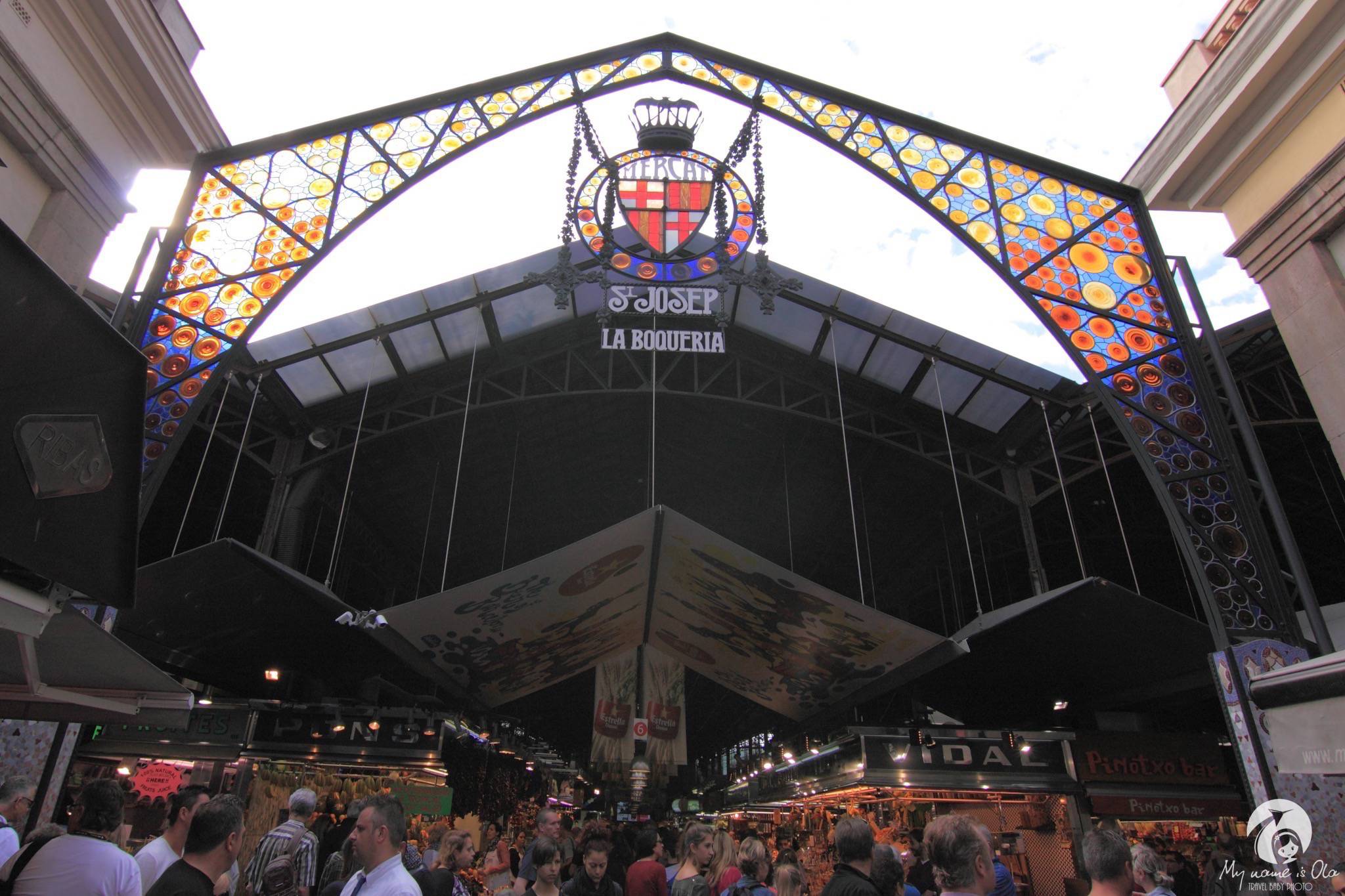


 [/photosetgrid]
 - Have a walk from Arch de Triomf to the Parc de la Ciutadella to find another piece of art which Gaudi probably had his hands in – Casca da Monumental. It’s a huge fountain with golden sculpture Quadriga de l’Aurora on the top.


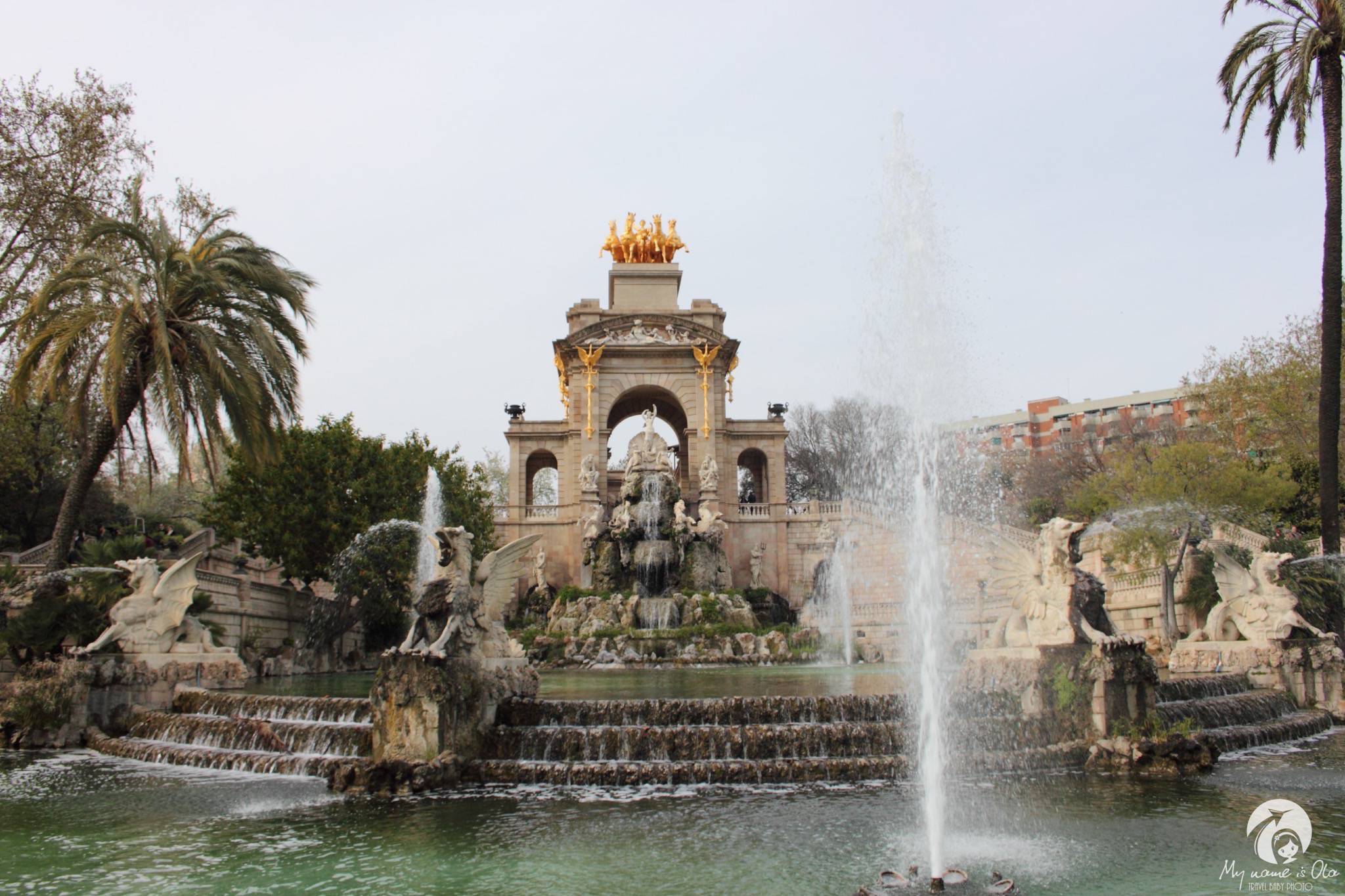 Pass by the building of Parliament of Catalonia.
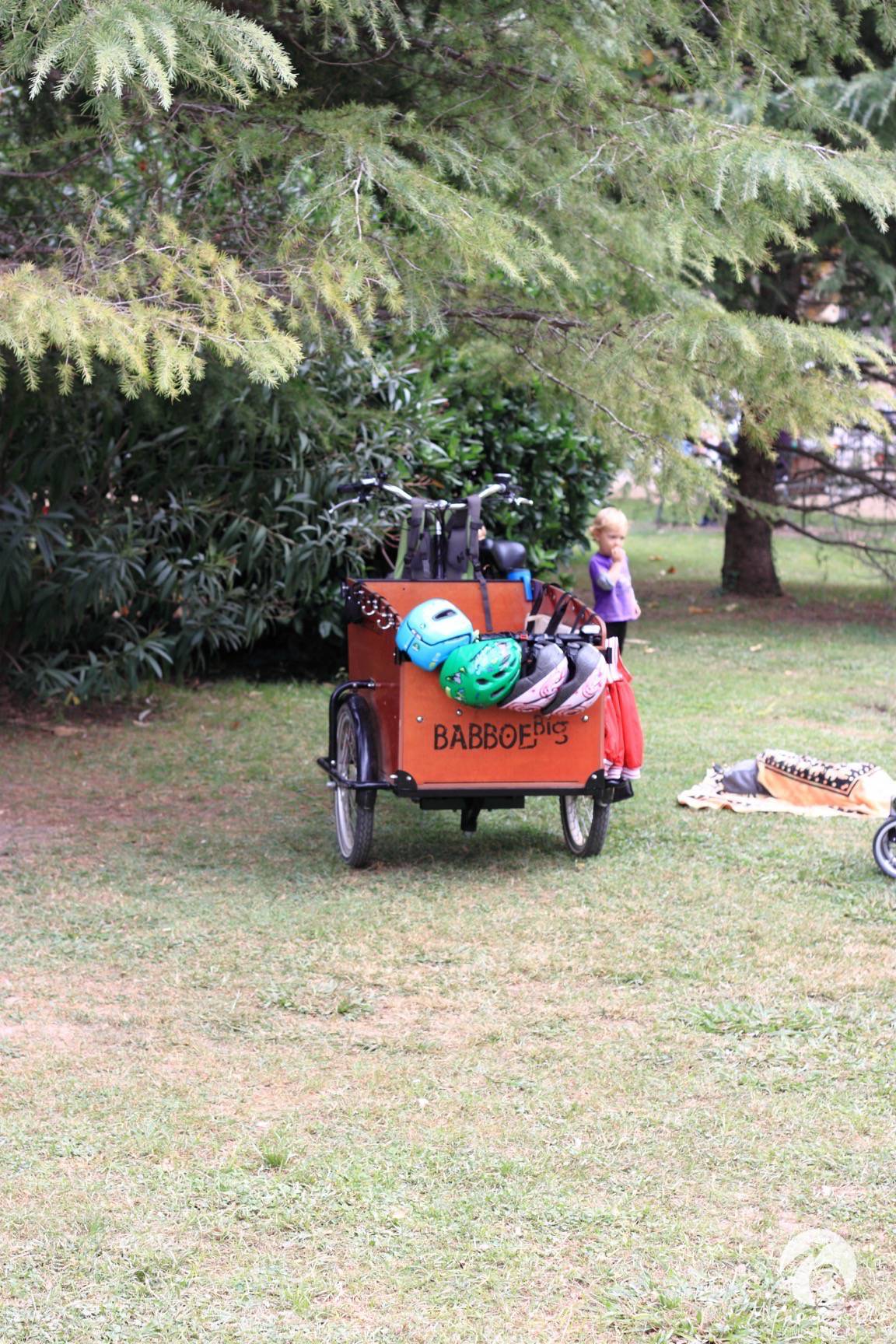
 And look at the Catalonians enjoying park’s atmosphere.
[photosetgrid layout=”4″]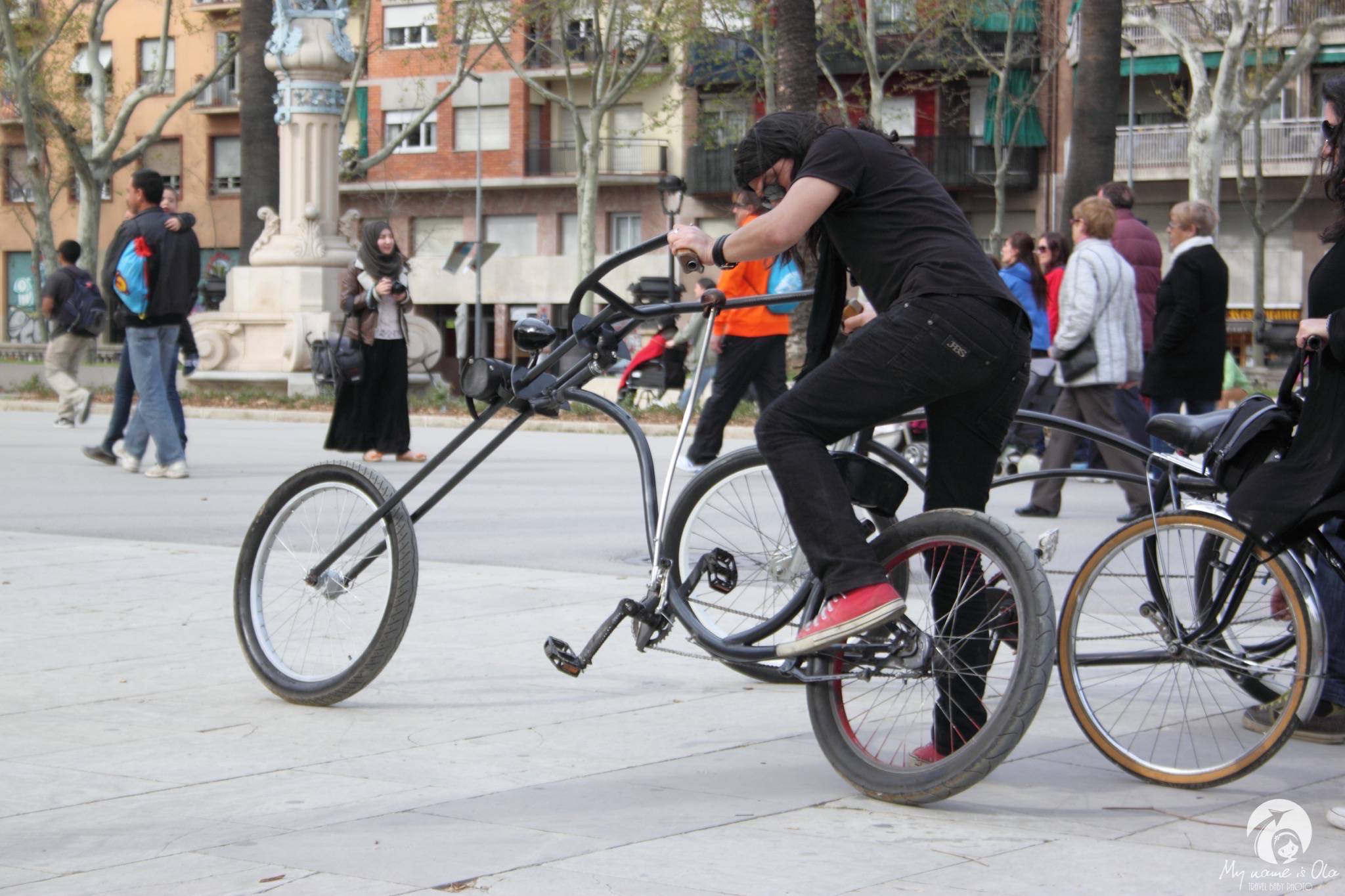

 [/photosetgrid]
 - Visit the Cathedra of St. Eulalia, niecessarily inside! Admission is 6 euro. It’s a gothic cathedral built in 14th-15th centuries together with adjacent cloister. The impressive facade was finished only at the beginning of 20th century.

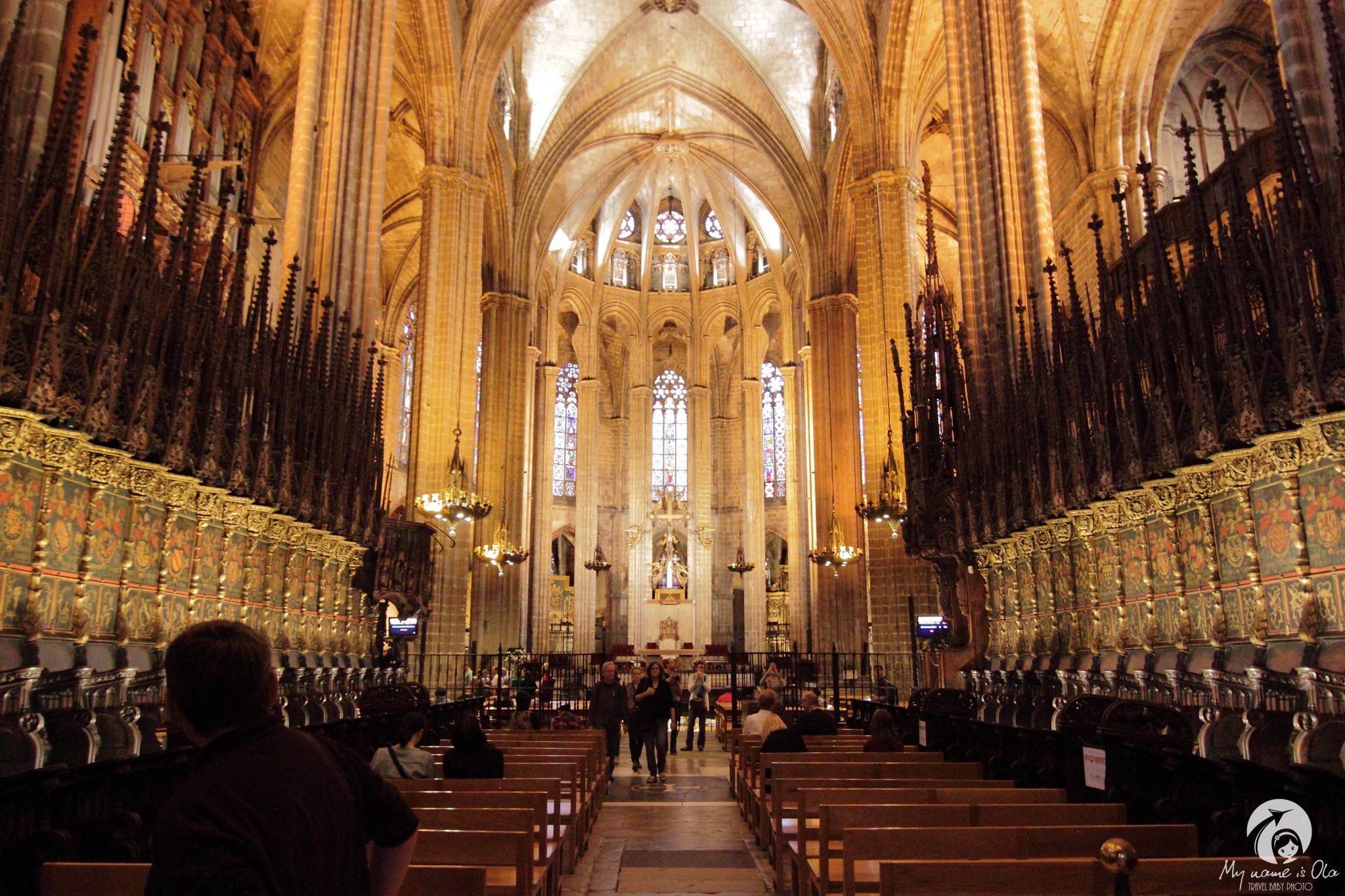
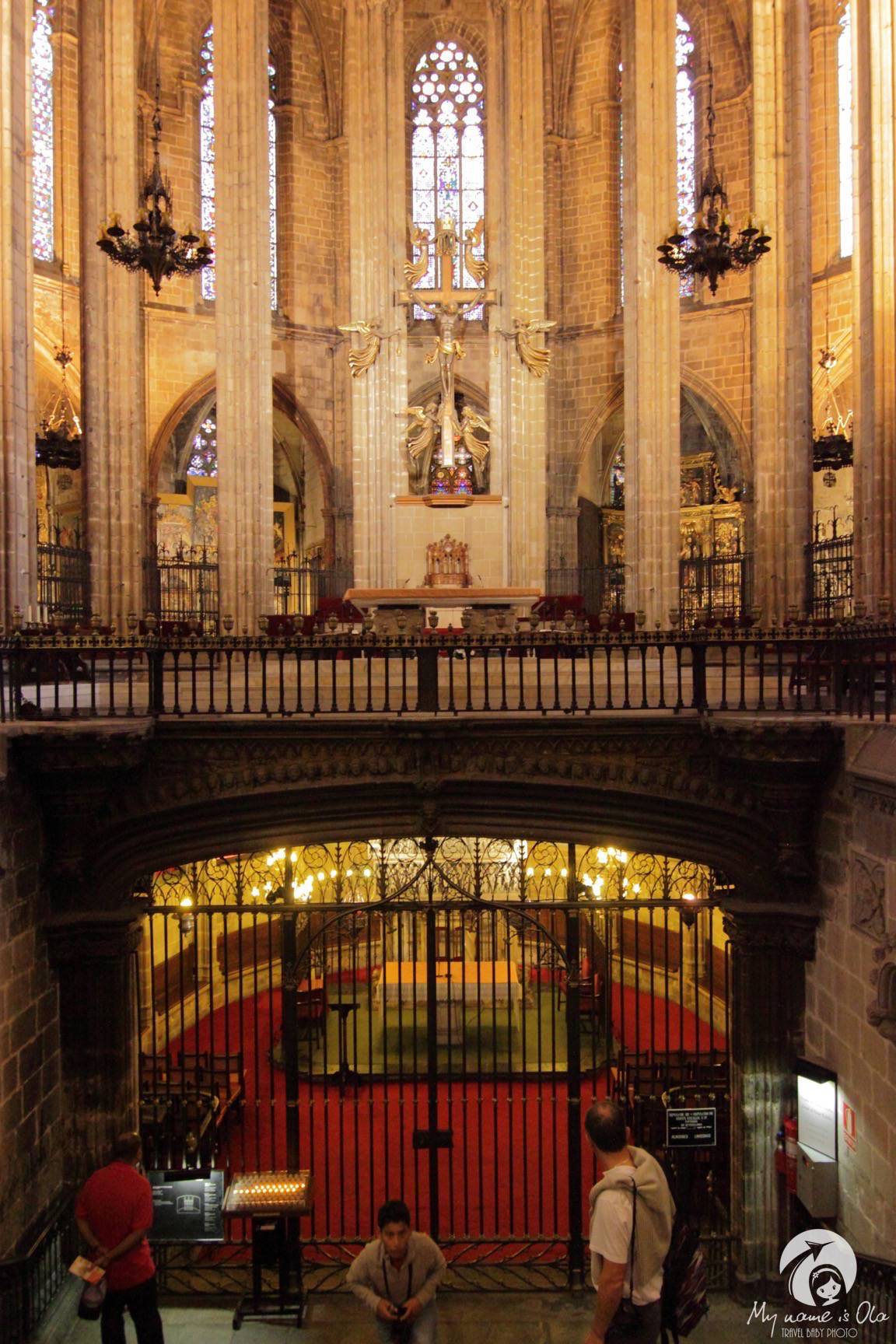
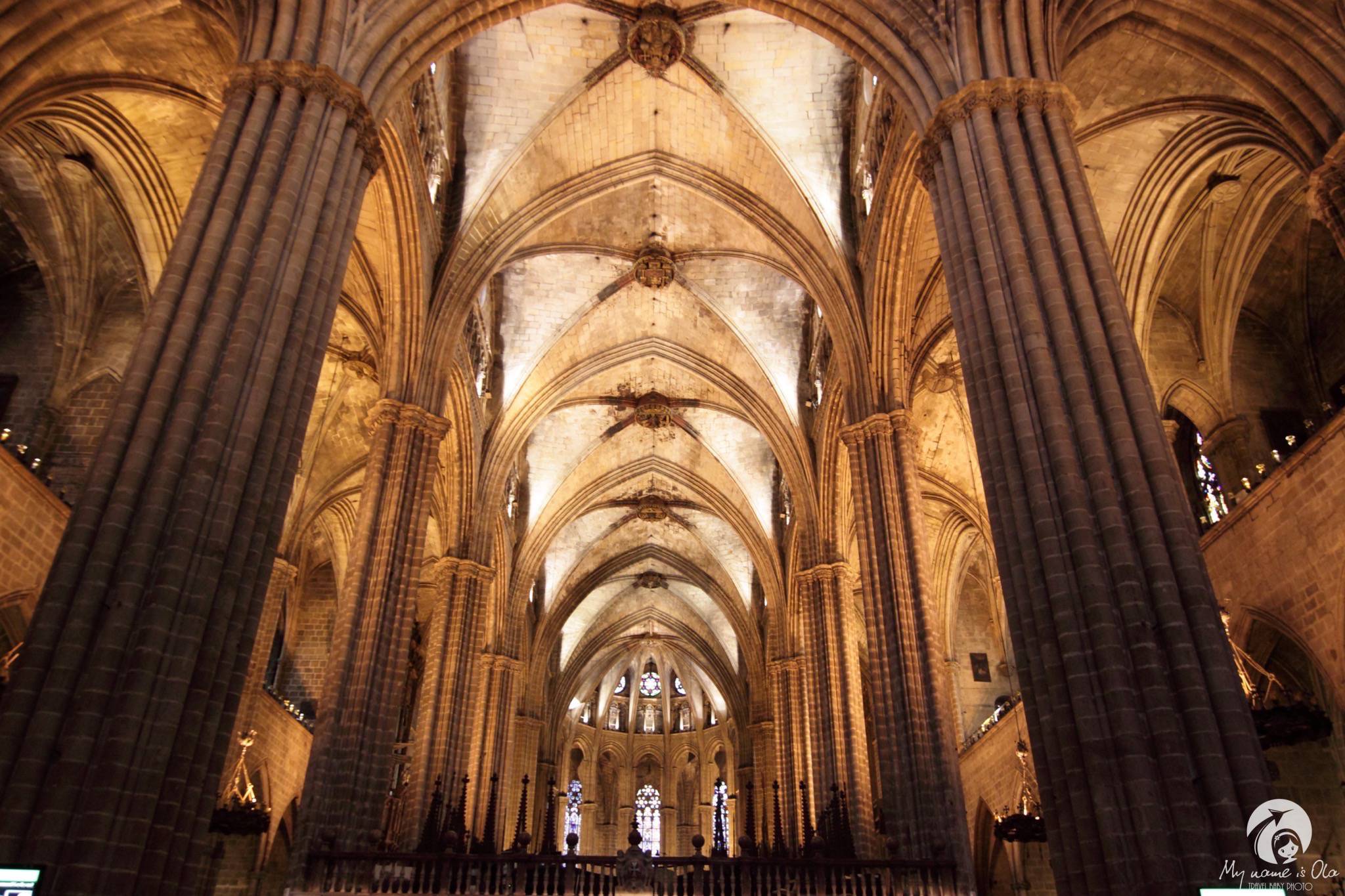 Inside, under an altar there is a crypt with church patron, St. Eulalia’s body.
 Pay atention to choir stalls also from 14-15th century with seats decorated with coats of arms of Order of Golden Fleece knights. On the outer walls there are 16th-century marble reliefs showing St. Eulalia’s life.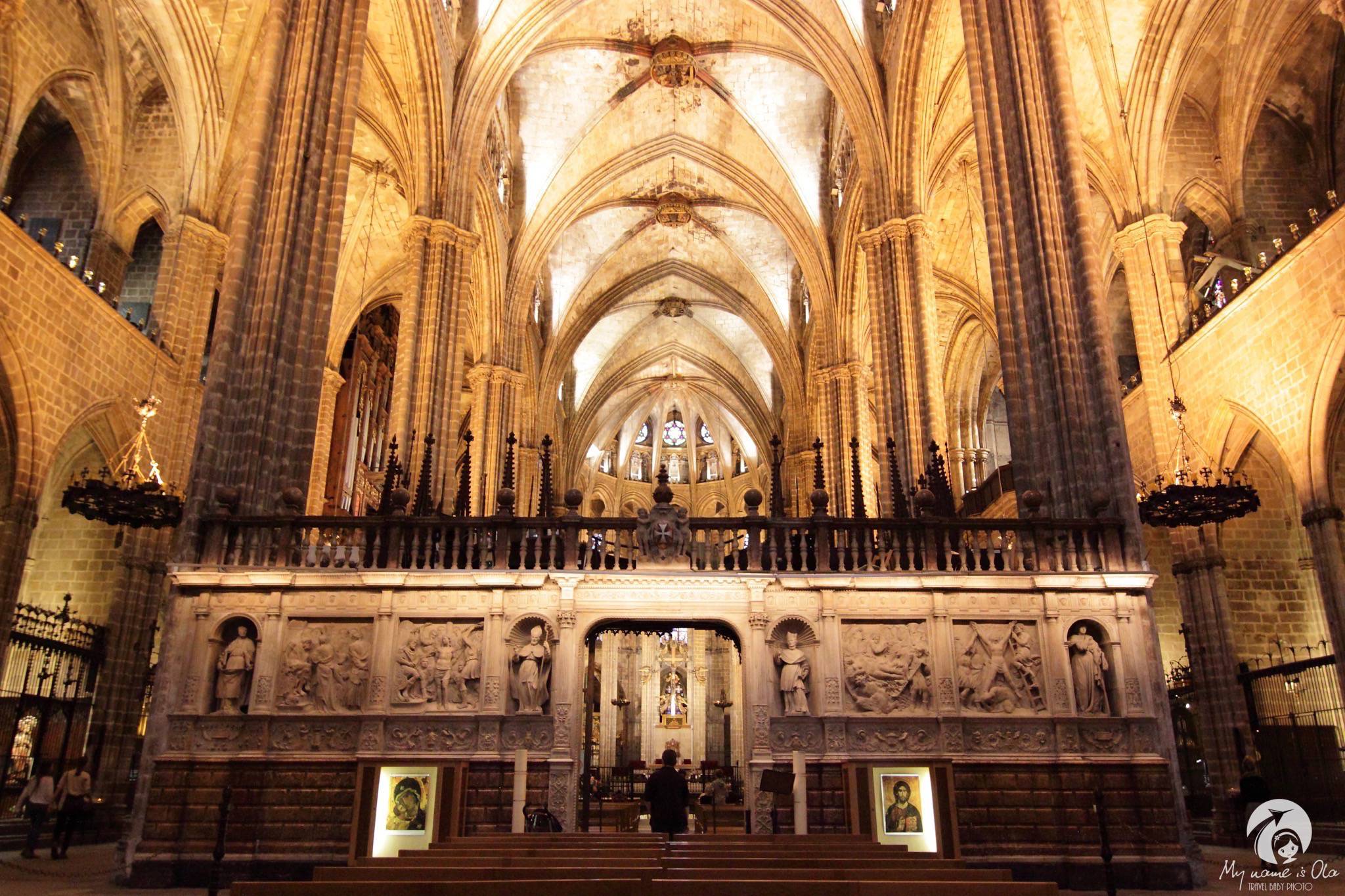
 The neighbouring cloister keeps 13 white gooses for the memory of St. Eulalia age when she died. And indeed gooses gaggle in the middle of the cloister by the fountain.
 - Hospital of St. Paul it’s a complex of modernistic buildings from the beginning of 20th century.
 That extraordinary place used to really be a hospital. It consist of main building and two rows of pavilions, each for different medical ward. All buildings are covered with orange bricks, facade of the main building is decorated with sculptures and ceramic mossaic. Place ows its name to its donator, businessman Pau Gil. Today it’s just a museum, the hostital was transferred to a new building leaving the premises to St. Pau Art Nouveau Site. Admission is 5 euro but we cannot say anything about it as were still keeping it for our next time. The only thing we learned there is a toalet with a baby changing station.
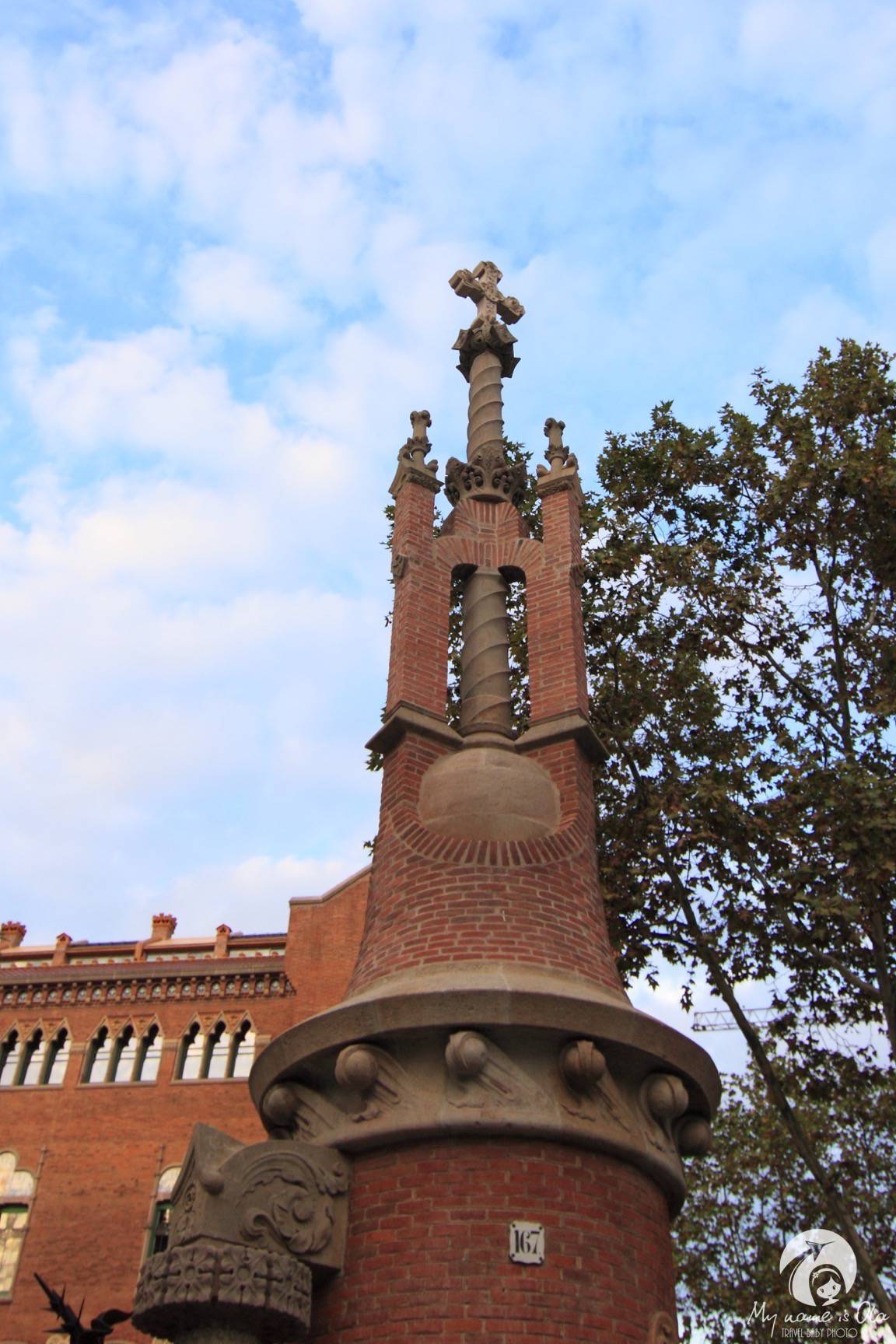

Some will say our list is missing many places like Park Guell, like Picasso Museum, Placa Reial or Casa Batllo and others, but this is only our personal opinion, our advise what to start with because as we said at the beginning you will surely be back here.
Oh, and definitely use Aerobus to get from the city to the Airport. Althought it is possible to get there by train using T10 ticket, we advise Aerobus. You just get on it in the city center and simply jump off at the airport. Going by public transport requires using subway and train and having at least 15 minutes to transfer between them. The indicated route leads through many steps and when you are short of time you just don’t wonder where the lift is and where it will take you (because it’s on the opposite corner of the station) and you just carry a stroller to follow the route. That makes you arrive to the platform tired and mad.
READ MORE
There is such place in Barcelona… London Bar
Visit to La Pedrera with the baby
Saturday in Barcelona

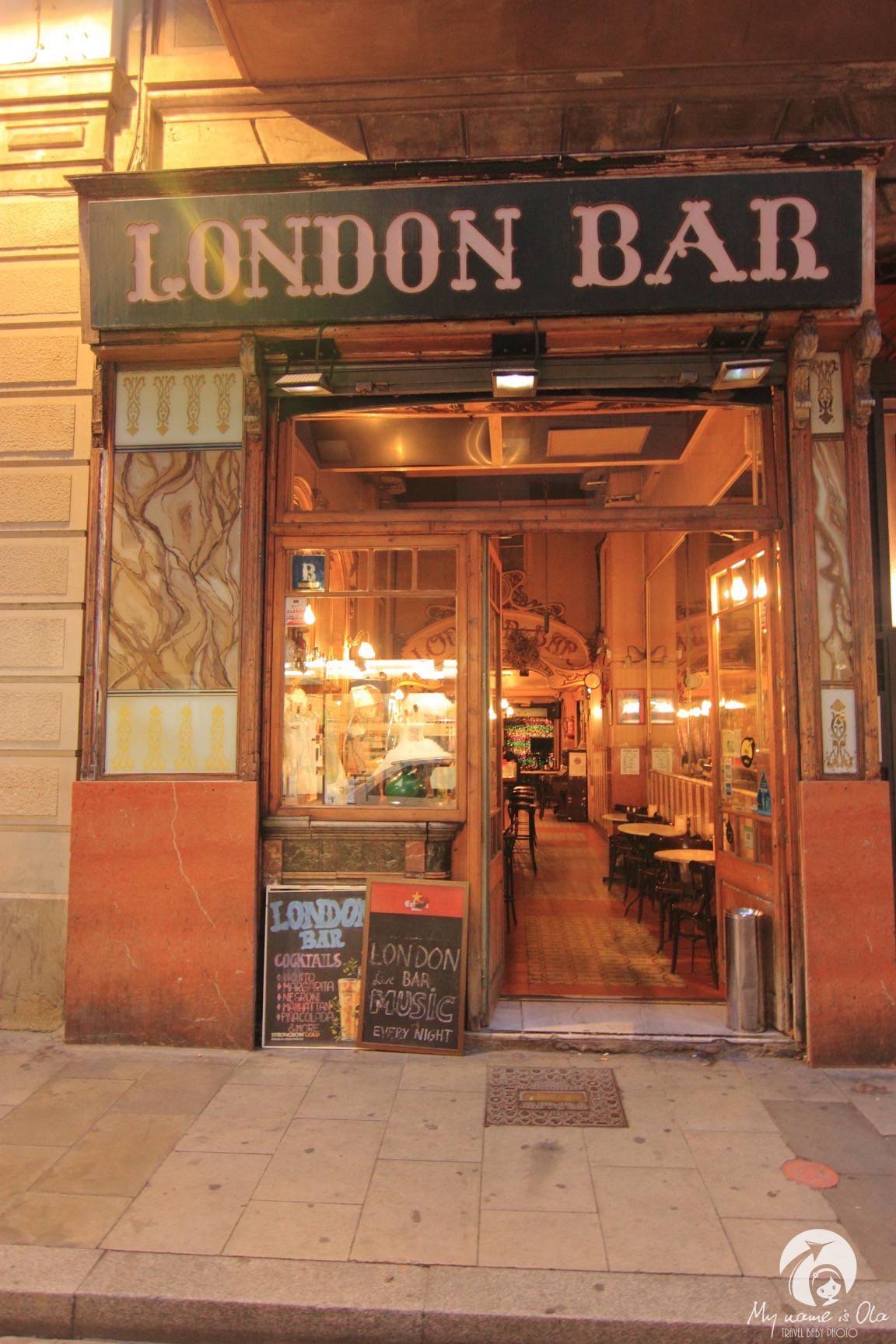
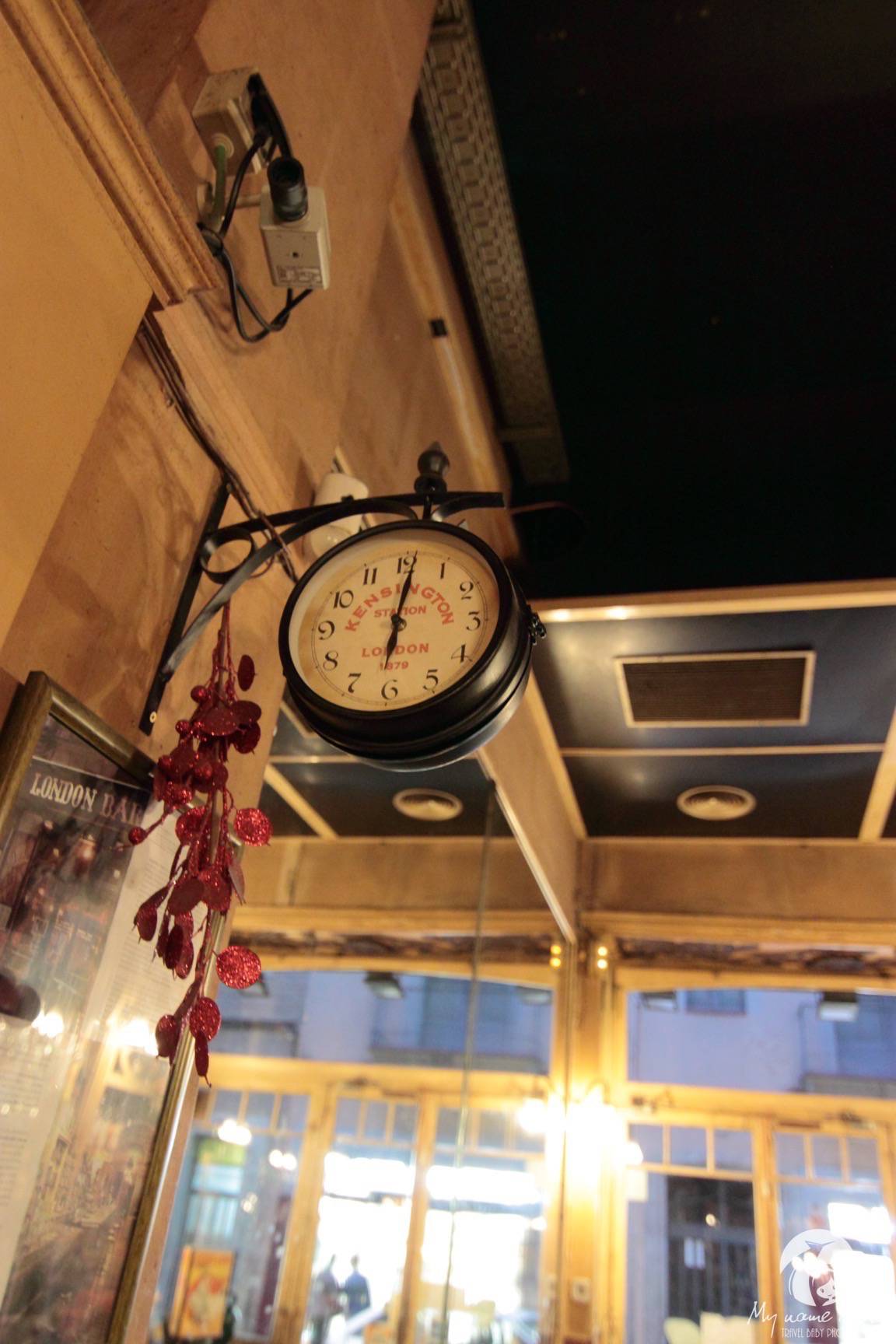
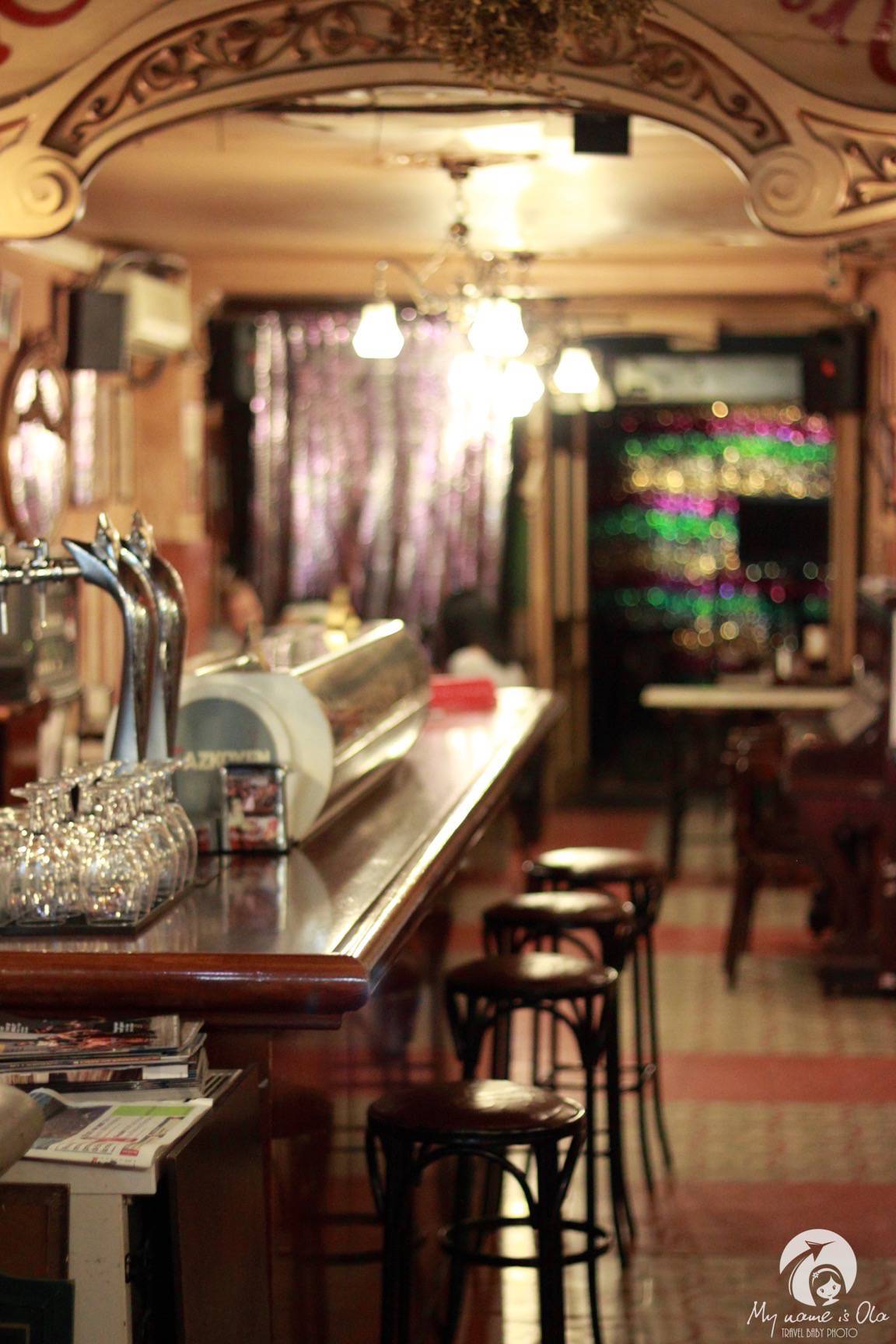
 [/photosetgrid]It has always been a special place, with some kind of spirit that brought artistic souls there. Imagine only that on the same place you are sitting now there used to sit Hemingway, Orwell, Picasso, Joan Miró, or Dalí.[photosetgrid layout=”2″]
 [/photosetgrid]


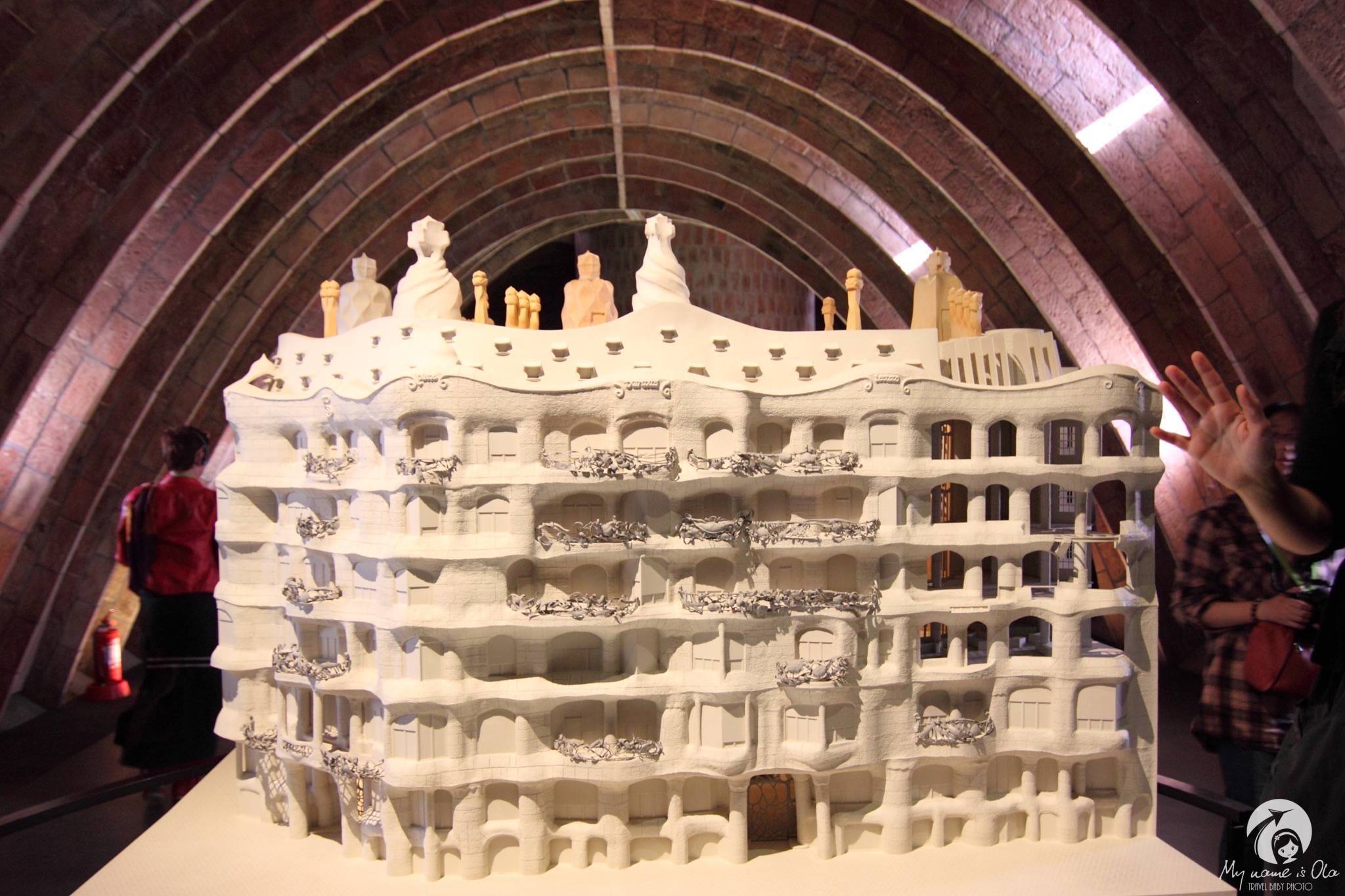
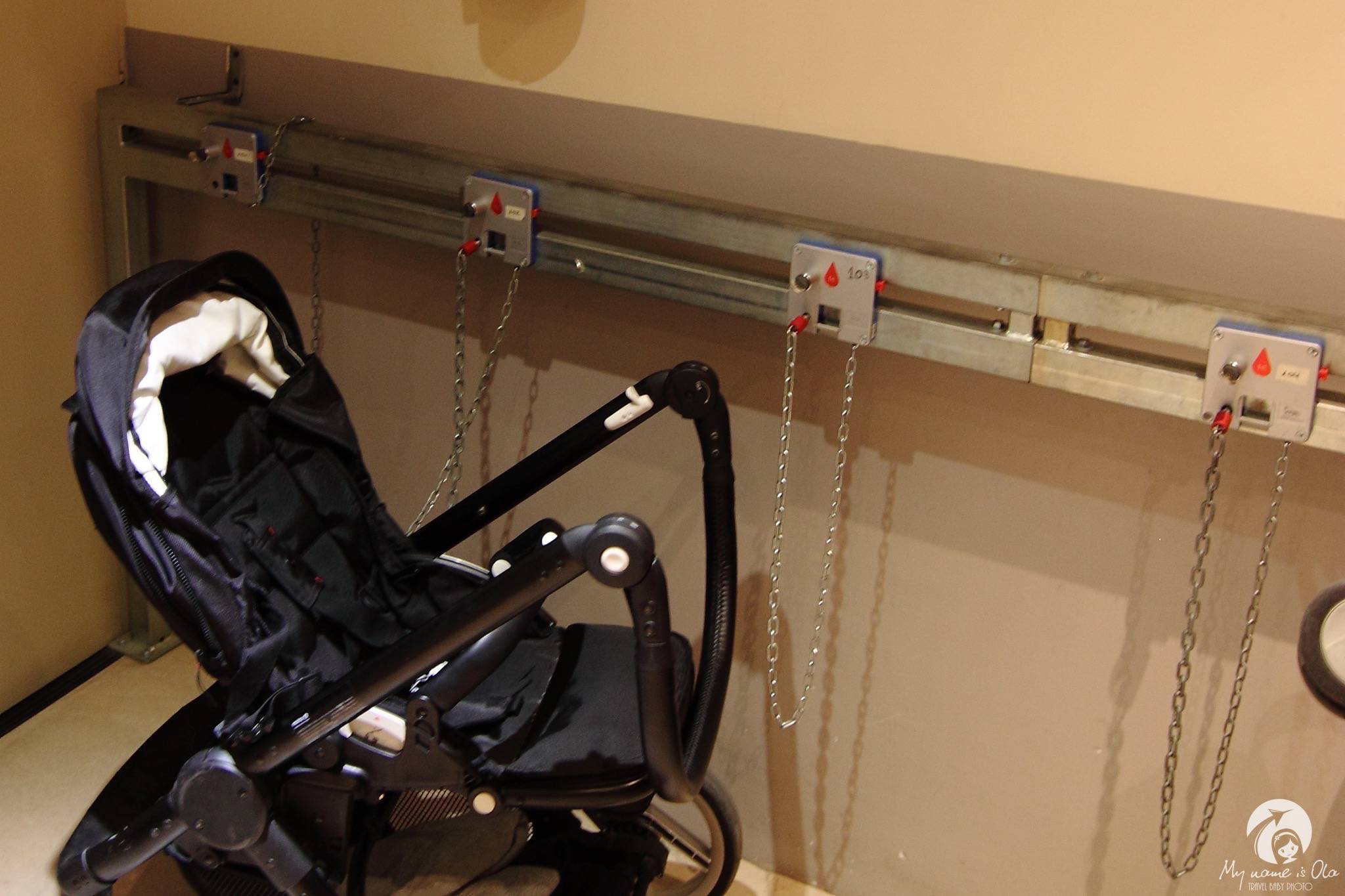
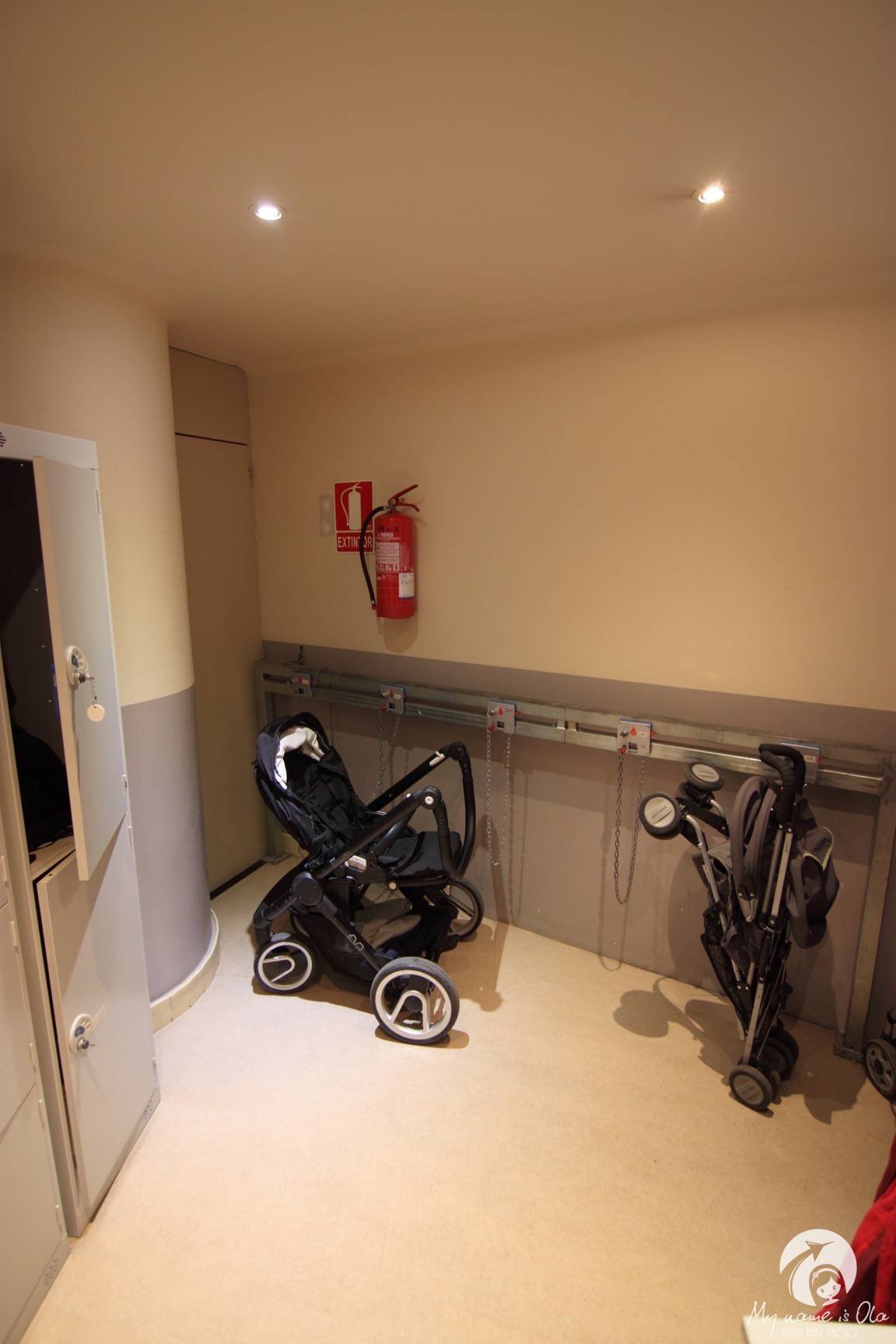

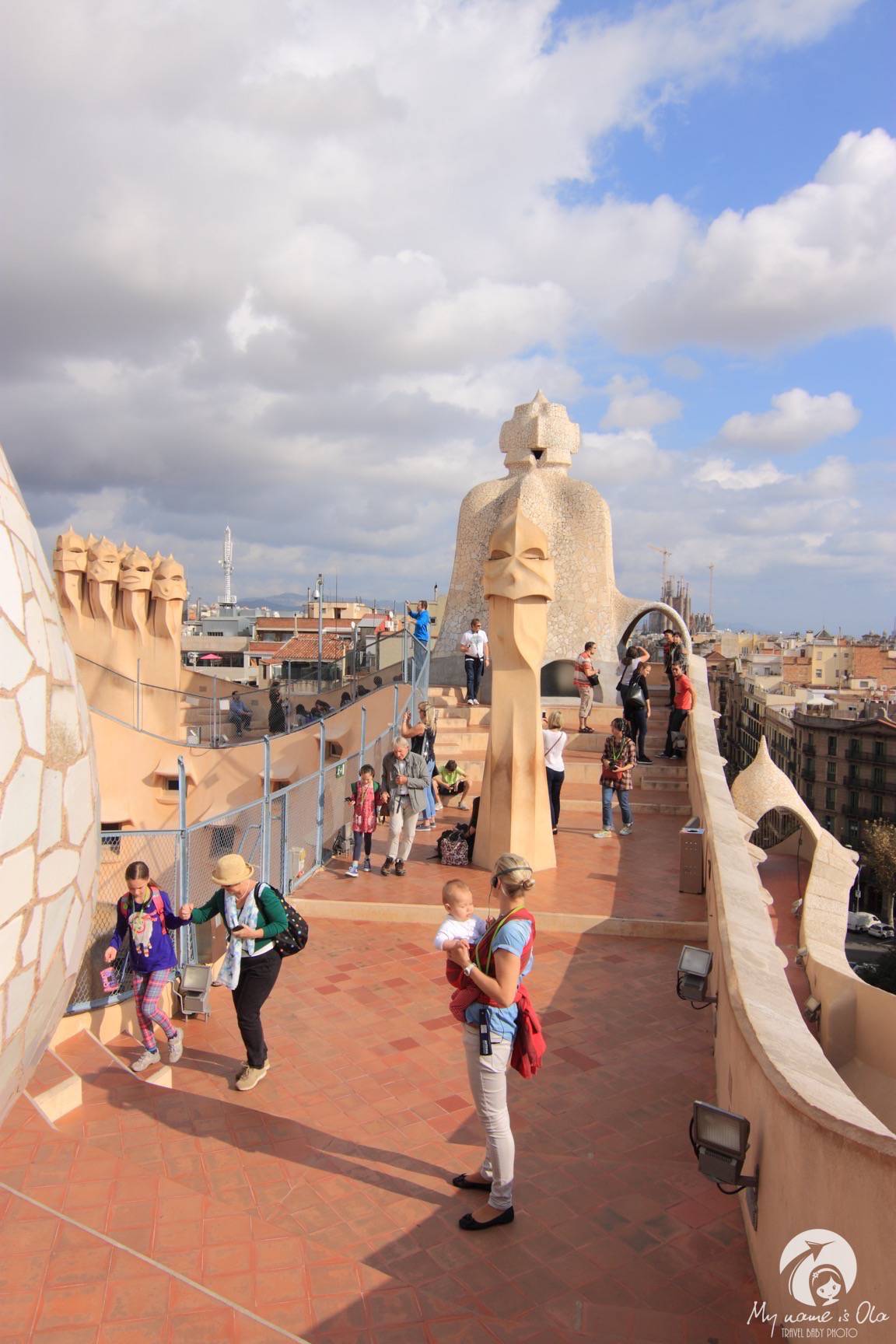


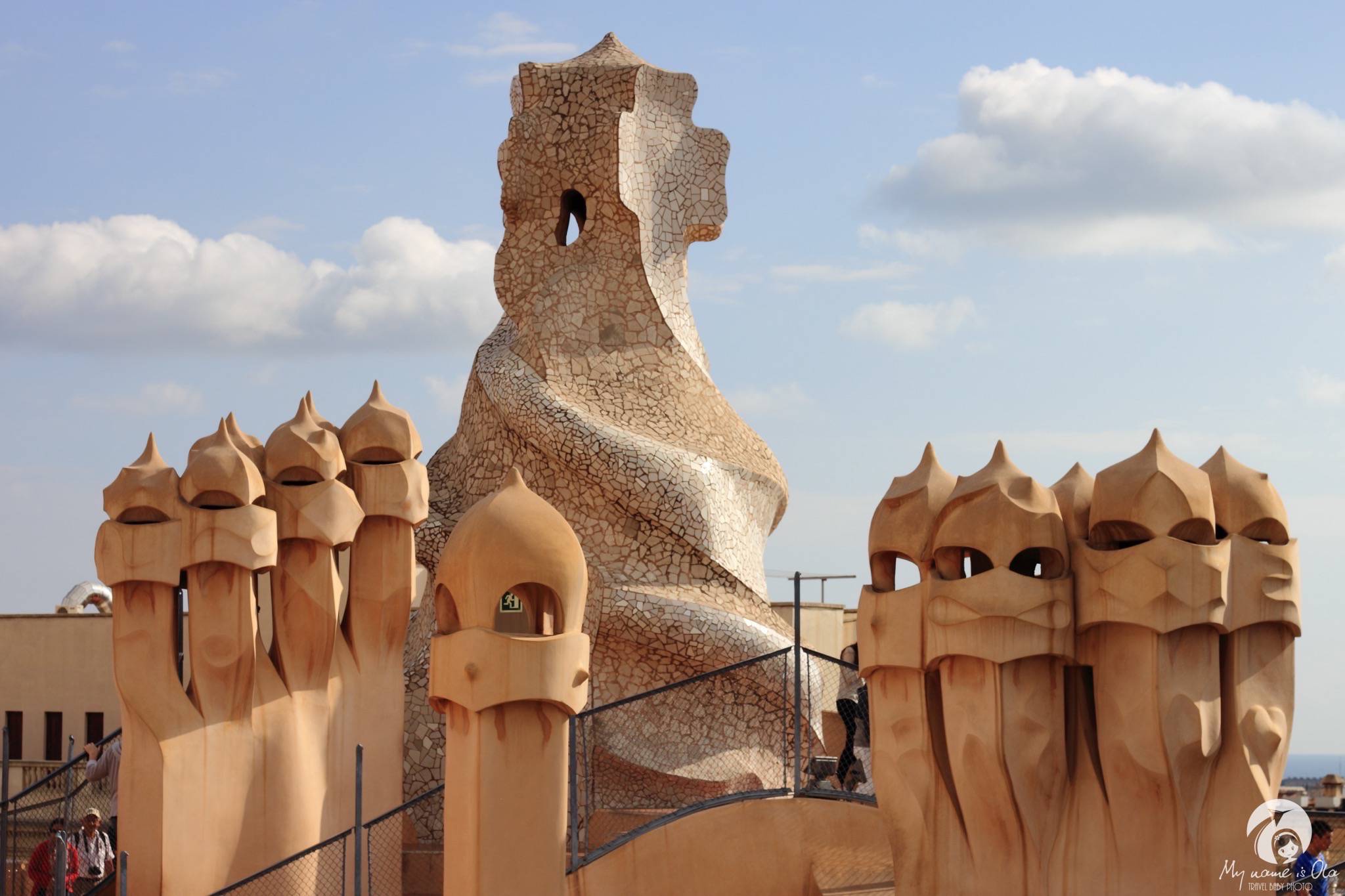
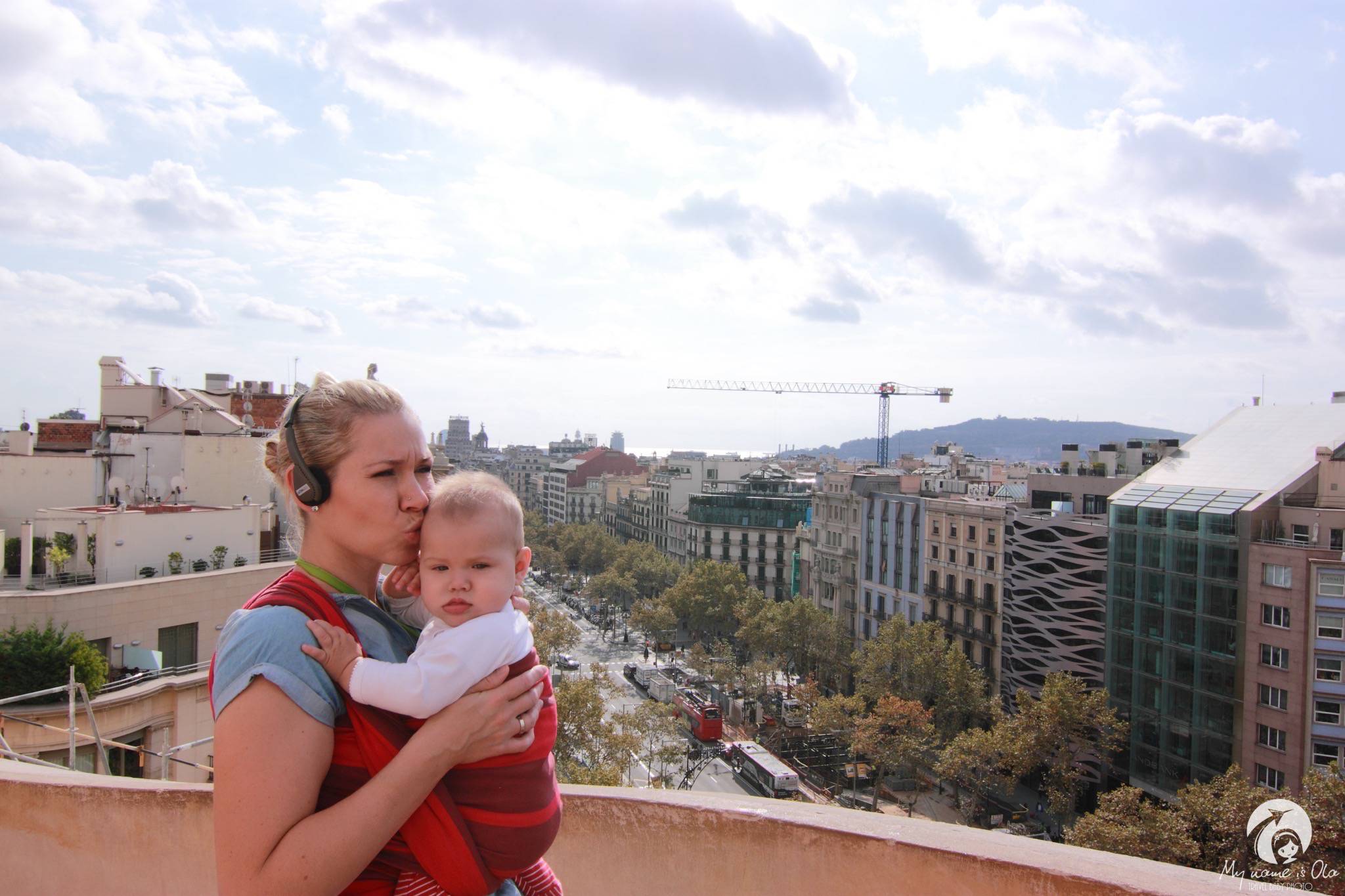
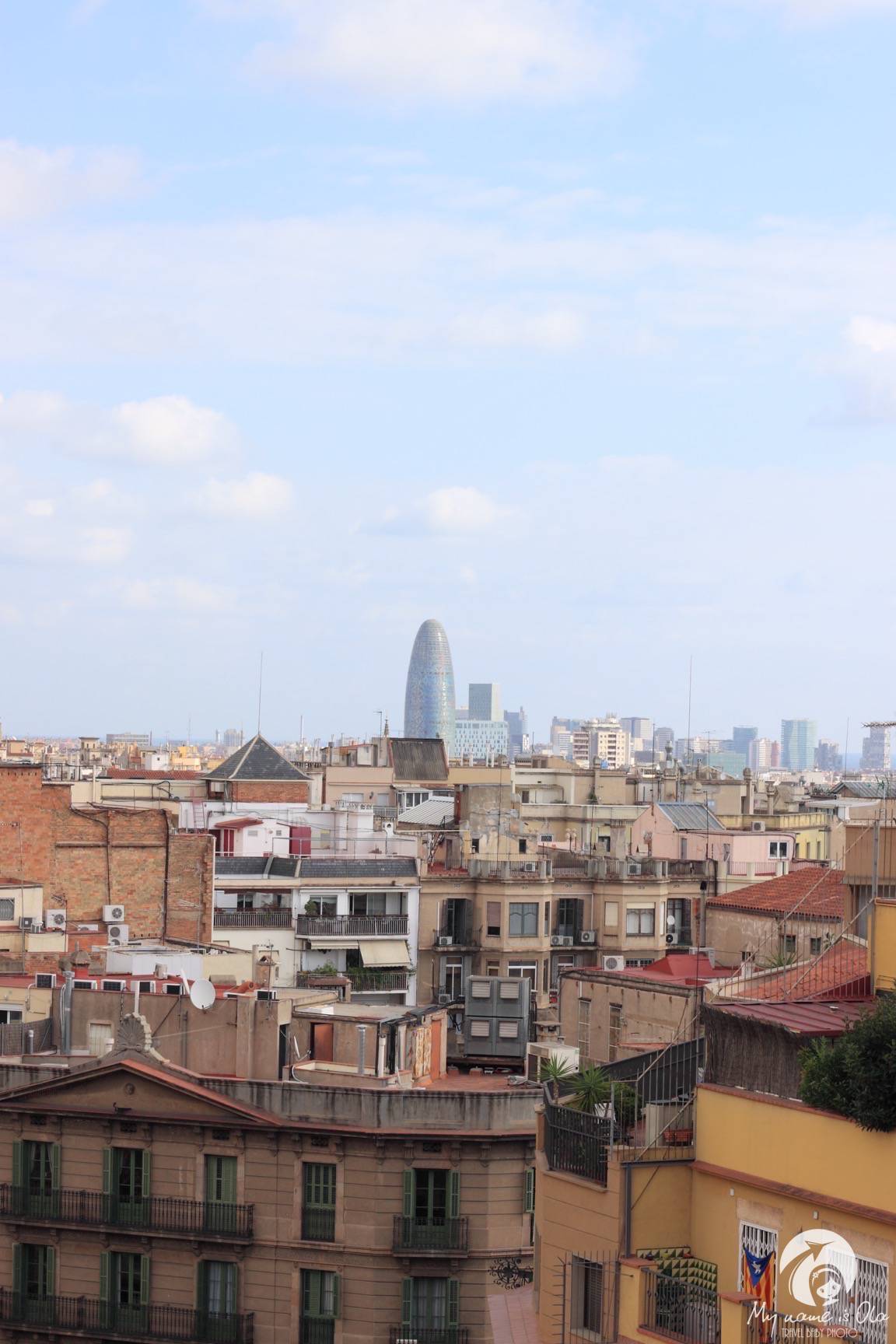
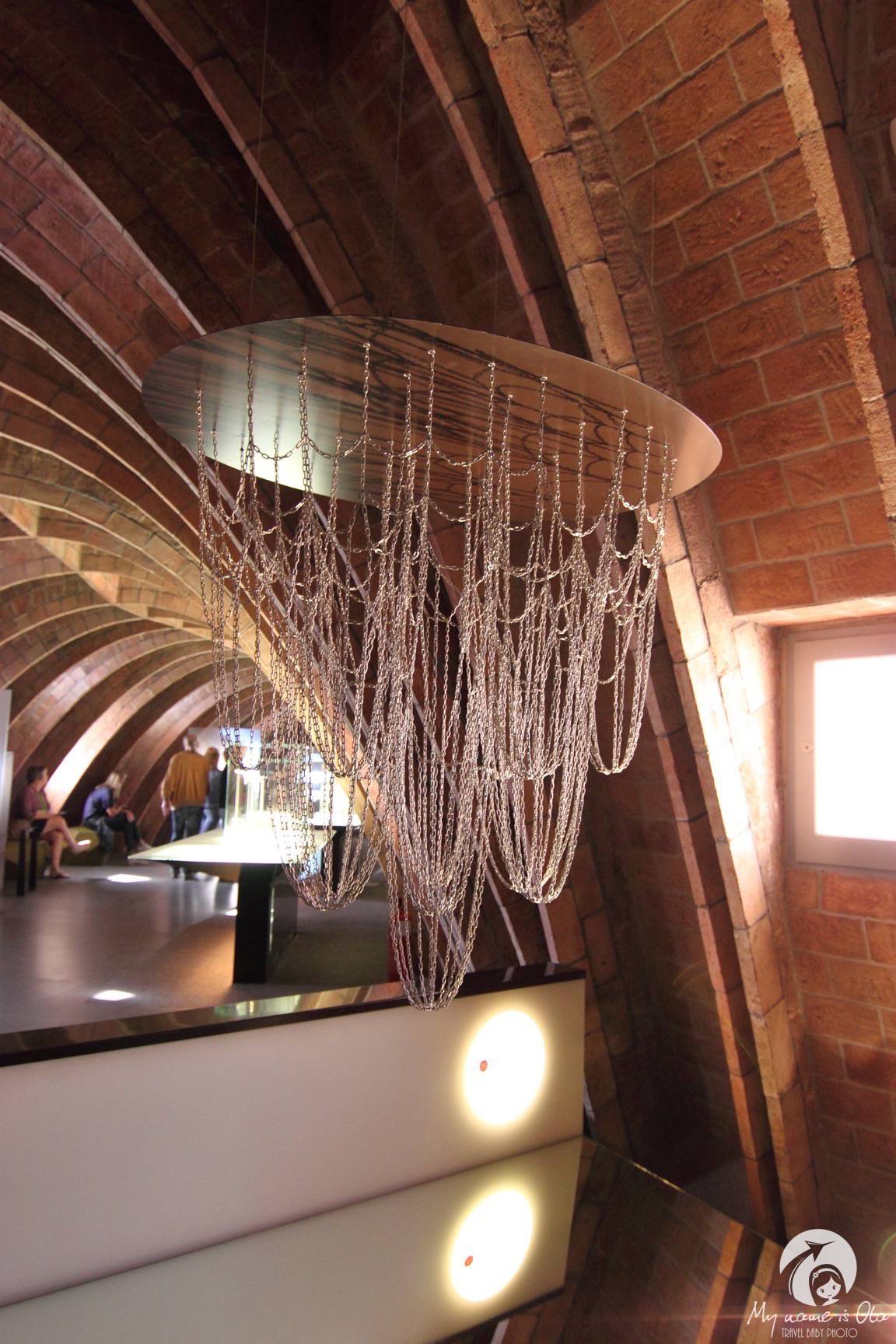
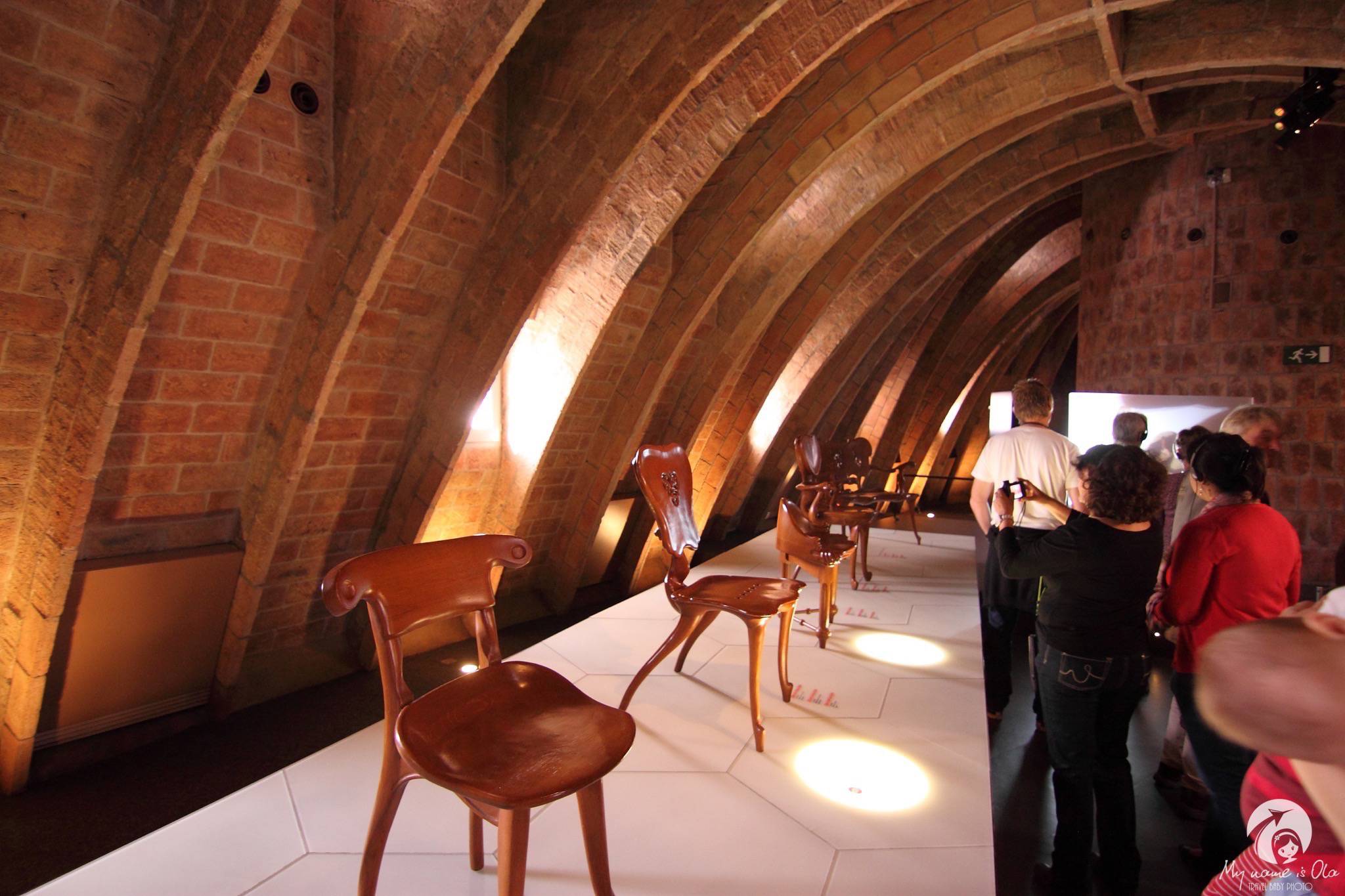
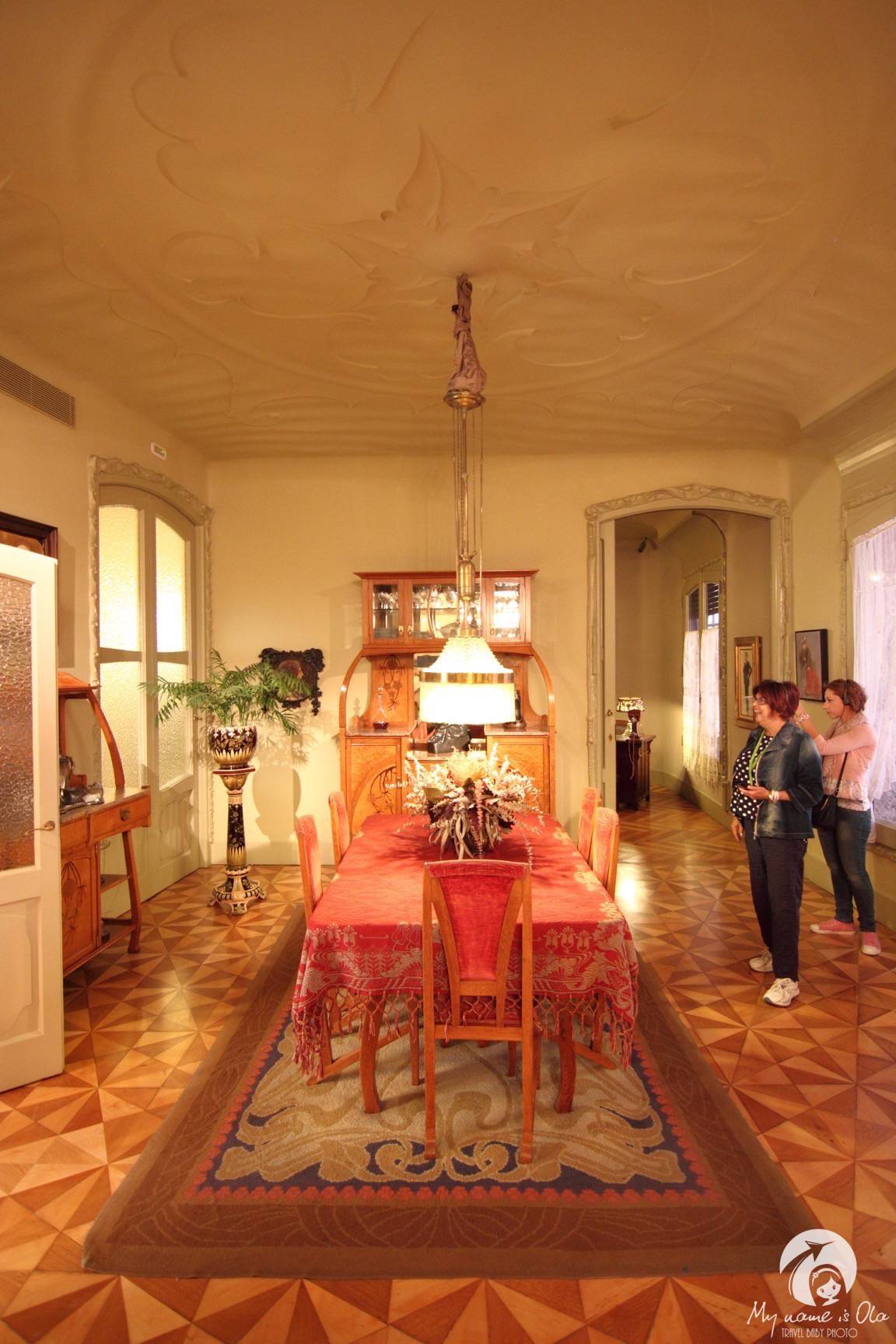
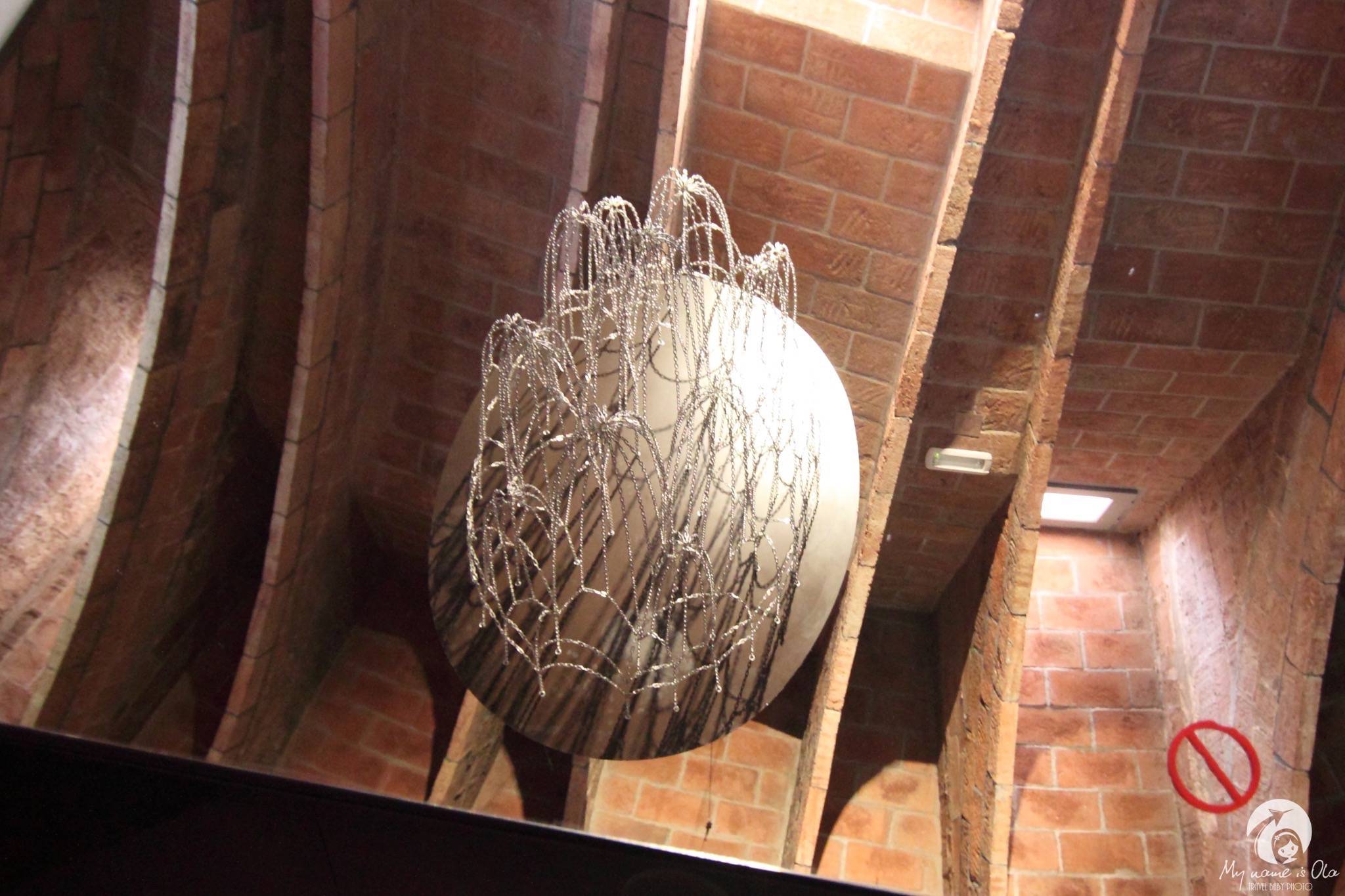 [/photosetgrid]In Casa Mila they also present the apartaments designed by the famous architect. Not only the construction of the building but also interiors were planned by the artist. Including the furniture, wall tiles, and some equipment. We imagine that it must be huge fans who come to visit as they even redraw themselves the wall tiles.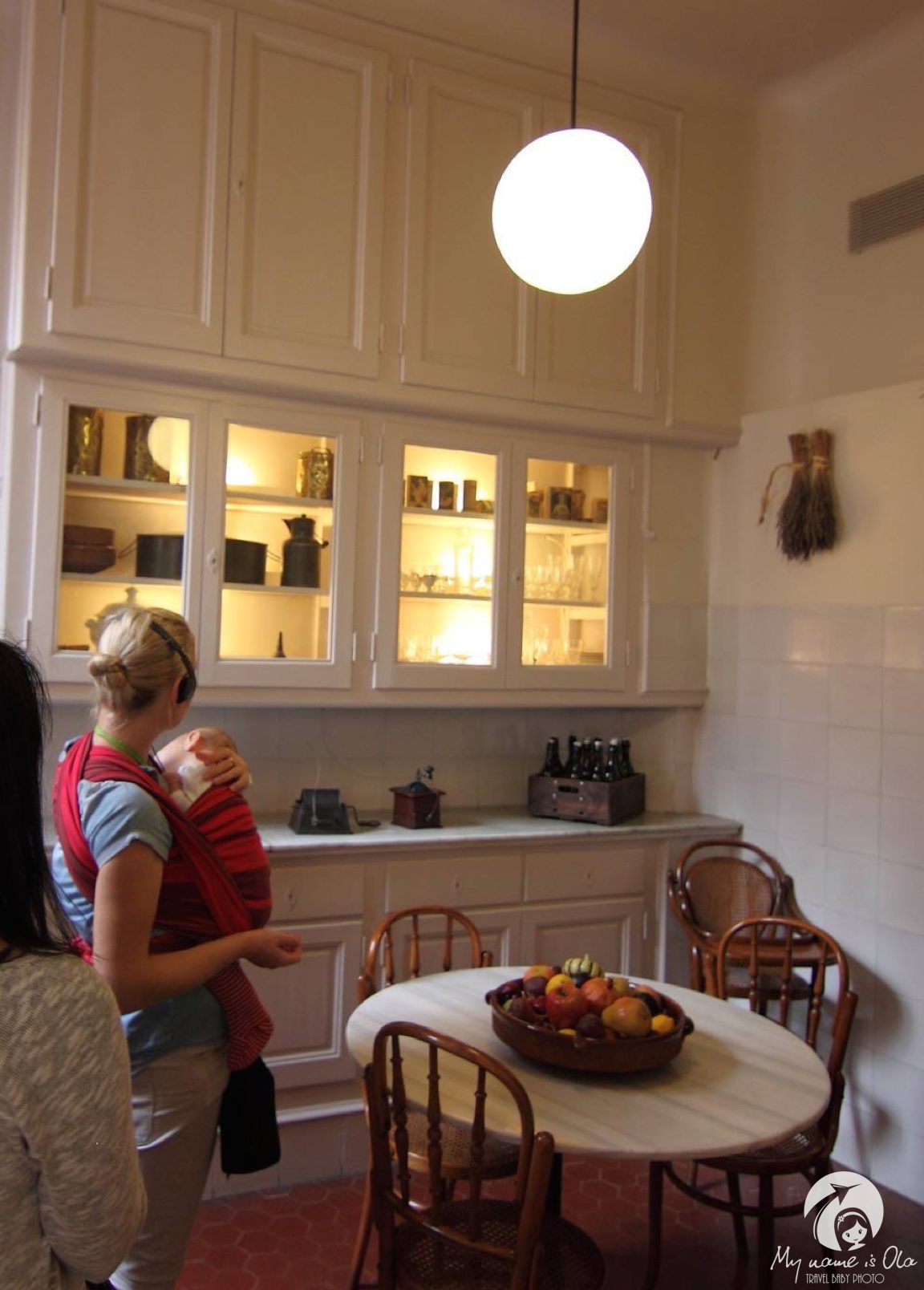
 [/photosetgrid]