main

BlogNa stole

Guinness – duma Irlandii

17/03/2015 — by Magdalena Kuźma0

Guinness34-960x640.jpg

Irlandia jest powszechnie kojarzona z kilkoma rzeczami: shamrockiem – trójlistną koniczyną, świętym Patrykiem, harfą i oczywiście piwem. Na wyspie produkuje się różne rodzaje piwa, a ten najbardziej charakterystyczny – stout – utożsamiany jest powszechnie z Guinnessem. Tymczasem okazuje się, że jest on tylko jednym z wielu stoutów warzonych w Irlandii. Jak to się stało, że właśnie Guinness zyskał międzynarodową sławę? Czy rzeczywiście jest najlepszy? Czy może to tylko marketing? Postanowiliśmy odwiedzić Guinness Storehouse w Dublinie i dowiedzieć się więcej o piwie i jego produkcji. Zwiedzanie browaru Guinnessa to niewątpliwie atrakcja dla rodziców, a co z Olą? Spokojnie, Ola świetnie się bawiła biegając po wystawowych salach, wspinając się na beczki i pozując do zdjęć. Zobaczcie sami.
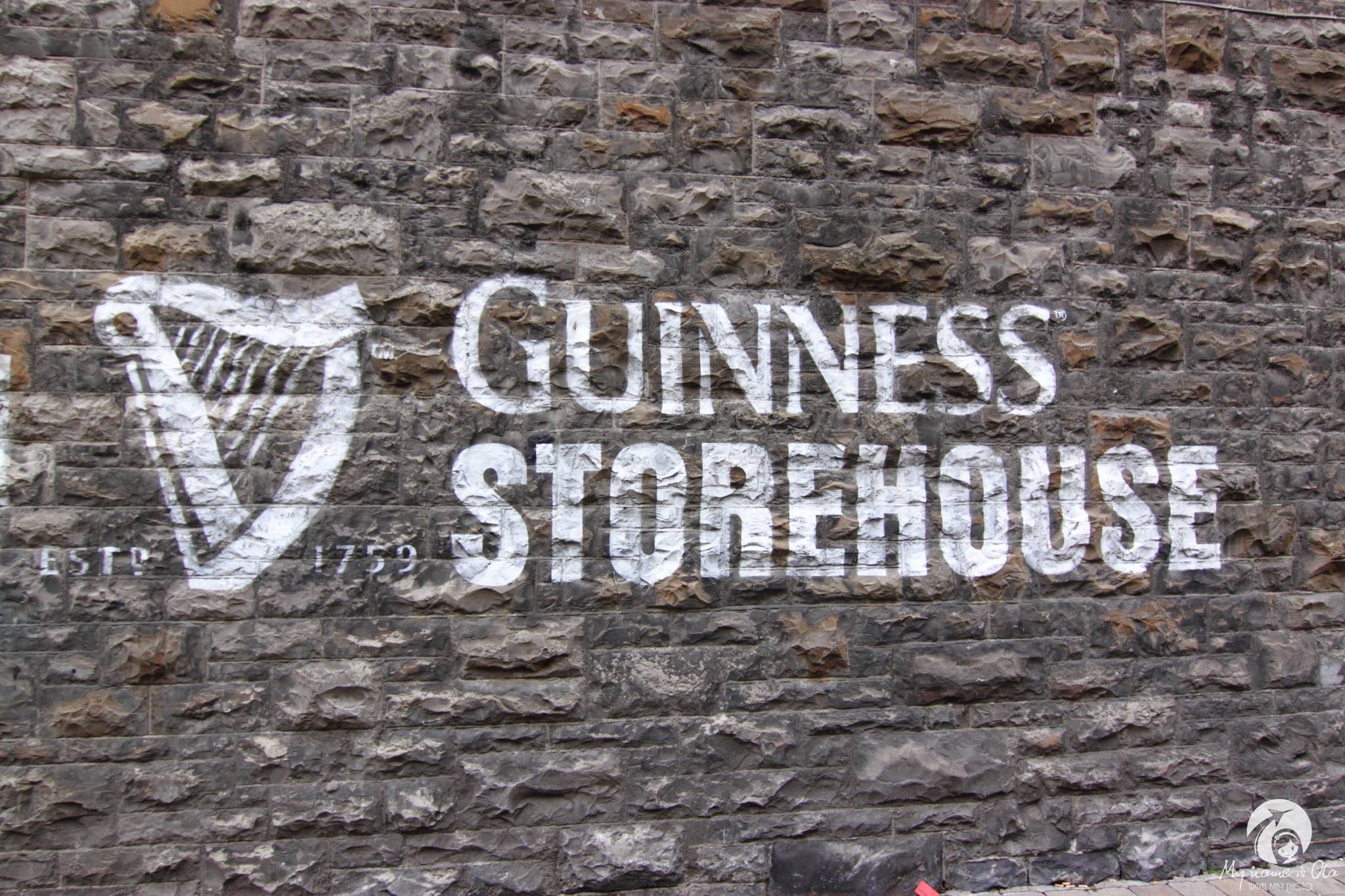
Guinness StorehouseGuinness Storehouse to siedmiopiętrowy budynek, w którym zaprezentowane są najważniejsze dla tej marki fakty i wydarzenia. Niestety odwiedzający nie są wpuszczani na teren cały czas warzącego piwo browaru. Goście nie mają możliwości bycia świadkami prawdziwego procesu produkcji piwa, mogą jedynie obejrzeć instalację wystawową na ten temat. Wystawa, mimo tego że ciekawie zaprojektowana, to jednak to nie to samo, co zwiedzenie prawdziwej hali warzelniczej. Na pierwszym piętrze Guinness przedstawia nam surowce niezbędne w procesie warzenia piwa. Wybór najlepszych jest kluczowy dla jakości trunku. Pierwszym i podstawowym składnikiem jest jęczmień. To właśnie palony jęczmień nadaje Guinnessowi jego kolor. A należy wiedzieć, że nie jest to czerń, jak mogłoby się z pozoru wydawać, a głęboka rubinowa czerwień. Jest to podkreślane na każdym kroku, więc nawet największy ignorant opuści wystawę z tą wiedzą. Browar w Dublinie zużywa rocznie około 100 000 ton jęczmienia.
Kolejnym ważnym dla piwa składnikiem jest chmiel. Ten używany w Guinnessie jest uprawiany w wielu krajach: w Czechach, Australii, Niemczech, Wielkiej Brytanii i Stanach Zjednoczonych. Co ciekawe, chmiel jest rośliną osiągającą wysokość około 4,5 metra!
I najważniejszy komponent, tutaj nazywany nawet skarbem – drożdże. Są one tak cenne, ponieważ to do nich należy największa praca przy produkcji piwa – to dzięki nim cukier i składniki odżywcze z jęczmienia zamieniają się w alkohol. To właśnie za sprawą ich aktywności mikstura zyskuje „procenty”. Guinness twierdzi, że od XIX wieku odrobina drożdży z każdego warzenia jest odkładana i przenoszona do kolejnego procesu, co pozwala zachować ciągłość i stabilność. Wszystkie wymienione składniki uzupełniane są najlepszej jakości wodą.

[photosetgrid layout=”23″]Guinness StorehouseGuinness StorehouseGuinness StorehouseGuinness StorehouseGuinness Storehouse[/photosetgrid]

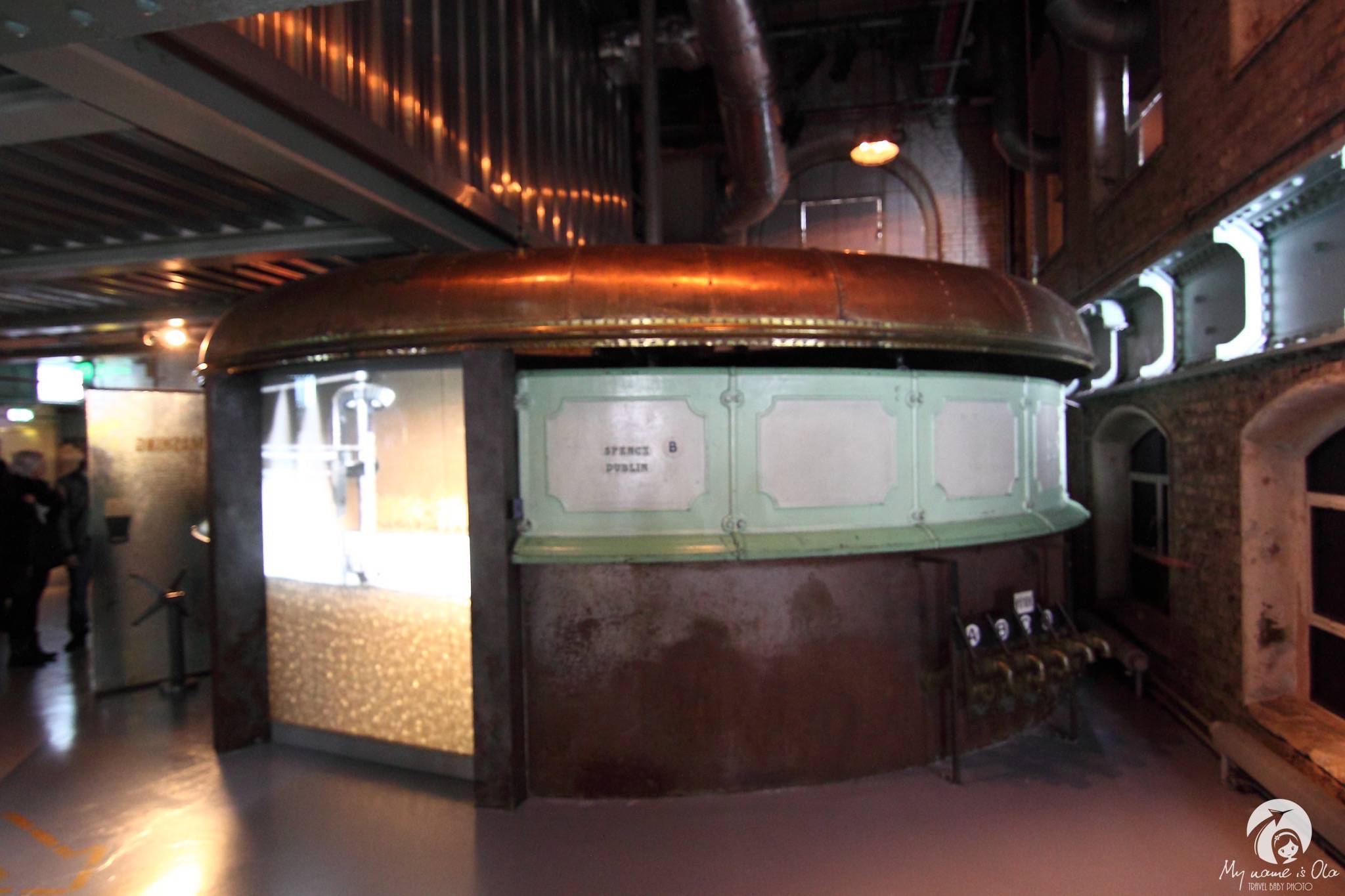
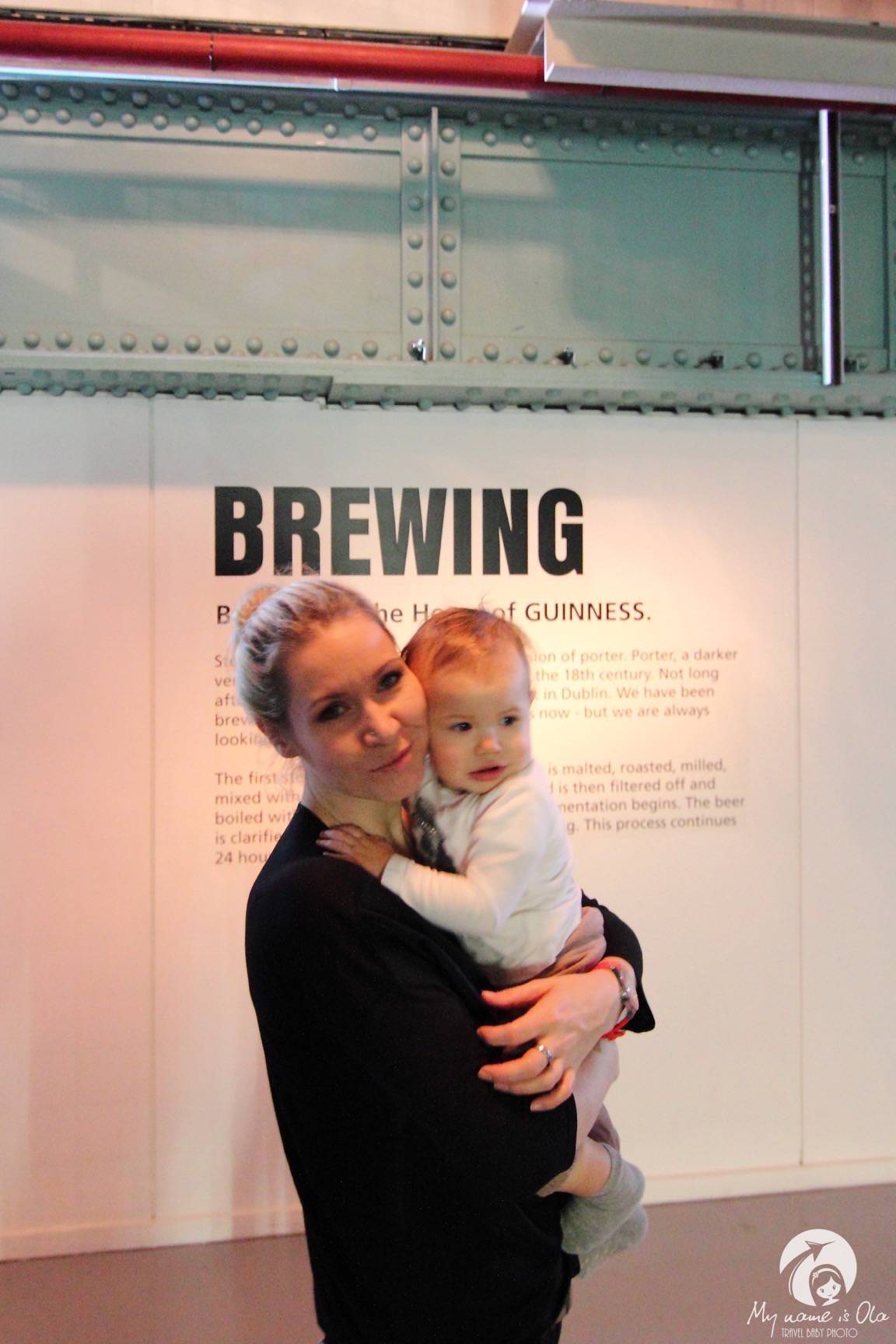
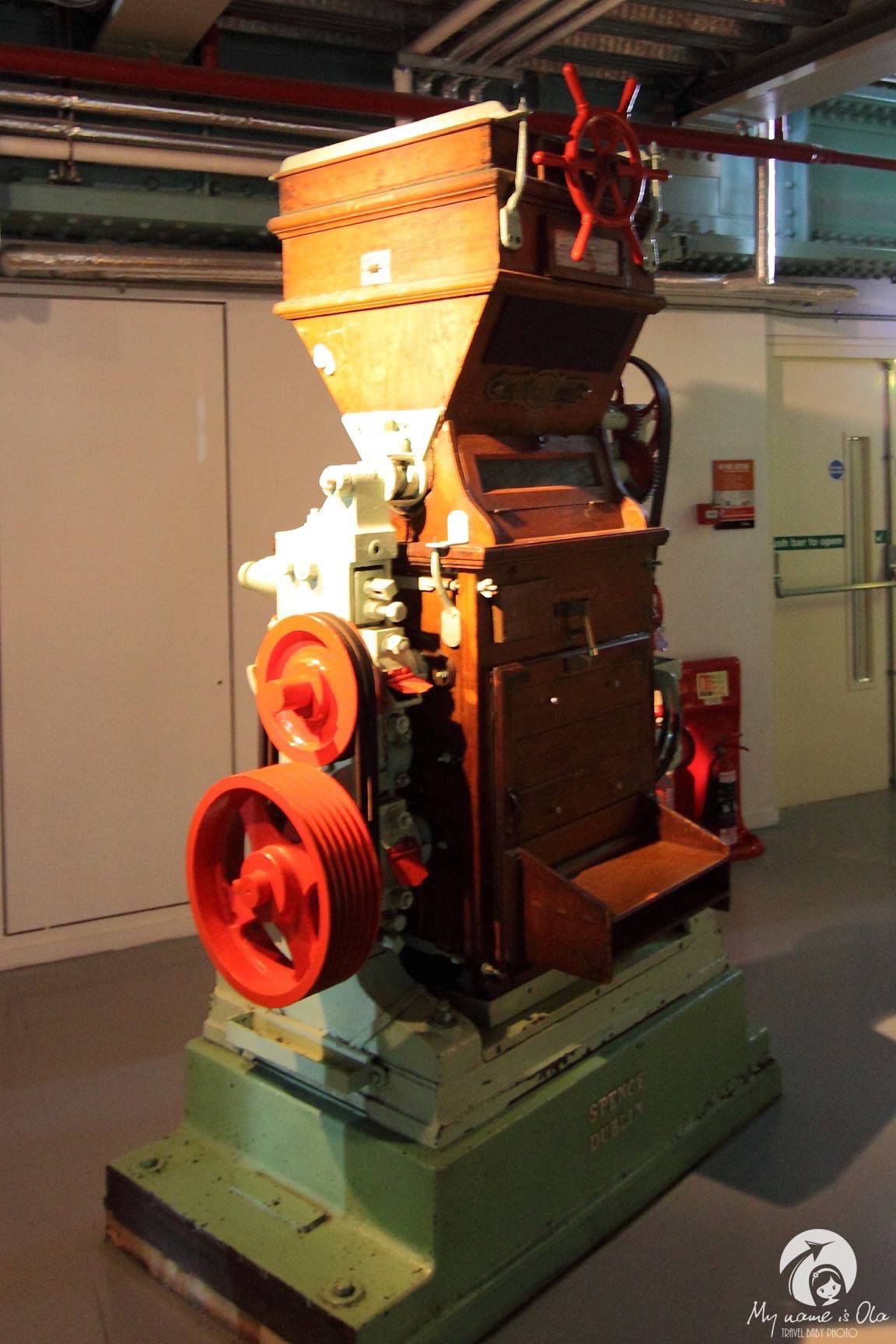
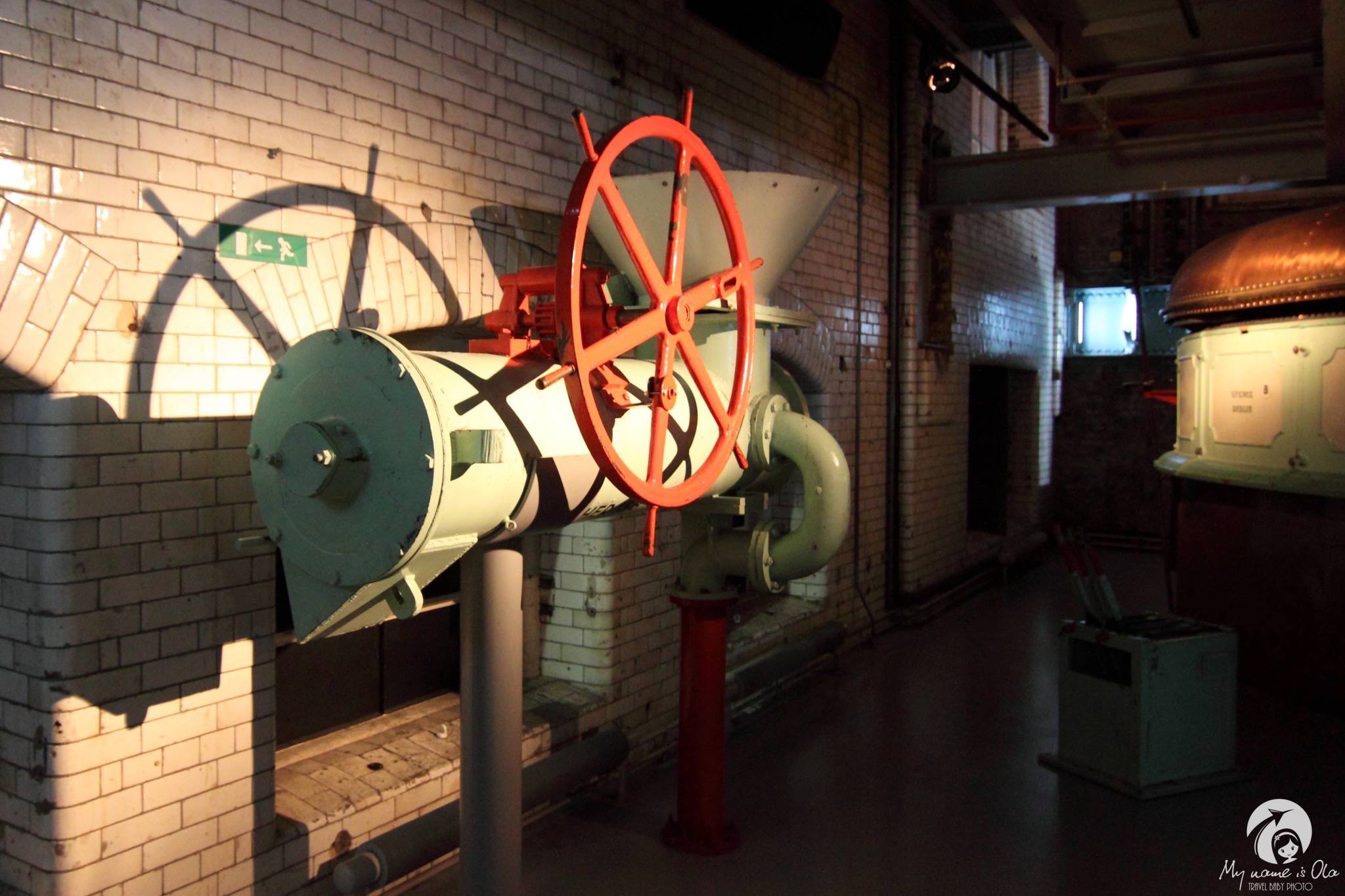
Kolejne piętro przedstawia proces warzenia. Cała procedura jest bardzo skomplikowana, ale tutaj zaprezentowana jest dość przystępnie za pomocą instalacji z opisem kolejnych czynności. Pierwszym etapem jest śrutowanie jęczmienia, z którego następnie w wyniku zacierania powstają skiełkowane ziarna zbóż zwane słodem. Do odpowiednio dobranej mieszaniny słodów jęczmiennych, przygotowanych wcześniej słodów palonych i wody dodawany jest chmiel. Tak powstaje brzeczka. W kolejnym etapie wszystko razem gotowane jest w 100 stopniach Celsjusza przez 70 minut tak, aby wydobyć z mieszanki jak najwięcej smaku. Po ostudzeniu przychodzi czas na dodanie sławnego skarbu Guinnessa, czyli drożdży i powoli ciecz staje się piwem. Górna fermentacja trwa dwa dni i wtedy to powstaje alkohol. Piwo jest już prawie gotowe, potrzebuje jeszcze trochę czasu na dojrzewanie, co pozwala wydobyć ten charakterystyczny dla Guinnessa smak. Jeszcze tylko filtrowanie w celu usunięcia jakichkolwiek pozostałości i gotowe piwo trafia do kontroli jakości. Wielokrotne smakowanie w celu sprawdzenia, czy poziom jakości jest utrzymany kończy cały dziewięciodniowy proces powstawania Guinnessa.

[photosetgrid layout=”33″]Guinness StorehouseGuinness StorehouseGuinness StorehouseGuinness StorehouseGuinness StorehouseGuinness Storehouse[/photosetgrid]
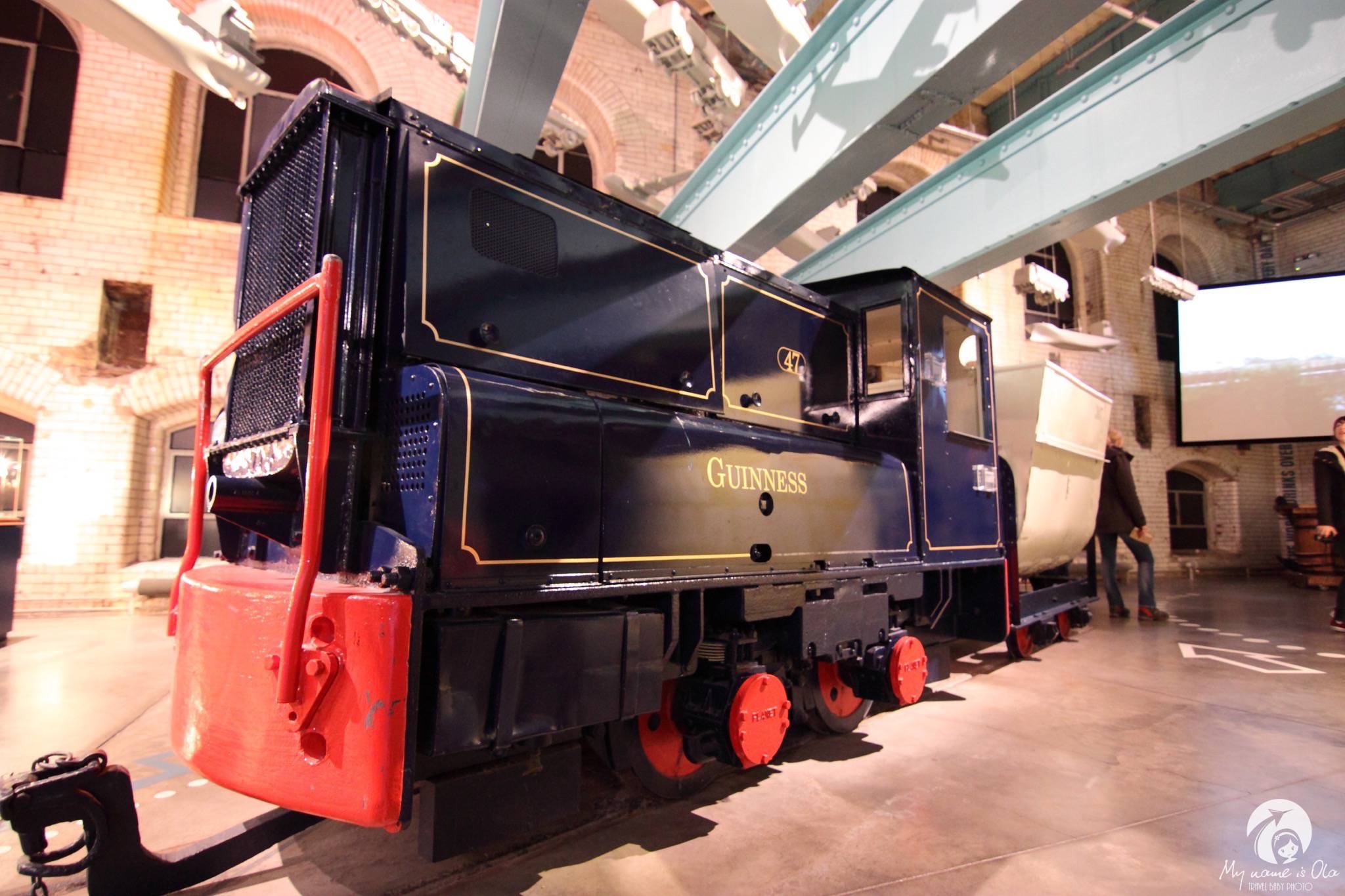
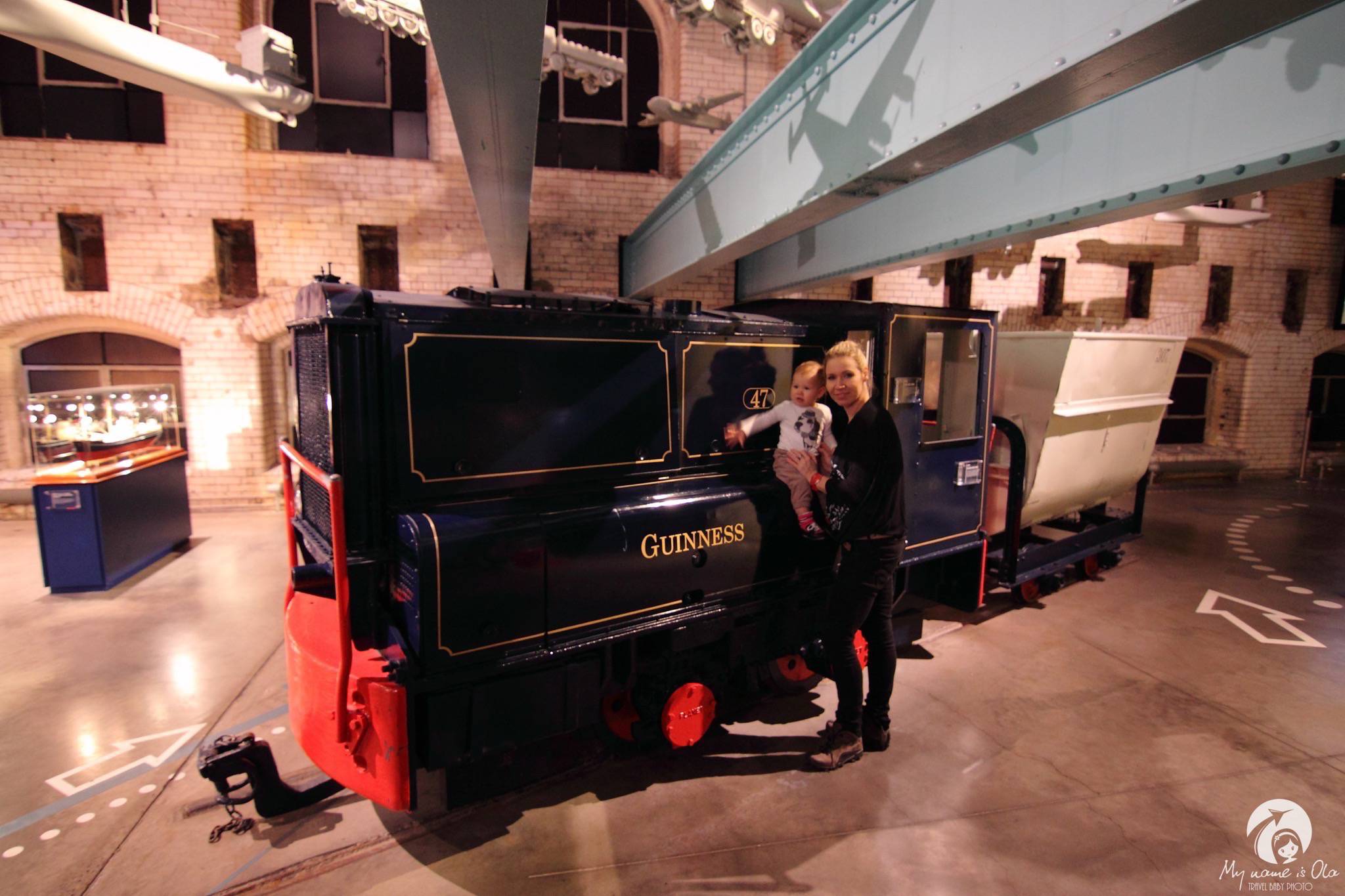
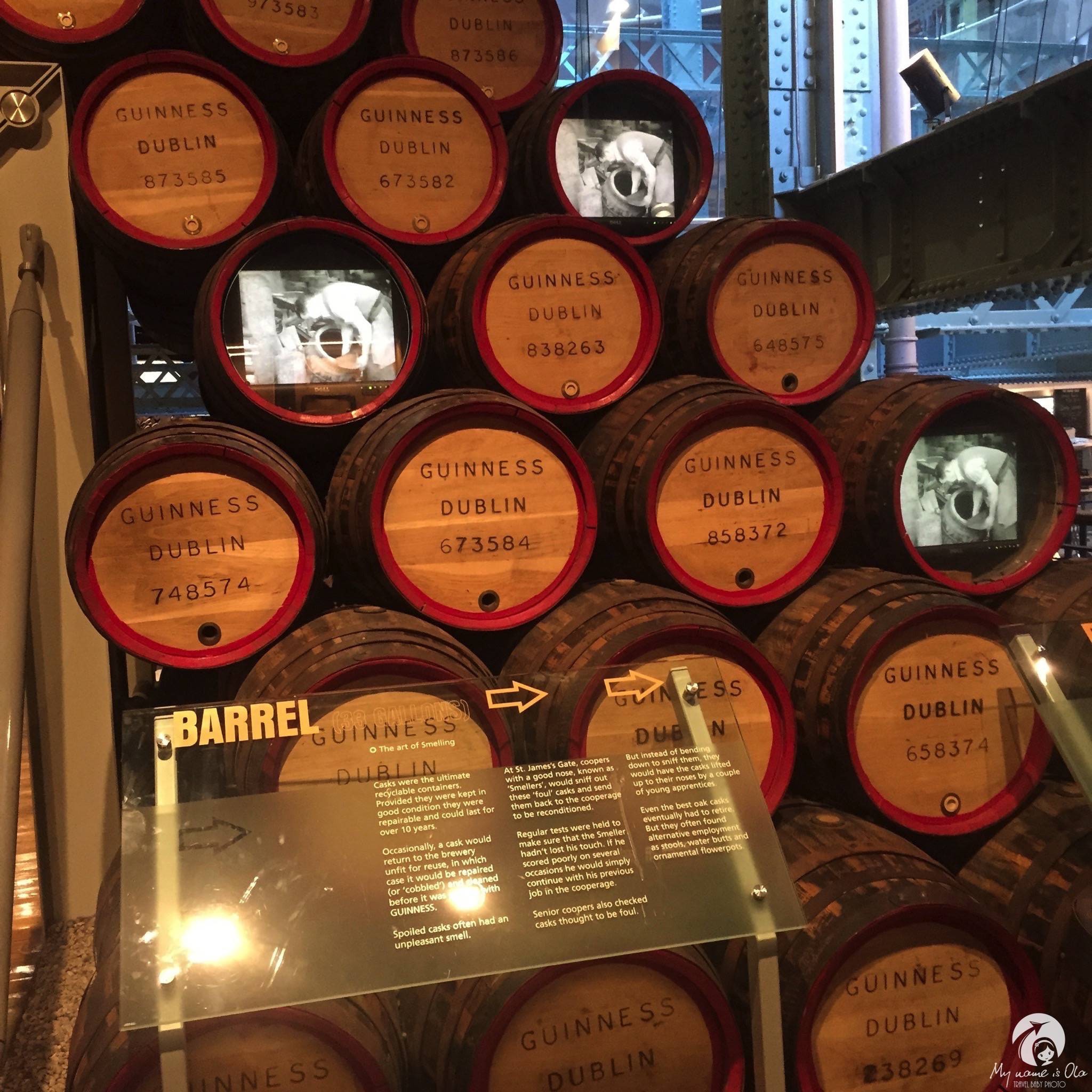
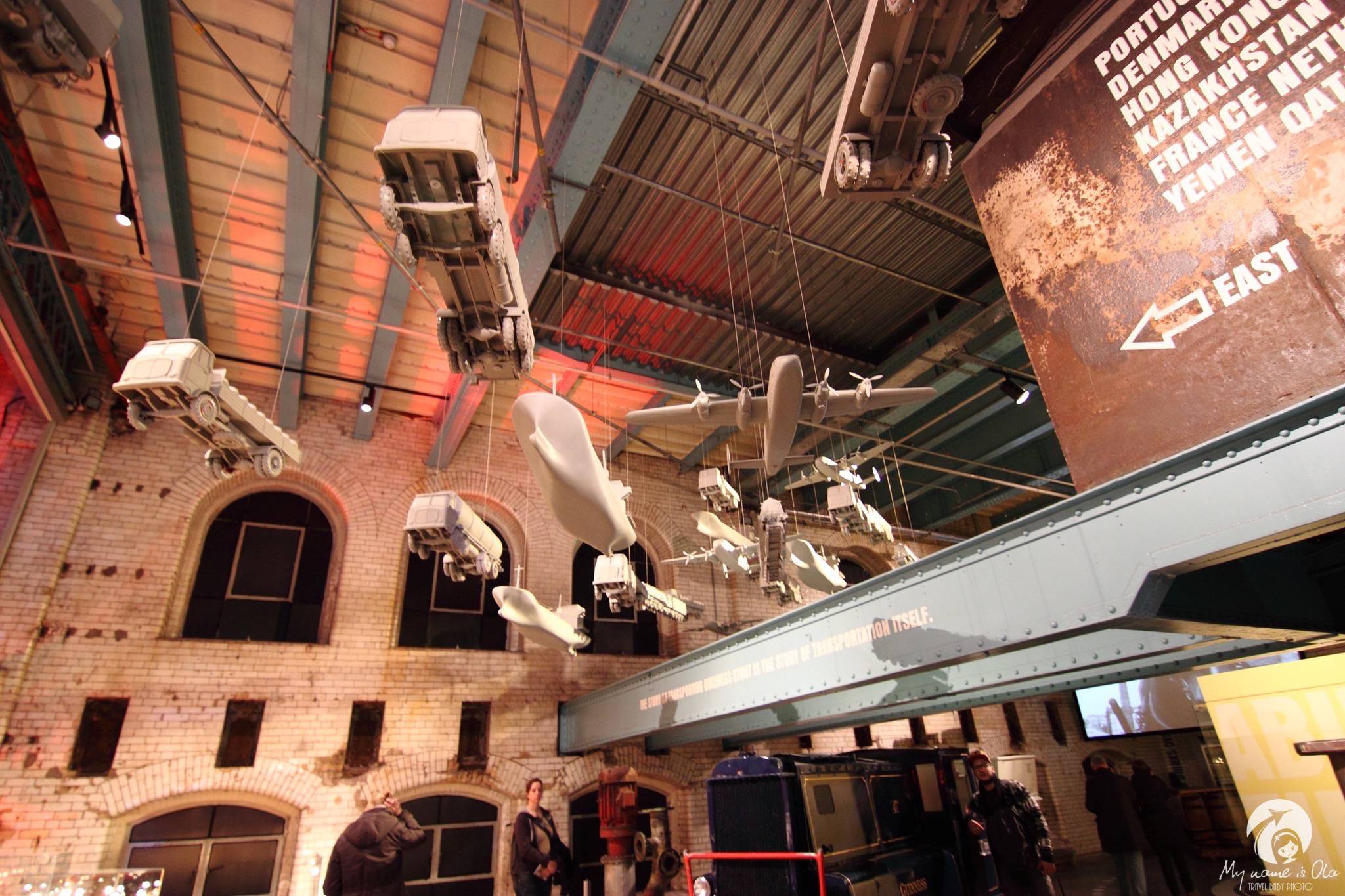
Kiedy piwo jest już gotowe, pozostaje dostarczyć je do klientów. Historia i mnogość środków transportu, jakimi Guinness rozwoził swoje piwo jest dobrym przedstawieniem historii transportu towarowego jako takiego. Sięgając do początków wytwarzania Guinnessa, widzimy drewniane beczki, produkowane z ogromną precyzją przez własnych bednarzy browaru i możemy prześledzić wszelkie środki transportu, za pomocą których były one rozwożone, czyli wozy konne, pociągi, barki, statki, samochody i samoloty. Tutaj Oli w końcu znudziło się siedzenie w wózku i musiała wybrać się na bliższe zapoznanie z eksponatami. Na szczęście nie było zbyt wielu zwiedzających i biegający w kółko niemowlak nie przeszkadzał nikomu.

[photosetgrid layout=”34″]Guinness StorehouseGuinness StorehouseGuinness StorehouseGuinness StorehouseGuinness StorehouseGuinness StorehouseGuinness Storehouse[/photosetgrid]
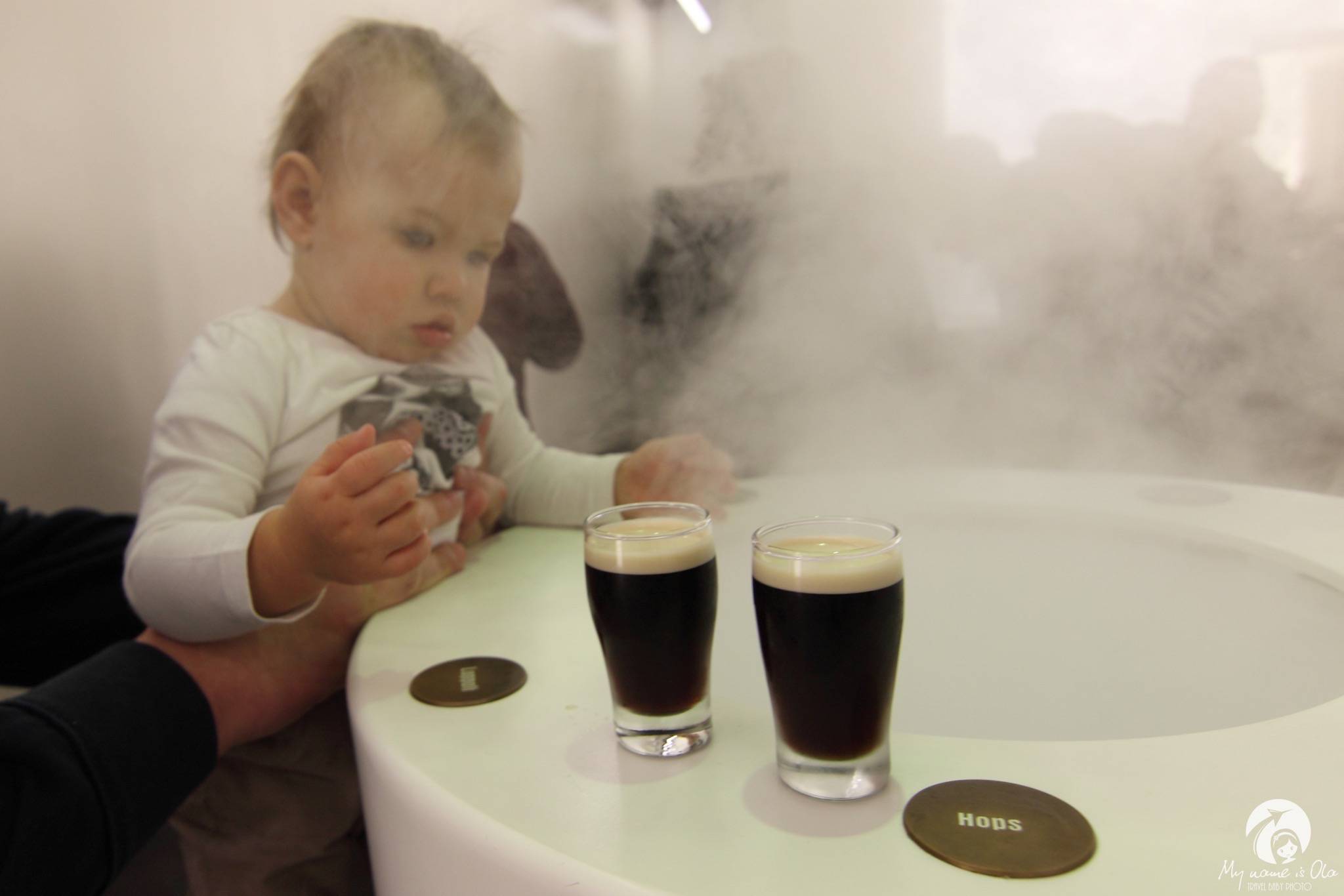
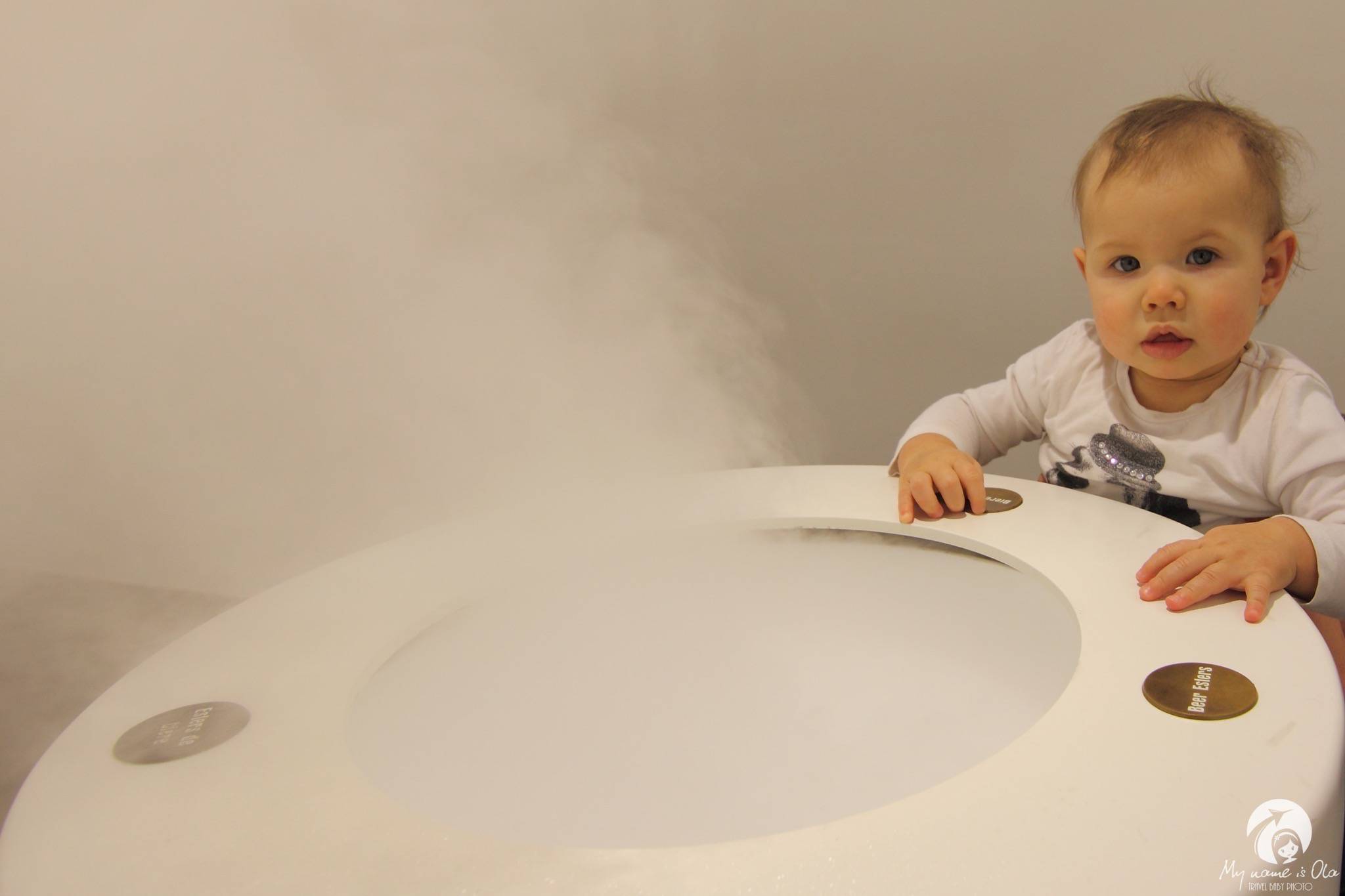
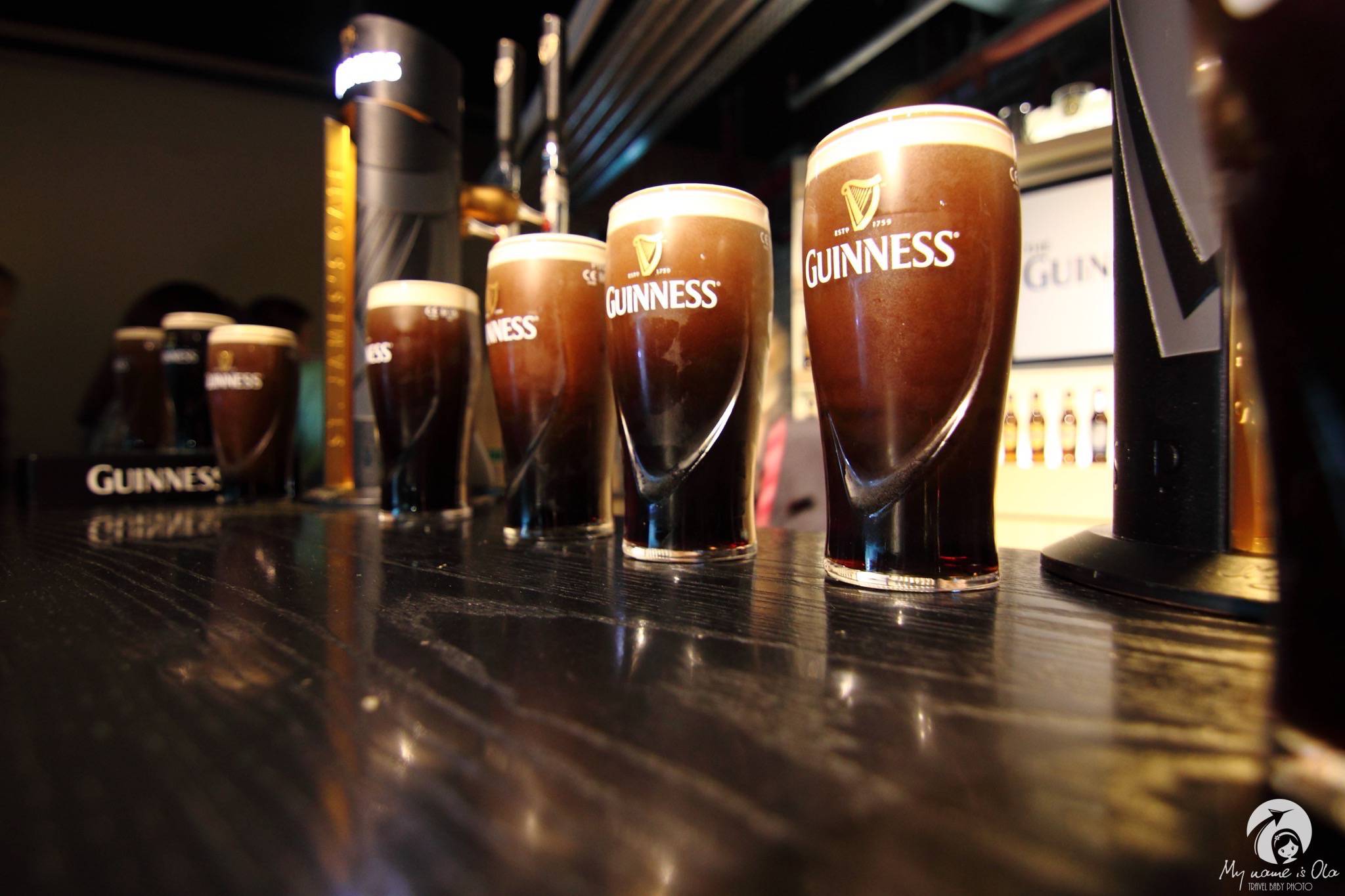
Browar chce miec pewność, że po wizycie w Storehouse wszyscy odwiedzający, upijając każdy łyk Guinnessa będą w stanie rozkoszować się pełnym jego smakiem. W tym celu dla swoich gości Guinness przygotował specjalne szkolenie z degustowania piwa. W pierwszym etapie goście zaproszeni są do utrzymanego w bieli pomieszczenia, w którym znajdują się cztery dymiące kolumny. Są to cztery  najbardziej charakterystyczne dla Guinnessa aromaty rozprzestrzeniające się na cały pokój. Tutaj otrzymujemy miniaturowe szklaneczki stoutu, który za chwilę będziemy smakować. Najbardziej zainteresowana szklaneczkami rubinowo czerwonego napoju okazała się Ola, pewnie dlatego, że szklaneczki były w idealnym wprost dla niej rozmiarze. Oczywiście jedyne, co mogła zrobić to spoglądać na nie przez aromatyczną parę. W kolejnym pomieszczeniu, tym razem bardzo ciemnym, aby nie rozpraszać naszych zmysłów, obejrzeliśmy pokaz profesjonalnego sensoryka, który miał nas nauczyć wydobycia bogatszych niż do tej pory doznań ze szklaneczki stoutu. Szczerze mówiąc ten „rewolucyjny” sposób degustacji nie powalił nas odkryciem żadnego nowego bogactwa smaku.

Guinness StorehouseGuinness StorehouseGuinness StorehouseGuinness Storehouse

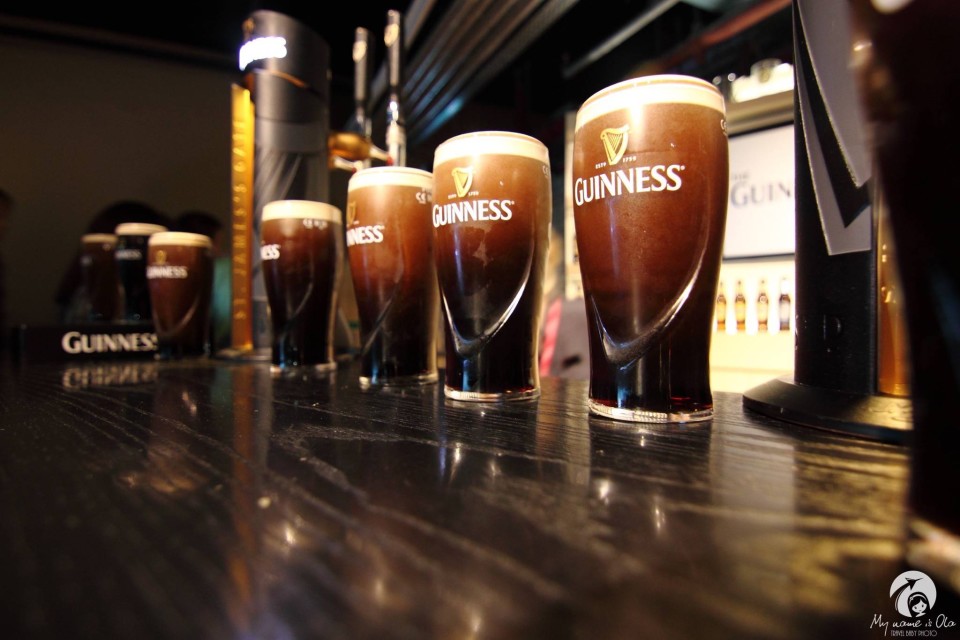
Wypiwszy pierwsze łyki piwa z malutkich szklaneczek ruszyliśmy dalej. Jako, że powinniśmy już być pewni, jak ma smakować Guinnes, teraz nadszedł czas na zapoznanie się z prawidłową techniką jego  nalewania. Instrukcja nalania doskonałej pinty Guinnessa mówi, że taki proces musi trwać ni mniej, ni więcej tylko właśnie 119,5 sekundy. Technika opisuje sześć kroków, które należy wykonać, aby osiągnąć perfekcję:

Perfect pint of Guinness.

Z naszego grona, to Mama została wydelegowana do nalania Tacie tej doskonałej pinty Draught’u. Po krótkim szkoleniu szklanki i krany z piwem zostały oddane w ręce gości. Każdy z grupy sprawił się wybornie i w nagrodę otrzymał certyfikat i pamiątkowe zdjęcie. Oczywiście najlepszą nagrodą była możliwość wypicia tej idealnej pinty. Gwoli przypomnienia: pinta to trochę ponad pół litra, dokładnie 568 ml a wraz z taką pintą Guinnessa dostarczamy sobie 196 kalorii.

[photosetgrid layout=”31″]Guinness StorehouseGuinness StorehouseGuinness StorehouseGuinness Storehouse[/photosetgrid]

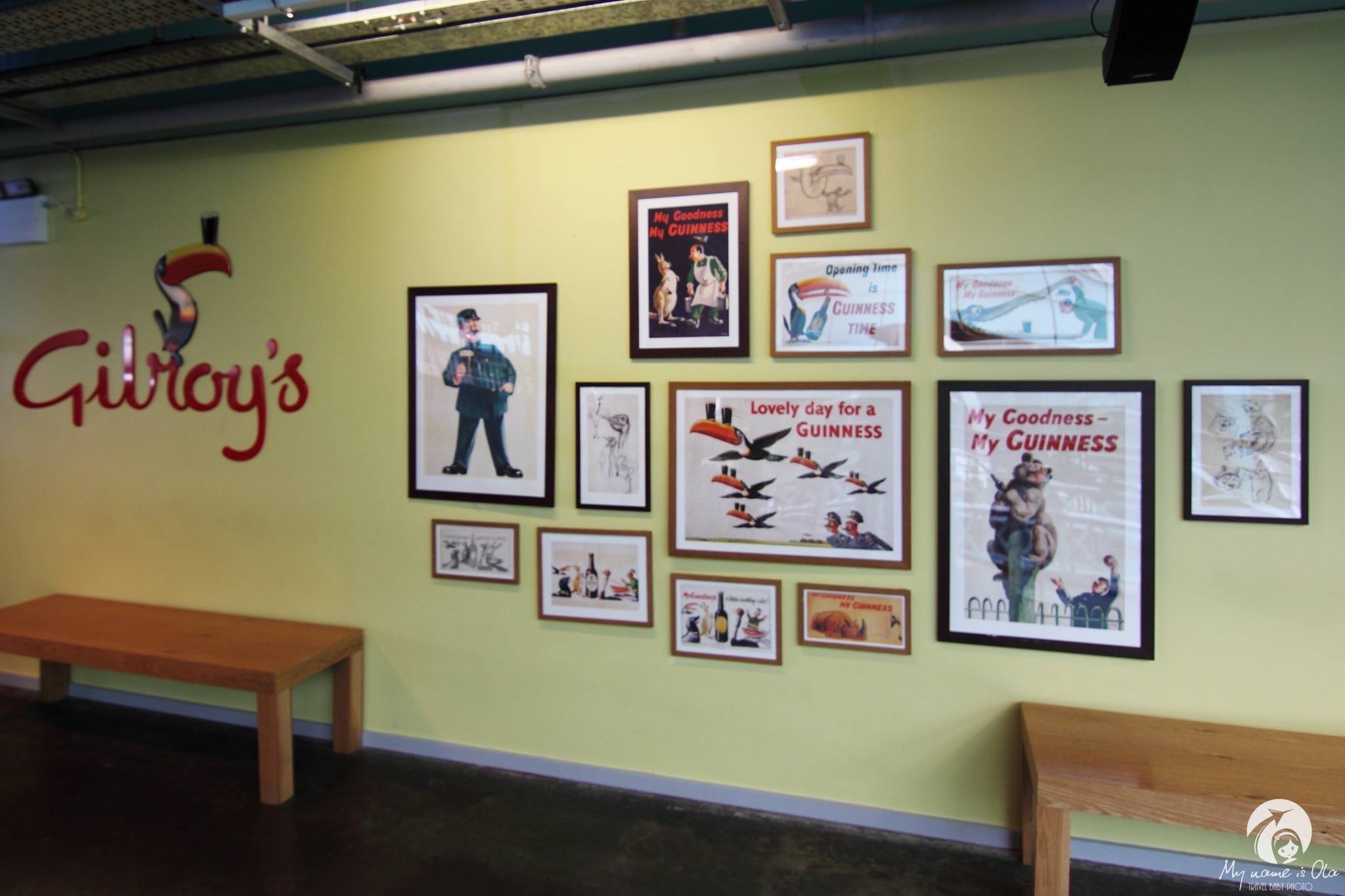
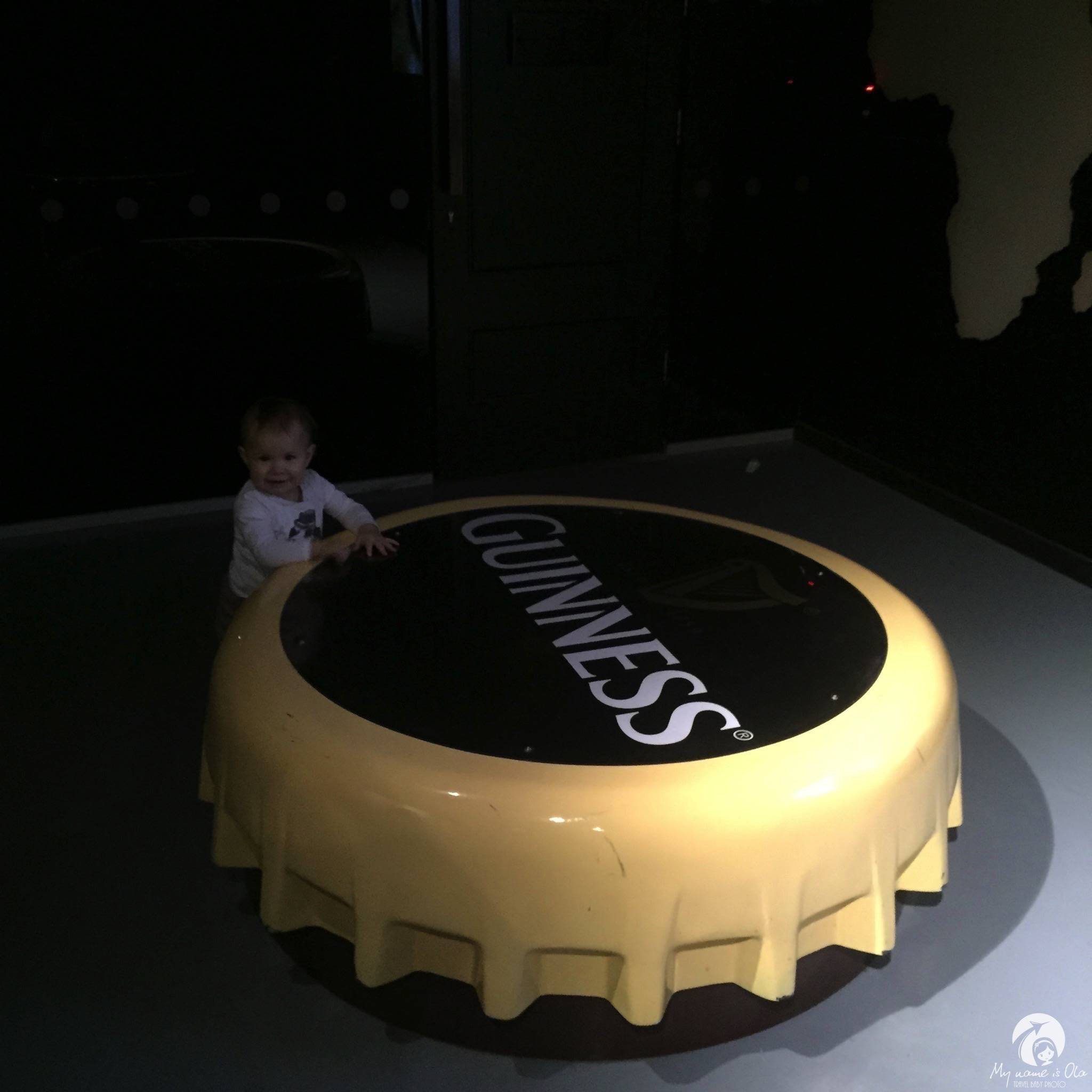
Szybki przegląd historii marketingu firmy sięgającego 1929 roku, spotkanie z tukanem – symbolem Guinnessa i trafiliśmy do pokoju „telewizyjnego”, gdzie dowiedzieliśmy się, że Guinness to nie tylko dobrze nam znany Draught sprzedawany w puszkach z widgetem. Różnorodność piw produkowanych przez browar jest znacznie większa, niż się spodziewaliśmy. Oprócz różnych rodzajów piw produkowanych specjalnie dla różnych gustów smakoszy w różnych krajach, Guinness produkuje trzy podstawowe gatunki: Draught, Extra Stout, Foreign Extra. Foreign Extra najstarszy rodzaj, wytwarzany jest z użyciem dodatkowych chmieli w celu zachowania świeżości. Dodatkowe chmiele mają nadać piwu odrobinę kwiatowego aromatu. Goryczka Extra Stout’u czyni z niego podobno znakomite towarzystwo dla wędzonych owoców morza. Natomiast w Draught’cie powinniśmy wyczuć słodycz karmelu i aromat kawy, co pozwala użyć go na przykład jako składnika deserów. Bieganie między ogromnymi kapslami stało się najlepszą zabawą Oli.

[photosetgrid layout=”32″]Guinness StorehouseGuinness StorehouseGuinness StorehouseGuinness StorehouseGuinness Storehouse[/photosetgrid]

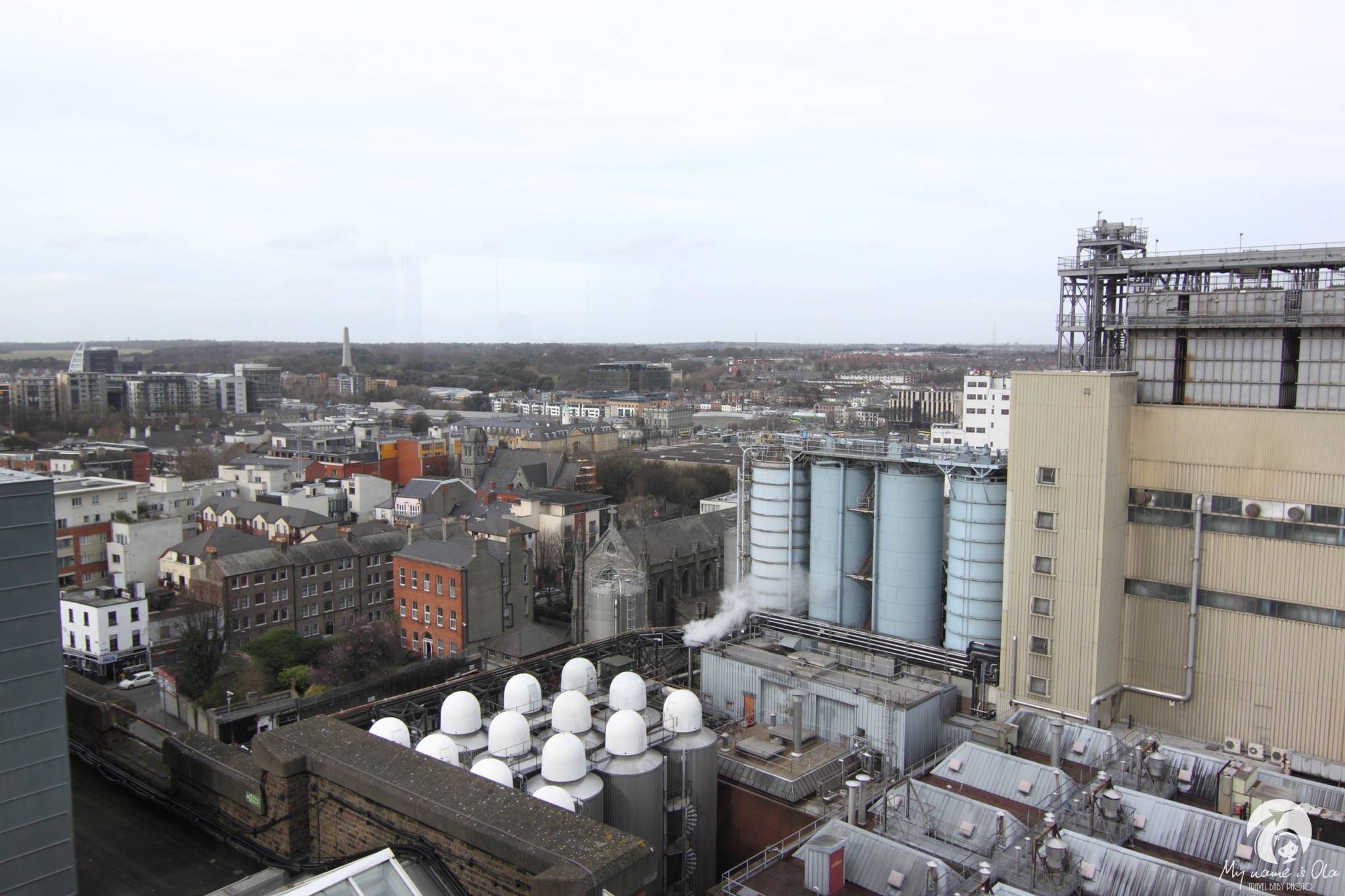
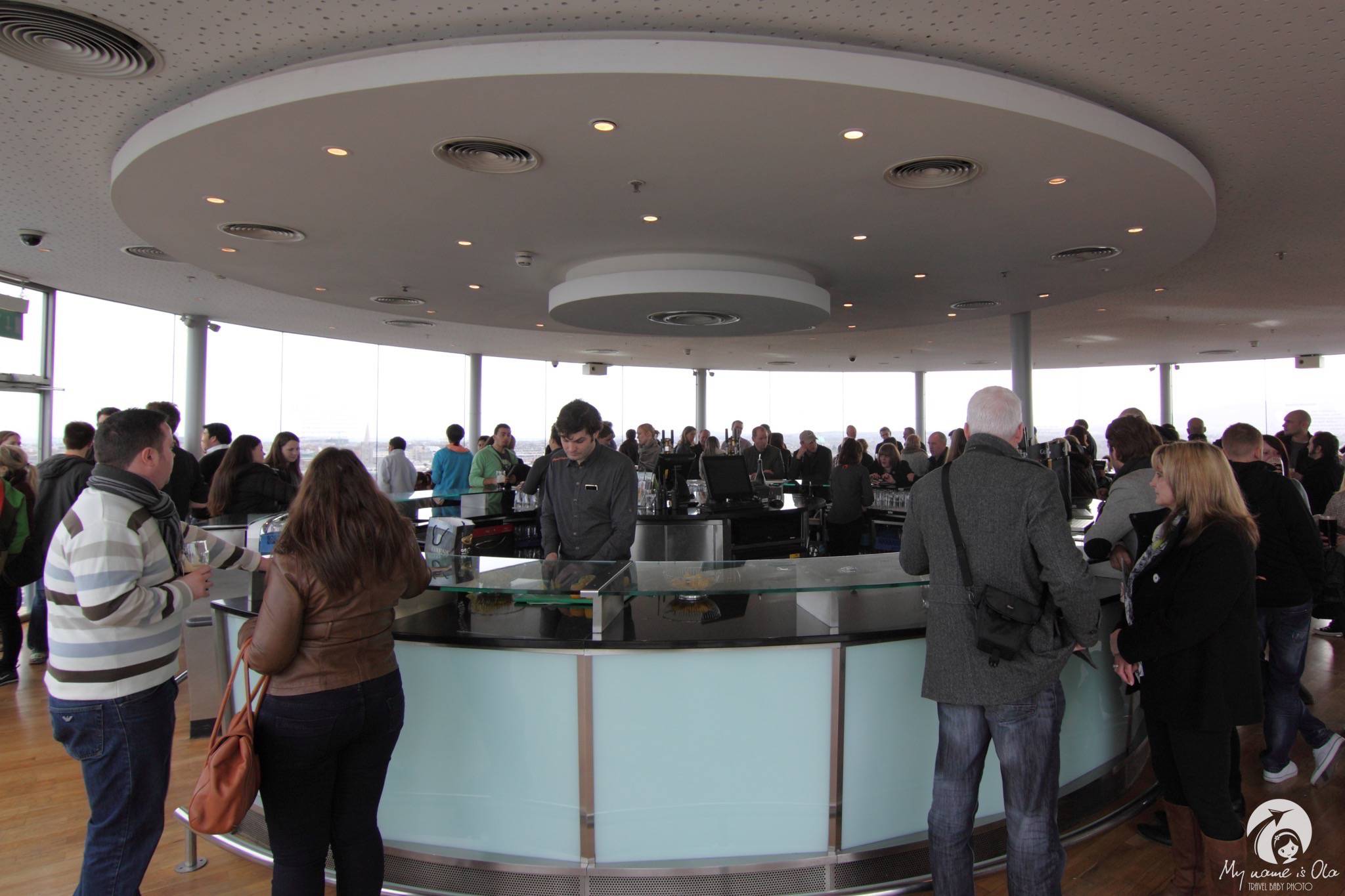
W końcu dotarliśmy na ostatnie piętro, gdzie znajduje się Gravity Bar. Tam ze szklanką w ręku można podziwiać panoramę Dublina. Wszystkie ważniejsze zabytki i punkty orientacyjne miasta oznaczone są na szklanych ścianach. A ponieważ nie ma ich zbyt wielu, cała uwaga gości szybko skupia się z powrotem na piwie. Dopiero na samej górze okazało się, że Ola nie jest jedynym maluchem, który zwiedza Storehouse. Na górze nasza córka spotkała nawet kilkoro innych dzieciaków w wózkach.
Guinness StorehouseGuinness StorehouseGuinness StorehouseGuinness Storehouse

Informacje praktyczne: po drodze z parkingu w stronę kas biletowych znajdziemy wejście dla niepełnosprawnych i rodziców z wózkiem. Polecamy kupić bilet przez internet, nie tylko unikniemy stania w kolejkach, które w szczycie sezonu turystycznego mogą być długie, ale też oszczędzimy 10%. W cenę biletu wliczony jest parking.

Guinness Storehouse

I pamiętajcie:Guinness Storehouse

BlogNa stole

Caviar or buckwheat? Favourite Belarusian dishes

20/01/2015 — by Magdalena Kuźma1

food24-960x640.jpg

Belarusian cuisine is rather simple. Basic products used for meals preparation are root vegetables and cereals. They are accompanied by dairy products, soups, different beverages and meat. Here we won’t tell you much about meat but will try to show other choice of belarusian food.

The most popular of those root vegetables are of course potatos. Visiting Belarus we had to inevitably try potato pancakes. They are called draniki there and are usually served with sour cream, sometimes with mushroom sauce. It’s not rather recommended to eat mushrooms in Belarus but somehow we always end up with them. Southeastern  areas of the country are still contaminated with radiocactive isotope cesium-137 afther the disaster in Chernobyl in 1986. But we strongly believe that today’s vegetable suppliers have their products tested before delivery to consumption. The same story is with blueberries so if possible it’s better to avoid them there.

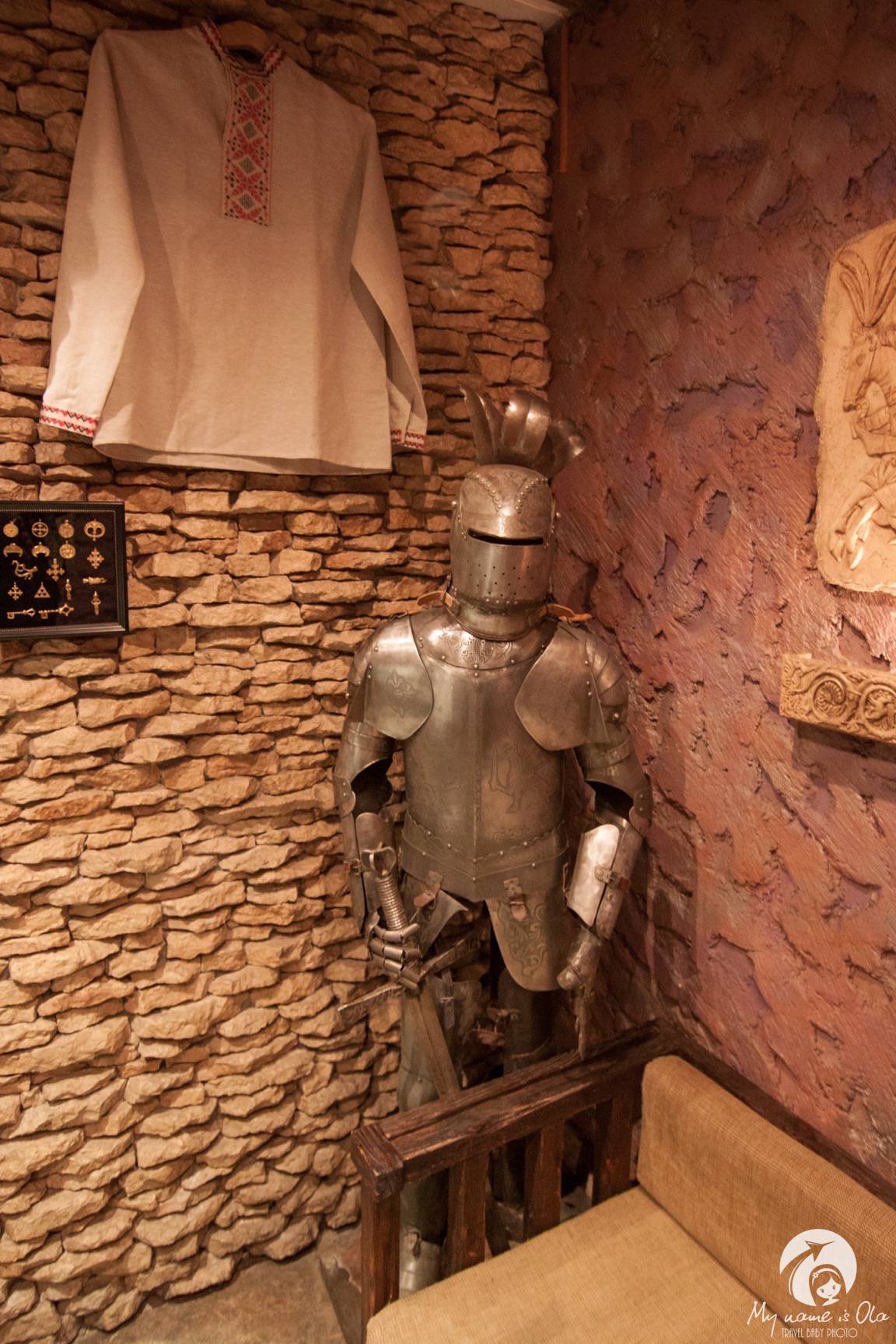
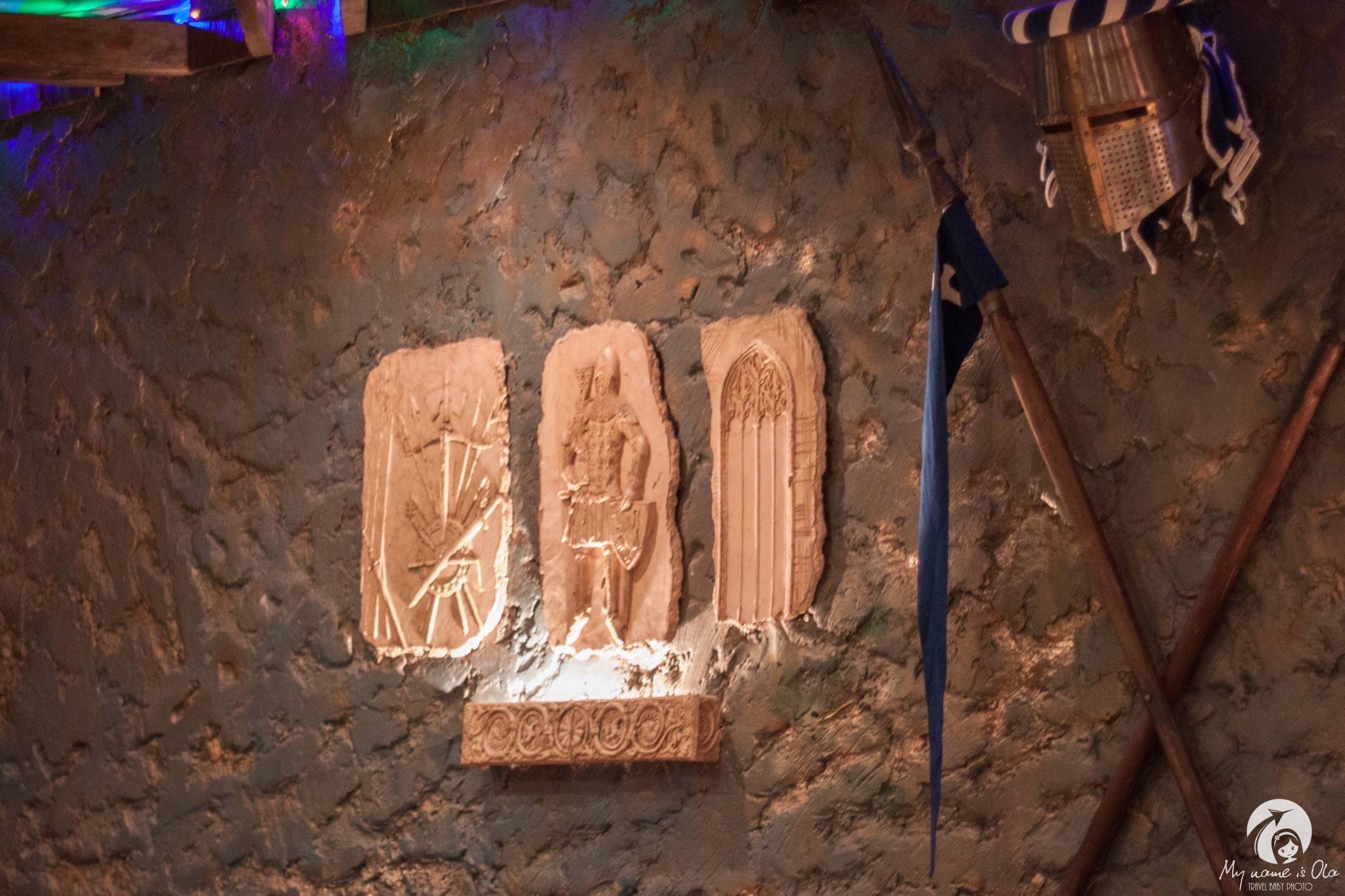
Our first on this trip potato pancakes we tried in the restaurant Kamyanica in the back of Gorky Park in the center of Minsk. It’s a 19th century building brought to Minsk from Nesvizh, small city nearby the capital, a home of beautiful 16th century palace complex inscribed on UNESCO World Heritage List. Interior of Kamyanitsa is decorated with swords and shields, waitresses wear nice costumes and whole place in details is kept in 19th century style. [photosetgrid layout=”5″]KamyanitsaKamyanitsa, MiskKamyanitsa, MinskKamyanitsa, MinskKamyanitsa, Minsk[/photosetgrid]

Potato pancakes we can definitely praise – very good, homemade, fresh and crispy. It’s easy to spoil them but here they managed to keep the quality. And it’s here where we ended up with mushrooms!
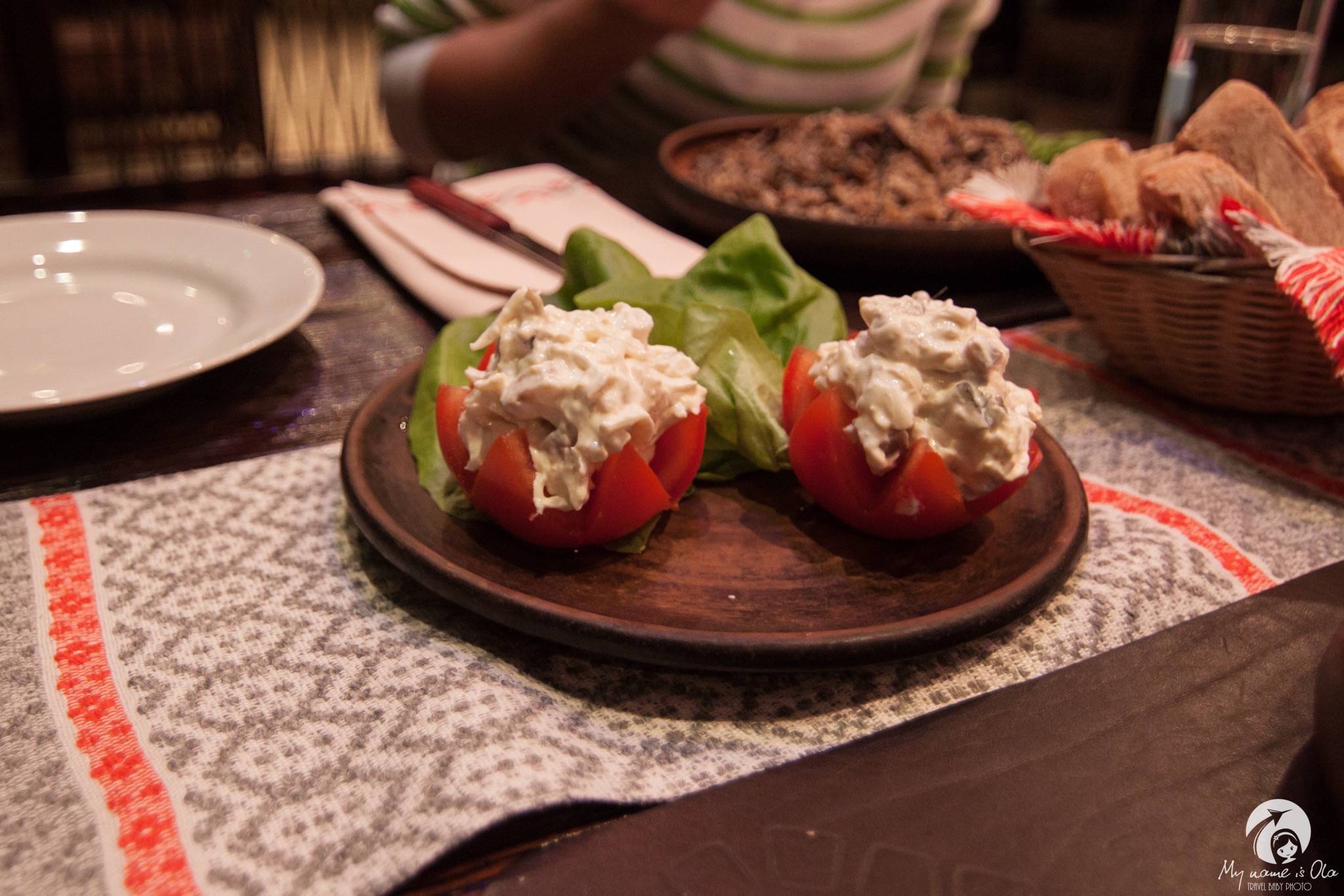
Kamyanitsa, MinskSince the kitchen was already closing when we arrived, we couldn’t be to picky when ordering. Out of lenten  dishes (as they call here non-meat options) we could also choose buckwheat and herring stuffed tomatoes. Buckwheat is very often served as an addition to for example meat dishes but also as a dish itself. Herring is another popular in Belarus product, especialy when it comes with a shot of vodka! Kamyanitsa, MinskKamyanitsa, Minsk
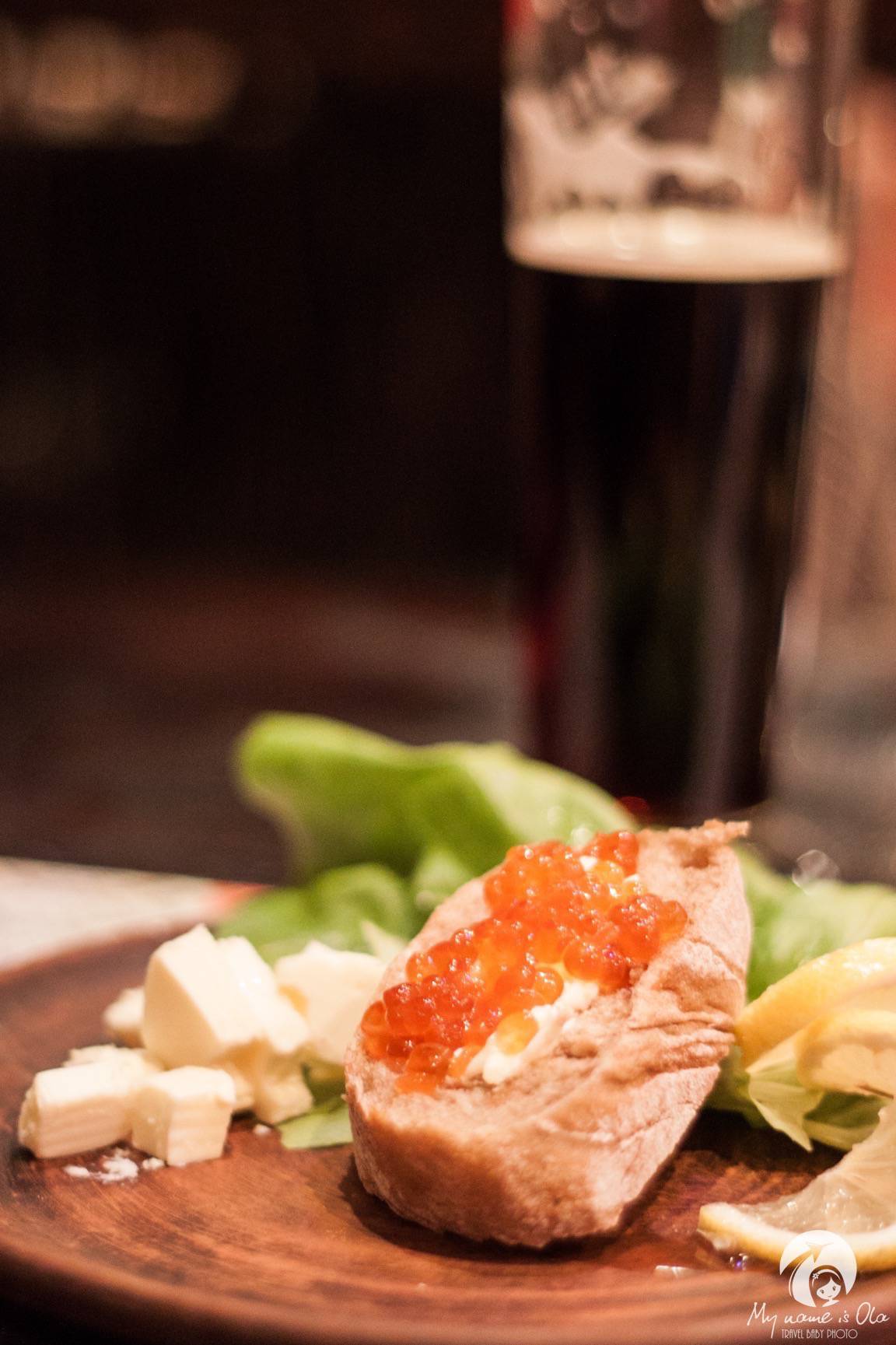
For desert we order a bite of luxury – sandwiches with caviar. It’s popular as a snackfood and it is usually present in local restaurants’ menus. Served as an appetiser, snack, vodka chaser and on our todays dinner – a desert.

[photosetgrid layout=”2″]Kamyanitsa, MinskKamyanitsa, Minsk[/photosetgrid]

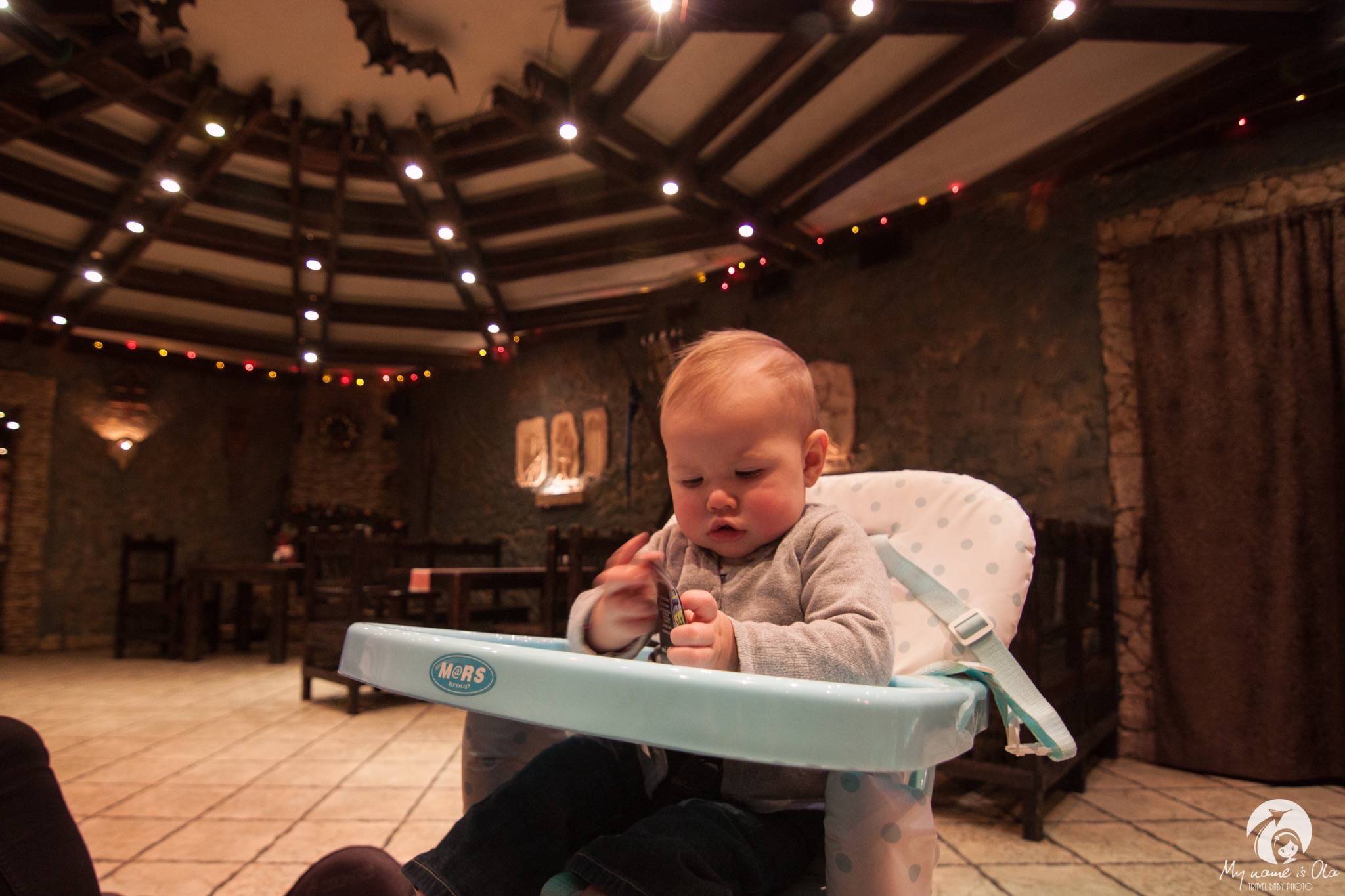
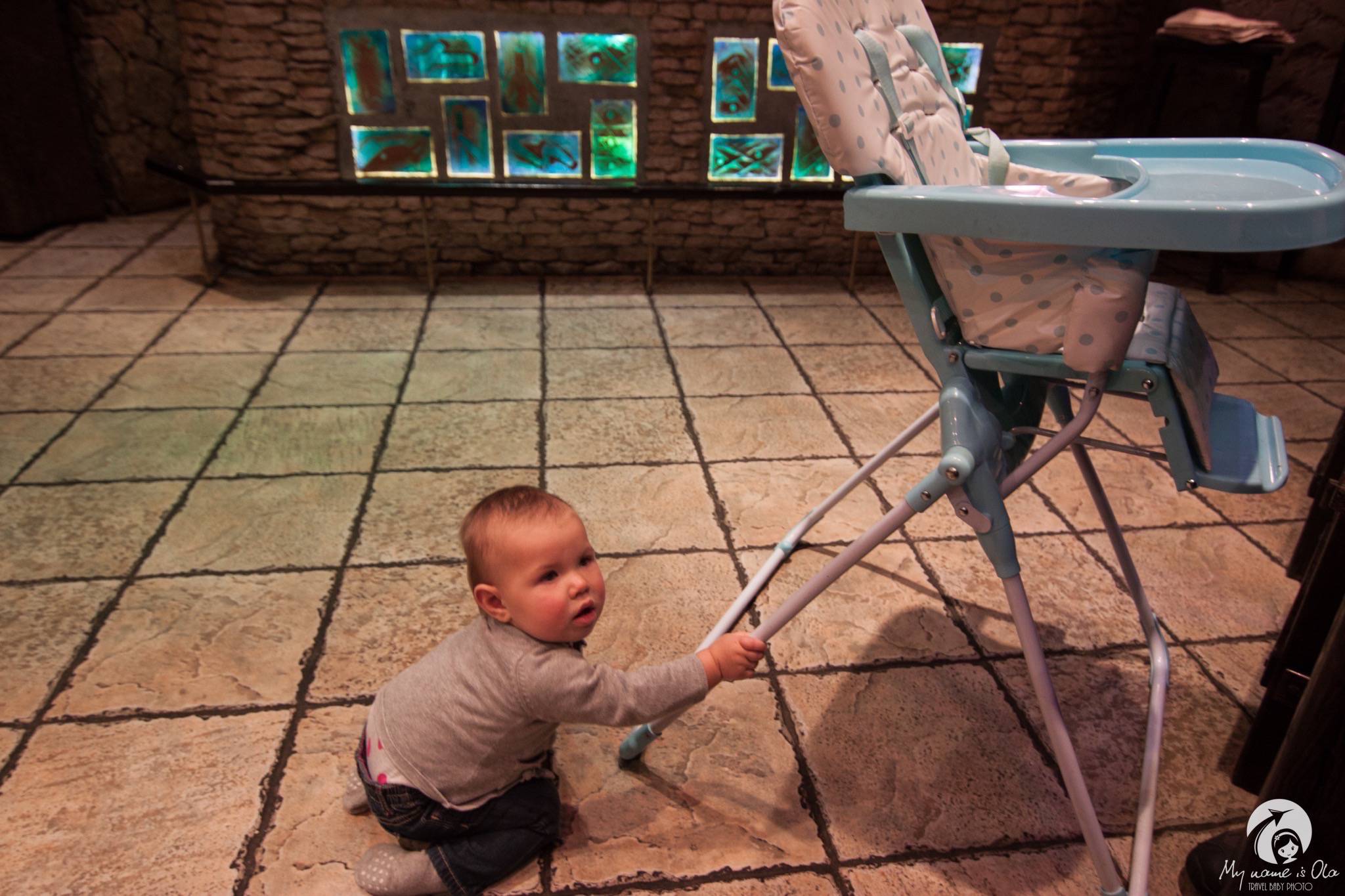
We appreciated the high chair for Ola a lot, even though that after some time she was more interested in it’s underside.

[photosetgrid layout=”2″]Kamyanitsa, MinskKamyanitsa, Minsk[/photosetgrid]

For bigger children they have kids menu with both meat and non-meat dishes.

changechairplaygroundkidsmenu

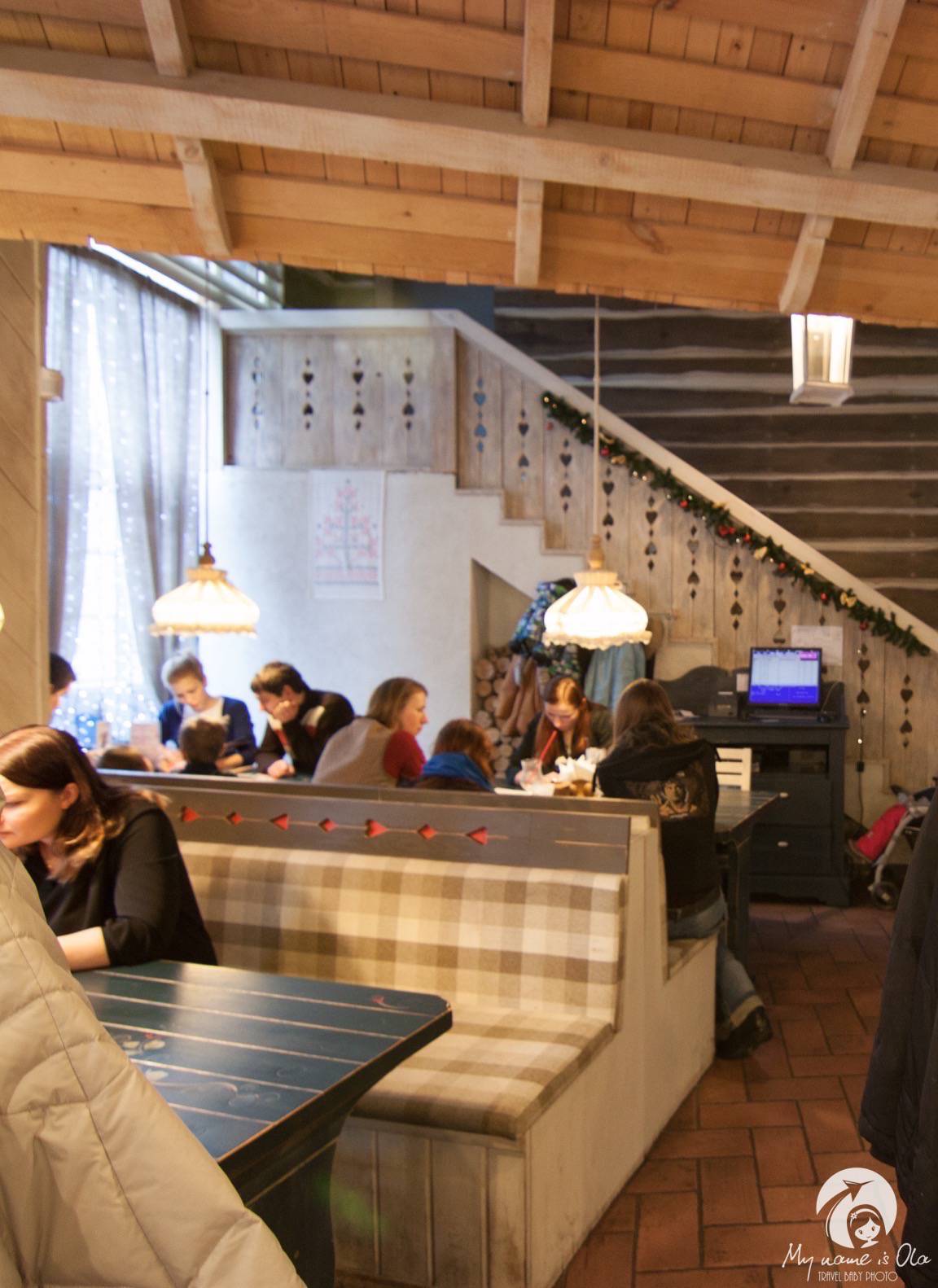
Next day for dinner we tried national cuisine in Vasilki restaurant (cornflours) on Independence Avenue and it turned out it was our another mushroom meal. It seems that mushrooms are usually added to non-meat dishes here. The place is arranged in traditional style; light colors, traditional motives and waiters’ costumes brought to our minds pictures of the idyllic country. Restaurant must be very popular among locals as people kept coming all the time we spent there. That’s probably why they have six restaurnat in the city.Vasilki Restaurant

Vasilki Restaurant Vasilki Restaurant

Place offers not only national quisine but also various meals of generaly eastern origin however some western style food is also present in the menu. Pictures of dishes allow easily decide what to choose. Baby high char was avaliable so Ola could eat her dinner comfortably. Only at the end she decided to go out of it to check what she can get from the table.Vasilki, Minsk

We ordered a frying pan of eggs and pickled cucumbers, potatos and of course fried mushrooms. Nothing special but tasty and warm. Vasilki Restaurant

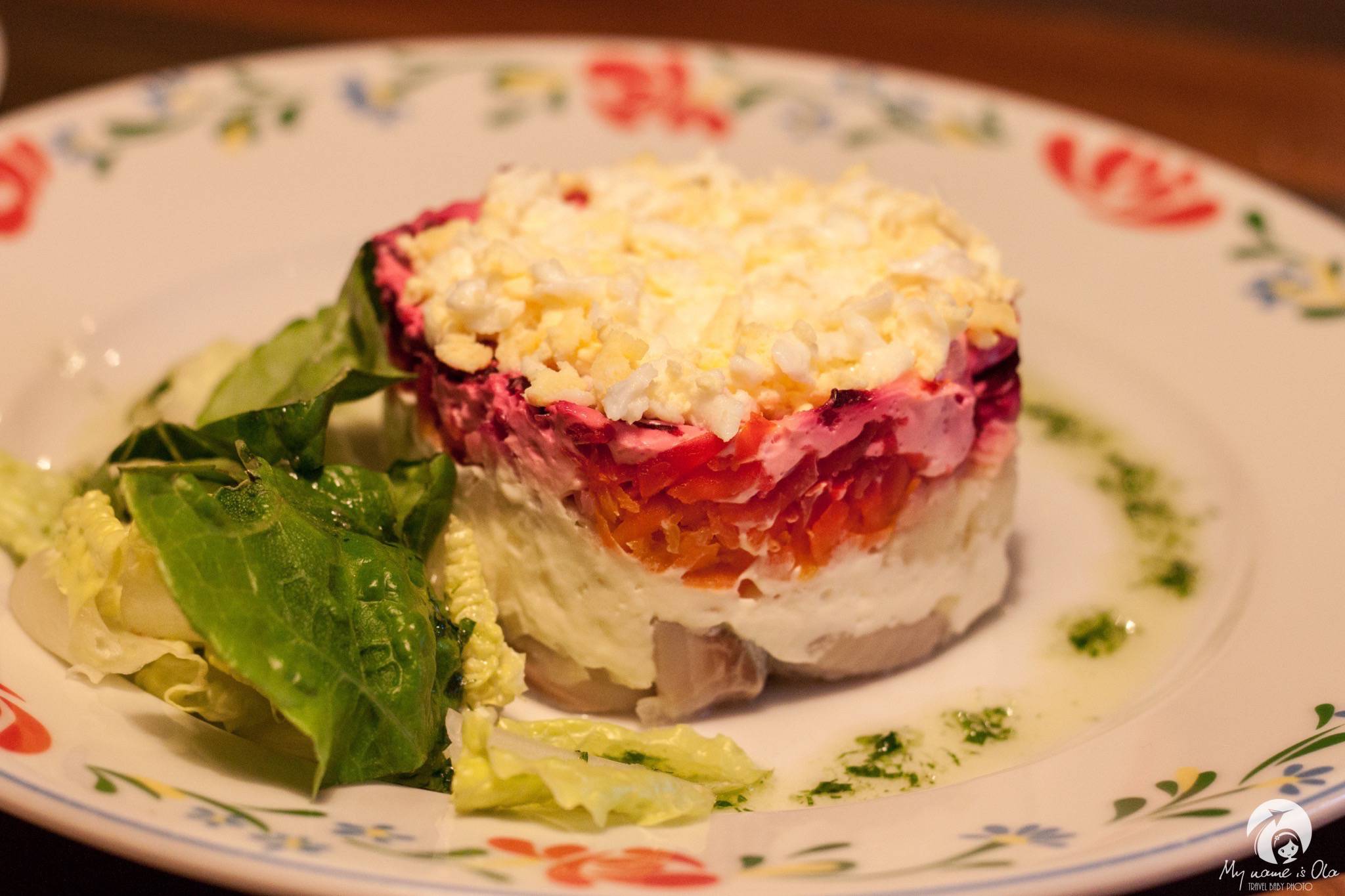
An interesting eastern compsition is a kind of salad – herring under a coat. It’s layered sequentially: herring, boiled potatos, carrots, beetroots and shreded eggs on top. All of them covered by thin coat of mayo. When ordering any kind of salad in Belarus make sure to have something more as salads are really tiny there!

Vasilki Restaurant

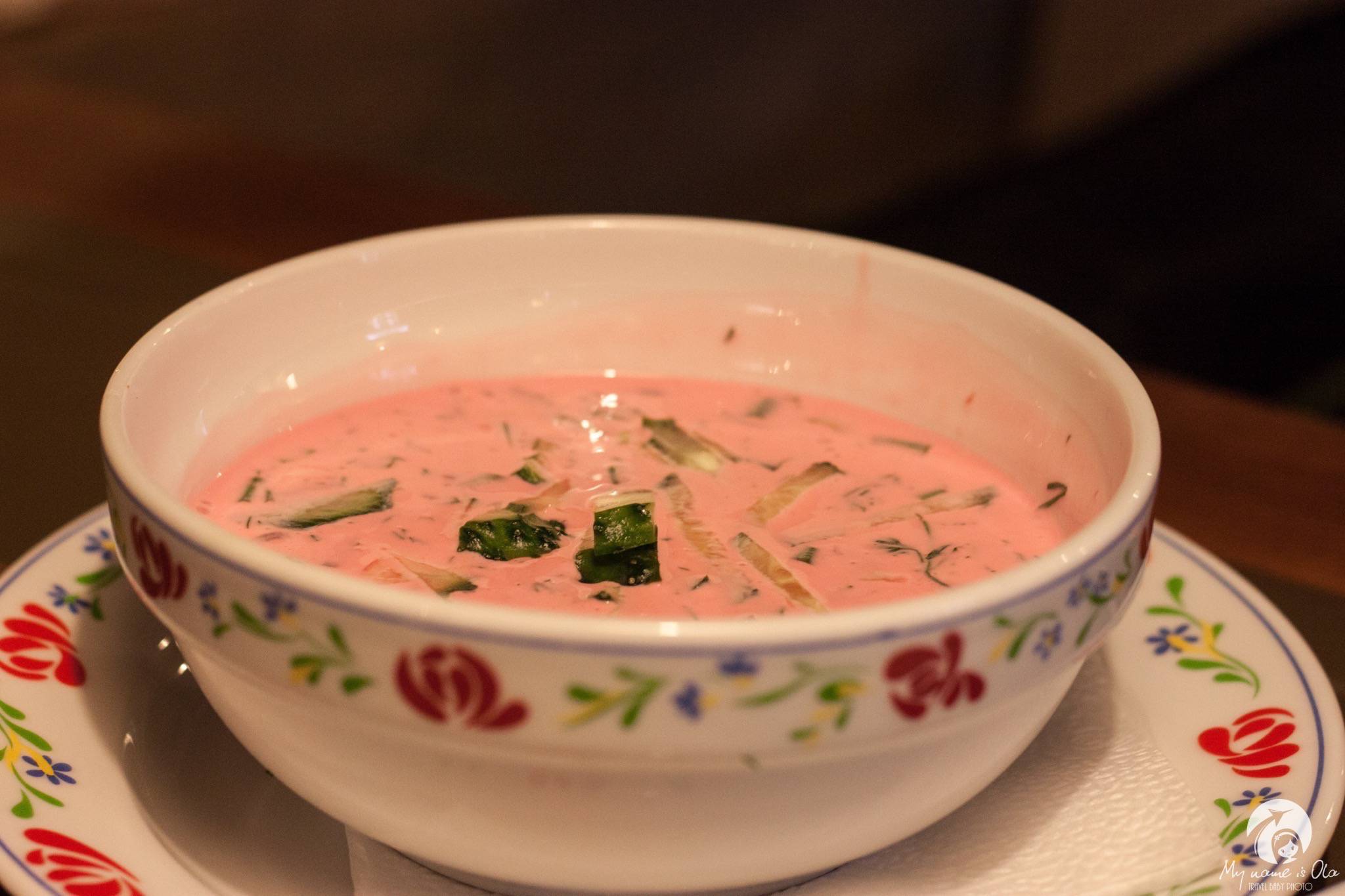
Although the weather was crazy cold Dad ordered popular in eastern Europe cooling soup – a mix of beetroots and milk drinks like sour cream, joughurt or buttermilk. By the way when being in Belarus make sure to try some of those dairy products. They are totaly different than the ones produced by western companies, they are smooth and delicious.Vasilki Restaurant

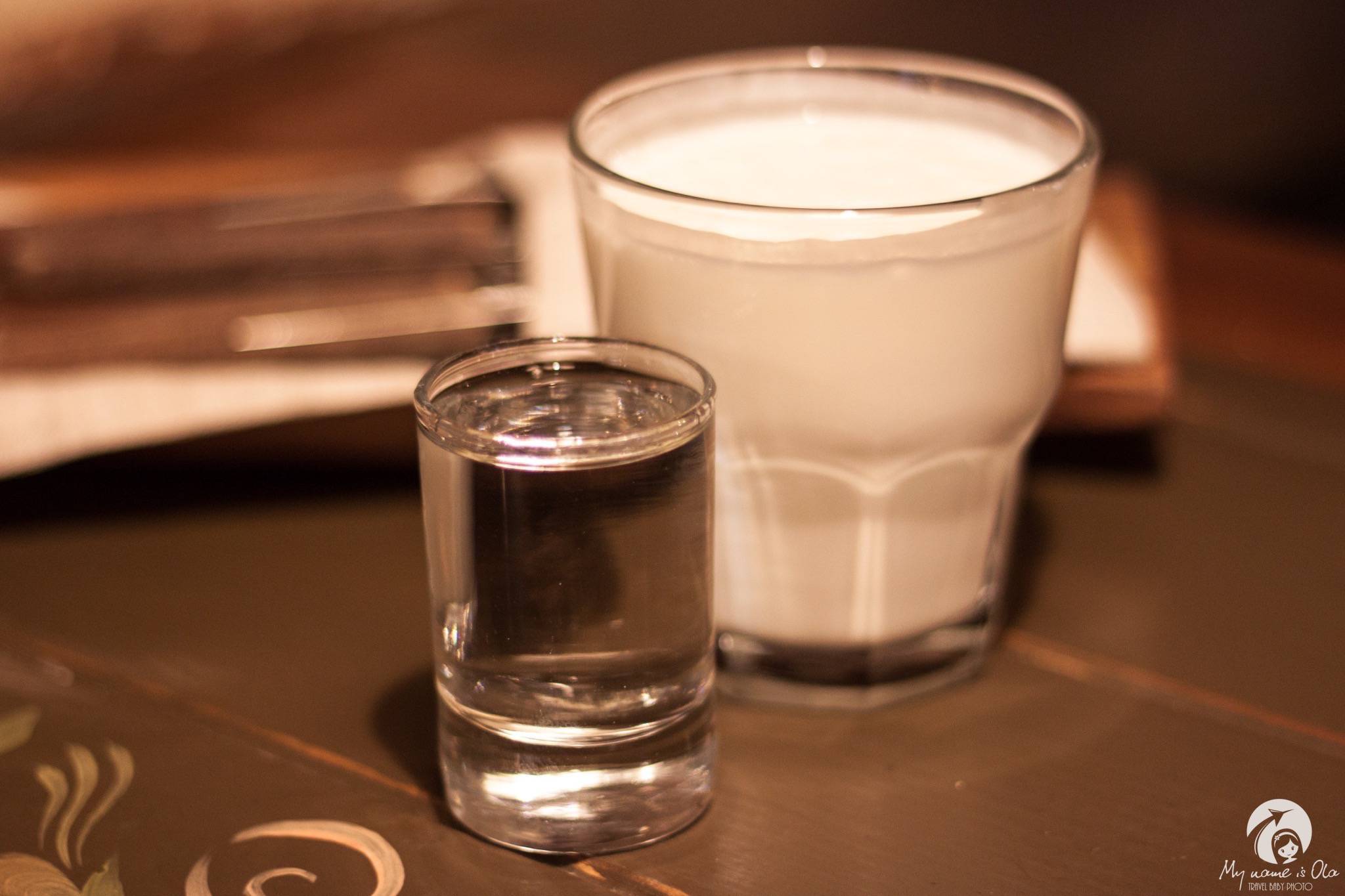
So then it was necessary to warm up! Vasilki, Minskchangechairplaygroundkidsmenu

Vodka is a special product in Belarus, it’s highly consumed and its price is very important for Belarusians and for whole economy. Within last 2 – 3 years it doubled its price. Other products prices rose as well but it was vodkas cost that has been the most widely commented, also abroad.

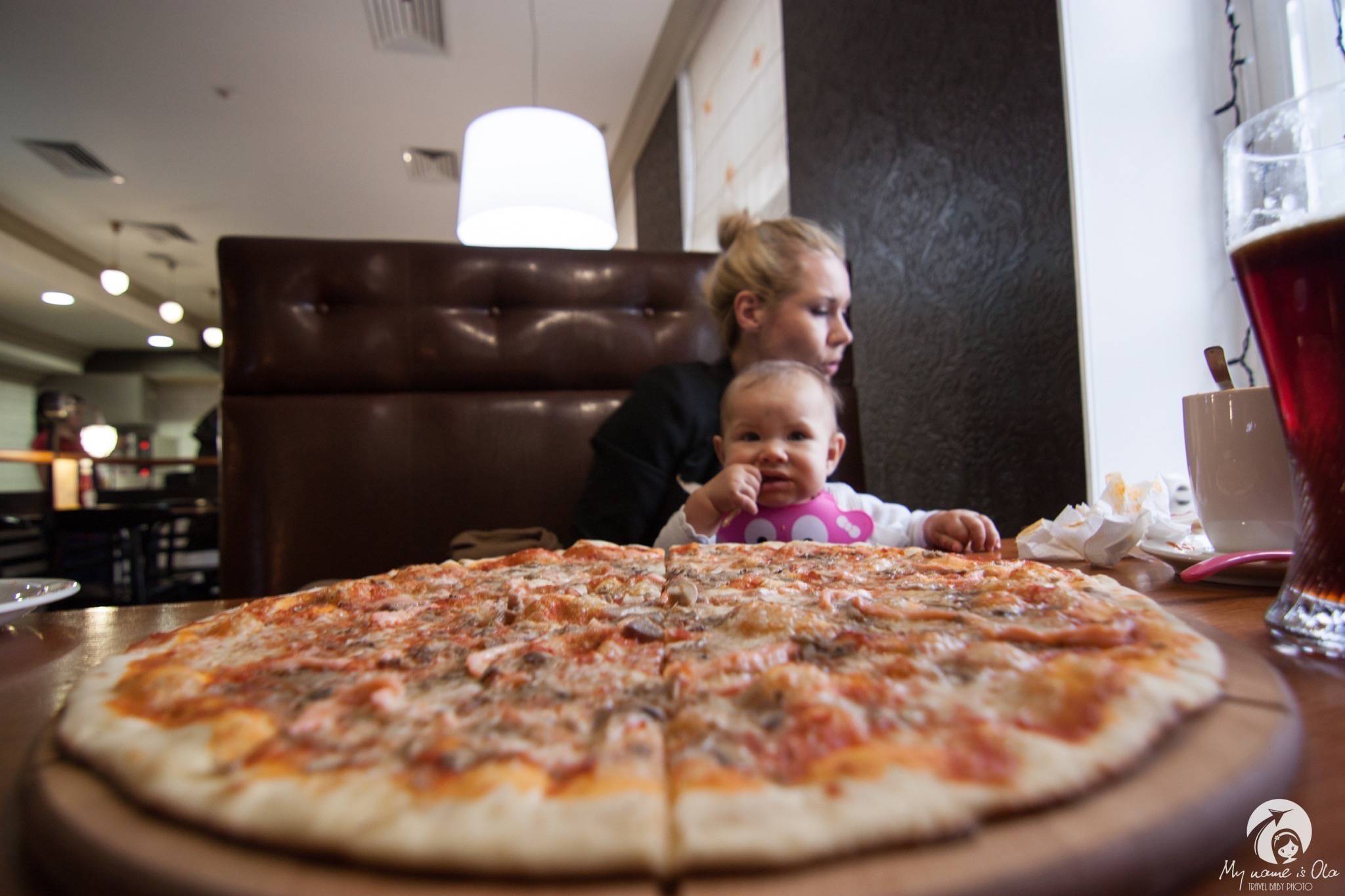
To keep the truth we have to say that Minsk is full of sushi bars, pizza restaurants and so on. Those different cuisines must be very popular in the city. Just before leaving we visited one of local chains – Planeta Pizza. Modern decor inside, all age guests around, almost no free tables. Unfortunately no high chair. It wasn’t easy to deal without it but we made it. Not without getting dirty all over. Pizza was quite good, different dough thicknesses available, rich variety of types to choose.

Planeta Pizza, Minsk

Planeta Pizza, Minsk

Place offers wide selection of other than pizza dishes as well. What made us smile was the stamp. Belarusians like stamping all the pricelists. Only menu with round stamp seems to be valid. In such modern restaurant we didn’t expect to see this custom it but here it is:
Planeta Pizza, MinskPlaneta Pizza, MinskIf you get tired by national Belarusian cuisine Planeta Pizza is a good place to step in. Oh, and make sure to try kvass – another typically eastern drink. It’s made of fermented bread, contains very little alcohol – look for it in section of non-alcoholic beverages. It perfect for thirst. Probably all the restaurants have it on their menus. In medieval times it was a beverage popular accross whole Europe but today is characteristic for Russia, Ukraine and Belarus.
changechairplaygroundkidsmenu

Bliski WschódBlogNa stole

Our 3 ideas for snacks in Dubai

01/12/2014 — by Magdalena Kuźma0

UAE056-960x640.jpg
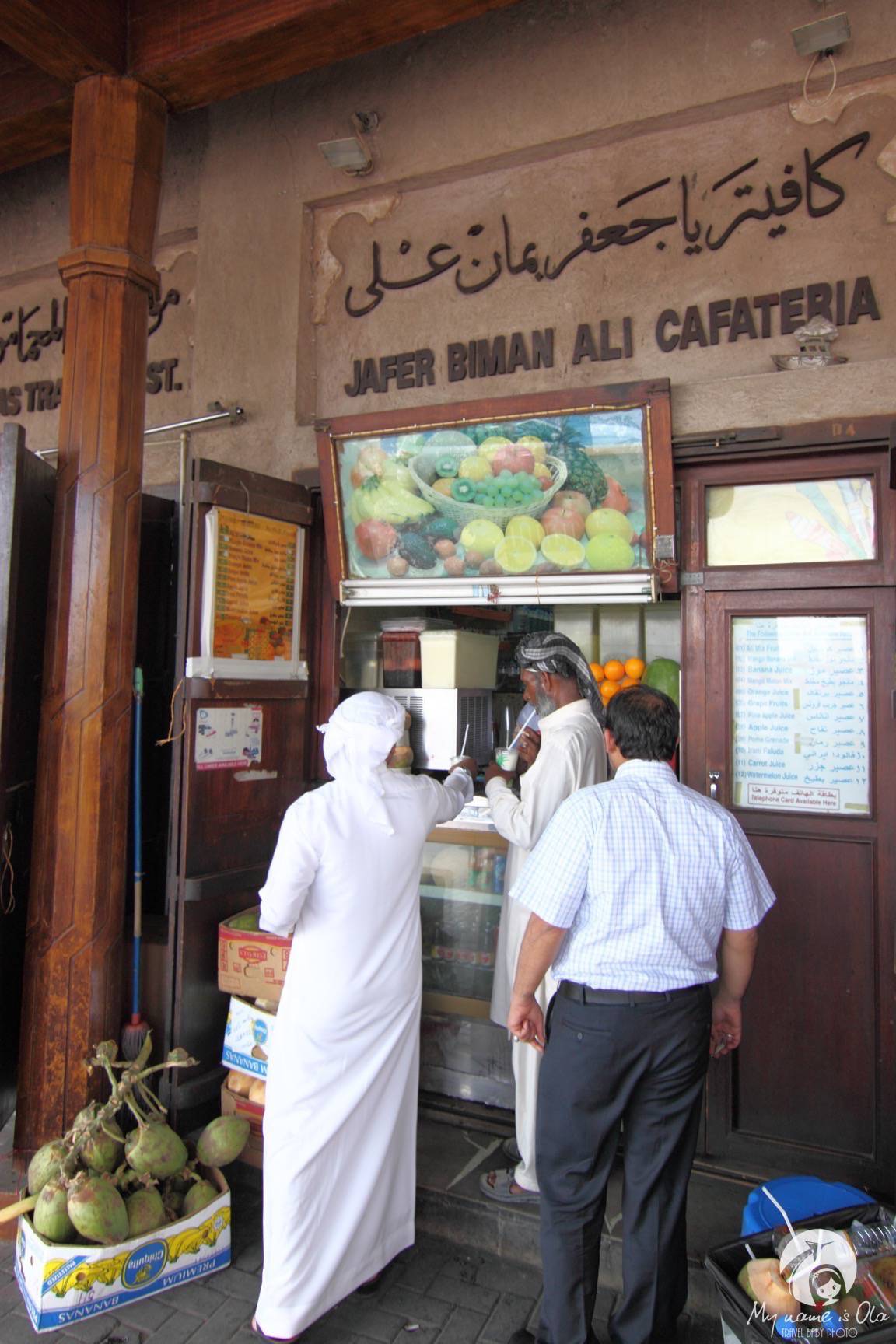
  1. At Deira Spice Souq accross the Dubai Creek try some refreshing fruit juices. There is a booth right on the corner of the souq when approaching it from abras (wooden boats) water station. One of them is that fresh, that is served right from the fruit – a coconut. Juice itself is nothing really special but drinking it straight from the fruit makes all the fun. Cost is not so high (less than 3 dollars) so we think it’s worth trying.UAEUAEUAE
  2. Get the table with the view over the Creek and abra station near Old Souk. Try some fruit juices and enjoy the view of small wooden boats swimming accross the Creek back and forth.
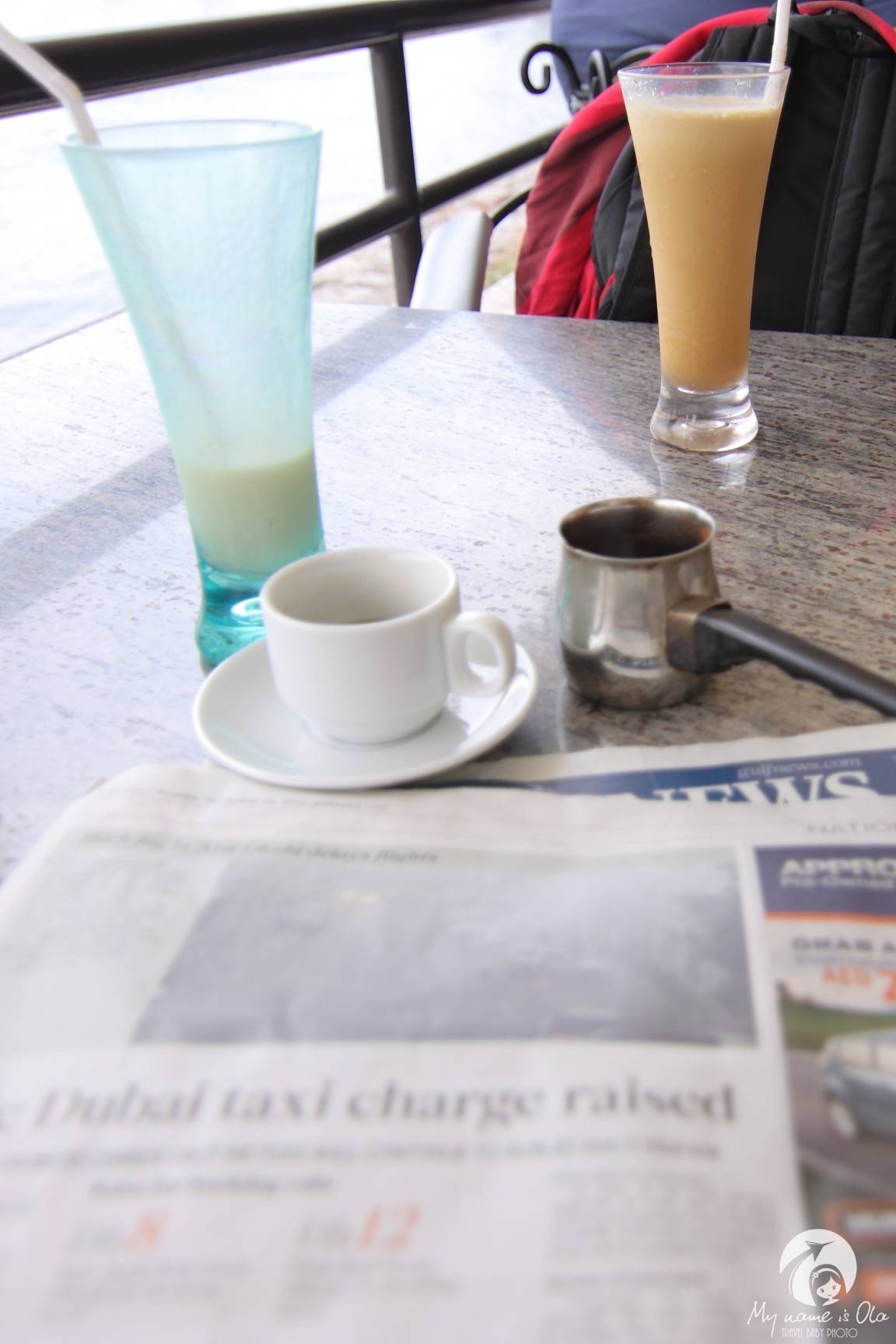
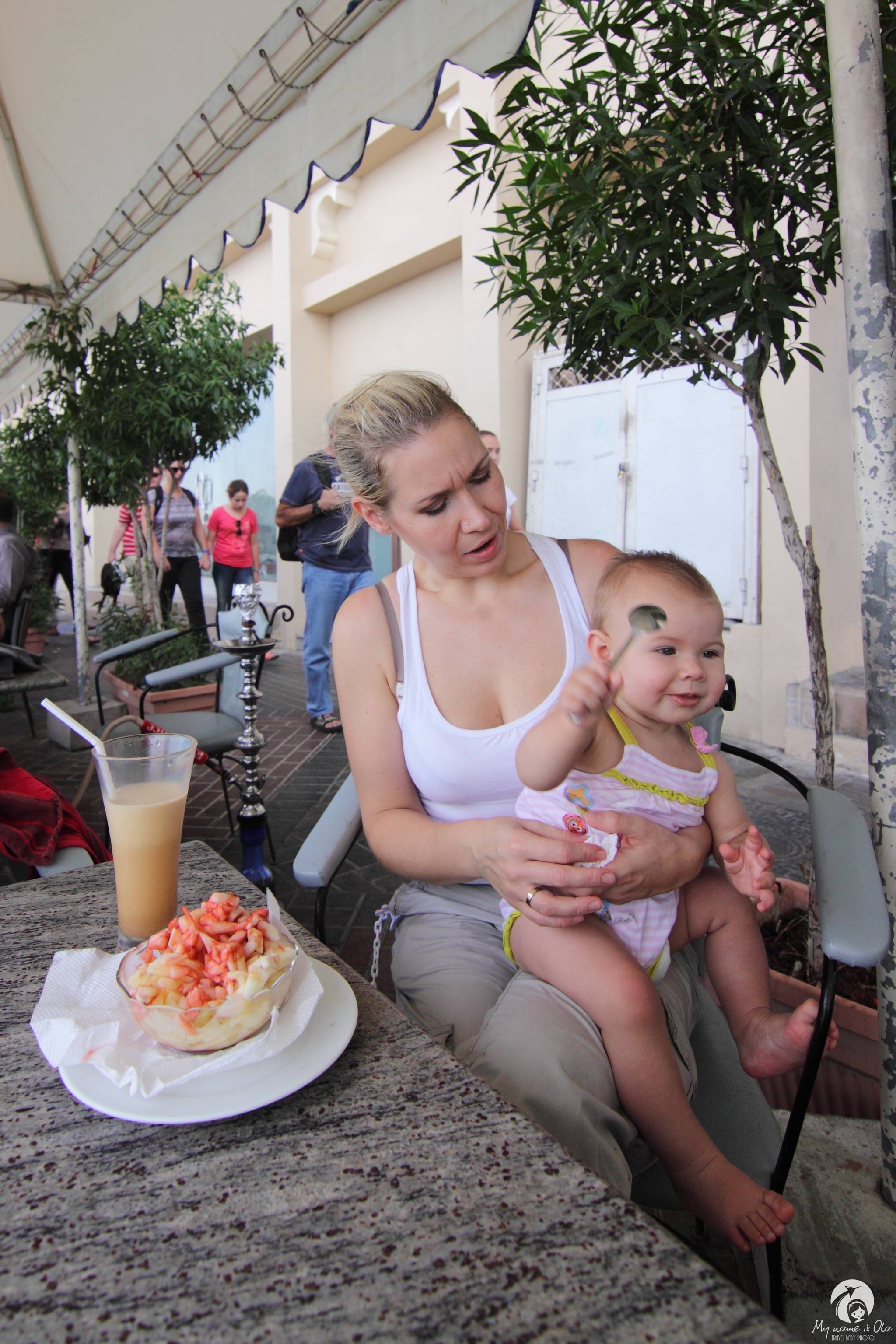
    We had turkish style coffee, fruit salad and some juices of fruits which names told us completely nothing and sat back, relaxed, read the newspaper and watched the waves on the Creek waters. Creek, DubaiCreek, Dubai[photosetgrid layout=”2″]

    Creek, DubaiCreek, Dubai[/photosetgrid]Yeah, right. Maybe a year ago we would have but today we could only try. In fact we gave the baby some fruits to try, checked if she wasn’t thirsty and gave her some water, excercised a little to keep all the things on the table, met some of Ola’s new friends and drank our drinks in a hurry and moved on.
    [photosetgrid layout=”2″]DubaiDubai, UAE[/photosetgrid]

    changechairplaygroundkidsmenu

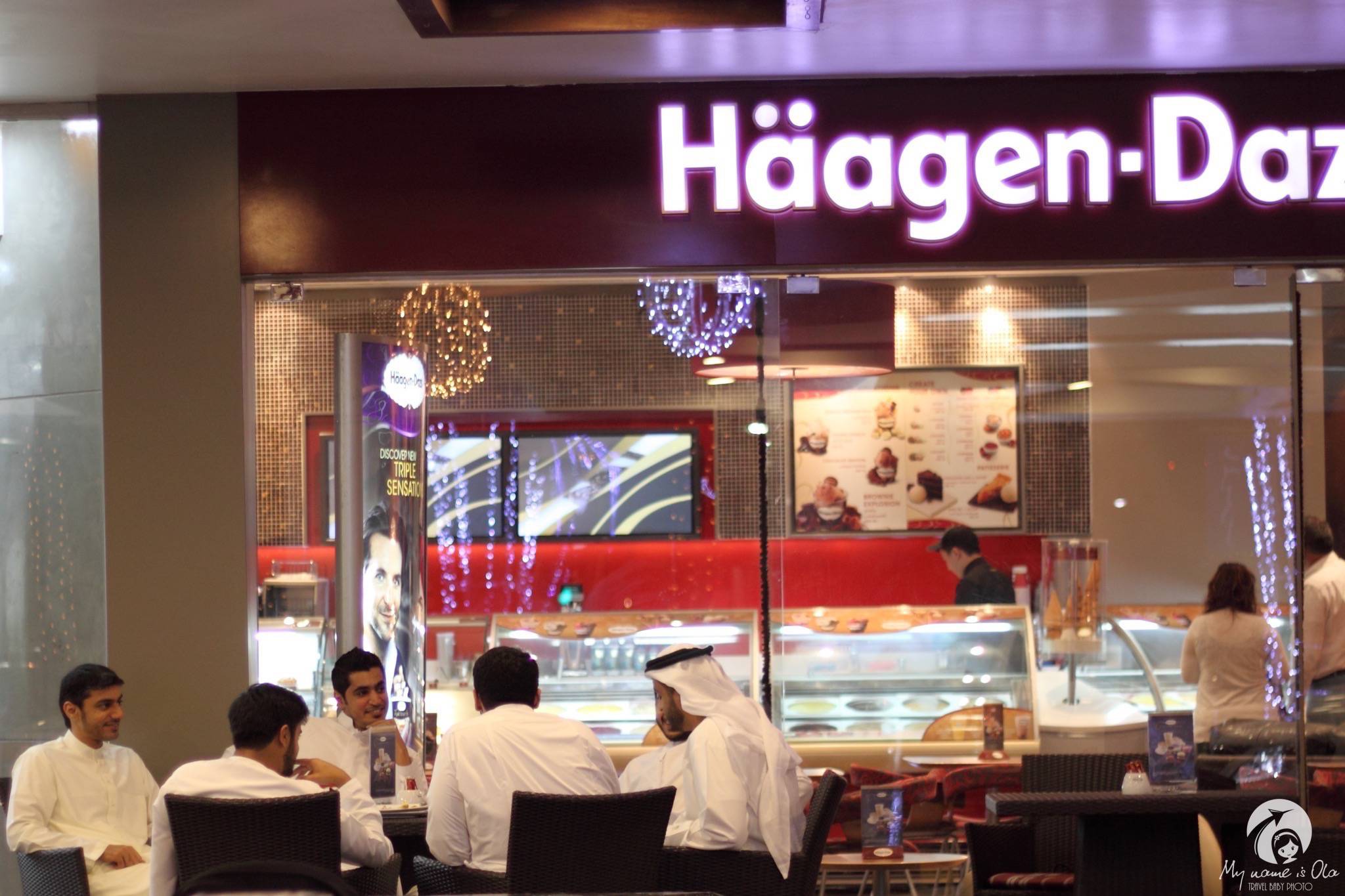
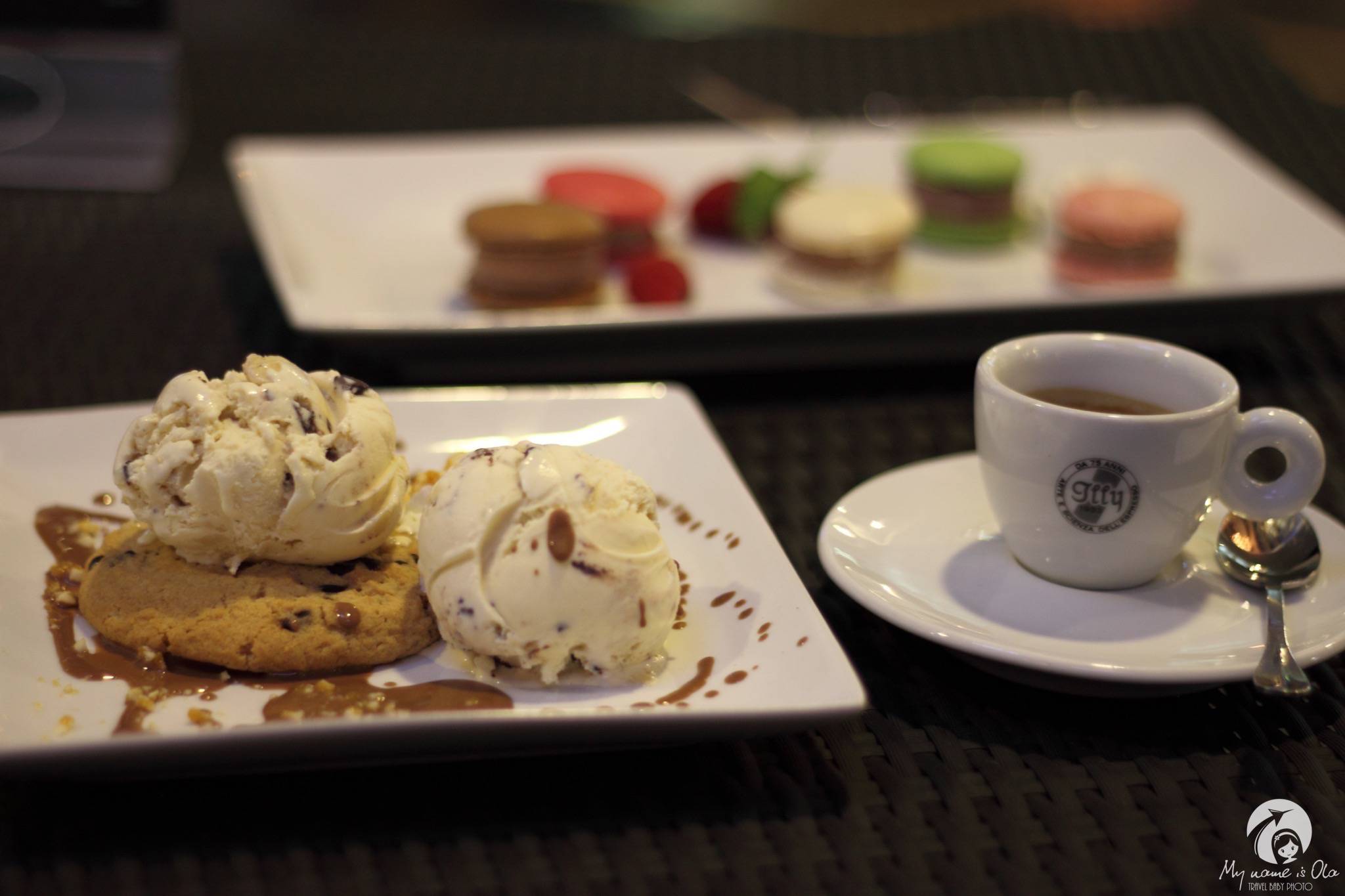
  3. Last but not least – mom’s favourite idea – Haagen Dazs. Those are the ice creams mom would do anything to get.Dubai, UAEProducer declares using only natural ingredients in their ice creams, no preservatives and no artificial color. We don’t know if it’s true but mom says they are really better then any others she’s tried so far. They of course are not a local product but when visiting a luxury city, trying luxury ice creams is a must. Dubai, UAEDubai, UAEchangechairplaygroundkidsmenu

Bliski WschódBlogNa stole

3 must be restaurants in Dubai

01/12/2014 — by Magdalena Kuźma0

UAE040-960x640.jpg
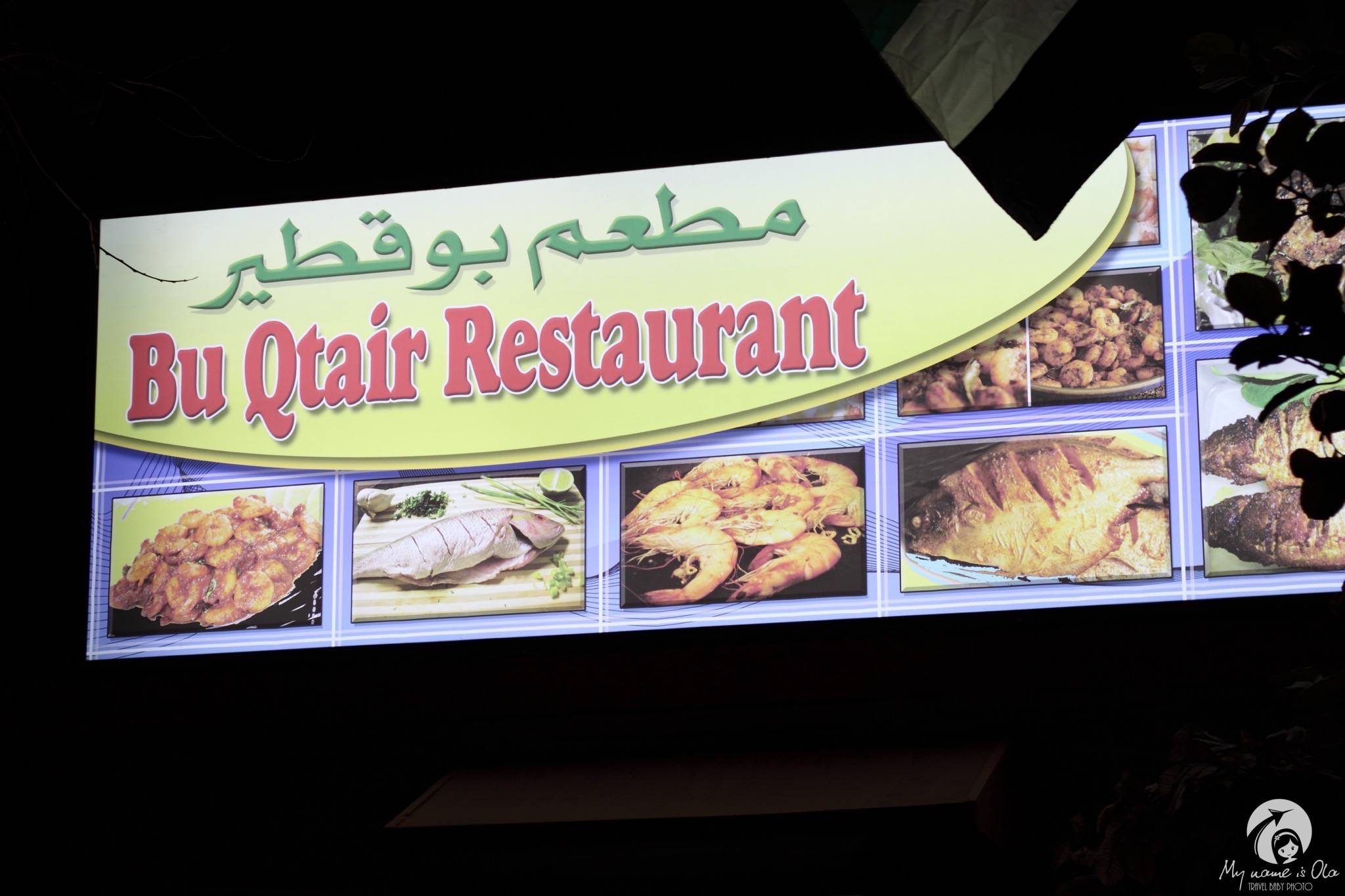
  1. Even if you can afford a dinner in the most expensive location in Dubai – Al Mahara restaurant in Burj Al Arab, looking for some good food you will surely visit Bu Qtair. It’s a place with the best and most fresh fish in the area. Fish they serve come straight from the water; fishermen just came back from the sea delivering fresh seafood to the restaurant. Instead a fancy restaurant you will find a bunch of plastic chairs and tables outside.
    Bu Qtair, Dubai Bu Qtair, DubaiIt is also quite an avdenture to find out how it all works. So first step is to get inside to place an order.
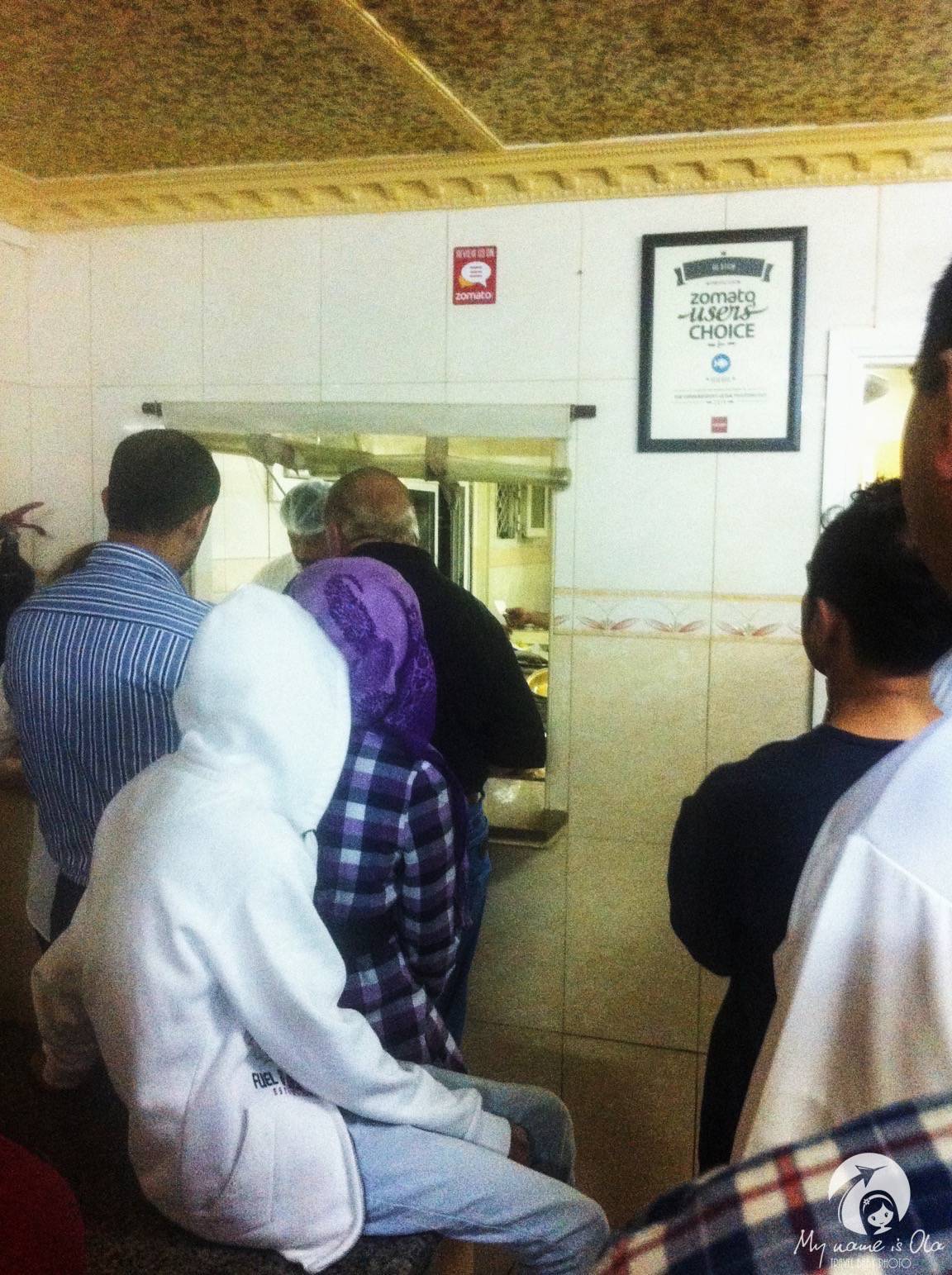
    Bu Qtair, DubaiThat means to choose from the huge amount of freshly caught fish in some kind of sauce. If nothing  looks familiar it’s a good idea to rely on stuff’s help. Pay at the window, leave them your name and sit outside looking forward to hear it being shout by the waiters.
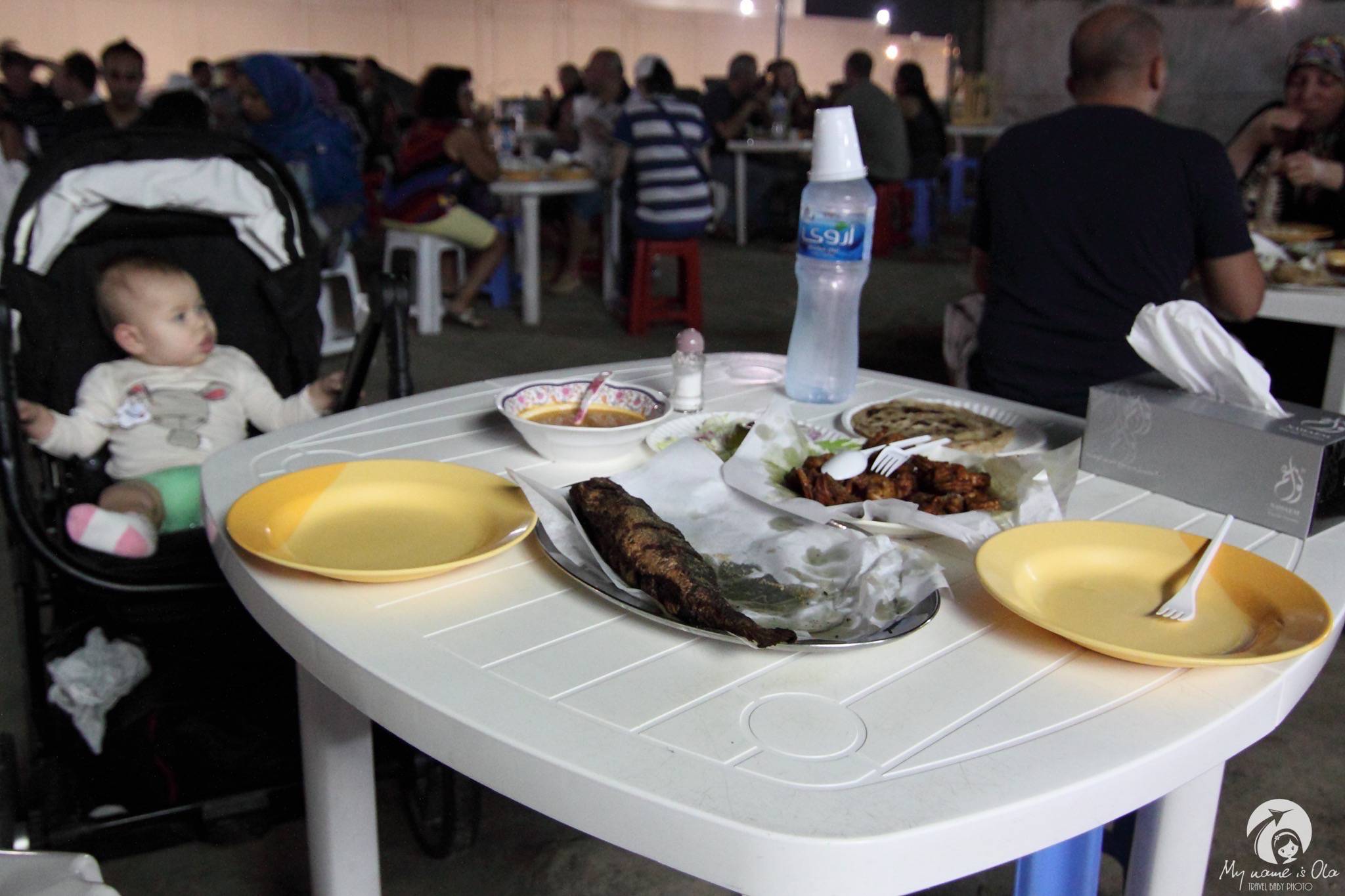
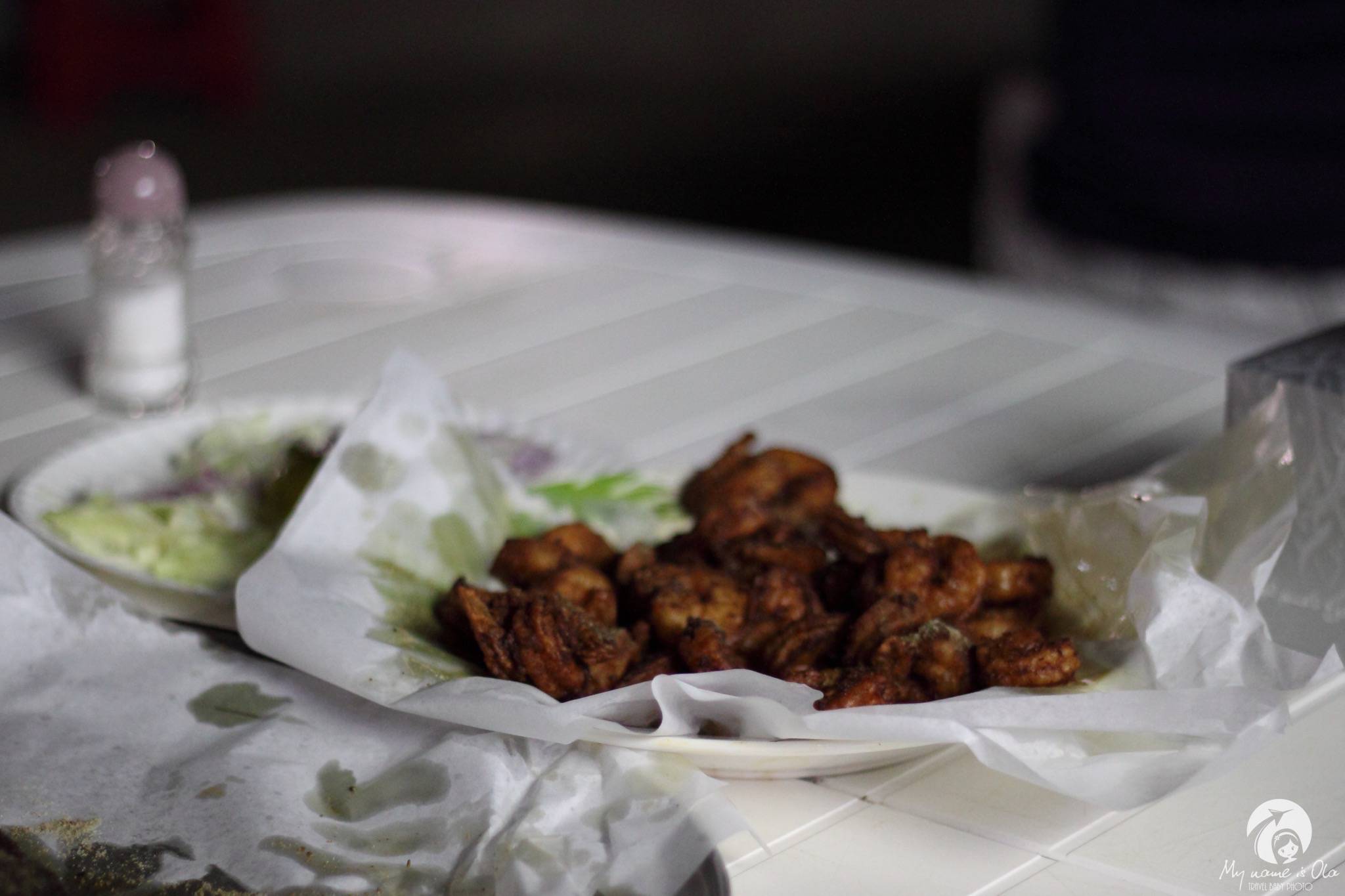
    Bu Qtair, DubaiOnce your order is ready you get your own plastic table. We got one big fish, whole bunch of shrimps and a box of tissues. No alcohol is served. Fish looked burned outside but it was just that (kind of Indian) sauce and inside it was all nice and delicate. And the shrimps, slightly spicy, we dare to say were the best we have ever had.
    Bu Qtair, Dubai Bu Qtair, Dubai Bu Qtair, DubaiThat’s not kind of a place where they accept credit cards so be equipped in local currency. I don’t think we have to add that baby high chair is not available.

    Bu Qtair, Dubaichangeseatplaygroundchild menu
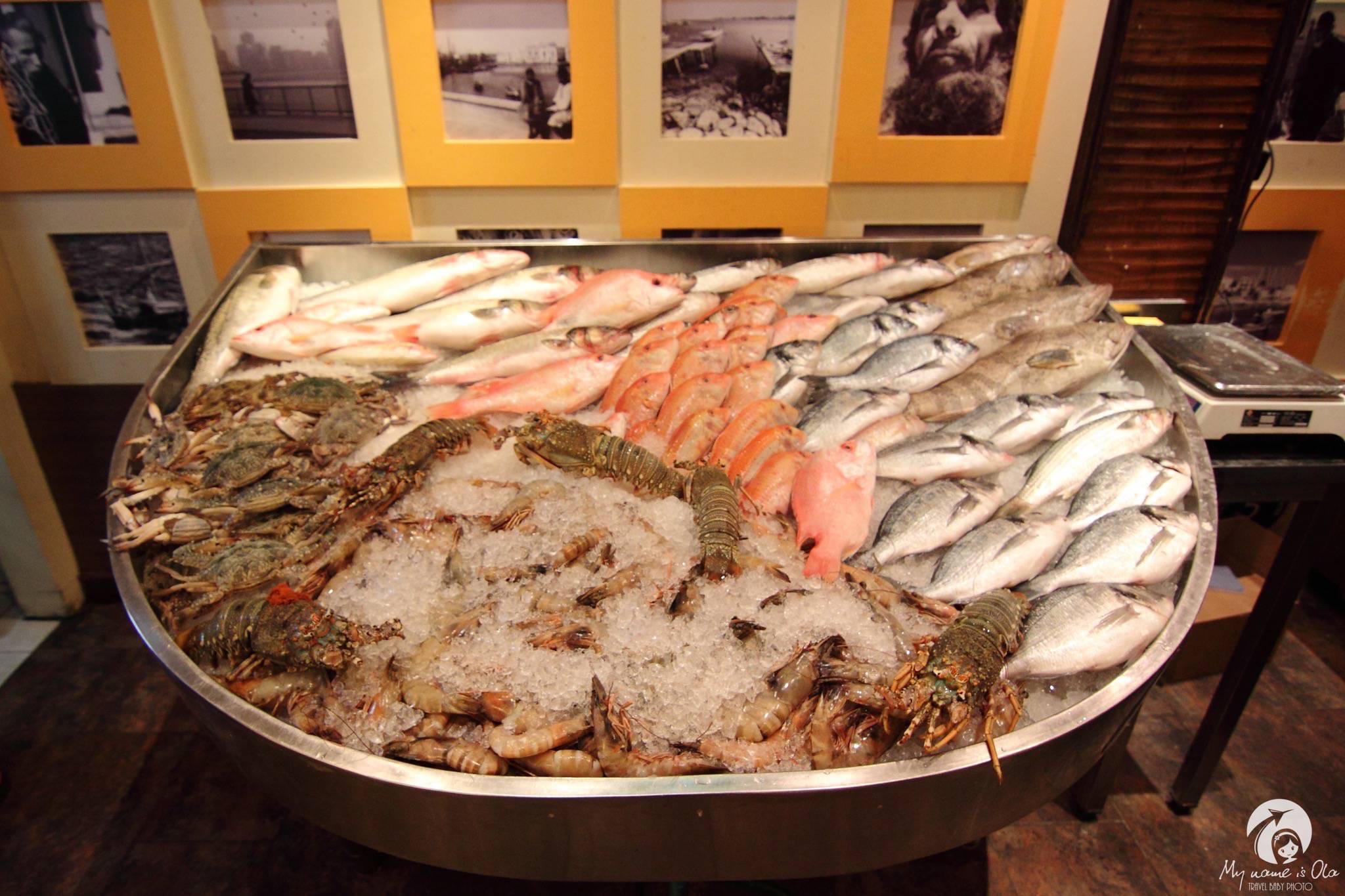
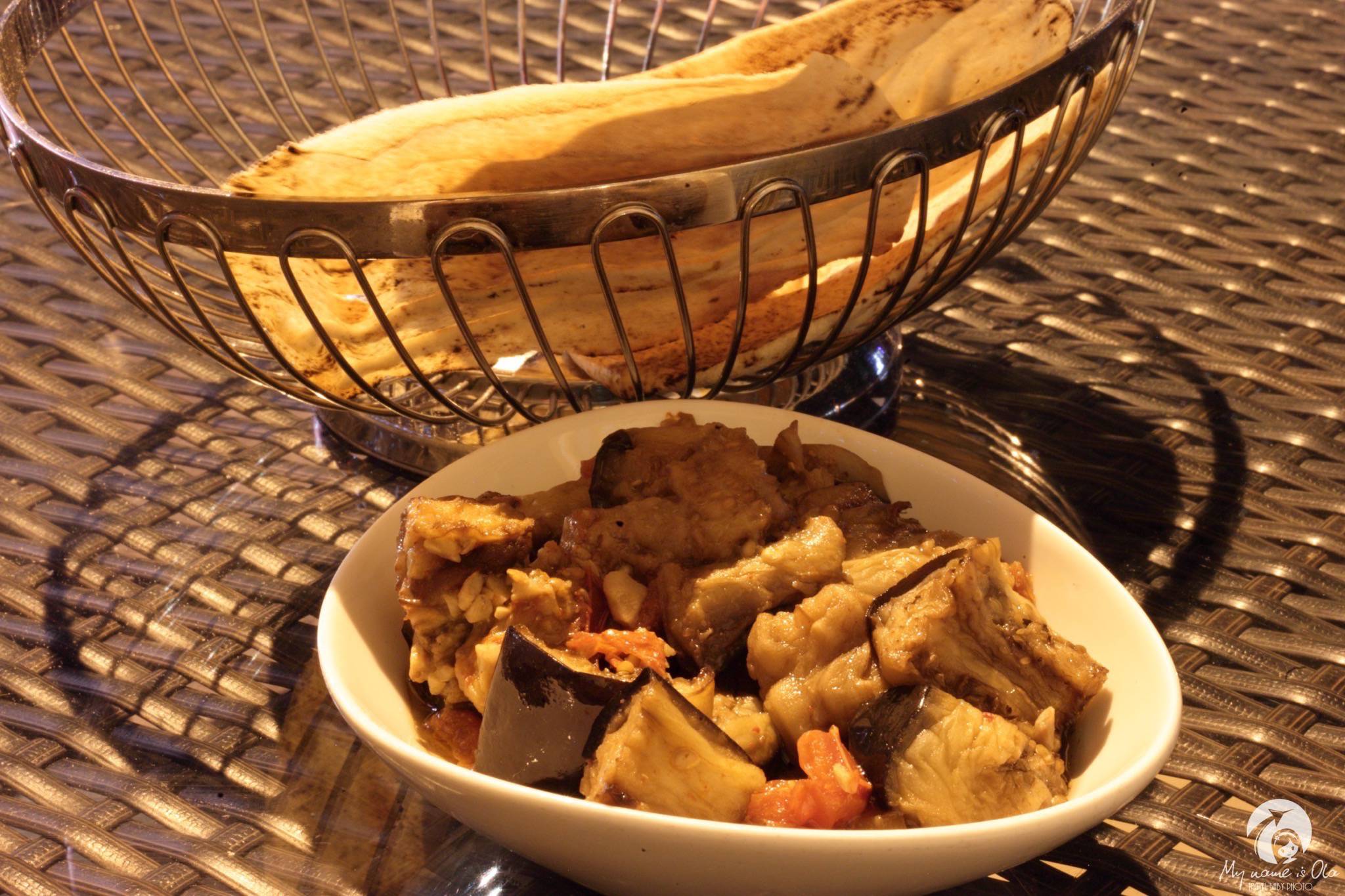
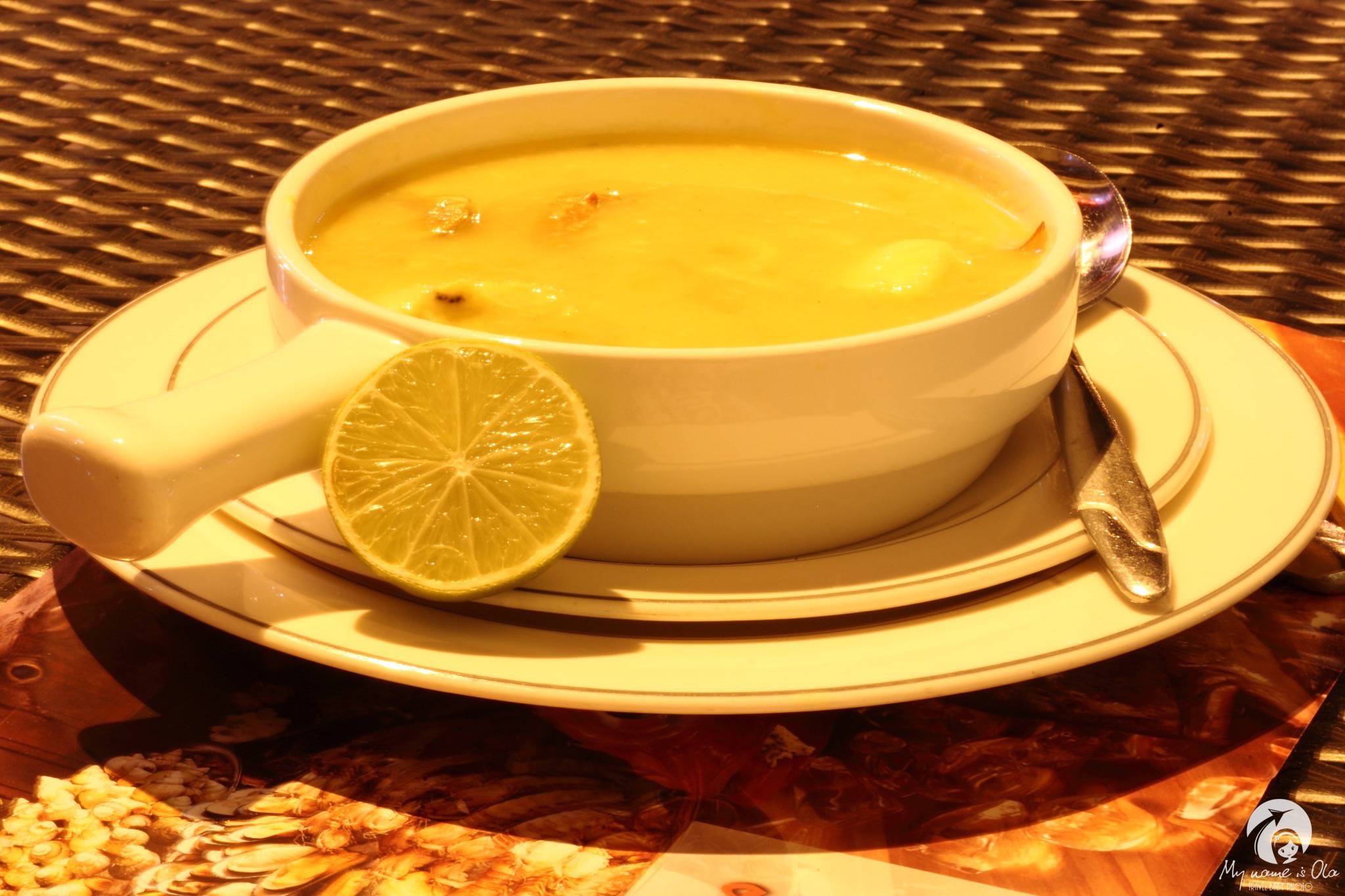
  2. Another remarkable place is Barracuda restaurant. It’s located at Jumeirah street and declares itself to be best contemporary Egiptian and Arabic seafood restaurant there.Barracuda Restaurant, DubaiIt works in similar way to the previous one – everyone is free to choose his own fish and have it cooked in one of the offered ways like singary (fish opened and grilled with seasons), radda, fried, tagine (fish prepared in a clay pot with seasons) and some others. We chose singary and tajine fish and to kill the first hunger seafood soup, eggplant with garlic and hummus. Eggplant was awesome, and fish, cooked both ways, exceptional!
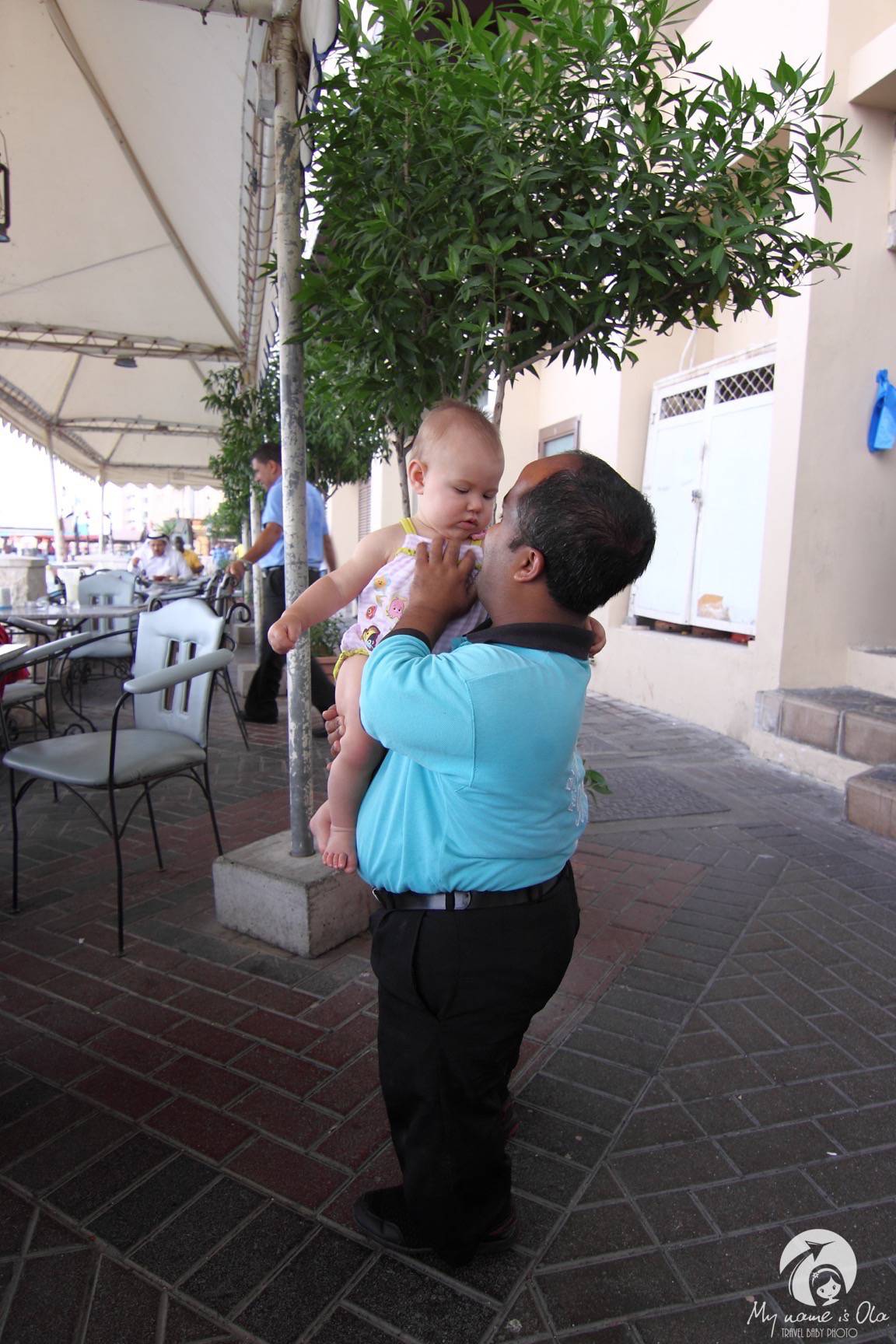
    Barracuda Restaurant, DubaiBarracuda Restaurant, DubaiBarracuda Restaurant, DubaiBarracuda Restaurant, DubaiOla sat together with us at the table in high chair and enjoyed throwing to the ground everything she could only catch. And of course she stole our waiter’s heart.
    Dubai Dubai changechairplaygroundkidsmenu
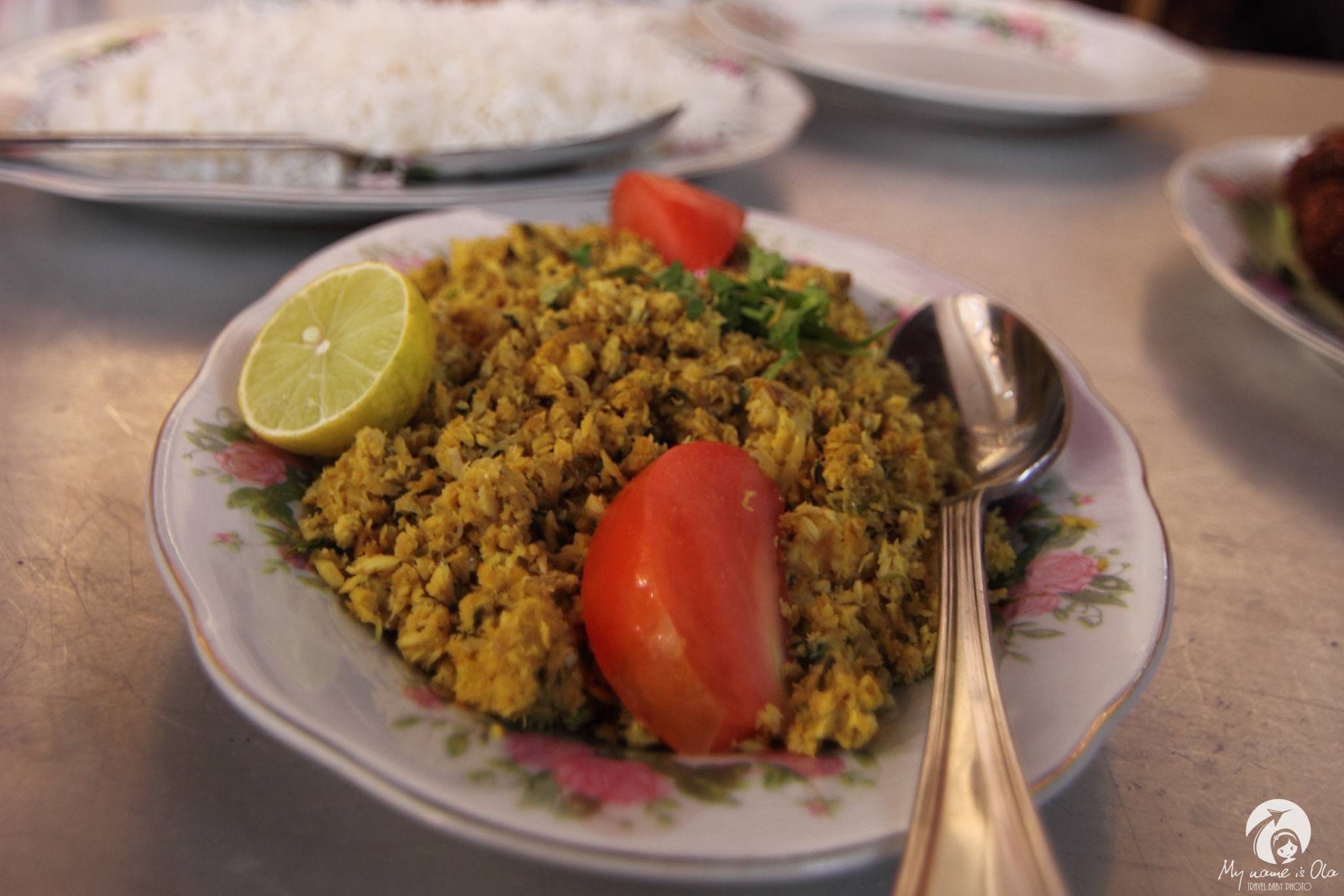
  3. Al Fanar Restaurant & Cafe – place offers strictly local quisine and among their guests there are more local people than tourists.Al Fanar Restaurant, DubaiThe place is decorated in the atmosphere of old Emirati traditions. Guests are greeted by old dessert Land Rover parked at the entrance and lovely personnel dressed in traditional style uniforms. Outdoor terrace offers kind of compartments. Low table and soft carpet was a good place for Ola. She was the first one who started choosing from the menu but anyway ended with her usual meal – milk.Al Fanar Restaurant, DubaiUAEWe ordered koftat samak (fish cutlets with tomato sauce), tomato and onion salad and Jesheed (crumbled fish cooked with onion).
    Al Fanar Restaurant, DubaiAl Fanar Restaurant, Dubai Al Fanar Restaurant, DubaiAll the food was good, full of local spices taste. However Emirati cuisine seems to based on meat. Meat-eaters will find there a wide variety of dishes, vegetarians very few. It’s worth to finish the meal with with a pot of Arabic tea.
    [photosetgrid layout=”2″]Al Fanar Restaurant, DubaiAl Fanar Restaurant, Dubai[/photosetgrid]We took also desert (khabisah – some traditional sweet) but it didn’t look like you would like to see it so we are not showing any picturs of it. Neither it tasted. Deserts, unlike other dishes, we cannot advise.
    We have to definitely praise their stuff – we were served by at least four people at the same time, and all of them very nice and helpful. They finished our visit by ritual hands washing with scented water. Baby high chair is available hovewer Ola barely used it as she preffered being carried by personnel or sit with us at the table. Or underneath it.
    [photosetgrid layout=”2″]UAEUAE[/photosetgrid]We visited the branch located at Jumeraich road in the small shopping center. Mall restrooms were equipped in changing station and vending machine with baby stuff. The other location in Dubai Festival City Mall has way more decorated interior, including local scenes from old times build of figures of people and animals.

    changechairplaygroundkidsmenu

READ MORE
Must see mosques of United Arab Emirates
Camel races in Dubai
Visiting Burj Khalifa

BlogNa stole

There is such place in Barcelona… London Bar

08/11/2014 — by Magdalena Kuźma0

Barcelona40-1024x683.jpg

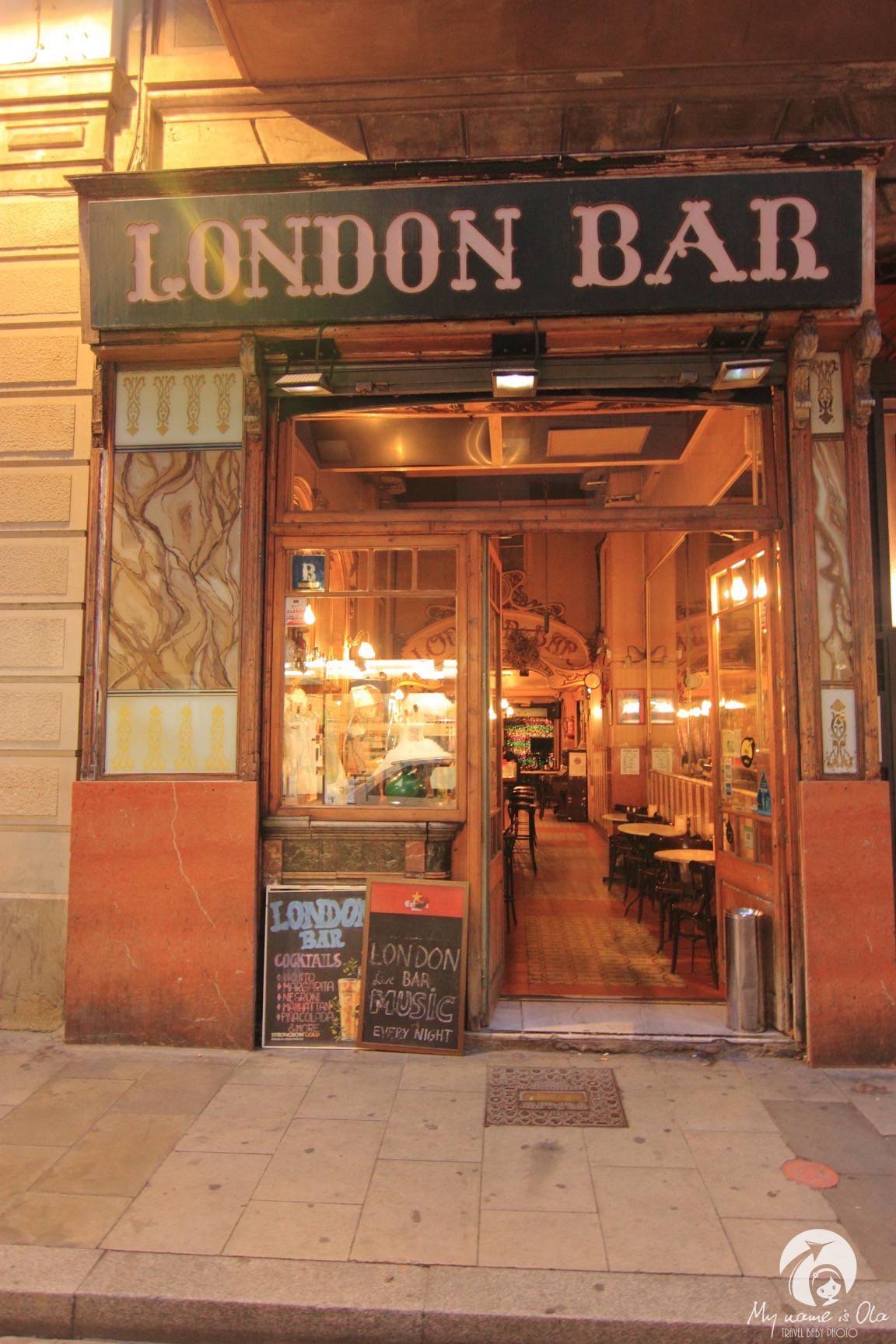
There is such place in Barcelona, a place off the main touristic route, a place where closing your eyes you can get transferred almost 100 years back. It’s London Bar, a pub loacted at Nou de La Rambla 34, not far from Guell Palace.

Barcelona
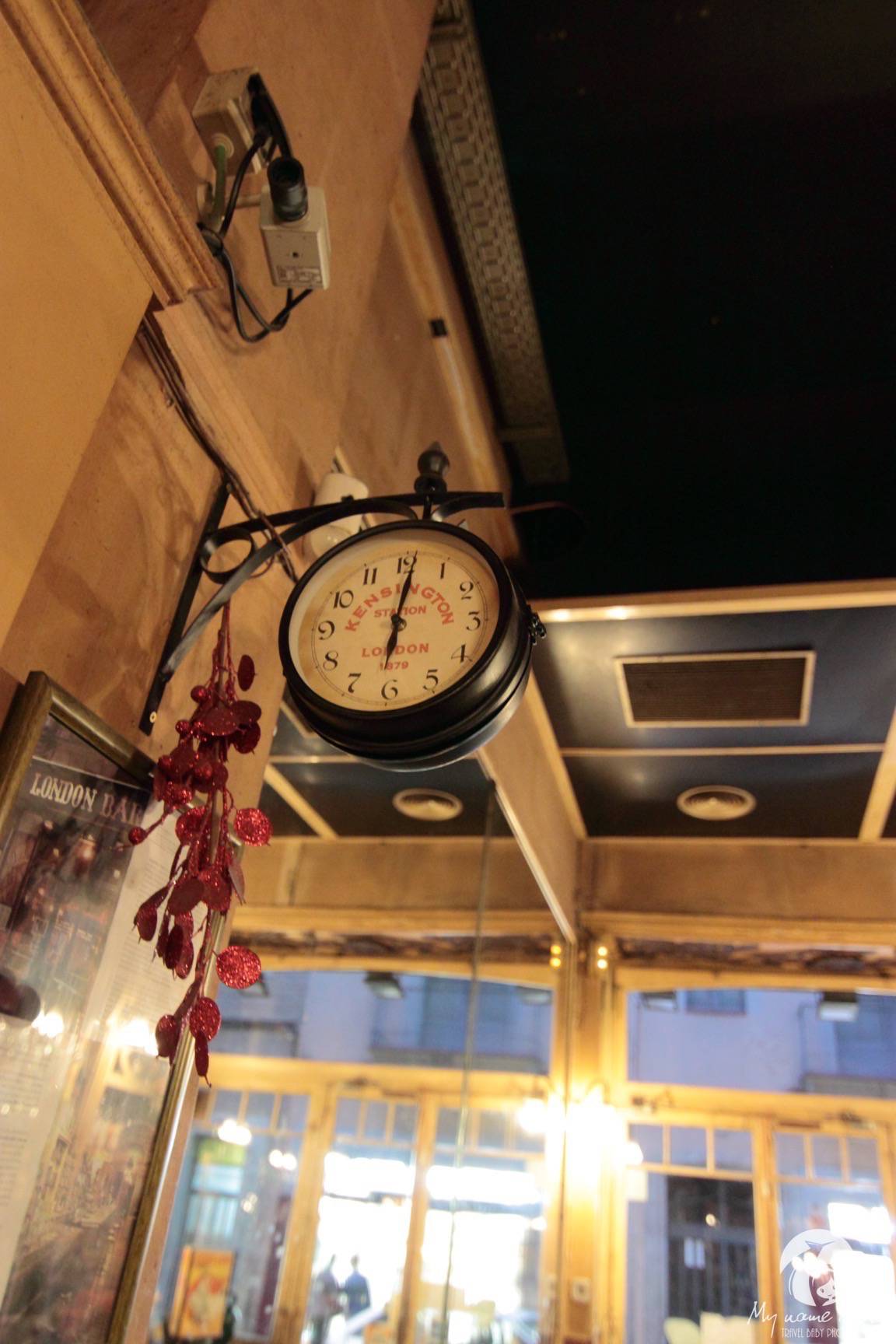
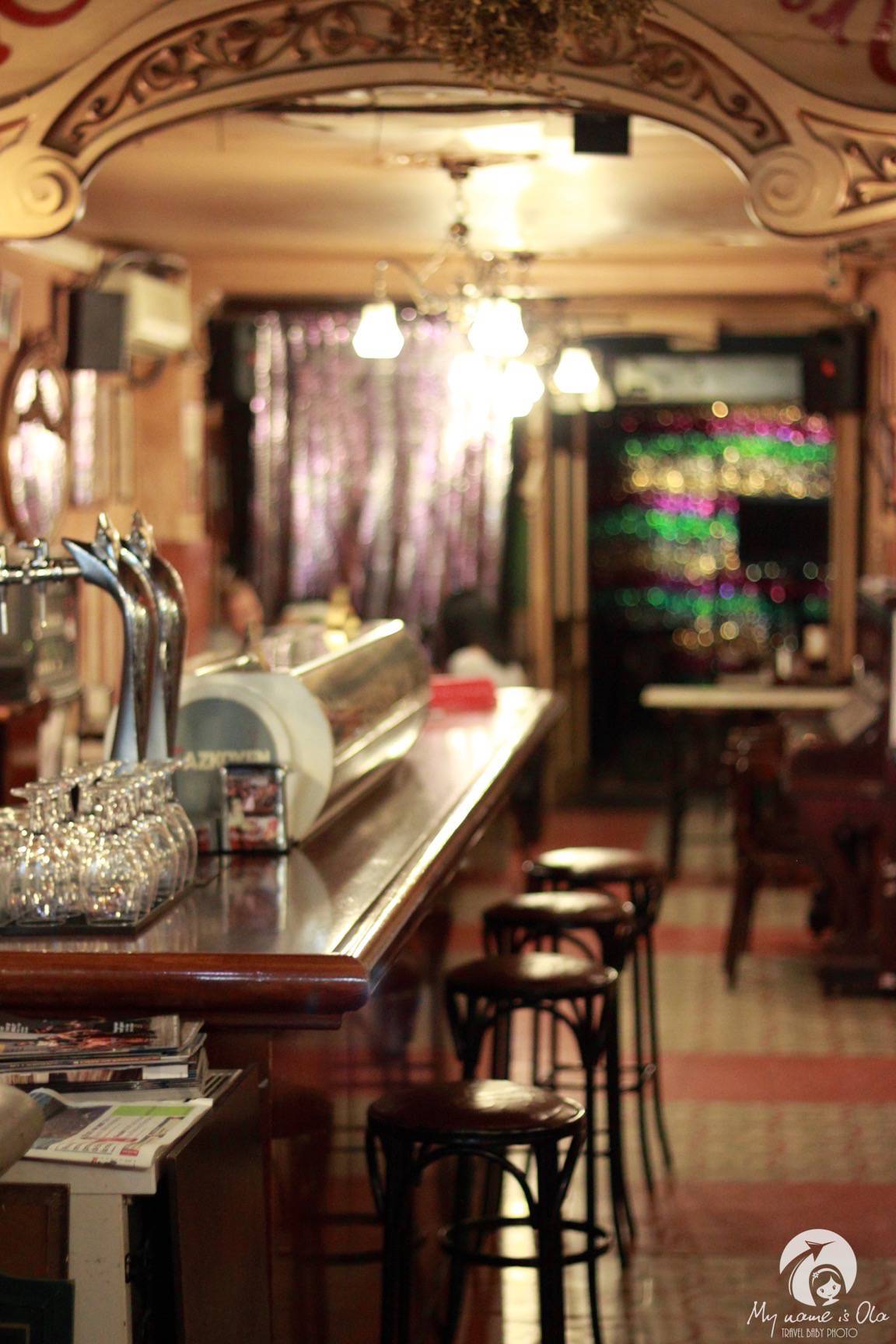
It’s been there since 1910. Its interior has not been renovated recently and we can find there old equipment, wall decorations, even floor tiles reminding of the times when artistic bohema was poping in there.[photosetgrid layout=”3″]

BarcelonaBarcelonaBarcelona[/photosetgrid]It has always been a special place, with some kind of spirit that brought artistic souls there. Imagine only that on the same place you are sitting now there used to sit Hemingway, Orwell, Picasso, Joan Miró, or Dalí.[photosetgrid layout=”2″]

BarcelonaBarcelona[/photosetgrid]

Stuff is friendly and outgoing what creates still special atmosphere in the place. We got there right after opening, at 6 o’clock, and found already some loacals having their favourite drinks at the bar. Only couple of tourists looked inside. We wanted to feel like the Catalonians and had some tradiotinal drinks. Salut!BarcelonaBarcelona

changeplayfoodseat

READ MORE
Our top 7 in Barcelona
Visit to La Pedrera with the baby
Saturday in Barcelona

BlogNa stole

7 things you have to try in Georgia

22/10/2014 — by admin0

Georgia169-1024x683.jpg
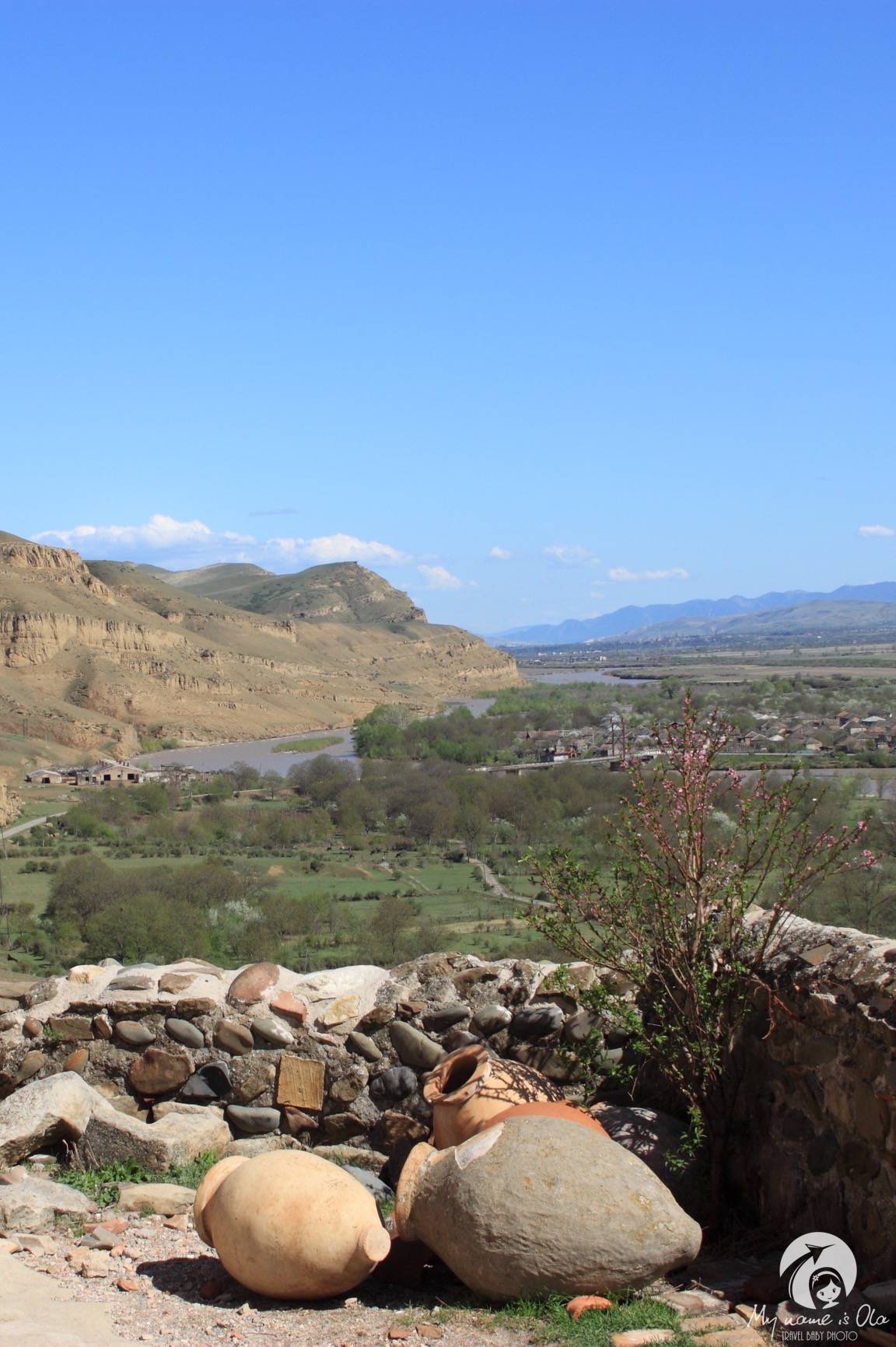
  1. Wine – first and the most characteristic produce of Georgia. Georgia declares itself as an origin of wine 7000 years ago. They developed a special production method using clay jars called kvevri. It’s even added to UNESCO Intangible Cultural Heritage List.
    [photosetgrid layout=”2″]
    GeorgiaGeorgia[/photosetgrid]
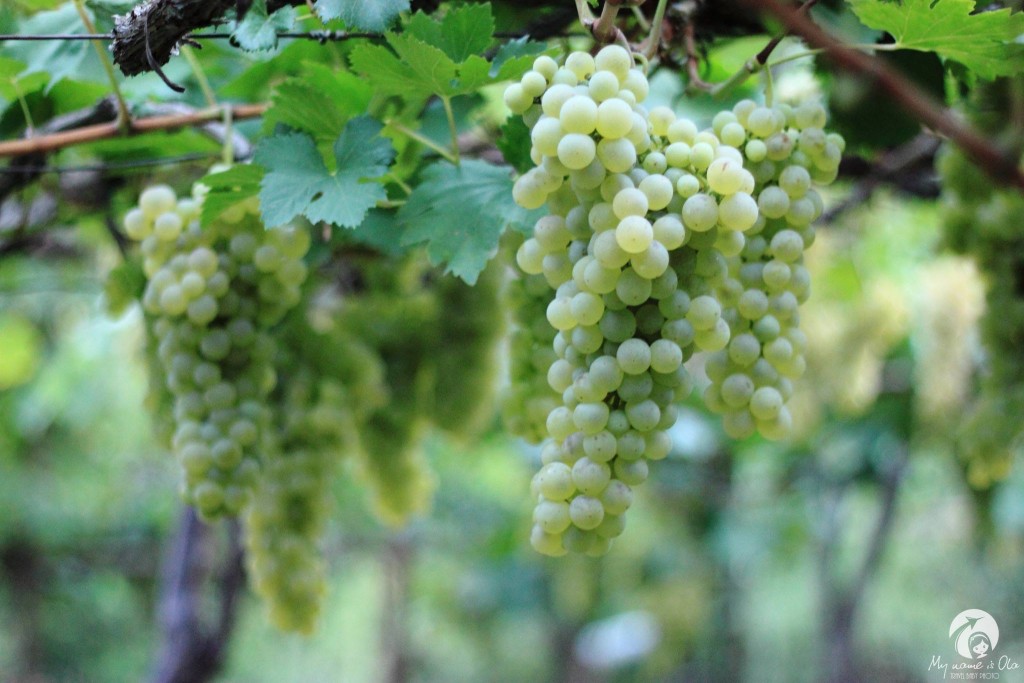
    Almost all teritories of Georgia are wine producers. Starting of course from Kaheti (leading in terms of volume) in the east where harvest starts in the first half of September until the republic of Abkhazia in the west where the pick up can be even at the end of November. Georgians developed around 400 different types of grape varieties that are grown exclusively there. Another thing are wine types which usually contain a mix of different grape types. The flagship type of Georgian wine is Saperavi, an obligatory position in the offer of each respectable georgian winery. Other popular varieties are Kindzmarauli and Pirosmani. More about wine – here.
  2. Cha-cha – another product of grapes. This time using leftovers from vine production. This is a type of moonshine with 45-60% of alcohol. It’s produced at homes – it is completely legal traditional product. Strong as hell, often served in bars like tequila, with lemon. Of course it is also produced by professionals and sold in stylish bottles. And it tastes more or less like that:
    chacha3 chacha5
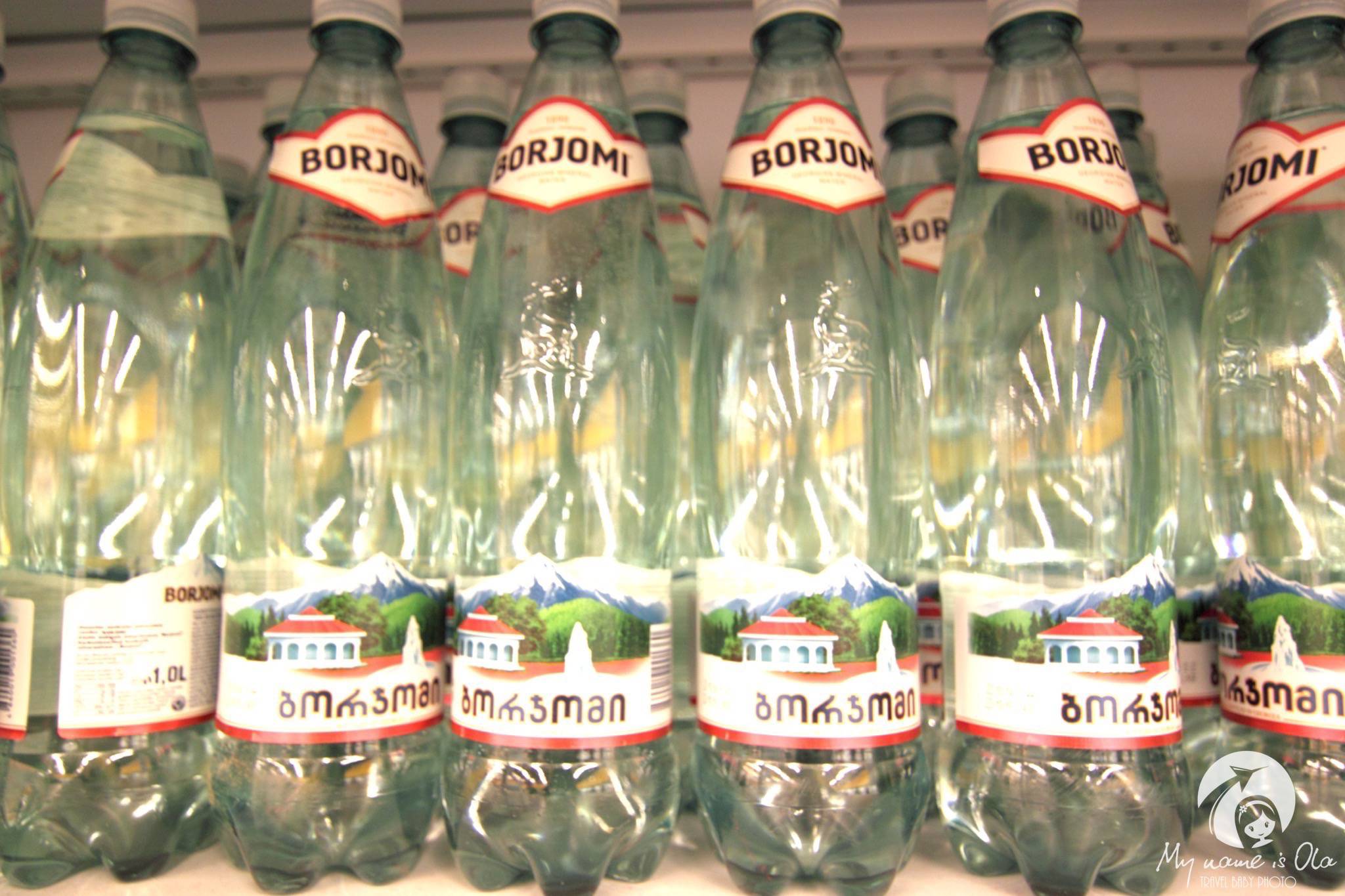
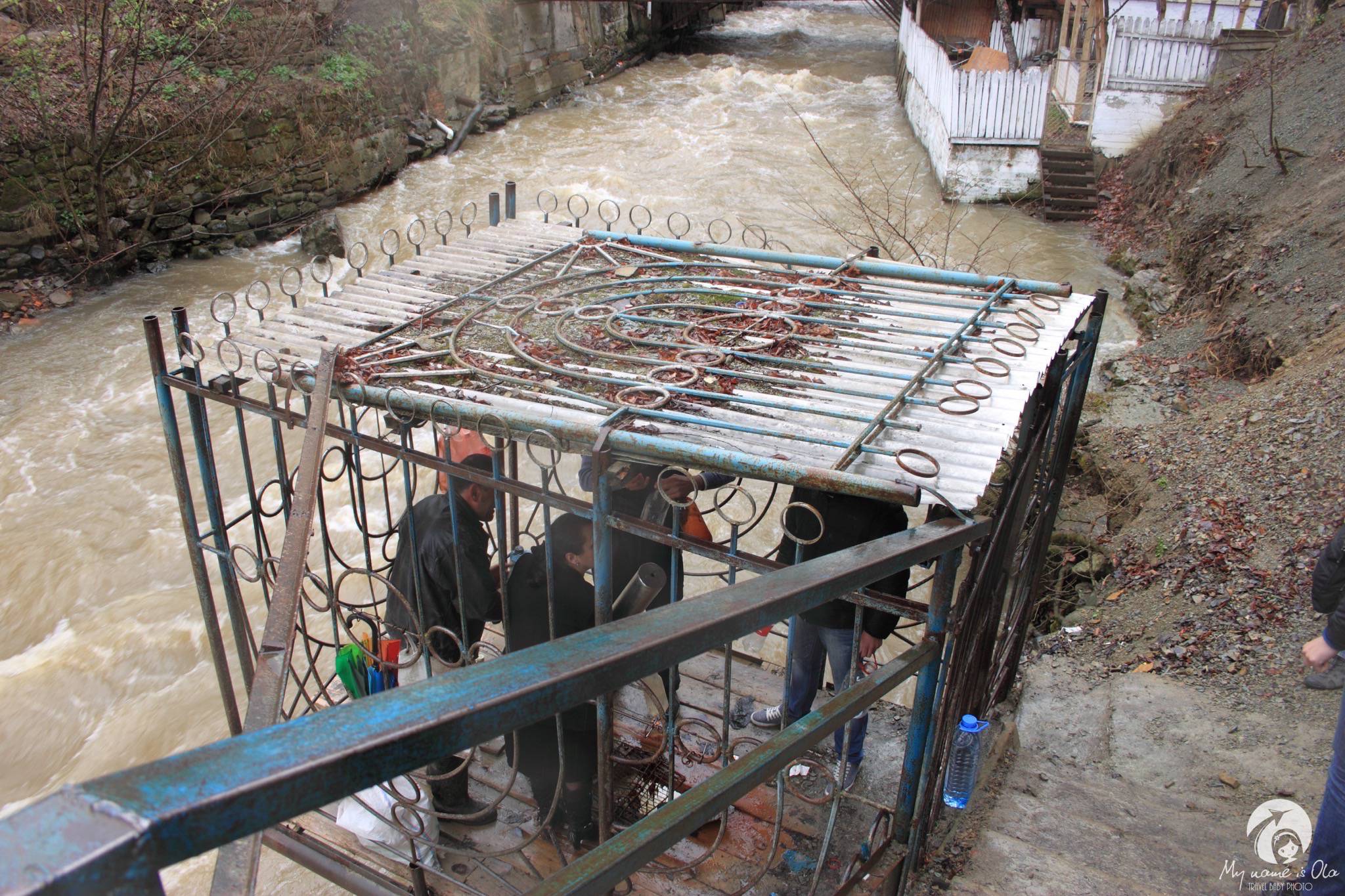
  3. Borjomi – mineral water, naturaly carbonated, cures stomach problems, diabetes and other diseases. Rich in minerals has a specific taste and smell, possible to drink only when cooled. It’s dad’s favourite, while mom just cannot look at it.woda1 The city of Borjomi where the water originates is a spa resort, worth visiting and driking some water straight from the spring. The water used to be drawn straight from the river from a makeshift metal cage. Today the center of the town is modernised and is more visitors-friendly.Georgia175
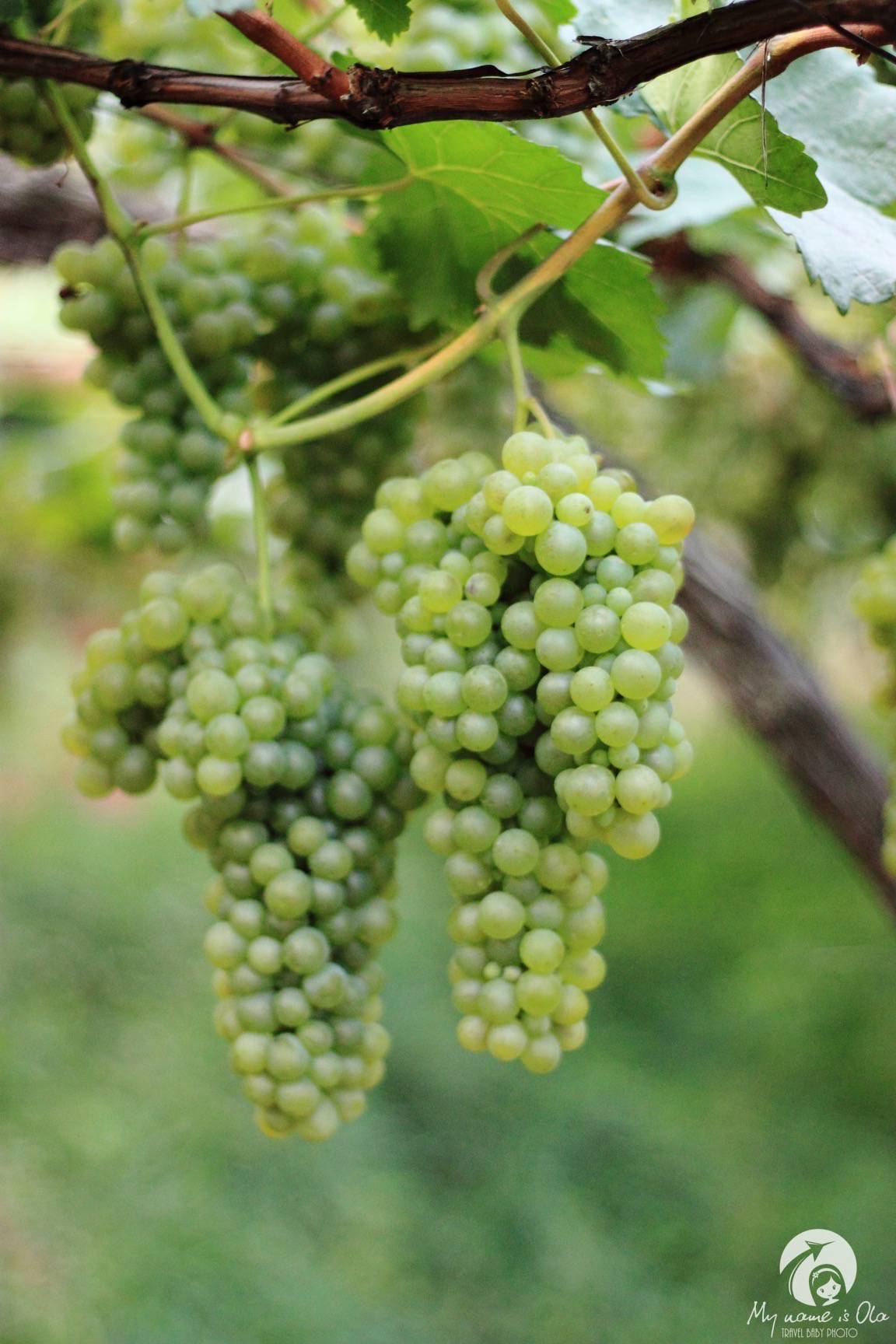
  4. Fresh fruits – warm climate of Georgia lets grow many kinds of fruits and vegetables. The most common is of course grape. Red and white, all very very sweet and delicious. Besides wine and fruits themselves Georgians have some other idea for of grapes.

    Georgia

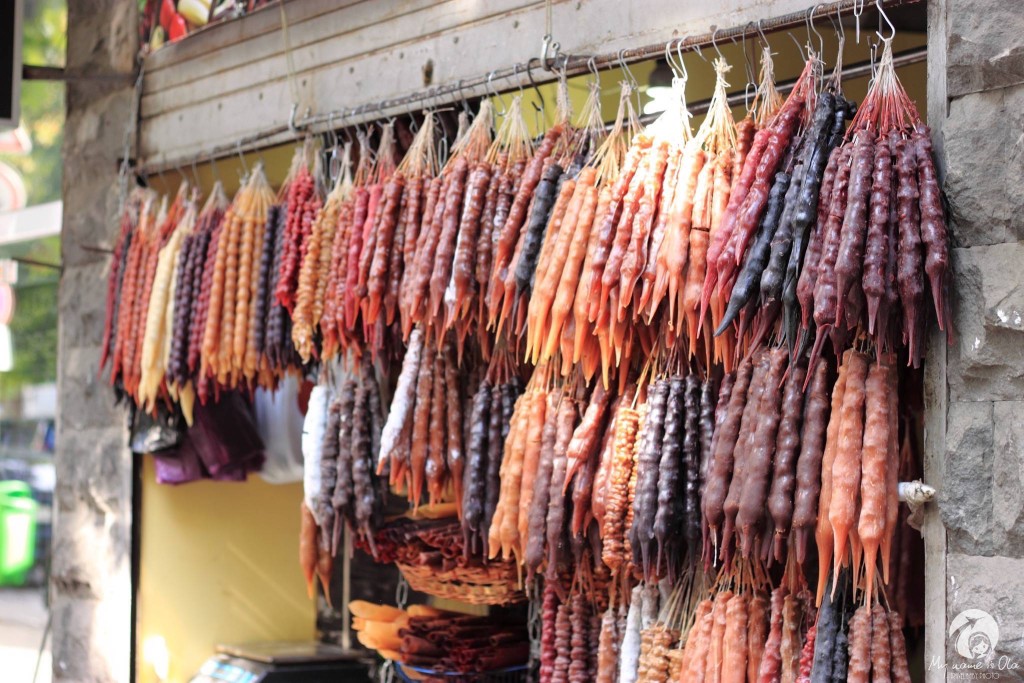
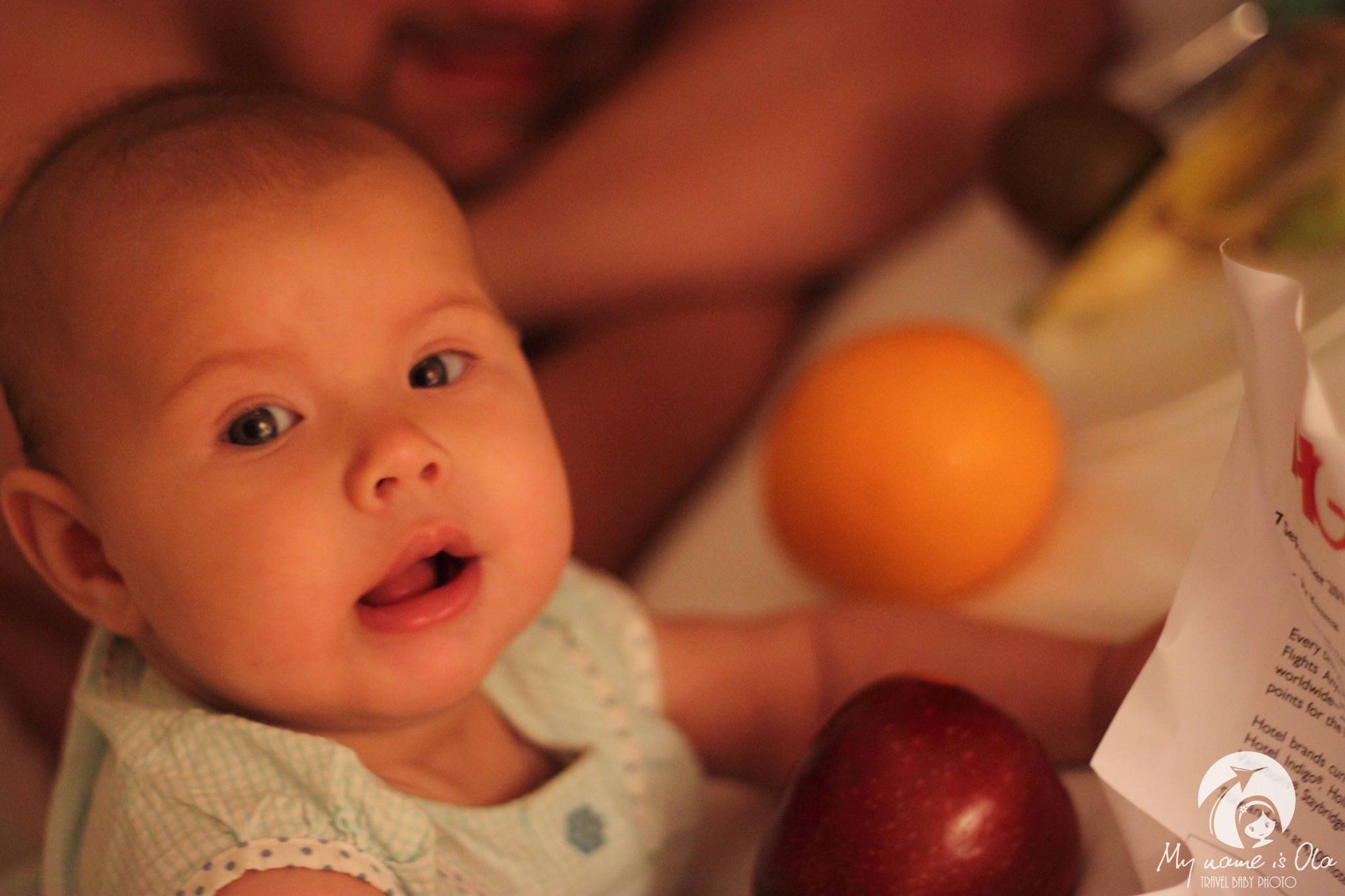
    At first sight it looks like sausage but in fact it’s nuts on a string dipped in the mix of grape and flour. Delicious! Apart from grapes Georgia abounds in other fruits. Depending on the region there are apricots, bananas, pomegranates, figs, watermelons, kiwi fruits, almonds, walnuts. All fresh, sweet and tasty. Ola liked them a lot, especialy apples and oranges. Just to play right now, she will try them next time.

    GeorgiaGeorgia

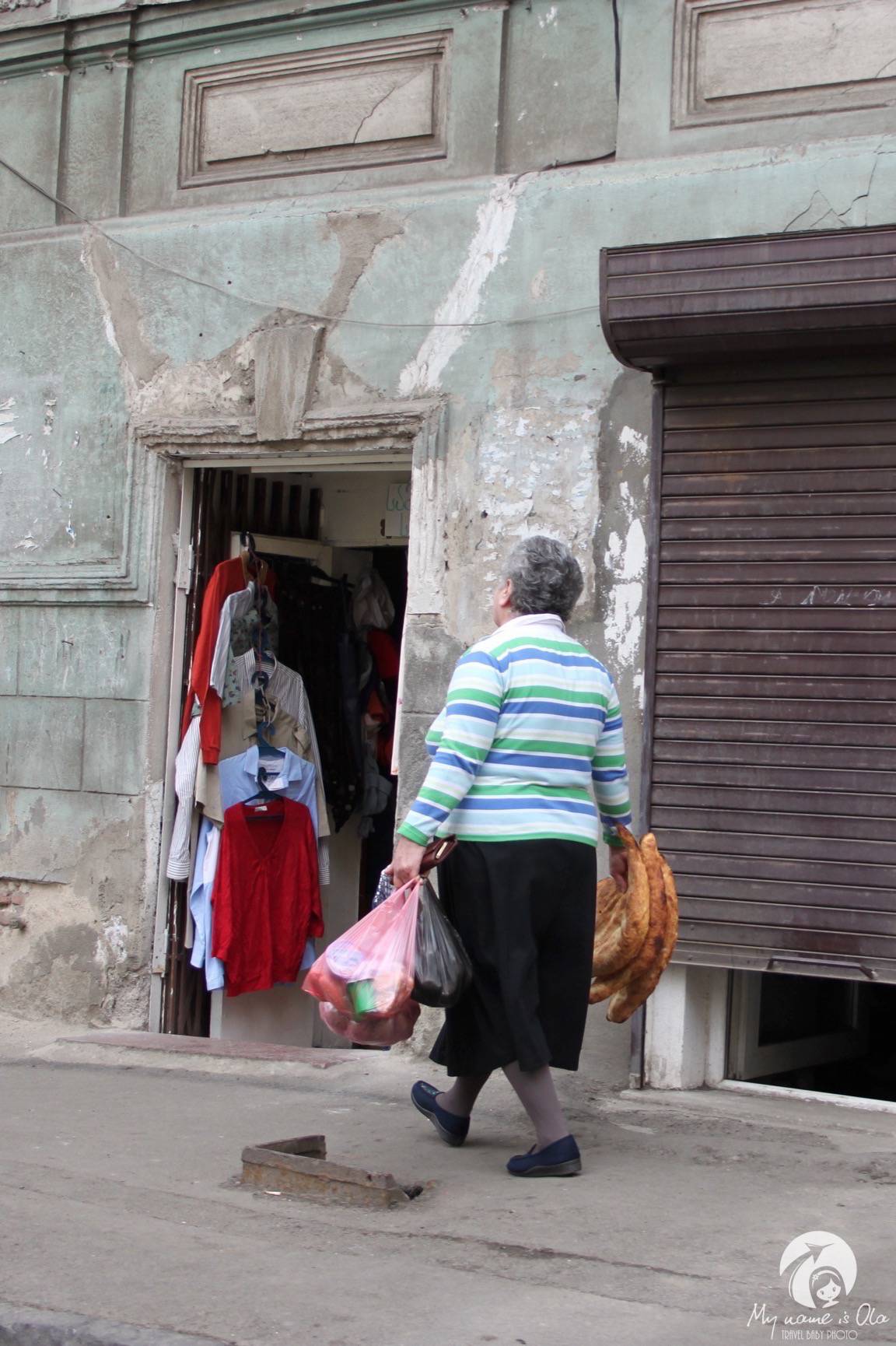
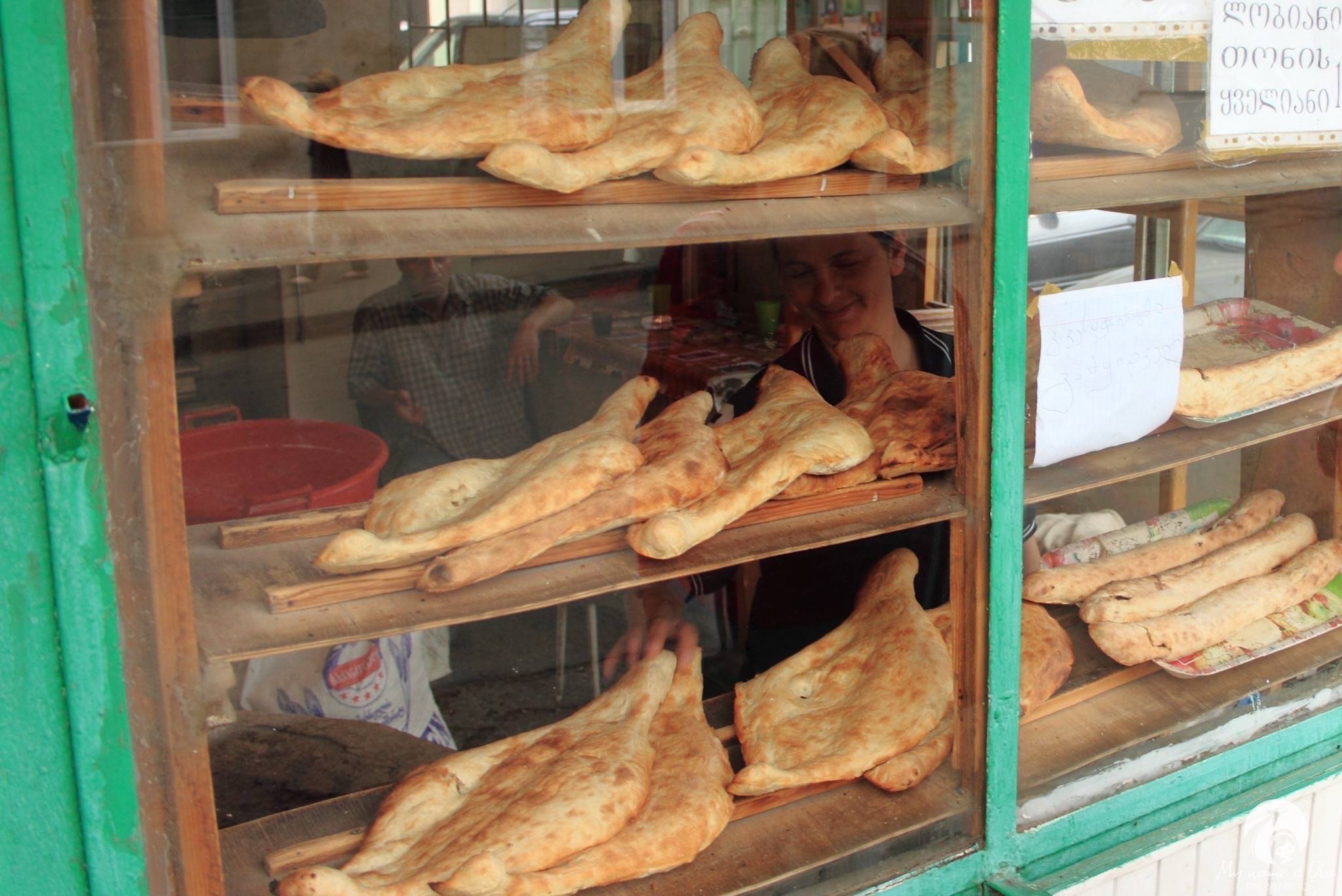
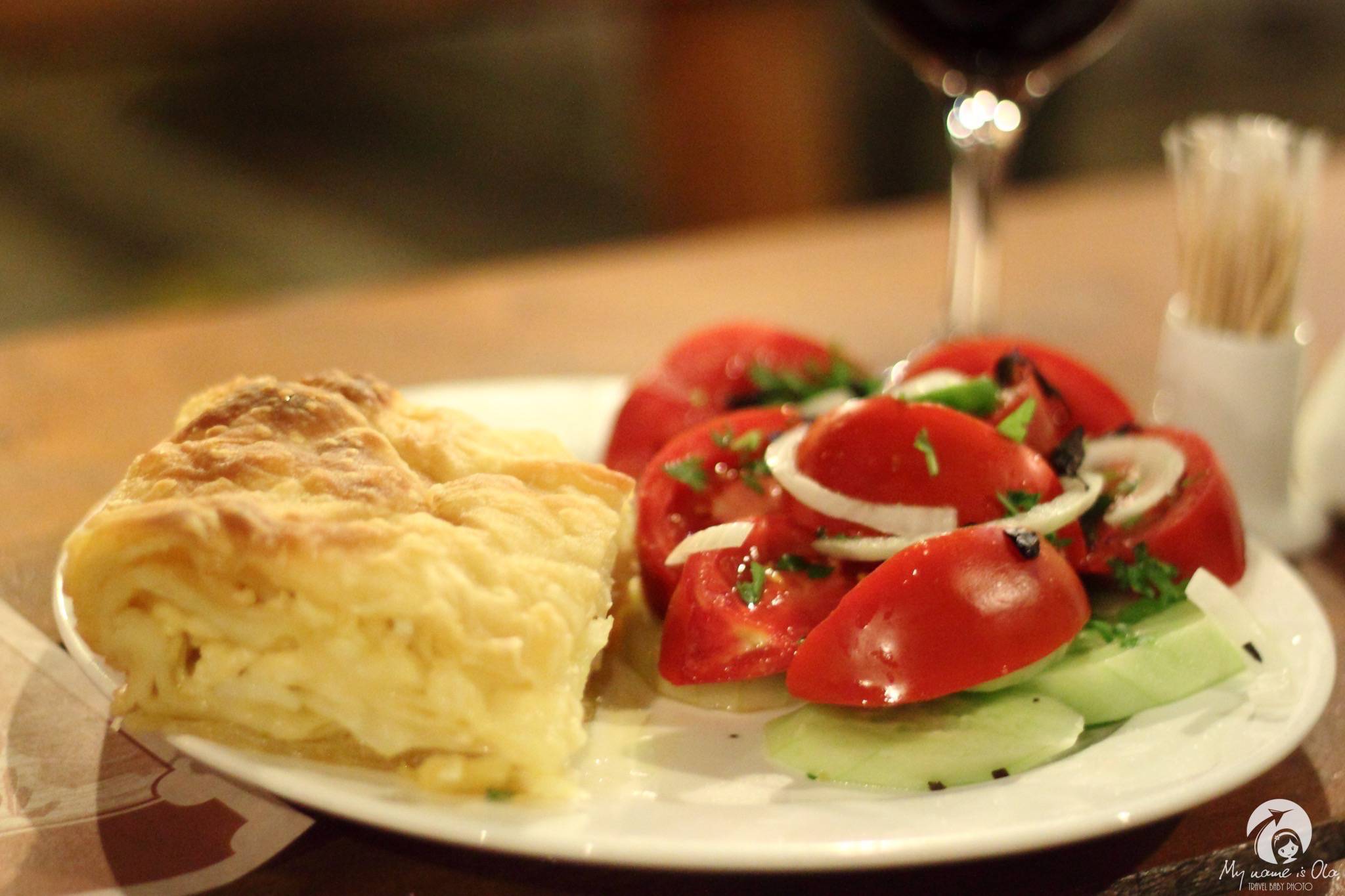
  5. Bread – Caucasian bread is different than the one we know in Europe. First of all it has another shape – it’s flat and eye-shaped. It’s not used for making sandwiches or to be cut but rather to be torn. And tastes more like a roll.
    [photosetgrid layout=”2″]Georgia Georgia [/photosetgrid]
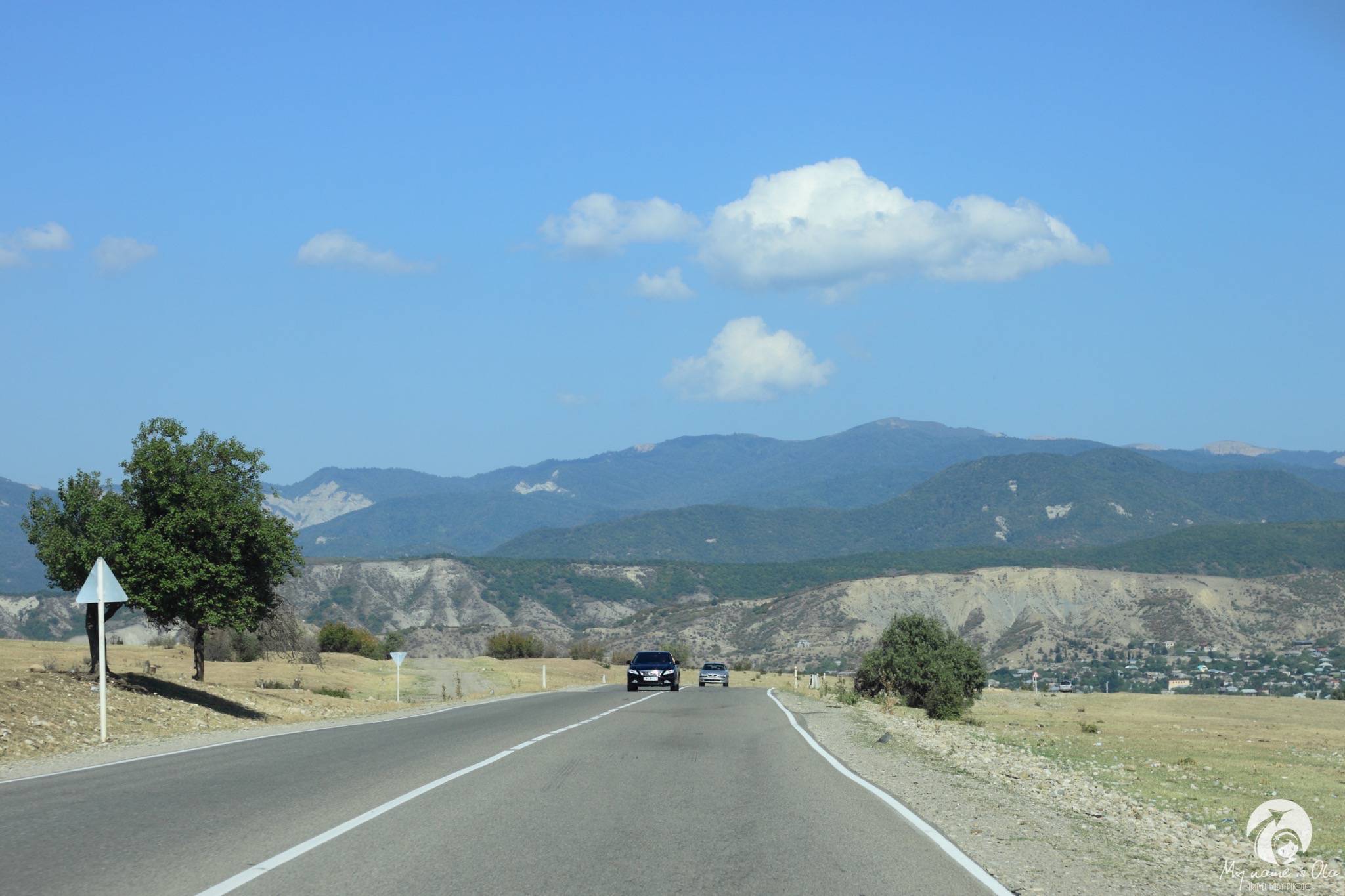
    There are some sweet variations of this bread – with rasins and cinamone. They are especialy popular by the road Senaki-Tbilisi in the mountains, before Khashuri. There is a lot of booths selling warm bread just afer the period of handicraft and motor oil zone. Just have to stop there and give it a try.
  6. Khachapuri – a type of pie or bread, filled with cheese, sometimes with added potatos or eggs. Don’t be surprised when ordering khachapuri in different places you will get a different meal each time. Pay attention to what kind of khachapuri is there on the menu. Our favourite is adjarian one – with cheese and egg with butter on the top, all shaped as a boat or an eye.

    Georgia162Georgia165Other kinds are also named from the region of their origin: Mingrelian, Imeretian, – round and flat, the most popular type, Ossetian, Svanuri, Rachuli, Phenovani, Abkhazian (multilayer). This is one of our fist choice dishes as it looks unusually, tastes great and it’s alway safe because in any variation it  contains meat.
    I think it was Ola’s first bread she ever tried – a dough from khachapuri. She seemed to like it.Georgia167
    And it was the time when she started being interested in what’s on the table. In Georgia you can always count on help when you are with a baby. „You eat, I will take care of the baby” we hear the waitress reaching for our girl. Never in our lives we have eaten faster.
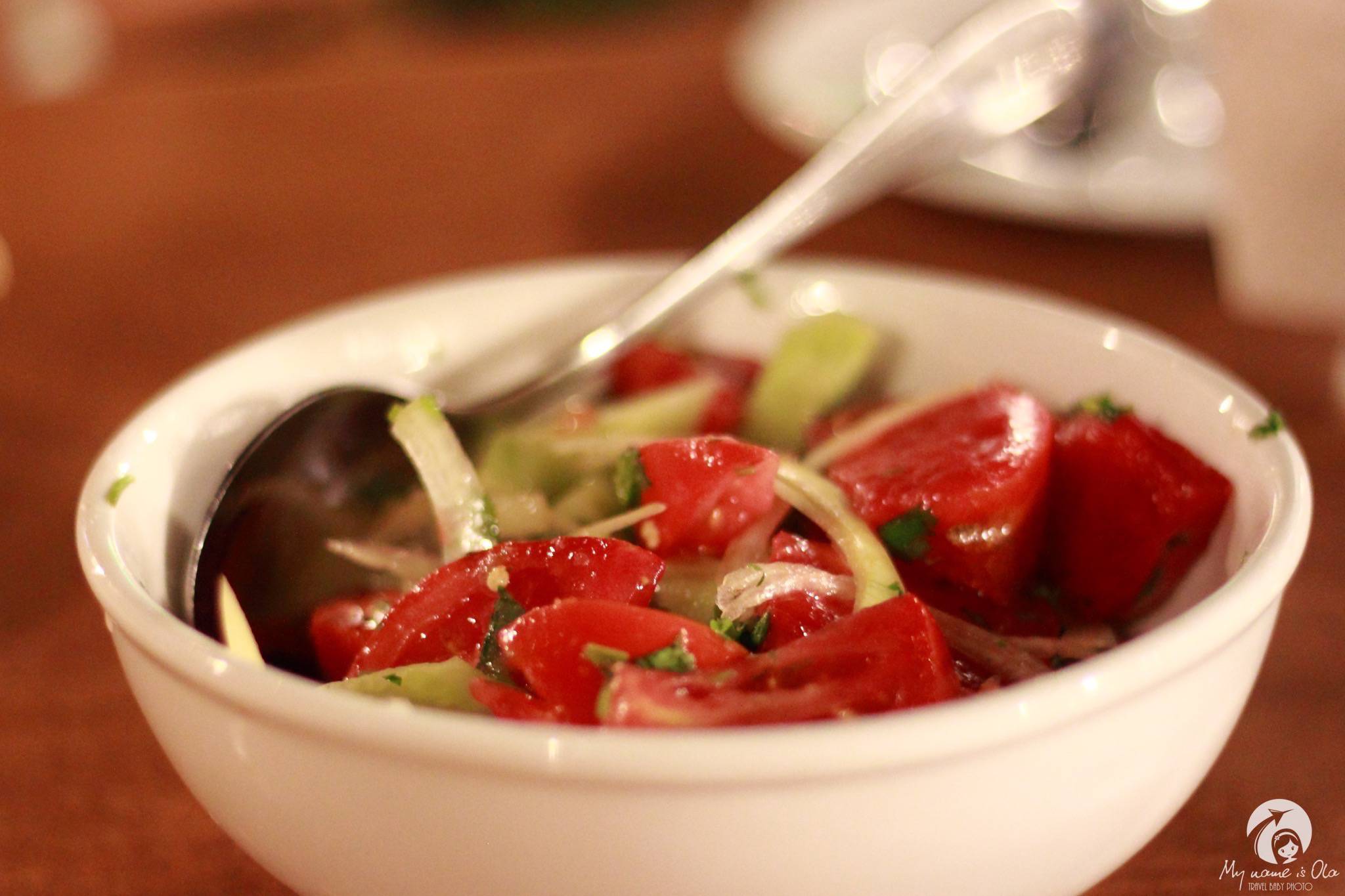
  7. Salad – very well accopmanies khachapuri. Basic Georgian salad is simple and if made of fresh produce, of amazing taste. The recipe is simple: fresh cucumbers, tomatoes and onions, seasoned with fresh parsley. Of course many variations have developed, starting from garnishing with purple basil, adding green pepers, to the types with cheese or with walnuts (sauce of walnuts, ground coriander, garlic and vinegar) but the basic version is our favourite.Georgia159 Georgia166Georgia171
    Meat-eaters will probaby by delighted with Georgian shashlik. Usually made of pork or chicken. Barbecue is highly prcaticed method of meet preparation especialy for some holidays or other family feasts. We cannot say anything more cause we don’t eat meat but our friends are huge shashlik fans.


READ MORE
How to make friends with Tbilisi
Georgian ambrosia – our wine stories
Georgian Colchis: from Argonauts to Chiatura

BlogNa stole

Georgian ambrosia – our wine stories

22/10/2014 — by admin0

Georgia149-1024x683.jpg

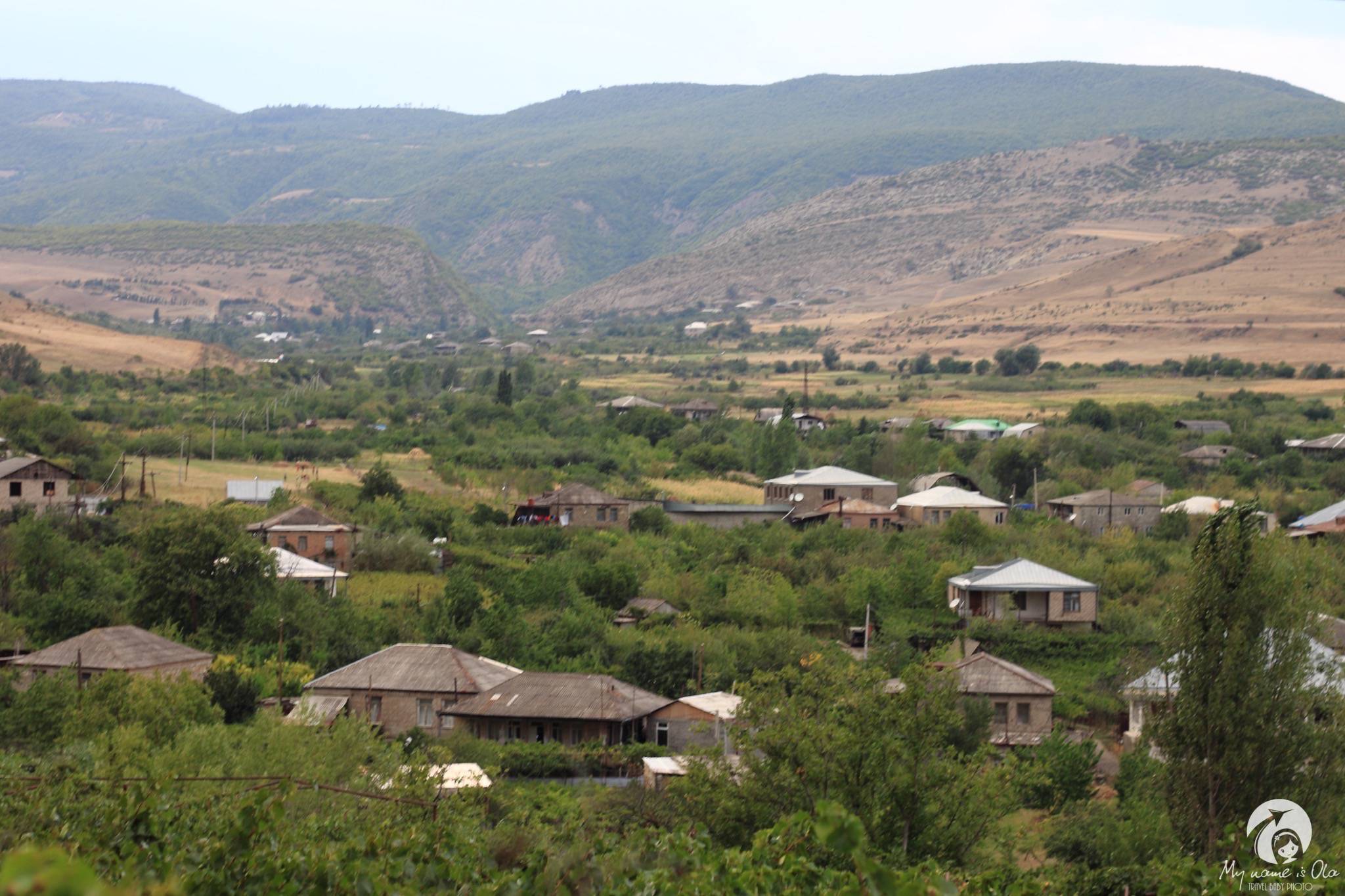
What product is Georgia most famous for? Right, it’s high quality wine. Right after Borjomi water or maybe before… Anyway Georgian climate and landscape is a perfect condition to grow grapevine. Some say that it’s Georgia where wine was invented thousands years ago.

So what is the best time to visit Georgia because of wine? Wine you can try anytime but September- October give the possibility to witness the harvest.

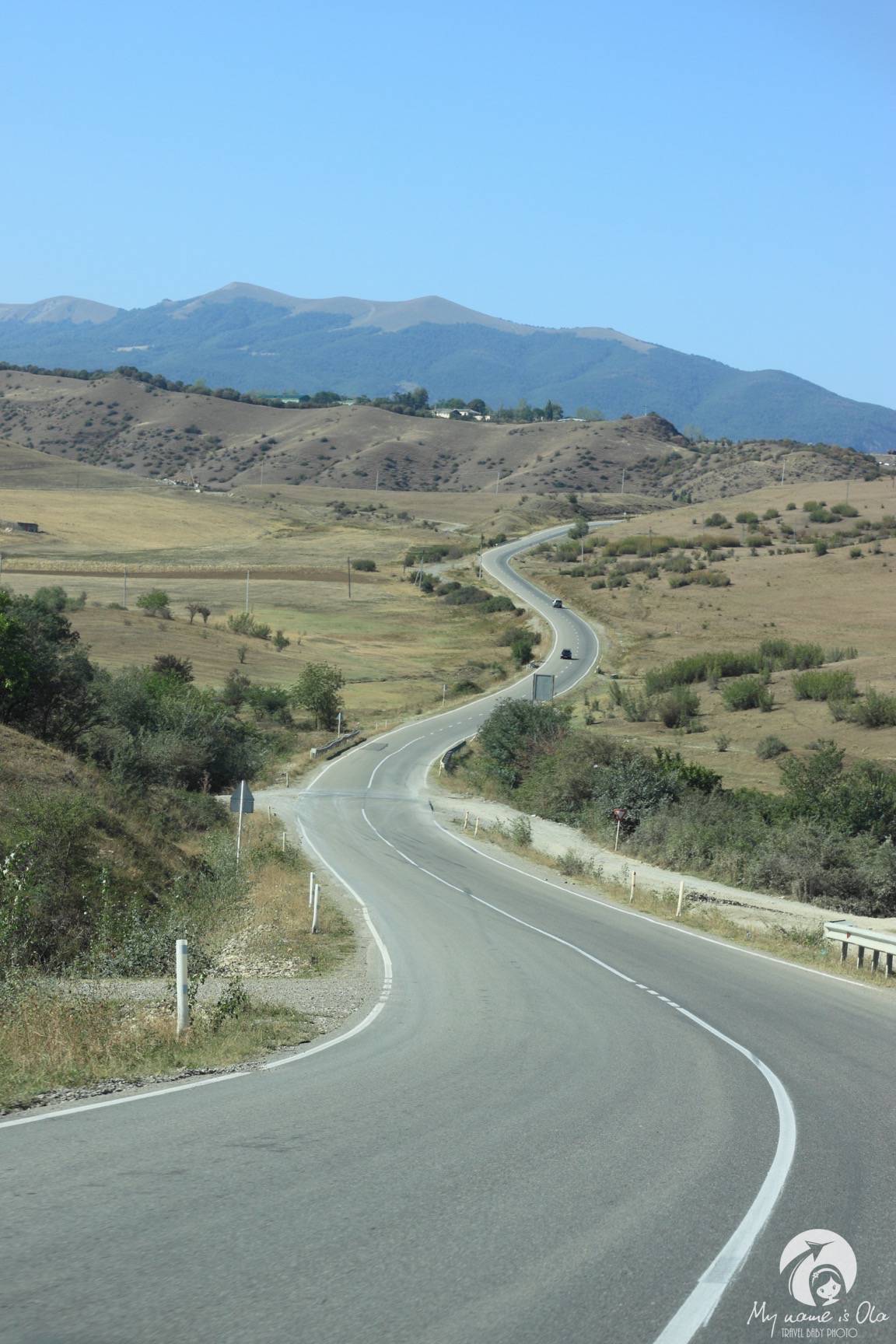
The most famous for wine region of Georgia is Kachetia. It’s east from Tbilisi. 100 km away from Tbilisi is situated its capital Telavi. Views on the way as always beautiful.

[photosetgrid layout=”12″]GeorgiaGeorgiaGeorgia[/photosetgrid]

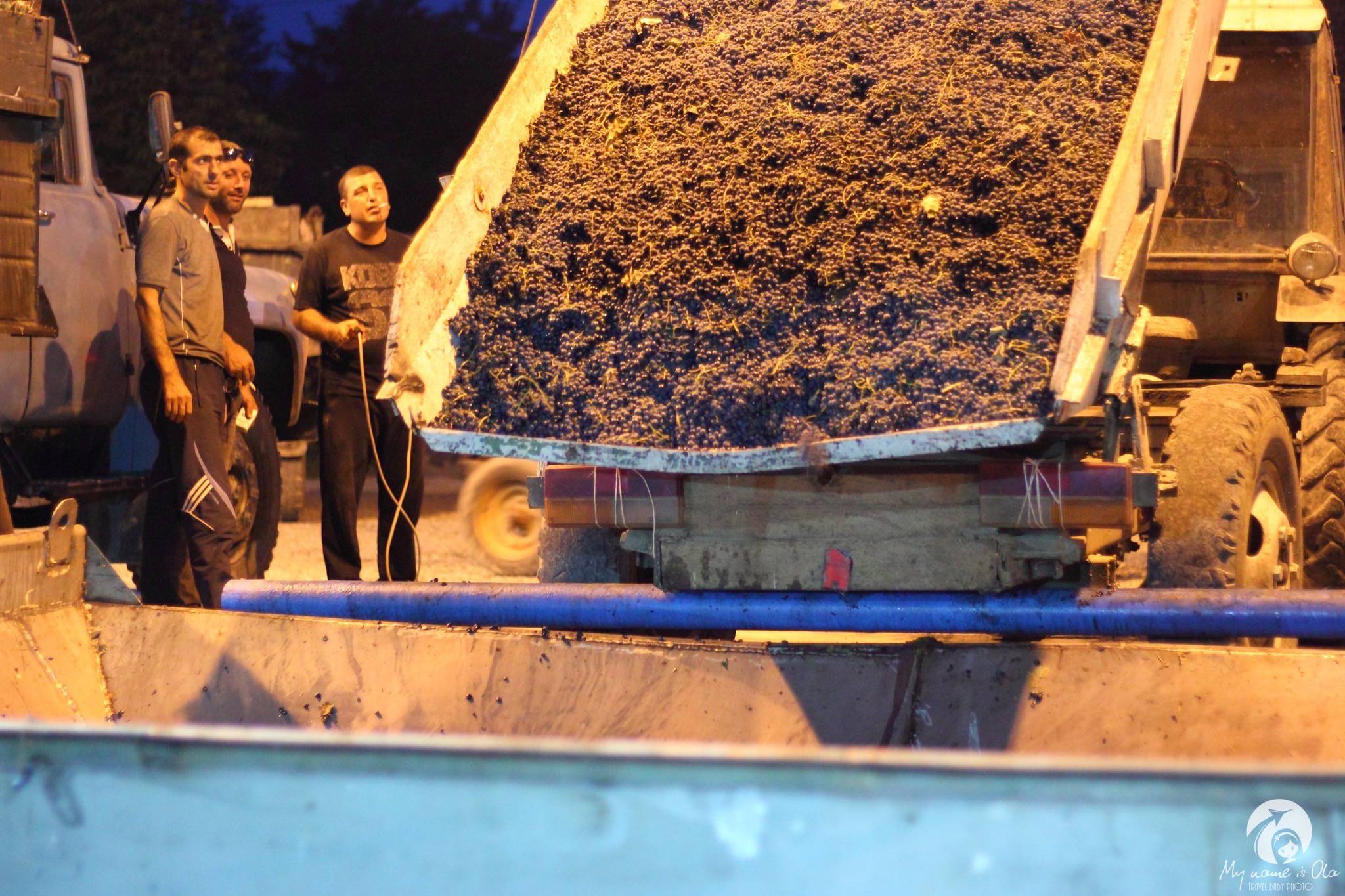
In this part of country the harvest might start even at the begining of September. It’s very sunny and grapes  ripen very fast. At the beginning of September we found on the streets trucks full of grapes going to factories to sell their fruits.

Georgia131

In front of local factories there are lines of hundreds of trucks, tractors and other vehicles. All full of grapes, mostly dark, small but very very sweet grapes.

Georgia137

The whole work in the factory starts in the evening when the fruits are picked and loaded on trucks. So in the peak season they dont sleep at night for weeks. Despite so much work Georgians will always find some time and attention for others. We were let to the factory and shown the process of receiving of fruits!

[photosetgrid layout=”4″]

Georgia133Georgia134Georgia136Georgia111
[/photosetgrid]

When in Kachetia they are having hard time working, west from Tbilisi farmers are still waiting for the friuts to ripen. They might start harvest even in the middle of October. By that time they are happy to welcome visitors.

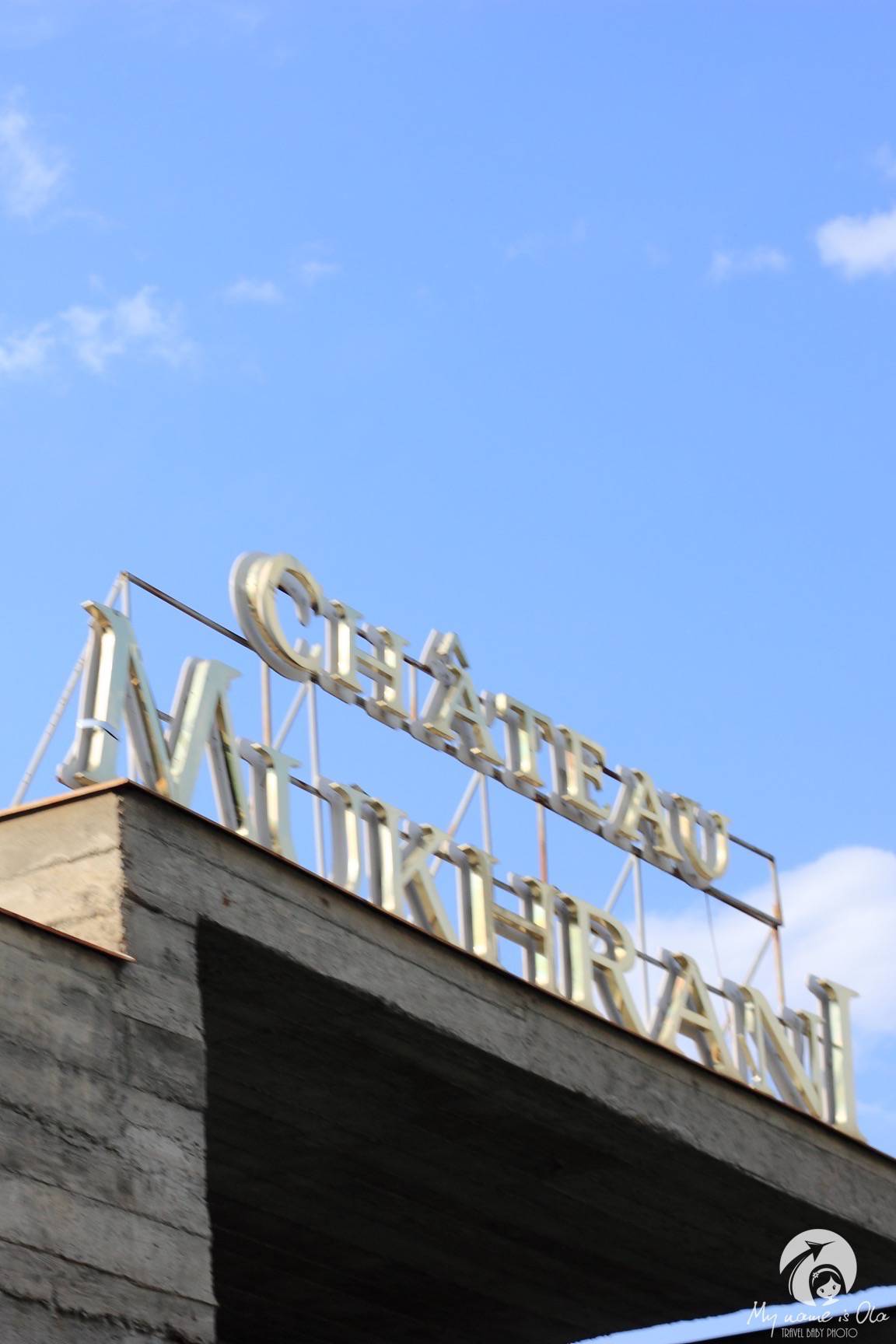
To learn about the history and wine production we took a guided tour in Chateau Mukhrani winery.

[photosetgrid layout=”2″]Chateau MukhraniChateau Mukhrani[/photosetgrid]

This is a vinery factory owned by multinational group of people. Indeed a good place to learn about wine because although they currently don’t use traditional Georgian way of production, they have an exhibition that lets familiarize with it.

They offer guided tour including testing of 4 wine types for 35 lari, unless you are a brestfeeding mother/ driver and pay 20 just for the tour.

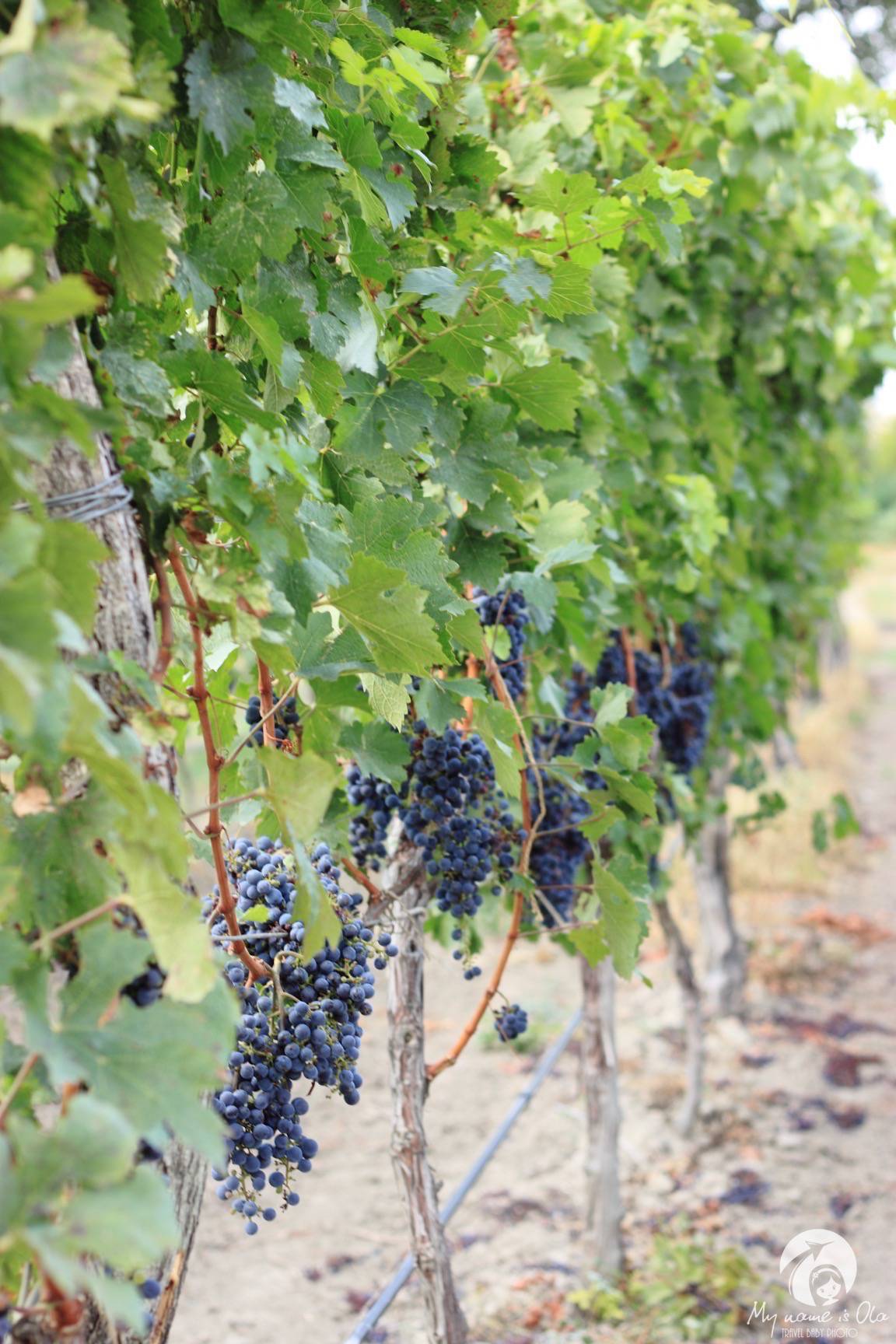
Chateau Mukhrani owns 100 hactares of vineyards, carefully planted and looked after.

Georgia141

Georgia140

One of their secrets is cuting bunches of wines if there are too many on one plant to provide each little grape maximum benefit from the soil and from the sun. Those that were cut lie under the bushes.

Georgia113

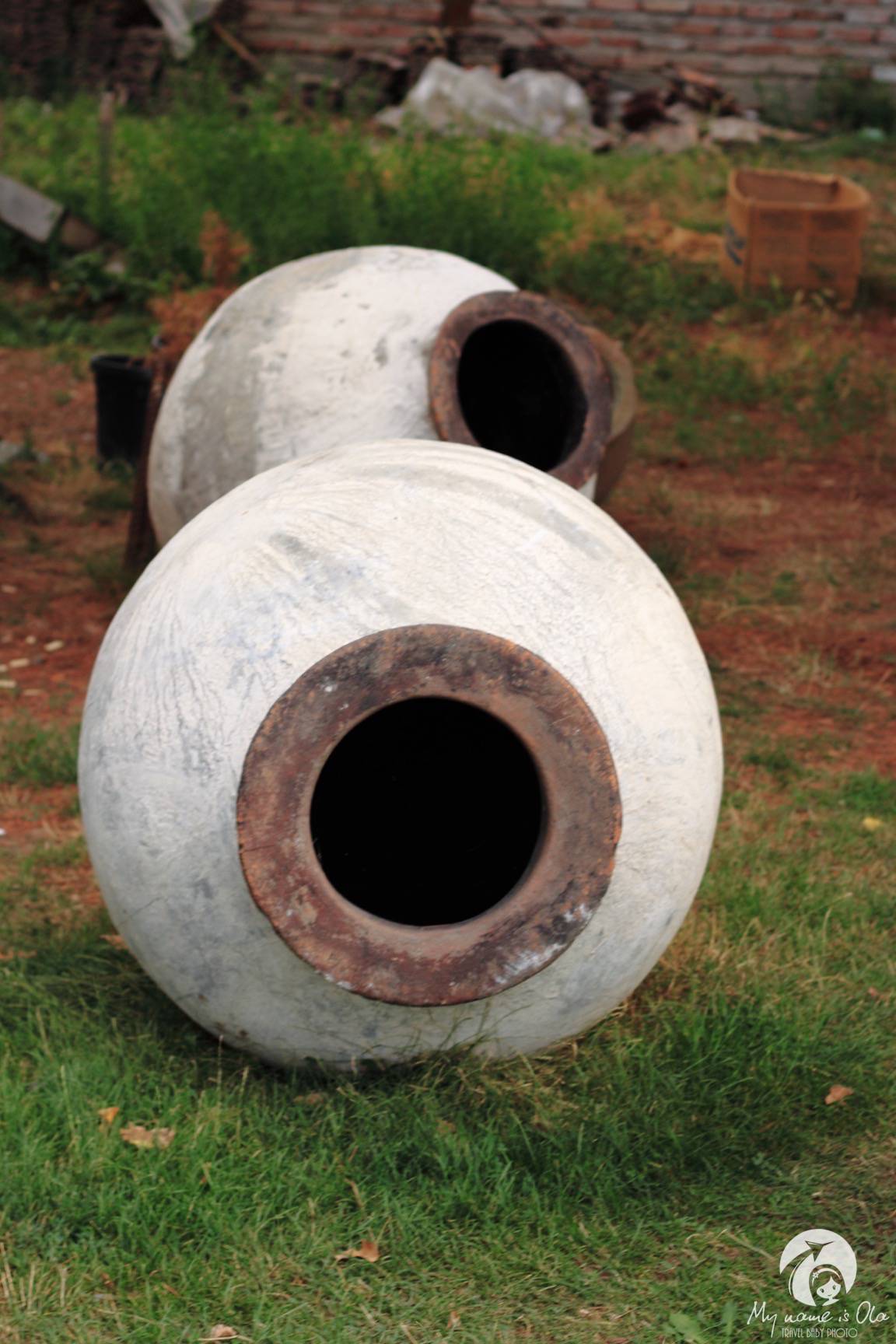
Although they produce wine in modern way, they are planning to set up production in old Georgian tradition. For the time being we can see old kvevris exhibited in the castle’s cellars. Kvevri is a storage vessel, a jar which was used for wine production.

Georgia120

That Georgian production method involves puting grapes and juice together to those kvevris buried underground so that only the hatch was visible. Process is controlled with the usage of special tool on the stick used for getting the wine out of kvevri.

[photosetgrid layout=”3″]Georgia115 Georgia117 Georgia116[/photosetgrid]

Continuing the tour we were taken to the cellars where the wine matures in oak casks.

[photosetgrid layout=”3″]Georgia144Georgia118Georgia143[/photosetgrid]

We finished with tasting of 4 main types of Mukhrani wines. Fast, as Ola and mom got only to smell the glasses. Tasting and the whole tour is well prepared, everything is very professional, well arranged with fluent English speaking guide! It was pleasure to visit them.

But real adventure waited for us few kliometers further, near the city of Gori. Following the signs of wine route we arrived to the village Ateni Sioni. Not without problems of course. We got totaly lost in Stalin’s town – Gori. Local men asked by driving mom for direction turned out to be very helpful, right after asking „Yhy, ok, where is somebody to whom I can explain?” Probably only man was a partner to talk. Finally we reached the village of Ateni.

Georgia145

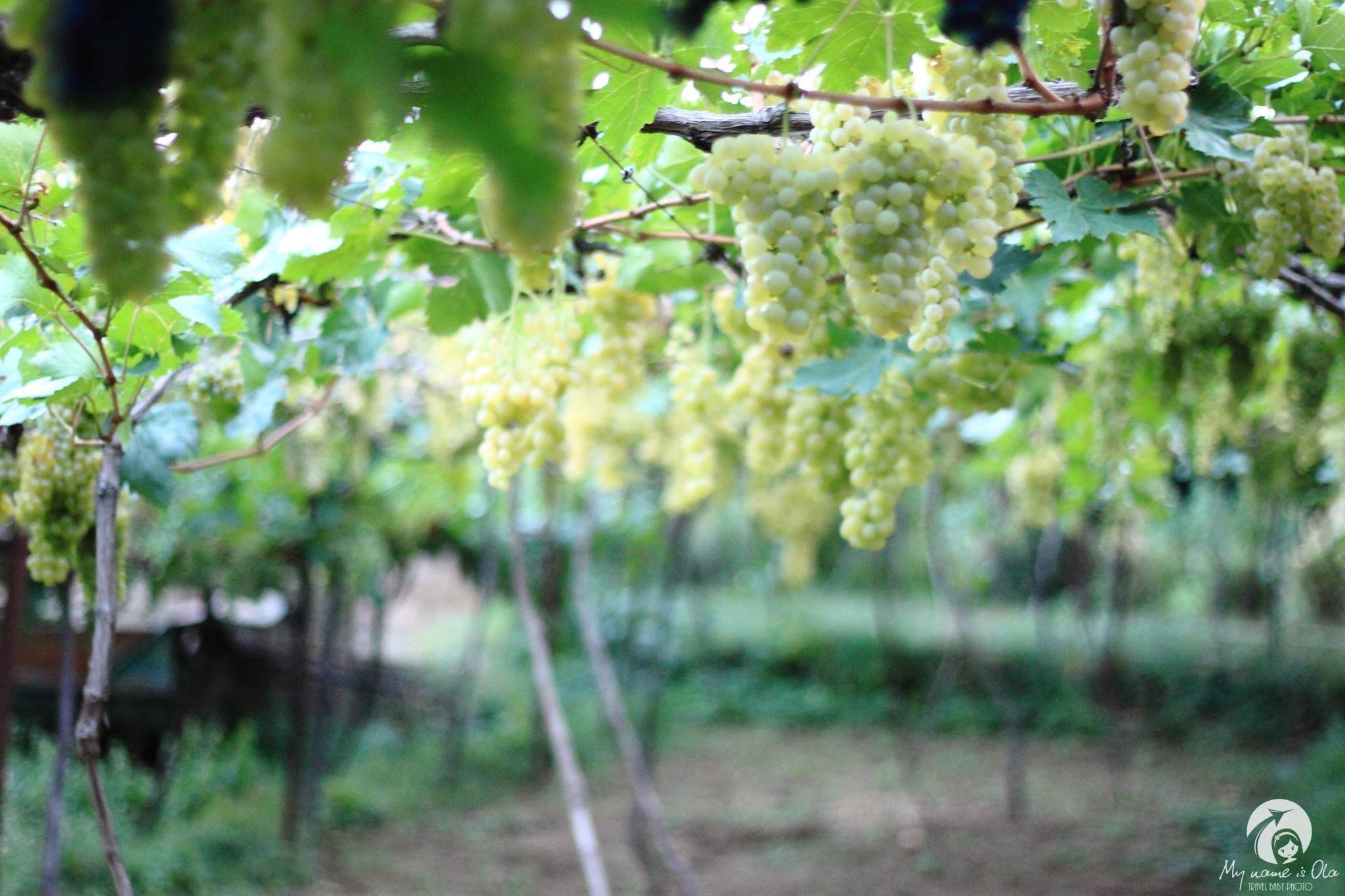
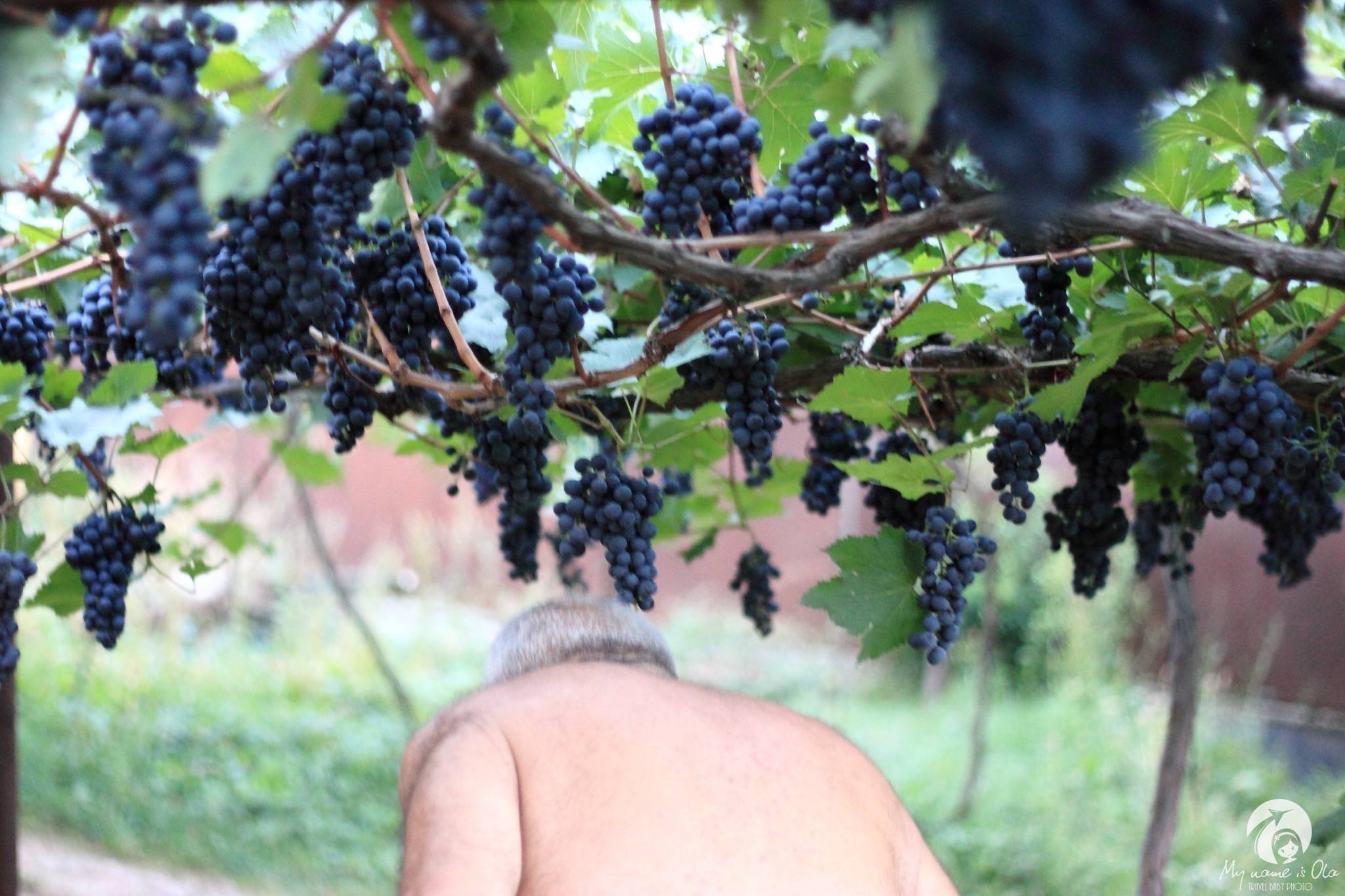
And found a house tagged as Old Wine Cellar. House was closed, nobody aroud, silence. While Ola was eating her dinner in the car, dad went to look around. It didn’t look from the road like there was anything going on in the neighborhood. We were just dissapointed and getting ready to leave when we saw somebody going out of home. And that’s how we met Temur, a head of family and the owner of the old wine cellar. In the first way he took us to his vineyard. Suddenly we found ourselves under a roof of grapes. It’s the first time we saw vines growing this way. The impression was amazing, as far as eye can see there were all grapes hanging from the vine. Following housholder we entered to this magical land.

[photosetgrid layout=”24″]Georgia122Georgia147Georgia146Georgia121Georgia150Georgia148[/photosetgrid]

Straight from the yard we went to the barn, a small museum of Georgian wine manufacturing art. All items gathered there have been used by their ancestors as this family has lived there for generations. After seeing all exhibits and souvenirs we landed at the table, acompanied by other family members.

Georgia151

Georgia152

Georgia156

Table was full of traditional Georgian homemade food: bread, cheese, pickled cucumbers and fresh friuts straight from the garden. And of course that thing that led us there – wine. Also homemade, red and white. And together with that our host turned into real georgian tamada – a toastmaster. How many times we raised our glasses, we cannot remmeber. We drank to us, them, babies, women, men, Georgians, peace, love and so on. Finally we were even offered chacha, local homemade vodka, or more than vodka cause 60%! Dad took it with dignity but not without some difficulties.

Of course Ola was the one who attracted the most attention. She had to be carried and loved all the time.

Georgia155 Georgia153

The tradition of drinking in Georgia says that, after the toast, one has to drink whole glass at once. That’s because in the past animal horns were used as glasses and there was no way to put it aside without emptying it first.

Georgia157

After finishing all wine on the table and discussing everything that came to our minds we left previously being given apricots, couple bunches of grapes and of course another bottle of wine.

We have to addmit that wine was not particularly tasty but the atmosphere we found there, Temur’s and his wife’s hospitality and warm welcome made this night unforgetable. That was the most true experience  we’ve had in Georgia so far. This night was incredible, however dad’s next morning wasn’t easy…

READ MORE
Georgian Colchis: from Argonauts to Chiatura
7 things you have to try in Georgia
Georgia in our eyes